Why Certain Animals Gained Symbolic Meaning
Animals have been part of human stories, beliefs, and cultures for thousands of years. From cave paintings to modern flags, certain creatures keep showing up with special meanings attached to them.
But why did a lion become linked to bravery while a dove represents peace? The reasons often trace back to real observations, ancient myths, and practical human needs that turned everyday creatures into powerful symbols.
Let’s look at the fascinating ways animals earned their symbolic roles throughout history.
Lions
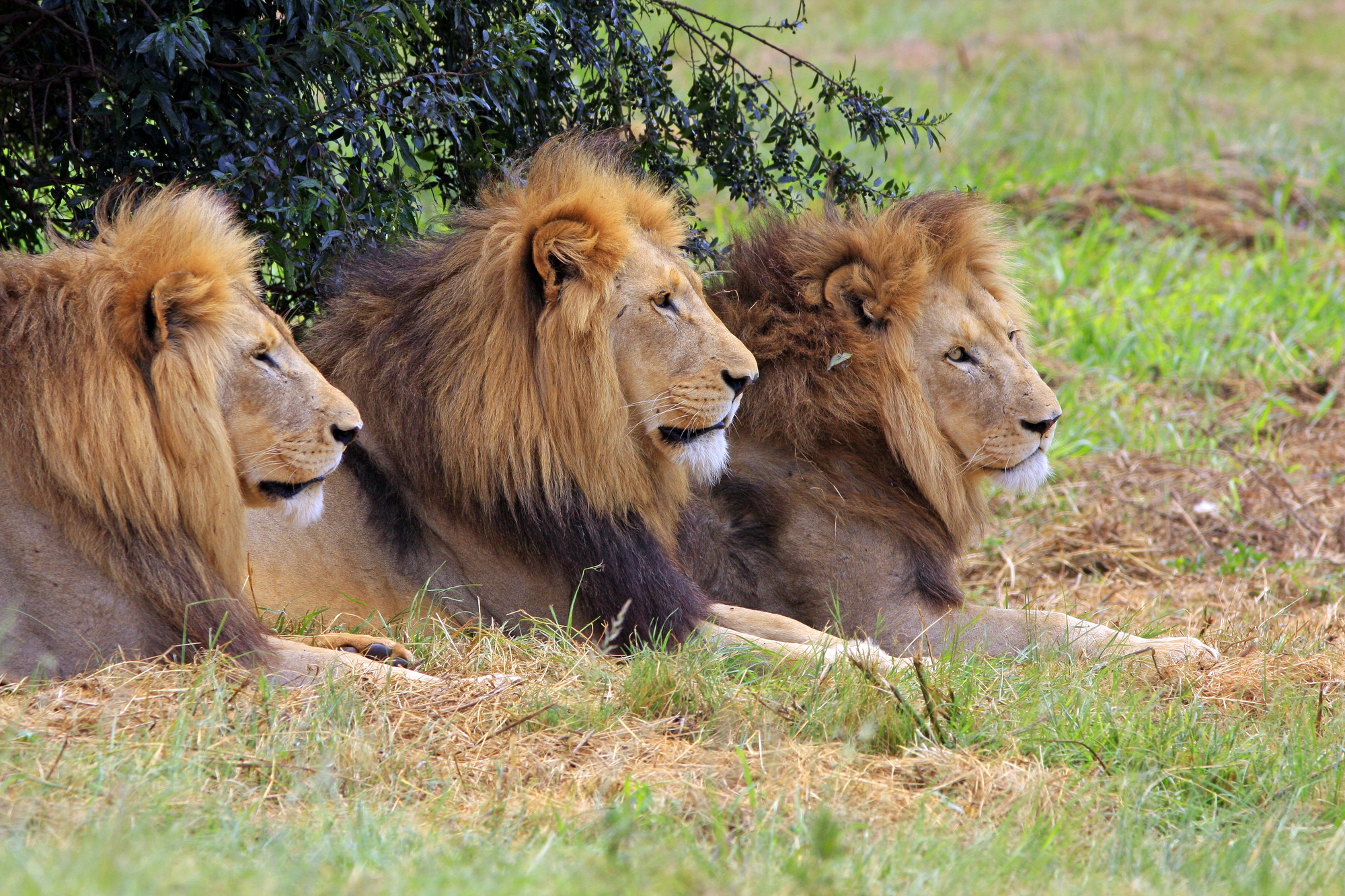
The lion earned its royal reputation through sheer presence and behavior. Ancient kings and warriors watched these big cats dominate their territories, and the comparison felt natural.
A male lion’s mane made it look even more impressive, like nature’s own crown sitting on top of a powerful hunter. Cultures from Egypt to England adopted the lion as their symbol because it represented everything a ruler wanted to project: strength, courage, and the ability to protect their people.
Even today, lions appear on coats of arms, sports team logos, and corporate brands when companies want to suggest power and leadership.
Owls
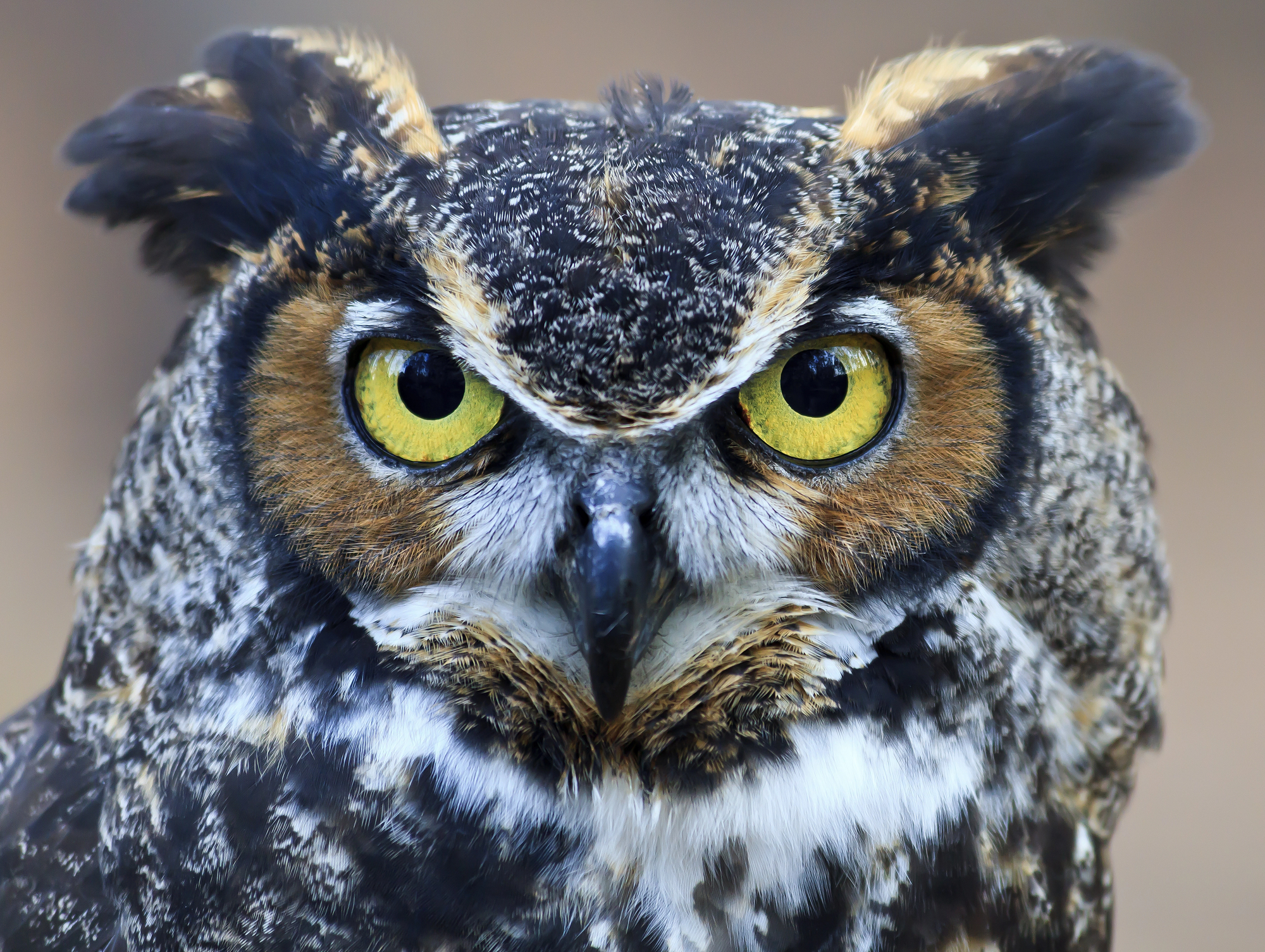
Owls became symbols of wisdom partly because of how they look and partly because of when they hunt. Those large, forward-facing eyes give owls an appearance that humans interpret as thoughtful or knowing.
Ancient Greeks connected owls to Athena, their goddess of wisdom, and the association stuck. The fact that owls hunt at night while most people sleep added to their mysterious quality.
People assumed that any creature active during dark hours must possess special knowledge about things hidden from daylight. Their silent flight and ability to turn their heads almost completely around made them seem even more aware of everything happening around them.
Doves
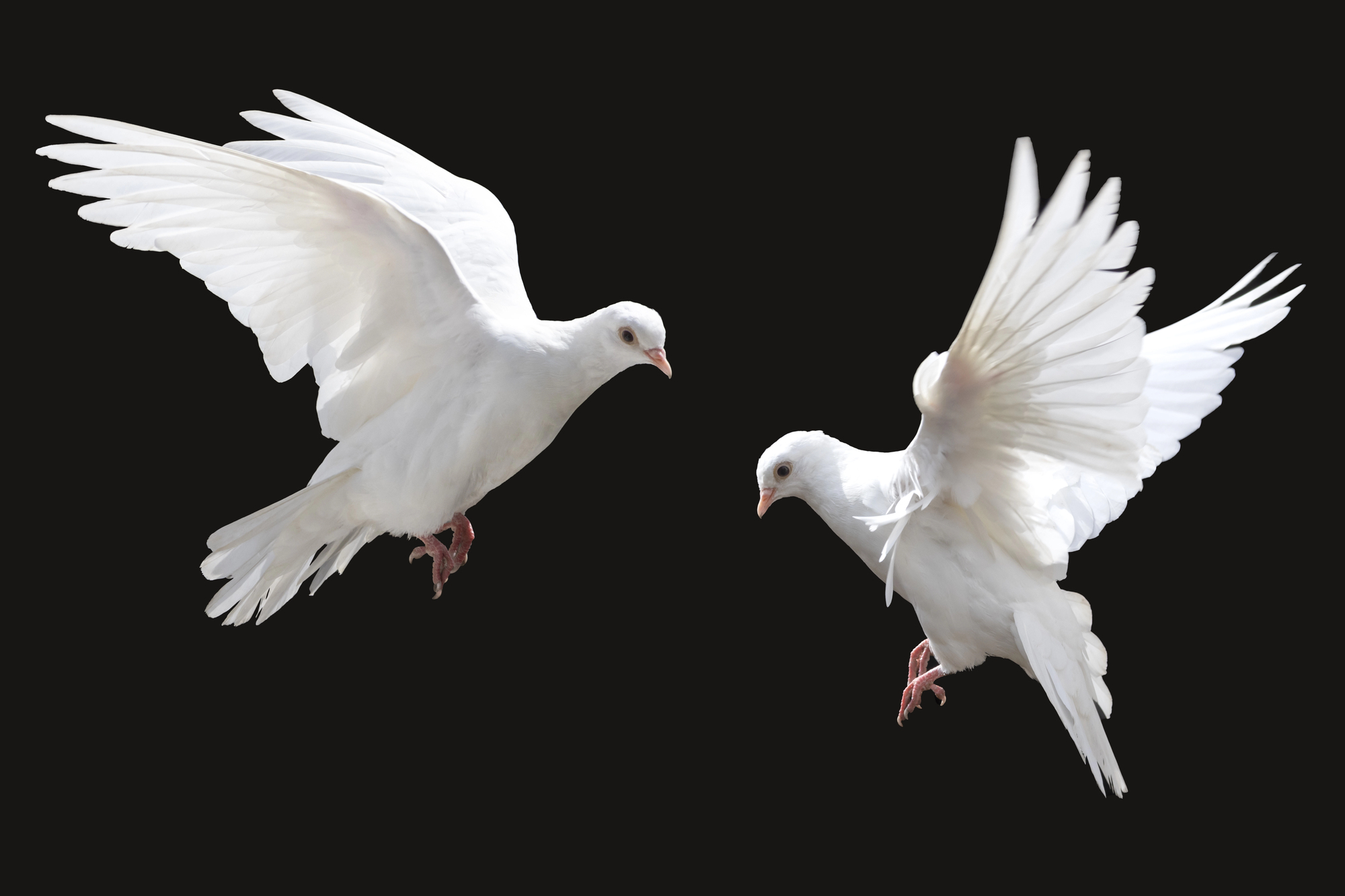
The dove’s connection to peace comes from multiple sources that reinforced each other over time. These birds have gentle behaviors and soft cooing sounds that don’t seem threatening.
In the biblical story of Noah’s ark, a dove brought back an olive branch to show that floodwaters had receded and life could return to normal. That single story cemented the dove’s peaceful image for millions of people across generations.
White doves specifically became even stronger peace symbols because their color suggested purity and new beginnings. Release white doves at weddings or peace ceremonies, and everyone immediately understands the message without needing explanation.
Snakes
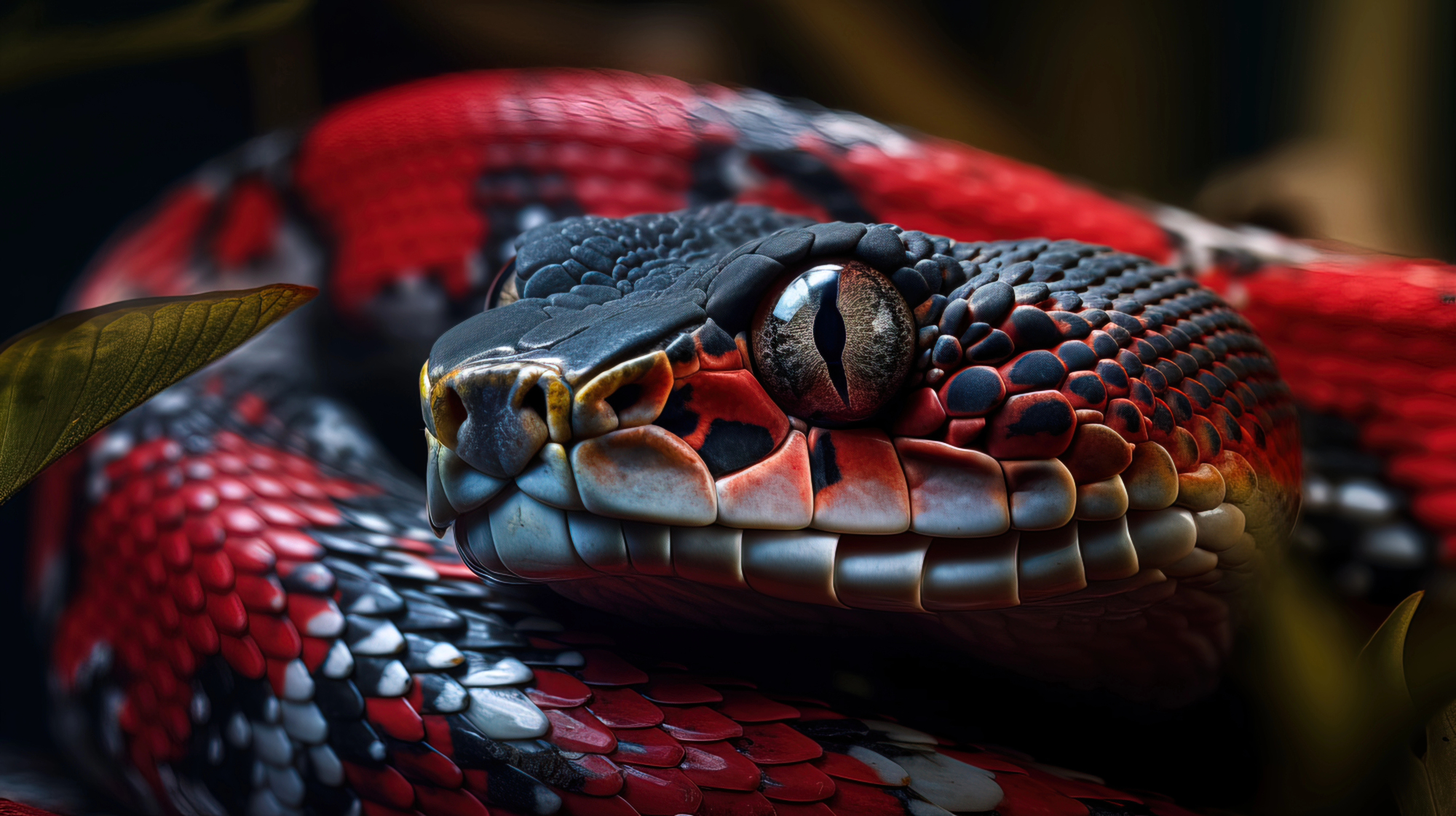
Snakes carry contradictory symbolic meanings depending on which culture you examine. Some societies saw them as evil or dangerous because of their venom and silent approach.
The Bible’s story of the serpent in the Garden of Eden reinforced negative views for Christian cultures. But other civilizations respected snakes for their ability to shed their skin, which looked like rebirth or renewal.
Ancient Greek medicine used snake imagery because people believed these creatures understood secrets about healing and transformation. The caduceus, featuring snakes wrapped around a staff, still represents medicine today even though its origins are complicated and somewhat misunderstood.
Eagles
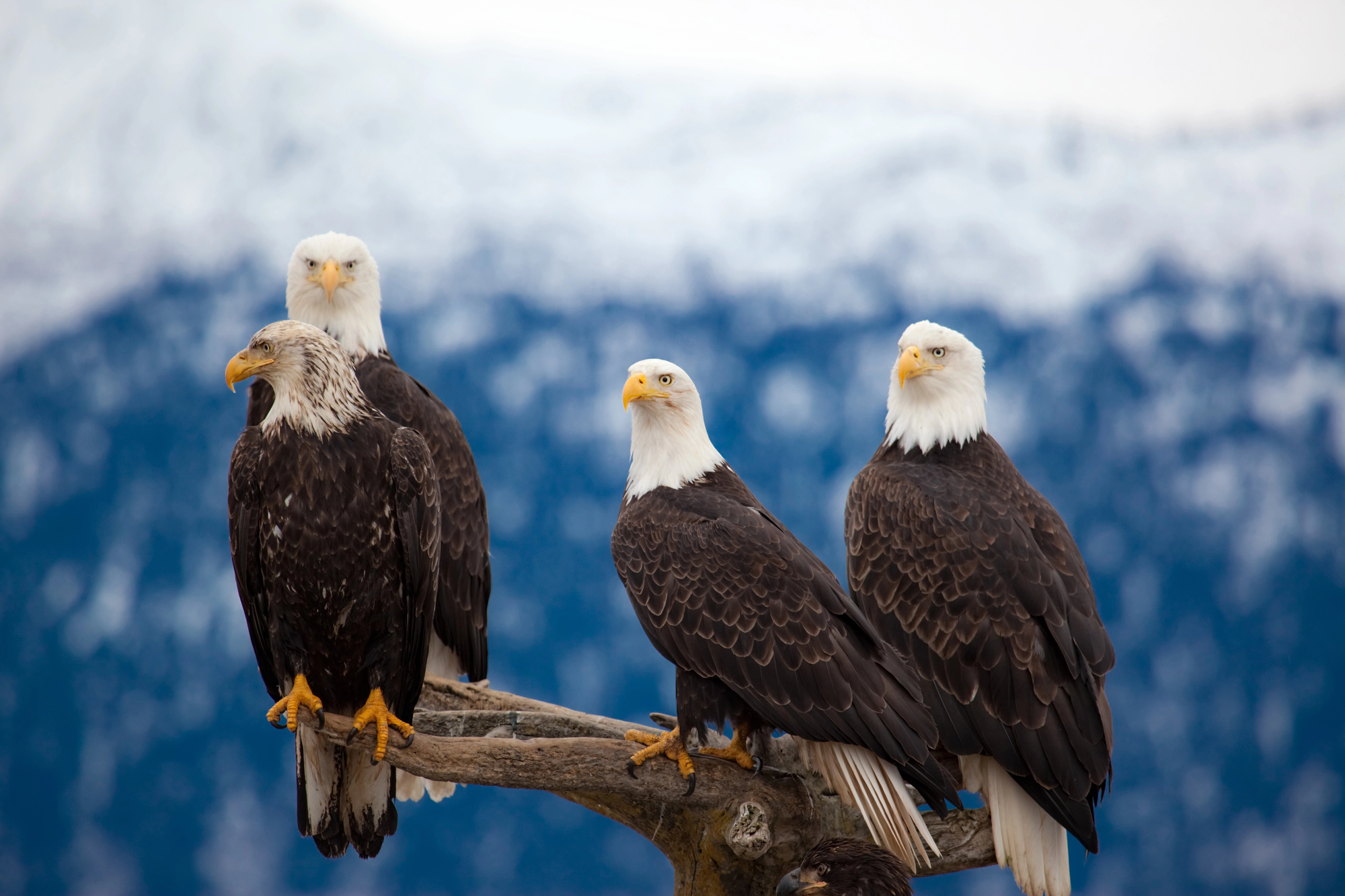
Eagles soared into symbolic importance because they fly higher than most other birds and have incredibly sharp vision. Ancient Romans used eagle standards to lead their armies, and the bird became linked to military might and imperial power.
Native American tribes valued eagles as spiritual messengers that could travel between earth and sky, connecting humans with higher forces. The bird’s hunting abilities impressed everyone who watched it dive at high speeds to catch prey.
Modern nations from the United States to Germany chose eagles for their official seals because the bird suggests freedom, strength, and the ability to see the bigger picture from above.
Wolves
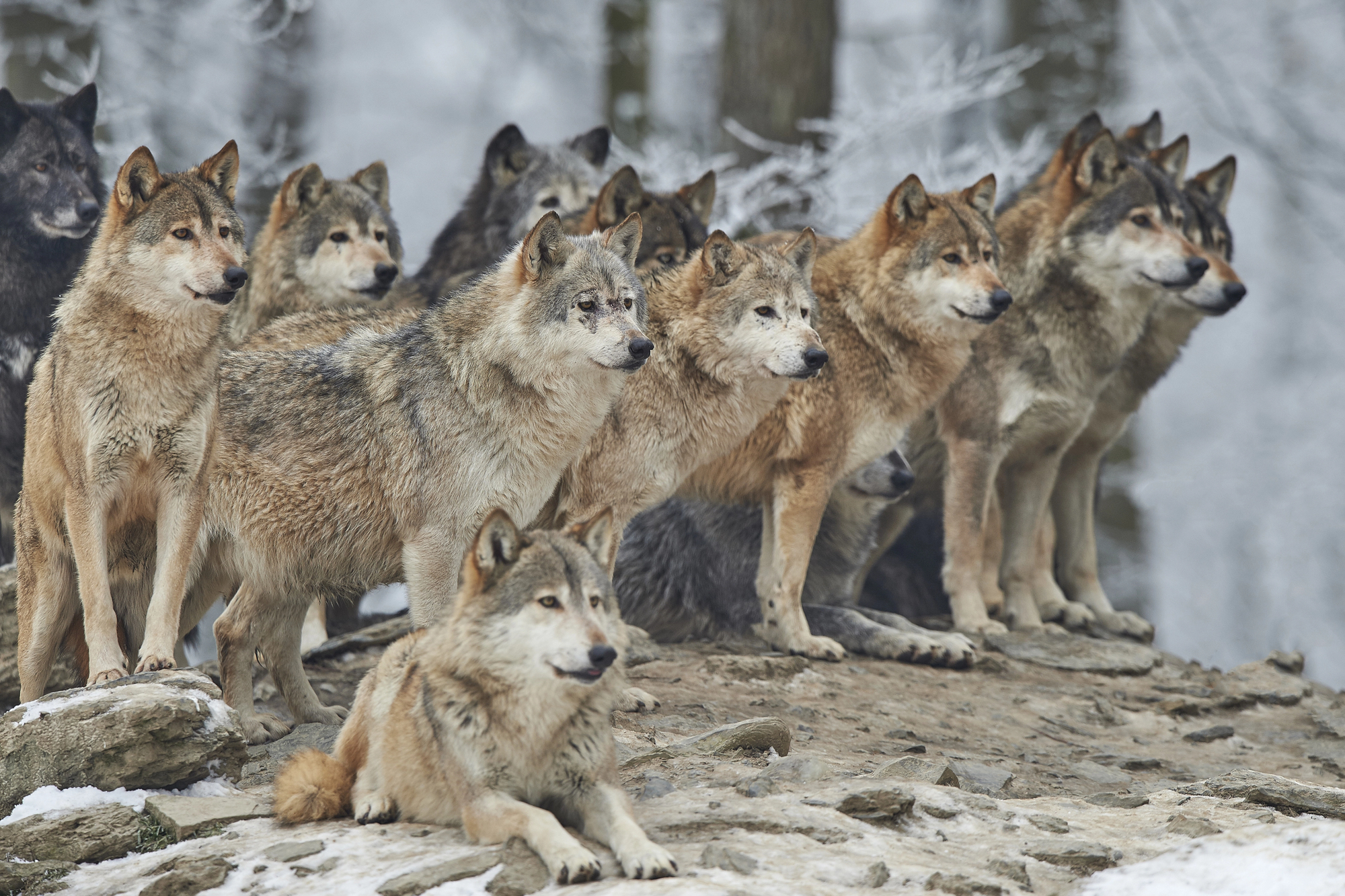
The wolf’s symbolic meaning splits between admiration and fear depending on human experiences with these pack hunters. European folklore painted wolves as dangerous threats to livestock and travelers, creating stories of big bad wolves that ate grandmothers and terrorized villages.
But Native American and other indigenous cultures respected wolves for their social bonds and hunting intelligence. These tribes noticed how wolves worked together, cared for their young, and communicated with complex howls.
The wolf became a symbol of loyalty, family, and wild freedom for cultures that lived alongside them without the same level of conflict that European farmers experienced.
Bears
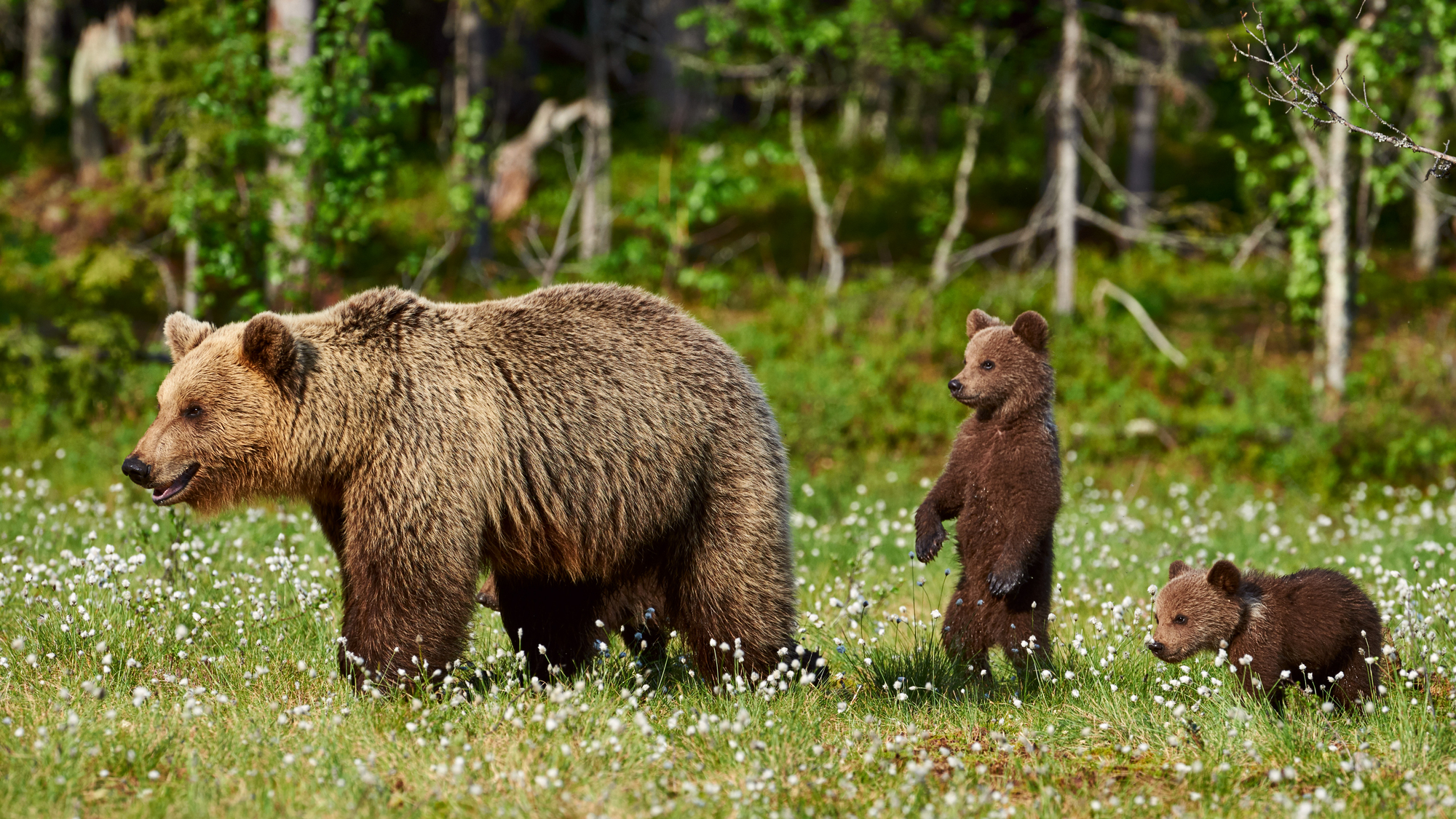
Bears symbolize strength and protection across many cultures, partly because of their size and partly because of their behavior toward their cubs. Mother bears defend their young with fierce determination, creating the phrase ‘mama bear’ for any protective parent.
Some ancient cultures saw bears as warrior spirits because these animals can stand on two legs like humans but possess far greater physical power. Hibernation added another symbolic layer, suggesting themes of rest, renewal, and seasonal cycles.
Nordic warriors tried to channel bear strength in battle, while some Asian traditions viewed bears as mountain spirits deserving respect and offerings.
Butterflies

The butterfly’s transformation from caterpillar to winged insect made it a natural symbol for change and rebirth. People watched these creatures go through complete metamorphosis and saw a powerful message about personal growth and second chances.
Many cultures connected butterflies to the soul or human spirit because they seemed too delicate and beautiful to be merely physical creatures. Mexican traditions celebrate butterflies as returning ancestors during Day of the Dead festivities.
The insect’s short lifespan also added meaning about appreciating brief moments of beauty and living fully while you can.
Elephants

Elephants gained symbolic importance through their remarkable memory, strong family bonds, and long lifespans. Asian cultures particularly elevated elephants in religious and royal contexts, with white elephants considered especially sacred in Buddhist traditions.
These massive animals demonstrated both power and gentleness, capable of destroying trees but also showing care for their young and mourning their dead. The elephant’s trunk became associated with removing obstacles and bringing good fortune in Hindu traditions through the god Ganesha.
Their intelligence impressed everyone who observed them using tools, recognizing themselves in mirrors, and apparently remembering locations and individuals for decades.
Ravens and crows
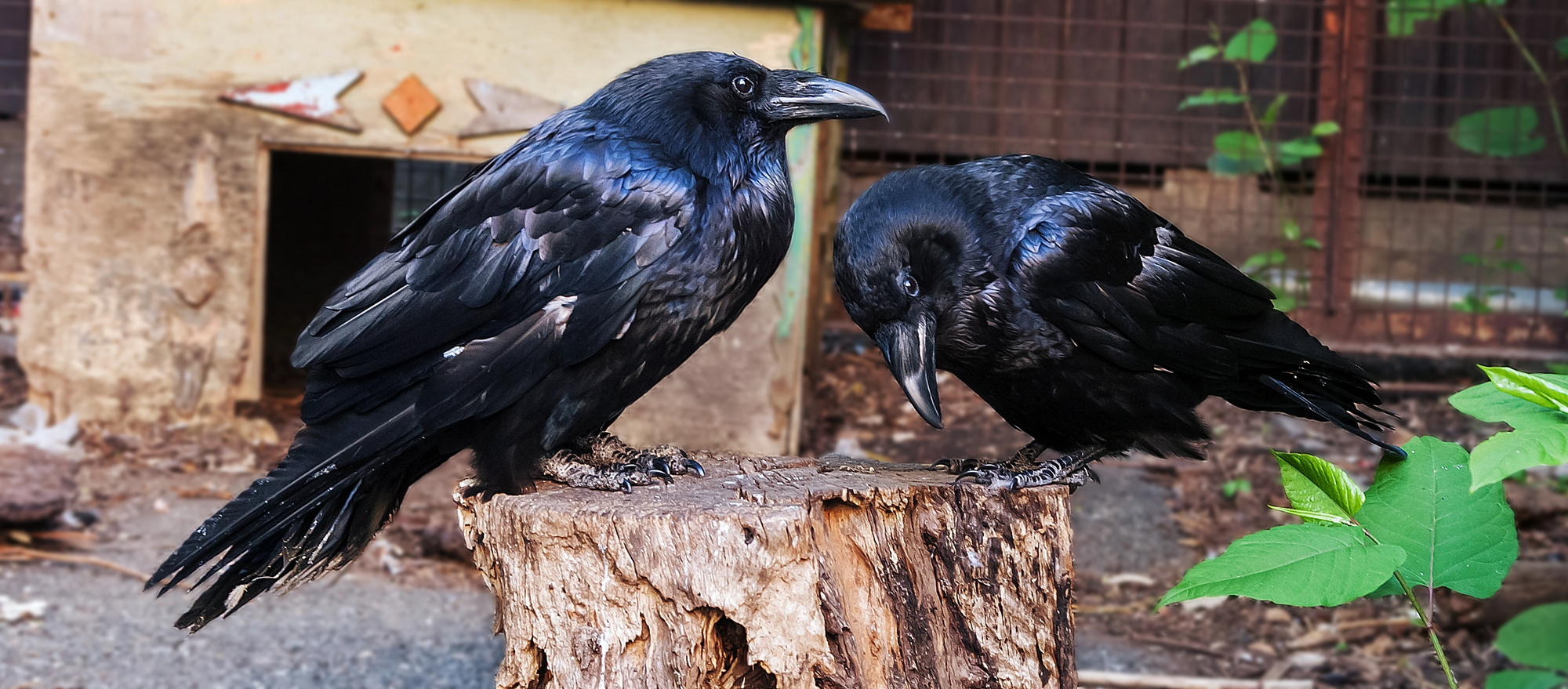
These black birds earned dark reputations in many Western cultures because they eat carrion and gather around battlefields or graveyards. Celtic and Norse mythology featured ravens as messengers for gods, carrying information between the mortal world and divine realms.
The birds’ intelligence actually makes them quite remarkable, as they can solve puzzles, use tools, and even recognize human faces. Some Native American tribes saw ravens as trickster figures who created the world or brought light to humanity through clever schemes.
The bird’s all-black appearance and harsh call made them easy targets for superstitious interpretations, but their actual behavior shows sophisticated thinking that ancient people noticed and incorporated into their stories.
Cats
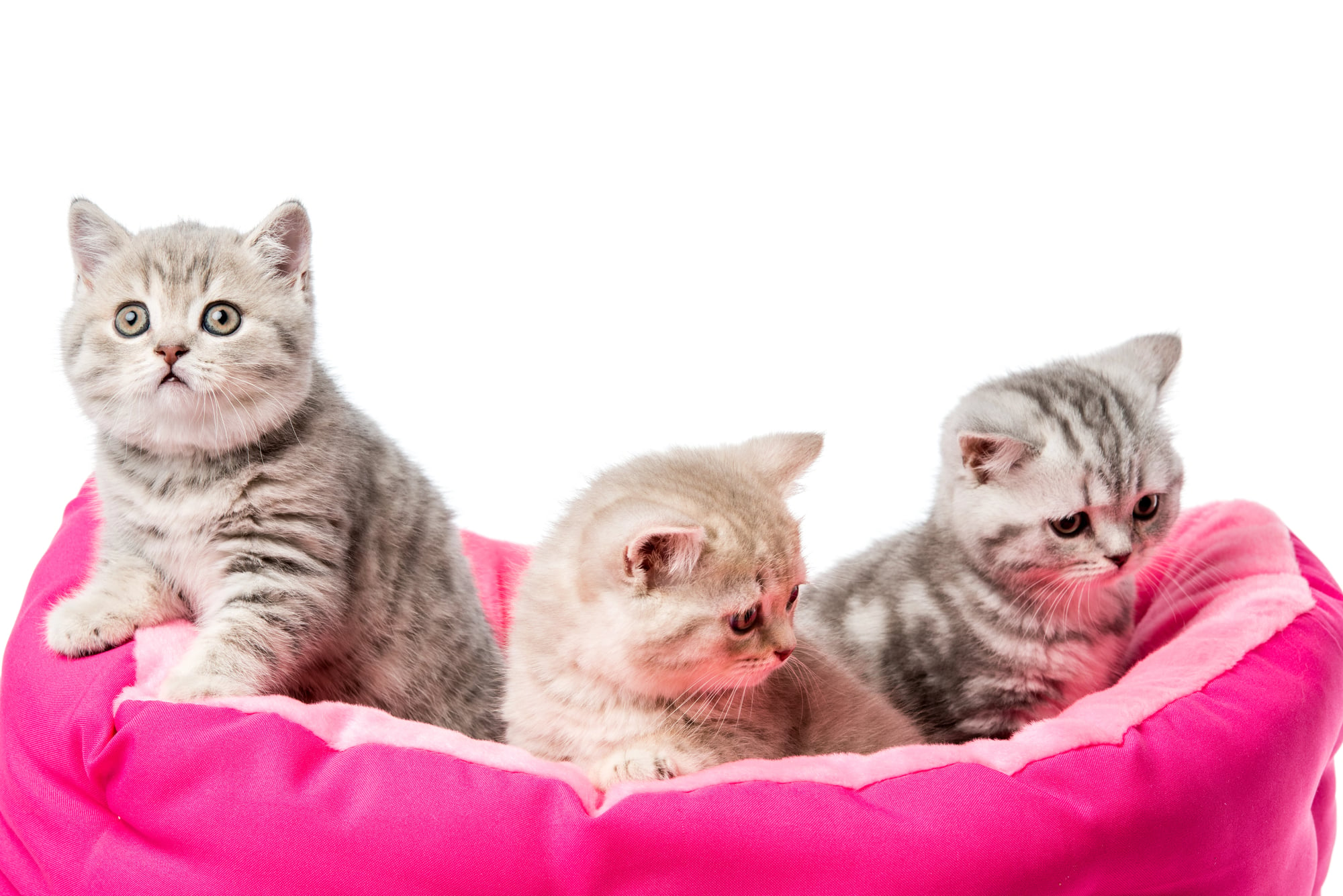
Cats achieved divine status in ancient Egypt while facing persecution in medieval Europe, showing how the same animal can mean completely different things. Egyptians valued cats for killing rats and snakes that threatened grain supplies, then elevated them to religious importance with cat-headed goddesses.
These animals’ independent nature and nighttime activities made them mysterious to humans who couldn’t quite control them like other domesticated animals. Medieval Europeans linked cats, especially black ones, to witchcraft and bad luck during periods of religious paranoia.
Asian cultures generally viewed cats more positively, with Japanese traditions creating lucky cat figures and Chinese families appreciating their pest control abilities.
Horses
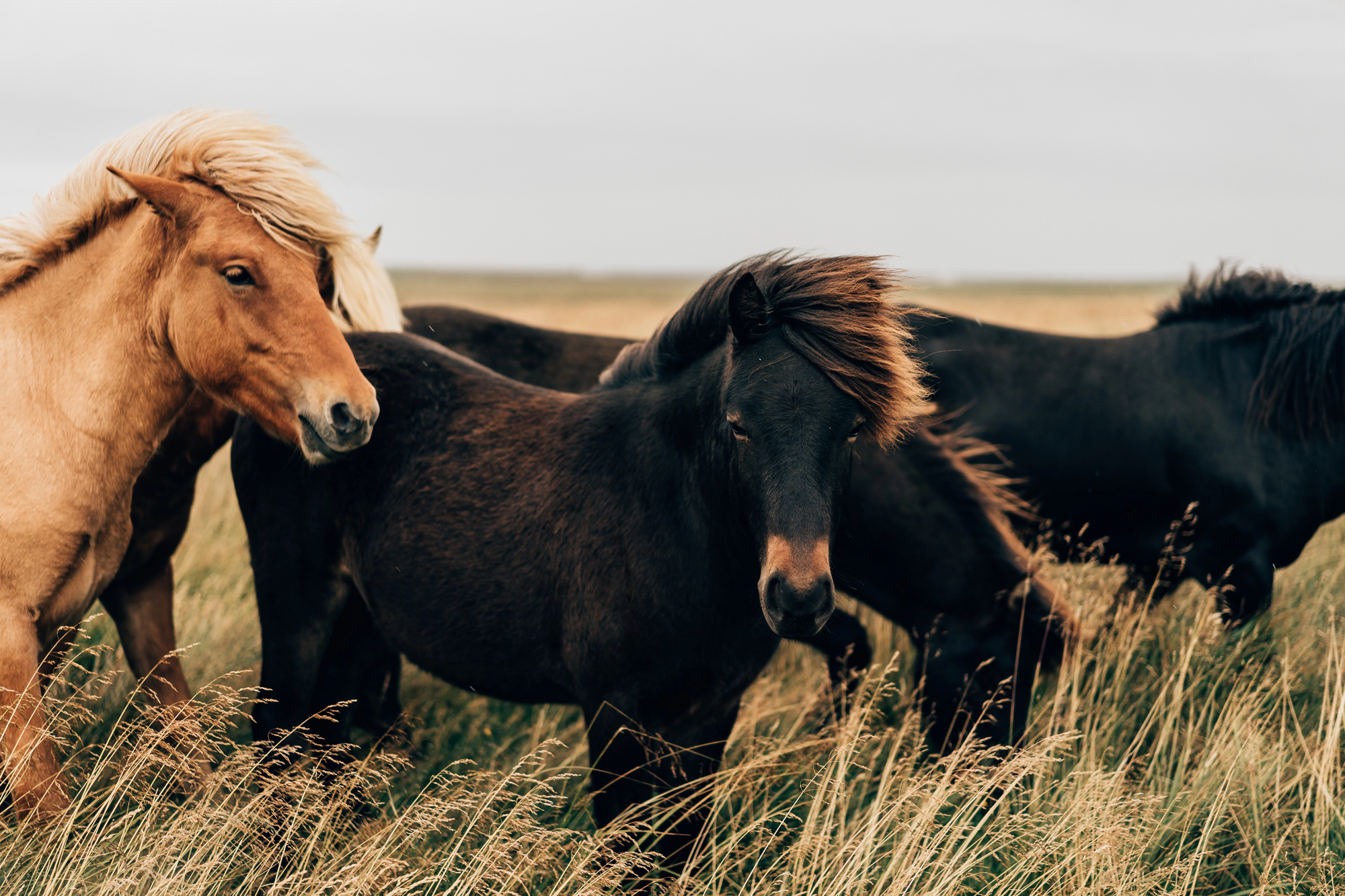
The horse’s symbolic meaning comes directly from its practical importance in human history. These animals provided transportation, farm labor, and military advantage for thousands of years.
Cultures that mastered horseback riding gained significant power over their neighbors, making horses symbols of conquest and nobility. White horses specifically carried extra symbolic weight, often reserved for leaders or heroes in stories and ceremonies.
The bond between rider and horse created symbolism around partnership and freedom, with wild horses representing untamed spirit and domesticated horses suggesting civilization’s advance. Native American Plains tribes built their entire way of life around horses after European contact, and these animals became central to their cultural identity.
Foxes
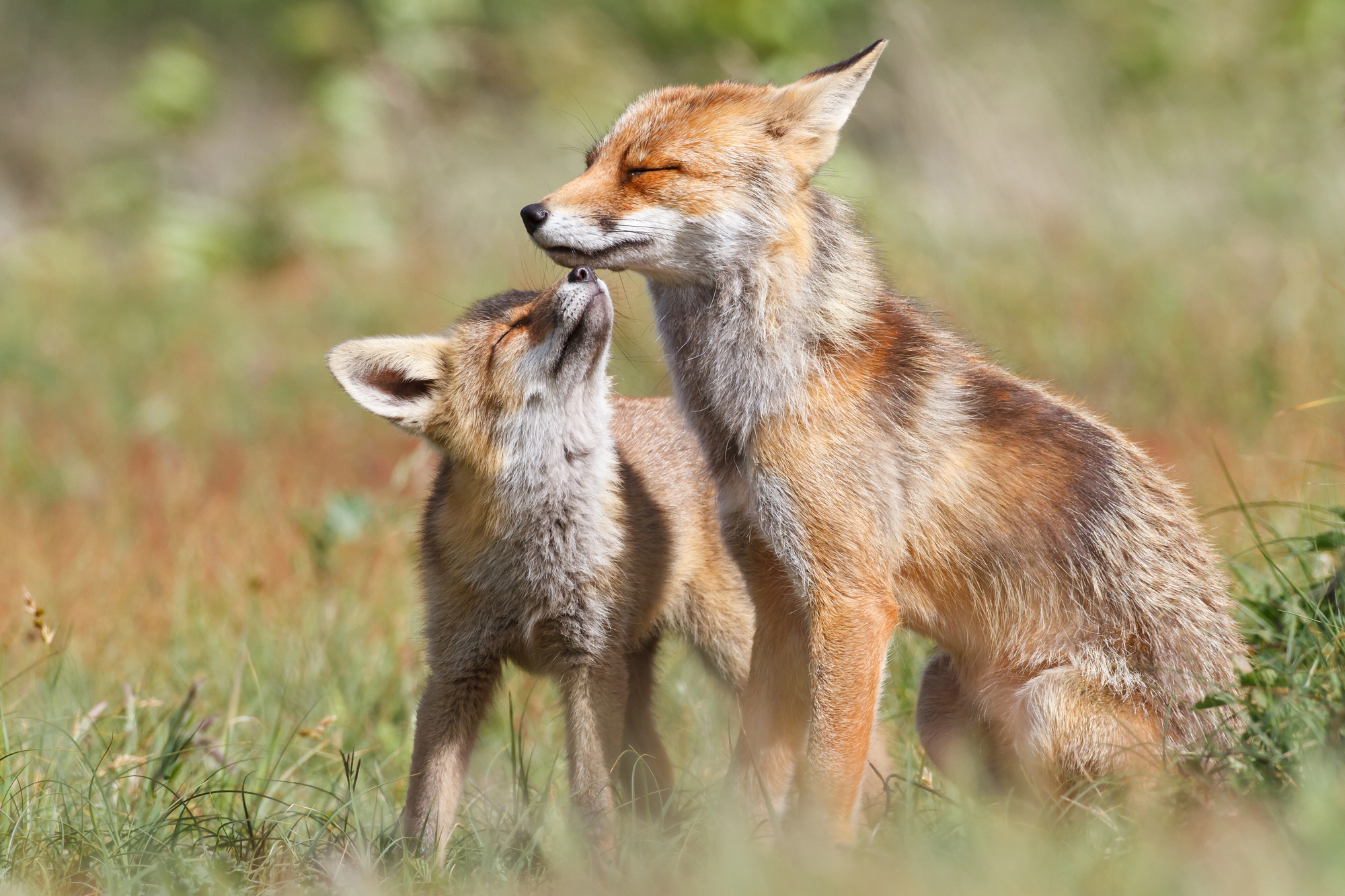
Foxes earned their reputation for cunning through observed behavior that shows genuine problem-solving ability. These animals raid chicken coops, outsmart hunting dogs, and survive in various environments through adaptability rather than raw strength.
Asian folklore particularly emphasized fox symbolism, with Japanese kitsune stories featuring magical foxes that could shape-shift and possessed intelligence beyond ordinary animals. European fables used foxes as clever characters who won through wit rather than force.
The animal’s reddish fur and pointed features gave it a sharp appearance that matched its mental reputation. People appreciated foxes even while viewing them as tricky, recognizing that intelligence deserves respect even when it works against human interests.
Deer
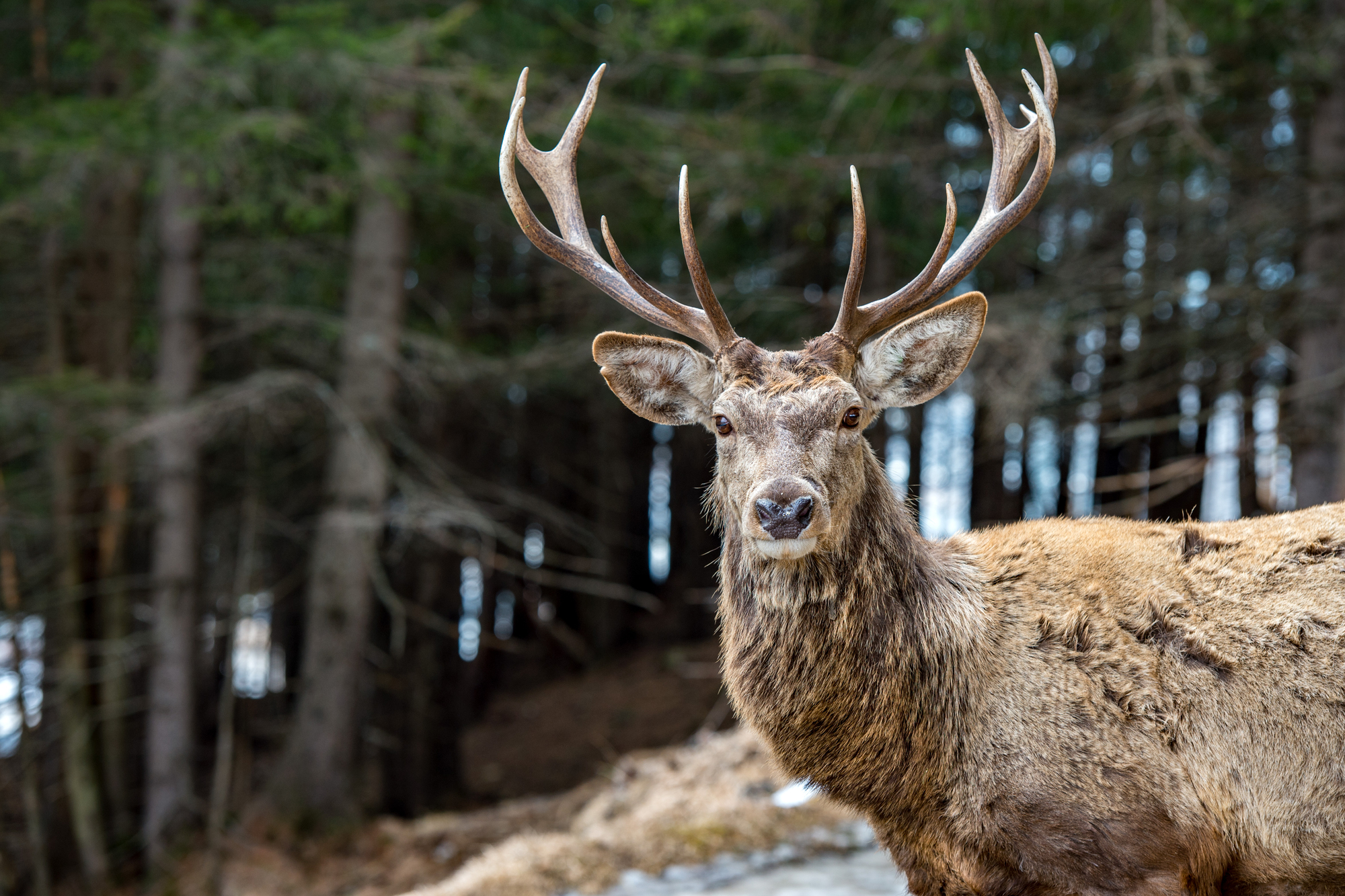
The deer’s gentle appearance and graceful movement made it a natural symbol for softness, sensitivity, and natural beauty. Many cultures saw deer as spiritual creatures because they seemed alert to things humans couldn’t perceive.
Celtic traditions featured deer as magical beings that led heroes into other worlds or represented the forest’s pure spirit. The stag, with its impressive antlers that fall off and regrow each year, symbolized renewal and masculine power.
Christian imagery sometimes used deer to represent the soul seeking spiritual truth, based on biblical passages comparing the faithful to deer seeking water. Native American tribes respected deer as important game animals that required proper rituals and thanks when hunted.
Dragons
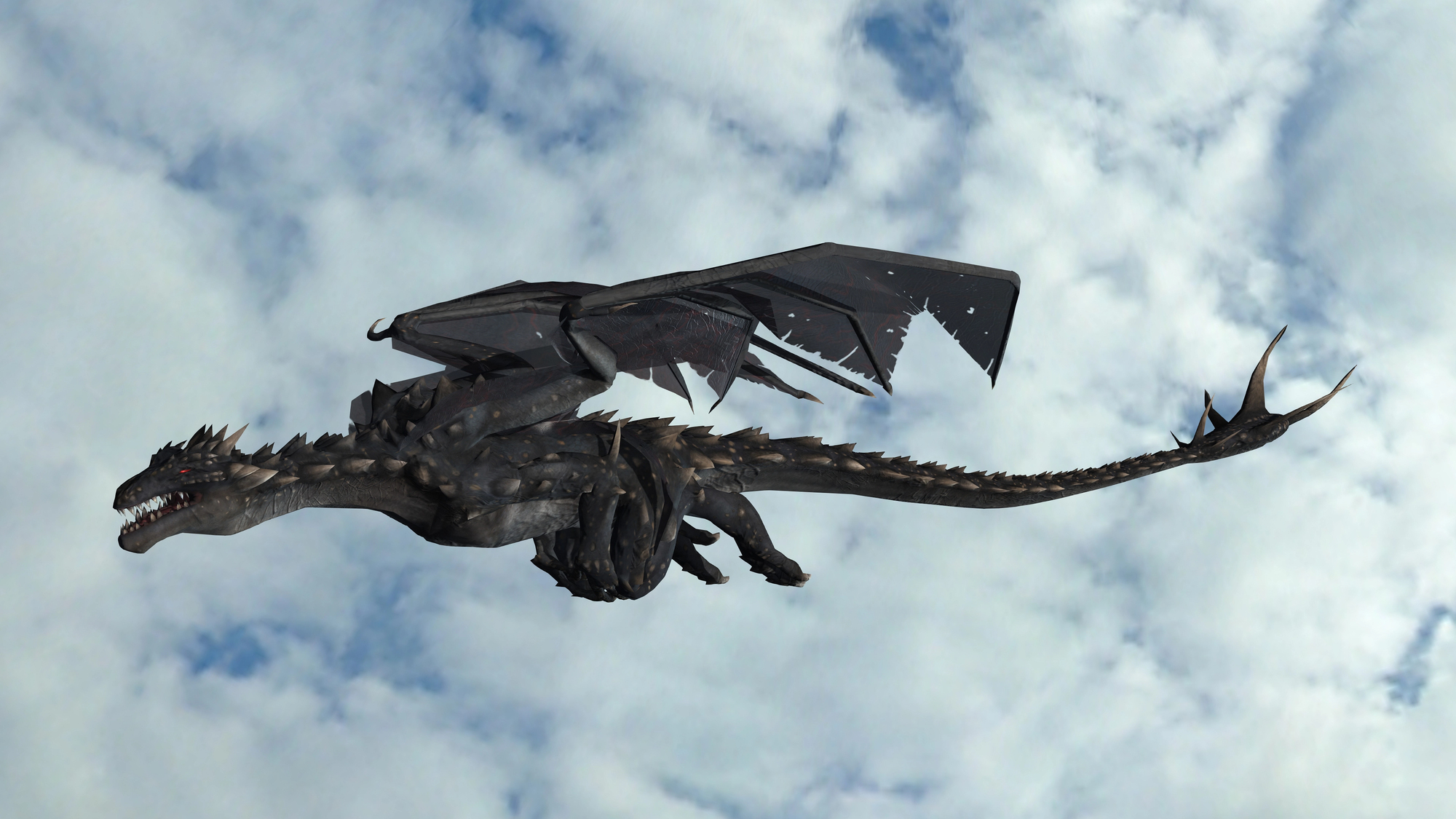
Dragons never existed as real creatures, yet they became powerful symbols across cultures that never contacted each other. These mythical beings probably emerged from human encounters with large reptiles, fossils of prehistoric animals, and the need to explain natural disasters like floods or volcanic eruptions.
Asian dragons typically represent wisdom, power, and good fortune, often associated with water and weather control. European dragons usually appear as dangerous hoarders of treasure that heroes must defeat to prove their worth.
The dragon’s combination of multiple animal features made it the ultimate symbolic creature that could represent whatever a culture needed: chaos to overcome, natural forces to respect, or power to aspire toward.
Spiders
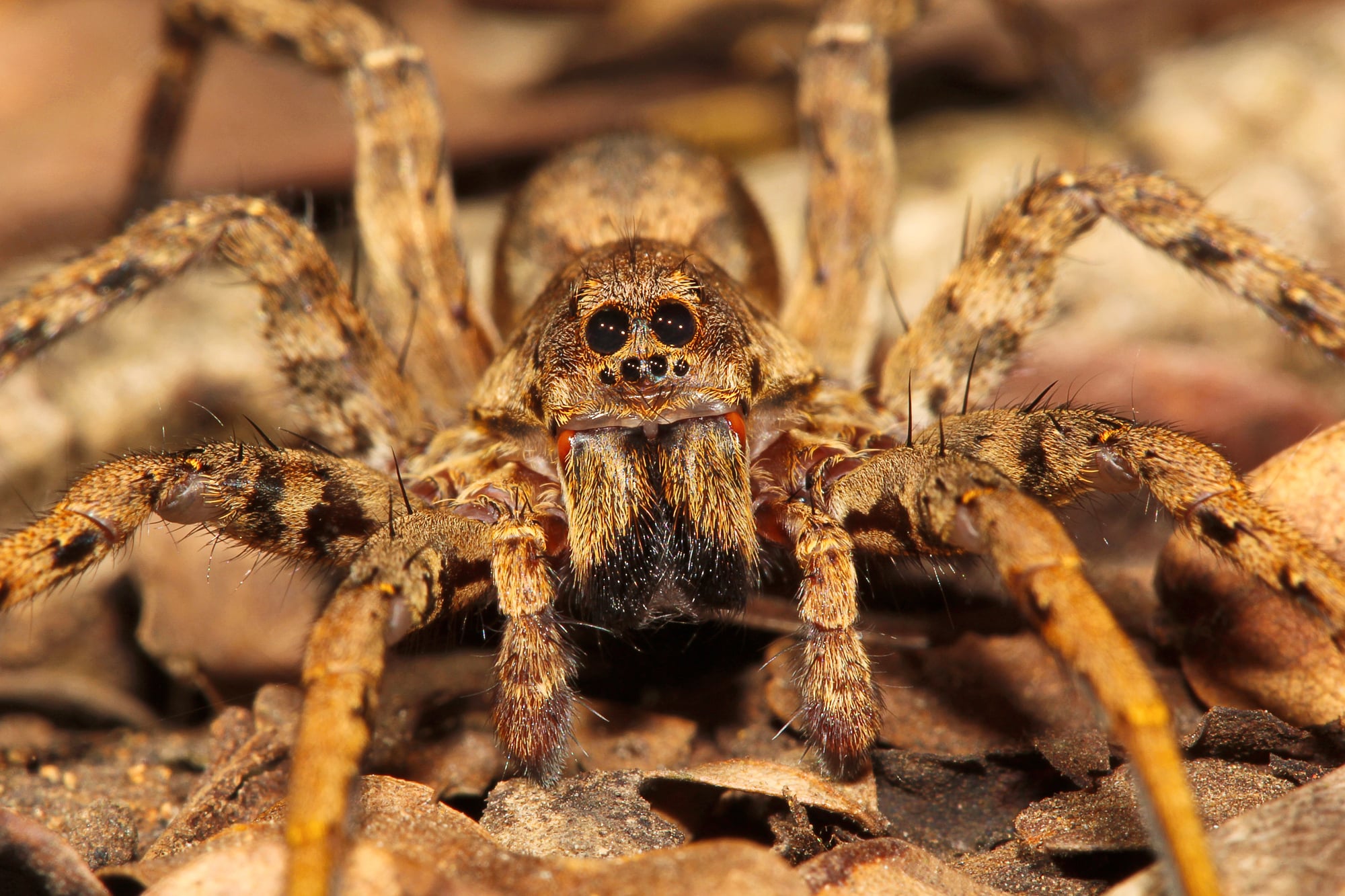
The spider’s symbolic meaning focuses on creativity, patience, and sometimes fate itself. Many cultures watched spiders weaving intricate webs and saw a lesson about careful planning and artistic skill.
African and Native American stories feature spider tricksters who brought important knowledge to humanity through clever schemes. The Greek myth of Arachne, a weaver transformed into a spider, connected these creatures to craftsmanship and the consequences of pride.
Some societies viewed spiders as lucky creatures that caught misfortune in their webs like they caught flies. Others feared them as poisonous threats.
The spider’s ability to create something beautiful and functional from its own body impressed observers who saw parallels to human creativity and the weaving of life’s interconnected threads.
Rams and goats
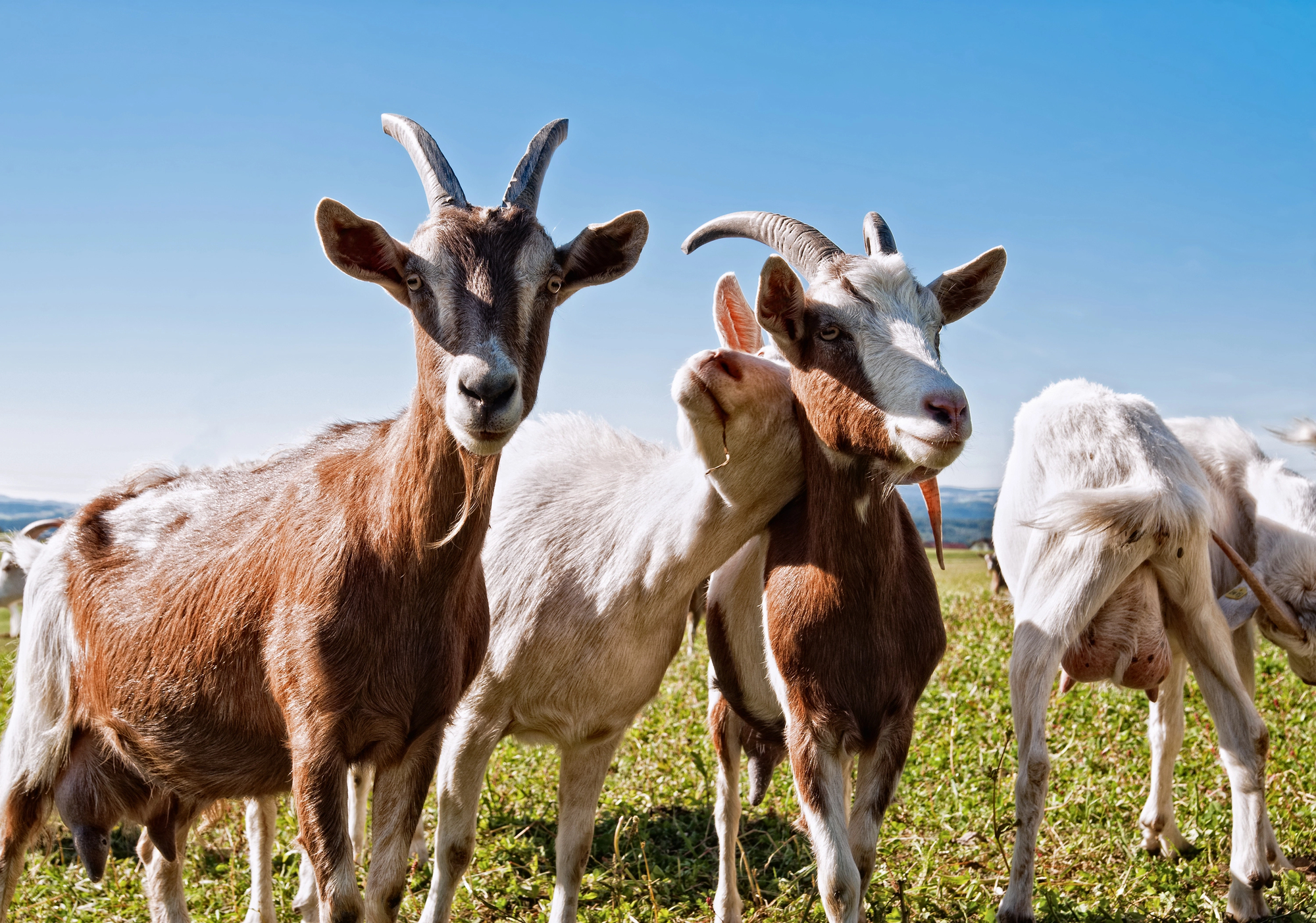
Rams stood for strong will and taking charge – thanks to how they clash heads when competing for mates. Back then, old societies relied on them not just for food and warm clothing, but also admired males who fought hard to protect the group.
The zodiac used the ram figure to show people who don’t give up easily or who rush into new things without hesitation. Goats meant different things depending on where you looked – one moment a sign of harvests and plenty, the next tied to wild places or even dark forces in some church beliefs.
The goat’s knack for scaling rocky slopes while munching on nearly any plant tied it to toughness and flexibility. In particular, mountain goats hinted at achieving what others can’t – whether up high or in life.
Turtles and tortoises
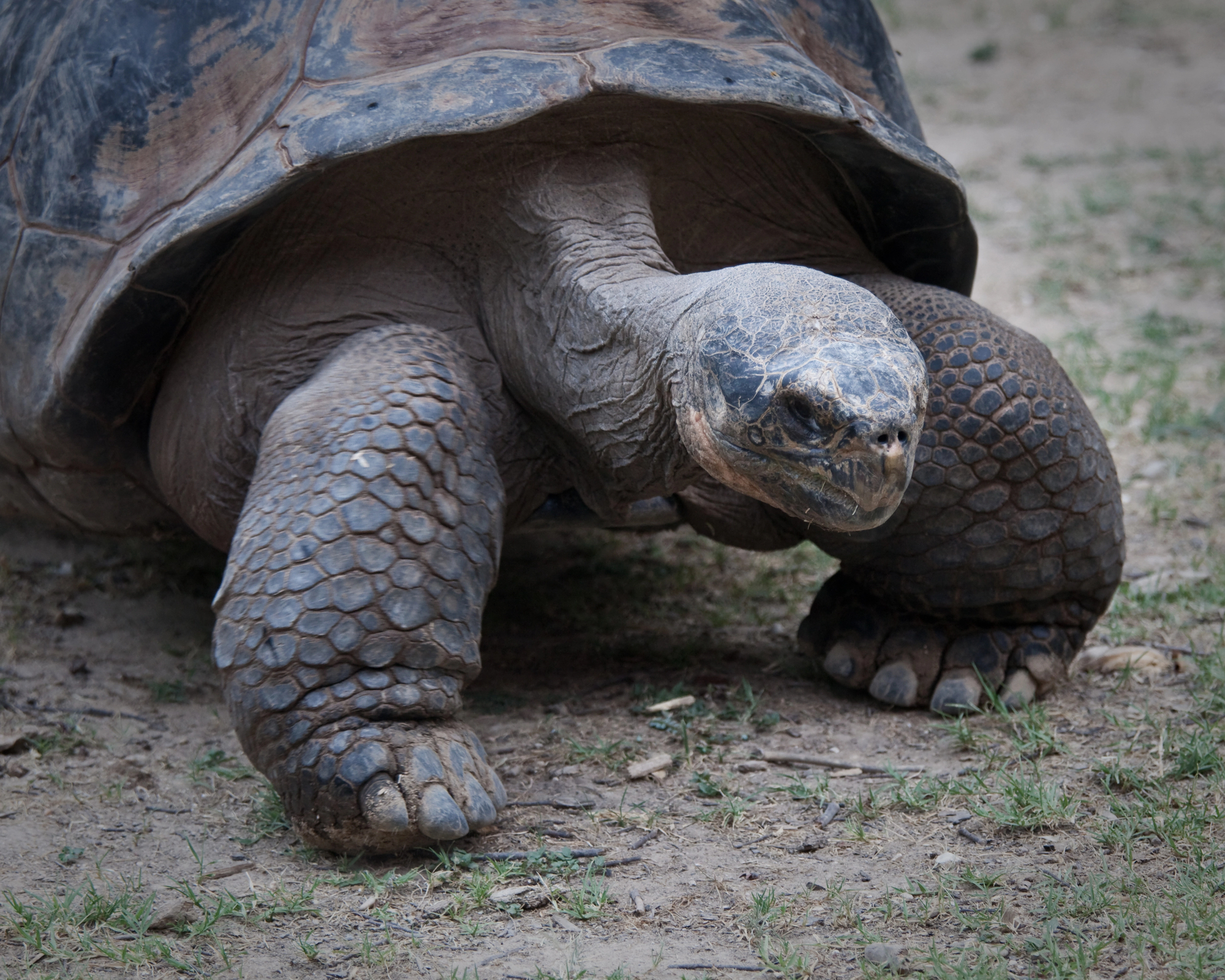
These slow-moving reptiles stand for wisdom, yet also patience and long life since they outlive many beasts while taking things step by step. In various old tales, the planet sits atop a massive turtle – so in those stories, turtles are right at the core of everything.
Their tough shells? They meant safety, showing how crucial it is to have a secure spot when trouble hits. Across Asia, people saw them as fortunate beings linking land with water.
The well-known story of the turtle winning against the rabbit highlighted steady effort – shaping how people saw them for ages. Early cultures saw turtles outlast storms and dry spells, so they began linking them to lasting power and pushing through hard phases.
The symbols we still carry

Those animal signs didn’t vanish into old forgotten pages. Today’s sports squads, company brands, or country icons still go for lions, eagles, yet bears – just to show power without speaking.
Folks get inked with beast designs rooted in old beliefs, aiming to hold onto specific traits. Why early humans chose them – watching nature, myths, real-life run-ins – is still solid, since the creatures are just as they’ve always been.
We may know more about how animals really act these days – yet a lion still seems strong, while a dove feels calm. Their meanings came from real traits mixed with how people saw them, sticking around through time and places.
More from Go2Tutors!

- The Romanov Crown Jewels and Their Tragic Fate
- 13 Historical Mysteries That Science Still Can’t Solve
- Famous Hoaxes That Fooled the World for Years
- 15 Child Stars with Tragic Adult Lives
- 16 Famous Jewelry Pieces in History
Like Go2Tutors’s content? Follow us on MSN.