11 Short-Lived TV Networks Few Remember
Television history is packed with ambitious networks that promised to shake up the medium, only to disappear after a brief run. Giants like NBC, CBS, and ABC have ruled the airwaves for decades, yet dozens of smaller networks tried carving out their piece of the broadcasting pie. Most viewers today wouldn’t recognize these forgotten channels that once fought for space on America’s television sets.
Here’s a list of 11 short-lived TV networks that have slipped from public memory.
The WB Television Network

When The WB launched in , it knew exactly who it wanted — younger audiences craving something different from the established networks. Shows like ‘Buffy the Vampire Slayer,’ ‘Dawson’s Creek,’ and ‘Gilmore Girls’ turned the network into a cultural phenomenon for teens and young adults.
Though it found success with its target demographic, The WB couldn’t shake the low ratings that plagued everything else on its schedule, plus mounting financial losses made long-term survival nearly impossible.
UPN

United Paramount Network kicked off in as The WB’s biggest rival — banking heavily on ‘Star Trek: Voyager’ to pull in the sci-fi crowd right from launch. The network scored some wins with ‘Moesha’ and later ‘Everybody Hates Chris,’ yet chronic low ratings haunted most of its programming lineup.
Both UPN and The WB eventually threw in the towel, merging in to create The CW and ending their decade-long battle for viewers.
Like Go2Tutors’s content? Follow us on MSN.
The Nashville Network

TNN debuted in as country music’s television home — featuring everything from live concerts to rodeo coverage and shows celebrating traditional country living. During the s country music explosion, the network absolutely thrived, though it gradually started drifting away from its Nashville roots toward more mainstream entertainment.
By , TNN had completely transformed into Spike TV, abandoning the country identity that originally made it special.
America One

This network served smaller markets from to — filling gaps that major networks often ignored with classic TV reruns, budget movies, and locally produced content. America One genuinely helped independent stations that needed affordable programming options, though digital streaming and shifting viewer habits eventually made its business model outdated.
The network quietly closed shop, leaving many small-town audiences without their go-to programming source.
Pax TV

Ion Television’s predecessor launched in with a clear mission — to provide family-friendly programming without the edge that other networks were embracing. Pax TV mixed classic reruns with original movies and syndicated shows that parents felt comfortable watching alongside their kids.
Low ratings and limited distribution proved problematic, though the network survived by rebranding as Ion Television in with a fresh focus on crime dramas.
Like Go2Tutors’s content? Follow us on MSN.
The America’s Store

This home shopping network operated from to — attempting to challenge established giants like QVC and HSN by offering lower prices and more product variety. The network featured everything from electronics to home goods, often with presentation styles that felt more relaxed than its competitors.
Despite showing initial promise, America’s Store couldn’t generate sufficient revenue to keep the lights on, ceasing broadcasts after nine years of operation.
Trio
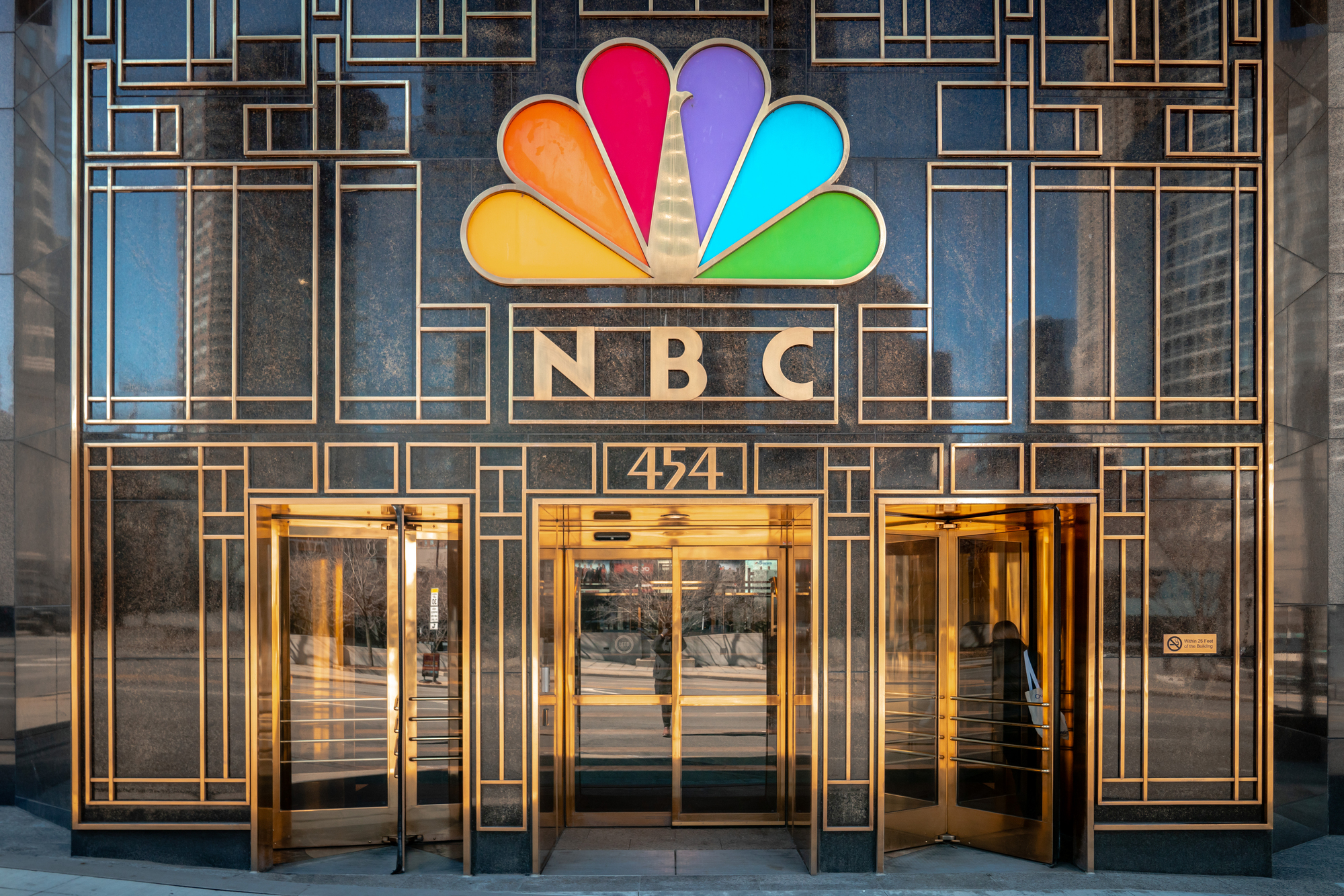
NBC Universal launched this arts and pop culture network in , focusing on edgy documentaries, foreign films, and cult TV series that mainstream networks wouldn’t consider. Trio featured British comedies, avant-garde documentaries, and reruns of beloved yet forgotten shows like ‘The State’ and ‘Freaks and Geeks.’
Despite earning critical acclaim and building a devoted niche audience, Trio never reached the subscriber numbers necessary for profitability, closing in .
Current TV

Al Gore’s progressive news and documentary network operated from to , attempting to create television by and for young adults who felt underserved by traditional news media. Current TV featured citizen journalism, environmental documentaries, and liberal political commentary that attracted viewers frustrated with mainstream news coverage.
The network sold to Al Jazeera America in , ending Gore’s experiment in alternative television journalism.
Like Go2Tutors’s content? Follow us on MSN.
The Sportsman Channel

This outdoor recreation network launched in , targeting hunters, fishers, and outdoor enthusiasts with programming that mainstream sports networks largely overlooked. The Sportsman Channel featured hunting shows, fishing competitions, and outdoor lifestyle programming serving audiences passionate about outdoor recreation.
While the network technically still exists, its reach and influence have diminished significantly from its early ambitious goals.
HDNet

Mark Cuban’s high-definition network operated from to , positioning itself as the premium destination for HD programming when most networks were still broadcasting in standard definition. HDNet featured original documentaries, concerts, and sports programming specifically produced to showcase high-definition technology’s capabilities.
As HD became standard across all networks, HDNet lost its technological advantage and eventually became AXS TV with a focus on music and entertainment.
Wealth TV

This luxury lifestyle network targeted affluent viewers from to with programming about expensive cars, exotic travel destinations, and high-end real estate that most viewers could only dream about experiencing. Wealth TV essentially functioned as aspirational entertainment, showing audiences the lifestyle that significant money could provide.
The network eventually merged with other properties, ending its run as an independent entity focused solely on luxury content.
Like Go2Tutors’s content? Follow us on MSN.
When Networks Fade Into Memory

These forgotten networks represent more than just failed business ventures. They show how television constantly evolves to match changing viewer preferences and technological capabilities.
Each network identified a specific audience or programming gap, yet most couldn’t adapt quickly enough when the media landscape shifted beneath them. Today’s streaming era has made survival even harder for traditional networks, suggesting that tomorrow’s viewers might be equally puzzled by networks we consider permanent fixtures today.
More from Go2Tutors!

- 16 Restaurant Chains That Went Too Fast
- 12 Things Sold in the 80s That Are Now Illegal
- 15 Strange Things People Have Tried to Ban (And Failed)
- 16 Collectibles People Tossed Out Too Soon
- 17 Myths from Your Childhood That Were Actually Based on Real Things
Like Go2Tutors’s content? Follow us on MSN.



