13 Places Where the Sun Never Sets
Imagine living somewhere the sun refuses to set for months at a time – no darkness, no twilight, just endless daylight stretching on and on. This isn’t science fiction; it’s daily reality for millions of people living in Earth’s polar regions during their respective summer seasons. The midnight sun phenomenon occurs when locations north of the Arctic Circle or south of the Antarctic Circle experience continuous daylight for days, weeks, or even months.
These perpetually bright places offer a completely different way of experiencing time and seasons. While most of the world follows the familiar rhythm of day and night, these communities have adapted to life under an unblinking sun that circles the sky without ever dipping below the horizon.
Here is a list of 13 places where the sun never sets during certain times of the year.
Utqiagvik, Alaska
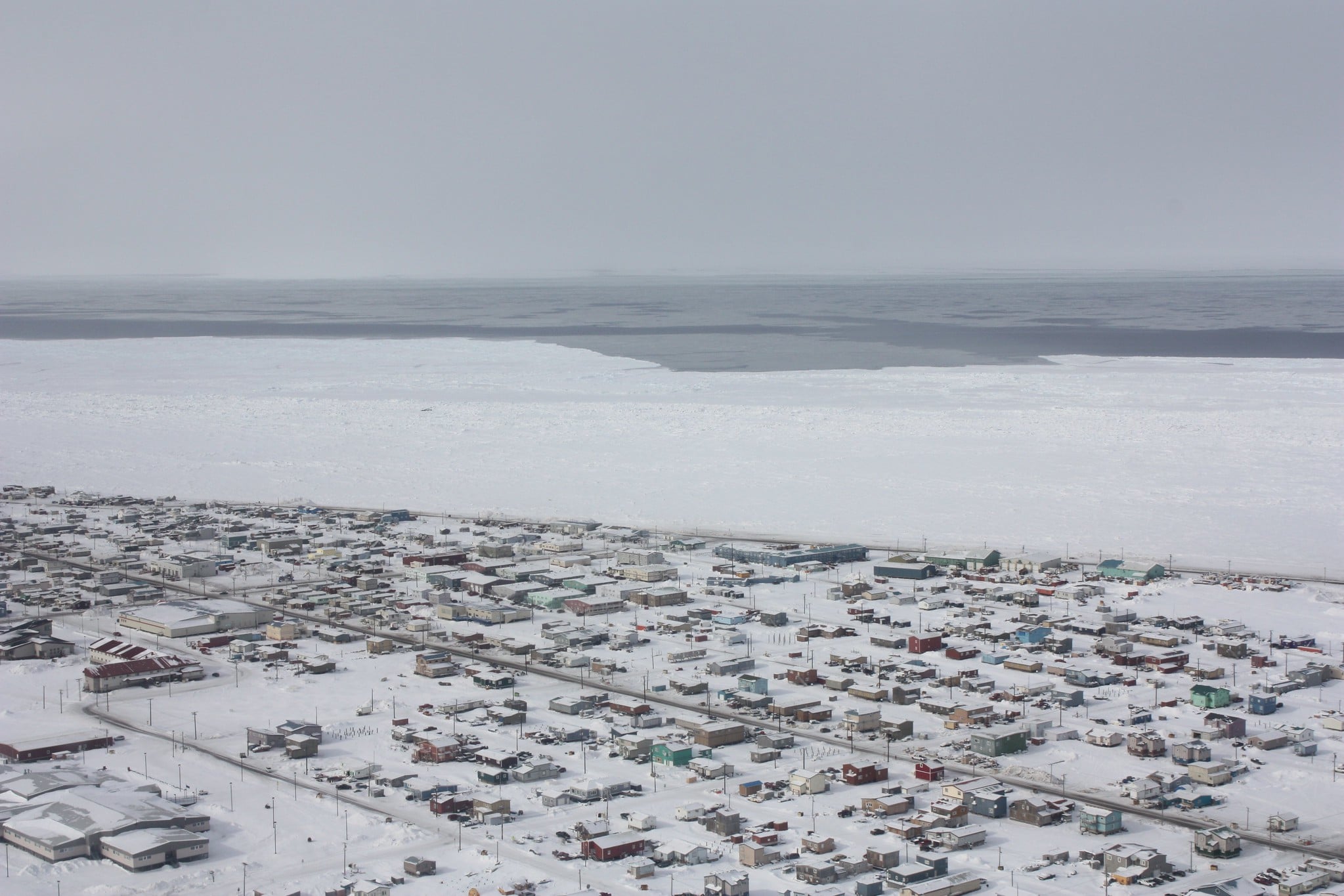
Formerly known as Barrow, this northernmost American city experiences 65 straight days without sunset from mid-May through early August. The sun disappears completely for about 65 days during winter, creating the most extreme light-dark cycle of any major settlement in the world.
Residents have developed unique sleep schedules and use blackout curtains extensively during the bright summer months to maintain some semblance of normal rest patterns.
Tromsø, Norway
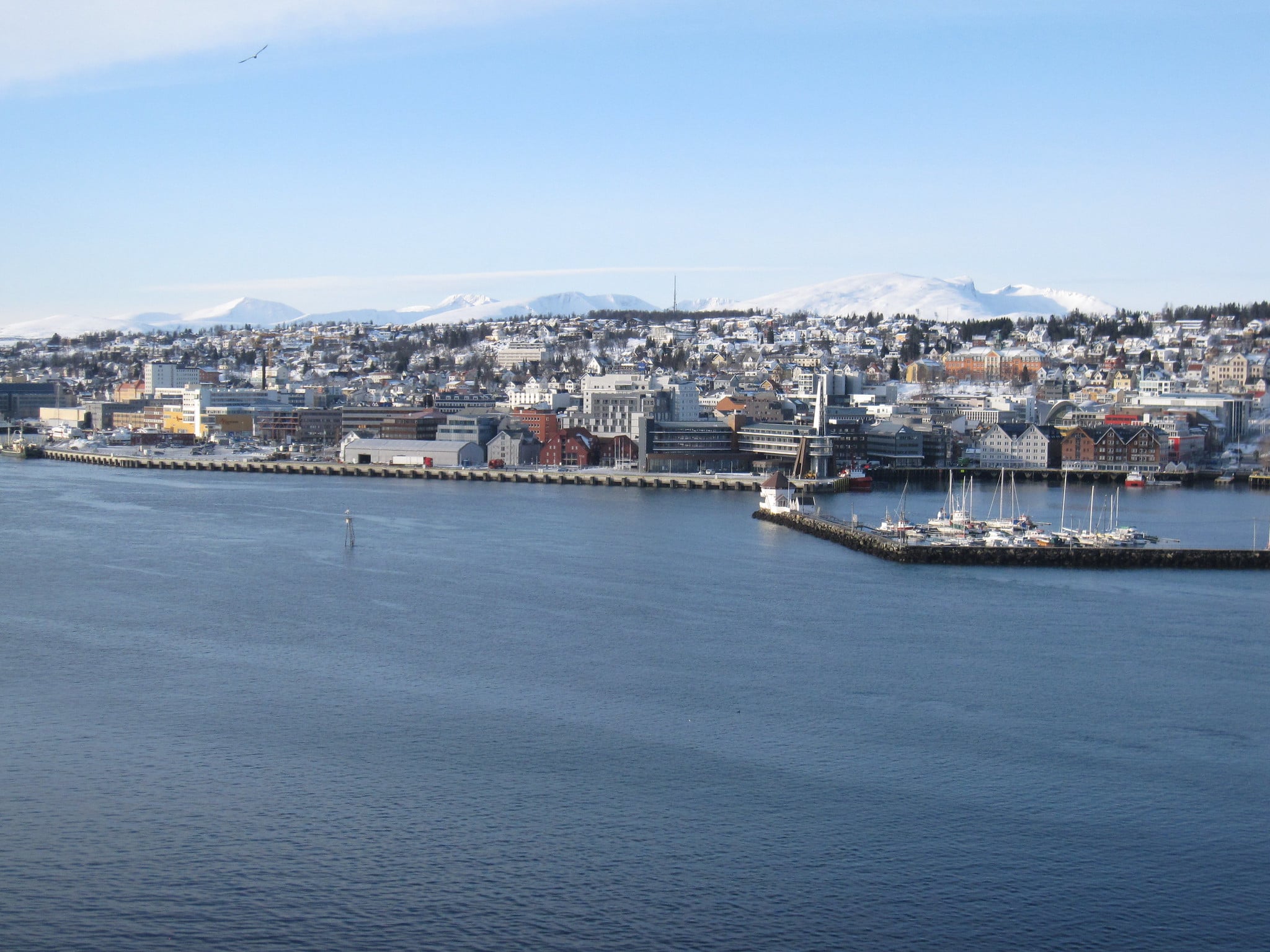
This vibrant Arctic city of 76,000 people enjoys midnight sun from mid-May to late July, with the sun never dropping below the horizon for about two months. Tromsø has become a major tourist destination precisely because of this phenomenon – visitors can play midnight golf, hike at 2 AM, or attend outdoor festivals under the bright summer sky.
The city maintains a surprisingly active nightlife scene that continues around the clock during peak summer.
Like Go2Tutors’s content? Follow us on MSN.
Alert, Canada
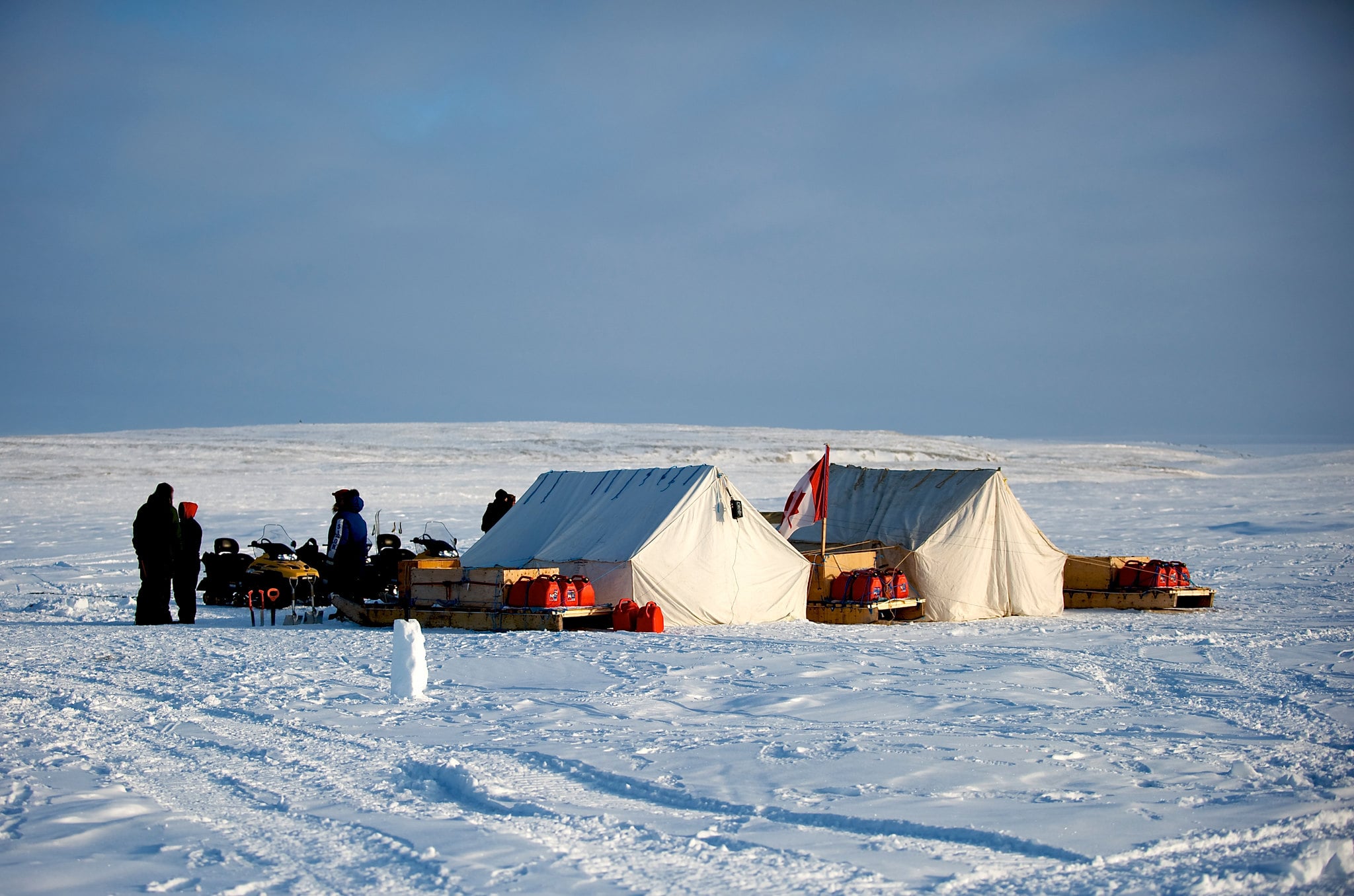
Located on Ellesmere Island in Nunavut, Alert holds the distinction of being the world’s northernmost permanently inhabited place and experiences about four months of continuous daylight. This Canadian military station and weather monitoring post sees the sun rise in mid-February and doesn’t set again until mid-October.
The small population of researchers and military personnel must adapt to extreme isolation combined with months of unchanging bright conditions.
Svalbard, Norway
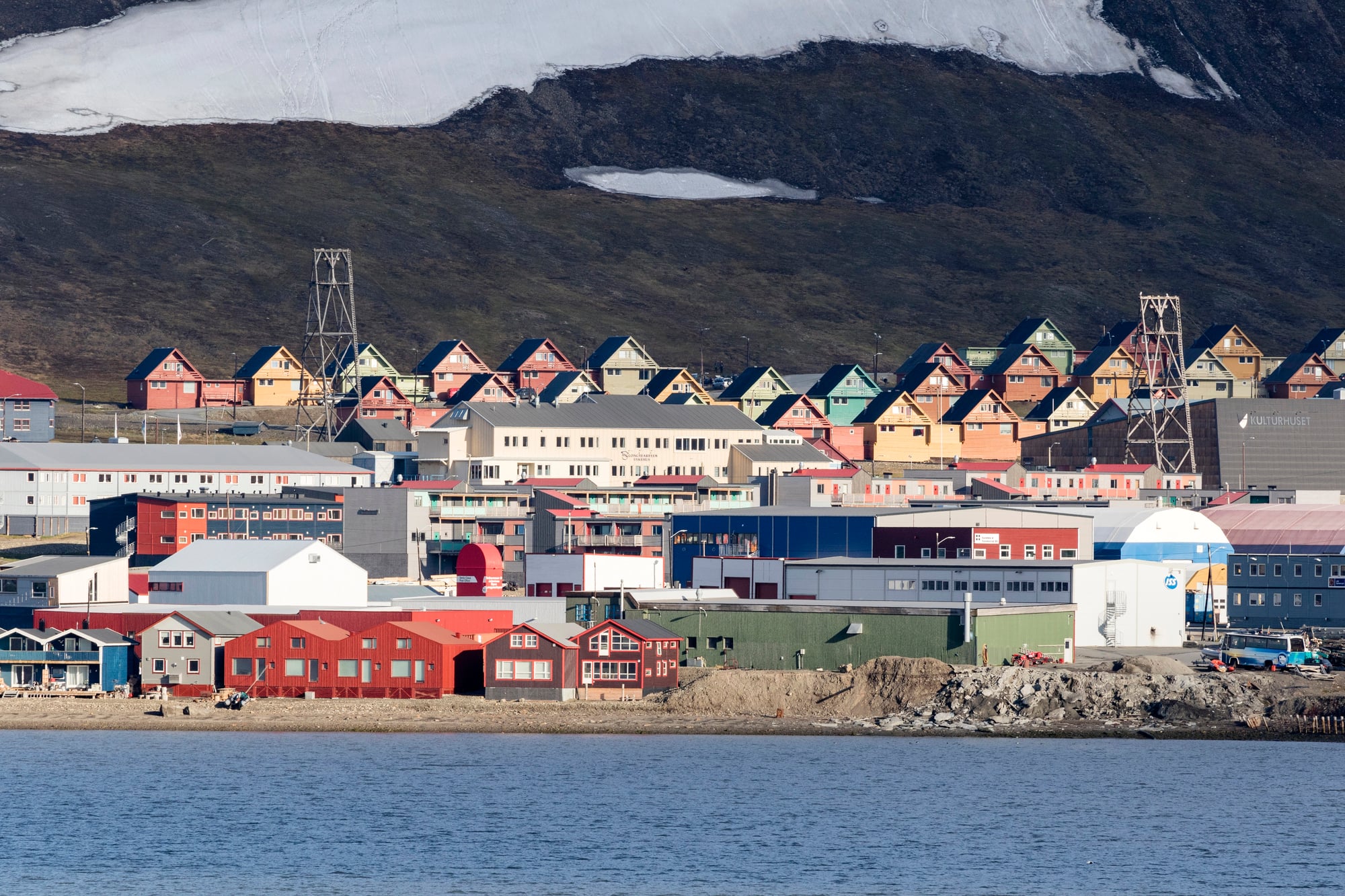
The entire Svalbard archipelago experiences polar days from mid-April to late August, with the main settlement of Longyearbyen hosting about 2,000 residents during this perpetually bright period. Svalbard’s unique position means that even at midnight, the sun hangs visibly in the sky like a permanent sunset that never ends.
The islands have developed a thriving research community and eco-tourism industry built around this remarkable natural phenomenon.
Fairbanks, Alaska
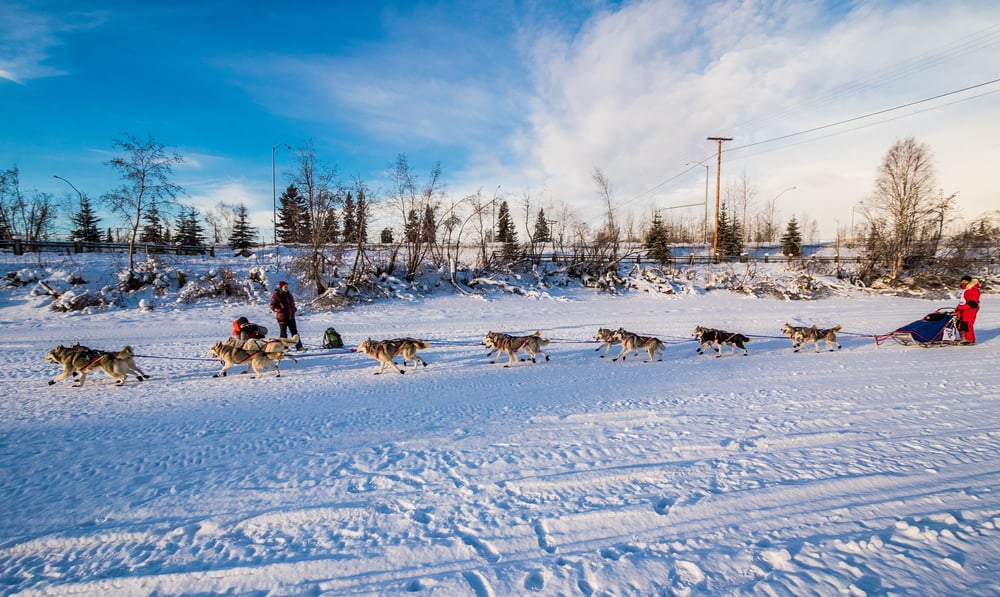
While not experiencing true midnight sun, Fairbanks gets nearly 22 hours of daylight during summer solstice, with the remaining twilight so bright it feels like continuous daylight. The sun dips just slightly below the horizon but never creates true darkness, maintaining an extended golden hour effect throughout the night.
Local residents often lose track of time completely during these bright summer weeks when the distinction between day and night virtually disappears.
Like Go2Tutors’s content? Follow us on MSN.
Rovaniemi, Finland
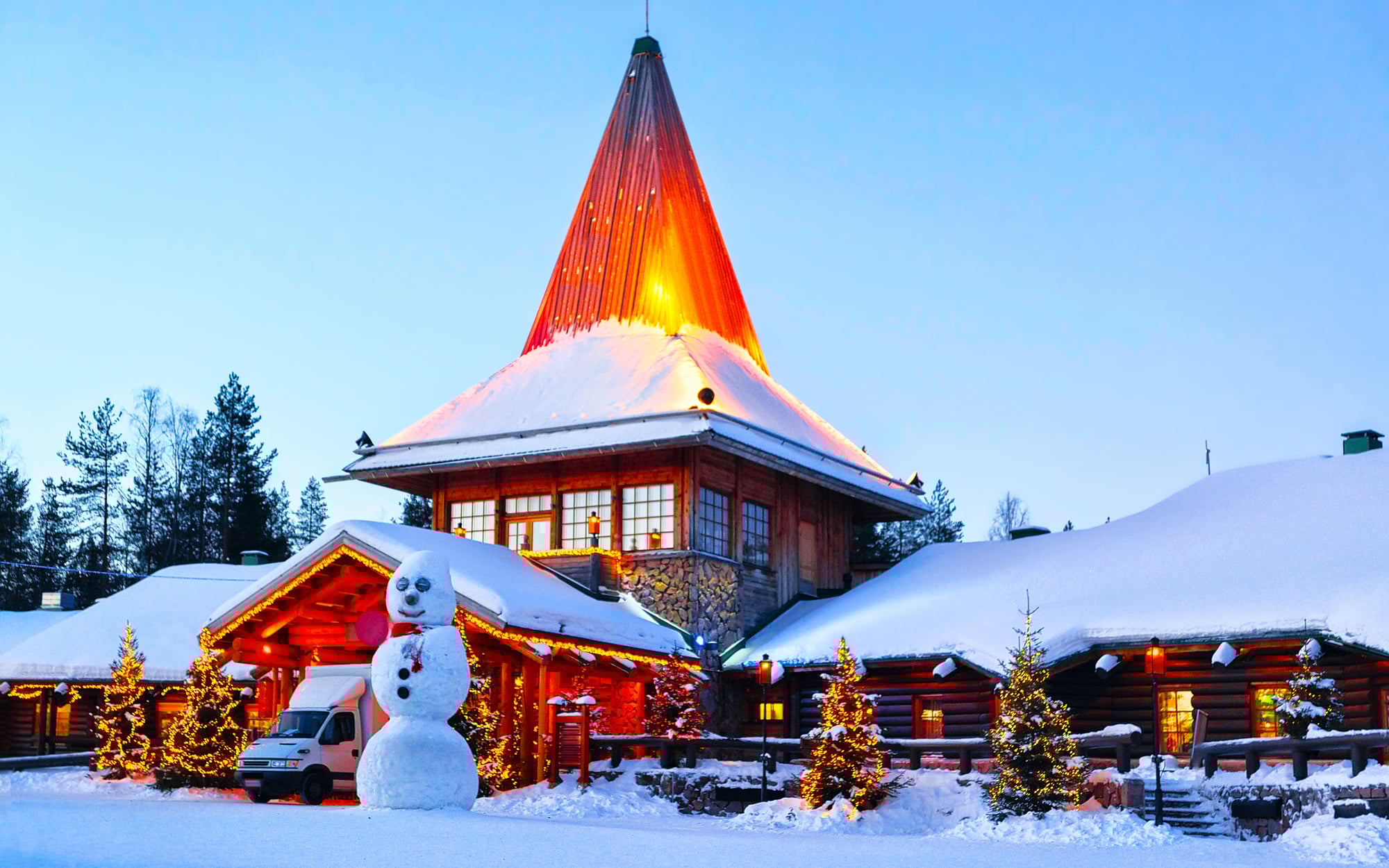
The capital of Finnish Lapland experiences about two months of midnight sun, drawing thousands of visitors who want to experience life without darkness. Rovaniemi has embraced its unique position by hosting midnight sun festivals, 24-hour hiking events, and outdoor activities that take advantage of the endless daylight.
The city’s tourism industry peaks during these bright summer months when visitors can explore the Arctic wilderness at any hour.
Kiruna, Sweden
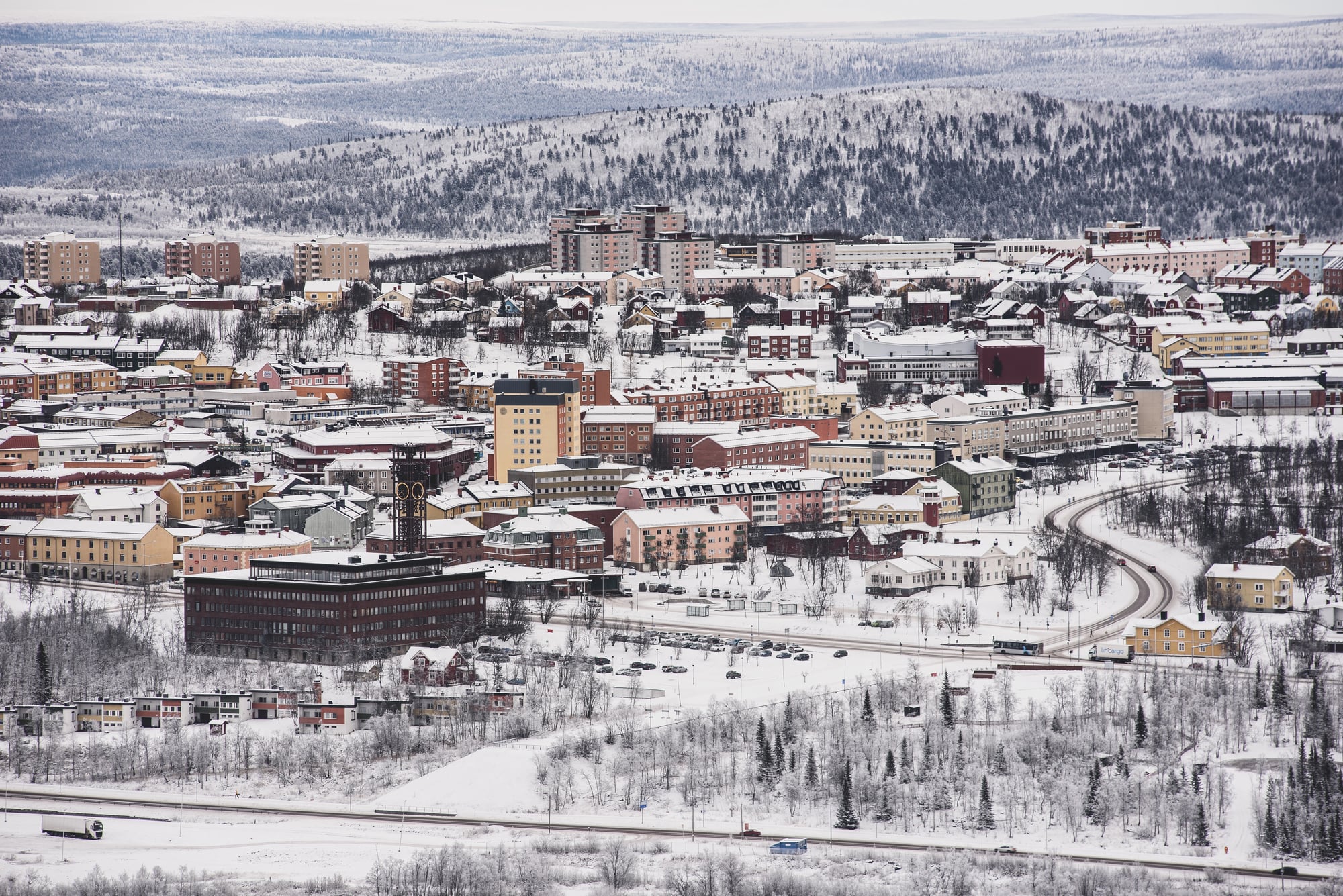
Sweden’s northernmost city enjoys midnight sun from mid-May through mid-July, creating a surreal landscape where reindeer graze under bright skies at 3 AM. Kiruna’s iron ore mining operations continue around the clock during summer months, taking advantage of the constant light for outdoor work.
The city has developed a culture of late-night outdoor activities, with residents commonly hiking, fishing, or socializing outdoors well past traditional bedtime hours.
McMurdo Station, Antarctica
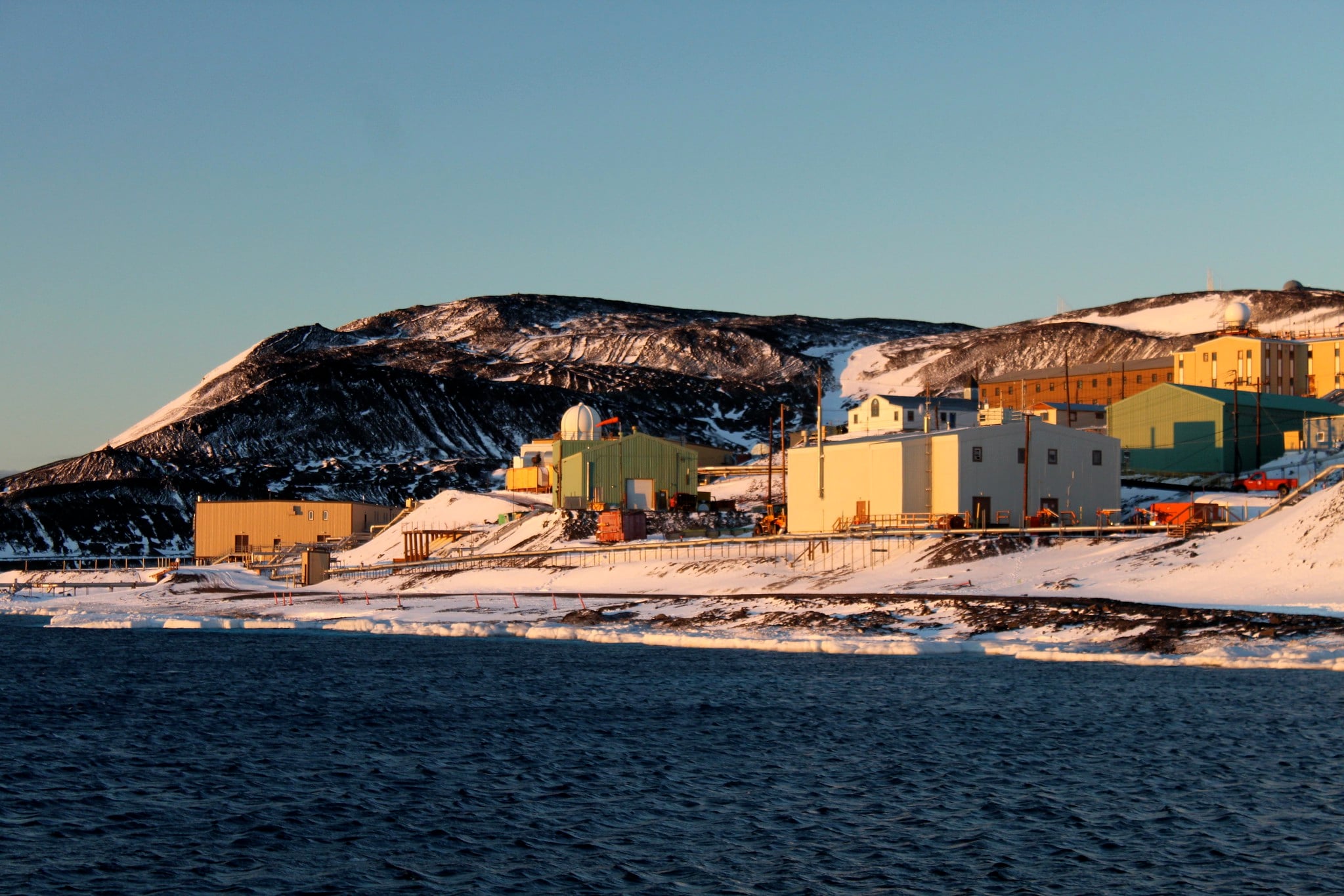
During Antarctic summer (October through February), this American research station experiences continuous daylight for about four months. McMurdo’s population swells to over 1,000 researchers and support staff during peak summer, all living and working under the constant Antarctic sun.
The station operates on New Zealand time despite the lack of natural day-night cycles, requiring residents to maintain artificial schedules.
Like Go2Tutors’s content? Follow us on MSN.
Murmansk, Russia
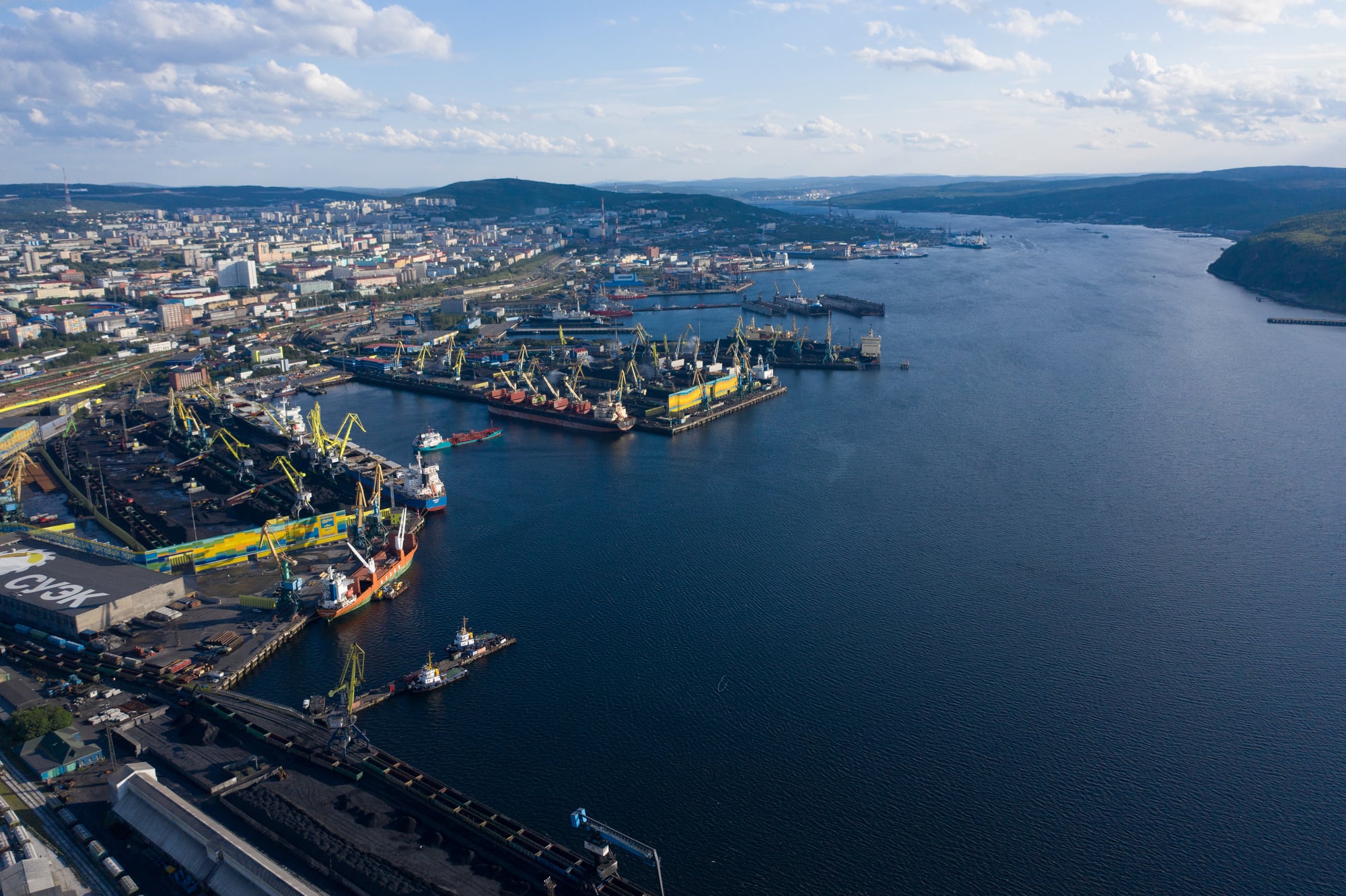
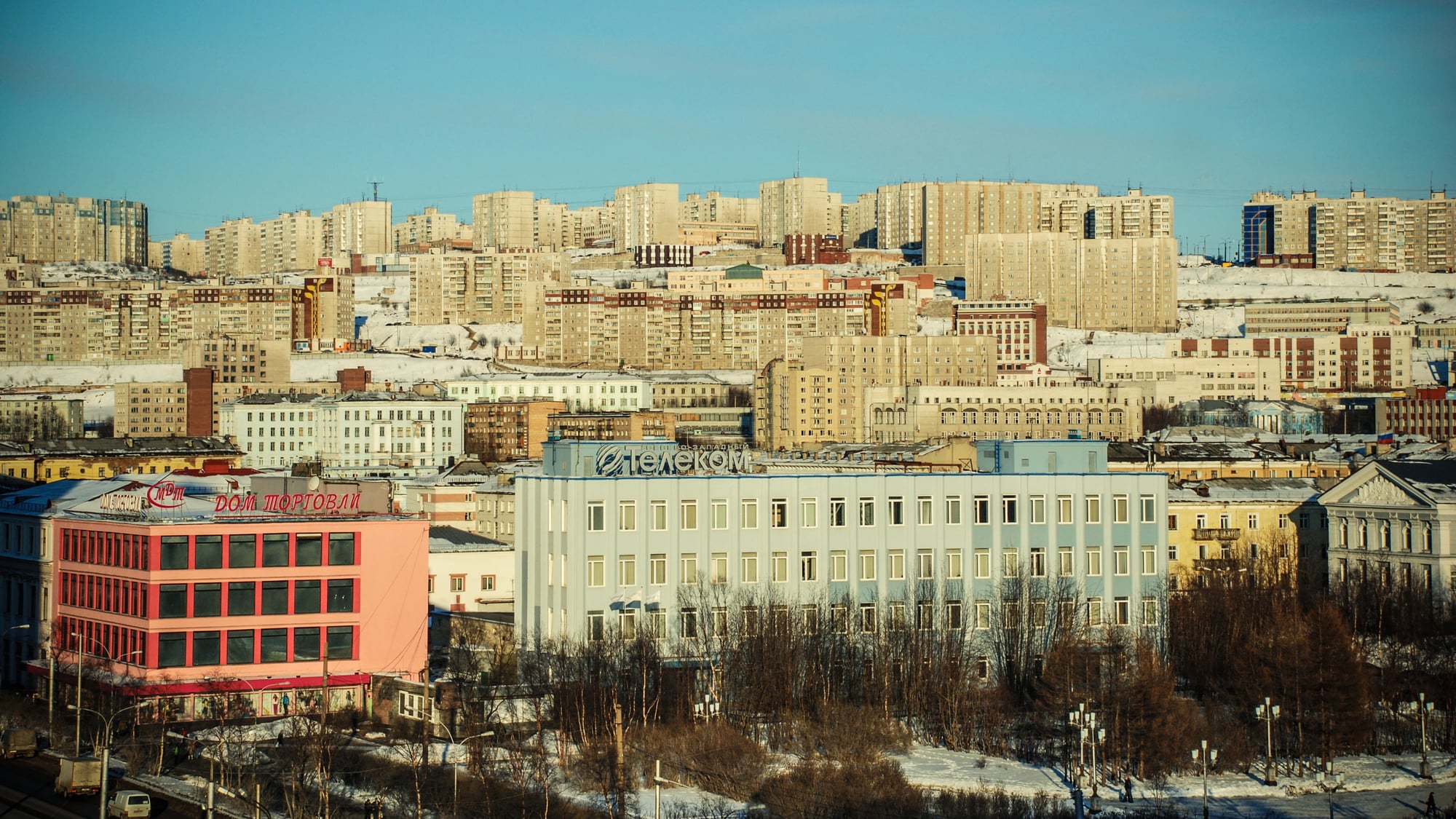
This major Arctic port city of nearly 300,000 people experiences about two months of midnight sun, making it the largest city in the world to enjoy this phenomenon. Murmansk’s strategic location has made it an important naval base and shipping center, with port operations continuing around the clock during the bright summer months.
The city hosts annual midnight sun festivals that celebrate the unique Arctic culture and endless daylight.
Inuvik, Canada
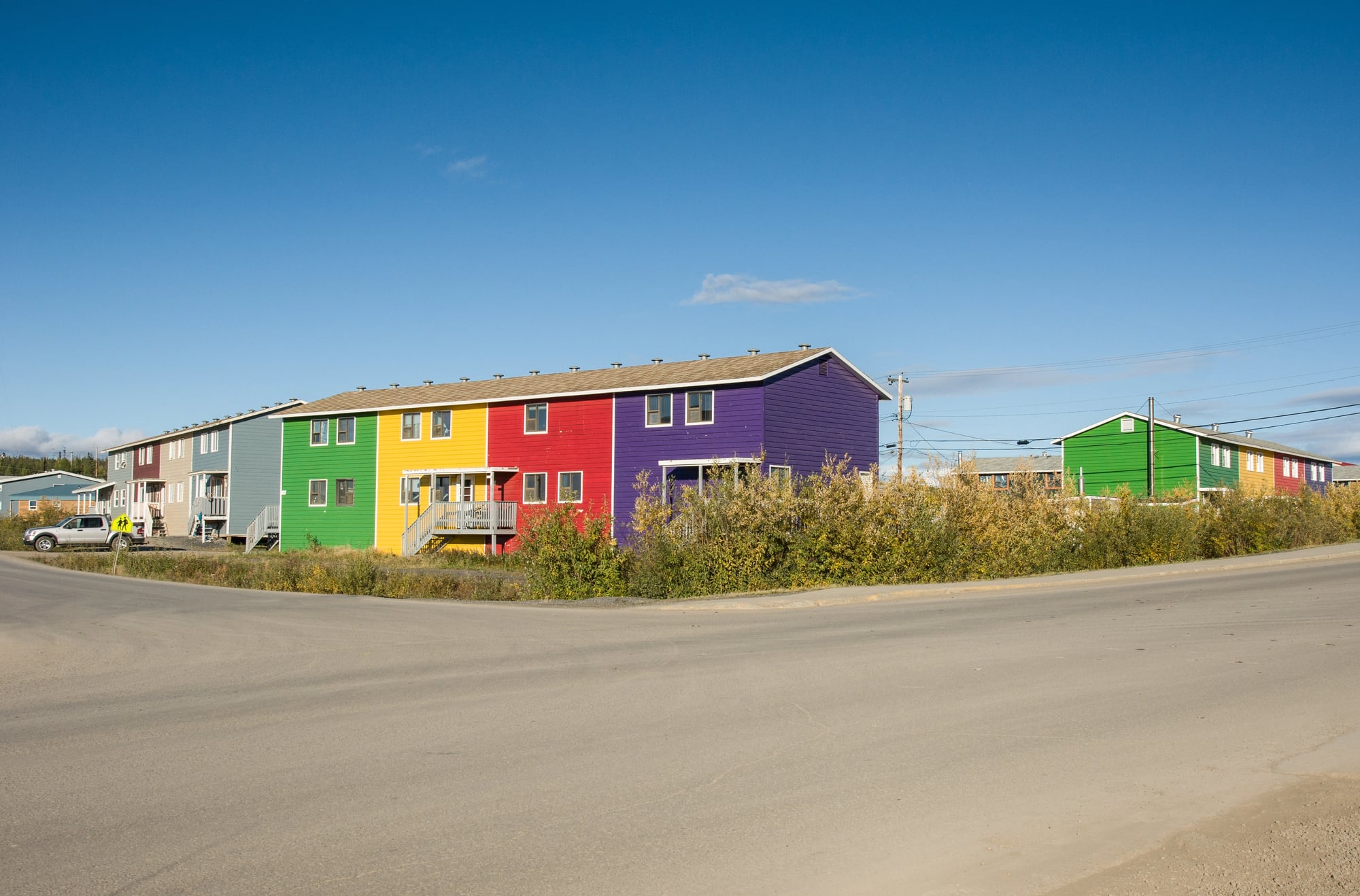
Located in Canada’s Northwest Territories, Inuvik experiences 56 consecutive days of midnight sun from early June to mid-July. This town of about 3,000 residents has developed creative ways to mark time during the endless daylight, including community events scheduled by clock time rather than natural light cues.
Inuvik serves as a hub for Arctic research and has become a popular destination for midnight sun tourism.
Hammerfest, Norway
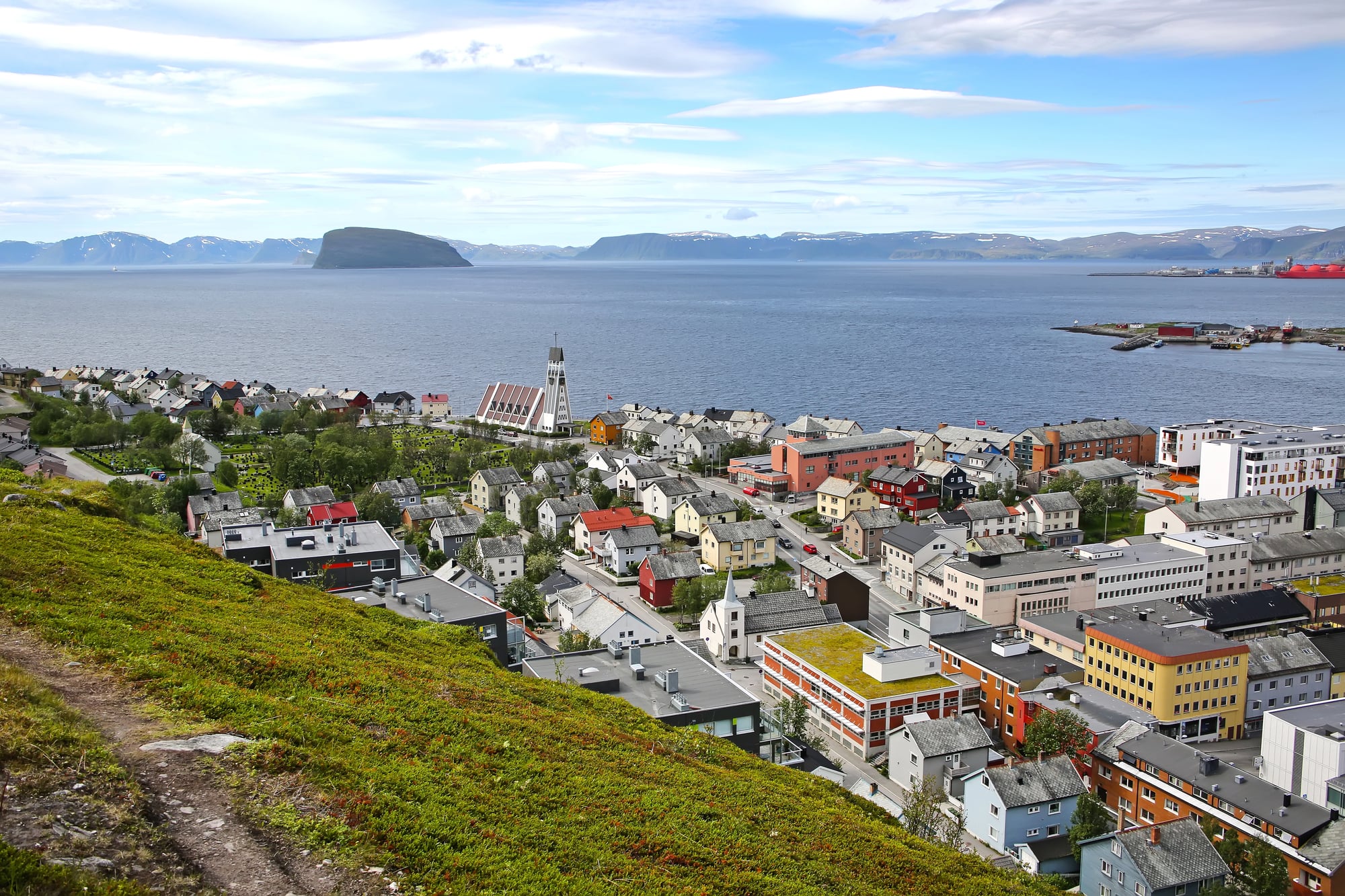
This historic Arctic town claims to be the world’s northernmost city and experiences midnight sun from mid-May to late July. Hammerfest has a long history of Arctic exploration and currently serves as a major center for natural gas processing, with industrial operations continuing around the clock during summer months.
The town maintains traditional Norwegian culture adapted to extreme Arctic conditions, including outdoor markets and festivals held under the midnight sun.
Like Go2Tutors’s content? Follow us on MSN.
Yellowknife, Canada
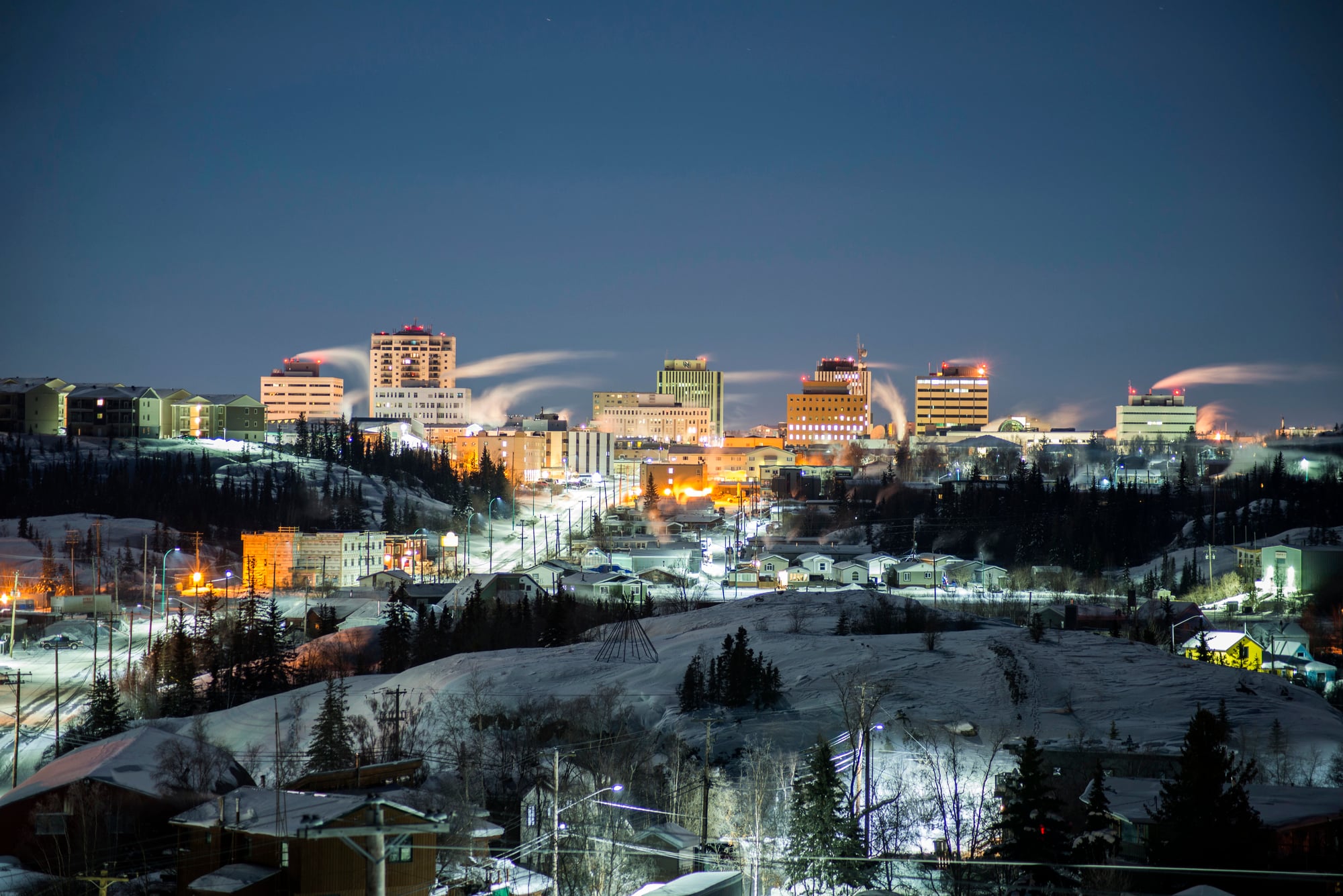
Similar to Fairbanks, Yellowknife doesn’t experience true midnight sun but enjoys nearly 20 hours of daylight with twilight so bright it mimics full daylight conditions. The sun dips briefly below the horizon but never allows true darkness to settle over the city during peak summer.
Yellowknife has built a reputation for both winter aurora viewing and summer’s extended golden light periods that blur the line between day and night.
Palmer Station, Antarctica
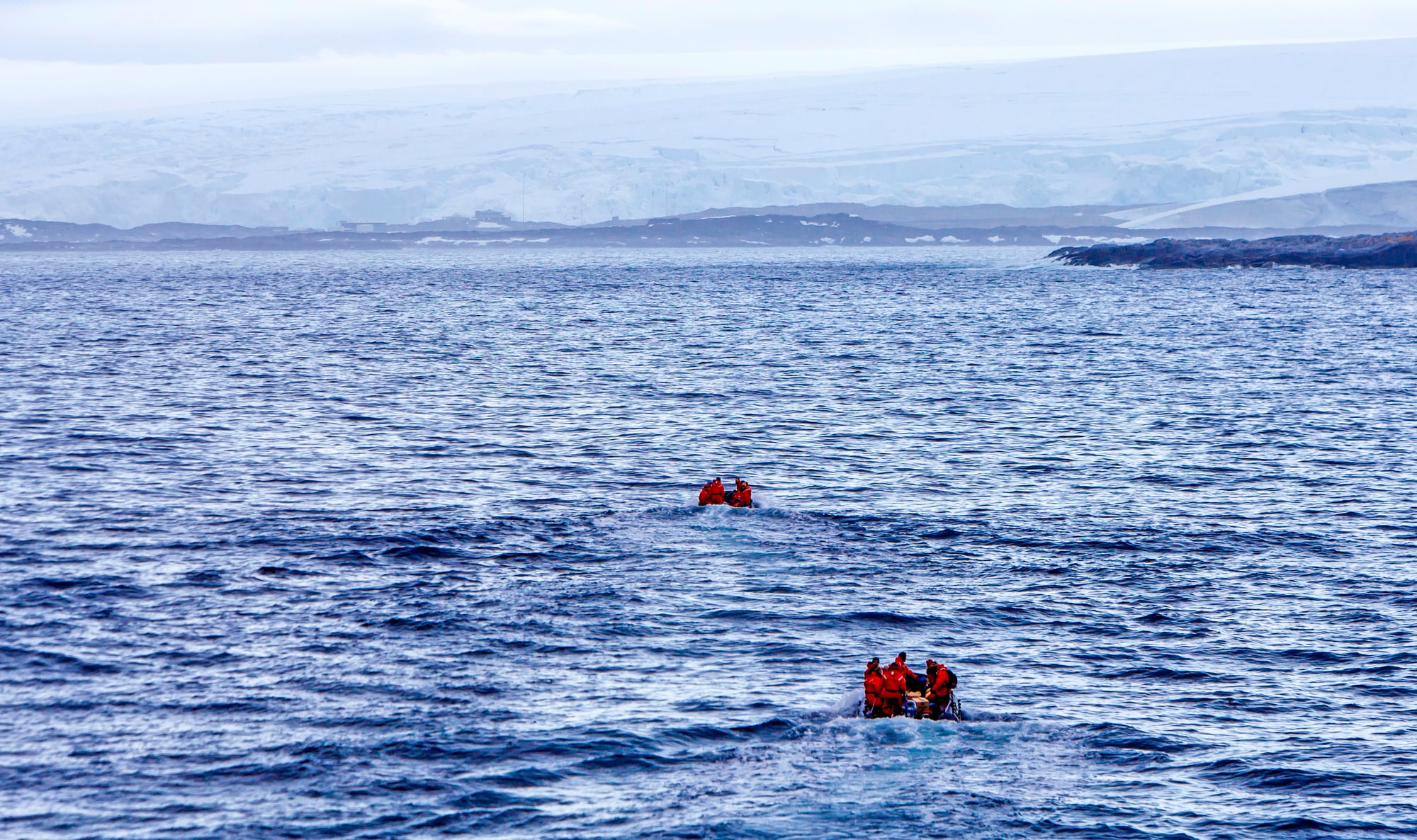
This American research station on the Antarctic Peninsula experiences continuous daylight from November through January during the Antarctic summer. Palmer focuses on marine and terrestrial research, with scientists taking advantage of the endless daylight to conduct extended field studies.
The station’s small population of researchers and support staff must maintain artificial sleep schedules despite the constantly bright conditions.
Living Under the Endless Sky
These sun-soaked places remind us how dramatically geography can shape human experience and adaptation. Communities that never see darkness for months have developed unique cultures, work schedules, and social rhythms that most of the world can barely imagine.
From Alaska’s northernmost settlements to Antarctica’s research stations, these locations prove that humans can thrive even under the most extreme natural conditions. The midnight sun phenomenon creates not just a curiosity for tourists, but entire ways of life built around the assumption that summer means endless day, transforming how people sleep, work, and celebrate in some of Earth’s most remote corners.
More from Go2Tutors!

- 16 Historical Figures Who Were Nothing Like You Think
- 12 Things Sold in the 80s That Are Now Illegal
- 15 VHS Tapes That Could Be Worth Thousands
- 17 Historical “What Ifs” That Would Have Changed Everything
- 18 TV Shows That Vanished Without a Finale
Like Go2Tutors’s content? Follow us on MSN.