14 Machines That Failed the Second They Hit Extreme Weather
We rely on machines for nearly everything in our modern world, from transportation to communication to climate control. Engineers design these mechanical marvels to withstand a range of conditions, but Mother Nature has a way of pushing beyond those limits.
When extreme weather strikes, even the most sophisticated technology can fail in spectacular ways. Here is a list of 14 machines that couldn’t handle nature’s fury when put to the ultimate test.
Arctic Drilling Platforms

Oil companies learned harsh lessons when attempting to drill in the Arctic Circle. Several platforms designed for -40°F temperatures buckled when unexpected -60°F polar vortex conditions caused metal components to become brittle and crack.
The hydraulic systems also seized as specialized fluids thickened beyond operational viscosity, making the multi-million dollar rigs useless until weather improved.
Space Shuttle Challenger

The tragic 1986 Challenger disaster occurred largely because of weather-related mechanical failure. Engineers warned against launching in the unusually cold Florida temperatures, but the mission proceeded anyway.
The rubber O-rings designed to seal rocket booster segments became stiff in the freezing conditions and couldn’t maintain their seal, allowing hot gases to escape and trigger the catastrophic explosion.
Chicago’s Air Conditioning Grid

During the 1995 heat wave that killed hundreds, Chicago’s power infrastructure couldn’t handle the demand as temperatures soared above 100°F. Transformers overheated and exploded across the city while cooling systems failed simultaneously.
The cascading failures left thousands without power precisely when air conditioning was most desperately needed.
Hurricane-Struck Wind Turbines
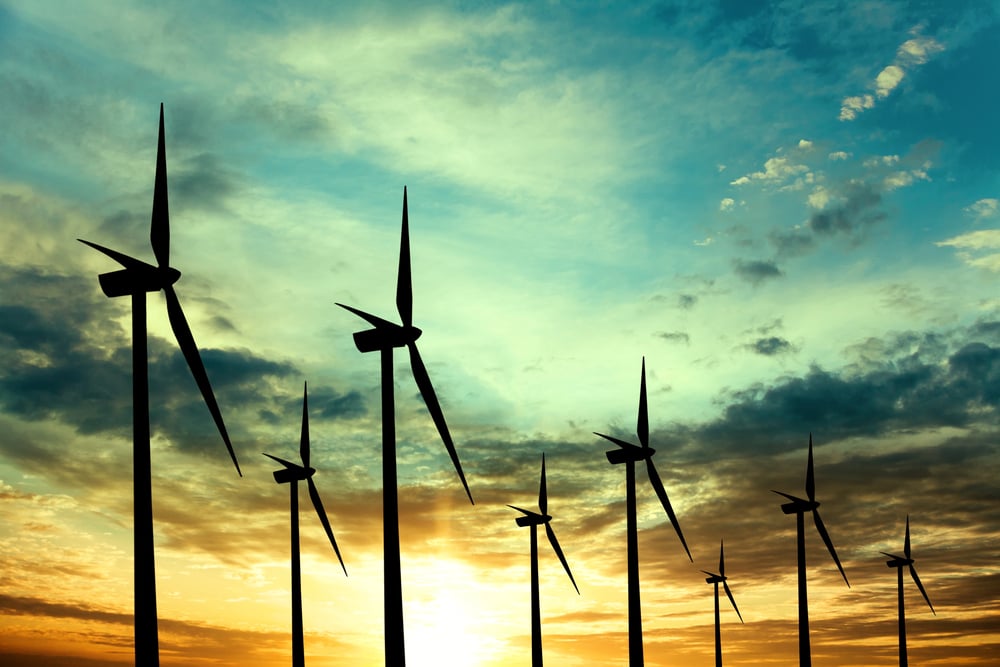
Ironically, machines designed to harness wind energy often can’t survive extreme wind events. During Hurricane Maria in 2017, Puerto Rico’s wind farms suffered catastrophic damage when winds exceeded 155 mph.
Turbine blades designed to withstand 130 mph winds were torn apart, and control systems shorted out from water intrusion despite supposedly waterproof seals.
Frost-Cracked Railway Lines

Modern railways use continuous welded rails that eliminate the clickety-clack of older segmented tracks. However, these continuous rails can buckle or crack during extreme temperature swings.
The 2019 polar vortex caused over 400 rail breaks across the Midwest as temperatures plummeted to -30°F, halting freight and passenger service throughout the region.
Arizona’s Melting Mailboxes

During the record-breaking 2021 heat wave, temperatures in Phoenix soared to 118°F for days on end. Plastic mailboxes throughout the city literally melted and deformed, with some completely collapsing.
The postal service had to replace thousands of boxes with new heat-resistant models after discovering standard plastics couldn’t withstand the extreme desert conditions.
Flooded Server Farms

Hurricane Sandy taught tech companies hard lessons about data center placement. Several major Manhattan server farms were knocked offline when basement generators flooded despite being ‘flood-proof’ according to their specifications.
The weather event exposed major vulnerabilities in our digital infrastructure as critical systems went down across the financial district.
Frozen Texas Power Grid

The 2021 winter storm that paralyzed Texas revealed fatal flaws in the state’s isolated power grid. Natural gas wellheads froze, wind turbines iced over, and nuclear plant cooling systems failed as temperatures dropped far below what equipment was designed to handle.
The cascading failures left millions without power for days during freezing conditions.
Clogged Storm Drains
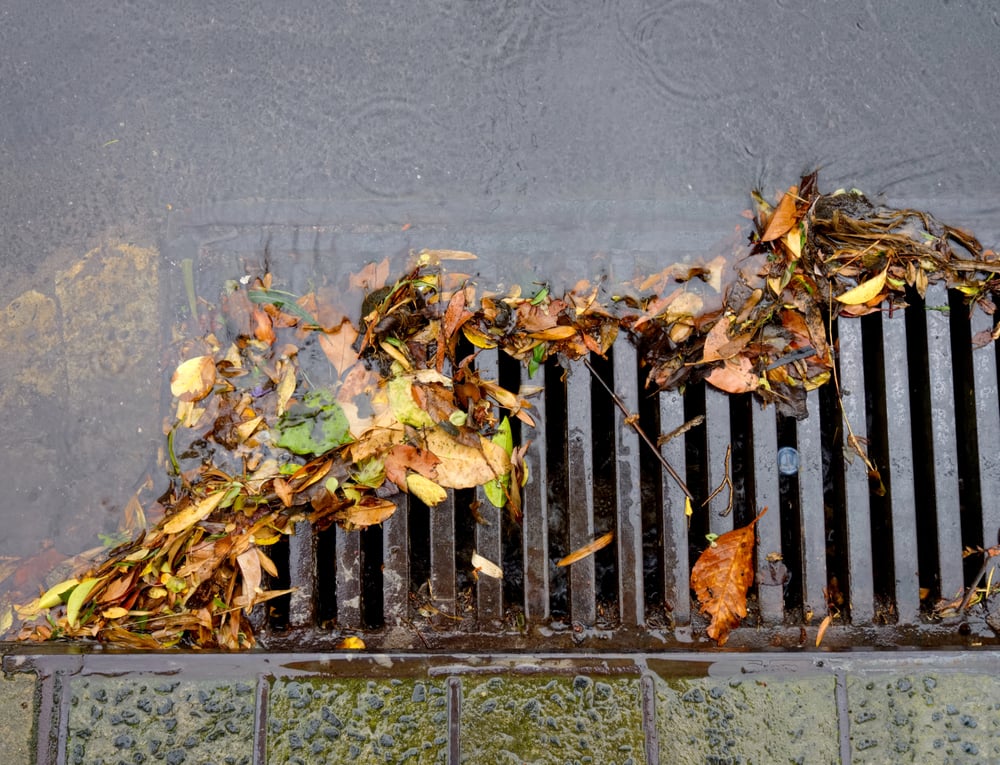
Municipal drainage systems often fail during massive rainfall events despite being engineered for ‘hundred-year storms.’ Hurricane Harvey demonstrated this when Houston’s drainage infrastructure was overwhelmed by trillions of gallons of water.
Pump stations designed to move 10,000 gallons per minute couldn’t keep up with rainfall rates exceeding their capacity threefold.
Ice-Locked Ship Propellers

Even massive cargo ships and icebreakers can be rendered helpless by extreme ice formation. During the 2014 polar vortex, several Great Lakes freighters became stranded when ice formed around their propellers faster than onboard systems could prevent it.
The ships’ engines remained functional but couldn’t provide propulsion until rescue vessels arrived.
Heat-Buckled Airport Runways

Airports worldwide have experienced failures during heat waves when runways literally buckle and crack. London’s Luton Airport had to suspend operations in July 2022 when temperatures above 100°F caused the tarmac to ripple and create dangerous conditions.
The asphalt mixture used wasn’t designed for temperatures that exceeded historical norms by over 15 degrees.
Flash-Flooded Subway Systems

New York’s subway system, despite being over a century old, remains vulnerable to extreme rainfall. In 2021, remnants of Hurricane Ida dumped over 3 inches of rain in a single hour, overwhelming pump systems designed for much less intense storms.
Stations filled with water reaching platform level, shorting out electrical systems and stranding trains mid-tunnel.
Desert-Dusted Solar Arrays

Solar farms in desert regions face particular challenges during dust storms. The 2020 haboob that swept across Arizona’s solar farms demonstrated how quickly efficiency can drop when fine particles coat panels.
Advanced cleaning systems designed for normal dust accumulation failed completely when faced with walls of dust several thousand feet high moving at 50 mph.
Frozen Aircraft Engines

Commercial aircraft are engineered for extreme conditions, but even they have limits. Several Boeing 777s experienced engine stalls during the 2018 winter storms when ice formation overwhelmed anti-icing systems.
The engines were certified to operate in icing conditions, but the particular combination of humidity, temperature, and altitude created ice crystals that the systems couldn’t prevent.
The Engineering Reality Check

These failures remind us that no machine is truly weatherproof. Engineers design systems based on historical weather patterns and cost considerations, always balancing resilience against practical constraints.
As climate change increases extreme weather frequency and intensity, many machines will need significant redesigns to function in our new reality. Every failure teaches valuable lessons about building more robust systems.
The machines that couldn’t handle yesterday’s extreme weather are helping engineers create tomorrow’s more resilient technology, ensuring we’re better prepared for whatever Mother Nature throws our way next.
More from Go2Tutors!

- The Romanov Crown Jewels and Their Tragic Fate
- 13 Historical Mysteries That Science Still Can’t Solve
- Famous Hoaxes That Fooled the World for Years
- 15 Child Stars with Tragic Adult Lives
- 16 Famous Jewelry Pieces in History
Like Go2Tutors’s content? Follow us on MSN.