14 Products Once Sold As “Healthy”
Throughout history, companies have marketed products as beneficial for your health that we now know are anything but harmful. From radioactive face creams to lead-based cosmetics, the past is filled with items that promised wellness while delivering serious consequences. Many of these products enjoyed widespread popularity for decades before their dangers became apparent.
The stories behind these misguided health claims reveal how marketing can triumph over science, though they also show how consumer protection evolved over time. Here is a list of 14 products once sold as healthy that would horrify us today.
Radium Water

In the 1920s, radium was considered a miracle cure-all by many. Companies like Radium Ore Revigator sold ceramic water crocks lined with radium ore — claiming the radioactive water would boost energy and cure everything from arthritis to impotence.
Wealthy socialites and athletes swore by their daily dose of radioactive water. They were completely unaware they were slowly poisoning themselves with each sip.
Asbestos Christmas Snow

Department stores in the 1930s and 1940s sold fake snow made from pure asbestos fibers for Christmas decorations. This “winter wonderland” material seemed perfect for creating magical holiday atmospheres around trees and nativity scenes.
Families would sprinkle it liberally throughout their homes — breathing in deadly fibers while celebrating the season.
Like Go2Tutors’s content? Follow us on MSN.
Cocaine Toothache Drops

Lloyd Manufacturing Company marketed cocaine drops as a safe remedy for children’s toothaches in the late 1800s. Parents were told these drops would instantly relieve their child’s dental pain without any side effects whatsoever.
The cheerful advertisements featured happy children and promised “instantaneous cure” — making cocaine seem like a harmless household remedy that belonged in every medicine cabinet.
Radium Beauty Creams

Cosmetic companies in the early 1900s infused face creams with radium, advertising them as anti-aging miracles. Women were told these products would give them a truly “radiant” complexion.
The irony of that marketing term becomes clear when you realize these creams literally made users radioactive — damaging their skin at the cellular level while they slept.
Mercury Teething Powders

Doctors recommended mercury-based teething powders for fussy babies well into the 20th century. These products promised to soothe infant gums and calm crying children — making them incredibly popular with exhausted parents.
The metallic taste was considered a sign of the medicine’s potency rather than a warning sign of heavy metal poisoning.
Like Go2Tutors’s content? Follow us on MSN.
Lead-Based Face Powder
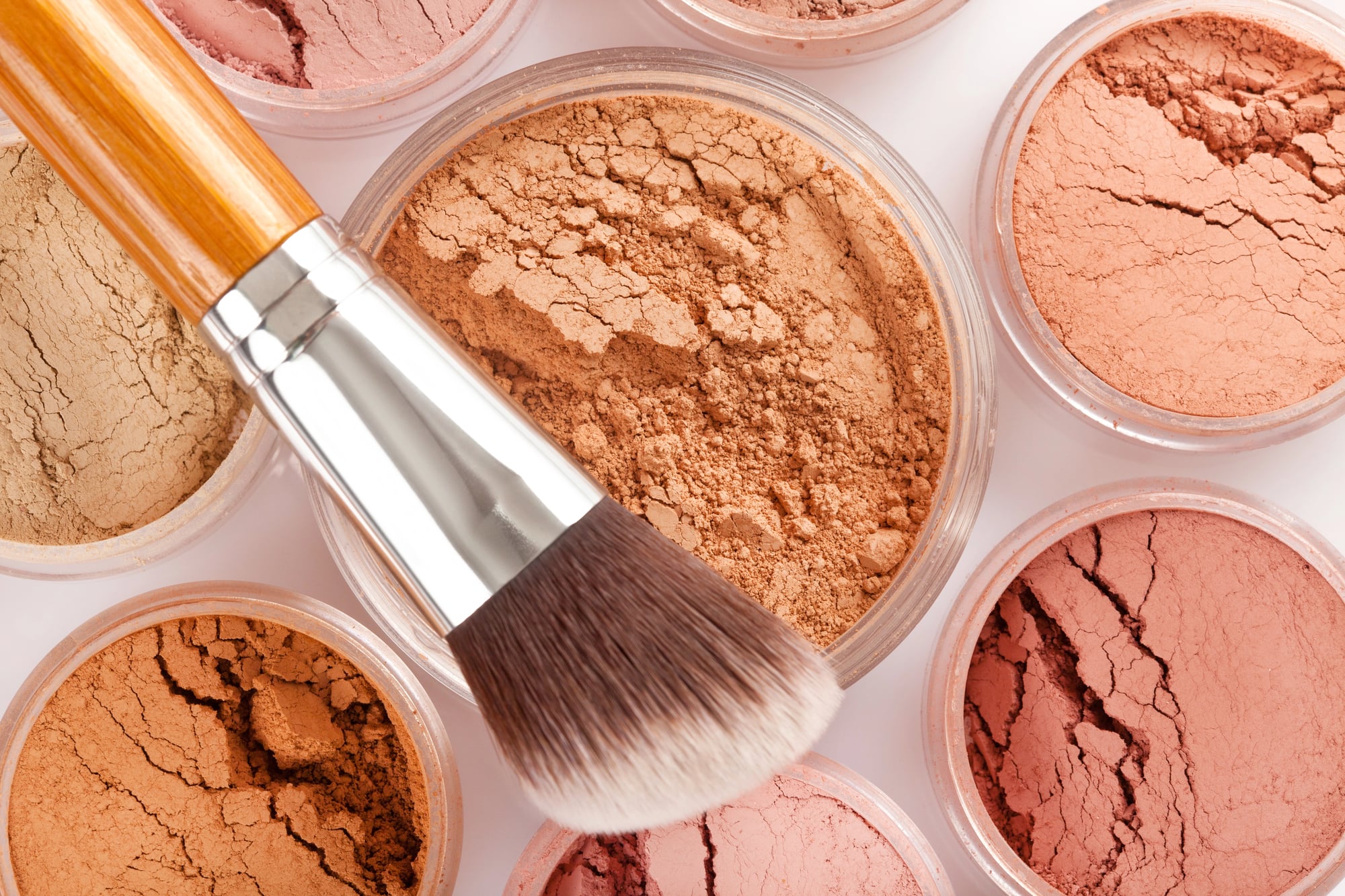
Ceruse, a lead-based white powder, was the foundation of choice for fashionable women from ancient Rome through the 18th century. Beauty guides praised its ability to create porcelain-like complexions and cover blemishes perfectly.
Regular users developed what they called “painter’s colic” — severe abdominal pain that was actually lead poisoning — yet they continued using the product because pale skin represented the height of elegance.
Heroin Cough Syrup

Bayer pharmaceutical company introduced heroin as a non-addictive substitute for morphine while marketing it as a cough suppressant for children. The company claimed heroin was safer than aspirin — perfect for treating respiratory ailments in young patients.
Parents gave their sick children spoonfuls of this “wonder drug” because they trusted that a reputable pharmaceutical company wouldn’t sell anything harmful to families.
Radioactive Toothpaste
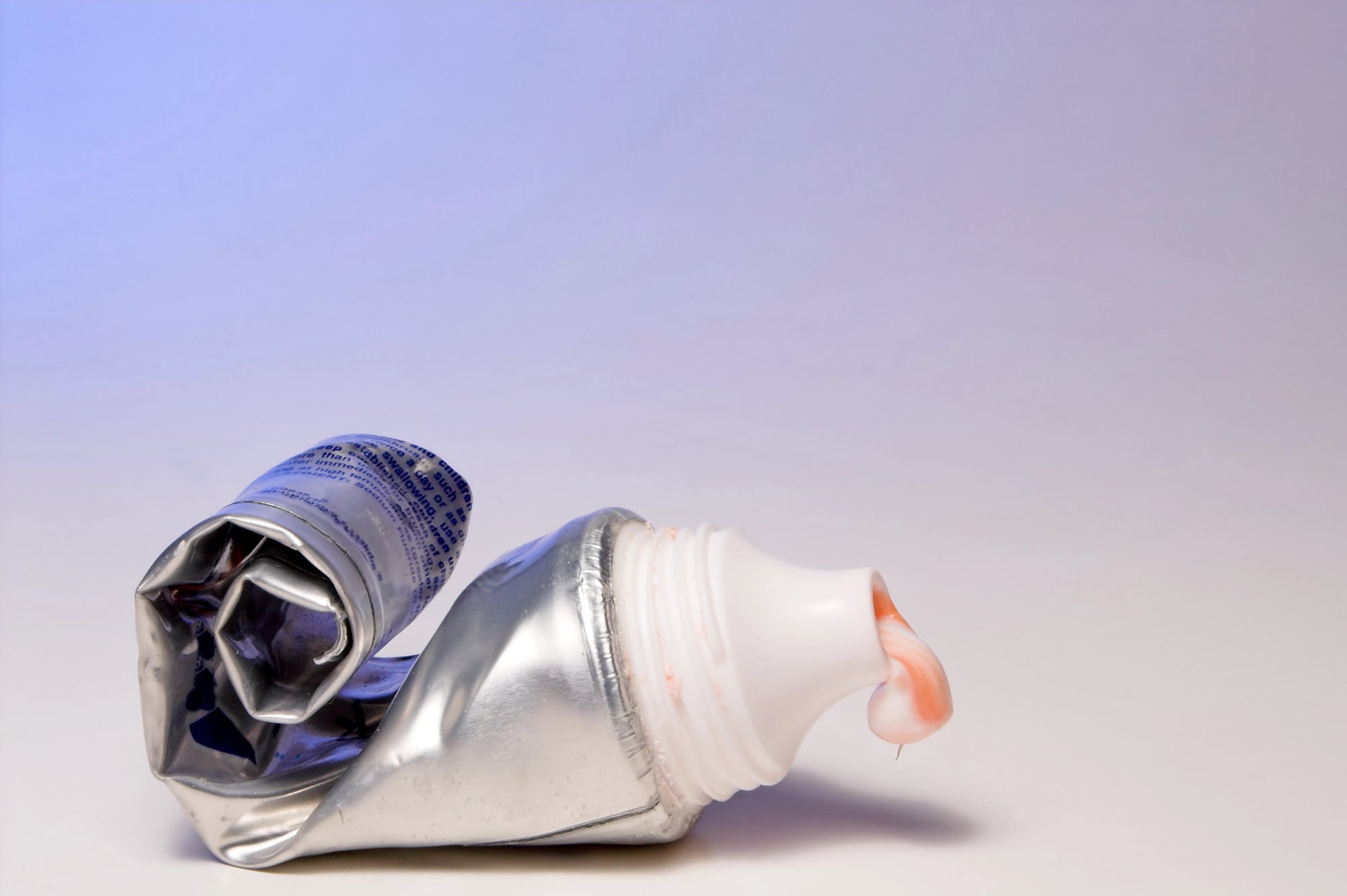
Doramad Radioactive Toothpaste promised to clean teeth with the power of radiation while fighting bacteria through radioactive thorium. The German company marketed this product as scientifically advanced — claiming radiation would strengthen tooth enamel and prevent decay naturally.
Users were told to expect their teeth to become luminous and healthier than ever before.
Like Go2Tutors’s content? Follow us on MSN.
Thalidomide for Morning Sickness

Doctors prescribed thalidomide to pregnant women in the 1950s and early 1960s as a safe treatment for morning sickness. The drug was specifically marketed to expectant mothers as non-toxic — perfect for sensitive conditions during pregnancy.
Thousands of women took this medication believing they were protecting both their health and their unborn children’s wellbeing.
Radium Suppositories

Arium products included radium suppositories marketed as treatments for various internal ailments and general health enhancement. The company claimed these products would energize users from the inside out while curing digestive problems through radiation’s supposed healing power.
Men and women used these products regularly, thinking they were receiving cutting-edge medical treatment.
Cocaine Wine

Vin Mariani, a popular wine infused with cocaine, was endorsed by Pope Leo XIII and marketed as a health tonic that would restore vitality. The French product claimed to combat fatigue, depression, and various ailments while providing a pleasant taste.
Even Thomas Edison and President William McKinley were reported fans of this “medicinal” beverage that promised to cure everything from headaches to hysteria.
Like Go2Tutors’s content? Follow us on MSN.
Radioactive Chocolate

Radiochocolate was sold as an energy-boosting confection that combined chocolate’s pleasure with radiation’s supposed health benefits. Companies claimed this treat would invigorate tired workers while providing sustained energy throughout the day.
Children and adults enjoyed these radioactive sweets, thinking they were getting both a delicious snack and a health supplement.
DDT Household Spray

DDT was marketed as a safe household insecticide that families could spray liberally around their homes and even directly on children. Advertisements showed mothers spraying DDT in their children’s bedrooms and play areas to protect them from insects.
The chemical company promised this miracle substance would create healthier living environments by eliminating disease-carrying pests without any risk to humans.
Radium Dial Paint

Watch companies hired thousands of women to paint radium on clocks and watch dials, telling them the glowing paint was completely harmless. The “Radium Girls” spent their days painting numbers on glow-in-the-dark watches with radium paint, licking their brushes to create fine points.
Supervisors encouraged workers to lick their brushes after each number, assuring them that radium was so safe they could even eat it without concern.
Like Go2Tutors’s content? Follow us on MSN.
The Price of Progress

These historical health disasters teach us that scientific understanding evolves constantly, yet marketing claims should always be viewed with healthy skepticism. What seemed like miraculous advances often carried hidden dangers that took decades to recognize and understand properly.
The legacy of these products shaped modern consumer protection laws while reminding us that “new and improved” doesn’t always mean safe. Today’s regulatory oversight exists precisely because of the harm caused by these well-intentioned but dangerous products that promised health yet delivered tragedy instead.
More from Go2Tutors!

- 16 Historical Figures Who Were Nothing Like You Think
- 12 Things Sold in the 80s That Are Now Illegal
- 15 VHS Tapes That Could Be Worth Thousands
- 17 Historical “What Ifs” That Would Have Changed Everything
- 18 TV Shows That Vanished Without a Finale
Like Go2Tutors’s content? Follow us on MSN.



