14 Unique Global Traditions That Seem Completely Bizarre To Outside Observers
Every culture has its rituals that make perfect sense to those who live them but leave outsiders scratching their heads in bewilderment. These traditions often carry deep spiritual meaning, honor ancestral customs, or celebrate life’s milestones in ways that can seem utterly foreign to those from different backgrounds. What appears strange from the outside usually holds profound significance within its cultural context — though that doesn’t make the initial shock any less jarring when you first encounter these practices.
La Tomatina
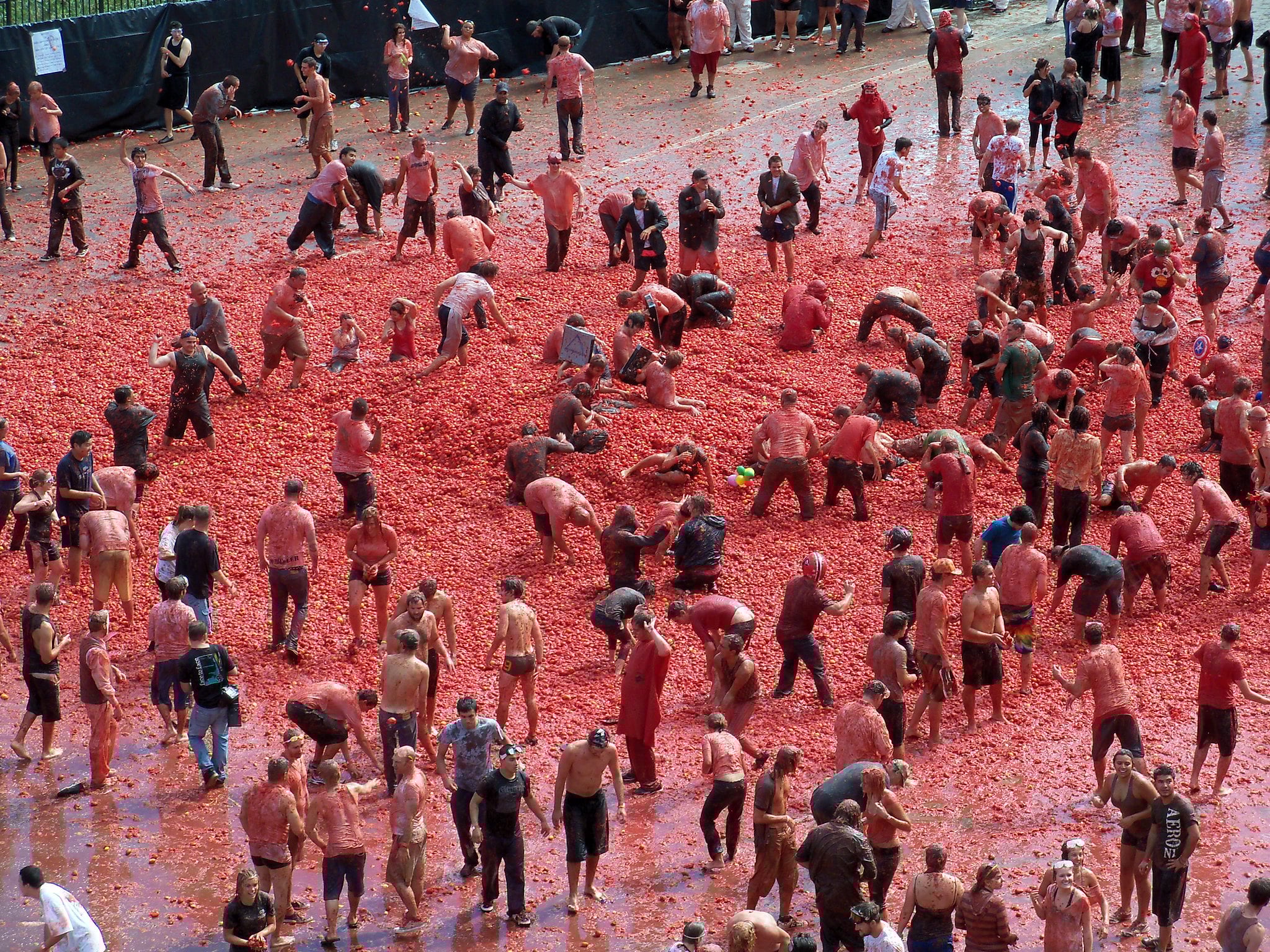
The entire town of Buñol, Spain, turns into a massive food fight every August. Strangers pelt each other with overripe tomatoes until the streets run red like a crime scene.
This isn’t some random chaos — there are rules. No bottles or hard objects. Squish the tomatoes before throwing. Stop when the second firecracker goes off. For one hour, 20,000 people destroy each other with produce while laughing hysterically.
Baby Jumping Festival
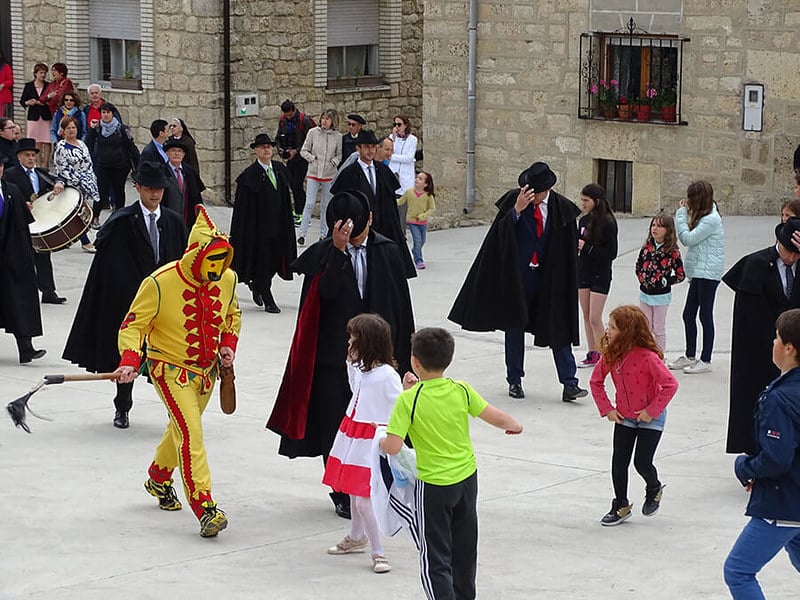
El Colacho might be the most nerve-wracking tradition on earth, and that’s saying something when you consider what parents willingly put their newborns through. In the Spanish village of Castrillo de Murcia, men dressed as devils (complete with colorful costumes and masks that would terrify most adults) sprint down the street and leap over babies born in the past twelve months, who are laid out on mattresses in neat little rows. The idea — and this is where the cultural disconnect becomes almost comical to outsiders — is that this airborne devil-man somehow cleanses the infants of original sin and protects them from evil spirits. So naturally, you’d want a stranger in a demonic costume hurdling over your three-month-old at high speed.
The festival dates back to 1620, which means generations of Spanish parents have watched this spectacle and thought, “Yes, this seems like solid childcare.” And the babies? They mostly sleep through it.
Finger Cutting Mourning Ritual
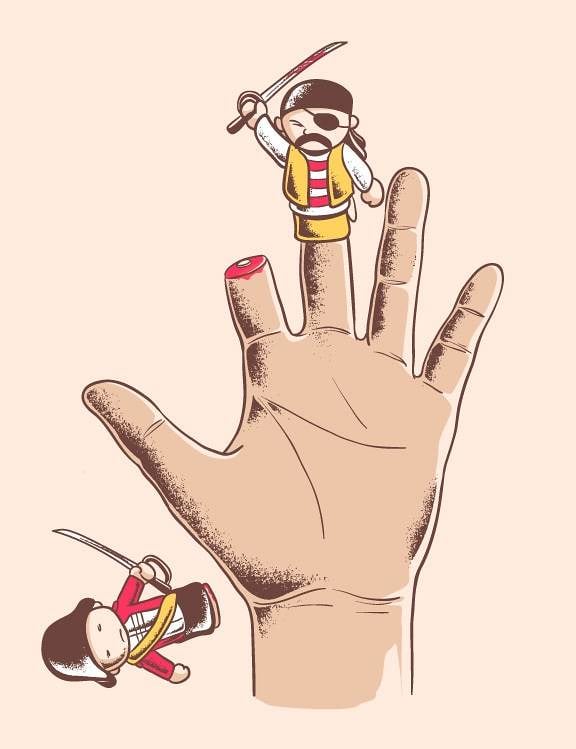
There’s something almost unbearably raw about the Dani people’s approach to grief. When someone dies in their Indonesian highland community, female relatives don’t just weep or wear black — they cut off segments of their fingers. The physical pain becomes a mirror for emotional anguish, making the invisible weight of loss suddenly, undeniably present.
It’s the kind of tradition that makes you realize how sanitized and distant most modern mourning has become. We send flowers and speak in hushed tones, but the Dani make their sorrow literal, carved into their bodies where everyone can see it. The shortened fingers become a permanent map of everyone they’ve loved and lost.
Bullet Ant Initiation
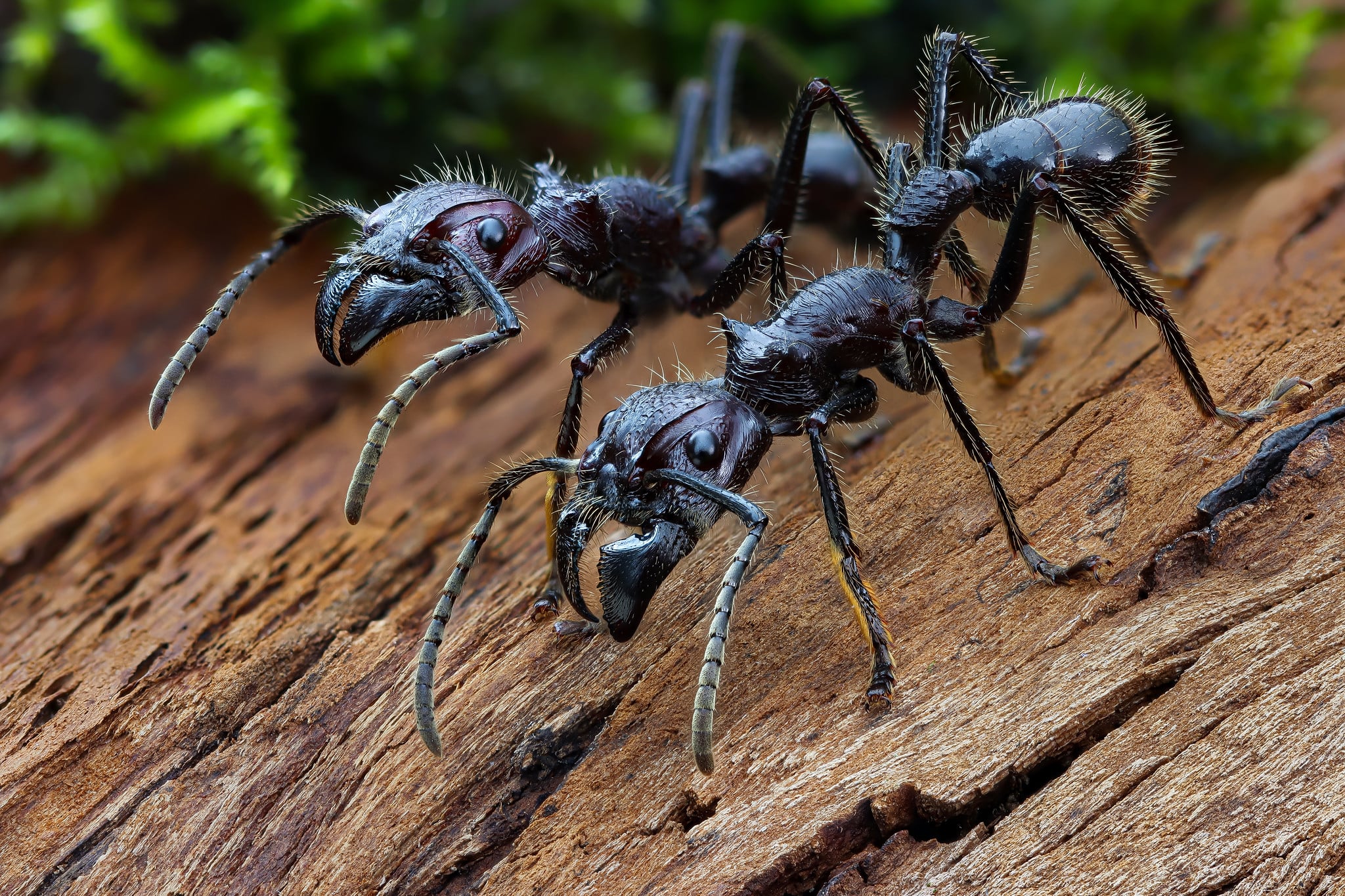
Young men in the Amazon don’t get driver’s licenses to mark their passage into adulthood. They get bullet ants. The Sateré-Mawé people weave hundreds of these insects — whose sting ranks as the most painful in the insect world — into gloves made of leaves.
The initiation ritual is straightforward and absolutely brutal. Boys slip their hands into these gloves and endure twenty minutes of agony that’s been compared to being shot, hence the ant’s name. The pain doesn’t stop there though. They’ll shake uncontrollably for hours afterward, and they have to repeat this process twenty times over several months to be considered men.
Blackening of the Bride

Scottish tradition takes pre-wedding jitters to places most cultures wouldn’t dare venture. In some Highland communities, friends and family “blacken” the bride (and sometimes groom) by covering them in a mixture that defies pleasant description — we’re talking flour, eggs, feathers, treacle, and whatever other sticky, smelly substances come to mind.
Then they parade the blackened person through town while everyone makes as much noise as possible with pots, pans, and car horns. The logic? If you can handle this humiliation with grace, marriage should be relatively manageable. It’s like a stress test conducted in substances that will take weeks to completely wash out of your hair.
Night Hunting Courtship
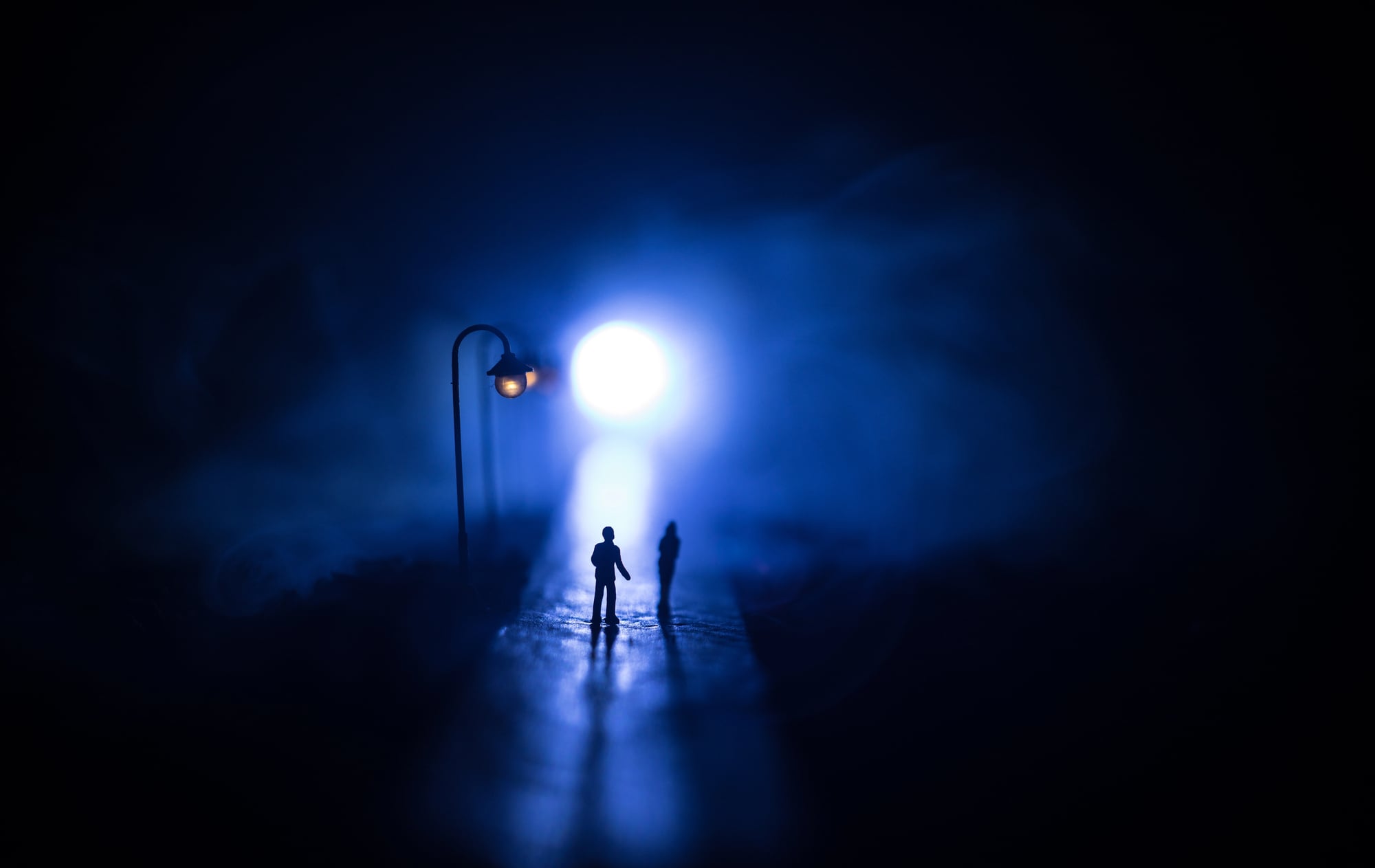
The Kreung people of Cambodia have turned teenage romance into something that would give most Western parents heart palpitations. Young unmarried women sleep in elevated huts away from their families, and eligible bachelors are not just allowed but expected to visit them at night to court them through whispered conversations in the dark.
These aren’t supervised visits with chaperones serving tea in the parlor. Boys sneak into these “love huts” after dark, and the girls decide whether to let them stay and talk until dawn. The tradition operates on the assumption that young people can figure out compatibility and attraction without adult interference, which produces marriages based on genuine choice rather than family arrangement.
The cultural trust involved is staggering — parents essentially hand over the courtship process entirely to their teenagers and hope for the best.
Monkey Buffet Festival
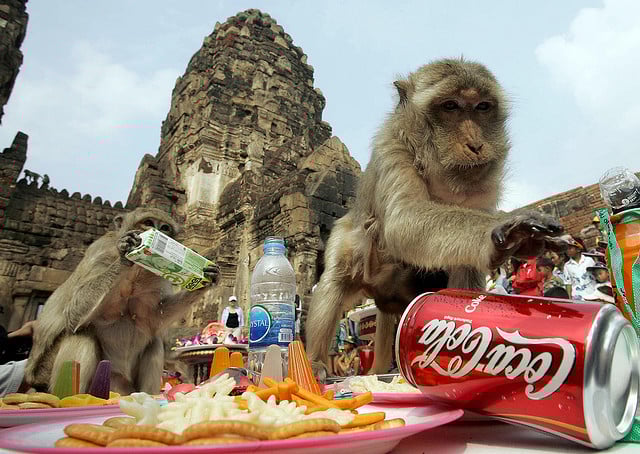
Thailand hosts an annual feast for macaque monkeys that puts most human dinner parties to shame. The town of Lopburi sets out elaborate spreads of fruits, vegetables, and treats across tables and temple grounds, then steps back while thousands of monkeys descend to eat their fill.
This isn’t just quirky tourism. The monkeys are considered descendants of Hanuman, the monkey warrior from Hindu mythology, so feeding them brings good fortune. The festival involves genuine reverence wrapped up in what looks like complete chaos as monkeys grab food, fight over prime spots, and generally turn the town into their personal dining room.
Crying Marriage Ritual
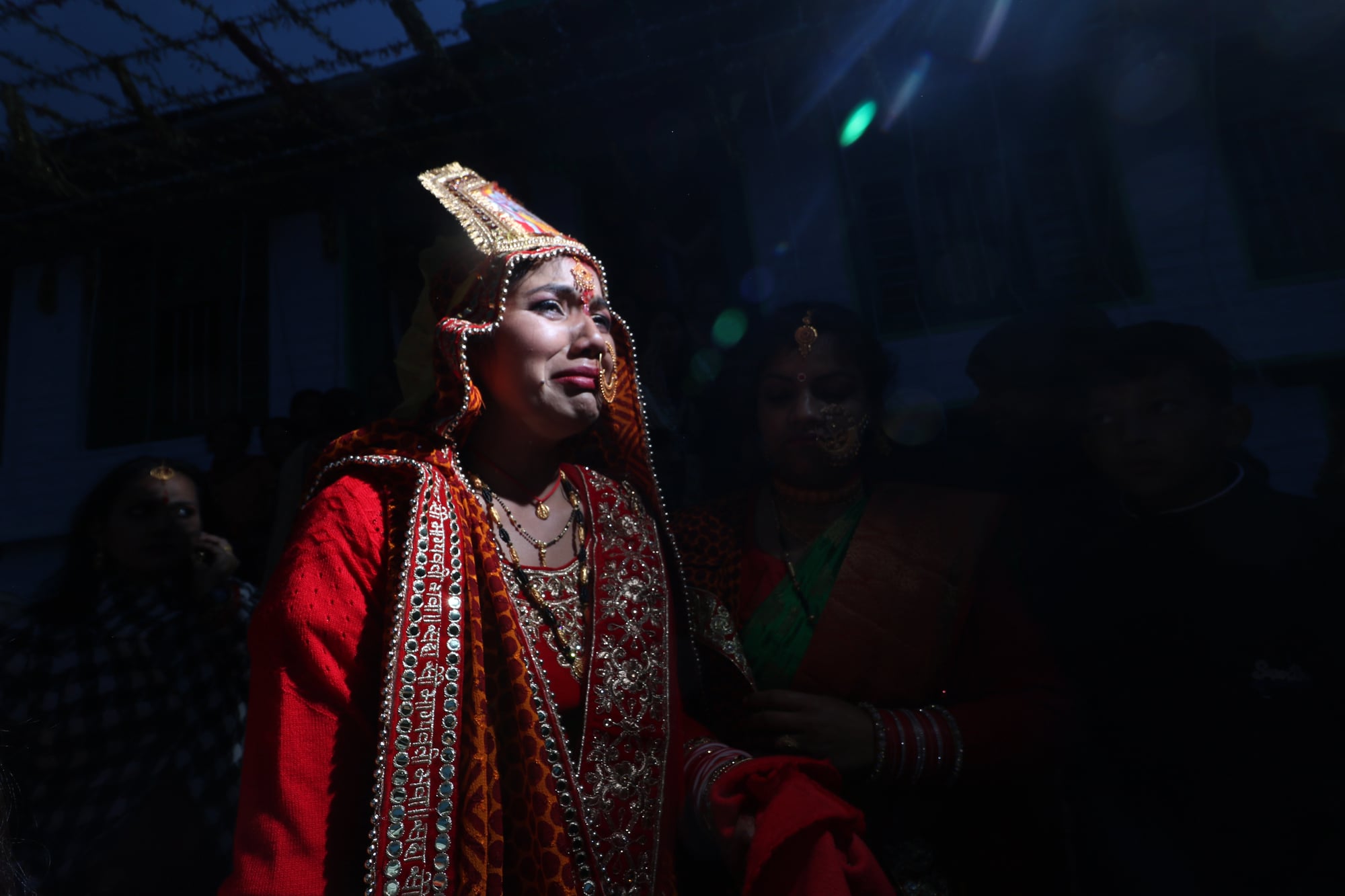
Tujia brides in China begin weeping exactly one month before their wedding day — and they have to keep it up, adding family members to join their daily crying sessions as the date approaches. This isn’t spontaneous emotion breaking through; it’s scheduled grief performed at specific times each day.
The tears aren’t for sadness exactly, though leaving your family behind certainly carries that weight (the crying songs often express longing and gratitude for parents who raised them, mixed with anxiety about the unknown life ahead). But there’s something almost theatrical about the whole production — mothers, grandmothers, and sisters eventually joining in with their own ritualized sobbing until the household echoes with ceremonial weeping every evening. It’s grief as performance art, sorrow as social bonding.
Mud Festival Healing
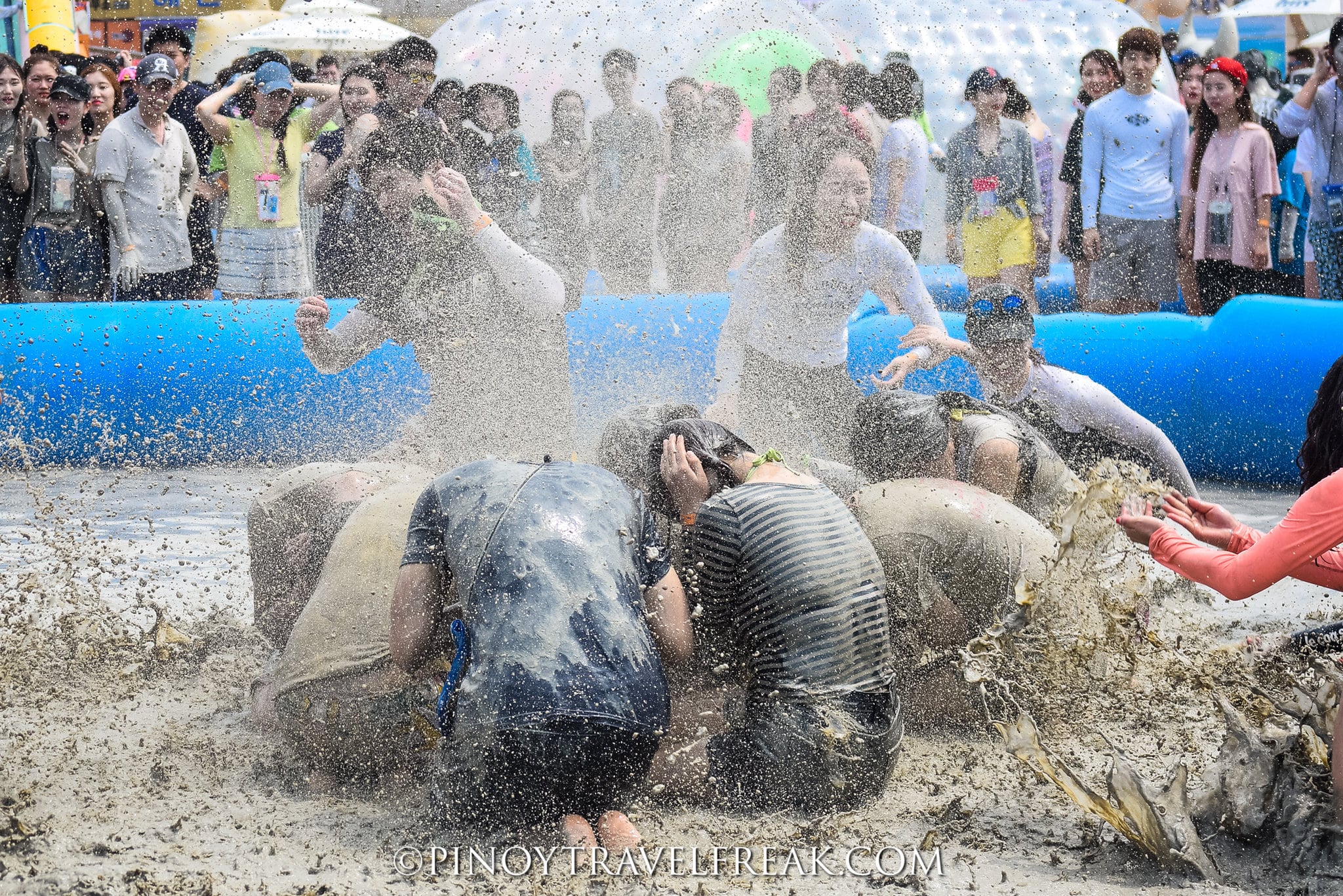
Boryeong’s annual mud festival transforms a South Korean beach into something between a spa treatment and a toddler’s fantasy. Thousands of people coat themselves head to toe in mineral-rich mud, then roll around, wrestle, and slide down muddy slopes like they’re celebrating the world’s messiest holiday.
The mud comes from the Boryeong flats and supposedly has healing properties for skin conditions, but most participants seem more interested in the therapeutic value of acting like children in public without judgment. Adults who normally worry about keeping their clothes clean spend entire days intentionally getting as filthy as possible.
Famadihana Bone Turning
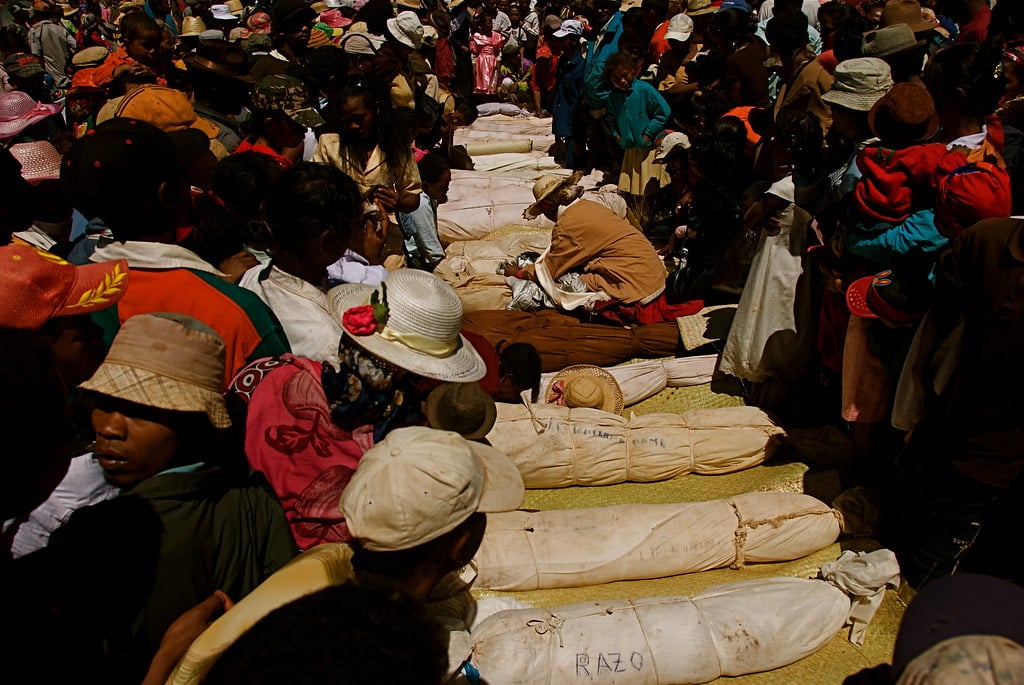
Every few years, Malagasy families in Madagascar dig up their ancestors, wrap them in fresh burial shrouds, and dance with the bodies before returning them to their tombs. Famadihana treats death as a temporary inconvenience rather than a permanent goodbye.
The deceased relatives are invited to family gatherings, asked for advice and blessings, then paraded around the tomb seven times while live music plays. It’s a celebration that completely reframes the relationship between the living and the dead — less “rest in peace” and more “welcome back to the party.” Families save money for years to afford new silk shrouds and the elaborate feast that accompanies these reunions.
The bones are handled with tremendous care and affection, like beloved relatives who just happen to be temporarily non-verbal.
Wife Carrying Championship

Finland has managed to turn domestic disputes into competitive sport, assuming that’s what the wife-carrying championships represent (though the origins actually trace back to an old legend about a bandit who stole women from neighboring villages). Modern participants treat it as pure athletic competition, with specific techniques for optimal wife-hauling efficiency.
The “Estonian carry” — where the woman hangs upside-down with her legs around the man’s shoulders — has proven most aerodynamic for navigating the obstacle course. Winners receive the wife’s weight in beer, which seems like reasonable compensation for being carried through mud, water, and over wooden barriers while trying not to drop your partner.
The whole event has the cheerful absurdity of a sport invented by people who never expected it to spread beyond their local community.
Cheese Rolling Competition
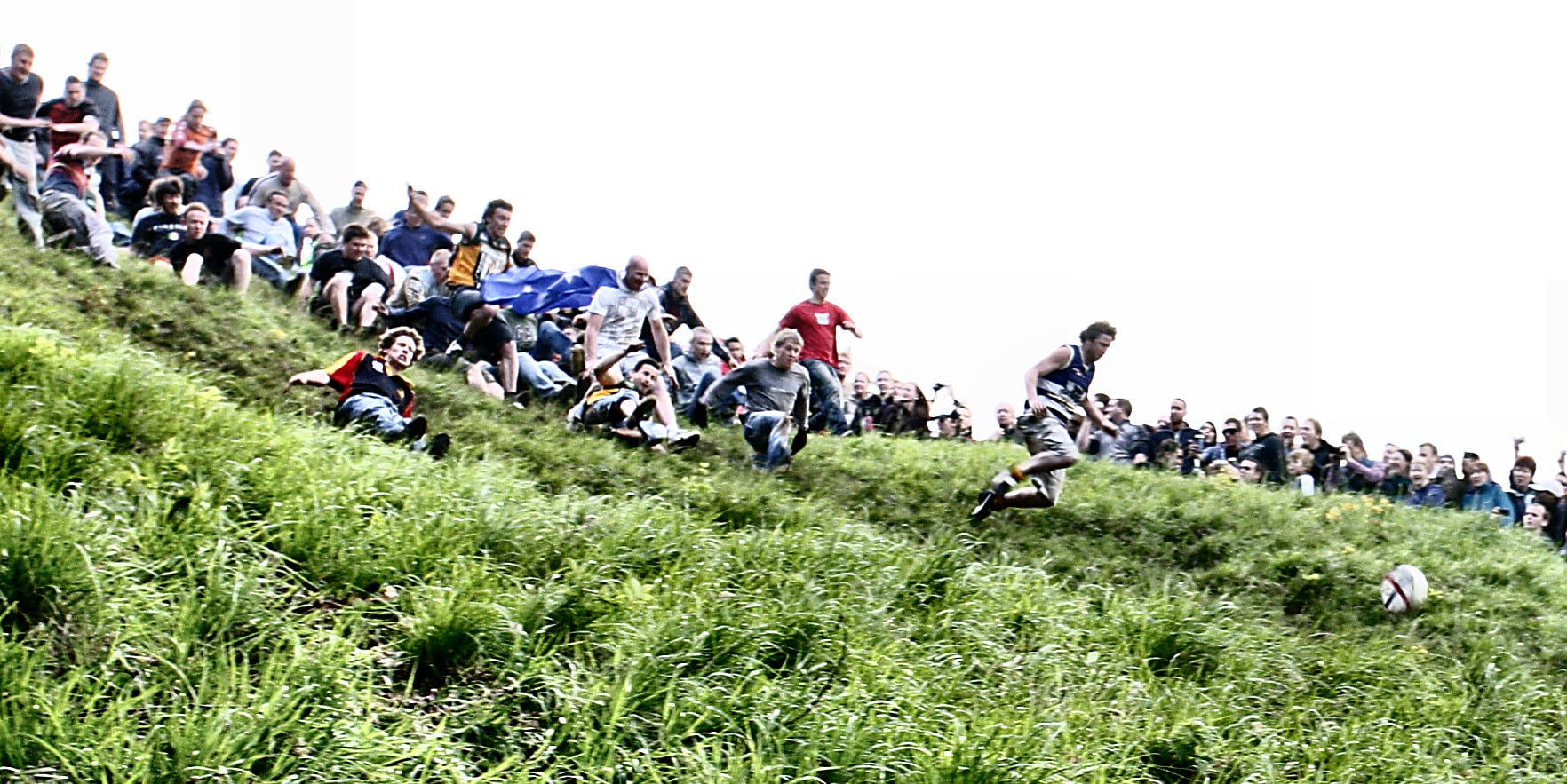
Cooper’s Hill in England becomes the site of an annual demonstration of how far people will go for dairy products. A wheel of cheese gets rolled down a steep hill, and dozens of people chase after it, tumbling, bouncing, and generally defying basic self-preservation instincts.
The hill is so steep that running down it is essentially controlled falling. People somersault, cartwheel, and crash into each other while pursuing a cheese wheel that reaches speeds of up to 70 mph.
The first person to cross the finish line wins the cheese, assuming they’re conscious enough to claim it. Medical crews wait at the bottom because injuries are basically guaranteed.
Broken bones, concussions, and dislocated shoulders are common enough that they’ve become part of the tradition’s folklore.
Air Guitar World Championships
Finland strikes again with a competition that celebrates musical performance without requiring any actual musical ability. Participants take the stage with no instruments and rock out to songs while pretending to play guitar, judged on technical skill, stage presence, and “airness” — which apparently means how convincingly they channel the spirit of guitar mastery while holding nothing but air.
The championship attracts competitors from around the world who train seriously for what is essentially elaborate pantomime. Winners become genuine celebrities in the air guitar community, which exists and takes itself surprisingly seriously. The performances often display more passion and showmanship than actual concerts, proving that enthusiasm can be more engaging than technical proficiency.
Living Root Bridges
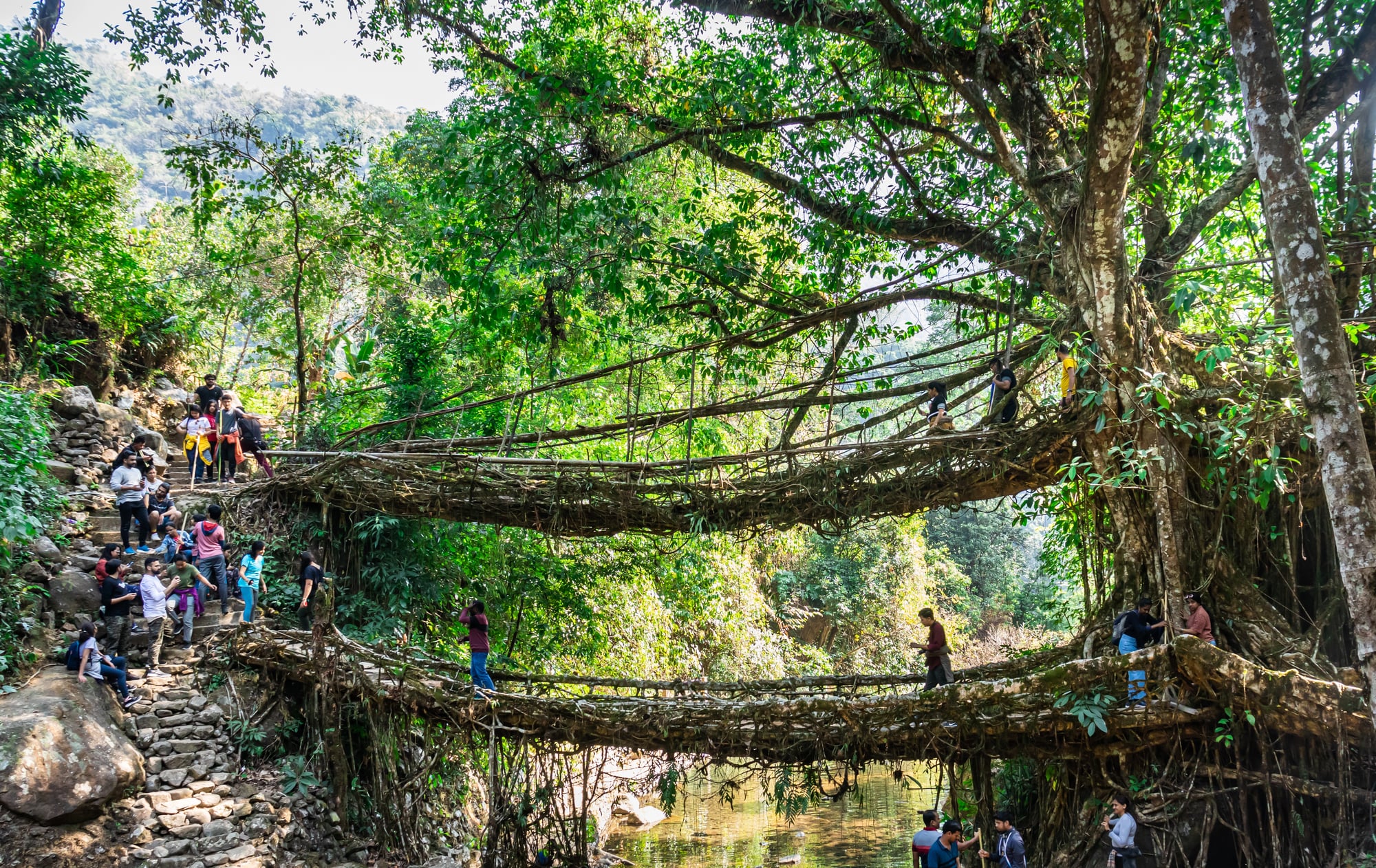
The Khasi and Jaintia peoples of northeastern India (in Meghalaya) have spent centuries growing their own infrastructure. Instead of building bridges across rivers and valleys, they guide the aerial roots of rubber trees across gaps, weaving them together until they form living walkways that grow stronger over time.
These aren’t temporary solutions or artistic statements — some of the bridges are over 500 years old and can support the weight of fifty people at once. The process requires decades of patience, with each generation continuing the work started by their predecessors, coaxing roots across spans that can stretch over 100 feet.
It’s engineering that operates on geological time scales, treating construction projects as multi-generational commitments. The bridges become more stable and reliable as they age, unlike any human-made structure.
The Thread That Connects Them All
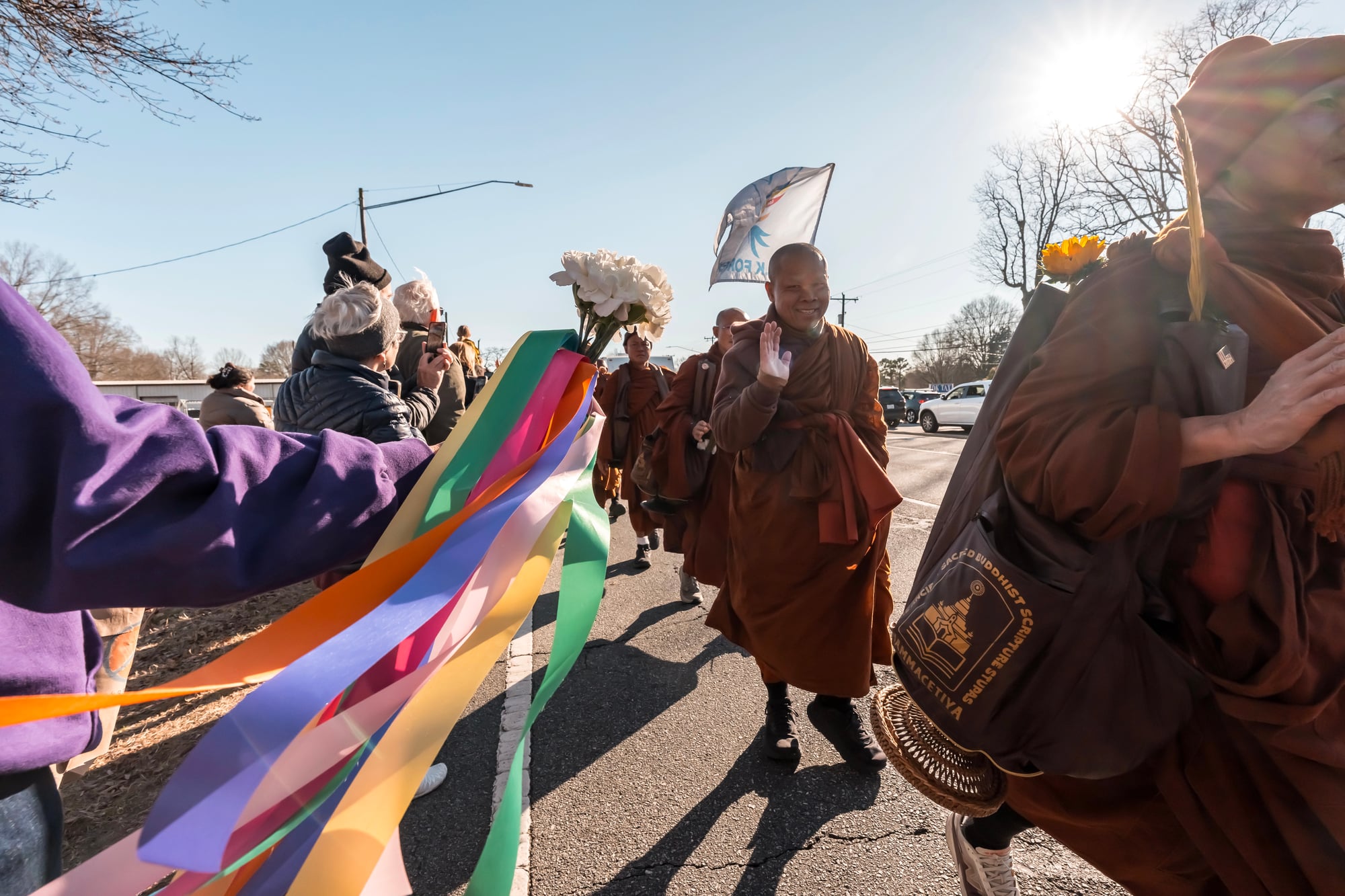
These traditions reveal something essential about human nature — the need to mark important moments, test limits, and bind communities together through shared experiences that outsiders will never fully understand. What looks bizarre from a distance often serves purposes that more familiar customs accomplish through different means. Every culture finds its own way to celebrate life, honor death, prove courage, or simply remind people that they belong to something larger than themselves.
More from Go2Tutors!

- The Romanov Crown Jewels and Their Tragic Fate
- 13 Historical Mysteries That Science Still Can’t Solve
- Famous Hoaxes That Fooled the World for Years
- 15 Child Stars with Tragic Adult Lives
- 16 Famous Jewelry Pieces in History
Like Go2Tutors’s content? Follow us on MSN.