15 Commercial Characters Who Were Pulled Without Explanation
The world of advertising is filled with iconic mascots and characters that become part of our cultural consciousness. From the jolly Kool-Aid Man crashing through walls to the sophisticated Dos Equis’ Most Interesting Man in the World, these fictional personalities often become more recognizable than the products they promote.
But sometimes, these beloved characters vanish from our screens without warning or explanation, leaving consumers wondering what happened. Here is a list of 15 commercial characters who were quietly pulled from advertising campaigns, often leaving fans confused about their sudden disappearance.
The Marlboro Man
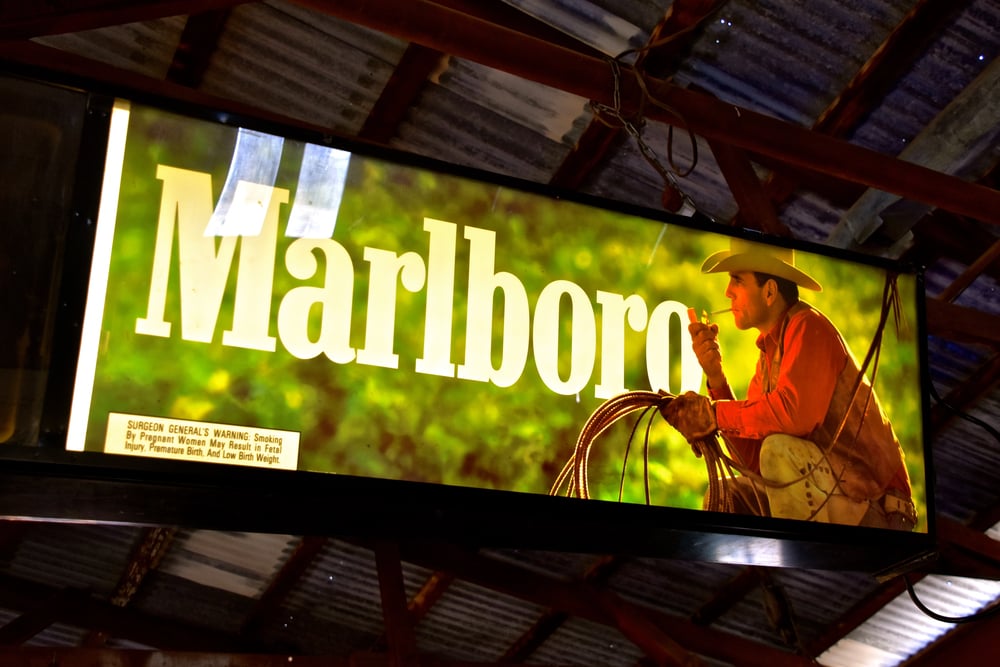
This rugged cowboy became an iconic symbol of American masculinity in the mid-20th century. The character vanished from American advertising when cigarette commercials were banned from television in 1971.
Several actors who portrayed the character later died from smoking-related illnesses, creating a tragic irony that ultimately tarnished the campaign’s legacy.
Spuds MacKenzie

Bud Light’s “original party animal” was an English Bull Terrier who took the beer world by storm in the late 1980s. The lovable canine mascot disappeared after critics argued the character appealed too much to children.
Anheuser-Busch eventually pulled Spuds from their campaigns in 1989, though the character made a brief ghostly comeback during a 2017 Super Bowl commercial.
Like Go2Tutors’s content? Follow us
The Noid

Domino’s Pizza introduced this red-suited villain in the 1980s who tried to make pizzas cold before delivery. The character was abruptly retired in 1989 after an unfortunate incident where a mentally ill man with the last name Kenneth Noid held Domino’s employees hostage, believing the campaign was a personal attack on him.
The bizarre real-world connection made the character too problematic to continue.
Taco Bell Chihuahua

The Spanish-speaking dog famous for the catchphrase “¡Yo quiero Taco Bell!” was a massive hit in the late 1990s. Despite popularity with consumers, the character disappeared around 2000 amid controversy over potential ethnic stereotyping.
A lawsuit from two men who claimed they pitched the idea to Taco Bell also resulted in a $42 million judgment against the company.
Burger King’s Creepy King

The plastic-masked monarch who would appear unexpectedly in people’s beds and windows was part of a bizarre 2000s campaign. This unsettling version of the King was quietly dethroned around 2011 when sales fell and consumers reported being unnerved rather than entertained by his creepy, stalker-like presence in commercials.
Like Go2Tutors’s content? Follow us
Pets.com Sock Puppet
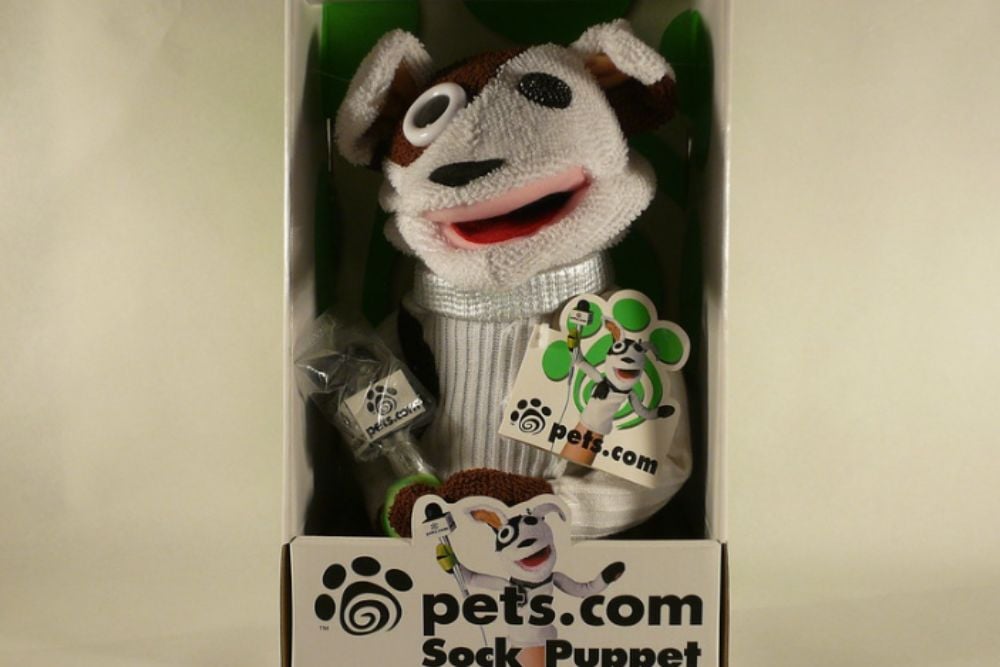
This sassy sock puppet became the face of the doomed dot-com bubble. When Pets.com spectacularly collapsed in 2000 after burning through $300 million in funding, the puppet disappeared along with the company.
The character was so popular that insurance company Bar None later purchased rights to the puppet design for their own advertising.
Mr. Whipple

The uptight grocery store manager who implored customers “Don’t squeeze the Charmin” appeared in over 500 commercials between 1964 and 1985. Procter & Gamble eventually retired the character when market research showed consumers were ignoring his advice and deliberately squeezing the product anyway.
The campaign had essentially backfired by making people want to do exactly what they were told not to do.
The Dell Dude

College student Steven was known for his catchphrase “Dude, you’re getting a Dell!” in the early 2000s. The character vanished overnight in 2003 when actor Ben Curtis was arrested for attempting to buy marijuana in New York City.
The irony of the clean-cut “Dell Dude” facing drug charges was too much for the company’s family-friendly image.
Like Go2Tutors’s content? Follow us
Cookie Crisp Burglar

This masked thief, who constantly tried to steal Cookie Crisp cereal, was replaced in the 1990s with a wolf character. General Mills never explained the switch, but marketing experts speculate the company became uncomfortable with a character who essentially promoted theft to children, even in a cartoonish way.
Joe Camel

The smooth, anthropomorphic camel with the cool swagger was abruptly discontinued in 1997. R.J. Reynolds faced mounting pressure from lawsuits and the Federal Trade Commission alleging the character targeted children.
Studies showing Joe Camel was nearly as recognizable to young children as Mickey Mouse ultimately led to the character’s quiet retirement.
The Energizer Bunny’s Nemesis

The fuzzy pink Energizer Bunny had a short-lived rival when Duracell introduced a competing bunny character. Energizer successfully argued trademark infringement in North America, causing Duracell’s bunny to disappear from U.S. advertising.
Interestingly, in Europe, Duracell’s bunny came first, and Energizer can’t use their iconic rabbit there.
Like Go2Tutors’s content? Follow us
Budweiser Frogs

The three frogs croaking “Bud-weis-er” were a cultural phenomenon after their 1995 Super Bowl debut. The amphibian trio mysteriously hopped away from Budweiser’s advertising after criticism that the characters appealed to children.
They were replaced with lizards before the entire campaign concept was eventually scrapped.
Microsoft’s Clippy

This overeager assistant popped up uninvited in Microsoft Office between 1997 and 2001. The animated paperclip asking “It looks like you’re writing a letter.
Would you like help?” was retired after becoming one of the most hated digital characters ever created. Microsoft later admitted Clippy was annoying and even mocked their own creation in later advertising.
The Honey Nut Cheerios Bee’s Human Friend

The Cheerios Bee had a consistent human sidekick in early commercials who helped explain the honey-sweetened taste. This character faded away without explanation when General Mills shifted to a solo Bee approach.
Marketing research likely showed the bee alone was more recognizable and effective at carrying the brand message.
Like Go2Tutors’s content? Follow us
McDonald’s Mac Tonight

The crescent moon-headed character with sunglasses who played piano to the tune of “Mack the Knife” was a hit in the late 1980s. The character was shelved in the U.S. after the estate of Bobby Darin, who popularized the song, sued McDonald’s for unauthorized use of the tune.
In recent years, the character has unfortunately been co-opted by internet hate groups, ensuring he’ll never return to American advertising.
The Legacy of Lost Mascots

Commercial characters come and go as companies evolve their marketing strategies, but these particular mascots disappeared with unusual haste and mystery. Their sudden departures often reflect changing cultural sensitivities, legal complications, or public relations disasters that companies prefer not to explain publicly.
While some enjoyed brief revivals or cameos years later, most were permanently retired, living on only in the memories of consumers who grew up watching them sell everything from fast food to computers.
More from Go2Tutors!

- 18 Unexpectedly Valuable Collectibles You Might Have Lying Around
- 15 Things Every Teenager in the ’70s Did That Teens Today Wouldn’t Understand
- 15 Strange Things People Have Tried to Ban (And Failed)
- 15 Inventions That Were Immediately Banned After Being Created
- 20 Actors Who Were Almost Cast in Iconic Roles
Like Go2Tutors’s content? Follow us