Foods Served Just Once a Year
Some dishes only come around once every 12 months, but that makes them even more special. They’re the kind of foods that show up during holidays, festivals, or family traditions, then disappear until next year. These once-a-year favorites often carry memories, meaning, and a flavor that hits different just because it’s rare.
They aren’t part of the everyday menu—but when they do show up, everyone knows what time it is.
Pumpkin pie

Pumpkin pie shows up like clockwork in late November. It’s the star of many Thanksgiving tables in the United States, often surrounded by whipped cream and warm conversation.
Most people don’t touch it the rest of the year. The flavor says “fall” louder than anything else—sweet, spiced, and familiar.
Canned pumpkin even flies off shelves just for this reason.
King cake

This colorful treat is linked to Mardi Gras and only eaten in the weeks leading up to Lent. It’s a soft, sweet bread shaped in a ring, decorated with green, purple, and gold sugar.
There’s often a small item hidden inside—usually a tiny plastic figure—and whoever finds it has to bring the cake next year. Once Mardi Gras ends, king cake disappears from bakeries until the next round.
That’s part of the fun.
Like Go2Tutors’s content? Follow us on MSN.
Candy canes

Candy canes are as tied to December as lights and trees. Their red-and-white stripes and peppermint flavor signal that the winter holidays are here.
Stores stock them by the box, and they hang on trees or get stirred into hot chocolate. Come January, they vanish as fast as they arrived.
No one really thinks to eat one in July.
Matzo

Matzo makes its appearance every spring during Passover. It’s an unleavened bread, flat and crisp, eaten to remember the escape from Egypt in Jewish tradition.
For eight days, it replaces bread and baked goods in observant households. After that, it usually heads straight back to the pantry shelf.
It’s not about the flavor—it’s about the meaning.
Hot cross buns

Hot cross buns pop up each year during Easter season, especially on Good Friday. These spiced sweet rolls are marked with a white cross and often contain raisins or currants.
Some bakeries offer them for a short window, then stop until the next spring. They used to be tied to superstition and church traditions, but now they’re just a cozy seasonal treat.
People look forward to them, even if they don’t eat them otherwise.
Like Go2Tutors’s content? Follow us on MSN.
Fruitcake

Fruitcake is a winter guest and doesn’t overstay its welcome. It’s dense, full of dried fruit and nuts, and usually soaked in some kind of liquid.
Some people love it, some avoid it, but it always shows up around Christmas. Nobody really makes or buys it in March.
It’s a holiday fixture, whether for dessert or as a slightly weird gift.
Mooncakes

Mooncakes are a major part of the Mid-Autumn Festival, especially in Chinese and other East Asian cultures. They’re thick pastries with sweet or savory fillings, often shared among family and friends.
The designs on top are beautiful and symbolic. They’re not a casual snack—more like a once-a-year gift.
After the festival, they’re gone until the next full moon celebration.
Green beer

Green beer only shows up on St. Patrick’s Day. It’s regular beer with green food coloring, served in bars to match the festive mood.
It’s not about taste—it’s about the fun. No one orders it the rest of the year, and that’s kind of the point.
One day, one drink, and that’s enough.
Like Go2Tutors’s content? Follow us on MSN.
Latkes

Latkes are crispy potato pancakes served during Hanukkah. They’re fried and often topped with applesauce or sour cream.
While potatoes are common year-round, this exact dish is tied to the holiday’s oil-related story. Families make them in big batches and enjoy them together.
After the eight nights, they usually take a break until next December.
Peeps

Peeps are brightly colored marshmallow candies that show up around Easter. Some look like chicks, others like bunnies, but they all have that sugary crunch on the outside.
Kids love them, adults debate them, and shelves fill with them for a few weeks. After Easter, they’re rarely seen.
They belong to spring, and that’s where they stay.
Roasted chestnuts

Roasted chestnuts are tied to winter markets and old holiday songs. Street vendors sometimes sell them warm in paper bags, especially in colder cities.
The smell alone feels nostalgic. Chestnuts aren’t something people usually cook at home, and they don’t hang around after the season.
They’re a winter-only snack for most.
Like Go2Tutors’s content? Follow us on MSN.
Black-eyed peas with greens

This dish is a New Year’s Day tradition in the southern United States. People eat black-eyed peas for luck and greens for money in the year ahead.
It’s more about tradition than taste, but many enjoy it just the same. You won’t find it on many menus in July.
It belongs to January 1st.
Panettone

Panettone is a tall, fluffy sweet bread from Italy, often filled with dried fruit. It comes in fancy boxes around Christmas time and is often given as a gift.
People either love its soft texture or find it a bit too dry. Either way, it vanishes from stores shortly after the holidays end.
It’s a one-season item.
Hoppin’ John

Similar to black-eyed peas with greens, this dish combines rice, black-eyed peas, and pork. It’s served for good luck in the new year, especially in the American South.
It’s hearty, simple, and rich with tradition. After New Year’s Day, most people don’t eat it again until the next one.
It’s not forgotten—just waiting for its time.
Like Go2Tutors’s content? Follow us on MSN.
Turducken

Turducken is a food curiosity that only shows up during special holiday meals, usually Thanksgiving or Christmas. It’s a chicken stuffed into a duck stuffed into a turkey, all roasted together.
It’s heavy, time-consuming, and definitely not a weekly dinner. That’s exactly why people try it once a year.
The name alone draws attention.
Cadbury Creme Eggs

These chocolate eggs with gooey centers appear right before Easter. They fill checkout lines and Easter baskets, then quickly disappear.
They’re too sweet for some, just right for others. But they don’t stick around.
Once Easter ends, they’re hard to find again until the next spring.
Tamales
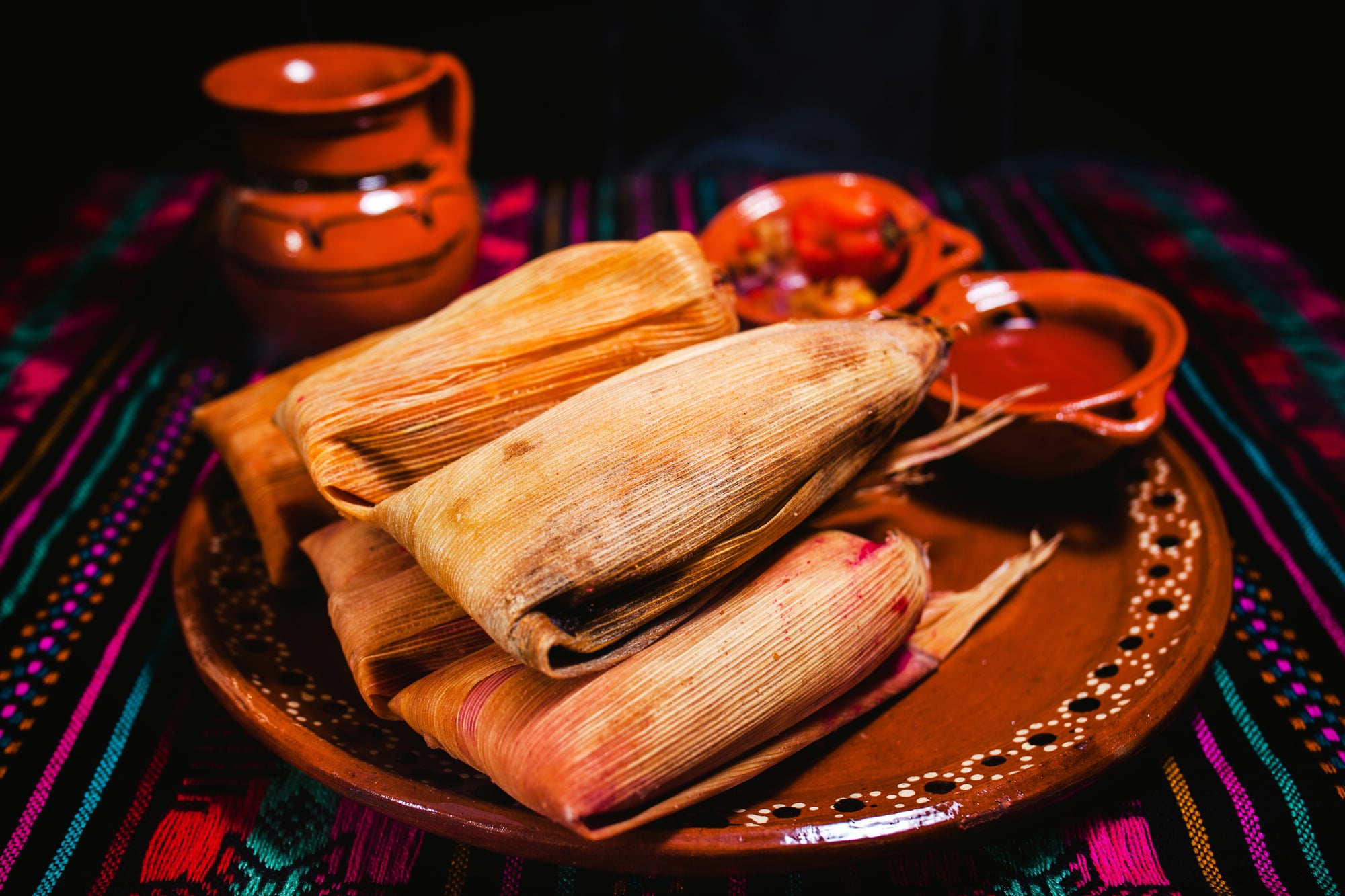
In many Latin American families, tamales are a holiday tradition. Made from masa and wrapped in corn husks, they take time and teamwork.
Many families gather around to make large batches during Christmas. While they can be found year-round in some areas, this kind of group effort usually happens just once a year.
It’s about food, but also about being together.
Like Go2Tutors’s content? Follow us on MSN.
Gefilte fish

Gefilte fish is tied to Jewish holidays like Passover. It’s a dish made from ground fish, often served cold in slices.
It’s not something most people crave daily, but it holds deep meaning. It usually comes out during specific meals and traditions, then disappears.
It’s less about flavor and more about family history.
Bringing back more than the flavor

These foods don’t just show up once a year because of ingredients or recipes. They stick to certain seasons because they carry memories, traditions, and meaning.
When they come back, they bring more than taste—they bring a feeling, a moment, a reminder of what matters. Even if people could eat them anytime, they usually don’t.
That once-a-year timing keeps them special.
More from Go2Tutors!

- 16 Historical Figures Who Were Nothing Like You Think
- 12 Things Sold in the 80s That Are Now Illegal
- 15 VHS Tapes That Could Be Worth Thousands
- 17 Historical “What Ifs” That Would Have Changed Everything
- 18 TV Shows That Vanished Without a Finale
Like Go2Tutors’s content? Follow us on MSN.