15 Etiquette Rules from the Past That We Should Honestly Bring Back
Modern manners have gotten sloppy. Not everything about the past was better, but some social customs actually made life more pleasant for everyone.
These forgotten etiquette rules weren’t just arbitrary formalities — they showed respect, created breathing room, and made daily interactions smoother. Here are the ones worth reviving.
Writing Thank-You Notes By Hand

Handwritten thank-you notes take effort. That’s exactly why they matter.
Anyone can fire off a quick text, but sitting down with paper and pen shows you cared enough to slow down and think about what someone did for you.
The rule was simple: within a week of receiving a gift or kindness, you wrote a note. Not an email.
Not a text. Actual words on actual paper that someone could hold.
Calling Before Dropping By

Showing up unannounced used to be considered rude. People respected that others might be busy, tired, or simply not in the mood for company.
So you called first and asked if it was a good time to visit.
This wasn’t about being uptight — it was about recognizing that everyone deserves control over their own space and time. The doorbell wasn’t an automatic invitation to let someone into your day.
Dressing For the Occasion

There’s something to be said for putting on real clothes when you leave the house (and yes, pajama pants count as not-real-clothes, even if they’re technically pants). Not because appearance is everything, but because dressing appropriately shows you understand context matters.
A wedding isn’t the same as a grocery run, and your outfit can acknowledge that without requiring a complete personality overhaul — though it’s worth noting that the grocery run itself might feel different when you’re not wearing the same sweatshirt you slept in, which is interesting because it suggests that how we dress changes not just how others see us but how we see ourselves, and maybe that’s not such a terrible thing to be conscious of.
So it’s a feedback loop of sorts. And the clothes don’t have to be expensive or trendy to do this work.
The point wasn’t to impress anyone. It was to show respect for the situation and the people in it.
Standing When Someone Enters the Room

This one sounds old-fashioned until you try it. Standing when someone walks into a room — especially if they’re older, or a guest, or someone you haven’t seen in a while — sends a clear signal that their arrival matters to you.
It’s a small gesture with outsized impact. Makes the other person feel acknowledged and valued without requiring a single word.
Plus it gets you off the couch, which is usually a good thing anyway.
Keeping Personal Conversations Private in Public

Phone calls on public transportation used to be impossible, which meant people couldn’t broadcast their relationship drama to strangers whether they wanted to or not. But even before cell phones, there was an understanding that your personal business stayed personal when other people were around, especially people who couldn’t easily leave (because they’re sitting next to you on the bus, trapped in an elevator, or waiting in the same line).
You kept your voice down when discussing anything that might make others uncomfortable, and you definitely didn’t air your grievances with your mother/boss/landlord where everyone could hear — not because the grievances weren’t valid, but because strangers didn’t sign up to be your involuntary therapy session.
The rule was simple: if someone can’t walk away, don’t make them wish they could. Which, when you think about it, is just basic human decency dressed up as etiquette.
This wasn’t about being secretive. It was about recognizing that not every thought needs to be shared with everyone in earshot.
Letting People Finish Their Sentences

Interrupting constantly has become normal, but it’s still rude. The old rule was simple: when someone is talking, you listen until they’re done.
Then you respond.
This doesn’t mean sitting through endless monologues, but it does mean giving people the basic courtesy of completing their thoughts. Most interruptions aren’t because something urgent needs to be said — they’re because someone got impatient.
Bringing a Gift When Invited to Someone’s Home

Not talking about elaborate presents or expensive wine. A small gesture — flowers, dessert, a bottle of something nice — that acknowledges your host put effort into having you over.
The gift itself barely matters. What matters is showing up empty-handed sends the wrong message.
It suggests you see the invitation as your due rather than someone’s generosity.
Removing Hats Indoors

Hats come off when you go inside. Especially in homes, restaurants, and during any kind of ceremony or formal gathering.
It’s a small sign of respect that costs nothing and bothers no one. The hat isn’t doing anything useful indoors anyway — might as well acknowledge you’re in a civilized space by taking it off.
Not Discussing Money Openly

There’s a grace in keeping your financial situation to yourself. Not because money is shameful, but because discussing it openly puts people in awkward positions where they feel pressured to share information they’d rather keep private, or to comment on choices that aren’t really their business (like how much someone spent on their car or why they chose to live where they live), and the conversations rarely lead anywhere productive.
They just create opportunities for judgment, comparison, or discomfort that nobody really benefits from, which seems like a pretty good reason to steer clear of the topic unless there’s a specific, practical reason to bring it up.
Money talk tends to reveal more than people intend. And it changes how others see you, whether that’s fair or not.
Some things are better left unspoken, and personal finances top the list.
Waiting for Everyone to Be Served Before Eating

Food tastes the same whether you start eating immediately or wait two minutes for everyone else to get their plate. But waiting shows you understand the meal is about more than just fuel — it’s a shared experience.
This rule exists because eating together is supposed to be communal. When one person digs in while others are still waiting, it breaks that sense of togetherness.
Offering Your Seat to Others

Giving up your seat for someone who needs it more than you do used to be automatic. Pregnant women, elderly people, anyone carrying something heavy or dealing with mobility issues got priority seating without having to ask for it.
This wasn’t about grand gestures — it was about paying attention to the people around you and acting accordingly. Most of the time, you don’t need the seat more than they do.
Not Starting Personal Grooming in Public
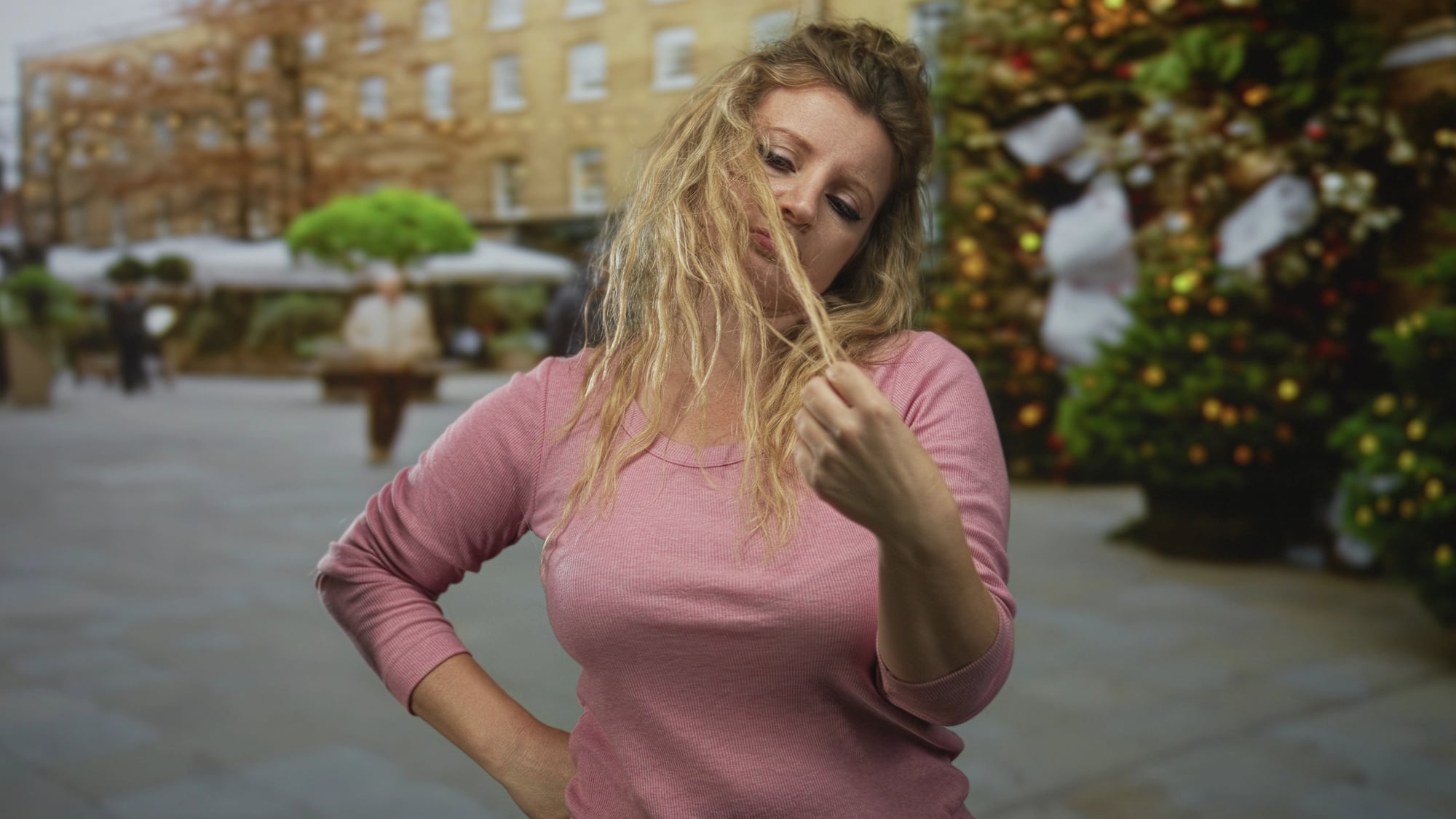
Nail clipping, extensive hair brushing, elaborate makeup touch-ups, and anything involving dental floss stayed private. Public bathrooms existed for quick fixes, but major grooming happened at home.
The principle was simple: if it involves small pieces of yourself flying around or intimate personal maintenance, do it where others don’t have to witness it. Nobody signed up to watch your beauty routine during their commute.
Introducing People When They Don’t Know Each Other

When you’re with two people who haven’t met, you introduce them. Not just names, but a small piece of context that helps them start a conversation.
This prevents the awkward dance of two people trying to figure out how they’re connected to you and what they might have in common. It’s a small kindness that makes social situations smoother for everyone involved.
Using Please, Thank You, and Excuse Me Consistently

These words used to be automatic. Please when asking for something, thank you when receiving it, excuse me when you need to get past someone or interrupt.
They’re not magic words, but they acknowledge that other people are doing you small favors all day long. The cashier who rings up your groceries, the person who holds the elevator, the stranger who moves their bag so you can sit down — they all deserve basic courtesy.
Keeping Phones Away During Meals
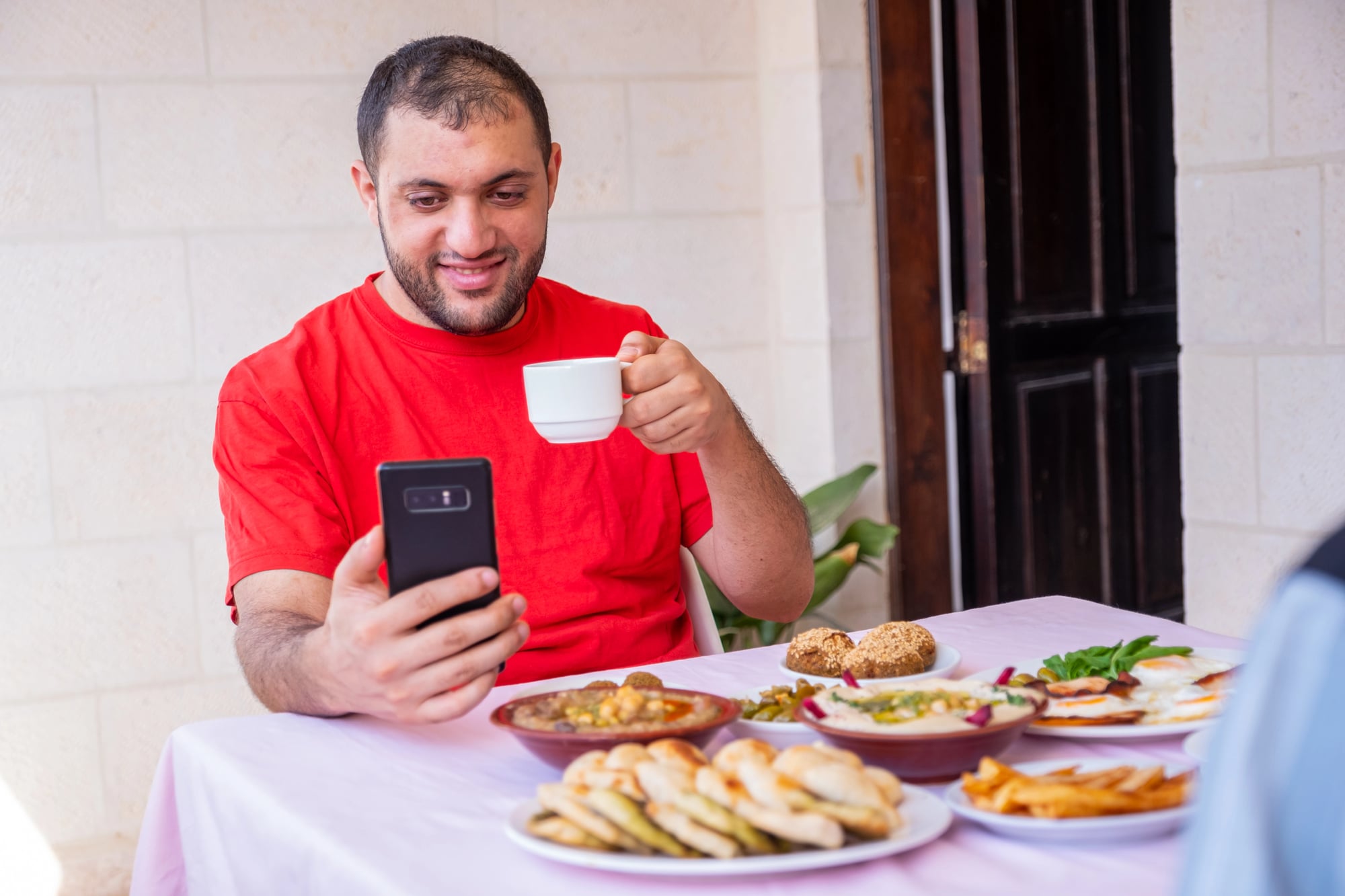
Phones didn’t exist for most of human history, which meant meals were naturally phone-free. People talked to each other, made eye contact, and paid attention to their food.
Bringing back phone-free meals isn’t about nostalgia — it’s about recognizing that constant connectivity isn’t actually necessary. The messages will still be there in an hour, but the conversation happening right now won’t.
Small Gestures, Large Impact

These rules weren’t about creating rigid social hierarchies or making life more complicated. They were about recognizing that small gestures of consideration make everyone’s day a little bit better.
Not every old custom deserves to survive, but the ones that create more kindness and less friction in daily life are worth reconsidering. Manners aren’t about perfection — they’re about making the choice to be thoughtful when it would be easier not to be.
More from Go2Tutors!

- The Romanov Crown Jewels and Their Tragic Fate
- 13 Historical Mysteries That Science Still Can’t Solve
- Famous Hoaxes That Fooled the World for Years
- 15 Child Stars with Tragic Adult Lives
- 16 Famous Jewelry Pieces in History
Like Go2Tutors’s content? Follow us on MSN.