Surprising Ways the World Would Change if Bees Disappeared Completely
Most people know bees pollinate plants and make honey. That’s where their awareness stops.
But bees are threading through systems so fundamental that removing them would reshape civilization in ways that sound like science fiction. The grocery store would become unrecognizable.
Global politics would shift. Even the air would change. The cascade starts with pollination but doesn’t end there.
When something this essential vanishes, the effects ripple outward until they’re touching parts of life that seem completely unrelated to tiny insects visiting flowers.
Agricultural collapse would happen faster than expected
Food shortages wouldn’t take years to develop. They’d hit within months.
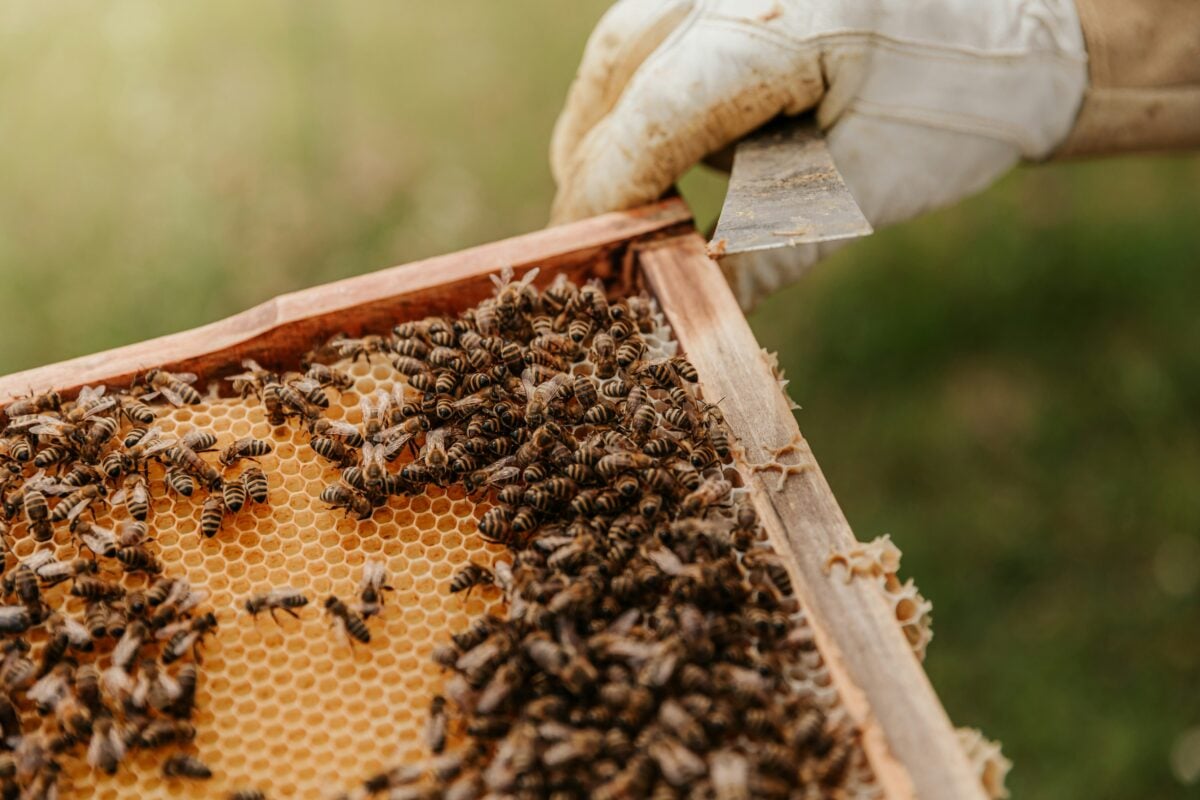
About one-third of everything humans eat depends on bee pollination. Apples, almonds, blueberries, cucumbers — gone.
But the real crisis would be animal feed. Alfalfa and clover keep livestock alive, and without bees, both crops fail immediately.
Meat prices would spike first, then meat would disappear from most grocery stores entirely. The domino effect would crash through the food system faster than governments could respond.
Economic systems would completely restructure around scarcity
The thing about economic collapse is that it doesn’t announce itself with a press release — it just starts happening, and by the time anyone’s paying attention (which, knowing how these things go, would probably be after the third or fourth major agricultural commodity has essentially vanished from global markets), entire industries have already begun the messy, complicated process of either adapting to a world where food scarcity isn’t a distant concern for other countries but a daily reality for everyone, or simply folding entirely. Supply chains that took decades to build would snap.
And yet the weirdest part wouldn’t be the obvious stuff — empty supermarket shelves, rationing systems, governments scrambling to manage distribution — it would be watching how quickly humans started treating food the way previous generations treated gold.
So much of modern economics assumes abundance that the entire framework would need rebuilding. Currency based on agricultural output rather than industrial production.
Investment strategies focused on soil preservation instead of quarterly growth. The fundamental assumptions underlying capitalism would prove inadequate for managing genuine scarcity.
Wild ecosystems would unravel in unexpected patterns
Picture a forest where certain colors slowly drain away. Not all at once, not dramatically, but gradually, season after season, until you realize that the landscape has been quietly edited.
Wildflowers that once painted meadows in purples and yellows would thin out first, then disappear entirely, leaving behind the wind-pollinated grasses and the plants that manage their reproduction without much help. The silence would arrive before the visual changes.
Fewer flowers means fewer places for other insects to feed, which means fewer birds, which means fewer of the small sounds that make a forest feel alive rather than just green. What strikes people about abandoned places isn’t usually what’s missing — it’s how still everything becomes.
Coffee and chocolate would become luxury items for the wealthy

Both crops need insect pollination to produce at commercial levels. Without bees, yields would plummet to the point where a cup of coffee costs what a bottle of wine costs now.
Chocolate would essentially become a museum piece. The complex pollination requirements for cacao trees mean that hand-pollination could never scale to meet global demand.
A chocolate bar would become something you’d buy for special occasions, the way most people approach expensive champagne. The cultural shift would be jarring for societies built around coffee shops and casual chocolate consumption.
Urban planning would pivot toward survival instead of convenience
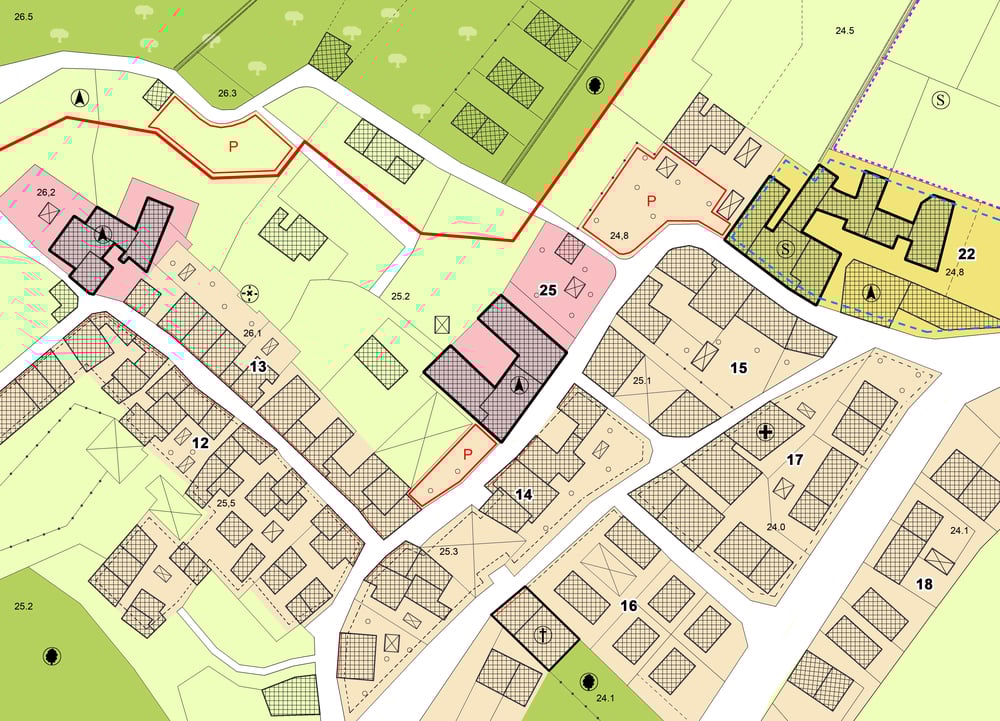
Cities designed around the assumption that food comes from somewhere else would face an identity crisis that goes deeper than policy or politics — it would force a complete rethinking of what cities are actually for, and whether the basic concept of concentrating millions of people in spaces that can’t sustain themselves makes any sense when the global food system that made such concentration possible in the first place has essentially collapsed. Every available space would need to become agricultural (and even then, it wouldn’t be enough, but people would try anyway because the alternative would be watching cities empty out as people moved to places where growing food was actually possible).
Parks, parking lots, rooftops, abandoned buildings — everything would get converted to growing something, anything, that humans could eat. But here’s the thing about urban agriculture without pollinators: you’re basically limited to grains, potatoes, and a handful of other crops that don’t need insects to reproduce.
So cities would become these strange places where people grow the same few crops in thousands of small plots, creating a kind of desperate monoculture that would make neighborhoods look like they’d been taken over by subsistence farming. Urban design would shift from optimizing traffic flow to maximizing food production per square foot.
Cotton production would collapse and change how the world dresses
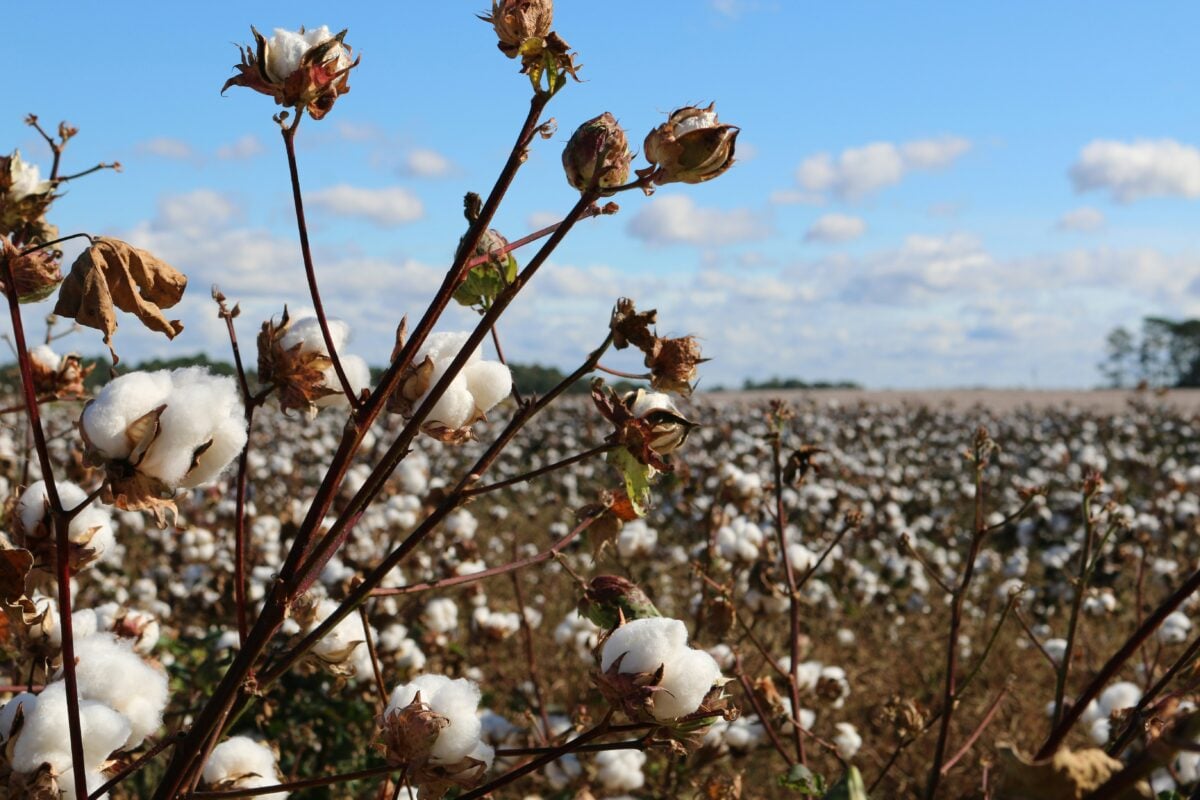
Cotton depends heavily on bee pollination. Without it, global cotton production would drop by roughly 70 percent within a few growing seasons.
Fast fashion would become impossible. Clothing would return to being something people buy rarely and keep for decades.
The entire textile industry would need to pivot to synthetic materials or alternative natural fibers that don’t require insect pollination. To be fair, humans dressed themselves for thousands of years before industrial cotton production, but modern populations have no infrastructure for alternatives at the scale needed.
Pharmaceutical industries would lose crucial plant-based medicines
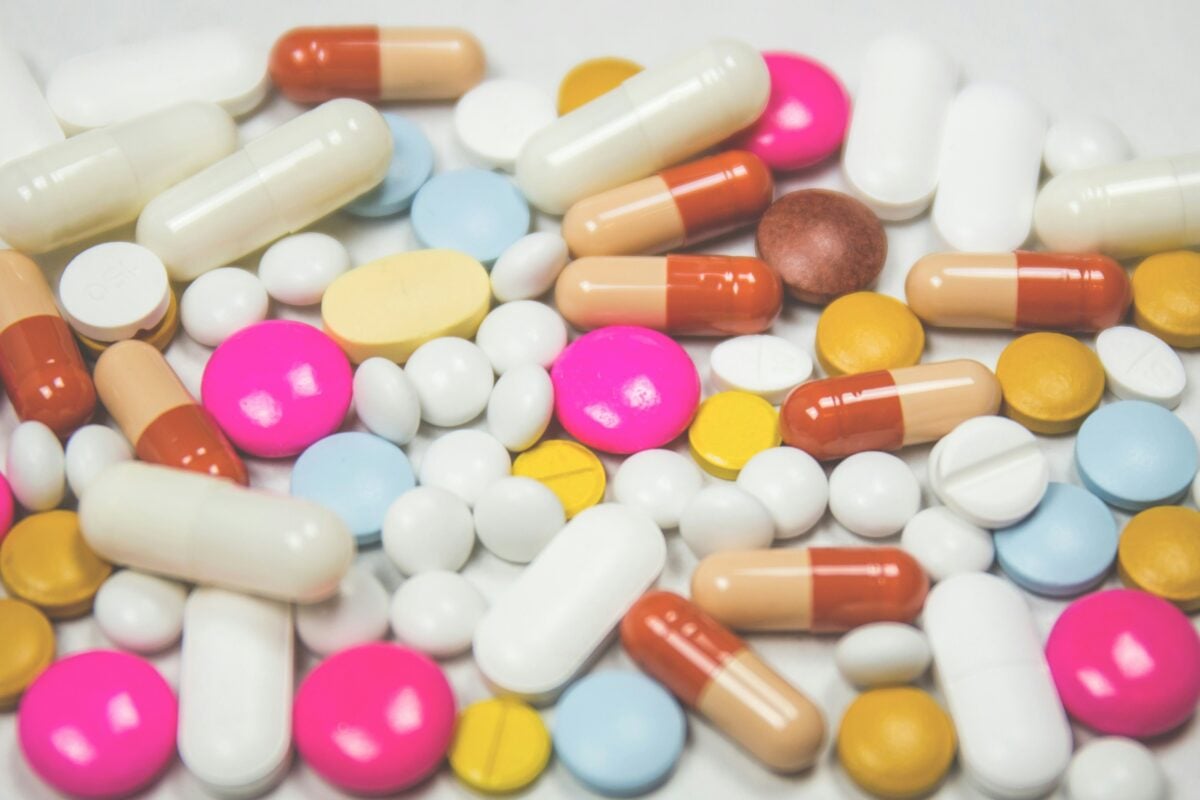
Walking through a pharmacy today feels like browsing an endless catalog of synthetic solutions, but scratch the surface and you’ll find that nature still provides the foundation for more medications than most people realize. Aspirin traces back to willow bark. Digitalis comes from foxglove.
Countless other drugs either derive directly from plants or started with plant compounds that scientists then modified in laboratories. Many of those plants need bee pollination to survive as species.
When the plants disappear, so do the chemical compounds they produce — along with any future medicines that might have been discovered within them. The pharmaceutical industry would face a double crisis: losing existing plant-based drugs while also closing off entire avenues of research.
Beer production would become impossible in its current form
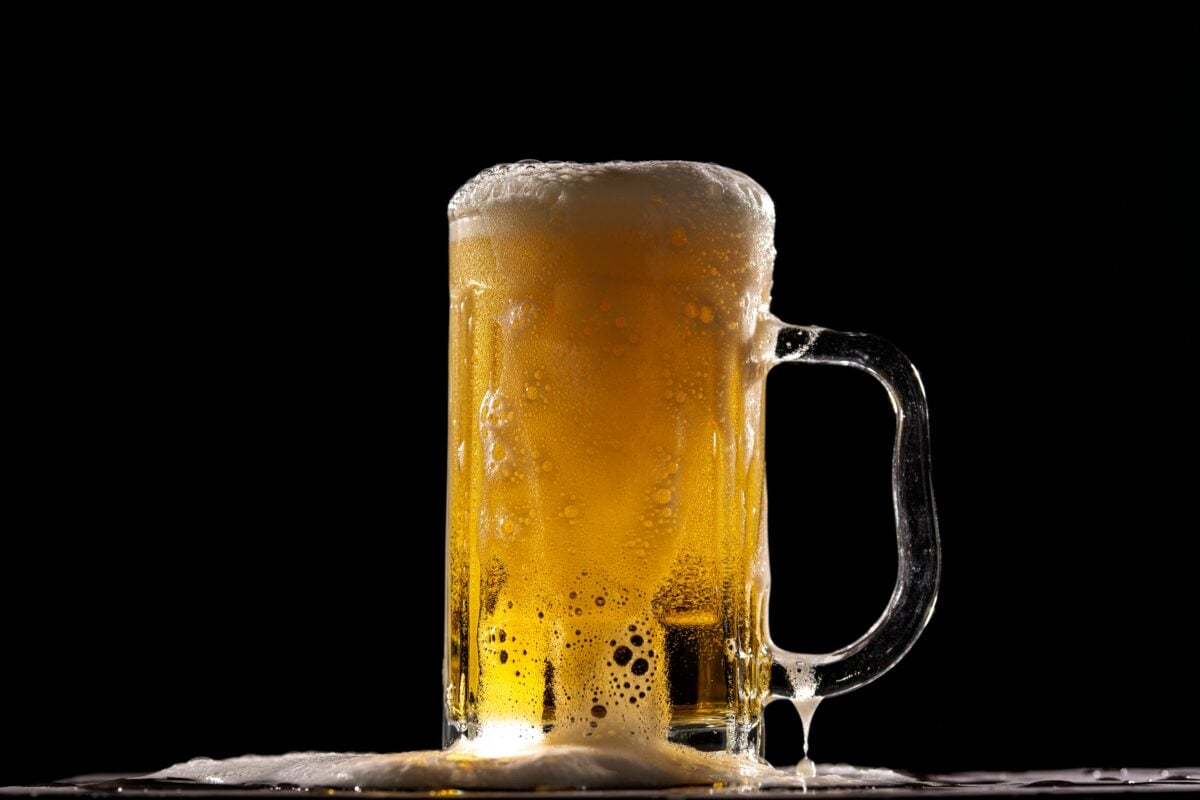
Hops require insect pollination to produce the cones (fruit) used in brewing. Without bees, hop yards would produce virtually nothing.
The beer industry would face complete restructuring. Alternative bittering agents exist, but they don’t replicate the flavor profiles that define different beer styles.
Everything from IPAs to lagers would need reformulation using completely different ingredients. Home brewing would shift toward historical recipes that predate hop cultivation.
Ancient grains and herbs would replace modern brewing techniques.
Global trade relationships would completely reorganize
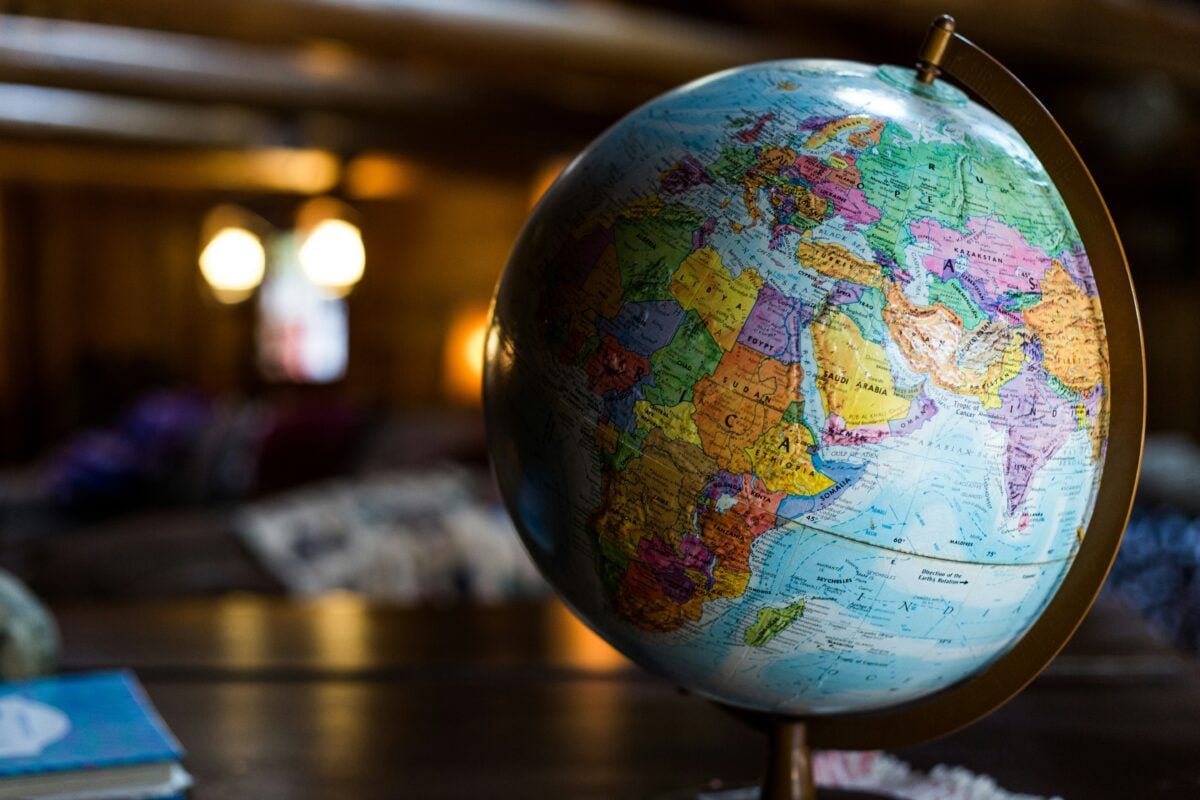
Countries that currently import most of their food would face immediate diplomatic pressure to secure agricultural partnerships. Nations with large areas of wind-pollinated crops — wheat, rice, corn — would suddenly hold disproportionate political power.
Traditional economic powerhouses that built their strength on manufacturing and services would find themselves dependent on agricultural nations they’d previously considered less important. The global balance of power would shift toward whoever could still produce food reliably.
International relations would reorganize around agricultural capacity rather than industrial or technological strength.
Hand pollination would create massive labor markets
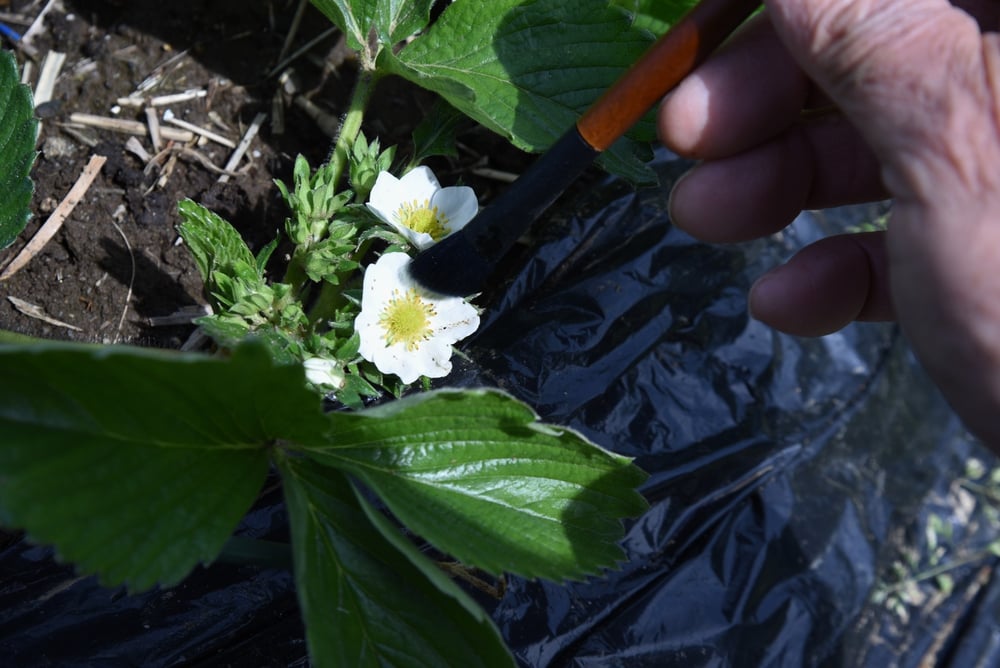
Certain high-value crops would survive through manual pollination, but the labor requirements would be staggering. A single apple orchard that once relied on bee colonies would need hundreds of workers during pollination season, carefully transferring pollen from flower to flower with small brushes.
This would create seasonal migration patterns unlike anything in modern history. Millions of workers would move from region to region following pollination schedules.
Entire communities would develop around providing labor for crops that absolutely needed to continue production. The economics would be brutal — labor-intensive food production would make fresh fruits and nuts luxury items for most people.
Renewable energy development would accelerate dramatically
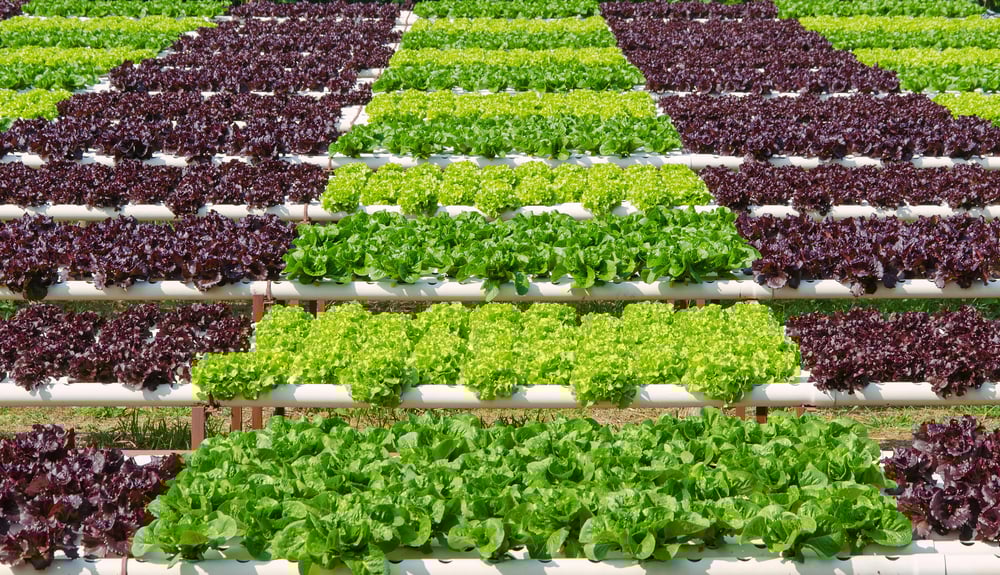
The collapse of traditional agriculture would force rapid investment in alternative food production systems. Hydroponic farming, vertical agriculture, and laboratory-grown food would receive emergency funding levels usually reserved for wartime.
Solar and wind power would become essential for running indoor growing facilities. Energy independence would shift from being an environmental goal to an immediate survival requirement for any nation hoping to feed its population.
The transition to renewable energy would happen within years instead of decades, driven by agricultural necessity rather than climate concerns.
Mental health systems would face unprecedented challenges
There’s something about watching the world change this fundamentally that does things to people’s sense of what’s permanent and what’s possible — not just individually, but collectively, as entire societies start processing the reality that systems everyone assumed were stable turned out to be balanced on something as fragile as the survival of insects most people barely noticed. Anxiety disorders would spike as food security became uncertain.
Depression rates would climb as familiar landscapes transformed beyond recognition. But the deeper psychological impact would be existential: humans would have to confront how little control they actually have over the natural systems that keep them alive.
Mental health resources would need complete restructuring to handle not just individual crisis responses, but collective grief over a world that had essentially ended. And the strangest part would be that life would continue — people would adapt, find ways to survive, create new systems — but the fundamental human relationship with security and permanence would be permanently altered.
The silence would be the most noticeable change
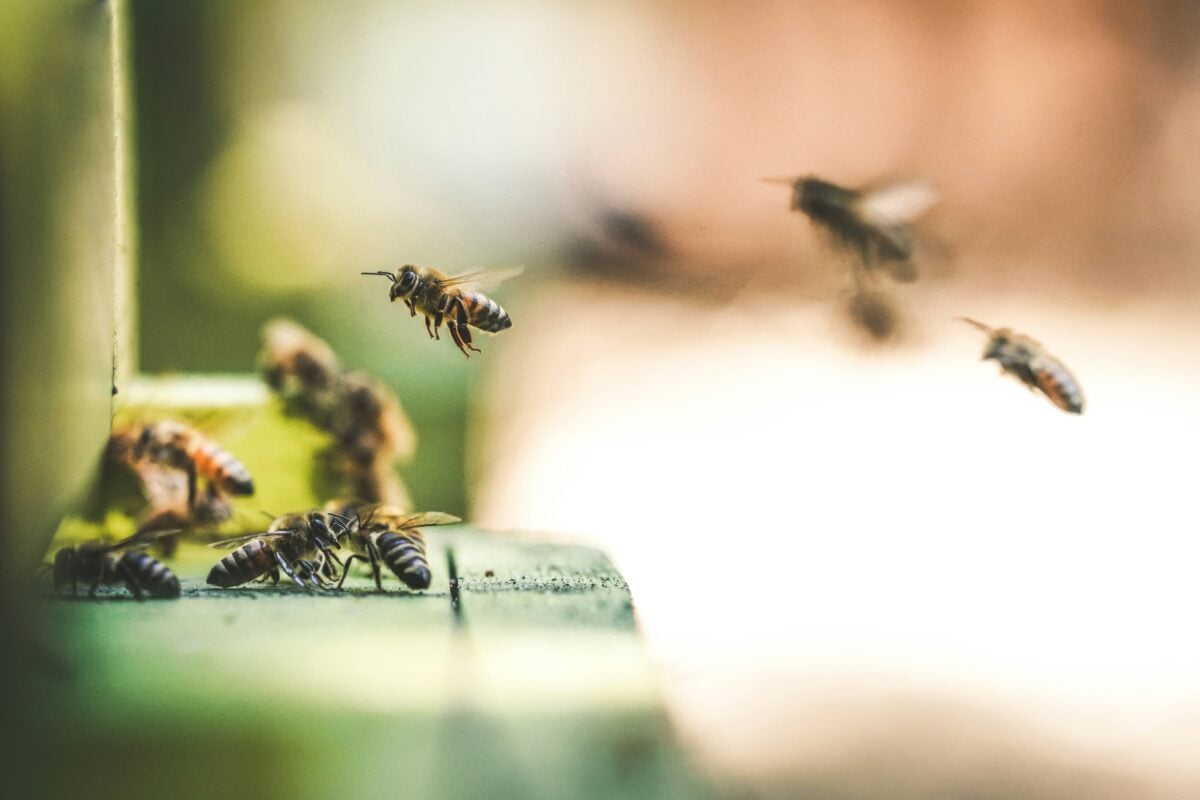
What strikes you isn’t the missing food or the economic chaos. It’s how quiet everything becomes.
No humming in flower gardens. No soft buzz around fruit trees.
The soundtrack of spring and summer gets edited in ways that make familiar places feel abandoned even when they’re not. Children would grow up in a world where flowering meadows are essentially silent, which sounds like a small thing until you realize they’d have no reference point for how alive those places used to feel.
The absence of that sound would mark the boundary between the world that was and whatever comes next.
More from Go2Tutors!

- The Romanov Crown Jewels and Their Tragic Fate
- 13 Historical Mysteries That Science Still Can’t Solve
- Famous Hoaxes That Fooled the World for Years
- 15 Child Stars with Tragic Adult Lives
- 16 Famous Jewelry Pieces in History
Like Go2Tutors’s content? Follow us on MSN.