15 Legendary Motorcycles from Movies and TV
Some vehicles transcend the screen. You see them often enough, in the right context, with the right person riding them, and they stop being props and become characters in their own right.
Motorcycles are especially good at this. There’s something about two wheels and an open road that the camera loves — the combination of vulnerability and freedom reads instantly, no matter what language the audience speaks.
These are the bikes that made the biggest impression.
The Triumph TR6 Trophy — The Great Escape (1963)
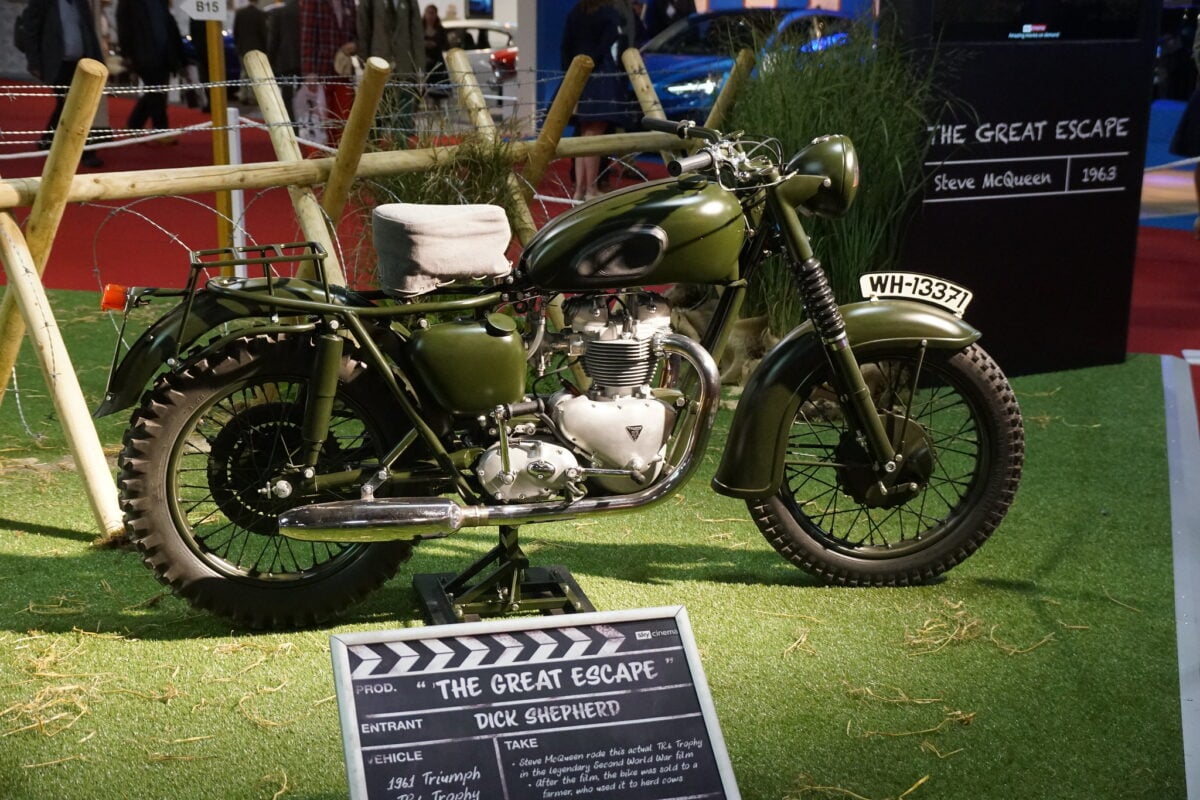
Steve McQueen jumping a Triumph TR6 Trophy over a barbed wire fence is one of the most recognizable images in cinema. The actual jump was performed by stuntman Bud Ekins, but McQueen did much of his own riding in the film and was a serious motorcyclist off-camera.
The TR6 was modified to look like a German military bike for the story, which means the most famous motorcycle jump in film history was a British bike in disguise. McQueen reportedly kept one of the bikes used in production.
The Captain America Chopper — Easy Rider (1969)
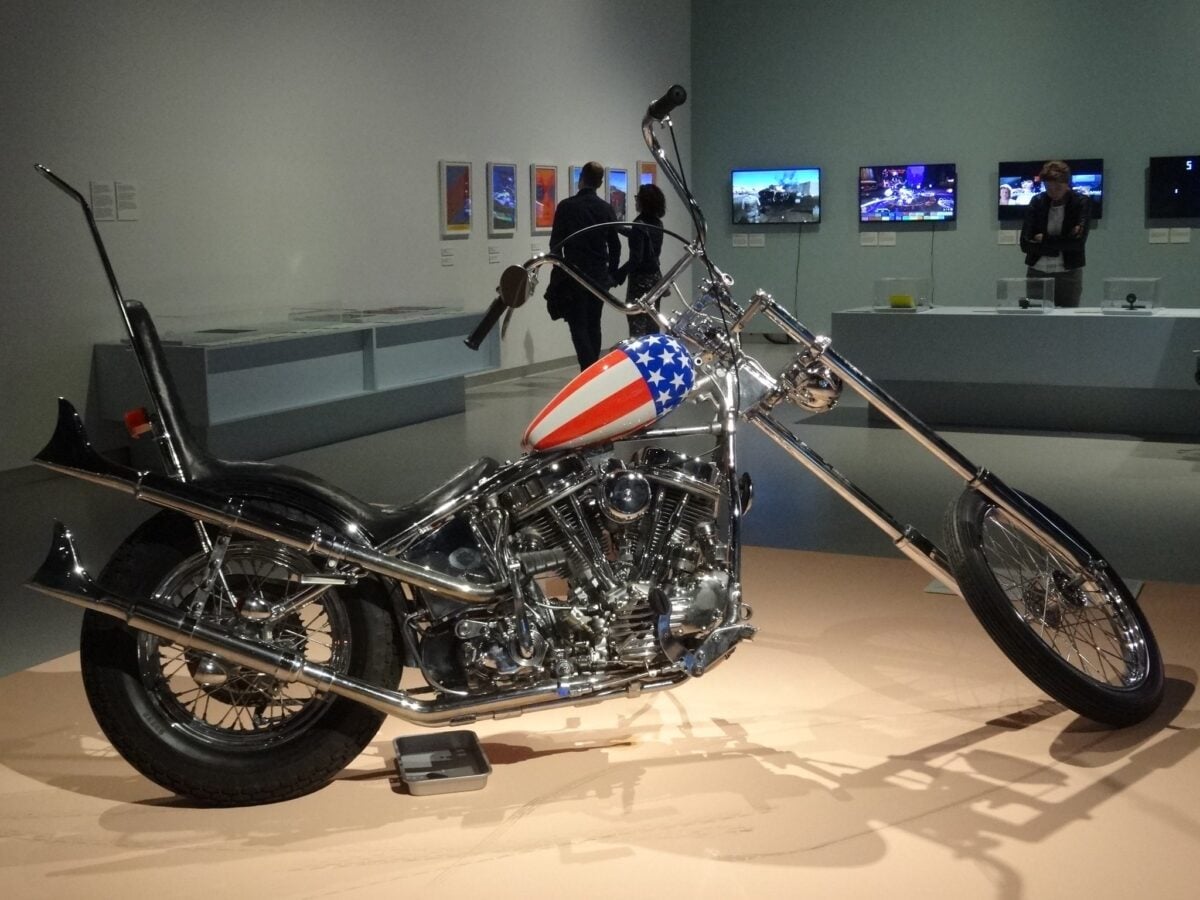
The Panhead chopper Peter Fonda rode across America in Easy Rider became the defining image of counterculture freedom on two wheels. The stretched front forks, low seat, and stars-and-stripes gas tank made it immediately recognizable.
Four bikes were built for the film. Three were stolen during production and never recovered.
The fourth was sold at auction decades later for over a million dollars. The Captain America chopper didn’t just appear in a film — it became a symbol that the film was really about.
The Harley-Davidson Fat Boy — Terminator 2: Judgment Day (1991)
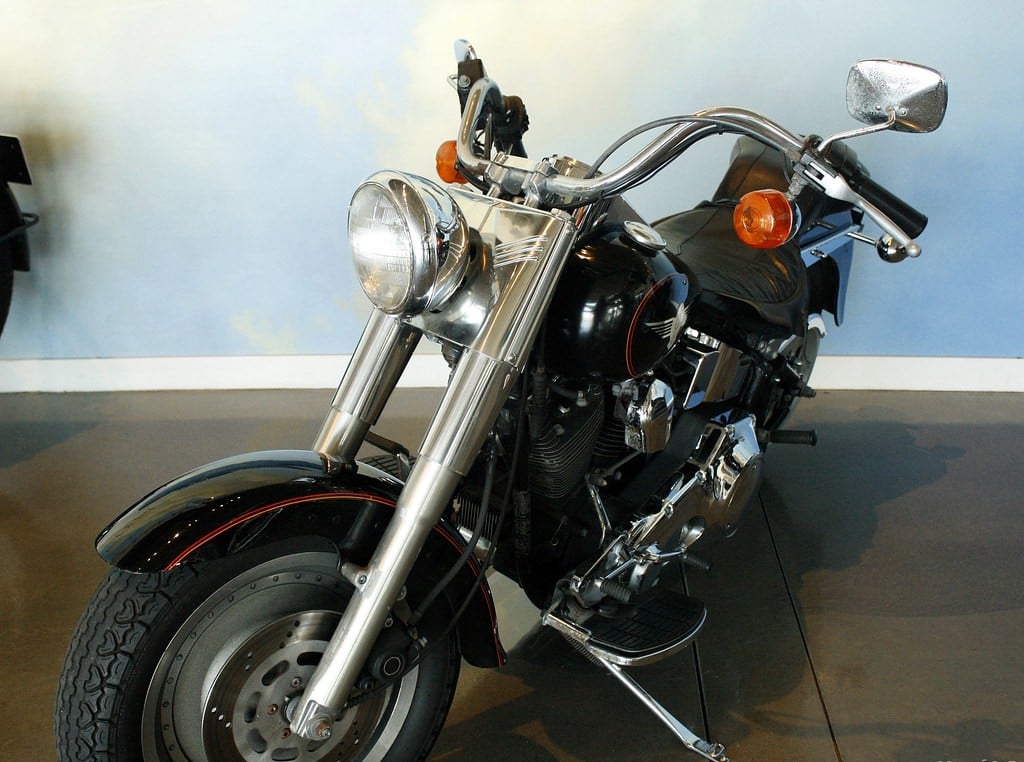
Arnold Schwarzenegger riding a Harley-Davidson Fat Boy while loading a shotgun one-handed is exactly the kind of image a motorcycle manufacturer would pay enormous amounts of money to create — and in this case, the film did it for them. The Fat Boy had launched just two years earlier, and its appearance in T2 turned it into one of Harley’s best-known models almost overnight.
The combination of the bike’s solid, purposeful look and the role it played in the film was a perfect match. Sales responded accordingly.
The Honda CB750 — On Any Sunday (1971)
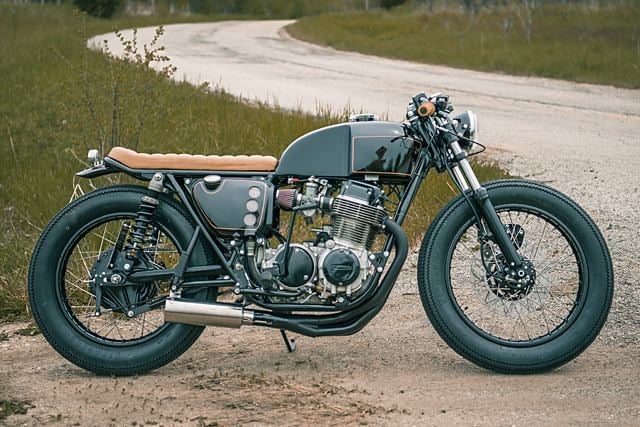
On Any Sunday isn’t a fiction film — it’s a documentary about motorcycle racing directed by Bruce Brown — but it belongs on this list because it arguably did more to shape how mainstream audiences thought about motorcycles than any scripted film before or since. The Honda CB750 appears throughout as the accessible face of modern motorcycling, and the closing sequence of McQueen, Mert Lawwill, and Malcolm Smith riding on a beach remains one of the most purely joyful pieces of motorcycle footage ever shot.
The CB750 was already a landmark machine. The film gave it a cultural context.
The Ducati 996 — Mission: Impossible 2 (2000)
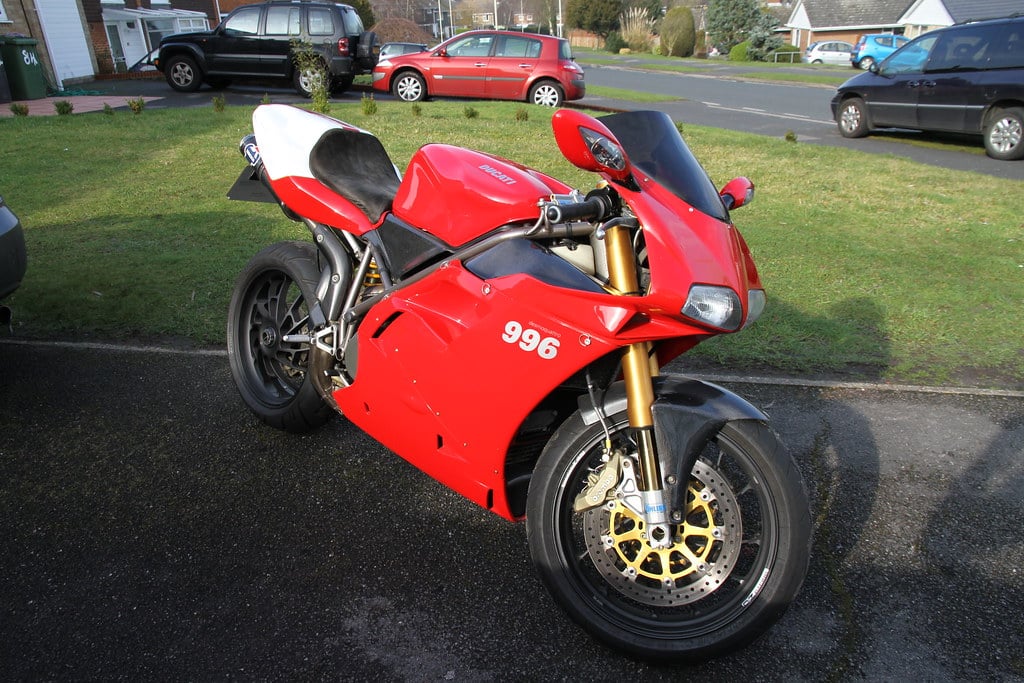
John Woo directed Tom Cruise on a Ducati 996 for a chase sequence that treated physics as a suggestion and still managed to make the bike look extraordinary. The 996 was already considered one of the most beautiful motorcycles ever built, and the film put it in front of an audience that might not have known it existed.
Sales of Italian sportbikes in the U.S. got a noticeable lift after the film’s release. Cruise did much of his own riding, which the production made sure audiences knew about.
The Kawasaki GPZ900R — Top Gun (1986)
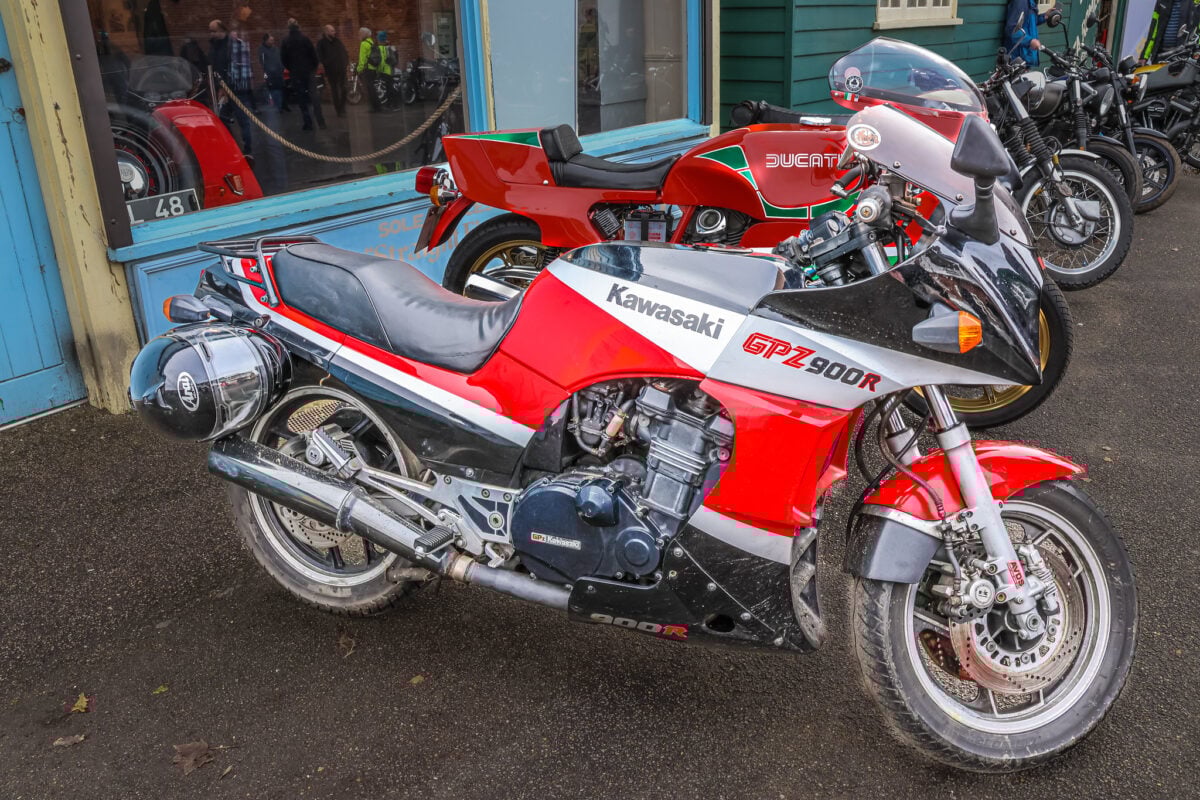
Maverick’s Kawasaki GPZ900R racing an F-14 Tomcat down a runway is the kind of scene that makes a motorcycle look faster than it has any right to. The GPZ900R was already a significant machine — it was the bike that started the modern sportbike era when it launched in 1984.
Top Gun took it to an audience of millions and cemented its image as the sportbike of choice for people who thought of themselves as living dangerously. It remained in production until 2003, long past its technical relevance, partly on the strength of what that scene did for the nameplate.
KITT’s Motorcycle Counterpart — Street Hawk (1985)
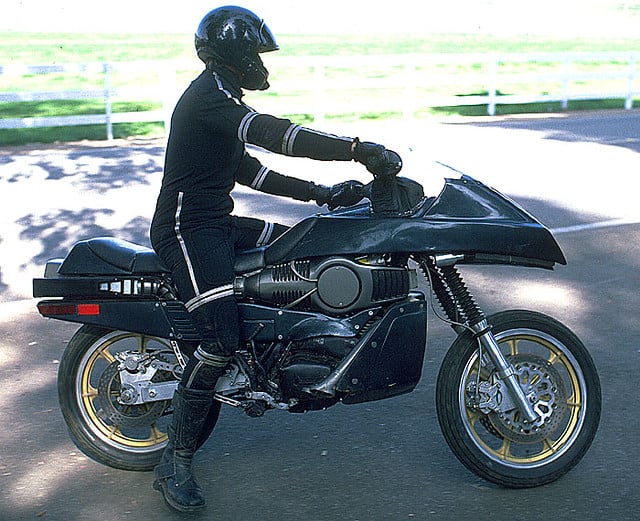
Street Hawk ran for just one season, but the premise — a government agent riding a high-tech, heavily armed motorcycle with a top speed of 300 mph — was compelling enough that the show developed a following that outlasted its broadcast life. The bike was a Honda XL500 heavily modified for filming, with bodywork designed to look futuristic.
It was handled differently in various episodes depending on which version was being used, and the effects team worked around the bike’s actual limitations with considerable creativity. The show’s theme music became almost as famous as the vehicle itself.
The Triumph Bonneville — Electra Glide in Blue (1973)
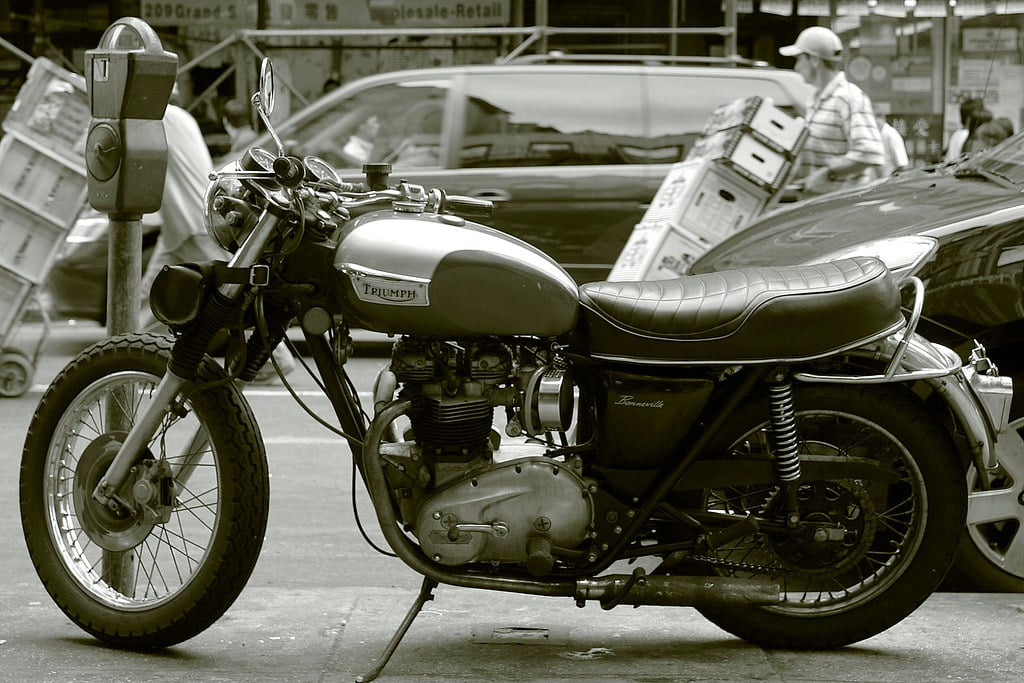
Electra Glide in Blue follows a motorcycle highway patrol officer in Arizona and spends considerable time on his relationship with his bike — a Triumph Bonneville, which he rides before being assigned the Harley Electra Glide of the title. The film is less well known than it deserves to be, but among motorcyclists it has a devoted following because it treats the relationship between rider and machine with genuine seriousness.
The Bonneville in particular gets screen time that feels like a portrait rather than product placement.
The Harley-Davidson Sportster — Terminator (1984)
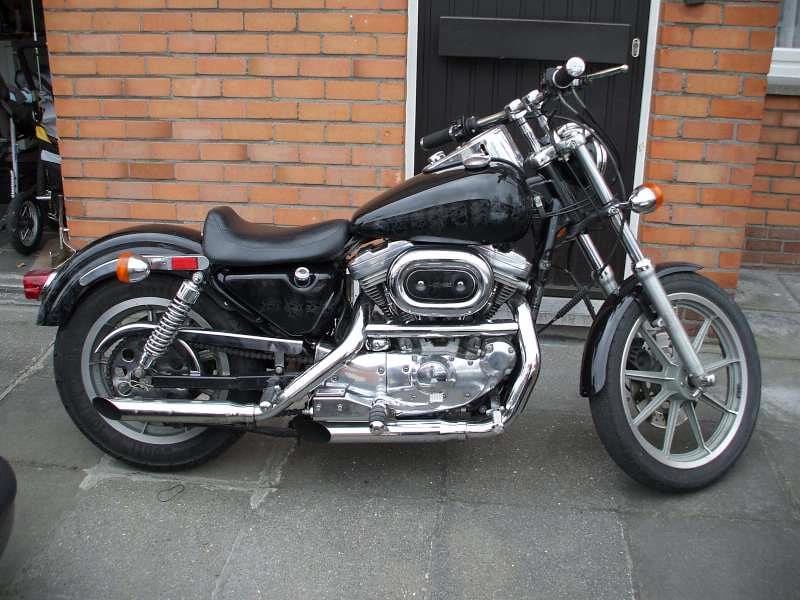
Before the Fat Boy in the sequel, the original Terminator rode a Harley-Davidson Sportster through the first film. Less glamorous than the machine Schwarzenegger would ride seven years later, the Sportster fit the visual language of the film’s near-future Los Angeles better — functional, slightly worn, credible on a 1984 street.
The scene where the Terminator rides through the Tech Noir club’s wall established a template for motorcycle action sequences that action films have been working from ever since.
The Indian Chief — The World’s Fastest Indian (2005)
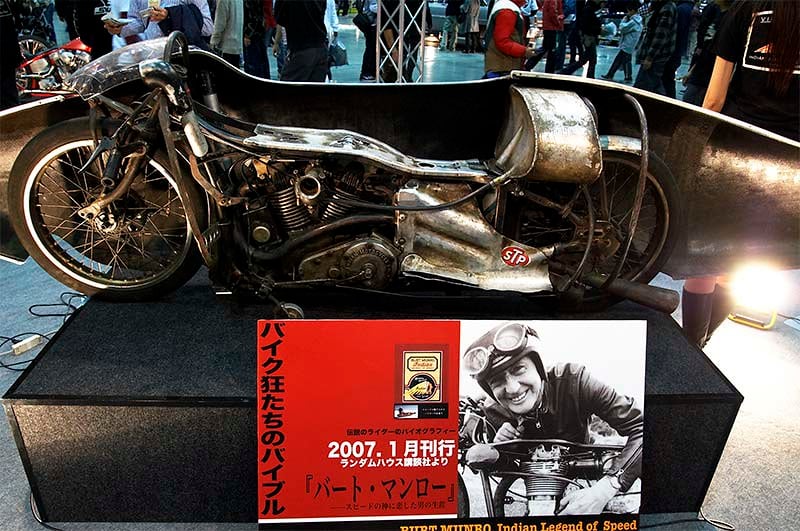
Burt Munro’s 1920 Indian Scout — modified so extensively over the decades that calling it a Scout is a generous description — took him to Bonneville in 1967 to set a land speed record that stood for years. Anthony Hopkins plays Munro in a film that is fundamentally about what a person can achieve with enough obsession and a willingness to ignore the word impossible.
The bike itself was built for one purpose, looks like nothing else on film, and carries the weight of real life behind it. The Indian became something more than a vehicle in that story — it became an expression of Munro himself.
The Moto Guzzi V7 — The Italian Job (1969)
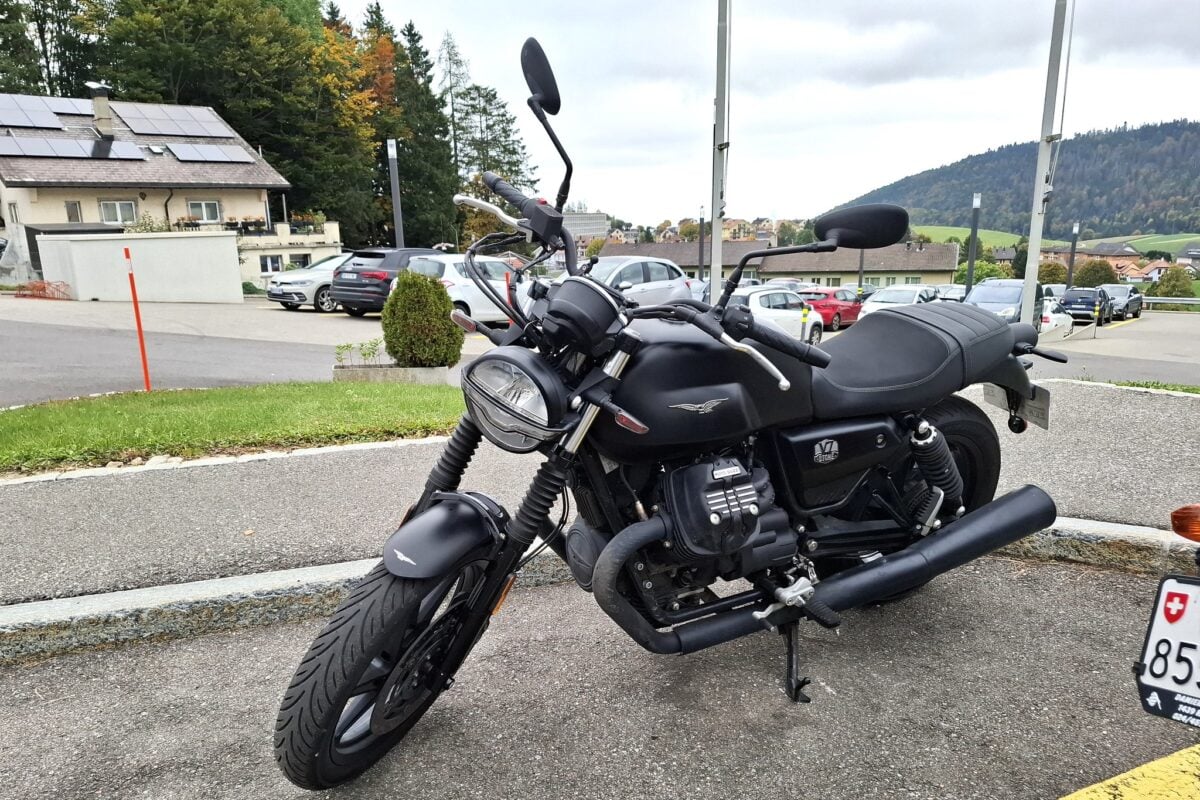
The original Italian Job put Moto Guzzi V7s in the hands of the police characters, which means the bikes technically belong to the opposition in the story — but they got enough screen time in the Italian streets and tunnels to lodge firmly in the memory. The V7 was a new model at the time of filming, and the production used the real thing on real roads through Turin.
The contrast between the Minis being chased and the bigger, louder Guzzis doing the chasing gave the film some of its best visual energy.
Ghost Rider’s Flaming Chopper — Ghost Rider (2007)
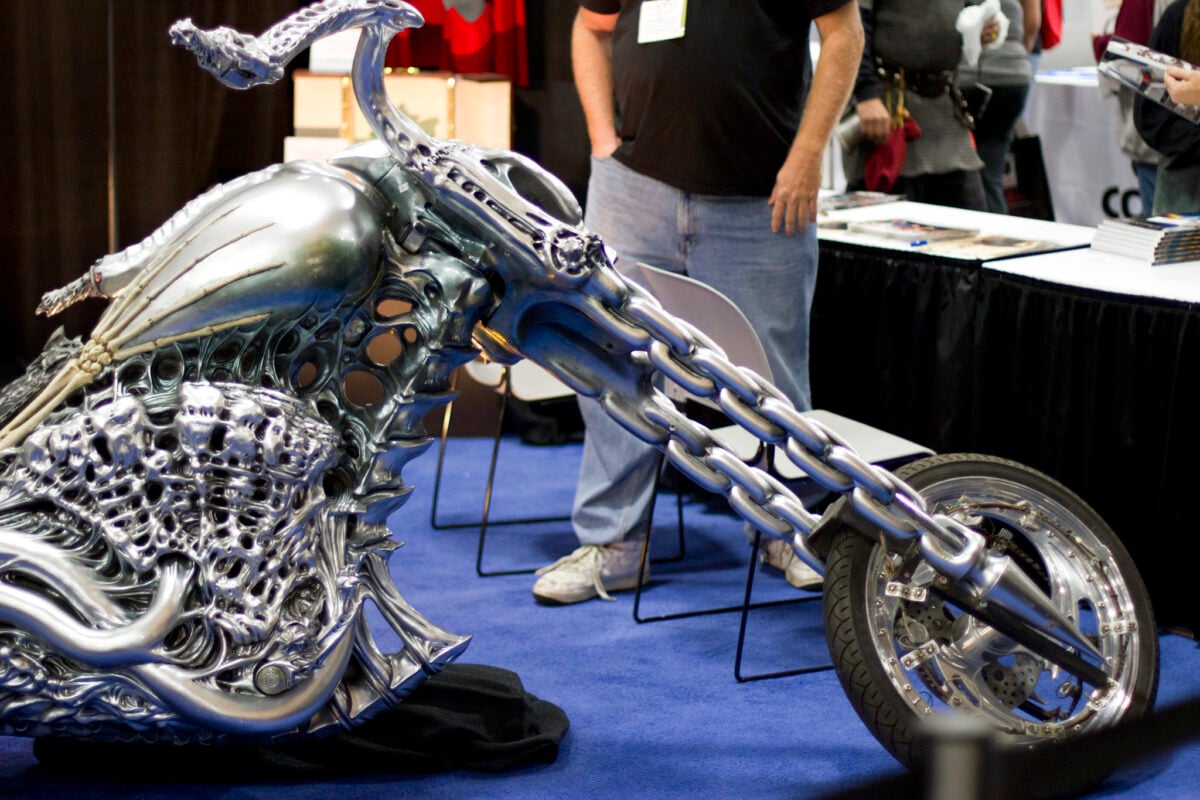
Nicolas Cage riding a chopper with a flaming skull for a head through a city at night is not a piece of subtle cinema, but the visual commitment is total. The base bike was a customized chopper built specifically for the production, and the effects team added the supernatural elements in post.
Ghost Rider leaned into the cultural mythology around choppers — the connection between outlaw motorcycle culture and something darker — more directly than most films were willing to at the time. The image of the bike trailing fire through an urban canyon became a marketing campaign.
The BMW R75 — Indiana Jones and the Last Crusade (1989)
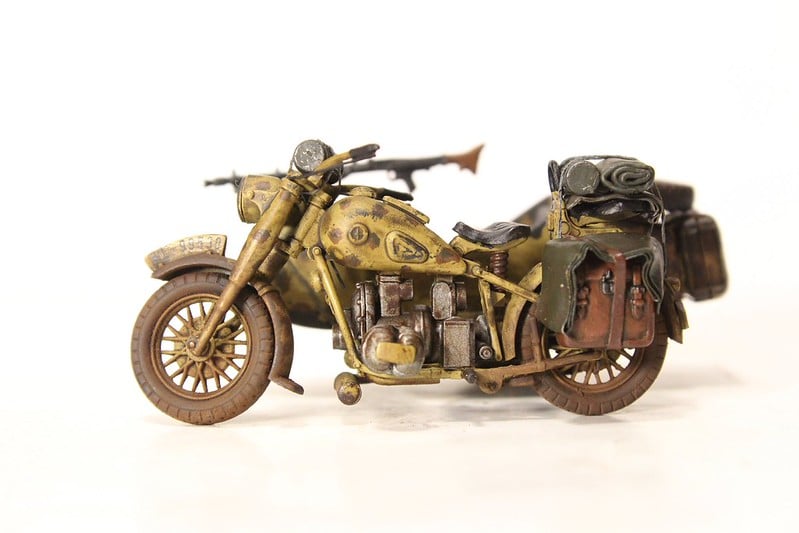
The sidecar chase through the Spanish countryside in The Last Crusade used BMW R75 military motorcycles from World War II, and the sequence remains one of the most purely entertaining chase scenes in the Indiana Jones series. The R75 was a real military bike used extensively by German forces during the war, which gave the sequence historical authenticity that the production was clearly aiming for.
Harrison Ford and Sean Connery did some of their own work in the sidecar sections, which added a physical reality the stunt coverage alone couldn’t have provided.
The Batpod — The Dark Knight (2008)
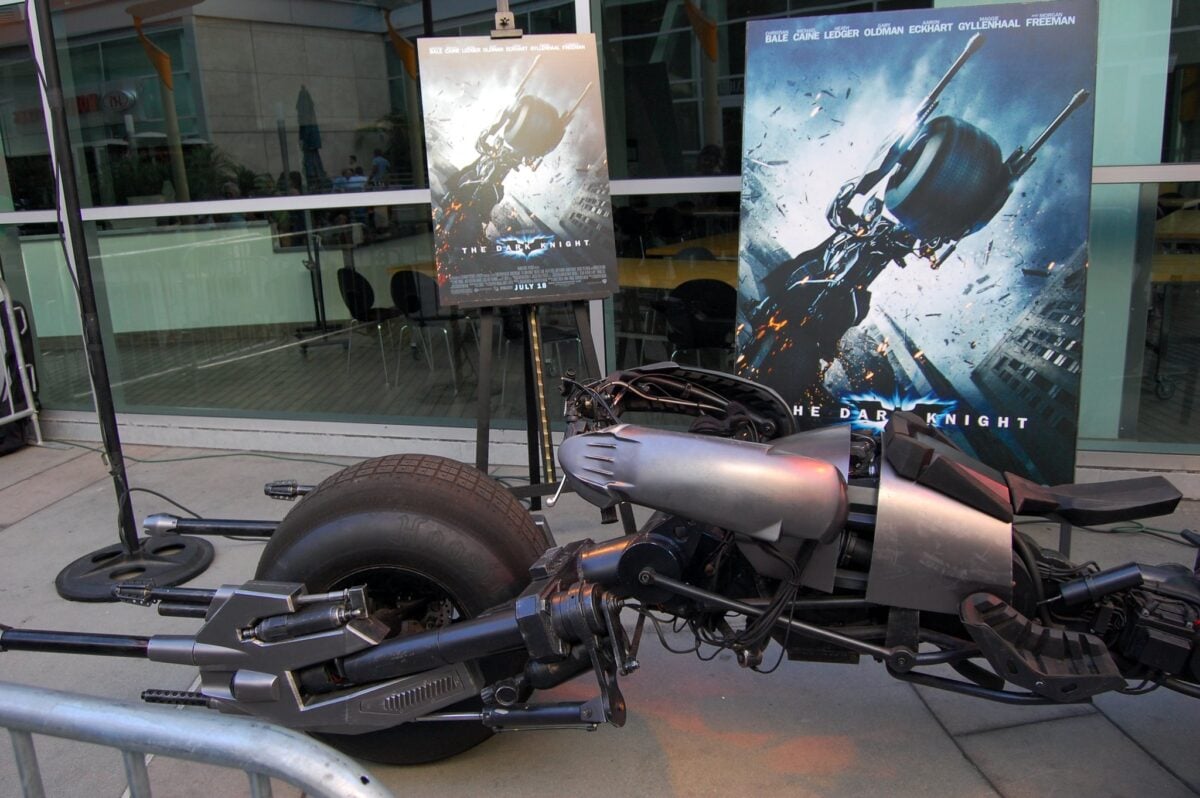
Christopher Nolan’s Batpod was not a modified production motorcycle — it was designed and built from scratch as a practical vehicle by the film’s production team. It had no conventional steering: the rider moved their body to direct it, and the wheels were enormous relative to the frame.
Professional stuntwoman Jill De Jong was the only person who could ride it reliably during production, as the handling was unlike anything else on two wheels. The scenes where it transforms out of the Tumbler Batmobile were achieved practically, which made the sequence more convincing and more impressive than anything computer effects could have done at the time.
The Vincent Black Shadow — Fear and Loathing in Las Vegas (1998)
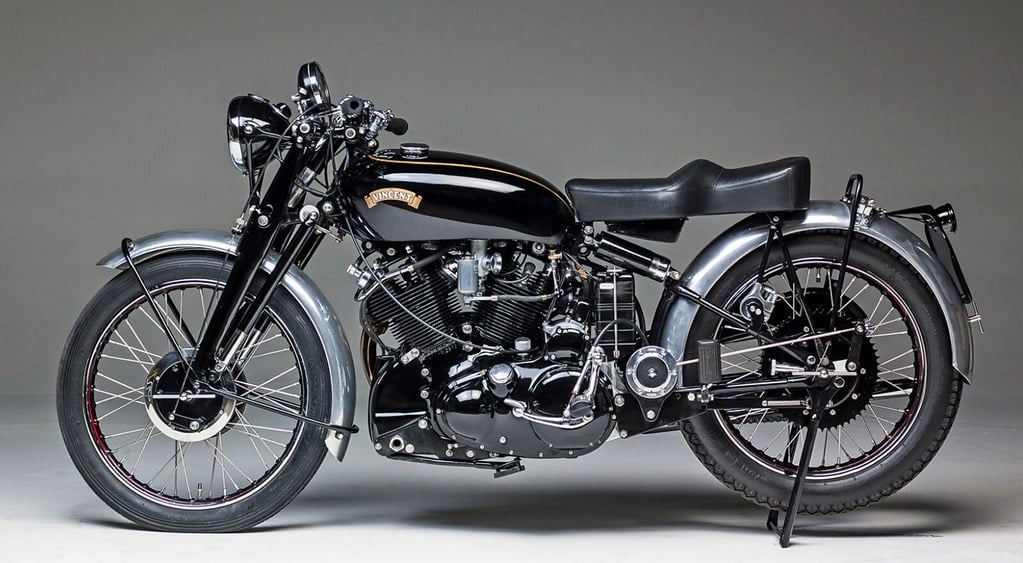
Hunter S. Thompson’s original text opens with a description of a Vincent Black Shadow, and Terry Gilliam’s film honors that detail. The Vincent was considered the fastest production motorcycle in the world when it was made in the late 1940s, and it was always expensive, rare, and slightly dangerous.
Using it as the entry point for the story placed the film deliberately in a tradition of American outlaw experience — powerful machines, open roads, and the sense that speed was one of the few honest responses to a dishonest world. Only around 1,700 Black Shadows were ever built, which makes the one in the film more of a ghost than a vehicle.
Bikes That Stayed With You
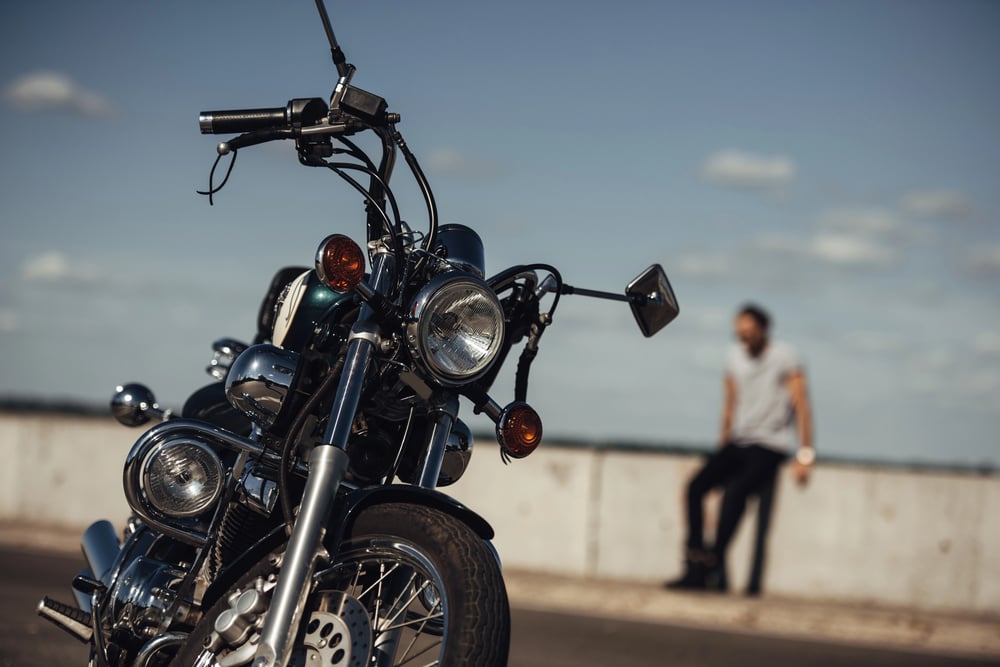
These bikes were essential to these characters in the way that they seamlessly became a part of the story. If you replaced the bike in The Great Escape with a sleek, normal model, you would lose a lot of the atmosphere of that particular scene.
On the other hand, if you pictured Ghost Rider coming on a plain unless a factory bike, then the charm would also disappear. Most of the strongest rides on screen are more than just means of getting from one point to another: they communicate non, verbally.
They represent motive, craving, and a sense of self. In fact, each of them was not only crafted to physically move a person but also to reveal the particular character of a person. A single shot can convey far more than any number of written paragraphs.
So much so, it’s still those particular wheels that linger in our memory, long after the story becomes a thing of the past.
More from Go2Tutors!

- The Romanov Crown Jewels and Their Tragic Fate
- 13 Historical Mysteries That Science Still Can’t Solve
- Famous Hoaxes That Fooled the World for Years
- 15 Child Stars with Tragic Adult Lives
- 16 Famous Jewelry Pieces in History
Like Go2Tutors’s content? Follow us on MSN.