Most Popular Tourist Sites On Every Continent
Some places earn their reputation. You hear about them for years, see them on postcards and phone screens, and then you finally show up — and they still surprise you.
The world’s most visited sites aren’t just famous because someone decided they should be. They earned their crowds.
Here’s a look at the tourist sites that draw the most people on every continent, and what actually makes them worth the trip.
Africa
The Pyramids of Giza, Egypt
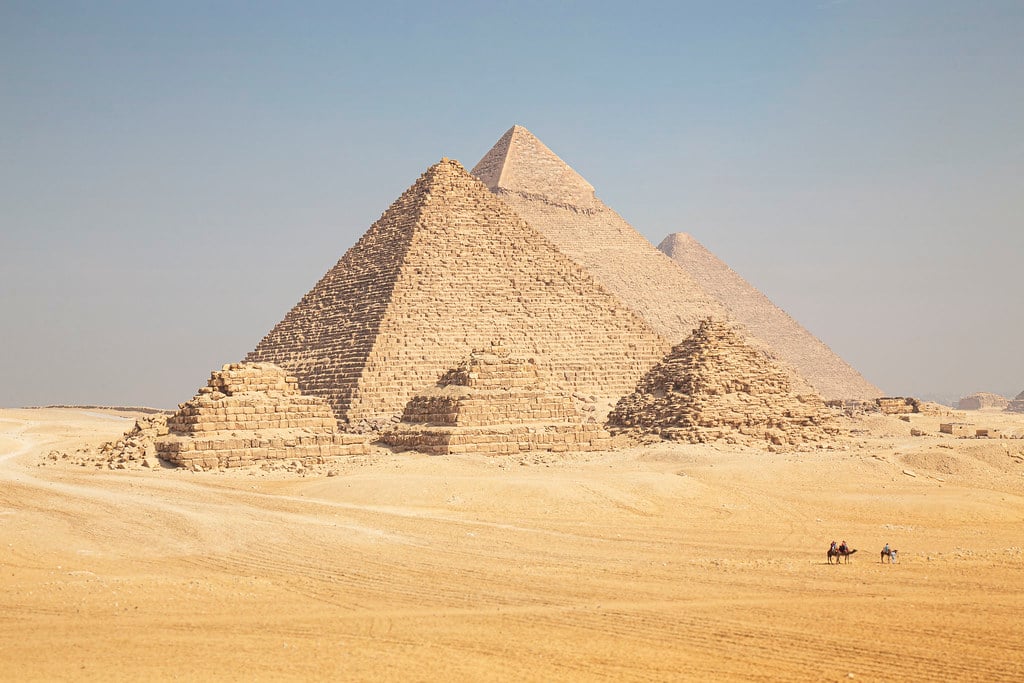
Nothing quite prepares you for how large the Pyramids actually are. Most people arrive expecting something impressive, and they still end up standing there in silence for a moment.
The Great Pyramid of Giza held the record as the tallest man-made structure on earth for nearly 4,000 years. The surrounding complex includes the Great Sphinx and several smaller pyramids, and the whole site sits right at the edge of Cairo — desert on one side, city on the other.
Go early. The heat builds fast, and so do the crowds.
Victoria Falls, Zambia/Zimbabwe
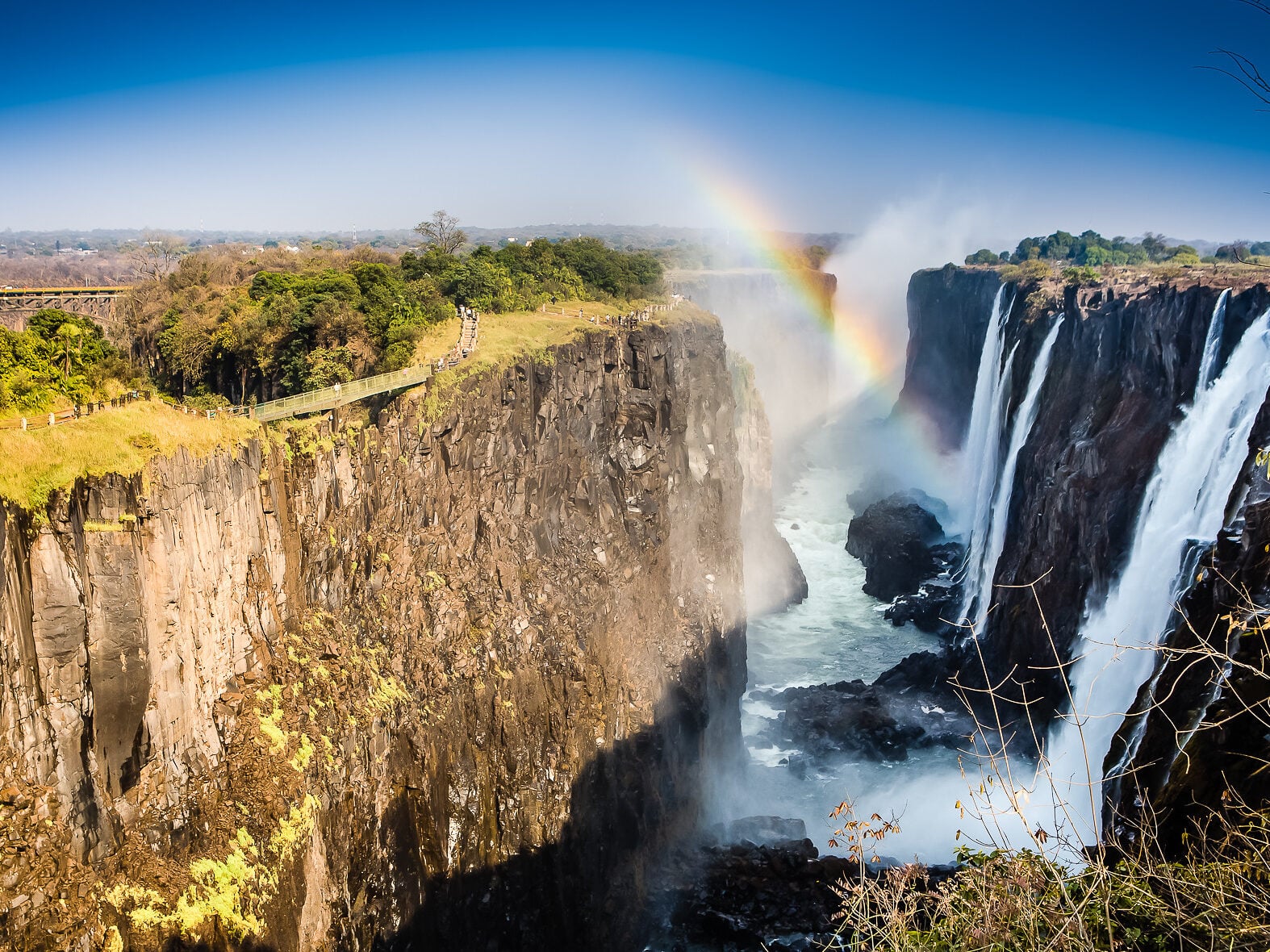
The local name, Mosi-oa-Tunya, translates to “the smoke that thunders.” That tells you what you’re in for.
Victoria Falls stretches over 1.7 kilometers wide and drops about 108 meters, creating a mist so thick it’s visible from kilometers away. You’ll hear it long before you see it.
The best views depend on the season. During peak flow from February to May, the spray soaks you through.
In the dry months, you can actually see the rock face more clearly. Both versions are worth seeing.
The Serengeti, Tanzania
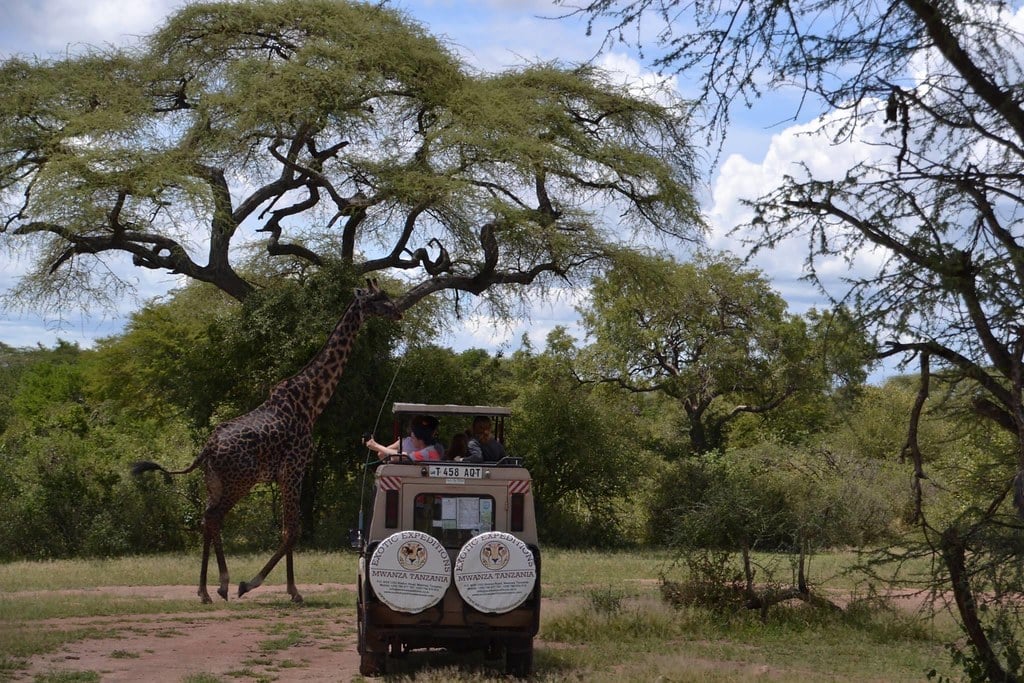
The Serengeti is one of those places that doesn’t need much introduction. Over 1.5 million wildebeest cross the plains every year during the Great Migration, alongside hundreds of thousands of zebras and gazelles.
The landscape is vast and open in a way that photographs can’t quite capture. Safari camps range from budget tents to lodges that feel almost absurdly comfortable given the surroundings.
Asia
The Great Wall of China
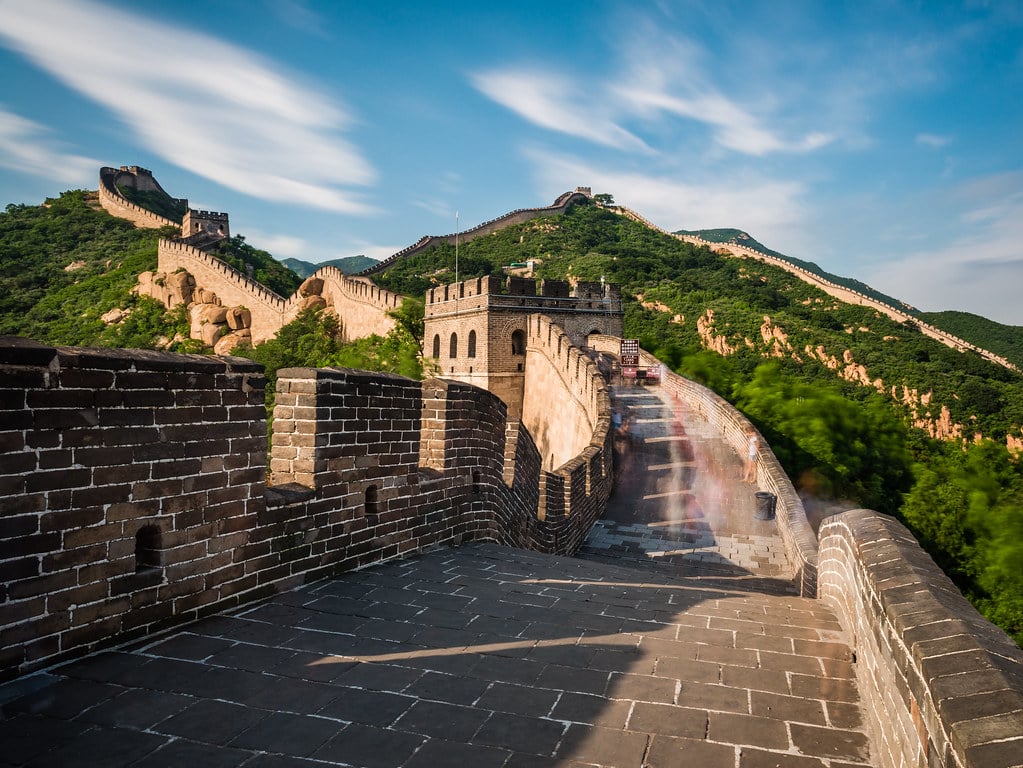
It doesn’t run in one straight line across the country — the Wall is actually a collection of multiple walls built across different dynasties. The most visited section sits at Badaling, about 80 kilometers from Beijing.
If you want fewer people and more atmosphere, the sections at Jinshanling or Mutianyu are harder to reach but far less crowded. The Wall stretches over 21,000 kilometers in total.
You could spend a lifetime walking it and never cover it all.
The Taj Mahal, India
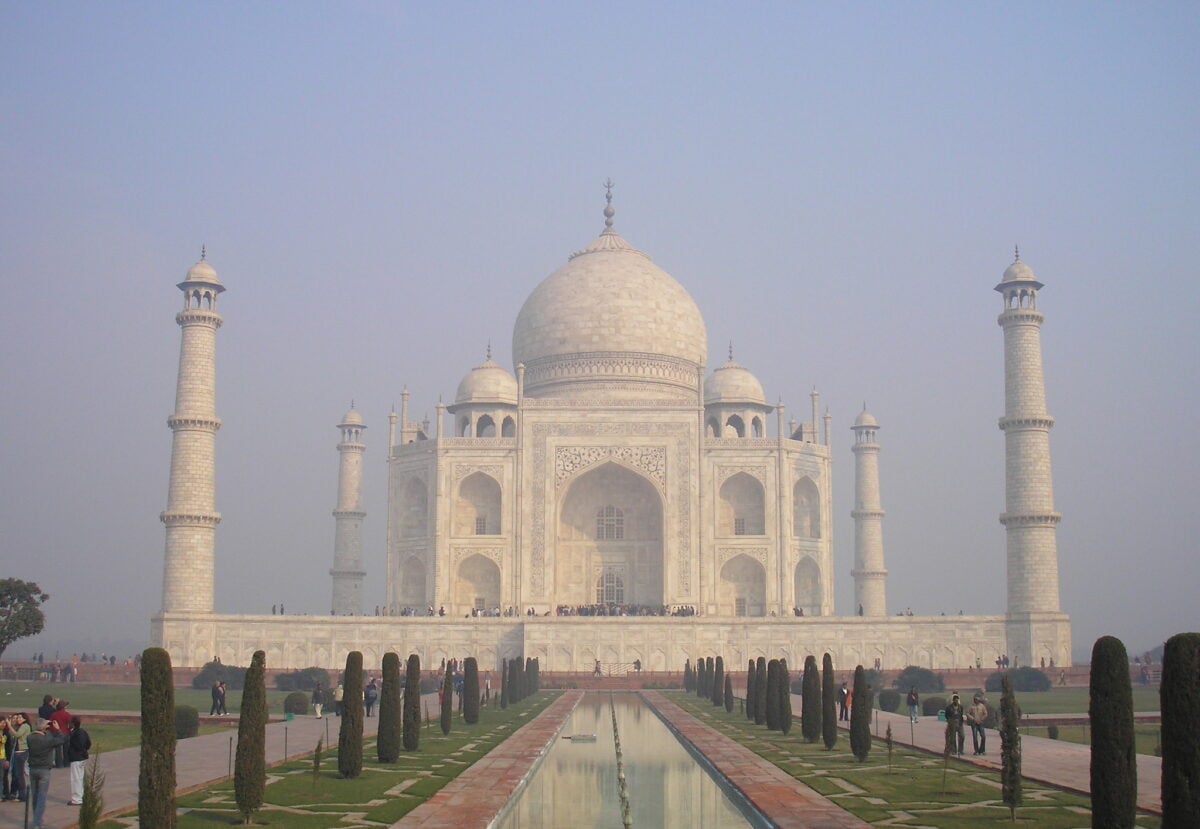
Built by Mughal emperor Shah Jahan in memory of his wife Mumtaz Mahal, the Taj Mahal took over 20 years and 20,000 workers to complete. The white marble changes color throughout the day — pale pink at dawn, bright white at midday, and golden at sunset.
Millions of people visit every year, which means the area around it can feel chaotic. But once you’re inside the gates, standing in front of it, the noise tends to fade.
Angkor Wat, Cambodia
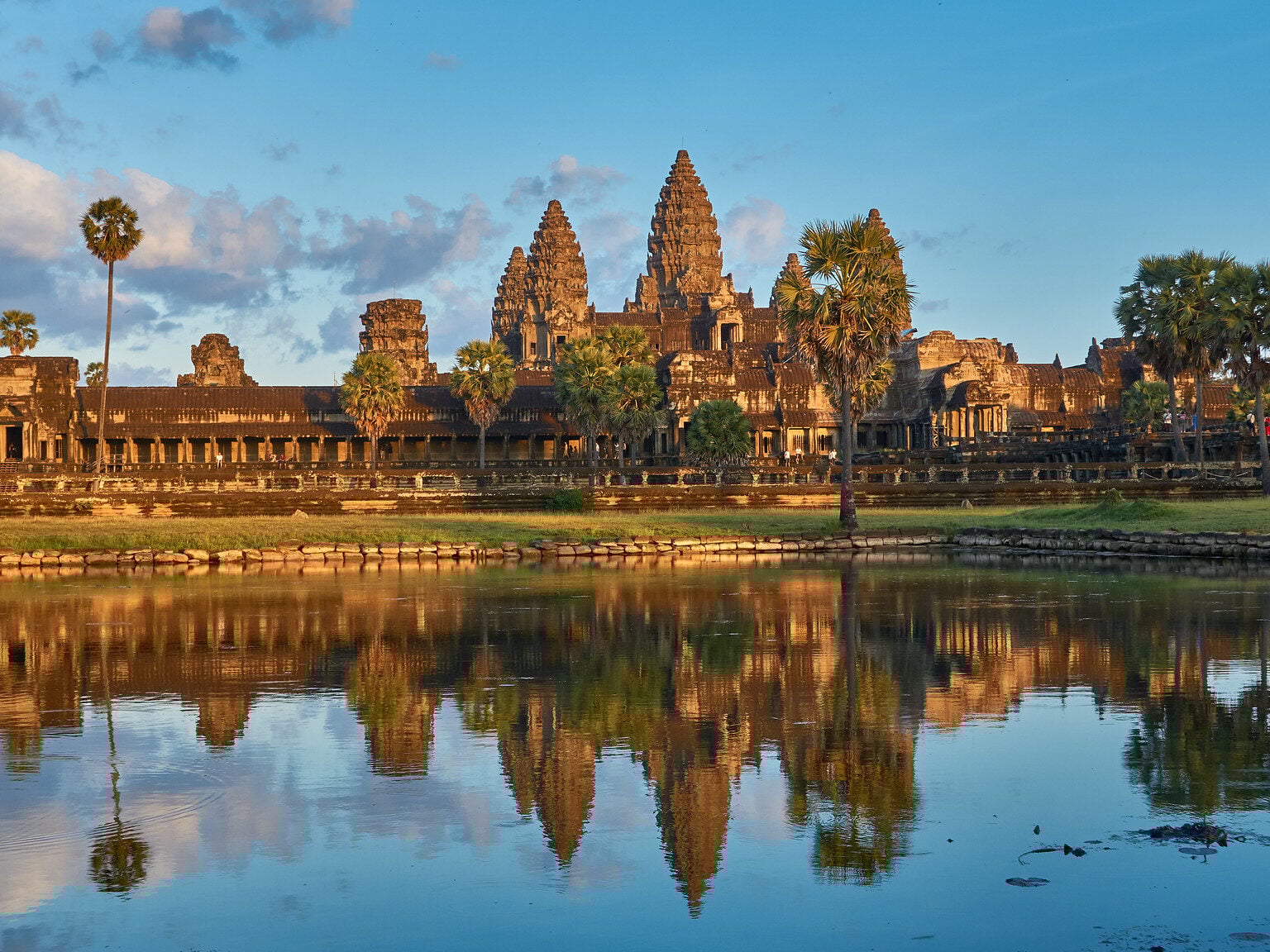
The largest religious monument on earth sits in the jungle northwest of Siem Reap. Angkor Wat was built in the 12th century and covers over 400 square kilometers when you include the surrounding temples.
Sunrise at the main temple — with its reflection in the moat — is one of those images you’ve probably already seen a hundred times. It looks even better in person.
Pack water and comfortable shoes. The complex is enormous, and the heat is serious.
Europe
The Eiffel Tower, Paris, France
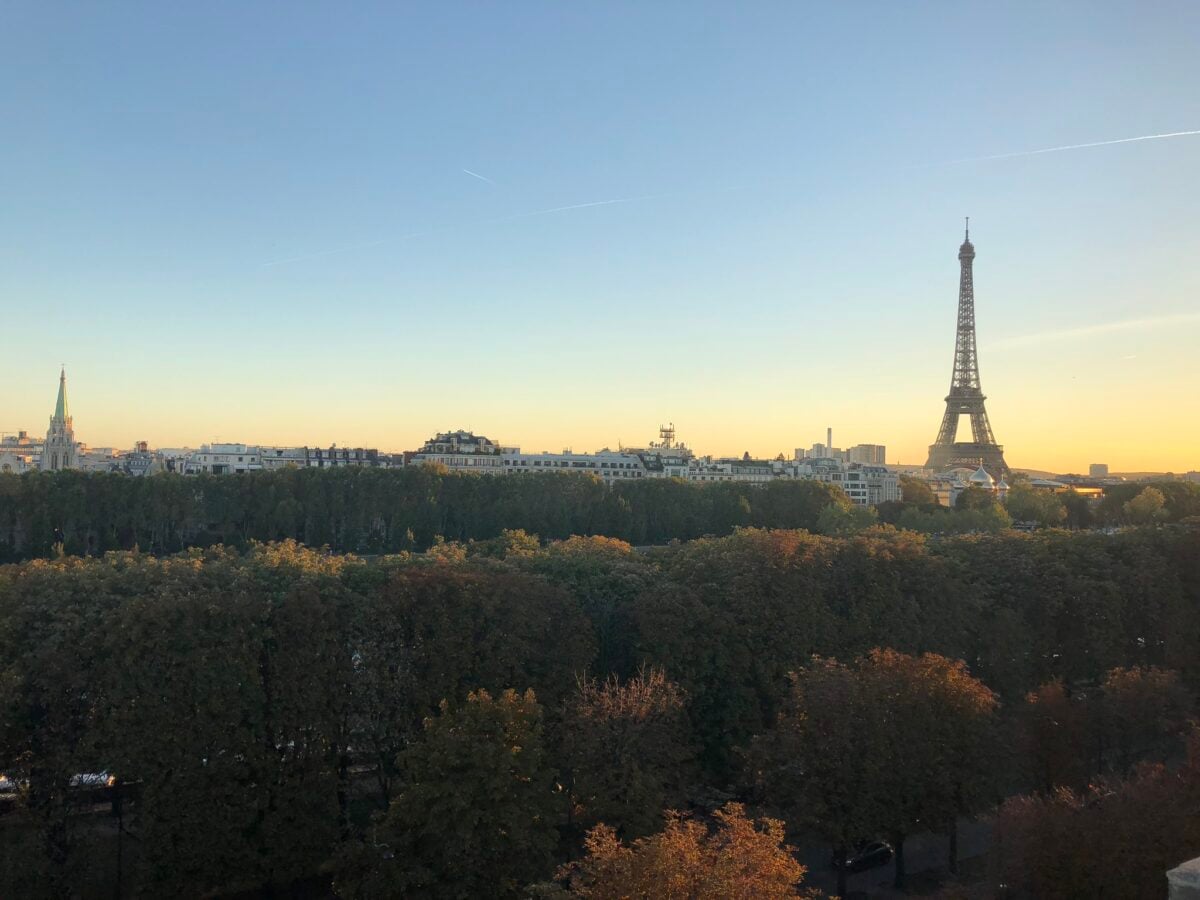
Over 7 million people visit the Eiffel Tower every year, making it one of the most visited paid monuments on the planet. Gustave Eiffel’s iron lattice structure was originally built as a temporary installation for the 1889 World’s Fair.
Paris wanted to take it down. Instead, it became the most recognizable structure in the world.
Book tickets in advance. The queues without a reservation can run several hours.
The Colosseum, Rome, Italy

The Colosseum held up to 80,000 spectators at its peak. Walking through the arched corridors, it’s easy to understand why — the scale is staggering even in its partially ruined state.
Construction began around 70 AD, and the arena hosted gladiatorial games for roughly 400 years. The underground network of tunnels where animals and fighters were held before battles is open for tours.
Sagrada Família, Barcelona, Spain
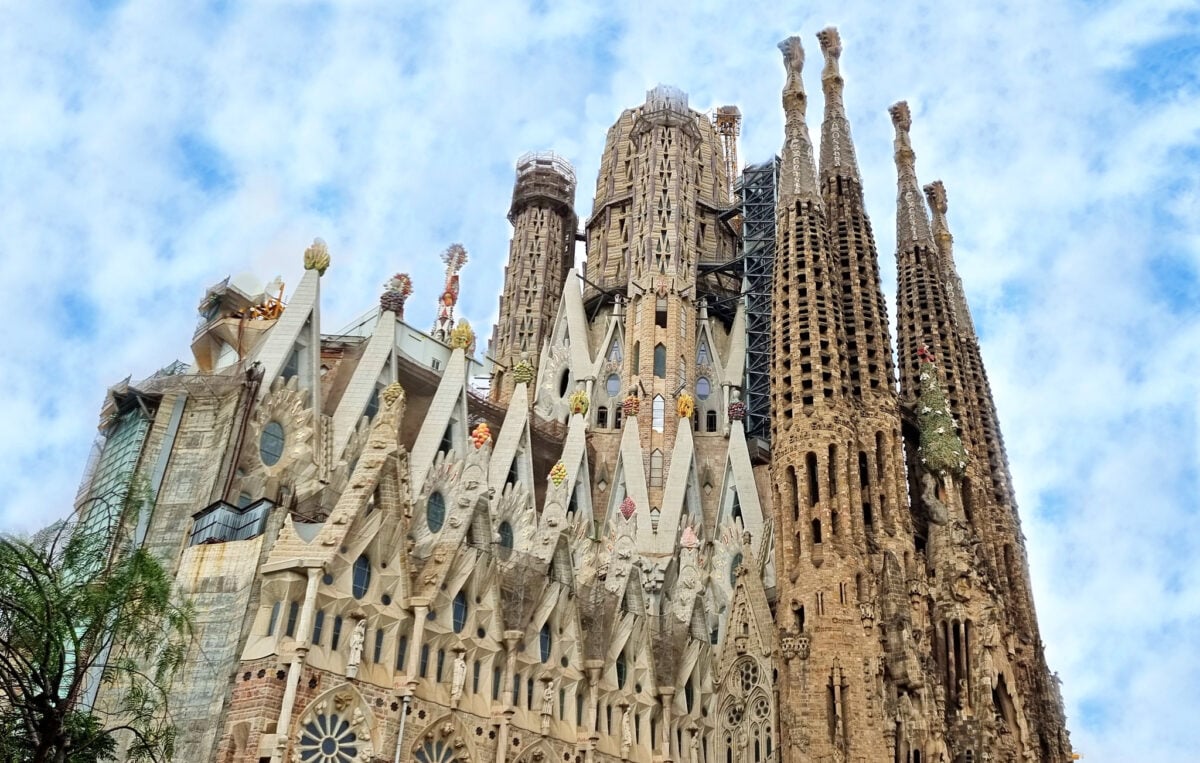
Antoni Gaudí started designing the Sagrada Família in 1883. Construction is still ongoing.
The cathedral blends Gothic and Art Nouveau styles in a way that doesn’t quite look like anything else. Gaudí spent the last 16 years of his life entirely dedicated to the project, living on-site near the end.
He died in 1926, hit by a tram, never seeing it finished. The interior is extraordinary — light filters through stained glass in a way that makes the whole space feel alive.
North America
The Grand Canyon, United States
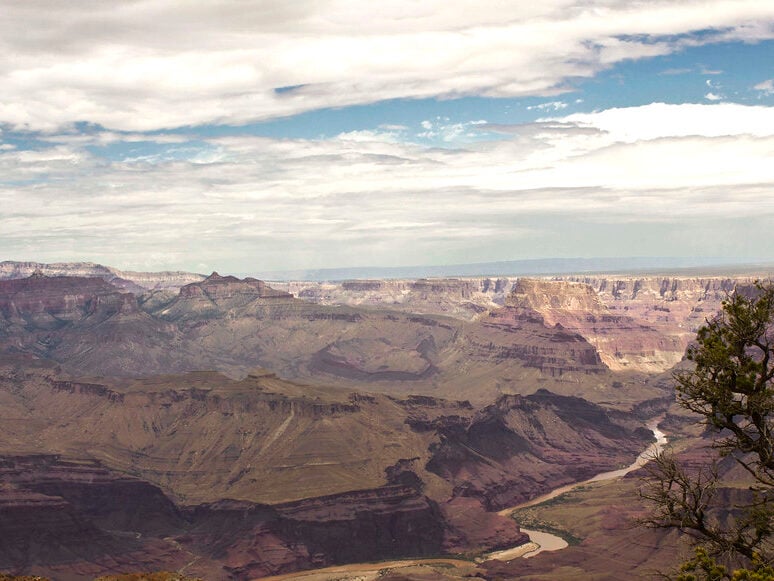
The Grand Canyon is about 446 kilometers long, up to 29 kilometers wide, and over 1.6 kilometers deep. Numbers don’t help much until you’re standing at the rim looking down.
The Colorado River carved it over millions of years, and the exposed rock layers read like a timeline of earth’s history. Most visitors see the South Rim.
The North Rim offers similar views with far fewer people, though it’s only accessible from mid-May to mid-October.
Niagara Falls, Canada/United States
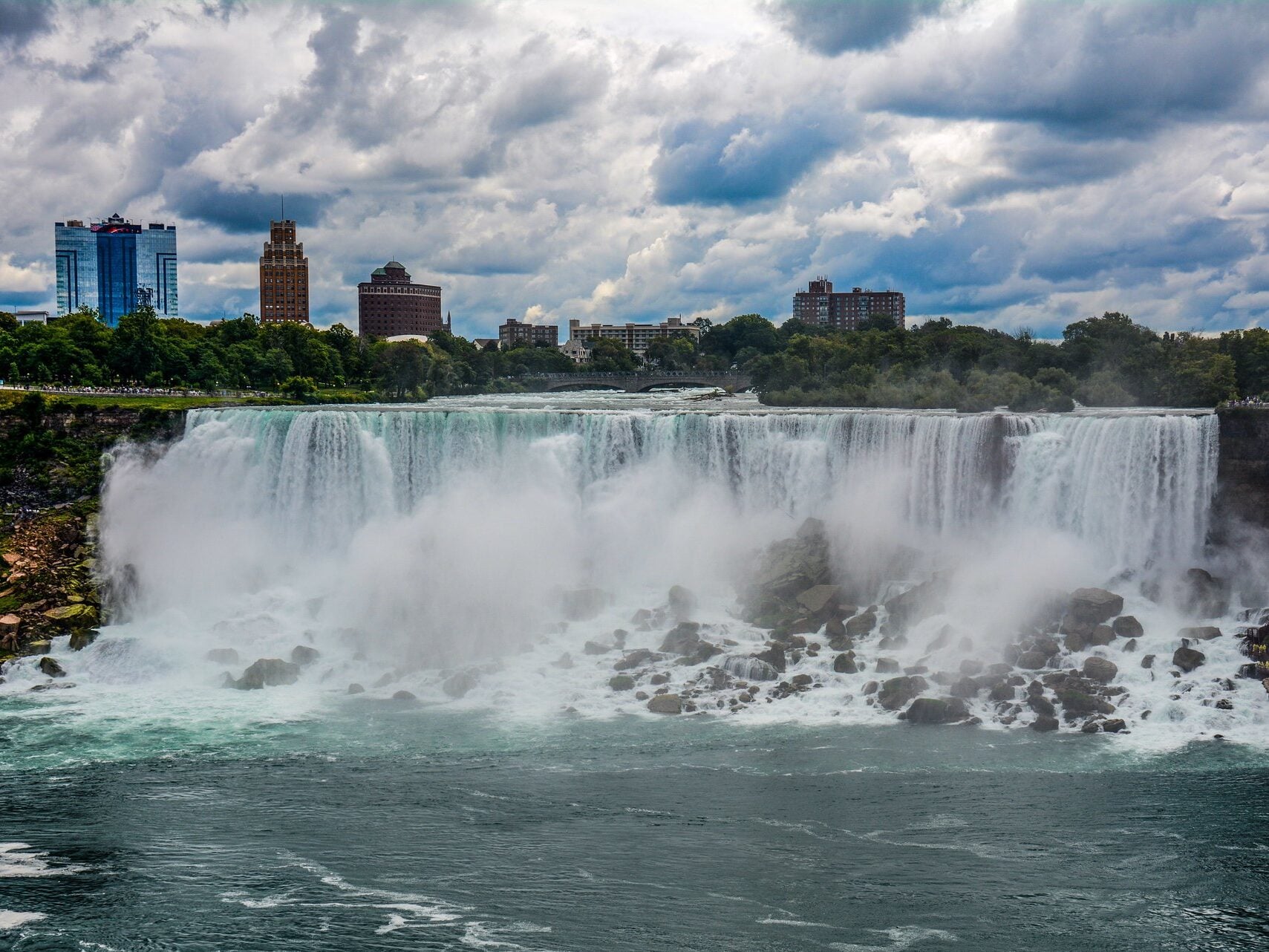
Three waterfalls make up Niagara — Horseshoe Falls, American Falls, and Bridal Veil Falls. Combined, they carry more water than any other waterfall in North America.
The Maid of the Mist boat tour takes you close enough to get thoroughly drenched. The view from the Canadian side is generally considered better, though the American side has its own access points and trails.
Chichén Itzá, Mexico
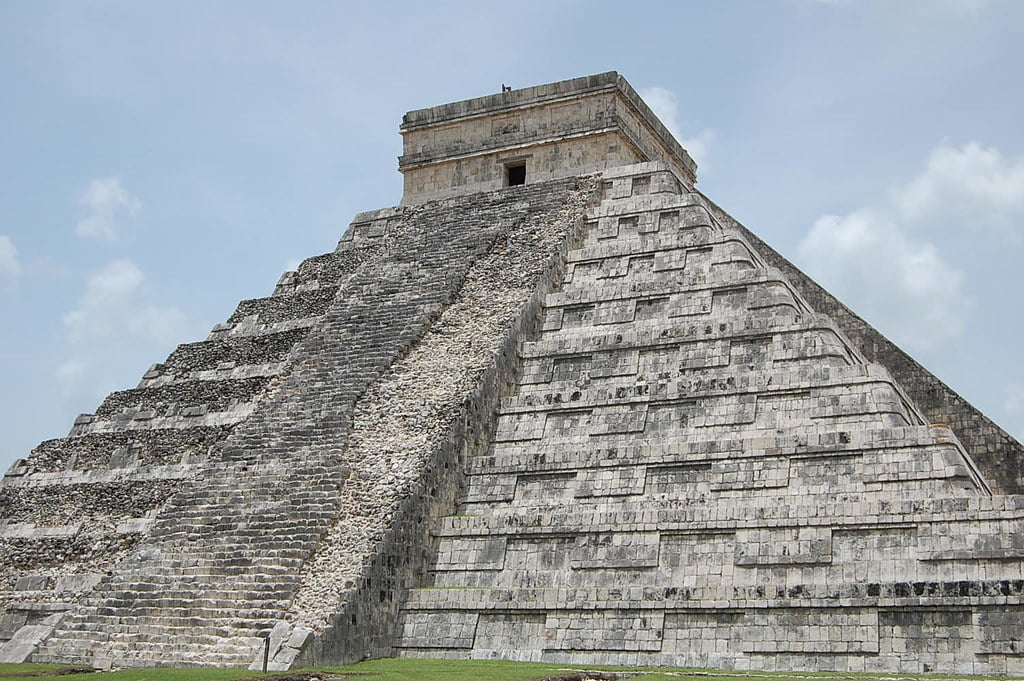
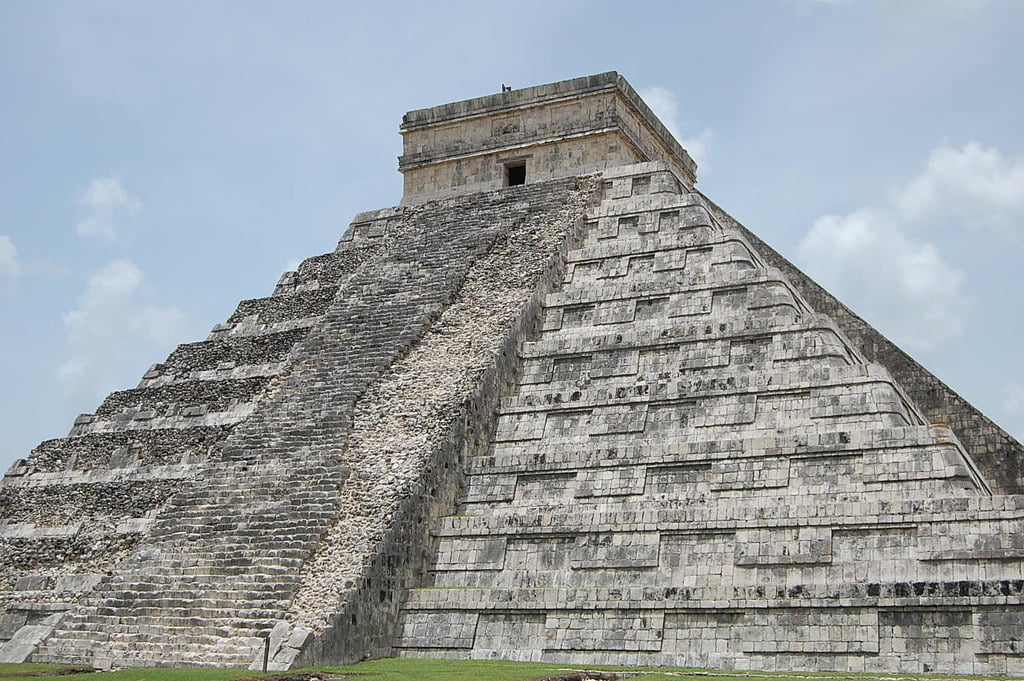
The pyramid at Chichén Itzá — El Castillo, also called the Temple of Kukulcán — was built by the Mayan civilization around the 9th century. During the spring and autumn equinoxes, the setting sun casts a shadow along the staircase that looks like a serpent descending the pyramid.
It draws thousands of visitors for that specific event. You can no longer climb the pyramid, which was closed to tourists after a woman died falling from the top in 2006.
South America
Machu Picchu, Peru
The Inca citadel sits at 2,430 meters above sea level in the Andes Mountains, surrounded by cloud forest. It was built in the 15th century and abandoned roughly a hundred years later, possibly during the Spanish conquest.
The site wasn’t widely known outside Peru until 1911, when American explorer Hiram Bingham was led there by a local farmer. Access is tightly controlled now — you need a permit to hike the Inca Trail, and visitor numbers per day are capped to protect the site.
Christ the Redeemer, Rio de Janeiro, Brazil
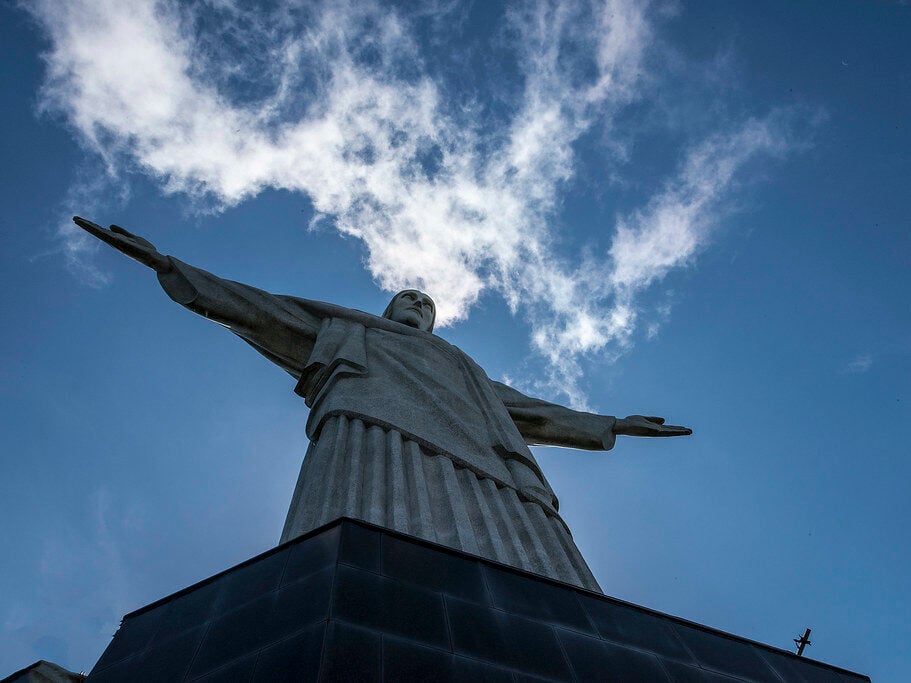
The 30-meter statue of Christ stands at the peak of Mount Corcovado, arms outstretched over Rio de Janeiro. On clear days, the view from the top takes in the entire city, Guanabara Bay, and the famous Copacabana and Ipanema beaches. Clouds roll through frequently, which gives the site an almost otherworldly quality when visibility drops.
The statue was completed in 1931 and has been struck by lightning multiple times since, requiring several rounds of restoration.
Iguazu Falls, Argentina/Brazil
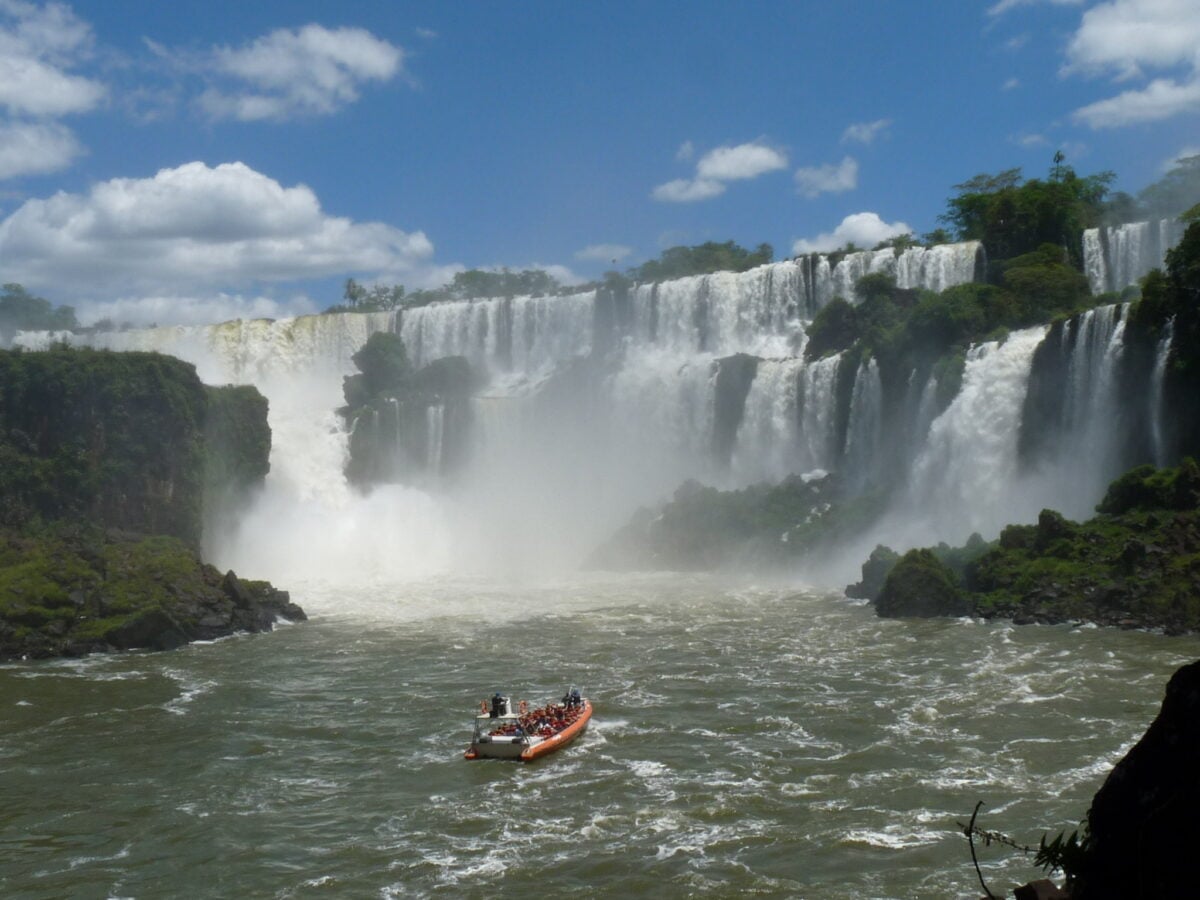
Iguazu Falls consists of 275 individual waterfalls spread across nearly 3 kilometers of the Iguazu River. Eleanor Roosevelt reportedly said “poor Niagara” when she first saw them.
The falls straddle the border between Argentina and Brazil, and both countries have national parks with viewing platforms. The Argentine side puts you closer to the water.
The Brazilian side gives you the wider panoramic view.
Oceania
Sydney Opera House, Australia
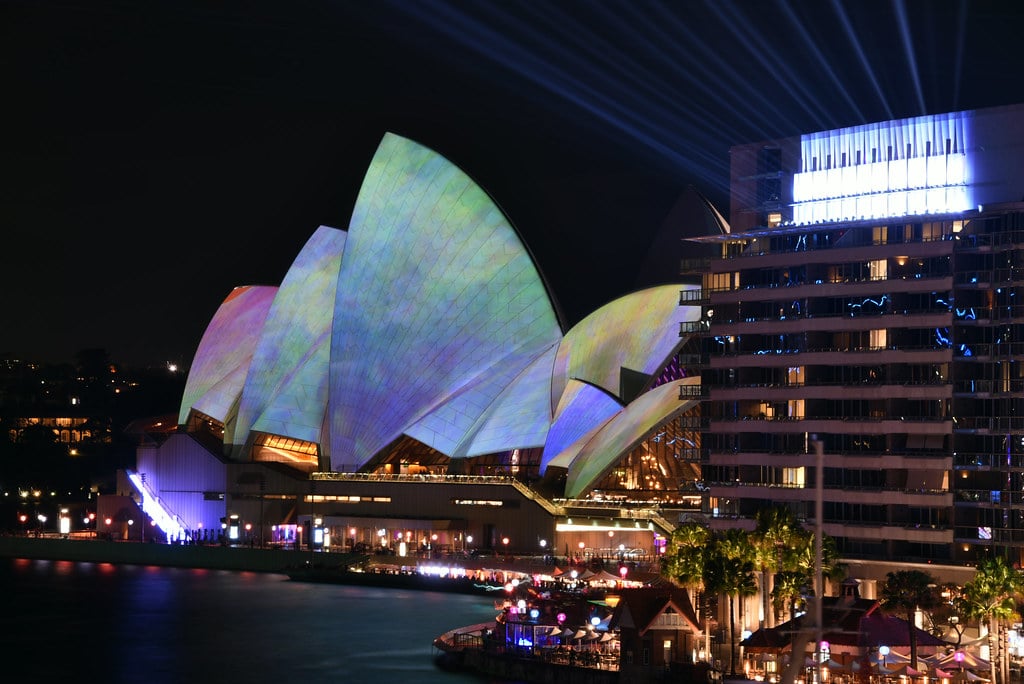
The Sydney Opera House opened in 1973 after 14 years of construction and significant political controversy. Danish architect Jørn Utzon won the design competition in 1957 and resigned before the building was completed due to disputes with the Australian government.
He never returned to see the finished building. The shell-shaped roofline is instantly recognizable.
Inside, there are multiple performance venues, and tours run daily for those who want to see beyond the exterior.
The Great Barrier Reef, Australia
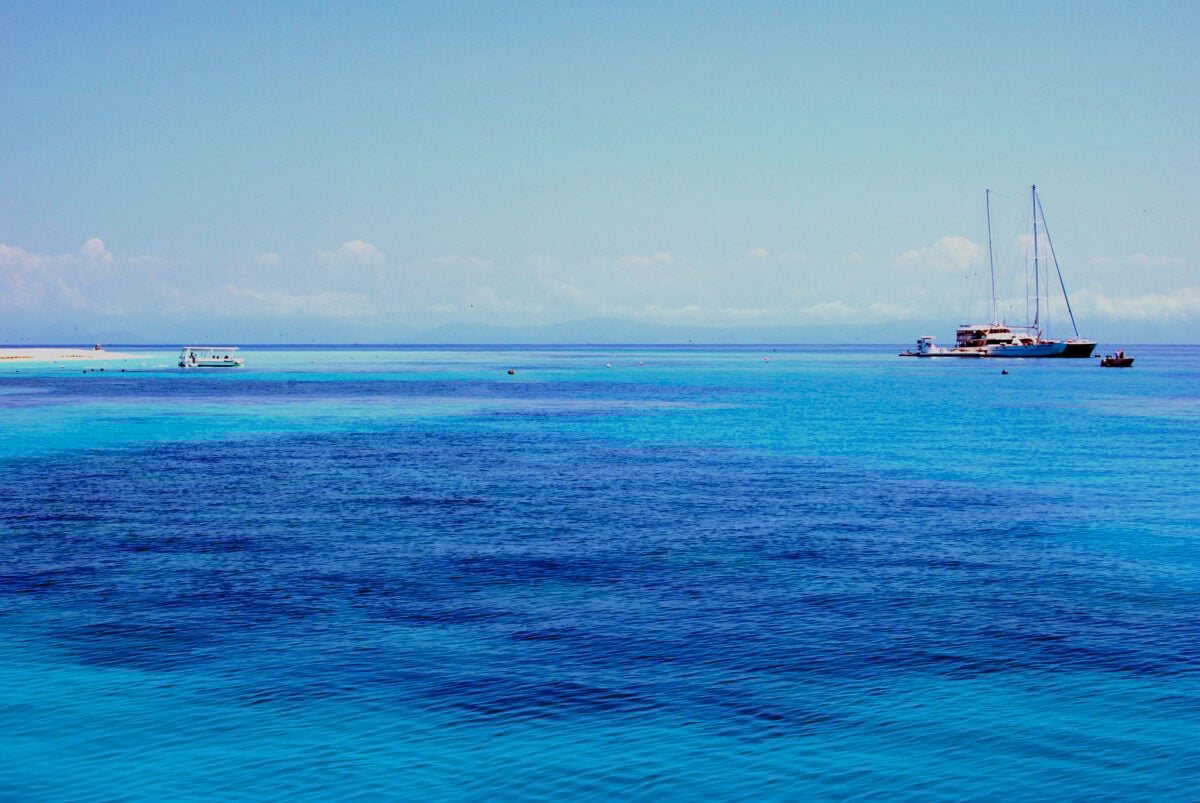
The Great Barrier Reef is the largest coral reef system on earth, stretching over 2,300 kilometers along Australia’s northeast coast. It’s the only living structure visible from space.
Snorkeling and diving tours depart from Cairns and the Whitsunday Islands year-round. The reef has suffered significant bleaching in recent decades due to rising ocean temperatures, and large portions remain under serious environmental stress.
Seeing it now matters more than it used to.
Uluru, Northern Territory, Australia
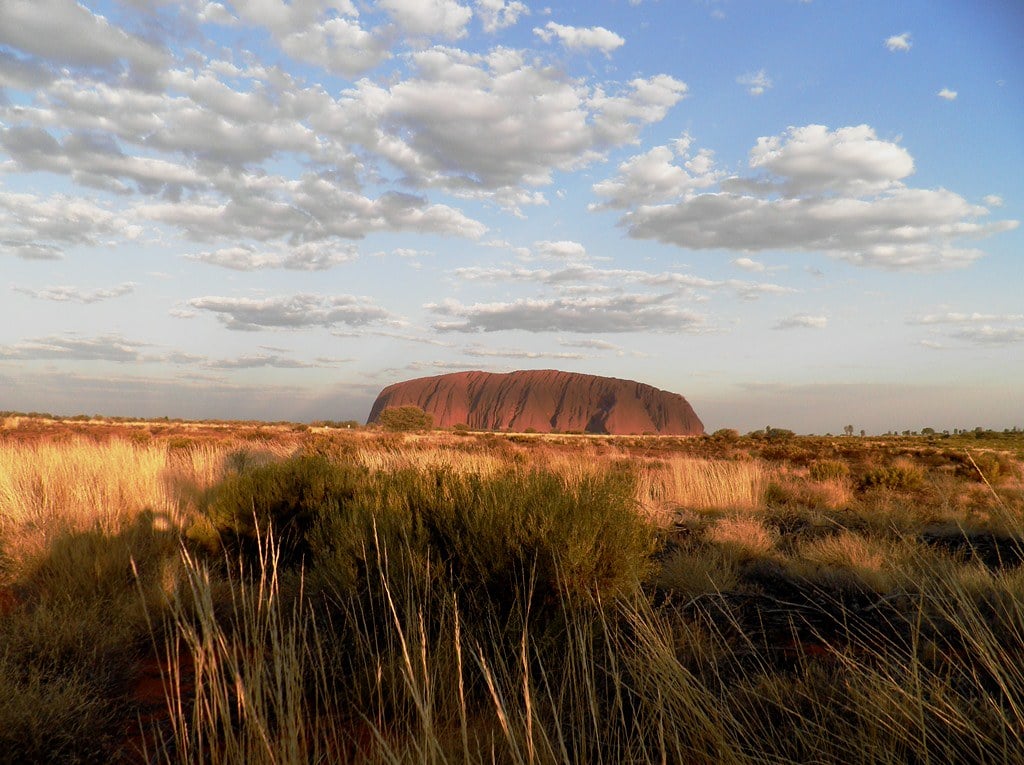
Uluru — also known as Ayers Rock — is a massive sandstone formation rising 348 meters above the surrounding desert. It changes color throughout the day, shifting from orange to deep red as the light shifts.
The site holds deep cultural significance for the Anangu people, the traditional custodians of the land. Climbing was officially banned in 2019 out of respect for Anangu spiritual beliefs, after decades of requests to do so.
The base walk around the rock takes about three and a half hours.
Antarctica
The Antarctic Peninsula
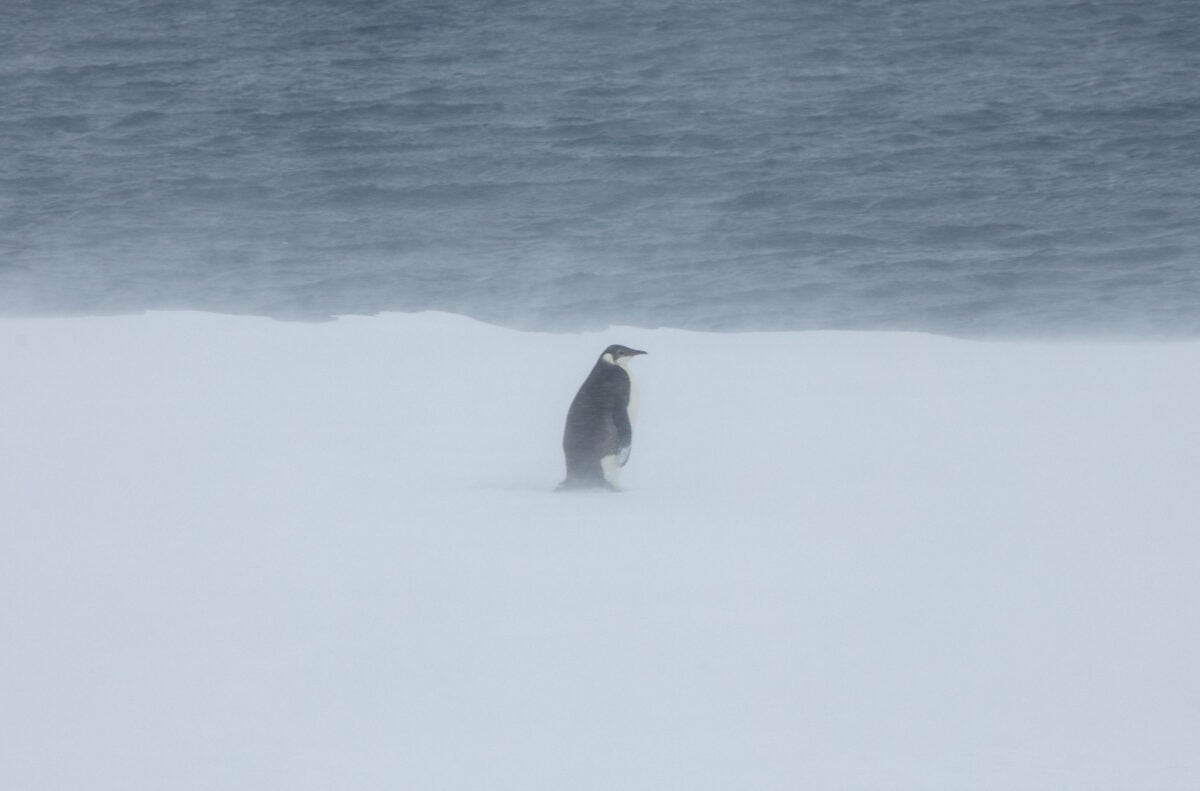
Antarctica doesn’t have tourist sites in the traditional sense — no monuments, no cities, no infrastructure beyond a handful of research stations. But it draws tens of thousands of visitors every year on expedition cruises that depart from Ushuaia in southern Argentina.
The draws are the wildlife — penguins, seals, humpback whales — and the sheer scale of the ice. Icebergs the size of city blocks float past the ship. The silence, when the engines cut, is unlike anything else.
It’s the most remote continent on earth, and that’s precisely the point.
What Draws People Back
Some people visit these places once and tick them off a list. Others go back.
The ones who return usually say the same thing — there’s always something they missed the first time, or the light was different, or they understood it better the second time around. The world’s most visited sites tend to earn their reputation not because of the photographs, but because of what photographs can’t show: the scale, the atmosphere, the way time feels slightly different when you’re standing somewhere that has outlasted empires.
You can read about all of them. But there’s no substitute for actually being there.
More from Go2Tutors!

- The Romanov Crown Jewels and Their Tragic Fate
- 13 Historical Mysteries That Science Still Can’t Solve
- Famous Hoaxes That Fooled the World for Years
- 15 Child Stars with Tragic Adult Lives
- 16 Famous Jewelry Pieces in History
Like Go2Tutors’s content? Follow us on MSN.



