15 Strange Genetic Mutations Baffling Modern Science
Genetic mutations occur constantly in nature, most going unnoticed as they fade into the background noise of human diversity. But occasionally, a mutation emerges that stops scientists in their tracks — not because it’s harmful, but because it challenges everything we thought we knew about human biology.
These anomalies don’t fit into neat categories or follow predictable patterns. They’re biological riddles that have turned some of the world’s brightest minds into puzzle-solvers, searching for answers that remain frustratingly out of reach.
Myostatin Deficiency

Muscles aren’t supposed to grow indefinitely. They reach a natural limit, then stop. Myostatin deficiency throws that rulebook out the window.
People with this mutation produce almost no myostatin — the protein that tells muscles when they’ve grown enough. The result is muscle mass that doubles what’s considered normal. Children develop the physique of bodybuilders without ever lifting a weight.
Complete Androgen Insensitivity Syndrome

The body receives hormonal instructions it simply ignores. People with CAIS possess XY chromosomes (typically male) but develop as females because their cells can’t respond to testosterone. The hormone is there, circulating normally, but it’s as if every cell is wearing noise-canceling headphones.
What baffles researchers isn’t the insensitivity itself — it’s how cleanly the body defaults to female development when one crucial signal goes missing. There’s an elegant backup system at work that science hasn’t fully mapped (and the implications for understanding gender development run deeper than most textbooks acknowledge).
So the mutation becomes a window into questions we’re still learning how to ask. And yet the affected individuals often live completely normal lives, unaware of their condition until medical tests reveal the discrepancy.
Persistent Müllerian Duct Syndrome

Consider how the body builds itself: it starts with raw materials and gradually specializes, like a sculptor working from a single block of marble. Most of the time, the process follows a predictable path — structures that aren’t needed dissolve away, making room for what comes next.
But sometimes the sculptor’s tools go missing. In PMDS, people with male chromosomes develop male characteristics normally, yet retain internal female structures that should have disappeared during development. It’s as if the construction crew forgot to remove the scaffolding.
The result is a biological contradiction that shouldn’t be able to exist — and yet it does, challenging the neat categories medical textbooks prefer.
Congenital Insensitivity to Pain

Pain serves a purpose — it’s the body’s alarm system, alerting you to damage before it becomes irreversible. Remove that alarm system and you’d expect chaos.
People with congenital insensitivity to pain never feel physical hurt. They can break bones without noticing. Children bite through their own tongues because nothing stops them.
It sounds like a superpower until you realize how essential pain actually is for survival.
Uner Tan Syndrome

This mutation doesn’t just affect one system — it rewrites the entire blueprint for human locomotion and cognition. People with Uner Tan syndrome walk on all fours, not by choice but because their brains never developed the wiring for upright bipedal movement.
The condition also affects speech and cognitive development, suggesting these seemingly separate abilities might be more connected than anyone realized. It’s as if evolution left a rough draft of humanity intact, forcing scientists to confront uncomfortable questions about what makes us distinctly human.
Chimerism
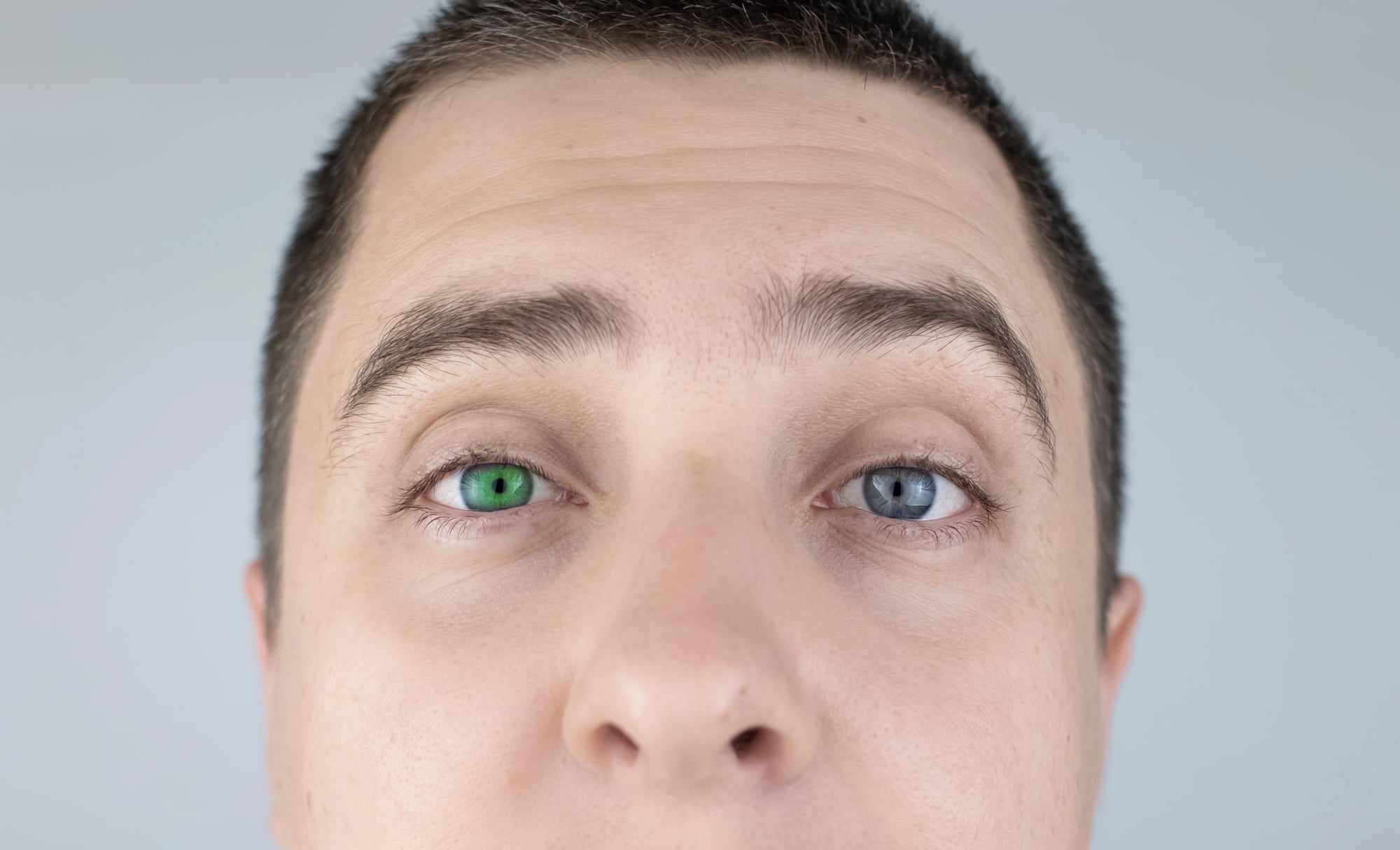
Two embryos begin developing separately, then merge into one. The result is a single person carrying two complete sets of DNA — essentially two people sharing one body.
The patchwork shows up in unexpected ways: different colored eyes, skin that changes hue in distinct patterns, blood tests that don’t match tissue samples (and DNA evidence that contradicts itself in criminal cases, which is saying something).
But most chimeras live normal lives, completely unaware they’re walking medical mysteries. Their bodies have learned to coexist with genetic contradictions that should, by all rights, tear them apart.
Progeria

Time moves differently for some people, and not in a philosophical sense. Children with progeria age at roughly eight times the normal rate — their cells accumulating decades of damage in just a few years.
What confounds researchers is how specific the aging appears. These children develop heart disease and lose their hair, but their minds remain sharp and their personalities vibrant.
It’s as if someone isolated the aging process and pressed fast-forward, but only on certain biological systems. The mutation offers a unique window into how aging works, yet the mechanism behind it remains largely mysterious.
Epidermodysplasia Verruciformis

The immune system usually handles common warts without much fanfare — a minor skirmish that resolves itself quietly. But in people with epidermodysplasia verruciformis, the human papillomavirus doesn’t just persist — it takes over completely, transforming patches of skin into bark-like growths that resemble tree wood more than human tissue.
And yet the rest of their immune system often functions normally. It’s a strangely specific blind spot that allows one particular virus to run rampant while keeping everything else in check.
But the visual result is so dramatic that affected individuals have historically been called “tree people” — a label that says more about human discomfort with the unusual than it does about the condition itself.
Fatal Familial Insomnia

Sleep isn’t optional — it’s as fundamental as breathing or eating. Fatal familial insomnia strips away that basic biological function, leaving people trapped in a waking nightmare they can’t escape.
The mutation destroys specific brain regions responsible for sleep regulation. Patients lose the ability to fall asleep entirely, not just experiencing insomnia but complete sleep deprivation that progresses relentlessly toward death.
There’s no treatment because science still doesn’t fully understand why we need sleep in the first place.
Complete Congenital Generalized Lipodystrophy

Fat storage seems simple enough — eat more calories than you burn, and your body saves the excess for later. But this mutation reveals how complex that process actually is.
People with complete congenital generalized lipodystrophy can’t store fat anywhere on their bodies. They remain impossibly lean regardless of how much they eat, but the inability to store energy properly leads to severe metabolic problems.
It’s like having a car with no gas tank — the engine might run, but only as long as fuel keeps flowing directly into it.
Fibrodysplasia Ossificans Progressiva
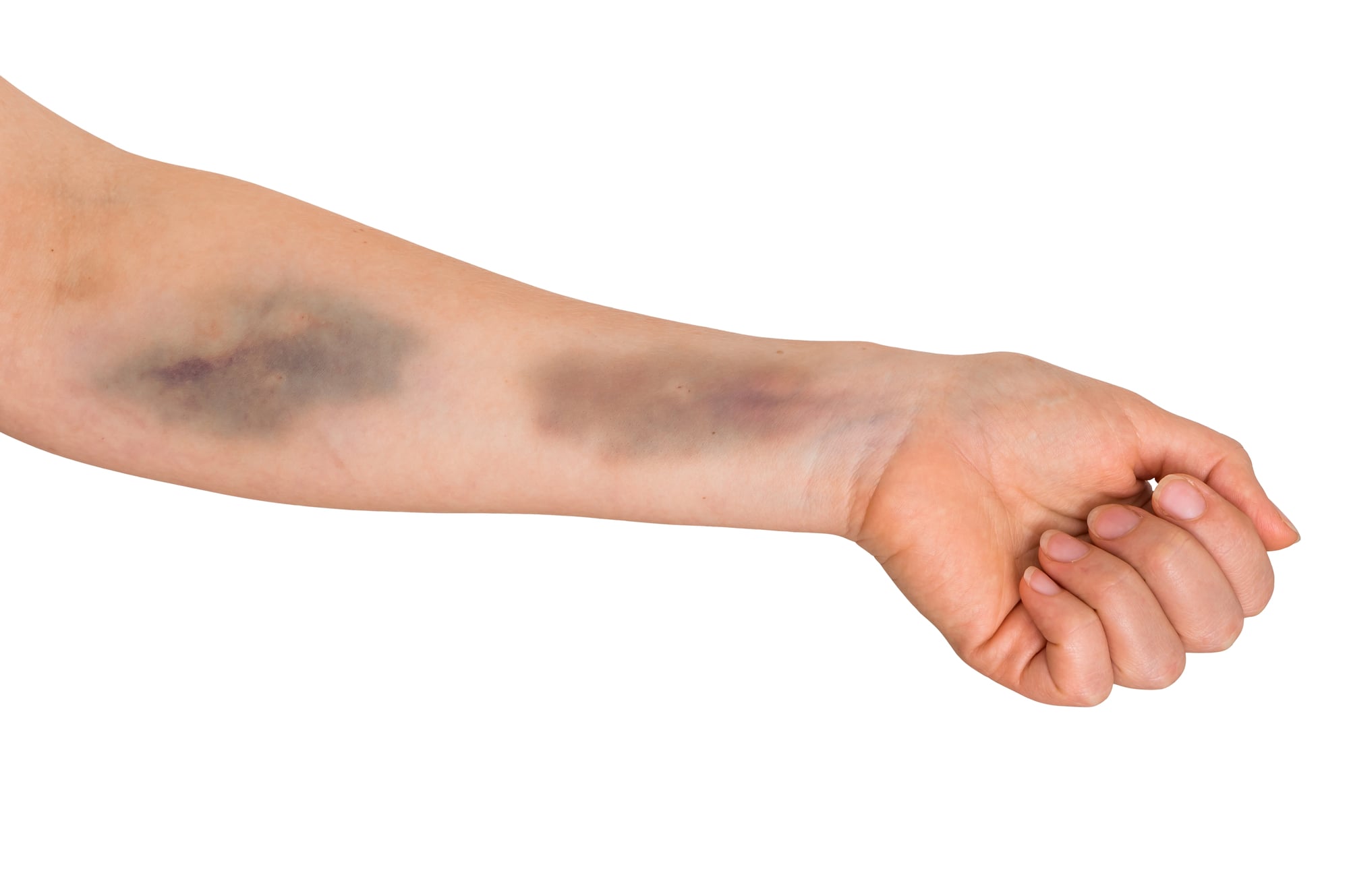
Healing usually means returning to normal. Fibrodysplasia ossificans progressiva takes healing in the opposite direction — turning soft tissue into bone whenever the body tries to repair itself.
A bruise becomes a permanent calcium deposit. Surgery to remove the excess bone triggers more bone growth. Even minor injuries can lock joints in place forever (and the cruel irony is that trying to help often makes things worse, which is saying something about medicine’s limitations).
The mutation essentially hijacks the body’s repair mechanisms, turning recovery into a progressive prison of bone.
But perhaps most baffling is how the condition seems to activate a developmental program that should only run during embryonic growth — as if someone found the switch for bone formation and broke it in the “on” position.
Distichiasis

Eyelashes grow in predictable patterns — a single row along each eyelid, positioned to protect the eyes without interfering with vision. Distichiasis adds a second row where none should exist.
This sounds minor until you realize those extra lashes grow inward, constantly scratching the surface of the eye. It’s a mutation that takes a protective feature and transforms it into a source of chronic irritation.
The genetic instructions for eyelash placement get scrambled, creating beauty that becomes a burden. Elizabeth Taylor famously had this condition, and while it contributed to her striking appearance, it also required lifelong management to prevent eye damage.
Congenital Mirror Movement Disorder

The brain’s wiring usually keeps the left and right sides coordinated but independent. People with congenital mirror movement disorder lost that independence — when one hand moves, the other automatically mirrors the action.
Try to write with your right hand, and your left hand copies every stroke. Attempt to tie your shoes, and both hands want to perform the same motions.
It’s as if the neural pathways never learned to work separately, leaving the brain trapped in a state of perpetual symmetry that makes complex tasks nearly impossible.
Aquagenic Urticaria

Water covers most of the planet and makes up roughly 60 percent of the human body. For people with aquagenic urticaria, water becomes the enemy.
Contact with water — any water, including their own sweat and tears — triggers painful hives and welts. Showers become ordeals. Swimming is impossible. Even humidity can cause reactions.
The mutation transforms the most basic element of life into a source of constant threat, forcing people to live in careful isolation from something that should be completely harmless.
Jumping Frenchmen of Maine Disorder

This condition reads like fiction but appears in medical journals with frustrating regularity. People with Jumping Frenchmen of Maine disorder have an exaggerated startle response that goes beyond surprise into the realm of compulsion.
A sudden noise doesn’t just make them jump — it can trigger uncontrollable actions, including copying whatever they see others doing or following shouted commands without conscious decision-making.
It’s as if the normal filter between stimulus and response gets bypassed entirely, leaving people temporarily at the mercy of their environment.
The name comes from French-Canadian lumberjacks in Maine who were first documented with the condition, but cases have appeared worldwide, suggesting a genetic component that science has yet to fully identify.
The Persistence of Mystery
These mutations don’t just challenge medical understanding — they reveal how much we still don’t know about the basic mechanics of being human. Each condition opens a door to questions that didn’t exist before, forcing researchers to reconsider assumptions that seemed unshakeable.
And perhaps that’s the real value in studying the impossible: not to cure every condition, but to remain humble in the face of biology’s endless capacity to surprise us.
More from Go2Tutors!

- The Romanov Crown Jewels and Their Tragic Fate
- 13 Historical Mysteries That Science Still Can’t Solve
- Famous Hoaxes That Fooled the World for Years
- 15 Child Stars with Tragic Adult Lives
- 16 Famous Jewelry Pieces in History
Like Go2Tutors’s content? Follow us on MSN.