16 Strange Stories Behind Old Nursery Rhymes
Those cheerful little songs we sang as children weren’t always as innocent as they seemed. Many nursery rhymes that have entertained generations actually carry dark secrets from centuries past, hidden beneath their playful melodies and simple words.
From tales of plague and persecution to stories of political rebellion and royal scandals, these seemingly harmless verses often chronicle some of history’s most troubling events. The truth behind these childhood classics reveals a fascinating world where ordinary people used coded language to comment on everything from oppressive taxes to religious persecution.
Here is a list of 16 nursery rhymes with surprisingly strange and often disturbing origins.
Ring Around the Rosie
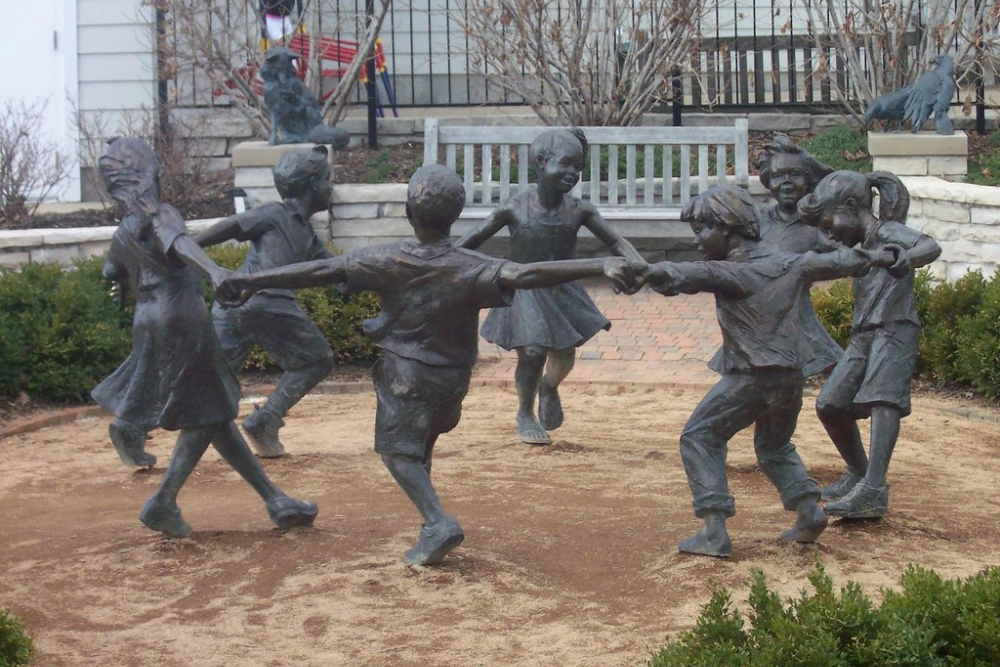
This seemingly innocent children’s game carries one of the most chilling backstories in nursery rhyme history. Many scholars believe it originated during the Great Plague of 1665, which killed an estimated 15% of London’s population.
The ‘rosie’ refers to the red-ringed rashes that appeared on plague victims, while the ‘pocket full of posies’ represents the flowers people carried to mask the stench of death and disease. The final line about falling down needs no explanation—it’s a grim reference to the inevitable outcome of the plague.
Three Blind Mice
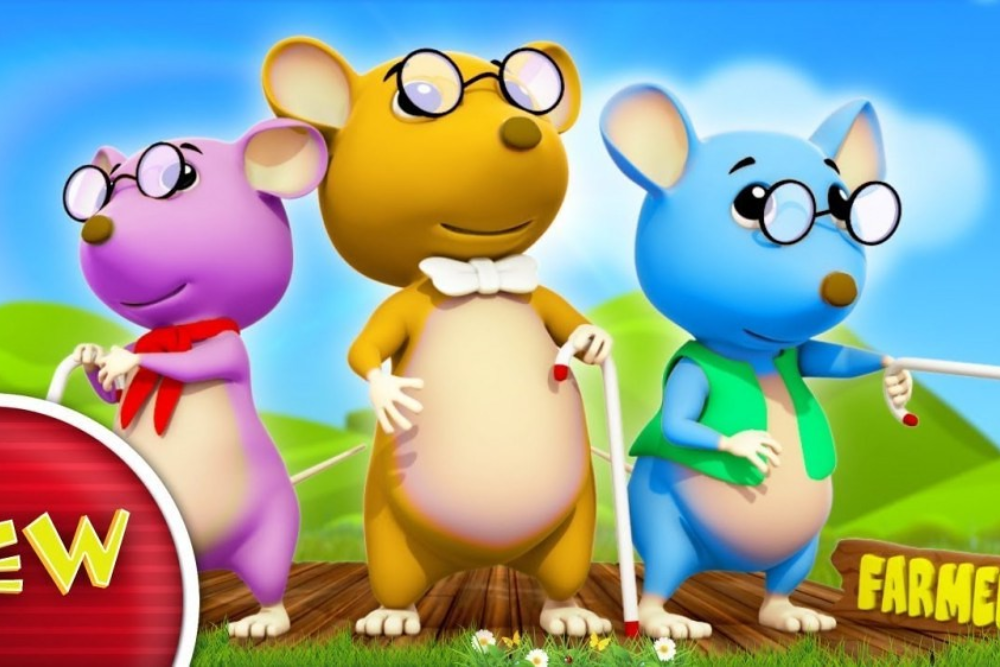
This nursery rhyme dates back to 1609 and tells the story of Queen Mary I of England, known as ‘Bloody Mary’ for her persecution of Protestants. The three blind mice were actually three Protestant bishops who were accused of plotting against the queen and were subsequently tortured, possibly including blinding, and burned at the stake.
The farmer’s wife with the carving knife represents Mary herself, wielding her power to eliminate religious opposition with brutal efficiency.
Like Go2Tutors’s content? Follow us on MSN.
Jack and Jill
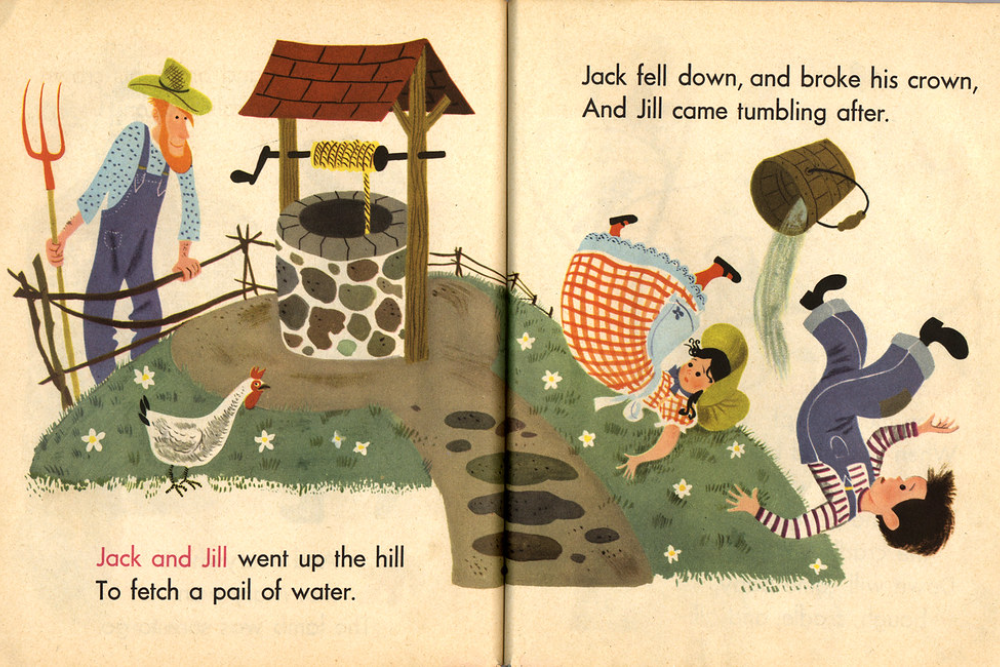
This tale has one of the most romantic yet tragic backstories among nursery rhymes. According to legend, Jack and Jill were an unmarried couple who regularly met on a hill for secret romantic encounters.
The story goes that Jill became pregnant, but Jack died just before the birth of their child, either by falling from the hill or being struck by a falling rock. Jill then died in childbirth, ‘tumbling after’ her lover. What seemed like a simple story about fetching water was actually a coded tale of forbidden love ending in double tragedy.
Mary, Mary, Quite Contrary

Perhaps one of the most widely known rhymes, this seemingly innocent garden song is thought to reference Queen Mary I and her mass execution of Protestants during her reign. The cockle shells and silver bells aren’t garden ornaments at all—they’re reportedly references to torture devices used during her brutal era.
The ‘pretty maids all in a row’ likely refers to the rows of people executed under her orders, making this cheerful gardening song a coded commentary on religious persecution.
Baa, Baa, Black Sheep
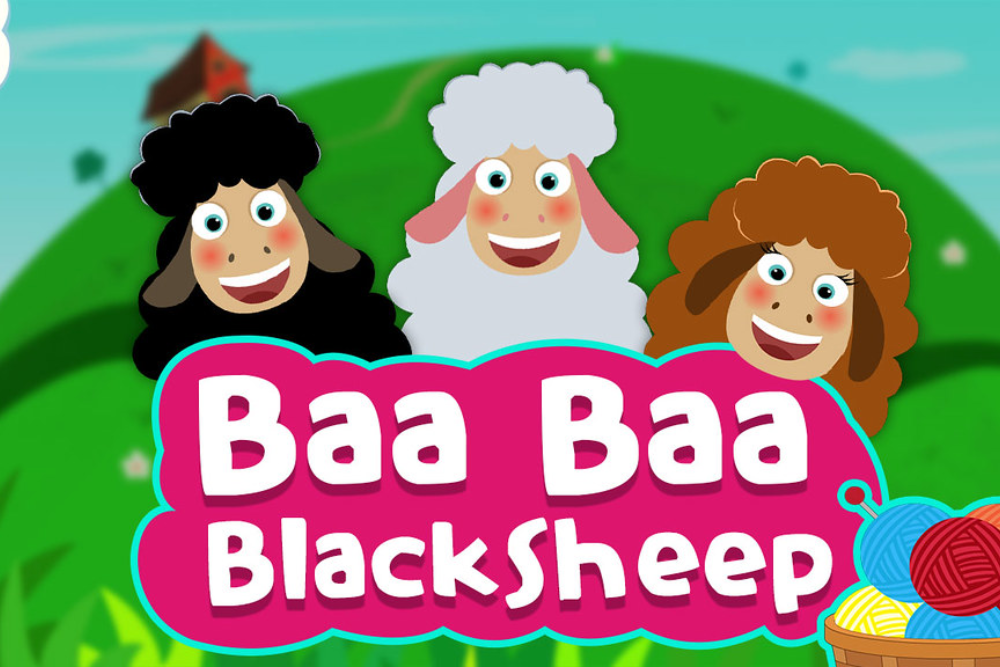
This simple transaction between a person and a sheep actually tells the story of medieval taxation that angered English citizens for centuries. In 1272, crusaders returned from the Holy Land with massive debts, so King Edward I imposed new taxes on Britain’s wool industry to generate extra revenue.
The three bags of wool represent the division of profits under the Great Custom tax introduced in 1275—one bag for the king (the master), one for the church, and one for the farmer. The black sheep’s wool was also less valuable because it couldn’t be dyed, adding another layer of economic frustration to the tale.
Like Go2Tutors’s content? Follow us on MSN.
London Bridge Is Falling Down

This catchy tune about structural collapse has roots in actual Viking warfare. Many sources tie the nursery rhyme to the alleged destruction of London Bridge at the hands of Olaf II of Norway sometime in the early 1000s.
The 1014 Viking attack led by future Norwegian king Olaf II reportedly involved pulling down London Bridge with ropes attached to their ships. While historians debate whether this actually happened, the rhyme preserves the memory of a time when London’s most important crossing was under constant threat from foreign invaders.
Pop Goes the Weasel

This seemingly nonsensical song makes perfect sense once you understand Victorian slang. ‘Weasel’ was actually slang for a winter coat, and ‘popping’ meant pawning something at a pawn shop.
The entire song tells the story of working-class people struggling financially and having to pawn their most essential possessions just to make ends meet. What sounds like playful nonsense was actually a commentary on economic hardship and the desperate measures people took to survive.
Georgie Porgie

Most historians agree that this rhyme mocks Prince Regent George IV of Britain, who was ridiculed for his enormous appetite and equally large romantic appetite. Known for his hefty weight and 50-inch waist, he had a reputation for indulging in both food and extramarital affairs.
The references to pudding and pie mock his eating habits, while ‘making the girls cry’ refers to his string of illegitimate children and the women he abandoned. The ‘when the boys came out to play’ line suggests he was a coward who only preyed on vulnerable women.
Like Go2Tutors’s content? Follow us on MSN.
Here We Go Round the Mulberry Bush
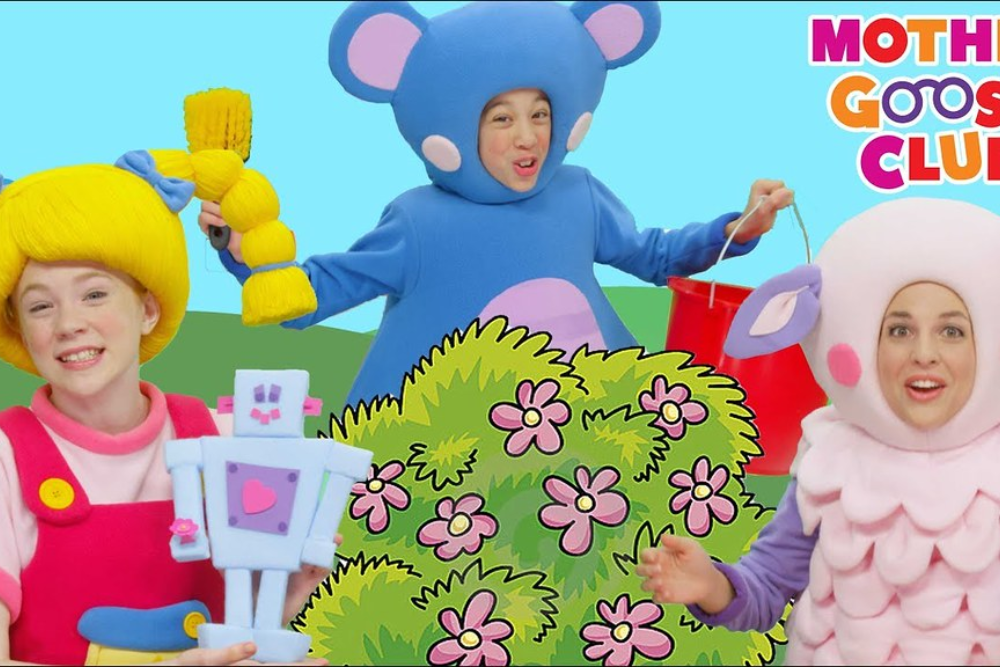
According to historian R.S. Duncan, a former governor of England’s Wakefield Prison, this children’s game has a surprisingly grim origin. The song originated with the 420-year-old institution’s female prisoners, who were forced to exercise around a mulberry tree in the prison yard.
The seemingly innocent morning exercise routine was actually part of the harsh daily regimen imposed on incarcerated women. The cheerful melody masked the reality of prison life and the limited freedom these women experienced.
Rock-a-Bye Baby

One interpretation of this famous lullaby suggests it’s about the son of King James II of England and Mary of Modena. However, the baby in question was widely believed to be another man’s child, smuggled into the birthing room to ensure a Roman Catholic heir.
This deception was meant to resist the ‘wind’ of Protestantism that was sweeping through England, but the precarious position of this false heir is represented by the baby in the treetop, ready to fall when the political winds shifted. The rhyme essentially predicted the downfall of the Catholic Stuart dynasty.
Goosey Goosey Gander

Despite its cheerful title, this rhyme tells a dark tale of religious persecution during times when Catholic priests had to hide to say their Latin prayers, which was forbidden even in private homes. In the original version, the narrator discovers an old man ‘who wouldn’t say his prayers, so I took him by his left leg and threw him down the stairs.’
This violent imagery represents the brutal treatment of Catholics who refused to abandon their faith and adopt Protestant practices mandated by law.
Like Go2Tutors’s content? Follow us on MSN.
Old Mother Hubbard

This seemingly simple tale about an old woman and her hungry dog is actually believed to be a political satire targeting Cardinal Thomas Wolsey. The ‘Old Mother Hubbard’ represents Wolsey, whose refusal to grant King Henry VIII an annulment so he could marry Anne Boleyn led to his political downfall.
The empty cupboard symbolizes Wolsey’s inability to provide what the king wanted, and the poor dog represents the king himself, left hungry for his desires. The rhyme mocks the cardinal’s fall from grace in the Tudor court.
Hickory Dickory Dock
While this appears to be just a simple counting rhyme about a mouse and a clock, some historians believe it refers to Richard Cromwell, one of Britain’s least-known rulers. Richard briefly held power after his father Oliver Cromwell’s death in 1658, but his reign lasted less than a year.
The words ‘hickory, dickory, dock’ come from an ancient Celtic language and mean eight, nine, and ten, possibly representing the countdown to Richard’s political downfall. The mouse running up and down the clock represents his brief rise and swift fall from power during England’s republican period.
Oranges and Lemons

The cheerful bells mentioned in this rhyme hide a much darker reality. The final lines about ‘here comes a candle to light you to bed, and here comes a chopper to chop off your head’ weren’t originally part of the children’s rhyme.
These ominous additions likely refer to events at Newgate Prison, which once stood next to St Sepulchre’s Church. Prisoners condemned to hang would receive a visit from the church’s bell man the night before their execution. The bells of various London churches mentioned in the rhyme create a morbid tour of the city’s execution sites.
Like Go2Tutors’s content? Follow us on MSN.
Humpty Dumpty

This famous character who had a great fall isn’t actually about an egg at all, despite popular illustrations. The rhyme likely dates back to 1797 and has several theories about its military origins.
Some historians believe it refers to kings who fell off their horses during battle and were so badly wounded by swords that they couldn’t be saved, much like Humpty couldn’t be put back together again. The wall he sat on might represent the precarious position of power, and his fall symbolizes the violent end that awaited many rulers in medieval warfare.
Little Bo Peep
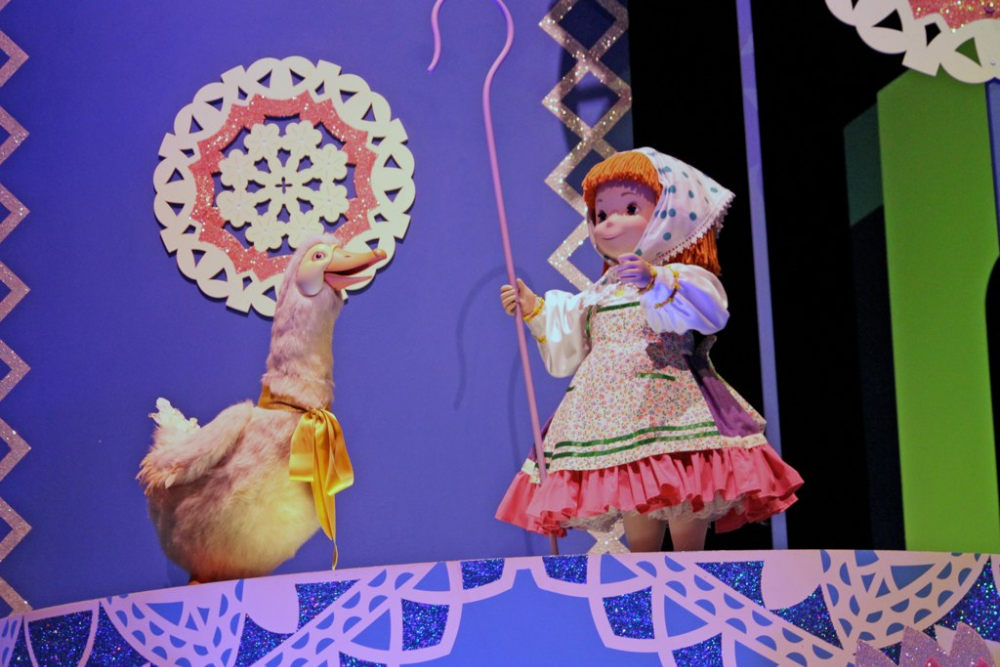
While this rhyme about a shepherdess and her lost sheep appears innocent enough, some interpretations suggest it carries religious undertones about lost souls and spiritual guidance. The sheep that come home ‘wagging their tails behind them’ might represent parishioners returning to the church fold after straying from religious teachings.
The patient waiting for the sheep to return on their own reflects the Christian concept of allowing free will rather than forcing conversion, making this simple pastoral scene a lesson about faith and spiritual leadership.
The Echoes That Remain

These nursery rhymes serve as time capsules, preserving fragments of history in the most unexpected places. What started as adult commentary on politics, religion, and social issues gradually transformed into children’s entertainment, their original meanings forgotten by most who sing them.
The survival of these coded messages shows how ordinary people found ways to discuss dangerous topics safely, wrapping their criticism in innocent melodies that could be passed down through generations. Today, as children continue to sing these ancient verses, they unknowingly carry forward the voices of those who lived through plagues, persecutions, and political upheavals centuries ago.
Like Go2Tutors’s content? Follow us on MSN.
More from Go2Tutors!

- 16 Historical Figures Who Were Nothing Like You Think
- 12 Things Sold in the 80s That Are Now Illegal
- 15 VHS Tapes That Could Be Worth Thousands
- 17 Historical “What Ifs” That Would Have Changed Everything
- 18 TV Shows That Vanished Without a Finale
Like Go2Tutors’s content? Follow us on MSN.