16 Photos of What Life Looks Like in the North Pole
The North Pole remains a destination few ever reach during their lives. At the planet’s highest point, thick ice blankets the surface, bordered by frigid seas that chill everything nearby.
Air grows brittle when cold bites down hard enough to sting bare skin. Still, creatures thrive here, moving through harsh conditions with quiet persistence.
Picture this: sixteen clear glimpses into how things really are up north – frozen routines, quiet wildlife, people making do where the planet turns cold and still.
Endless White Ground
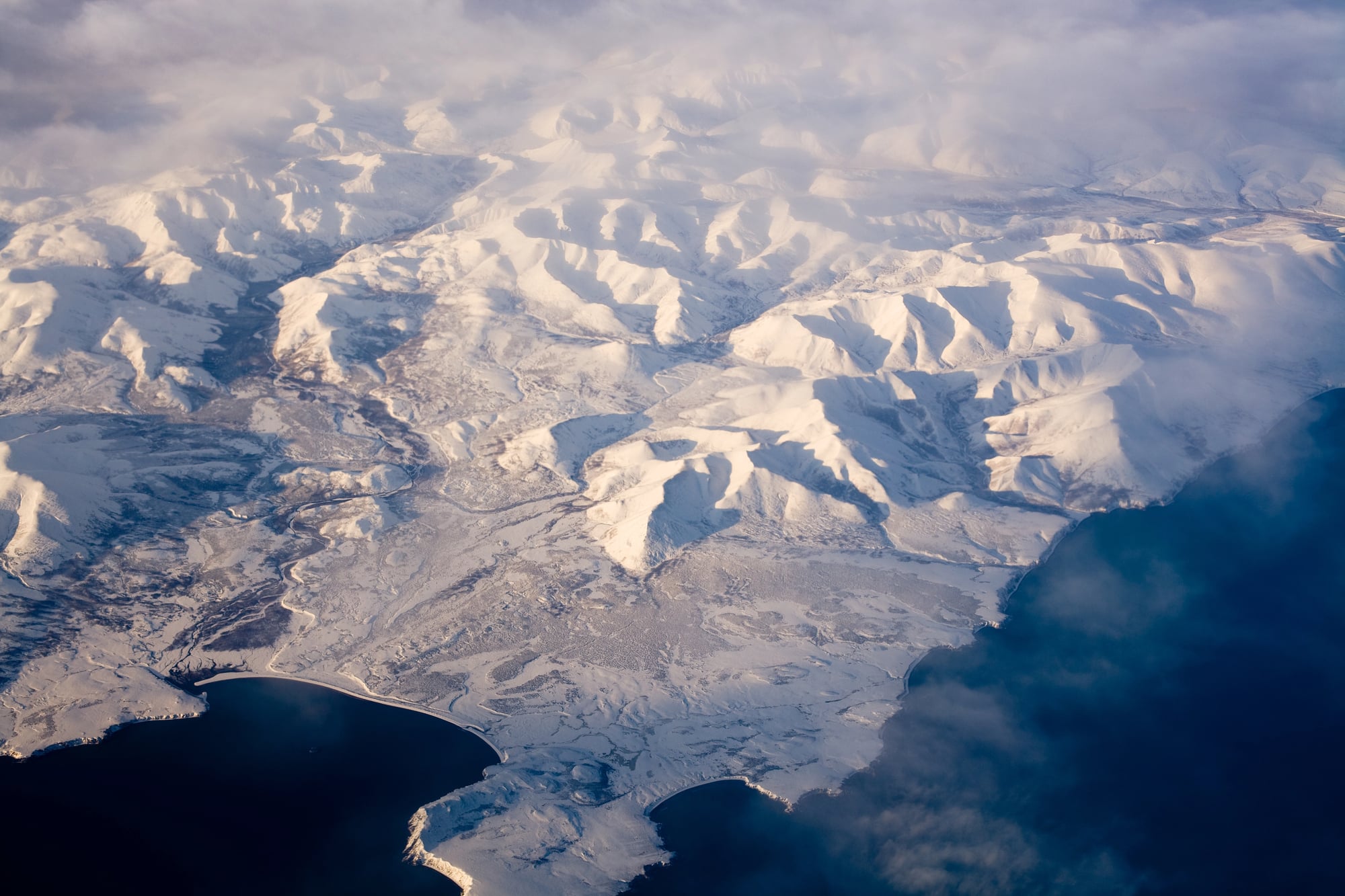
Under your feet at the North Pole, a vast sheet of sea ice spreads out – smooth, unbroken, stretching beyond vision. Not simply pale but blinding under certain light, it forms a level plane without edge.
No paths cut across it. Nothing built stands here. You will find no markers, nothing familiar to fix your place by.
Open space presses in, temperature bites, sound vanishes.
The Sun That Will Not Set
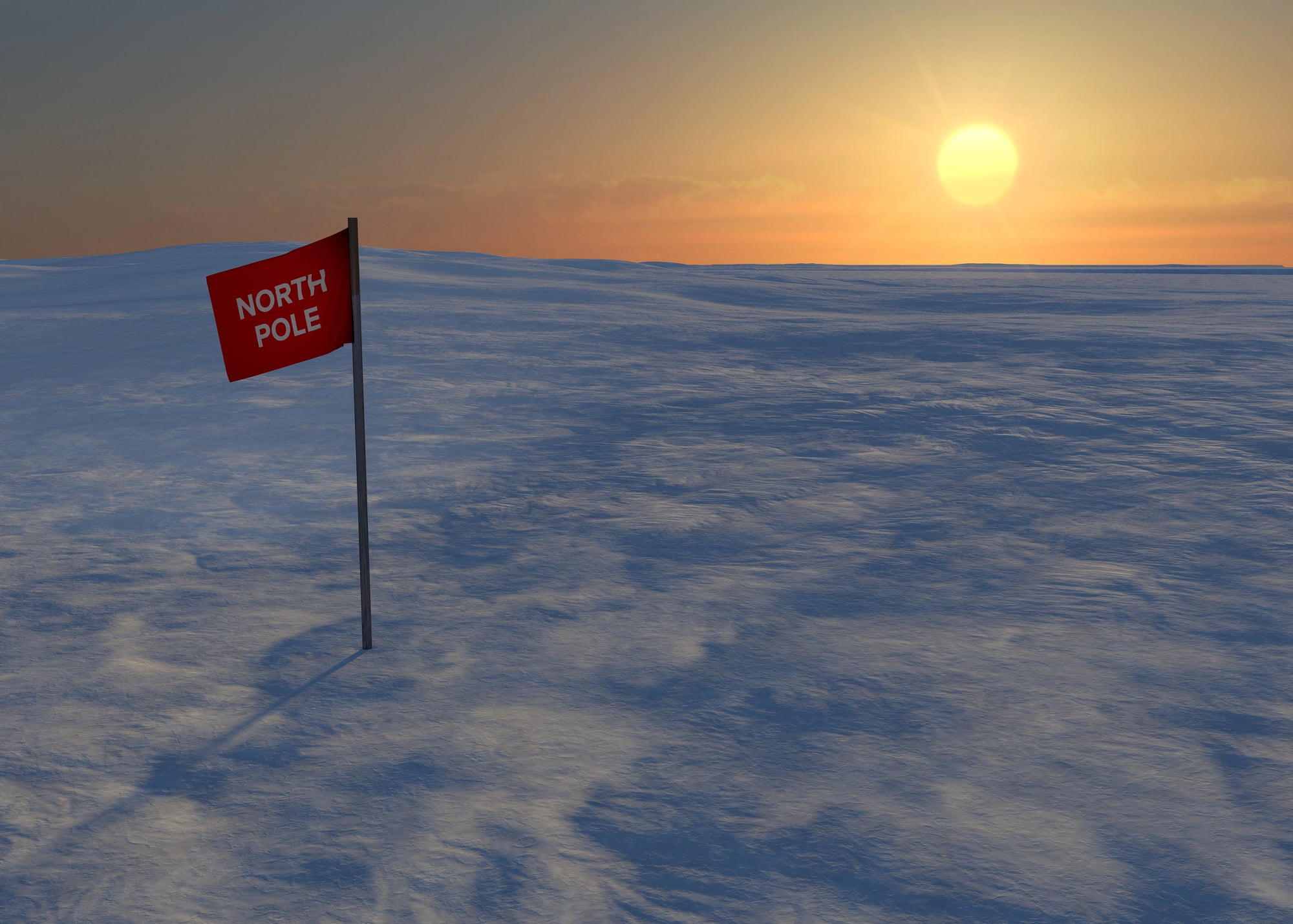
Midnight brings no darkness up north when summer arrives. The sun sticks around all day, every day, without dipping below the horizon.
Called the midnight sun, this glow wipes out normal clocks. Snap a picture under its beam at twelve and it could pass for midday just as easily.
Workers and travelers in these weeks find rest hard since shadows never settle.
Total Darkness in Winter
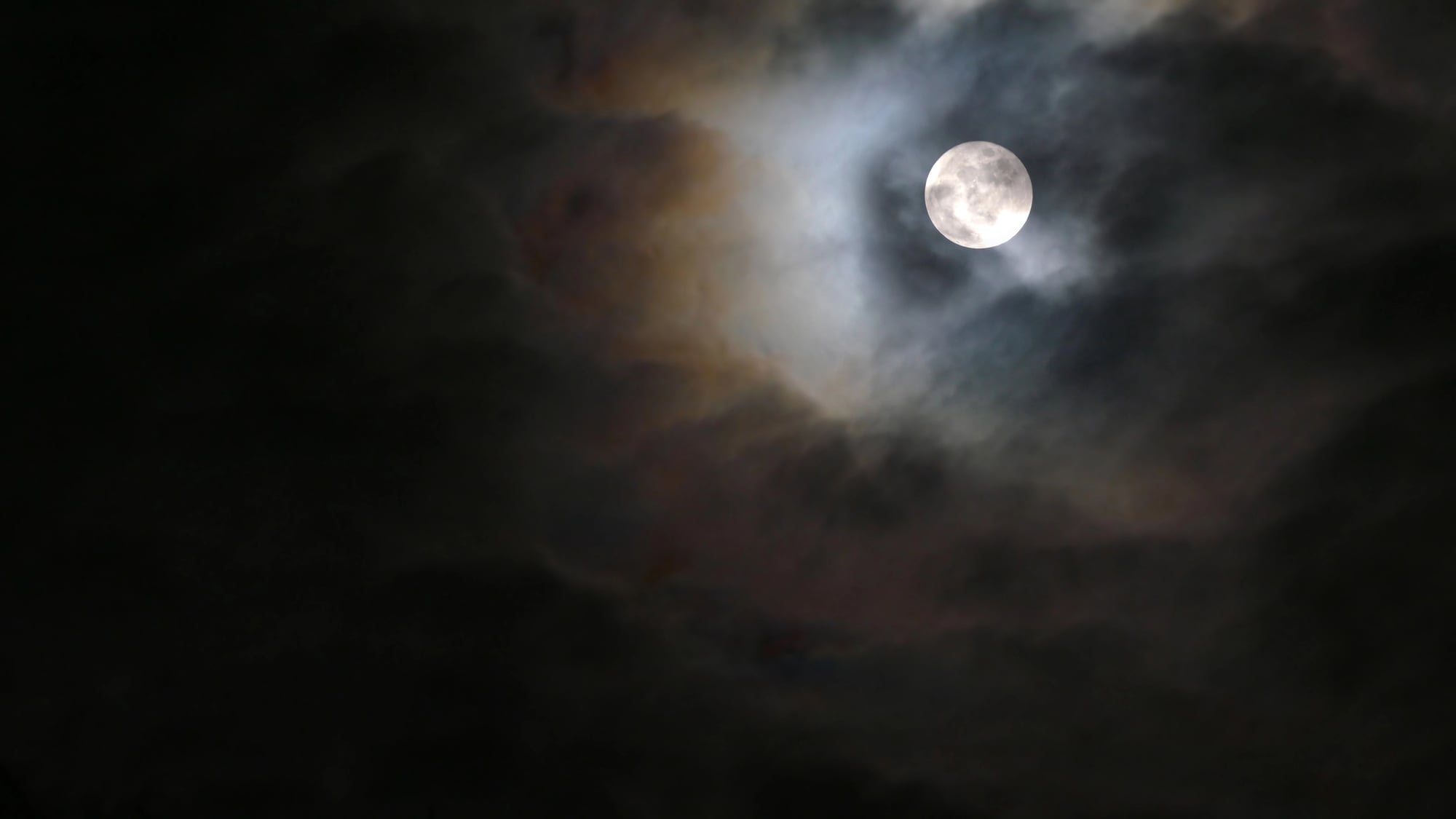
Darkness takes over when winter arrives. From October until March, the sun does not rise at the North Pole.
Those living there – researchers, adventurers – depend on lamps and indoor lights. After a short time, the unbroken night begins to weigh on their minds.
Total blackness shifts moods in ways hard to ignore.
Polar Bears on the Ice
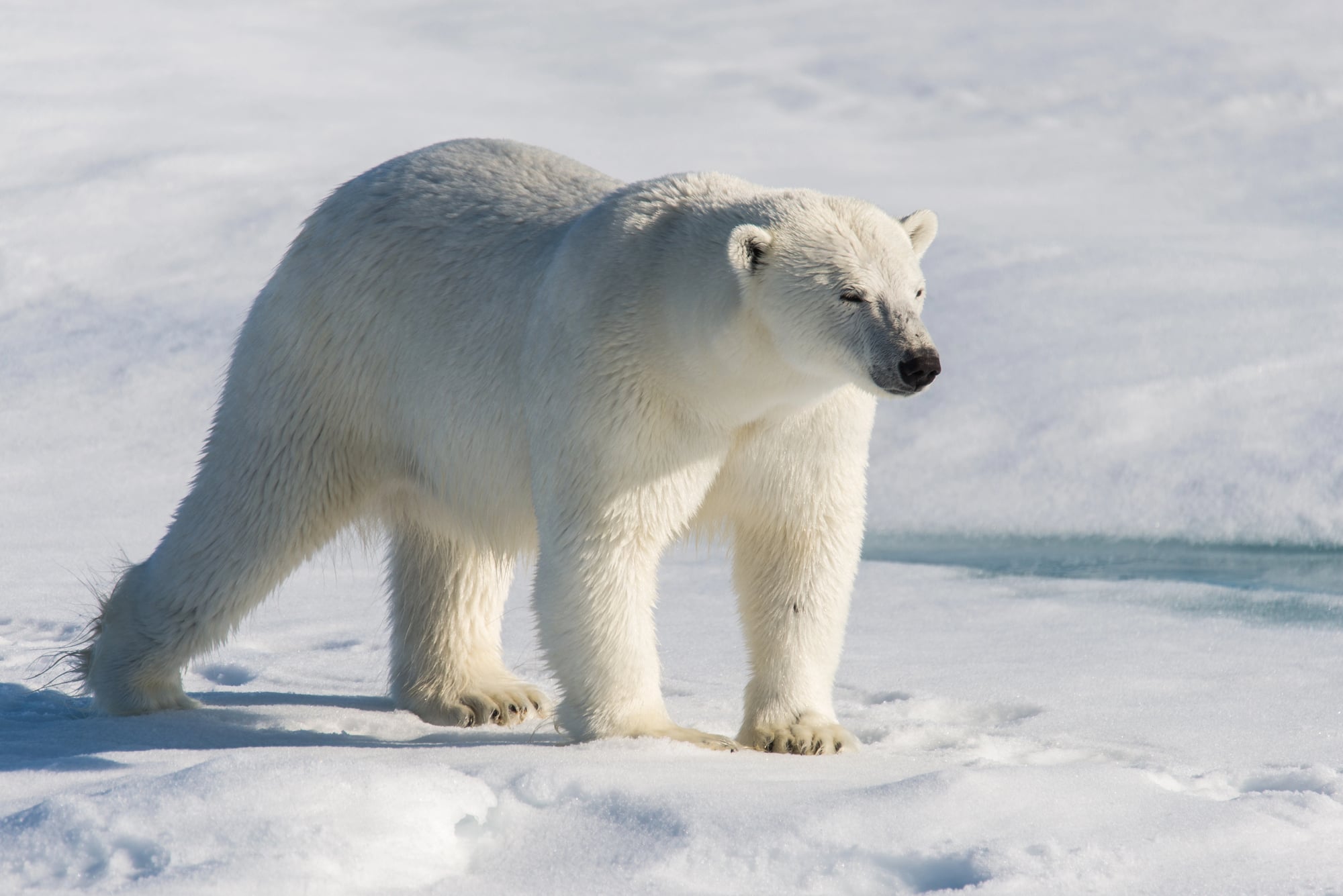
Polar bears rule the icy north like no other creature. When snow stretches far, that is where they belong.
One might reach near a ton in weight yet glide smooth over frosty ground. Often seen alone, their eyes search the white sheets for seal trails.
Swimming comes naturally – oceans crossed without rest, wave after wave behind them.
Arctic Foxes Blending In
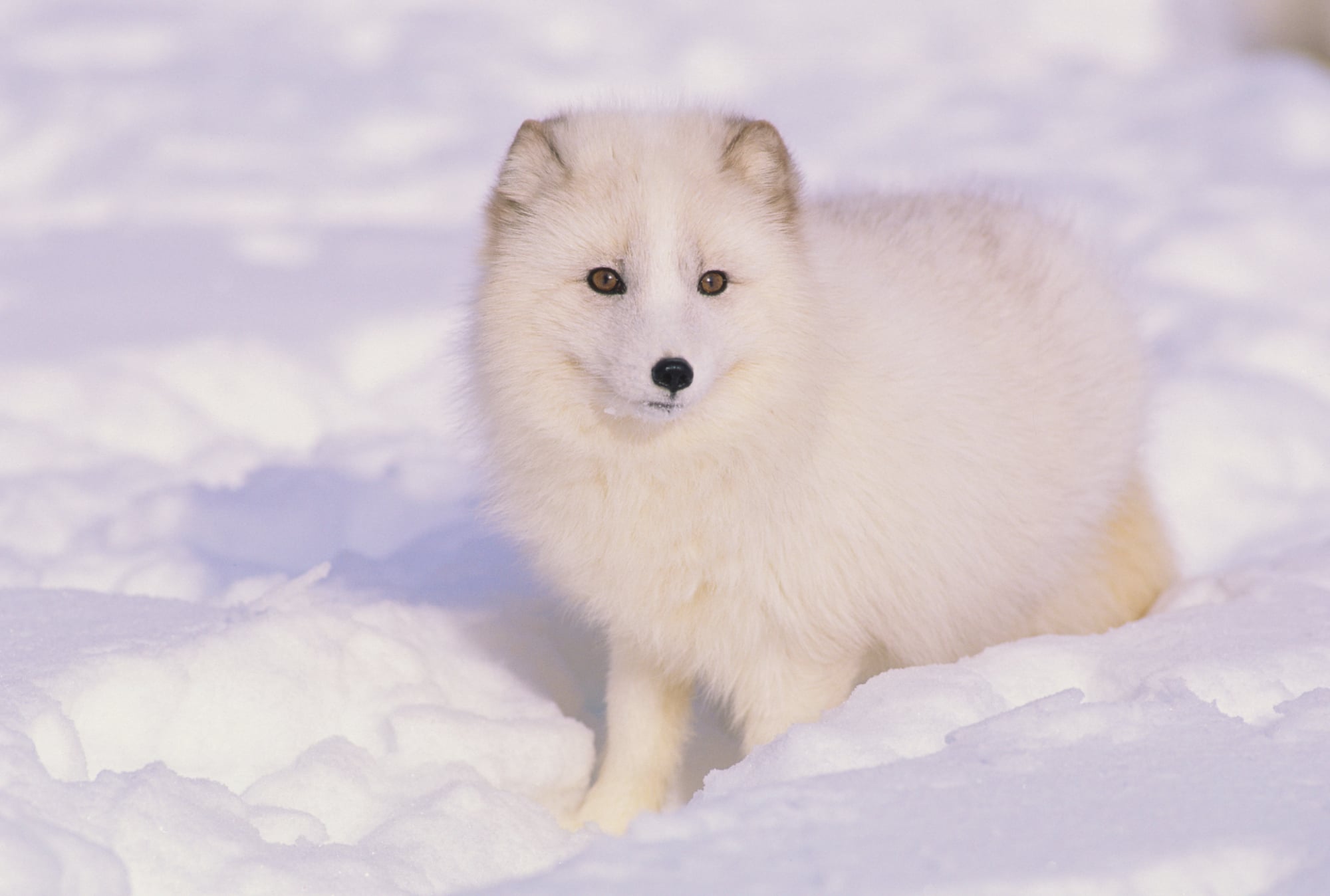
A tiny shape moves across ice fields, built strong despite its size. White fluff wraps around it so well that snow hides it completely – helping when chasing meals or avoiding danger.
Pictures sometimes trick your eyes because they vanish into winter scenes. When warmer days arrive, fur shifts like dust settling on stone, turning shades of earthy brown or misty gray.
Research Stations in the Ice
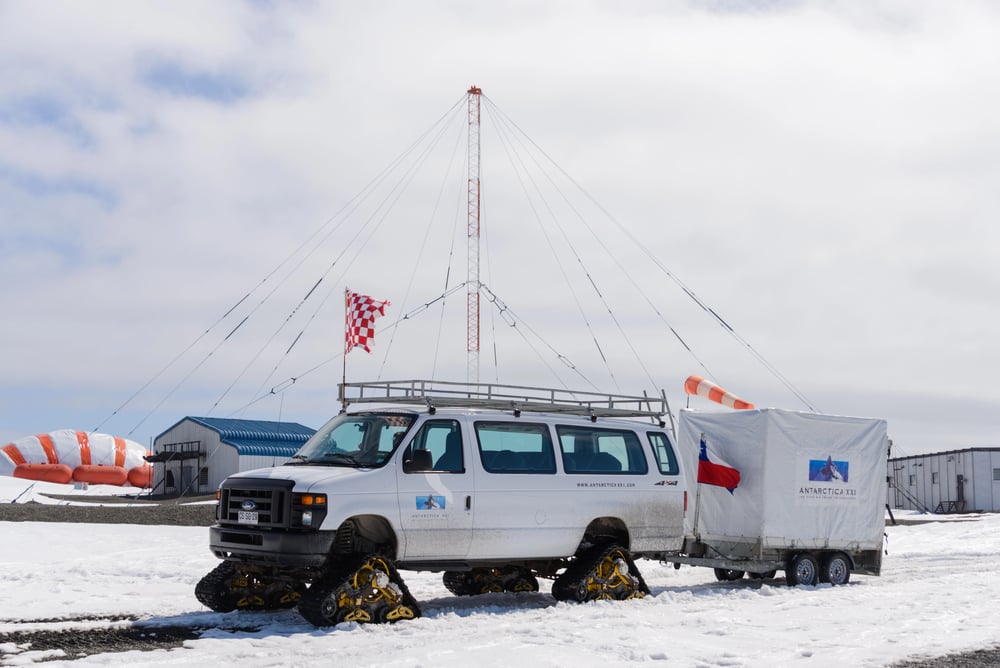
Out in the frozen stretch where no one makes a home, people still show up – just for science. Each year brings fresh groups who plant makeshift outposts atop shifting ice fields.
Bright shelters pop against white nothingness, scattered like dropped toys across vast silence. Inside those bundles of fabric and tools, researchers track air patterns, sea thickness, temperature shifts.
Time passes, seasons turn, the flowers carry these little hubs along without hurry.
Floating Ice Slabs
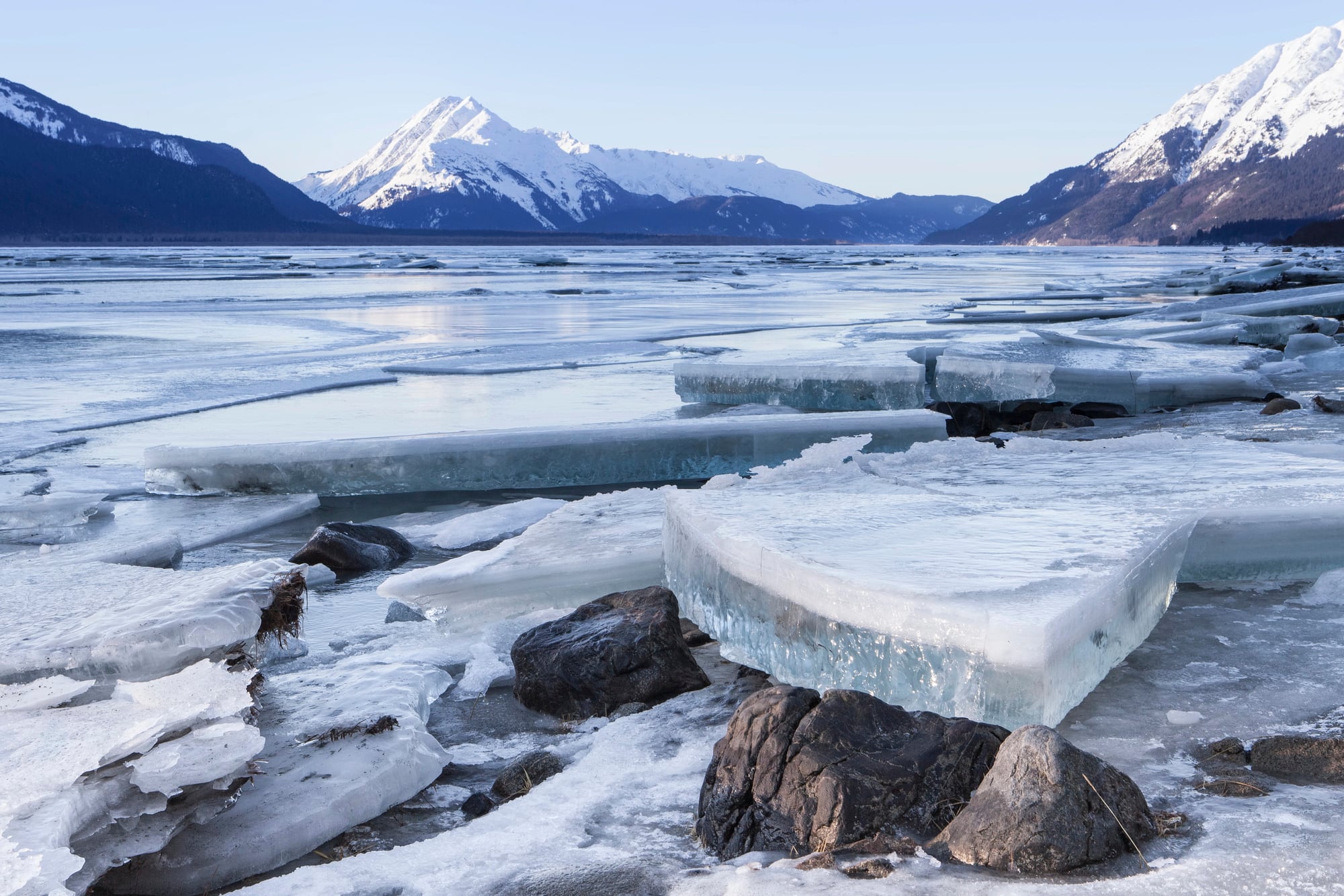
Floating atop the Arctic Sea, the North Pole isn’t fixed ground. Ice moves there – breaking apart, sliding, then freezing again in restless patterns.
Where slabs collide, crumpled heaps rise like frozen waves caught mid-crash. Open lanes appear suddenly when pressure splits the sheet wide, revealing dark water below.
Unseen forces reshape the terrain hour by hour, turning every step into uncertainty. Danger lurks quietly beneath what looks stable.
Frostbitten Gear and Equipment
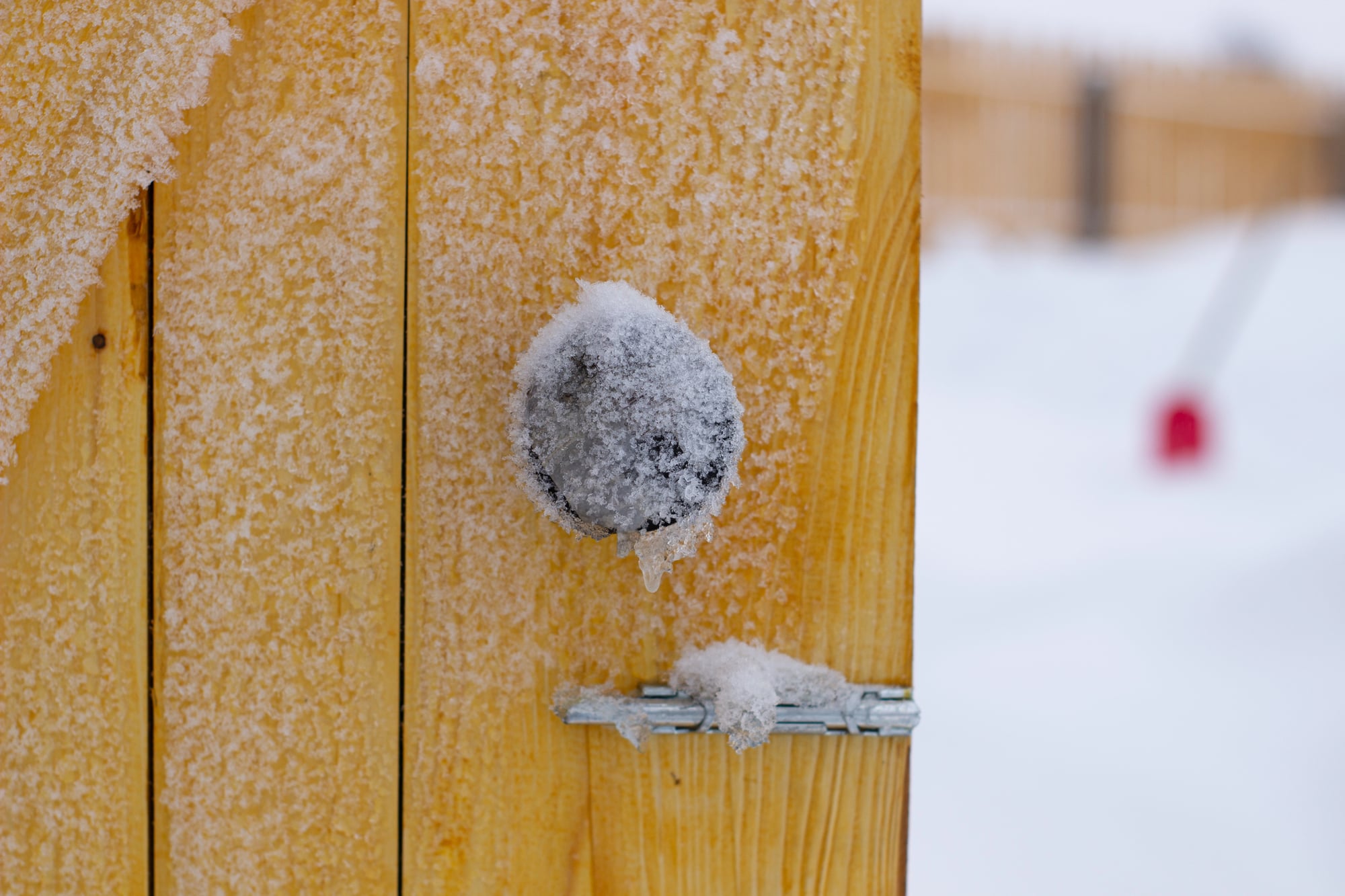
Ice finds every gap, creeping into zippers, seams, eyes. Machines meant for extremes still stall when cold bites deep.
Batteries last shorter than breath in open air. Metal snaps easier than a dried twig under boot.
Explorers’ photos reveal frost coating everything – knives, straps, gloves. Staying ready means checking, warming, wrapping – all through the dark hours.
The Northern Lights Nearby
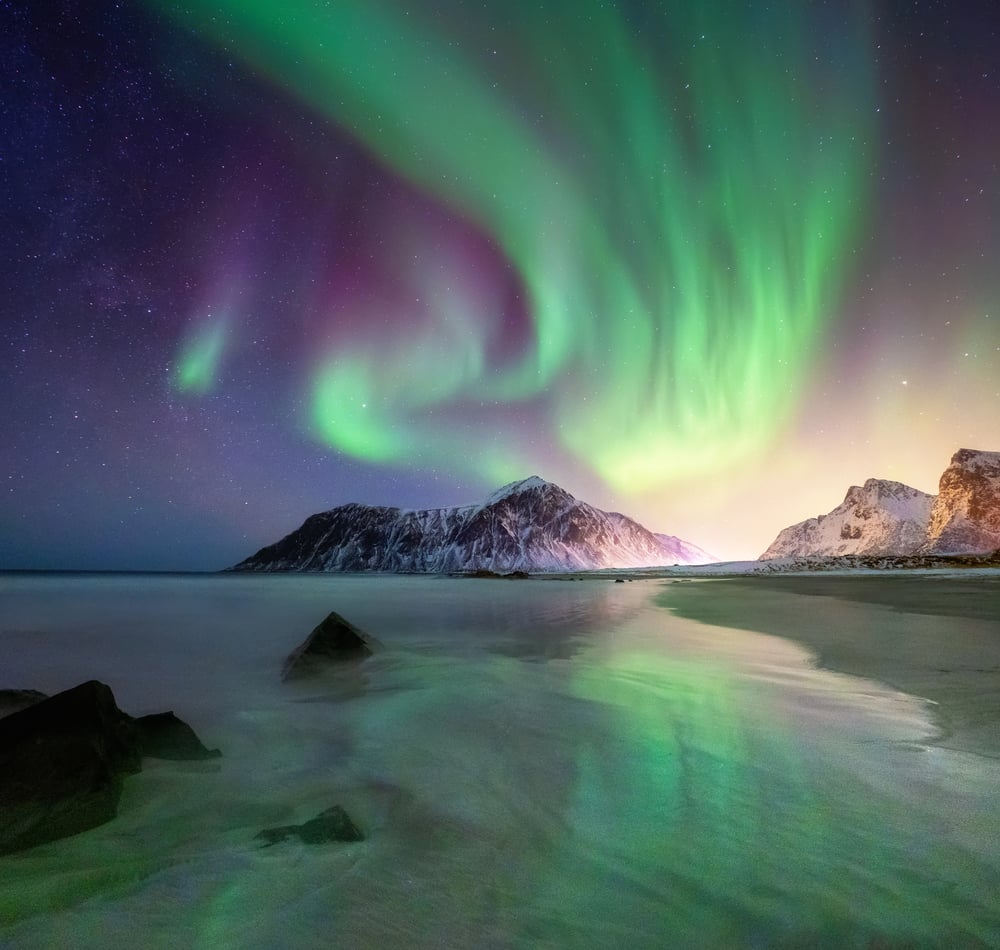
While the North Pole itself is not always the best spot to view the Northern Lights, the areas just below it offer some of the most stunning displays on earth. These lights, known as the Aurora Borealis, appear as green, pink, and purple waves dancing across the sky.
They are caused by charged particles from the sun hitting the earth’s atmosphere. Photos rarely capture how alive and fast-moving they actually look in person.
Dog Sled Teams Still in Use
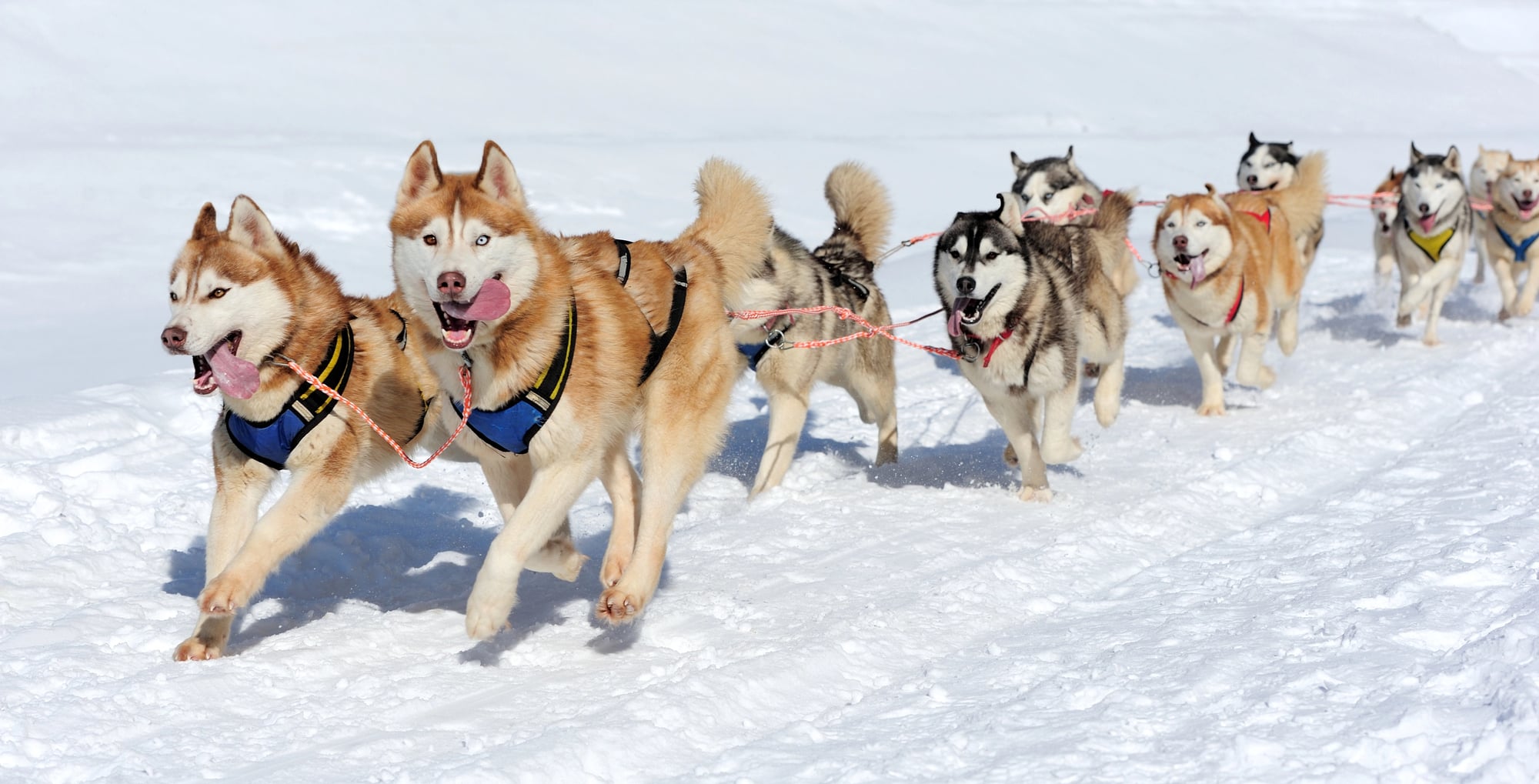
Dog sleds remain a practical and reliable form of transport in parts of the Arctic. A strong team of sled dogs can pull heavy loads across the ice for hours without stopping.
In photos, the dogs look focused and full of energy, running in tight formation with their breath visible in the cold air. Indigenous communities in the region have used this method for hundreds of years, and it still works better than many modern alternatives in deep snow.
Narwhals Below the Surface

Beneath the North Pole’s ice, the Arctic Ocean is full of life. Narwhals, often called the unicorns of the sea, swim in groups beneath the frozen surface and occasionally appear in gaps in the ice.
Their long spiral tusks, which can grow up to 10 feet, make them one of the most unusual-looking animals in the world. Underwater photos of them reveal a world that feels completely separate from the frozen surface above.
Ice Fishing Through the Cold
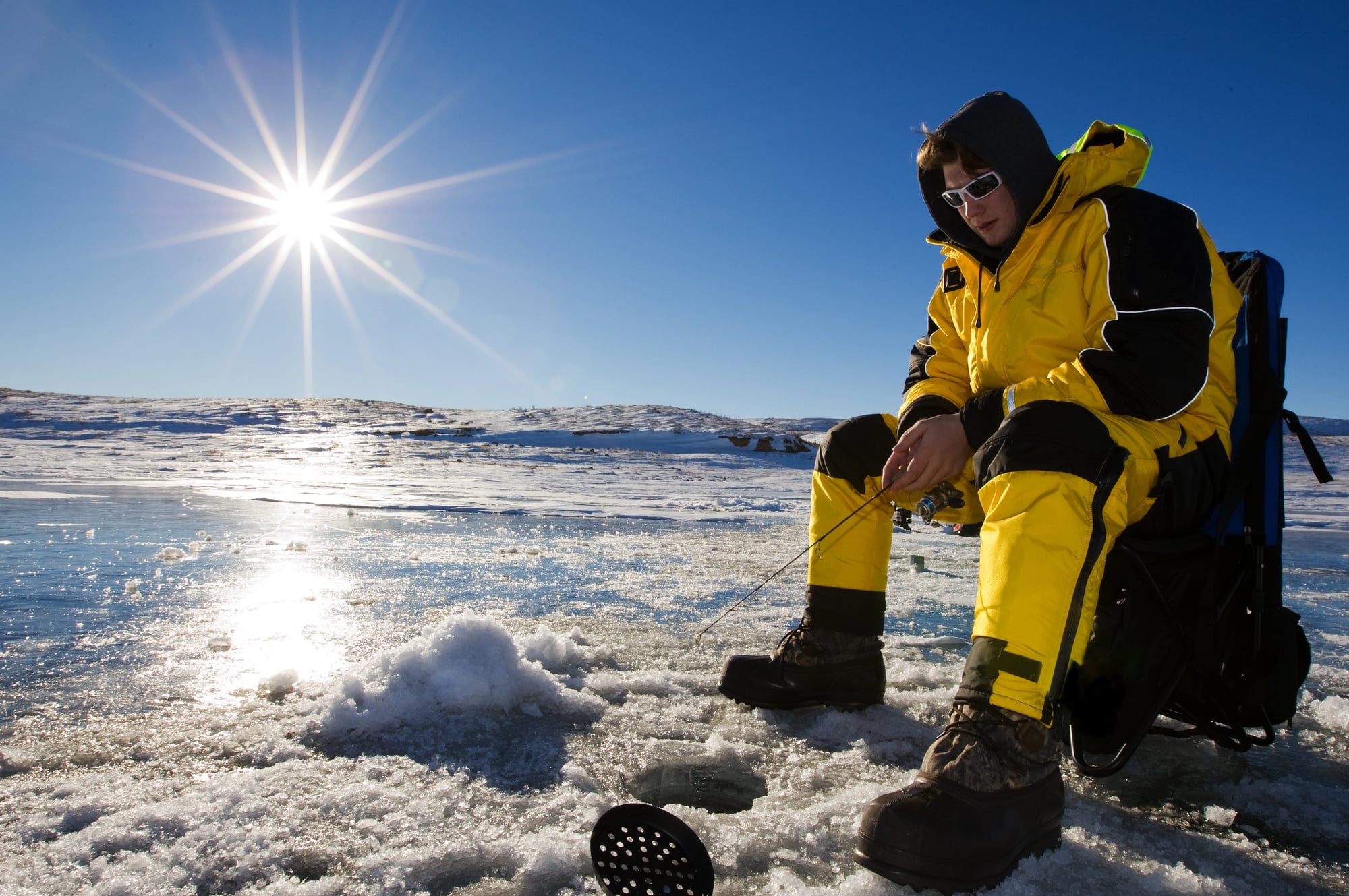
Some Indigenous communities near the Arctic practice ice fishing as a way of life. A small round opening is cut into thick ice, and a line is dropped into the water below.
It requires patience, warm clothing, and knowledge of where fish tend to gather. Photos of ice fishing often show people sitting quietly over their opening, bundled from head to toe, with a small stove nearby for warmth.
Survival Clothing Up Close
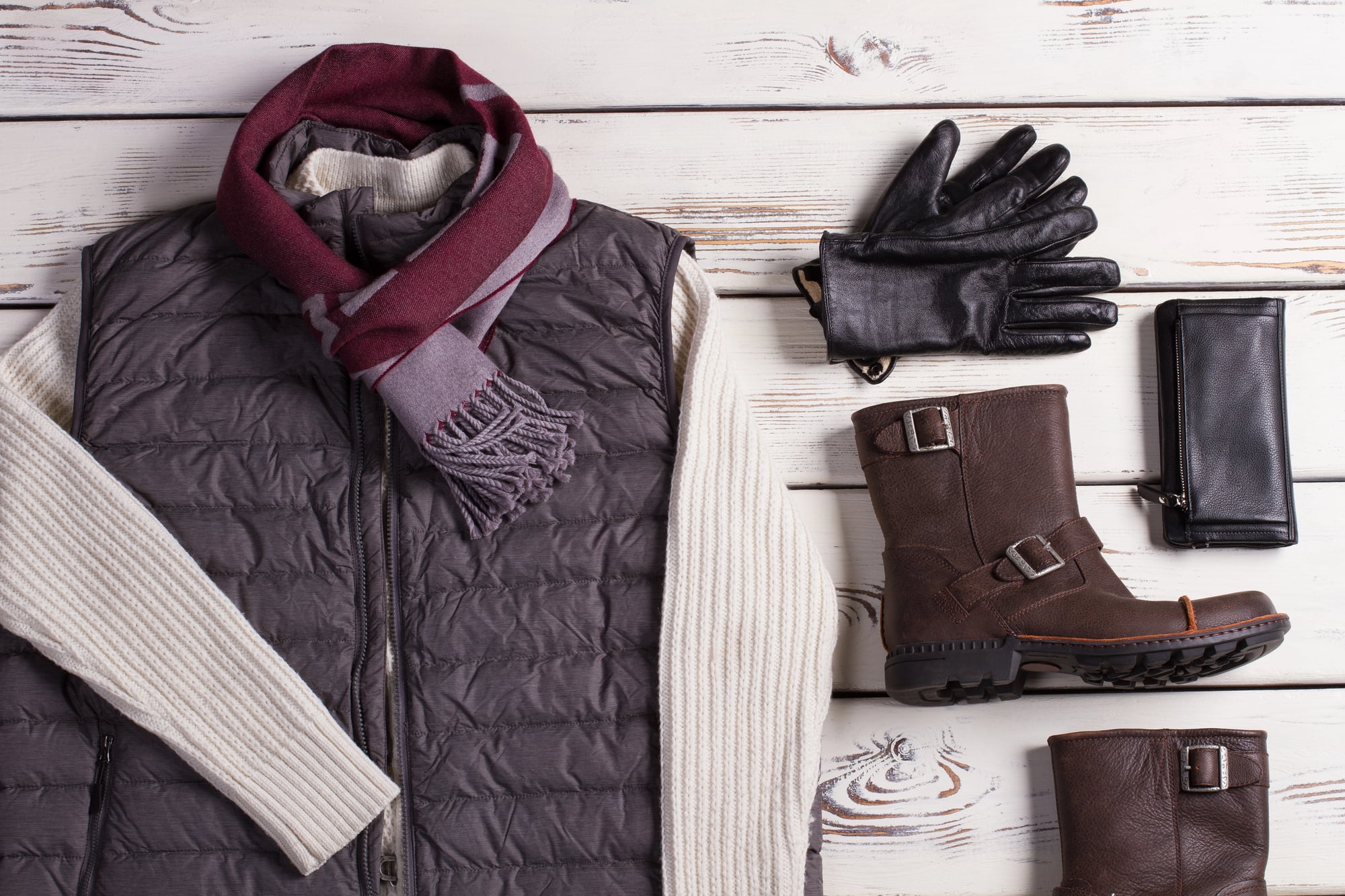
Clothing at the North Pole is not a fashion choice; it is a survival tool. Photos of explorers and researchers show full-body suits, thick insulated boots, layered gloves, and face coverings that leave almost nothing exposed to the air.
Traditional Inuit clothing made from animal skins is still considered some of the best cold-weather gear available. Every layer serves a purpose, from wicking away sweat to trapping body heat.
Frozen Supply Drops
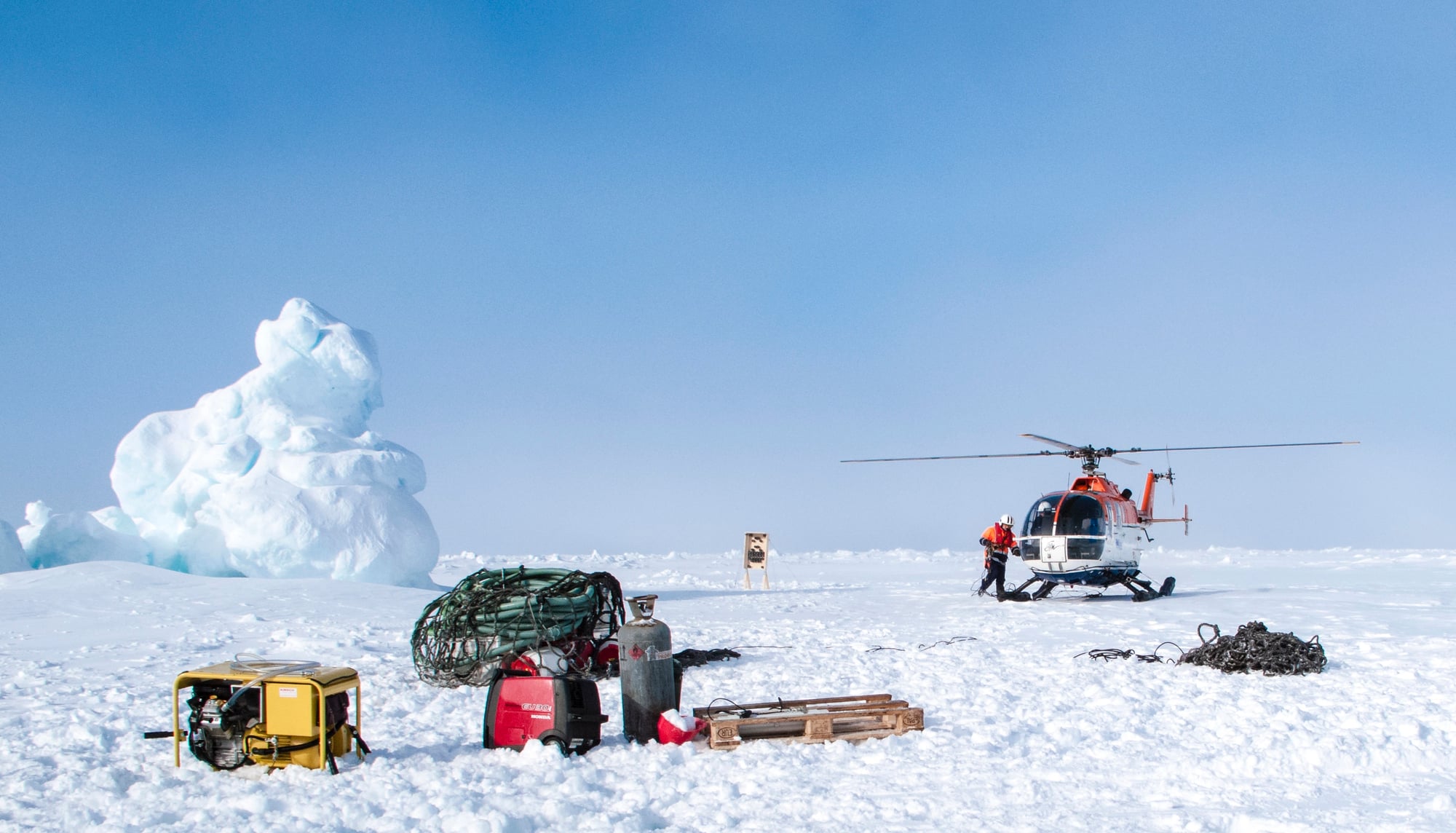
Getting supplies to research teams at the North Pole requires aircraft, usually small planes or helicopters equipped for icy conditions. Photos from these drops show crates of food, fuel, and equipment being unloaded directly onto the ice.
Timing is everything, because weather conditions can change fast, grounding flights for days. Teams must plan carefully to ensure they have enough reserves to last between deliveries.
The Actual Geographic North Pole
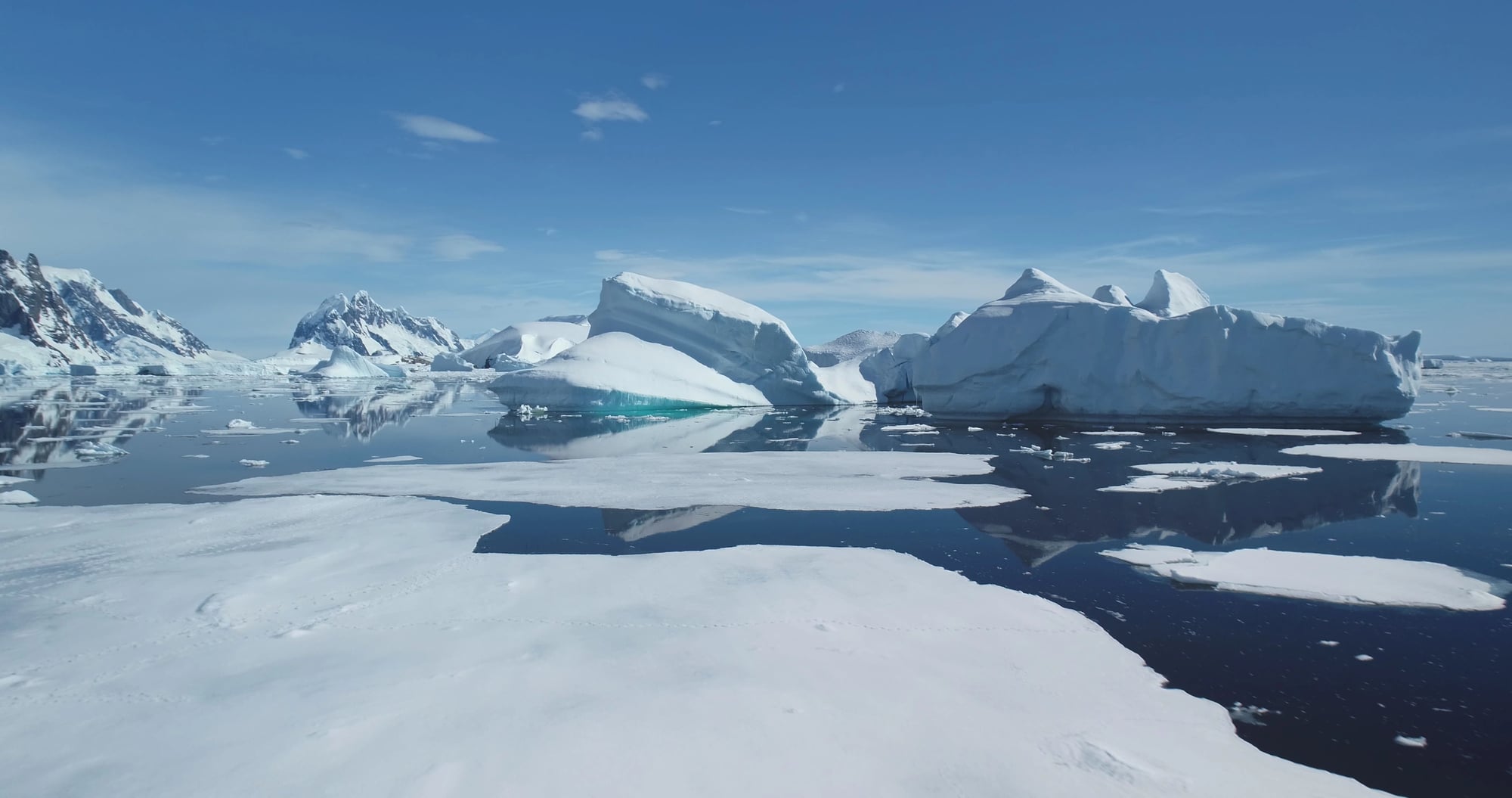
Reaching the exact geographic North Pole, at 90 degrees north latitude, is a significant achievement. Photos taken at this spot often show explorers standing next to a GPS device confirming their coordinates, surrounded by flat ice in every direction.
There is no marker, no monument, and no sign to tell you that you have arrived. The only proof is the reading on a screen and the ice stretching out endlessly around you.
Wildlife Tracks Across the Snow
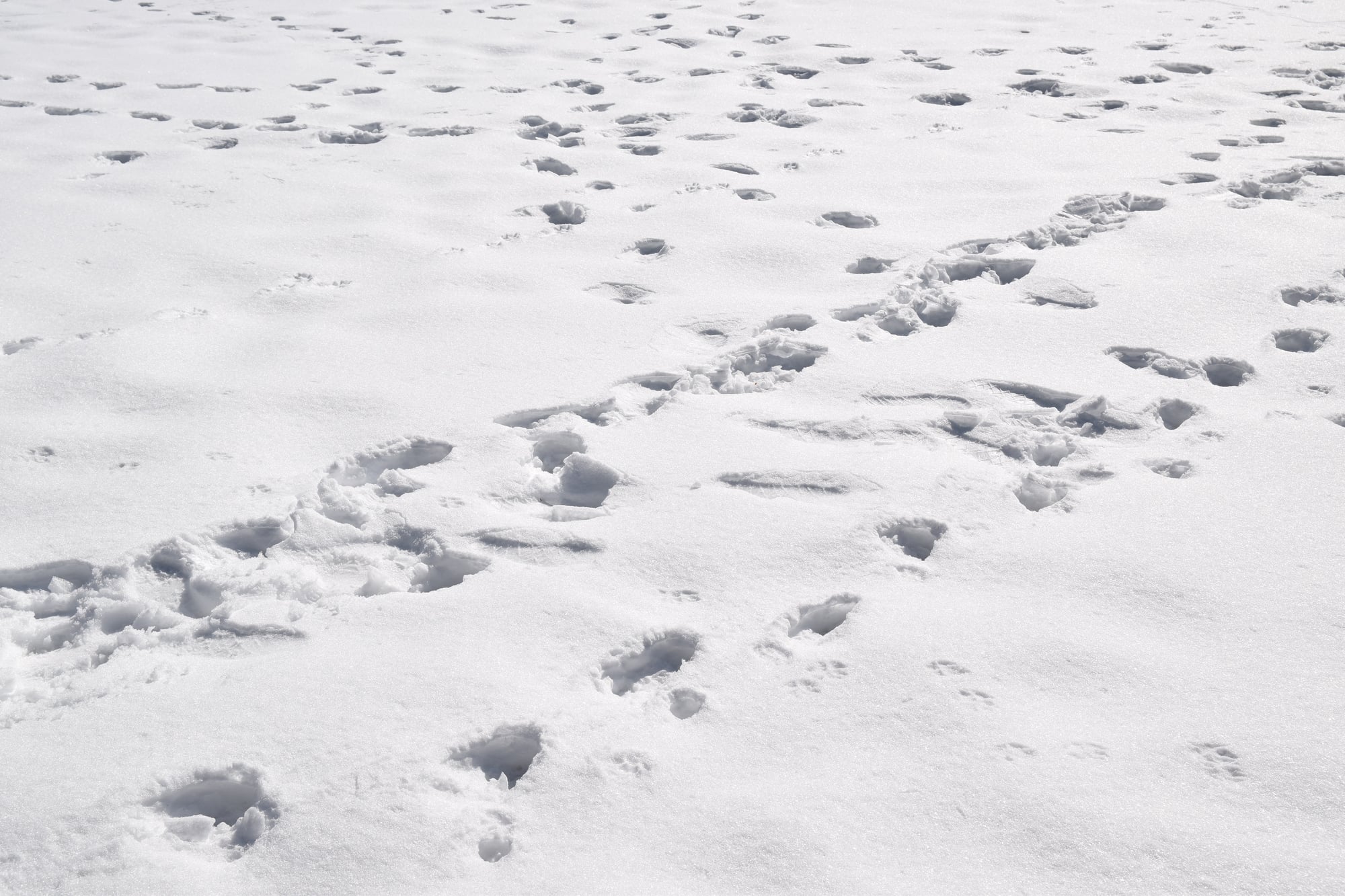
One of the quieter but striking details in North Pole photos is the trails animals leave behind. Fox prints, polar bear tracks, and bird marks in fresh snow tell a story of movement and survival in a land that looks completely still.
These tracks can stretch for miles, showing how far animals travel in search of food. Reading these prints is a skill that experienced Arctic guides and Indigenous hunters have passed down for generations.
Where the Ice Keeps Writing History
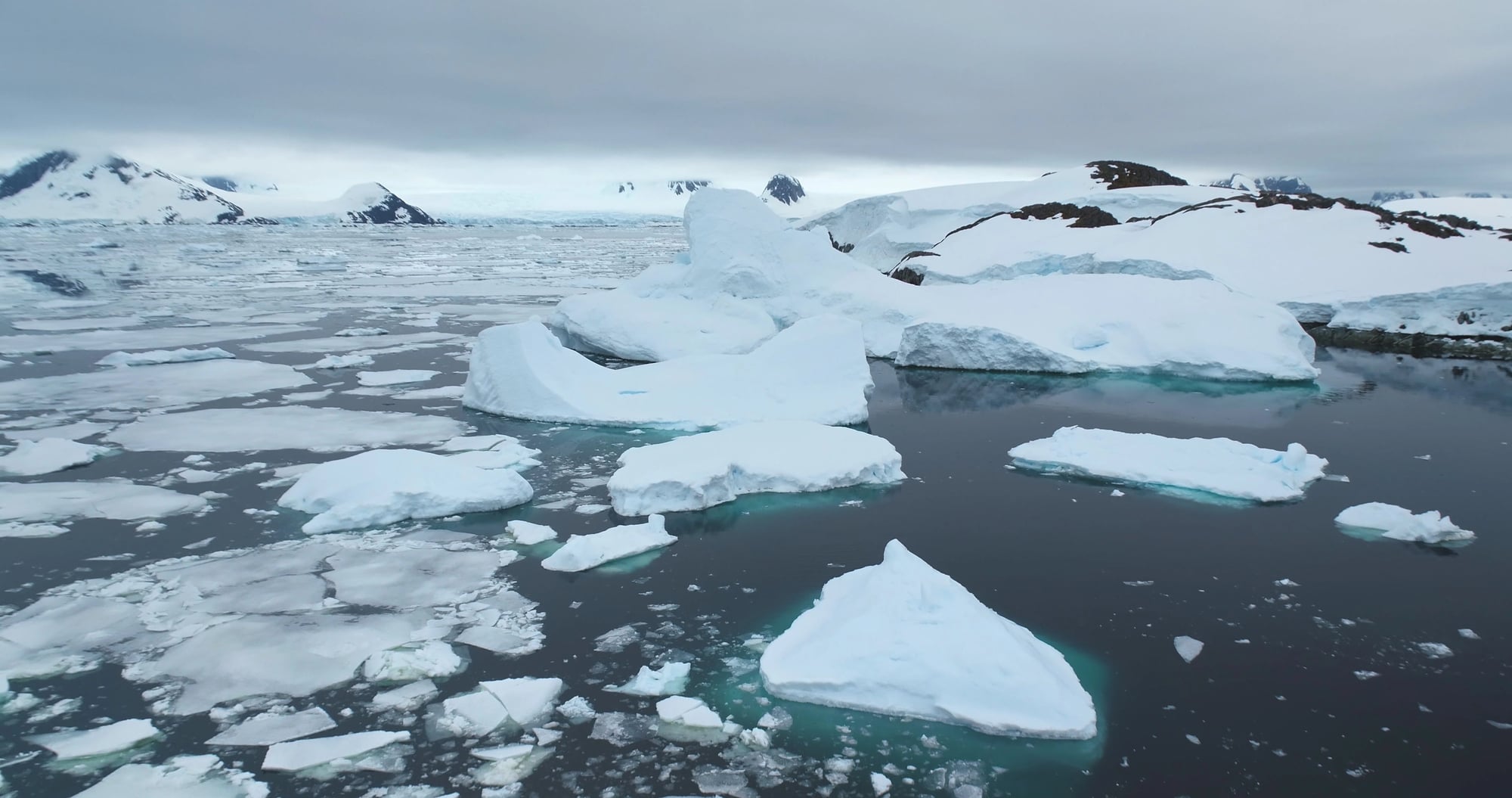
The North Pole does not stay the same from year to year. Scientists tracking ice thickness and coverage have documented significant changes over the past few decades, with the summer ice shrinking in ways that affect everything from local wildlife to global weather patterns.
The photos coming out of the region today tell a different story than those taken 30 years ago. What stays constant is the raw, unfiltered nature of the place, where survival is taken seriously and nothing is taken for granted.
Anyone who has stood on that ice and looked out at the horizon carries the experience with them for life.
More from Go2Tutors!

- The Romanov Crown Jewels and Their Tragic Fate
- 13 Historical Mysteries That Science Still Can’t Solve
- Famous Hoaxes That Fooled the World for Years
- 15 Child Stars with Tragic Adult Lives
- 16 Famous Jewelry Pieces in History
Like Go2Tutors’s content? Follow us on MSN.



