18 Fastest Birds in Sustained Flight
When we think about speed in the animal kingdom, our minds often drift to cheetahs sprinting across the savanna or falcons diving through the air. But sustained flight speed tells a different story entirely—it’s about endurance, efficiency, and the remarkable ability to maintain incredible velocities over long distances.
Unlike the brief bursts of speed we see in diving birds, sustained flight represents a bird’s cruising speed during regular flight patterns. Here is a list of 18 birds that have mastered the art of sustained high-speed flight.
Golden Eagle

The golden eagle combines raw power with surprising speed, maintaining velocities of up to 80 mph during sustained flight. These magnificent raptors use their broad wings and keen eyesight to patrol vast territories, often covering hundreds of miles in a single day. Their streamlined bodies and powerful flight muscles make them incredibly efficient hunters across mountainous and open terrain.
Gyrfalcon

As the largest falcon species, the gyrfalcon reaches sustained speeds of 78 mph while hunting across Arctic tundra. These arctic predators have evolved longer, more pointed wings than their temperate cousins, allowing them to maintain high speeds in the thin, cold air of their northern habitat. Their white and gray plumage provides perfect camouflage against snowy landscapes while they pursue ptarmigan and other prey.
White-Throated Needletail
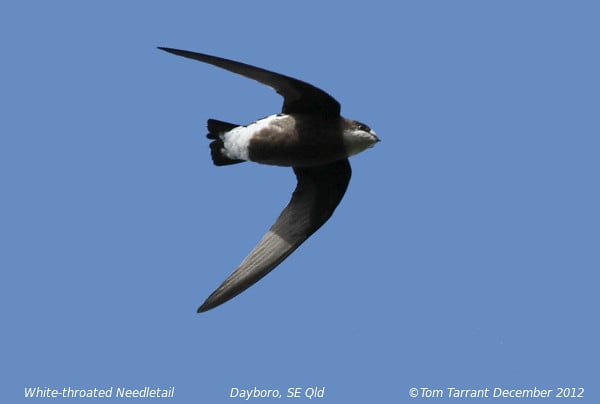
The white-throated needletail holds the record for fastest sustained flight among all birds, reaching speeds of 105 mph during regular flight. These Asian swifts spend virtually their entire lives airborne, sleeping, eating, and even mating on the wing. Their crescent-shaped wings and torpedo-like bodies create minimal air resistance, making them living missiles streaking through the sky.
Spine-Tailed Swift

Close behind its white-throated cousin, the spine-tailed swift maintains sustained speeds of 100 mph across European and Asian skies. These birds have evolved specialized spine-like projections at the tips of their tail feathers, which help them maintain stability at extreme speeds. They can travel over 500 miles in a single day while hunting for insects on the wing.
Frigatebird

Frigatebirds achieve sustained speeds of 95 mph using their incredibly long, narrow wings that span up to 7.5 feet. These oceanic pirates have the largest wing-to-body ratio of any bird, allowing them to soar effortlessly for hours while scanning the ocean for food opportunities. Their lightweight bones and minimal body fat make them perfectly adapted for life spent almost entirely in flight.
Spur-Winged Goose

The spur-winged goose surprises many with its sustained flight speed of 88 mph, making it one of the fastest waterfowl in the world. These large African birds migrate vast distances between breeding and feeding grounds, using their powerful wing beats to maintain impressive speeds across the continent. Their muscular build and broad wingspan help them carry their substantial body weight at high velocities.
Red-Breasted Merganser
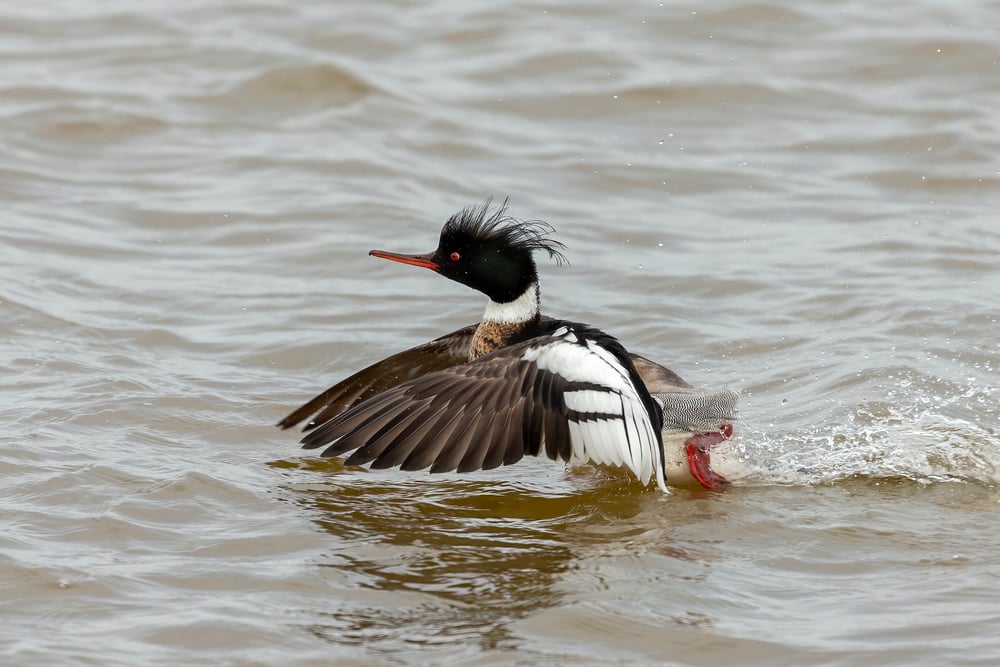
Among waterfowl, the red-breasted merganser stands out with sustained speeds reaching 81 mph during migration flights. These diving ducks have streamlined bodies and relatively small wings that beat rapidly to maintain their impressive pace. Their migrations can span thousands of miles between Arctic breeding grounds and temperate wintering areas.
Canvasback Duck

The canvasback duck maintains sustained speeds of 73 mph, powered by rapid wing beats that can reach 8-9 beats per second. These diving ducks have evolved a distinctive wedge-shaped profile that cuts through air efficiently during their long migration flights. Their preference for high-altitude flight paths helps them take advantage of favorable wind currents.
Peregrine Falcon

While famous for record-breaking diving speeds, peregrine falcons maintain sustained flight speeds of 68 mph during regular hunting and travel. These cosmopolitan raptors have colonized every continent except Antarctica, thanks partly to their efficient flight capabilities. Their pointed wings and compact bodies make them equally adept at sustained flight and explosive acceleration.
Teal

Common teal species maintain sustained speeds of 68 mph during their extensive migrations between breeding and wintering grounds. These small dabbling ducks compensate for their size with incredibly efficient flight mechanics and strong flight muscles. Their migrations can cover thousands of miles, with some populations traveling from Arctic breeding areas to tropical wintering grounds.
Mallard
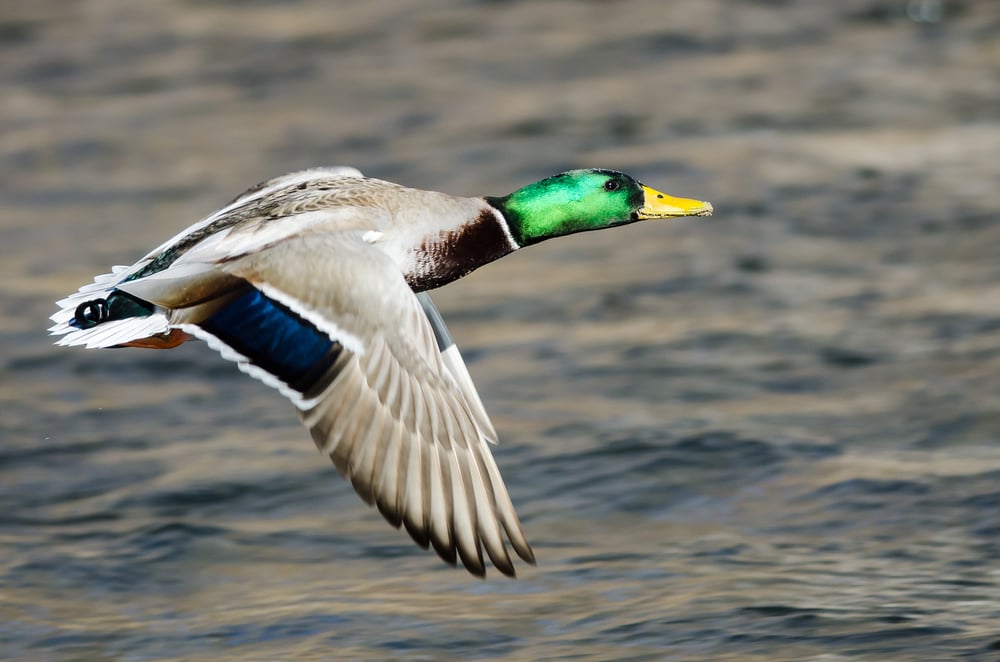
The familiar mallard duck achieves sustained speeds of 65 mph, making it one of the most efficient fliers among waterfowl. These adaptable ducks have spread across the globe partly due to their strong flight abilities and endurance. Their broad wings and sturdy build allow them to maintain steady speeds across varied terrain and weather conditions.
Pintail

Northern pintails reach sustained speeds of 65 mph during their remarkable long-distance migrations that can span entire continents. These elegant ducks have unusually long, narrow wings for waterfowl, giving them exceptional efficiency in sustained flight. Some pintail populations migrate over 3,000 miles between breeding and wintering areas.
Gadwall

The gadwall maintains sustained flight speeds of 63 mph, demonstrating remarkable endurance during migration periods. These medium-sized ducks have evolved efficient flight patterns that allow them to cover vast distances with minimal energy expenditure. Their subtle gray and brown plumage might seem unremarkable, but their flight capabilities are anything but ordinary.
Widgeon

American widgeons achieve sustained speeds of 60 mph while traveling between wetland habitats across North America. These compact ducks have developed efficient flight techniques that serve them well during both daily feeding flights and seasonal migrations. Their distinctive whistling call can often be heard as flocks pass overhead at impressive speeds.
Wood Duck

Despite their reputation for preferring wooded swamps, wood ducks maintain sustained speeds of 60 mph during flight. These colorful waterfowl navigate through forest canopies with remarkable agility while maintaining impressive velocities. Their broad wings and strong flight muscles help them maneuver around trees and obstacles without losing speed.
Redhead Duck
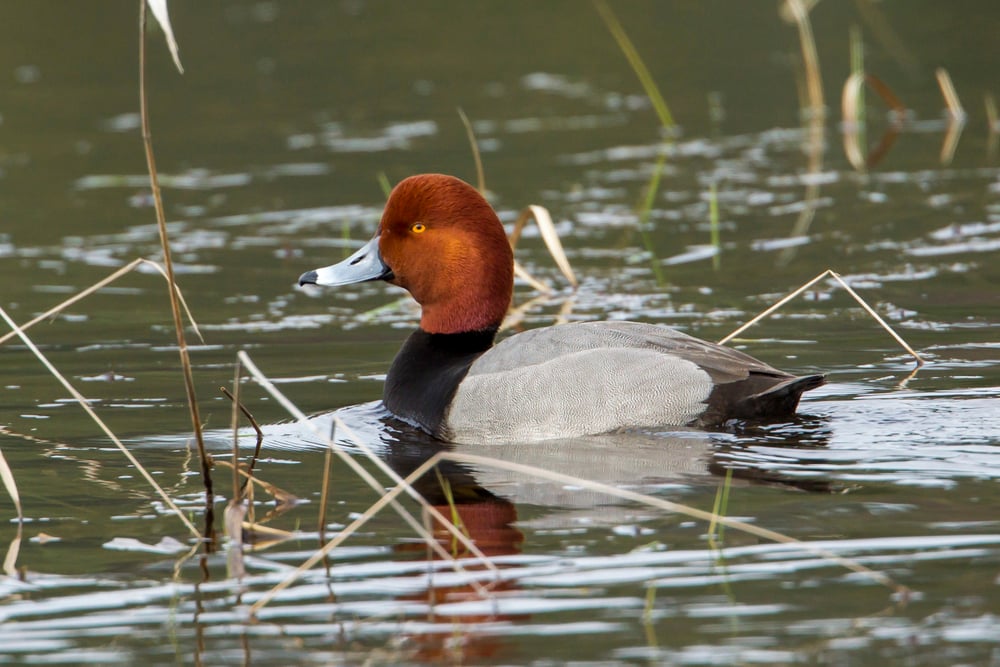
Redhead ducks sustain flight speeds of 58 mph during their migrations across North American flyways. These diving ducks have compact, streamlined bodies that reduce air resistance during long-distance travel. Their ability to maintain steady speeds helps them complete migrations that can cover over 2,000 miles between breeding and wintering areas.
Ring-Necked Duck
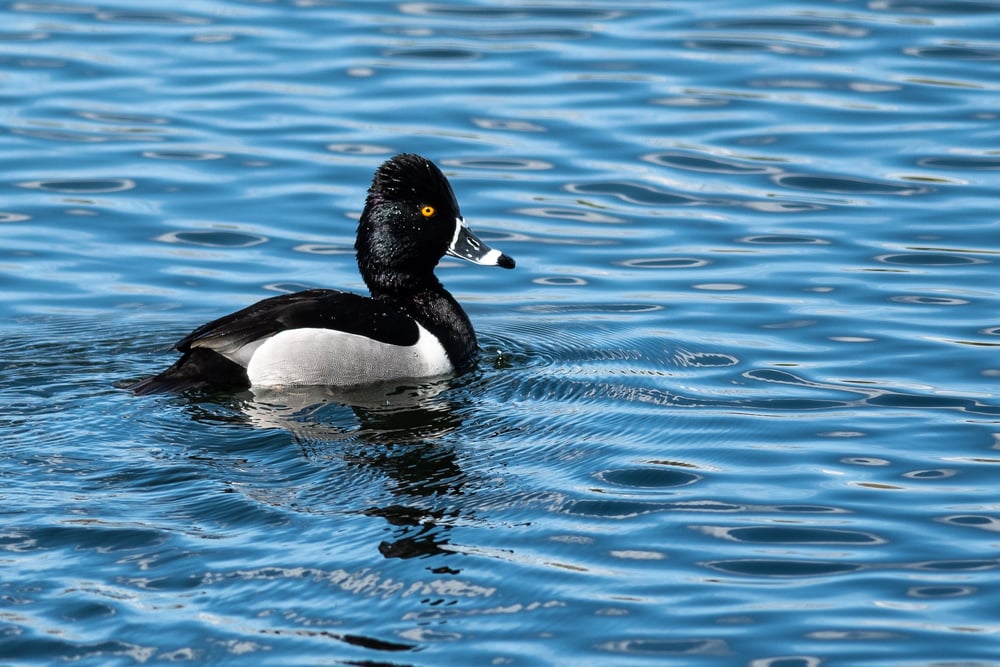
The ring-necked duck maintains sustained speeds of 58 mph, powered by rapid wing beats typical of diving duck species. These medium-sized waterfowl have evolved efficient flight mechanics that allow them to travel substantial distances between preferred habitats. Their dark plumage and distinctive white ring around the bill make them easily recognizable in flight.
Common Goldeneye

Common goldeneye ducks achieve sustained speeds of 55 mph with their characteristic whistling wing beats. These hardy northern ducks have powerful flight muscles that help them maintain impressive speeds even in challenging weather conditions. Their compact build and strong wings make them well-suited for the demanding flights required during harsh northern winters.
Speed Through Time

These remarkable birds represent millions of years of evolutionary refinement, each species developing unique adaptations for sustained high-speed flight. From the needle-like swifts that live their entire lives on the wing to the powerful raptors that patrol vast territories, these aerial athletes demonstrate nature’s incredible ability to push the boundaries of what’s possible in flight. Their speeds remind us that the skies above are highways of constant motion, filled with travelers covering distances that would challenge even our modern aircraft. Today, as we face a world of shrinking habitats and changing climates, these masters of sustained flight need our protection more than ever to continue their ancient journeys across the globe.
More from Go2Tutors!

- 16 Historical Figures Who Were Nothing Like You Think
- 12 Things Sold in the 80s That Are Now Illegal
- 15 VHS Tapes That Could Be Worth Thousands
- 17 Historical “What Ifs” That Would Have Changed Everything
- 18 TV Shows That Vanished Without a Finale
Like Go2Tutors’s content? Follow us on MSN.



