18 Historical Photos Taken Moments Before Disaster
Some photographs only become significant in hindsight, when the ordinary moment they captured turns out to be the last one before everything changed. None of the people in these images knew what was coming.
That gap between what the camera recorded and what happened minutes or hours later is what makes them impossible to look at without a chill.
RMS Titanic Departing Southampton
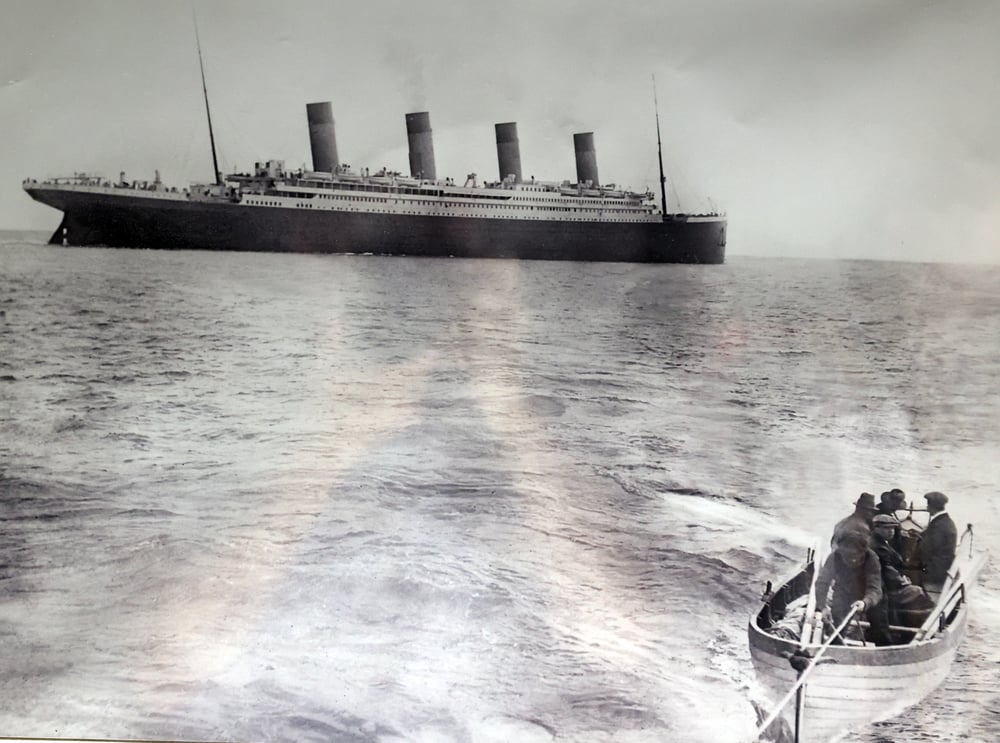
On April 10, 1912, photographers on the docks captured the Titanic as it pulled away from Southampton at the start of its maiden voyage, decks lined with passengers waving to crowds gathered to see off the largest ship in the world. The ship nearly collided with another vessel, the New York, within minutes of departure when the Titanic’s wake pulled the smaller ship from its moorings, an incident many passengers treated as an exciting story rather than an omen.
Four days later, the ship struck an iceberg in the North Atlantic and sank with the loss of more than 1,500 lives.
Archduke Franz Ferdinand’s Car in Sarajevo
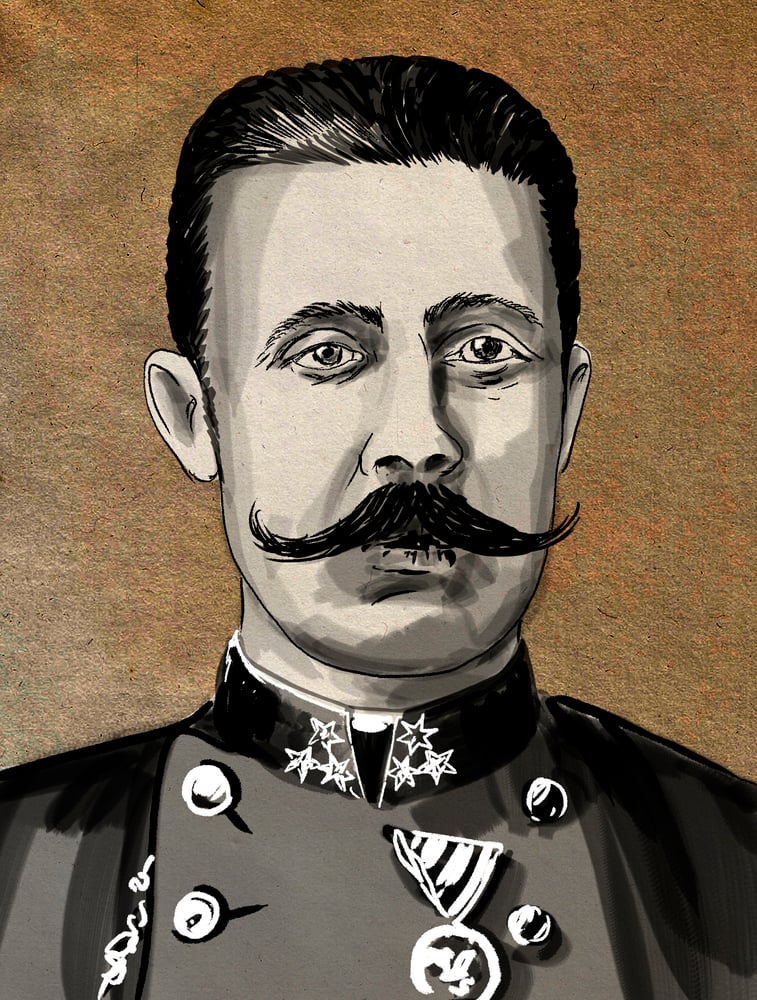
A photograph taken in Sarajevo on June 28, 1914 shows Archduke Franz Ferdinand of Austria-Hungary and his wife Sophie seated in an open-topped car shortly before it took a wrong turn near a delicatessen, placing it directly in front of the assassin Gavrilo Princip. The couple had already survived one assassination attempt earlier that same morning, when a grenade thrown at their motorcade missed and wounded bystanders instead.
Franz Ferdinand’s death minutes after this photograph was taken set off a chain of diplomatic failures that escalated into the First World War within weeks.
The Overloaded Sultana
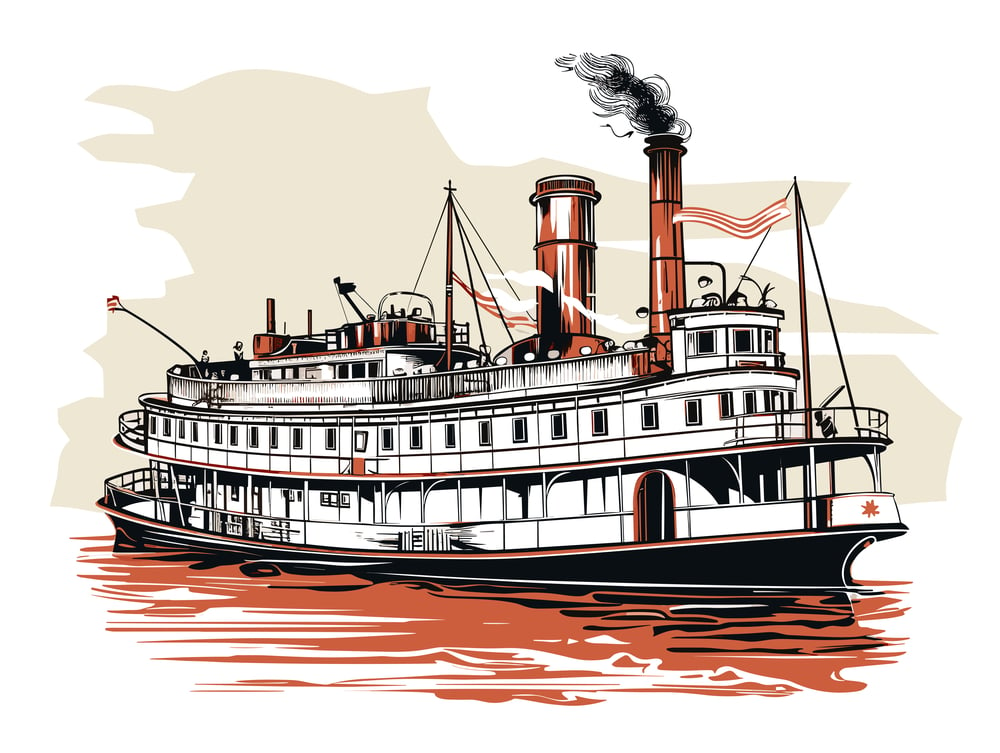
A photograph taken on April 26, 1865, the day before disaster, shows the steamboat Sultana docked at Helena, Arkansas, its decks so densely packed with Union soldiers recently released from Confederate prison camps that the image looks almost unreal. The boat was licensed to carry around 376 passengers but had roughly 2,100 people aboard, most of them malnourished former prisoners eager to get home after the Civil War.
Three of the boat’s four boilers exploded on the Mississippi River the next day, killing an estimated 1,168 people in a disaster deadlier than the Titanic that received comparatively little national attention because it coincided with the aftermath of Lincoln’s assassination.
The Hindenburg’s Final Approach
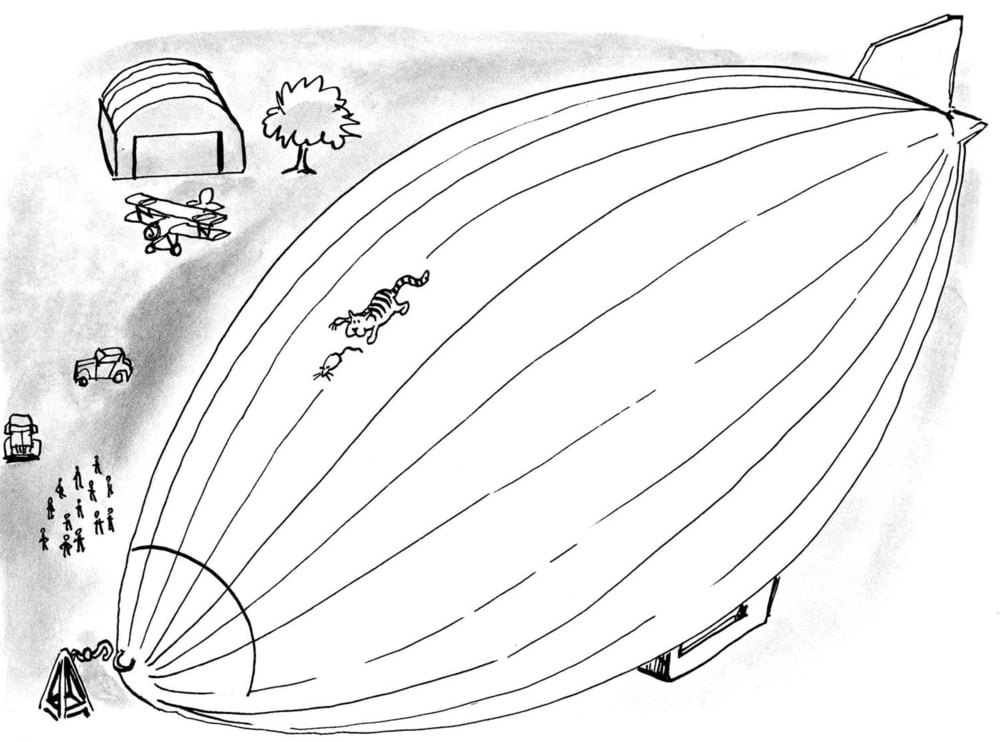
A widely circulated photograph shows the German airship Hindenburg gliding gracefully toward its mooring mast at Naval Air Station Lakehurst in New Jersey on May 6, 1937, its enormous silver hull catching the evening light. Ground crews below had just begun securing landing lines when the hydrogen-filled airship caught fire, and the entire structure was consumed within roughly thirty seconds, killing 36 people.
Newsreel cameras present to document what was expected to be a routine, celebratory landing instead captured one of the most famous disaster recordings in history.
The B-25 in the Fog Over Manhattan
On the morning of July 28, 1945, a US Army B-25 bomber flew through dense fog over Manhattan, and at least one photograph exists showing the aircraft banking low between buildings just before it struck the Empire State Building’s 79th floor. The pilot had been flying largely blind in conditions that should have grounded the flight, and the crash killed the three crew members along with eleven people inside the building.
The impact remains one of the few times an aircraft has struck a skyscraper outside of wartime or a deliberate attack.
The Tacoma Narrows Bridge Mid-Sway
Photographers and a local camera store owner captured the Tacoma Narrows Bridge in Washington state violently twisting and undulating on the morning of November 7, 1940, footage and stills taken as engineers and onlookers realized something was seriously wrong with the four-month-old suspension bridge. The bridge’s deck had developed a pronounced rolling motion in high winds that grew more extreme by the minute, eventually twisting so severely that the roadway snapped free and collapsed into Puget Sound.
No human lives were lost, though a dog trapped in an abandoned car on the bridge did not survive, and the collapse became a permanent case study in engineering schools on the dangers of aerodynamic resonance.
The Andrea Doria’s Final Crossing
Passengers aboard the Italian ocean liner Andrea Doria photographed each other at dinner and on deck during what was, until its last night, an unremarkable Atlantic crossing in July 1956. In dense fog off Nantucket, the ship collided with the Swedish liner Stockholm, tearing open its hull and causing it to list so severely that half its lifeboats became unusable.
The Andrea Doria sank the following morning, and photographs from earlier in the voyage later circulated as some of the last images of passengers who did not survive the collision.
Buddy Holly Boarding the Plane
A photograph taken shortly before Buddy Holly, Ritchie Valens, and J.P. Richardson boarded a small chartered plane in Clear Lake, Iowa, on February 3, 1959, shows the musicians preparing for a flight meant to save them a long, cold overnight bus ride to their next tour stop. The plane crashed in a snow-covered field shortly after takeoff, killing all three musicians along with the pilot, in an event later immortalized in song as the day the music died.
The tragedy remains one of the defining losses in early rock and roll history.
Manchester United’s Team Photo Before Munich
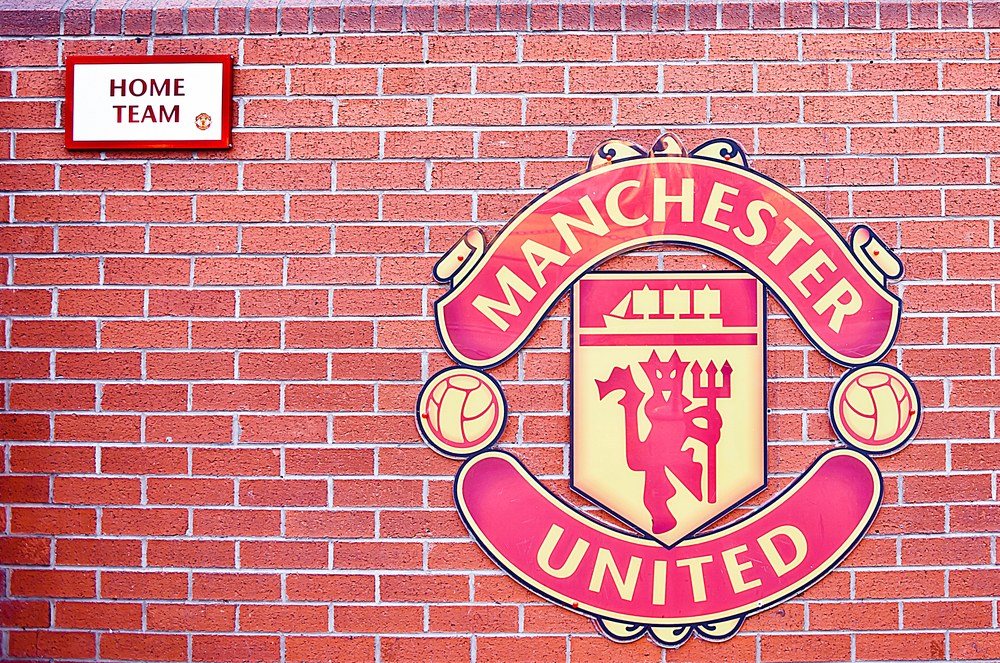
Manchester United’s squad, widely regarded as one of the most talented young teams in English football at the time, posed for photographs before boarding a chartered flight home from Belgrade on February 6, 1958, following a European Cup match. The plane made a refueling stop in Munich, where it crashed on a third takeoff attempt after failing twice, killing 23 people including eight players from the team nicknamed the Busby Babes.
The disaster reshaped the club for a generation and remains one of the defining tragedies in the history of English sport.
The R101 Airship Crew Before Departure
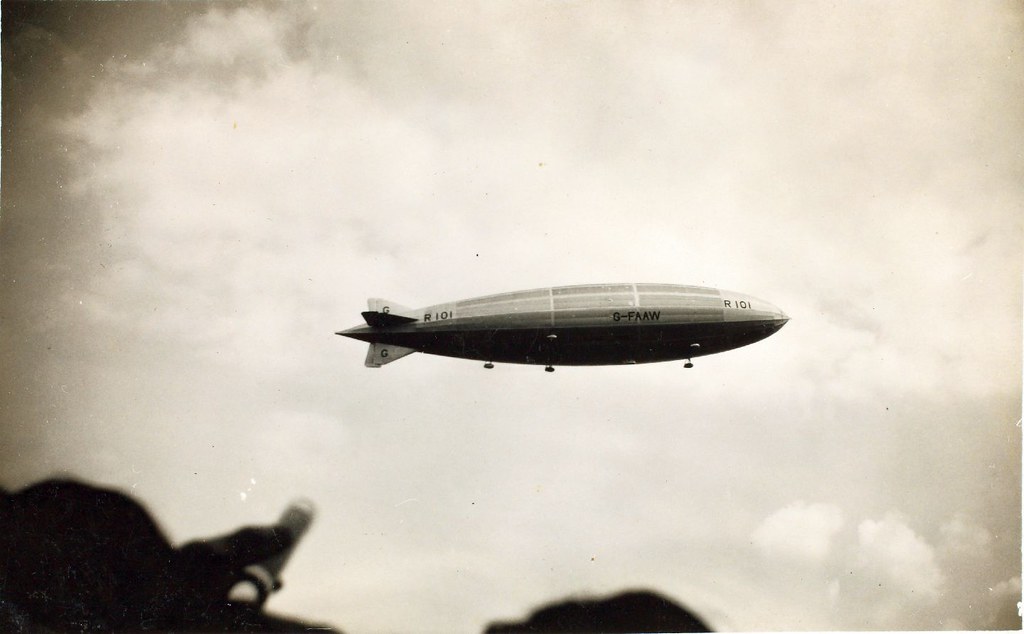
Crew and passengers of the British airship R101 were photographed in high spirits before its departure for India on October 4, 1930, a flight intended to demonstrate the airship’s long-range capability as a showpiece of British aeronautical engineering. The airship struggled with poor weather over northern France and crashed into a hillside near Beauvais early the next morning, bursting into flames that killed 48 of the 54 people aboard.
The disaster effectively ended Britain’s ambitions in rigid airship development.
The First Frames of Mount St. Helens
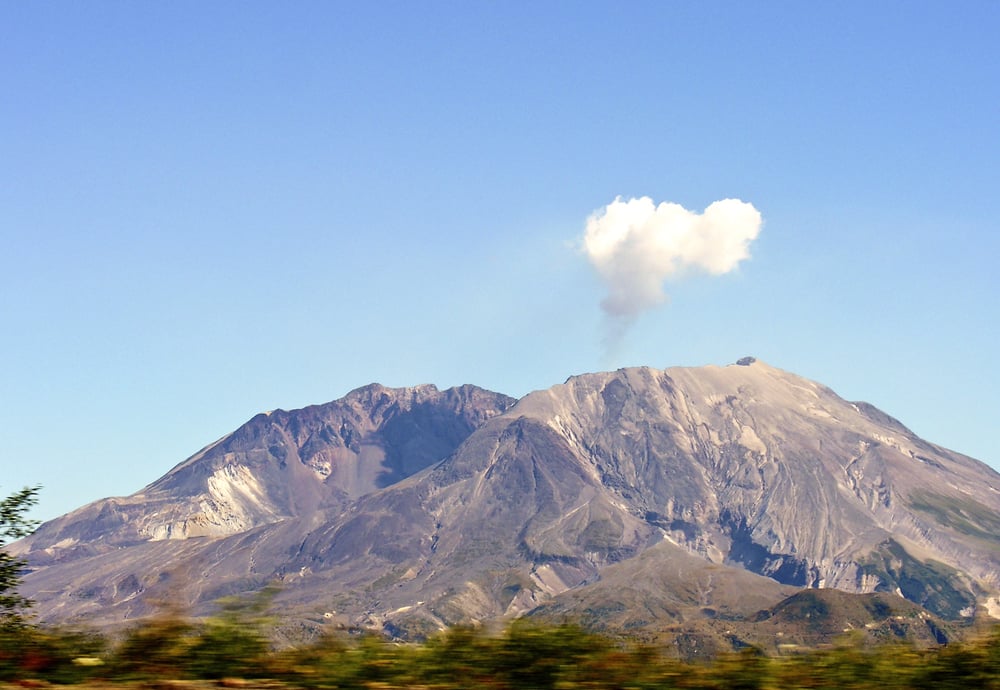
Photographer Gary Rosenquist was camping roughly eleven miles from Mount St. Helens on the morning of May 18, 1980, and captured a rapid sequence of photographs showing the mountain’s north face beginning to bulge and collapse in the opening seconds of the eruption. Fellow photographer Reid Blackburn, stationed closer to the volcano on assignment, was killed by the pyroclastic flow before he could escape, and his camera was later recovered with undeveloped film still inside.
The eruption killed 57 people and remains the deadliest volcanic event in United States history.
The Apollo 1 Crew Photo
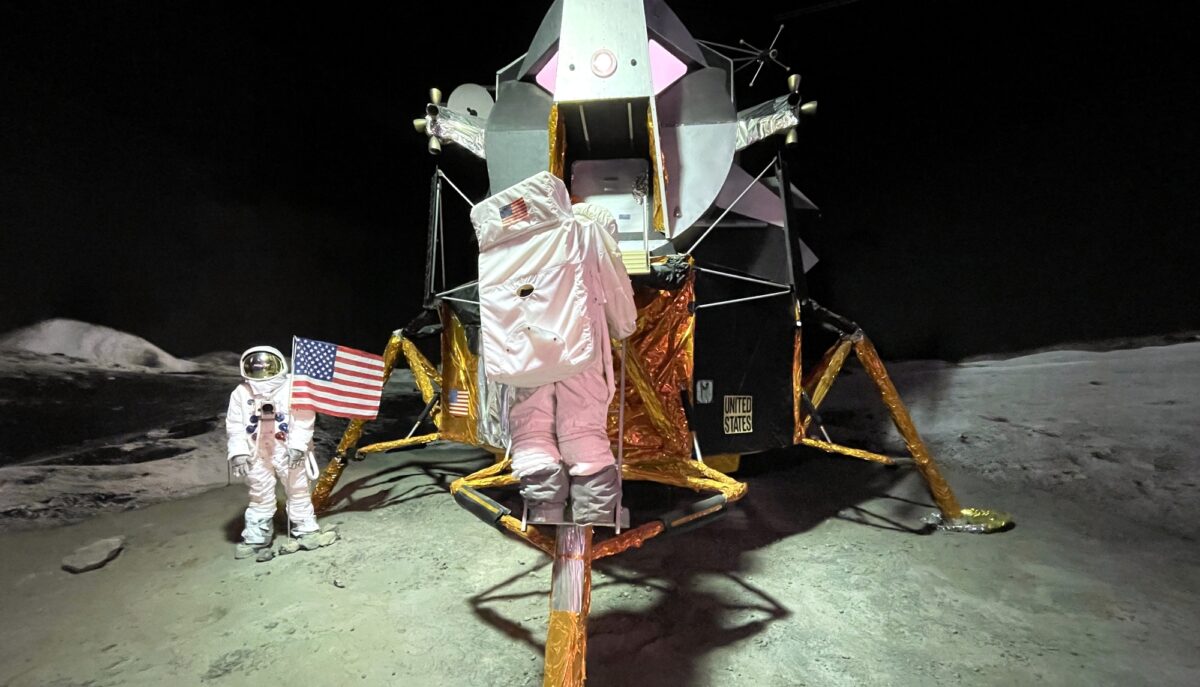
Astronauts Gus Grissom, Ed White, and Roger Chaffee were photographed together during training exercises in the weeks before their scheduled Apollo 1 mission, an early milestone in NASA’s push toward a moon landing. During a launch pad test on January 27, 1967, not an actual liftoff, a flash fire swept through the sealed command module’s pure oxygen atmosphere, killing all three astronauts within seconds.
The disaster halted the Apollo program for twenty months while NASA redesigned the capsule’s hatch and materials.
The Challenger Crew and Launch
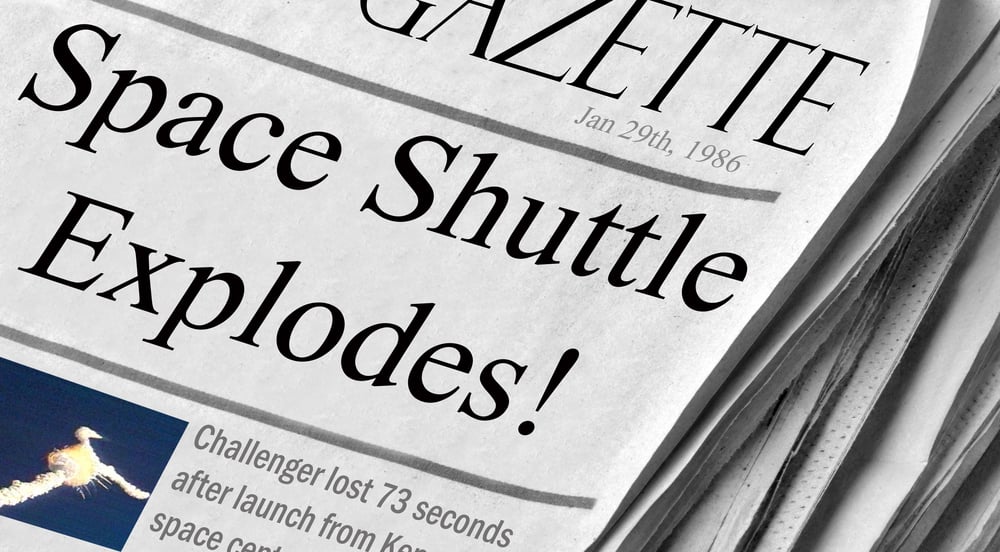
NASA photographed the seven-member crew of the Space Shuttle Challenger, including teacher Christa McAuliffe, in the days before the January 28, 1986 launch, and news cameras captured the shuttle’s ascent from Kennedy Space Center in clear morning skies. Seventy-three seconds after liftoff, a failed O-ring seal in one of the solid rocket boosters caused the vehicle to break apart, killing everyone aboard in front of a television audience that included many schoolchildren watching because of McAuliffe’s presence.
The disaster grounded the shuttle program for nearly three years.
The Columbia Crew’s Final Portrait
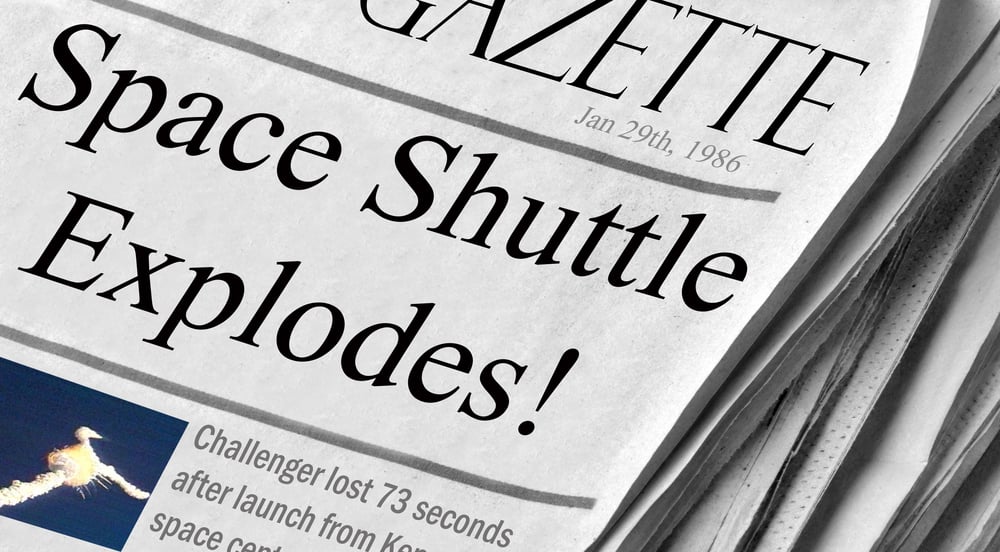
The seven astronauts of Space Shuttle Columbia posed for an official crew photograph before their sixteen-day mission launched on January 16, 2003, unaware that a piece of foam insulation had already struck the shuttle’s wing during liftoff, causing damage that would prove fatal. The shuttle disintegrated during re-entry on February 1, 2003, as superheated gas entered through the damaged wing, killing all seven crew members over the skies of Texas and Louisiana.
Investigators later confirmed the foam strike, visible in launch footage that engineers had reviewed but ultimately judged not serious enough to warrant an in-orbit inspection or rescue attempt.
JFK’s Dallas Motorcade
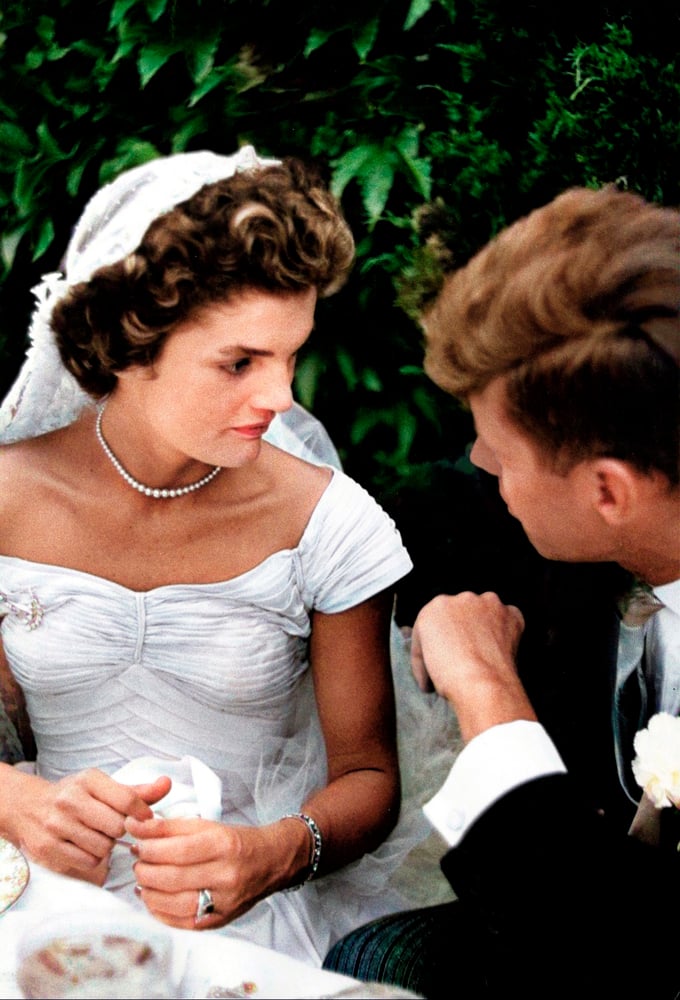
— Photo by JoseCarva
Photographers and bystanders captured President John F. Kennedy and First Lady Jacqueline Kennedy smiling and waving from their open convertible as it moved through cheering crowds in Dallas on November 22, 1963, moments before the motorcade turned onto Elm Street. Shots fired from the Texas School Book Depository struck the president within seconds of some of the last photographs being taken, and Kennedy was pronounced dead at Parkland Memorial Hospital shortly afterward.
The assassination remains one of the most extensively documented and analyzed events of the twentieth century.
Amelia Earhart’s Last Departure
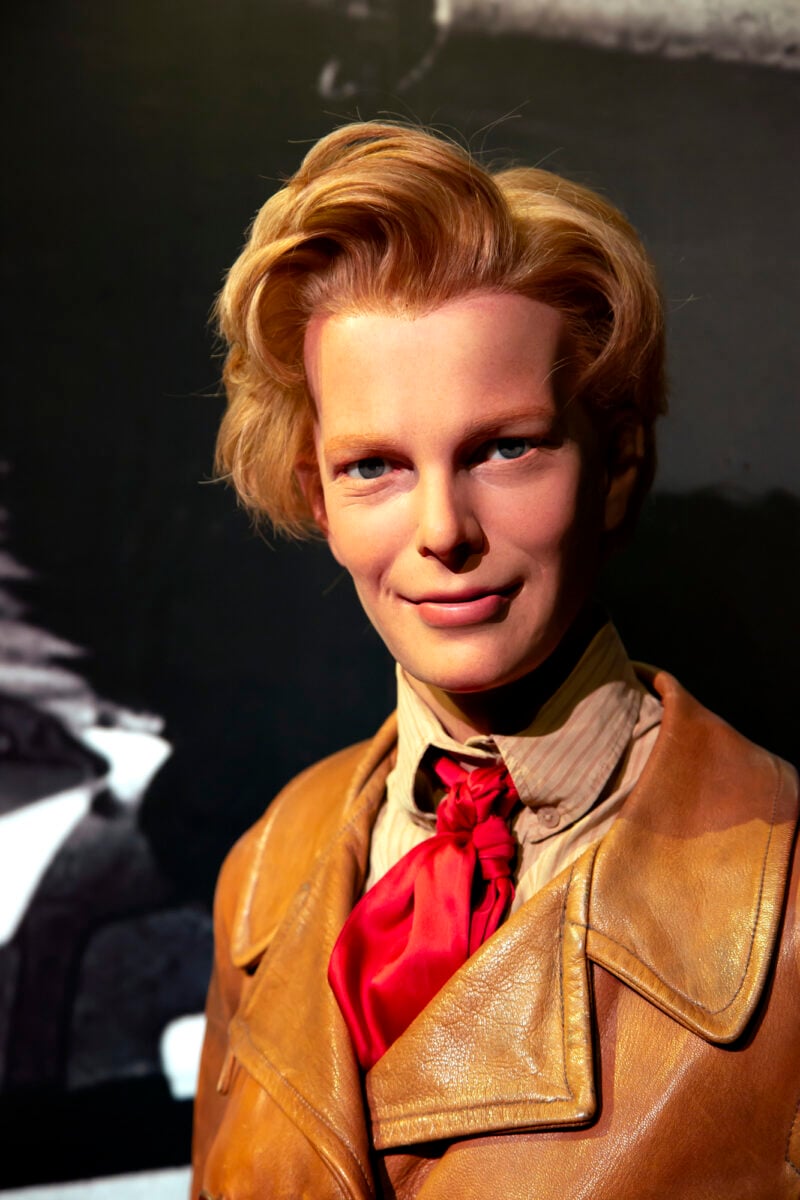
Amelia Earhart was photographed boarding her Lockheed Electra in Lae, New Guinea, on July 2, 1937, at the start of what was meant to be one of the final legs of her attempt to fly around the world at the equator. She and navigator Fred Noonan were never seen again after radio contact was lost as they searched for the tiny Pacific airstrip of Howland Island.
The disappearance has never been conclusively resolved, and the photograph remains among the last confirmed images of Earhart alive.
The World Trade Center Moments Before Impact
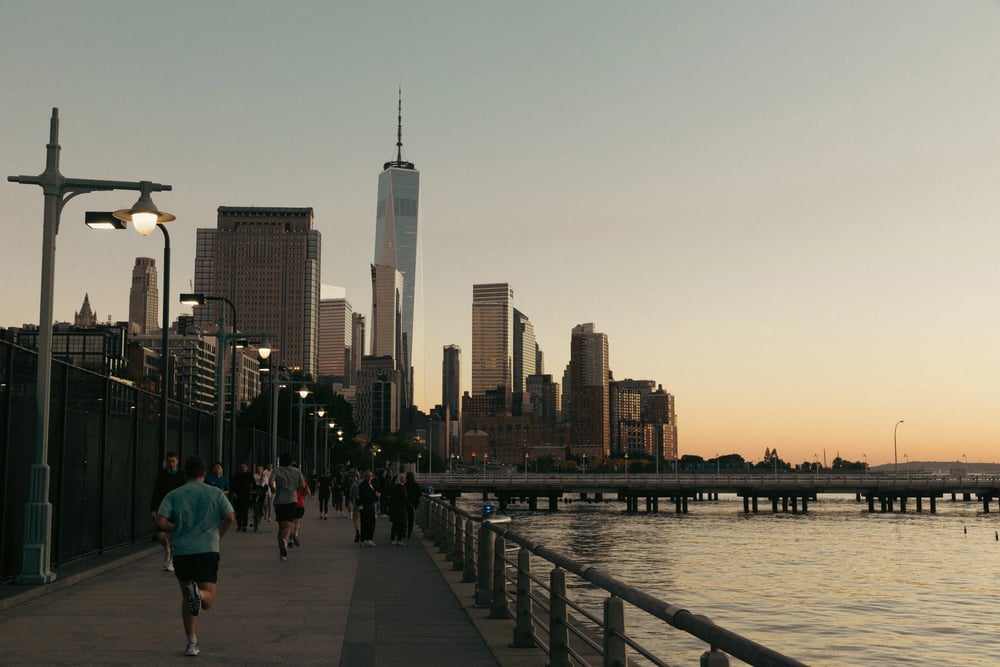
Numerous photographers in Lower Manhattan captured images of United Airlines Flight 175 banking toward the World Trade Center’s South Tower on the morning of September 11, 2001, seconds before it struck, with the North Tower already burning from an earlier impact visible in the same frame. The photographs, taken by both professional journalists and bystanders with personal cameras, became some of the most widely reproduced images of the twenty-first century.
Nearly 3,000 people died across the attacks that day, reshaping air travel security and American foreign policy for decades afterward.
Captain Edward Smith Aboard the Titanic
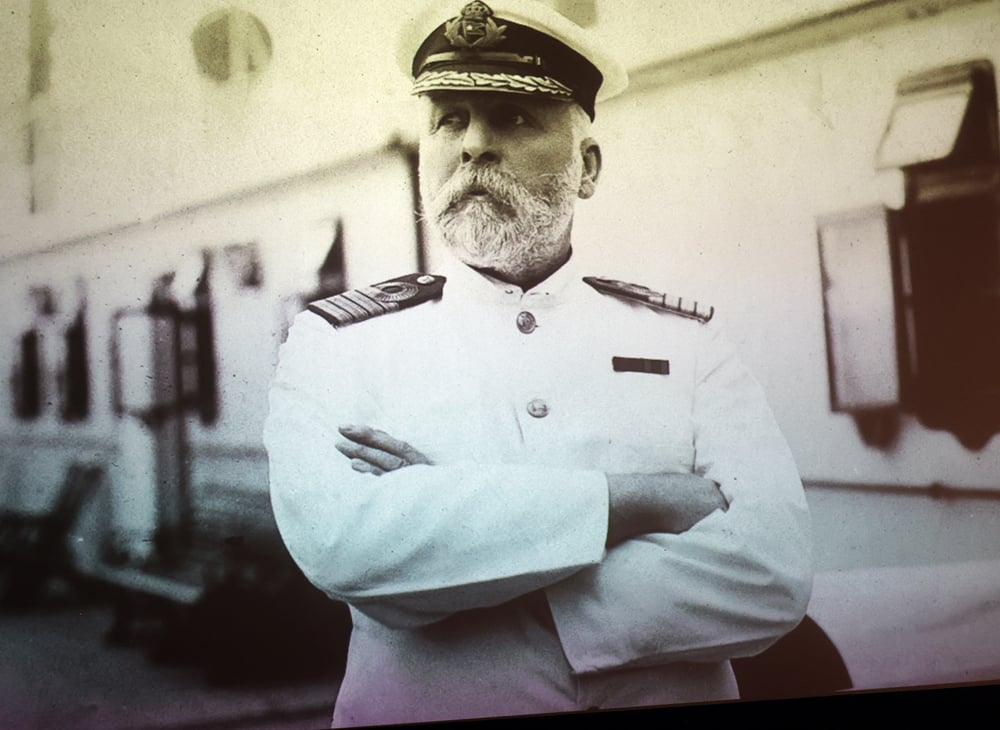
Captain Edward Smith was photographed on the Titanic’s bridge and decks during the ship’s early days at sea, a veteran commander nearing the end of a long career who had reportedly intended the transatlantic crossing to be one of his last before retirement. Passengers and crew who photographed him in the days before April 14, 1912 had no reason to think the voyage would be remembered for anything other than the ship’s size and luxury.
Smith went down with the Titanic, and the handful of surviving photographs of him at sea remain among the most reproduced images connected to the disaster.
What the Camera Could Not Know
None of these photographs were taken with any awareness of what was about to happen, which is exactly why they carry the weight they do. A camera only records what is directly in front of it, and in each of these cases, that happened to be the last ordinary moment before an entirely different kind of history began.
Looking at them now means holding two timelines at once, the one the people in the frame believed they were living and the one that was actually about to happen to them. That gap is uncomfortable, and it is also the reason these images have outlasted almost everything else from the events they preceded.
More from Go2Tutors!

- The Romanov Crown Jewels and Their Tragic Fate
- 13 Historical Mysteries That Science Still Can’t Solve
- Famous Hoaxes That Fooled the World for Years
- 15 Child Stars with Tragic Adult Lives
- 16 Famous Jewelry Pieces in History
Like Go2Tutors’s content? Follow us on MSN.