18 Things You Couldn’t Do 15 Years Ago
Back in 2010, the world looked pretty different than it does today. The first iPad had just launched, Instagram was brand new, and most people still carried flip phones in their pockets.
Technology has changed so much in such a short time that it’s easy to forget how many everyday activities simply weren’t possible back then. Let’s take a look at some of the things that have become totally normal now but would have seemed impossible or strange just 15 years ago.
Video call your doctor from your couch

Telemedicine was barely a thing in 2010. Most doctors didn’t have the setup for video appointments, and insurance companies rarely covered them.
If you felt sick, you had to drag yourself to the office, sit in a waiting room full of other sick people, and hope you didn’t catch something worse. Now you can talk to a healthcare provider from your bed while wearing pajamas, get a diagnosis, and have a prescription sent to your pharmacy without leaving home.
The technology existed back then, but the systems and acceptance just weren’t there yet.
Order groceries to your door in an hour

Sure, some grocery stores offered delivery in 2010, but you usually had to order days in advance and pay hefty fees. The idea of opening an app, selecting items, and having them show up at your door within an hour would have sounded like science fiction.
Services like Instacart didn’t exist yet, and Amazon was still mostly about books and electronics. People actually had to plan their shopping trips and physically go to the store, which seems almost quaint now.
Pay for coffee by waving your phone

Mobile payments were in their infancy 15 years ago. Apple Pay didn’t launch until 2014, and Google Wallet was just getting started.
Most stores didn’t have the equipment to accept phone payments anyway. The idea of leaving your wallet at home and paying for everything with your phone would have gotten you some strange looks.
Cash and plastic cards were still king, and you’d better hope you remembered to bring them.
Watch thousands of shows without commercials

Netflix was still mailing DVDs to people’s houses in 2010, and their streaming service had a pretty limited selection. Hulu existed but showed commercials just like regular TV.
The idea that you could binge-watch entire series without a single ad break, choosing from thousands of options, wasn’t really possible yet. Disney Plus, HBO Max, and dozens of other streaming services didn’t exist.
People still planned their evenings around TV schedules or recorded shows on DVRs.
Have a computer write your emails

Artificial intelligence has exploded in recent years, but back in 2010, the technology was nowhere near what it is today. ChatGPT wouldn’t arrive for another 12 years.
The idea of asking a computer to write a professional email, create a presentation, or help with homework would have been purely fictional. Auto-complete existed, but it was basic and often wrong.
Now AI can draft entire documents, have conversations, and even create images from text descriptions.
Track every step you take all day

Fitness trackers existed in 2010, but they were clunky and not very accurate. The Fitbit was just starting out, and smartwatches weren’t really a thing yet.
Most people had no idea how many steps they took in a day or how well they slept at night. Now millions of people wear devices that monitor their heart rate, sleep patterns, steps, calories burned, and even blood oxygen levels.
The data collection happening on everyone’s wrists would have seemed invasive or impossible back then.
Unlock your phone with your face
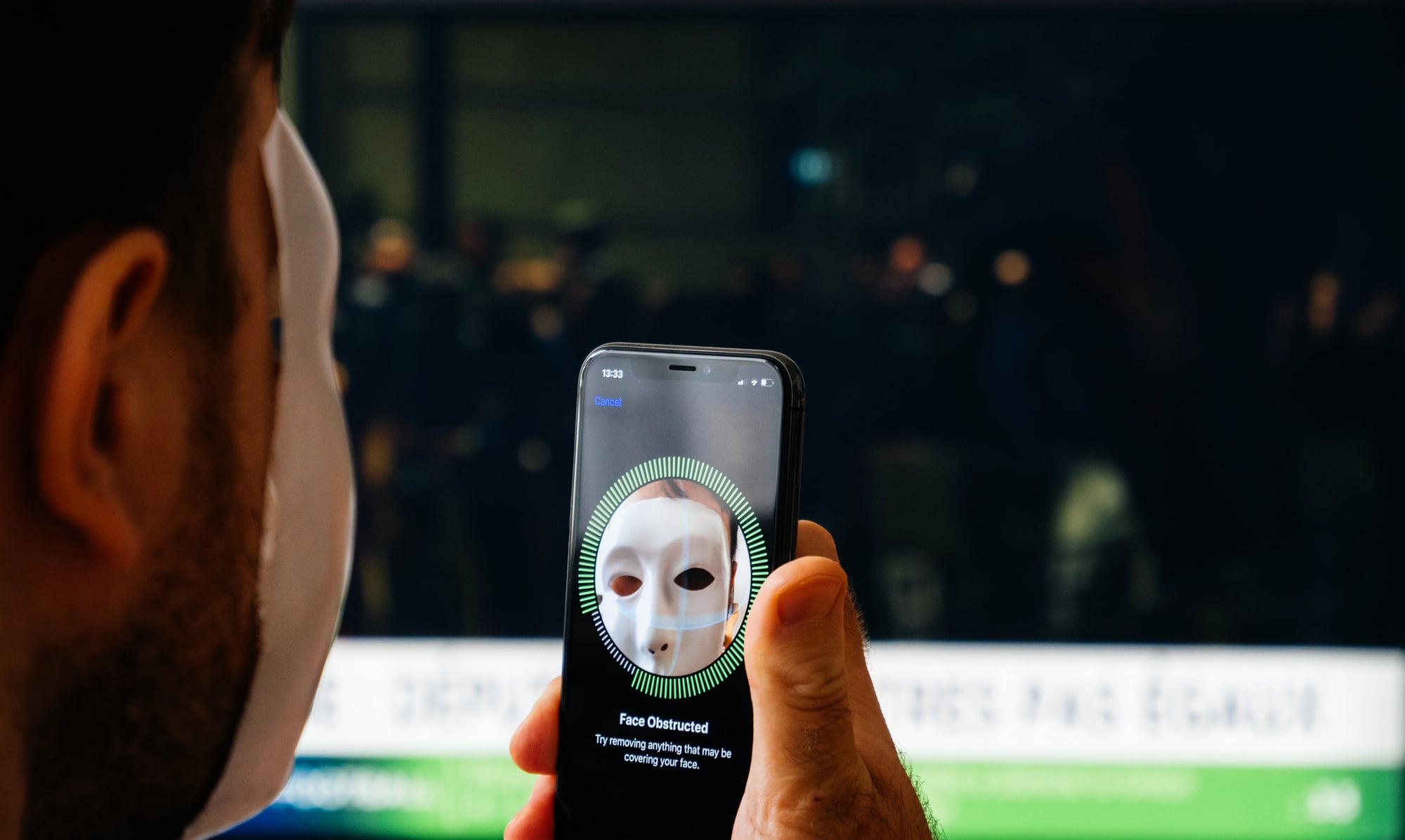
Facial recognition technology has become so common that we barely think about it anymore. But in 2010, you had to type in a passcode or maybe use a fingerprint scanner if you had a fancy phone.
The iPhone didn’t get Face ID until 2017. The idea that your phone could recognize your face, even in different lighting or if you grew a beard, would have sounded like spy movie technology.
Security experts worried it could never be secure enough, but now it’s standard on most phones.
Rent an electric scooter from a street corner
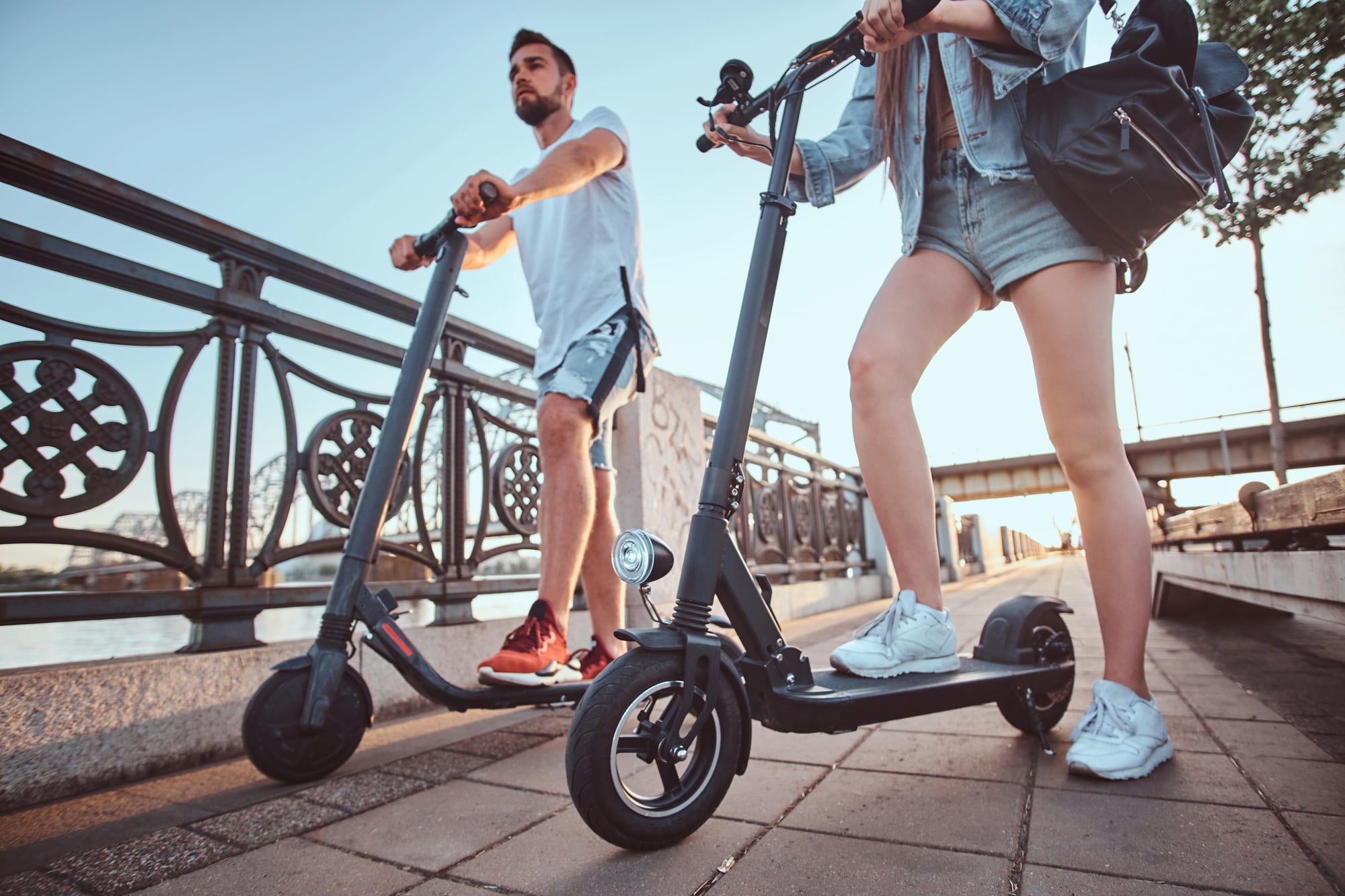
Electric scooters were toys for kids in 2010, not transportation for adults. Companies like Bird and Lime didn’t exist, and cities definitely didn’t have fleets of scooters sitting on every corner waiting to be rented.
The whole concept of finding a scooter with an app, riding it a few blocks, and leaving it wherever you wanted would have confused city planners and lawmakers. Now they’re everywhere, for better or worse, changing how people get around urban areas.
Ask a speaker to play any song ever recorded
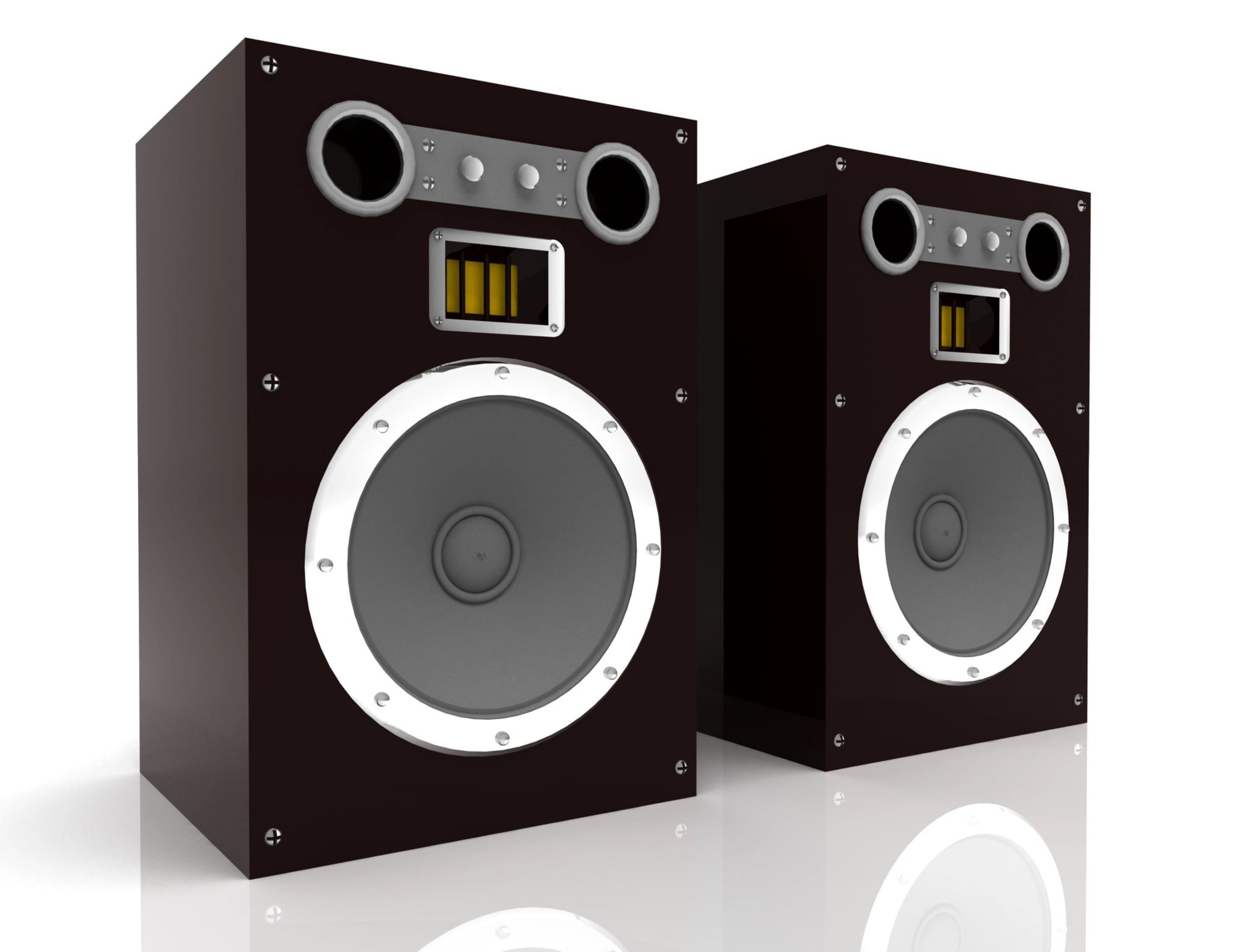
Smart speakers didn’t exist 15 years ago. The Amazon Echo launched in 2014, and Google Home came later.
In 2010, if you wanted to hear a specific song, you had to find the CD, download it from iTunes, or hope it came on the radio. Asking a device sitting on your counter to play literally any song from any decade and having it start instantly would have seemed impossible.
Voice assistants have become so normal that people yell at them when they don’t work right.
See inside someone’s home across the world

Social media has completely changed how we share our lives. Instagram Stories and TikTok didn’t exist in 2010.
Facebook was still mostly about status updates and photos from last weekend. The idea that regular people would constantly broadcast their daily lives, including video tours of their homes, meals, and mundane activities, would have seemed narcissistic or weird.
Now it’s how millions of people stay connected, and not having a social media presence is what seems strange.
Get in a stranger’s car you summoned with an app
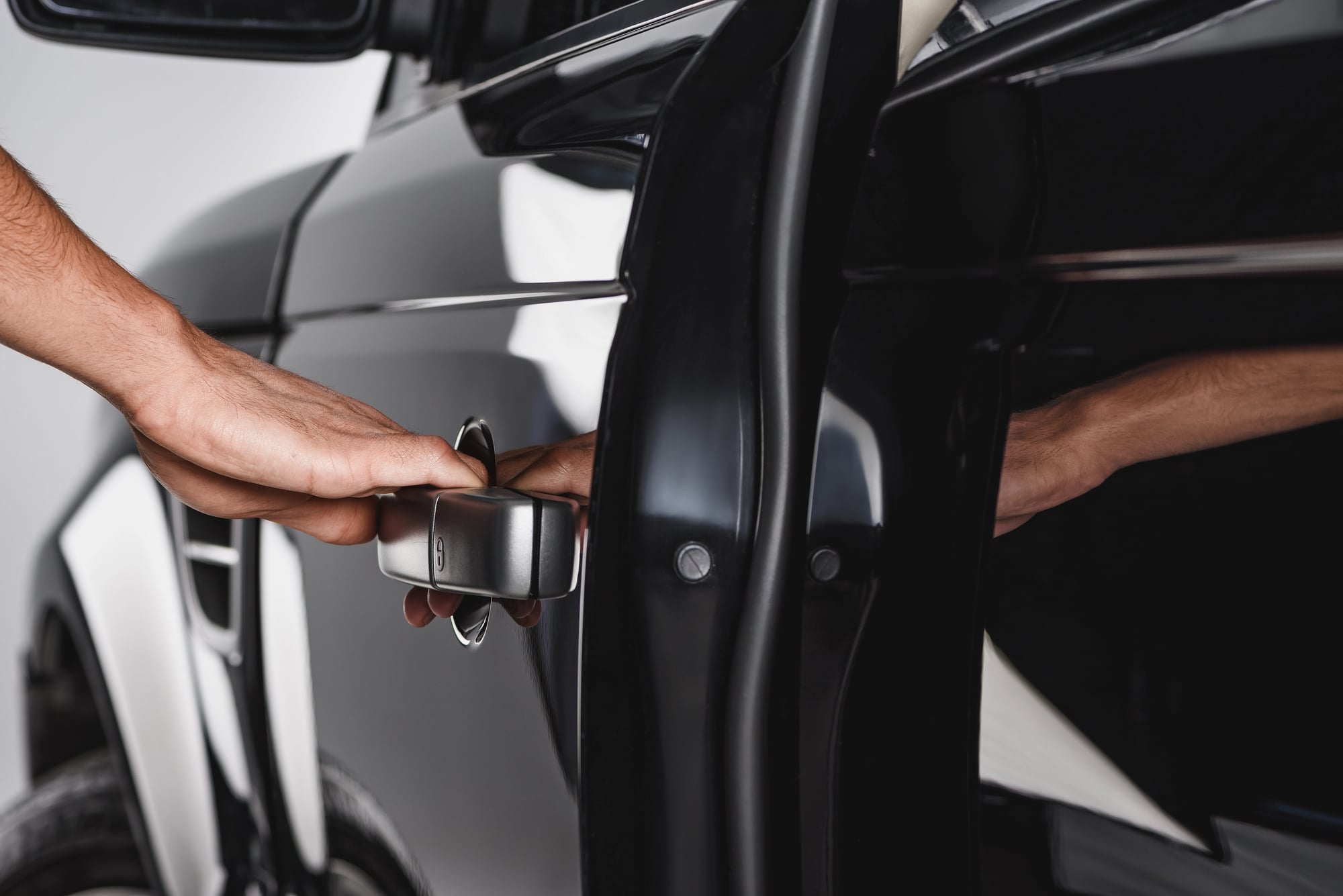
Uber launched in 2010, but it was tiny and only operated in San Francisco. The concept hadn’t spread nationwide yet, and Lyft didn’t exist.
Getting into a random person’s car that you called with your phone would have sounded dangerous to most people. Taxis were still the standard, and you had to call them or flag them down on the street.
The whole gig economy of regular people driving others around for money has completely changed transportation in just 15 years.
Deposit a check by taking a picture
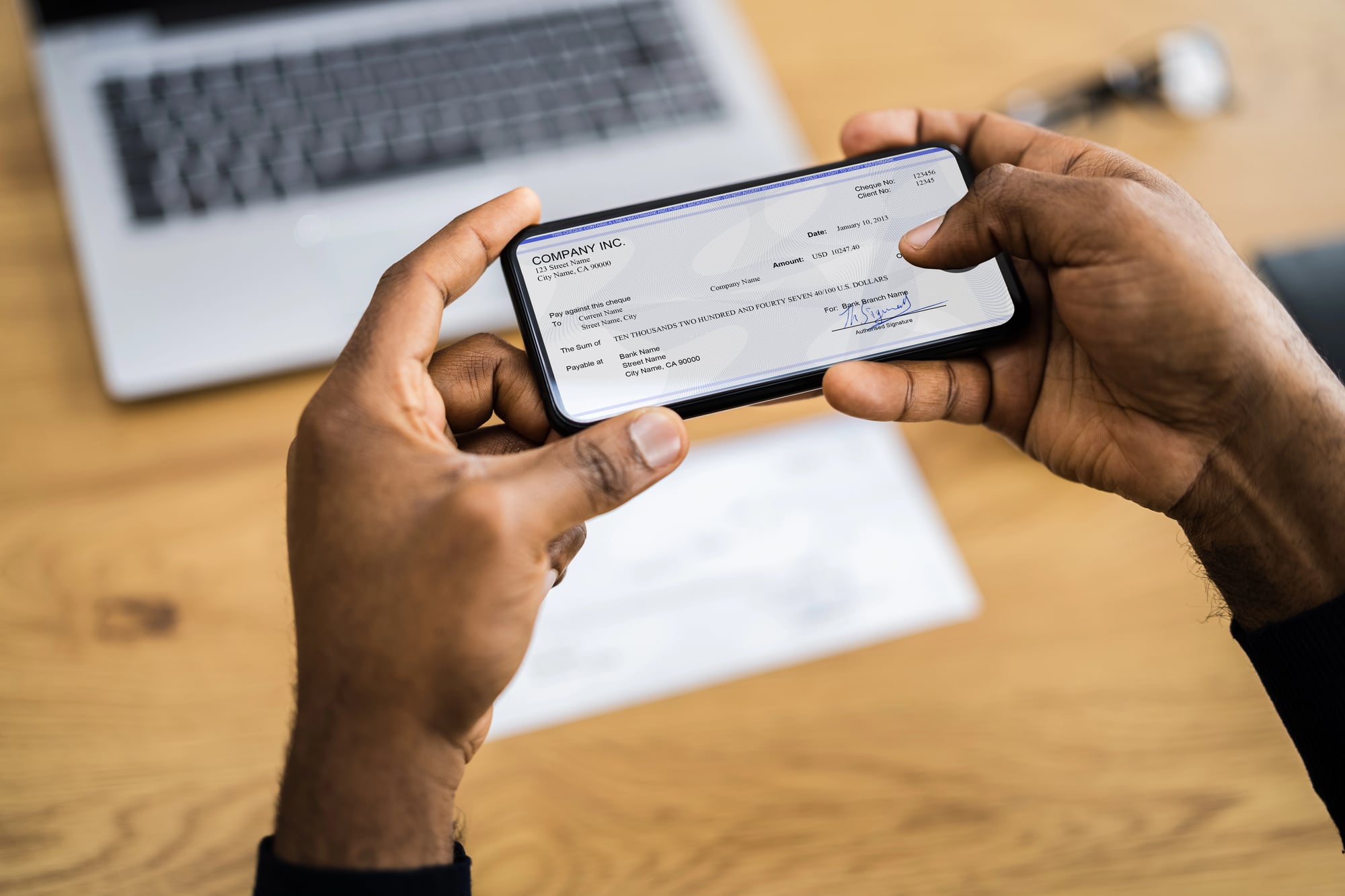
Mobile check deposit seems so simple now, but it wasn’t widely available in 2010. Most banks didn’t offer it, and the ones that did had strict limits.
You had to actually go to the bank or an ATM to deposit checks, which meant keeping track of paper and making special trips. The idea that taking a photo of a check with your phone would put money in your account would have raised serious security concerns.
Now even grandparents do it without thinking twice.
Control your home’s temperature from another country
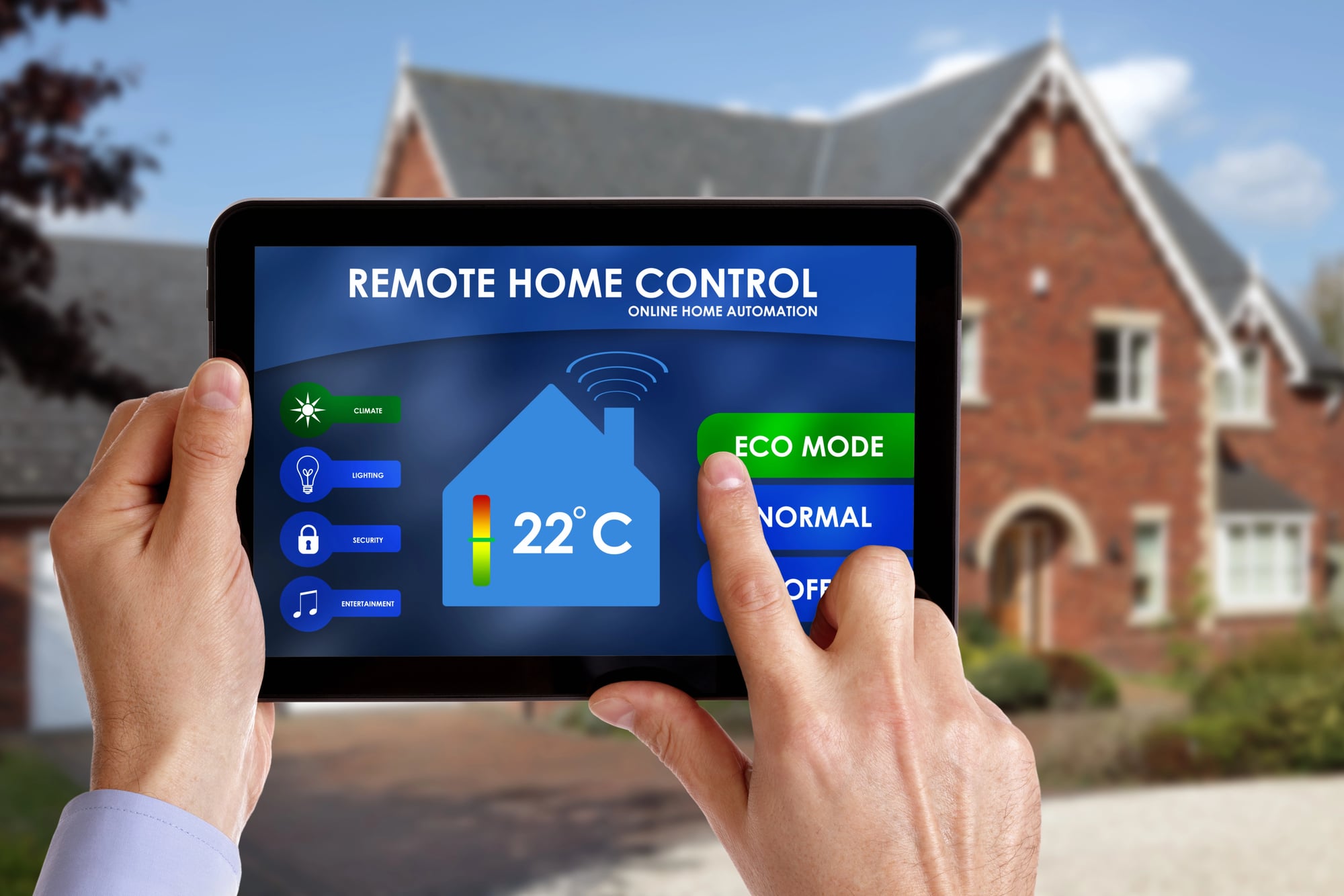
Smart thermostats existed in basic forms 15 years ago, but they couldn’t be controlled from your phone. The Nest thermostat, which really popularized the idea, came out in 2011.
Before that, you had to be home to adjust the temperature or program it ahead of time and hope your schedule didn’t change. Now people can check their home’s temperature from vacation, adjust it before they arrive, and even get alerts if something goes wrong.
The whole smart home concept has exploded beyond what anyone imagined.
Learn almost anything for free from experts

Online education has transformed completely since 2010. YouTube existed, but it wasn’t the educational powerhouse it is now.
Platforms like Coursera, Udemy, and Khan Academy were either brand new or didn’t exist yet. The idea that you could learn programming, languages, cooking techniques, or advanced mathematics from world-class instructors for free or cheap would have threatened traditional education.
Now people build entire careers based on skills they learned online, and universities have had to adapt.
Find a date by swiping on faces

Tinder launched in 2012, completely changing how people meet. In 2010, online dating still had a stigma, and most sites required filling out long questionnaires.
The idea of rapidly judging potential partners based mainly on their photos would have seemed shallow. Dating apps have become so normal that meeting someone in person first now requires an explanation.
The whole swipe culture has influenced everything from job hunting to finding apartments.
Edit professional-quality videos on a phone

Back in 2010, phones struggled just to capture clear footage – forget about tweaking it later. Tools such as mobile iMovie lacked the muscle they’ve got today; instead, real editing meant pricey desktop programs.
Imagine telling a director back then that you’d make polished videos start-to-finish using only what fits in your jeans – and actually pull it off? They wouldn’t believe you.
These days, kids whip out clips on their smartphones that beat the quality of TV from over a decade past.
Follow your parcel’s precise spot live

Back in 2010, tracking packages was around – though pretty limited. Once it left the warehouse, you’d hear about it; once delivered, another note might show up, with possibly a checkpoint or two along the way.
These days? You can see exactly where your courier is right now, almost at your door. Snapshots pop up showing just where they dropped off the box.
Alerts come through each time something shifts. Even Amazon’s slapped cameras onto their vans.
Such close monitoring would’ve felt weird – or even too much – not so long ago. Still, today folks stress out if they don’t know every single move.
Grab meals from your favorite spot – sent right to you

Back in 2010, getting food brought to you usually meant grabbing a slice or some takeout – unless you were in a major metro area, choices stayed pretty limited. Instead of today’s apps, folks had to call places directly.
Back then, dreaming about having a sandwich from that shop miles away, plus fresh rolls from your go-to sushi joint, along with supplies from different markets dropped at your doorstep felt like something only an aide could pull off. These days, ordering meals online is normal; actually, tons of eateries earn bigger bucks through deliveries compared to serving guests inside.
How fast everyday things shift

The speed of changes in the last 15 years was wild – most new stuff came slow, so we didn’t realize how needed they’d become. Stuff once seen as sci-fi or only for rich folks?
Now it’s just normal. Here’s the cool part: thinking about what we’ll do by 2040 that feels crazy right now.
Truth is, tomorrow shows up quietly – one small gadget after another.
More from Go2Tutors!

- The Romanov Crown Jewels and Their Tragic Fate
- 13 Historical Mysteries That Science Still Can’t Solve
- Famous Hoaxes That Fooled the World for Years
- 15 Child Stars with Tragic Adult Lives
- 16 Famous Jewelry Pieces in History
Like Go2Tutors’s content? Follow us on MSN.