20 Times NASA Scientists Were Shocked by Their Own Discoveries
Space exploration has always been filled with unexpected twists and turns. From the earliest days of rocketry to modern deep space missions, NASA scientists have encountered phenomena that challenged their understanding of the universe.
These moments of genuine surprise have often led to revolutionary changes in our scientific understanding. Here is a list of 20 times NASA scientists found themselves truly astonished by what they discovered in the vast reaches of space and within our own solar system.
Water on Mars
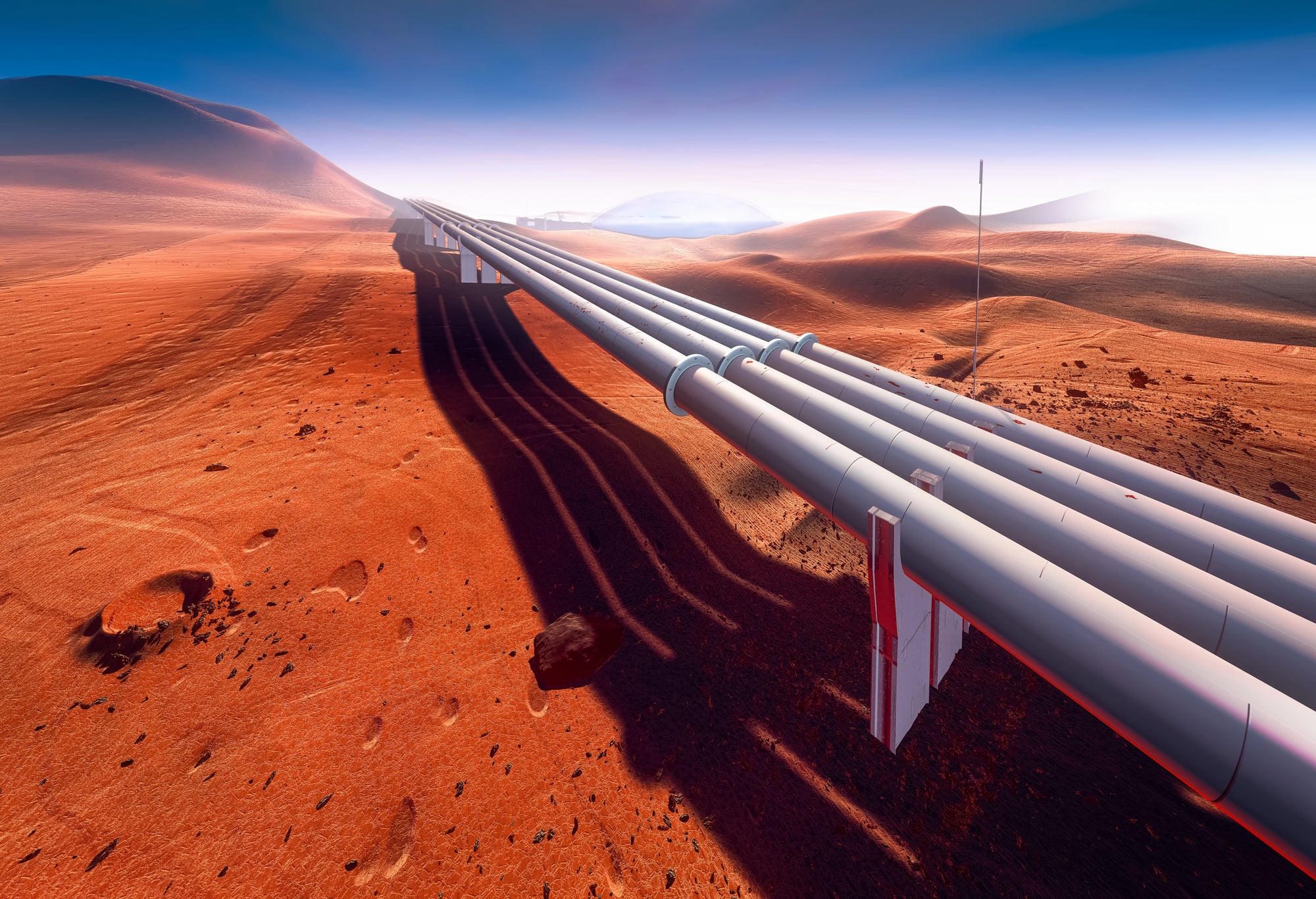
What looked like a dry, dusty planet turned out to be hiding a significant secret. When NASA’s Mars Reconnaissance Orbiter detected flowing water on the Martian surface in 2015, scientists at mission control erupted in celebration.
This discovery completely transformed our understanding of the Red Planet’s potential to harbor life, past or present.
Enceladus Geysers
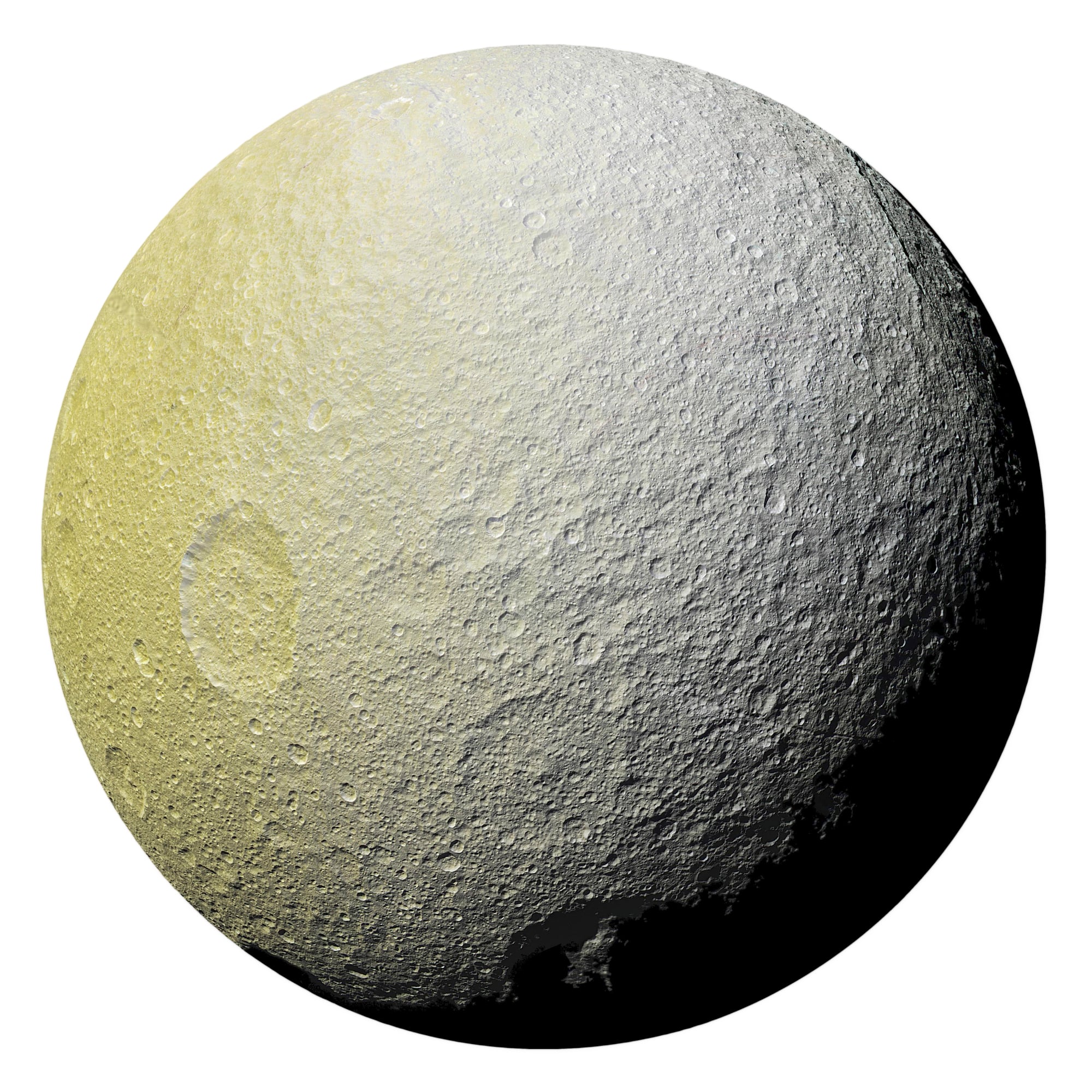
Saturn’s icy moon Enceladus surprised everyone when the Cassini spacecraft captured images of enormous water geysers erupting from its south pole. Scientists had expected another dead, frozen world but instead found a dynamic moon with a subsurface ocean that regularly shoots plumes of water vapor hundreds of miles into space.
The discovery was comparable to finding an oasis in what was thought to be a frozen desert.
Pluto’s Active Surface
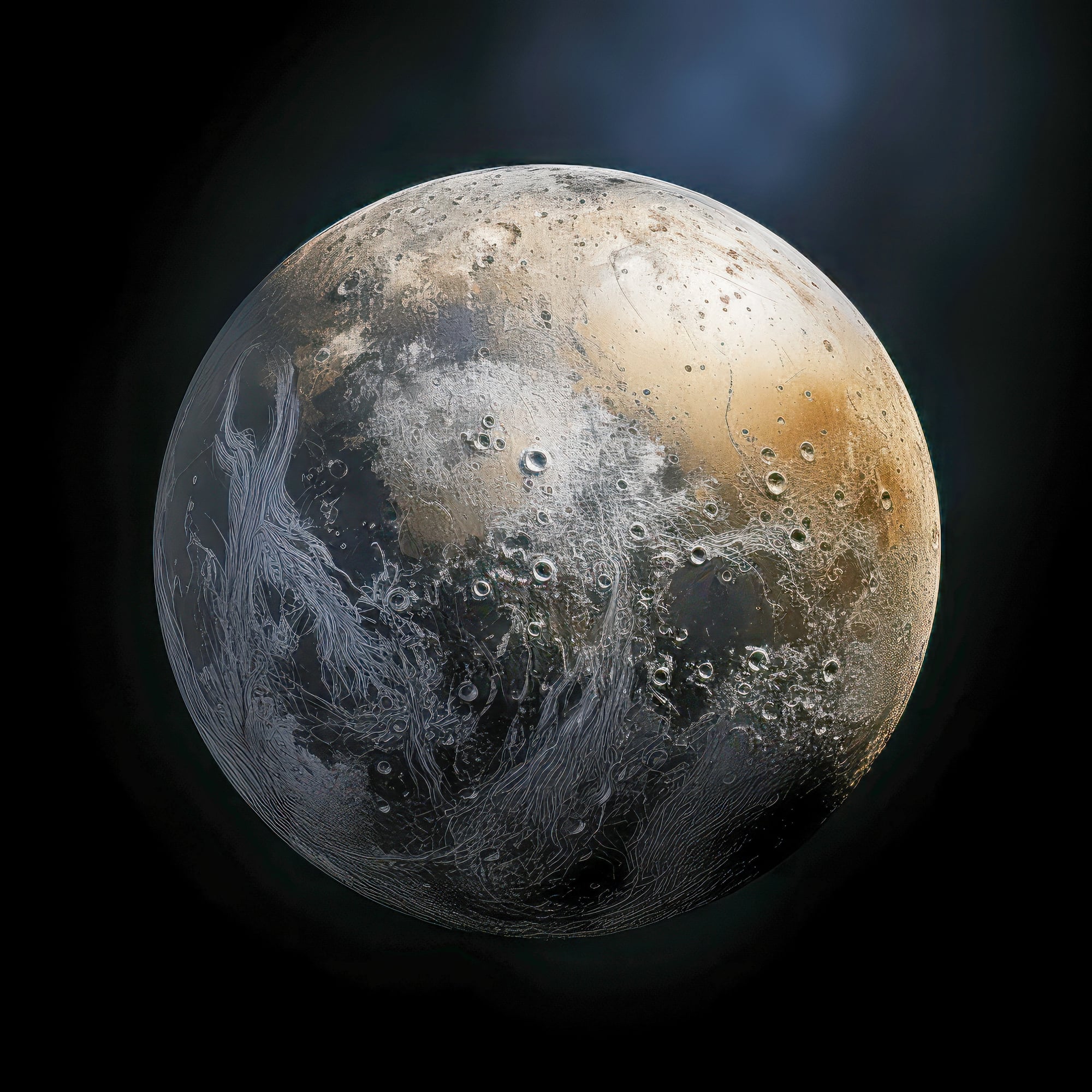
Far from being a static, frozen world, Pluto revealed itself to be geologically active when the New Horizons spacecraft flew by in 2015. Scientists were dumbfounded to discover mountains, nitrogen ice flows, and possible cryovolcanoes.
The heart-shaped region named Tombaugh Regio became an instant iconic image, showing surface features as young as 100,000 years—practically yesterday in geological terms.
Exoplanet Abundance
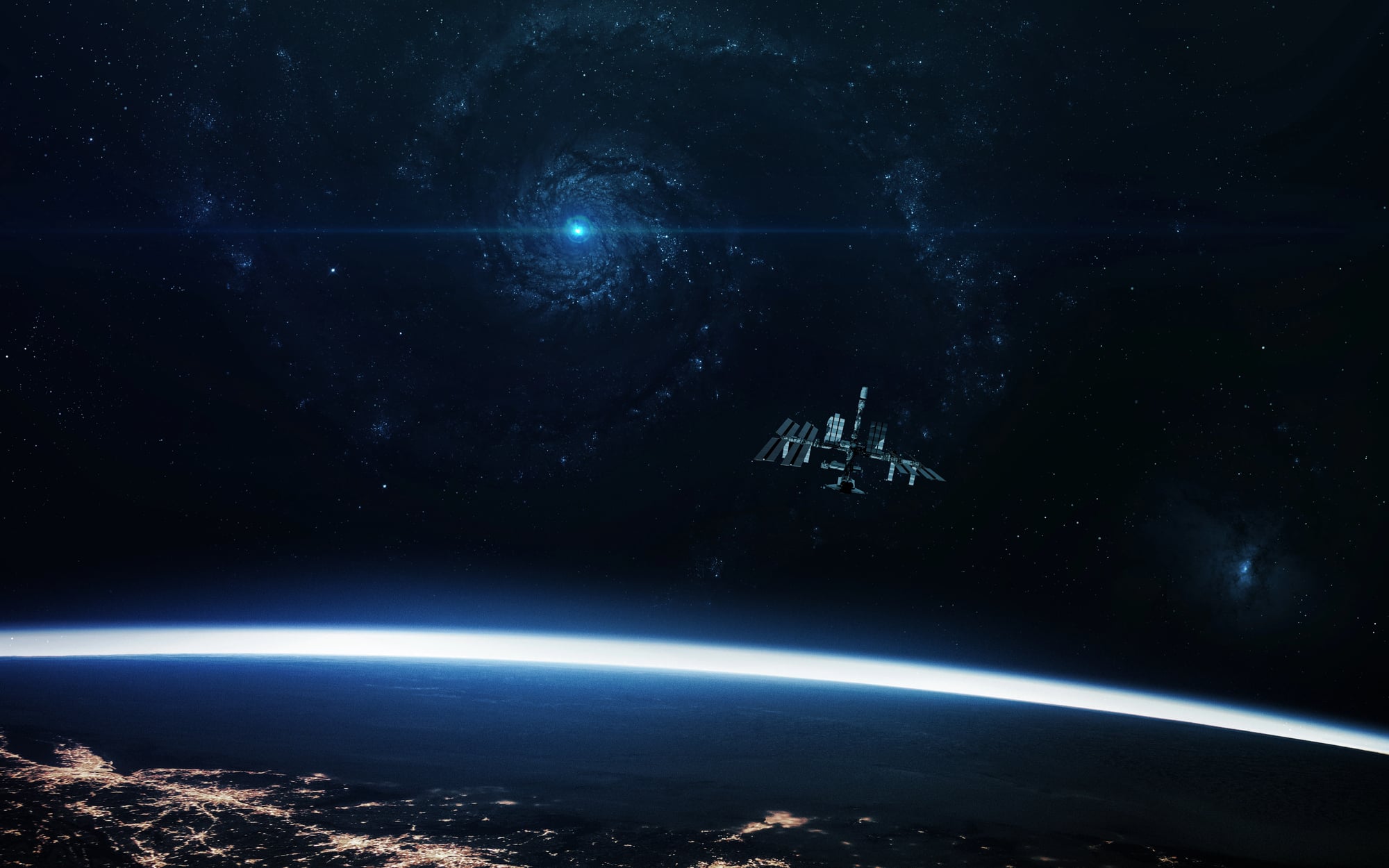
The Kepler Space Telescope left NASA scientists speechless when it revealed just how common planets are throughout our galaxy. Before Kepler, experts debated whether planetary systems were rare; after its mission, we now know there are more planets than stars in the Milky Way.
This discovery transformed our understanding of the potential for life elsewhere in the universe.
The Golden Record Response
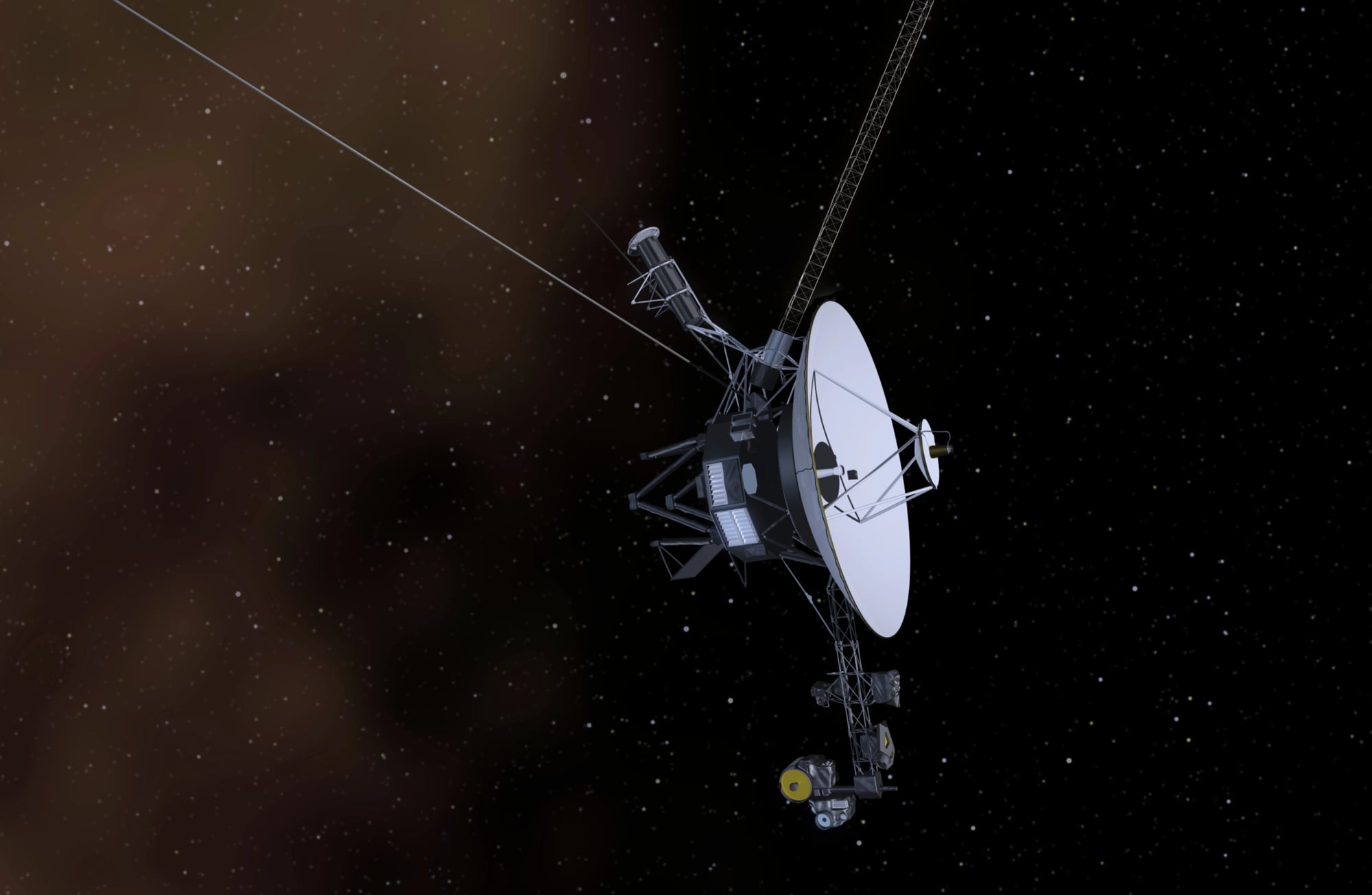
When Voyager 1 detected a mysterious “hum” in interstellar space in 2013, scientists were taken aback. The spacecraft, launched in 1977 with a golden record of Earth sounds, seemed to be picking up the vibrations of interstellar gas.
This unexpected phenomenon gave researchers entirely new data about the space between stars—regions once thought to be nearly empty.
Lunar Water Ice
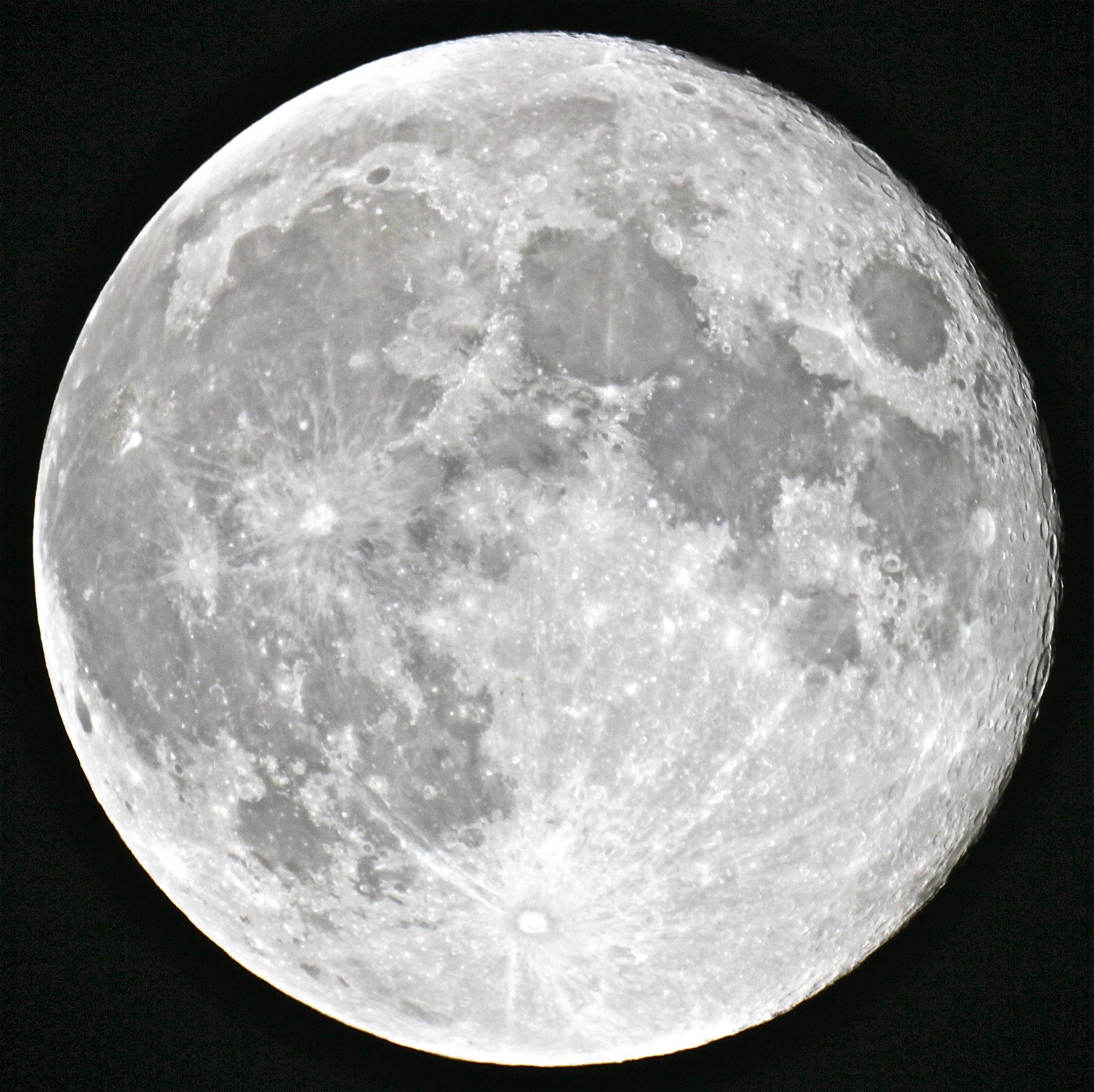
NASA scientists were astounded when the LCROSS mission deliberately crashed into a lunar crater in 2009 and detected significant amounts of water ice. The moon, long thought to be bone dry, suddenly became a potential resource for future human exploration.
This finding changed decades of scientific consensus about our closest celestial neighbor.
Jupiter’s Chaotic Storms

The Juno spacecraft sent back images of Jupiter that left NASA teams utterly amazed. Instead of the organized band structures seen from Earth, Juno revealed chaotic, swirling storms at the poles that resembled works of abstract art.
These massive cyclones, some larger than Earth itself, showed that even familiar planets can hide extraordinary surprises.
Ceres Bright Spots
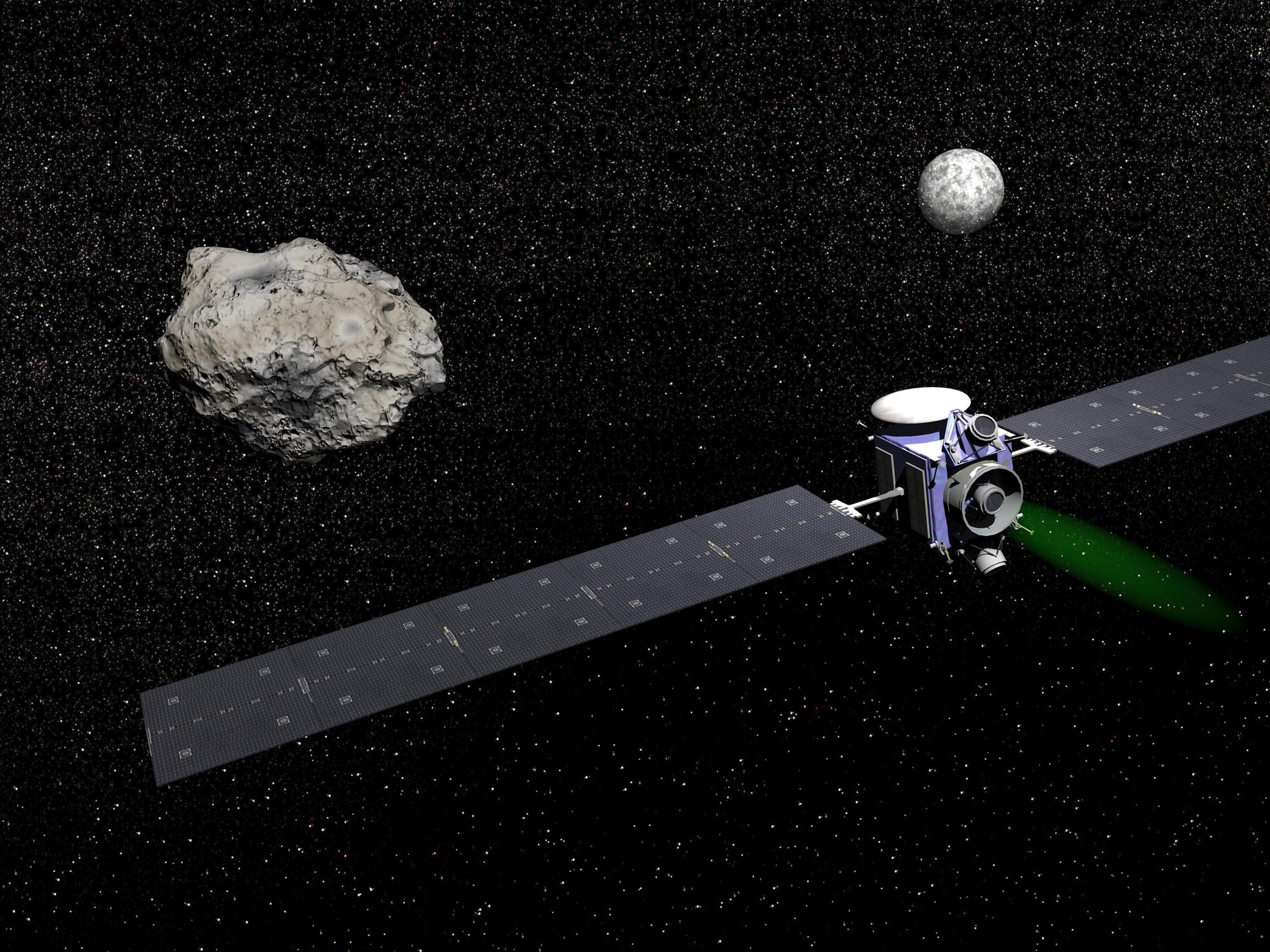
When the Dawn spacecraft approached the dwarf planet Ceres, scientists were puzzled by mysteriously bright spots that appeared on its surface. Initial theories ranged widely until they determined the spots were salt deposits, indicating recent geological activity on what was expected to be a primitive, unchanged world.
This finding suggested Ceres might have subsurface water, challenging our models of asteroid formation.
The Interstellar Visitor
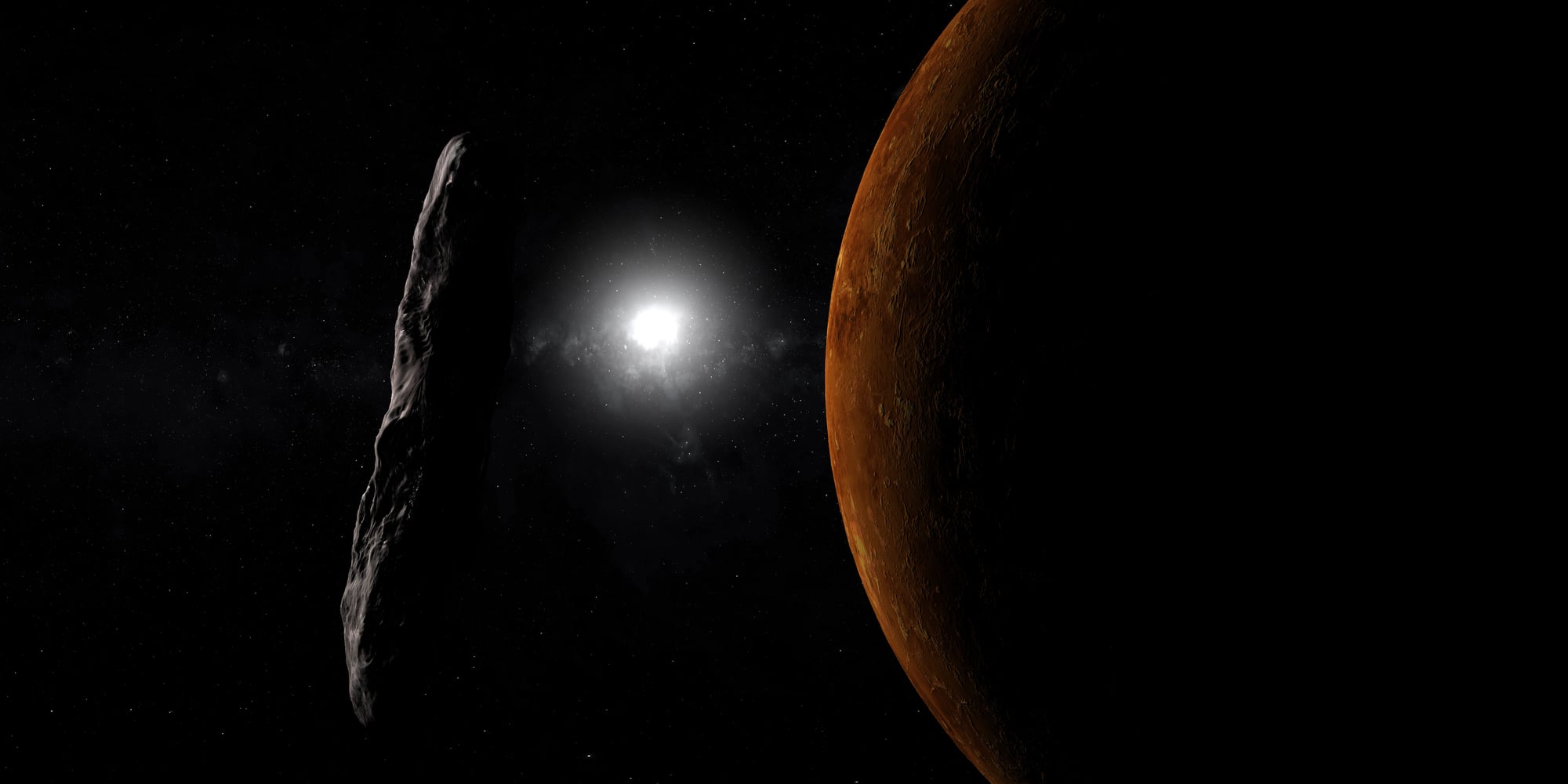
In 2017, astronomers detected ‘Oumuamua, the first confirmed interstellar object to pass through our solar system. Its unusual cigar-like shape and unexpected acceleration away from the sun left NASA scientists scrambling for explanations.
This cosmic visitor suggested our solar system regularly encounters objects from other star systems—a possibility not seriously considered before.
The Atmospheric Fence

NASA’s MAVEN Mars orbiter discovered that the solar wind creates an unexpected electric field around Mars, forming a kind of invisible atmospheric “fence.” Scientists were amazed to find this process accelerates the escape of Mars’ atmosphere into space.
This revelation provided crucial insights into how Mars transformed from a potentially habitable world to the desert planet we see today.
Supermassive Black Hole Image
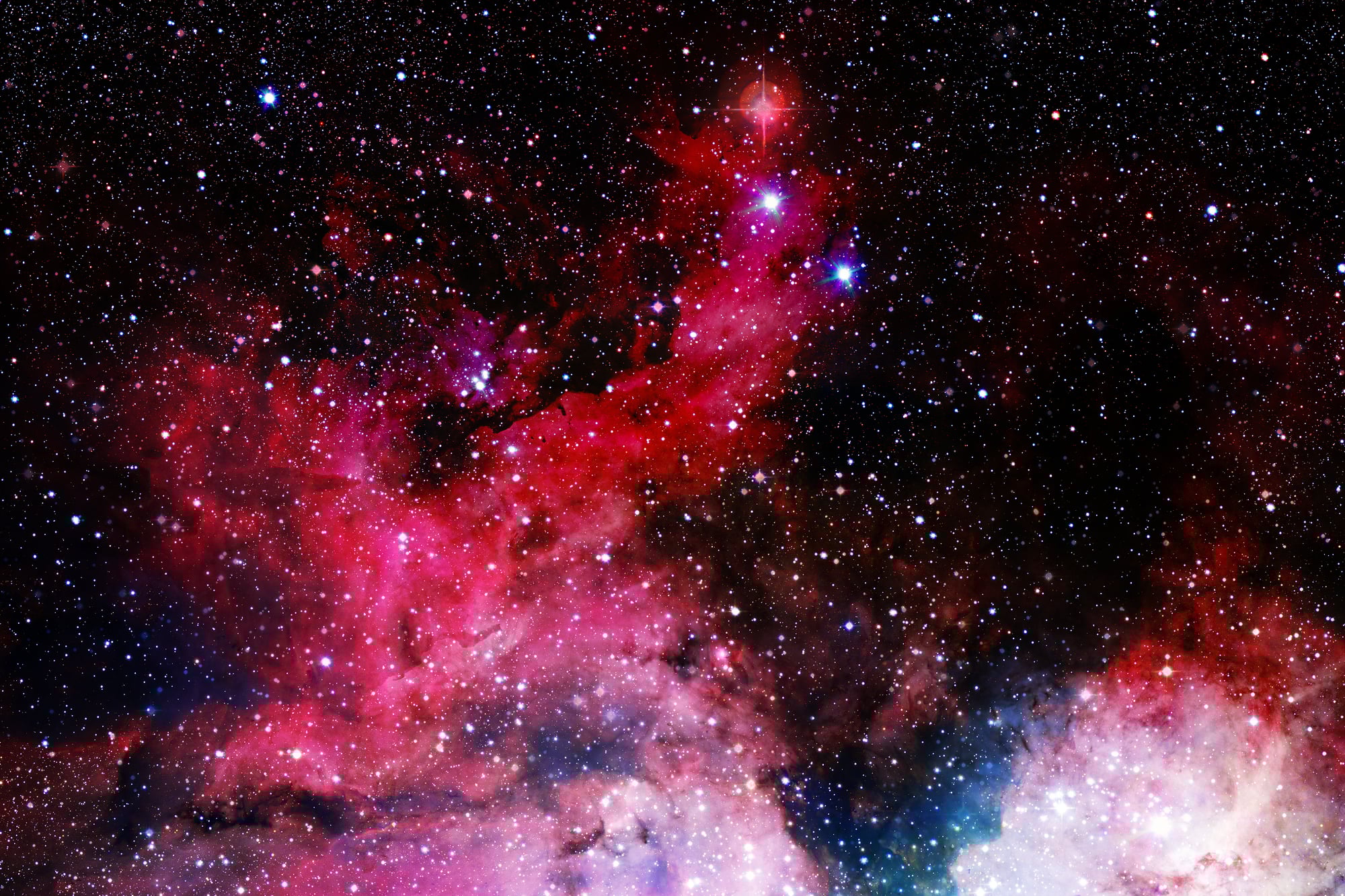
When the Event Horizon Telescope collaboration (which included NASA scientists) captured the first image of a black hole in 2019, researchers were awestruck. The glowing orange ring around the supermassive black hole in galaxy M87 matched Einstein’s predictions with uncanny accuracy.
Seeing the unseeable confirmed decades of theoretical work in one astonishing image.
Saturn’s Hexagon

The Cassini mission revealed a perfectly hexagonal storm at Saturn’s north pole that has persisted for decades. Scientists were baffled by this seemingly impossible geometric feature occurring naturally on another planet.
This massive six-sided jet stream, wider than two Earths, defied conventional explanations and remains one of the most visually striking phenomena in our solar system.
Venus Lightning
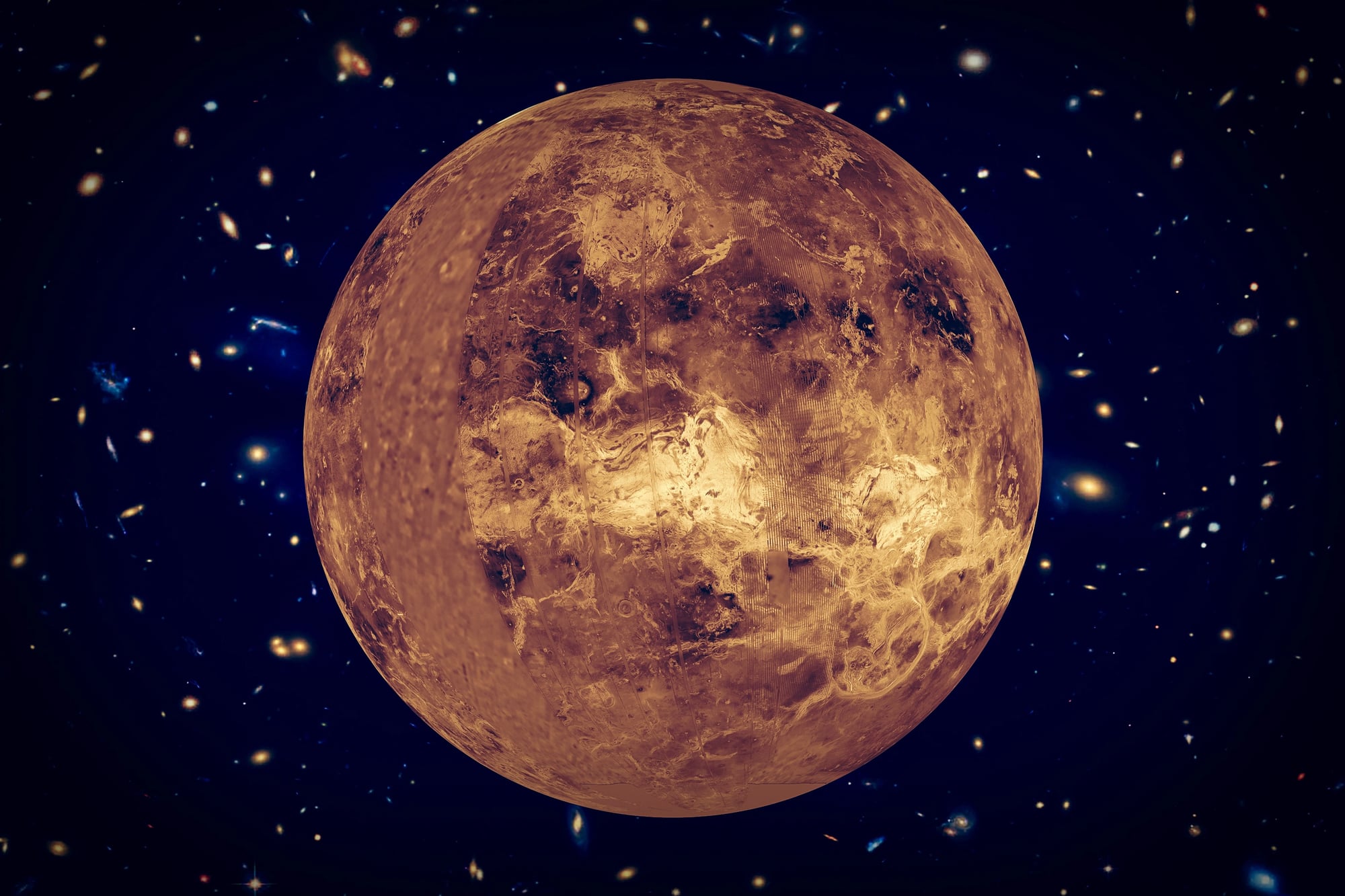
When NASA’s Pioneer Venus Orbiter detected electromagnetic impulses consistent with lightning in Venus’s atmosphere, researchers were stunned. The thick, dry cloud layer of Venus was thought incapable of generating the electrical activity needed for lightning.
This finding suggested Venus’s atmosphere is far more dynamic and Earth-like in some ways than previously believed.
The Hubble Deep Field
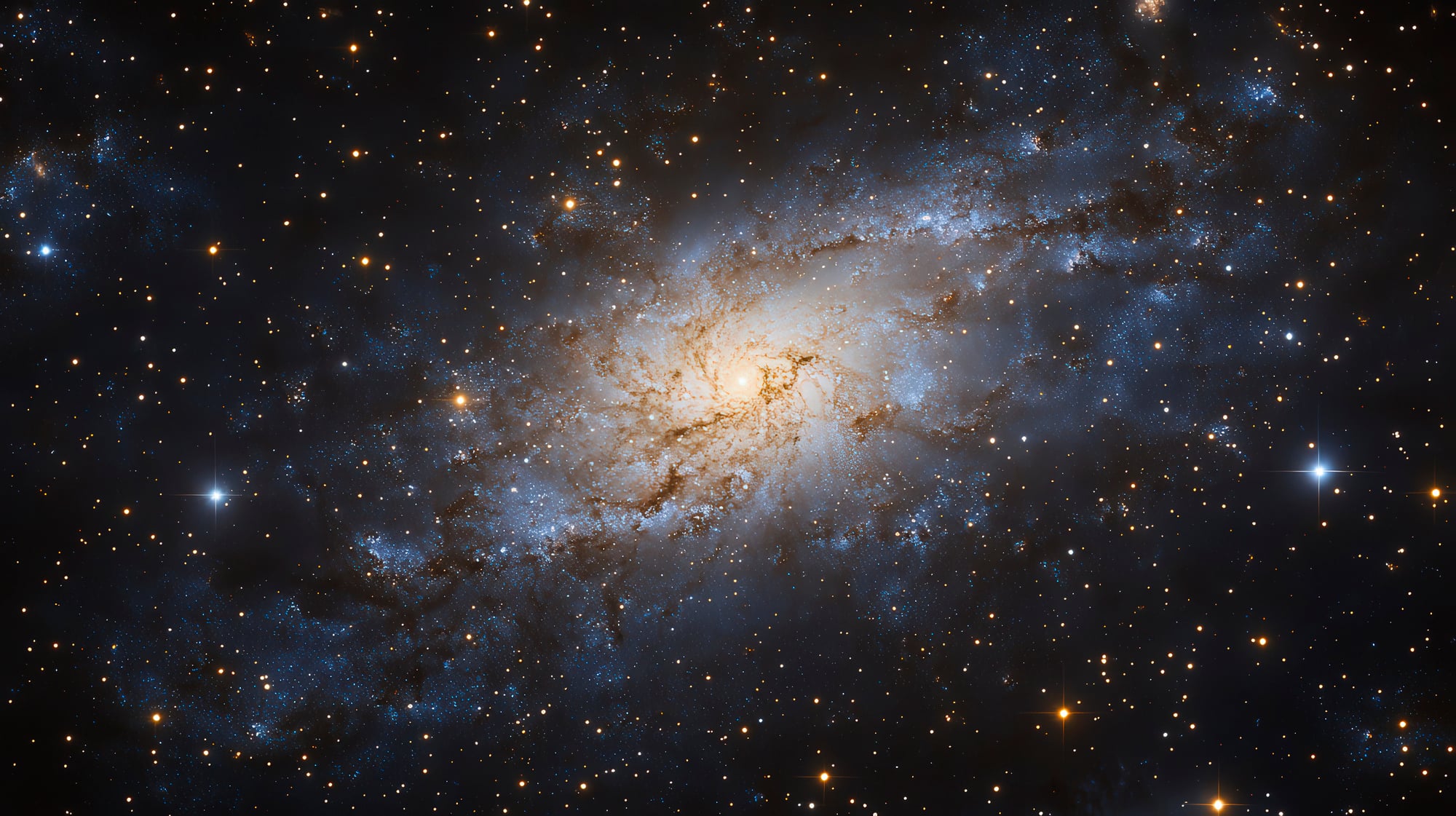
When the Hubble Space Telescope pointed at an apparently empty patch of sky for 10 days in 1995, scientists were overwhelmed by what appeared: nearly 3,000 galaxies at various stages of evolution.
This single image fundamentally altered our perception of the universe’s scale. What looked like nothingness revealed itself as an almost incomprehensibly rich tapestry of distant galaxies.
Mercury’s Ice Caps
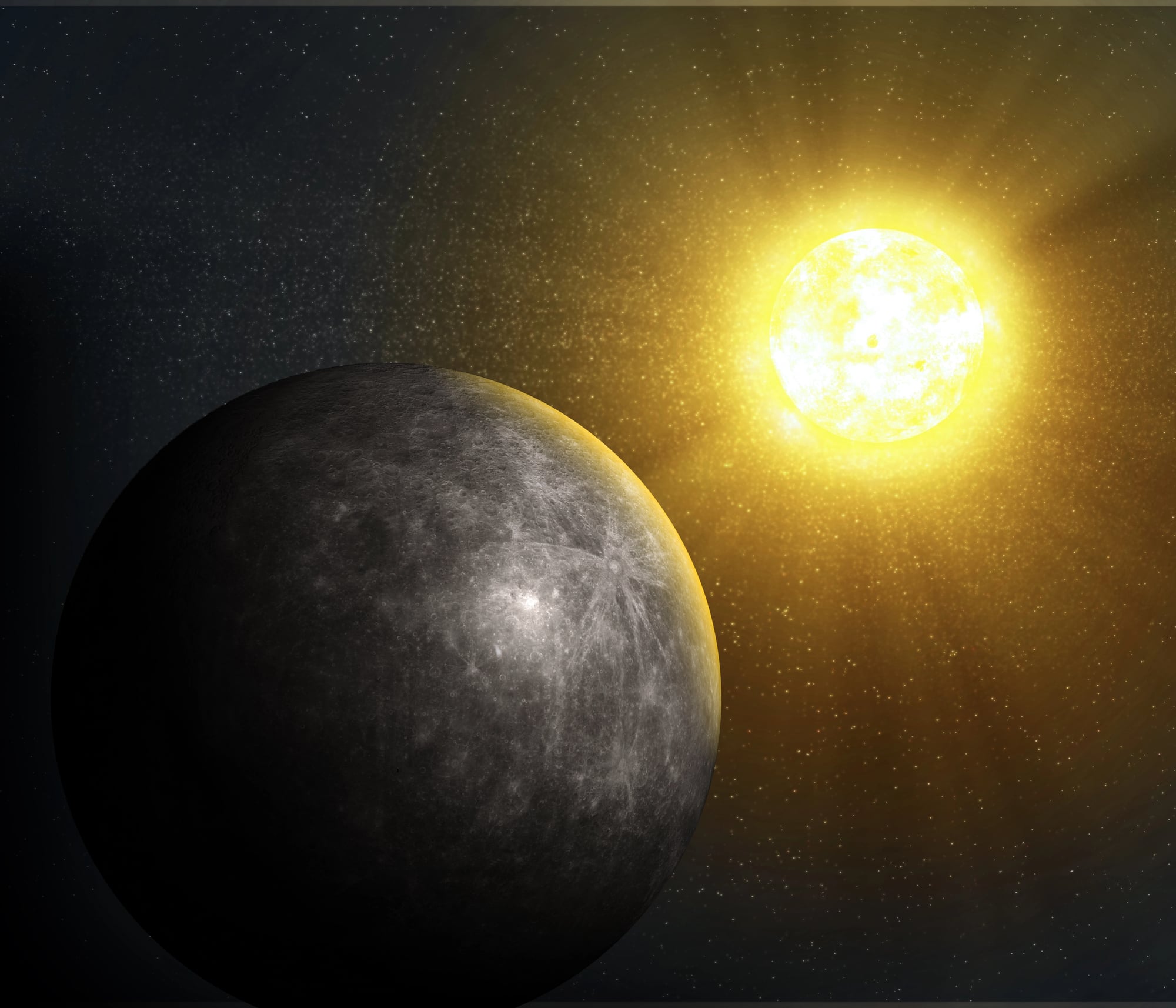
The MESSENGER spacecraft delivered a major surprise when it confirmed the existence of water ice at Mercury’s poles. Scientists were astonished to find frozen water on the closest planet to the sun, where surface temperatures can reach 800°F.
The ice exists in permanently shadowed craters that never receive sunlight, creating frigid pockets on an otherwise scorching world.
The Cosmic Microwave Background
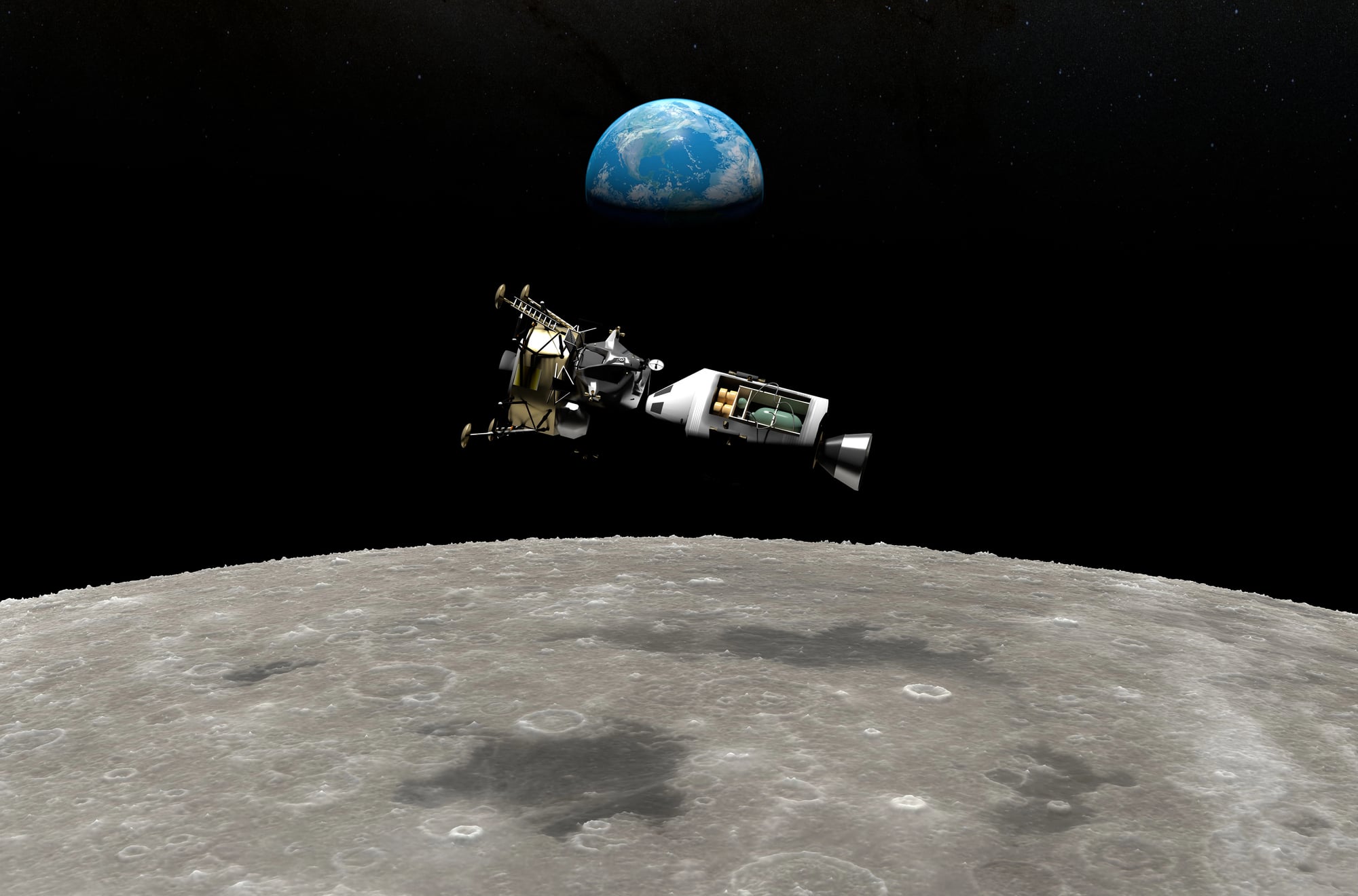
When the COBE satellite mapped the cosmic microwave background radiation in unprecedented detail, scientists were amazed by the subtle temperature variations that matched predictions about the early universe.
This “baby picture” of the cosmos, showing conditions just 380,000 years after the Big Bang, provided startling evidence for our models of cosmic evolution.
Earth’s Radiation Belts
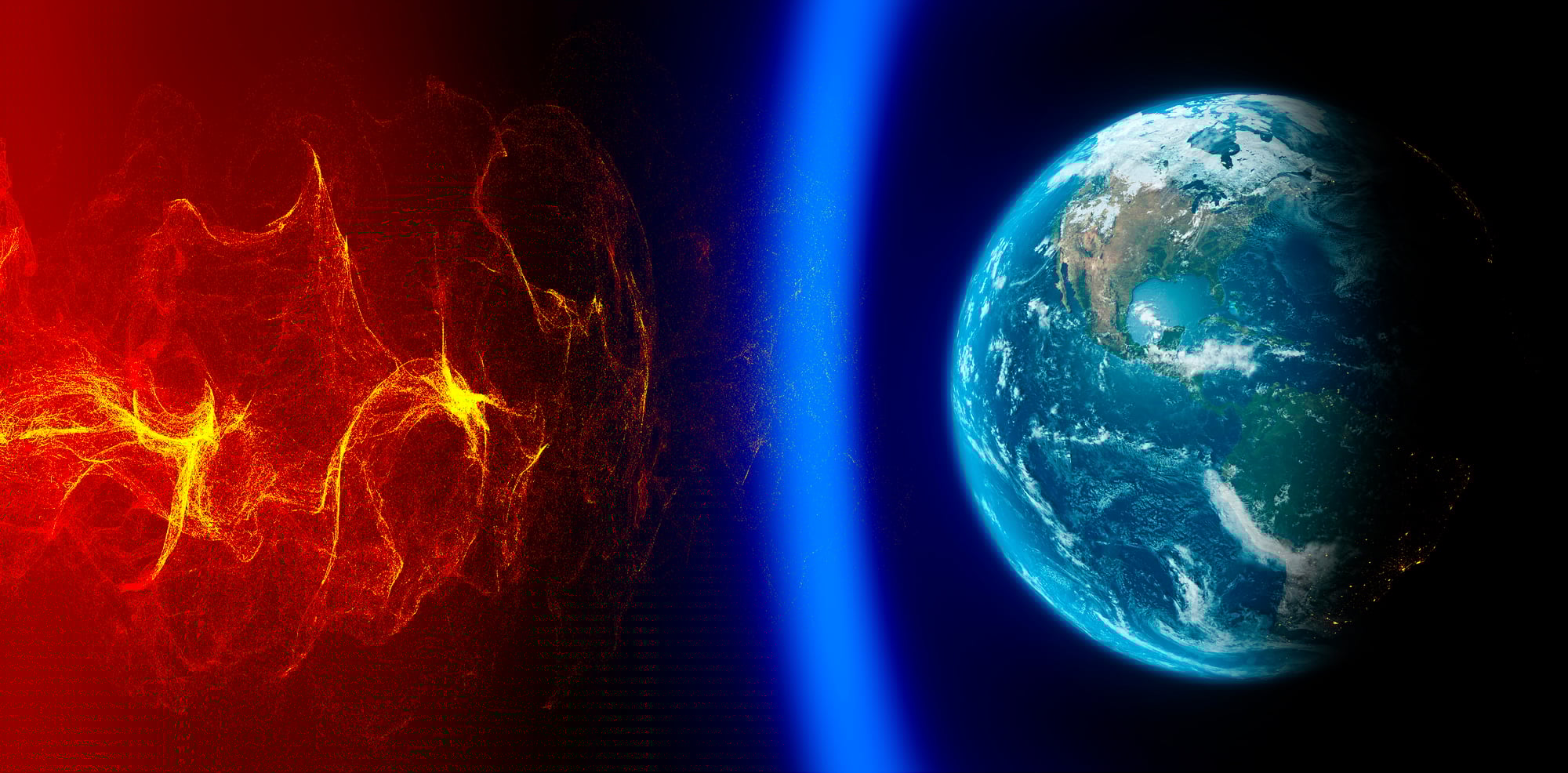
NASA’s Van Allen Probes mission discovered a previously unknown third radiation belt around Earth in 2013. This finding overturned 50 years of understanding about our planet’s magnetosphere.
Scientists were astonished that such a fundamental feature of our near-Earth environment had remained hidden for so long, despite decades of space exploration.
Titan’s Methane Lakes

The Cassini mission revealed that Saturn’s moon Titan has lakes and seas made of liquid methane and ethane, complete with shorelines, islands, and even seasonal weather patterns. Scientists were amazed to find Earth-like hydrological cycles using entirely different chemicals.
This discovery provided a glimpse of what chemistry-based life might look like in radically different environments.
The Accelerating Universe
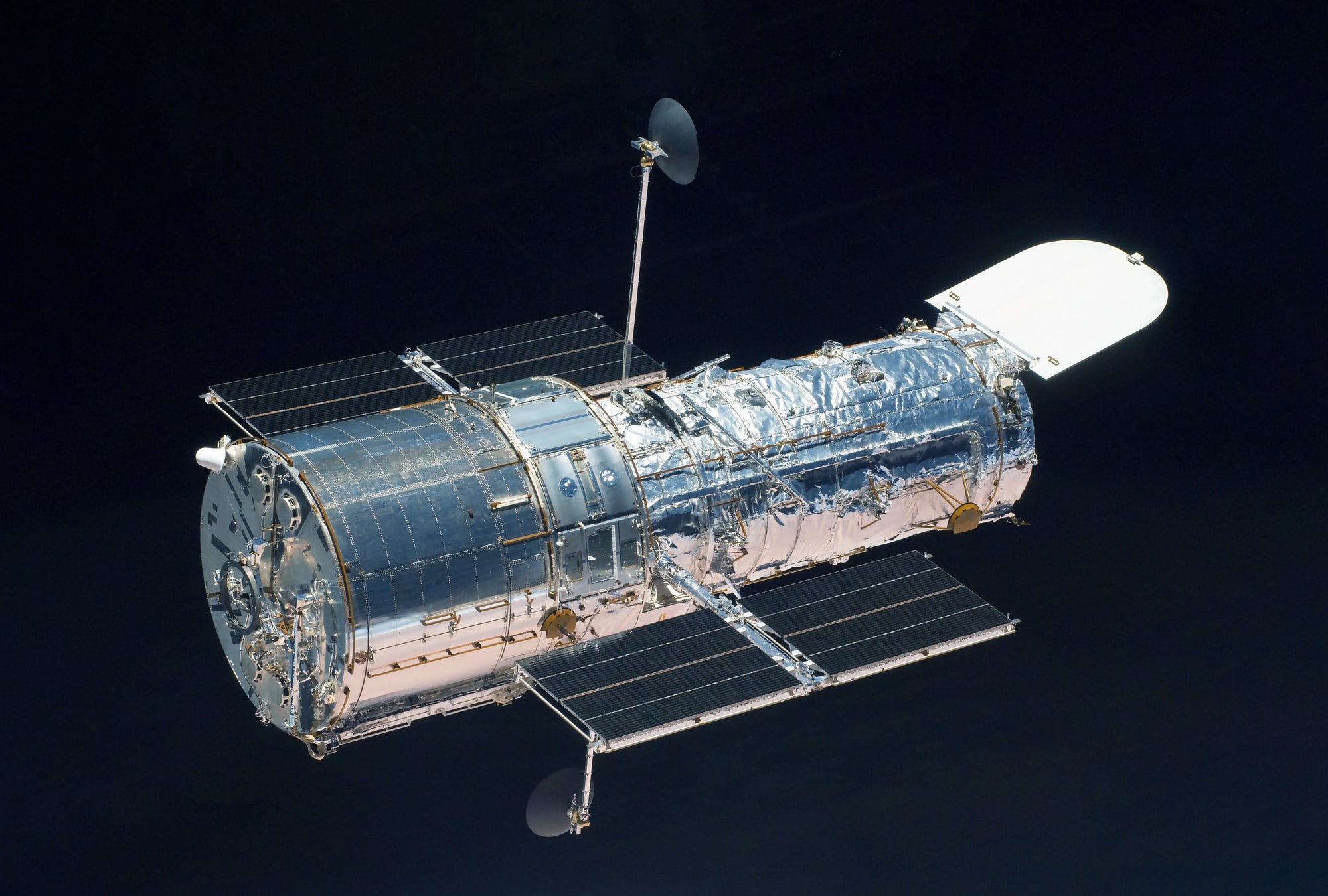
When NASA’s Hubble Space Telescope observations helped confirm that the universe’s expansion is accelerating, physicists were so shocked that many initially thought the data must be wrong. This discovery, which eventually won the Nobel Prize, forced scientists to propose the existence of dark energy—a mysterious force that works against gravity and constitutes roughly 68% of the universe.
The Silent Opportunity
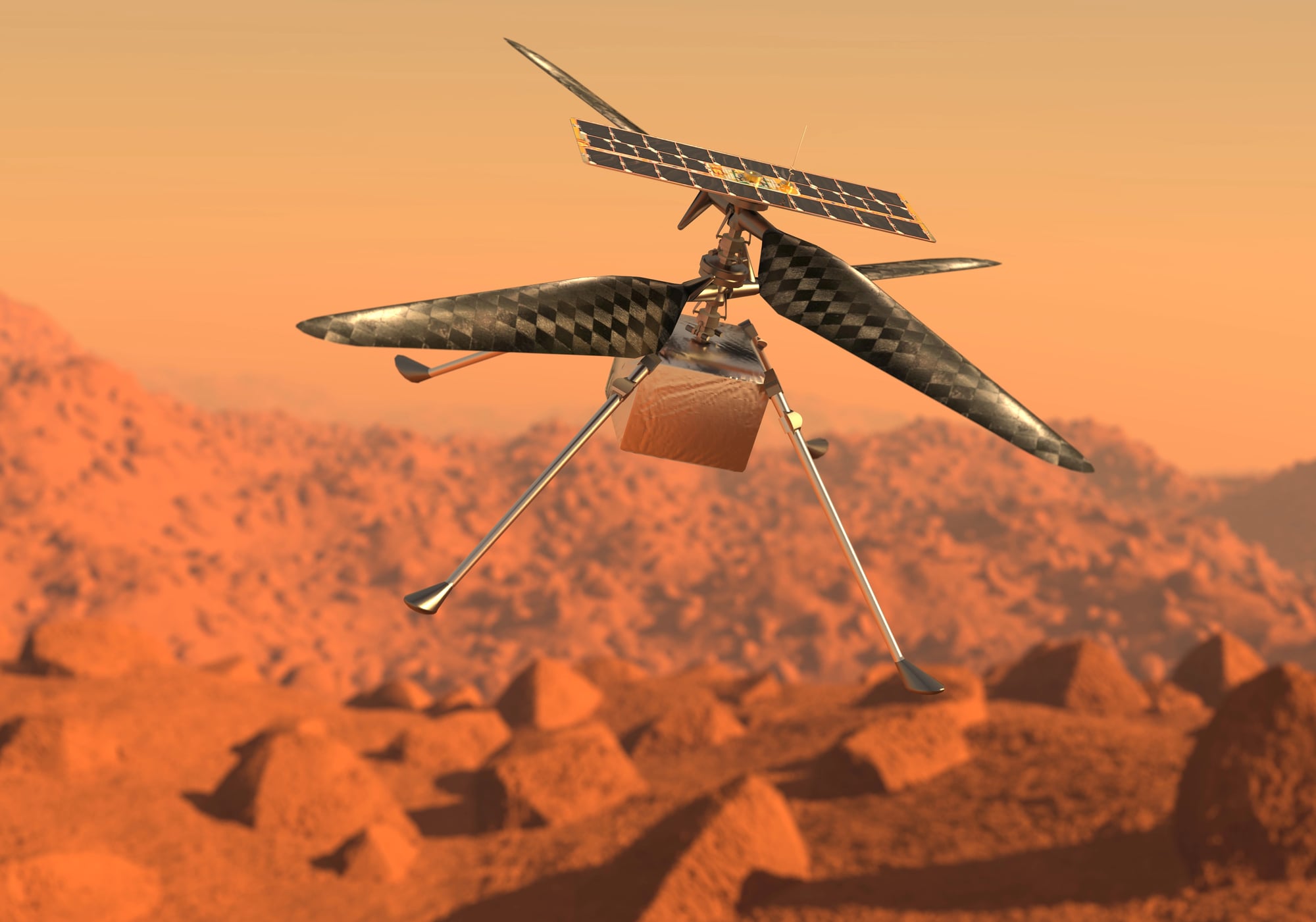
NASA engineers were stunned when the Opportunity rover, designed to last just 90 days on Mars, continued functioning for over 14 years. Having survived dust storms and harsh Martian winters, the rover’s final communication in 2018 during a planet-wide dust storm left mission specialists emotional.
This incredible longevity demonstrated how even the most well-engineered expectations can be drastically exceeded in space exploration.
Cosmic Perspective
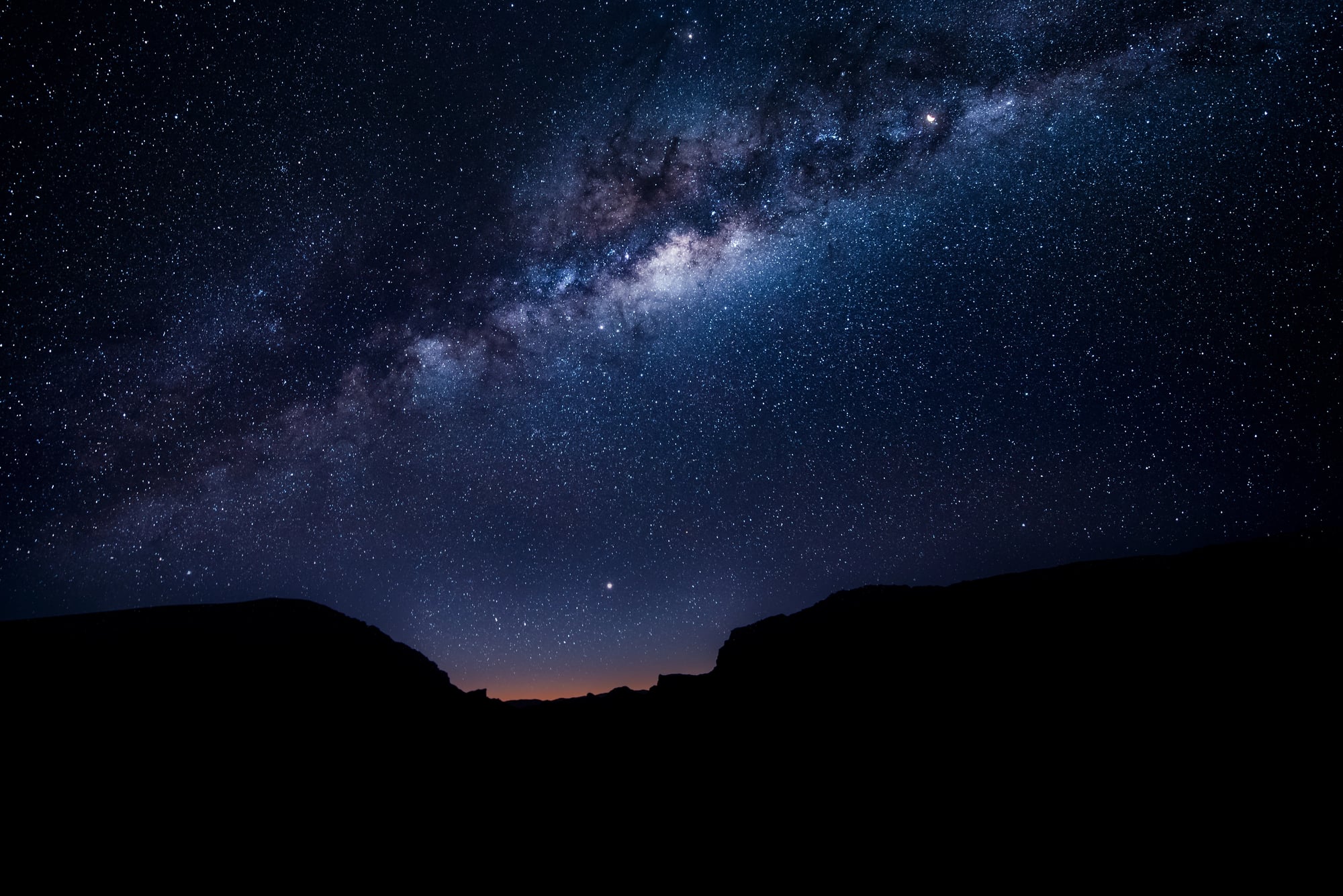
The journey through these astonishing discoveries reminds us that the universe remains full of mysteries waiting to be unraveled. Each surprise from NASA’s missions has expanded our understanding and inspired new questions.
As technology advances and new missions launch toward distant worlds, we can be certain that future scientists will continue to experience these moments of wonder that reshape our cosmic perspective.
More from Go2Tutors!

- The Romanov Crown Jewels and Their Tragic Fate
- 13 Historical Mysteries That Science Still Can’t Solve
- Famous Hoaxes That Fooled the World for Years
- 15 Child Stars with Tragic Adult Lives
- 16 Famous Jewelry Pieces in History
Like Go2Tutors’s content? Follow us on MSN.