25 Criminals Who Escaped Prison Using Methods That Sound Like Movie Plots
The most legendary prison breaks rarely follow standard escape narratives. Instead, they showcase the kind of ingenuity, audacity, and coordination that filmmakers depend on for blockbuster heist films.
These documented escapes prove that sometimes reality exceeds fiction when criminals with nothing to lose combine cunning with meticulous planning. From tunnels constructed with engineering precision to helicopters landing in prison yards, these escapes demonstrate how desperation and creativity can overcome some of the world’s most secure facilities.
Many of the escapees eventually faced recapture, but their methods have become the stuff of law enforcement legend and popular culture obsession.
Frank Morris and the Anglin Brothers – The Alcatraz Escape

On June 11, 1962, Frank Morris and brothers John and Clarence Anglin escaped from “The Rock” using tools constructed entirely from prison materials. Over six months, they dug through their cell walls using spoons, fashioned a raft from fifty stolen raincoats glued together and sealed with steam pipes, converted a concertina into a bellows to inflate the raft, and created a vacuum cleaner motor into an electric drill.
They left papier-mâché decoy heads in their beds and were never definitively confirmed dead, with some evidence suggesting they reached Brazil.
Michel Vaujour – The Nectarine Grenade Helicopter Escape

In 1986, this French bank robber forced his way onto a prison roof in Paris by wielding objects he had painted to look like hand grenades. His wife Nadine, who had spent months learning to pilot a helicopter specifically for his rescue, picked him up and flew him to a football field where a getaway car waited.
The couple was captured weeks later, but their ingenuity and dedication to the plan made international headlines and became the subject of a documentary film.
Joaquín “El Chapo” Guzmán – The Mile-Long Tunnel
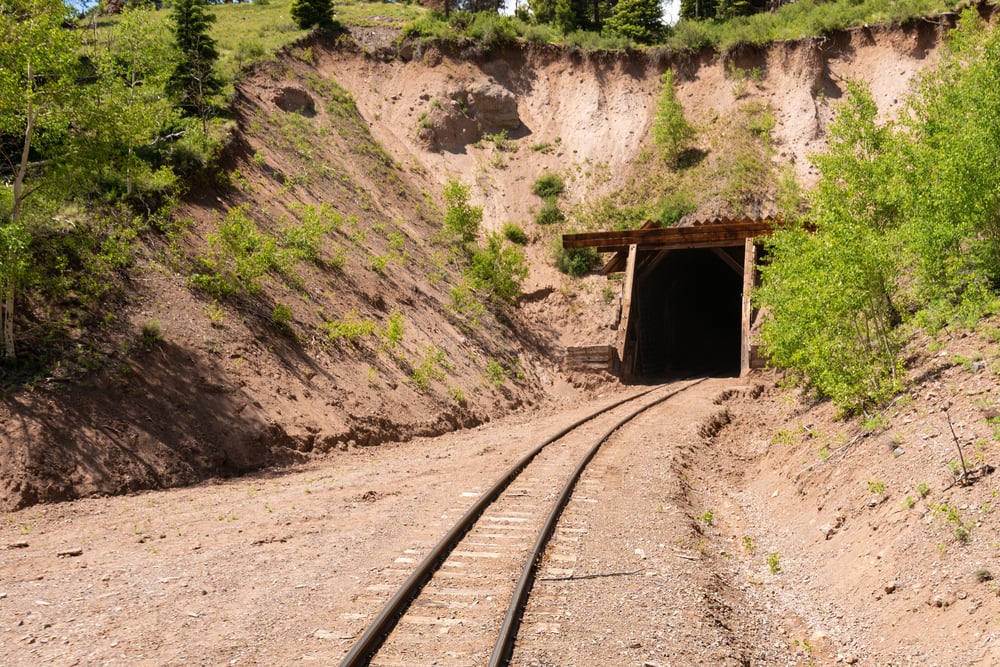
In July 2015, Mexico’s most powerful drug lord escaped from maximum-security Altiplano prison through a 1.5-kilometer-long tunnel dug beneath his cell. The tunnel featured ventilation systems, electric lighting, and a motorcycle rigged to rails to transport him and his guides. The engineering sophistication of the operation suggested it took approximately a year to construct and involved extensive coordination outside the prison walls.
El Chapo remained free for six months before recapture.
Redoine Faid – The Explosives and Helicopter Escape
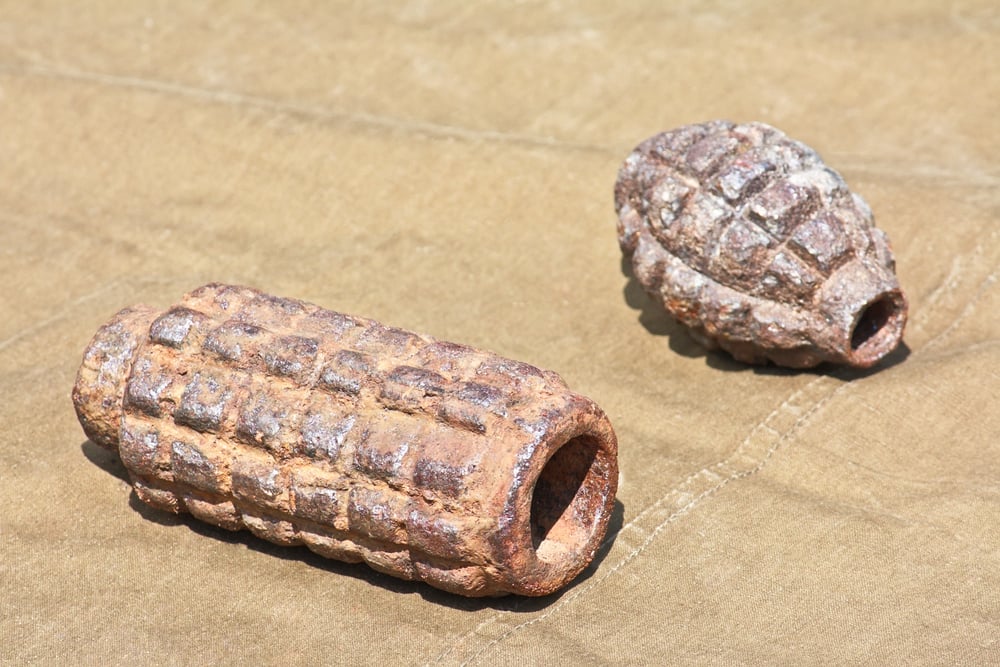
This French gangster executed two audacious escapes five years apart. In 2013, he blasted through five prison doors using explosives while holding hostages to ensure safe passage. Recaptured and re-imprisoned, he escaped again in 2018 when accomplices hijacked a helicopter and landed it in the prison courtyard, extracting him in minutes.
The pilot was released unharmed, and Faid and his rescuers fled in a white van after abandoning their initial getaway car.
Vassilis Paleokostas – The Double Helicopter Escape

This Greek criminal became one of the few inmates to successfully escape prison twice using helicopters. In both instances, accomplices flew into the prison yard during carefully timed operations, allowing Paleokostas to board while guards scrambled to respond.
His successful repeat of the same method made him a folk hero in parts of Greece and an embarrassment to authorities who should have anticipated a second attempt.
UK Sheet Metal Shop Prisoners – The Memorized Key

Three British prisoners—Andrew Rodger, Keith Rose, and Matthew Williams—working in their prison’s sheet metal shop memorized the outline of a guard’s master key while watching it held against light.
They then fabricated a replica key that opened virtually any door in the facility. They also forged a 25-foot steel ladder and constructed a homemade firearm, executing a complete escape with tools they created themselves.
Tony Rolt and the Colditz Castle Glider

During World War II, British engineer and prisoner Tony Rolt noticed that Colditz Castle’s chapel roof was hidden from guard view. He designed a glider to launch from that vantage point across the castle’s 150-foot cliff drop to the river below. Flight Lieutenants Bill Goldfinch and Jack Best constructed the aircraft from wood, fabric, and materials scavenged from the fortress.
While the escape itself was not executed during the war, the detailed plans were preserved and confirmed feasible after the conflict.
David Sweat and Richard Matt – The Maximum Security Cutting

In 2015, these two convicted killers escaped New York’s Clinton Correctional Facility through a meticulously planned cutting operation. They sliced through the steel wall at the back of their cells, crawled down a catwalk, broke through a brick wall, cut their way through and out of a steam pipe system, and sliced through the chain and locked on a manhole cover outside.
The tools they used indicated likely assistance from prison staff or contractors, though the exact source remained disputed.
Nordin Benallal – The Wig and Walk Out

This Belgian criminal with approximately five decades of accumulated jail time accumulated an impressive escapes portfolio. One escape involved simply putting on a wig and walking out the front door while guards failed to recognize him.
His helicopter escape attempt was less successful, as too many other inmates rushed the landing aircraft, causing it to crash and ending his freedom bid.
Christophe Valérie – The Prison Tunnels of France
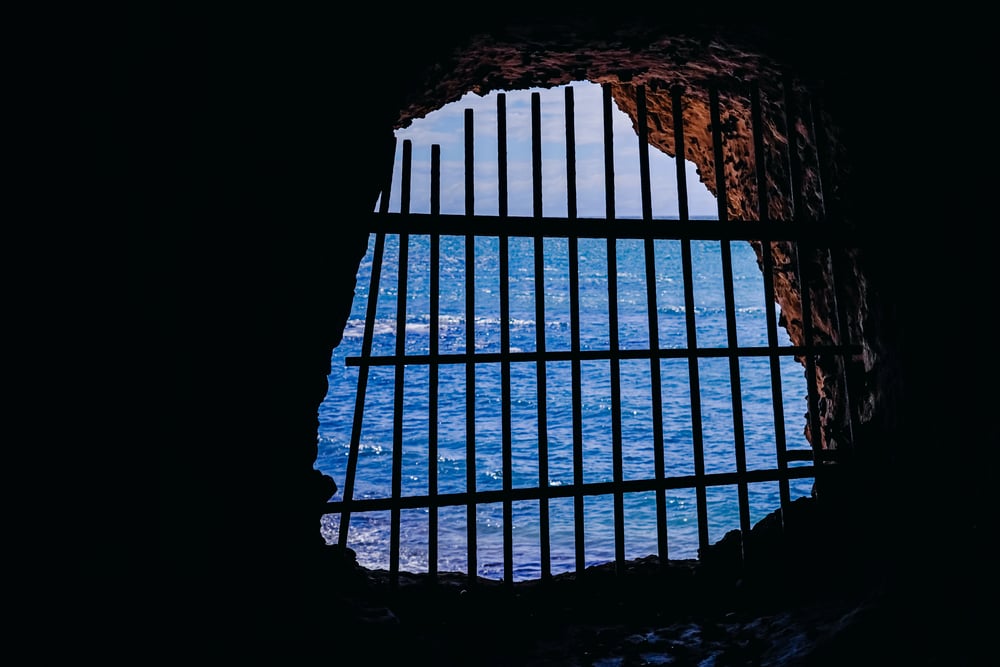
This French escape artist dug his way out of prison by constructing sophisticated tunnel systems that required weeks of meticulous underground work. His operations showcased knowledge of structural engineering and prison architecture that suggested either research or assistance from architects familiar with the facilities.
Joel Kabriel Medina Morales – The Uruguayan Tunnel Escape
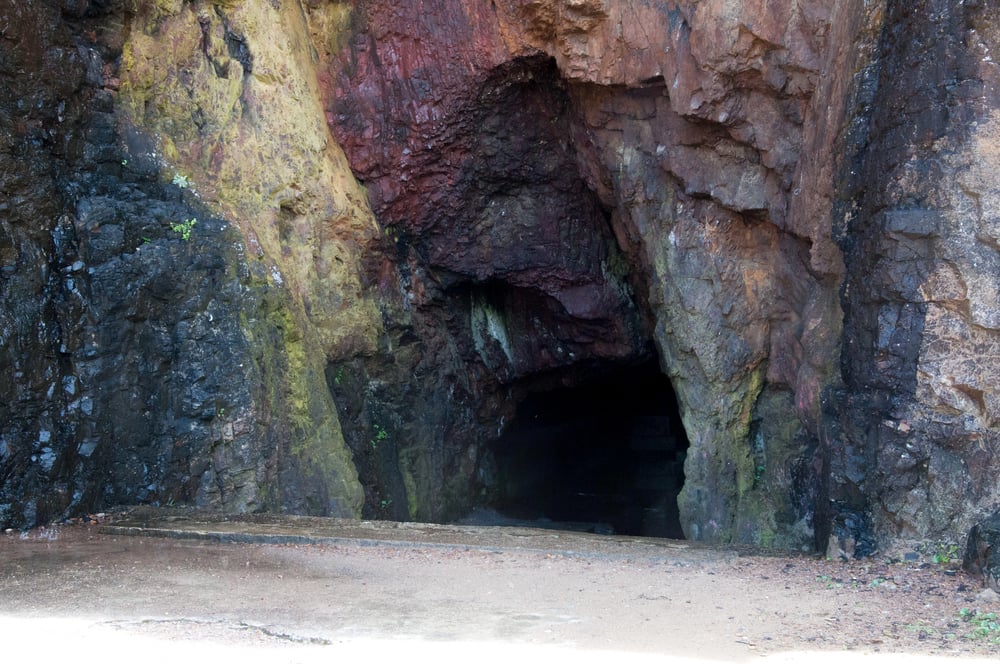
This Uruguayan prisoner orchestrated a tunnel escape involving months of digging in coordination with outside accomplices. Soil removal and support beam construction required engineering precision and external coordination that demonstrated the escape was not a spontaneous decision but a long-term project.
Latif Rafique – The Tunnel Team Operation
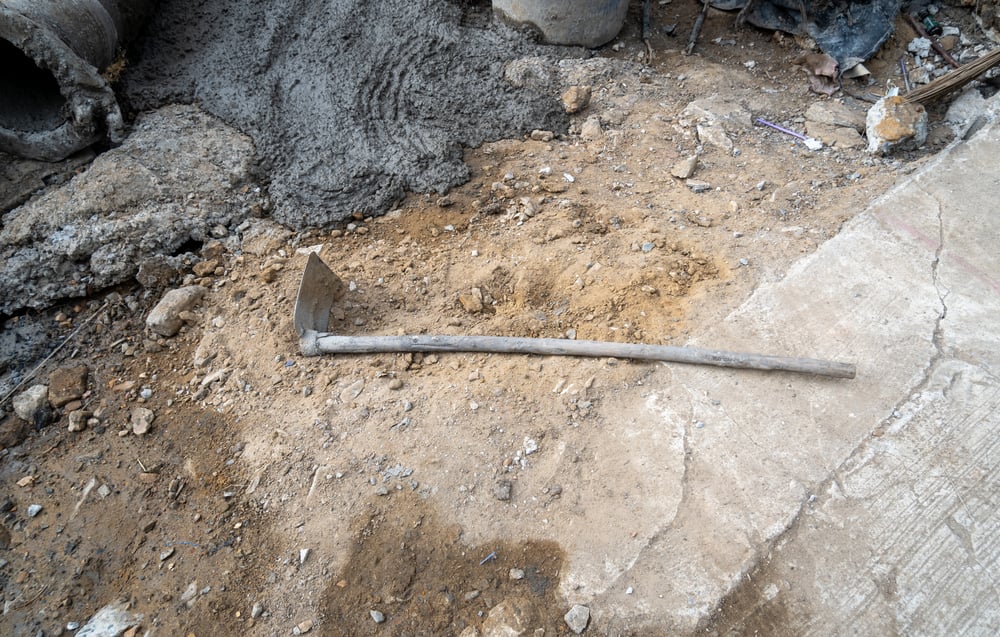
This British prisoner escaped from a maximum-security facility through a tunnel dug from outside the prison wall. The operation required coordination with multiple accomplices working in synchronized shifts and managing the significant soil removal from an underground dig that stretched dozens of meters to reach his cell block.
Prison Laundry Cart Escapee – The Hidden Departure

A prisoner at a medium-security facility hid himself in a laundry cart scheduled for removal from the prison. Guards failed to conduct thorough inspections, and the cart was transported outside the facility before the inmate emerged from his hiding place.
The simplicity of the method belied the audacity required to remain concealed during multiple checkpoints.
Helicopter Prison Yard Landing – The Canadian Escape

Two Canadian inmates achieved helicopter extraction when accomplices landed an aircraft directly in the prison yard. The operation was executed with such speed and precision that guards could not respond effectively before the helicopter lifted off with the escapees aboard.
Quebec Prison Guard Impersonator

An inmate fashioned a convincing security guard uniform and attempted to walk through the front entrance of a Quebec detention center. The costume was so credible that he nearly succeeded before detection, demonstrating how visual authority can overcome actual security protocols if executed with sufficient confidence.
Arkansas Prison Uniform Escape

An inmate constructed a police officer uniform in the prison kitchen and wore it while walking out the front gate during a shift change. Investigators determined he had hidden contraband in an uninspected trash can in the kitchen, taking advantage of supervisory negligence to access materials necessary for the costume.
Payet’s Repeat Helicopter Escapes

This French escape artist achieved helicopter extraction twice. In 2001, he escaped through a landing inside the facility.
In 2007, he repeated the method but also assisted other inmates in escaping with the same helicopter. His operations required multiple external accomplices and precise coordination with helicopter pilots.
Colditz Prisoner’s Map Escape

British prisoners at Colditz Castle created detailed maps of the surrounding terrain and castle structure, enabling escape attempts coordinated with outside resistance fighters. These maps were hidden within the fortress for decades before discovery, revealing the sophistication of the prisoners’ planning.
Explosive Door Blast Corridor

A prisoner used explosives to blast through multiple reinforced doors in rapid succession, creating a corridor of destruction from his cell to the outside gate. The operation required access to explosives and likely inside assistance, but succeeded in creating an escape route through what should have been impenetrable barriers.
Forged Travel Documents Departure

A long-term prisoner created convincing forged identification documents and traveled out of a minimum-security facility during a period when supervision was lax. The documents withstood surface inspection at multiple checkpoints before authorities realized they were counterfeits.
Prison Laundry Truck Concealment
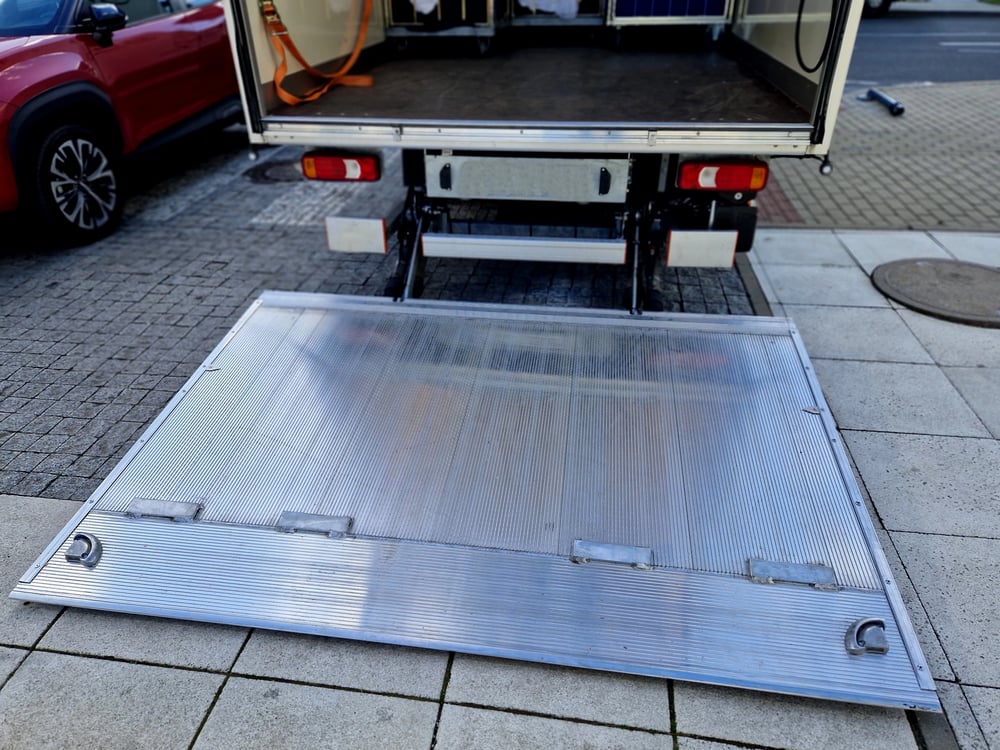
An inmate hid in the mechanical components of a laundry truck scheduled for routine maintenance outside the prison. He remained concealed within the engine area as the truck was transported and serviced off-site before emerging from his hiding place miles from the facility.
Cuttered Chain-Link Fence Escape
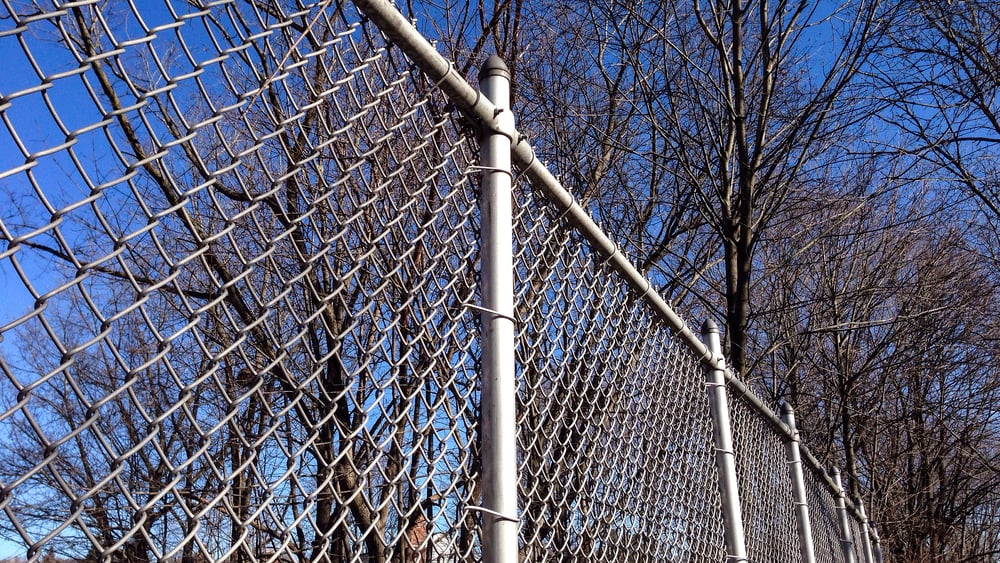
Prisoners systematically cut through multiple layers of chain-link and razor wire fencing using tools constructed from salvaged metal. The work proceeded slowly over weeks without detection, taking advantage of blind spots in guard patrols and camera coverage.
Tunnel Through Prison Foundation

A prisoner dug a tunnel that extended through the actual foundation wall of the prison building itself, requiring breaking through reinforced concrete. The operation was discovered partially complete during a random inspection, preventing the escape, but demonstrated feasibility of penetrating structural elements.
Water System Underground Route
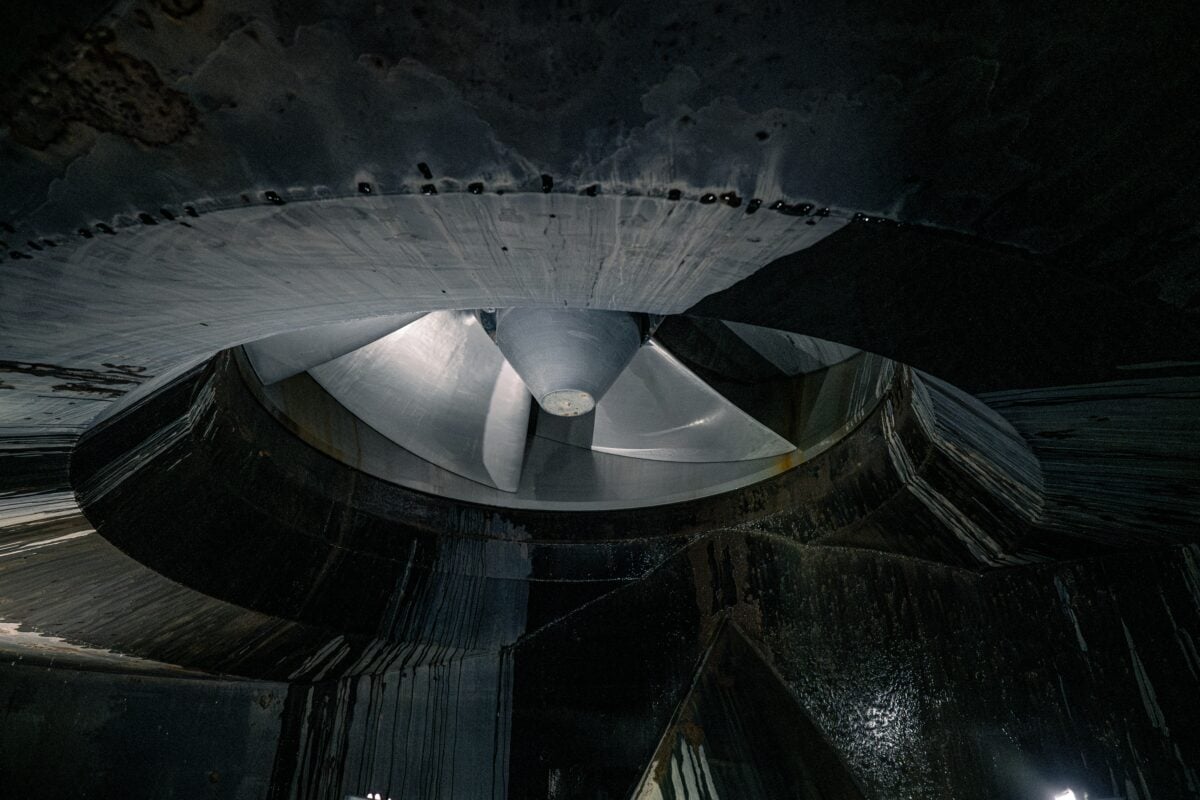
An inmate accessed the prison’s water and sewage system and navigated through underground pipes to emerge outside the facility. The route required knowledge of the facility’s mechanical systems and extreme physical endurance to traverse the confined spaces without detection or injury.
Guard Tower Overpower and Escape
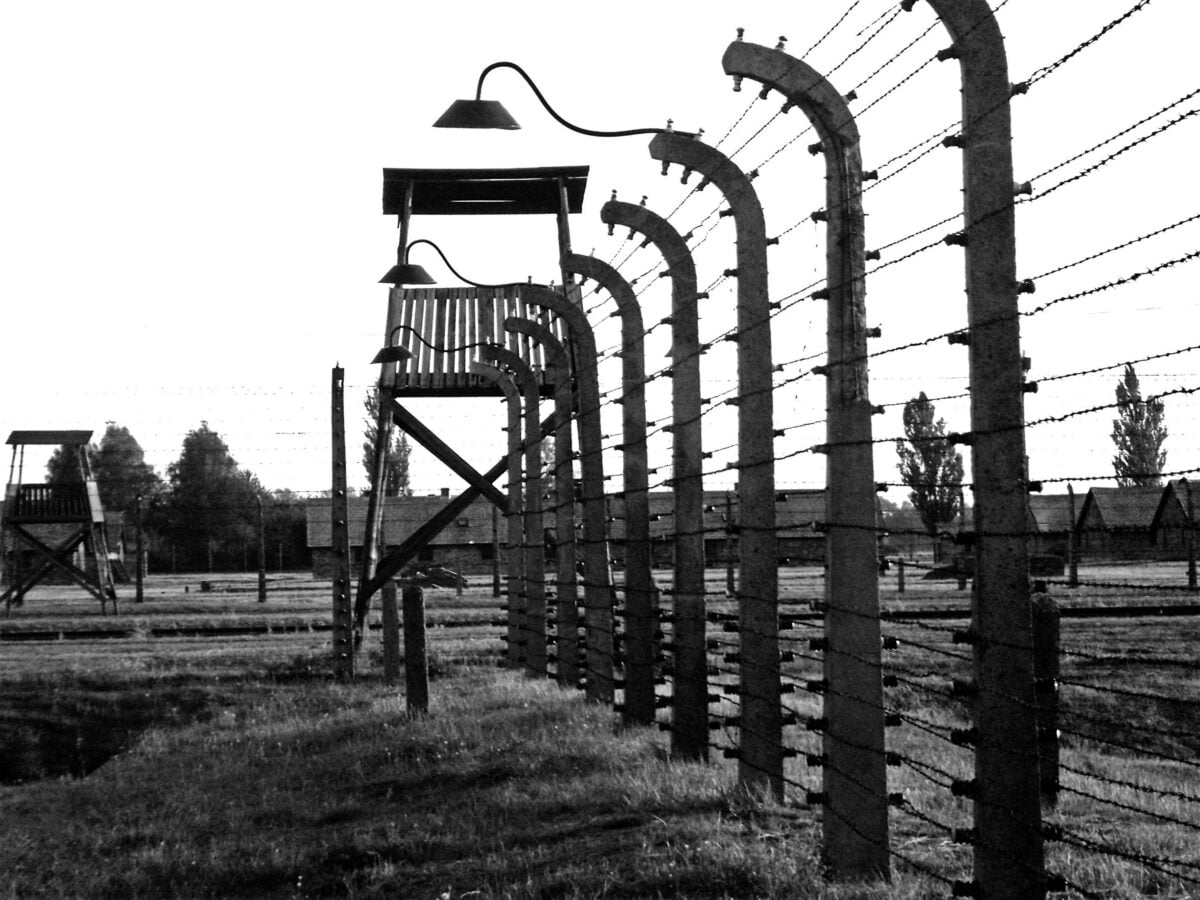
An inmate overpowered a guard in an elevated tower and used the tower’s position to reach the roof of the facility, then proceeded to lower himself using bedsheet ropes to the outside ground. The operation required intimate knowledge of the guard’s schedule and precision timing of physical confrontation.
More from Go2Tutors!

- The Romanov Crown Jewels and Their Tragic Fate
- 13 Historical Mysteries That Science Still Can’t Solve
- Famous Hoaxes That Fooled the World for Years
- 15 Child Stars with Tragic Adult Lives
- 16 Famous Jewelry Pieces in History
Like Go2Tutors’s content? Follow us on MSN.