25 Summer Jobs Teenagers Once Had That Barely Exist Today
A summer job used to be less about résumé-building and more about a straightforward exchange: show up, do the work, get paid in cash or a small check at the end of the week.
Entire categories of that kind of work have since disappeared, replaced by machines, self-service, or simply a shrinking need for a teenager to stand in one specific spot doing one specific task.
Bowling Alley Pinsetter

Before automated machinery, boys sat on an elevated bench at the end of bowling lanes, jumping down between frames to manually clear fallen pins and reset a fresh rack by hand.
AMF’s automatic pinspotter arrived commercially in the 1950s, and within a few years it had eliminated one of the most common teenage jobs in the country.
Full-Service Gas Station Attendant

Through most of the 1970s, drivers pulled into a station and a teenager came out to pump the gas, wash the windshield, and check the oil, all without the driver leaving the car.
The 1973 oil crisis pushed stations toward cutting labor costs, and self-serve pumps spread quickly afterward, though Oregon didn’t fully allow self-service statewide until 2023.
Carhop
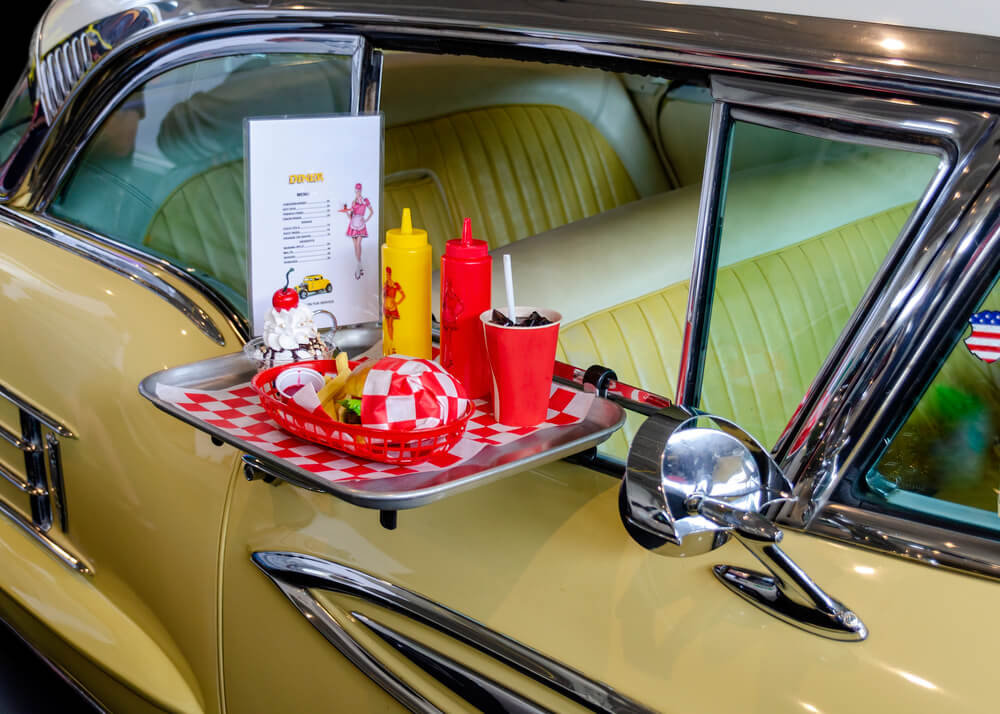
Drive-in restaurants employed teenagers, often on roller skates, to deliver food directly to customers’ parked cars.
As drive-through windows replaced carhop service at most chains, the job faded quickly, surviving today mainly as a novelty at a small number of Sonic locations.
Daily Newspaper Delivery
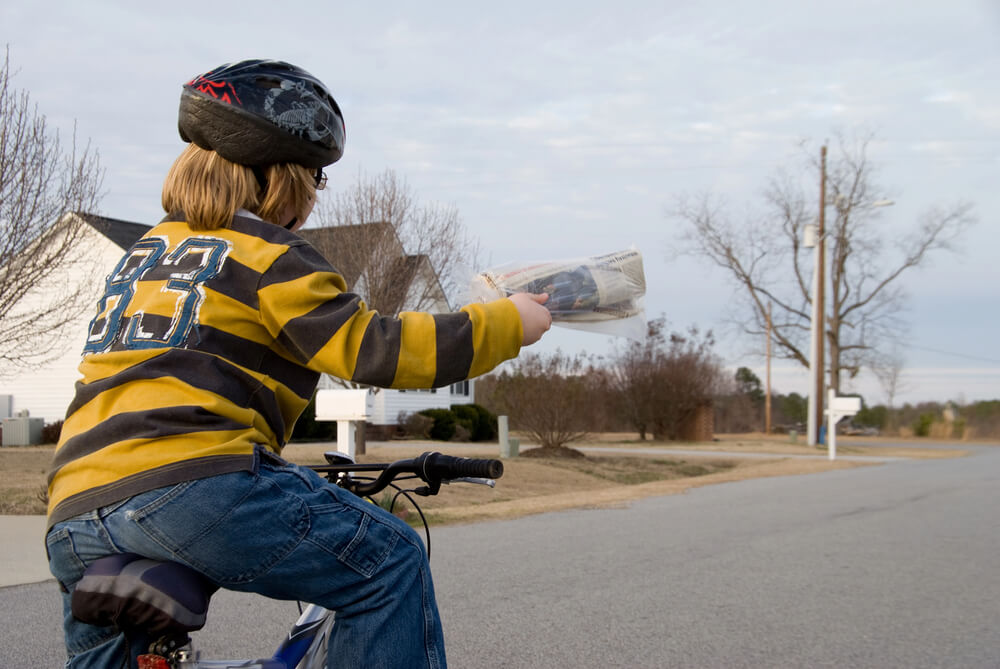
Kids as young as ten or eleven ran their own paper routes before school or in the early morning, collecting subscription payments directly from customers on a weekly or monthly basis.
The decline of print newspaper subscriptions and a shift toward adult, car-based delivery routes largely eliminated the job as a common teenage entry point into working life.
Telephone Switchboard Operator

Local telephone exchanges once employed operators, often young women, to manually connect calls by plugging cables into a switchboard based on a caller’s request.
Direct-dial technology and automated switching systems phased the role out almost entirely by the mid-twentieth century.
Movie Theater Usher With a Flashlight

Ushers guided patrons to open seats in darkened theaters using a small flashlight, a role that also involved enforcing basic theater etiquette during the show.
Stadium seating, assigned digital ticketing, and smaller staff models at modern multiplexes have made the seat-guiding usher role essentially disappear.
Elevator Operator

Manually operated elevators required a dedicated operator to control the lift’s speed and stopping position, a job commonly staffed by teenagers in department stores and office buildings.
Automatic push-button elevators phased the role out almost entirely by the mid-twentieth century.
Soda Fountain Jerk
Drugstores and five-and-dime stores commonly employed teenagers to mix and serve sodas, milkshakes, and ice cream floats at an in-store counter.
As chain drugstores phased out fountain counters in favor of expanded retail space, the job disappeared along with the fountains themselves.
Milk Delivery Helper

Home milk delivery routes often employed a teenage helper to assist the driver in carrying crates of glass bottles to and from porches along a route.
The near-total shift to grocery store refrigerated distribution ended residential milk delivery in most areas by the mid-twentieth century.
One-Hour Photo Lab Attendant
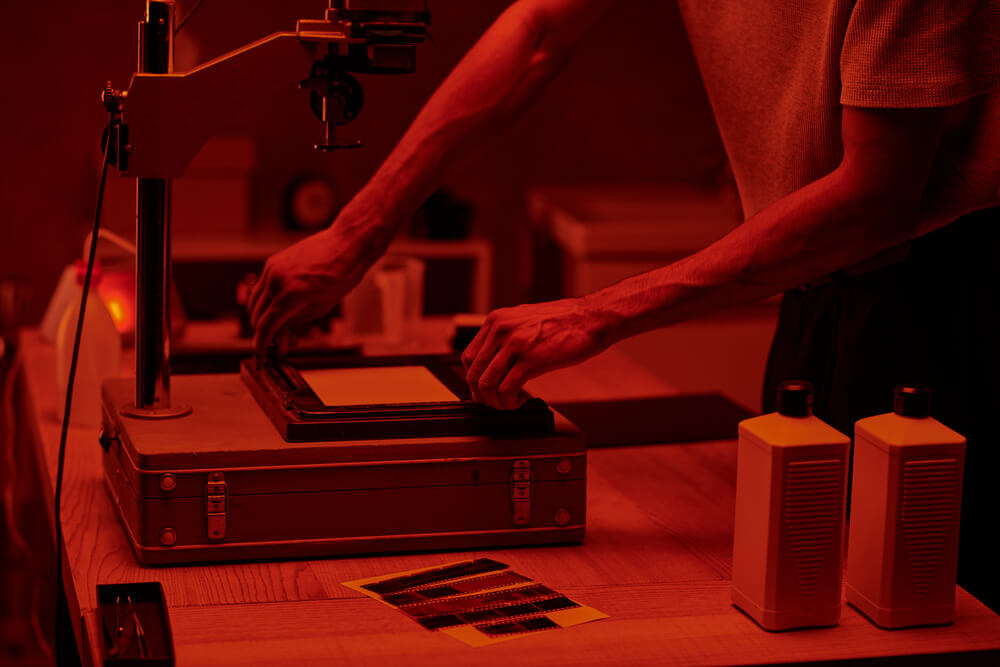
Retail photo labs employed teenagers to develop and print customer film rolls on-site, often within an hour, a service tied to a physical film-based photography market.
The shift to digital cameras and smartphone photography eliminated the need for the job almost entirely by the 2000s.
Video Rental Store Clerk
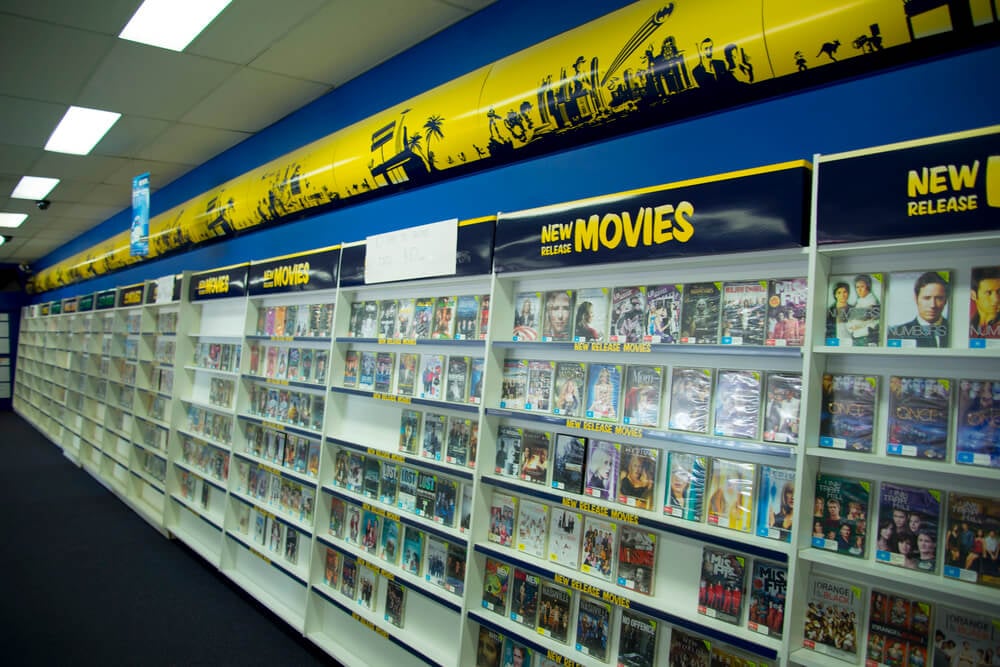
Chains like Blockbuster employed large numbers of teenagers to check out physical tapes and discs, manage late fees, and restock shelves.
The rapid rise of streaming services collapsed the video rental industry, taking the associated retail jobs down with it.
Record Store Clerk
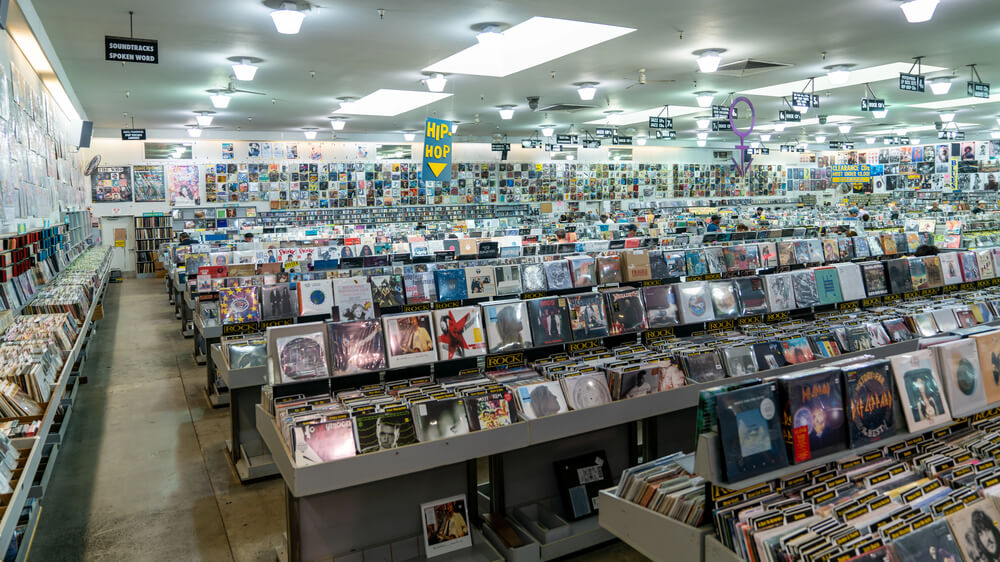
Physical music retail once employed teenagers to stock, sell, and recommend vinyl records, cassettes, and CDs across a wide sales floor.
Digital music sales and streaming sharply reduced the number of physical record stores, and with them, the entry-level retail jobs they once offered in large volume.
Drive-In Movie Theater Concession Worker

Outdoor drive-in theaters employed teenagers to staff ticket booths and concession stands serving customers who stayed parked in their own cars for the entire show.
The vast majority of drive-in theaters closed by the end of the twentieth century as multiplex cinemas and, later, home video took over the market.
Telephone Book Delivery

Local phone companies hired seasonal crews, often teenagers, to distribute printed residential and business directories door to door once a year.
The shift to online directories and search engines made printed phone books, and their delivery crews, effectively obsolete.
Door-to-Door Sales Crew

Companies selling magazine subscriptions, encyclopedias, or household goods commonly recruited teenage summer sales crews to work neighborhoods on a commission basis.
Changing attitudes toward door-to-door solicitation, along with the decline of print encyclopedias and magazines themselves, largely ended the practice.
Golf Caddy

Golf clubs once relied heavily on teenage caddies to carry clubs and offer course advice to players for a full round.
The widespread adoption of golf carts sharply reduced demand for caddies, though a smaller number of private clubs and championship events still employ them today.
Ice Delivery Helper

Before home refrigeration was standard, ice companies employed delivery routes, often assisted by teenage helpers, to carry large blocks of ice directly to household iceboxes.
Electric refrigerators becoming standard equipment in American homes by the mid-twentieth century eliminated the job entirely.
Telegraph Messenger
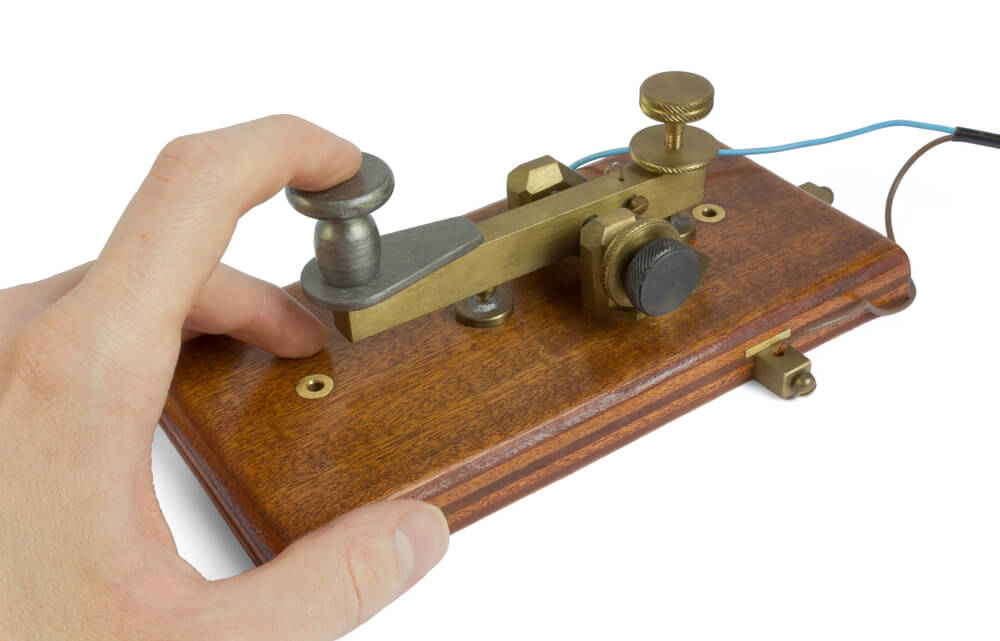
Western Union and similar companies employed teenage boys to hand-deliver telegrams directly to recipients’ homes and businesses, often by bicycle.
The decline of telegram service in favor of telephone and, later, electronic communication eliminated the role by the mid-twentieth century.
Shoe Shine Boy

Street corners and barbershops once commonly employed teenage boys to shine shoes for a small fee from passing customers.
Changing footwear styles and a decline in formal daily shoe care sharply reduced demand for the informal trade.
Corn Detasseling Crew

Midwestern seed corn companies hired large teenage crews each summer to manually remove tassels from corn plants to control pollination for hybrid seed production.
The development of genetically modified male-sterile corn varieties in the 2000s significantly reduced the need for large manual detasseling crews in many growing regions.
Video Arcade Attendant
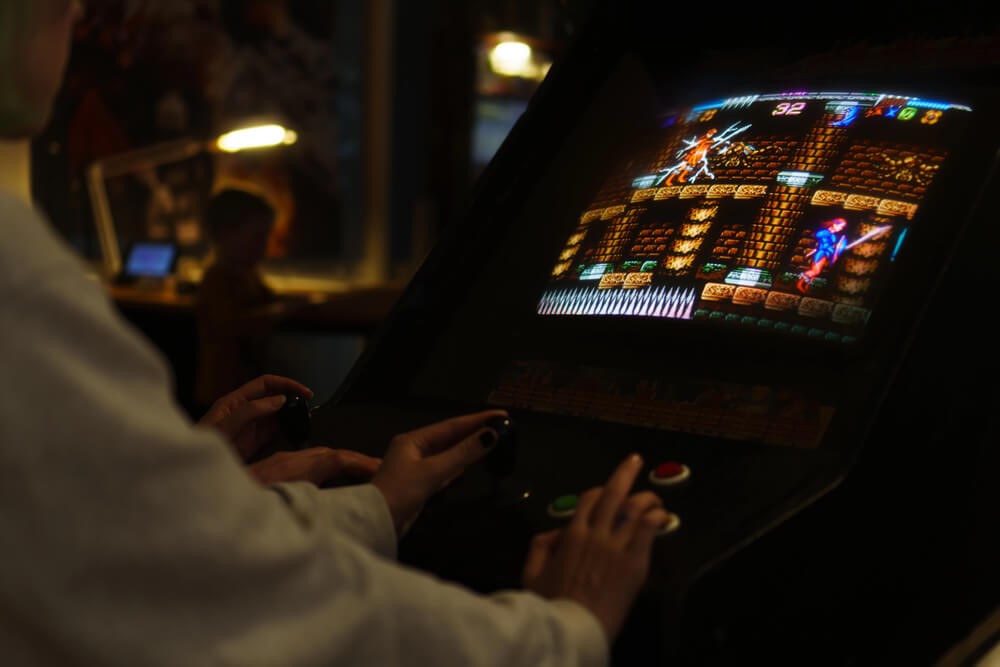
Arcades employed teenagers to staff token booths, maintain machines, and monitor the floor during a period when standalone video arcades were a major form of youth entertainment.
Home gaming consoles and mobile gaming sharply reduced the number of standalone arcades still operating, taking most of the associated jobs with them.
Seasonal Fruit-Picking Crew

Local growers once relied heavily on teenage summer labor for hand-harvesting fruit and berry crops during peak season.
Increased mechanization and a labor market increasingly filled by adult migrant workers have significantly reduced the share of that work performed by local teenagers.
Amusement Park Seasonal Ride Operator

Amusement and water parks have traditionally been among the largest seasonal employers of teenagers for ride operation, admissions, and food service roles.
Recent hiring data shows seasonal postings in the entertainment and leisure sector dropping roughly 70 percent in some recent summers, reflecting a sharp contraction in this once-reliable category of teen work.
Drugstore Delivery Boy

Local pharmacies once employed teenagers, often on bicycles, to hand-deliver prescriptions and small purchases directly to customers’ homes.
Centralized pharmacy chains, drive-through pickup windows, and third-party delivery apps have largely eliminated the dedicated in-house delivery role.
Live Telephone Answering Service Operator

Before voicemail existed, businesses and individual professionals paid for a live answering service, often staffed in part by teenagers, to take messages after hours.
Voicemail and, later, smartphone-based call screening made the live human answering service role almost entirely obsolete.
What Disappeared Along With the Jobs

Nearly every job on this list shared one feature that’s genuinely rare in a lot of modern entry-level work: direct, unscripted contact with a stranger, whether that meant pumping gas, mixing a soda, or knocking on a door.
That kind of exposure taught a specific, fast kind of social skill that’s harder to replicate in more automated or app-mediated work environments.
None of these jobs disappeared because teenagers stopped wanting summer work.
They disappeared because a machine, a piece of software, or a shift in how a service gets delivered made the underlying task unnecessary.
What’s left is a shrinking pool of jobs that still put a sixteen-year-old face to face with the public, which is exactly the part of the old summer job that’s proven hardest to replace.
More from Go2Tutors!

- The Romanov Crown Jewels and Their Tragic Fate
- 13 Historical Mysteries That Science Still Can’t Solve
- Famous Hoaxes That Fooled the World for Years
- 15 Child Stars with Tragic Adult Lives
- 16 Famous Jewelry Pieces in History
Like Go2Tutors’s content? Follow us on MSN.



