26 Hairstyles Salons Are Being Asked for Again
Stylists talk to each other, and lately they are all describing the same thing: clients walking in with old photos on their phones, asking for a cut their mother wore, or a shape they last saw in a yearbook. Trend cycles used to take decades to loop back. Now they take about fifteen years, and salons are feeling the whiplash first.
The Rachel
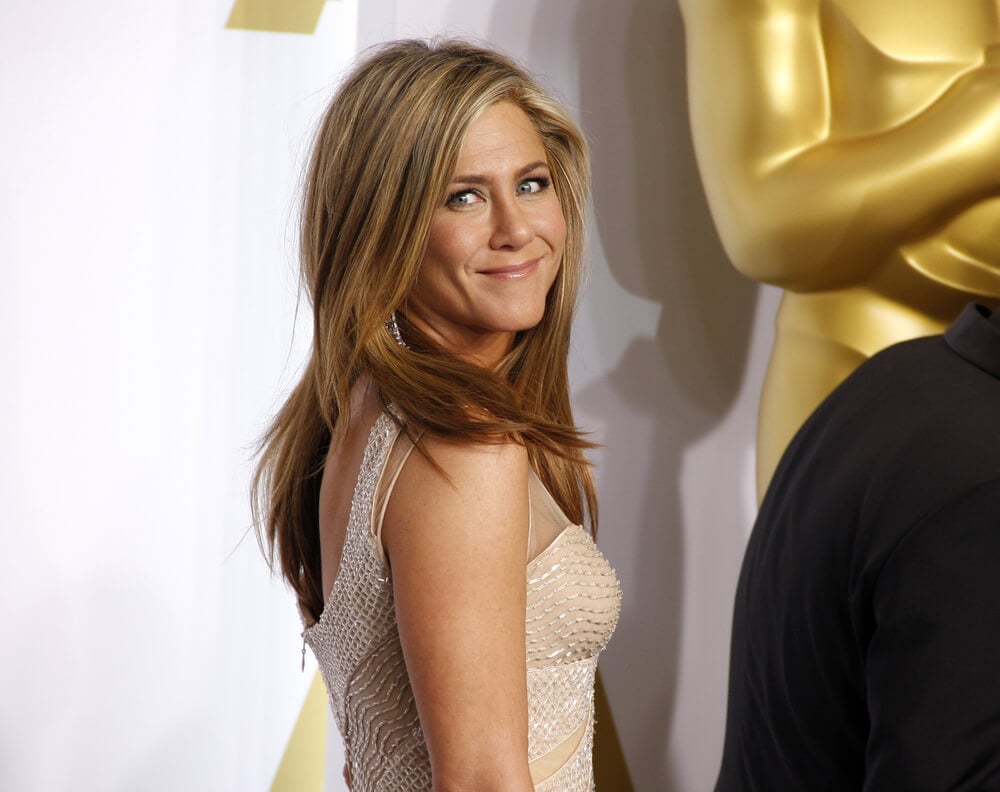
Popularized by Jennifer Aniston’s character on “Friends” in the mid-1990s, this layered, face-framing shag became so requested at the time that Aniston herself later said she grew tired of it. Stylists report a modern version returning to consultation boards, usually softened with fewer harsh layers than the original nineties cut.
Bottleneck Bangs
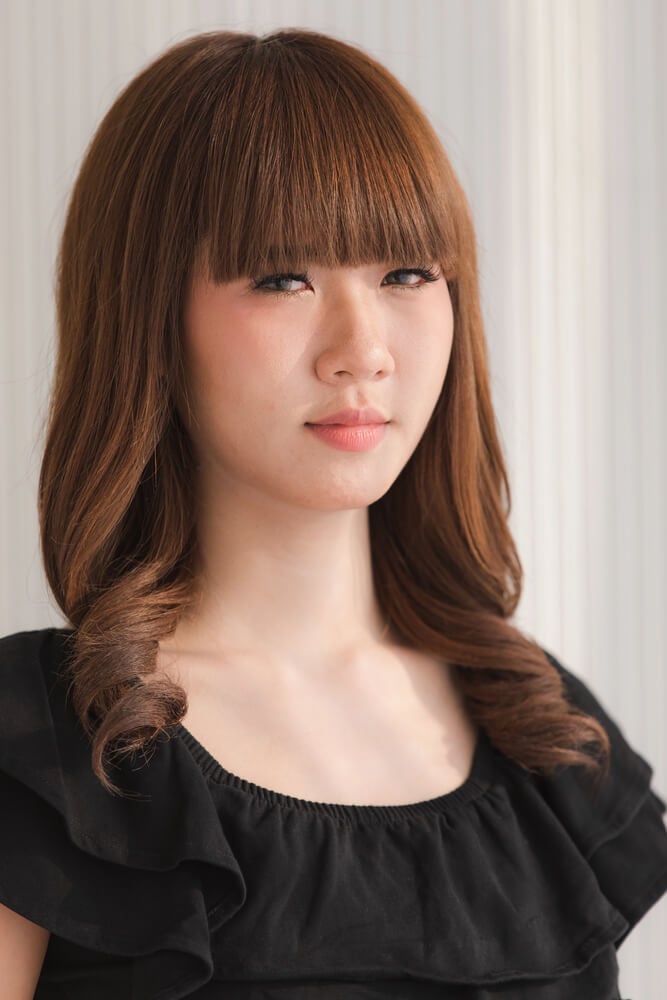
A rounded, curtain-like fringe that tapers at the temples, this style traces back to seventies icons like Brigitte Bardot but resurfaced through short-form video trends around 2022. Colorists note it pairs almost exclusively with longer, undone lengths, distinguishing it from the blunt, straight-across bangs of the 2010s.
The Shag
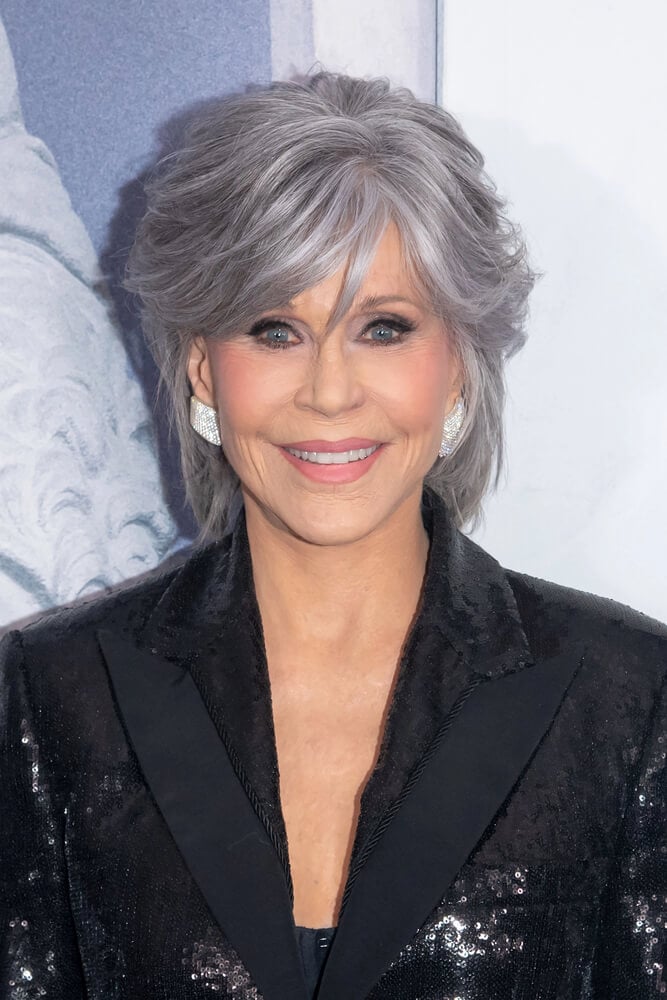
First popularized in the 1970s by musicians like Rod Stewart and later refined by actress Jane Fonda’s famous layered cut, the shag’s choppy, textured layers are back in heavy rotation at salons that specialize in low-maintenance styling. Its appeal lies in how forgiving it is for growing-out phases, which stylists say is a major reason for its return among clients avoiding frequent trims.
Chin-Length Bob

A style with roots in the 1920s flapper era and later reintroduced by figures like Uma Thurman in “Pulp Fiction,” this precise, jaw-grazing cut has become one of the most requested lengths in recent salon consultations. Its structured shape photographs distinctly differently from the softer “lob,” or long bob, that dominated the previous decade.
Feathered Layers
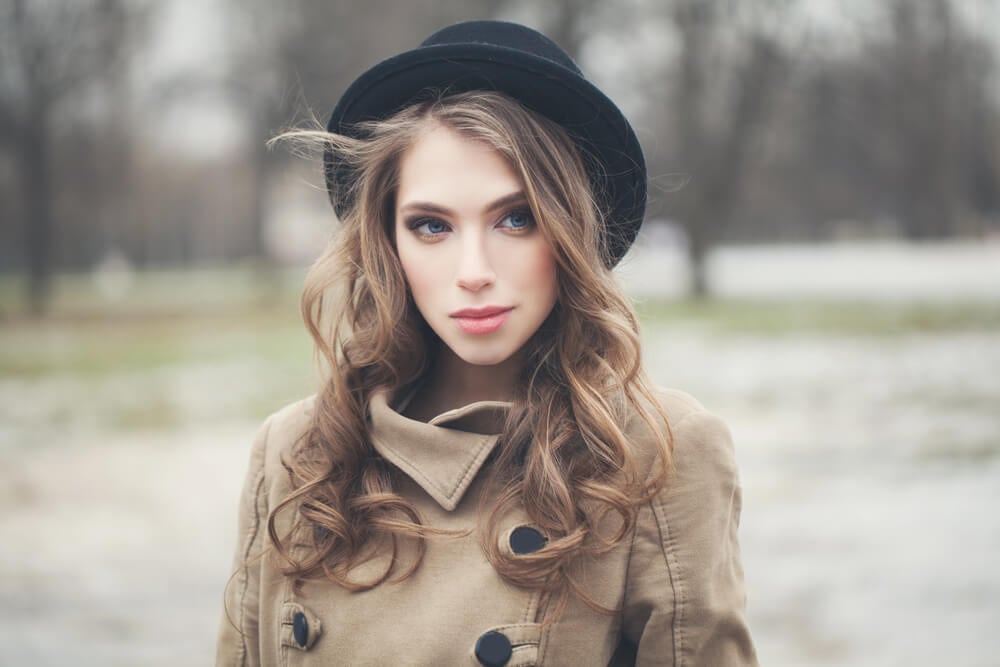
Popularized by Farrah Fawcett’s poster-famous look from the 1970s television series “Charlie’s Angels,” feathered layers flip outward at the ends using a round brush technique many newer stylists had to relearn specifically to meet client demand. Salons report this request often comes paired with a reference photo of Fawcett herself.
The Mullet
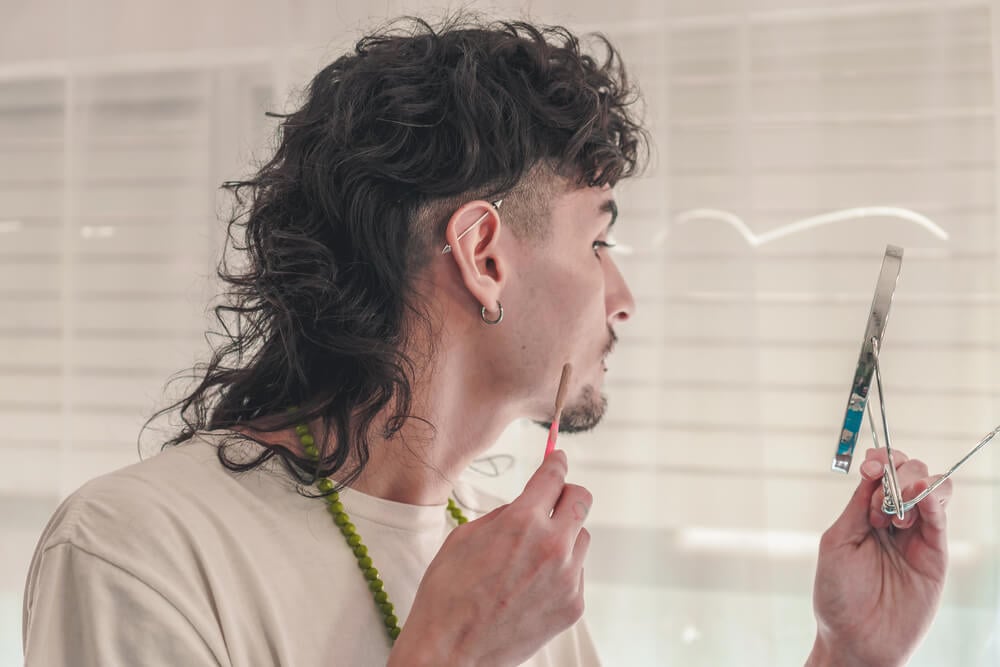
Business in the front, party in the back, the mullet’s late-1970s and 1980s heyday faded almost entirely by the 1990s before resurfacing around 2021 through a wave of musicians and skaters embracing it unironically. Modern versions tend to be softer and more blended than the sharply divided originals, a change most stylists attribute to clients wanting the silhouette without the stark contrast.
Blunt Bangs
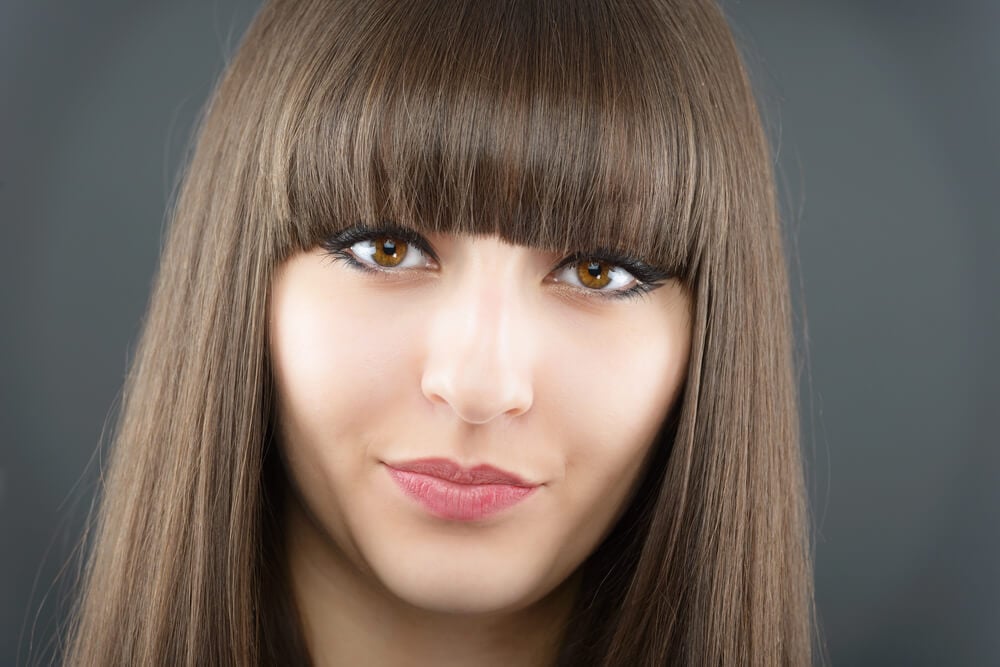
Straight across, heavy, and precisely cut, this style associated with 1960s icons like Cher and later revived by 2010s influencers is seeing renewed requests, particularly paired with darker hair colors. Stylists note it requires more frequent trims than curtain bangs, a maintenance tradeoff some clients are willing to accept for the graphic look.
The Pixie

Made famous by Audrey Hepburn’s 1953 role in “Roman Holiday” and later reinterpreted by Twiggy in the 1960s, the short, cropped pixie has returned to salon boards after nearly a decade where longer styles dominated. Colorists say the cut’s return often coincides with clients requesting a dramatic length change all at once, rather than gradually.
Crimped Hair
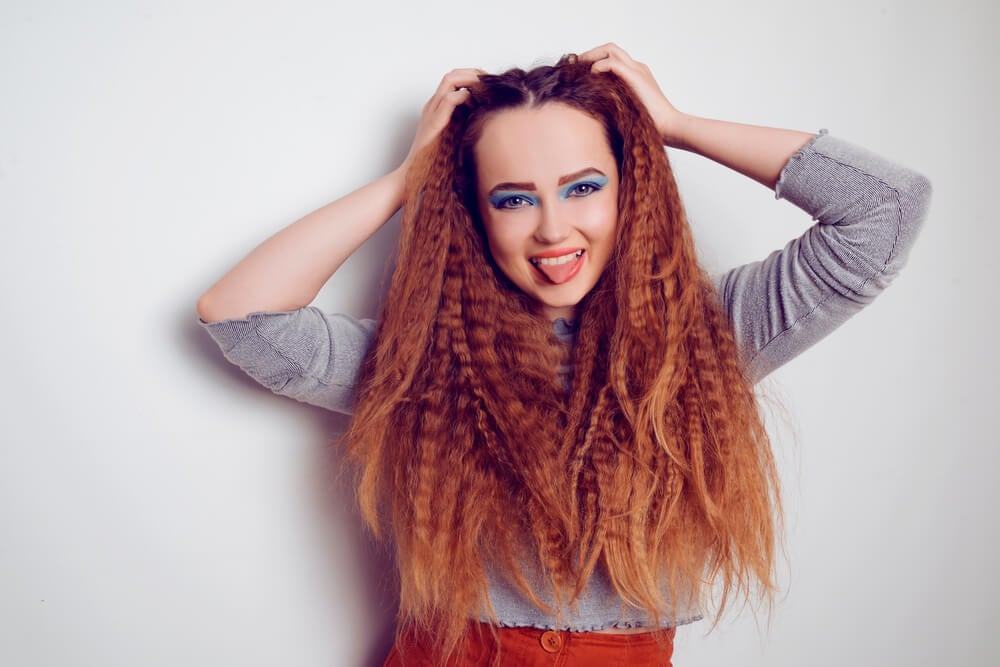
A texture created with a specialized crimping iron that gives hair a tight, zigzag wave, this look peaked in the 1980s before nearly disappearing from mainstream salon menus for over two decades. Its return has been driven largely by special-occasion requests, since the style is rarely worn as an everyday look even among clients asking for it.
The Wolf Cut
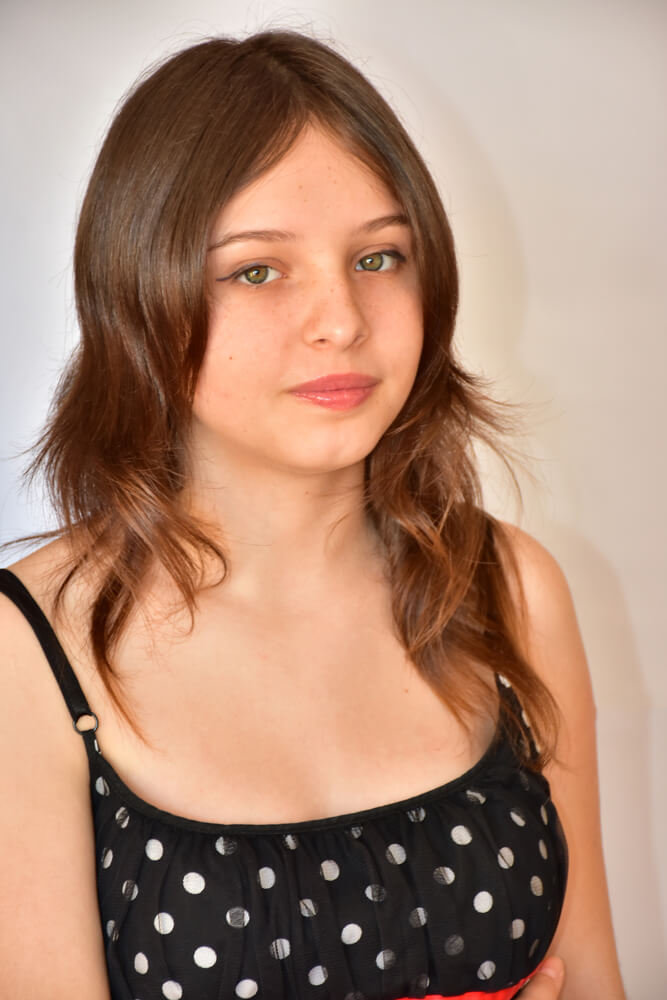
A hybrid of the shag and the mullet, layered heavily through the crown and tapered at the ends, this style traces its recent popularity to a 2021 resurgence but borrows directly from 1970s rock-influenced haircuts. Its combination of two already-returning trends has made it one of the more frequently requested cuts among younger clients specifically.
Finger Waves
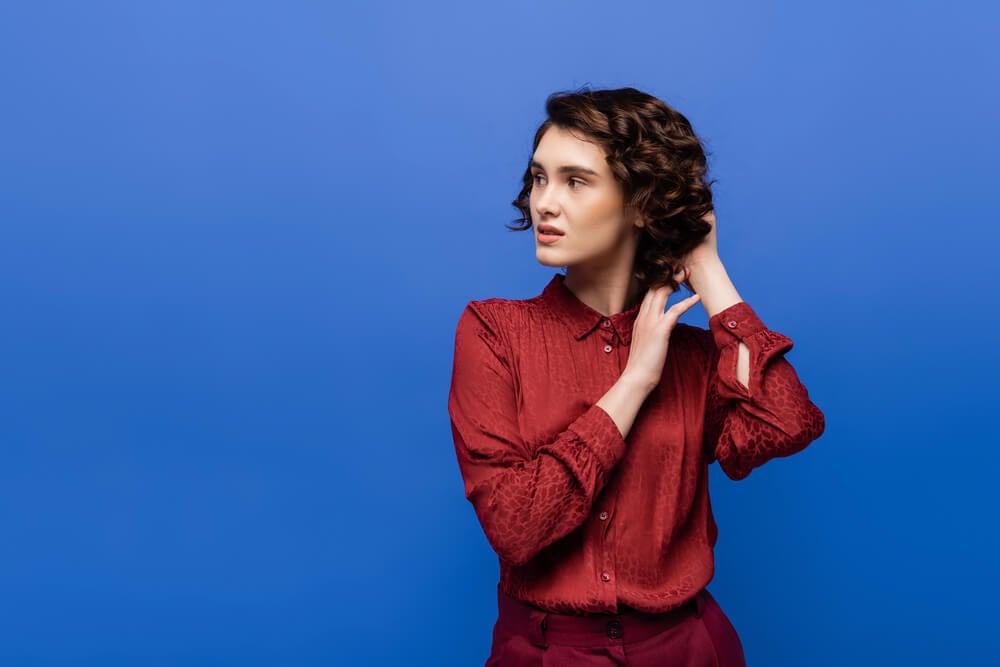
An S-shaped wave pattern set close to the scalp using fingers and styling product, finger waves originated in the 1920s flapper era and later reappeared in 1990s hip-hop and R&B culture. Salons that specialize in textured hair report a steady increase in special-occasion requests for the style over the past several years.
The Bowl Cut
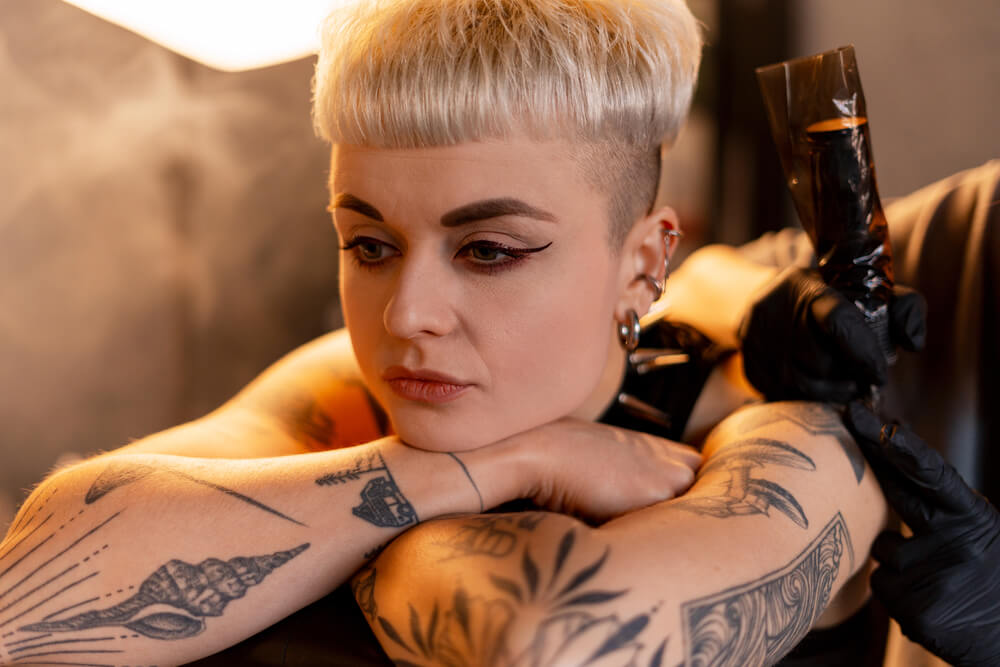
Once a source of playground teasing when it dominated boys’ haircuts in the 1990s, the rounded, close-cropped bowl cut has found new life through fashion-forward requests, particularly among younger men influenced by European runway styling. Barbers note today’s versions are usually cut with more texture at the edges than the flat, uniform cuts of the original trend.
Voluminous Bangs (Bardot Bangs)
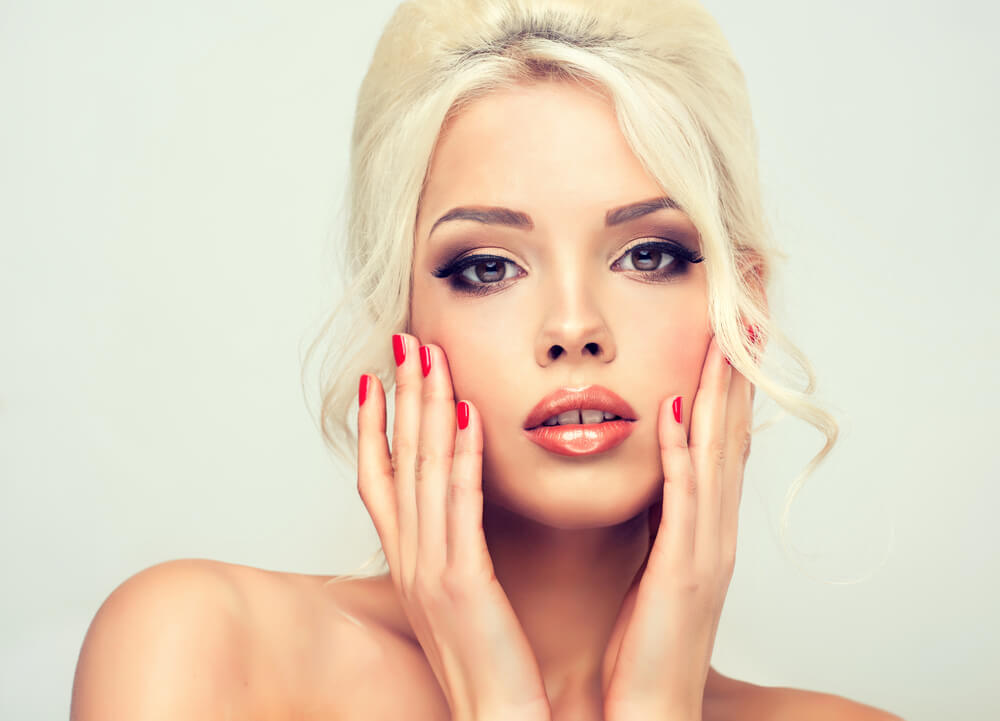
Named for Brigitte Bardot’s signature sixties look, these swept-back, high-volume bangs differ from both blunt and curtain styles by relying on backcombing and root lift rather than a specific cut shape. Stylists say the request has grown alongside a broader return of retro-glamour styling for special events.
The Shullet

A more recent hybrid name coined by stylists to describe a shag-mullet blend distinct from the wolf cut, this style has become common enough in salon vocabulary that clients now request it by name rather than by reference photo. Its popularity reflects how quickly internet-driven naming conventions have started shaping in-salon terminology.
Long Layers with a Center Part

A look strongly associated with 1990s and early 2000s supermodels like Jennifer Aniston’s contemporaries, this simple, low-maintenance style has returned as a counter-trend to the heavily layered shag and wolf cuts also seeing demand. Stylists describe it as the “quiet” comeback cut, requested by clients who want a nineties feel without a dramatic change.
The Perm
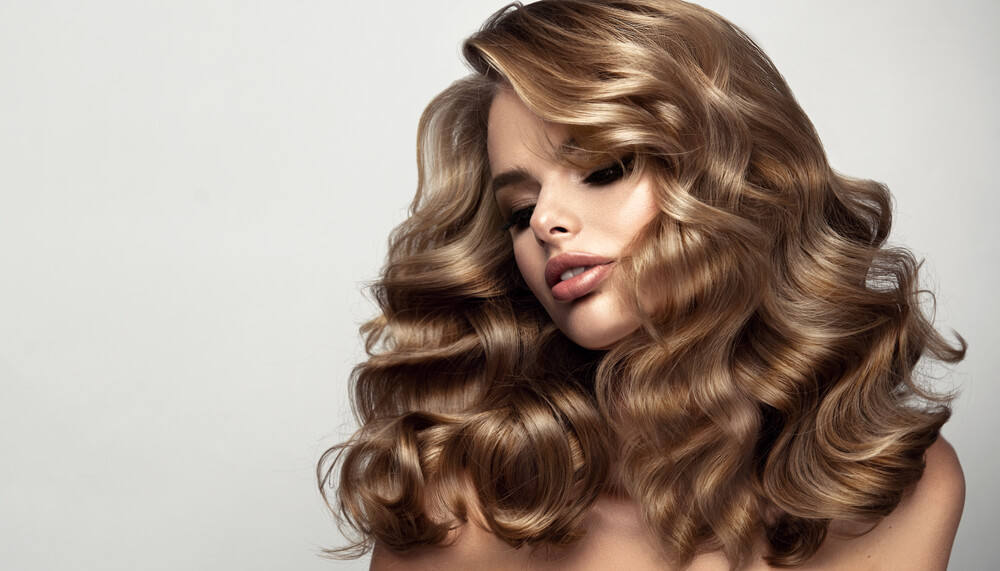
Once a staple of 1980s hairstyling before nearly vanishing from salon menus by the 2000s, chemical perms have returned through a gentler, looser variation often marketed as a “beach wave” or “digital” perm. Stylists note today’s formulas are less damaging than the ammonia-heavy perms of the original trend, which has made clients more willing to try it.
Micro Bangs
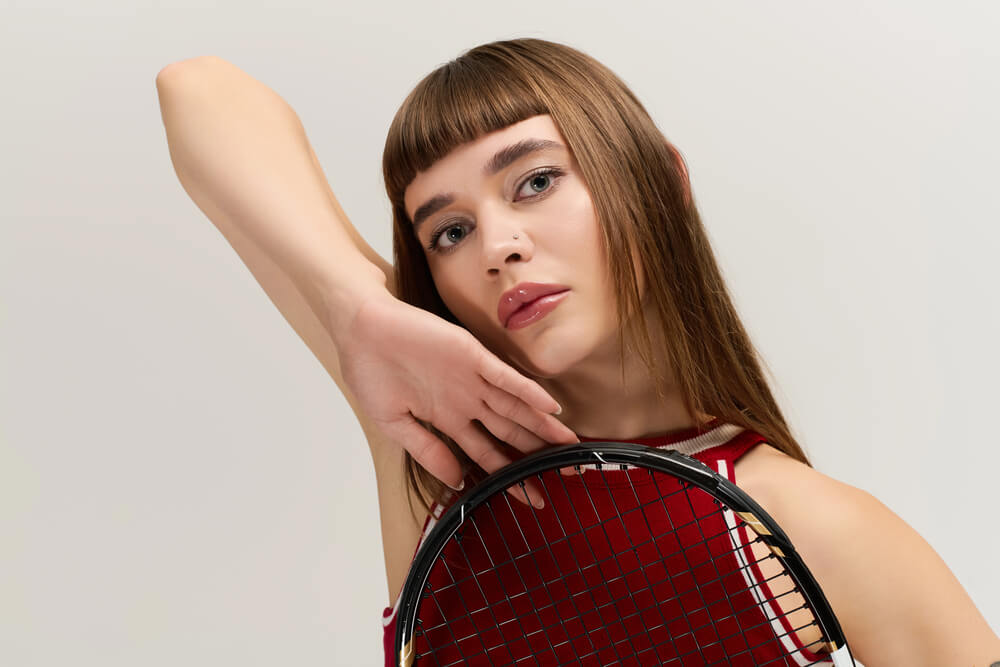
An extremely short, eyebrow-skimming fringe with roots in 1960s and punk-era styling, micro bangs have re-emerged as a bolder alternative to the softer curtain bang trend. Stylists describe this as one of the more polarizing current requests, since it requires significant commitment and rarely suits a “trial run” approach.
The Rat Tail
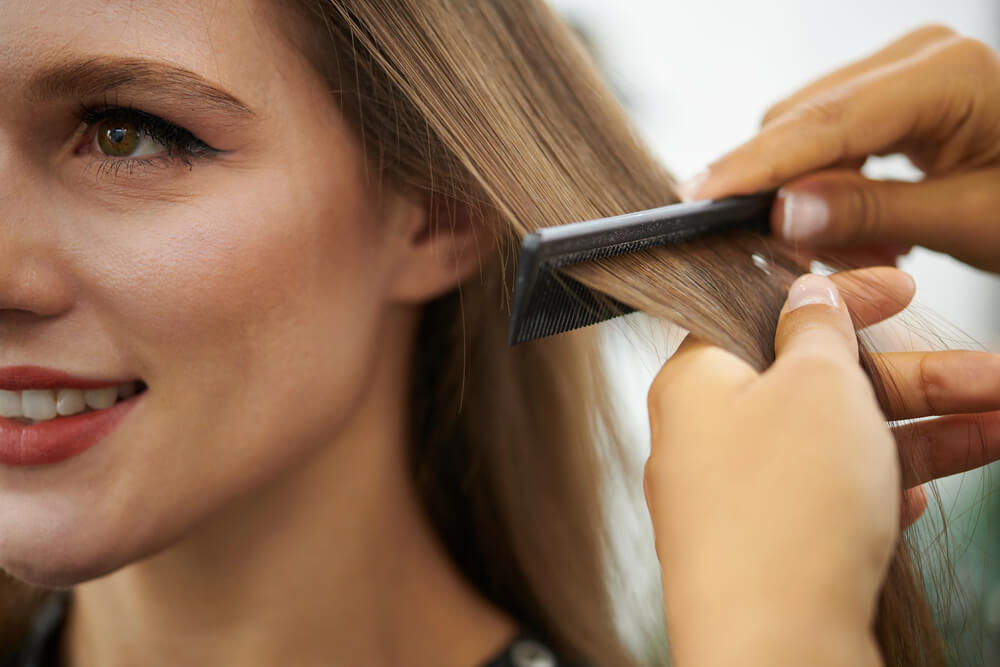
A single, thin strand of hair left to grow long at the nape while the rest of the head is kept short, this style was a fixture of 1980s and 1990s youth culture, particularly among boys. Barbers report a small but consistent uptick in requests, mostly framed by clients as an ironic throwback rather than a permanent commitment.
Side-Swept Bangs
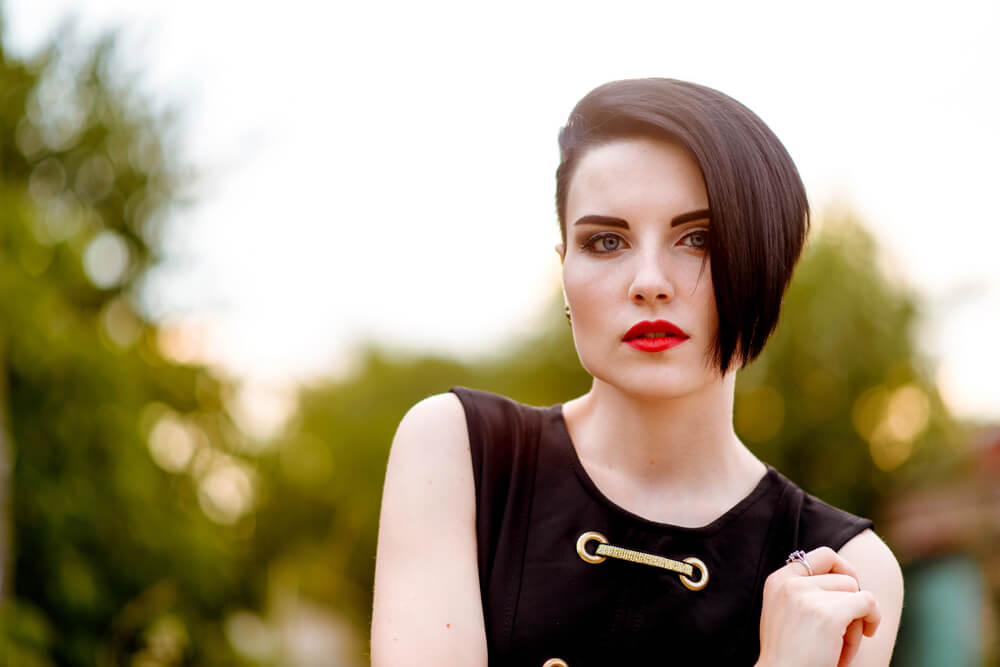
Popular through the 2000s and closely associated with early reality television and pop stars of that decade, side-swept bangs are returning as clients revisit early-2000s aesthetics more broadly. Stylists note the style works differently depending on face shape, making it one of the more consultation-heavy requests on this list.
The Beehive
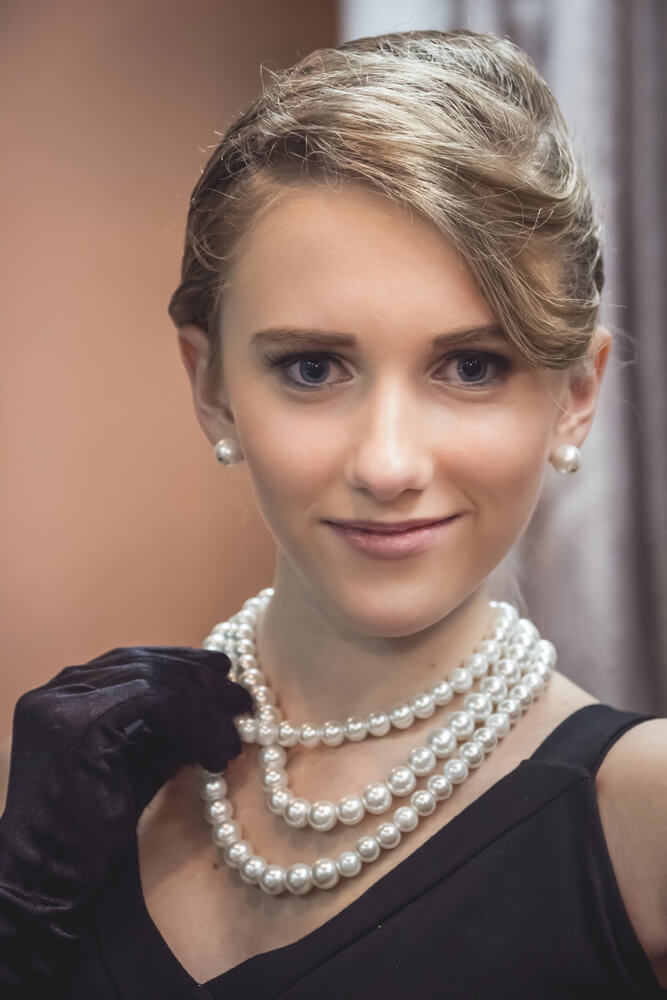
A dramatically teased, upswept style from the early 1960s made iconic by singers like Ronnie Spector, the beehive has returned primarily for weddings and formal events rather than as an everyday cut. Stylists who specialize in updos report needing to retrain younger colleagues specifically in the backcombing technique the style requires.
Blunt Bob with Micro-Fringe
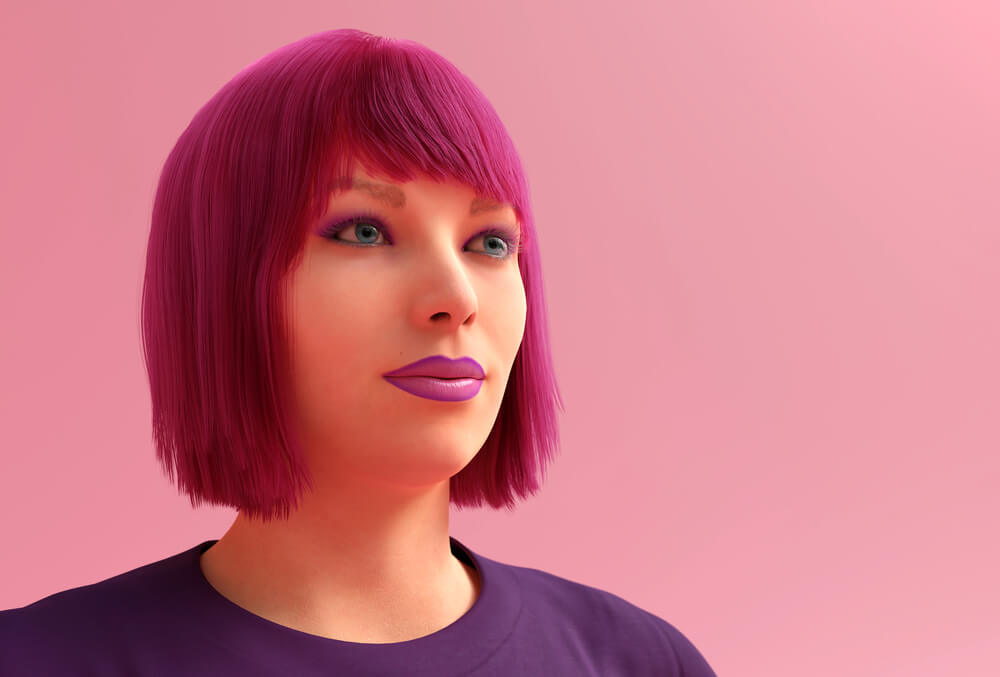
A pairing of two retro elements, this combination cut draws simultaneously from 1960s mod styling and more recent blunt-bob trends, giving it a distinctly graphic, high-contrast look. Salons describe it as a request that has grown specifically among clients who follow fashion editorial photography rather than mainstream trend cycles.
The Jellyfish Haircut
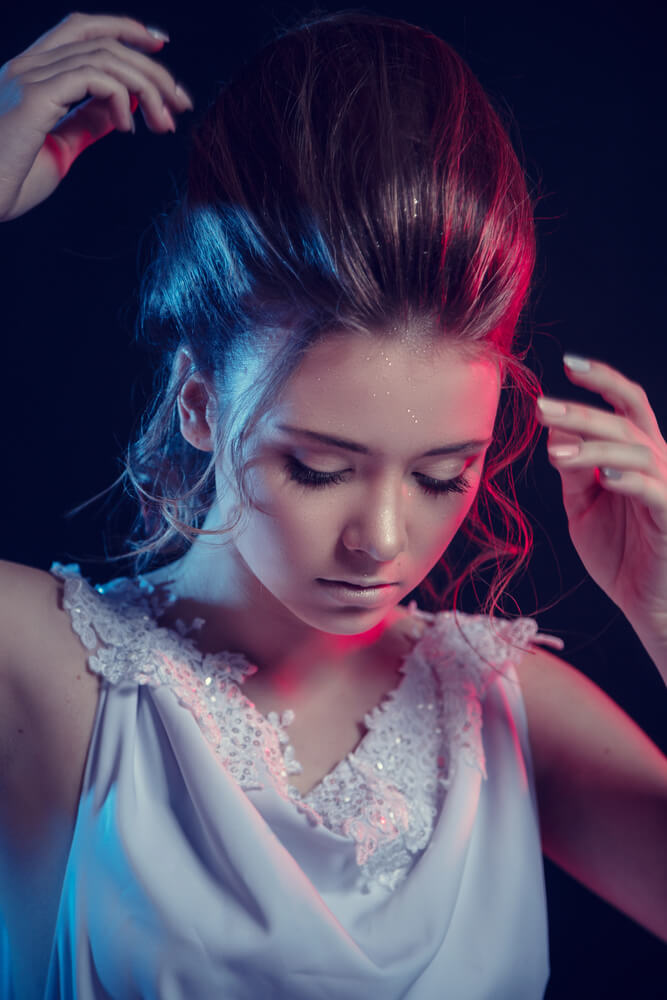
A layered style with dramatically shorter top layers and longer, untouched under-layers, this cut originated in South Korean salons before spreading internationally through social media around 2021. Its two-tiered structure makes it one of the more technically demanding cuts stylists say they have had to practice specifically to keep up with demand.
Curtain Bangs
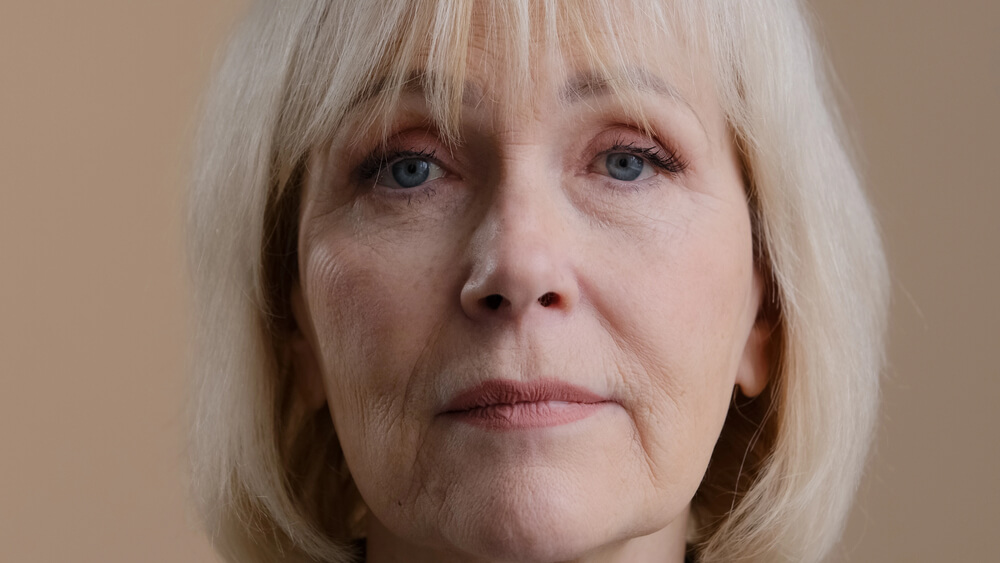
Center-parted and swept to either side, curtain bangs trace back to 1970s icons like Farrah Fawcett and Jane Birkin before becoming one of the defining trends of the early 2020s. Stylists note this is one of the few “returned” trends that never fully left salon request boards, making its continued popularity less a comeback than an extended stay.
The Flat Top
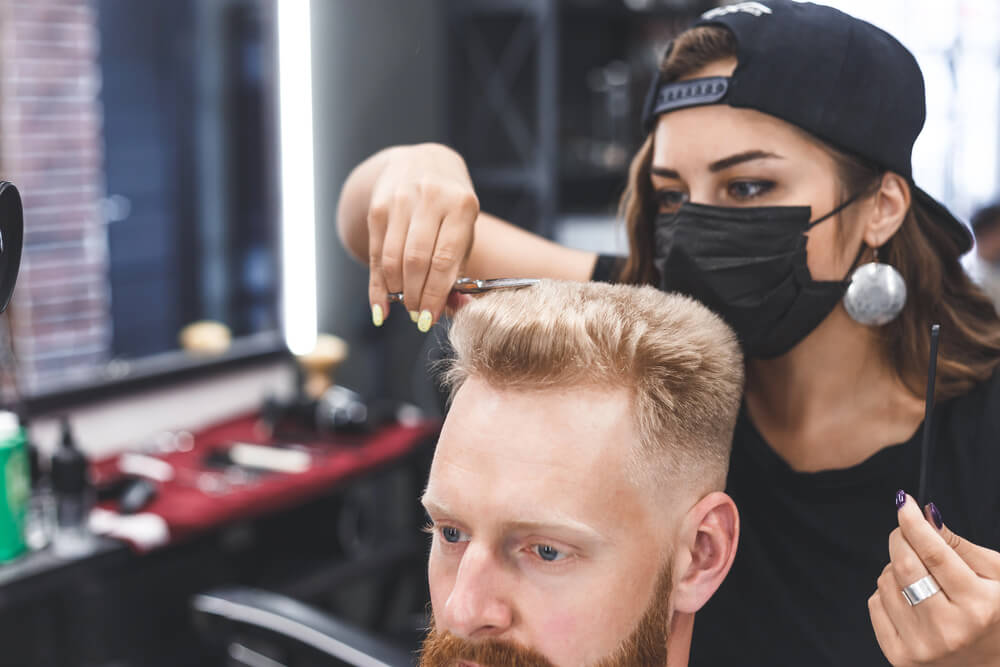
A style with roots in 1950s and 1960s barbering, later revived in 1980s hip-hop culture, the flat top involves cutting the top of the hair into a level, geometric plane using a straight-edge technique. Barbershops report renewed requests concentrated mostly among younger clients drawn to the style’s sharp, structured look.
Half-Up Space Buns
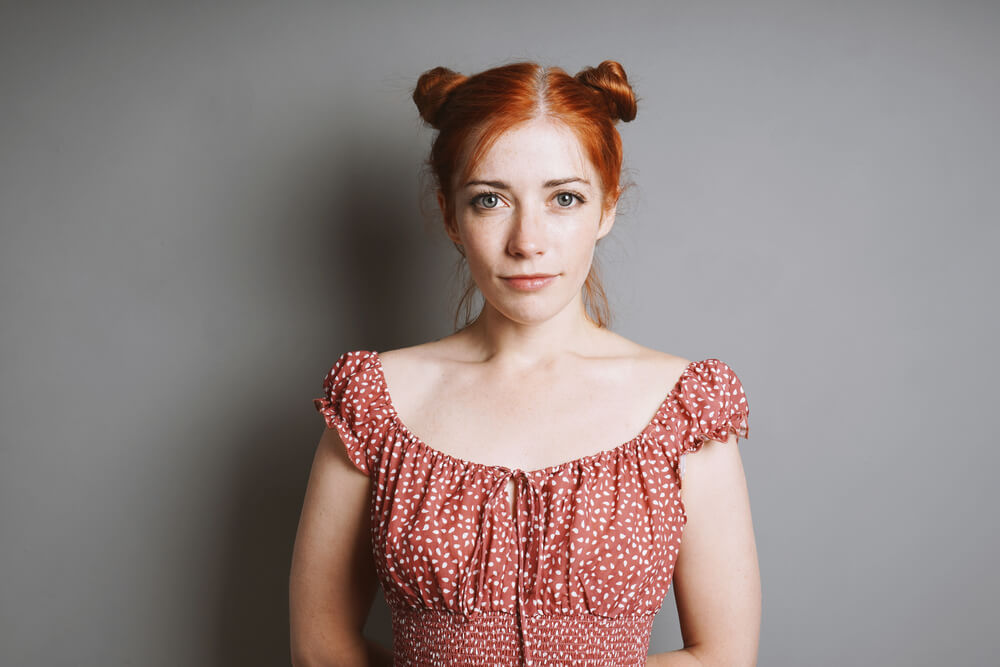
Two symmetrical buns worn at the crown, this style draws on both 1990s pop culture and earlier Y2K styling before resurfacing through social media trend cycles in the early 2020s. Stylists note this request comes almost exclusively from clients seeking a styling technique rather than a haircut, since the look depends on length rather than a specific cut.
The Undercut

Popularized in the 1920s before nearly disappearing for decades and then resurfacing in 2010s alternative fashion, the undercut, with its shaved or closely cropped sides beneath longer top hair, has returned again through a softer, more blended version. Barbers describe the modern take as less severe than its 2010s peak, with more graduated fading between lengths.
Nothing New Under the Blow Dryer
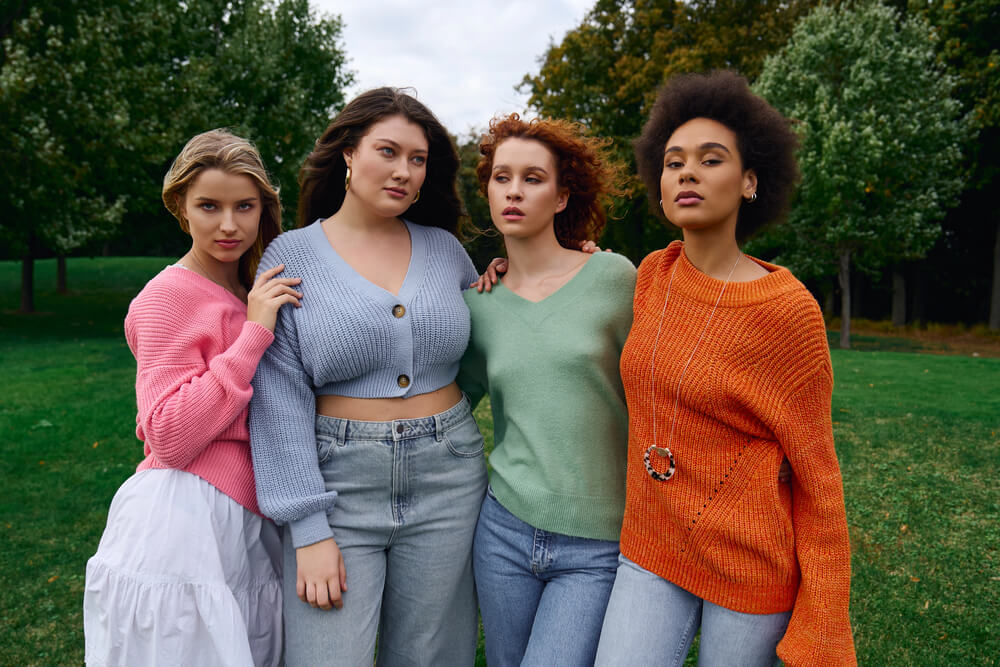
Hairstyles do not really disappear. They wait, usually for about the length of one generation, until the people who wore them the first time have children old enough to raid their mother’s old photo albums for inspiration.
A stylist who has worked long enough eventually cuts the same shape twice, once on the original client and once, twenty years later, on that client’s kid.
What changes is rarely the silhouette itself. It is the product, the technique, and the slightly gentler version of whatever chemical process made the original trend possible, which is usually the real reason a hairstyle can survive a second decade in the chair without anyone getting hurt.
More from Go2Tutors!

- The Romanov Crown Jewels and Their Tragic Fate
- 13 Historical Mysteries That Science Still Can’t Solve
- Famous Hoaxes That Fooled the World for Years
- 15 Child Stars with Tragic Adult Lives
- 16 Famous Jewelry Pieces in History
Like Go2Tutors’s content? Follow us on MSN.



