27 Childhood Toys Far More Dangerous Than Anyone Admitted at the Time
There’s a particular kind of nostalgia that kicks in when you see an old toy from your childhood — a warm, fuzzy feeling that the world was simpler back then, that things were built to last, that kids were tougher. And maybe some of that is true.
But some of it is also that the adults in the room were either completely uninformed, quietly ignoring the risk, or genuinely didn’t think a six-year-old shooting metal darts across the living room was anyone’s problem.
The toys on this list weren’t fringe items sold out of the back of a van. They were bestsellers, holiday wish-list staples, and beloved gifts — and a surprising number of them sent kids to emergency rooms in numbers that would make any modern product liability lawyer visibly sweat.
Jarts
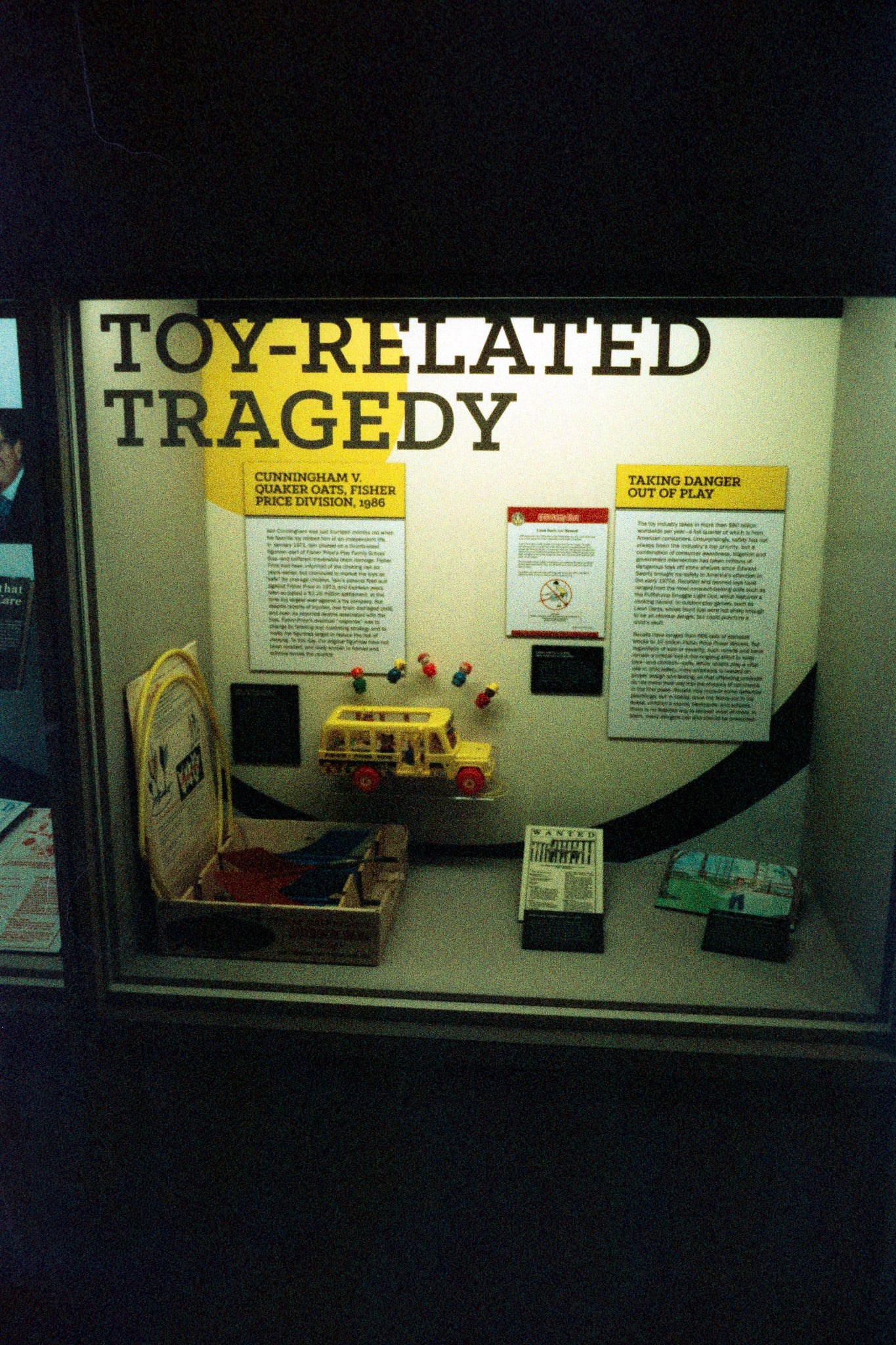
Lawn darts were weighted metal projectiles — pointed at one end, finned at the other — designed to be thrown high into the air and land in a target ring on the ground. The problem was that children exist, and children are not known for their spatial awareness or their respect for trajectory.
By the time the Consumer Product Safety Commission finally banned them on December 19, 1988, they had been linked to thousands of injuries and at least three deaths, one of them a seven-year-old girl. The ban came not through some routine safety review but because her father spent years campaigning relentlessly until someone listened.
Creepy Crawlers
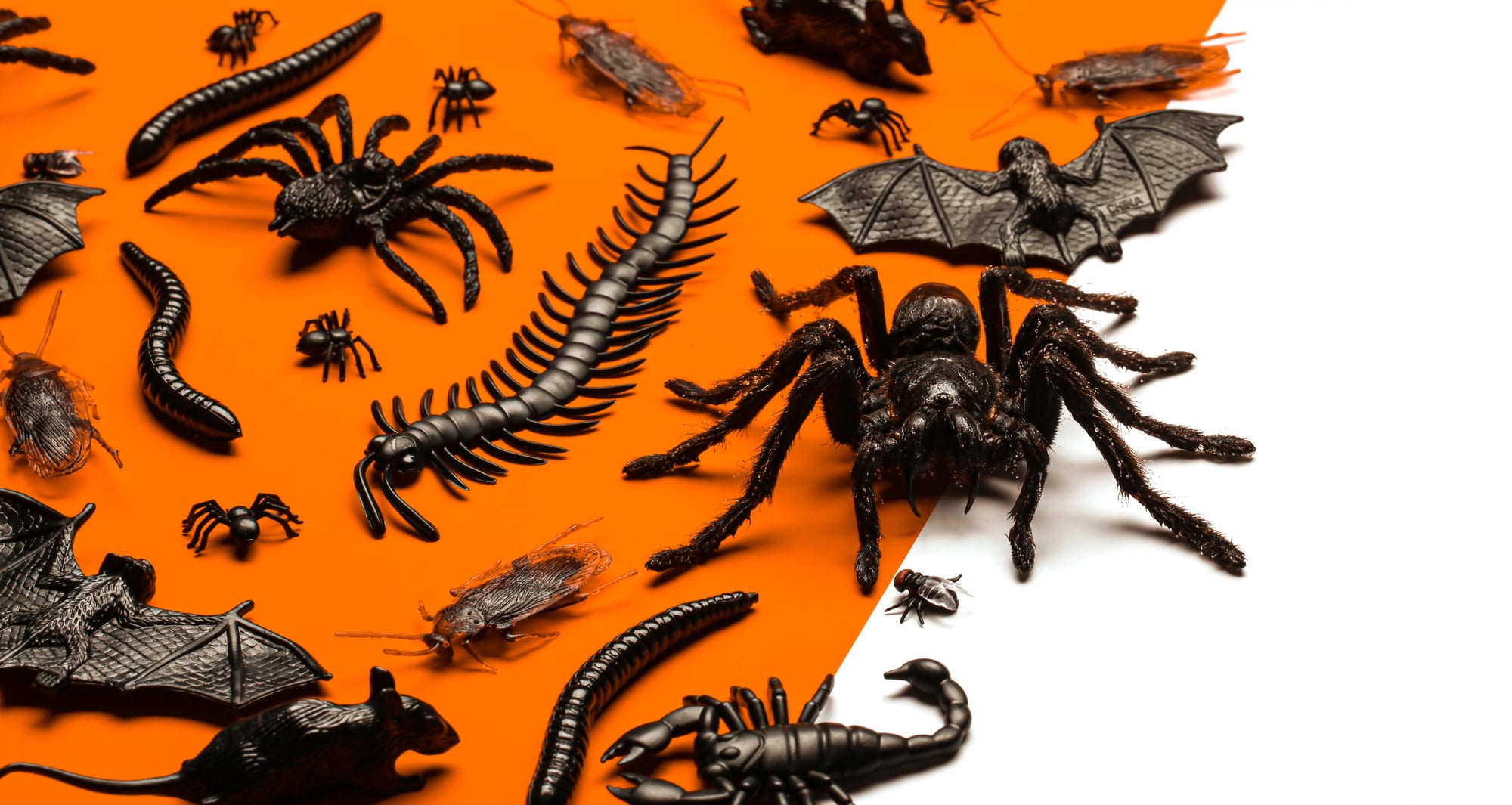
The whole appeal was melting a rubber compound called Plasti-Goop in a metal mold heated to around 390 degrees Fahrenheit, then peeling out a finished bug or worm once it cooled. Turns out, giving a child unsupervised access to a hot plate that rivals a skillet at full flame — with open-faced metal molds sitting directly on the heating element — was not a foolproof system.
Burns were common. The smell alone (a plasticky, chemical fog that settled into carpet fibers and curtains) suggested something in the compound wasn’t exactly spa-grade.
Later versions tried to address the burn risk, but the original design treated heat as more of a feature than a hazard.
Sky Dancers

Sky Dancers were fairy-shaped toys with foam wings that launched into the air when you pulled a ripcord. They sound harmless — whimsical, even.
But their flight paths were famously unpredictable, which is a polite way of saying they launched themselves at faces with surprising accuracy and enthusiasm. The CPSC received nearly 170 reports of injuries, including eye injuries, a broken rib, a chipped tooth, and facial lacerations.
Mattel recalled approximately nine million of them in 2000, which was, to be fair, quite a few fairies.
Gilbert U-238 Atomic Energy Lab
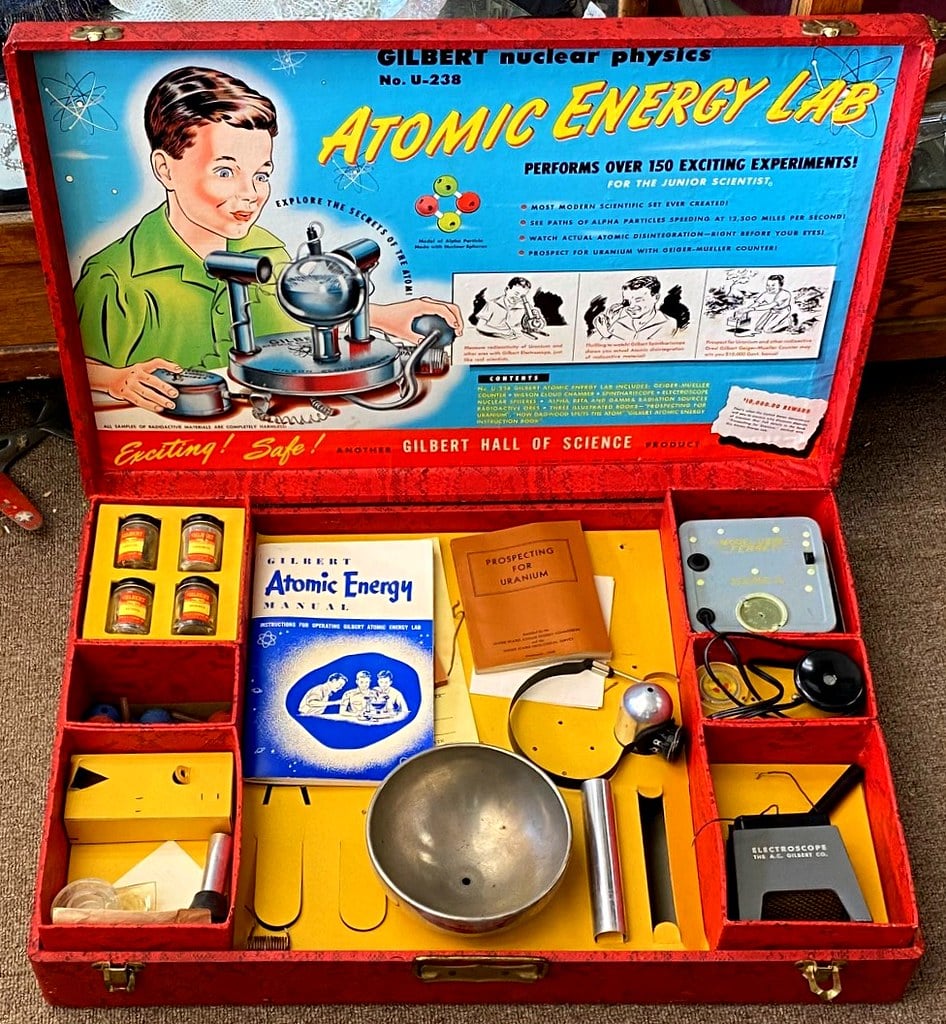
This is the one that stops people cold when they first hear about it. A.C. Gilbert released this kit in 1950 — marketed to children — and it included actual radioactive material: samples of uranium-bearing ore, a Geiger counter, and a cloud chamber for observing alpha particle tracks.
Gilbert genuinely believed hands-on nuclear science would capture young imaginations, and in the immediate post-war glow of atomic optimism, that wasn’t even considered reckless. The kit was discontinued after just one year, not because of radiation concerns but because it was too expensive and didn’t sell well, which somehow makes it stranger.
Slap Bracelets
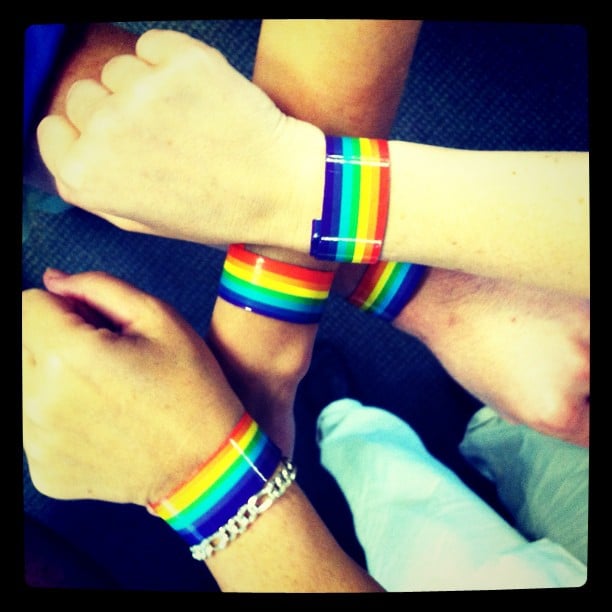
Slap bracelets looked like cheerful fabric-covered fun, the kind of accessory that slapped satisfyingly around a wrist and made you feel briefly like you had it together on the playground. But the metal band inside — which was, depending on the manufacturer, essentially a repurposed section of steel tape measure — had a tendency to wear through the fabric covering and expose a sharp edge against skin.
Schools across the country banned them, which only made them more desirable. The injury risk was real, but it was also the sort of risk that felt almost embarrassingly minor compared to other entries on this list.
Clackers
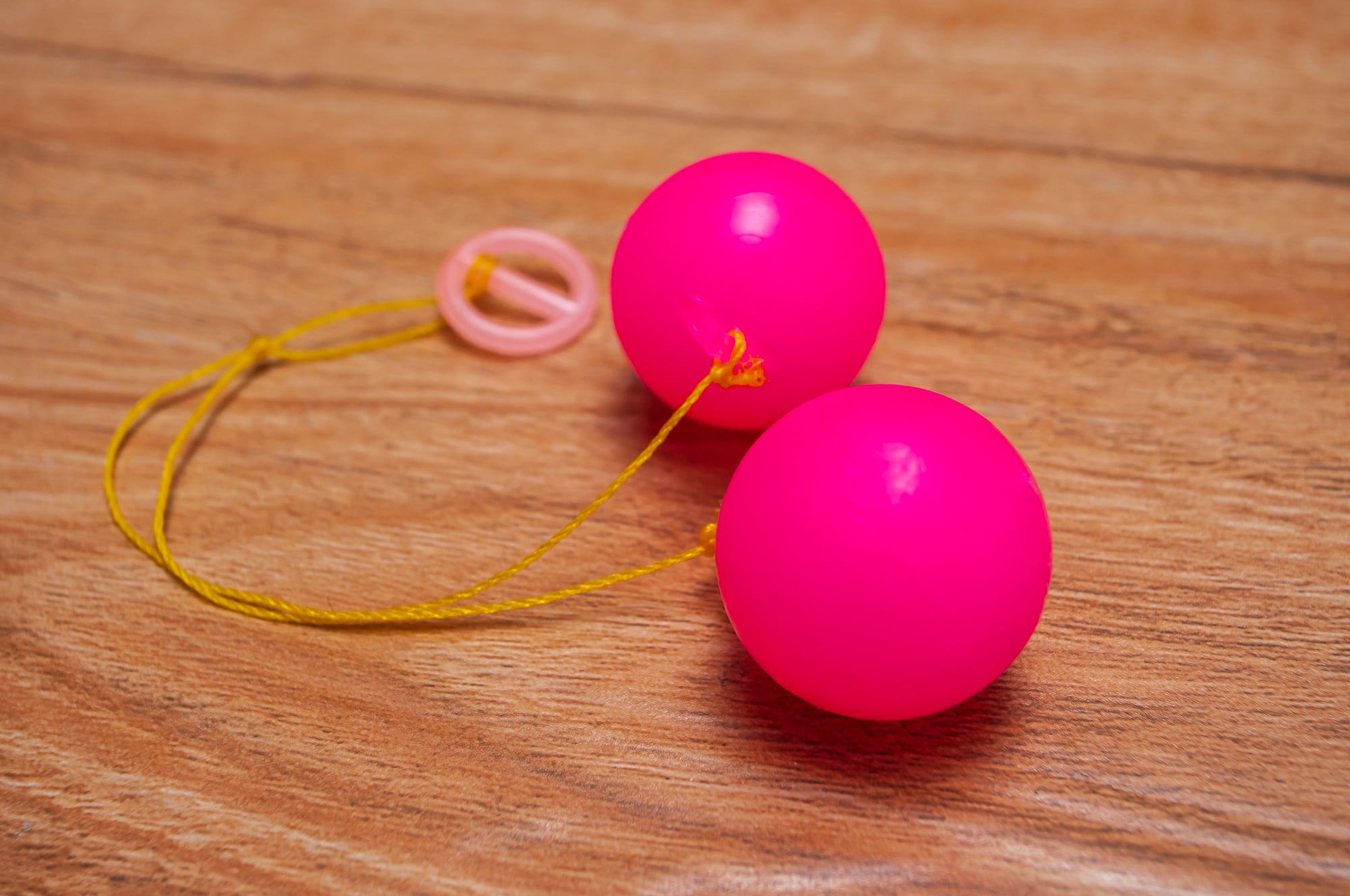
Clackers were two acrylic balls on either end of a string, designed to be swung up and down until the balls gained enough momentum to clack together above and below the hand in a satisfying rhythm. What they were also designed to do, apparently, was shatter — because early versions were made from acrylic that turned brittle under repeated impact, sending sharp fragments at the user’s face and hands at respectable velocity.
The Consumer Product Safety Act was barely a year old when clackers became one of its first targets. Some versions were reformulated in softer plastic; others just quietly disappeared.
Mini-Hammers and Pound-a-Peg Sets
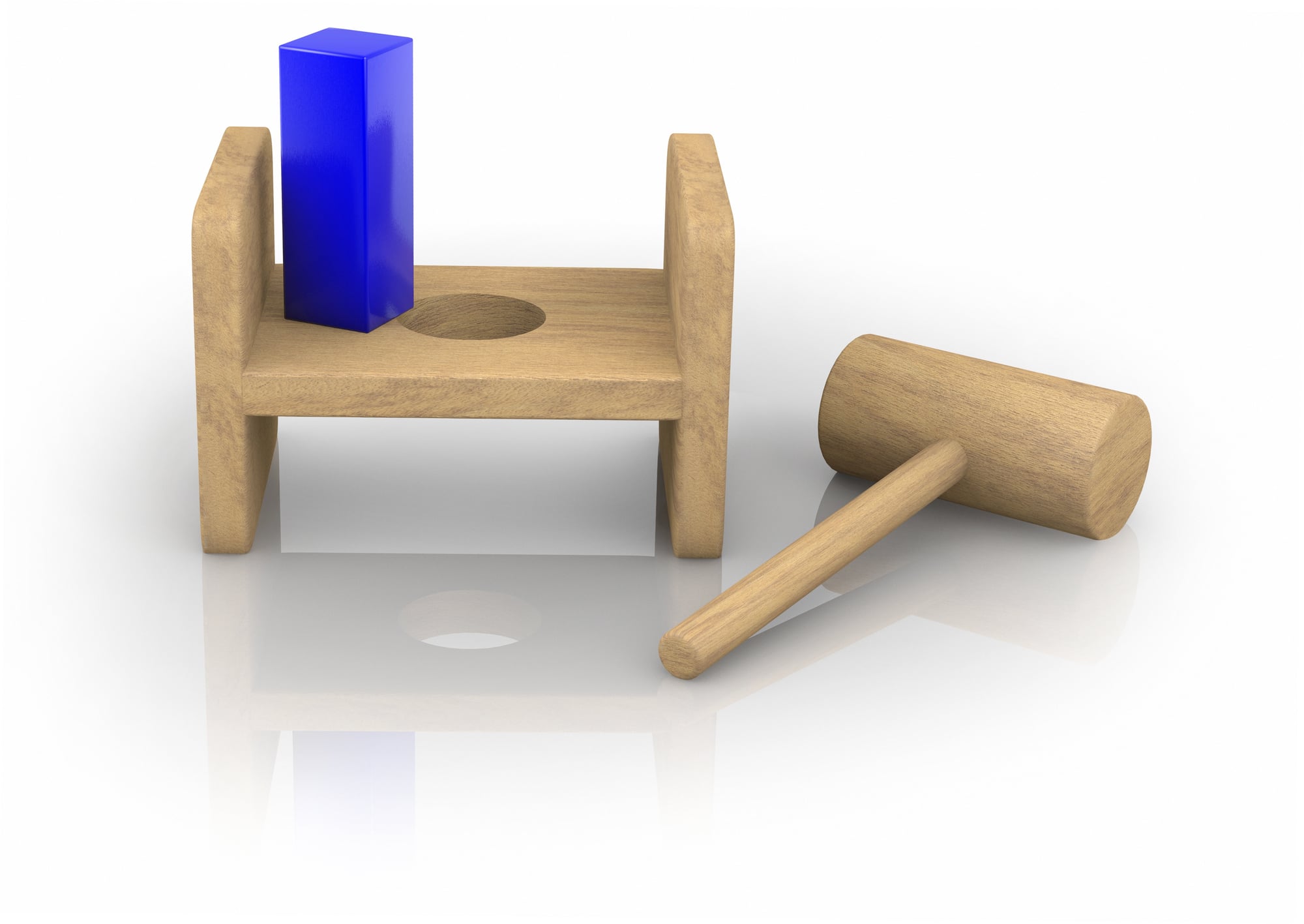
Pound-a-peg toys — wooden mallets, brightly colored pegs, a board with holes — look like the most innocent thing imaginable. And for most children, they probably were.
But put a two-pound wooden mallet into the hands of a toddler who has decided the dog, the coffee table, or a younger sibling is more interesting than the peg board, and the calculus shifts. These weren’t recalled.
Nobody panicked. They just remained a fixture in pediatric waiting rooms and preschool toy bins as though the mallet element were simply decorative.
Austin Magic Pistol
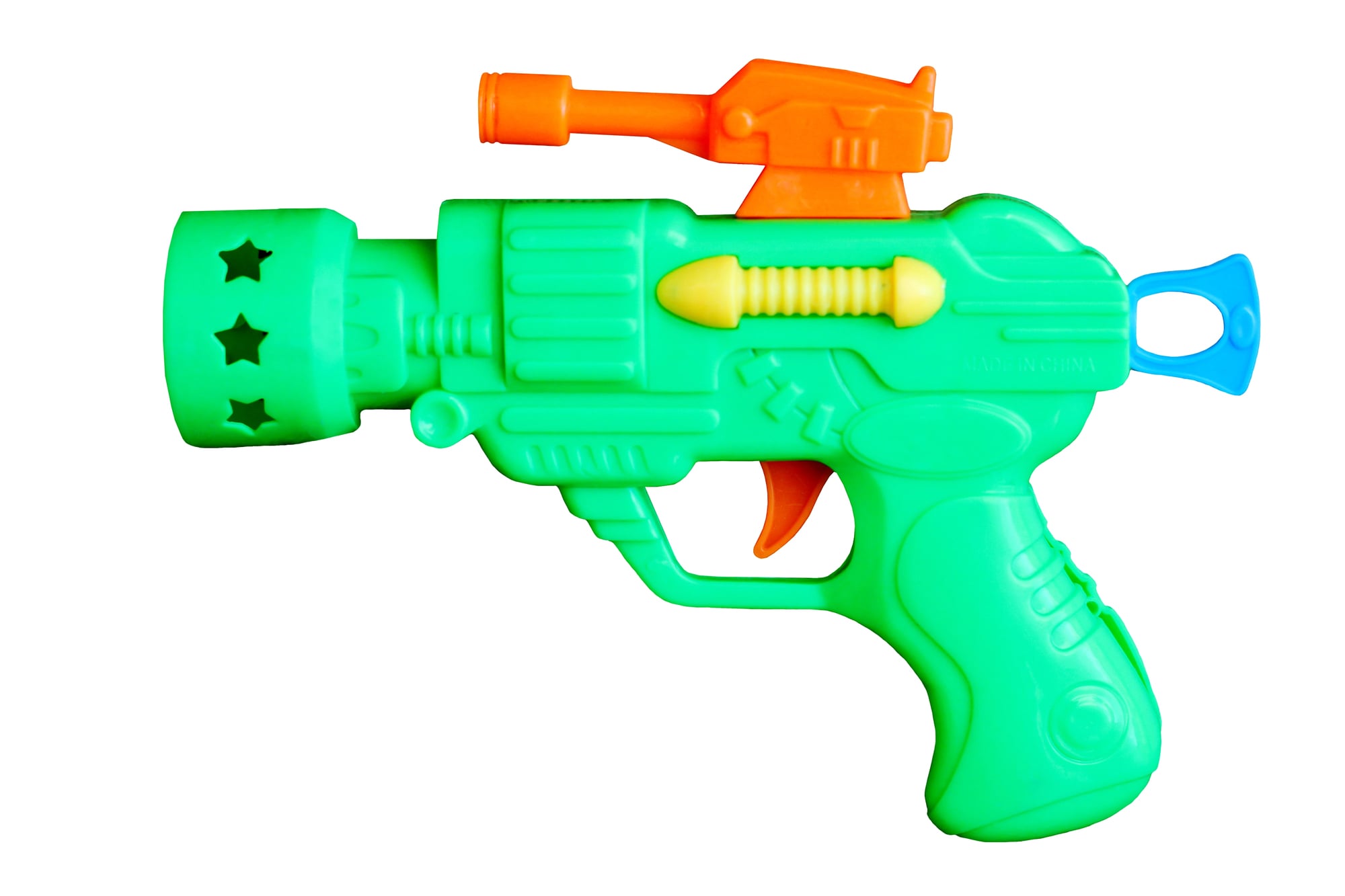
The Austin Magic Pistol, sold in the late 1940s, used calcium carbide pellets that reacted with water inside the chamber to produce acetylene gas, which was then ignited to fire a ping-pong ball. That sentence alone should answer any questions.
It was a toy that generated explosive gas to function, marketed to children, sold by a reputable company, and somehow considered a normal product for several years. Injuries were reported.
The toy was eventually removed from sale. The ping-pong ball itself was probably the safest component.
Battlestar Galactica Missile Toys
After the film Battlestar Galactica launched in 1978, Mattel released a line of Colonial Viper toys with small spring-loaded missiles that could be fired. One child choked to death after inhaling one of the missiles, and Mattel recalled the product — but not before the tragedy had already happened.
This incident (along with similar ones involving other small projectile toys) became a key catalyst for stricter regulations around small parts and choking hazards in toys. The irony is that the missile was small enough to fire precisely because it was designed to be realistic.
Easy-Bake Oven (Original)
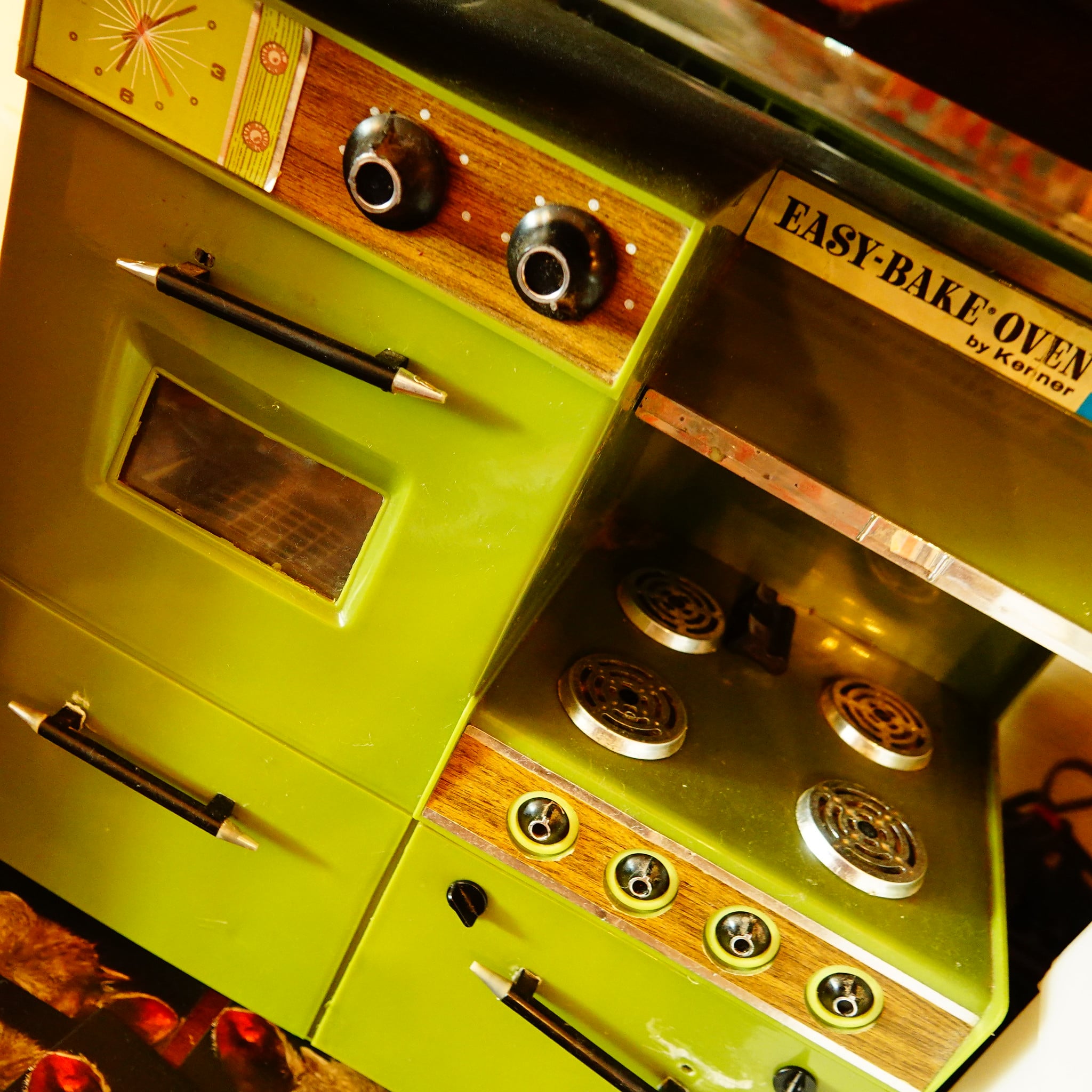
The original Easy-Bake Oven from 1963 used a standard incandescent light bulb to generate heat — which was, genuinely, a clever and low-risk mechanism. The problem arrived decades later with a redesigned version released in 2006 that used a heating element instead, and featured an opening just large enough for a small hand to reach inside and become trapped near the heat source.
Hasbro received over 200 reports of burns before issuing a recall in 2007, including reports of partial finger amputations. The original light-bulb version is, in retrospect, a monument to accidental safety.
Yo-Yo Water Ball
Yo-yo water balls — those gel-filled balloons on a stretchy latex cord — became wildly popular in the late 1990s before regulators noticed that the latex cord had a habit of wrapping around children’s necks during play. Several countries banned them outright.
The United States saw multiple recalls, and the CPSC flagged them as a strangulation risk. They were sold at gas stations, dollar stores, and carnival booths for years after the warnings circulated, because the supply chain for “cheap toy sold next to the register” moves at its own speed.
Fisher-Price Little People (Original)
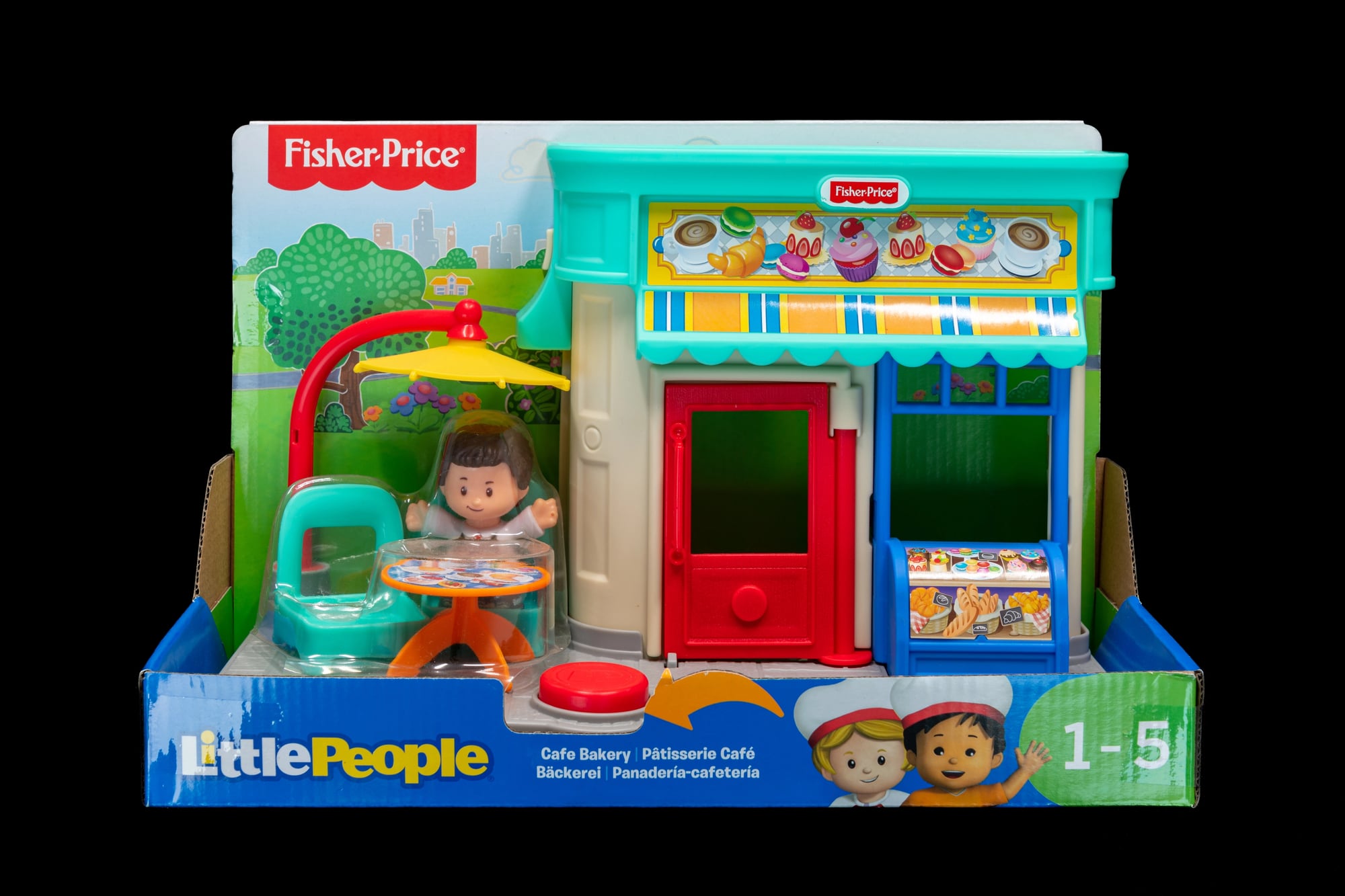
The original Little People — squat, cylindrical wooden figures that came with farmhouses, airports, and schools throughout the 1960s and 70s — were the right size to fit completely inside a child’s airway. Fisher-Price quietly redesigned them to be larger in 1991 after choking concerns mounted for years, but the older versions were already in millions of homes, handed down through siblings and garage sales and grandparents’ toy chests.
The redesign was handled with such discretion that many parents didn’t even register that a change had been made, or why.
Snacktime Cabbage Patch Kid
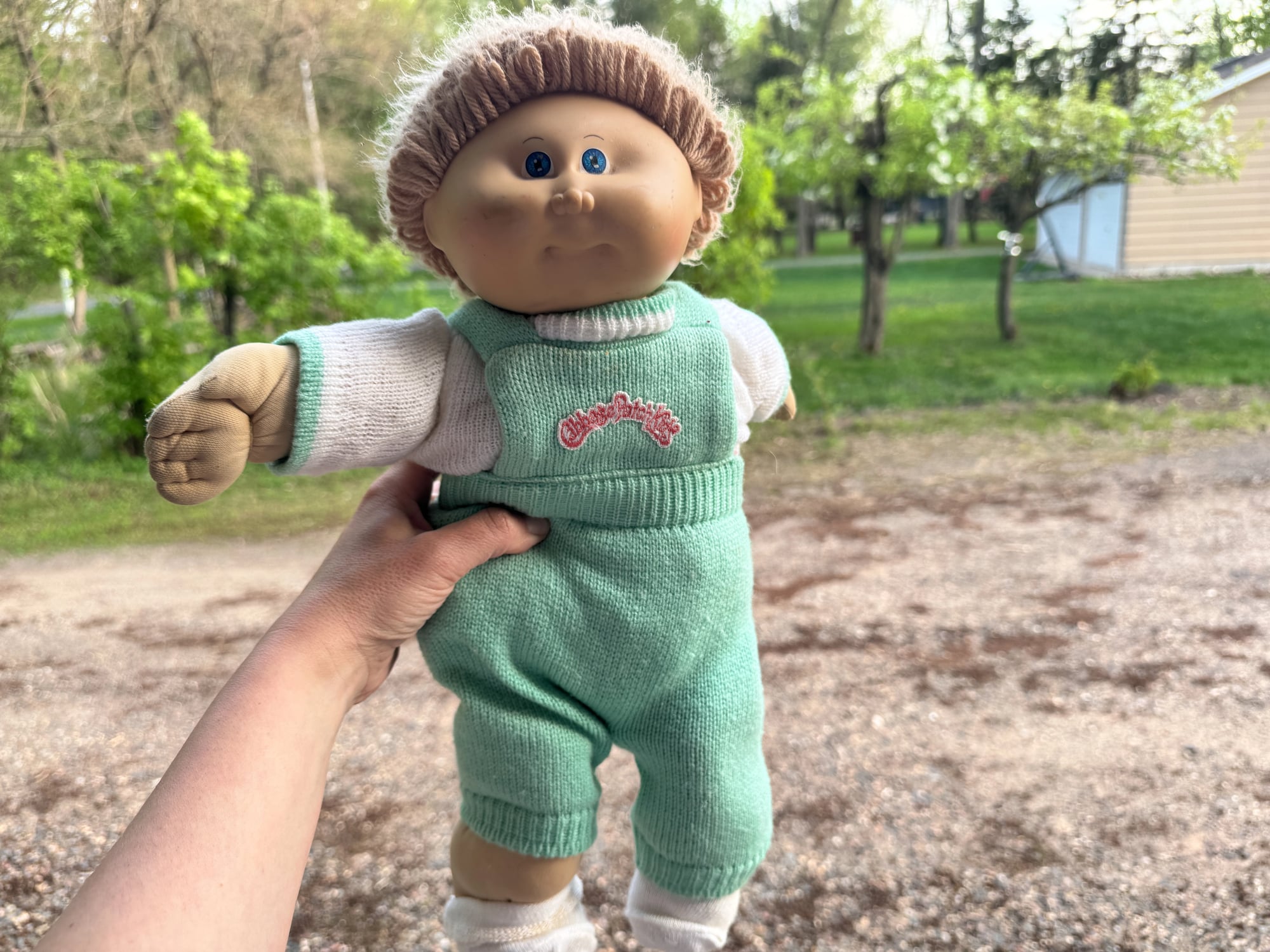
Mattel released a Cabbage Patch doll in 1996 with a motorized mouth that could “eat” plastic snacks — you fed it a pretend french fry, the mechanism pulled it in, problem solved. Except the mechanism also pulled in children’s fingers and hair, without any reliable way to stop it once it started.
There was no off switch during the eating motion, which is the kind of design detail that sounds like a dark joke until you read the injury reports. The doll was recalled in 1997 after roughly 35 complaints, which seems low given the mechanical situation involved.
Swing Sets (Original Metal)

The backyard swing sets of the 1970s and 80s were essentially industrial scaffolding painted primary colors and bolted — sometimes loosely — into whatever passed for a flat patch of lawn. The frames tipped.
The metal edges rusted into sharpness. The chains pinched.
The ground underneath was bare earth or concrete because the concept of fall zones and rubber matting didn’t enter the mainstream conversation until much later. Kids launched themselves off at the apex of the swing arc because someone dared them to, and the landing surface was whatever was there.
It was accepted as the natural order of things.
Chemcraft Chemistry Sets
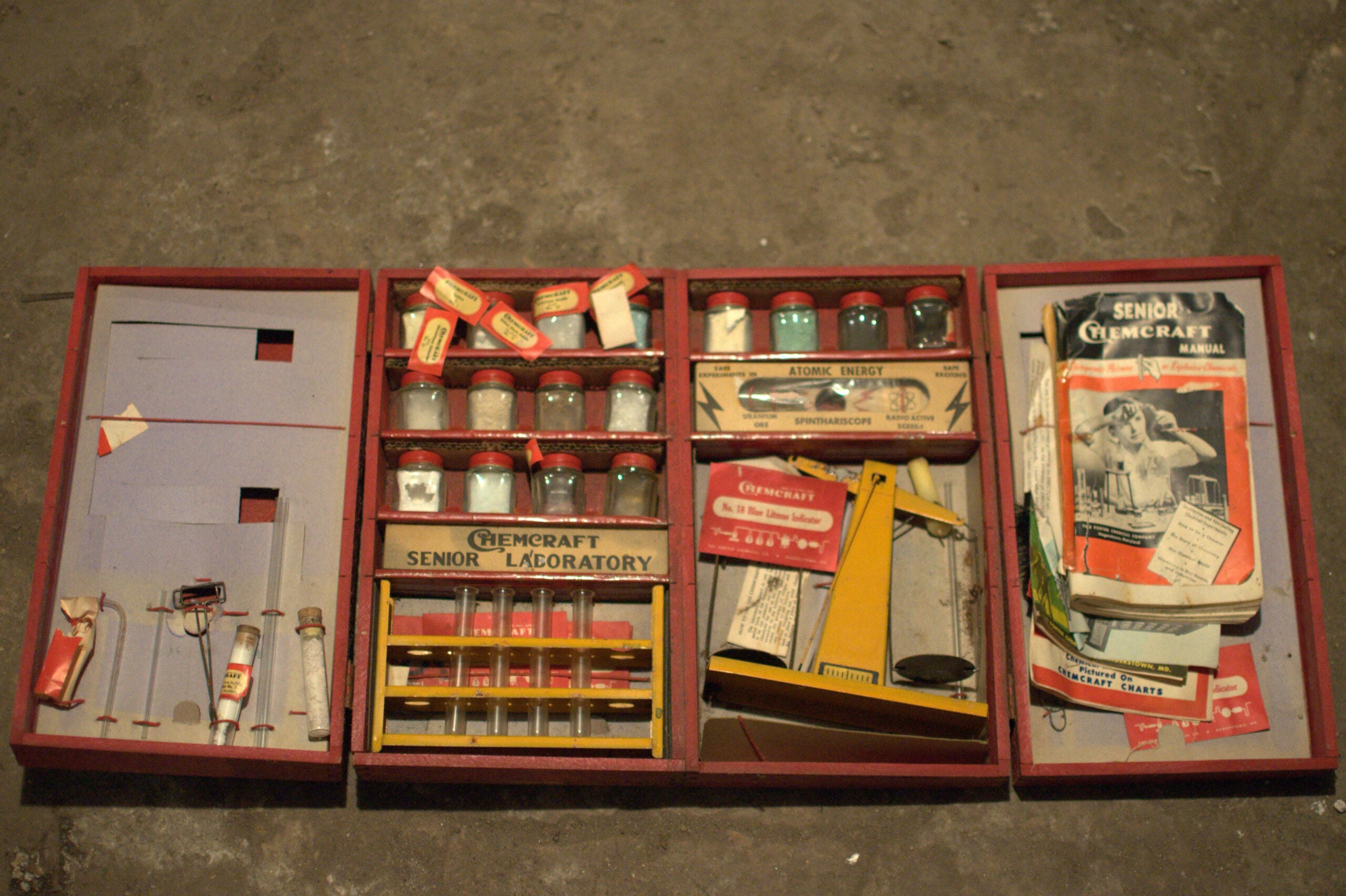
Chemcraft and similar chemistry sets of the 1950s and 60s included chemicals that would never be permitted in a children’s product today: potassium permanganate, sodium ferrocyanide, ammonium nitrate, and in some versions, compounds that could be combined to produce chlorine gas. The instructions were generally responsible, which assumes children follow instructions — an assumption that has not historically proven robust.
Parents bought these sets as gifts for scientifically curious kids, and scientifically curious kids immediately began testing the limits of what the word “do not mix” actually meant.
Aqua Dots

Aqua Dots were small colored beads that fused together when sprayed with water to create mosaic-style designs. They were wildly popular and became a top toy of 2007 — right up until it was discovered that the coating on the beads metabolized into gamma-hydroxybutyrate (GHB) when ingested.
Children who swallowed them fell unconscious; two in the United States and three in Australia were hospitalized, with some falling into comas. The recall covered approximately 4.2 million units.
The root cause was a cost-cutting substitution by the Chinese manufacturer — a cheaper chemical had been used in place of the intended non-toxic coating, and nobody caught it before distribution.
Magnetix
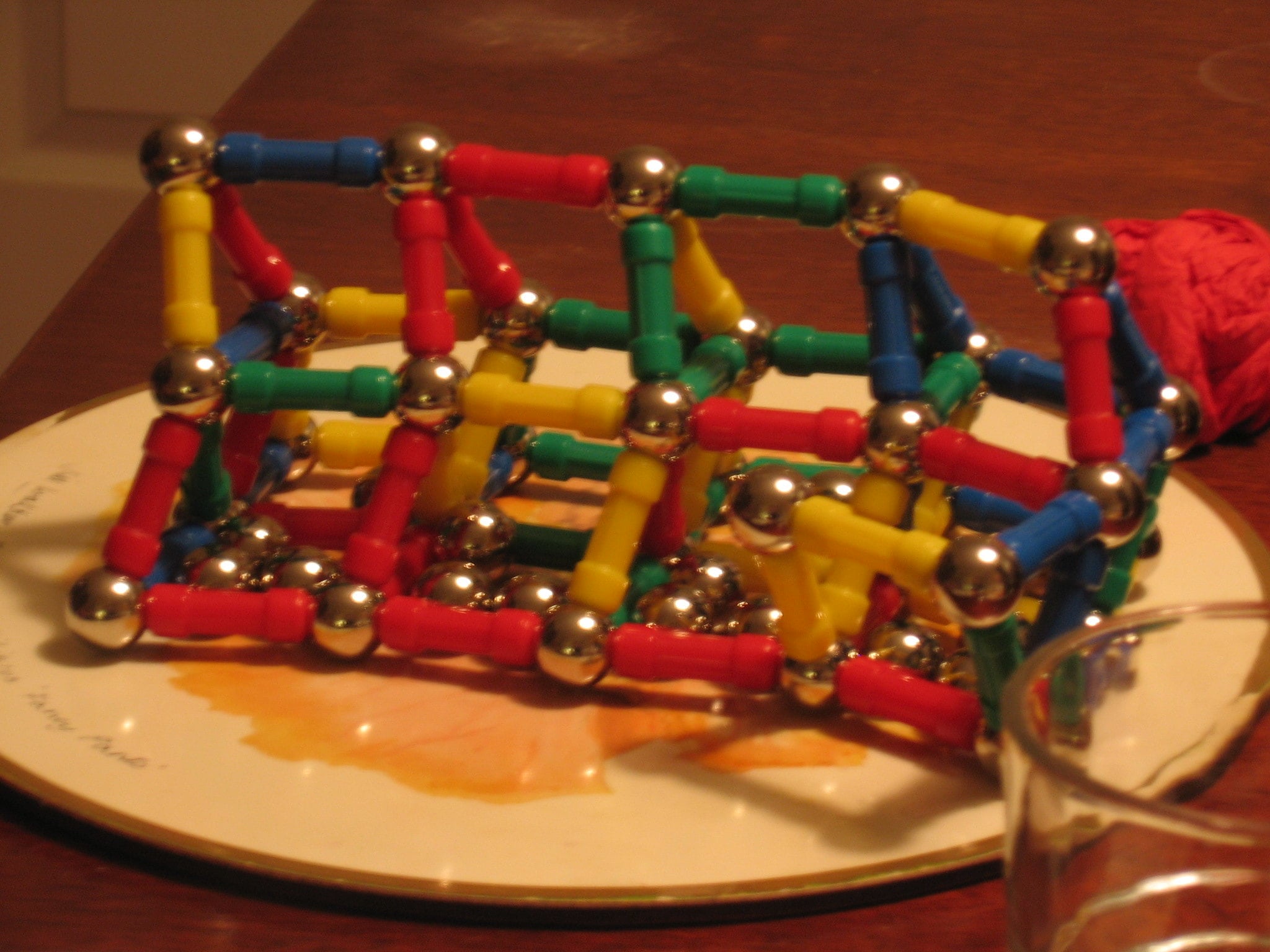
Magnetix building sets used small, powerful magnets inside colorful rods that snapped to metal ball-bearings to create structures. One child’s death and several serious internal injuries were linked to swallowing multiple magnets, which then attracted each other through layers of intestinal tissue and caused perforations.
The magnets were small enough to be swallowed easily, and the attraction force between them was strong enough to do serious damage before any symptoms became obvious. A recall of 3.8 million units followed in 2006, and the incident fundamentally changed how regulators approached high-powered magnets in toys going forward.
Cap Guns
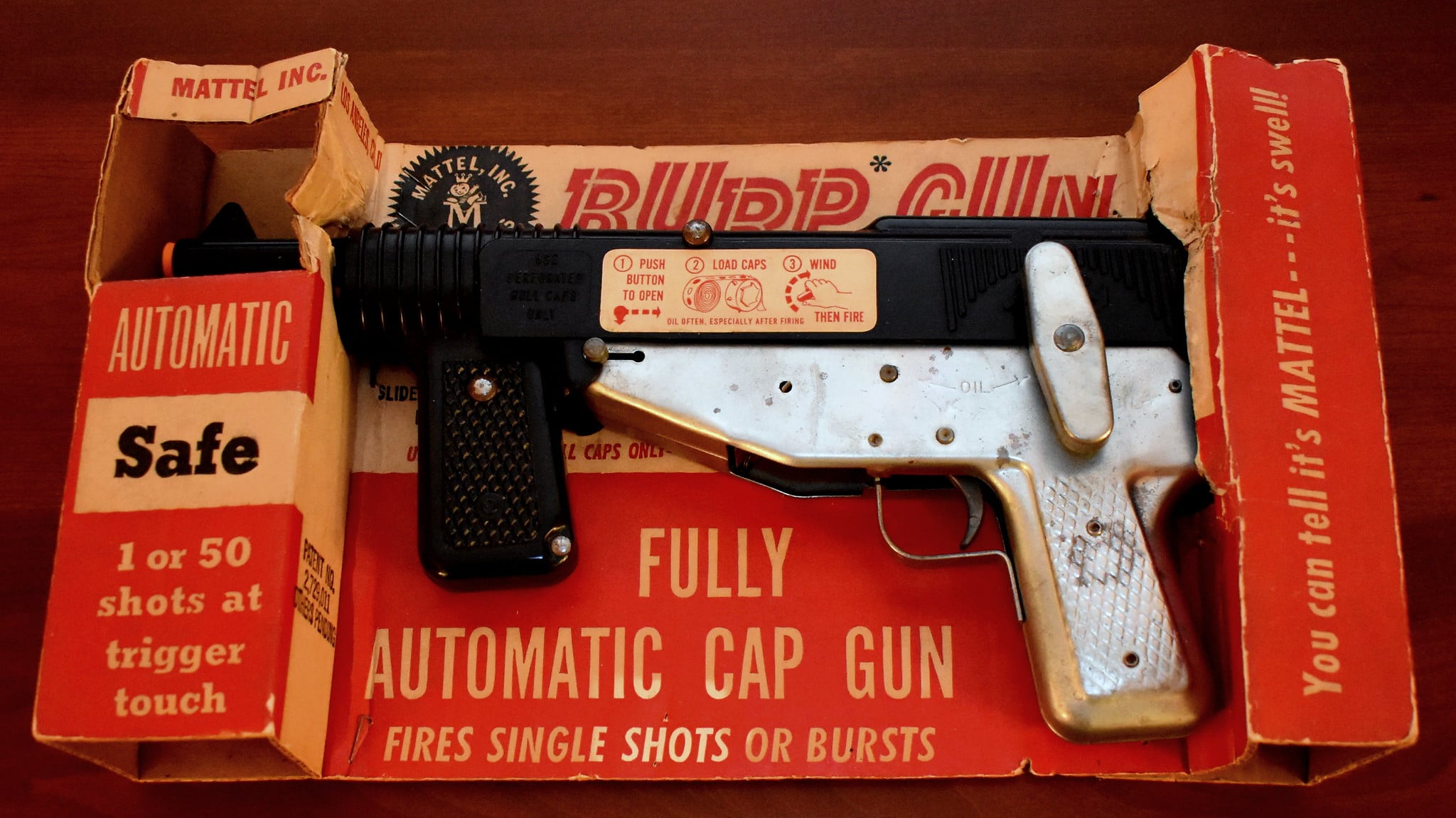
Cap guns occupy a particular spot in the cultural memory — the smell of the paper roll caps, the satisfying crack, the thin curl of smoke. What they also produced was a small but real risk of burns from the exposed percussion mechanism and flying debris when the cap misfired or the mechanism jammed and was hit harder to compensate.
The paper caps themselves were gunpowder-impregnated, which is a phrase that tends to clarify things quickly. Children routinely struck them with rocks on the sidewalk outside the intended mechanism entirely, which produced exactly the result you’d expect.
Pogo Sticks
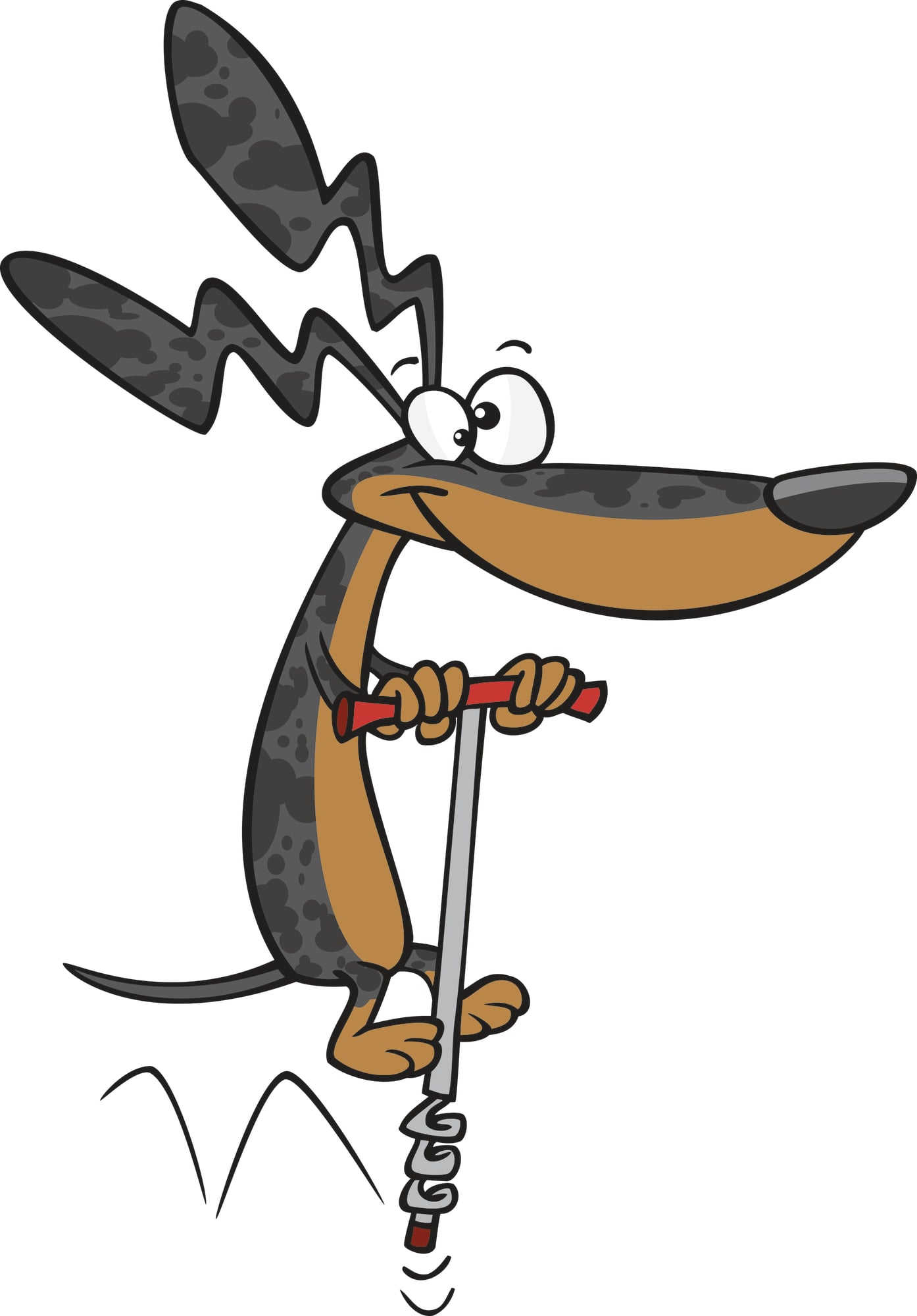
The physics of a pogo stick — a metal rod, a spring, two footrests positioned about eighteen inches off the ground when compressed — are not inherently catastrophic. But the physics of a child overestimating their own balance on a pogo stick while attempting to use it on a gravel driveway, a sloped surface, or near a fence are considerably less forgiving.
Falls from pogo sticks were among the leading causes of childhood arm fractures for decades, largely because the instinct when falling off one is to reach out and catch yourself, and the arms absorb the full physics of that decision.
Roller Skates (Pre-Helmet Era)
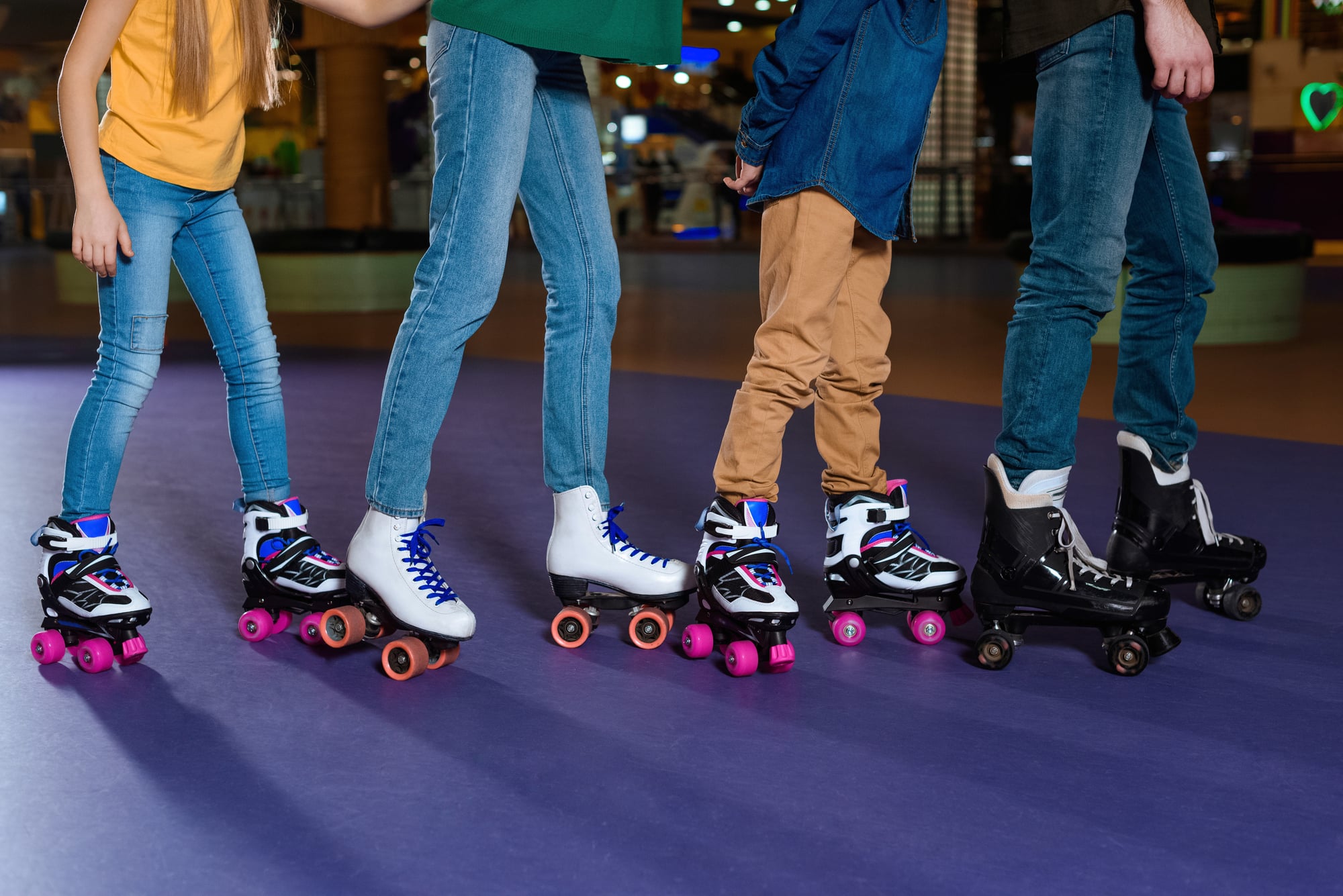
Roller skates — the metal-wheeled, key-tightened variety that attached to shoes — were issued to children in the 1960s and 70s without any accompanying safety equipment because the concept of helmets, wrist guards, or knee pads for skating hadn’t arrived yet. Hard concrete at speed, a small pebble in the wheel path, a crack in the sidewalk: the combination required no unusual circumstances.
Head injuries, road rash, and broken wrists were so routine they were considered part of the learning process. The skates themselves weren’t defective; the protective equipment category simply hadn’t been invented as a product yet.
Home Trampolines
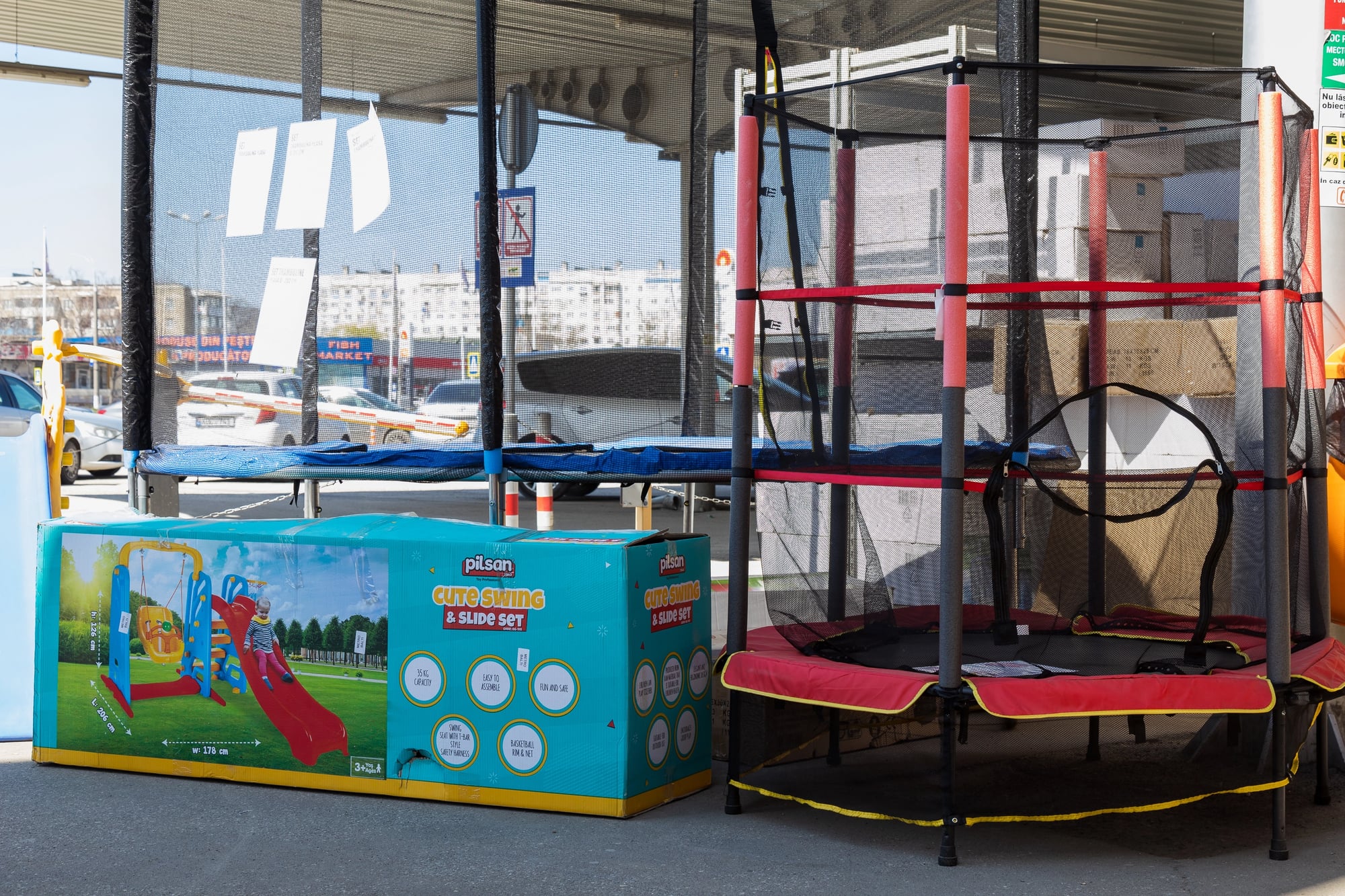
Home trampolines have always carried a disproportionate injury rate relative to how normal they look sitting in a backyard. The American Academy of Pediatrics has recommended against them for recreational home use for decades.
Fractures, spinal injuries, and head trauma are associated with collisions between multiple users, falls off the edge, and the specific type of bad luck that comes from bouncing in ways the springs can’t predict. The netting enclosures that became standard in the 2000s helped with falls off the edge — they did nothing for collisions between users bouncing at the same time.
BB Guns
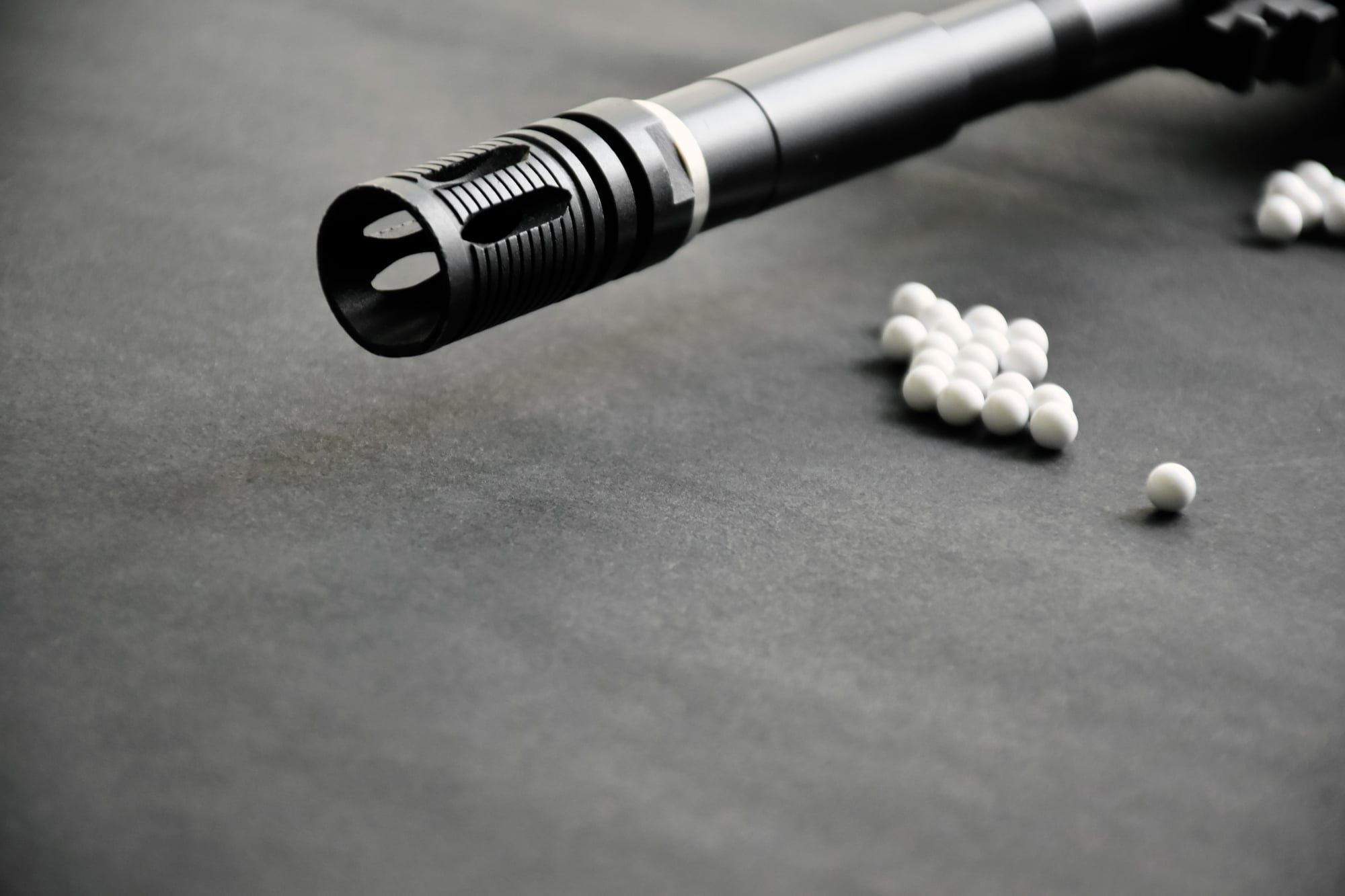
The phrase “you’ll shoot your eye out” is so culturally embedded that it has become a kind of deflection, almost a joke. But BB guns sent a genuinely significant number of children to emergency rooms every year, and not just with eye injuries: BBs penetrated skin, caused internal injuries at closer ranges than most parents understood, and occasionally ricocheted off hard surfaces in directions nobody anticipated.
They were sold in sporting goods stores without age restrictions in many states, positioned as starter firearms, and treated as a reasonable gift for a ten-year-old with a good attitude.
Slip ‘N Slides

Slip ‘N Slides were marketed toward children, and for children they were genuinely fine — relatively low speed, low body mass, low injury consequence. The problem was that adults used them too, and adult body mass on a thin vinyl sheet over hard ground at higher velocity produced a different set of outcomes.
Waddell’s syndrome — a compression injury to the cervical spine — was specifically associated with heavier adults using Slip ‘N Slides. The CPSC issued a warning in 1993 recommending the product not be used by anyone over 12.
This recommendation was largely ignored at every summer party from that point forward.
Stilts
Wooden stilts — two poles with footholds bolted partway up — were a straightforward toy in concept: you stood on them, you walked, you felt briefly elevated and capable. Falls from stilts onto pavement or packed earth without any padding or protection produced the kind of injuries that hard surfaces specialize in.
The height was modest — usually eighteen inches to two feet — but falls tended to be sideways or backward rather than forward, which removed the instinct to break the fall with outstretched hands and replaced it with a full-body impact instead.
Toy Archery Sets

Toy archery sets came with rubber suction-cup tips on the arrows, which was a sensible safety gesture undermined by the fact that the suction cups were removable, wore off, or were deliberately removed by children who had seen actual arrows and found the suction cup offensive. The bows themselves had enough draw weight to send an arrow at meaningful velocity — enough to cause eye injury, welts, and in the wrong circumstances, something worse.
They were sold alongside dart sets and cap guns as normal recreational equipment in toy aisles without any particular fanfare about supervision requirements.
Heelys and Wheeled Shoes
Heelys — and the broader category of shoes with embedded wheels — arrived in the early 2000s and immediately presented schools, hospitals, and tiled shopping centers with a problem nobody had entirely planned for. Children rolling uncontrolled through crowded spaces, down ramps, and across uneven surfaces generated enough emergency room visits that many school districts banned them outright.
The injuries were predictable in type — wrist fractures, head injuries, road rash — and the protective equipment situation was identical to earlier skate eras: most children using them wore nothing protective because the shoes looked like ordinary shoes.
Johnny Reb Cannon
The Johnny Reb Cannon, produced by Remco in the early 1960s, was a plastic Civil War-era cannon toy that fired small plastic balls using a spring mechanism powerful enough to cause real eye injuries at close range. It was designed for children to stage battles with, which means it was designed for children to aim it at each other.
Injuries were reported. The product ran through its commercial life regardless, trading on the era’s enthusiasm for Civil War imagery and the general assumption that boys being boys was an adequate safety assessment.
What the Toy Aisle Couldn’t See Coming

The gap between what these toys were and what they were sold as — carefree, imaginative, perfectly ordinary — is the thing that lingers. It wasn’t malice, for the most part.
It was a culture that hadn’t yet built the vocabulary for systemic risk assessment in children’s products, a regulatory environment still finding its footing, and a marketplace that moved faster than anyone’s concern.
The toys on this list aren’t just artifacts of nostalgia — they’re a record of what it took to build the safety standards that now exist. Every CPSC regulation, every choking hazard warning, every mandatory age label is, somewhere in its history, a response to a specific object that hurt a specific child.
The playgrounds got safer because the old playgrounds sent enough kids to emergency rooms that someone finally had to write it down.
More from Go2Tutors!

- The Romanov Crown Jewels and Their Tragic Fate
- 13 Historical Mysteries That Science Still Can’t Solve
- Famous Hoaxes That Fooled the World for Years
- 15 Child Stars with Tragic Adult Lives
- 16 Famous Jewelry Pieces in History
Like Go2Tutors’s content? Follow us on MSN.