25 Foods Eaten Around the World That Sound Strange Until You Try Them
There’s a moment — somewhere between reading a menu you can’t quite parse and watching a local eat something with obvious, uncomplicated pleasure — when you realize the food you grew up with is not the baseline.
It’s just one version of the story. Every culture has built its cuisine around what grows, what survives, what tastes good after centuries of figuring it out, and the results are occasionally surprising from the outside.
Some of the dishes below sound alarming at first. A few of them look alarming too.
But nearly all of them, tried with an open palate and a minimum of prejudice, turn out to be exactly what they are: someone else’s comfort food.
Hákarl
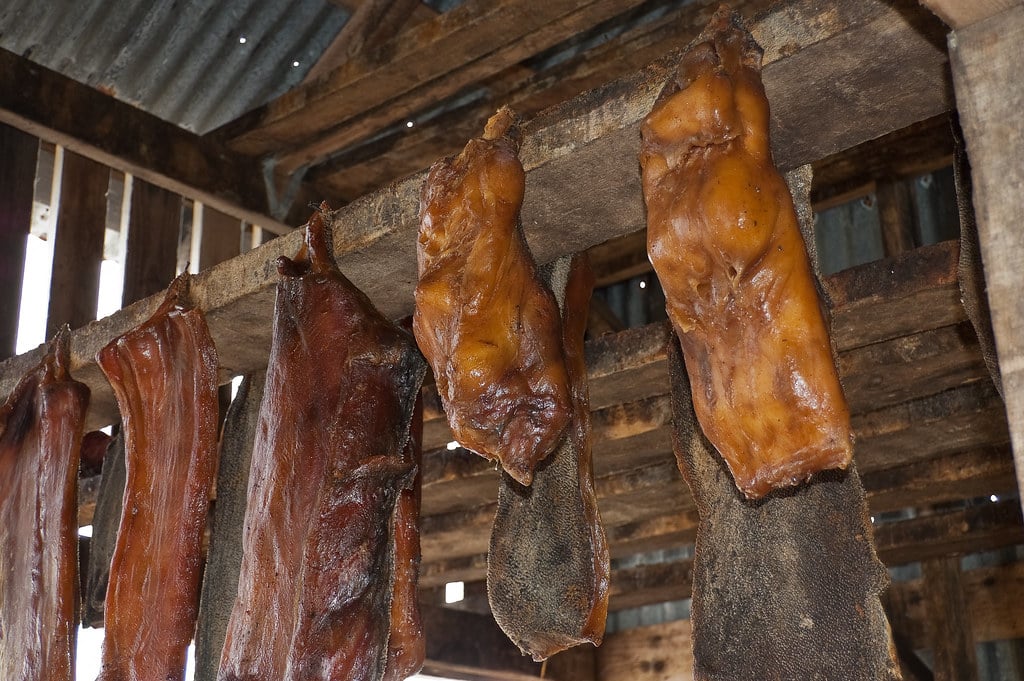
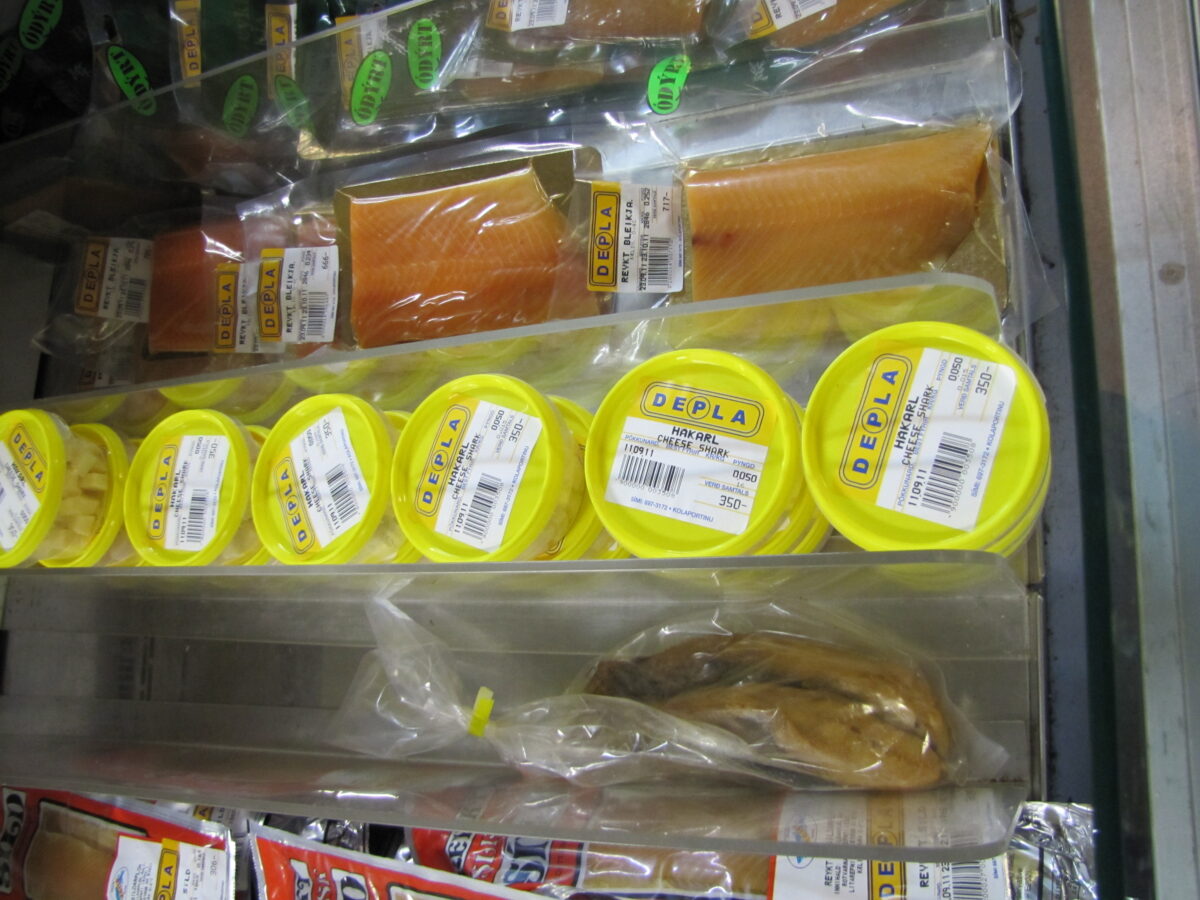
Fermented Greenlandic shark, buried underground for months and then hung to dry — hákarl is the kind of food that gets described before it gets eaten, usually by someone who didn’t finish their portion. The ammonia smell is real and substantial.
But the flavor, once you push past the first bite, is more like a very sharp aged cheese than anything you’d expect from a shark that’s been decomposing on purpose.
Balut
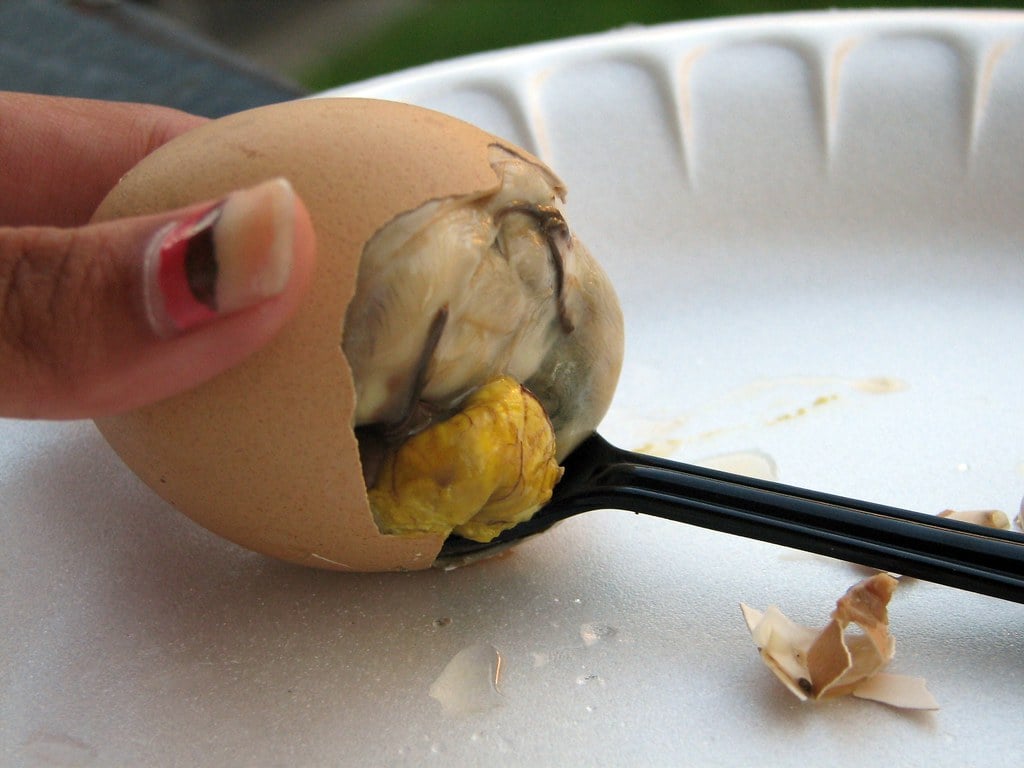
Balut is a fertilized duck egg, boiled and eaten from the shell, and it’s a street food staple in the Philippines with the same casual ubiquity that a hot dog has in New York. The contents vary depending on how developed the embryo is — some vendors sell them younger, some older, and locals tend to have a preference the way people have preferences about coffee strength.
It’s savory, rich, and tastes considerably better than the description prepares you for.
Casu Martzu
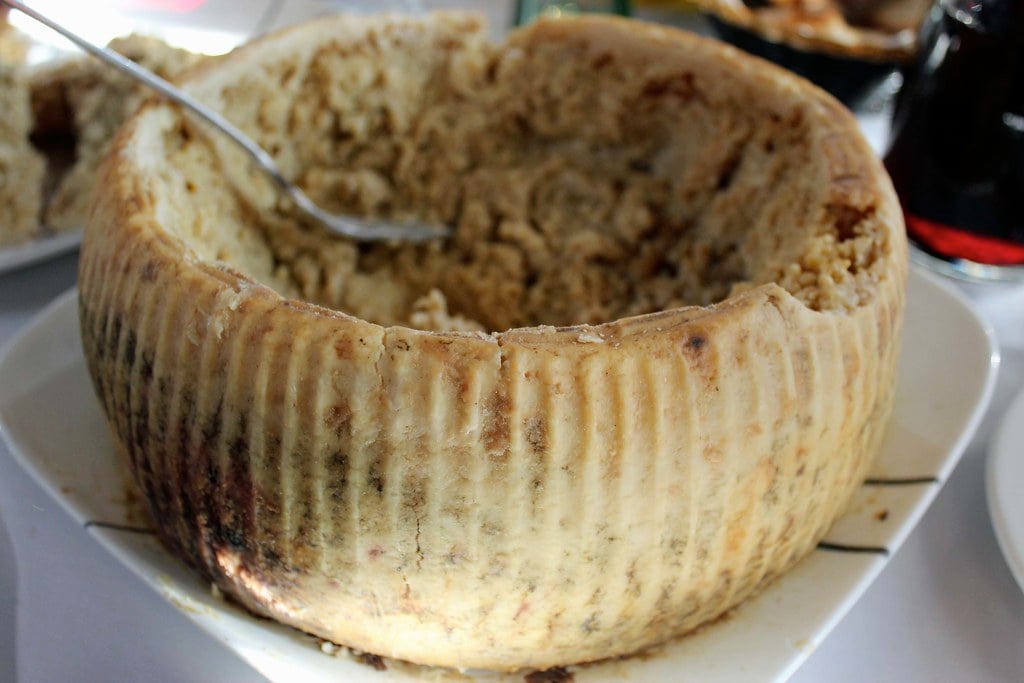
There’s something almost stubborn about Sardinian casu martzu — a pecorino cheese deliberately introduced to live insect larvae, which break down the fats and ferment the interior into something soft and pungent that people have been eating on the island for generations, long before any food safety agency had opinions about it. The larvae — small, translucent, capable of jumping — are sometimes present when the cheese is eaten, which is either the most alarming detail in this entire article or simply a matter of perspective, depending entirely on where you were raised.
So the cheese is technically illegal to sell commercially in the EU. And yet wheels of it continue to exist, change hands quietly, and get eaten with flatbread on someone’s patio in Sardinia.
Stinkbugs
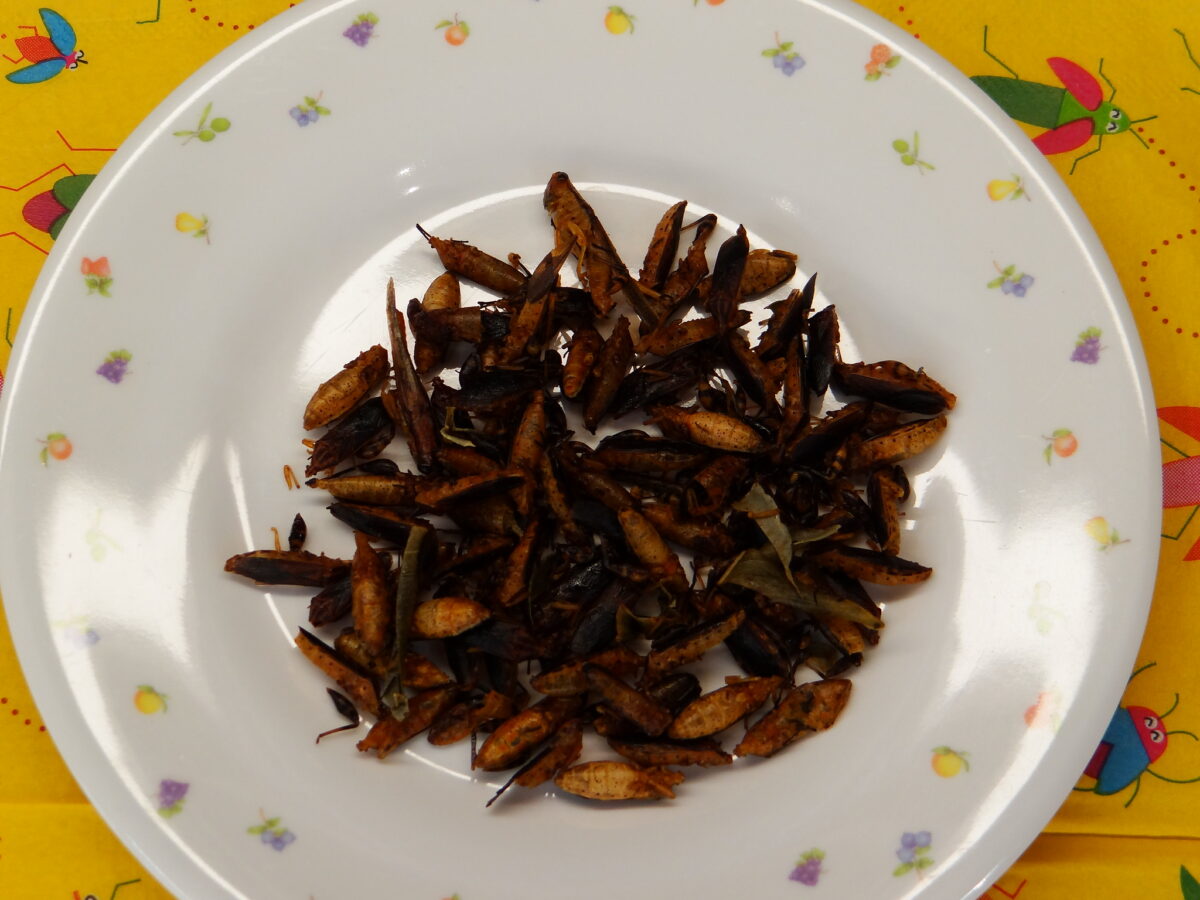
In parts of southern Africa, particularly Zimbabwe and Mozambique, stinkbugs (specifically the Encosternum delegorguei species) are harvested seasonally, boiled or dried, and eaten as a protein-rich snack. They taste like pine nuts — which makes sense, given that they feed on marula and related trees.
The name does the food no favors on an international menu.
Mopane Worms
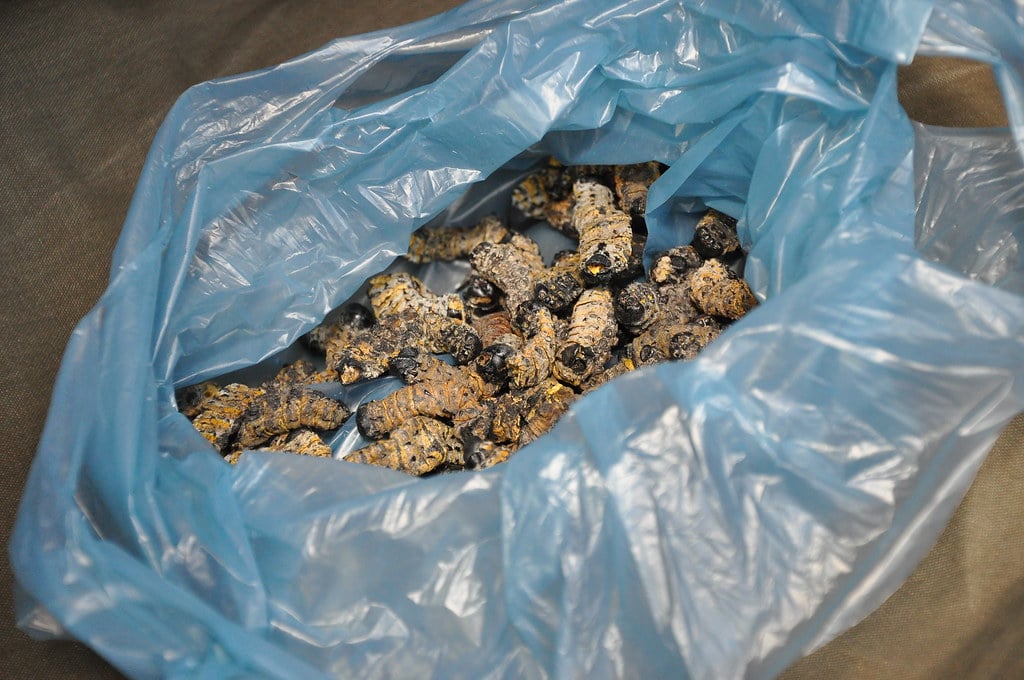
Mopane worms are the caterpillar of the emperor moth, and across southern Africa they’re about as ordinary a food source as canned tuna is elsewhere. They’re dried, sometimes smoked, sometimes rehydrated and cooked in tomato sauce — each preparation producing something different, ranging from chewy and savory to almost jerky-like in texture.
The protein content is genuinely impressive, which is probably why they’ve been a dietary staple in the region for centuries without needing anyone’s endorsement.
Durian
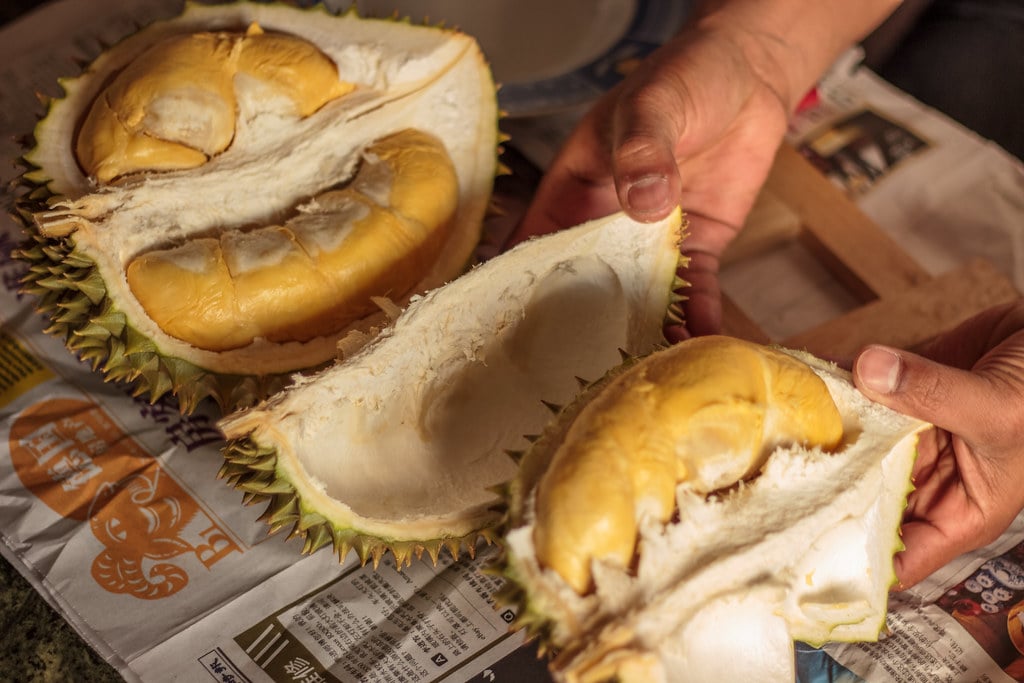
Durian is the fruit that hotels in Southeast Asia ban from their rooms, not because it’s dangerous but because the smell — something between ripe onion and custard left in a warm room — embeds itself in fabric and refuses to leave. And yet the flavor, once you get past the olfactory ambush, is sweet and custardy and genuinely pleasant in a way that has produced devoted fans across Thailand, Malaysia, and Indonesia.
It’s the rare food where the smell and the taste seem to belong to entirely different things.
Surströmming

Swedish fermented herring, canned under pressure and traditionally opened outdoors because the smell upon release is considered too aggressive for indoor spaces — surströmming is less a food than a commitment. The fermentation process produces a distinctly sour, intensely pungent fish that’s typically eaten with flatbread, potatoes, and onion.
Swedes who grew up eating it treat the whole affair with the same relaxed familiarity that other cultures bring to kimchi or aged blue cheese: yes, it smells like that, and it tastes fine.
Fugu
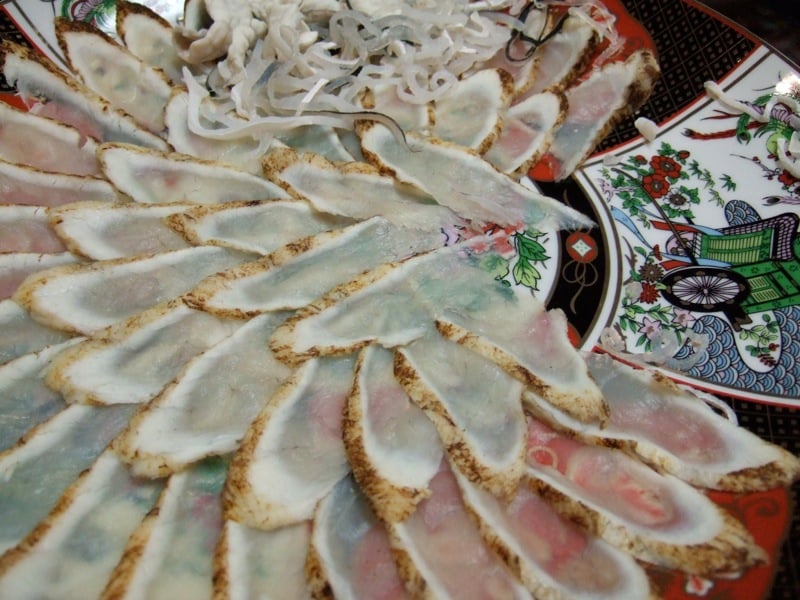
Fugu, the Japanese pufferfish, carries enough tetrodotoxin in certain organs to kill a person if the preparation goes wrong — which is why the chefs who prepare it are licensed, trained specifically for years, and not improvising. What ends up on the plate is clean, delicate, and mild in a way that makes the whole dangerous reputation feel slightly theatrical.
The flavor doesn’t taste like danger. It tastes like very good fish.
Witchetty Grubs
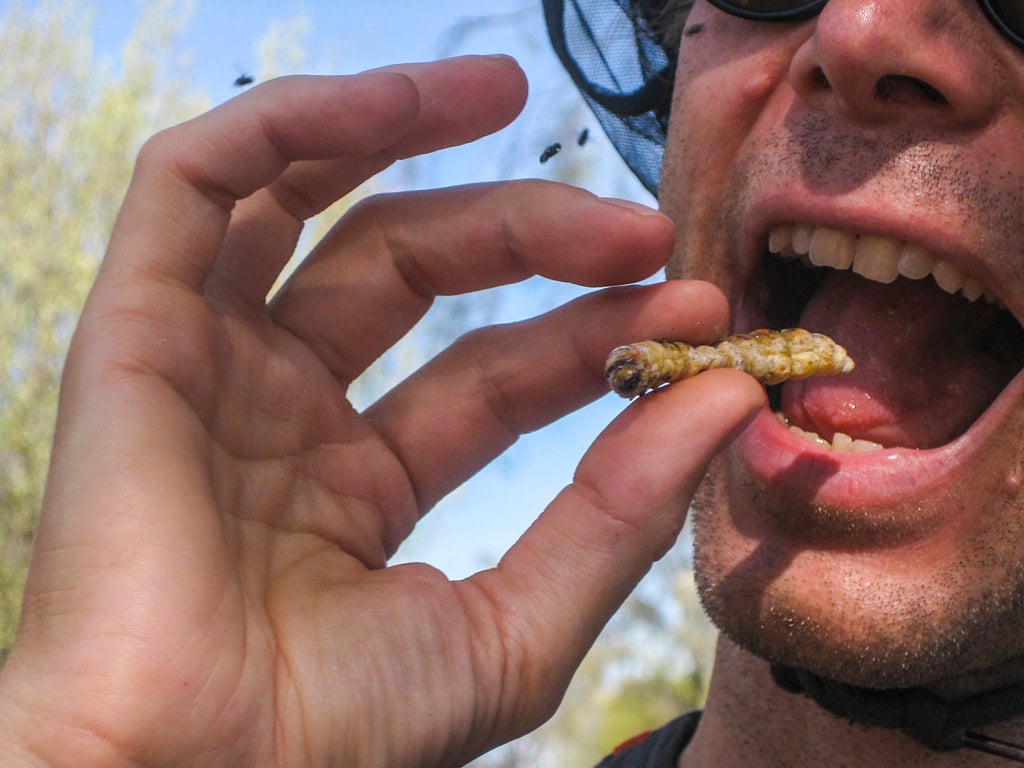
Witchetty grubs are the larvae of several moth species, harvested from the roots of witchetty bushes across the Australian outback, and they’ve been a core food source for Aboriginal Australians for a very long time — not as novelty, but as sustenance. Eaten raw, they taste faintly of almonds.
Cooked in coals until the skin crisps, they taste more like roasted eggs or mild chicken, which is either a disappointing comparison or a reassuring one, depending on your relationship with novelty.
Century Eggs
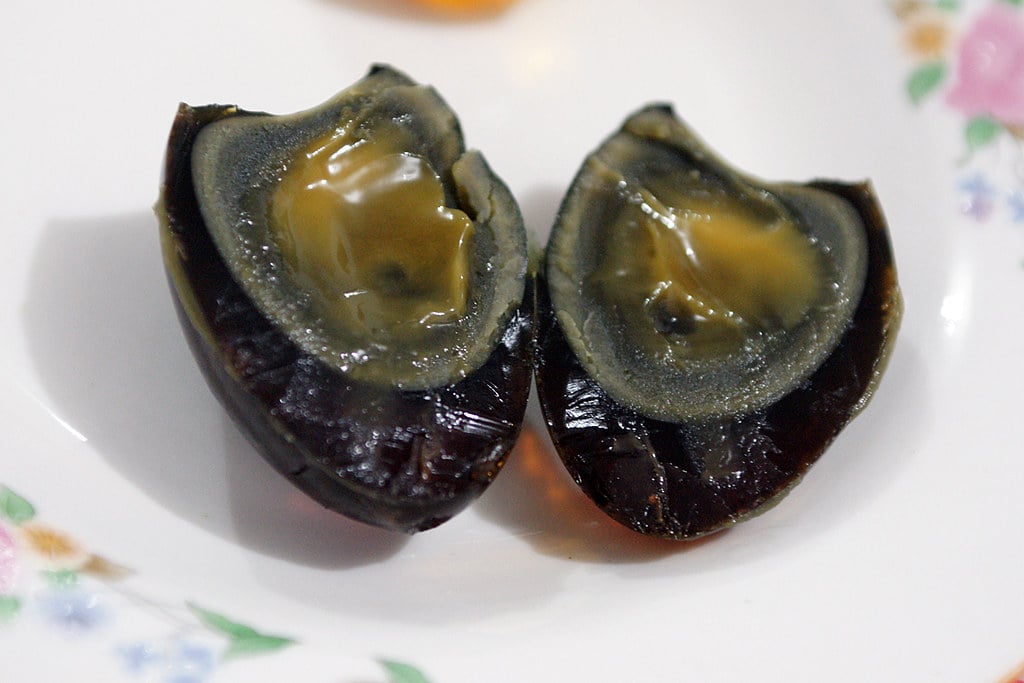
Century eggs — preserved duck, chicken, or quail eggs treated with a mixture of clay, ash, salt, and quicklime for weeks or months — are a fixture of Chinese cuisine and one of those foods that genuinely looks stranger than it tastes. The white turns a translucent dark grey-green; the yolk becomes a creamy, grey-black paste with a sulfurous, complex flavor that lands somewhere between aged cheese and a very assertive hard-boiled egg.
They’re served sliced with pickled ginger, and once you stop looking at the color and start tasting, the appeal becomes clear.
Escamoles
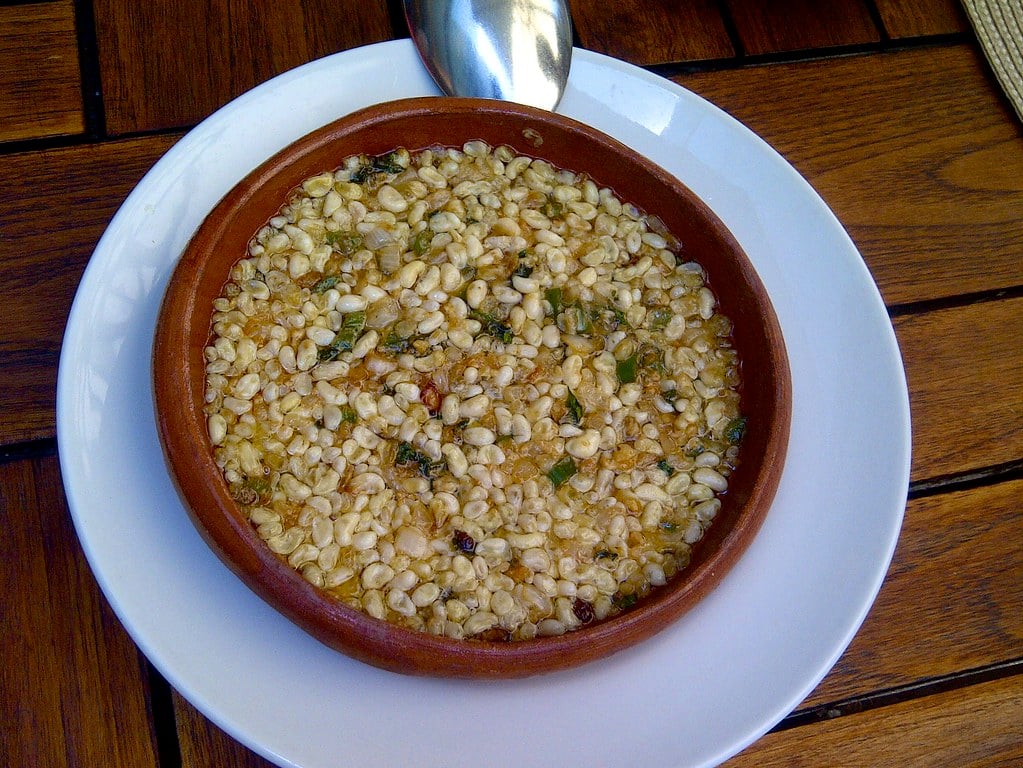
Escamoles are ant larvae harvested from the roots of agave plants in Mexico, where they’ve been eaten since Aztec times and are considered a delicacy — sometimes called “insect caviar” for their price and their soft, buttery texture. They’re typically sautéed with butter and herbs and served in tacos or omelets.
The flavor is gentle and slightly nutty, nothing like the word “larvae” suggests.
Hákarl’s Neighbor: Kæstur Hákarl
Actually, to stick with the stranger truth: Iceland also produces skyr, which has been fermented in different forms for over a thousand years and is now sold in American grocery stores without anyone blinking. The distance between “strange” and “mainstream” is almost entirely a matter of marketing and timing, which skyr demonstrates quietly every time someone puts it in their grocery cart next to yogurt.
Kopi Luwak
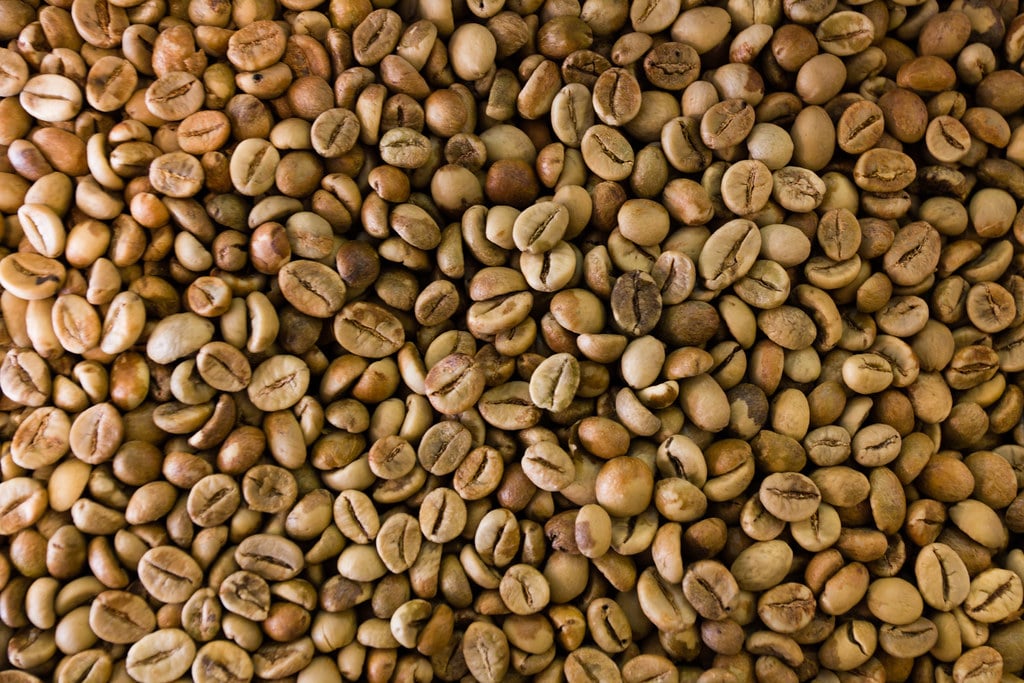
Kopi luwak is coffee made from beans that have passed through the digestive system of the Asian palm civet, recovered from the animal’s droppings, cleaned, roasted, and brewed. The civets selectively eat the ripest coffee cherries, and the fermentation that happens inside them alters the bean’s chemistry in ways that produce a smoother, less bitter cup.
It’s also extraordinarily expensive and surrounded by legitimate ethical concerns about how the civets are kept in commercial operations — worth knowing before you order.
Black Pudding
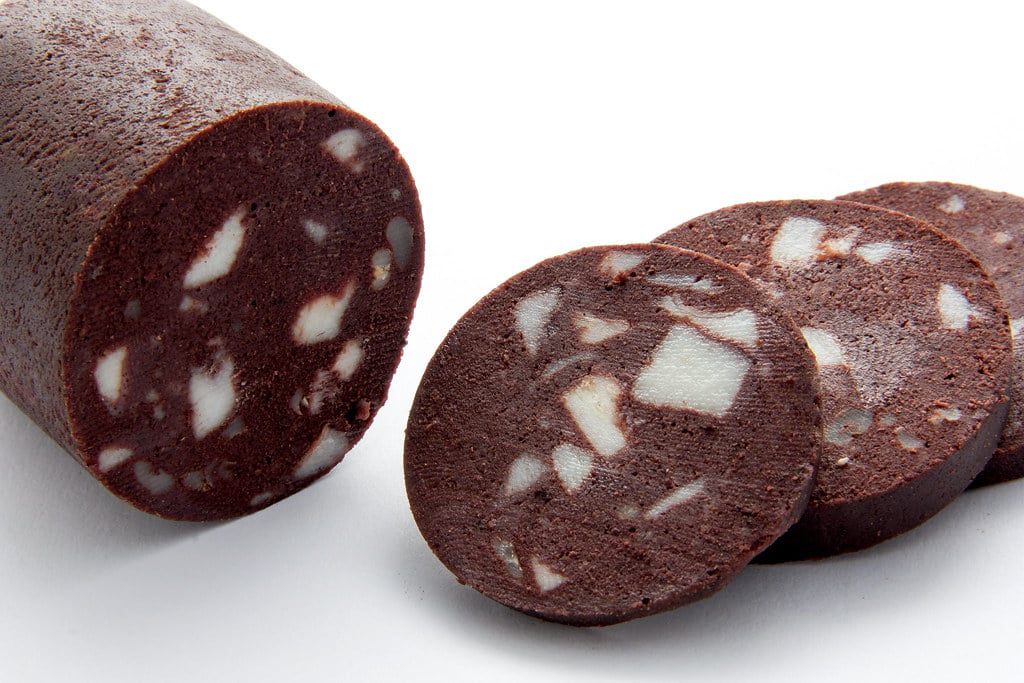
Black pudding is a blood sausage — pork blood, fat, and oatmeal or barley stuffed into a casing and cooked — and it’s a standard component of a full English breakfast, served alongside eggs and toast with the same everyday indifference as bacon. Most people who grow up eating it don’t think of it as unusual at all.
The people who do think of it as unusual are almost always from somewhere it isn’t served, which is really the only relevant distinction here.
Tuna Eyeballs
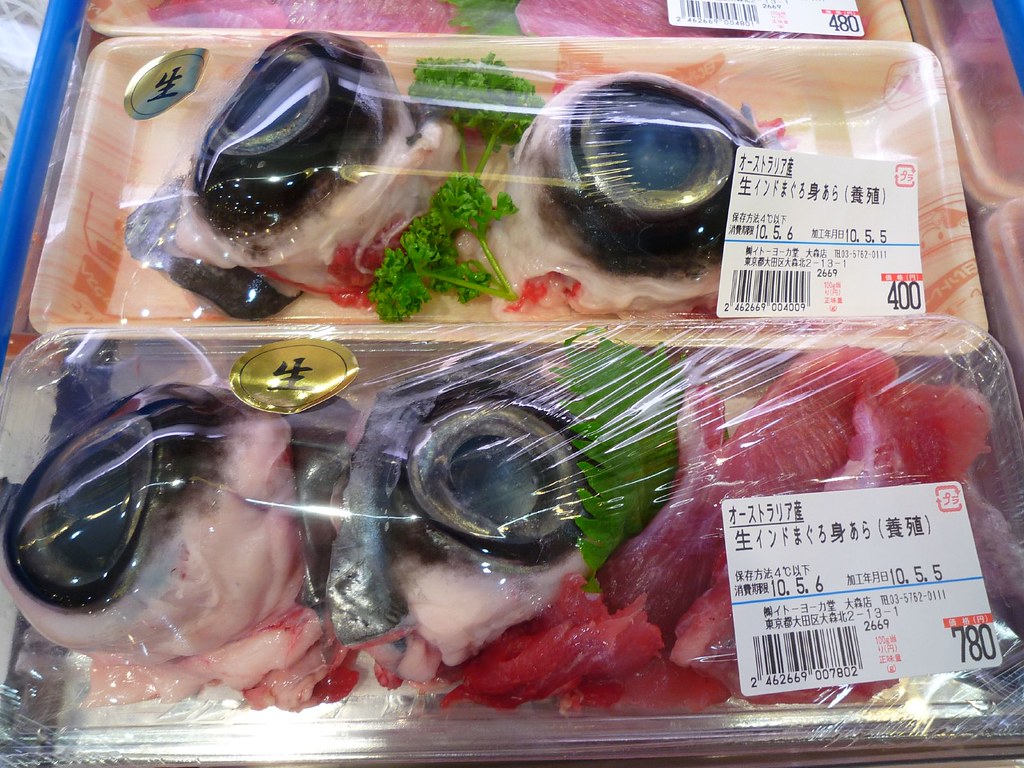
In Japan, tuna eyeballs are sold in supermarkets, boiled and eaten as a snack or side dish, and they’re considerably cheaper than the actual tuna they come from — a byproduct of the fishing industry that wastes nothing. The texture around the eye is gelatinous; the flavor is mild and oceanic.
To be fair, the main obstacle is purely visual, not gustatory.
Chapulines
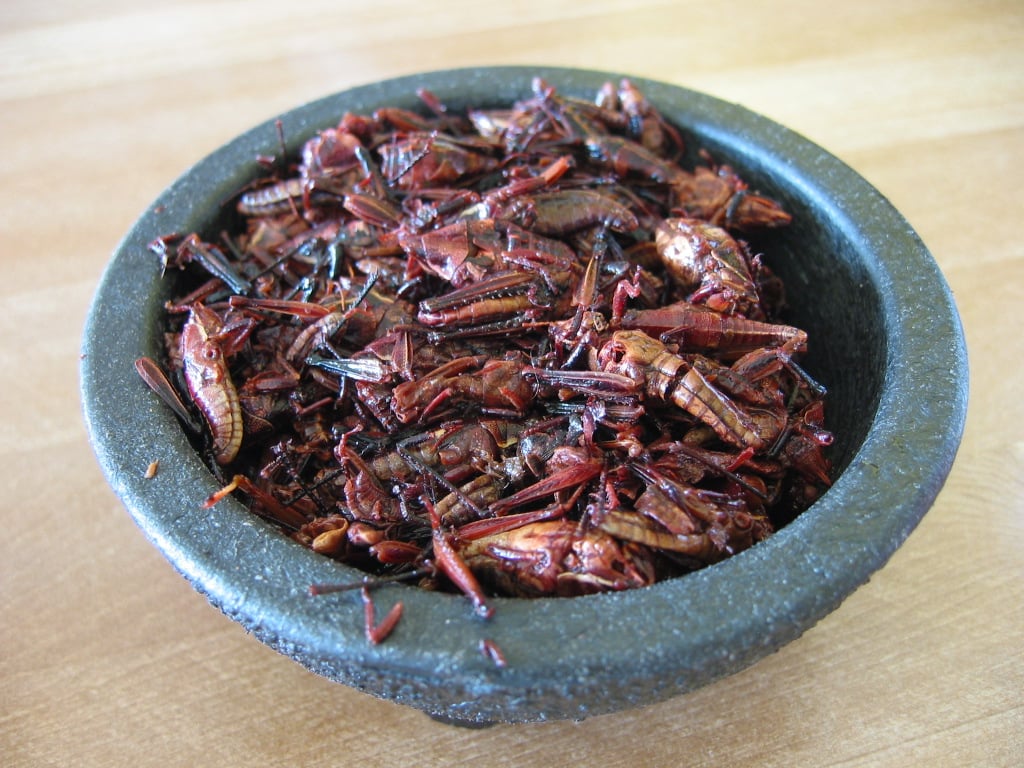
Chapulines are grasshoppers, toasted with lime and chili, and sold in markets across Oaxaca and other parts of Mexico with the same casual commerce as popcorn at a movie theater. They’re crunchy, salty, sour from the lime, and genuinely addictive in the way that any well-seasoned crunchy snack is addictive — which is to say, completely.
The protein content is exceptional, and the flavor is savory in a way that makes snacking on them feel less surprising the longer you do it.
Lutefisk
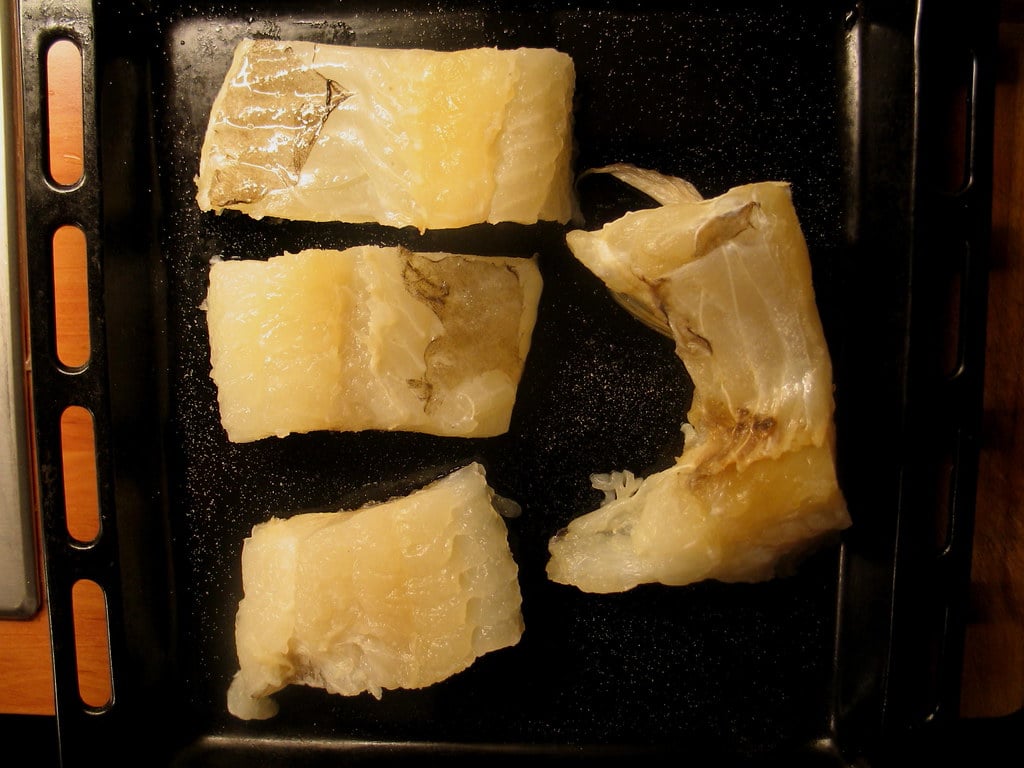
Lutefisk is dried whitefish — traditionally cod — reconstituted through soaking in lye and then water over a period of days until it reaches a gelatinous, almost translucent consistency. It’s a Scandinavian tradition, particularly in Norway and among Scandinavian-American communities in the upper Midwest, where church suppers still serve it every winter with a kind of determined cultural pride.
The texture is the real point of contention; the flavor, served with butter and mustard, is much milder than the preparation implies.
Beondegi
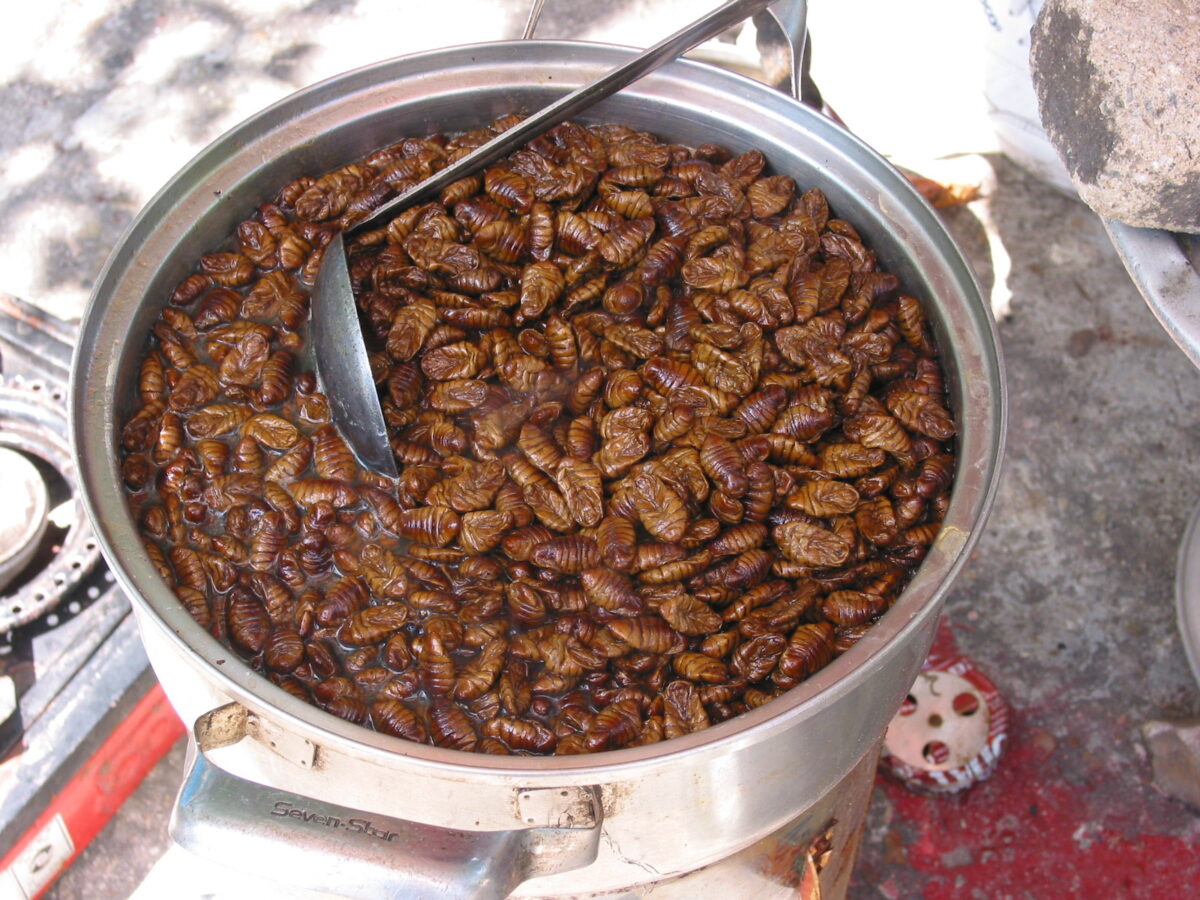
Beondegi are silkworm pupae, steamed or boiled and sold from street carts and convenience stores across South Korea — a snack food as ordinary there as a bag of pretzels is here. They have a nutty, slightly earthy flavor and a firm texture, and they’re high in protein in a way that’s driven renewed interest in them well beyond their home market.
The smell while cooking is distinctive and not subtle.
Fried Brain Sandwich
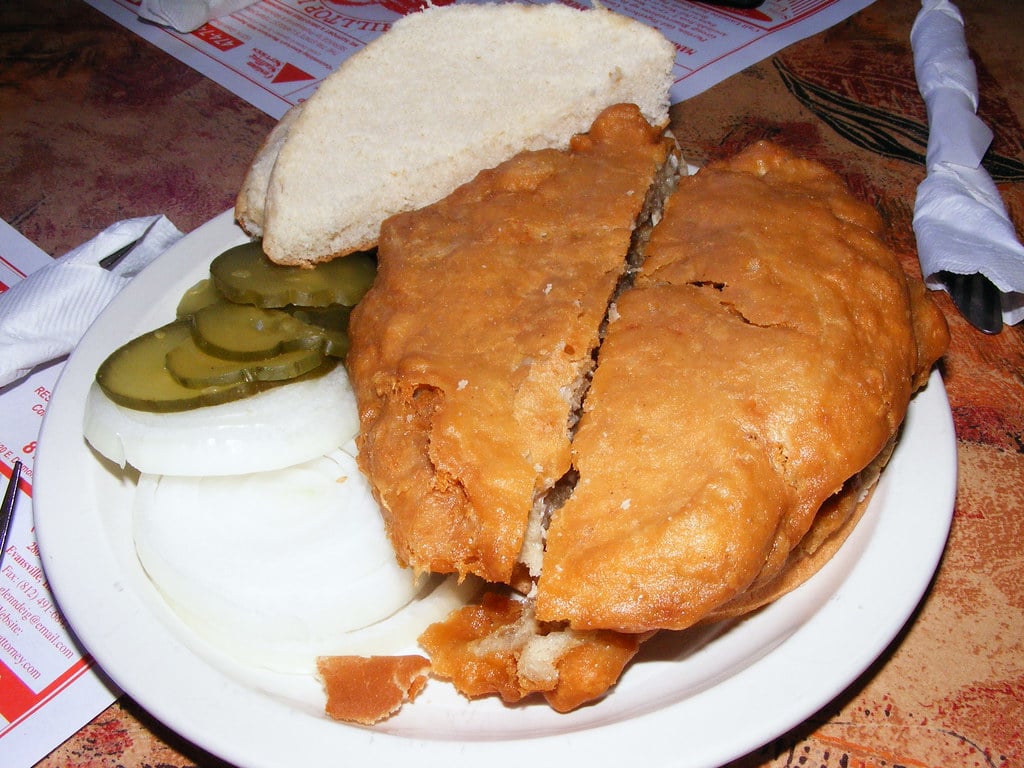
The fried brain sandwich — thinly sliced calf or pig brain, breaded and fried, served on white bread — was once a common lunch item in river towns along the Ohio River, particularly in the region around Evansville, Indiana. A few diners still serve it.
The texture is creamy and dense, the flavor mild and fatty, and the entire dish is a reminder that “nose-to-tail” eating was practical long before it became a restaurant concept.
Kvass
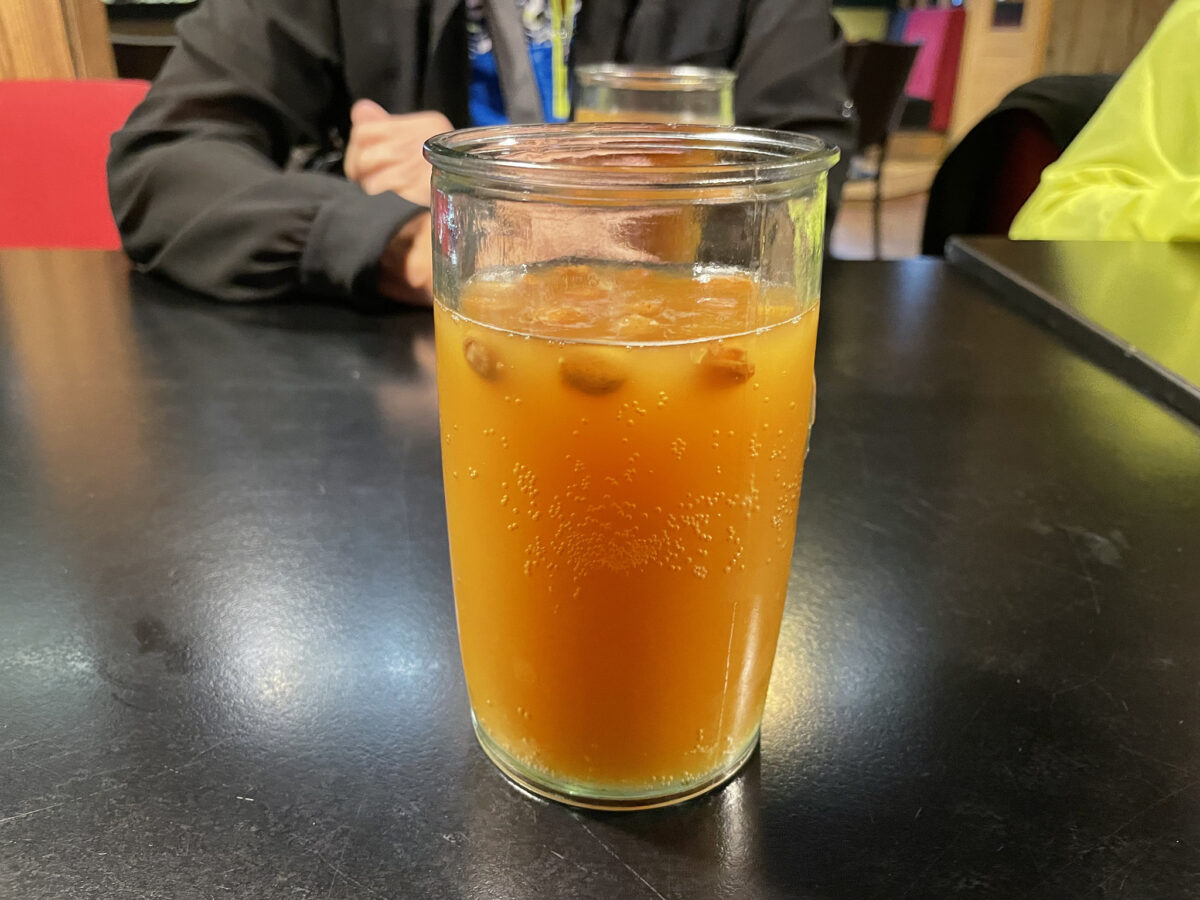
Kvass is a fermented beverage made from stale rye bread, water, and a small amount of yeast — a Russian and Eastern European staple that’s been around for over a thousand years and tastes something like a very mild, slightly sour beer with strong bread notes running through it. The alcohol content is low enough that it’s drunk casually, including by children in the countries where it originated. It tastes, honestly, like bread decided to become a drink and made a reasonable case for itself.
Jokbal
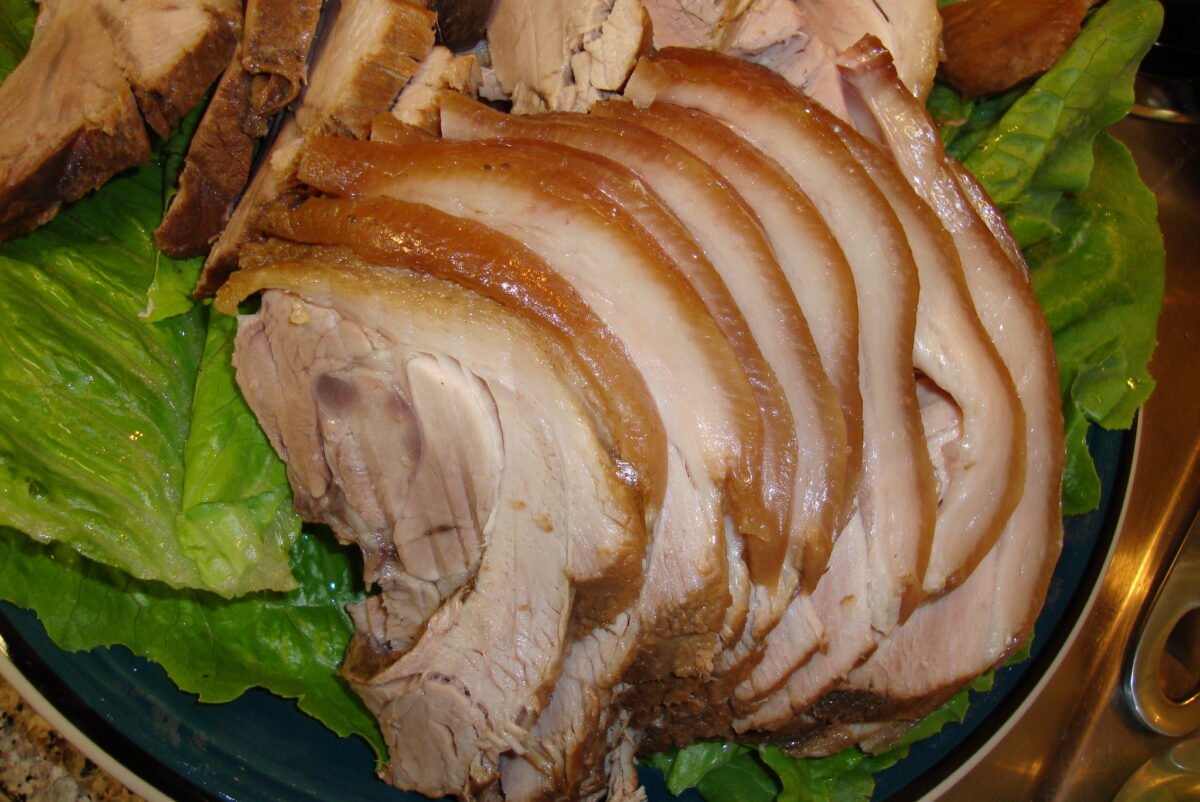
Jokbal is braised pig’s trotters — slow-cooked in soy sauce, ginger, garlic, and rice wine until the collagen breaks down and the meat becomes tender and glossy and rich in a way that slow cooking uniquely produces. It’s a popular Korean dish often eaten late at night with a crowd, sliced thin and wrapped in leafy greens with fermented shrimp paste on the side.
The gelatinous texture of the skin is either the best part or the part that takes getting used to, and most people land on the former after a few bites.
Kangaroo
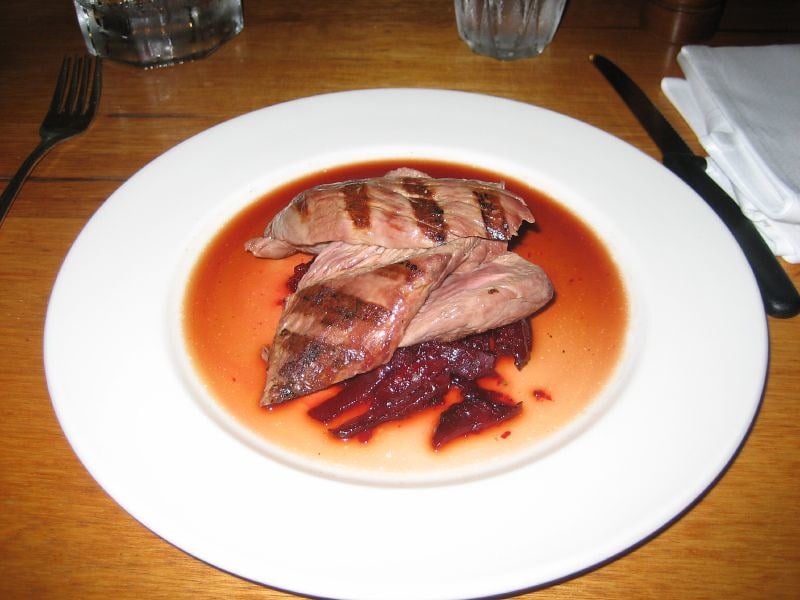
Kangaroo meat is available in Australian supermarkets, leaner than beef, rich in protein, and — because kangaroos are not farmed but culled from wild populations — carries a lower environmental footprint than most commercially raised meats. The flavor is gamey in the way that venison is gamey: distinctly itself, not unpleasant, just unfamiliar if your frame of reference is supermarket beef.
It pairs well with strong flavors, red wine reductions, and the kind of heat that breaks down tougher cuts.
Hákarl Isn’t the Weirdest Thing in Iceland: Svið
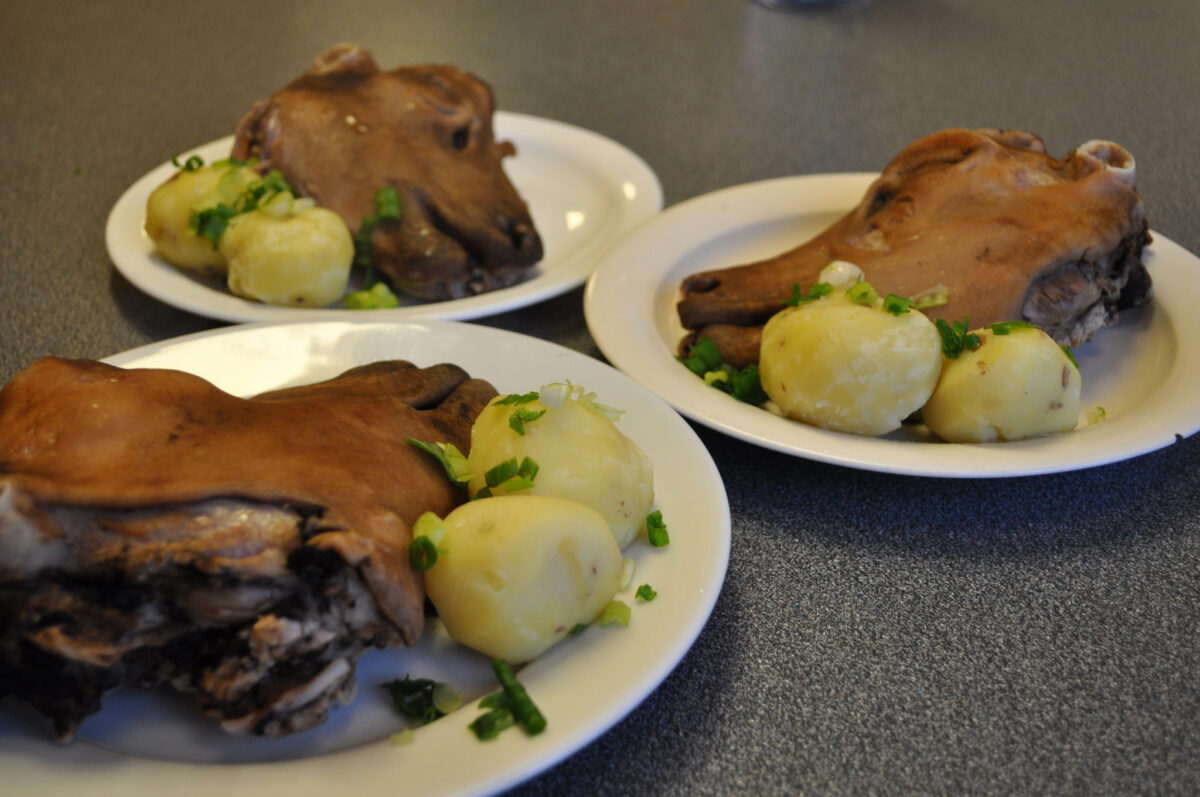
Svið is a singed and boiled sheep’s head, split in half and served with mashed turnip, and it’s a traditional Icelandic dish that reads exactly as dramatic as it sounds on first encounter. Every part of the head is eaten — the cheek, the eye, the tongue — because discarding any of it would be the actual waste.
The flavor of the cheek meat in particular is tender and mild, and once you’ve committed to the premise, the rest follows naturally.
Natto
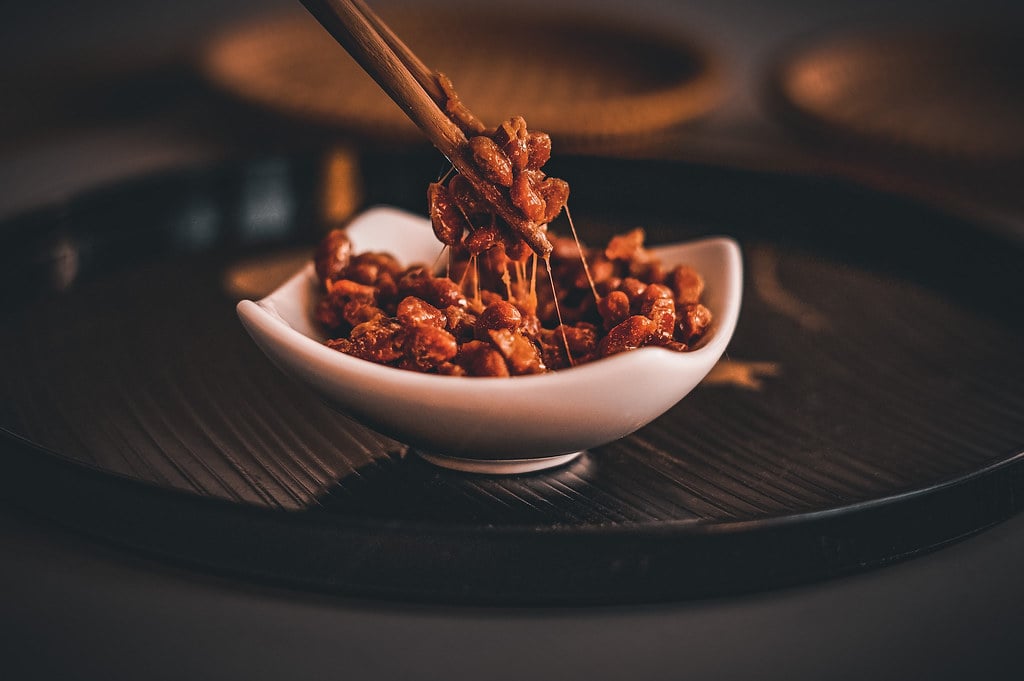
Natto is fermented soybeans — sticky, stringy, powerfully pungent, and a standard Japanese breakfast food that divides even Japanese people into those who love it and those who politely decline. It’s the stickiness, more than the smell, that catches people off guard: natto pulls into long, glossy threads when you stir it, which is either fascinating or deeply off-putting depending on your disposition.
The flavor is earthy and complex, and it’s extraordinarily good for you, which is saying something given how frequently foods that are good for you taste like homework.
Tripe
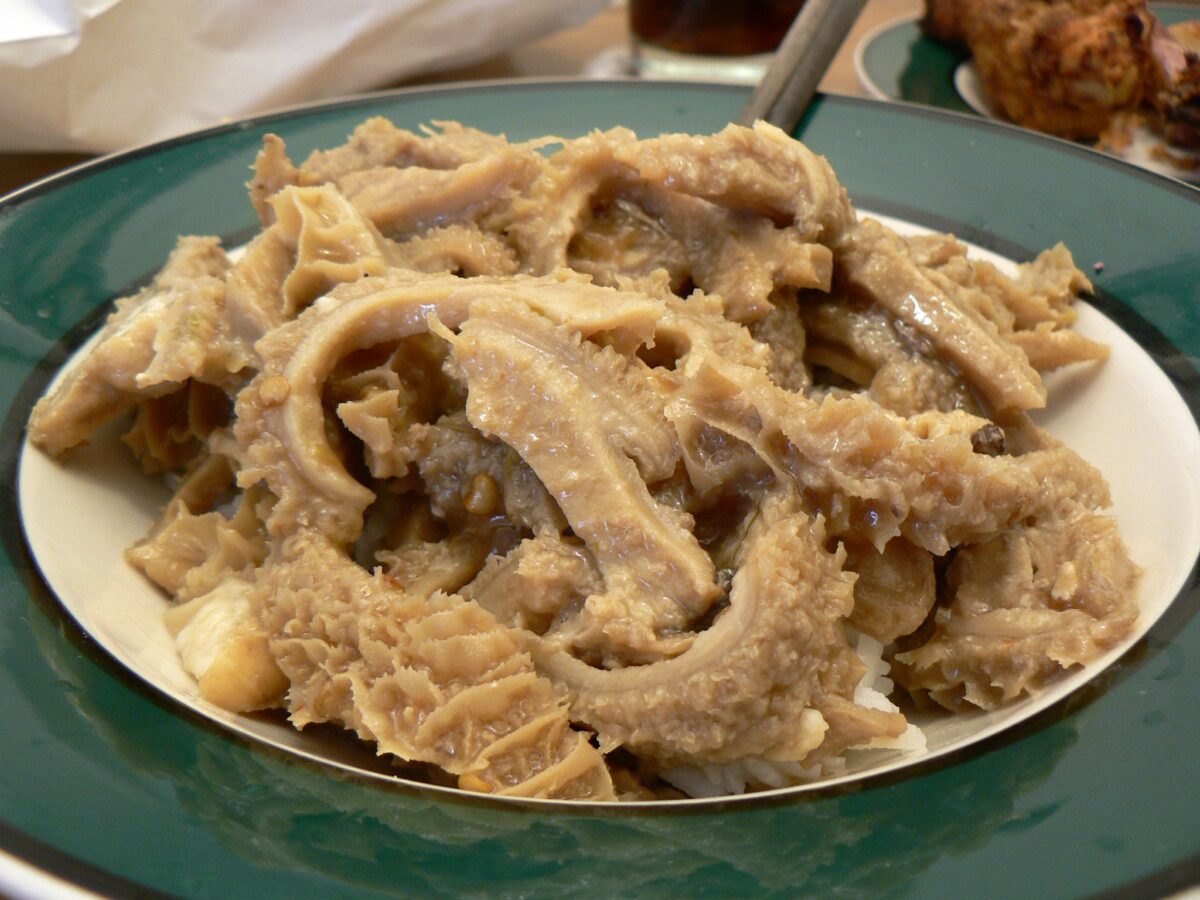
Tripe — the stomach lining of a cow, pig, or sheep — is eaten in some form on nearly every continent, and it’s the rare ingredient that shows up in Italian trippa alla romana, Mexican menudo, Chinese dim sum, and British tripe and onions without anyone in those places finding it remarkable. It’s chewy, it absorbs flavor aggressively, and it requires long, patient cooking to become the thing it’s supposed to be.
The people who dismiss it almost always haven’t tried it in the right preparation — which, to be fair, is true of most foods.
The Meal That Changes the Map
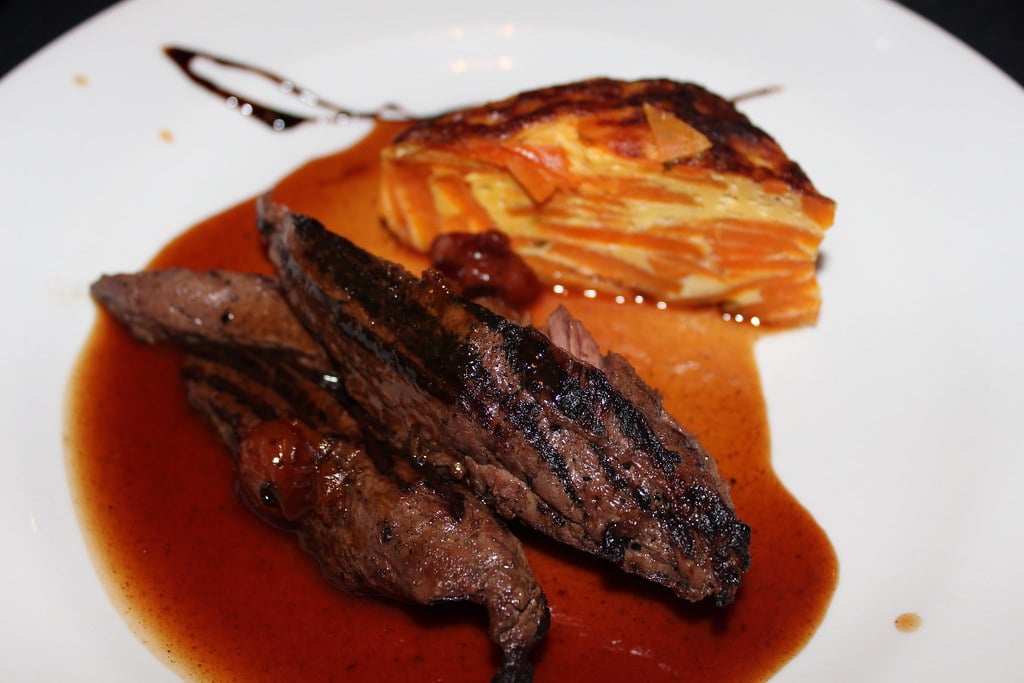
What these foods share isn’t strangeness — it’s distance. Distance from the kitchen where you first learned what food was supposed to taste like, smell like, and look like. The brain categorizes novelty as risk before the palate gets a vote, and that gap between instinct and experience is exactly where most of these dishes live for a first-time eater.
But every single one of these foods has been someone’s ordinary Tuesday dinner, their comfort after a long day, their celebration food, their childhood smell. The world’s pantry is bigger than any one upbringing can map, and the most reliable way to expand the map is to eat something that surprises you.
More from Go2Tutors!

- The Romanov Crown Jewels and Their Tragic Fate
- 13 Historical Mysteries That Science Still Can’t Solve
- Famous Hoaxes That Fooled the World for Years
- 15 Child Stars with Tragic Adult Lives
- 16 Famous Jewelry Pieces in History
Like Go2Tutors’s content? Follow us on MSN.



