27 Places on Earth Closed to Visitors
Travel has made almost every corner of the planet reachable for anyone with a passport and a credit card. A surprising number of places still keep their gates shut, and no ticket, tour or connection will get an ordinary visitor through.
The reasons vary wildly. Some sites are too fragile, some too sacred, some too dangerous and some simply too secret, and a few are closed for all of those reasons at once.
Lascaux Cave in France
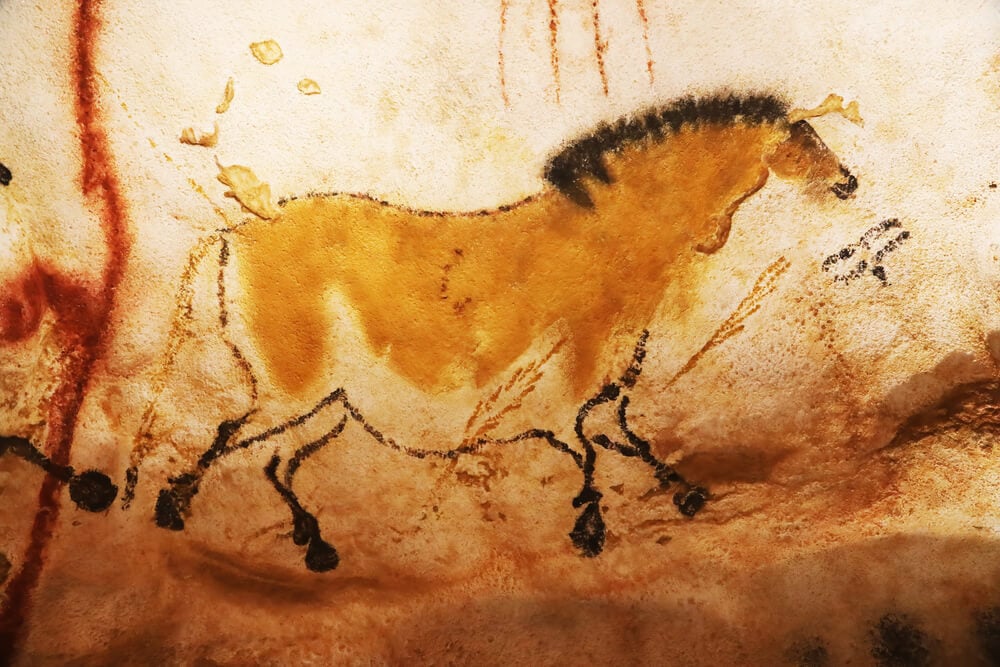
Four teenagers stumbled into Lascaux in southwestern France in September 1940 and found walls covered with prehistoric paintings of horses, bulls and deer roughly 17,000 years old. The cave opened to the public after World War II, and crowds poured in by the hundreds each day.
Their breath, body heat and lighting fueled growths of algae and mold that threatened the art, and the cave closed to visitors in 1963. Replicas now stand in its place, most recently Lascaux IV, opened in 2016.
Only a handful of scientists and conservators are allowed inside the real cave.
Chauvet Cave in the Ardeche
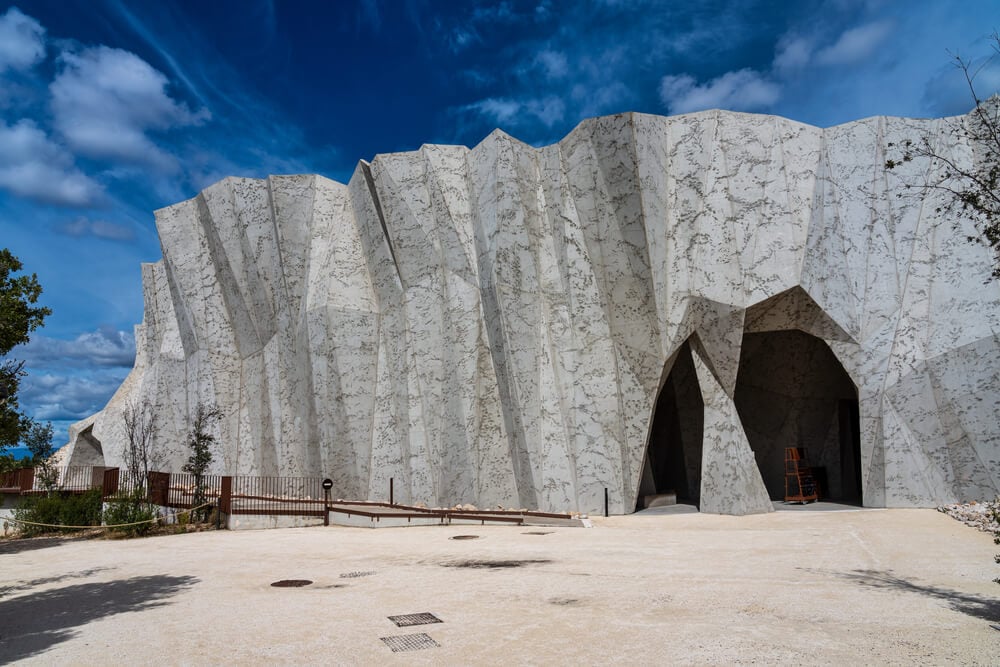
Chauvet Cave in southern France was discovered in December 1994 by three cave explorers, including Jean-Marie Chauvet, who gave it his name. Its paintings of lions, rhinoceroses, bears and horses are more than 30,000 years old, among the oldest known figurative art in the world.
Mindful of the damage done at Lascaux, French authorities sealed the cave almost immediately and allowed only researchers inside. A full-scale replica called the Caverne du Pont d’Arc opened nearby in 2015.
Werner Herzog filmed inside the real cave for his 2010 documentary Cave of Forgotten Dreams under strict limits.
Movile Cave in Romania
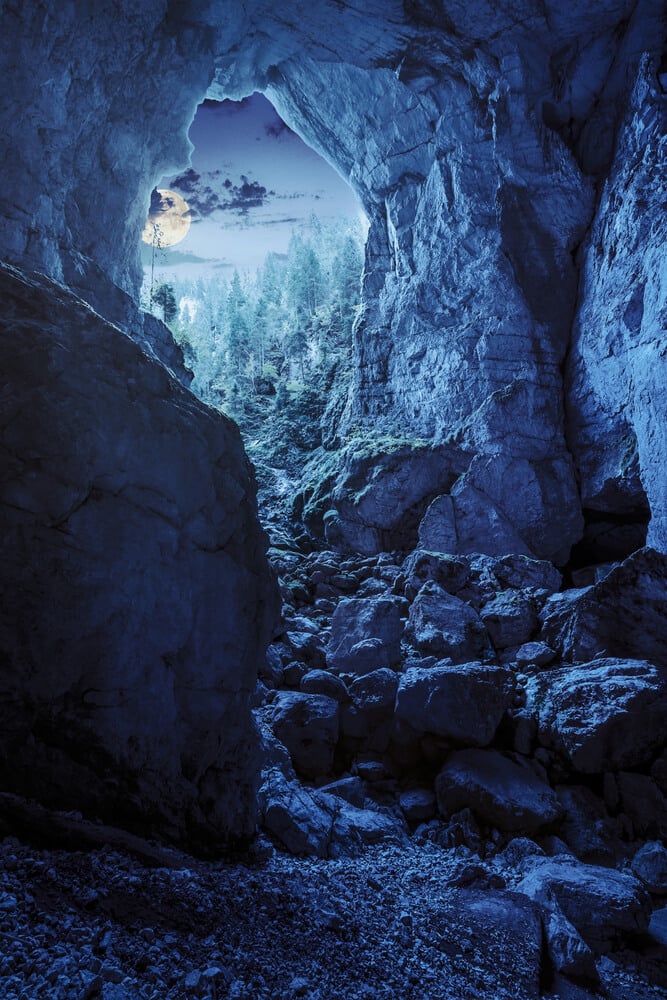
Movile Cave was discovered in 1986 when workers drilling near the Black Sea coast of Romania broke into a cavern that had been sealed off from the surface for about 5.5 million years. Its air is thin in oxygen and rich in carbon dioxide and hydrogen sulfide, yet it supports a strange ecosystem built on chemosynthetic bacteria rather than sunlight.
Dozens of species found there live nowhere else on Earth. The entrance is kept sealed, and only a small number of scientists have been allowed inside since its discovery.
The danger and fragility make it one of the most restricted caves anywhere.
Cave of the Crystals in Mexico
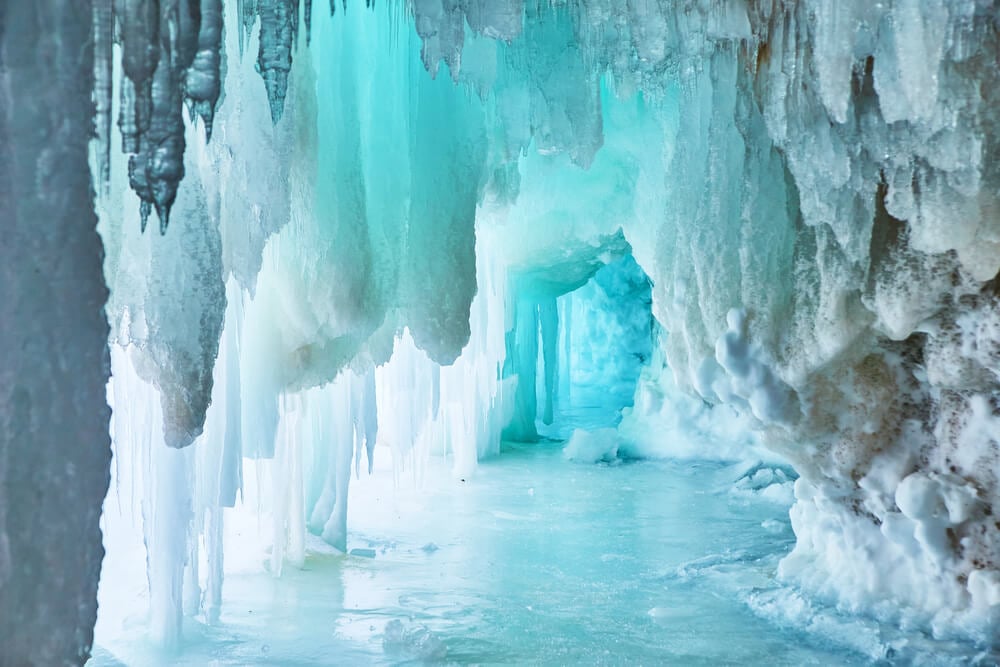
Miners working in the Naica mine in Chihuahua, Mexico, broke into an extraordinary chamber in 2000 filled with giant gypsum crystals, some longer than a school bus. Temperatures inside reached around 58 degrees Celsius with humidity near 100 percent, so researchers could stay only minutes even in cooling suits.
The cave had been kept dry only because the mine continuously pumped out groundwater. When pumping stopped in the mid-2010s, the chamber flooded again.
The crystals are now underwater and out of reach, possibly growing once more in the dark.
Gangkhar Puensum in Bhutan
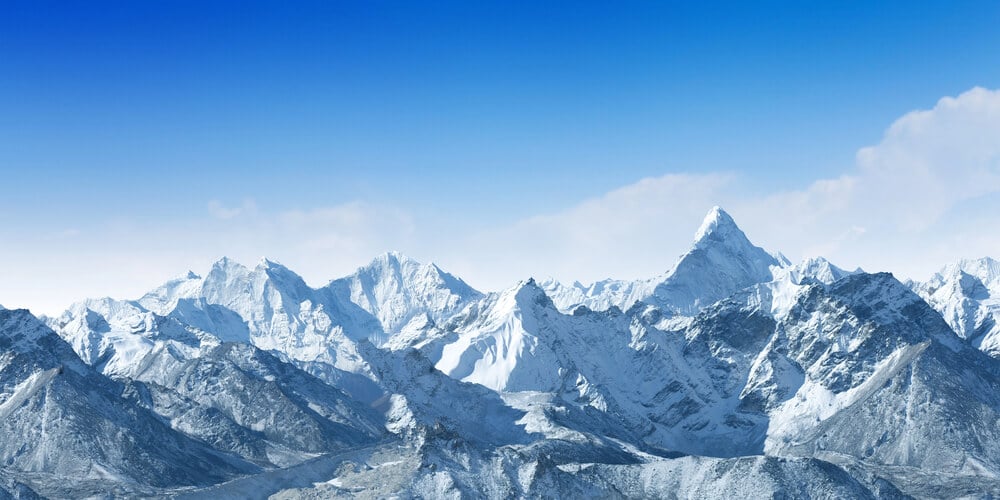
At about 7,570 meters, Gangkhar Puensum in Bhutan is widely considered the highest unclimbed mountain on Earth. Several expeditions attempted it in the 1980s and failed, partly because of poor maps and brutal weather.
In 2003, Bhutan banned climbing on mountains above 6,000 meters, out of respect for local beliefs that the peaks are home to spirits and gods. The ban means Gangkhar Puensum is likely to remain unclimbed indefinitely.
It remains a rare example of a major peak protected by faith rather than difficulty alone.
Uluru’s Closed Climbing Route
Uluru, the vast sandstone monolith in central Australia, is sacred to the Anangu people, who long asked visitors not to climb it. For decades, tourists ignored the request, using a chain handrail to scramble to the top.
The national park board voted in 2017 to end the climb, and it closed permanently on October 26, 2019. In the final weeks, crowds rushed to climb before the deadline.
Visitors can still walk around the base, which takes several hours, and watch the rock change color at sunset.
Mount Kailash in Tibet
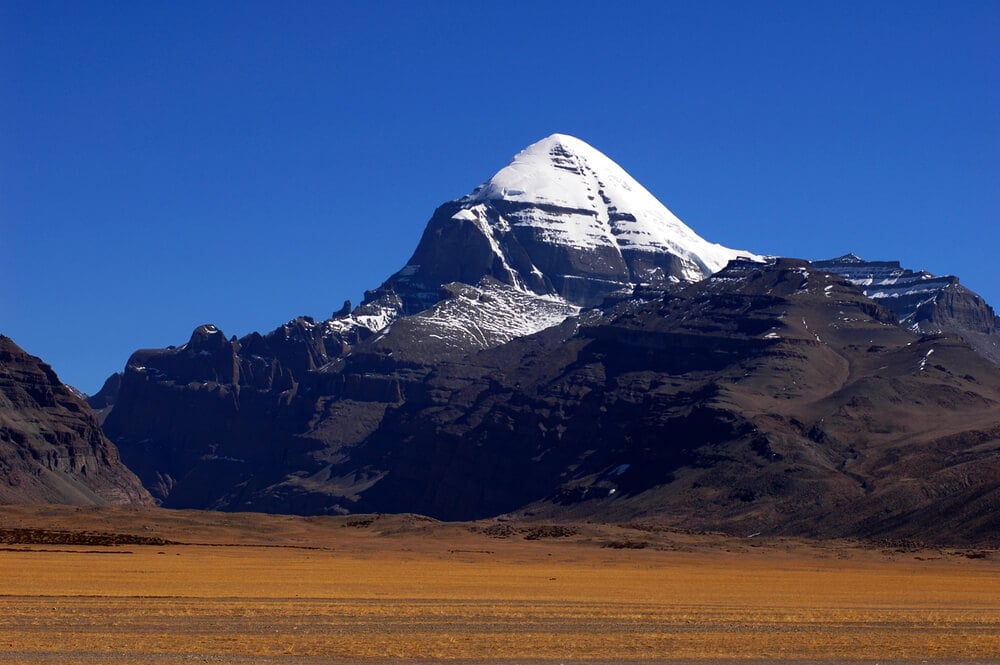
Mount Kailash in western Tibet is sacred to Hindus, Buddhists, Jains and followers of the Bon religion, and no recorded ascent has ever reached its summit. Chinese authorities have refused climbing permits out of respect for its religious significance.
Mountaineer Reinhold Messner reportedly declined an opportunity to climb it, and a Spanish expedition in 2001 was blocked after an international outcry. Pilgrims instead walk around the mountain on a circuit of about 52 kilometers.
Many believe one circuit erases the sins of a lifetime. Some pilgrims complete it by prostrating themselves along the entire route, a process that can take weeks.
Inner Sanctuary of the Ise Grand Shrine
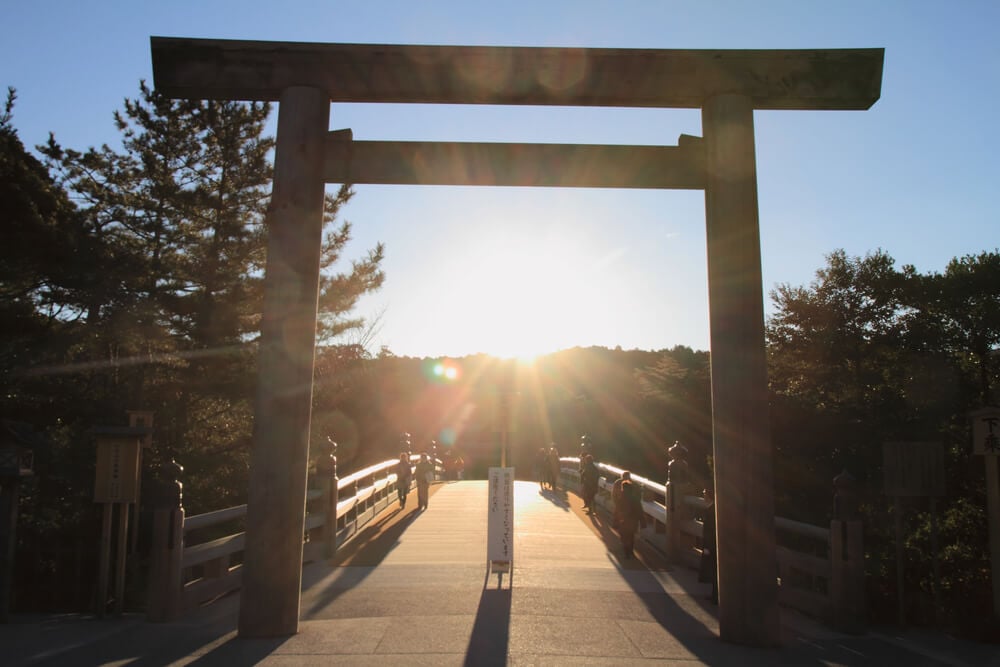
Japan’s Ise Grand Shrine in Mie Prefecture is the holiest site in the Shinto religion, dedicated to the sun goddess Amaterasu. Ordinary visitors may walk the forested grounds but cannot enter the innermost sanctuary, which is reserved for priests and members of the imperial family.
The main buildings are ritually rebuilt every 20 years in a ceremony called Shikinen Sengu, most recently in 2013. The custom has continued for well over a thousand years, with interruptions.
Visitors see only glimpses of the thatched roofs behind layers of wooden fences.
Chapel of the Tablet in Aksum
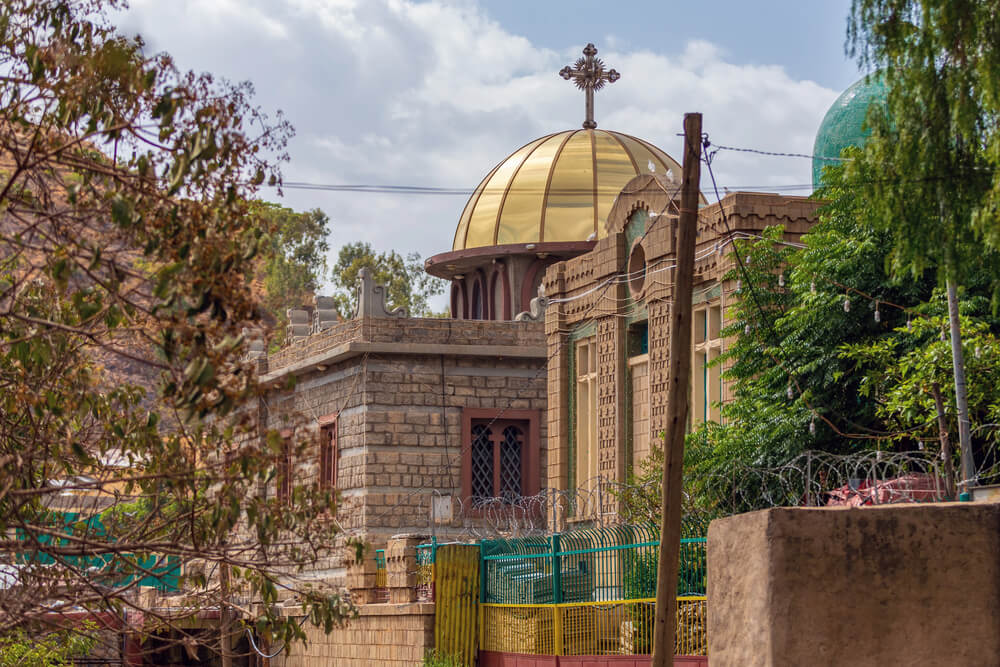
In Aksum, Ethiopia, a small chapel beside the cathedral of Saint Mary of Zion is said by the Ethiopian Orthodox Church to hold the Ark of the Covenant. Only one person may enter, a guardian monk chosen for life who never leaves the chapel grounds.
He prays and burns incense before the relic and is expected to name his successor before he dies. No outsider, including scholars and heads of state, has been permitted to verify what lies inside.
The claim cannot be confirmed, but the devotion is very real.
Tomb of China’s First Emperor
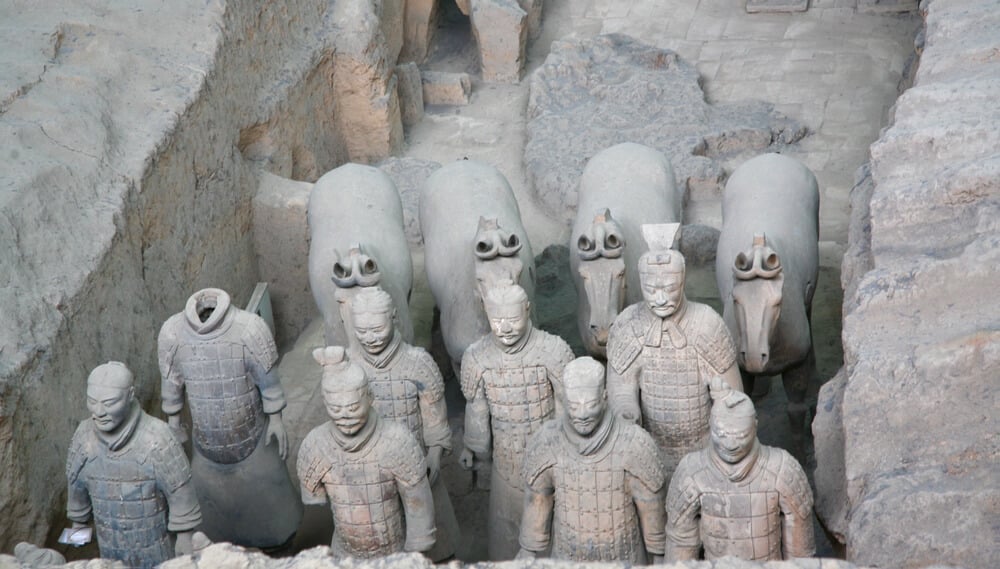
Qin Shi Huang, China’s first emperor, lies beneath a burial mound near Xi’an that remains unexcavated more than two thousand years after his death. The ancient historian Sima Qian described rivers of mercury flowing inside the tomb, and modern soil tests have found unusually high mercury levels around the mound.
Chinese authorities have declined to open it, citing preservation concerns and the risk of damaging whatever lies inside. The nearby Terracotta Army, found by farmers digging a well in 1974, offers a glimpse of the emperor’s ambition.
The main chamber remains sealed.
Mecca for Non-Muslim Travelers
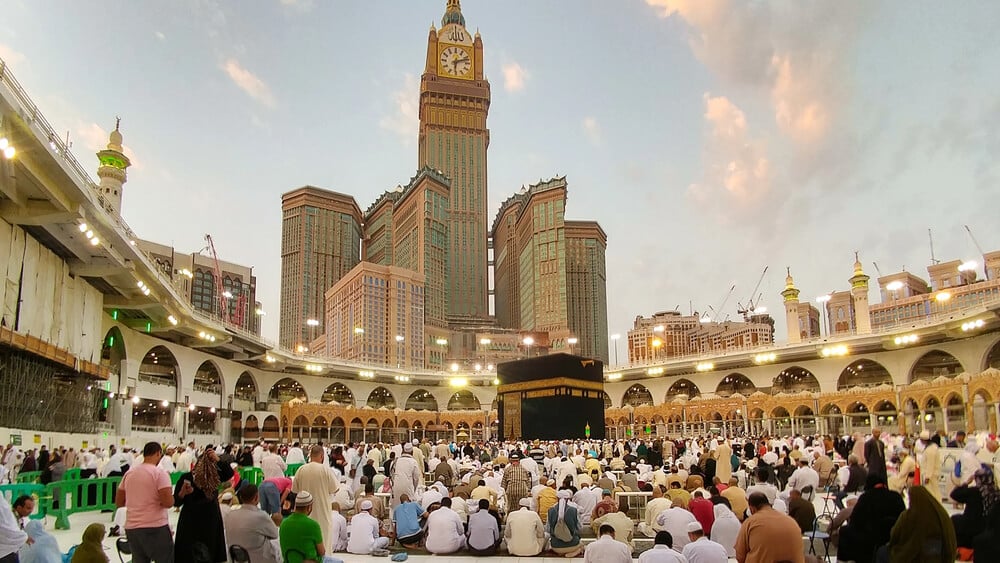
Mecca in Saudi Arabia, the holiest city in Islam and home to the Kaaba, is closed to non-Muslims by Saudi law. Highway signs direct non-Muslim travelers onto bypass routes away from the city.
Millions of Muslims visit each year for the Hajj pilgrimage and the smaller Umrah, making it one of the busiest religious destinations on Earth. For everyone else, it remains strictly off-limits.
Medina’s central area, home to the Prophet’s Mosque, has similar restrictions on non-Muslims. Travelers who ignore the rules can face deportation.
Within the faith, the city carries a weight that few places anywhere can match.
Mount Athos in Greece
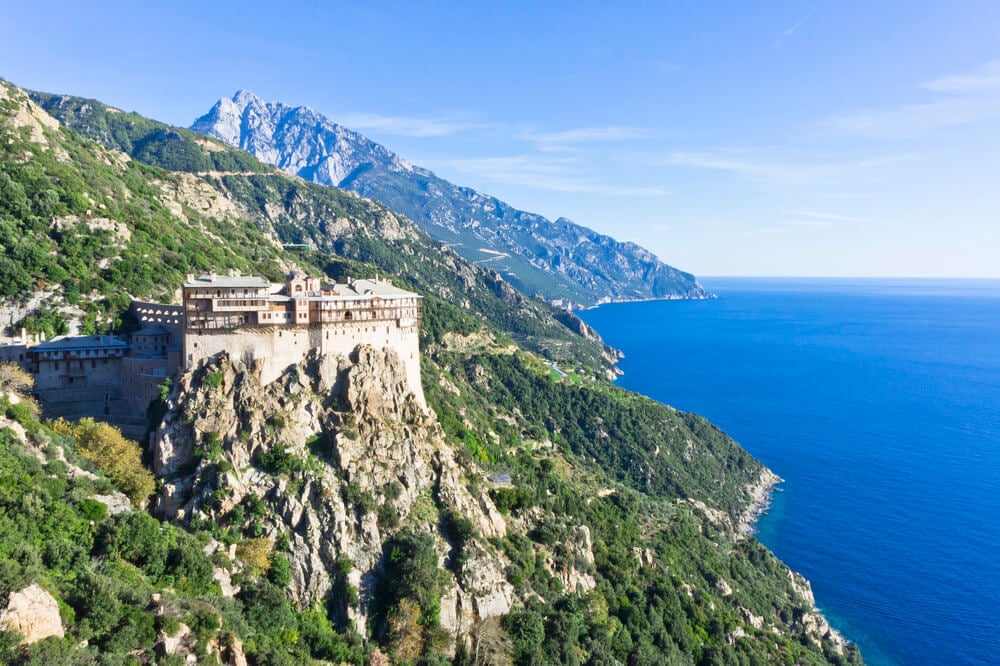
Mount Athos, a peninsula in northern Greece home to about 20 Orthodox Christian monasteries, has barred women for more than a thousand years. The rule, known as the avaton, extends even to most female domestic animals.
Men may visit only with a special permit, and the daily number of visitors is limited, with non-Orthodox pilgrims given fewer places. Many monasteries hold priceless manuscripts and icons.
The European Parliament has criticized the ban on women, but Greece’s constitution protects the peninsula’s special status. Female visitors can view some monasteries only from boats offshore.
Vatican Apostolic Archive
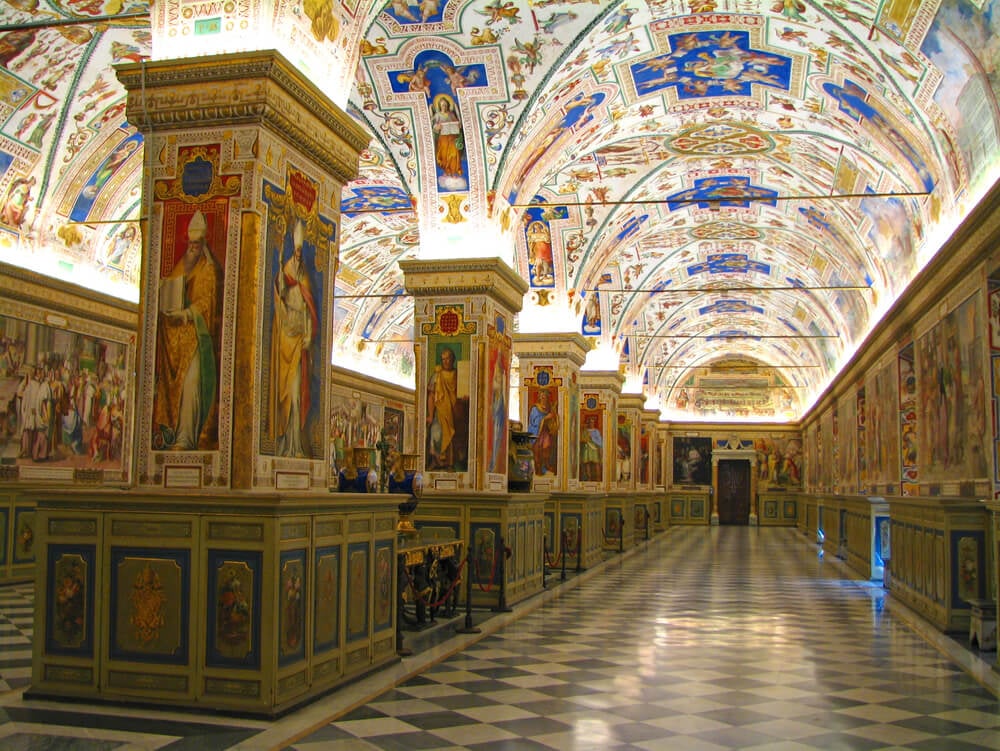
Known until 2019 as the Vatican Secret Archives, the Vatican Apostolic Archive holds centuries of papal records, letters and documents. The old name referred to the Latin word for private rather than to secrecy, and Pope Francis changed it to avoid confusion.
Pope Leo XIII opened the archive to qualified scholars in 1881, but casual visitors are not admitted. Researchers must apply with academic credentials and a specific purpose.
The shelves stretch for dozens of kilometers, and many documents have still never been closely studied.
Svalbard Global Seed Vault
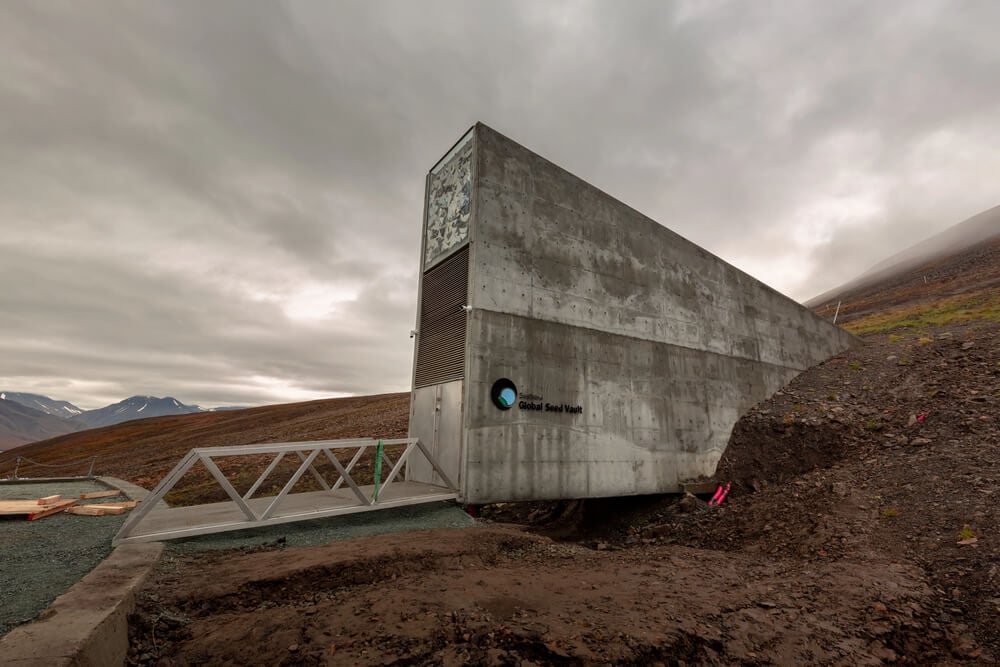
Opened in 2008, the Svalbard Global Seed Vault sits inside a mountain on a remote Norwegian archipelago in the Arctic, designed to protect backup copies of the world’s crop seeds. It holds more than a million seed samples from gene banks around the world.
The public cannot go inside, and the vault opens only a few times a year for deposits. In 2015, it made its first withdrawal when researchers needed seeds to rebuild a collection disrupted by the war in Syria.
Visitors can see only the angular entrance jutting from the snow.
Area 51 in Nevada
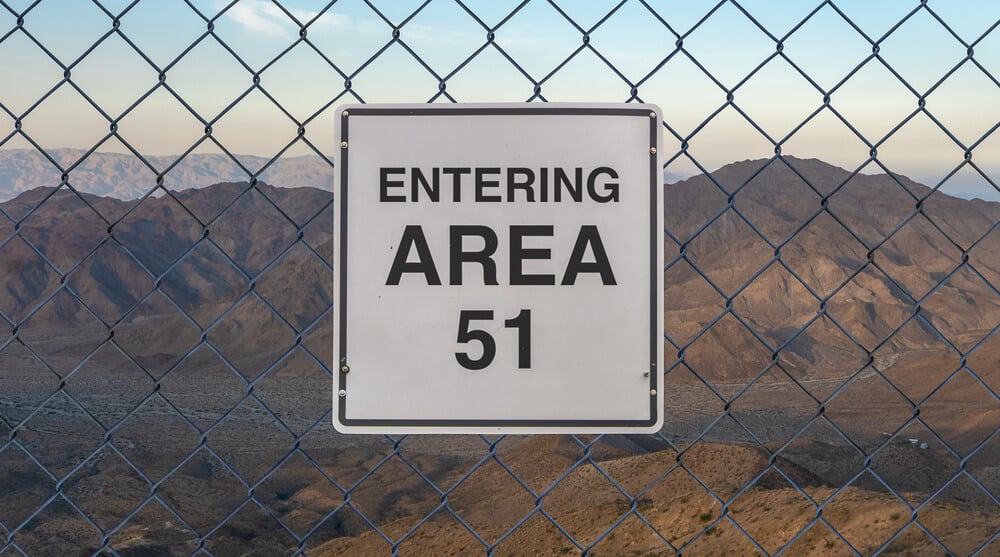
Area 51, the remote Air Force facility at Groom Lake in Nevada, became famous as the subject of conspiracy theories about aliens and secret aircraft. The U.S. government did not officially acknowledge its existence until 2013, when declassified CIA documents described its role in developing spy planes like the U-2.
The site is surrounded by warning signs, and trespassers face arrest. A 2019 online joke inviting people to storm Area 51 drew a small crowd to the desert.
Nothing came of it except festivals in nearby towns.
Fort Knox Bullion Depository
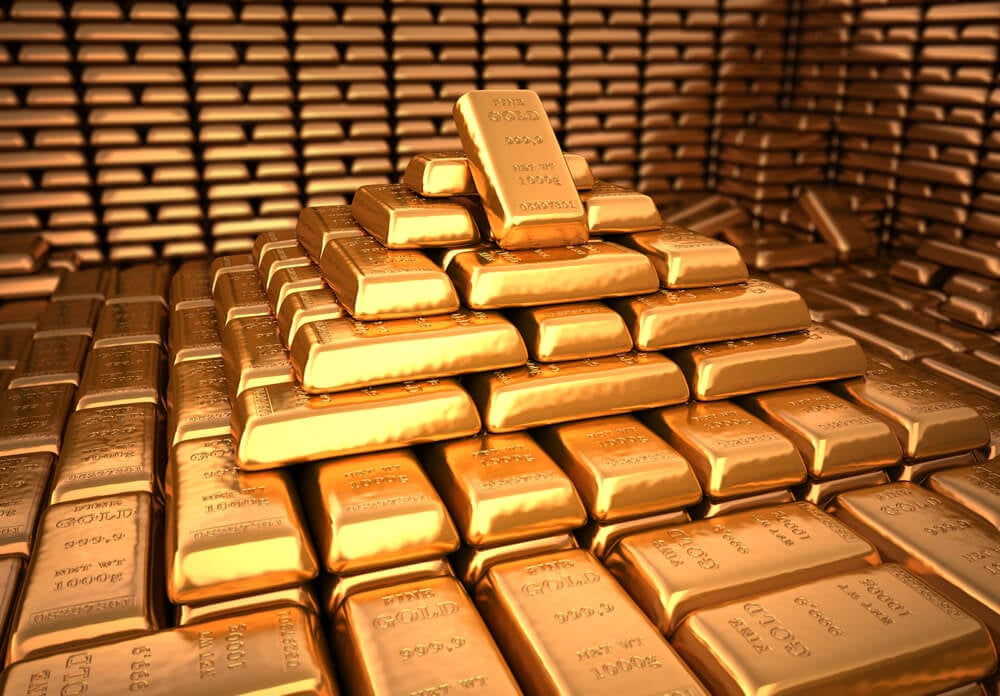
The United States Bullion Depository at Fort Knox, Kentucky, completed in 1936, stores a large portion of the nation’s gold reserves behind a vault door weighing more than 20 tons. Visitors are not allowed, and very few officials have ever been inside.
A congressional delegation and journalists toured it in 1974, and Treasury Secretary Steven Mnuchin visited in 2017. During World War II, it also protected the Declaration of Independence and the Constitution.
Its secrecy fuels persistent doubts about whether the gold is all still there.
Cheyenne Mountain Complex
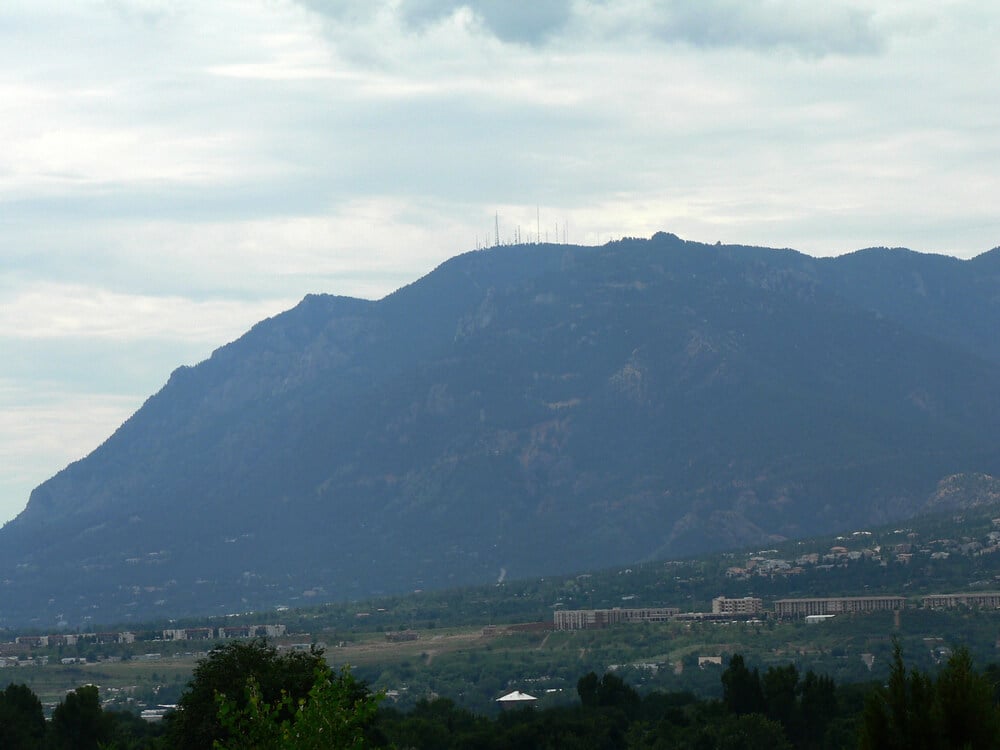
Cheyenne Mountain Complex in Colorado was carved deep into granite during the Cold War to protect military command centers from a nuclear attack. Its buildings sit on giant springs designed to absorb shock, and massive blast doors weighing about 25 tons seal the entrance.
The complex once housed the main operations of the North American Aerospace Defense Command, known as NORAD. It still serves as a backup and support facility.
The public cannot enter, and its tunnels remain one of the most secure locations in the country.
Bank of England Gold Vaults
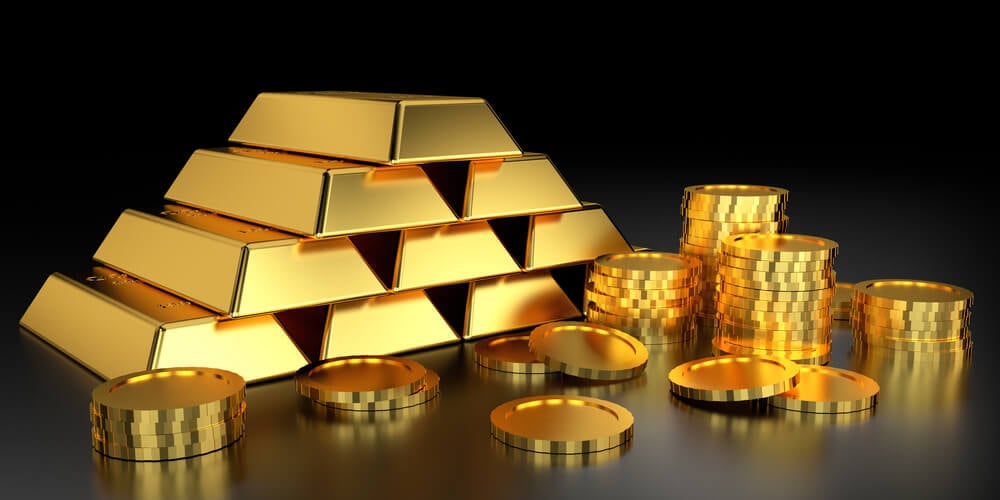
Beneath the streets of London, the Bank of England’s vaults hold roughly 400,000 bars of gold, much of it belonging to other central banks and governments. The vaults are among the largest stores of gold in the world.
Access is tightly controlled, and the keys to the doors are reportedly about three feet long. Visitors can view a single gold bar at the Bank of England Museum, but not the vaults themselves.
The secrecy is part of the security, and few people have ever seen the full collection.
Chernobyl Exclusion Zone
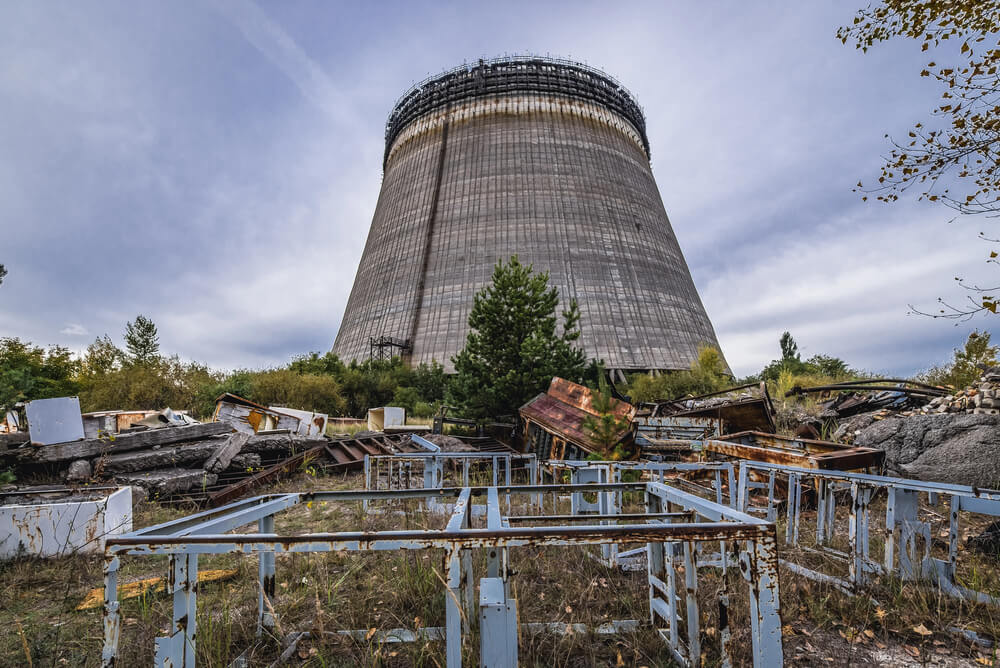
After the 1986 nuclear disaster, Soviet authorities sealed off a large area around the Chernobyl plant in Ukraine, including the abandoned city of Pripyat. Tourism grew in the 2010s, peaking after a popular 2019 television series.
When Russia invaded Ukraine in February 2022, its troops passed through the zone and occupied the plant for weeks. The zone has been closed to tourists ever since.
Ukrainian officials have said tours will not resume until the war ends and the area is assessed for mines and other dangers.
Zone Rouge in France
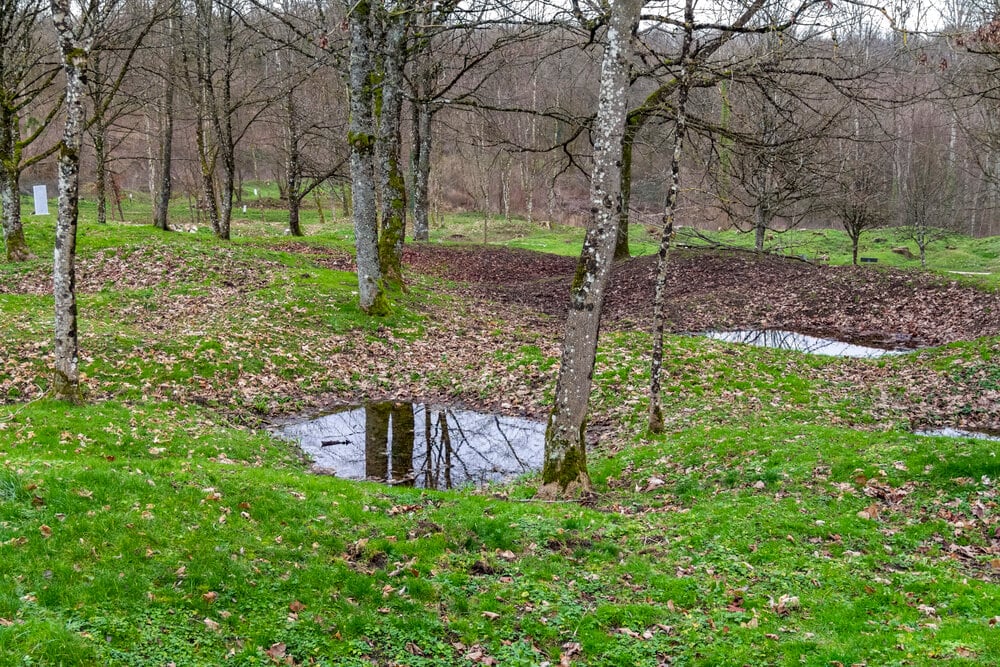
After World War I, the French government designated a large area of the former Western Front as the Zone Rouge, or Red Zone, too damaged by shelling and contaminated by unexploded munitions to be safely farmed or rebuilt. Several villages near Verdun were never rebuilt and remain uninhabited.
Some areas still contain toxic levels of arsenic and other chemicals from destroyed munitions. Much of the original zone has been reforested or reclaimed, but parts remain off-limits.
Bomb disposal teams continue to remove dangerous shells every year.
Wittenoom in Western Australia
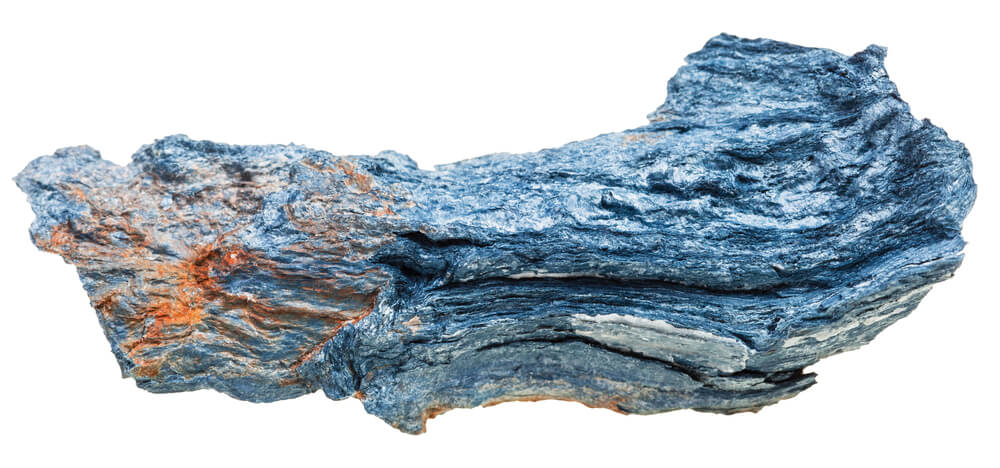
Wittenoom was once a mining town in Western Australia producing blue asbestos, which proved deadly to thousands of workers and residents. The mine closed in 1966, but contamination remained in the soil and air.
The government gradually withdrew services, officially removed the town from maps in 2007 and encouraged residents to leave. The last residents departed in recent years, and authorities moved to demolish remaining buildings.
The area is considered one of the most contaminated sites in the Southern Hemisphere, and visitors are strongly warned to stay away.
Bhangarh Fort After Dark
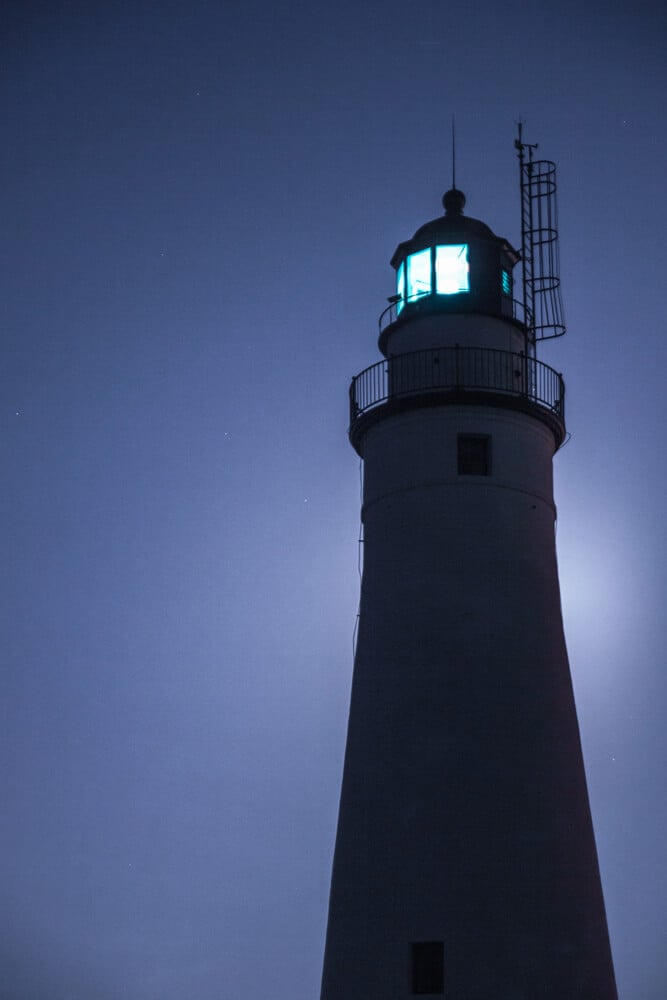
Bhangarh Fort in Rajasthan, India, is a ruined seventeenth-century town with temples, palaces and gates, often described as one of the most haunted places in India. Daytime visitors are welcome, but a sign posted by the Archaeological Survey of India prohibits entry between sunset and sunrise.
Local legend blames a curse by a sorcerer for the town’s downfall. Practical concerns about safety in the ruins likely explain the rule.
Even so, the official warning has made the fort a destination for ghost hunters. The government rule may be the most effective tourism advertising the ruin ever received.
Bohemian Grove in California
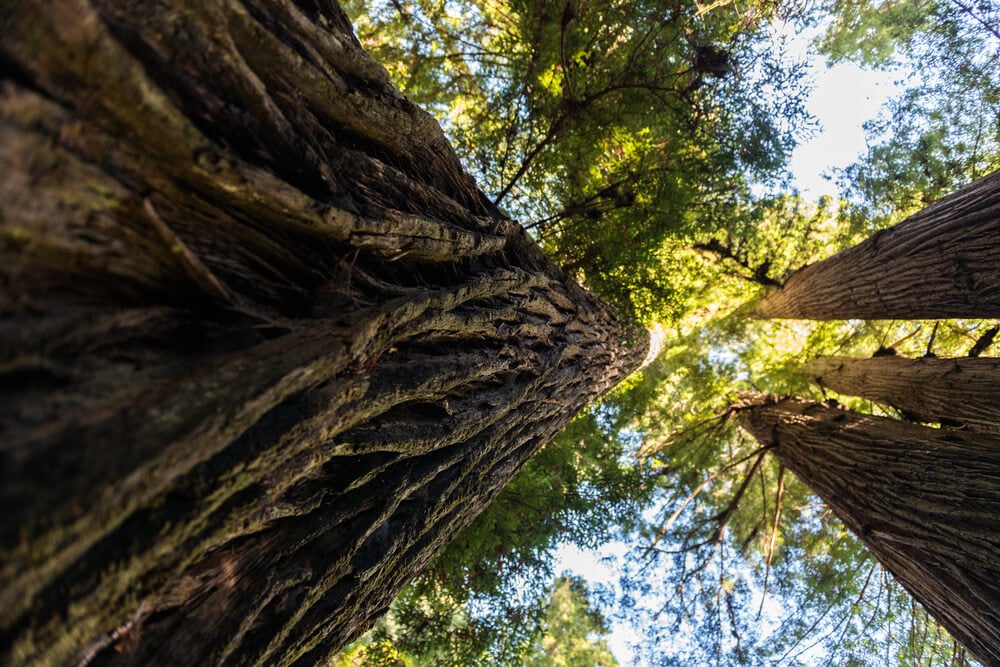
Bohemian Grove is a private redwood forest retreat near Monte Rio, California, owned by the Bohemian Club, a men’s club founded in San Francisco in 1872. Each summer, members including politicians, business leaders and artists gather there for an encampment that has run since the 1870s.
The opening ceremony, called the Cremation of Care, takes place before a large owl statue. Outsiders are not admitted, and journalists who sneaked in have been escorted out.
The secrecy has fueled decades of speculation about what goes on beneath the redwoods.
Off-Limits Tunnels Under Paris
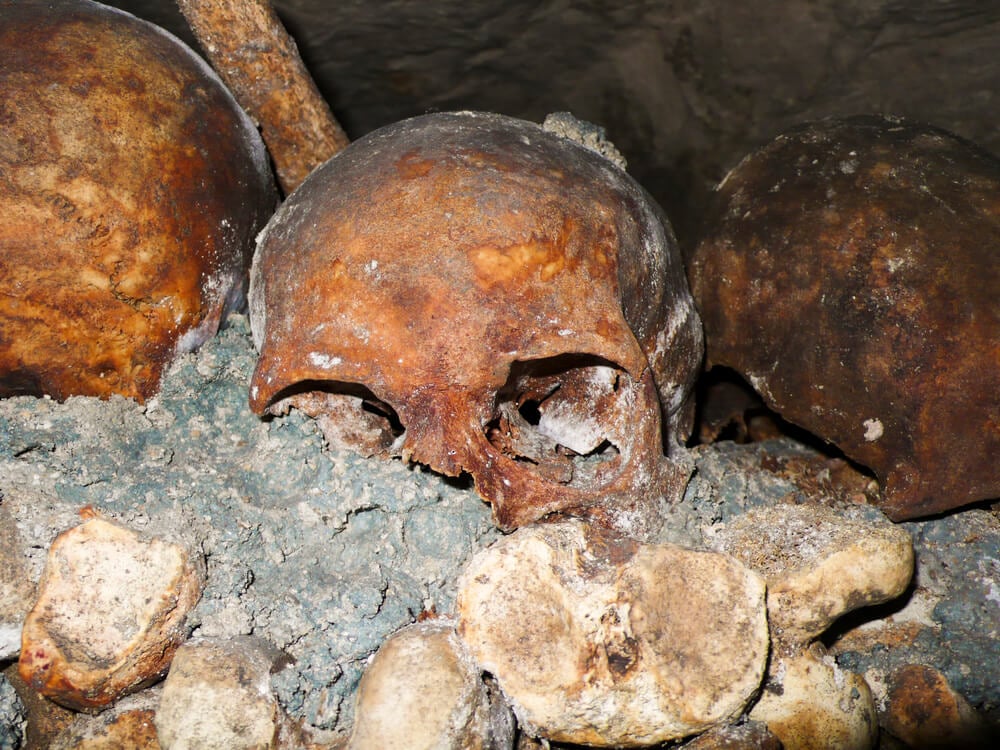
Paris sits atop roughly 300 kilometers of tunnels left by centuries of limestone quarrying. A small section, the Catacombs, is open to visitors and holds the remains of millions of Parisians moved from overcrowded cemeteries in the late eighteenth century.
The rest of the network has been illegal to enter since 1955. Urban explorers known as cataphiles still sneak in, holding secret gatherings and painting murals underground.
Special police patrols try to keep them out, but the maze is too vast to fully control. In 2004, police reportedly found a hidden underground cinema in one chamber.
The Torch of the Statue of Liberty
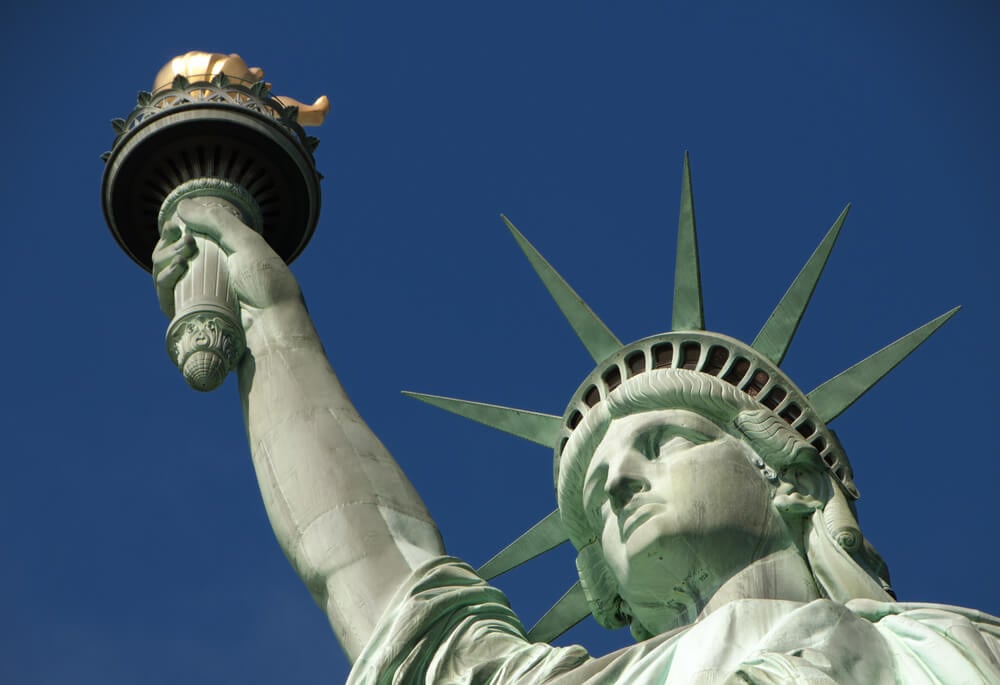
The torch of the Statue of Liberty has been closed to visitors since 1916, after the Black Tom explosion, an act of sabotage that damaged the statue. Before the closure, visitors could climb a narrow ladder inside the arm to the torch balcony.
The original torch was replaced in 1986 and is now displayed in the Statue of Liberty Museum. Visitors can still climb to the crown with advance reservations.
The torch balcony is reserved for maintenance workers, and the view from there is one of the rarest in New York.
Hall of Records at Mount Rushmore
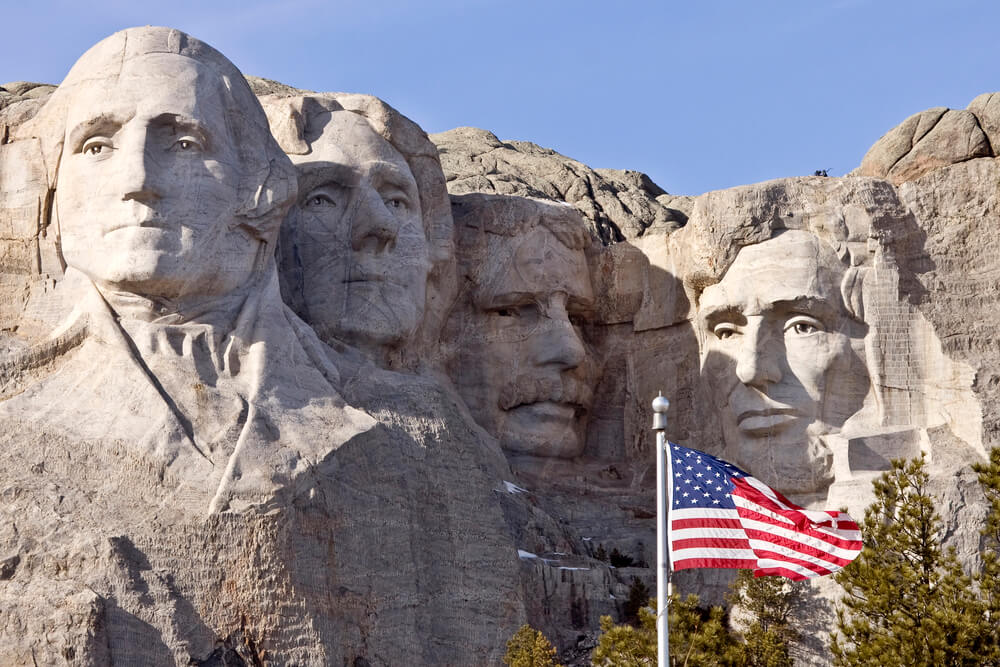
Behind the faces at Mount Rushmore, sculptor Gutzon Borglum began carving a Hall of Records in 1938 to hold important American documents. Work stopped when funding ran out, leaving an unfinished tunnel in the rock.
In 1998, the National Park Service placed a vault in the floor of the tunnel containing porcelain panels inscribed with American history and the story of the memorial. The site is closed to the public because of the steep, difficult climb.
It remains a quiet time capsule hidden behind one of the country’s most famous monuments.
Pine Gap in Central Australia

Pine Gap, a joint U.S.-Australian intelligence facility near Alice Springs in the Australian Outback, has operated since around 1970. Its large white radomes are visible from a distance, but the public cannot enter, and much of its work remains classified.
The facility is believed to play an important role in satellite intelligence and communications. Protesters have occasionally tried to break in, leading to arrests.
Its secrecy has made it a symbol of debates over Australia’s relationship with the United States. Even its exact staffing levels and budget are largely kept from public view, and Australian law sets heavy penalties for trespassing on the site.
Locked Doors Keep Their Own Kind of Record
The places that stay closed say a great deal about what people value. Some are protected for the sake of ancient art, some for faith, some for science and some for national security.
In each case, someone decided that access mattered less than preservation or secrecy, whether a painted cave wall, a sacred summit or a vault of seeds. For travelers, these sites can be frustrating.
Yet their closure keeps something intact that open doors might have destroyed, whether a painted cave wall, a sacred summit or a vault of seeds. Some mysteries are worth keeping.
More from Go2Tutors!

- The Romanov Crown Jewels and Their Tragic Fate
- 13 Historical Mysteries That Science Still Can’t Solve
- Famous Hoaxes That Fooled the World for Years
- 15 Child Stars with Tragic Adult Lives
- 16 Famous Jewelry Pieces in History
Like Go2Tutors’s content? Follow us on MSN.