Celebrity Fashion Choices That Made History
Some outfits just stick with you. They show up in magazines years later, get referenced in museum exhibitions, and influence what designers create for decades.
Celebrity fashion at its best doesn’t just make headlines—it shifts how people think about clothing, identity, and self-expression. The relationship between fame and fashion runs deep.
When someone with global attention makes a bold choice, millions of people see it within hours. Sometimes those choices spark conversations that go far beyond style.
They touch on politics, gender norms, cultural identity, and personal freedom.
Princess Diana’s Revenge Dress

The black Christina Stambolian dress Princess Diana wore in 1994 became instantly iconic, but not just because it looked stunning. She wore it the same evening Prince Charles admitted his affair on national television.
The off-the-shoulder, form-fitting design was a dramatic departure from her usual style. Diana had actually bought the dress three years earlier but considered it too daring.
That night, she pulled it from her closet and made a statement about reclaiming her narrative. The dress represented confidence in a moment of public humiliation.
Fashion photographers captured her stepping out of the car, and the images spread worldwide. The moment showed how clothing can be armor and announcement at once.
Diana looked powerful when the world expected her to look defeated.
Marilyn Monroe’s White Halter Dress

The white pleated halter dress from “The Seven Year Itch” might be the most recognizable outfit in cinema history. When Marilyn stood over that subway grate in 1955, the billowing skirt created an image that defined an era.
Designer William Travilla created the dress specifically for that scene. The pleated fabric moved beautifully on camera, and the simple design kept focus on Marilyn herself.
The moment captured a particular kind of femininity—playful, confident, aware of its own power. That dress appears in art, advertising, and fashion references constantly.
It influenced cocktail dress design for decades and established a template for Hollywood glamour that designers still reference.
David Bowie’s Ziggy Stardust Bodysuits

Bowie’s stage costumes for Ziggy Stardust between 1972 and 1973 demolished conventional ideas about gender and fashion. Designer Kansai Yamamoto created bold bodysuits with geometric patterns, asymmetrical cuts, and theatrical details that looked like nothing else in mainstream culture.
The costumes featured wide-leg jumpsuits, vinyl boots, and wild patterns that mixed Japanese influences with glam rock aesthetics. Bowie paired them with bright red hair and dramatic makeup.
The whole look challenged every assumption about how male performers should present themselves. Those outfits gave permission to generations of artists to experiment with their image.
They showed that fashion could be a form of artistic expression as valid as the music itself.
Audrey Hepburn’s Little Black Dress

When Audrey Hepburn appeared in “Breakfast at Tiffany’s” wearing that black Givenchy dress, she made simplicity look radical. The sleeveless shift with its elegant neckline became the template for what the fashion industry still calls the “little black dress.”
Hubert de Givenchy designed the dress to emphasize clean lines and sophistication over fussy details. The long gloves, pearl necklace, and upswept hair completed a look that felt both accessible and aspirational.
Women saw something they could adapt to their own lives, even if their version came from a department store instead of a French design house. That dress proved that restraint can make more impact than excess.
It established a standard for elegant simplicity that fashion keeps returning to.
Madonna’s Cone Bra Corset

Jean Paul Gaultier created the pink satin corset with cone bra cups for Madonna’s 1990 Blond Ambition tour, and it immediately became controversial. The exaggerated silhouette took traditional undergarments and put them on full display as outerwear.
Madonna wore the corset during performances of “Vogue” and “Express Yourself,” songs about empowerment and self-definition. The costume turned intimate apparel into a statement about controlling your own image and refusing to apologize for it.
The corset influenced fashion shows, music videos, and streetwear for years. It made underwear as outerwear a legitimate style choice and pushed boundaries around what performers could wear on stage.
James Dean’s Red Windbreaker
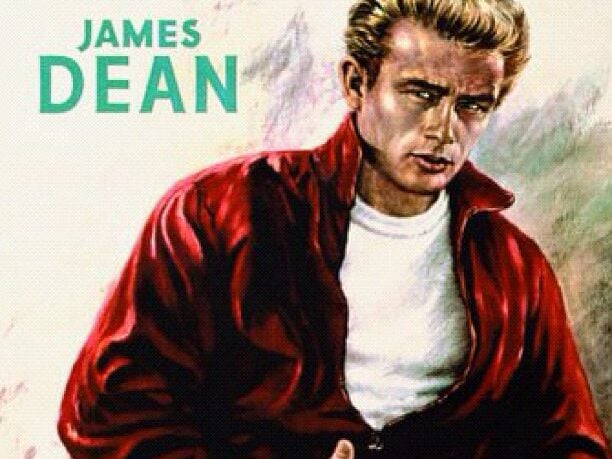
The red windbreaker James Dean wore in “Rebel Without a Cause” became the uniform of teenage rebellion in 1955. Combined with jeans and a white t-shirt, it created a look that said everything about youthful defiance and alienation.
The outfit was deliberately chosen to represent a new kind of American teenager—one who questioned authority and felt disconnected from their parents’ values. The casual, almost careless styling contradicted the formal dress codes that dominated 1950s culture.
That red jacket shows up in fashion collections and film references constantly. It established denim and casual wear as legitimate expressions of identity rather than just work clothes.
Cher’s Bob Mackie Creations

Bob Mackie designed hundreds of outfits for Cher starting in the 1970s, but the sheer, crystal-embellished ensembles pushed boundaries every time she wore one. The barely-there designs featured feathers, sequins, and strategic coverage that made headlines and challenged censorship standards.
Cher wore these outfits on television, award shows, and concerts at a time when most female performers stuck to relatively conservative stage wear. The costumes celebrated the body without apologizing for it and showed skin in ways that felt empowering rather than objectifying.
Mackie’s designs for Cher influenced stage costume design across genres. They proved that spectacle and artistry could coexist and that performers could control their own image even when that image was provocative.
Kurt Cobain’s Thrift Store Aesthetic

Cobain’s deliberately anti-fashion approach to clothing became its own influential style. The ripped jeans, flannel shirts, and threadbare sweaters rejected the polished image of 1980s rock stars and created the grunge aesthetic that defined early 1990s alternative culture.
What made the look powerful was its authenticity. Cobain actually shopped at thrift stores and wore clothes until they fell apart. The disheveled appearance wasn’t calculated—it was genuine, and that realness resonated with fans who felt disconnected from mainstream culture.
The grunge look influenced high fashion despite Cobain’s contempt for the industry. Designers started incorporating distressed fabrics, oversized silhouettes, and layered chaos into their collections, proving that anti-fashion can become fashion.
Rihanna’s Met Gala Yellow Gown
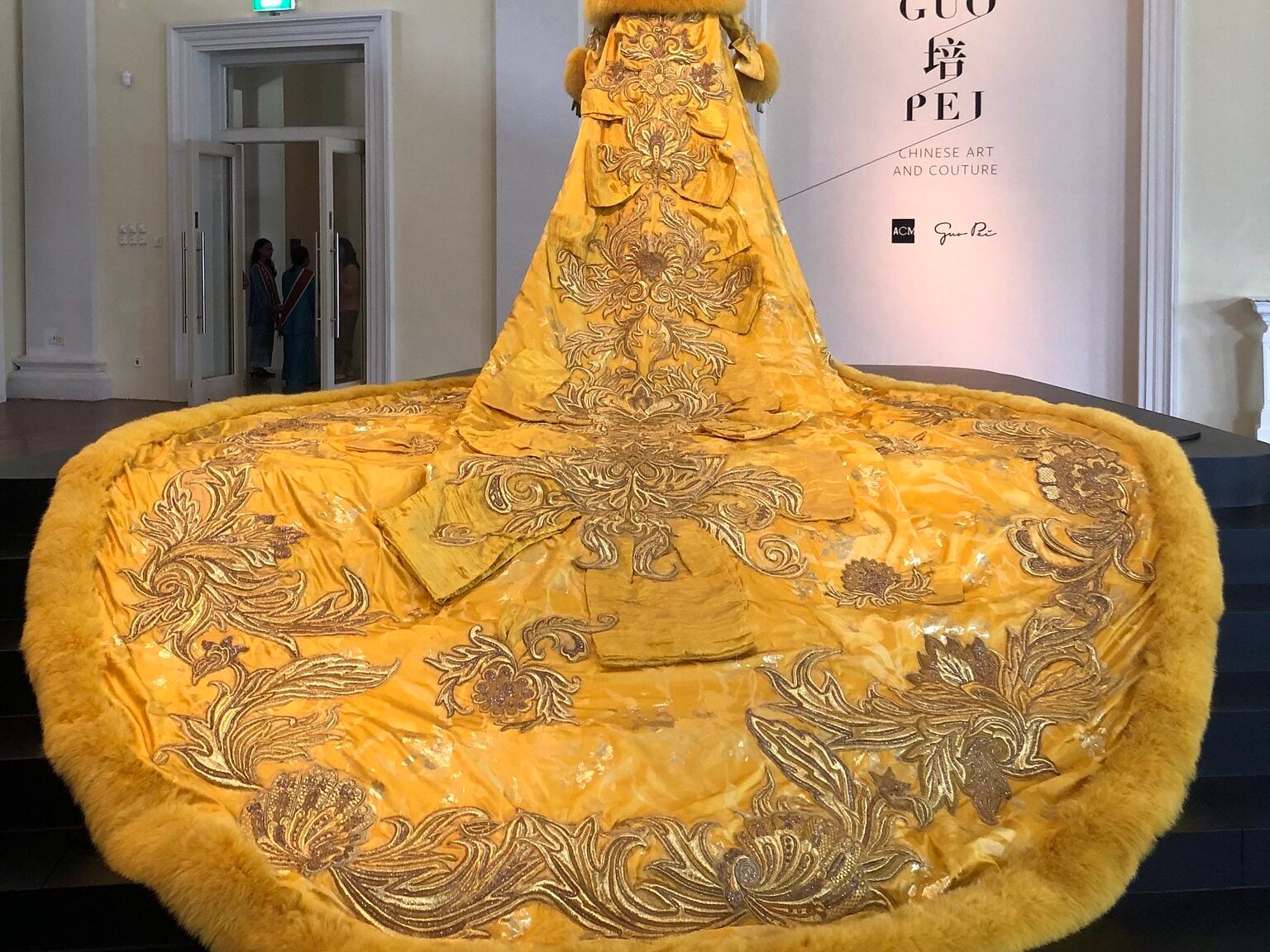
Guo Pei’s yellow fur-trimmed cape gown that Rihanna wore to the 2015 Met Gala took months to create and weighed 55 pounds. The massive train extended 16 feet behind her, and the intricate embroidery featured traditional Chinese design elements.
Rihanna committed fully to the dramatic presentation, having her team carry the train as she walked the red carpet. The outfit sparked countless memes and internet jokes, but it also introduced millions of people to Chinese couture and showed that fashion could be theatrical art.
The gown represented a willingness to take risks that most celebrities avoid. Rihanna chose spectacle over safe, and the fashion world responded by celebrating her boldness.
Prince’s Purple Rain Outfit

The purple ruffled jacket and matching motorcycle that Prince wore in “Purple Rain” created an unforgettable image of rock stardom. The color choice alone was bold—purple wasn’t typically associated with masculine rock performance in 1984.
The outfit mixed motorcycle rebel aesthetics with romantic, almost Victorian ruffles. The combination shouldn’t have worked, but Prince made it feel natural. He wore confidence as much as clothing, and the purple became his signature color for the rest of his career.
That look influenced how artists thought about stage presence and personal branding. It showed that you could create your own visual language and make people accept it on your terms.
Lady Gaga’s Meat Dress

When Lady Gaga wore a dress made entirely of raw meat to the 2010 MTV Video Music Awards, the reaction was immediate and polarized. Designer Franc Fernandez created the outfit from actual beef, and it sparked debates about fashion, art, animal rights, and spectacle.
Gaga explained the dress as a statement about equality and fighting for what you believe in—”If we don’t stand up for what we believe in and if we don’t fight for our rights, pretty soon we’re going to have as much rights as the meat on our bones.”
The dress forced conversations about where fashion ends and performance art begins. It pushed past every boundary of good taste deliberately, and whether you found it brilliant or appalling, you couldn’t ignore it.
Billie Eilish’s Oversized Streetwear
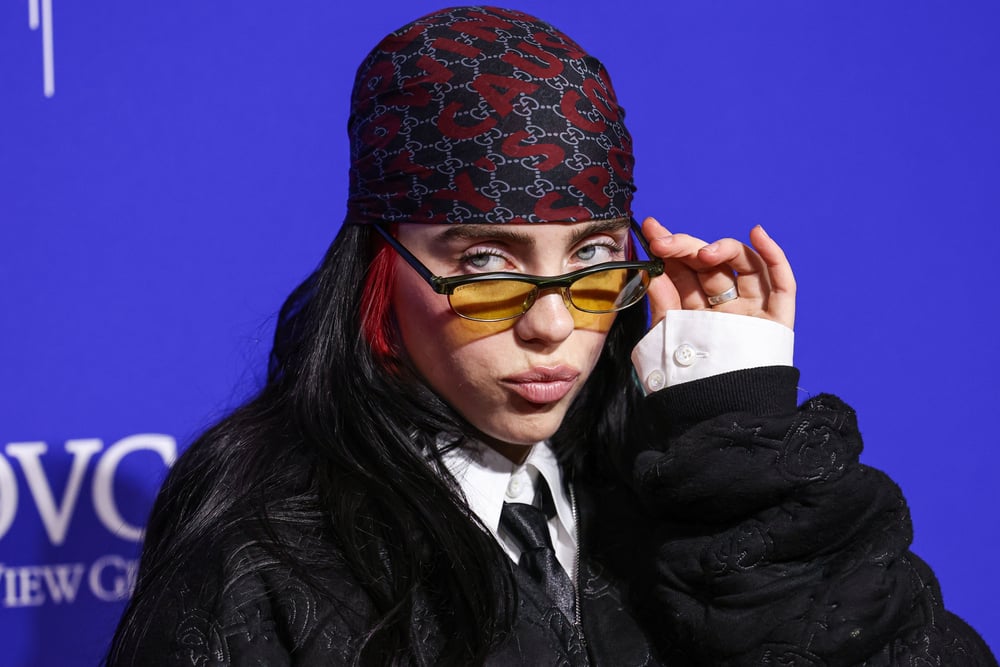
Eilish’s commitment to oversized, baggy clothing became a statement about body autonomy and refusing to let her appearance define her music. The neon colors, designer labels worn several sizes too large, and complete rejection of conventional pop star styling created a distinctive look.
She explained that the baggy clothes prevented people from body-shaming her or sexualizing her image. The choice resonated with young fans who felt pressure to look a certain way. Eilish used fashion to set boundaries and control her own narrative.
The style influenced streetwear trends and showed that you don’t have to reveal your body to command attention. Her approach challenged industry expectations about how young female artists should present themselves.
Harry Styles’ Gender-Fluid Fashion
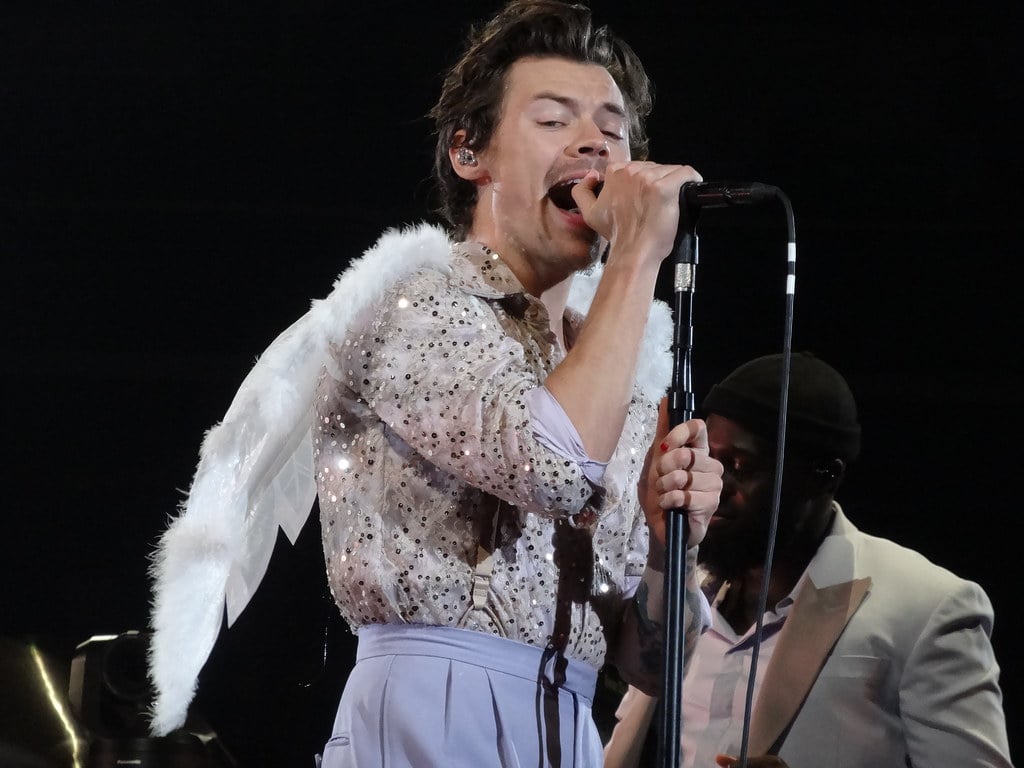
Styles rocking flowy shirts, pearls, bright shades, or that Gucci look on Vogue made fluid fashion feel normal to many. Instead of turning it into a spectacle, he just slips into those outfits like they’re no big deal, acting like anyone might choose them.
The way he does it seems important – not because of the crowd behind him, but ’cause he never bothers defending his outfits. Instead of explaining, he throws on whatever fits his mood then keeps going.
This laid-back vibe turns fluid fashion from something loud into just another choice, kind of like picking your favorite color. It’s not about making a scene – it’s simply doing you.
His look shaped how men’s clothing lines approach variety – pushing shops to expand choices.
This opened doors for folks to play with outfits, ditching rigid gender rules along the way.
When Clothes Become Memory

Those looks stuck around since they stood for more than just trends. Yet they mirrored big changes in society, questioned old rules, or offered fresh ideas on how folks show who they are.
Still, the clothes turned into symbols for whole eras or events. Fashion here isn’t just following what’s hot – it’s who you are.
Years down the line, spotting these pics brings back more than styles, it pulls up the whole vibe of that time. This is how star style turns into something lasting – not just worn once, but remembered forever.
The look sticks around because it meant something way beyond the night itself.
More from Go2Tutors!

- The Romanov Crown Jewels and Their Tragic Fate
- 13 Historical Mysteries That Science Still Can’t Solve
- Famous Hoaxes That Fooled the World for Years
- 15 Child Stars with Tragic Adult Lives
- 16 Famous Jewelry Pieces in History
Like Go2Tutors’s content? Follow us on MSN.



