28 Mall Stores From the ’90s That Teenagers Practically Lived In
The shopping mall in the 1990s wasn’t just a place to buy things—it was the epicenter of teenage social life. A group could arrive at 11 a.m. and not leave until the gates closed at 9 p.m., drifting through corridors lined with shops that felt less like retail destinations and more like extensions of school hallways.
These stores provided the soundtrack, the merchandise, the fashion, and the attitude that defined an entire generation’s sense of identity.
What made the ’90s mall such a powerful gathering place wasn’t the variety alone, but the specificity. Every store had its own gravitational pull and its own tribe of devoted visitors.
A Hot Topic regular would rarely be caught in Abercrombie, and a Claire’s devotee occupied an entirely different social sphere than someone haunting Spencer’s. Yet somehow, these parallel universes coexisted under the same climate-controlled roof, creating a complex ecosystem that reflected every possible teenage demographic.
Hot Topic
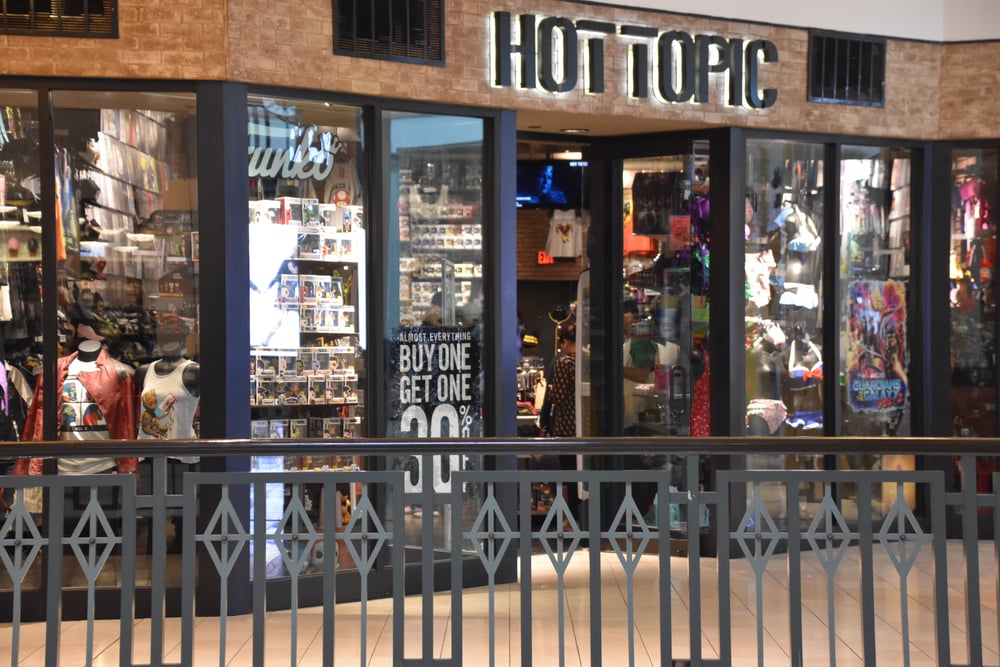
Hot Topic opened in 1989 and became the unofficial headquarters for anyone with alternative tastes. Band t-shirts, studded belts, black nail polish, and Nightmare Before Christmas merchandise lined the walls of stores with deliberately dim lighting and industrial aesthetics.
The store’s implicit message was that teenagers didn’t have to conform, and for many, simply shopping there felt like a statement.
Spencer Gifts
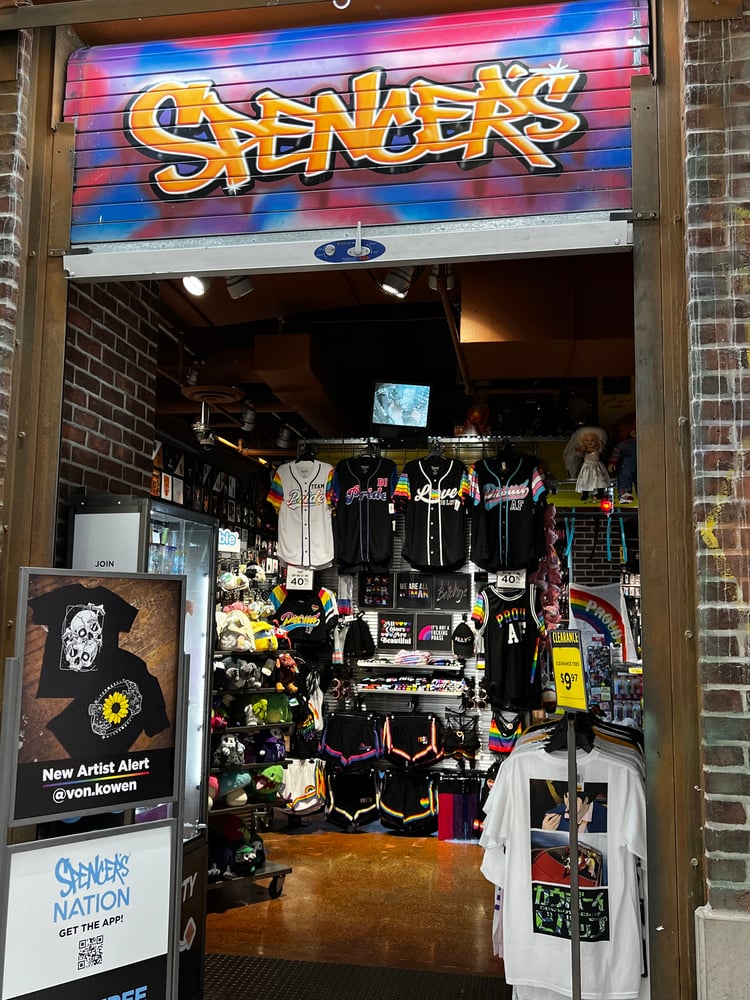
Spencer’s occupied an interesting space between novelty store and legitimate retailer, with lava lamps dominating the front section and increasingly risqué merchandise inhabiting the back corners. The browsing experience itself was a form of entertainment—you went to see what strange gadgets they’d acquired this season and to prove to your friends that you could walk past certain sections without blushing.
Gadzooks
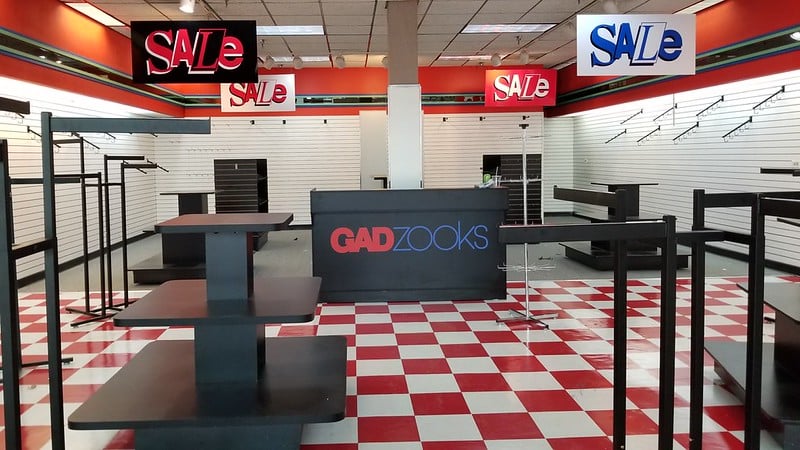
Gadzooks catered specifically to teenagers with an eclectic mix of grunge-influenced clothing, skate culture merchandise, and accessories that changed with every trend the decade threw up. The store’s visual displays and ever-rotating selection made it a reliable destination for anyone trying to figure out how to dress for whatever subculture was currently appealing to them.
Abercrombie & Fitch
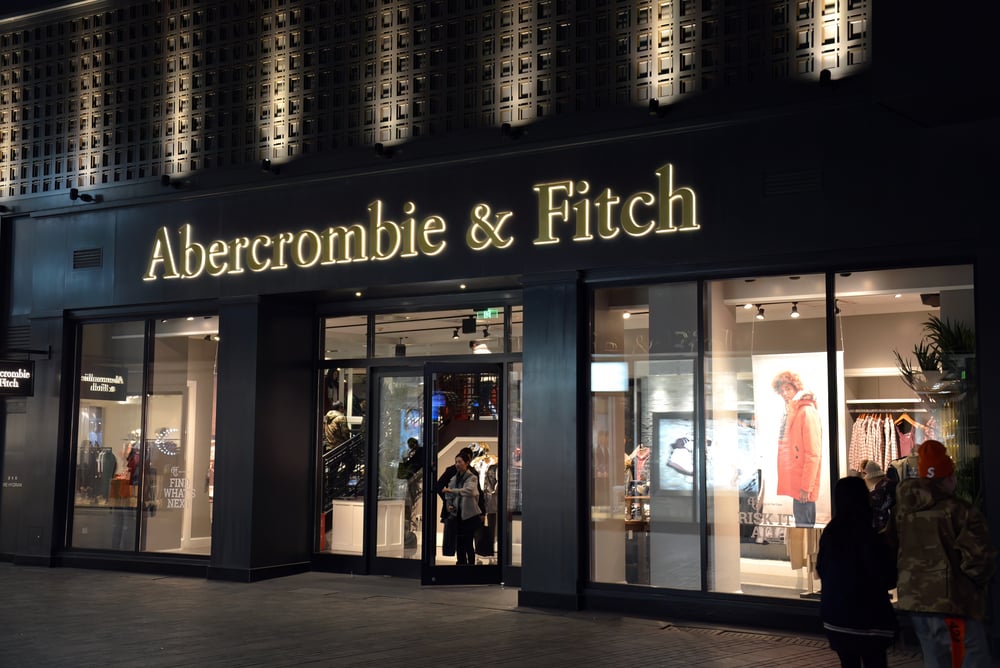
A&F was the preppy option, recognizable by its moose logo and the overwhelming cologne that hit you the moment you entered. The dimly lit stores with shirtless models on the walls created an aspirational aesthetic that shaped an entire segment of ’90s teenage fashion consciousness, regardless of whether anyone could actually afford the prices.
The Limited
The Limited proved that mall stores didn’t have to cater exclusively to teenagers—it was a sophisticated spot for working women, but also the place older sisters and mothers shopped, which lent the brand an aura of adultness that some younger teenagers aspired to achieve. The company operated 750 stores at its peak during the ’90s and dominated the mid-priced women’s clothing market.
Wet Seal
Wet Seal provided accessible fashion for teenagers who wanted to keep up with trends without draining their savings. The store’s racks rotated constantly with whatever was currently popular, from denim skirts to party tops, making it essential to check back every few weeks to see what had arrived.
American Eagle Outfitters
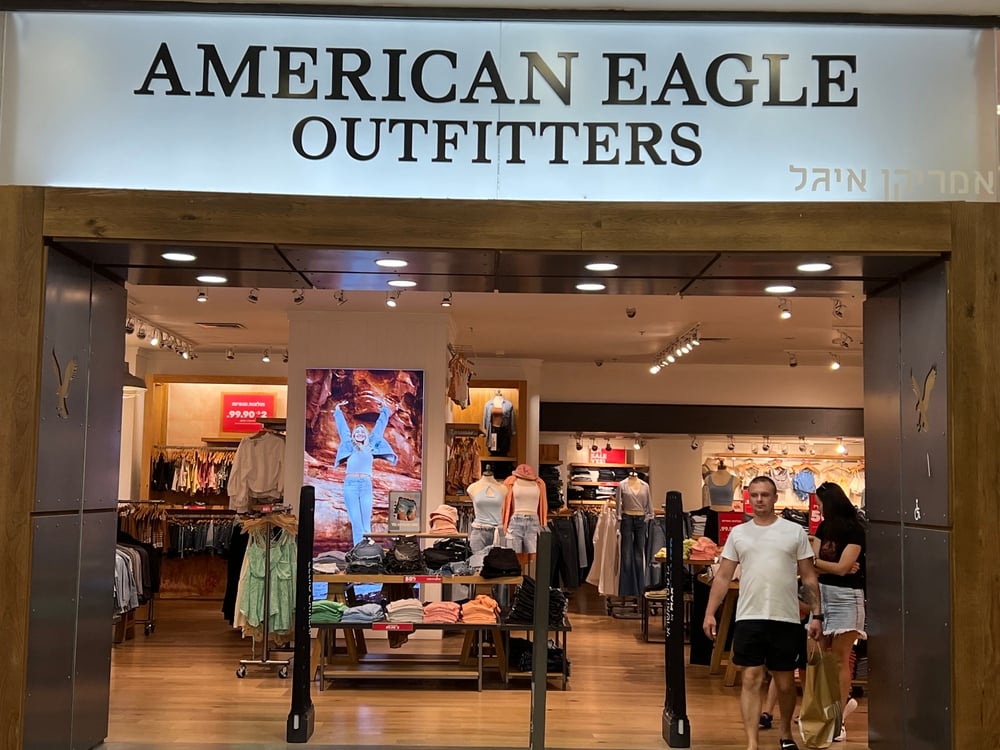
American Eagle positioned itself as the more affordable alternative to Abercrombie, offering jeans, graphic t-shirts, and casual basics that felt authentically “American” without the exclusionary attitude. The iconic denim wall became aspirational for anyone building a ’90s wardrobe.
Express
Express occupied the dressier end of the mall clothing spectrum, specializing in fitted shirts, sleek dresses, and pieces that walked the line between teenage fashion and professional wear. Visiting Express made you feel like you were shopping for more grown-up occasions.
Gap
Gap provided the foundational basics of ’90s fashion—simple sweaters, plain t-shirts, khakis, and jeans that were reliable if not particularly exciting. Almost everyone owned something from Gap, and the stores’ minimalist aesthetic felt refreshingly spare compared to the sensory overload of other mall retailers.
Delia’s
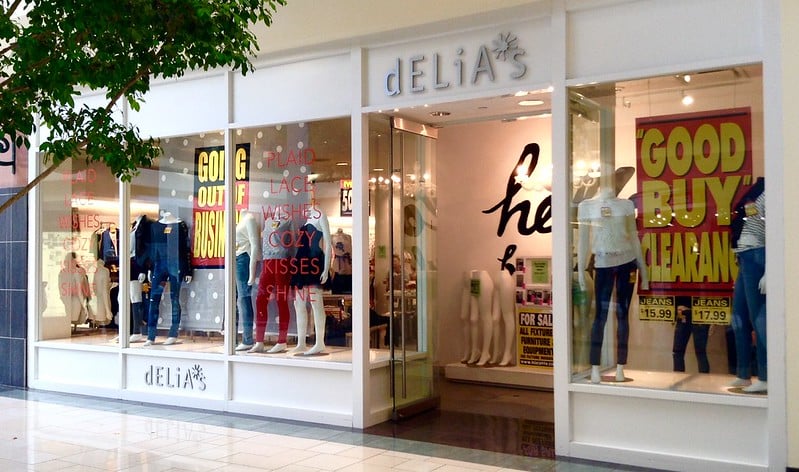
Delia’s built its reputation on its catalog, but mall locations allowed customers to browse in person before ordering. The store’s ultra-trendy aesthetic and focus on things like platform shoes and colorful layering pieces made it a destination for fashion-forward teenagers.
Contempo Casuals
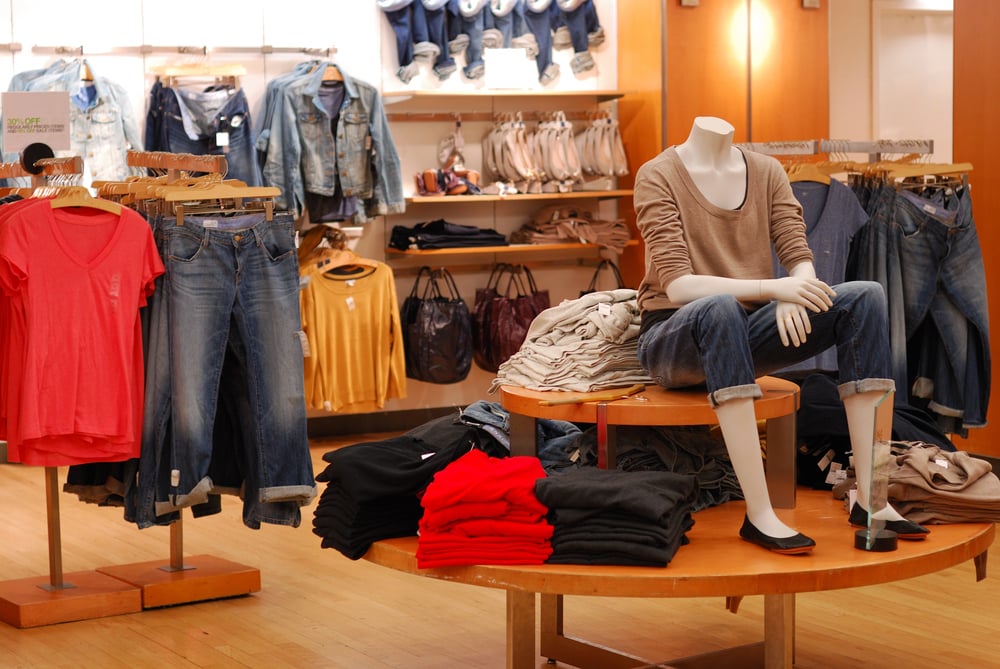
Contempo Casuals rode the wave of ’90s pop culture fashion, and gained extra cultural legitimacy after appearing in Clueless, where the store fit seamlessly into the film’s mall shopping sequences. Shopping there felt like participating in whatever cool was happening in contemporary movies.
Rave
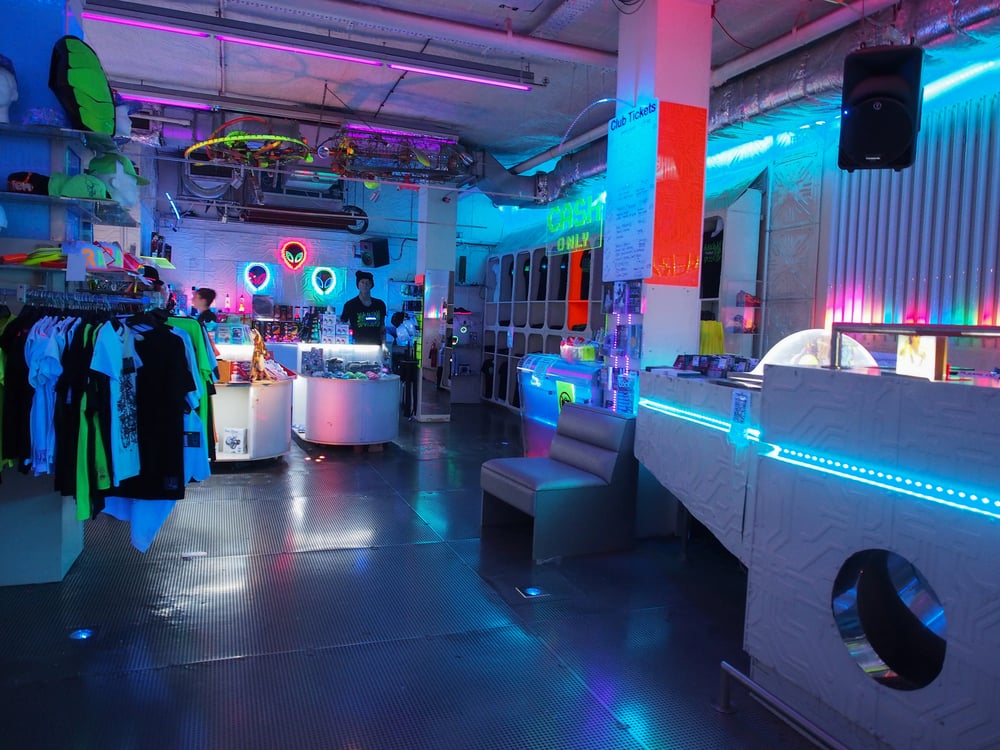
Rave targeted younger teenagers with bright colors, casual tops, and club-inspired styles that other stores considered too edgy. The chain’s rapid-cycling inventory meant there was always something new to browse, which justified frequent mall visits.
PacSun
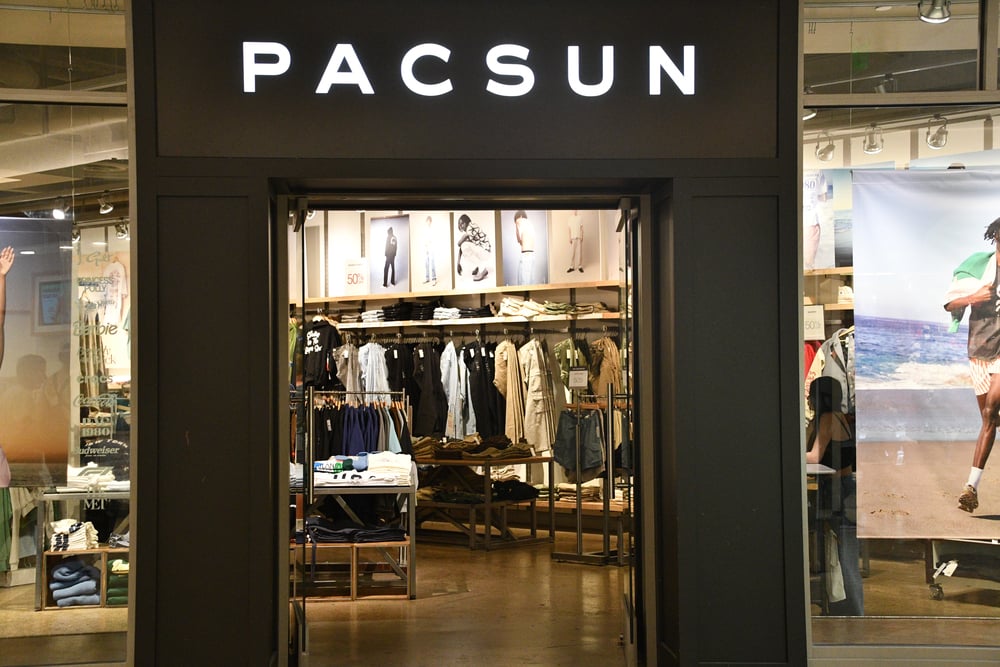
PacSun brought California surf culture to landlocked malls across America, offering laid-back styles and pieces that promised an easier, more sun-soaked existence than most teenagers actually experienced. The brand’s relaxed aesthetic proved enduringly popular throughout the decade.
Hollister
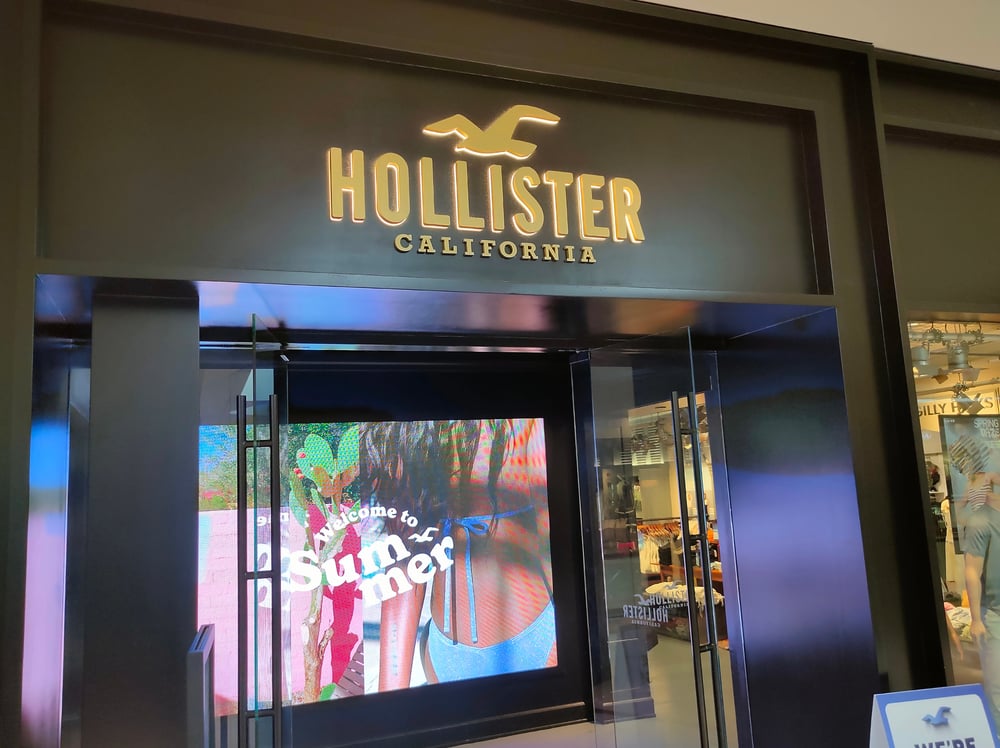
Hollister expanded during the late ’90s with its deliberately beachy aesthetic, complete with dim lighting, sand-colored walls, and a persistent ocean scent. The store’s visual presentation was carefully constructed to feel like stepping into a California beach town no matter what climate existed outside the mall.
Sam Goody
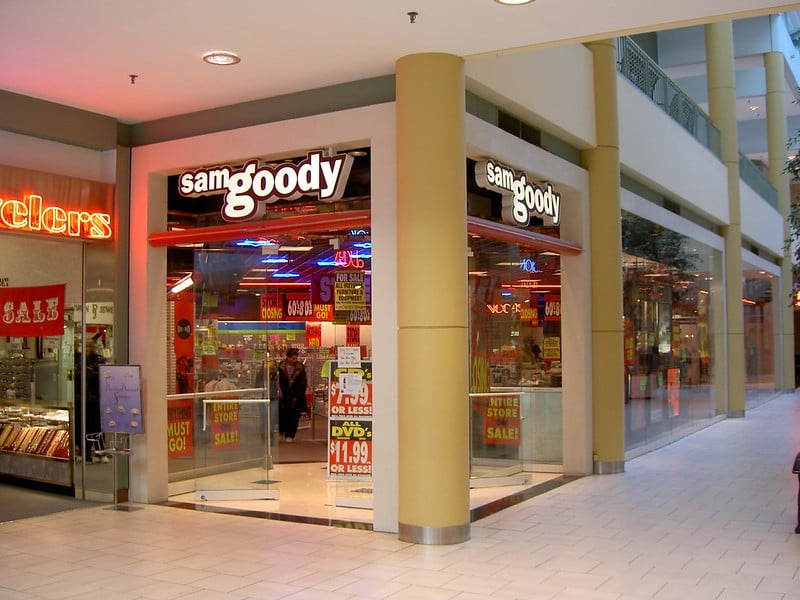
Sam Goody was where music discovery happened before the internet. You flipped through CDs, used listening stations to sample albums before buying, and could easily spend an afternoon just browsing the racks.
The store represented a specific moment when recorded music was still an object you had to physically seek out.
Tower Records
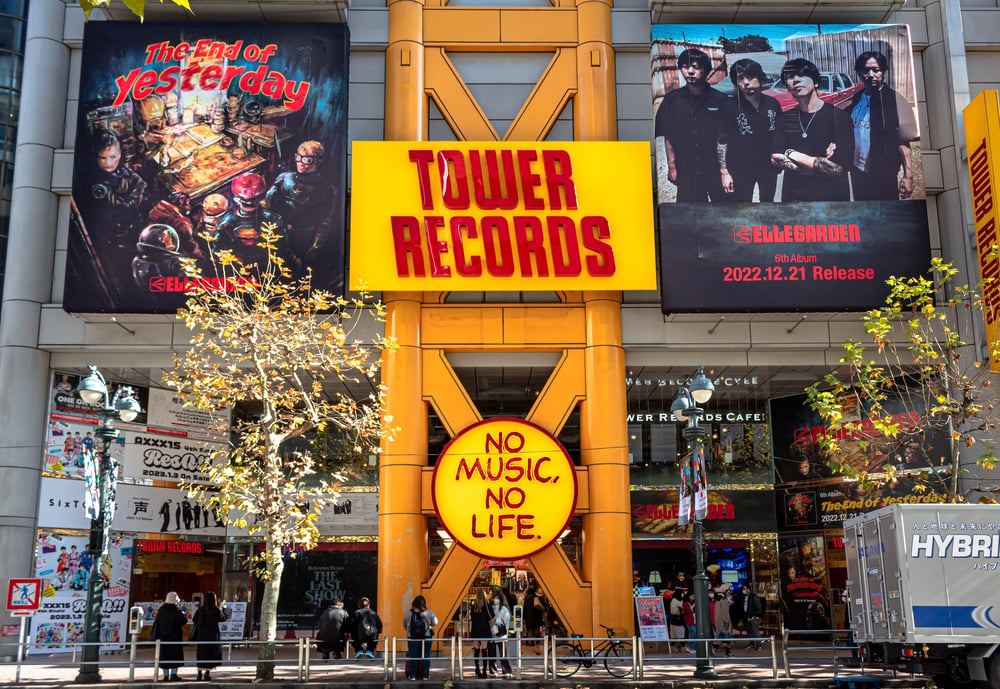
Tower Records had a reputation for massive selection and knowledgeable staff, though it wasn’t in every mall. For serious music enthusiasts, the trip was worth it, and the browsing experience felt more oriented toward genuine discovery than many competitors.
Waldenbooks
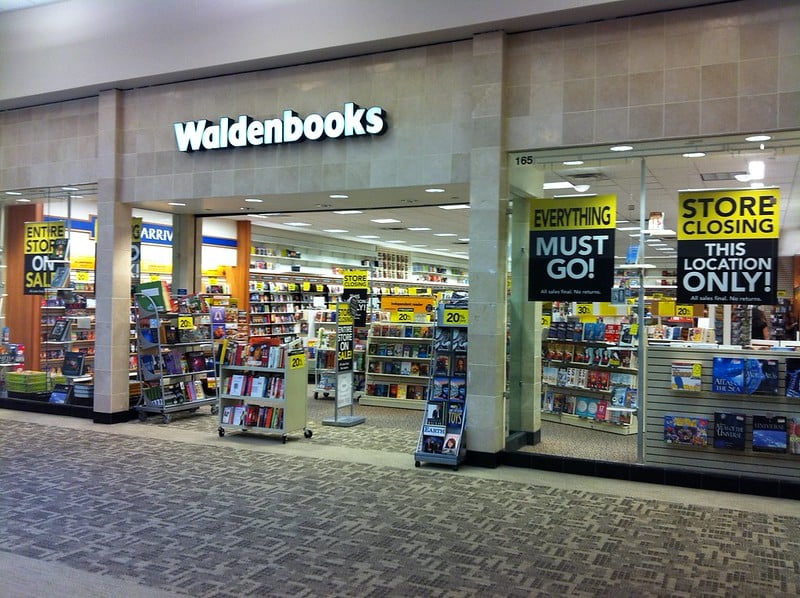
Waldenbooks operated over 1,000 locations at its peak, with many housed inside malls. The stores offered bestseller displays, magazine racks, and shelves of paperbacks that made reading feel less isolating and more like a social activity you could participate in at the mall.
Dalton
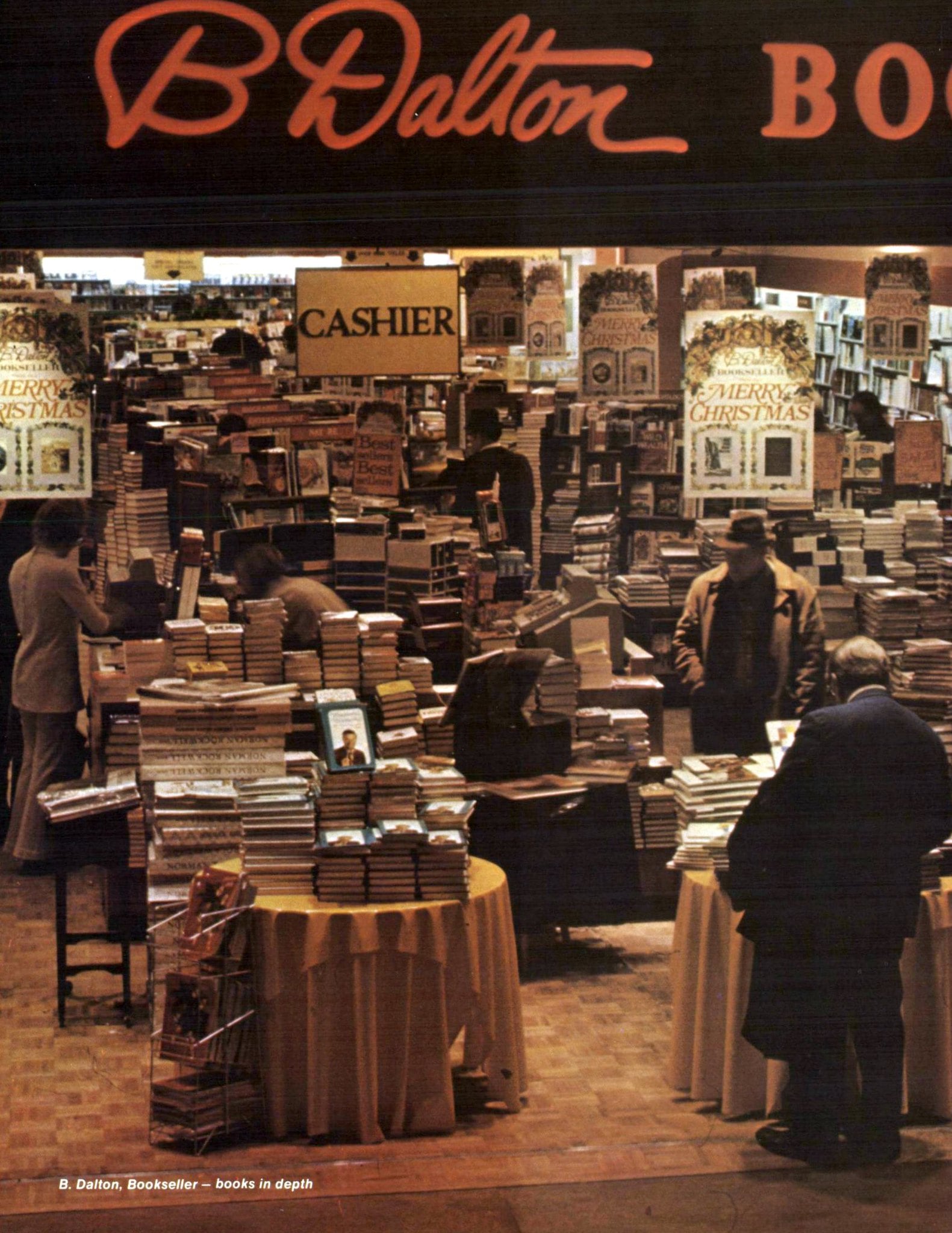
Dalton competed directly with Waldenbooks and built a similarly strong mall presence with bestsellers and accessible reading material. The chain operated hundreds of locations before Barnes & Noble eventually acquired the brand and integrated its stores into the larger retailer.
Claire’s
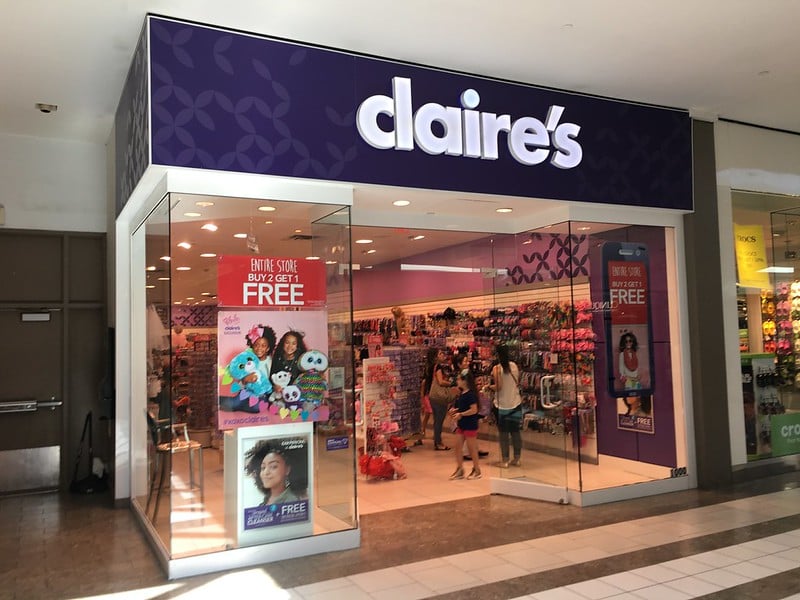
Claire’s became the ear-piercing destination for teenagers too young to get pierced anywhere more adult-oriented. The colorful displays of accessories—clips, rings, fake tattoos, and chunky jewelry—made it almost impossible to leave empty-handed, especially for girls building their accessories collection.
Victoria’s Secret
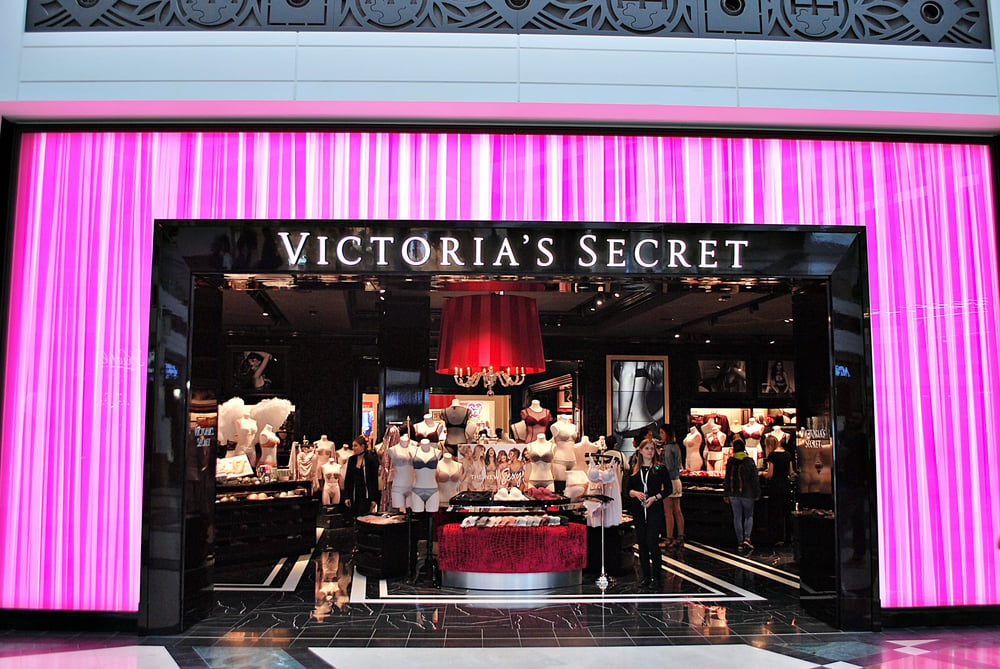
Victoria’s Secret expanded aggressively throughout the ’90s, reaching 670 stores by 1995. The brand’s iconic catalogs and the Miracle Bra made it a destination for teenagers and young women navigating the transition into young adulthood, regardless of the target age demographic.
Sharper Image
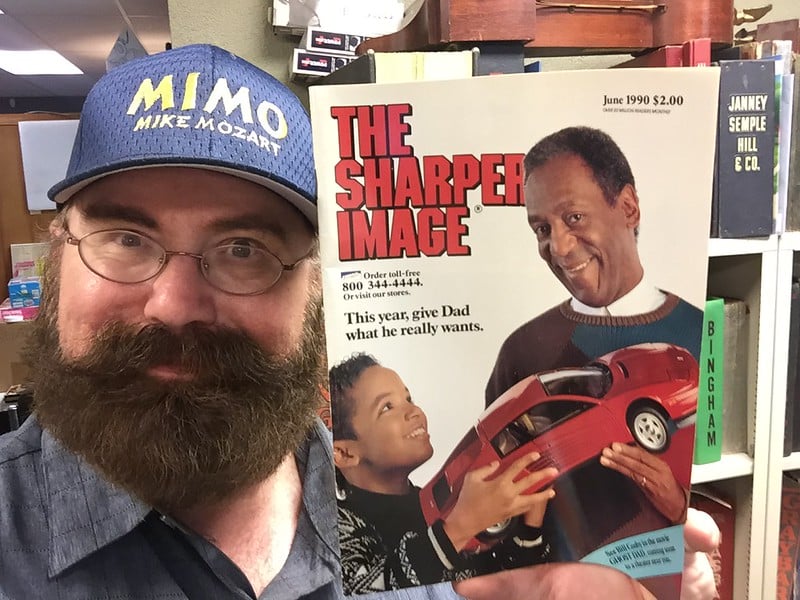
Sharper Image catered to the gadget-obsessed, featuring high-tech novelties, massaging recliners, and oversized gaming controllers that cost more than most teenagers’ monthly allowances. The store’s appeal lay partly in the merchandise and partly in the entertainment value of browsing impossibly expensive things you’d never own.
Spencer’s
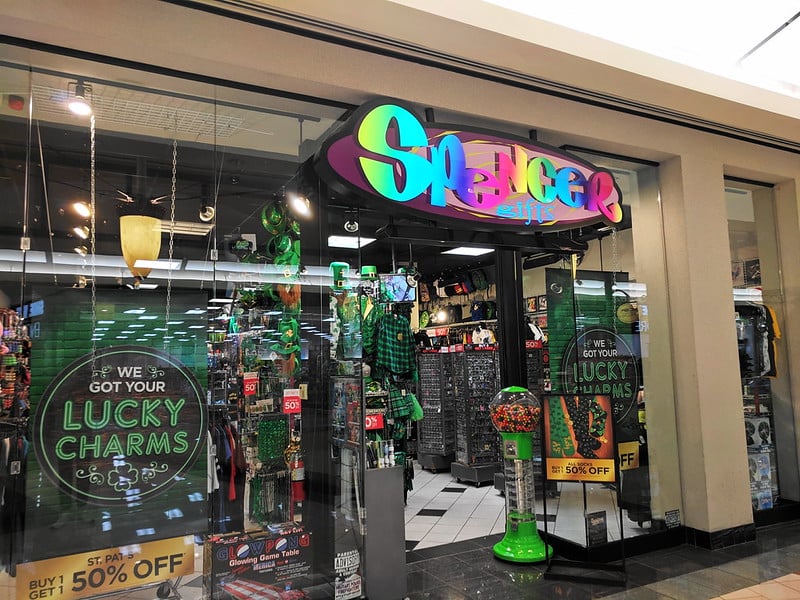
Spencer’s technically served gifts and novelties, but its black light posters, lava lamps, and hidden sections made it feel like more of a rite of passage than a conventional retail stop. The store’s intentionally irreverent attitude suggested that adults didn’t entirely approve, which was precisely the point.
Suncoast
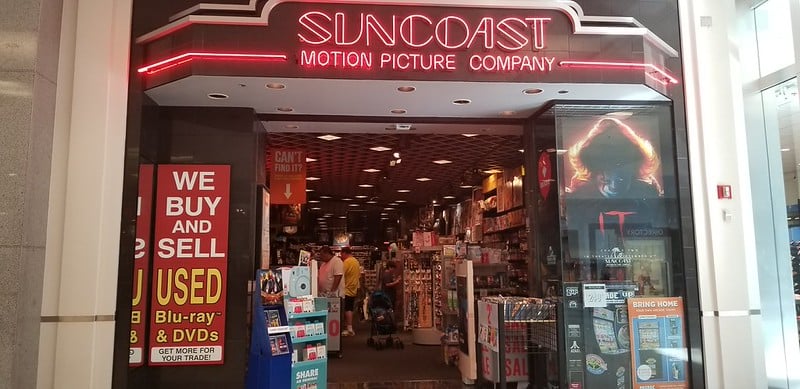
Suncoast combined a curated selection of movies on VHS and DVD with collectibles like action figures, lunch boxes, and posters. For anyone developing film literacy or building a collection of pop culture merchandise, the store felt like it was designed specifically for you.
Warner Bros. Studio Store
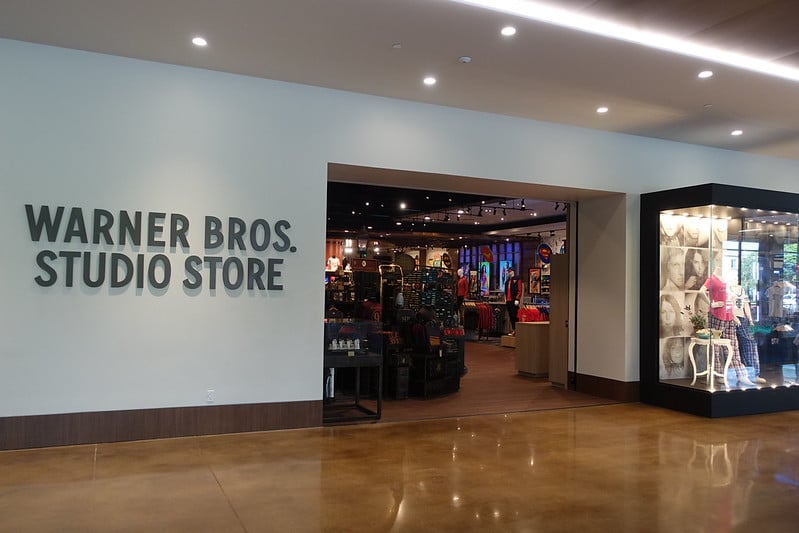
The Warner Bros. Studio Store brought cartoon characters to life through carefully themed displays and exclusive merchandise. Shopping there felt like stepping into a parallel universe where Bugs Bunny, Batman, and other studio properties had manifest as physical objects.
Disney Store
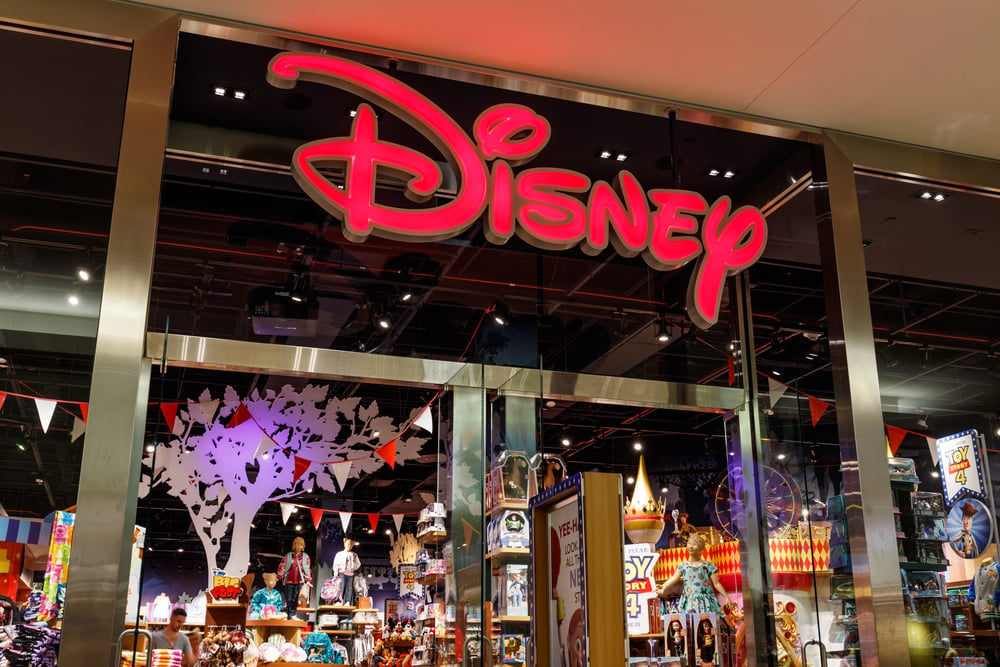
The Disney Store transported visitors into a deliberately magical environment with bright colors, whimsical displays, and exclusive merchandise unavailable anywhere else. The experience of entering the store was meant to feel like a small taste of the parks themselves.
Zany Brainy
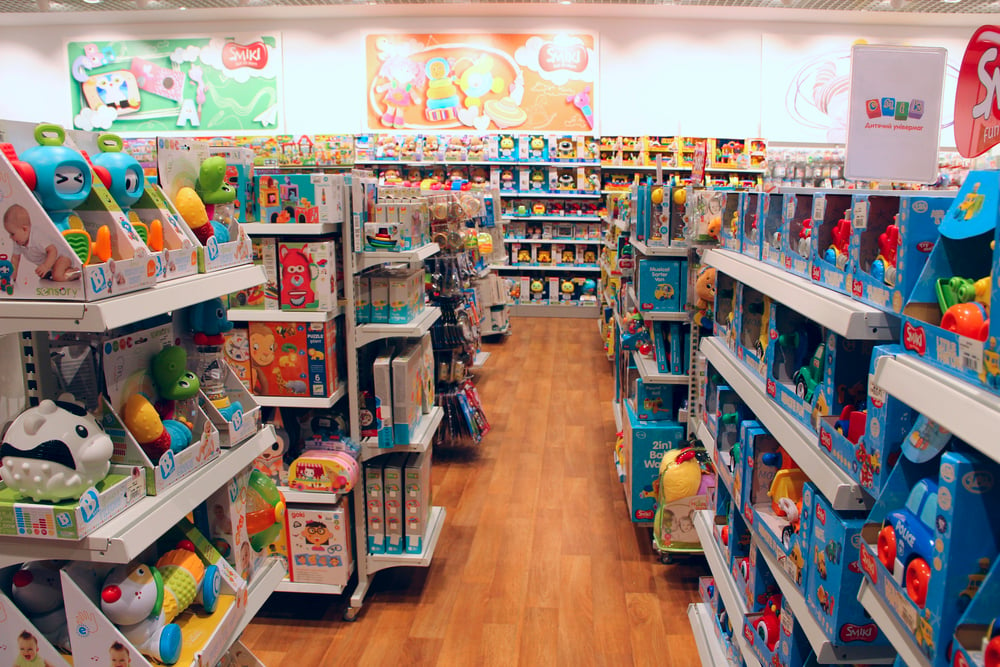
Zany Brainy positioned learning as playful through interactive product displays and events like readings and small performances. Backed by FAO Schwarz, the chain carved out a niche that felt distinct from traditional toy retailers by emphasizing the educational angle.
KB Toys
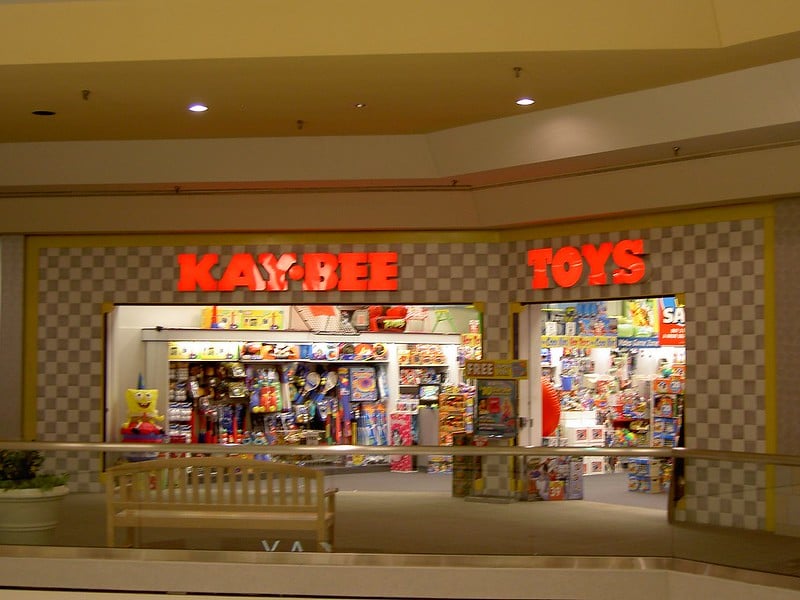
KB Toys offered a smaller-footprint alternative to larger toy superstores, allowing shoppers to browse popular toys and collectibles without the overwhelming scale of a Toys R Us. The bargain bins near the front became legendary for discovering deals.
Casual Corner
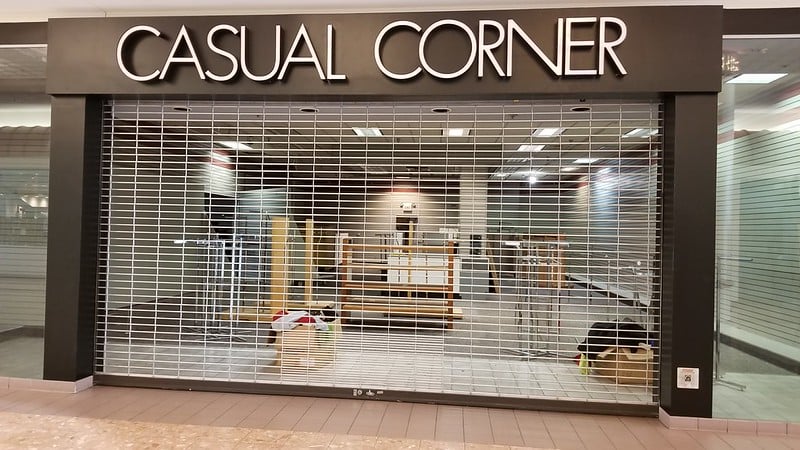
Casual Corner focused on sophisticated, wearable basics for women—coordinated outfits, blazers, and polished pieces that worked for both office wear and everyday situations. For working professionals shopping the mall, it was the reliable destination for building practical wardrobes.
The Geography of Memory
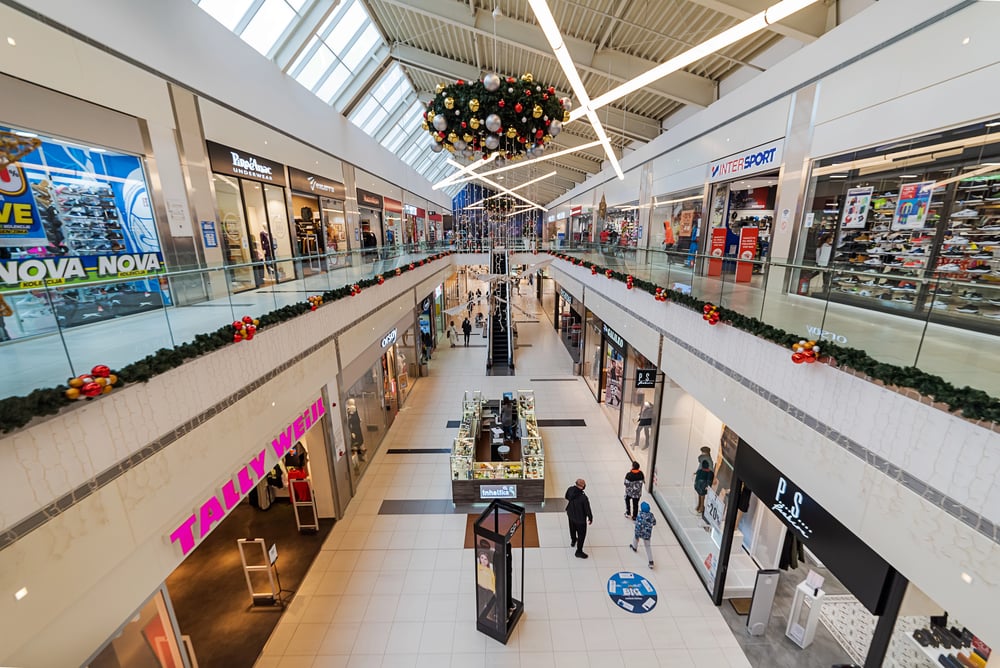
The specific stores teenagers visited became the geography of their social lives. A group’s favorite mall route established pecking orders, marked territories, and reflected the shifting hierarchies of teenage popularity and taste.
Some stores were destinations, places you planned to stop. Others were obligatory checkpoints in the hourly circuit that constituted a proper mall afternoon.
Decades later, the actual purchases fade from memory, but the texture of the experience—the specific quality of light in Spencer’s, the exact smell of a particular store, the particular way friends would split up to check different sections—remains crystalline. The mall stores weren’t just selling things; they were selling the possibility of becoming the kind of person you wanted to be, at least for the duration of a Saturday afternoon.
More from Go2Tutors!

- The Romanov Crown Jewels and Their Tragic Fate
- 13 Historical Mysteries That Science Still Can’t Solve
- Famous Hoaxes That Fooled the World for Years
- 15 Child Stars with Tragic Adult Lives
- 16 Famous Jewelry Pieces in History
Like Go2Tutors’s content? Follow us on MSN.



