29 Animal Species That Thrived by Adapting to Human Cities
There’s a version of the nature-vs-civilization story that most people have heard: humans build, animals flee, wilderness shrinks. It’s not wrong, exactly. But it leaves out a stubborn and fascinating subplot — the species that looked at sprawling cities, roaring highways, and trash-strewn alleyways and decided, essentially, that this would do just fine. Some animals didn’t just survive the urban boom. They exploited it. They learned the schedules, mapped the food sources, and figured out the geometry of a world built entirely for something else. The 29 species below aren’t holdouts clinging to shrinking habitat. They’re opportunists, and they’re winning.
Coyote
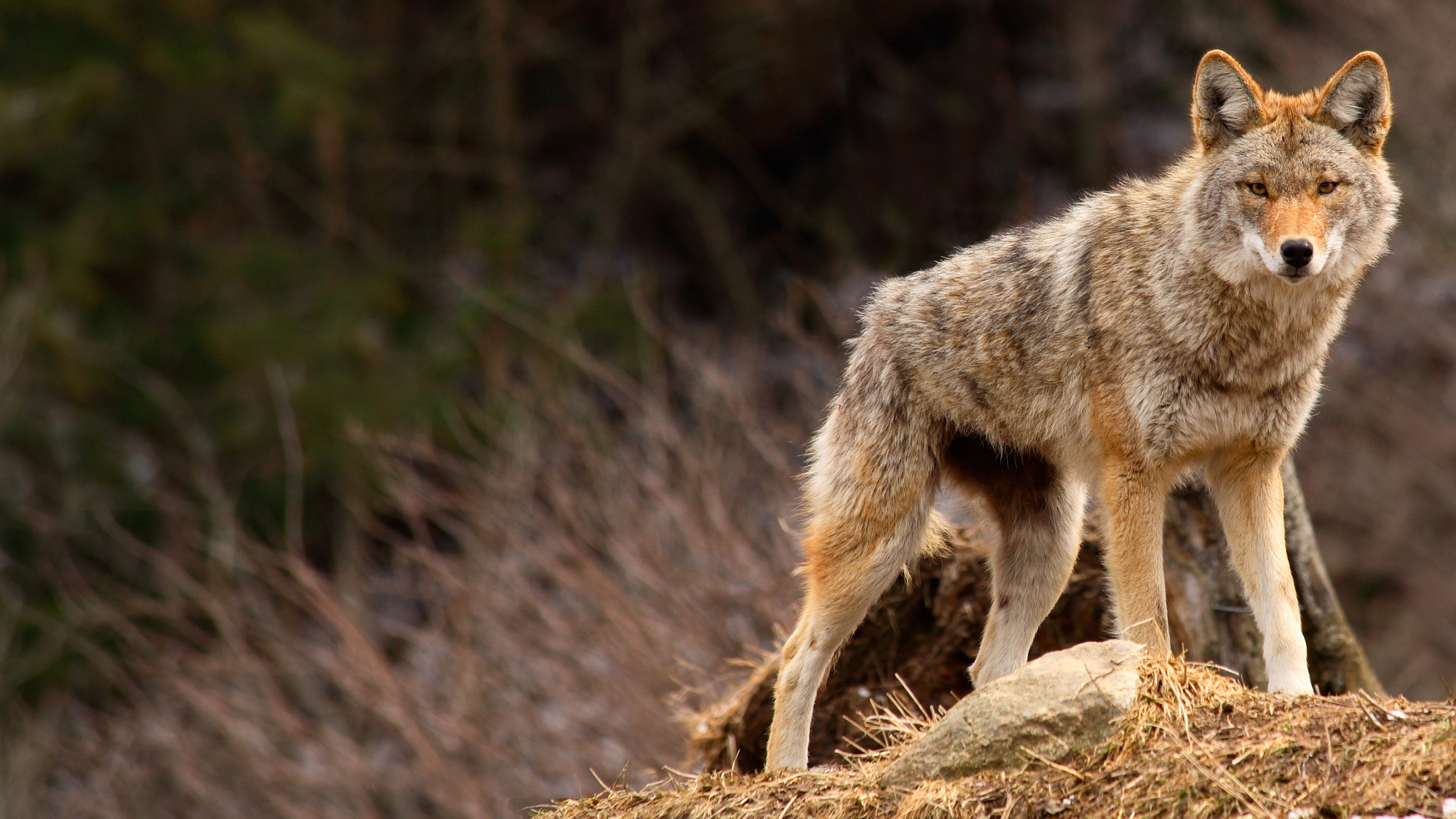
Coyotes didn’t stumble into cities by accident. They scouted them, learned them, and moved in with the kind of deliberate calm that suggests they were never particularly intimidated by the whole project. Urban coyotes in places like Chicago and Los Angeles have been documented adjusting their activity hours to avoid peak human traffic — essentially working the night shift. They live longer in cities than in rural areas, which is saying something.
American Crow
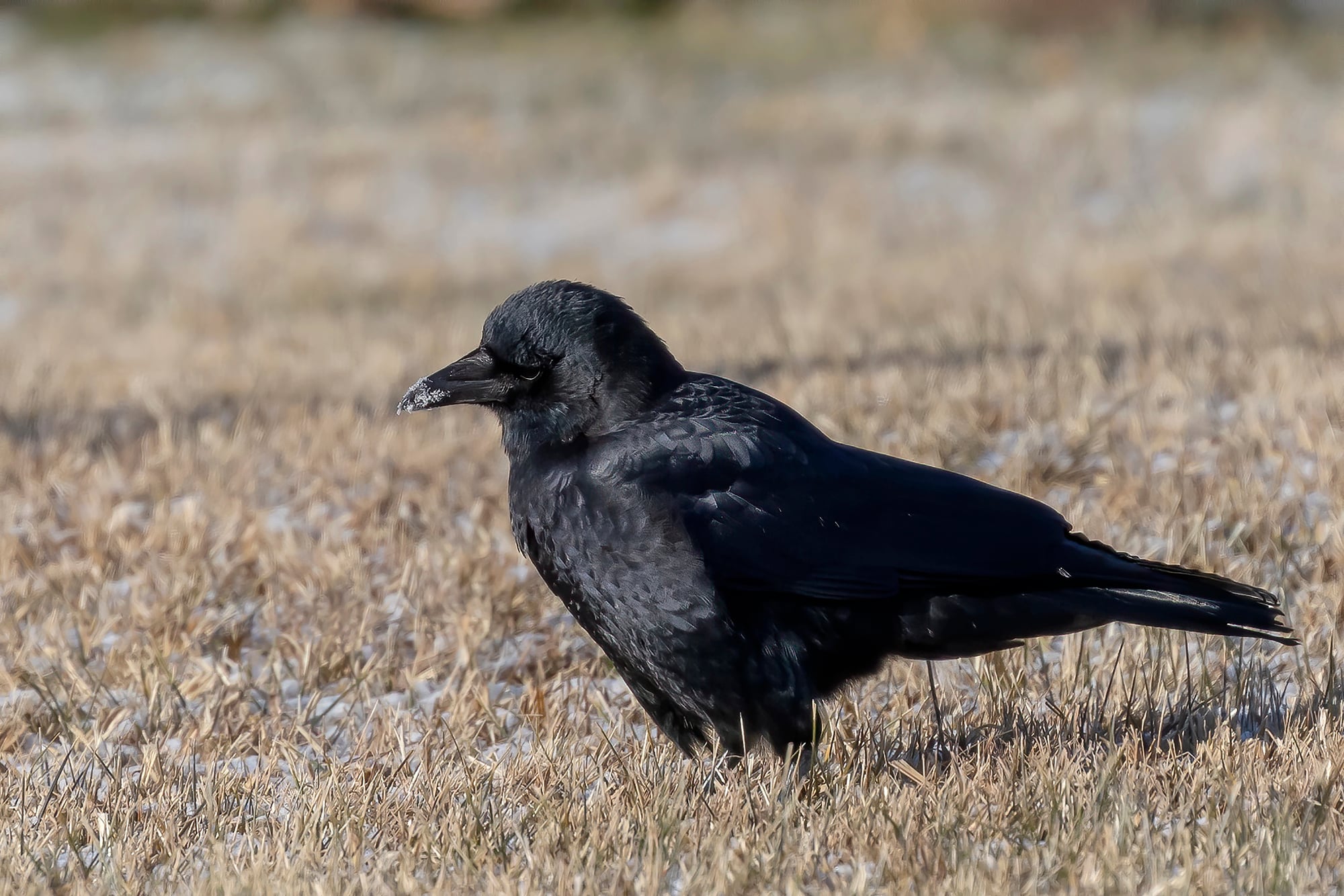
The crow is essentially running a long-term study on human behavior, and it’s much further along than most people realize. Crows in urban Japan famously began dropping walnuts at traffic intersections — waiting for cars to crack them open, then retrieving the pieces at red lights, a behavior that spread through local crow populations and now qualifies, without exaggeration, as cultural transmission. And yet what’s strangest isn’t the intelligence itself: it’s the patience, the willingness to sit at a crosswalk and wait for the light.
Raccoon
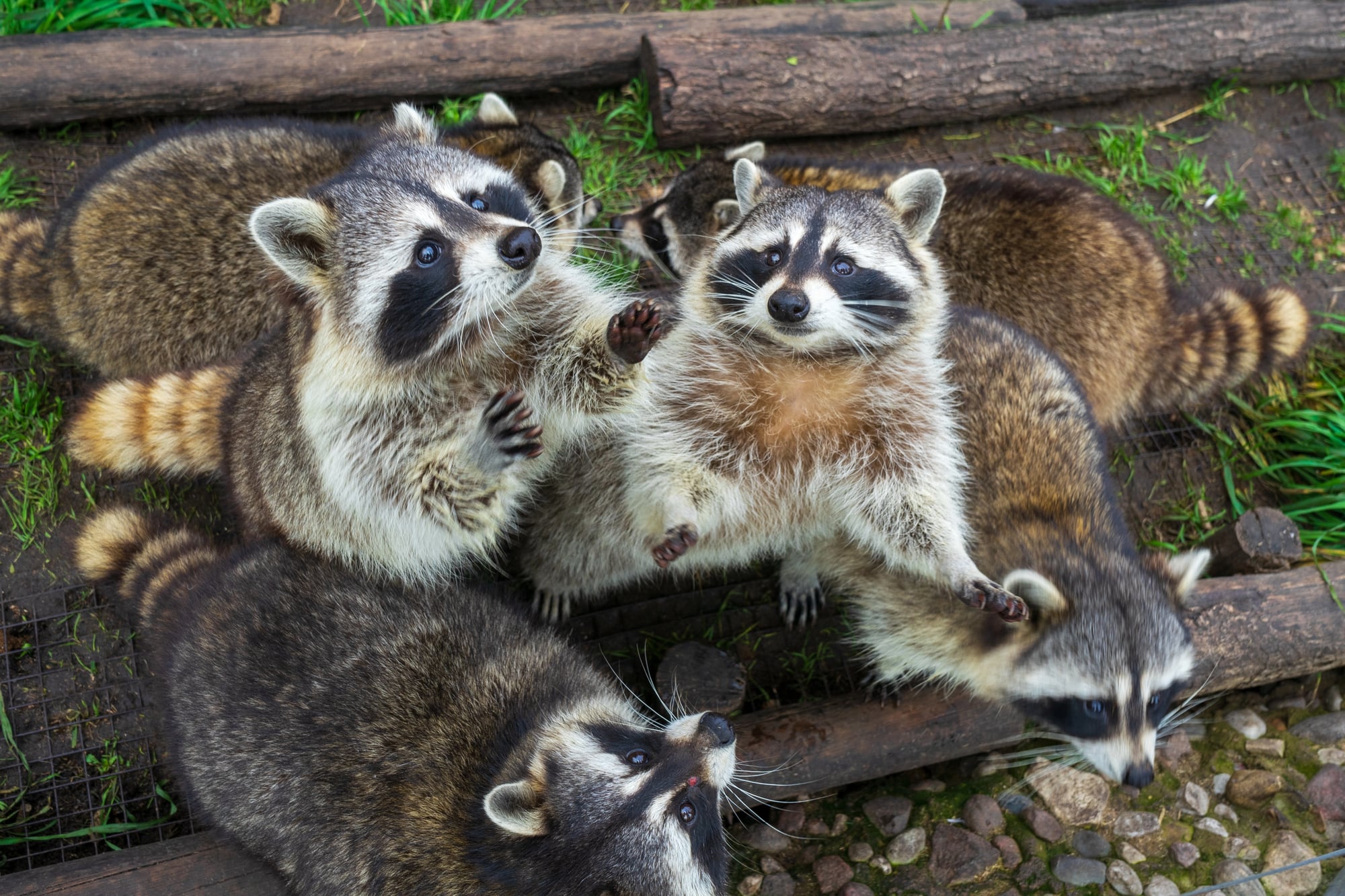
Raccoons are not reformed. They’re not adapting in some graceful, incremental way — they are actively, aggressively thriving in conditions that should theoretically be hostile, raiding garbage cans with the focused energy of something that has completely given up on the idea of foraging. Urban raccoons in North America have measurably larger brains than their rural counterparts, a difference researchers attribute to the cognitive demands of navigating complex environments. To be fair, city life is complicated.
Rock Pigeon
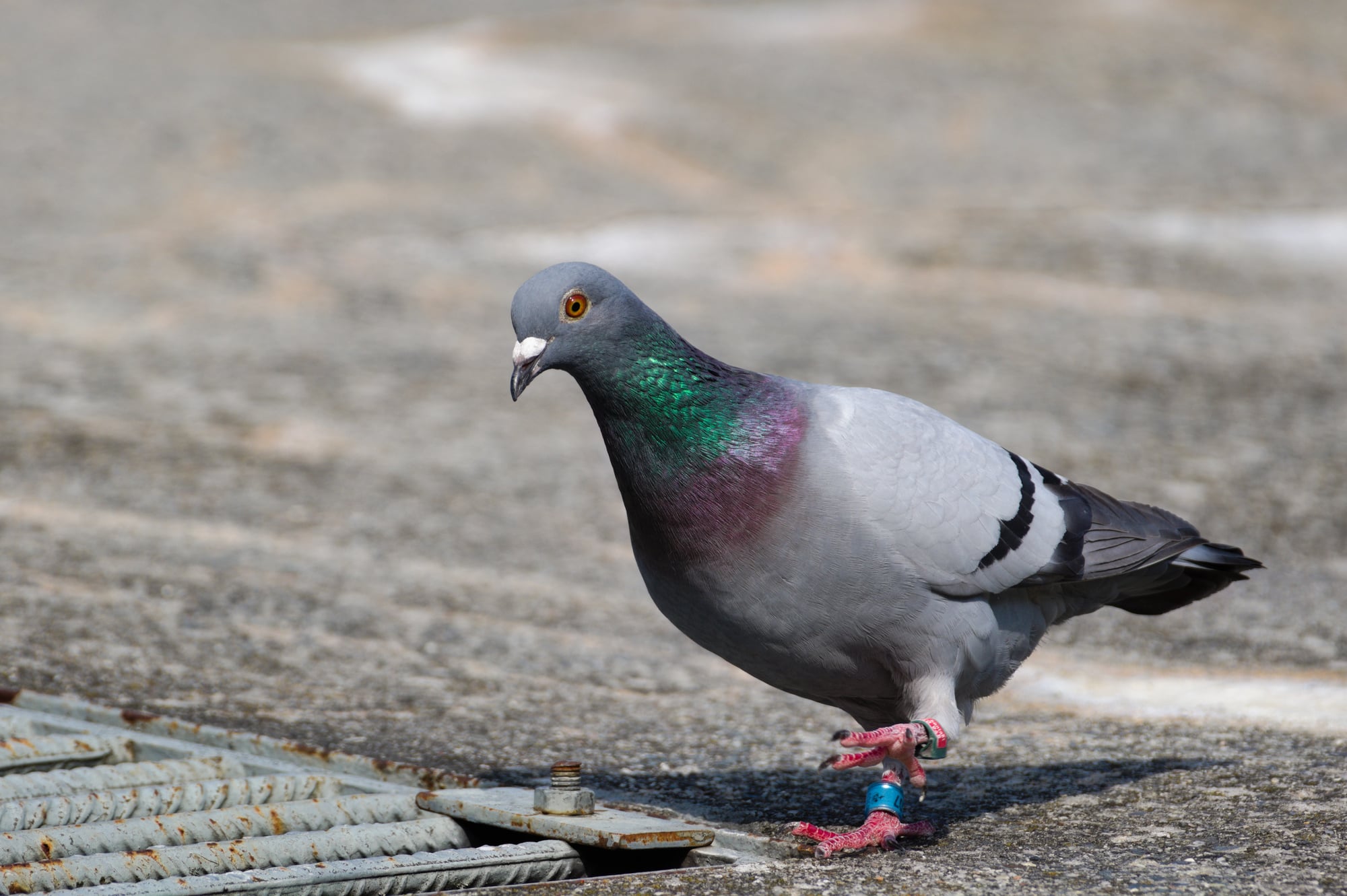
The rock pigeon is, in the most literal sense, a city bird — its wild ancestors nested on cliff faces and rocky outcroppings, which means every building ledge and highway overpass is just a cliff with better foot traffic nearby. Cities didn’t change what pigeons need; they multiplied it. A species that was already adapted to vertical stone surfaces simply found more vertical stone surfaces, and more people dropping food, and more warmth radiating off concrete in February.
House Sparrow
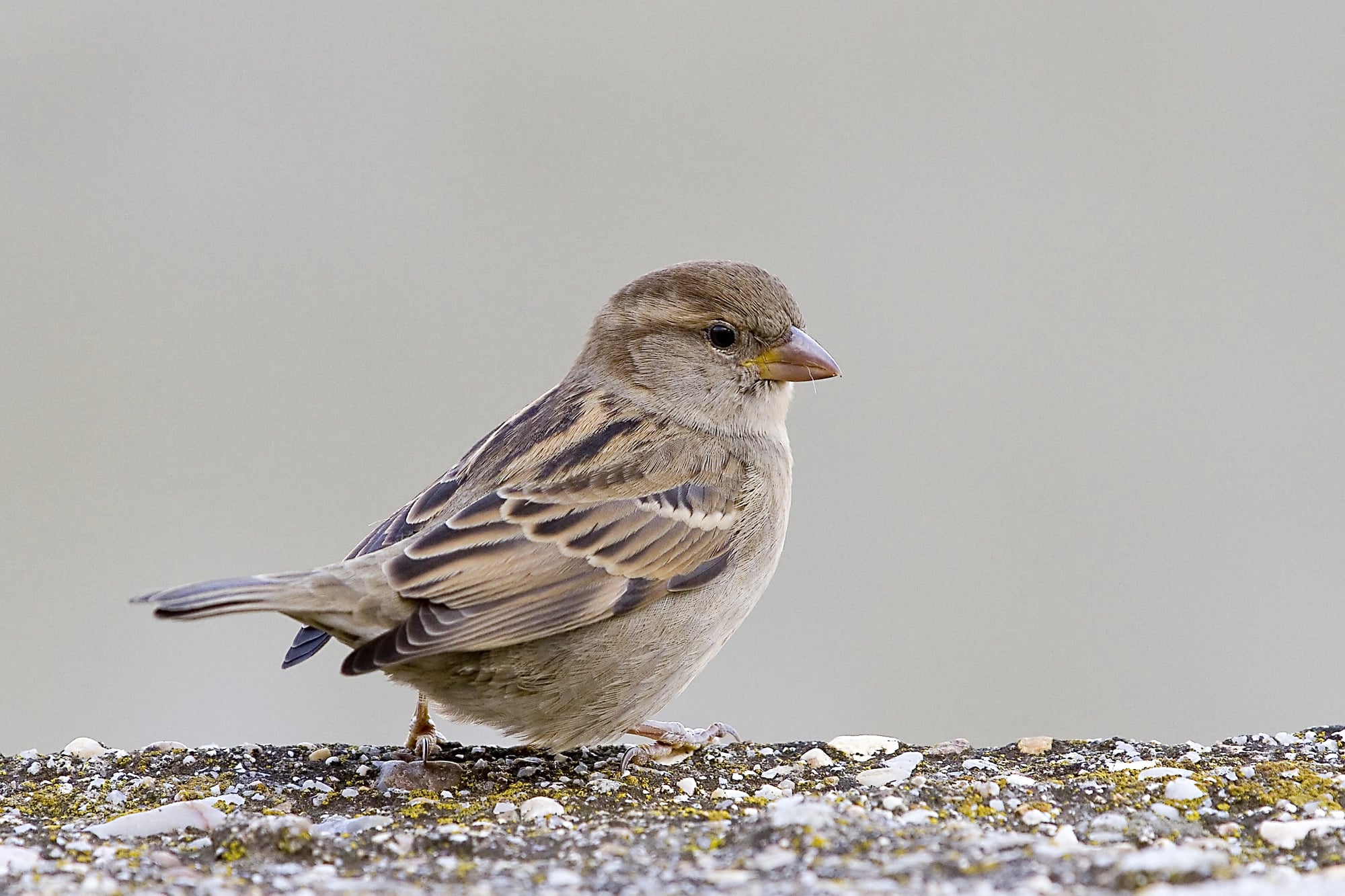
There’s something almost stubborn about the house sparrow’s relationship with human settlement — it has followed people across continents, arrived in North America in 1851, and proceeded to colonize every city, suburb, and rural town it encountered, which is either impressive or alarming depending on how attached you are to native species. House sparrows don’t just tolerate human noise and activity; they appear genuinely indifferent to it, nesting inside gas station signage and fast food restaurant vents with no detectable sense of irony. So they built their range on ours.
Red Fox
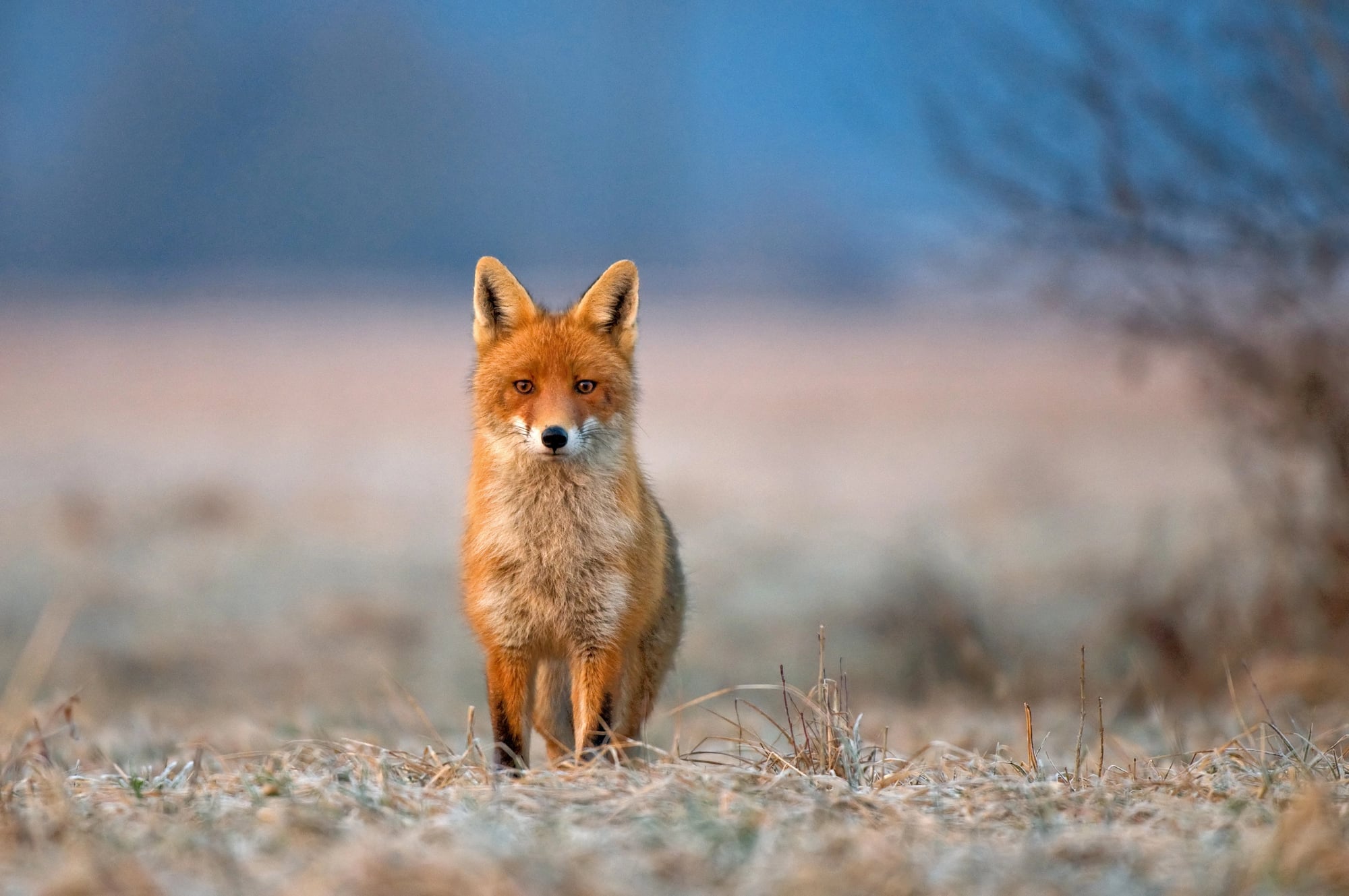
The red fox made the jump to urban life so cleanly that cities like London and Bristol now host fox populations dense enough to be formally studied as urban wildlife. Foxes there have shorter snouts and smaller brains than rural foxes — physical changes that parallel the domestication process in other species, which researchers have noted with some unease. They didn’t need to be tamed. They tamed themselves.
Peregrine Falcon
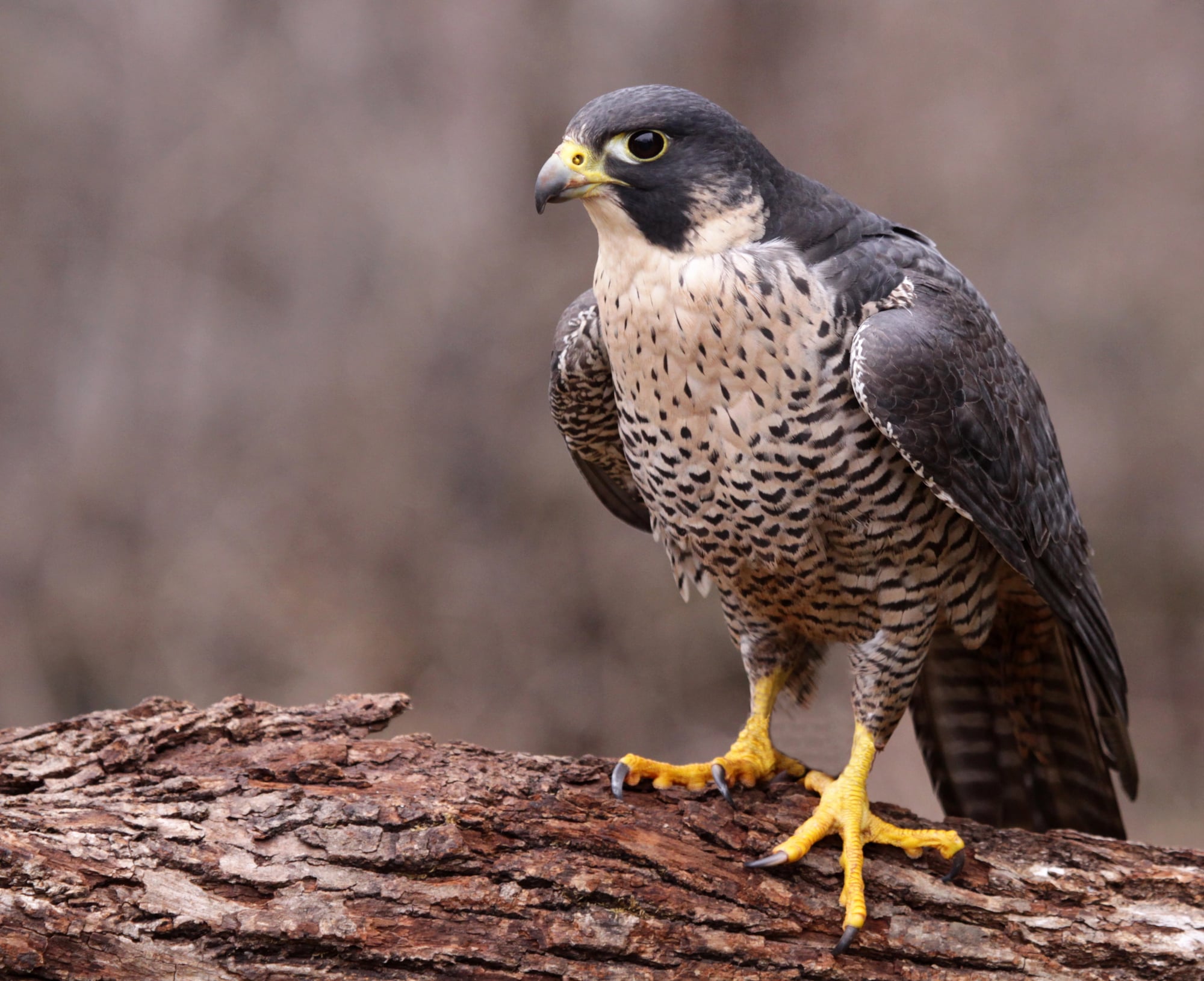
Peregrine falcons were nearly gone by the 1970s, reduced to fewer than 400 breeding pairs in North America by the effects of DDT. The recovery story is well documented, but the urban twist is underappreciated: skyscrapers turned out to be nearly perfect substitutes for the cliff faces peregrines evolved to hunt from, offering elevation, sightlines, and a buffet of pigeons below. New York City now hosts more than two dozen breeding pairs. The city didn’t save the falcon — but it gave the falcon somewhere to come back to.
Eastern Gray Squirrel
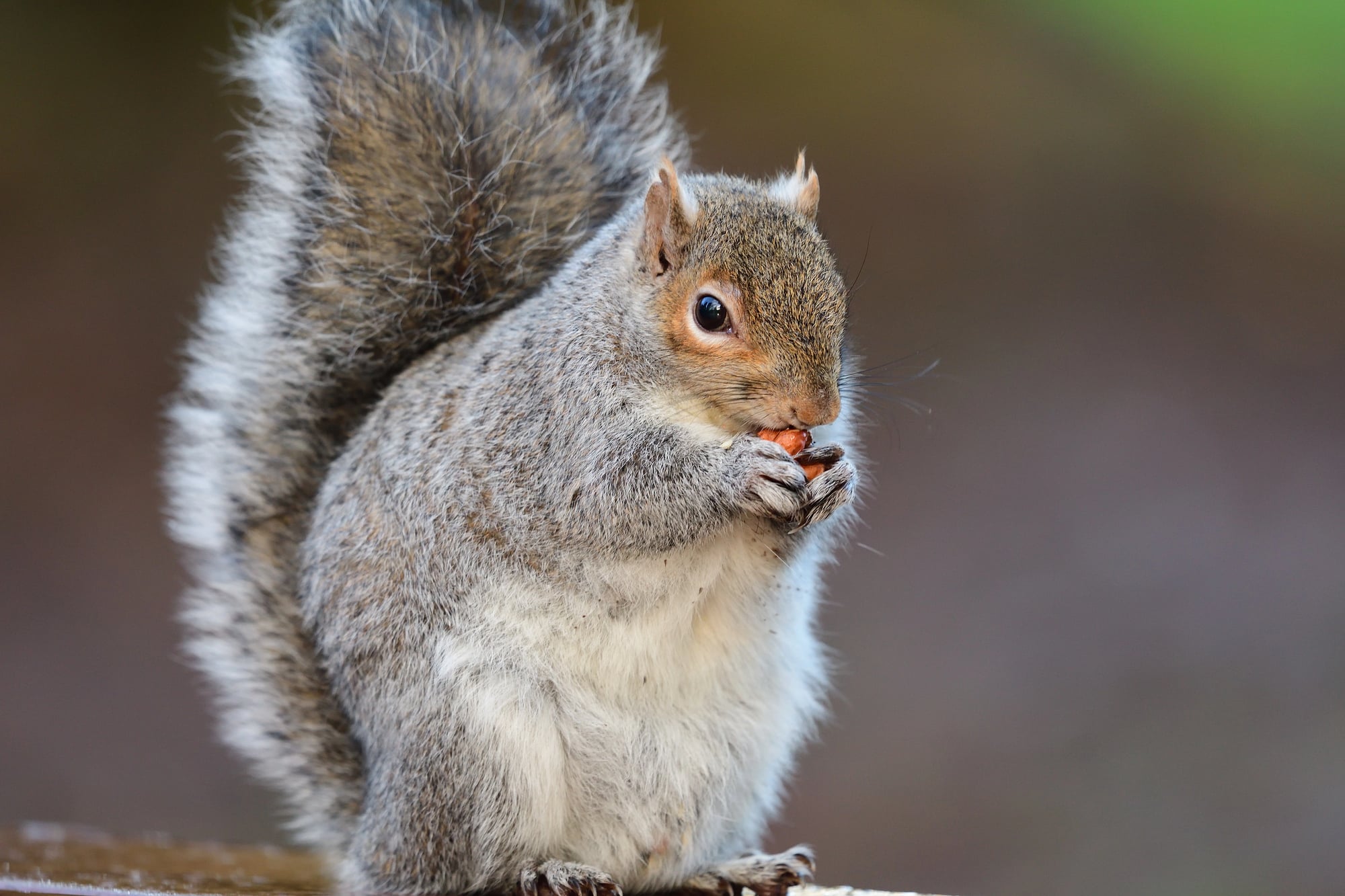
The eastern gray squirrel’s success in cities comes down to one underrated skill: it can remember where it buried thousands of individual food caches across complex terrain, a spatial memory that works just as well in a city park as in a forest. Squirrels also engage in “deceptive caching” — pretending to bury food when they suspect they’re being watched, then moving it elsewhere — which suggests a model of other minds that most people wouldn’t expect from something this small. Urban parks gave them more food, more watchers to deceive, and more practice.
Herring Gull
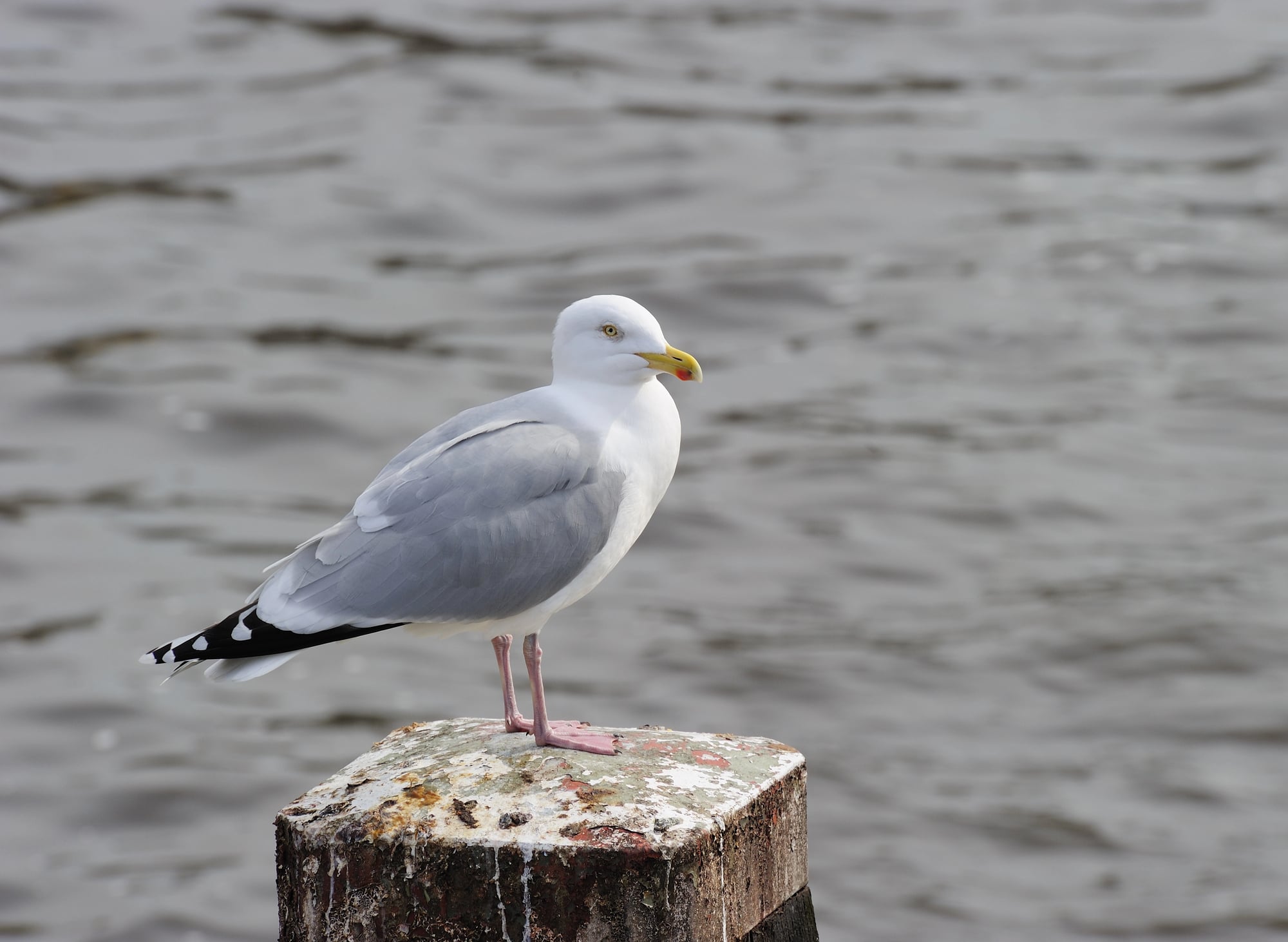
Herring gulls moved inland — not reluctantly, but with the kind of directional commitment that suggests the ocean was always just a starting point. Landfills in the mid-20th century effectively created all-you-can-eat stations for a bird that was already an indiscriminate scavenger, and gull populations near cities expanded dramatically as a result. Roof nesting followed, because flat commercial rooftops approximate coastal rocky ground well enough that the birds don’t seem to register any meaningful difference.
White-tailed Deer
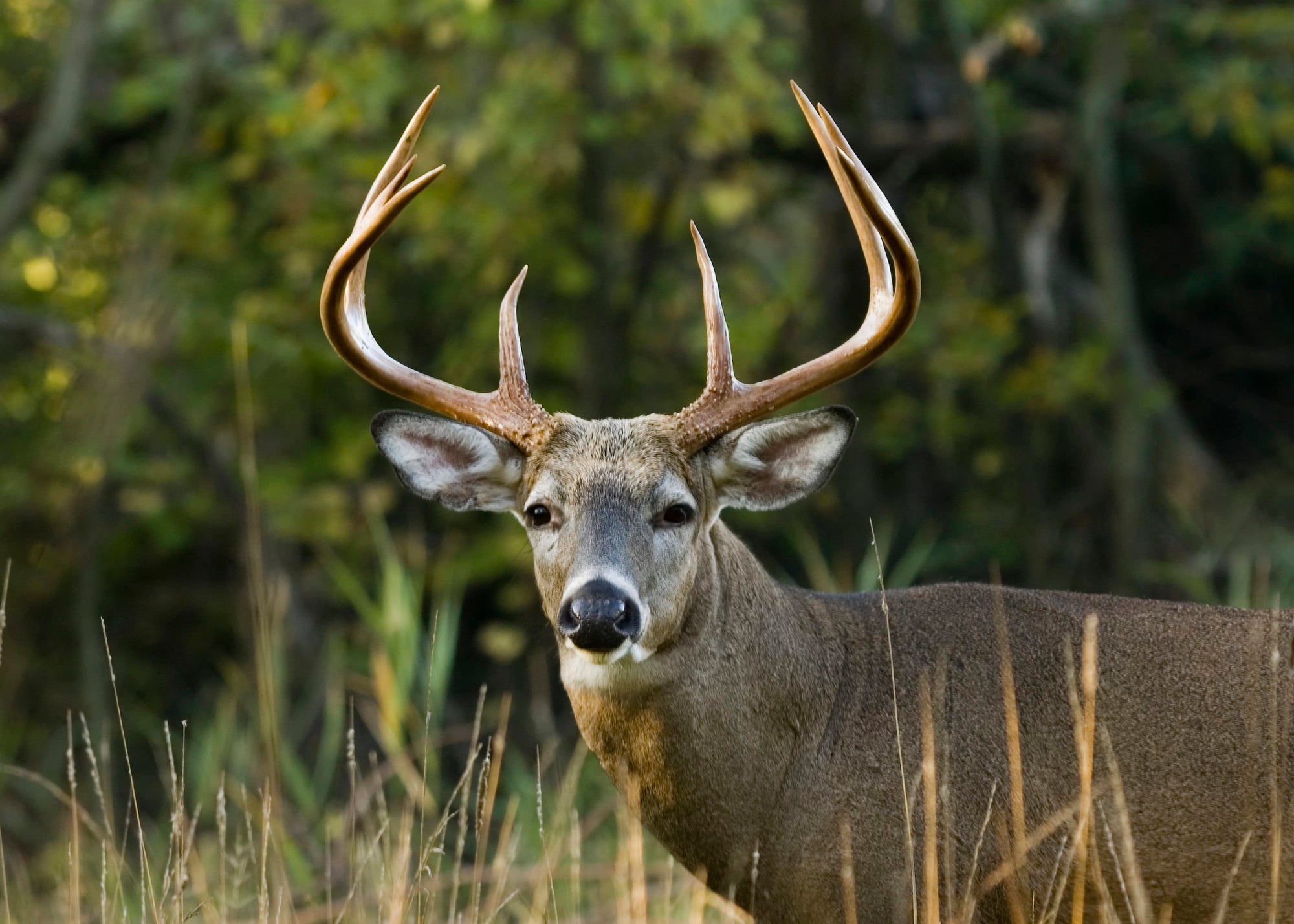
White-tailed deer have figured out something that takes most animals much longer to learn: the suburbs are safer than the woods. Hunting pressure is minimal inside city limits, predators are absent, and ornamental shrubs are, nutritionally speaking, excellent. Deer populations in suburban corridors across the eastern United States have grown so dense that they’ve become a genuine ecological problem — overbrowsing native understory plants, contributing to deer-vehicle collisions, and generally refusing to behave like prey animals in a landscape that no longer has meaningful predators.
Black Bear
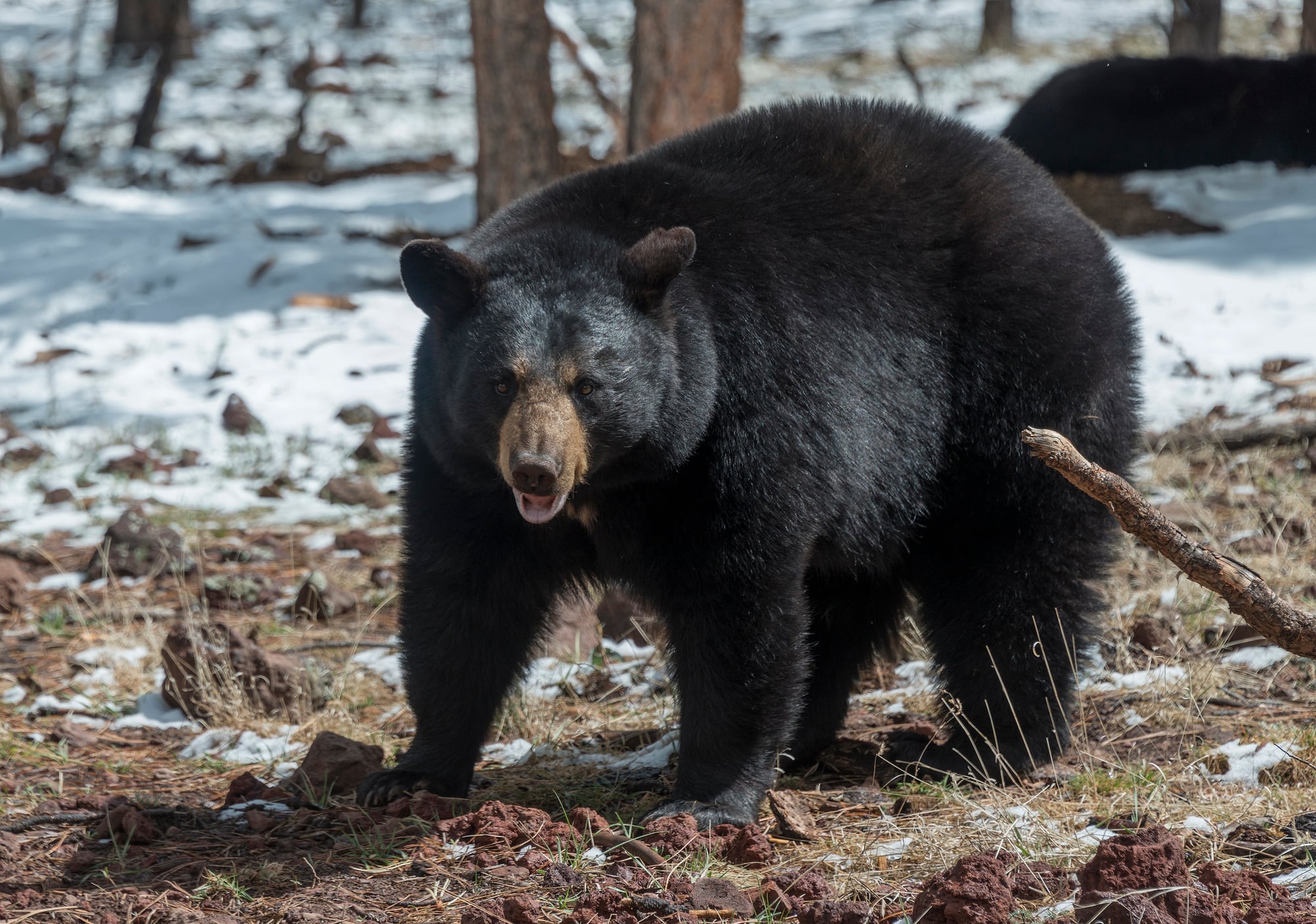
Black bears in cities aren’t lost. They know exactly where they are — they’ve often been there before, following the same routes to the same neighborhoods where trash cans reliably produce results. In places like Asheville, North Carolina and Mammoth Lakes, California, individual bears become locally famous, recognized by wildlife managers and residents alike, accumulating behavioral knowledge about human food sources that they then pass to their cubs. The bear that learns a neighborhood is more successful than the bear that doesn’t.
Barn Owl
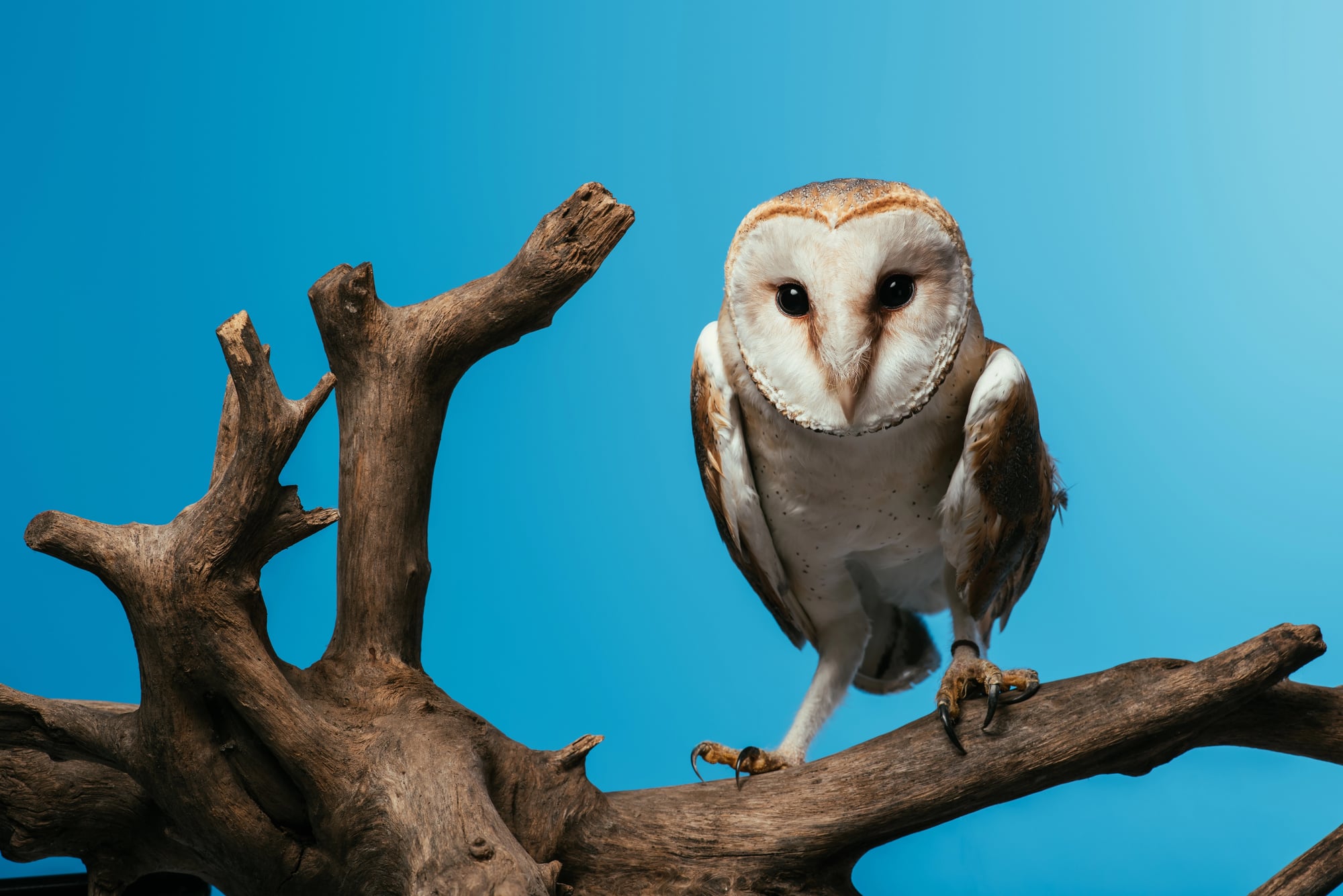
The barn owl’s relationship with human architecture goes back centuries, long before the word “urban” meant what it means now — these birds colonized old barns, church towers, and hay lofts so thoroughly that their very name encodes the association. In modern cities, they’ve transitioned to industrial buildings, parking garages, and the attic spaces of large commercial structures, hunting the rats and mice that human food storage inevitably attracts. It’s a closed loop: people store grain, rodents follow, owls follow rodents.
Virginia Opossum
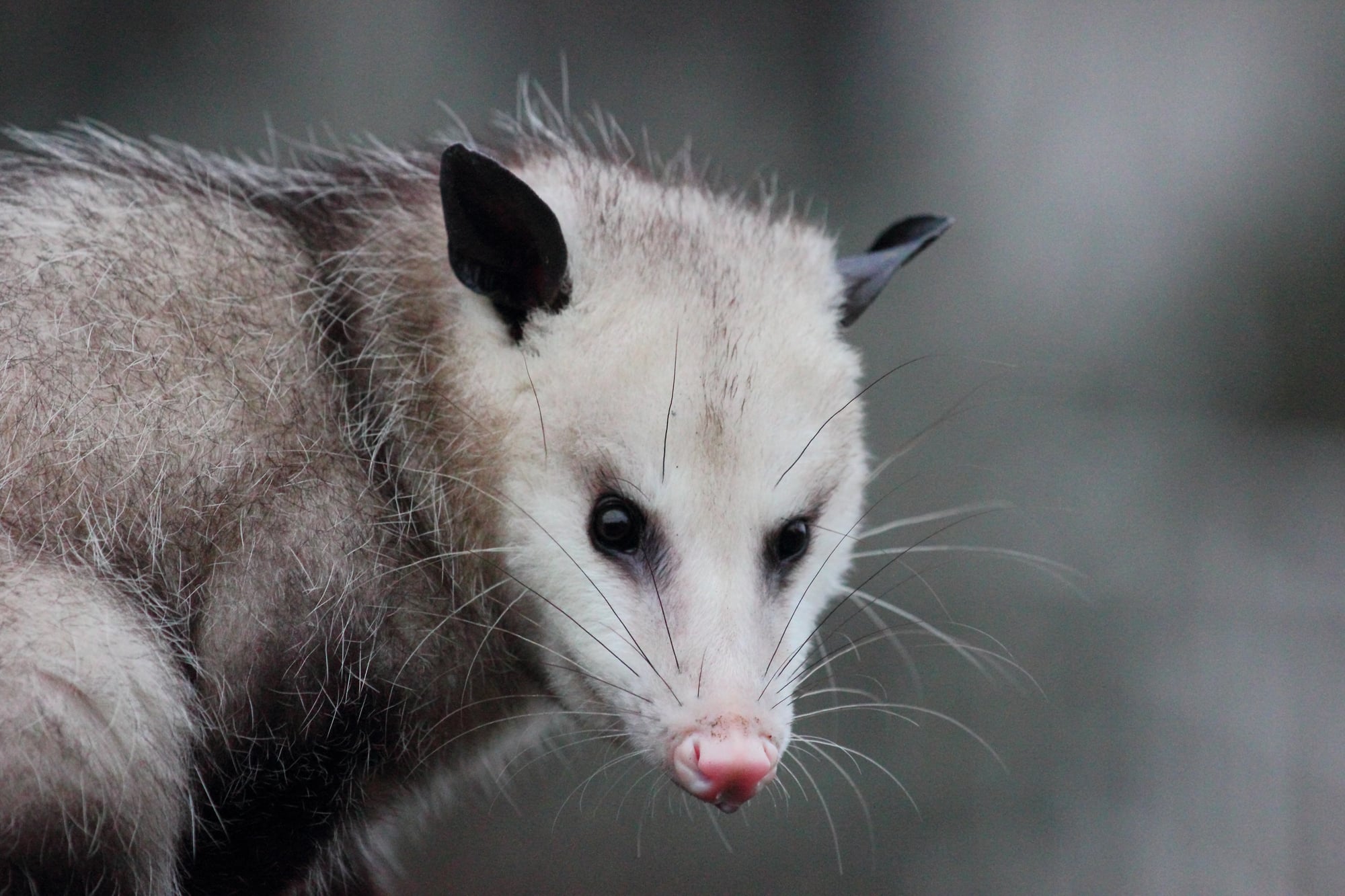
The Virginia opossum is North America’s only marsupial, and it has turned the city into something close to its ideal habitat — abundant food waste, mild temperatures near buildings, and almost no natural predators willing to operate in a suburban environment. Opossums are also remarkably resistant to rabies, owing to a body temperature too low for the virus to replicate efficiently, which removes one of the main biological obstacles that limits other urban mammals. They are, in the least glamorous way possible, well suited for this.
European Starling
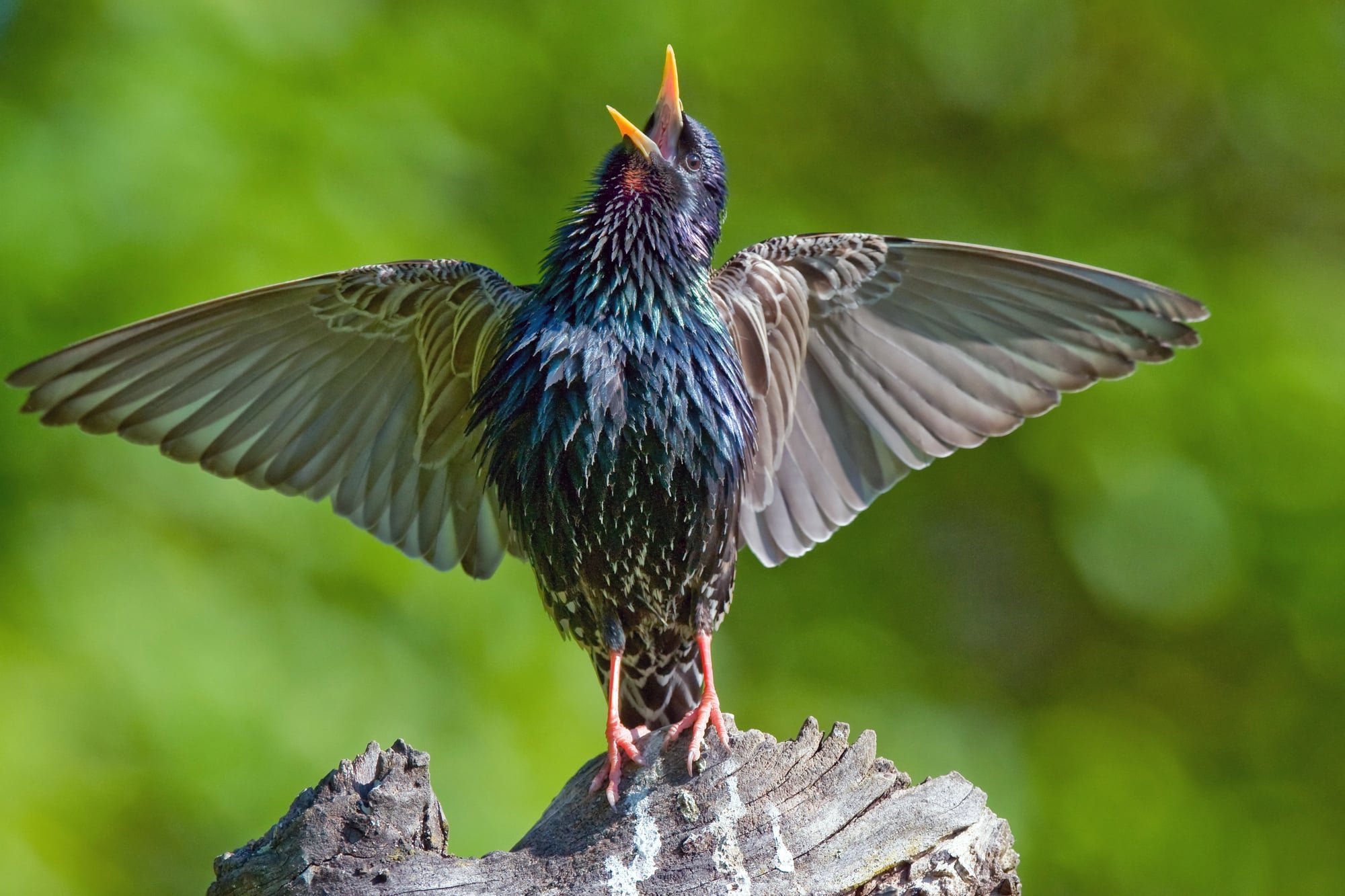
The European starling arrived in North America in 1890 when a group of enthusiasts released approximately 100 birds in Central Park — an introduction that has since produced a population of over 200 million, spreading to every corner of the continent. Starlings are vocal mimics, aggressive nesters, and completely untroubled by human presence, which is a combination that tends to go well in cities. The original 60 birds are responsible for one of the most successful, and ecologically disruptive, urban colonizations in recorded history.
Bottlenose Dolphin
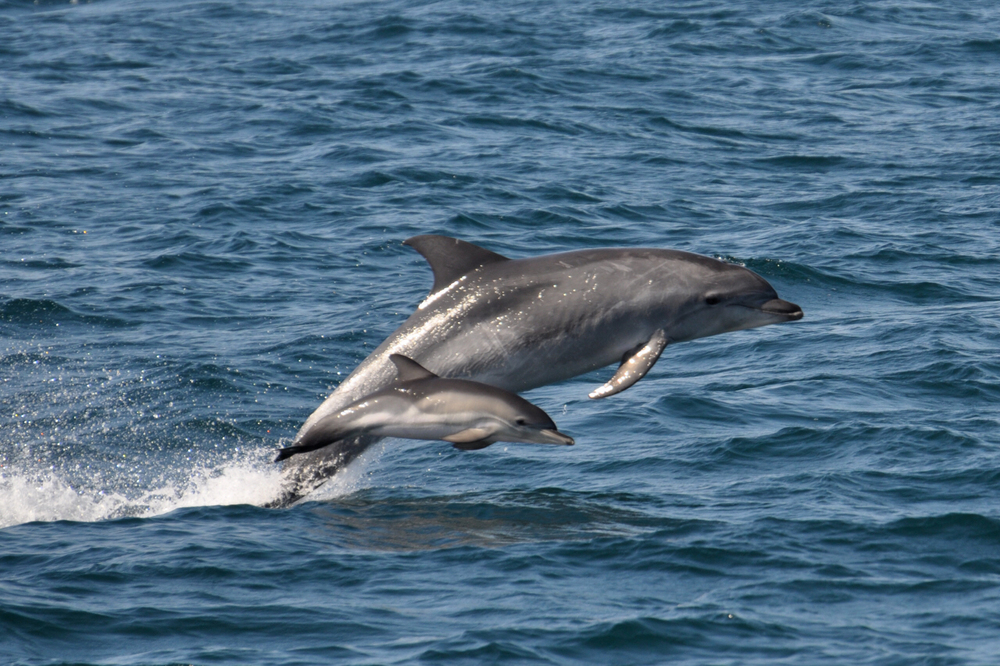
Bottlenose dolphins in coastal cities have developed feeding behaviors specifically keyed to human fishing activity — following shrimp trawlers, positioning themselves at fish market docks, and in some documented cases, actively herding fish toward shallow banks where fishermen are working, then taking their cut. This is cooperation, not coincidence. Some individual dolphins in South Carolina and Brazil have been observed doing this across multiple generations, suggesting the behavior is being deliberately passed along.
Monk Parakeet
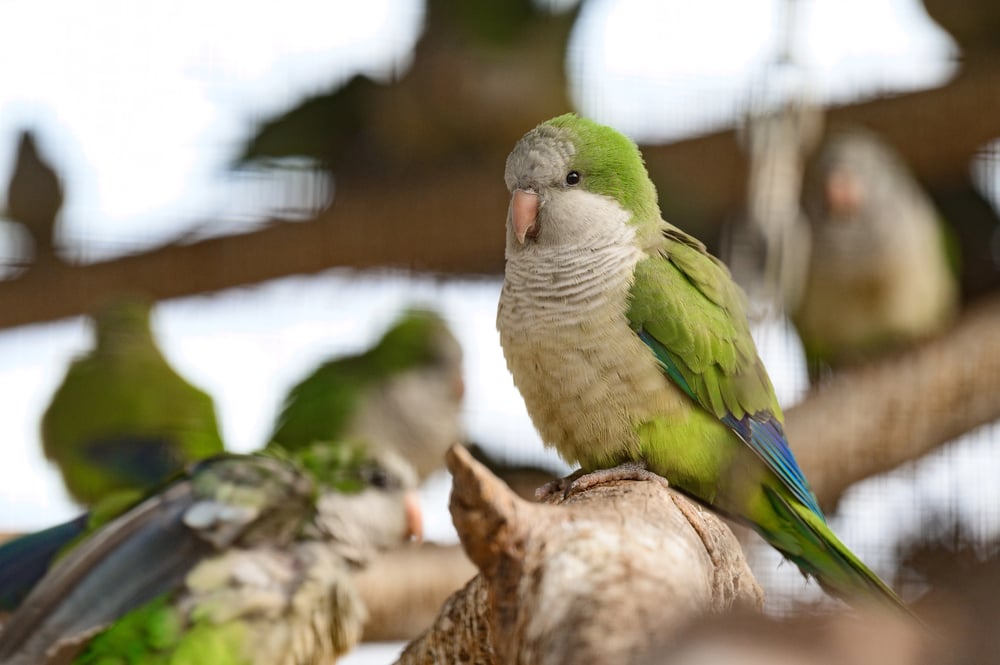
Monk parakeets escaped from captivity or shipping crates in the late 1960s, and rather than perishing in New York winters, they built communal stick nests on electrical infrastructure — transformers and utility poles — and used the warmth generated by the equipment to survive temperatures their South American origins wouldn’t have prepared them for. There are now established populations in Chicago, New York, and several other northeastern cities. They found a heat source and they stayed, which is more or less what adaptation looks like in practice.
Coypu (Nutria)
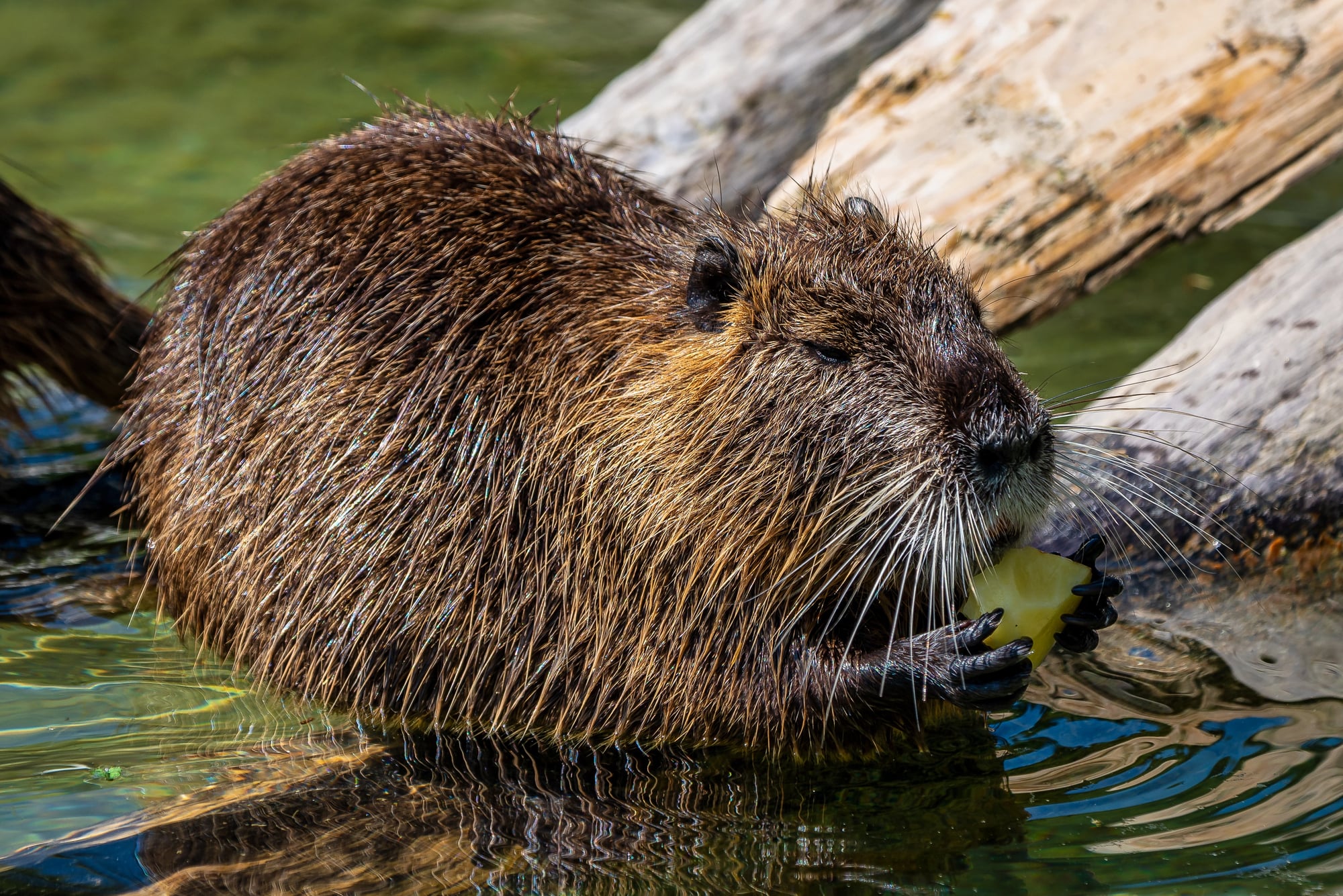
The nutria arrived in North America as a fur farm escapee and then became something that wildlife managers in Louisiana spend considerable budget trying to manage — a semi-aquatic rodent perfectly sized for urban waterways, canal systems, and drainage infrastructure. Urban nutria populations in cities like New Orleans and even Rome and Bordeaux have established themselves along river banks and in parks, grazing on aquatic vegetation and apparently indifferent to the humans watching from the footpath.
Turkey Vulture
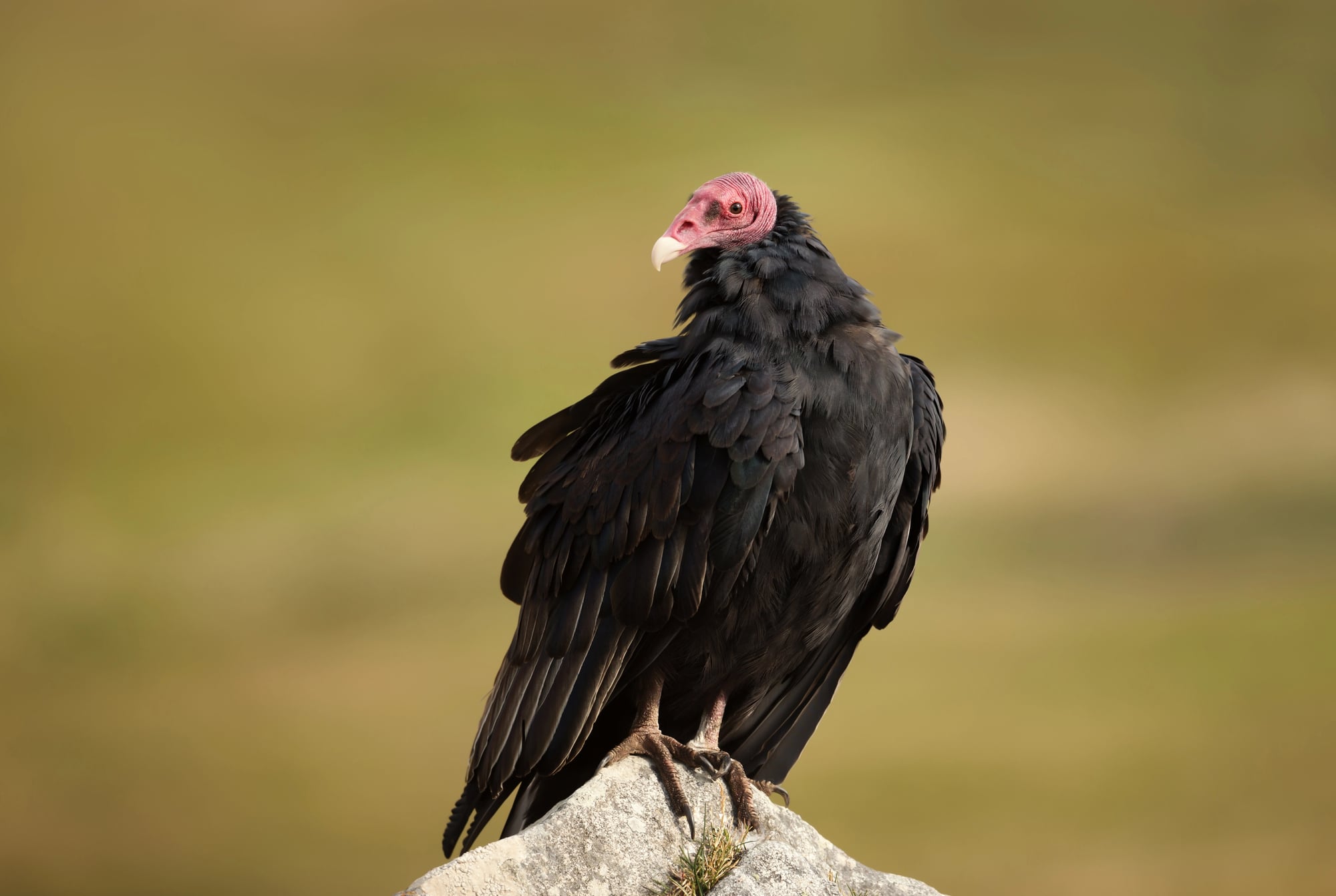
Turkey vultures had the urban advantage locked in long before cities arrived: they were already following roads, because roads generate roadkill, and roadkill is what turkey vultures eat. The highway system that expanded through the 20th century was, from a vulture’s perspective, a continent-wide food delivery network. Urban and suburban populations have grown steadily, and the birds have learned to use thermal columns rising from heated pavement the same way they use natural thermals — the city, it turns out, generates its own lift.
Leopard
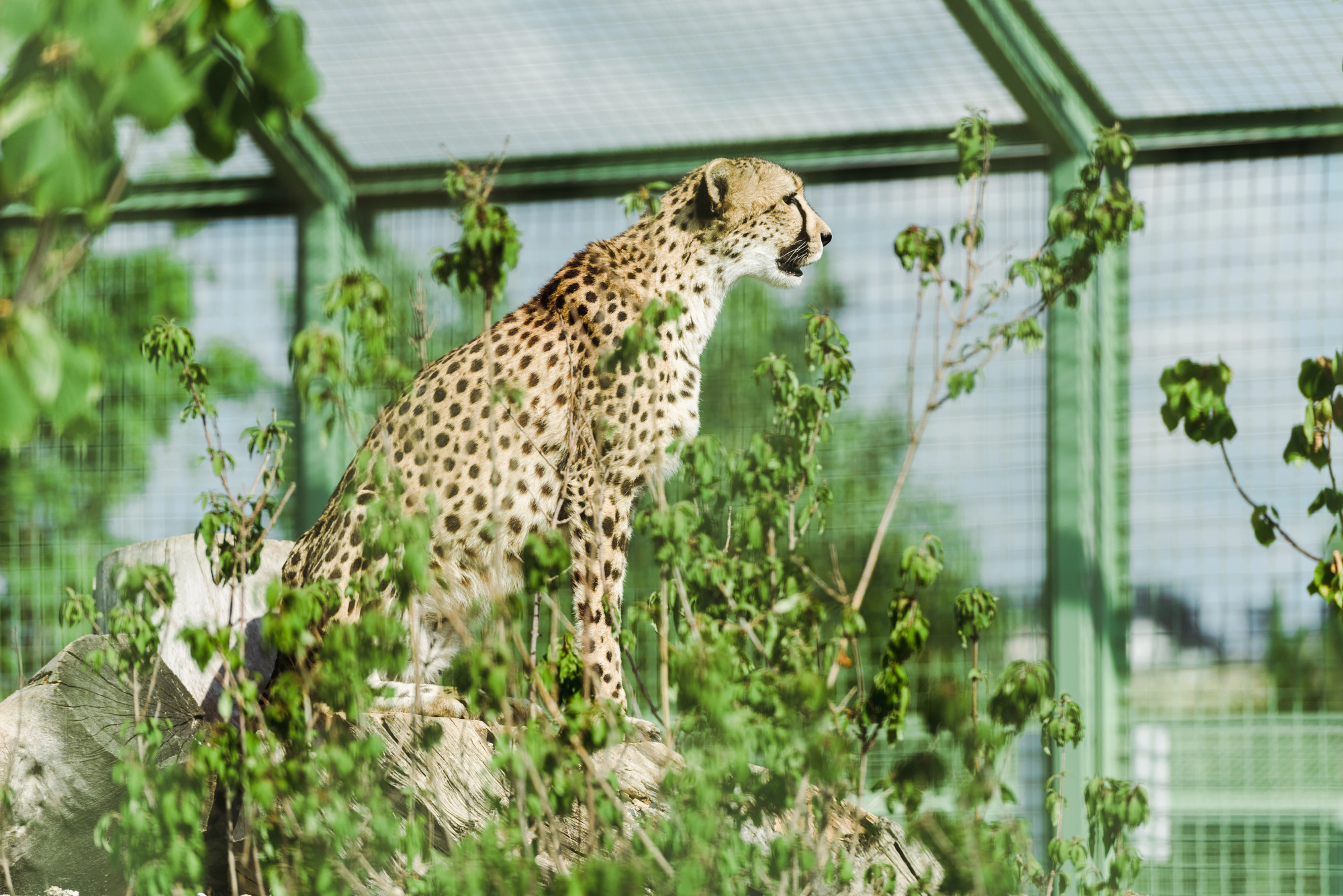
In Mumbai, leopards live inside Sanjay Gandhi National Park, a protected forest completely surrounded by one of the world’s most densely populated cities. They hunt stray dogs and feral pigs along park boundaries, and their presence there isn’t new — leopards have occupied this patch of urban-adjacent forest for decades, adapting their ranges and activity patterns around a city of over 20 million people. They are, by any reasonable measure, the most dramatic urban predator on Earth, and most of the city has no idea.
Bald Eagle
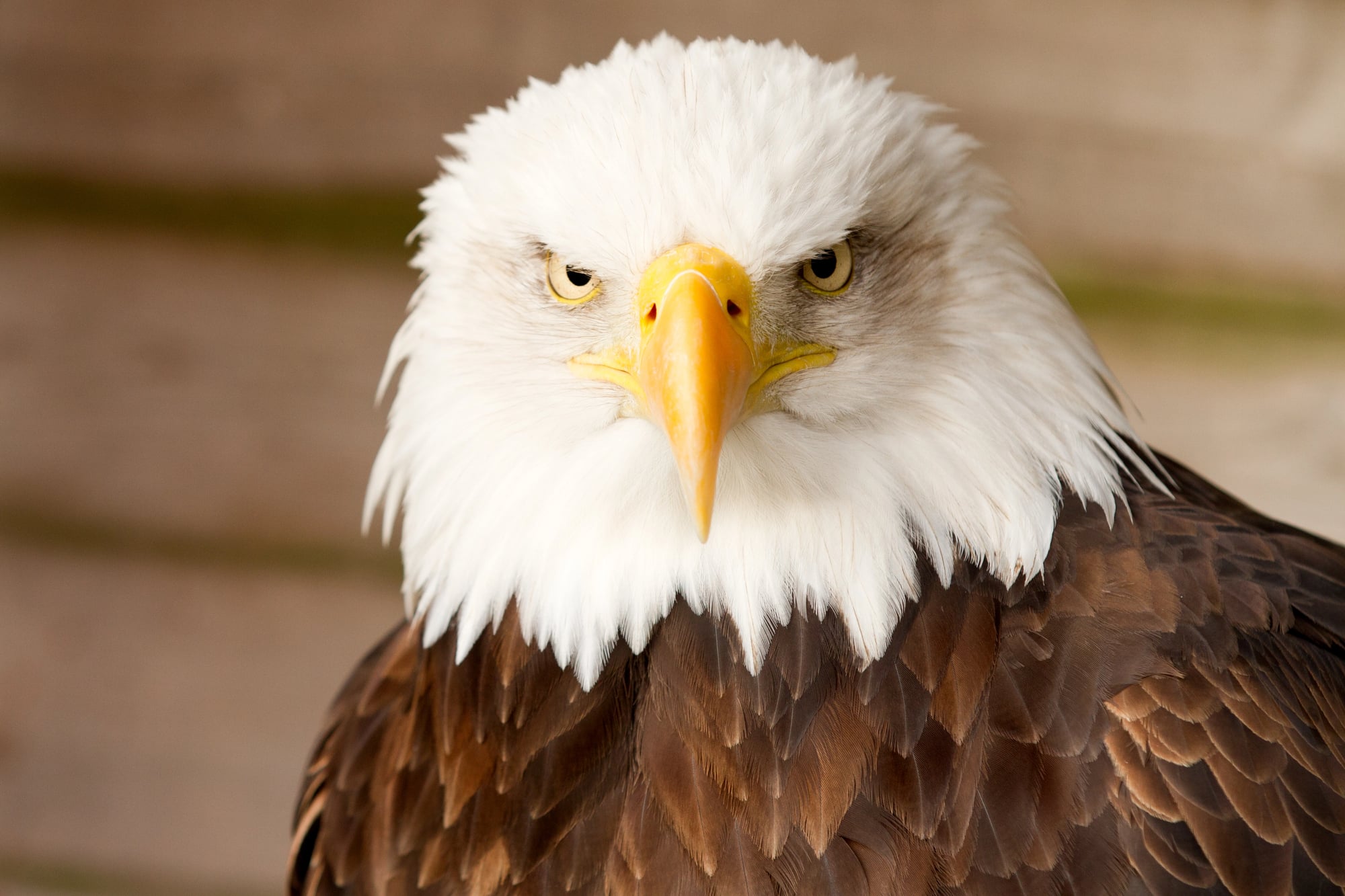
Bald eagles are now nesting in metropolitan areas across the United States — in parks along the Potomac River near Washington, D.C., near reservoirs in the Pacific Northwest, and along urban waterfronts in Florida and the Great Lakes region. The recovery from near-extinction following DDT’s ban in 1972 is the famous story, but the urban chapter that followed is less told: eagles learned that city reservoirs and river systems hold fish year-round, and that human observers, rather than being a threat, tend to keep other disturbances away from nest sites.
Wild Boar
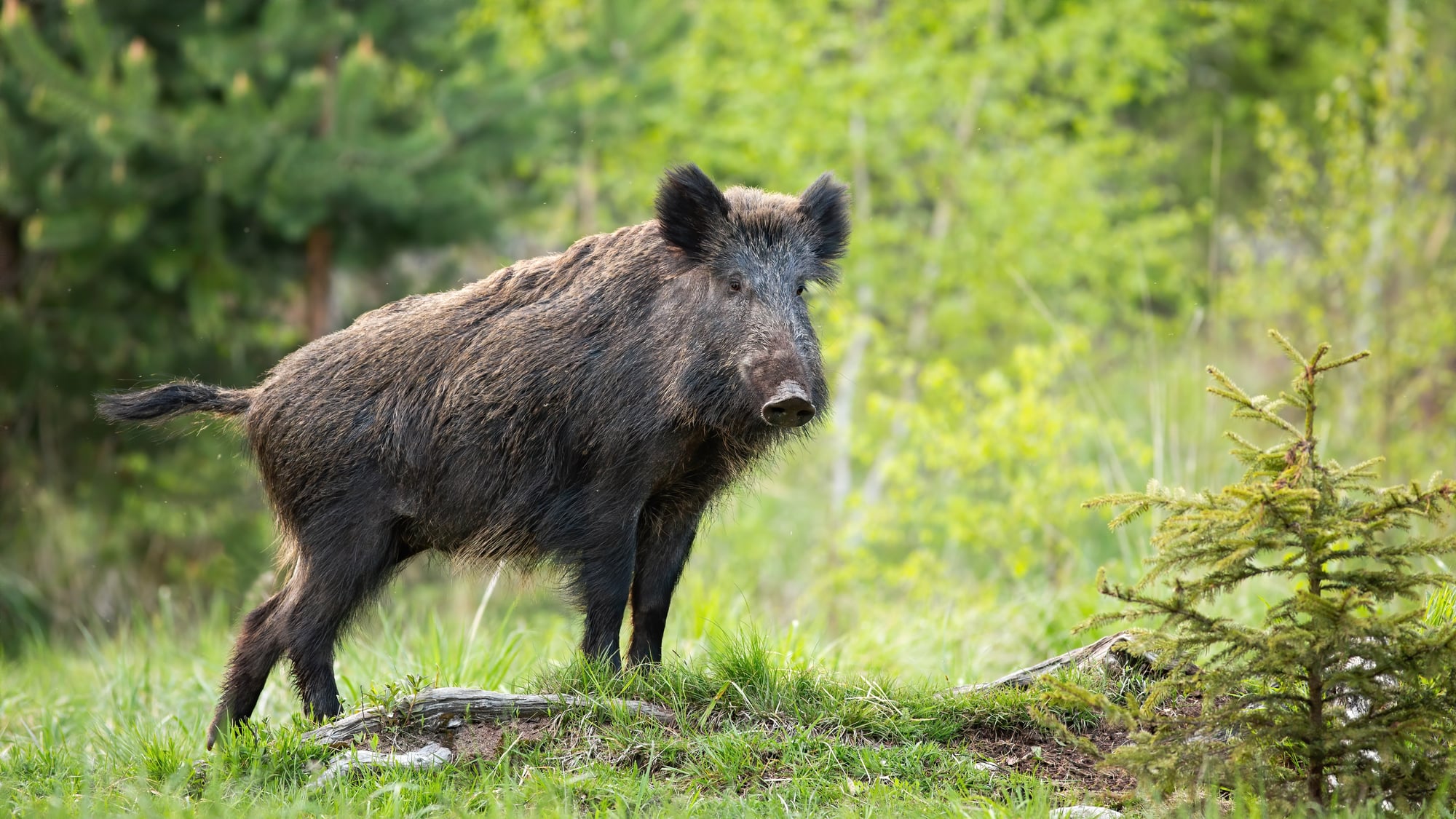
Wild boar have entered European cities in numbers significant enough to require formal management programs in places like Rome, Berlin, and Barcelona — rooting through parks, crossing roads at night, and occasionally confronting pedestrians who get between a sow and her piglets, which is inadvisable. Rome’s boar population has exploded over the past decade, drawn by organic waste and the warmth of urban environments in winter. They are not charming visitors. They are extremely effective omnivores who found a good situation and committed to it.
Little Blue Heron
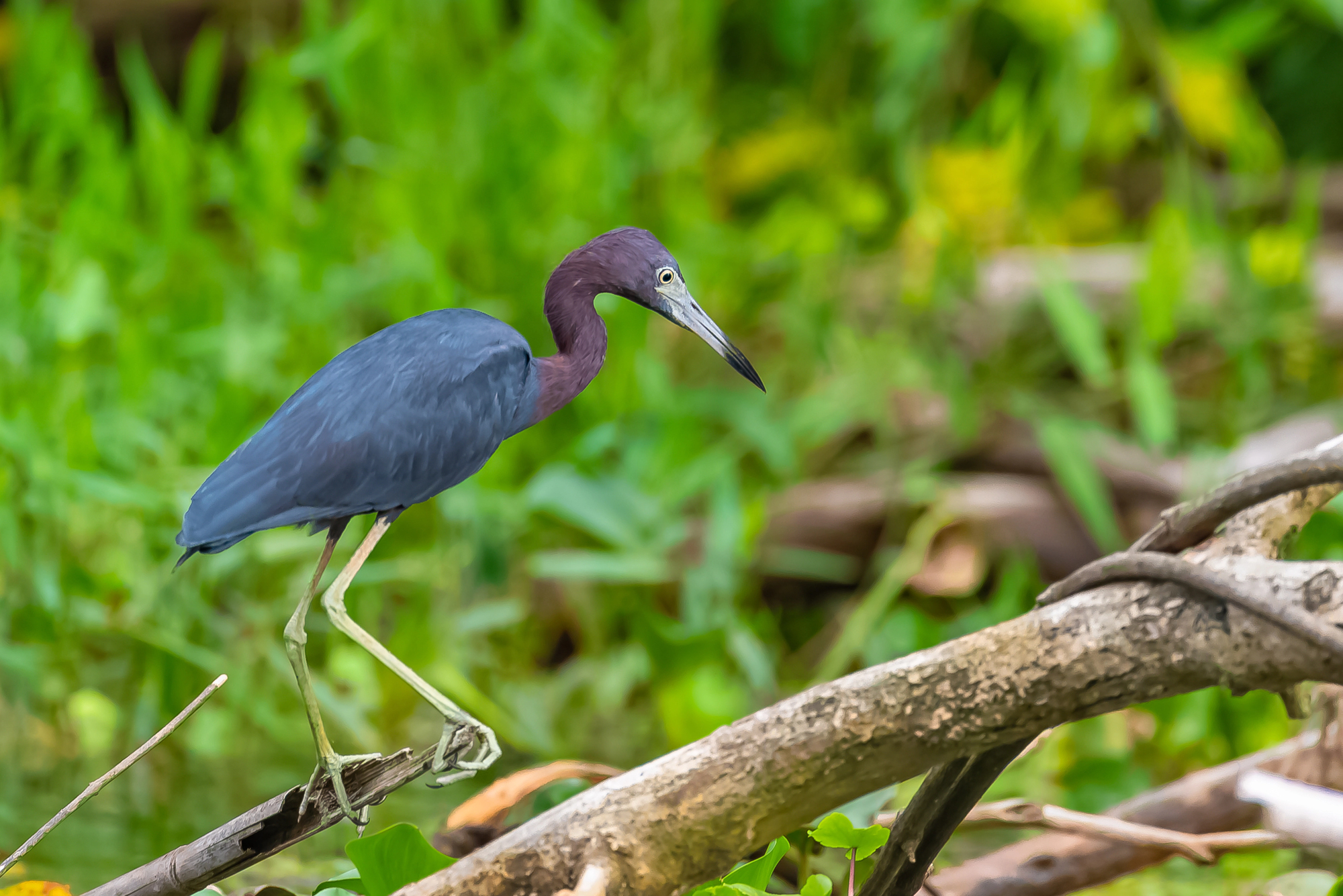
Little blue herons and their relatives have adapted to urban retention ponds, golf course water hazards, and decorative fountains with a calm that borders on theatrical — standing motionless beside a parking lot drainage pond, waiting for whatever small fish or frog has taken up residence in three feet of artificial water. The bird doesn’t require wilderness; it requires standing water and patience, both of which cities accidentally provide in quantity. Go figure.
Spotted Hyena
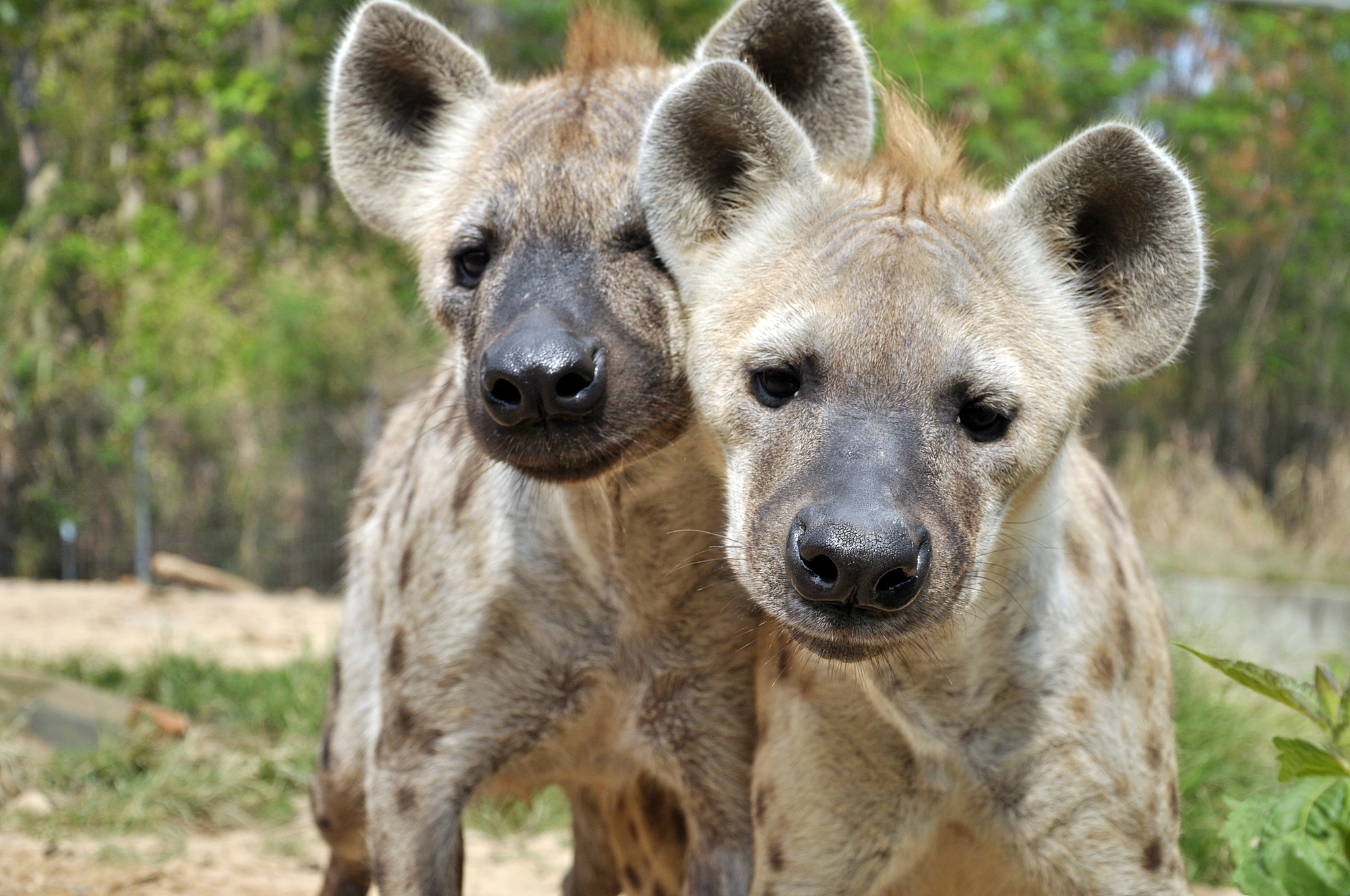
In Harar, Ethiopia, a walled city with a history stretching back to the 7th century, spotted hyenas have entered the city gates every night for generations — tolerated, and in some cases deliberately fed, by residents who regard them as spiritual cleaners. The hyenas know the schedule. They arrive after dark, move through specific routes, eat food waste, and leave before morning. It is one of the oldest documented urban wildlife integrations on Earth, and it functions because both sides — the city and the hyenas — adjusted to each other over centuries.
Red-tailed Hawk
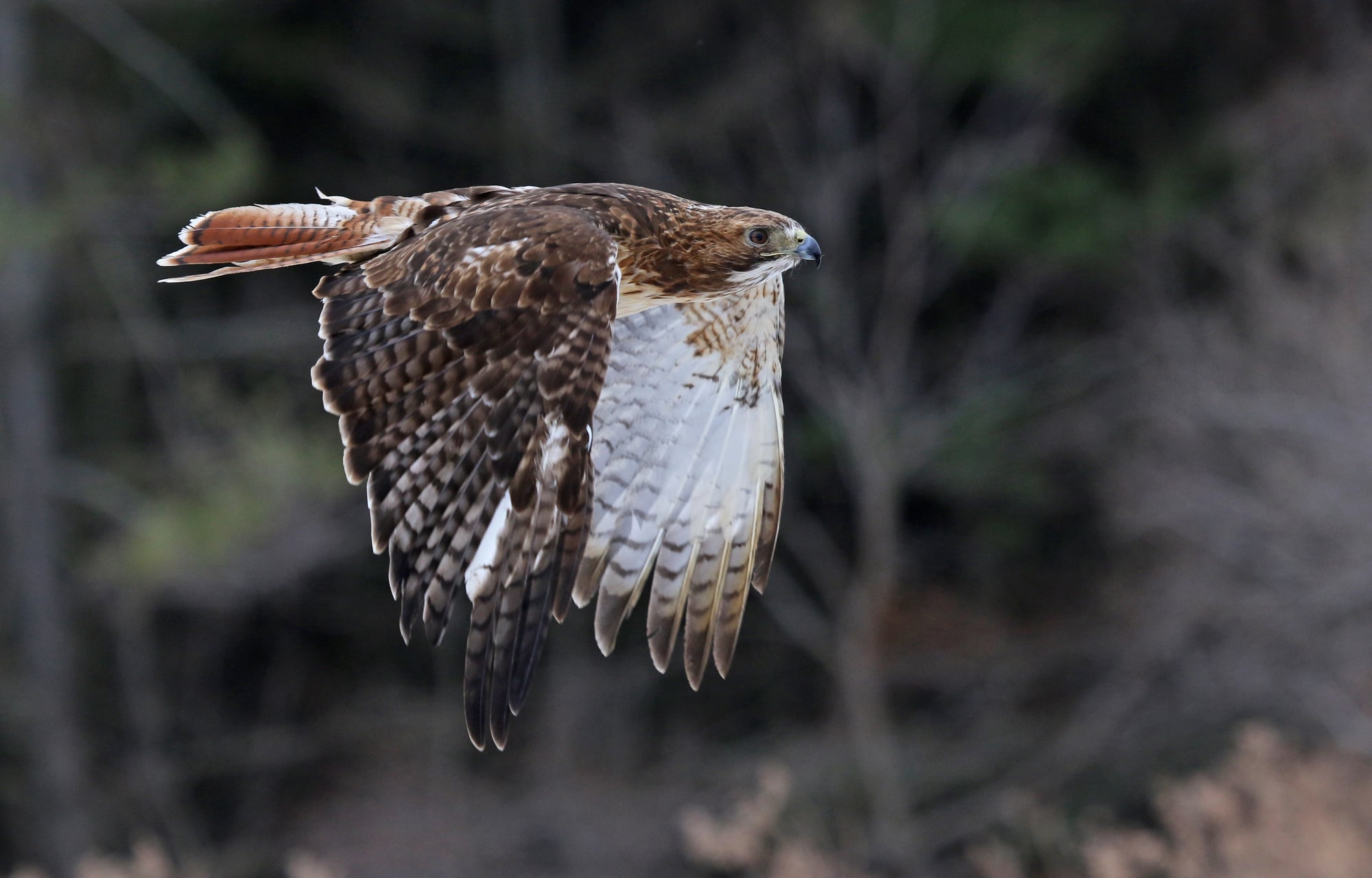
Red-tailed hawks discovered that urban parks, highway medians, and lamp posts offer something ancient forests rarely do: unobstructed sightlines over open ground where rodents move. Pale Male, the red-tailed hawk who nested on a Fifth Avenue building in New York City starting in 1991, became the most famous individual bird in the country for a period — proof that a raptor could not only survive in Manhattan but raise multiple clutches of young there across more than two decades.
Common Myna
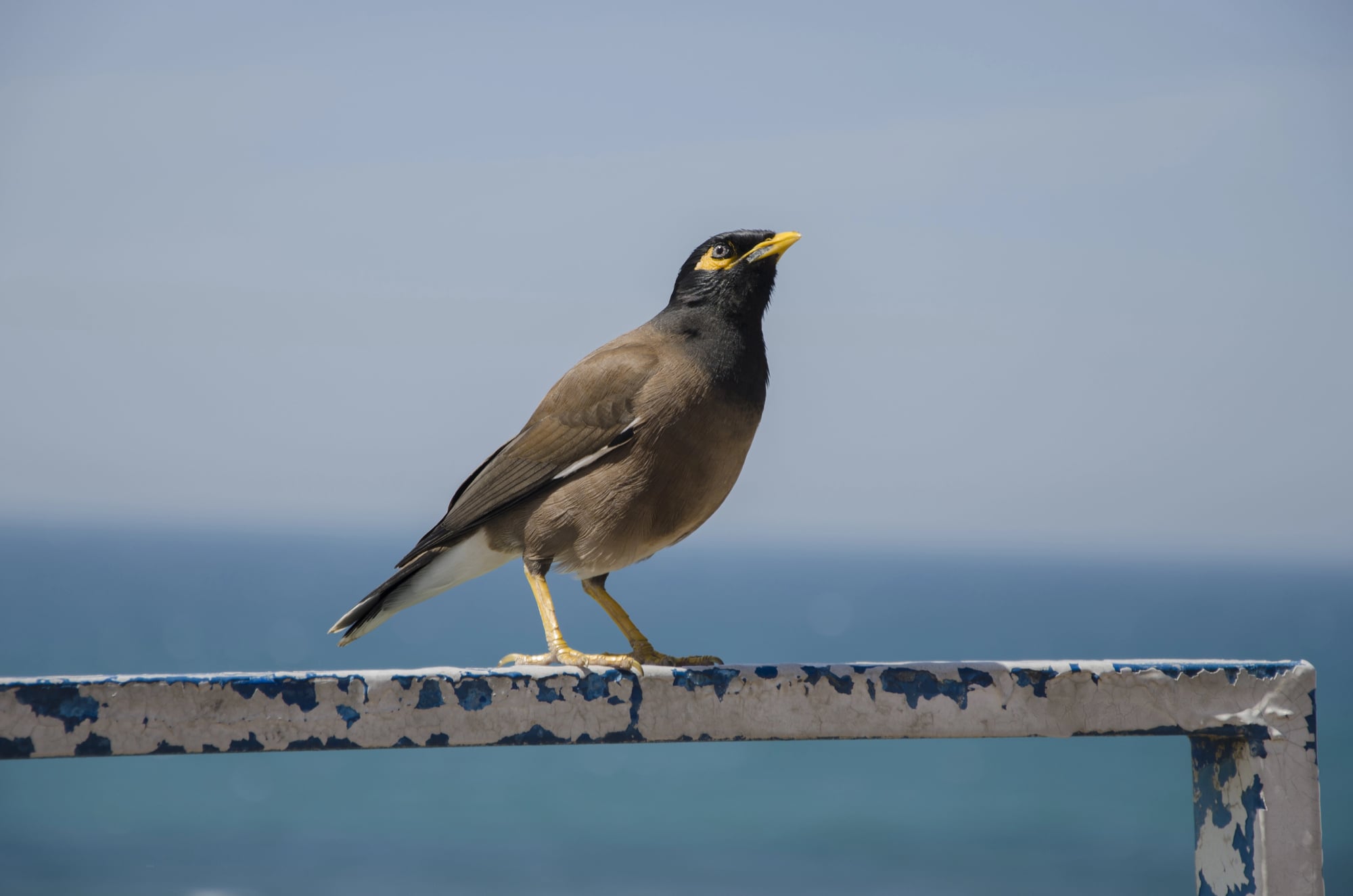
The common myna is one of the most successful urban birds in the world, occupying cities across South Asia, Southeast Asia, Australia, and parts of Africa with the easy confidence of something that has never seriously considered failure as an option. It is aggressive toward other cavity-nesting species, adaptable in its diet, and comfortable nesting in signage, air conditioning units, and building facades. The World Conservation Union has listed it among the hundred worst invasive species in the world, which is a grim distinction, but accurate.
Feral Cat
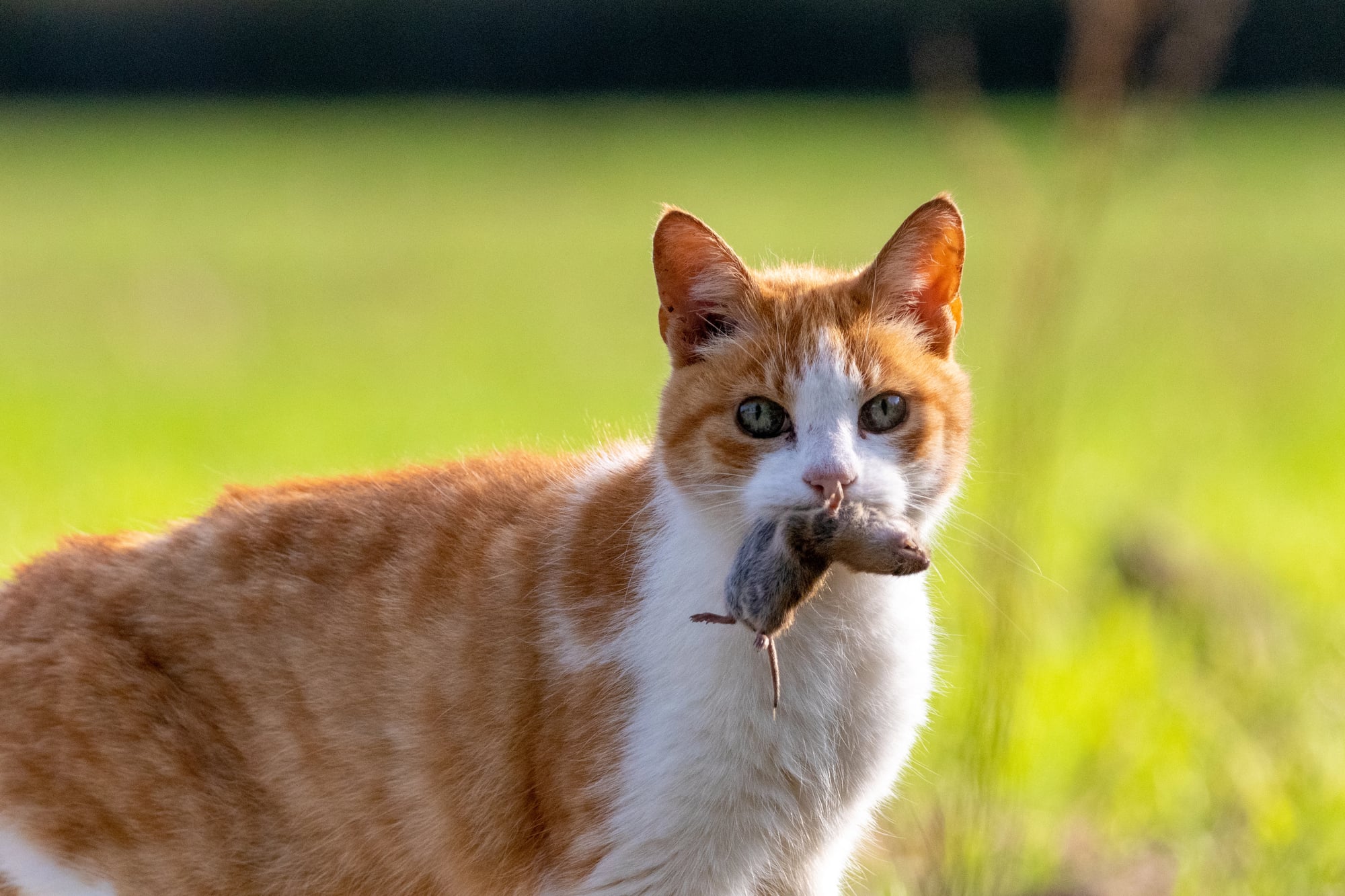
Feral cats are not wildlife in any meaningful ecological sense — they are domestic animals living outside, and the distinction matters because their impact on urban bird and small mammal populations is substantial. Estimates suggest free-ranging cats in the United States kill somewhere between 1.3 and 4 billion birds annually. They are superbly adapted to urban environments because they were shaped by humans for thousands of years, and the city — with its shelter, warmth, and surplus food — is simply a larger version of the built environment they’ve always occupied.
Mallard Duck
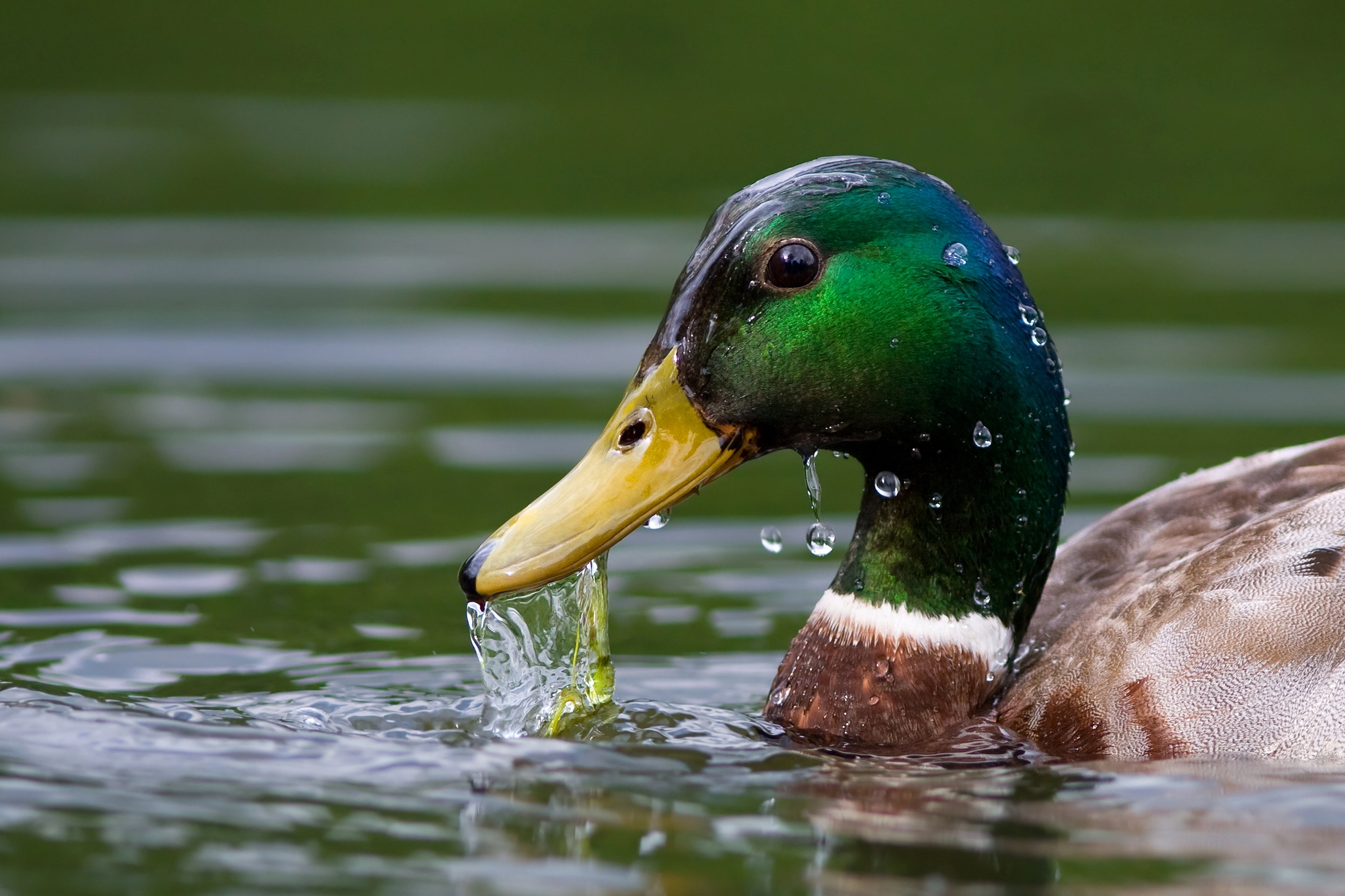
The mallard’s urban success is almost mundane by now — every city park with water has them, every office complex retention pond supports at least a pair, every suburban neighborhood produces the annual spectacle of a mother duck leading ducklings across a four-lane road. But mundane doesn’t mean unimpressive: mallards have shifted their diet, nesting habits, and migratory behavior to suit urban conditions, with some urban populations abandoning migration entirely. The park pond is warm enough, and the bread supply is reliable.
Crab-eating Macaque
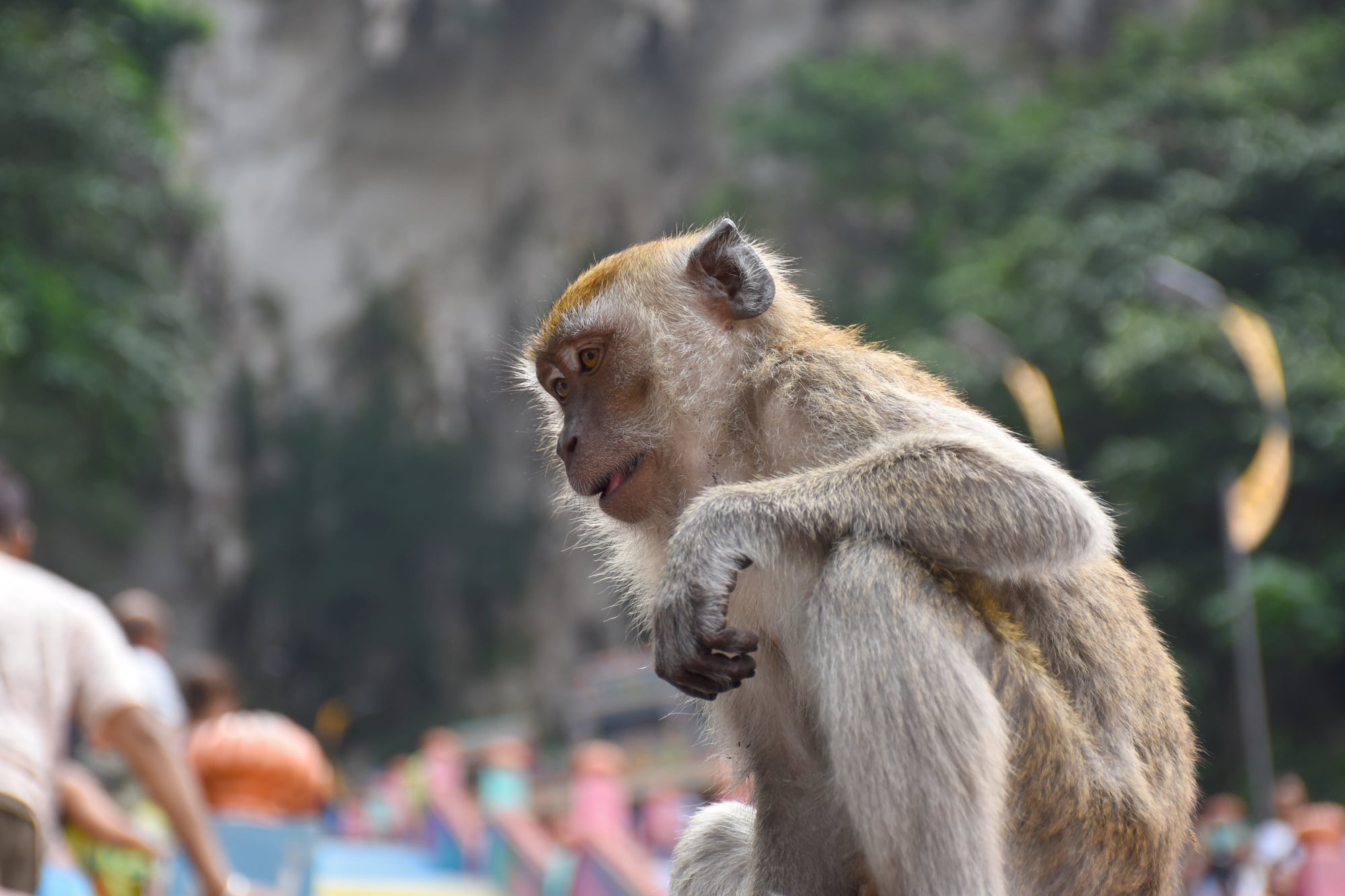
In cities across Southeast Asia — Kuala Lumpur, Singapore, Bali, Bangkok — crab-eating macaques move through urban green spaces and temple grounds with a familiarity that suggests they’ve been doing this longer than the cities have existed, which in many cases is true. They raid outdoor restaurants, steal from market stalls, and have been documented observing humans to identify which individuals are likely to surrender food without resistance. They are, in the most operationally precise sense, studying us — and adjusting accordingly.
Barn Swallow
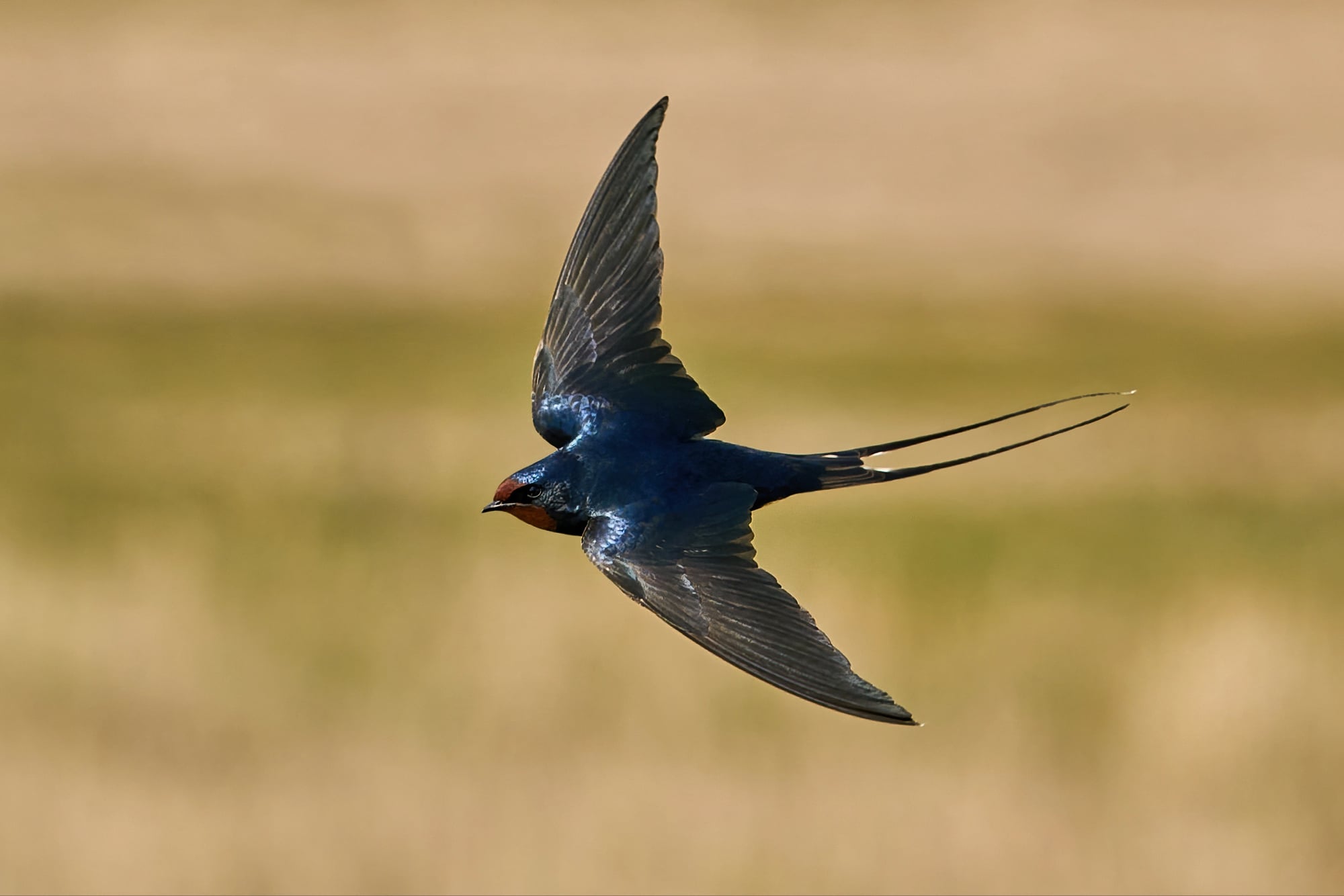
Barn swallows have built their mud-and-grass nests on human structures for so long that truly wild nesting sites — cliff faces, cave entrances — are now used almost exclusively in areas with no human settlement nearby. The species has effectively outsourced its nesting infrastructure to humans, attaching cup-shaped nests to the undersides of bridges, inside parking garages, and beneath highway overpasses across North America, Europe, and Asia. The arrangement suits them. Humans build faster than cliffs erode.
The City Belongs to Everyone
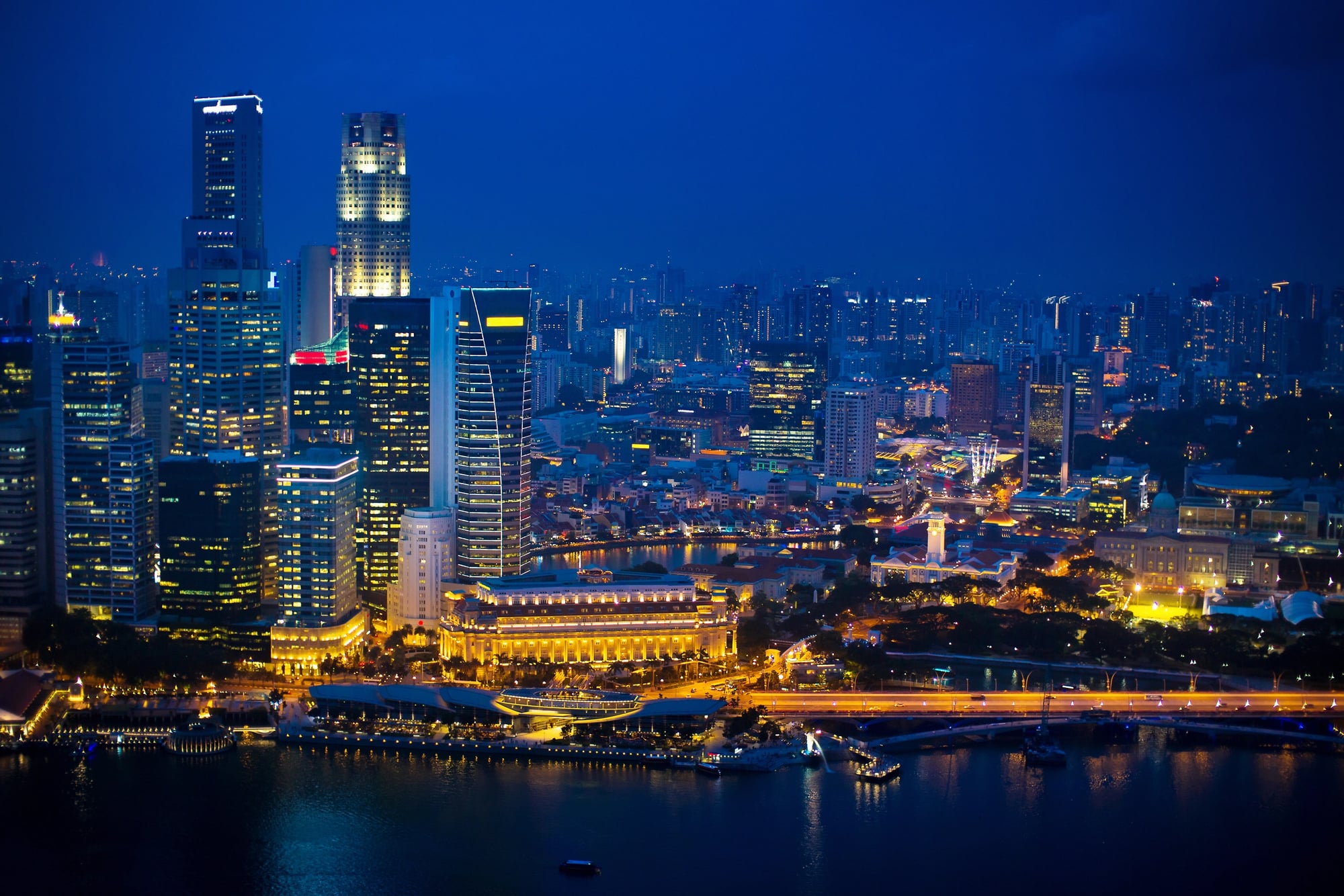
What emerges from this list isn’t really a story about adaptation in the biological sense — most of these changes happened too fast for genetics to explain them. It’s a story about behavioral flexibility: species that were already curious, already opportunistic, already capable of learning, meeting a landscape that rewards exactly those qualities. Cities are, when you strip away the human intention behind them, just another kind of habitat — complex, resource-rich, and full of pressures that favor the clever over the specialized. The animals that figured that out first aren’t invaders or nuisances. They’re just paying attention. And some of them have been doing it longer than we have.
More from Go2Tutors!

- The Romanov Crown Jewels and Their Tragic Fate
- 13 Historical Mysteries That Science Still Can’t Solve
- Famous Hoaxes That Fooled the World for Years
- 15 Child Stars with Tragic Adult Lives
- 16 Famous Jewelry Pieces in History
Like Go2Tutors’s content? Follow us on MSN.



