29 Cars from the ’80s Rarely Seen Anymore
Think back to a Saturday morning in 1986. Your dad is washing the Cressida in the driveway with a bucket and a chamois, the radio is tuned to Radio 5, and the neighbour’s Citi Golf idles at the gate while someone runs back inside for a forgotten jersey.
Those cars felt permanent. They were simply part of the street.
Most of them are gone now. Rust took some.
Hijackers, scrapyards and taxi fleets took others. And plenty just wore out after thirty years of school runs, holidays to the coast and long hauls up the N1.
What follows is a mix of global oddballs and South African favourites from that decade. Some were brilliant, some were dreadful, and a few were both at once.
If you still have one tucked in a garage somewhere, you own something rarer than you think.
1. DeLorean DMC-12
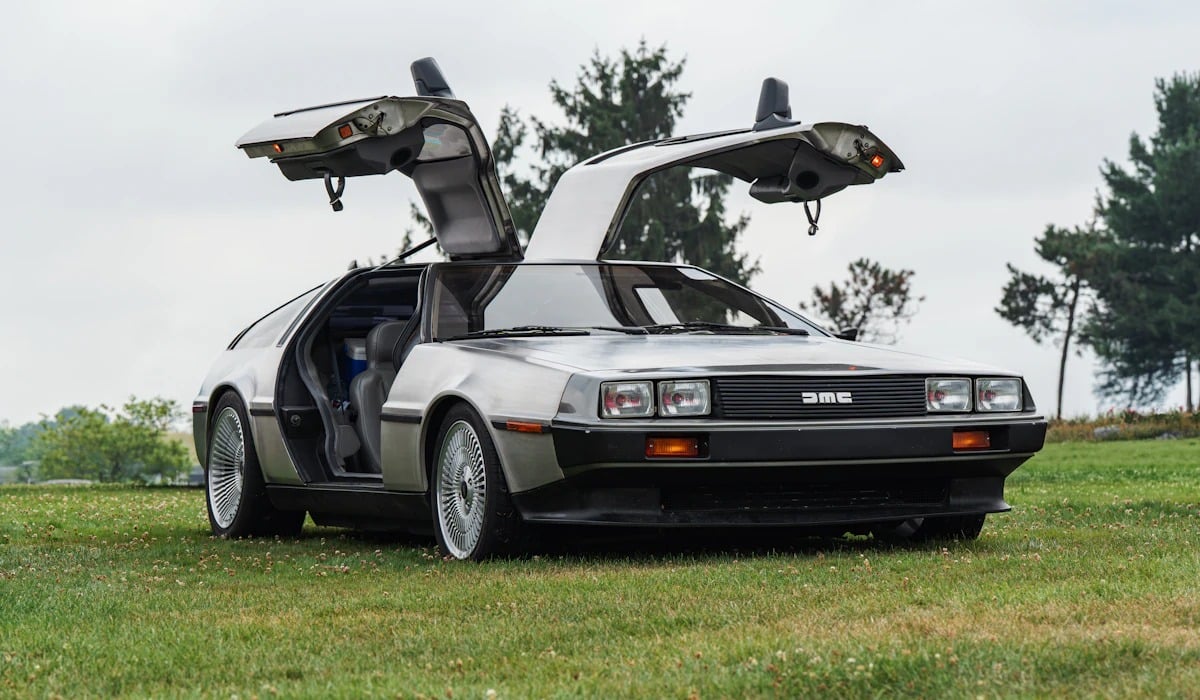
Stainless steel body panels. Gullwing doors.
A Giugiaro shape that still looks like it landed from somewhere else. The DeLorean DMC-12 had everything except a decent engine and a stable company behind it.
Built in Northern Ireland between 1981 and 1982, it used a rear-mounted 2.85-litre PRV V6 that produced far less power than the looks promised. John DeLorean’s company collapsed quickly, and only around 9,000 cars left the factory.
Then Back to the Future turned it into the most famous time machine on earth. That film kept the car alive in people’s heads long after it vanished from the roads.
Today the survivors sit with collectors, and you are far more likely to spot one at a show than at a traffic light.
2. AMC Eagle
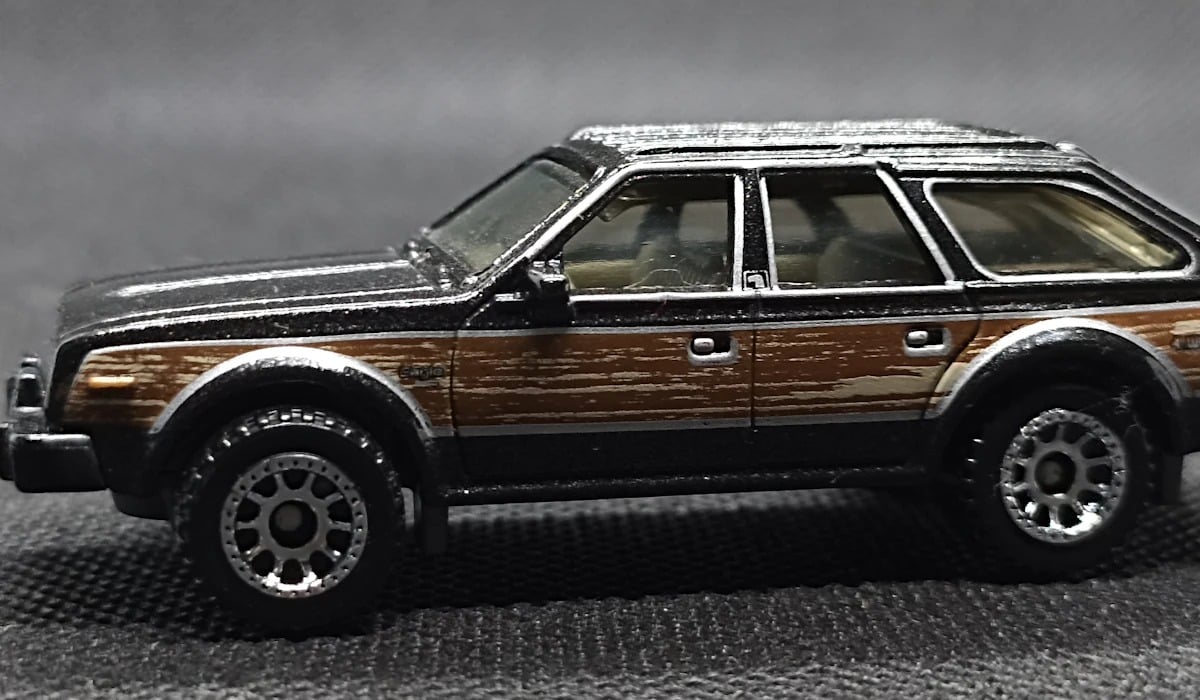
Long before every brand sold a crossover, AMC bolted full-time four-wheel drive under a regular family car and called it the Eagle. It arrived in 1980 as a sedan, coupe and station wagon, raised a few inches over the Concord it was based on.
Buyers in snowy parts of America loved it. You got car comfort with the grip of something far more rugged, and the wagon with fake wood trim became a small-town classic.
The problem was AMC itself. Chrysler bought the company in 1987 and the Eagle ended in 1988.
Salted winter roads ate most of the bodies, so the clean examples left are now prized by people who like to point out that AMC got there first.
3. Pontiac Fiero
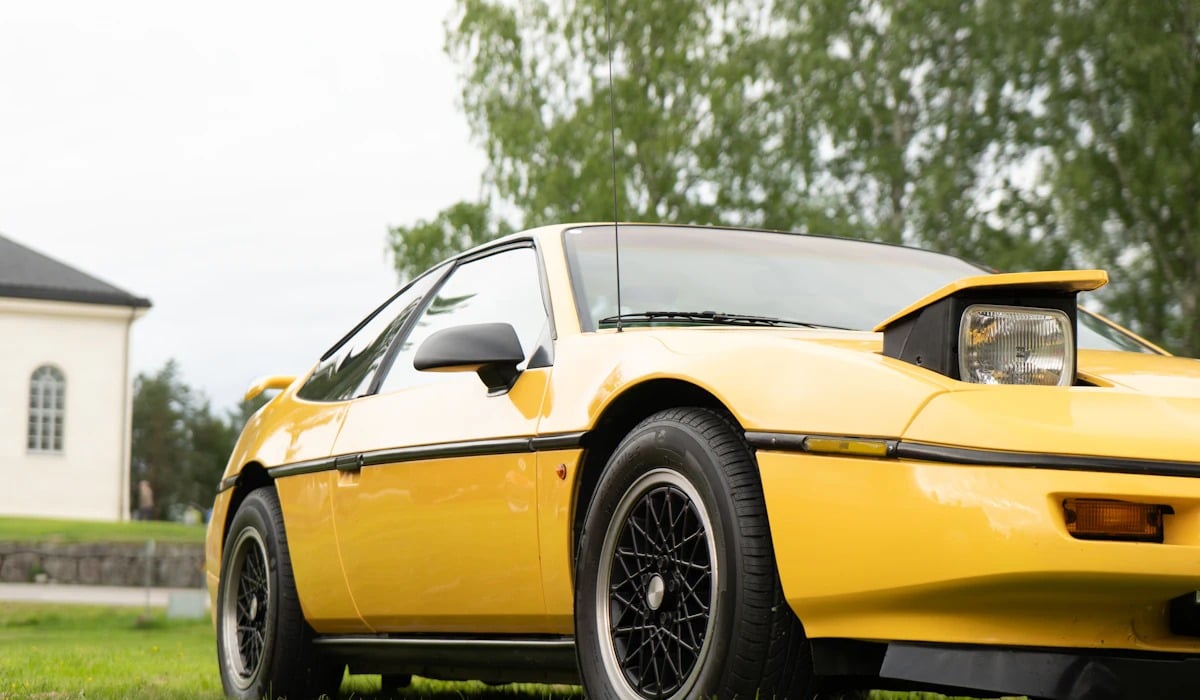
General Motors gave America an affordable mid-engine two-seater in 1984, and that alone made the Fiero remarkable. It had plastic body panels over a steel space frame, which meant dents were rare and rust on the skin was impossible.
But the early cars carried the 2.5-litre four-cylinder “Iron Duke” engine, and some of those 1984 models caught fire after oil leaks and connecting rod failures. The reputation stuck, even after a recall and even after GM fixed much of what was wrong.
The 1988 model finally got a proper suspension redesign. It was the best Fiero ever built, and it was also the last, because GM pulled the plug that same year.
Plenty of Fieros later became kit car bases, wearing fake Ferrari or Lamborghini bodies. That trend wiped out a surprising number of originals.
If you find an untouched ’88 GT, you have found the version Pontiac should have launched first.
4. Yugo GV
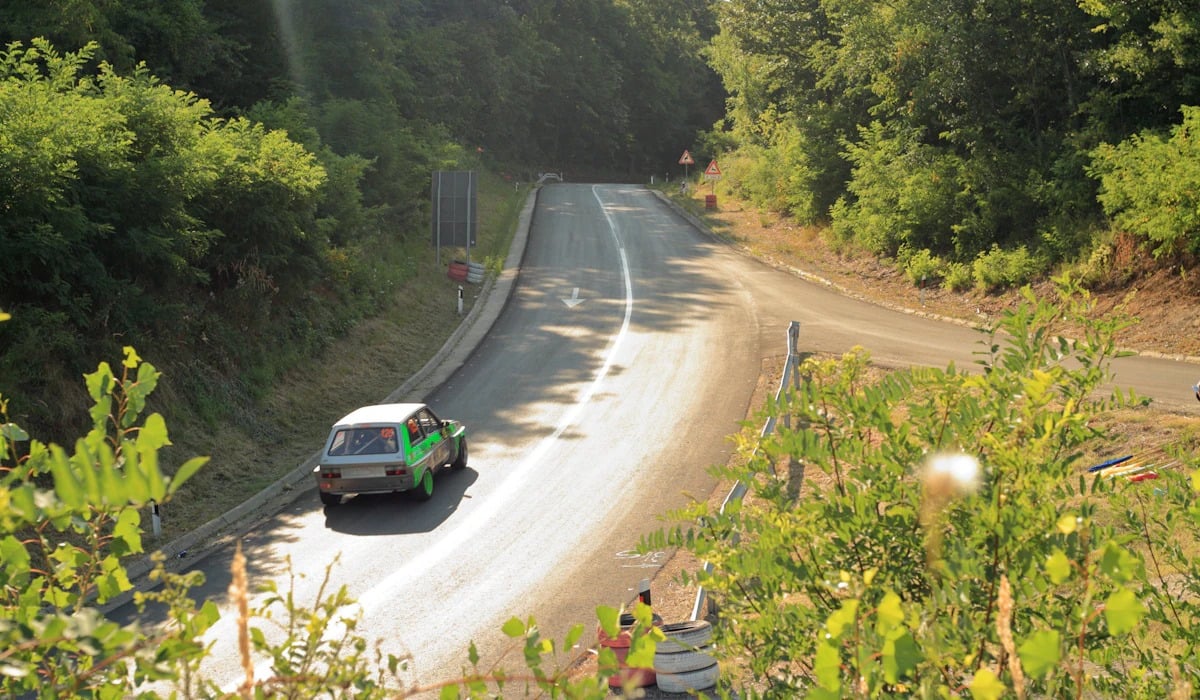
The Yugo arrived in America in 1985 with a sticker price of $3,990 and a simple pitch. It was the cheapest new car you could buy.
Built by Zastava in Yugoslavia and based on Fiat engineering, it found buyers fast.
Then it became a punchline. Build quality was poor, reliability was worse, and talk show hosts treated it as a running joke for years.
Sales slid, and the war in Yugoslavia ended exports in the early ’90s.
You rarely see one now because most owners never thought one was worth saving. That makes a well-kept survivor oddly charming.
It is a reminder that a car can be both a terrible purchase and a fascinating piece of history.
5. Chrysler LeBaron Convertible
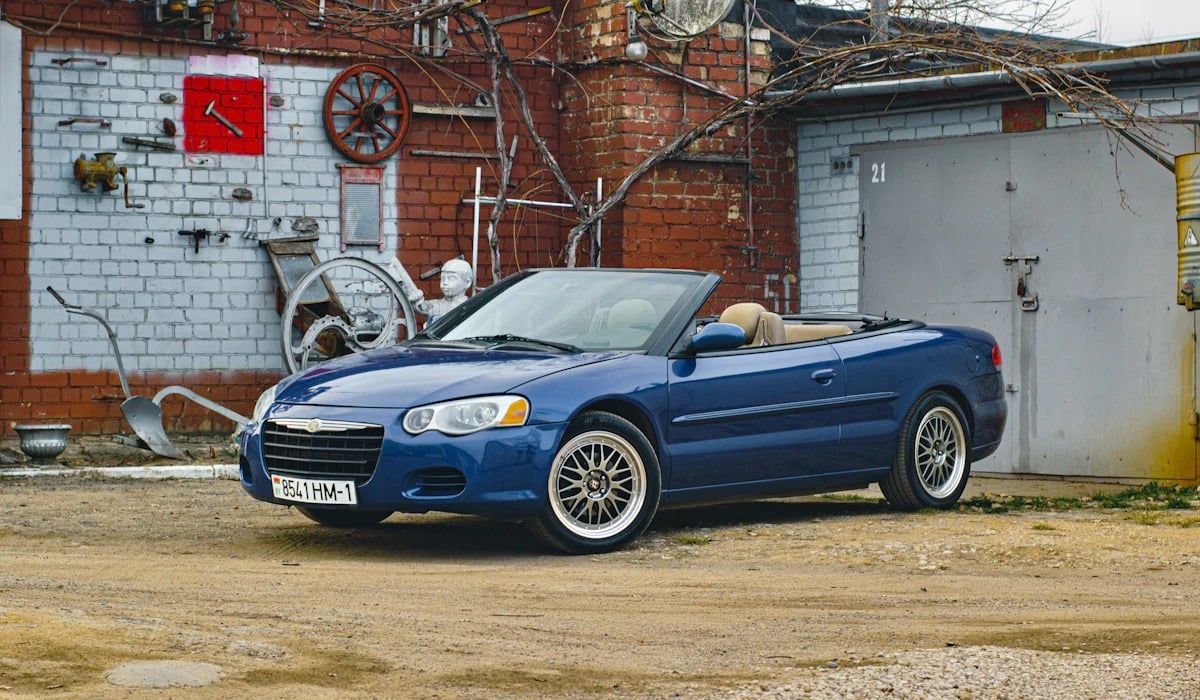
Chrysler’s K-car platform saved the company, and the LeBaron convertible gave it some glamour. When it launched for 1982, it was the first factory convertible from a major American carmaker in years.
The Town and Country version even came with wood-look side trim, which sounds strange now but looked properly upmarket at the time. Lee Iacocca pushed it hard, and buyers who wanted sunshine without a sports car price signed up.
The cars were simple, cheap to run, and never built to last decades. Canvas tops cracked, interiors faded, and the four-cylinder engines eventually gave up.
You will spot the odd one at a retro meet, usually in white with a burgundy interior.
6. Ford EXP
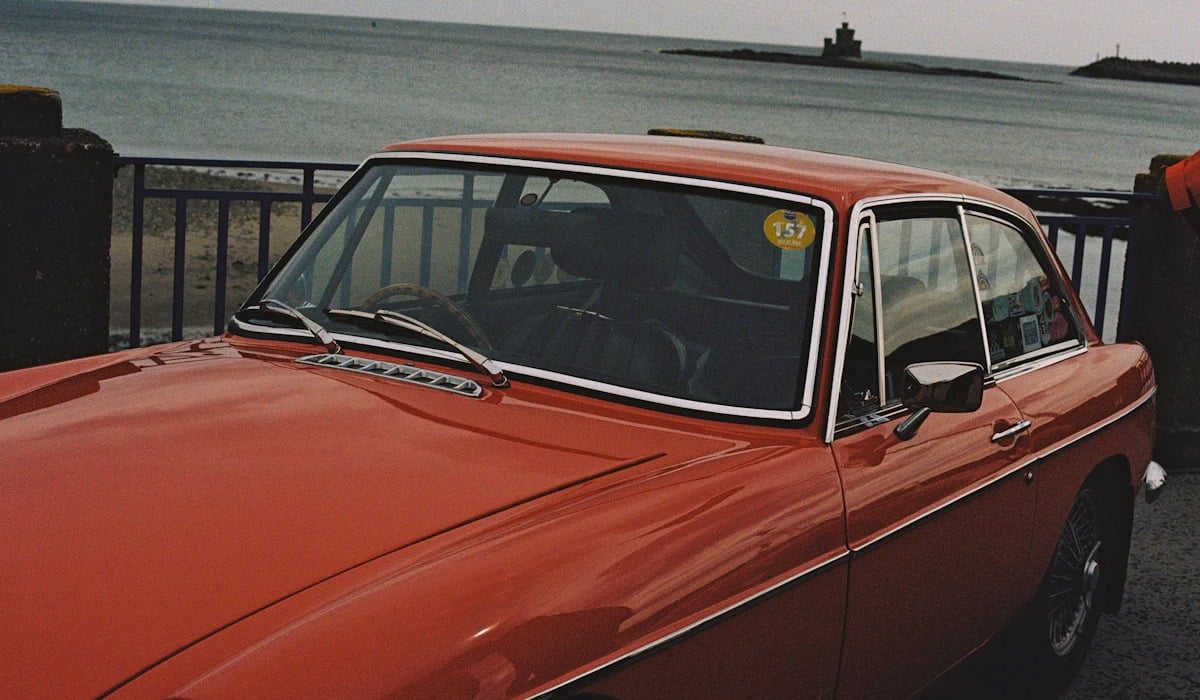
Ford wanted a sporty, economical two-seater for the 1982 model year, so it took the Escort and gave it a lower, stretched coupe body. The result was the EXP, with those odd bug-eye headlights on early models.
It was light and frugal, but early versions felt slow for something that looked like it wanted to race. Ford tweaked it, added a bubble-back hatch, and later a turbo version, yet the EXP never shook the feeling that it was an Escort in fancy dress.
Production ended in 1988. Most were driven hard and thrown away.
A clean one today draws more questions than admiration, and that is half the fun.
7. Subaru BRAT
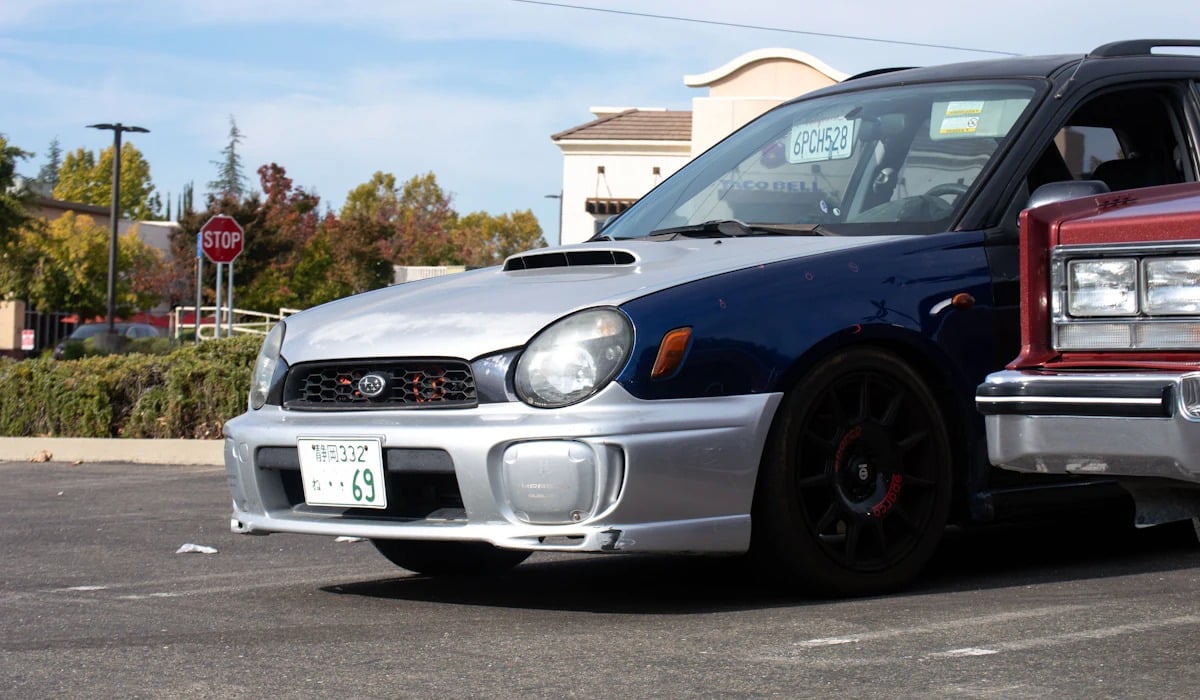
Subaru’s BRAT was a little four-wheel-drive car-based pickup with a cheeky trick in the load bed. Two plastic seats faced backwards, bolted in the open air behind the cab.
Why? America charged a heavy import tariff on light trucks, nicknamed the chicken tax.
Adding seats in the bed helped the BRAT qualify as a passenger car instead. Rules on seat belts and safety mattered less to buyers than the fun factor of riding backwards down a dirt road.
Ronald Reagan owned one on his ranch, which gave the BRAT a strange kind of celebrity. American sales ended in 1987.
Rust has eaten most of the rest, so a solid survivor with both jump seats intact now commands real money.
8. Isuzu Impulse
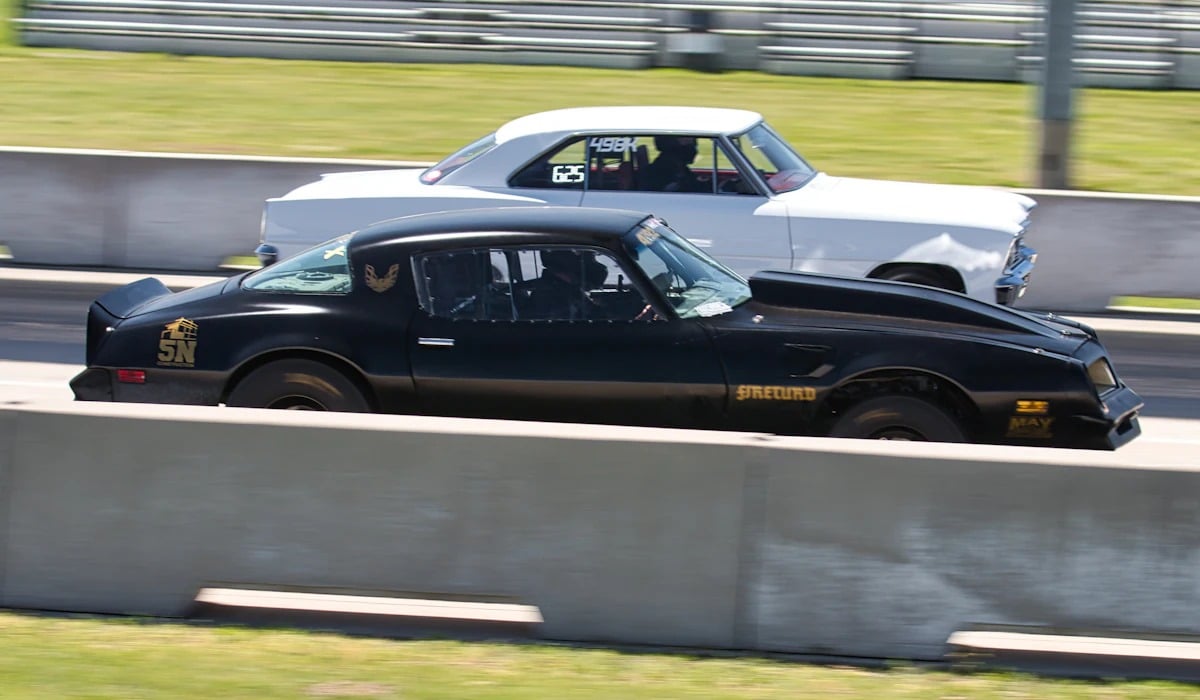
Giorgetto Giugiaro drew the Impulse, and you can see it in every crisp line. Isuzu sold it in America from 1983 as a sleek hatchback coupe, quite a leap for a brand most people tied to trucks.
The later Turbo models got some fame for “Handling by Lotus” badges after Isuzu worked with the British firm on suspension tuning. That was a serious boast for a car from a company with almost no sporting history.
Isuzu stopped selling passenger cars in America entirely by the early 2000s, which left parts scarce and owners isolated. The Impulse slipped away quietly.
If you spot one, take a second look at the shape. It still holds up.
9. Merkur XR4Ti
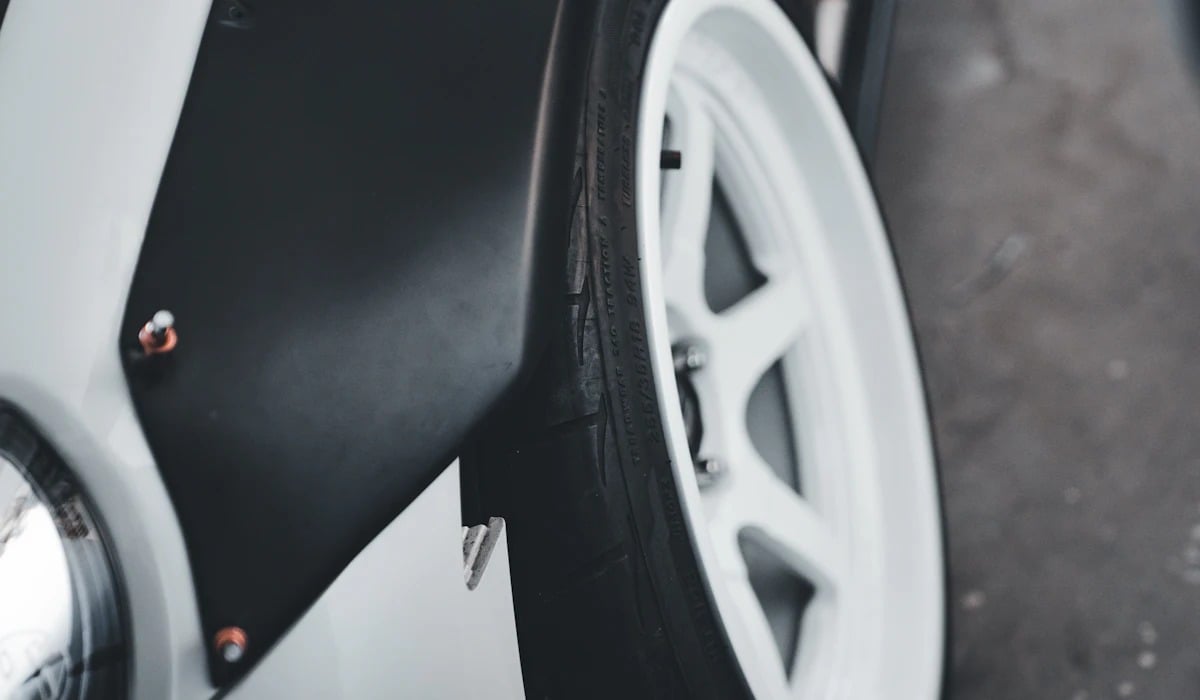
Ford’s Lincoln-Mercury dealers in America started selling a German-built car in 1985 under a brand nobody could pronounce. The Merkur XR4Ti was a version of the European Sierra XR4i, fitted with a turbocharged 2.3-litre four-cylinder and that famous twin-wing rear spoiler.
Driving fans liked it. Traditional Lincoln-Mercury buyers, who wanted soft suspension and chrome, had no idea what to make of it.
Sales never took off, the dollar moved against the German mark, and Merkur closed after 1989.
South African readers will recognise the shape at once. The XR4Ti was a close cousin of the Sierra that filled local roads.
In America, that same car never found its people, and today a tidy XR4Ti is a true oddity.
10. Renault Alliance
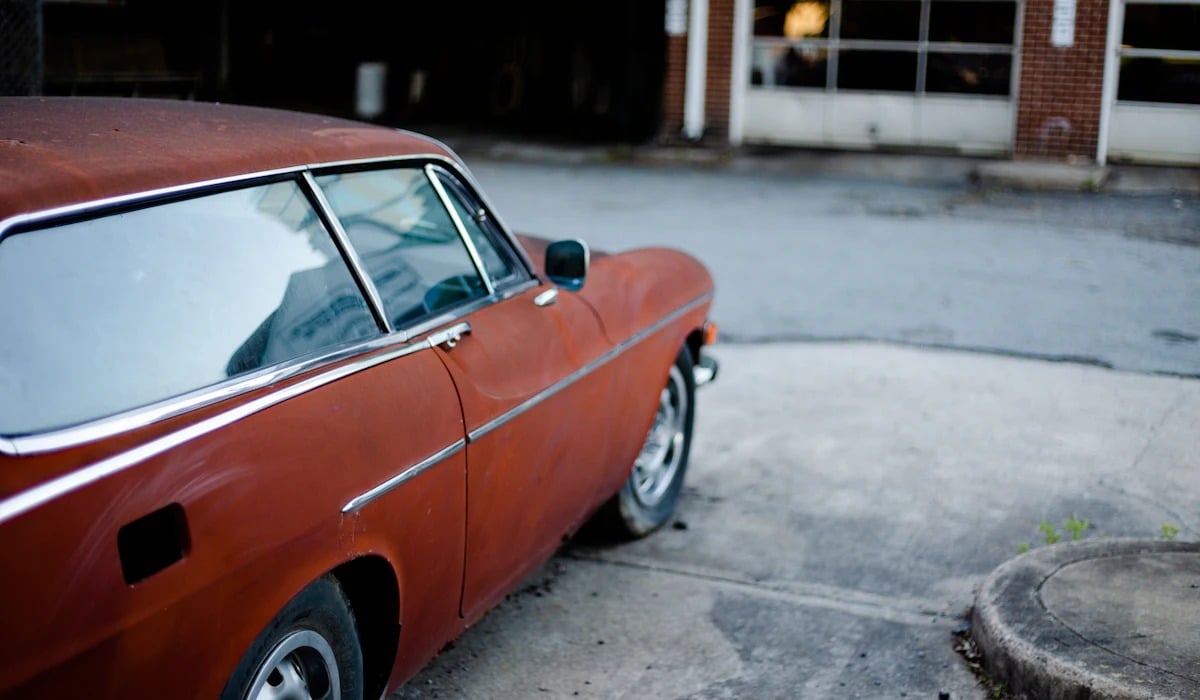
Renault and AMC built the Alliance together in Kenosha, Wisconsin, and Motor Trend named it Car of the Year for 1983. It was based on the European Renault 9, offered good fuel economy, and rode comfortably.
For a short time it sold well. Then reliability issues piled up, rust appeared early, and American buyers lost faith.
Renault pulled out of the American market after Chrysler bought AMC in 1987.
Today the Alliance has almost disappeared. It stands as proof that an award can open the door for a car without keeping it there.
11. Plymouth Reliant
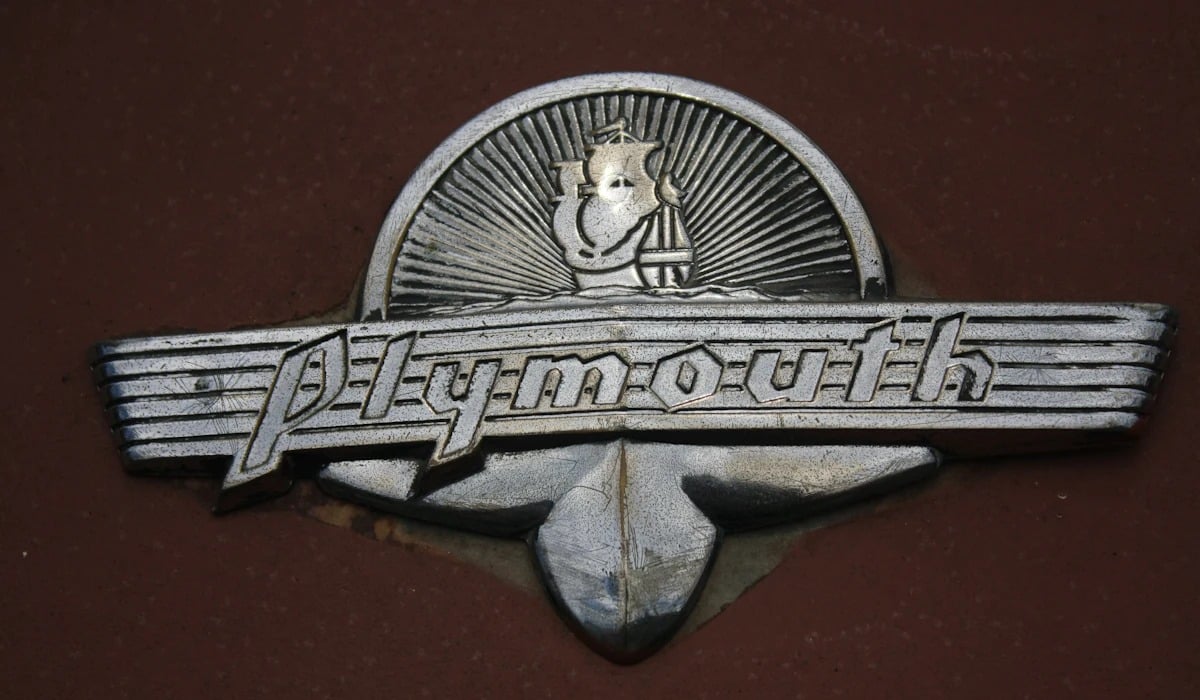
If the LeBaron was the K-car in its Sunday best, the Reliant was the K-car in work clothes. Plymouth launched it for 1981 alongside the near-identical Dodge Aries, and together they kept Chrysler alive after its government loan guarantees.
The Reliant offered six-seat space, front-wheel drive and decent fuel economy for a family that just needed something that started every morning. That was enough.
Millions of K-cars were sold over the decade.
So why don’t you see them? Nobody saved them.
They were appliances, used until they stopped and then sent to the crusher. A low-mileage Reliant now gets a smile at car shows, partly from nostalgia and partly from people who remember riding in the back of one with no air conditioning.
12. Nissan Pulsar NX
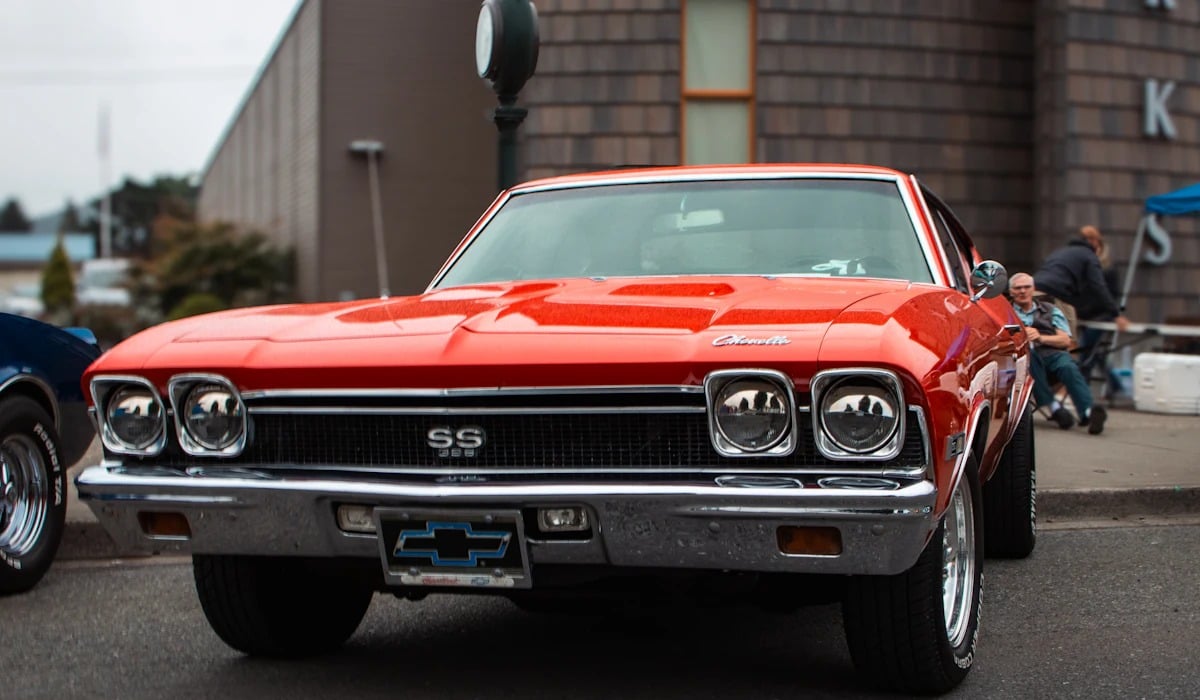
The second-generation Pulsar NX, sold from 1987, had one of the cleverest ideas of the decade. You could swap the rear section.
Fit the hatch and it was a sporty coupe. Fit the wagon-style “Sportbak” and it became a tiny shooting brake.
It also came with removable T-top roof panels, so you could have a convertible feel on top of everything else. For a young buyer with one car and lots of plans, that flexibility was hard to beat.
The Sportbak was sold separately and few owners bought it, which makes complete sets rare today. Most Pulsar NX cars rusted away or were stripped for parts.
Find one with both rear sections and you have found a unicorn.
13. Toyota MR2 (AW11)
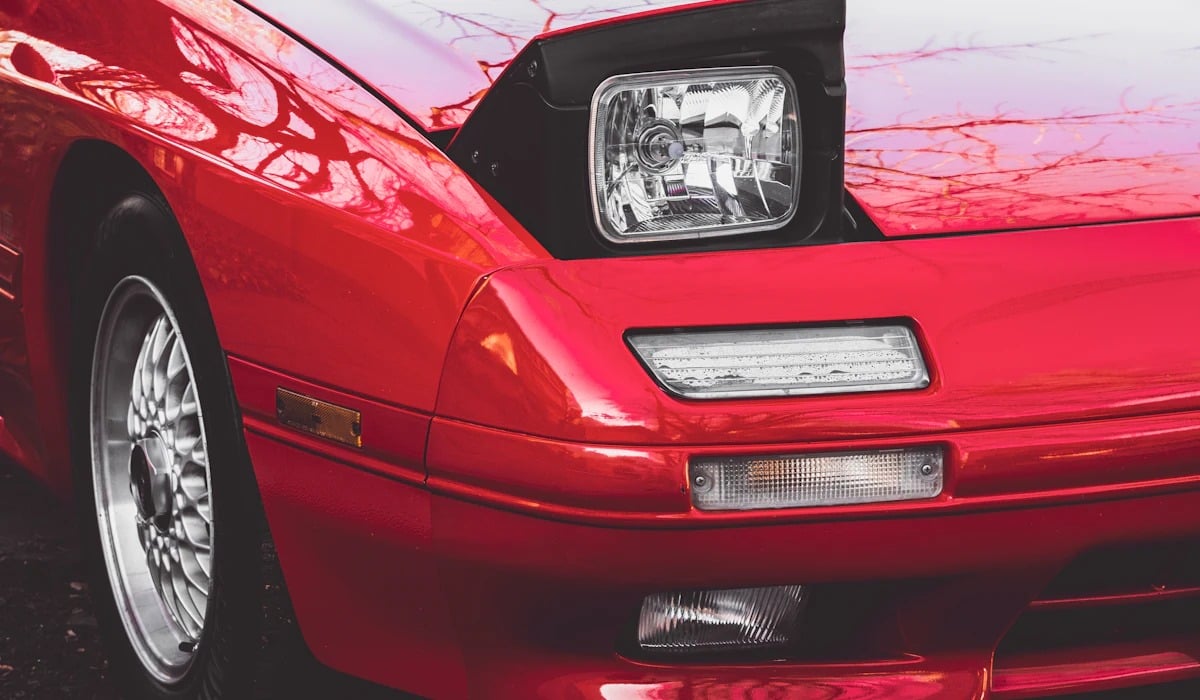
Toyota surprised everyone in 1984 with a small, mid-engine two-seater that was fun and reliable at the same time. The first MR2, coded AW11, used the 1.6-litre 4A-GE twin-cam engine and weighed very little.
The steering was sharp, the engine loved to rev, and you could actually drive it every day without fear. That was the magic.
It felt like an exotic car without the exotic bills.
Later supercharged versions added more punch. But most AW11s were driven exactly as Toyota intended, which meant hard.
Many were crashed, modified or left to rot once they got old and cheap. The survivors now trade for far more than they did a decade ago.
14. Peugeot 205 GTI
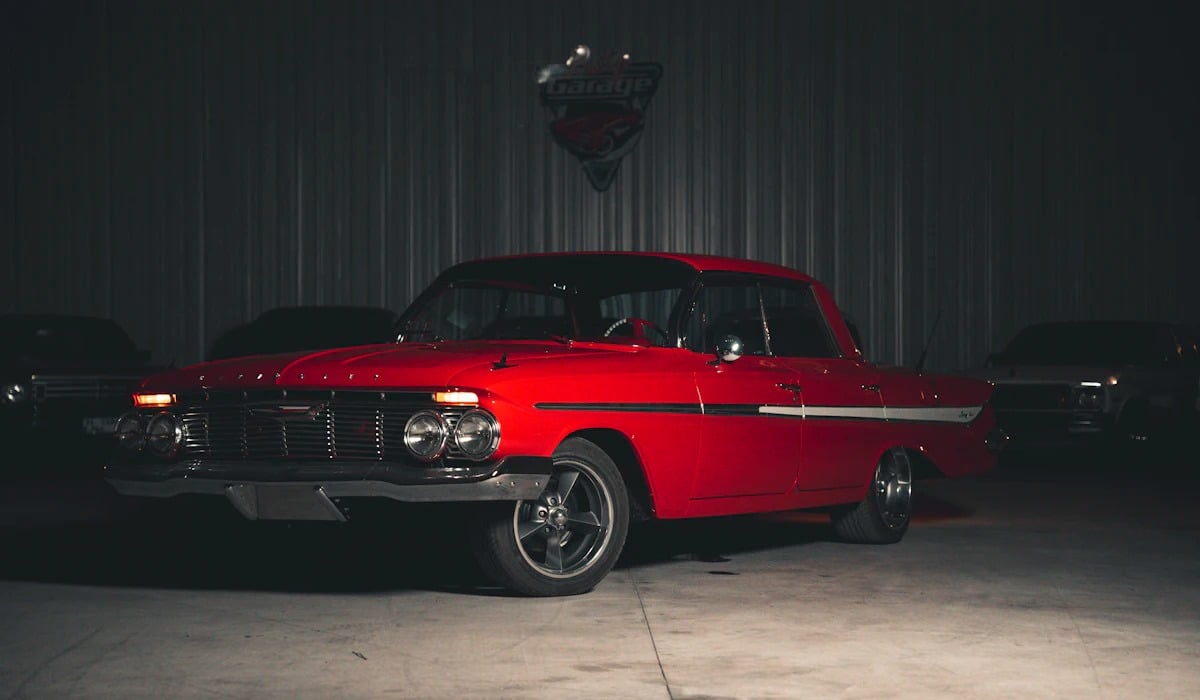
Ask a European car fan to name the greatest hot hatch of the ’80s, and the 205 GTI comes up again and again. Peugeot launched it in 1984 with a 1.6-litre engine, then added a 1.9-litre version that became the legend.
It was light, quick and tricky at the limit. Lift off the throttle mid-corner and the tail would step out.
Some drivers loved that. Others found out the hard way.
That reputation is part of why so few are left. Too many ended up in hedges and ditches.
Thieves loved them too. A clean, original 205 GTI now sells for serious money in Europe, and the price keeps climbing.
15. Fiat Uno
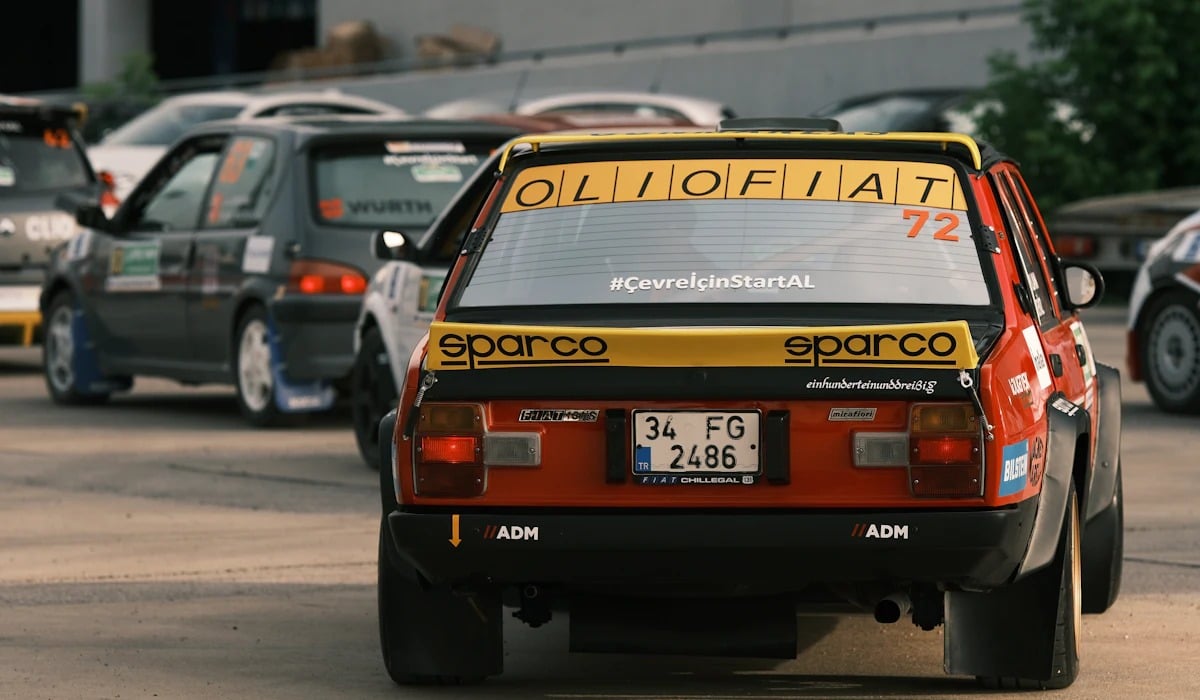
Fiat introduced the Uno in 1983, and it won European Car of the Year for 1984. It was boxy, tall and roomy, designed by Giugiaro’s Italdesign to give you maximum space in a minimum footprint.
It sold in huge numbers across Europe and later went into production in several other countries, including Brazil. South Africans will remember the Uno too, as it ended up built locally for years.
The early ’80s cars are now rare in Europe because they were cheap, heavily used and prone to rust. You still see later Unos in some parts of the world, but the originals have mostly gone.
16. Austin Maestro and Montego
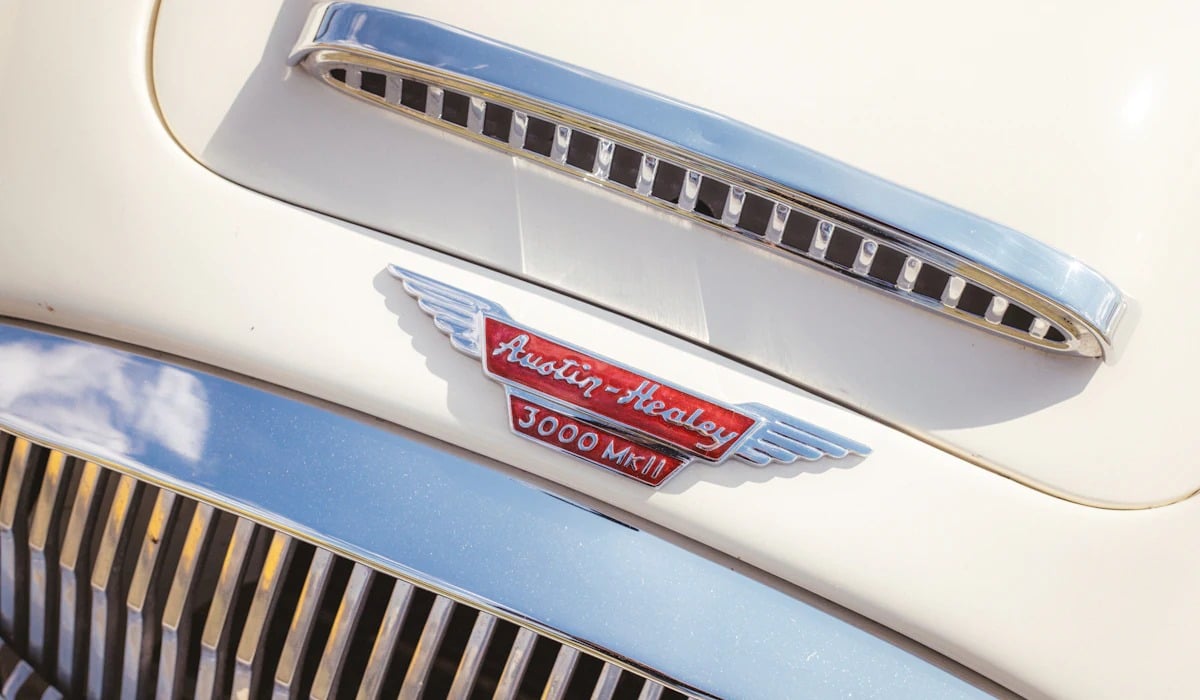
British Leyland pinned big hopes on the Maestro, launched in 1983, and its sedan sibling the Montego, launched in 1984. Some early Maestro versions even came with a talking dashboard that warned you about things like low oil pressure in a synthesised voice.
The cars were roomy and practical. But quality problems hurt sales, and the brand battled a reputation it could not shake.
Both models kept going in small numbers for years, yet buyers kept choosing Ford and Vauxhall instead.
In Britain, where these cars once filled company car parks, they have almost vanished. Rust and indifference did the job.
Spot one now and you are looking at a rolling piece of British industrial history, talking dashboard and all.
17. BMW 325iS “Gusheshe”
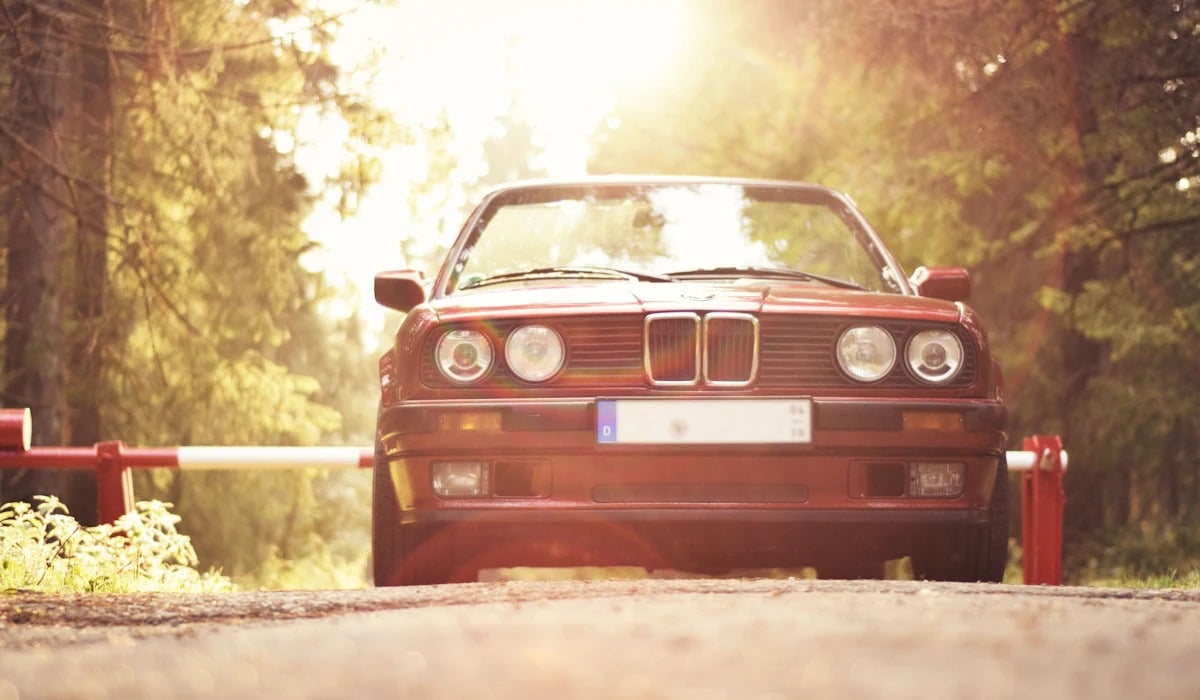
No car on this list means more to South Africans than the E30 325iS. BMW built it at Rosslyn, near Pretoria, as a local special, arriving around 1990 at the very end of the decade.
It existed to give BMW a homologation weapon for the fierce local touring car scene, where it fought Opel and Ford for wins.
The nickname “Gusheshe” came from the townships, and it stuck. The car became a status symbol, a racing hero and later the centre of the spinning culture that still fills arenas on weekends.
That fame made it a hijacking and theft target for years. Many were stripped, crashed or spun until the engines gave up.
Others were turned into replicas, so a genuine 325iS with matching numbers is now one of the most sought-after cars in the country.
If you ever think of buying one, check the paperwork and the VIN carefully. Fakes are common, and the price gap between a real car and a convincing copy is huge.
18. Ford Sierra XR8
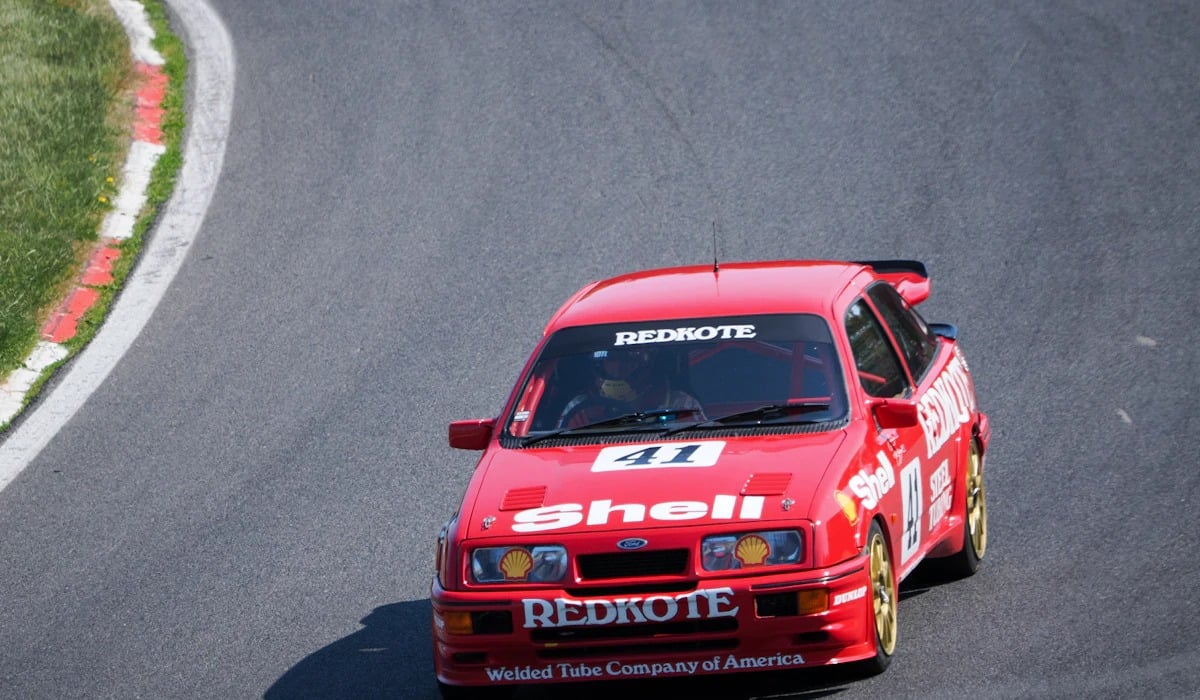
Ford South Africa needed something special for local saloon car racing, and in 1984 it dropped a 5.0-litre V8 into the Sierra. The XR8 was built in small numbers for homologation, so only a few hundred ever existed.
It had a deep, rumbling soundtrack, a bold front end and serious straight-line pace for its time. Nothing else on South African roads looked or sounded quite like it.
Today these cars sit in collections and rarely come up for sale. When one does, local enthusiasts take notice fast.
It remains one of the best stories of South African motoring, a local team building a car that the rest of the world never got.
19. Ford Cortina Bakkie
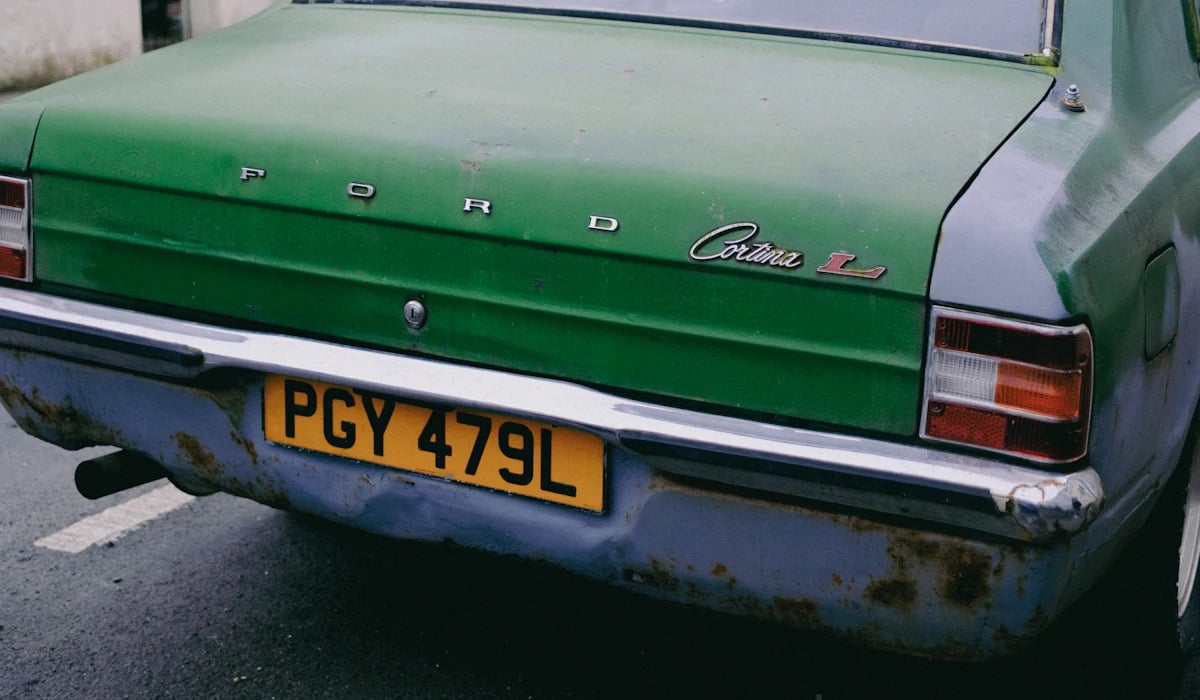
The Cortina sedan was everywhere in South Africa, but the bakkie version is the one locals talk about with real affection. Ford South Africa created it using the Cortina’s front end and a load bed at the back, and it was a common sight on farms and building sites in the early ’80s.
It was tough, simple to fix and did the job without fuss. The six-cylinder versions had real pulling power for a light commercial.
Hard work is exactly why so few are left. These bakkies hauled cement, firewood and livestock until they could not anymore.
A restored Cortina bakkie now draws a crowd at any show from Pietermaritzburg to Polokwane.
20. Ford Laser and Mazda 323
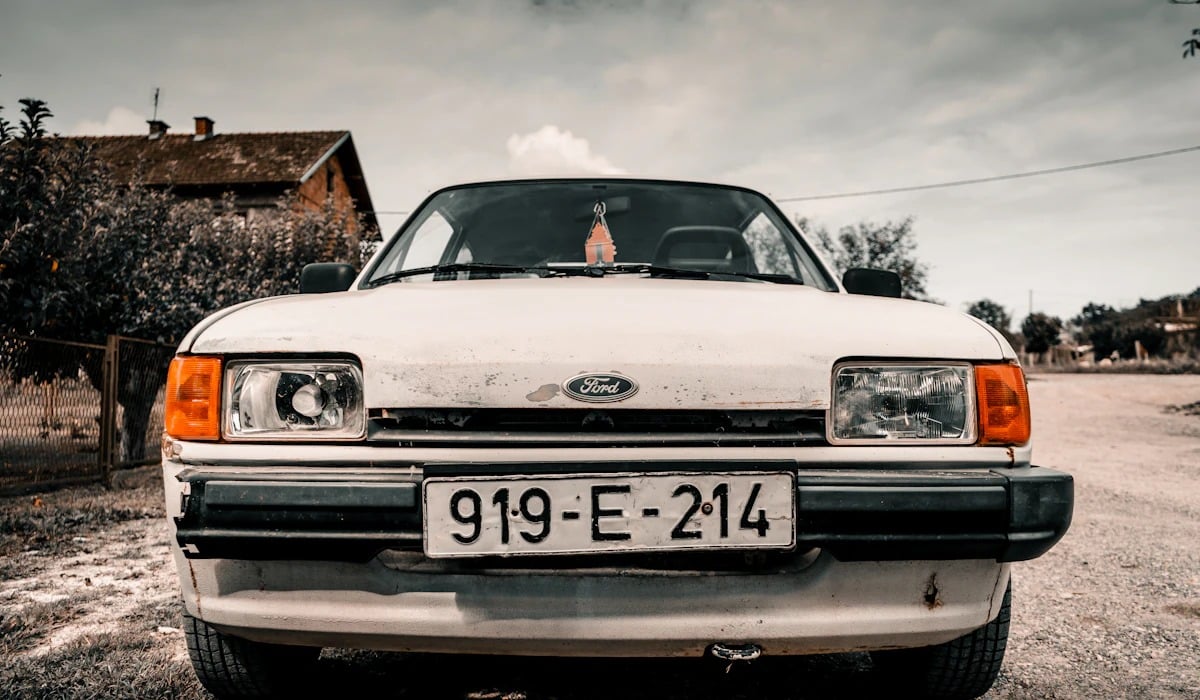
The Ford Laser and Mazda 323 were close relatives on South African roads. They were built locally at the Samcor plant in Silverton, Pretoria, from the mid-’80s, sharing engines and bodies with different badges.
Buyers liked them because they were reliable, easy to service and cheap to run. The Laser was also popular as a first car for students and young workers who needed something that would not break their budgets.
Many have been driven into the ground. They became cheap runarounds in the 2000s and went through owner after owner.
A clean Laser now feels like a time capsule, especially a sporty TX3 version with its pop-up spoiler and loud graphics.
21. Opel Kadett
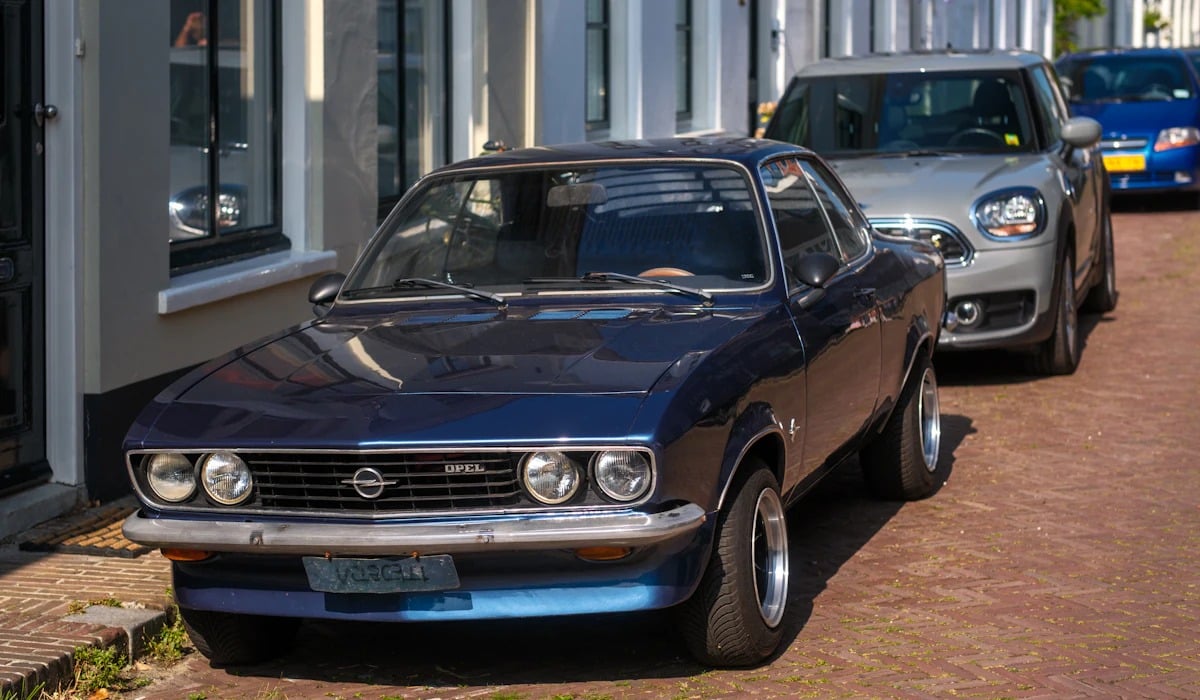
The Kadett was one of the most popular cars in South Africa for much of the ’80s. It was built in Port Elizabeth, and the front-wheel-drive hatchbacks and sedans filled roads around the country.
The GSi versions gave the Kadett a sporty edge, and local fans still talk about them with passion. Later on, the Superboss became a racing legend.
But regular Kadetts were used as family cars and then as cheap runners for decades. They were stolen, crashed and stripped for parts.
General Motors left South Africa in the mid-’80s, and the brand went through changes that left owners with fewer options. The Kadett you remember from your childhood is now hard to find in decent shape.
22. Nissan Sentra
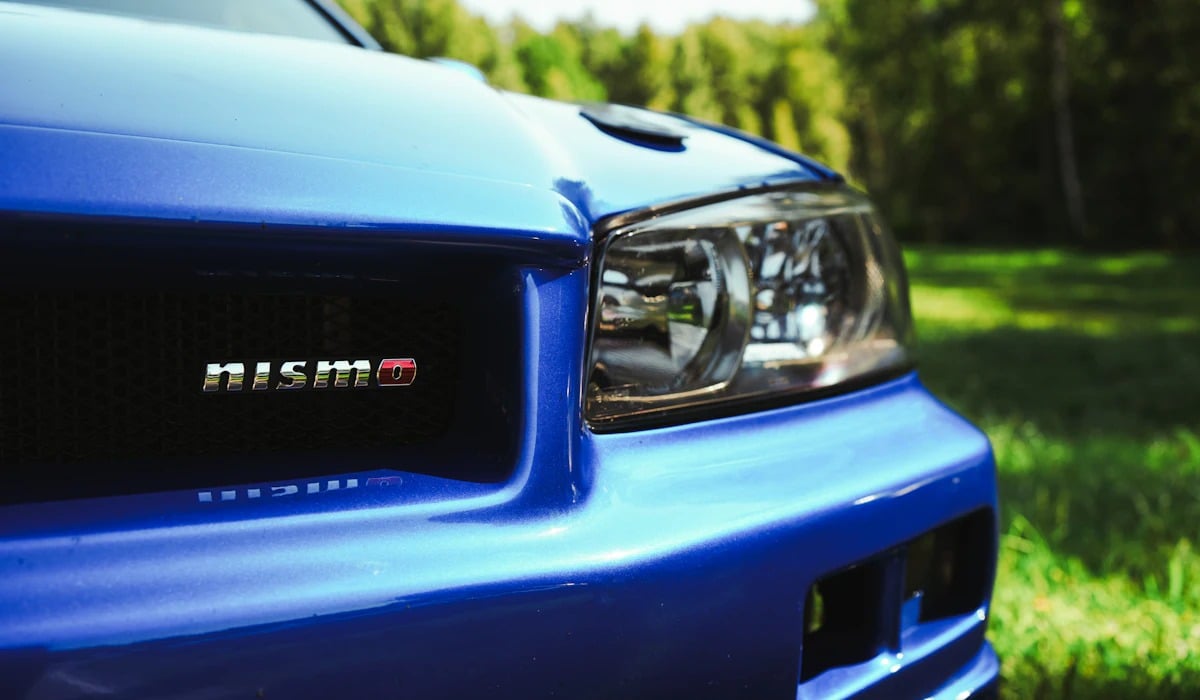
Nissan built the Sentra at its Rosslyn plant, and it sold well throughout the decade. It was compact, simple and reliable, which made it a common choice for families and small business owners.
Like many cars from that era, the Sentra never had a strong enthusiast following. It was bought for practical reasons and used until it stopped.
That is why you rarely see one now. Most went to scrapyards.
A well-kept Sentra from the ’80s is a rare sight that tends to make people say, “My uncle had one of those.”
23. Toyota Cressida
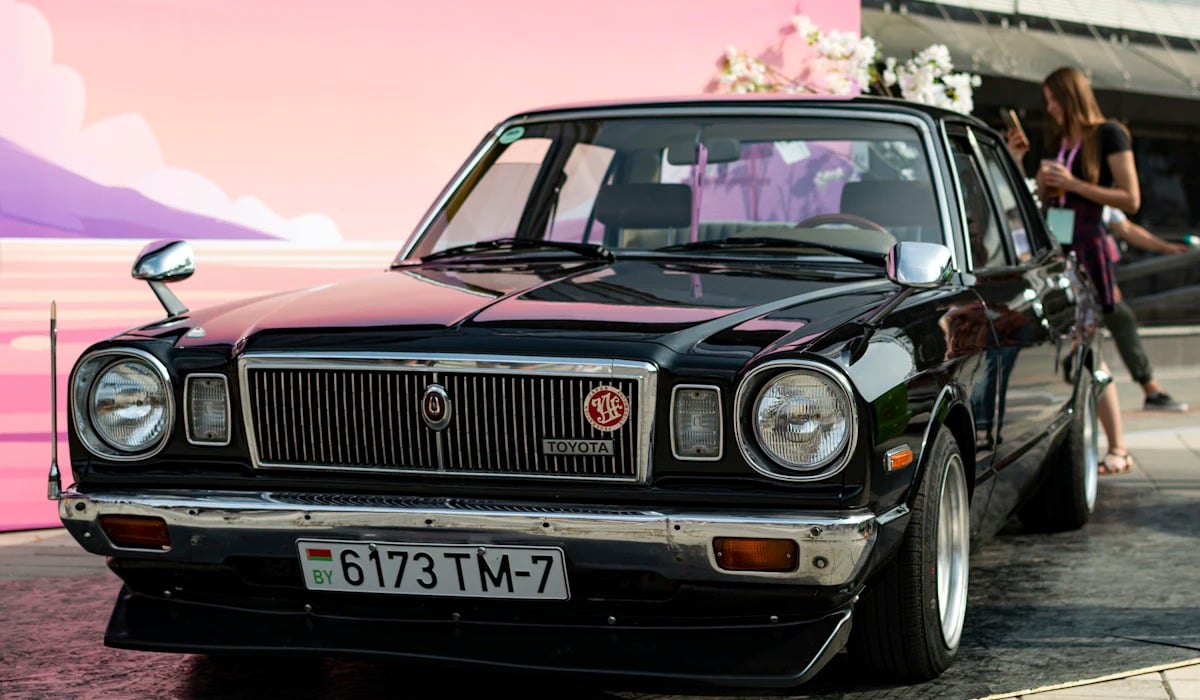
The Cressida was Toyota’s executive sedan in South Africa during the ’80s, built at the Prospecton plant near Durban. It was big, quiet and comfortable, with a smooth six-cylinder engine in many versions.
For a certain kind of professional, it was the car. Doctors, managers and government officials drove them because they were reliable and felt properly upmarket without being flashy.
Owners racked up enormous mileage on them. Heavy use wore many out, and the rest were stripped once spares became scarce.
Today a clean Cressida stands out at any meet. It reminds you of a time when Toyota quietly built some of the most dependable luxury cars on local roads.
24. VW Golf Mk1 and Citi Golf
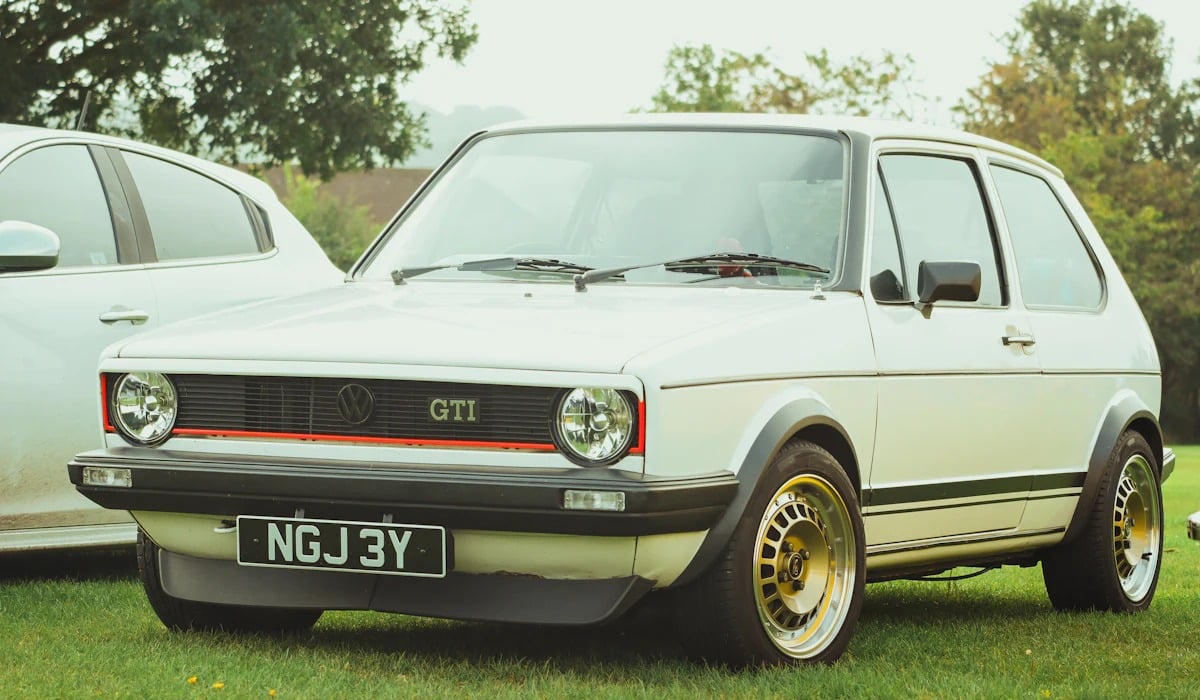
Volkswagen built the Mk1 Golf in Uitenhage from 1978, and when the Mk2 arrived, South Africa did something unusual. It kept building the old shape and launched it as the Citi Golf in 1984.
The Citi was cheap, fun and easy to fix. It came in bright colours with bold ads, and it became a first car for a whole generation of South Africans.
Production carried on until 2009, which means it outlived its European cousin by decades.
So why are they rare now? Plenty still exist, but clean, original early Citis from the ’80s are scarce.
Most were thrashed, modified or crashed. The original Mk1 GTi is even harder to find.
Many South Africans now regret selling theirs, and prices have climbed to match that regret.
25. Alfa Romeo GTV6 3.0
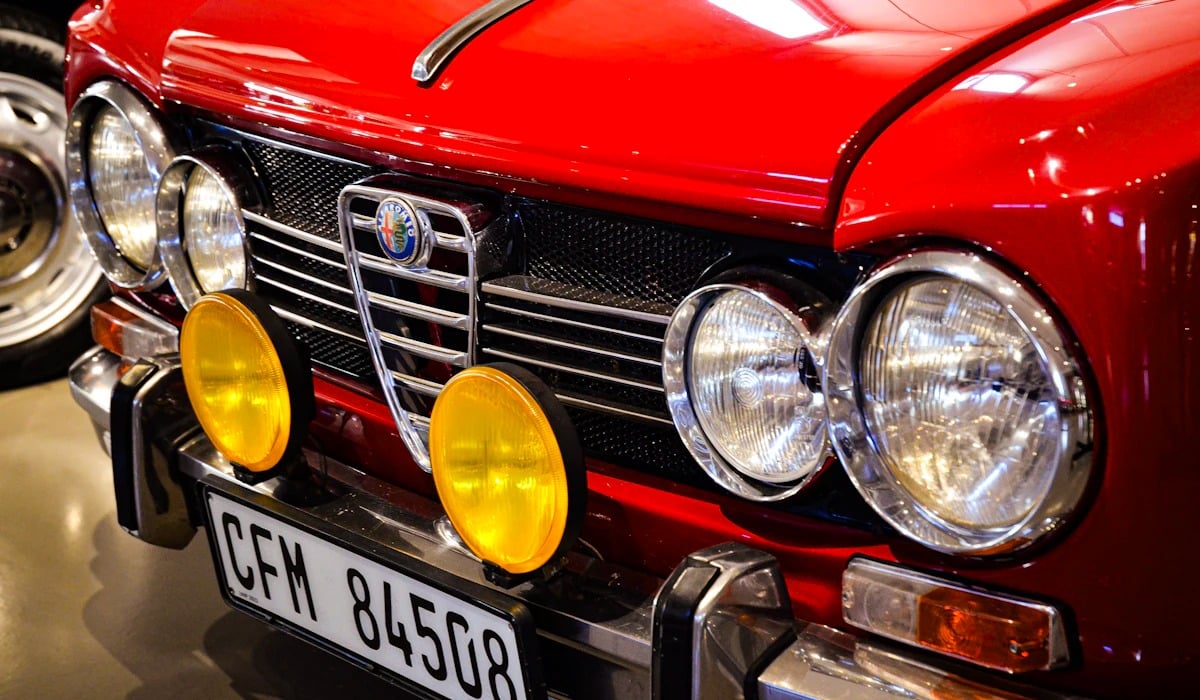
Alfa Romeo had a factory in Brits, and in the ’80s South Africa got something special. The GTV6 3.0 was a locally developed version of the coupe with a 3.0-litre V6 built for racing homologation.
It sounded incredible. The Busso V6 had a howl that still makes enthusiasts emotional.
Locally built Giulietta sedans also filled the roads at the time.
Alfa left South Africa in the mid-’80s, and parts became hard to find. Rust and electrical gremlins did the rest.
A genuine GTV6 3.0 is now a collector’s prize, and you will rarely see one outside a classic show.
26. Nissan Skyline
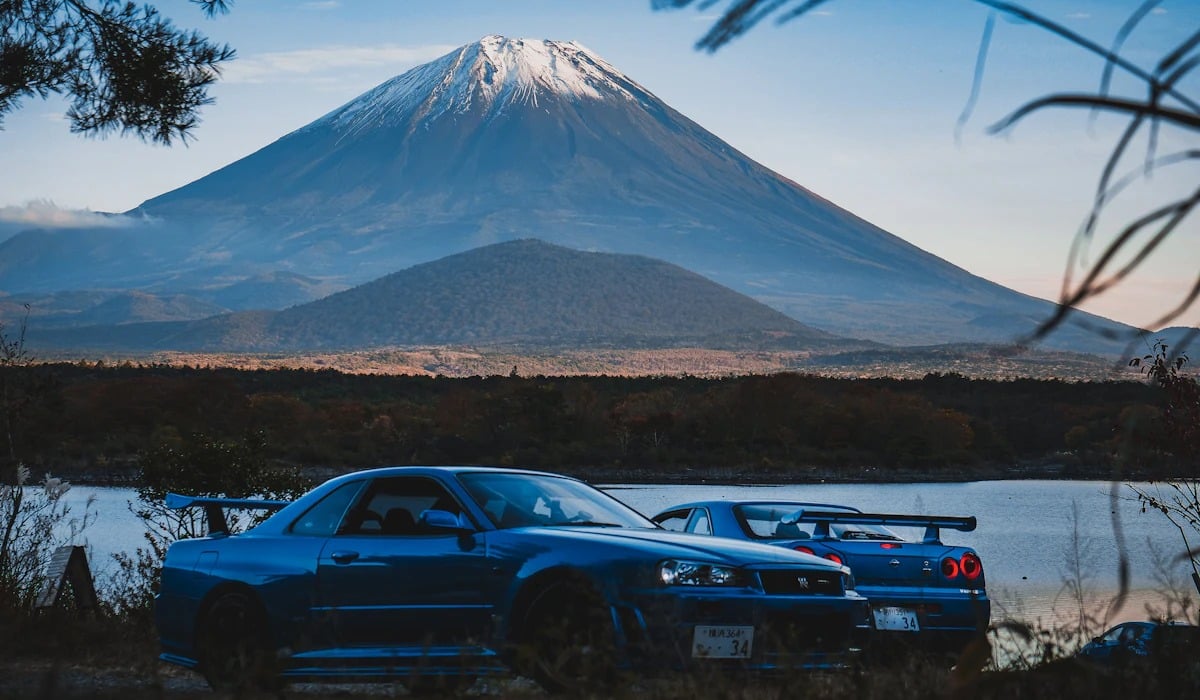
Before the Skyline became a global icon through the GT-R, Nissan South Africa assembled the Skyline locally in the early ’80s. It was a straight-six sedan with a solid build and a serious, quiet presence.
Many South Africans bought it as a family car with a bit of extra performance. Few realised then that the Skyline name would later become legendary.
Those local Skylines are now very rare. Most wore out or were broken down for parts.
Collectors who know the story are hunting for survivors, and they are not easy to find.
27. Mercedes-Benz W123
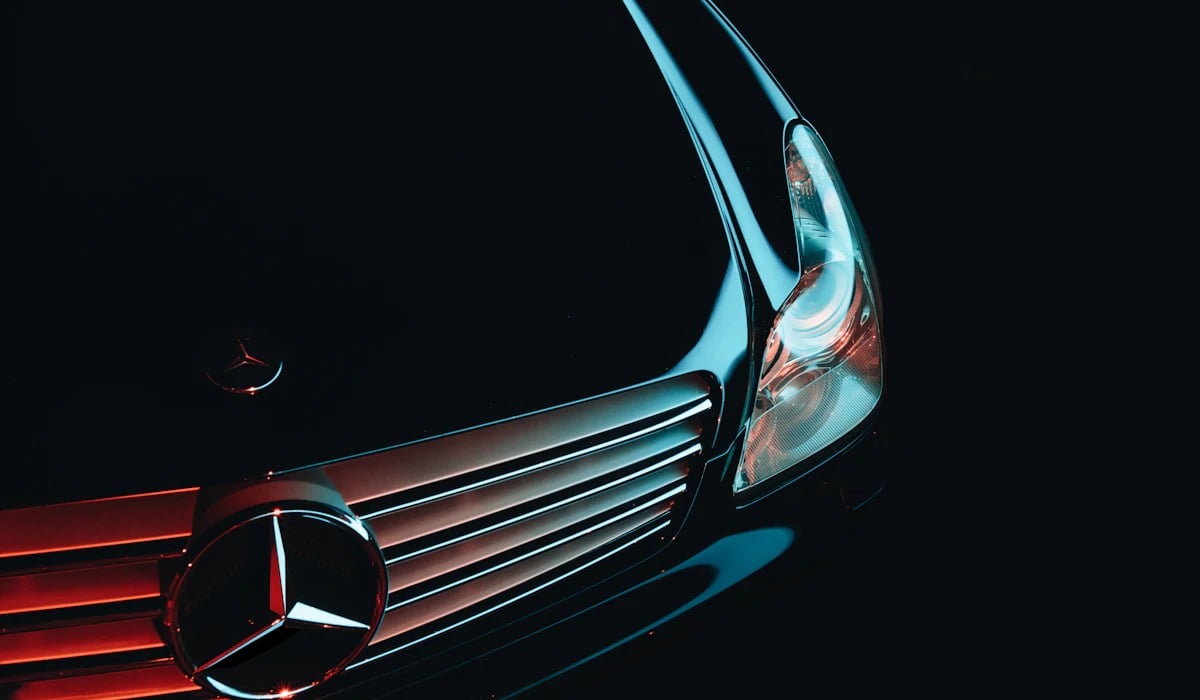
The W123 is one of the toughest cars ever built. Mercedes-Benz built it at its East London plant, and it became a common sight on South African roads through the late ’70s and ’80s.
It was solid, comfortable and nearly unbreakable. Diesel versions ran forever, which made them favourites as taxis in many countries and as long-distance workhorses at home.
But even the W123 has limits. Decades of hard work wore them out, and many ended up as farm vehicles or rusting in backyards.
You still spot the odd one, usually with a proud owner. A clean W123 now commands strong prices, and you can see why when you close the doors and hear that solid thunk.
28. Honda Ballade
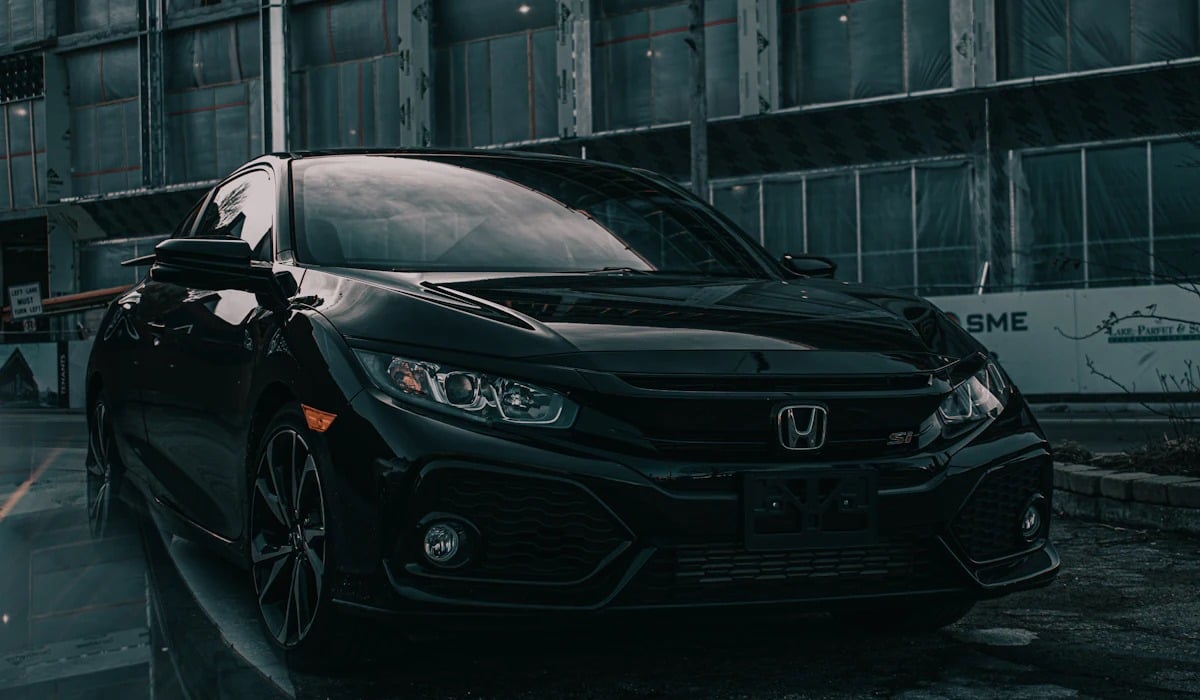
The Ballade has an interesting South African twist. Mercedes-Benz South Africa built it at its East London plant from 1982, under a deal with Honda.
It was compact, reliable and had a clever engine. For buyers who wanted something economical but well put together, it ticked every box.
Later Ballades stayed popular for years, but the ’80s versions are now rare. Most were driven until they stopped, and few were ever saved.
A clean early Ballade now gets real attention from people who remember that unusual Mercedes connection.
29. Chevrolet Citation
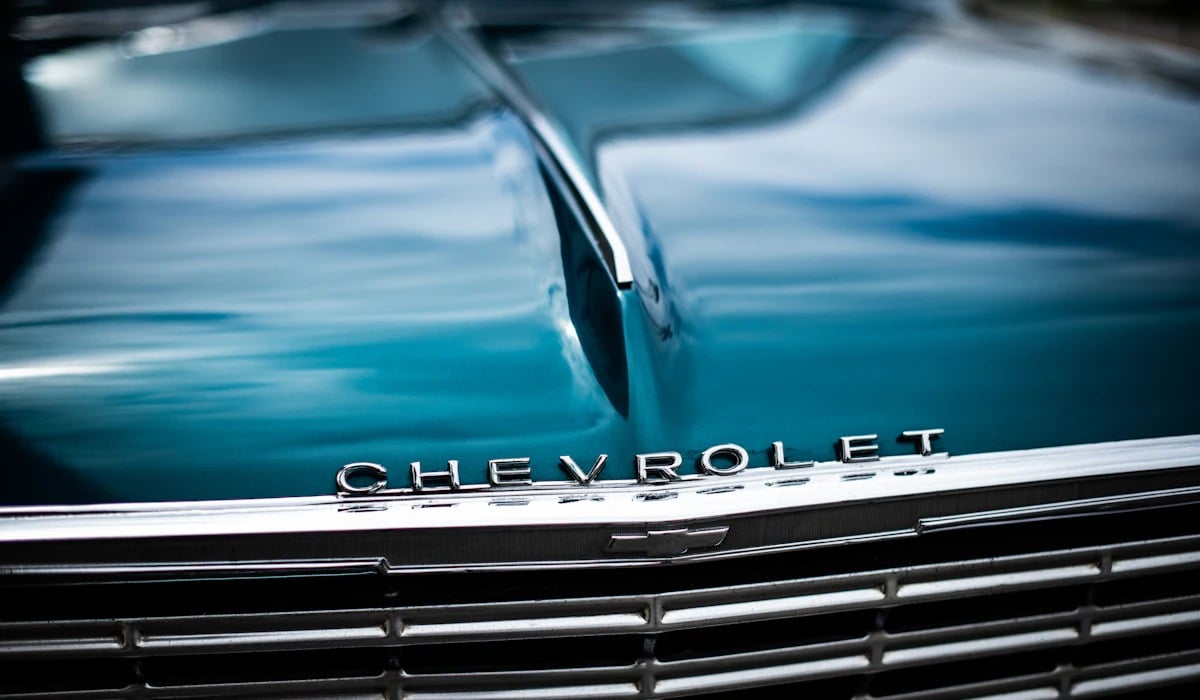
Chevrolet launched the Citation in 1979 as a 1980 model, and it won Motor Trend Car of the Year. It was a front-wheel-drive compact that GM hoped would take on imports.
Sales started strong, but recalls followed, including problems with the brakes that hurt the car’s reputation. Buyers turned away fast, and production ended in 1985.
Millions were sold, yet the Citation has almost vanished. Owners felt let down, so few bothered to preserve theirs once the next car came along.
It is a sharp example of how fast a car can go from magazine cover hero to forgotten.
Parked in Memory, Not in the Driveway
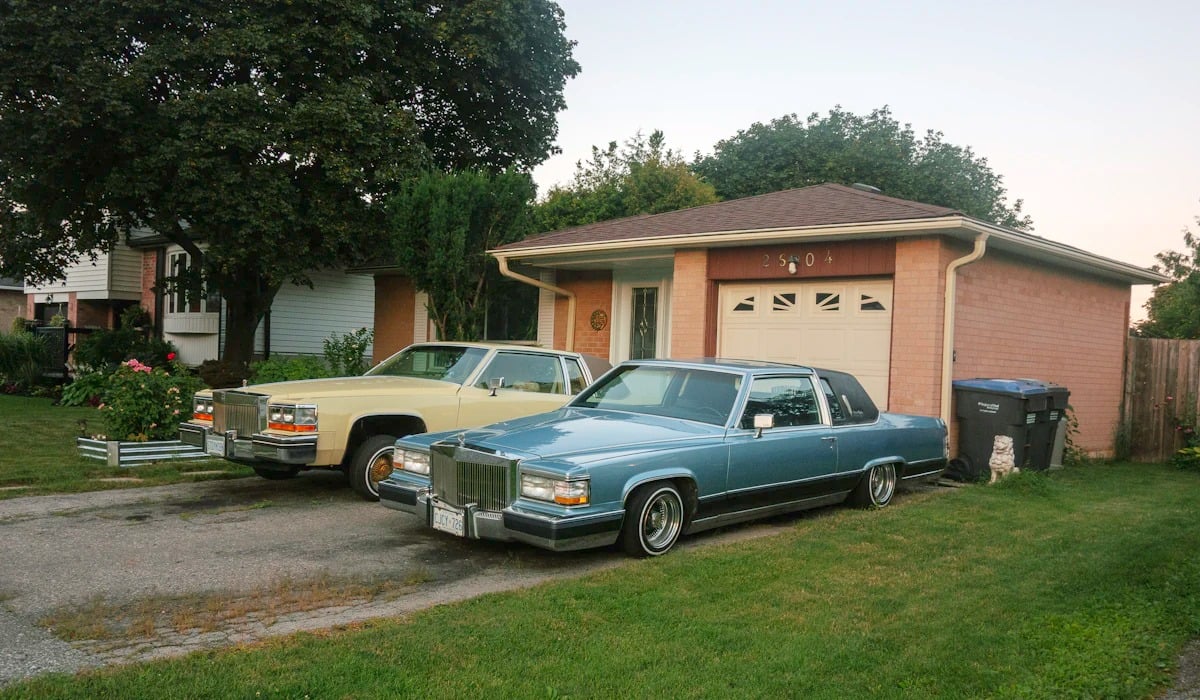
These cars were not built to be remembered. They were built to get you to work, carry the groceries and take the family to the coast in December.
Most of them did exactly that, until they could not.
What is left now is a scattering of survivors and a lot of memories. If you still own one of these cars, keep it.
Check the rust, keep the paperwork, and find a mechanic who knows the model before you need one.
And if you see one at a traffic light, roll down your window and say something. The owner will have a story.
They always do.
MORE FROM GO2TUTORS!

- The Romanov Crown Jewels and Their Tragic Fate
- 13 Historical Mysteries That Science Still Can’t Solve
- Famous Hoaxes That Fooled the World for Years
- 15 Child Stars with Tragic Adult Lives
- 16 Famous Jewelry Pieces in History
Like Go2Tutors’s content? Follow us on MSN.