29 Everyday Products With Surprisingly Fascinating Origin Stories
There’s something quietly humbling about picking up an object you’ve used a thousand times and realizing you have absolutely no idea where it came from. Not the store. Not the factory. The actual origin — the strange accident, the wartime shortage, the desperate inventor in a cluttered workshop who was trying to solve a completely different problem.
Everyday products carry these stories with them, invisible and patient, waiting for someone to ask. Here are 29 of them.
Post-it Notes

The adhesive on a Post-it Note was an accident — a failed attempt at a super-strong glue that turned out to be too weak to be useful. Spencer Silver at 3M invented it in 1968 and spent years trying to convince anyone that a glue you could peel off was worth something.
It wasn’t until his colleague Art Fry used it to keep bookmarks in his hymnal that the product found its purpose, which is either a great story about patience or a great story about church.
Bubble Wrap
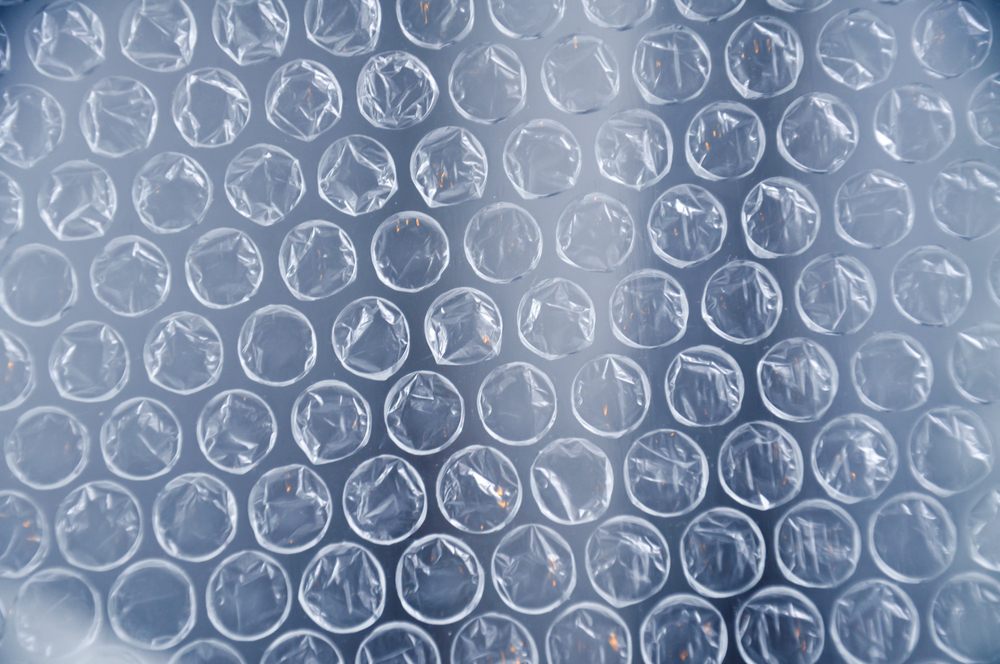
Bubble Wrap was invented in 1957 by Alfred Fielding and Marc Chavannes, and they were not trying to protect fragile packages — they were trying to make textured wallpaper. The wallpaper idea failed completely.
So they tried marketing it as greenhouse insulation, which also failed. It took until 1960 for IBM to start using it to ship computers, and suddenly a product that had been rejected twice became indispensable.
Cornflakes
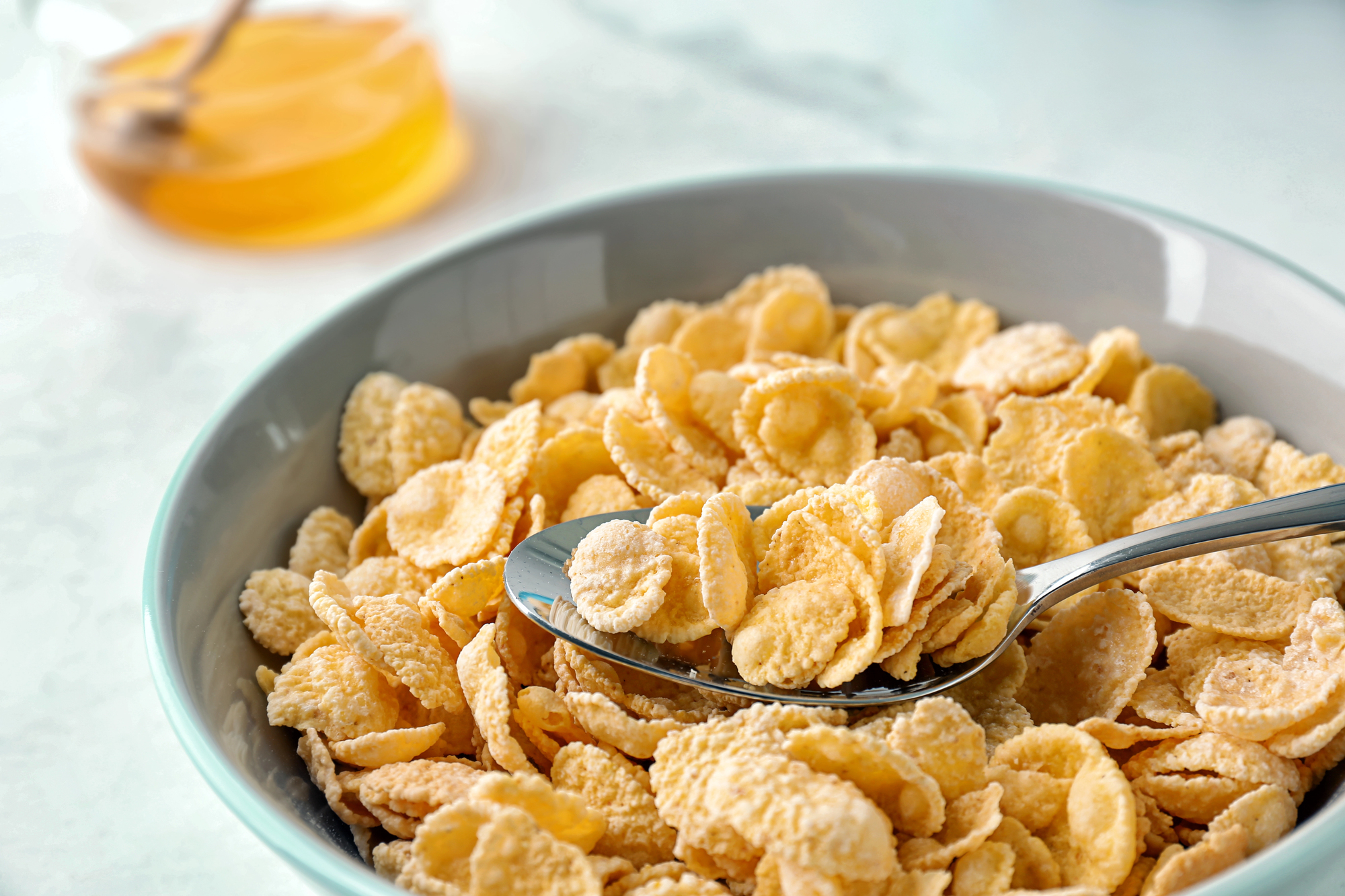
Cornflakes began as a dietary intervention, not a breakfast food. John Harvey Kellogg — physician, health reformer, and a man with very strong opinions about what humans should eat — developed them at a sanitarium in Battle Creek, Michigan, as a bland, easy-to-digest food for patients.
The idea was that plain food would calm the nervous system. Whether it actually worked is debatable, but it did accidentally create a breakfast industry worth billions.
Velcro
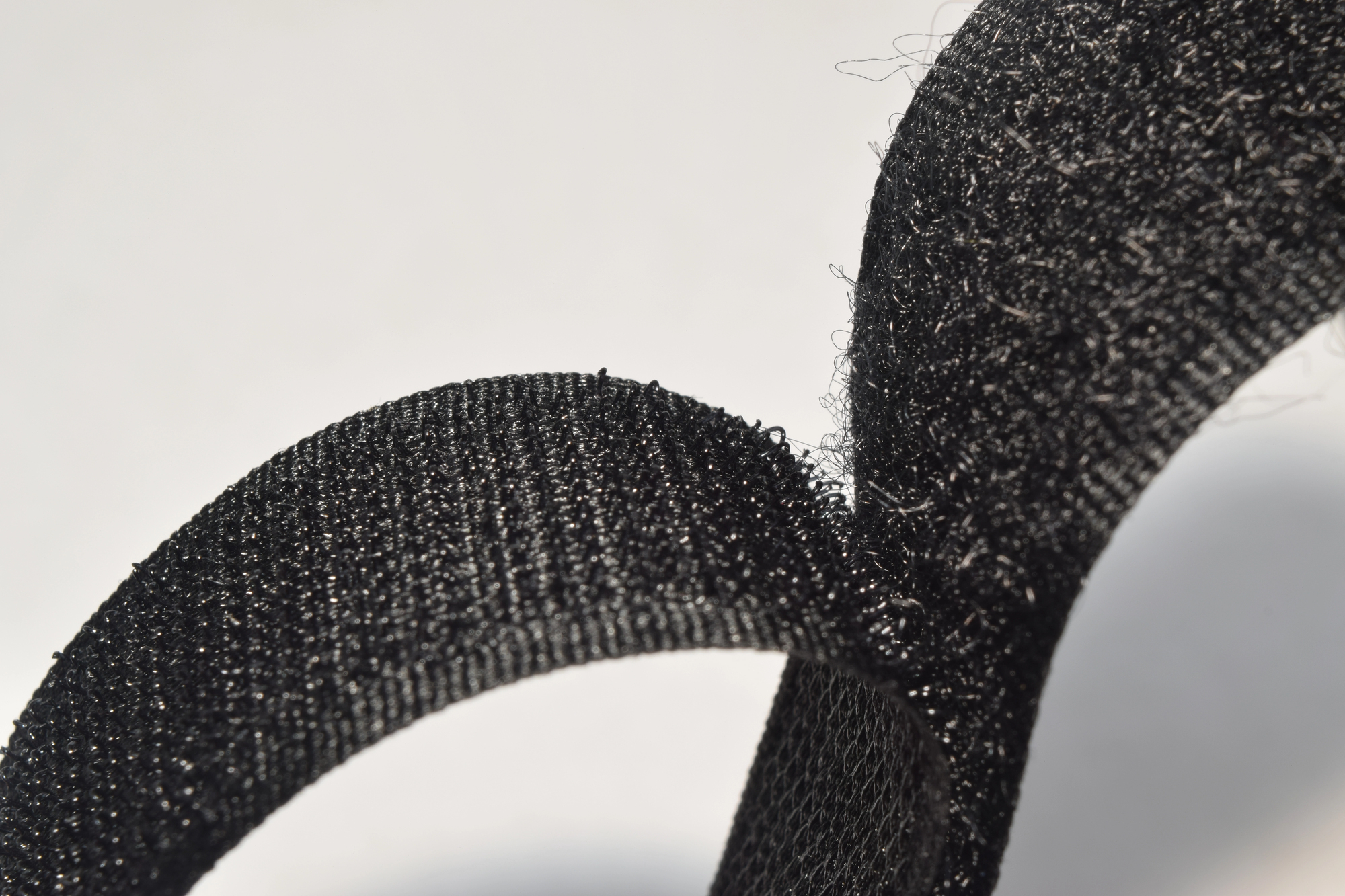
Velcro looks like the kind of thing someone designed very carefully, which makes it almost funny that it came from a walk in the woods. In 1941, Swiss engineer George de Mestral returned from a hike covered in burdock burrs — those stubborn seed pods that cling to fabric and fur — and instead of being annoyed, he put one under a microscope.
What he saw was a system of tiny hooks, and he spent the next eight years figuring out how to replicate it in fabric. Nature had already done the engineering.
WD-40
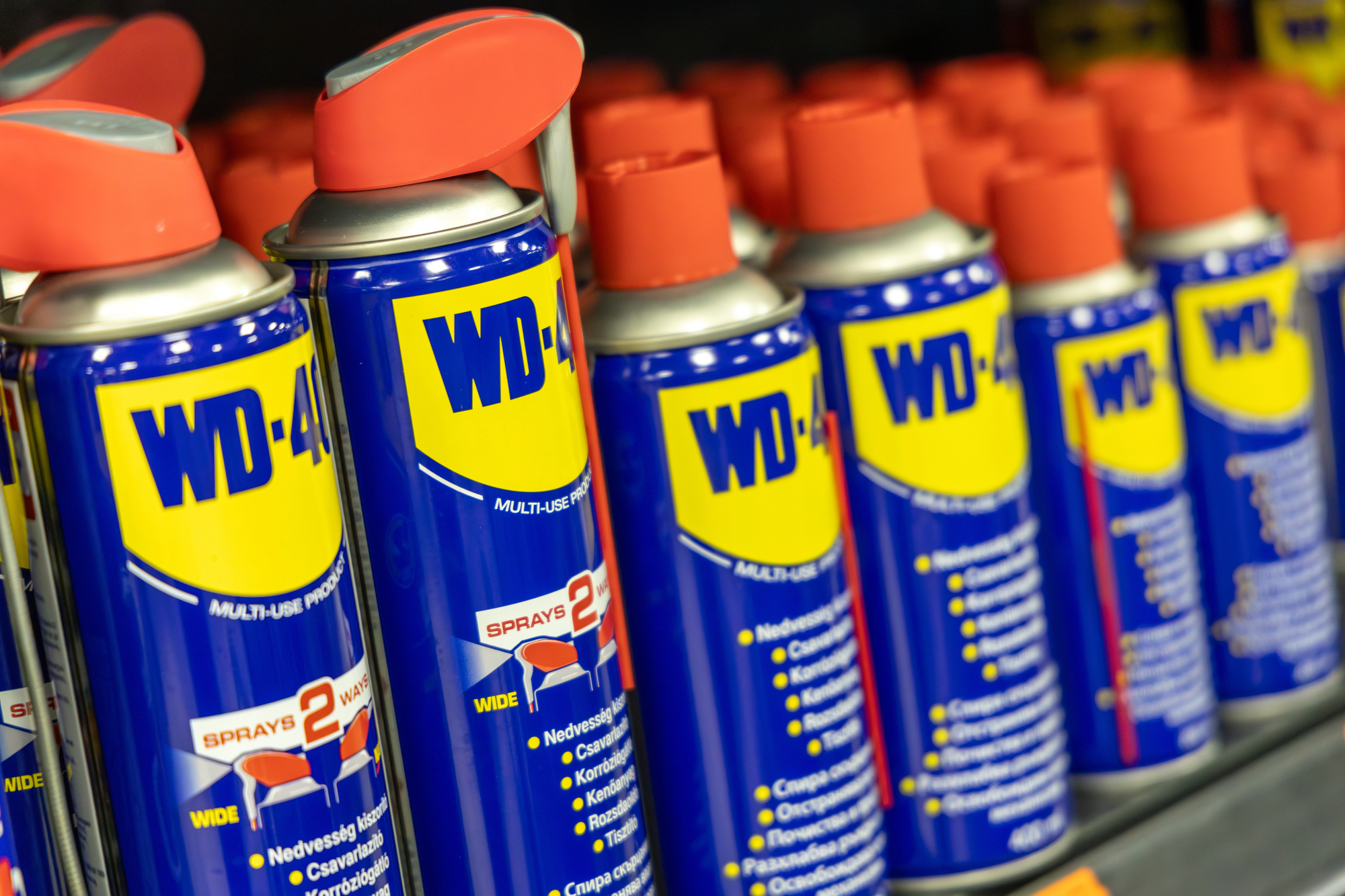
WD-40 is named for exactly what it is: the 40th attempt at a Water Displacement formula. The Rocket Chemical Company spent 39 tries in 1953 getting the formula wrong before landing on the version that worked.
It was originally developed to prevent rust on Atlas missile parts. Somewhere between the missile testing facilities and the hardware store shelf, it became the thing you reach for when a squeaky hinge is driving you to the edge of reason.
Play-Doh
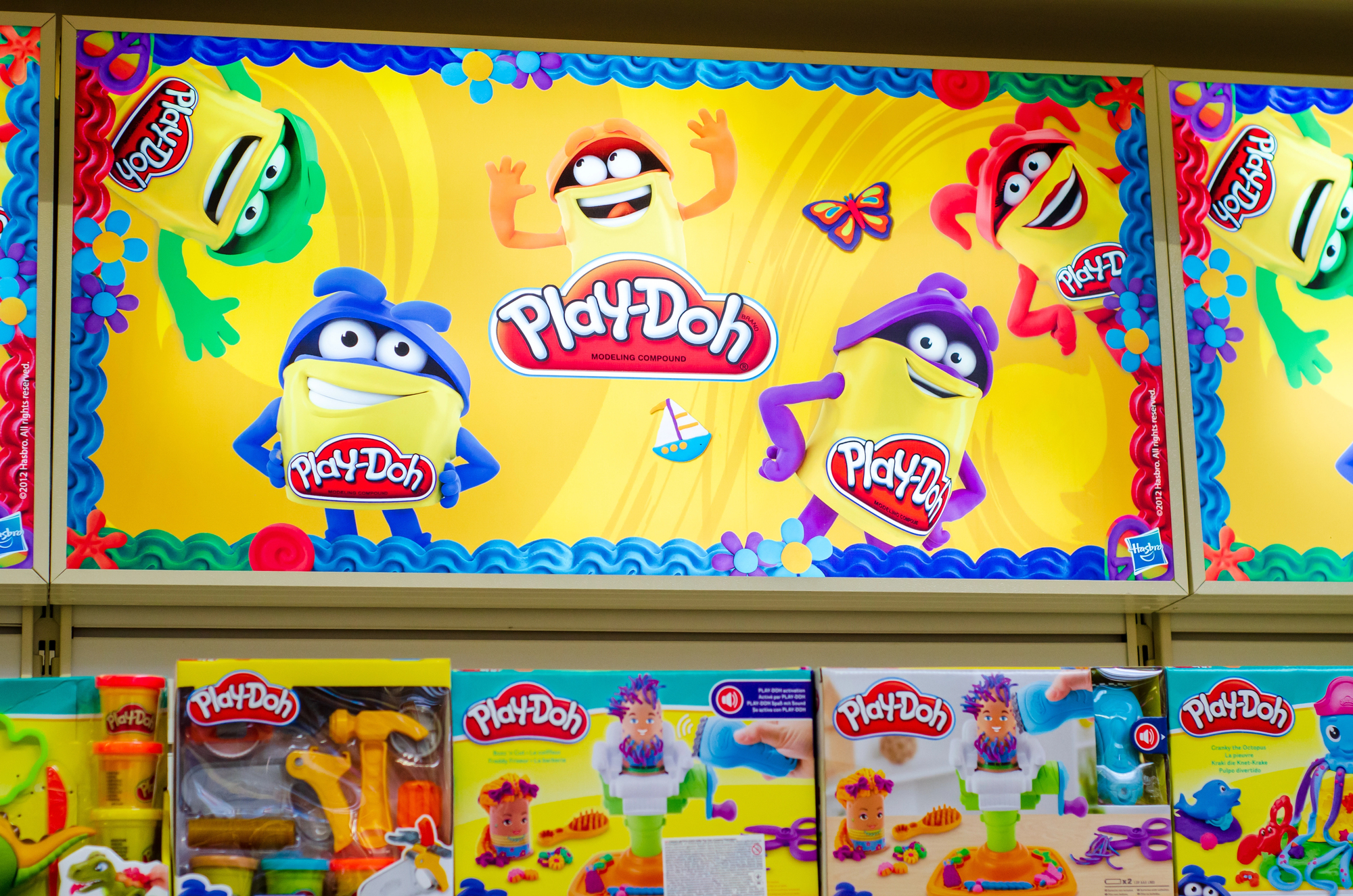
Play-Doh started as a wallpaper cleaner. A non-toxic, pliable compound called Kutol was sold in the 1950s to help families wipe coal soot off their walls.
When homes switched from coal heat to natural gas, the soot problem disappeared and the product had no market. A nursery school teacher named Kay Zufall — the sister-in-law of the manufacturer — suggested giving it to children to use as modeling clay instead.
The name was changed, the colors were added, and Kutol became Play-Doh.
Chocolate Chip Cookies
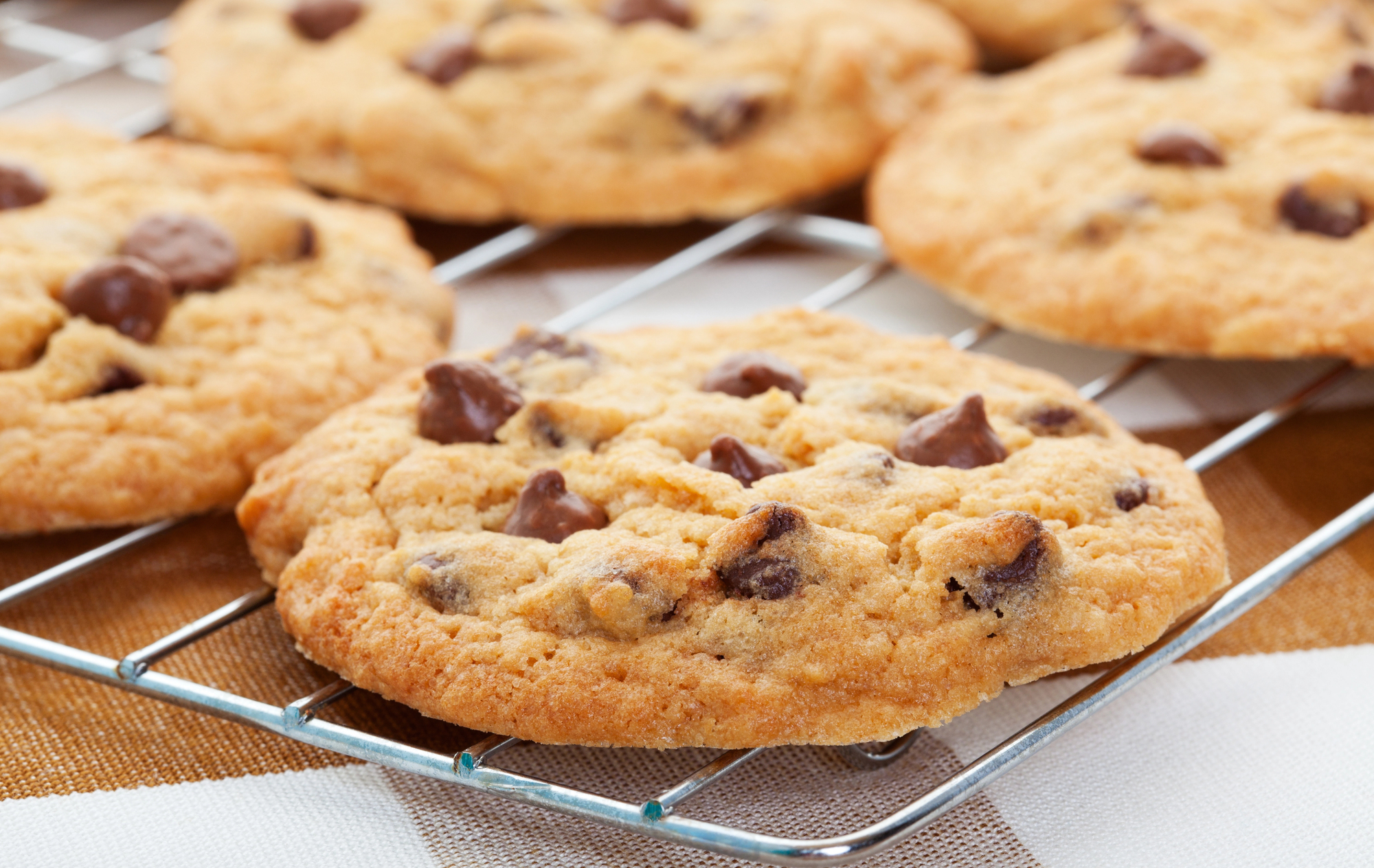
The chocolate chip cookie was not the result of someone craving chocolate. Ruth Wakefield, owner of the Toll House Inn in Massachusetts, was making butter cookies in 1937 and broke up a Nestlé chocolate bar into pieces, expecting them to melt and spread through the dough.
They didn’t melt — they held their shape. What she expected to become a chocolate cookie became something better, and the Toll House recipe is still printed on the back of Nestlé chocolate bags today.
Silly Putty
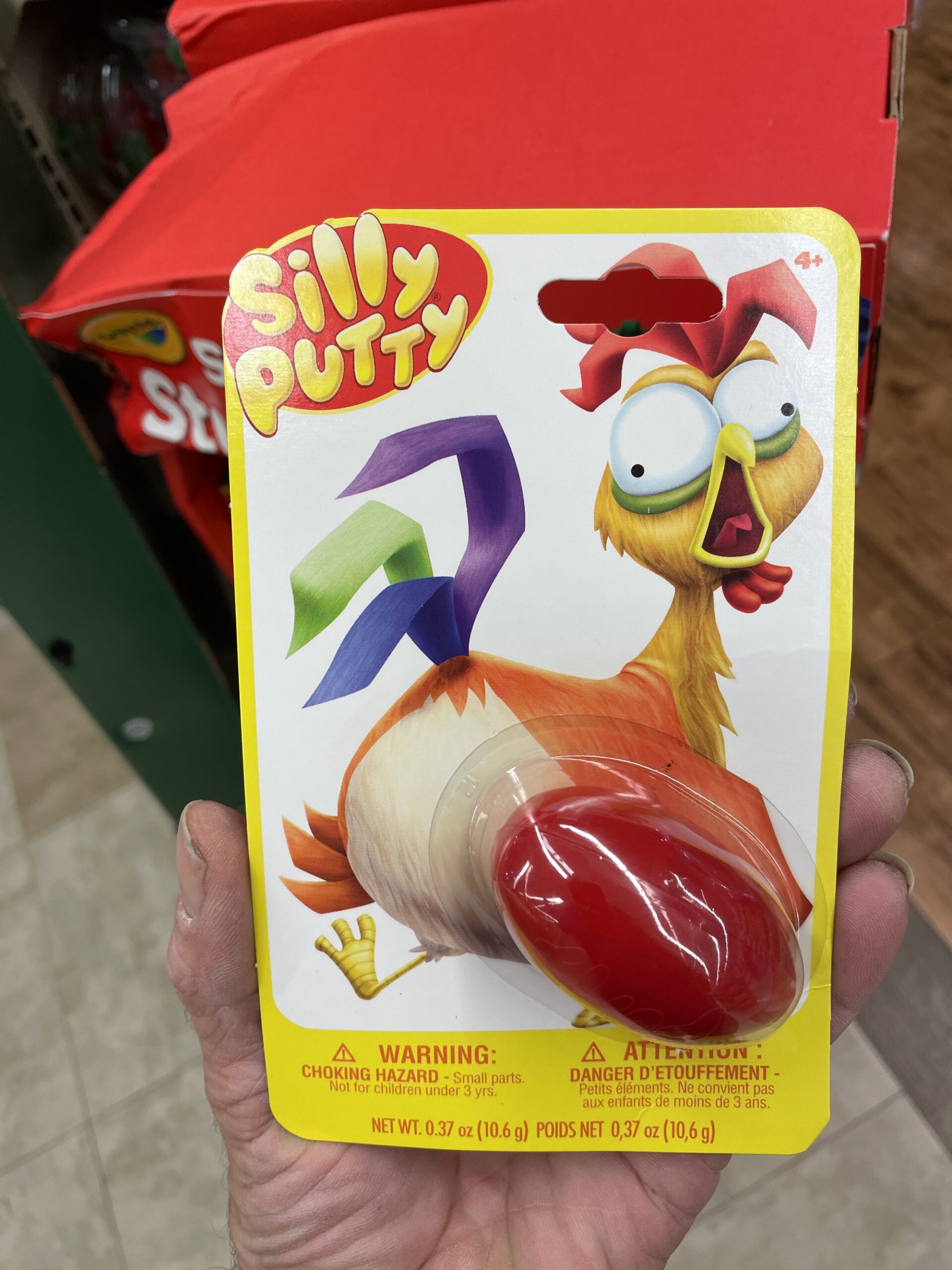
Silly Putty is a failed substitute for rubber. During World War II, the U.S. was desperately short on natural rubber and tasked scientists with finding a synthetic replacement.
James Wright at General Electric mixed boric acid with silicone oil in 1943 and produced a bouncy, stretchy compound that had no practical applications whatsoever — it couldn’t replace rubber, couldn’t hold a shape, couldn’t do much of anything useful. It sat in limbo for years before someone realized children would lose their minds over it.
Microwave Ovens
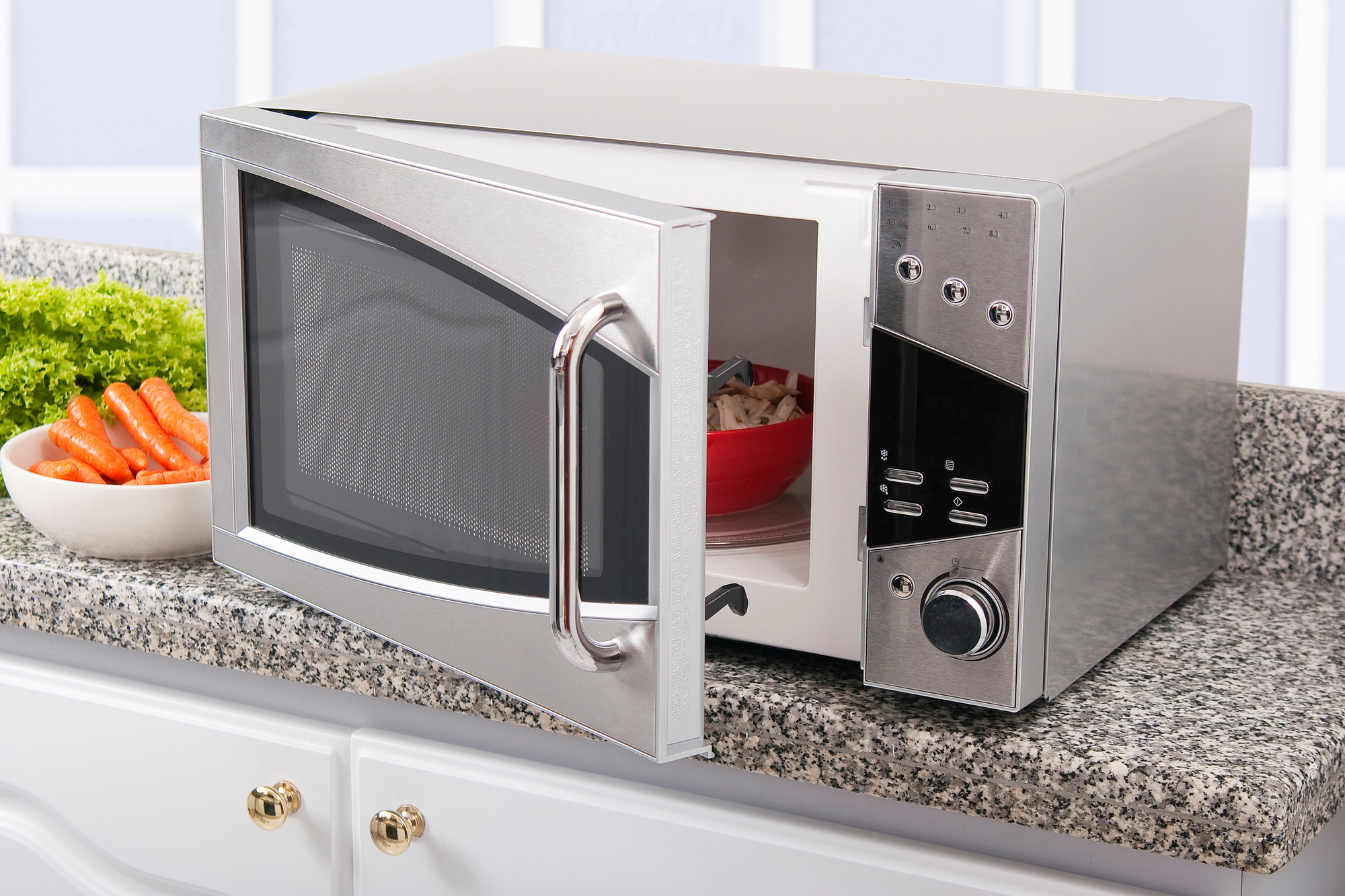
The microwave oven exists because Percy Spencer walked past a magnetron — a radar-related vacuum tube — and noticed the chocolate bar in his pocket had melted. That was 1945, and Spencer, an engineer at Raytheon, did not dismiss the observation.
He started deliberately placing food in front of the magnetron: popcorn, then an egg (which reportedly exploded), then a proper experiment. The first commercial microwave was called the Radarange, stood nearly 6 feet tall, and cost around $5,000.
Safety Glass
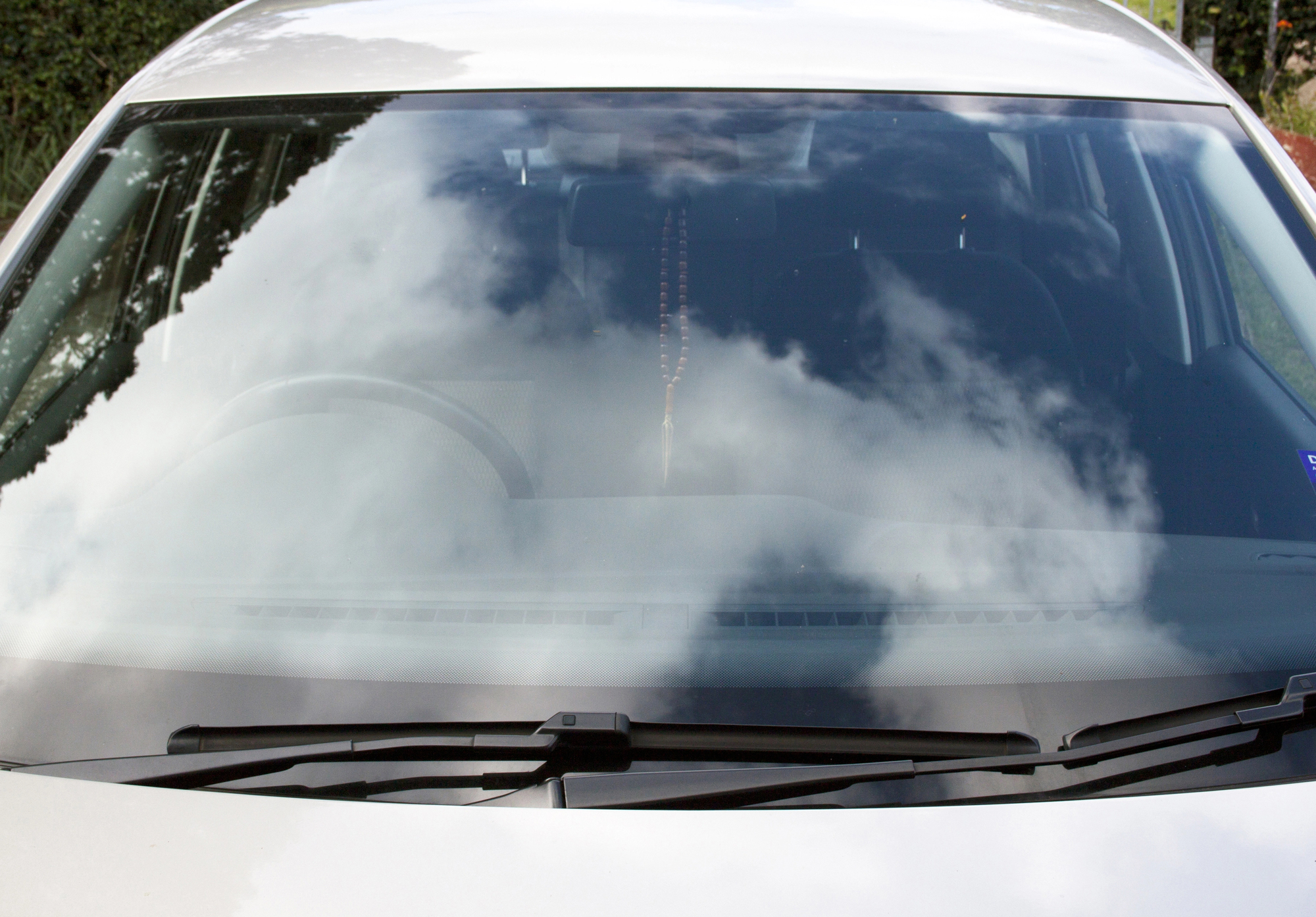
Safety glass — the kind that shatters into rounded, relatively harmless chunks — was discovered when a French chemist named Édouard Bénédictus dropped a glass flask in his lab in 1903 and noticed it cracked but didn’t shatter. The flask had contained cellulose nitrate, a plastic coating that had dried on the inside and held the broken pieces together.
Bénédictus patented the concept, which eventually became the laminated safety glass used in car windshields. The world is safer because someone dropped something.
Teflon
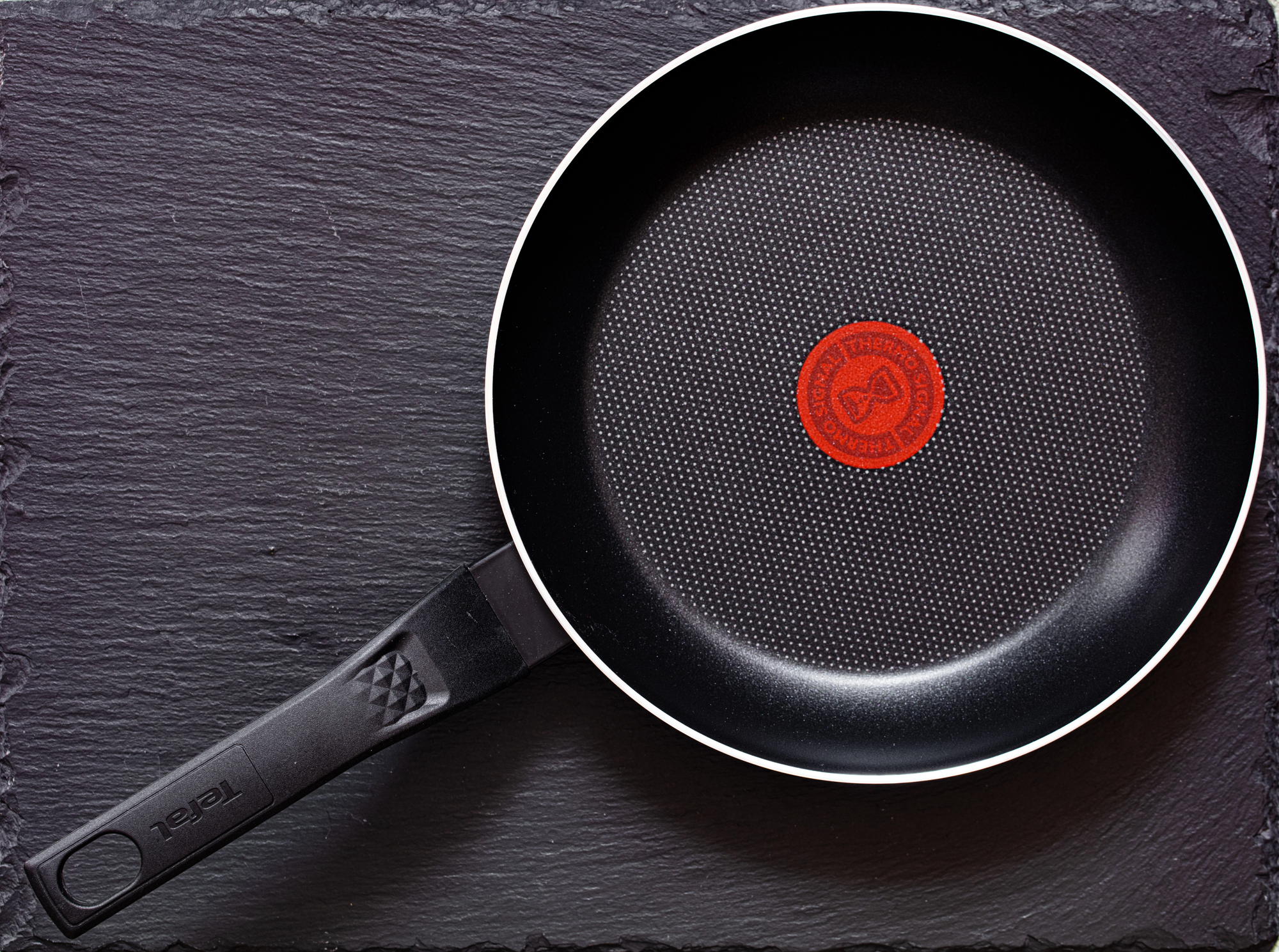
Teflon was discovered by accident in 1938, when Roy Plunkett at DuPont was working with refrigerant gases and found that one of his samples had polymerized overnight into a white, slippery, extremely heat-resistant solid. He had not been trying to create a non-stick coating — he had been trying to develop a new refrigerant.
The compound, polytetrafluoroethylene, eventually made it onto cookware in the 1960s, though the path from lab curiosity to frying pan took a surprisingly long time.
Band-Aids
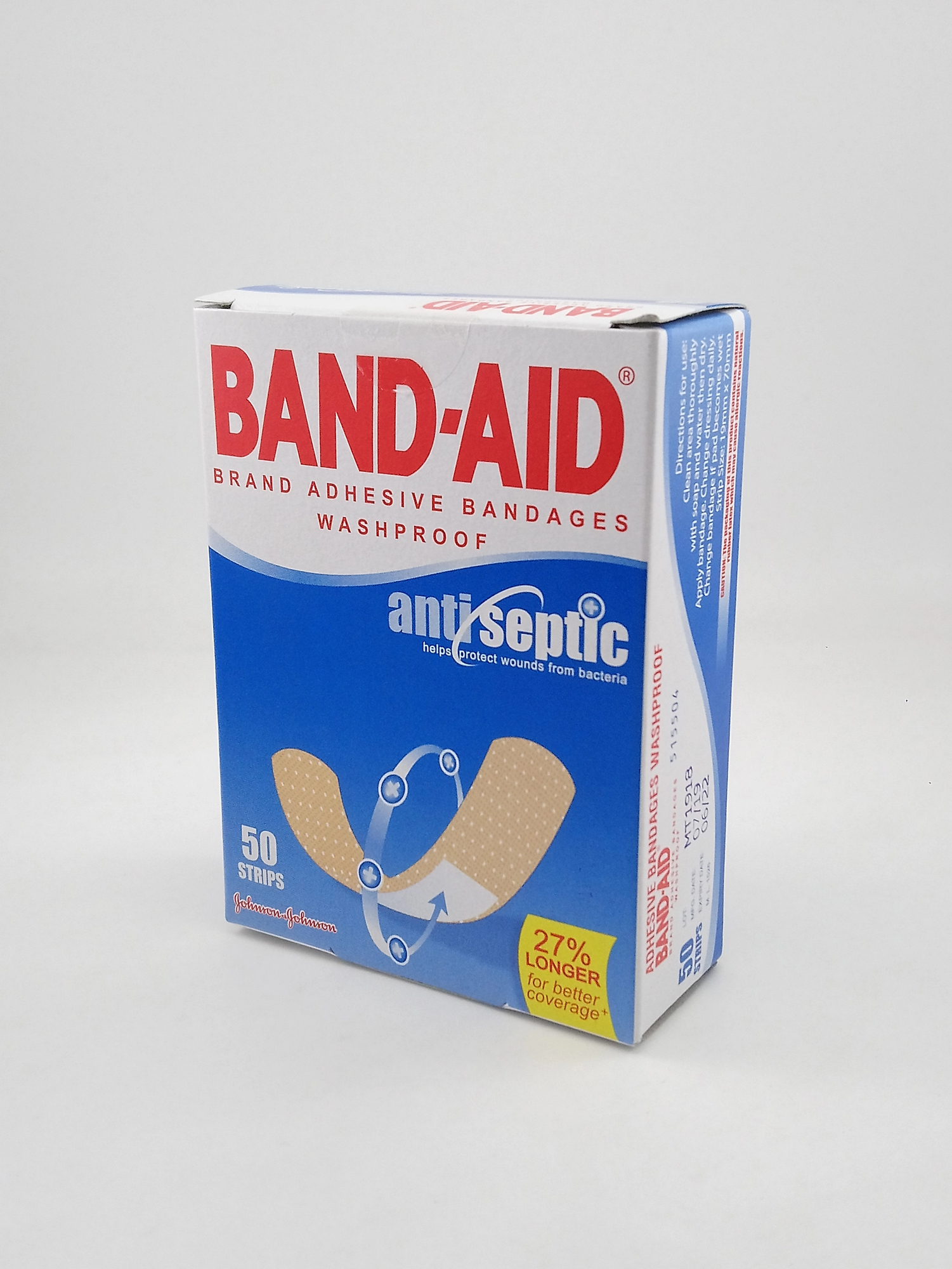
Band-Aids exist because Earle Dickson’s wife kept cutting herself in the kitchen. Dickson was a cotton buyer for Johnson & Johnson in 1920, and he was tired of making makeshift bandages for his wife Josephine’s frequent kitchen accidents.
He started pre-attaching gauze to strips of adhesive tape so she could bandage herself without help. He showed the idea to his employer, Johnson & Johnson produced it commercially, and Dickson was eventually made a vice president — which feels like an appropriate reward.
Superglue
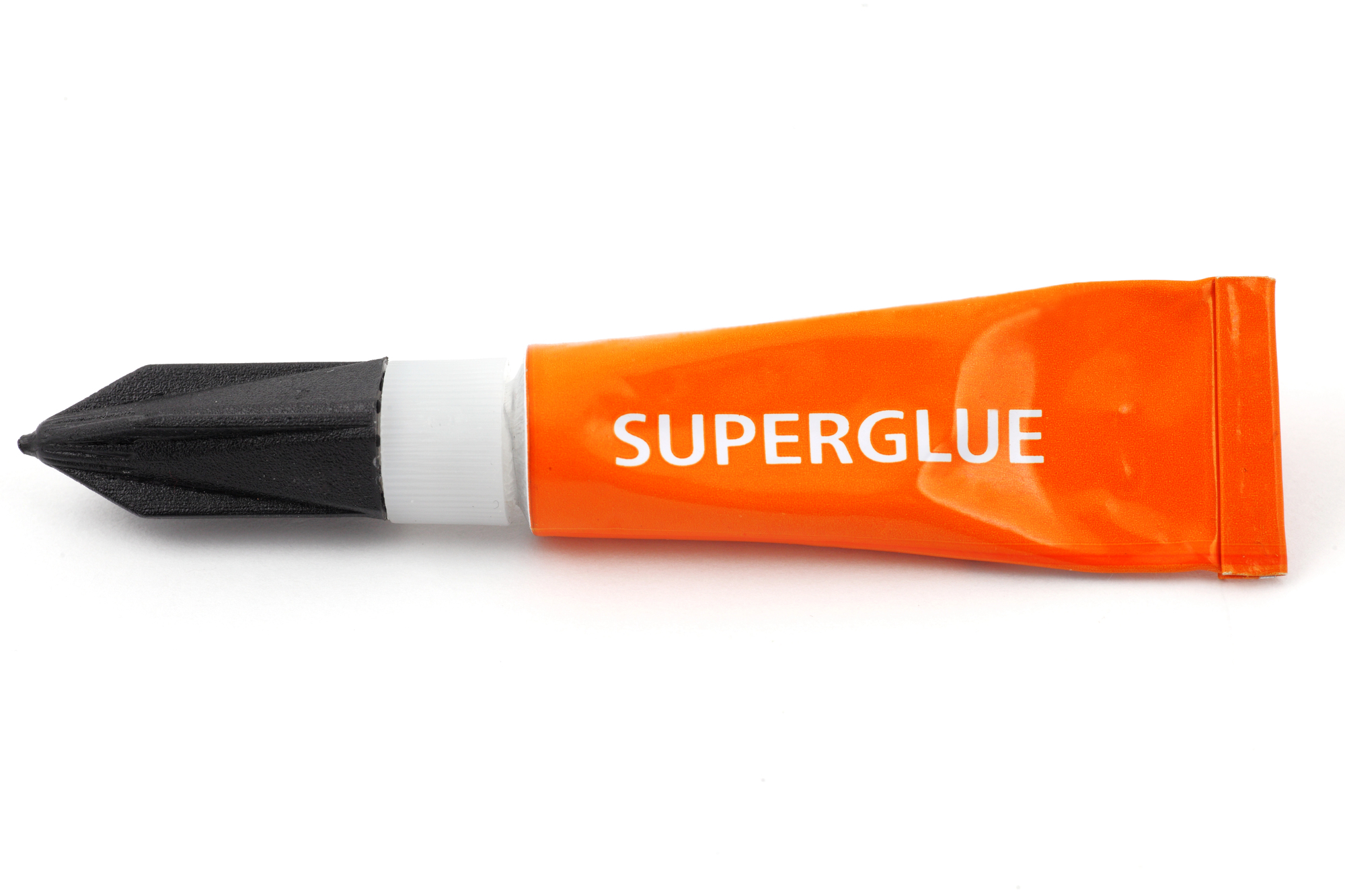
Superglue was invented twice by accident. In 1942, Dr. Harry Coover was attempting to make clear plastic gun sights for rifles and accidentally created cyanoacrylate — a compound that bonded to everything it touched.
He dismissed it as useless and moved on. Six years later, he was working on a heat-resistant coating for jet canopies and ran across cyanoacrylate again, and this time he recognized what it was.
That second encounter — the one where he actually stopped to think — is the one that changed things.
Popsicles

The Popsicle was invented by an 11-year-old named Frank Epperson in 1905, who accidentally left a cup of powdered soda mix and water outside on a cold San Francisco night with a mixing stick still in it. He found it frozen the next morning, tasted it, and liked it.
He didn’t patent the idea until 1923, when his own children started asking for his “Ep-sicles.” The name Popsicle came later, when he sold the patent, along with his claim to one of the more lucrative accidental inventions in food history.
Penicillin
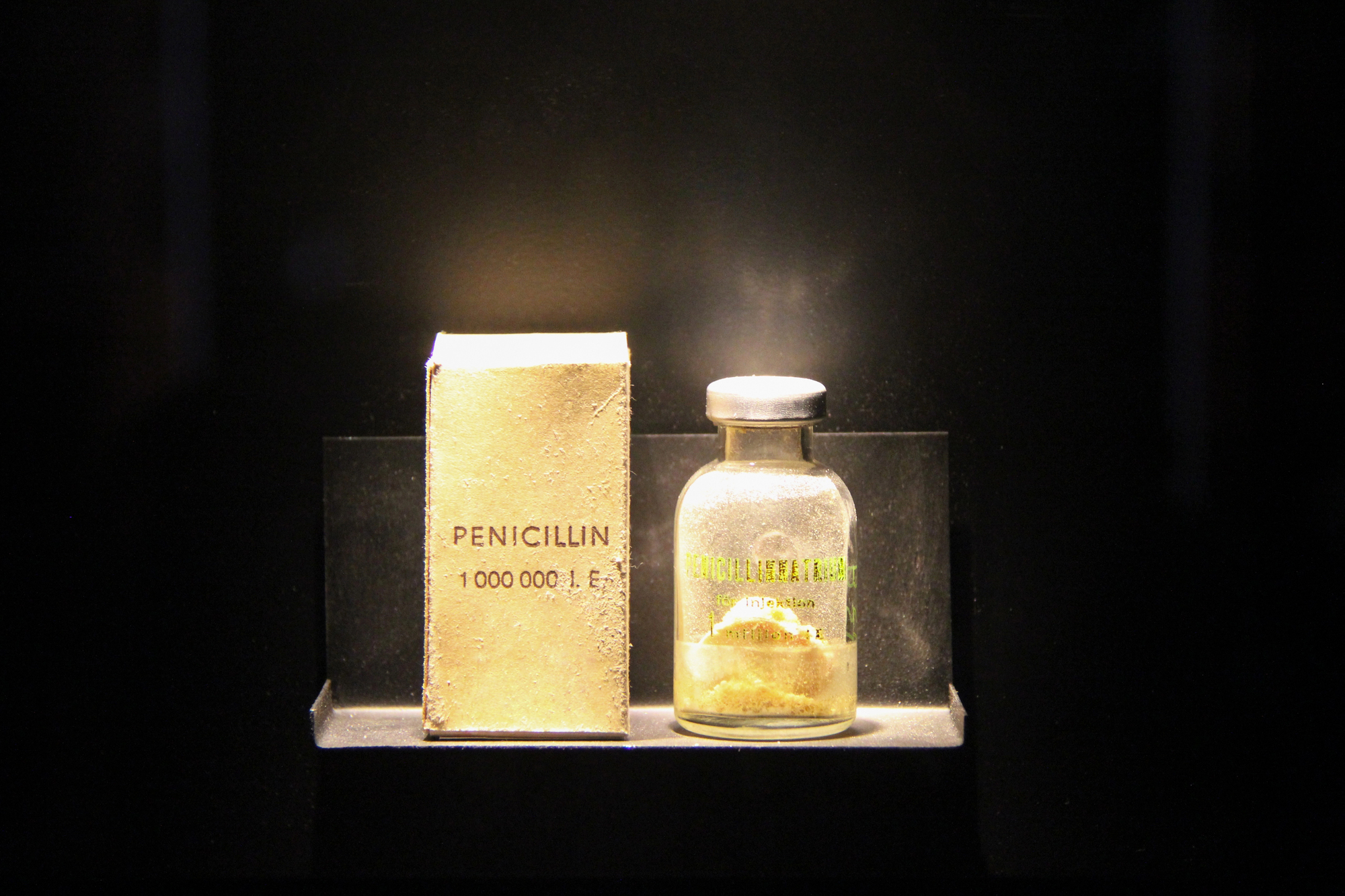
Penicillin is probably the most consequential accident in the history of medicine. Alexander Fleming returned from vacation in 1928 to find that a mold — Penicillium notatum — had contaminated one of his petri dishes and was killing the bacteria around it.
A less curious scientist would have thrown the dish away. Fleming noticed the kill zone, understood what it implied, and the rest of the work — turning that observation into an actual antibiotic — took another decade and a different team to complete, but the whole chain started with a ruined experiment.
Potato Chips
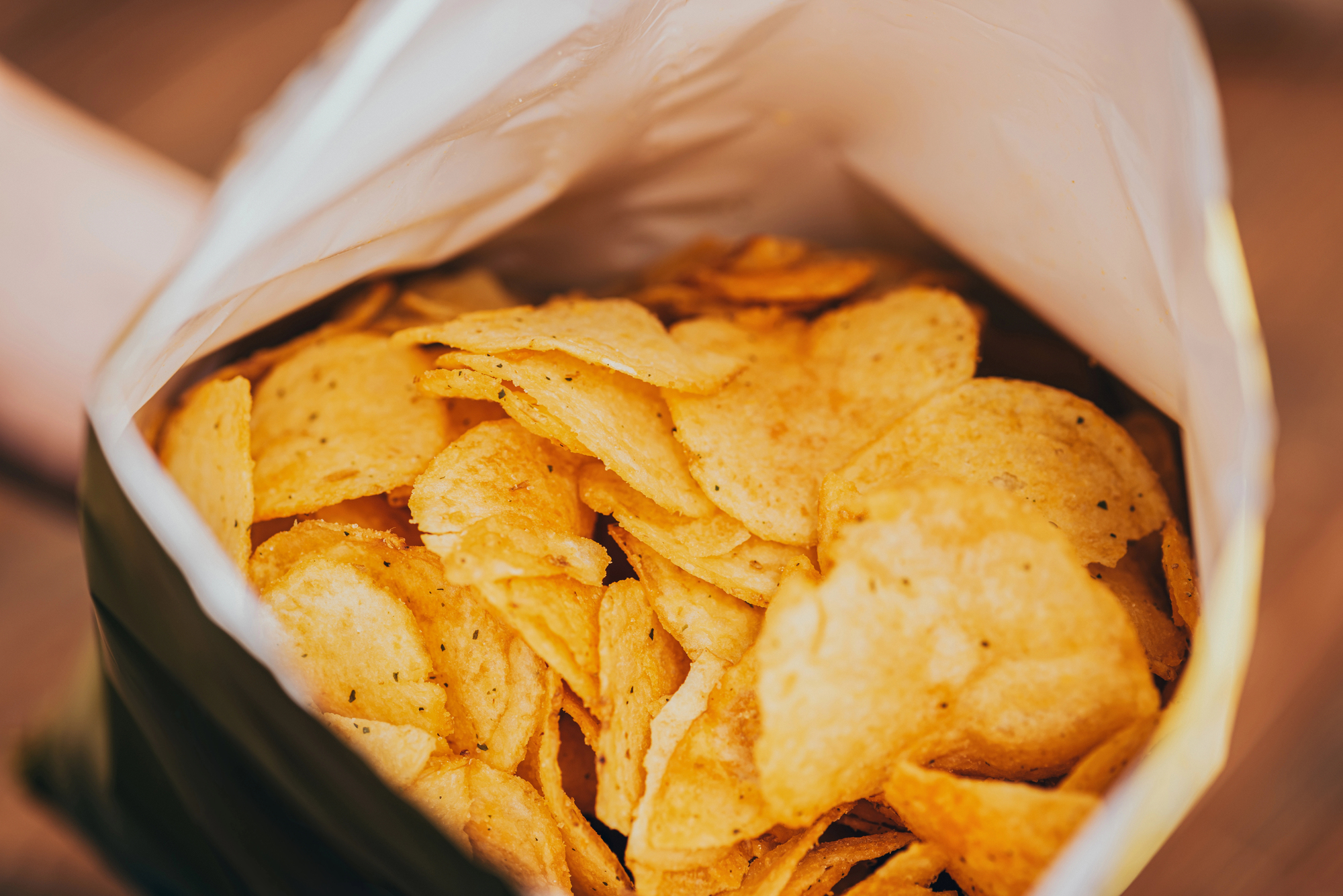
Potato chips were invented in a burst of spite. In 1853, chef George Crum was working at Moon’s Lake House in Saratoga Springs, New York, when a customer repeatedly sent his fried potatoes back to the kitchen, complaining they were too thick.
Crum, reportedly exasperated, sliced the potatoes paper-thin and fried them until they were crispy — expecting the customer to hate them. The customer loved them.
Crum had accidentally created the snack food that would go on to dominate every road trip and afternoon slump for the next 170 years.
Matches
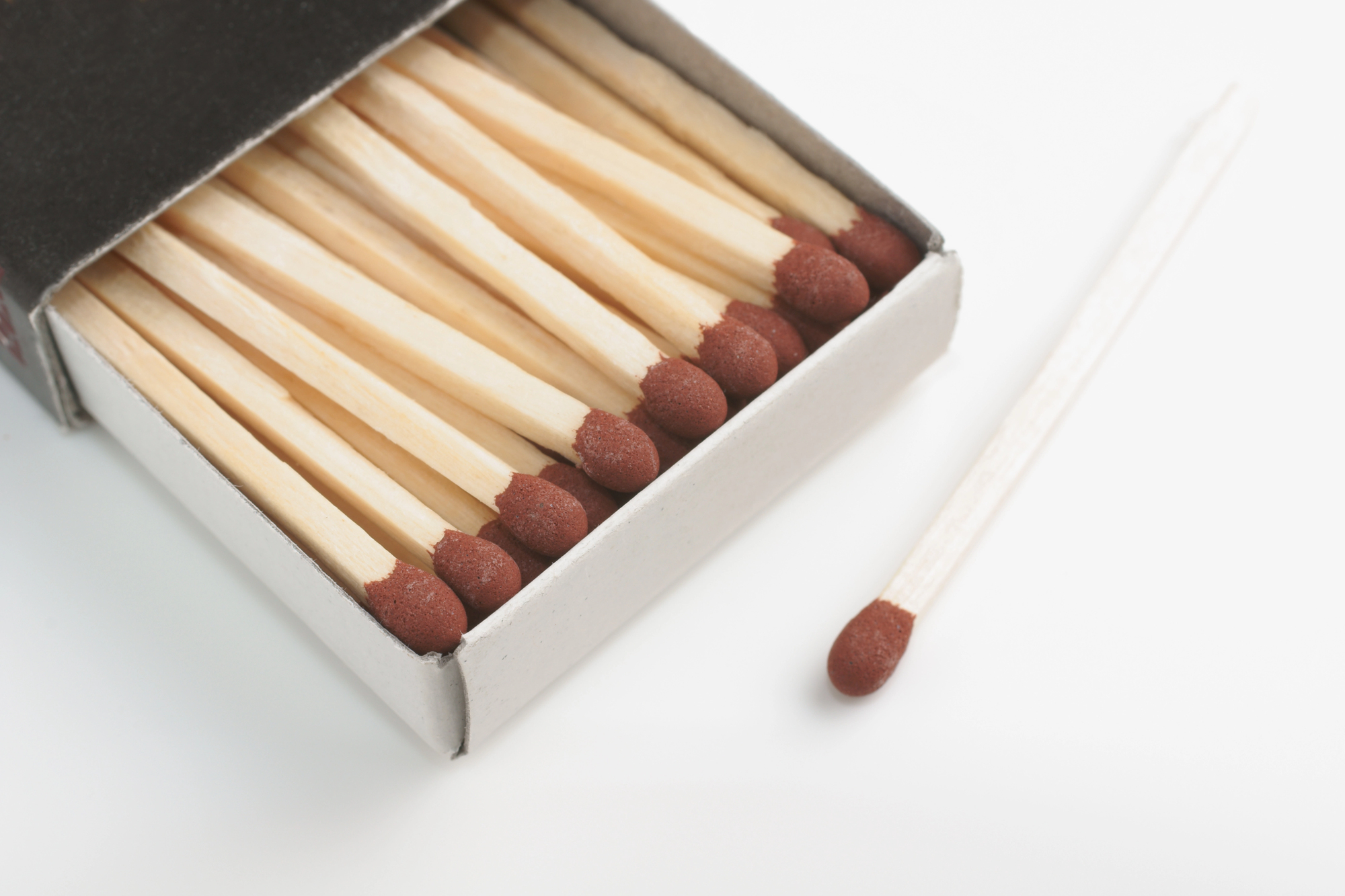
Matches were invented by accident in 1826 when English pharmacist John Walker was stirring a chemical mixture with a wooden stick and noticed, when he scraped it against the hearth, that it ignited. He didn’t patent it, which was a decision he possibly regretted — within a few years, others had copied the idea and were selling what Walker had called “Friction Lights” under various names.
The concept of controlled, portable fire had existed for most of human civilization; the accident was making it small enough to fit in a pocket.
Stainless Steel
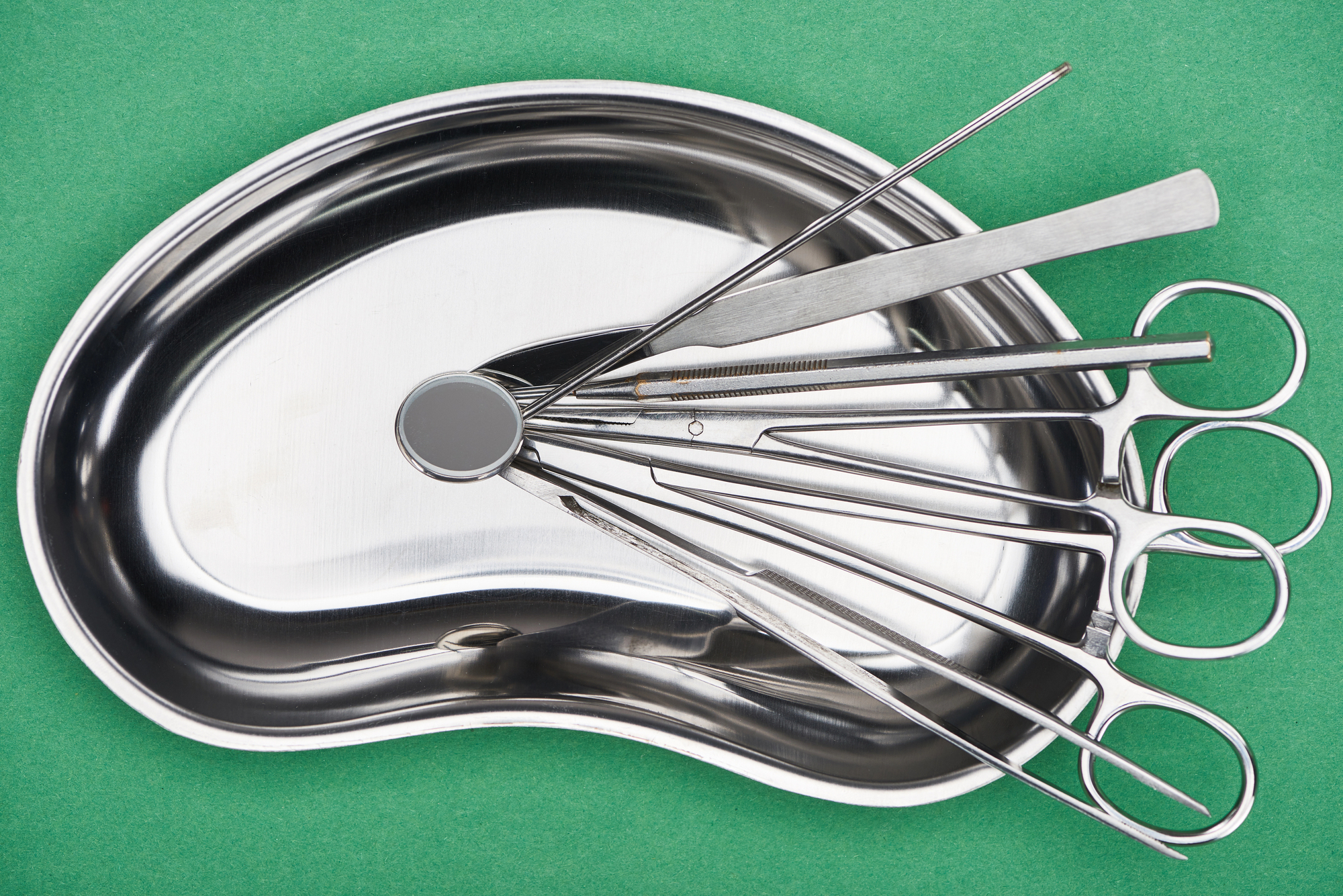
Stainless steel wasn’t being searched for — it was noticed. Harry Brearley, a British metallurgist, was experimenting with steel alloys in 1913 trying to improve gun barrels, and he discarded a chromium-iron alloy sample that didn’t meet his requirements.
Weeks later, he noticed it hadn’t rusted while other discarded samples had, like a single dry spot after rainfall, refusing to behave like everything around it. That particular combination — around 12.5 percent chromium — is still the baseline for stainless steel today.
Saccharin
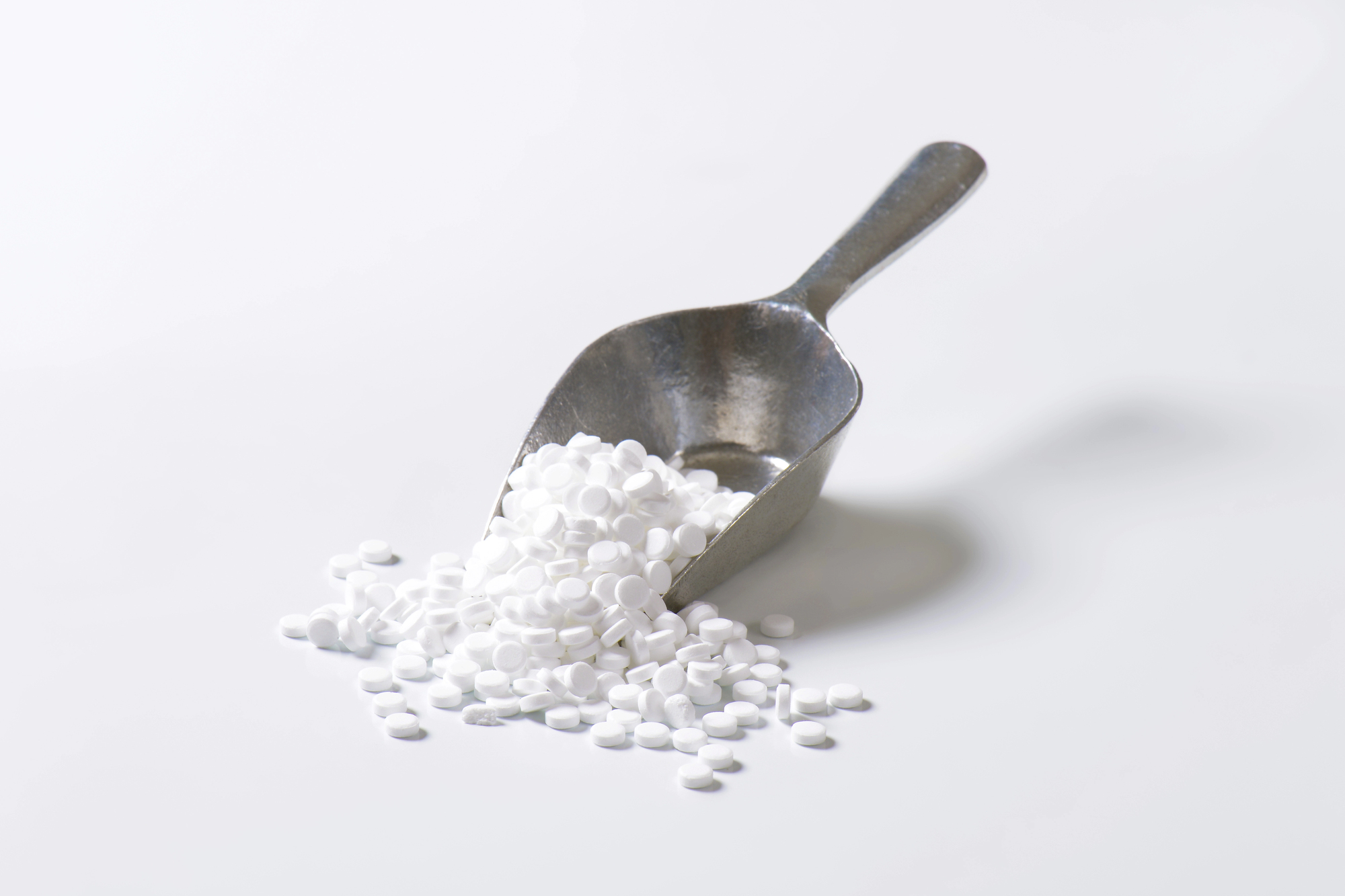
Saccharin, the first artificial sweetener, was discovered in 1879 when chemist Constantin Fahlberg forgot to wash his hands before dinner. He had been working with coal tar derivatives at Johns Hopkins University, and when he sat down to eat, he noticed his bread tasted unusually sweet.
He went back to the lab, tasted everything he’d been working with until he found the compound responsible, and named it saccharin — from the Latin for sugar. The fact that he tasted unknown coal tar compounds without apparent concern says something about 19th-century laboratory culture.
Vulcanized Rubber
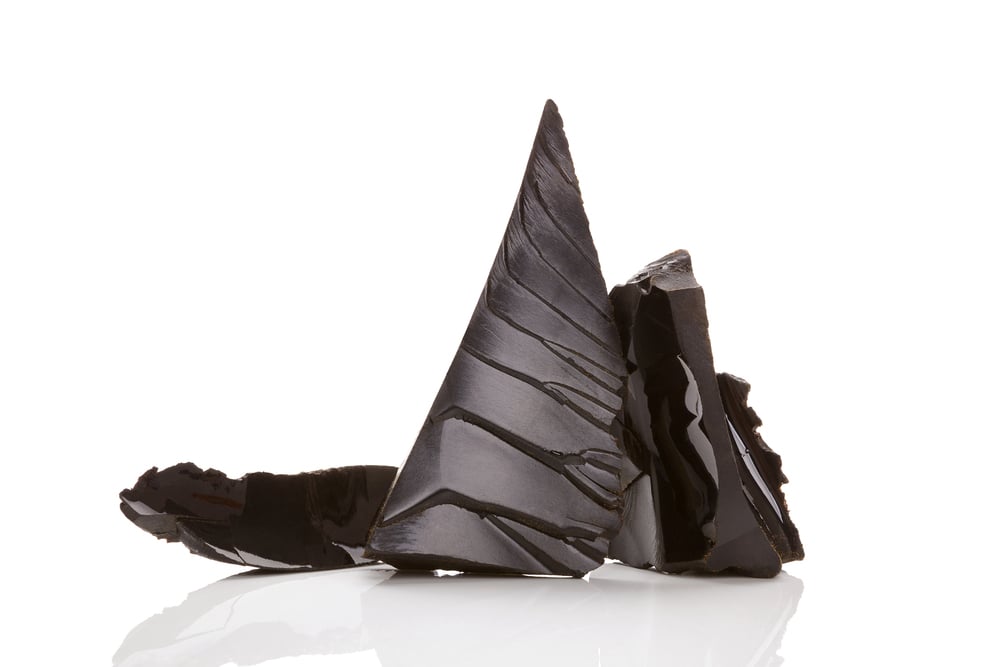
Vulcanized rubber, the process that made rubber durable and useful, was discovered when Charles Goodyear accidentally dropped rubber mixed with sulfur onto a hot stove in 1839. Natural rubber had been a frustrating material — it melted in heat and cracked in cold — and Goodyear had spent years obsessively trying to stabilize it, reportedly going bankrupt multiple times in the process.
The stove accident gave him the answer he’d been chasing. The process he discovered made tires, gaskets, hoses, and a dozen other modern essentials possible.
Ink-Jet Printing
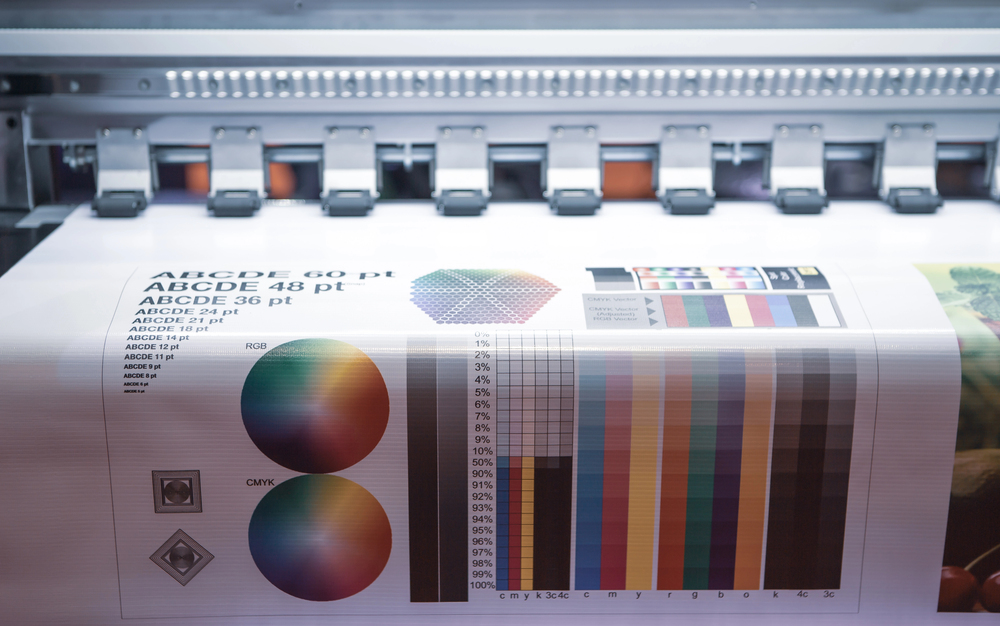
Ink-jet printing technology began when a Canon engineer set his pen down on a hot soldering iron by accident in 1977 and watched ink shoot out of the pen’s tip. The heat had vaporized a small amount of ink, creating a pressure spike that forced it out in a precise stream.
That observation — ink behaving predictably under heat — became the foundation of the thermal ink-jet technology that sits in millions of home printers, patiently waiting to run out of cyan at the exact moment you need it most.
Nylon

Nylon is one of the few products on this list that was genuinely invented on purpose — Wallace Carothers at DuPont set out in the early 1930s to create a synthetic fiber, and he succeeded. The first major application was stockings, which went on sale in 1940 and were so popular that 4 million pairs sold in the first few days.
What was less intentional was the scale of the cultural effect: nylon stockings became so embedded in daily life that women started referring to stockings themselves as “nylons,” which is a very rare thing for a brand name to achieve.
Ivory Soap
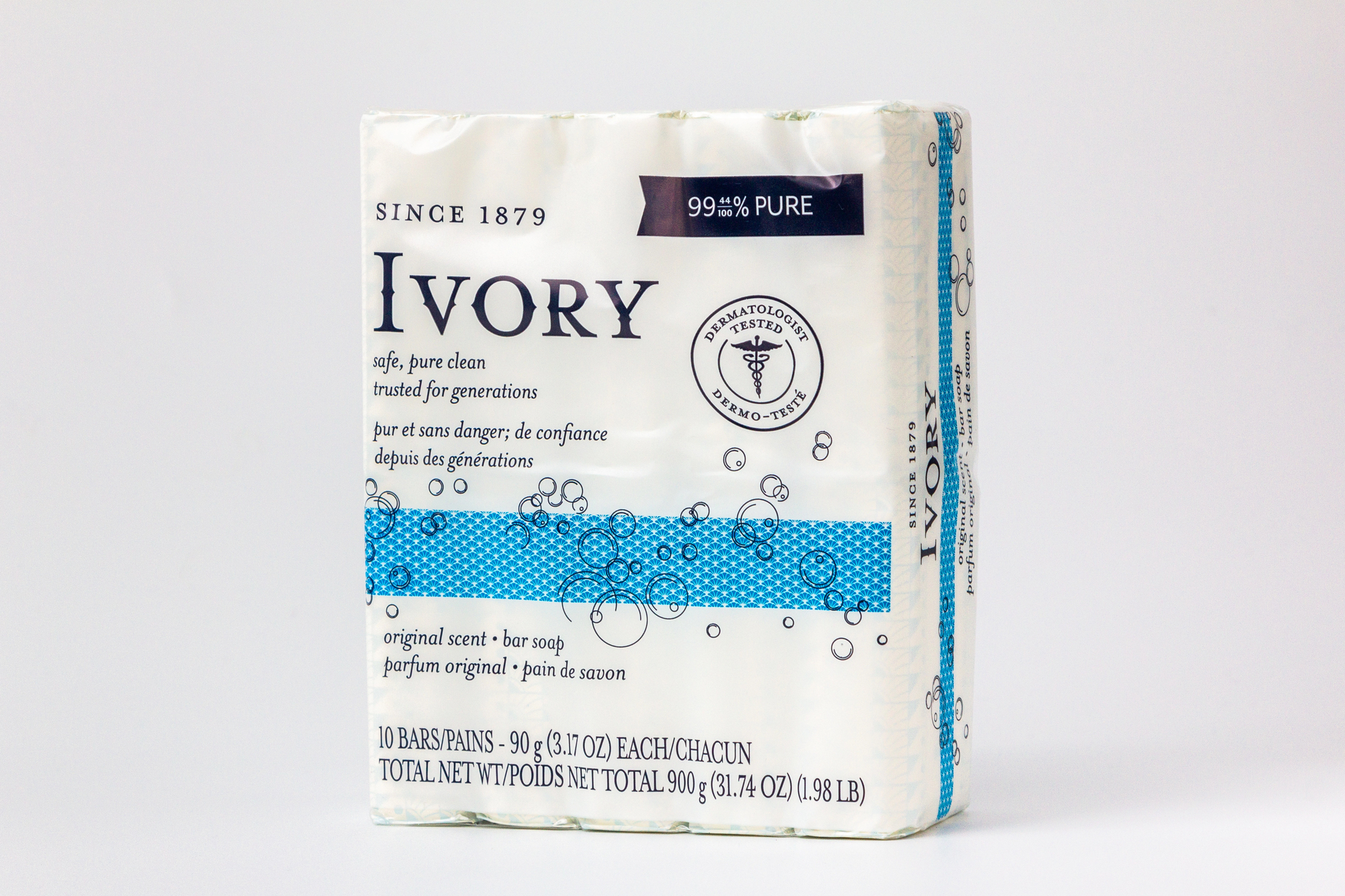
Ivory Soap’s famous property — the fact that it floats — was an accident caused by an overlong lunch break. In 1879, a Procter & Gamble worker left a soap-mixing machine running while he ate and returned to find the mixture had been whipped full of air.
The batch should have been thrown out, but wasn’t — and when customers started writing in to request “the soap that floats,” the company realized the air-filled batch had shipped. They reverse-engineered the accident into a feature and have been making floating soap ever since.
Cellophane
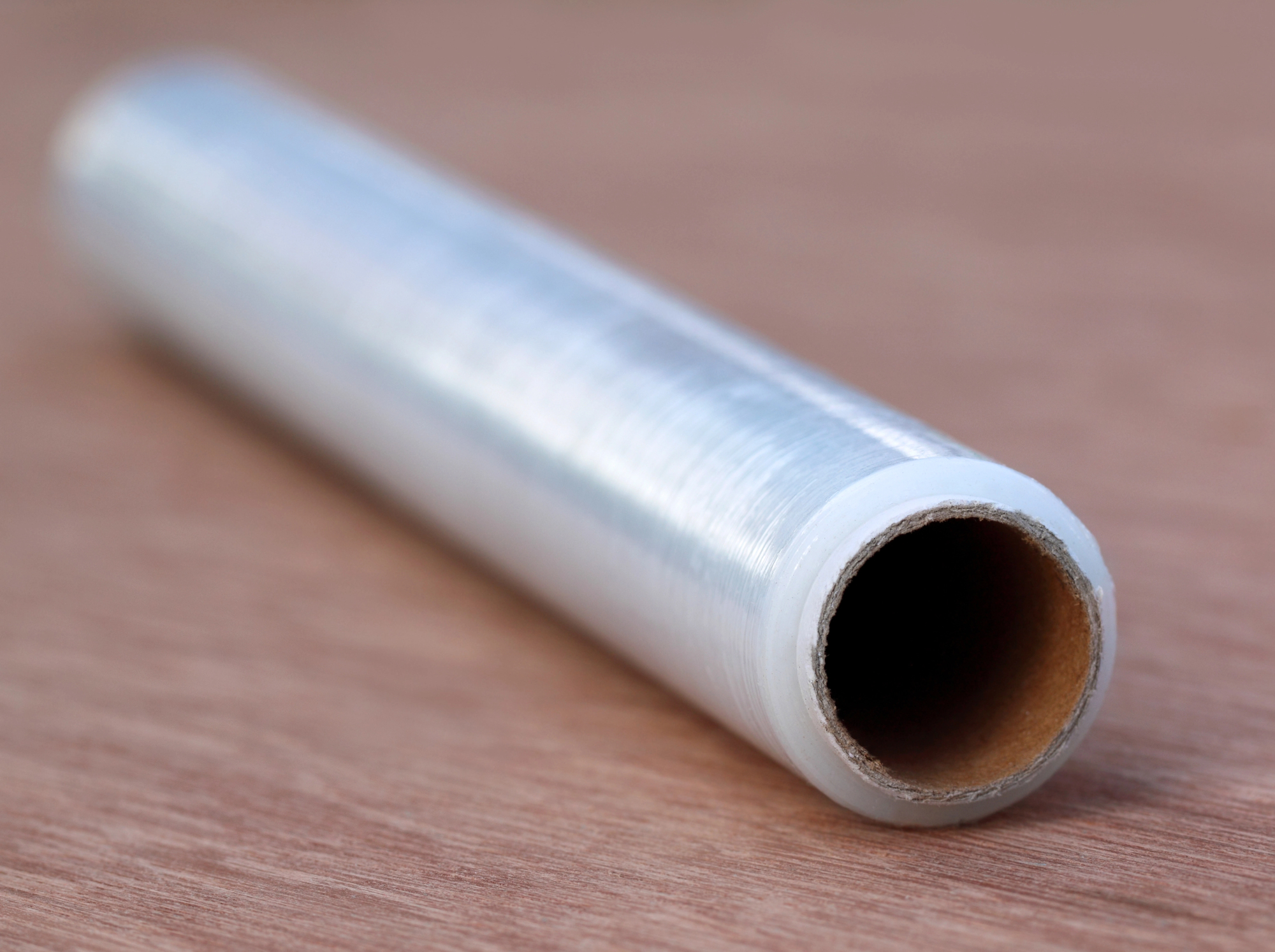
Cellophane started as a tablecloth. In 1900, Swiss chemist Jacques Brandenberger was trying to create a waterproof coating for fabric after watching someone spill wine on a restaurant tablecloth — a specific, relatable annoyance that turned into a decade-long project.
The coated fabric turned out to be too stiff to use as a tablecloth, but the transparent film that peeled off the fabric was itself remarkable. Brandenberger refined it, patented it in 1912, and produced something that, once Du Pont made it moisture-proof in 1927, became essential for packaging food.
Dynamite
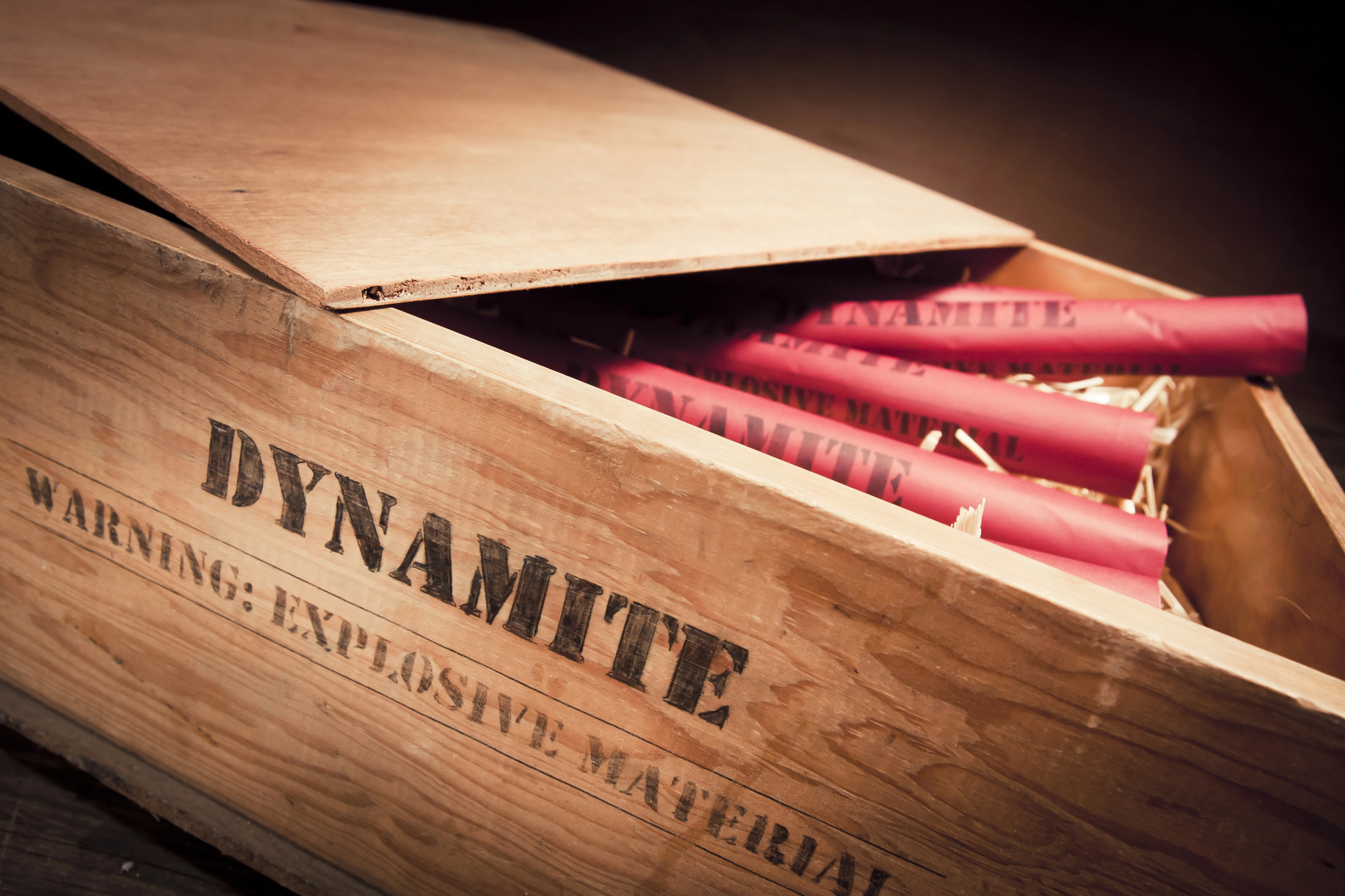
Alfred Nobel invented dynamite in 1867 specifically to make nitroglycerin — a violently unstable explosive — safer to handle and transport. Nitroglycerin had a habit of detonating unpredictably, which was a significant drawback for an industrial explosive.
Nobel discovered that mixing it with diatomaceous earth (a chalky, absorbent mineral) stabilized it enough to be molded and shipped without spontaneous detonation. The irony is that Nobel spent the rest of his life troubled by the destructive uses of his invention, and it was that guilt — combined with a premature obituary calling him “the merchant of death” — that led him to establish the Nobel Prizes.
Scotch Tape
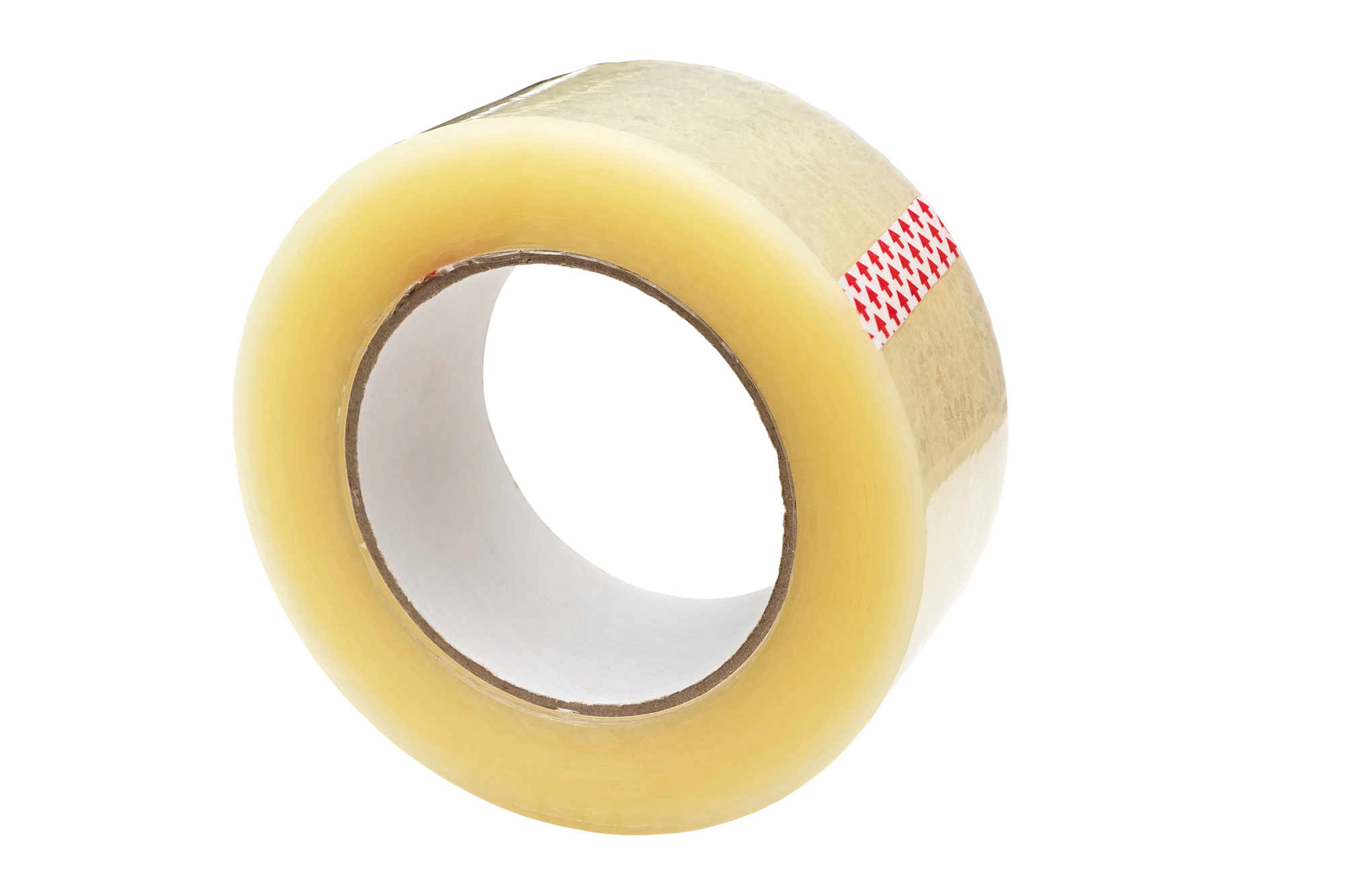
Scotch Tape got its name from an insult. In 1925, 3M engineer Richard Drew invented a pressure-sensitive masking tape that auto body painters were using to create clean lines when painting two-tone cars.
Drew’s early version used too little adhesive to save on materials, and a frustrated painter reportedly growled at him to take the tape back to his “Scotch bosses” and tell them to put more adhesive on it — using “Scotch” as a slur for stinginess that was common at the time. The nickname stuck to the masking tape, and when Drew invented the transparent cellulose version in 1930, it inherited the name.
He turned the ethnic insult into one of the most recognizable brand names in office supply history.
The Slinky
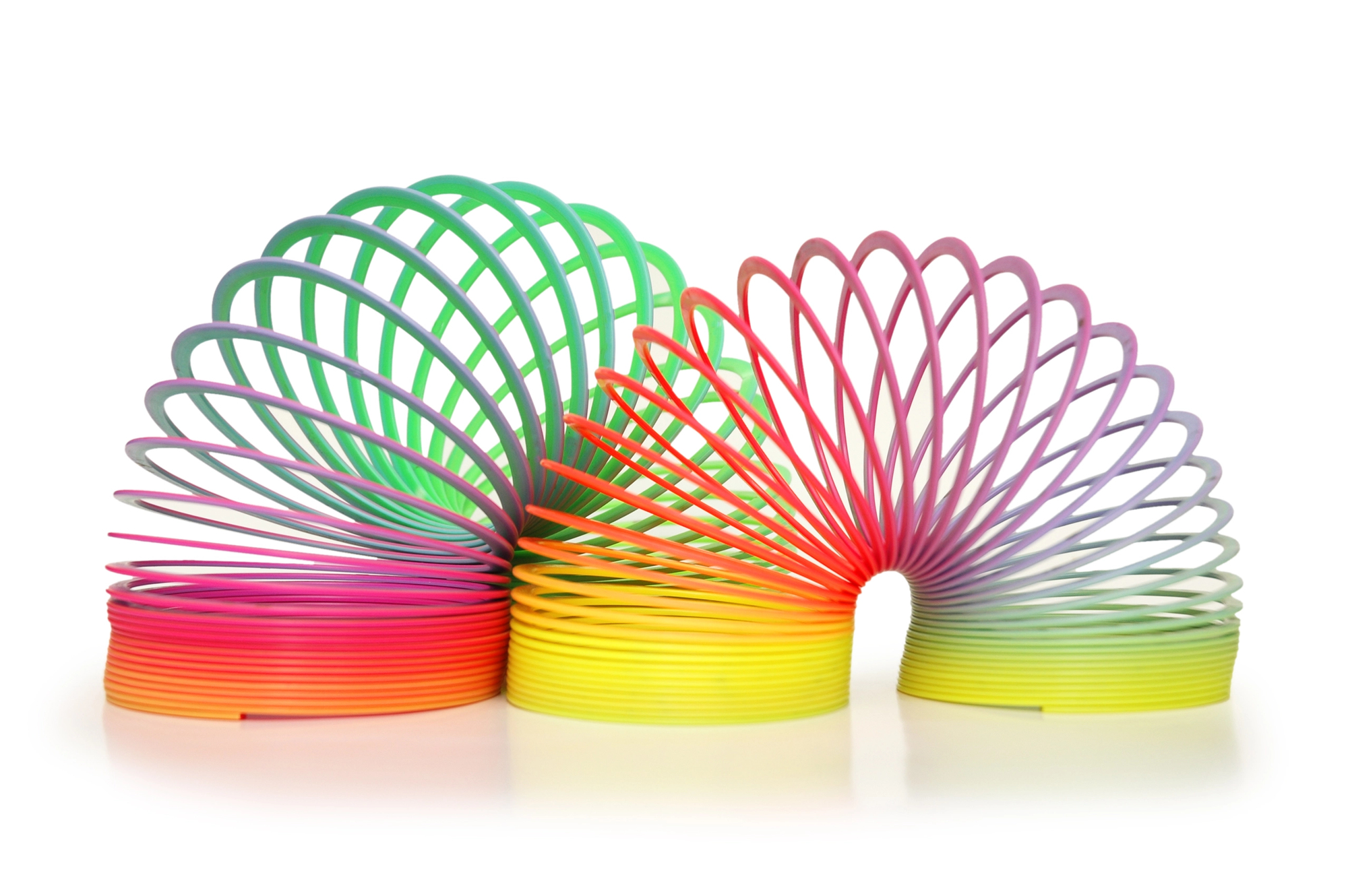
The Slinky was discovered in 1943 when naval engineer Richard James was working with tension springs and knocked one off a shelf. Instead of falling, it stepped deliberately down from a stack of books to a tabletop to the floor — methodical, unhurried, weirdly graceful.
James brought it home to his wife Betty, who spent weeks searching the dictionary before finding the name (Swedish for “stealthy, sleek, and sinuous”) and helped bring it to market. The first public demonstration was at Gimbels department store in Philadelphia in 1945, and 400 Slinkys sold in 90 minutes.
Fireworks

Fireworks are generally credited to Chinese alchemists around the 9th century who were, with spectacular irony, trying to discover an elixir of immortality. The mixture of charcoal, sulfur, and potassium nitrate they produced was called huo yao — fire drug — and it turned out to be the opposite of life-extending.
The same formula that failed to grant immortality became gunpowder, which went on to shape warfare, mining, construction, and eventually celebratory explosions over every major city on New Year’s Eve.
Aspirin
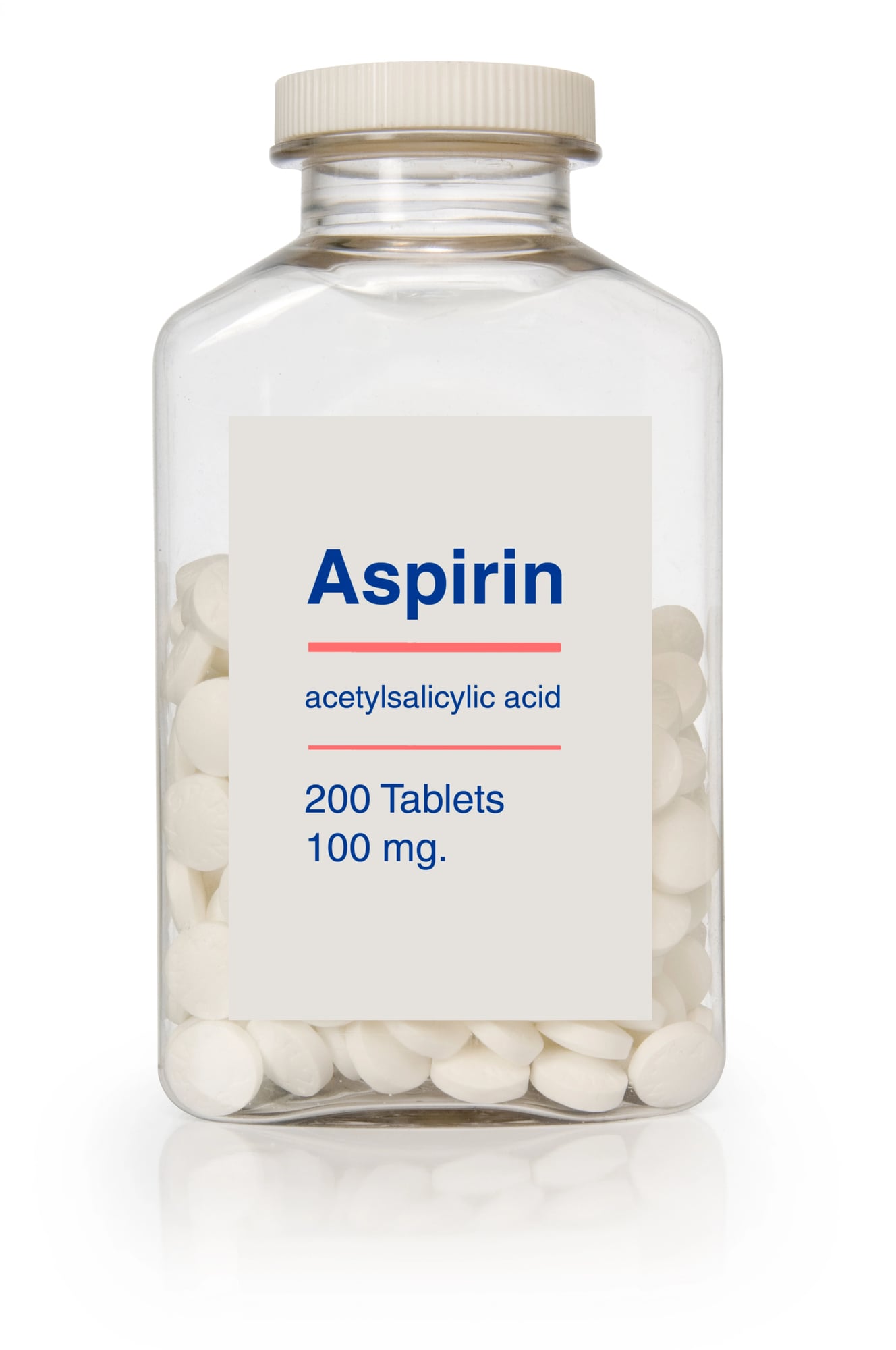
Aspirin has a long and complicated lineage. People had been chewing willow bark for its pain-relieving properties for thousands of years — ancient Egyptians recorded it, Hippocrates wrote about it.
But the active compound, salicylic acid, caused significant stomach irritation in its natural form. Felix Hoffmann at Bayer synthesized acetylsalicylic acid in 1897, creating a version that worked without destroying the stomach lining.
Whether he did it to help his father’s arthritis (the story Bayer preferred) or whether the credit really belongs to his colleague Arthur Eichengrün (the version that has significant historical support) remains a genuinely unresolved dispute.
Linoleum
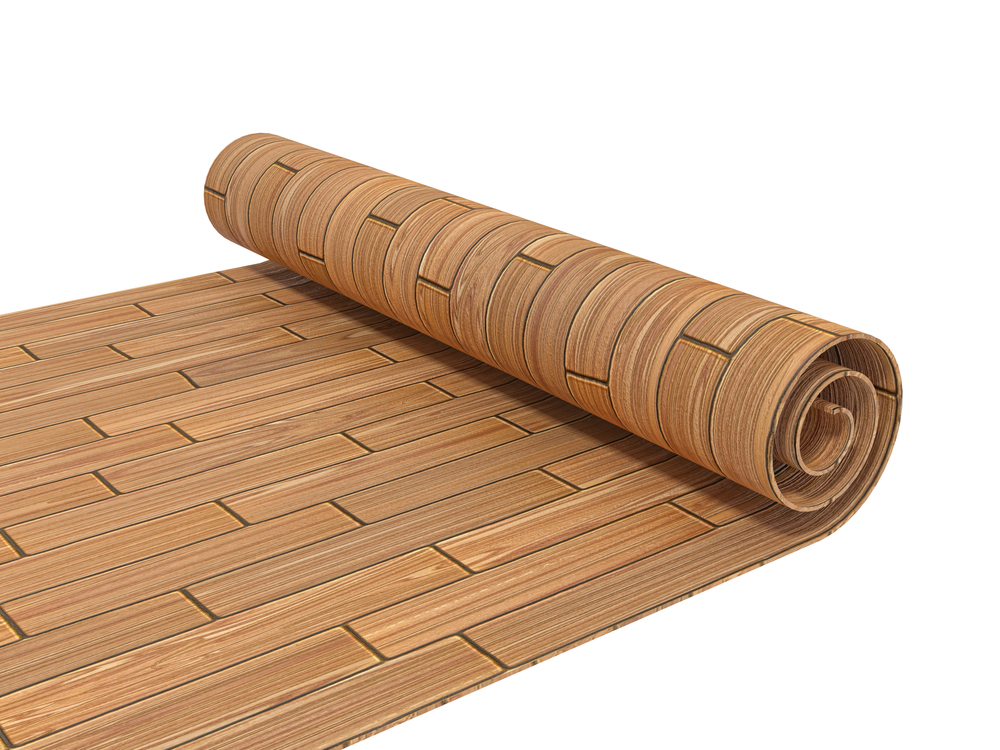
Linoleum was invented when Frederick Walton noticed a rubbery skin of oxidized linseed oil on top of a can of paint in 1855 and realized it was durable, flexible, and waterproof. He spent the next several years figuring out how to reproduce that film at scale, eventually combining oxidized linseed oil with cork powder, rosin, and burlap backing to create a cheap, hard-wearing floor covering.
Linoleum became so dominant in kitchens and hospitals across the 20th century that many people still call any resilient floor covering “linoleum” regardless of what it’s actually made from — a linguistic persistence that would probably please Walton.
Ordinary Objects That Carry Extraordinary Weight
Most of these products were not invented by people who set out to invent them. They were noticed by people who happened to be paying attention when something went wrong — a glue that wouldn’t hold, a spring that wouldn’t stay still, a batch of soap that got too much air.
The accident is the easy part of the story. Almost everyone has accidents. What separates these objects from the thousands of failed experiments that never became anything is the moment after the accident, when someone looked at the mess and asked what it might actually be good for instead of just cleaning it up.
That’s the real thread running through this list: not luck, but attention. Spencer Silver kept believing in a glue that didn’t stick. Percy Spencer didn’t just notice his candy bar had melted — he went and got an egg. The everyday objects that surround you were, almost without exception, somebody’s mistake that another person refused to throw away.
More from Go2Tutors!

- The Romanov Crown Jewels and Their Tragic Fate
- 13 Historical Mysteries That Science Still Can’t Solve
- Famous Hoaxes That Fooled the World for Years
- 15 Child Stars with Tragic Adult Lives
- 16 Famous Jewelry Pieces in History
Like Go2Tutors’s content? Follow us on MSN.