29 Historical Events Schools Rarely Cover
American and world history curricula inevitably compress centuries into academic years, forcing difficult choices about which events receive emphasis. Educators prioritize major wars, political transitions, and cultural movements, yet countless significant events remain marginalized or excluded entirely from standard textbooks.
These omissions often reflect sensitive topics, complex historical nuance, or simply insufficient space rather than lack of historical importance. Recognizing these overlooked events provides deeper context for understanding how history actually developed versus the streamlined narratives presented in classrooms.
The Beaver Wars (1630s-1700s)

Long before European settlement expanded beyond the Atlantic coast, Haudenosaunee nations waged devastating campaigns against Huron, Erie, and Neutral nations to monopolize the fur trade with European colonists. These intercontinental wars displaced entire populations and reshaped the geopolitical landscape of North America, yet most textbooks provide only cursory mention if any.
The Beaver Wars’ brutality and scale rival contemporary European conflicts, but their exclusion from standard curricula reflects how Native American history remains marginalized.
The Tulsa Race Massacre (1921)
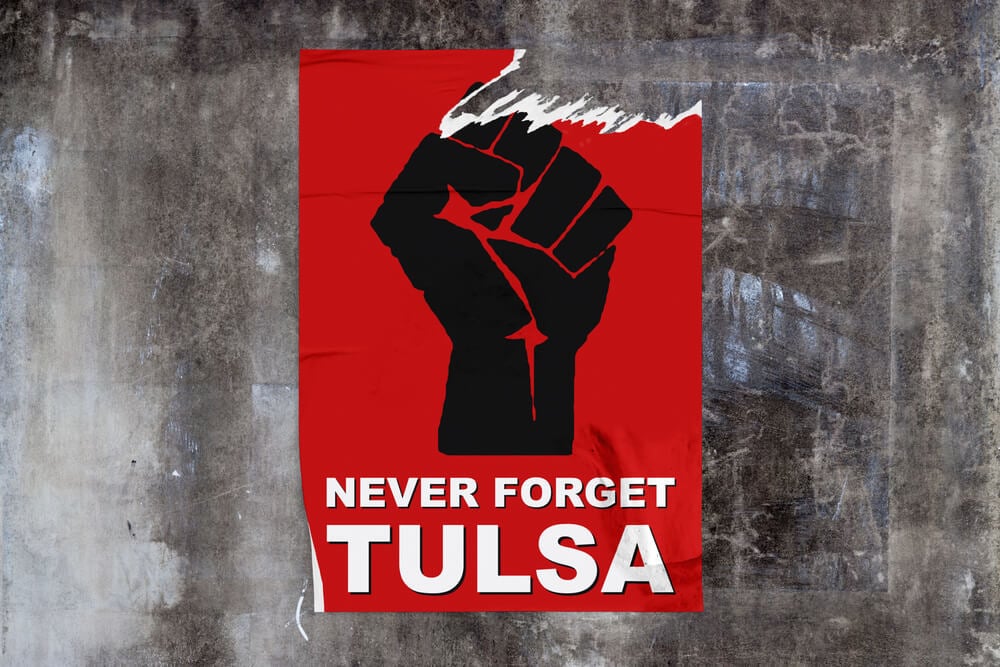
For decades, American textbooks completely erased the May 31-June 1, 1921 destruction of Greenwood, Tulsa’s prosperous Black neighborhood by white mobs, branding it “the incident never taught.” The violence left over 300 dead (government estimates minimize the true toll), destroyed hundreds of homes, and obliterated wealth accumulated despite Jim Crow oppression.
Only recent curriculum reforms have begun incorporating this traumatic event, demonstrating how historical gatekeeping maintains sanitized national narratives.
The Zoot Suit Riots (1943)
During World War II, Los Angeles erupted in violence as white servicemen attacked Mexican American youth wearing stylish zoot suits, with police standing aside and arresting the victims. The riots reflected racial and ethnic tensions within wartime America that contradict unified home-front narratives, making the event uncomfortable for traditional textbooks.
Recent attention to racial violence during WWII has elevated these riots in historical consciousness, yet many curricula still exclude them.
The Tuskegee Syphilis Experiment (1932-1972)

For forty years, the U.S. Public Health Service denied penicillin treatment to African American men with syphilis, ostensibly to study the disease’s natural progression, causing immense suffering and death. The experiment’s ethical abomination and violation of informed consent became a landmark medical ethics violation, yet many history courses ignore it despite its profound implications for medical racism and trust in institutions.
The experiment’s inclusion in curricula remains inconsistent and geographically limited.
The Indian Removal Act and Trail of Tears (1830-1850)
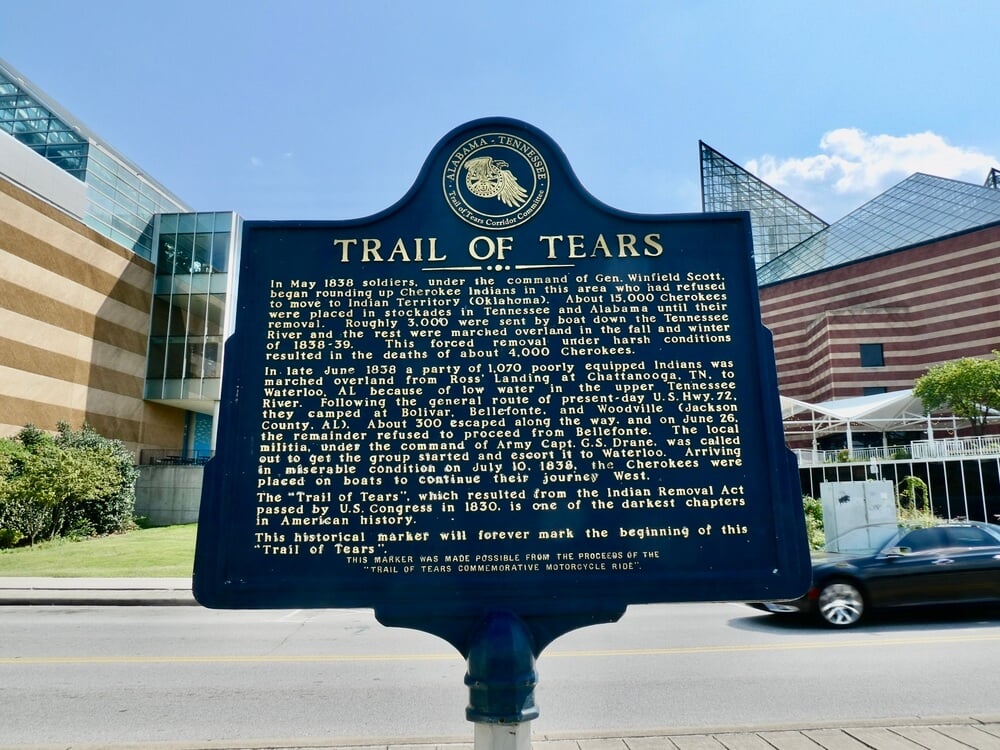
While many students learn of the Trail of Tears, few understand its legal foundation in the Indian Removal Act or the full scope of forced displacement across multiple nations and decades. Tens of thousands of Native Americans died during forced relocations that rival other historical atrocities, yet the event’s presentation often emphasizes tragedy rather than systemic governmental violence.
The Indian Removal Act’s constitutional legality and popular support complicate narratives about American democracy.
The Ludlow Massacre (1914)

Colorado National Guardsmen attacked a tent camp of striking coal miners and their families, killing at least 25 people including women and children, yet this labor movement atrocity receives minimal textbook coverage. The event exemplifies violent suppression of labor organizing and reveals class conflict within American democracy rarely discussed in standardized curricula.
The Ludlow Massacre demonstrates how labor history remains marginalized in schools despite its significance.
The Homestead Strike (1892)
Steel magnate Andrew Carnegie’s Homestead Plant strike involved Pinkerton detectives, state militia, and pitched battles between workers and armed forces, resulting in multiple deaths and establishment violence. The event contradicts the mythology of robber barons as benevolent industrialists while revealing labor struggle’s violent reality, making it uncomfortable for traditional history courses.
Comprehensive coverage of the Homestead Strike forces uncomfortable discussions about class violence.
The Salem Witch Trials’ Political Context
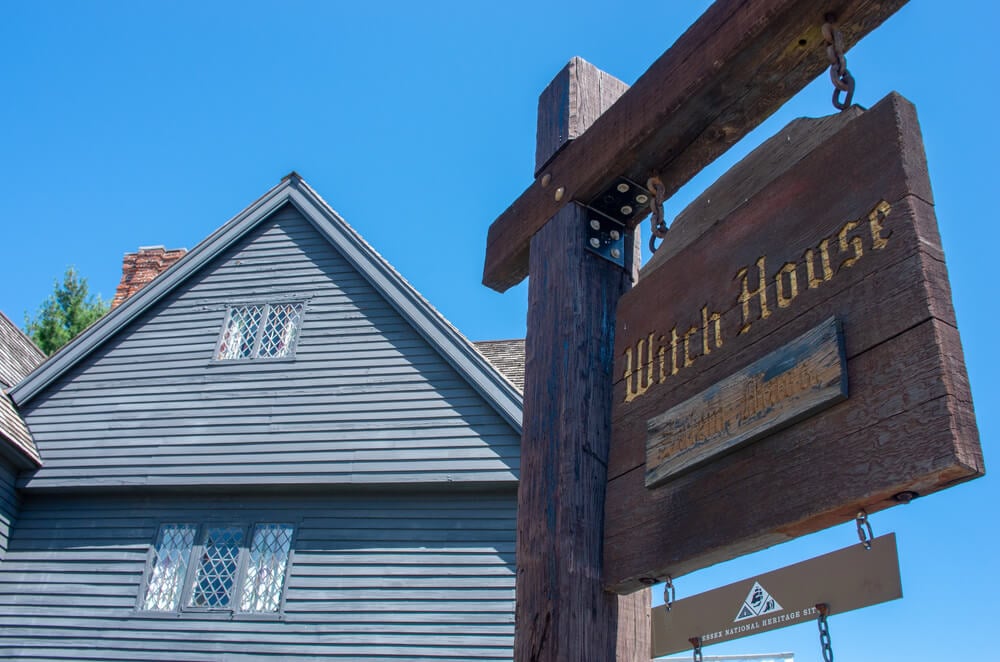
While students learn of Salem’s 1692 executions, most curricula present the hysteria as isolated religious fervor rather than contextualizing it within colonial political instability, land disputes, and social tensions. The trials reflected actual power struggles and economic competition between merchant and agricultural factions, not merely supernatural panic.
Omitting the political context perpetuates witchcraft trial mythology and obscures how trials served existing power structures.
The Stonewall Uprising (1969)

New York police raided a gay nightclub on June 28, 1969, sparking riots that catalyzed the modern LGBTQ rights movement, yet many traditional curricula exclude Stonewall or present it peripherally. The uprising’s history challenges narratives about social progress as orderly and nonviolent, requiring acknowledgment of queer resistance and institutional homophobia.
Conservative opposition to LGBTQ content means Stonewall remains absent from many school curricula despite its historical significance.
The Gulf of Tonkin Incident (1964)

The purported North Vietnamese attack on USS Maddox that triggered American escalation in Vietnam was largely fabricated, yet many history courses present it as historical fact without acknowledging its constructed nature. Declassified documents later confirmed the second attack almost certainly never occurred, making the American military response a case study in manufactured justifications for war.
The incident’s inclusion as an authentic historical event demonstrates how textbooks perpetuate governmental falsehoods.
The Tanaka Incident and Japanese Expansion (1920s-1930s)

Japan’s conquest of Manchuria in 1931 and subsequent expansion across Asia remains incompletely covered compared to European fascism, despite killing tens of millions and destabilizing Asia for decades. Many American history curricula focus narrowly on Japan’s Pacific War role without extensive treatment of continental Asian wars.
The geographic focus on Western narratives marginalizes Asian historical events of comparable global significance.
The Partition of India (1947)
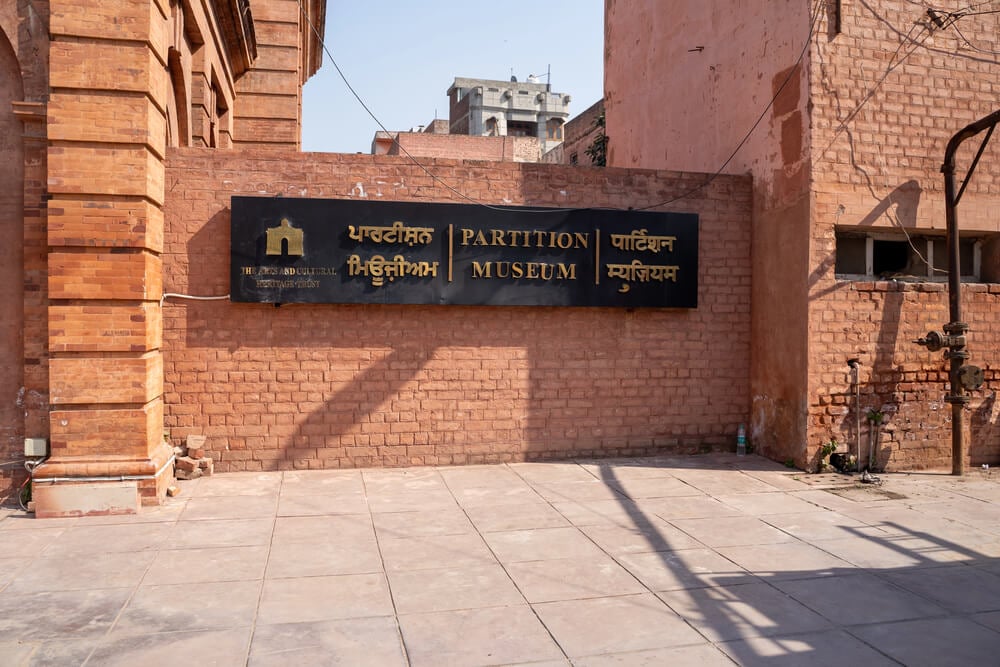
Indian independence and the subsequent partition into Hindu-majority India and Muslim-majority Pakistan created massive communal violence and displacement affecting millions, yet many curricula reduce this cataclysm to a single paragraph. Up to 2 million people died in partition violence, creating refugee crises still affecting contemporary South Asian politics.
The partition’s complex causation and tragic consequences deserve far more extensive coverage than most courses provide.
The Holodomor (1932-1933)
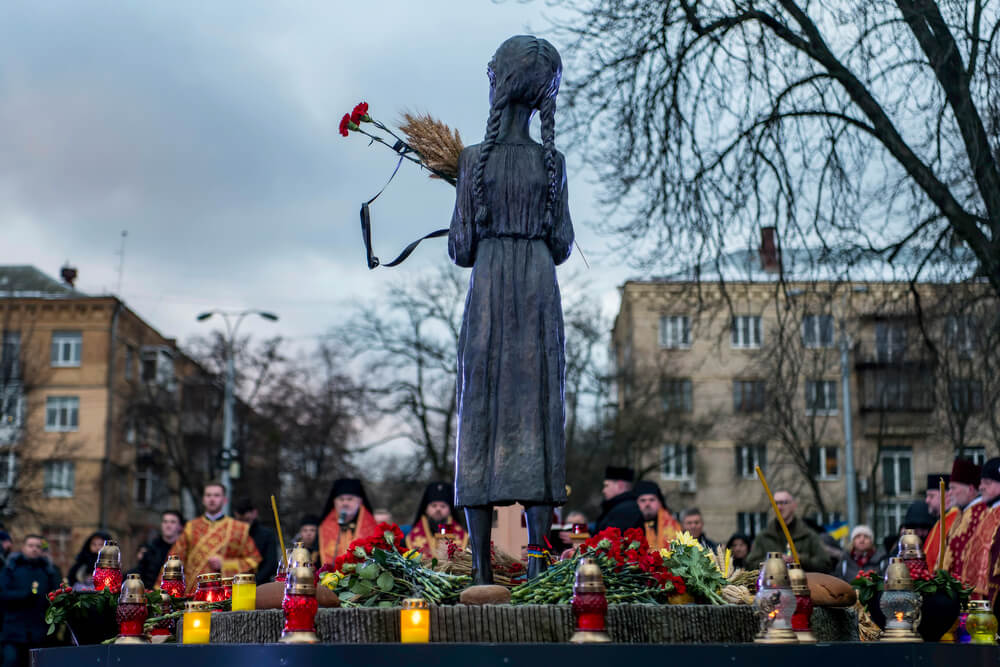
Stalin’s forced famine in Soviet Ukraine killed roughly 3.5 million people in a deliberately engineered catastrophe that remains underemphasized in many curricula compared to Nazi Holocaust coverage. The genocide’s status as history disputes with Cold War politics that minimized Soviet atrocities, creating curriculum gaps.
Comparative study of Holocaust and Holodomor remains less common than Holocaust-specific education.
The United States Occupation of Haiti (1915-1934)

American military occupation of Haiti established compulsory labor systems, suppressed resistance, and restructured Haiti’s economy for American commercial benefit, leaving legacies of impoverishment and instability. This neocolonial intervention receives minimal coverage despite lasting hemispheric consequences, reflecting American textbook reluctance to emphasize U.S. imperialism in the Caribbean.
Haiti’s subsequent suffering appears disconnected from American occupation’s legacy.
The Palmer Raids (1919-1920)

Federal agents arrested over 10,000 suspected communists and anarchists during 1919-1920 Red Scare hysteria, attempting mass deportations of foreign-born activists in violation of due process. The Palmer Raids represented the most extensive civil rights violations in American history to that point, yet many curricula barely mention them.
The raids’ erasure mirrors contemporary reluctance to discuss anticommunist repression’s scale and methods.
The Axis Rule in Occupied Europe Beyond Nazi Germany
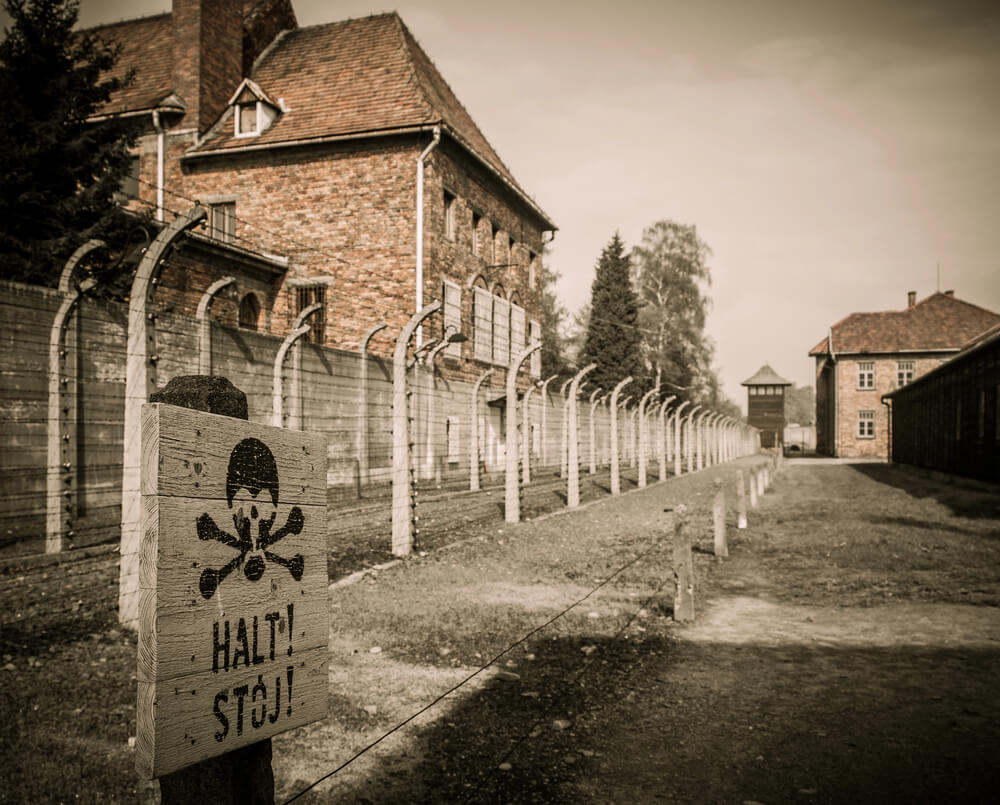
While Nazi atrocities receive thorough coverage, Italian fascist violence in Africa and Yugoslavia, Japanese war crimes in Asia, and Romanian fascist participation in Soviet invasion remain less emphasized. The Holocaust’s centrality in WWII curricula sometimes obscures other fascist regimes’ comparable atrocities and ideological violence.
Comprehensive fascist history requires acknowledging multiple axes of systematic violence beyond Nazism.
The Wounded Knee Massacre (1890)
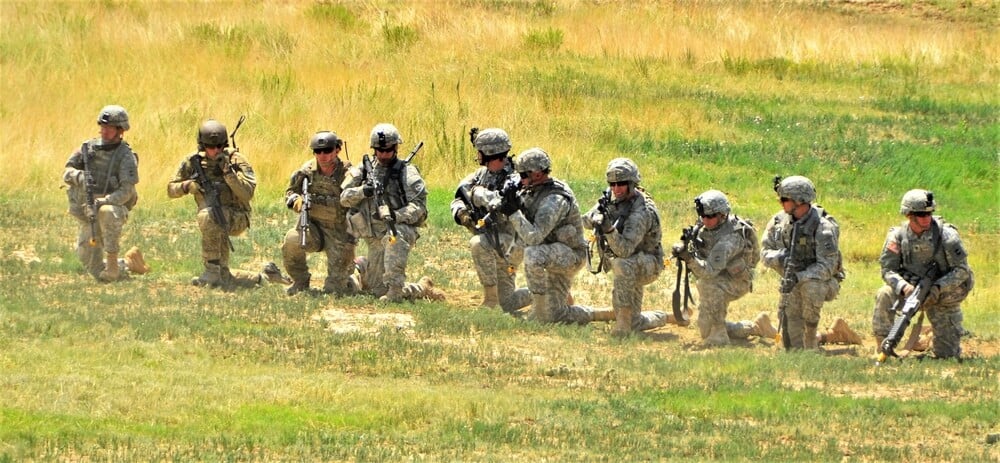
American soldiers killed between 150 and 300 Lakota Sioux at Wounded Knee, South Dakota, ostensibly suppressing a Ghost Dance religious movement that white settlers perceived as threatening. The massacre epitomized the violent suppression of Native American resistance and spirituality at the frontier’s final chapter, yet many curricula minimize it to a footnote.
Contemporary Native American education emphasizes Wounded Knee’s significance despite textbook marginalization.
The USS Maine Explosion (1898)
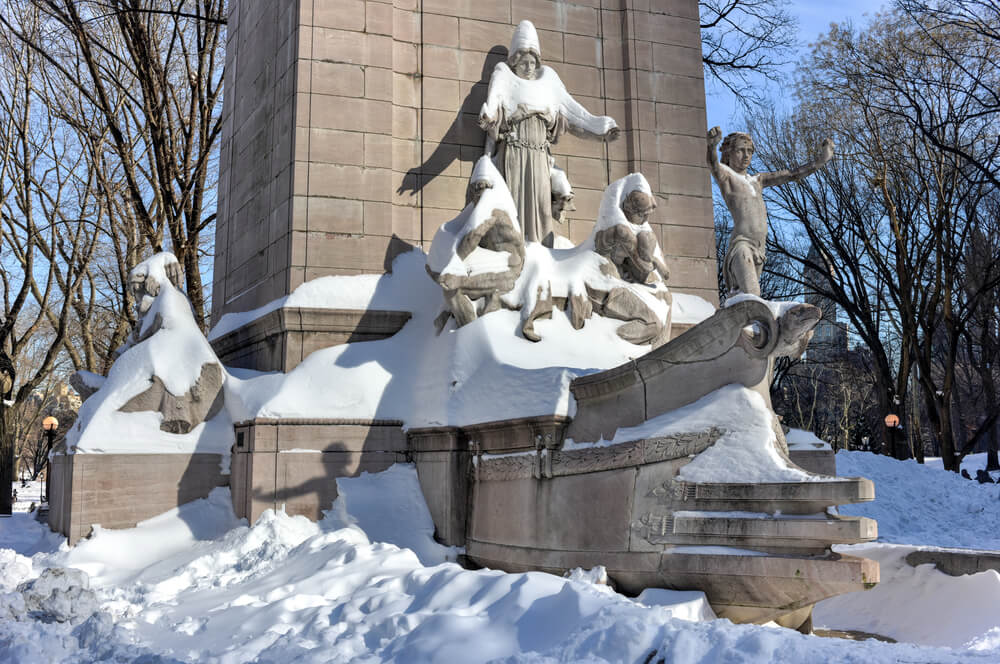
The explosion that killed over 260 sailors sparked the Spanish-American War following the widely publicized “Remember the Maine” propaganda campaign, yet historical evidence suggests mechanical failure rather than Spanish attack. American newspapers’ war promotion and the false justification for war rarely receive critical curriculum emphasis.
The Maine disaster demonstrates how media narratives drive military policy despite factual ambiguity.
The Chinese Exclusion Act (1882)

America’s first explicitly racist immigration law, the Chinese Exclusion Act banned Chinese immigration for over sixty years based on racial rather than individual criteria. The act’s legal racism and establishment of concentration camps for excluded immigrants rarely receive emphasis equivalent to slavery’s historical coverage.
Chinese American history’s marginalization leaves this racist policy undershadowed despite its foundational role in American immigration law.
The Indian Wars of the 1700s and 1800s Beyond the Frontier Myth
Rather than presenting Native American conflict as inevitable westward expansion, acknowledging systematic land dispossession, broken treaties, and coordinated violence reveals intentional genocide masked as national destiny. Textbook emphasis on individual famous battles obscures the wars’ economic motivation and ideological dehumanization.
Decentering the frontier myth requires reframing military campaigns as territorial conquest rather than civilization spreading.
The Taiping Rebellion (1850-1864)

China’s Taiping Rebellion killed between 20-30 million people in what may be history’s deadliest war, yet most Western curricula exclude it entirely. Chinese history’s marginalization in American schools leaves the rebellion unknown to most students, despite its unprecedented scale.
Geographic bias toward Western military history obscures comparable or greater violence occurring simultaneously in Asia.
The Boxer Rebellion and Foreign Intervention in China (1900-1901)
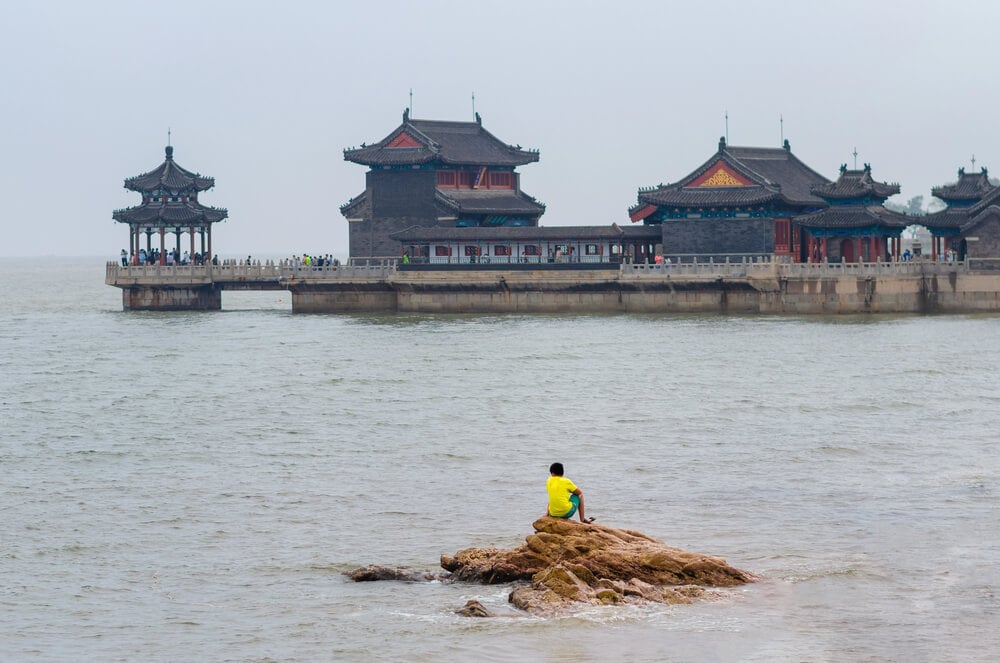
Western and Japanese forces suppressed the Boxer Rebellion in China, establishing military occupation and forcing punitive payments that weakened Chinese governmental capacity. The intervention exemplified imperialism’s violence while demonstrating Western coordination against non-Western resistance, yet curricula often minimize foreign intervention’s consequences.
Chinese resentment of foreign domination reflected in the Boxers’ resistance remains underemphasized.
The Treaty of Versailles’ Punitive Severity and Unintended Consequences
While many courses cover the treaty’s creation and Hitler’s opposition to it, fewer emphasize the treaty’s economically catastrophic reparations and territorial losses that destabilized Europe. Economic historian arguments linking Versailles’ severity to the Great Depression and Nazi rise receive less emphasis than political explanations.
The treaty as policy failure rarely receives the critical examination its consequences warrant.
The Monoculture Agricultural Model’s Historical Development

The shift from diverse subsistence agriculture to monoculture export commodities—engineered through colonialism and enforced through neocolonialism—created dependencies benefiting Western economies while impoverishing agricultural populations. Few history curricula examine this economic system’s creation or ongoing consequences, focusing instead on crops’ introduction while ignoring exploitation structures.
Agricultural history’s economics remain abstracted from labor and power dynamics.
The Witch Hunt Persecutions Beyond Salem (1550-1750)

While Salem receives mention, most curricula underemphasize that European witch hunts killed over 50,000 people in centuries of systematic persecution. Gender dynamics in witch hunts, theological justifications, and political uses of persecution remain underexamined despite their relevance to understanding both European history and women’s history.
The witch hunts’ scale and gender proportions reflect systematic misogyny masked as religious fervor.
The Enclosure Movement’s Displacement of Rural Populations

English enclosure movements privatized common lands between the 16th-19th centuries, displacing peasants and creating landless labor forces necessary for industrial urbanization. The movement represented systematic property theft affecting millions of people, yet economic history courses sometimes present it neutrally as economic transition rather than displacement.
Labor force creation through violent land dispossession remains abstracted from human consequences.
The Reconquista’s Ethnic Cleansing and Forced Conversions
Spain’s Catholic Reconquista expelled millions of Muslims and Jews through forced conversion or exile in a centuries-long process that created a homogeneous Christian nation-state. The Reconquista’s framing as religious triumph obscures systematic ethnic cleansing and religious persecution.
Medieval Spain’s religious violence receives less emphasis than later European religious conflicts despite comparable displacement.
The Crisis of the Third Century (235-284 CE)
Rome’s political collapse during the Third Century saw over fifty claimants to the throne in fifty years, causing military breakdown and economic catastrophe rivaling the Western Roman Empire’s fifth-century fall. Yet many curricula concentrate on Rome’s classical height and later decline while skipping over this internal convulsion.
The Third Century crisis demonstrates how empires can destabilize from internal conflict as readily as external invasion.
The Scholastic Turn and Intellectual Suppression of Classical Learning

The medieval displacement of classical learning by scholastic theology represented intellectual transformation that persists in Western education, yet most curricula treat the transition passively rather than examining what knowledge was devalued. Classical texts’ preservation through Islamic scholars receives insufficient emphasis, leaving the impression of linear Western intellectual progress.
Medieval intellectual history requires acknowledging suppression alongside preservation.
The Invisible History of Empires

The curricula we receive focus overwhelmingly on a handful of famous historical figures and their military campaigns while excluding countless other political actors, cultural developments, and civilizations that flourished simultaneously elsewhere. The emphasis reflects whose perspective creates textbooks rather than what actually mattered historically.
Recognizing these omissions requires conscious effort to research what remains marginal to standardized curricula but profoundly shaped human experience.
More from Go2Tutors!

- 16 Historical Figures Who Were Nothing Like You Think
- 12 Things Sold in the 80s That Are Now Illegal
- 15 VHS Tapes That Could Be Worth Thousands
- 17 Historical “What Ifs” That Would Have Changed Everything
- 18 TV Shows That Vanished Without a Finale
Like Go2Tutors’s content? Follow us on MSN.



