29 Inventions Shelved for Decades Before Anyone Used Them
Some ideas arrive too early. They get patented, demonstrated, occasionally written up in a trade journal, and then sit in a drawer while the world catches up to what they can do. The inventors are rarely around to see the payoff, and the companies that eventually cash in are almost never the ones that filed the original paperwork.
What follows are inventions that worked the first time someone tried them, then waited — in some cases for half a century — before anyone found a reason to use them.
Xerography
Chester Carlson made the first successful electrostatic copy in a rented room above a bar in Astoria, Queens, in October 1938, using little more than a cig box and a coffee can for lab equipment. He then spent six years and more than twenty rejections trying to interest a company in the process before the Battelle Memorial Institute agreed to develop it in 1944; the first commercial xerographic office copier did not reach the market until 1959, twenty-one years after his original demonstration.
Frequency Hopping Spread Spectrum

Actress Hedy Lamarr and composer George Antheil patented a radio guidance system in 1942 designed to keep torpedo signals from being jammed, based on synchronized frequency changes inspired by player-piano rolls. The U.S. Navy shelved the patent without using it, and the technique was not implemented until the 1960s during the Cuban Missile Crisis era, later becoming foundational to the spread-spectrum techniques behind Wi-Fi and Bluetooth.
Super Glue
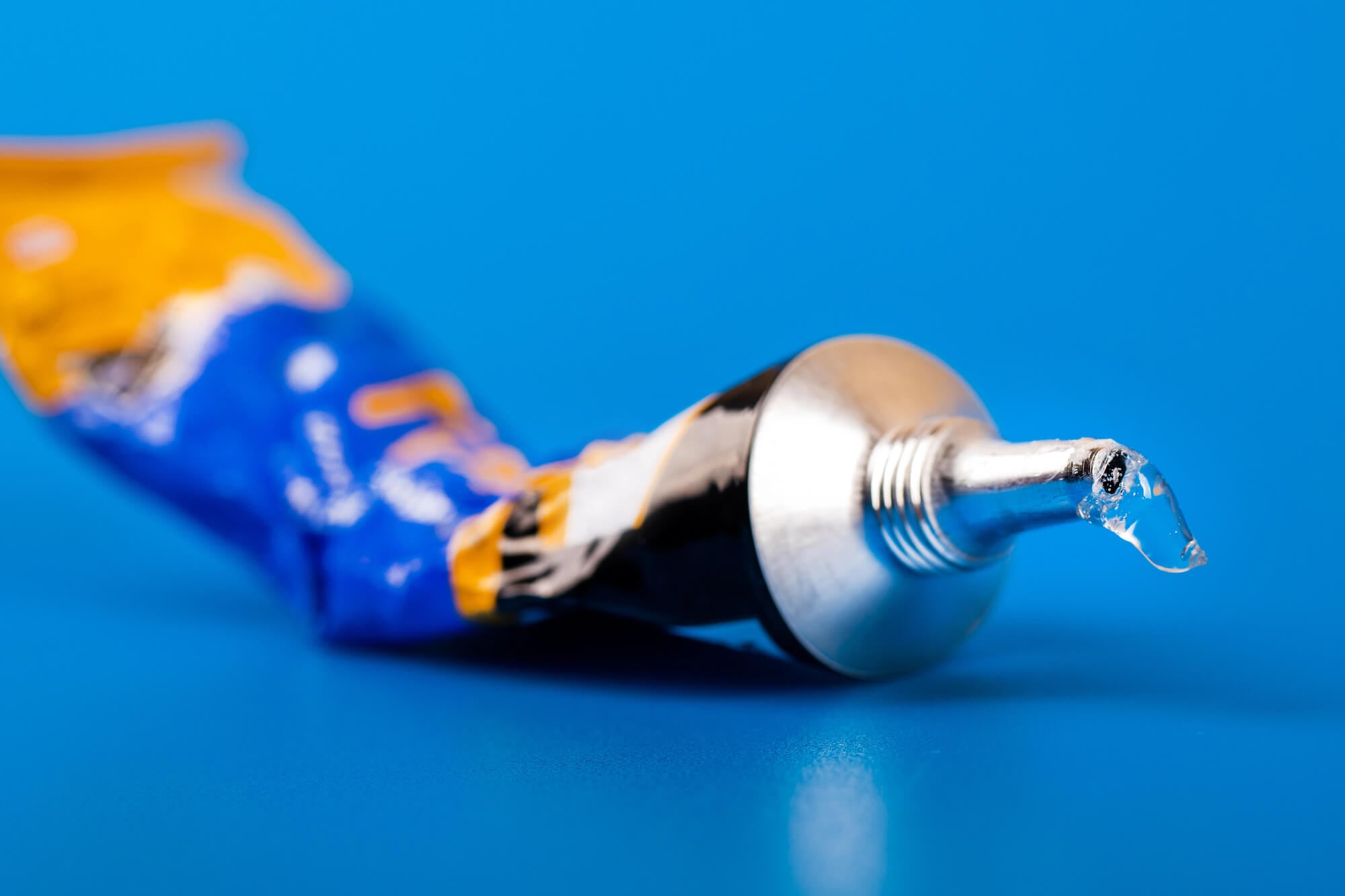
Chemist Harry Coover discovered cyanoacrylate in 1942 while trying to develop clear plastic gun sights for the war effort, and rejected it because it stuck to everything it touched. He revisited the compound in 1951 while working on jet canopies, and it was not sold commercially as an adhesive until 1958, sixteen years after its first accidental appearance.
The Zipper
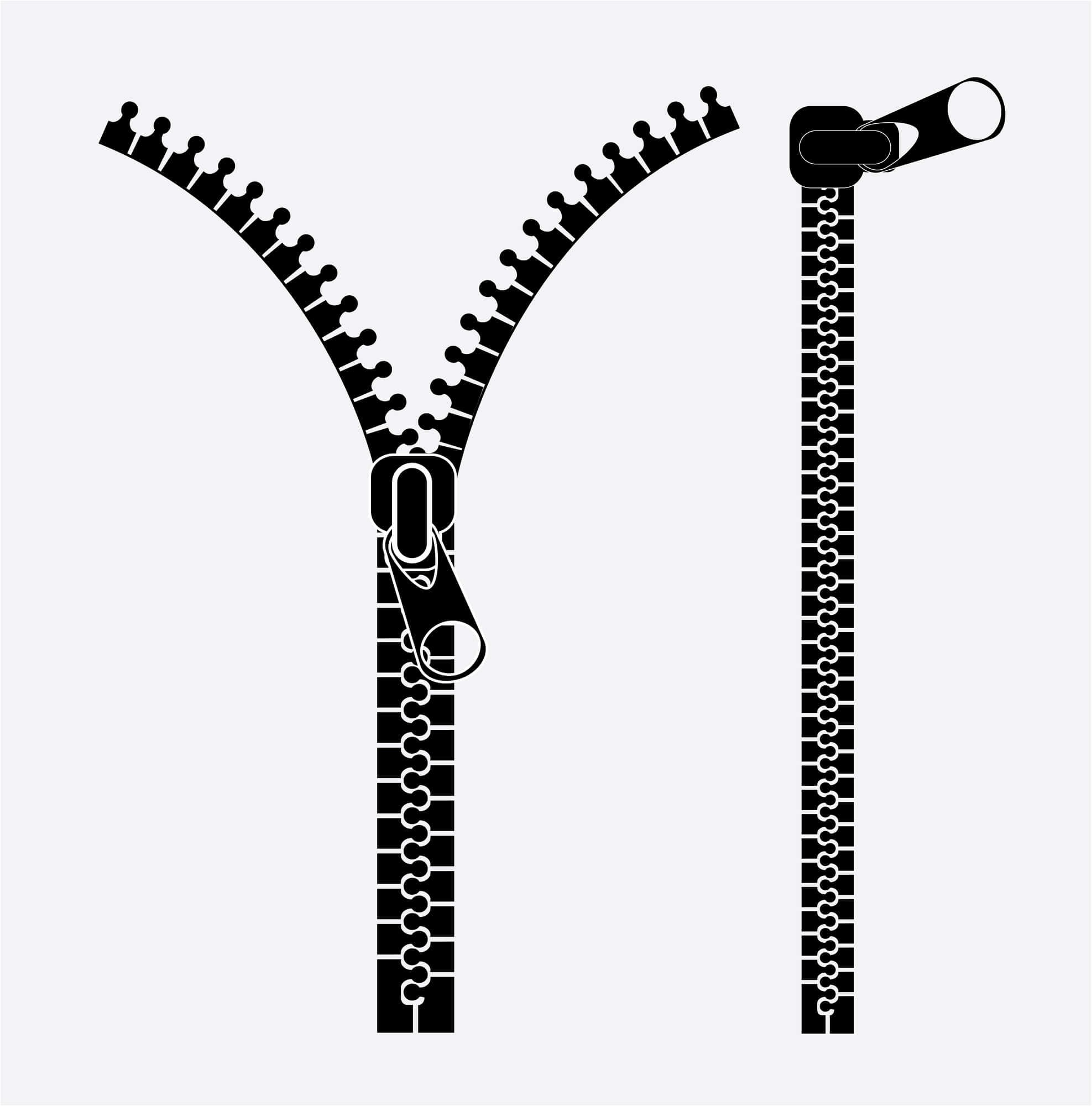
Whitcomb Judson patented a “clasp locker” fastening device in 1893, but it was unreliable and drew little commercial interest. Gideon Sundback redesigned it into a workable slide fastener by 1917, and it did not become a fashion staple until the 1930s, when B.F. Goodrich coined the name “zipper” for use on rubber boots, some forty years after Judson’s original patent.
Teflon

DuPont chemist Roy Plunkett accidentally discovered polytetrafluoroethylene in 1938 while researching refrigerants, finding a mysterious waxy solid inside a supposedly empty gas cylinder. The material was used in wartime applications like gaskets for the Manhattan Project, but nonstick cookware using the coating did not reach consumers until the French company Tefal launched its pans in 1956, nearly two decades after the discovery.
The Bar Code

Bernard Silver and Norman Joseph Woodland filed a patent for a bullseye-pattern product identification system in 1952, inspired by Morse code traced in sand on a beach. Retail technology and laser scanners were not advanced enough to make the system practical, and the first barcoded product was not scanned at a checkout counter until a pack of Wrigley’s gum in an Ohio supermarket in 1974, twenty-two years after the patent.
The Digital Camera
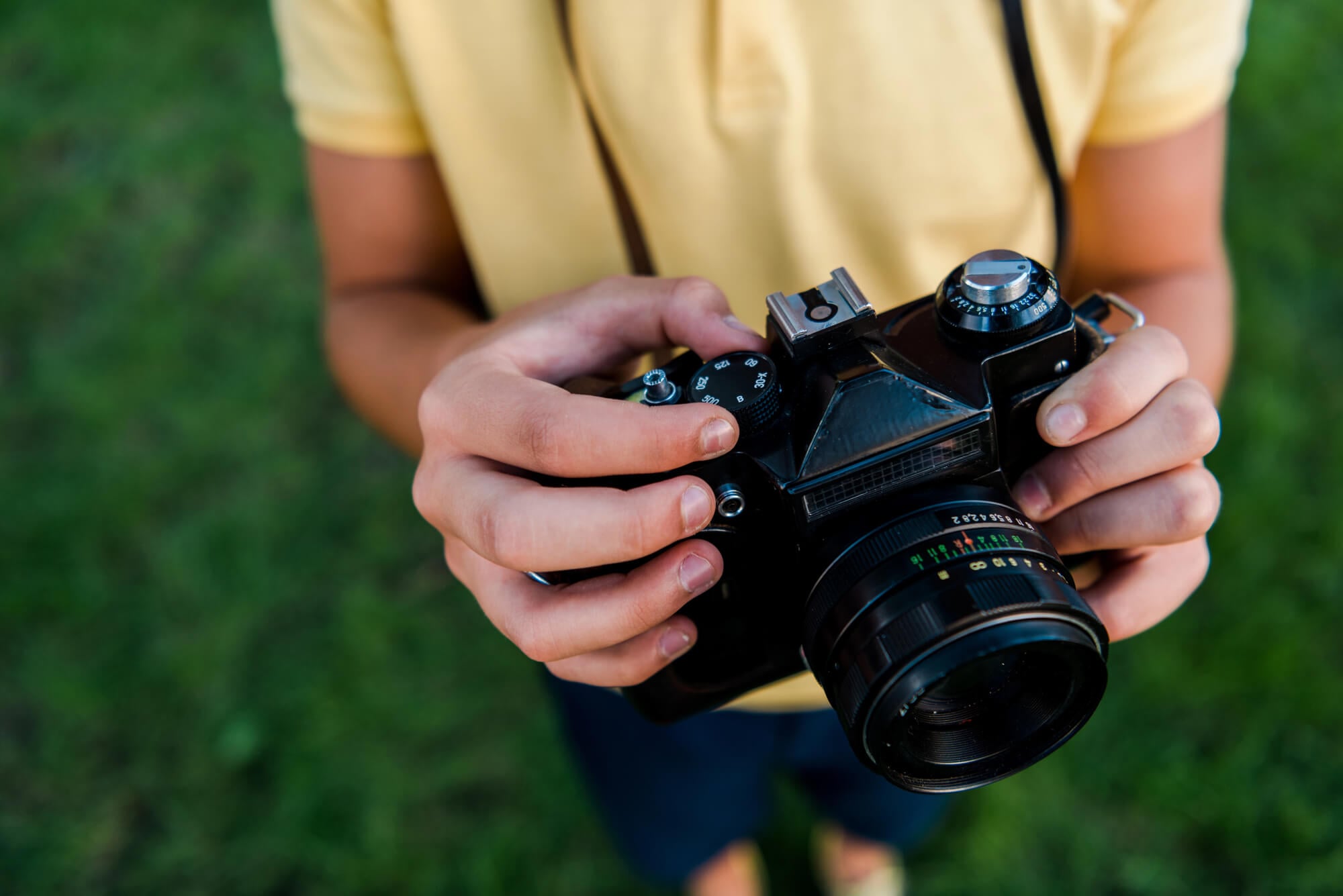
Kodak engineer Steven Sasson built the first working digital camera in 1975, a toaster-sized device that recorded black-and-white images to a cassette tape and took 23 seconds to capture one photo. Kodak, whose business depended on film sales, shelved the technology internally for years rather than promote a product that undermined its core business, and consumer digital cameras did not reach the mass market until the 1990s.
Bubble Wrap
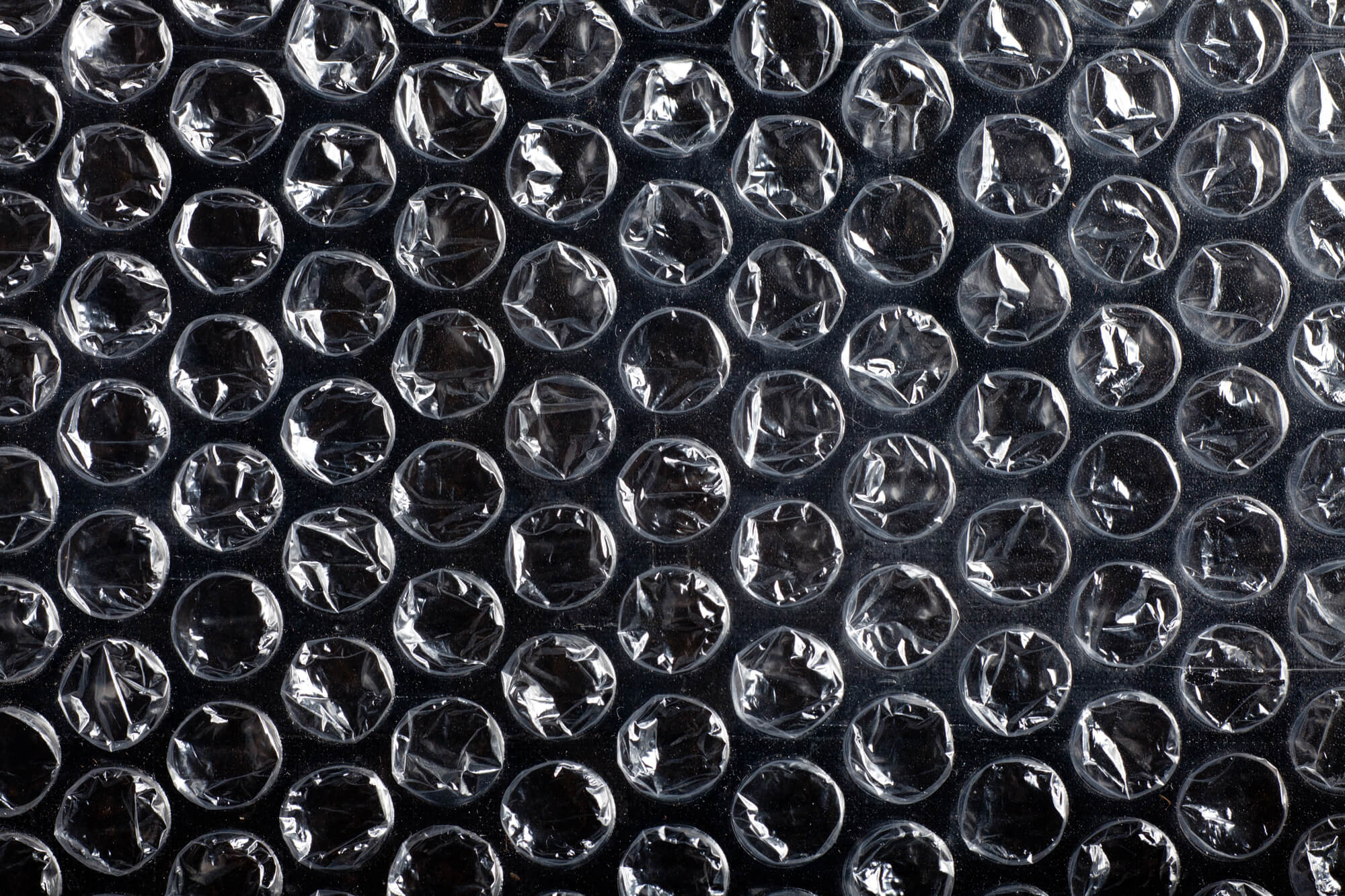
Engineers Alfred Fielding and Marc Chavannes sealed two shower curtains together in 1957 hoping to create a textured wallpaper, and when that failed they tried marketing it as greenhouse insulation. It was only in 1959, after IBM needed protective packaging for its new 1401 computer during shipping, that the material found its lasting purpose.
Velcro
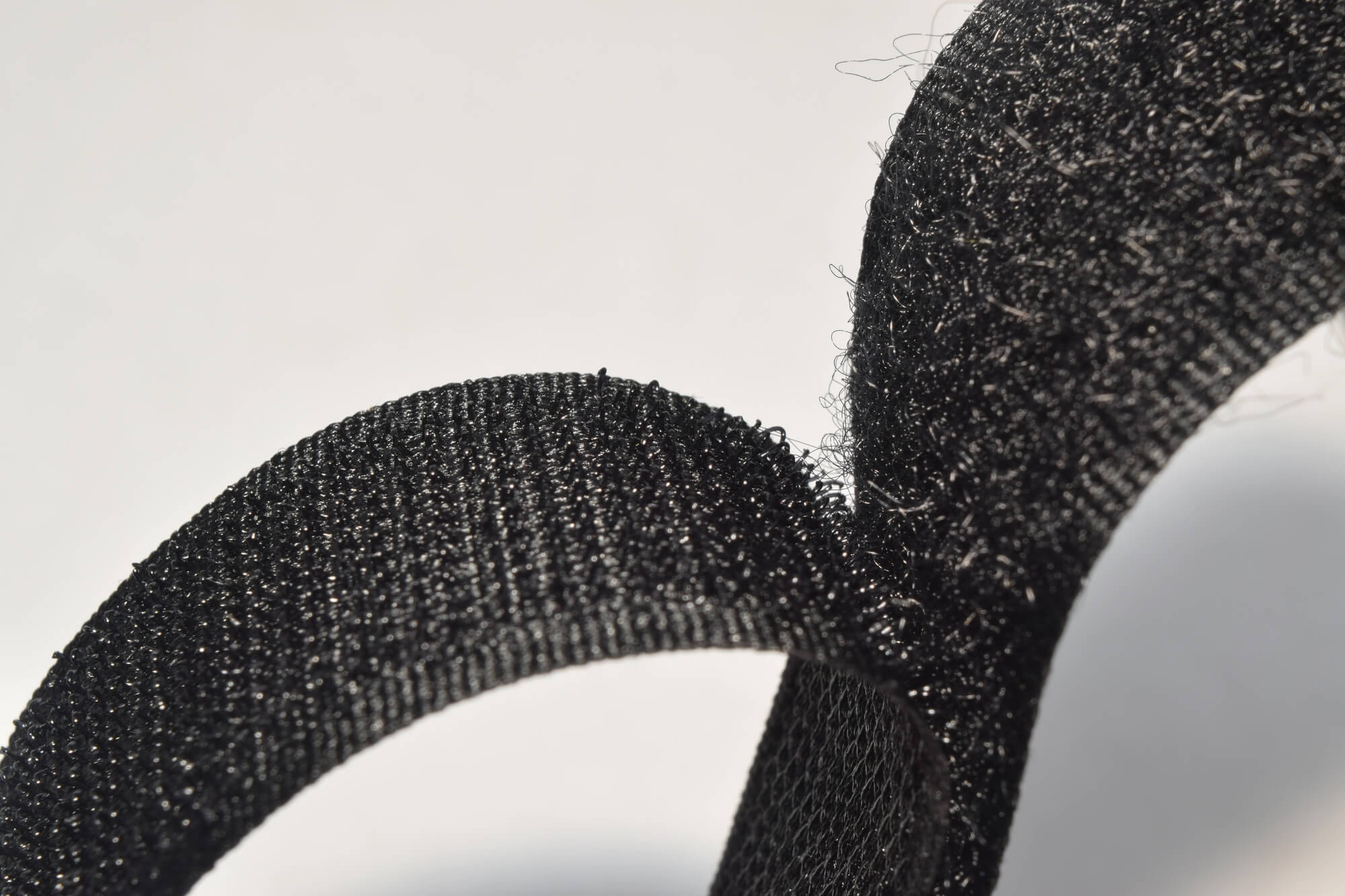
Swiss engineer George de Mestral got the idea for a hook-and-loop fastener in 1941 after picking burdock burrs out of his dog’s fur on a walk, but it took him nearly a decade to perfect a manufacturing process, and he patented the finished product in 1955. Widespread adoption did not arrive until NASA used it to secure equipment in zero gravity during the 1960s space program.
The Electric Car
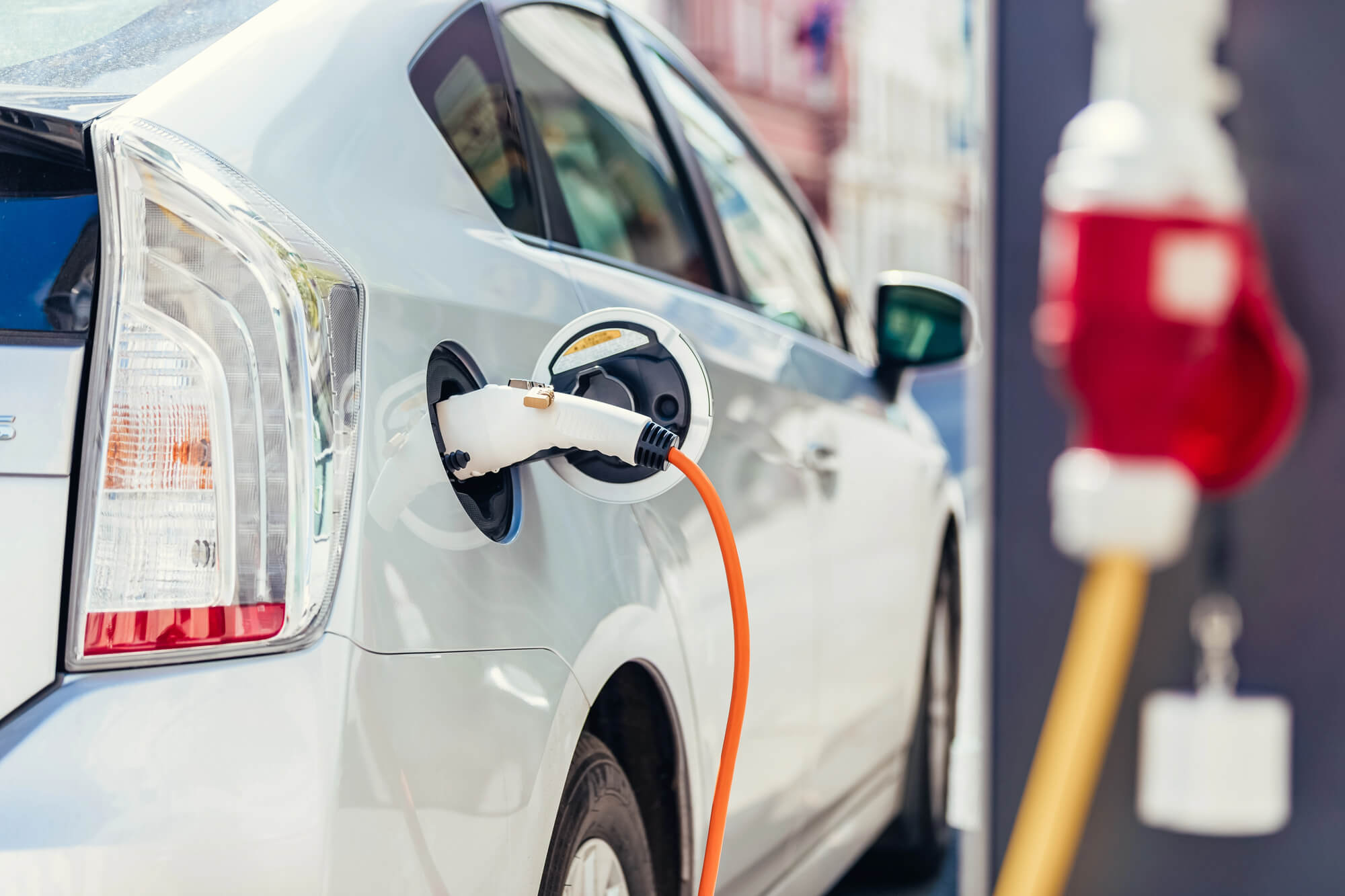
Battery-powered vehicles from makers like Detroit Electric were commercially popular in American cities in the early 1900s, at one point outselling gasoline cars, before cheap gasoline, Henry Ford’s assembly line, and the electric starter motor made gas cars more practical and pushed electric vehicles off the market by the 1920s. Electric cars did not return as viable mainstream products until Tesla’s Roadster launched in 2008, roughly eighty years after they vanished.
Contact Lenses
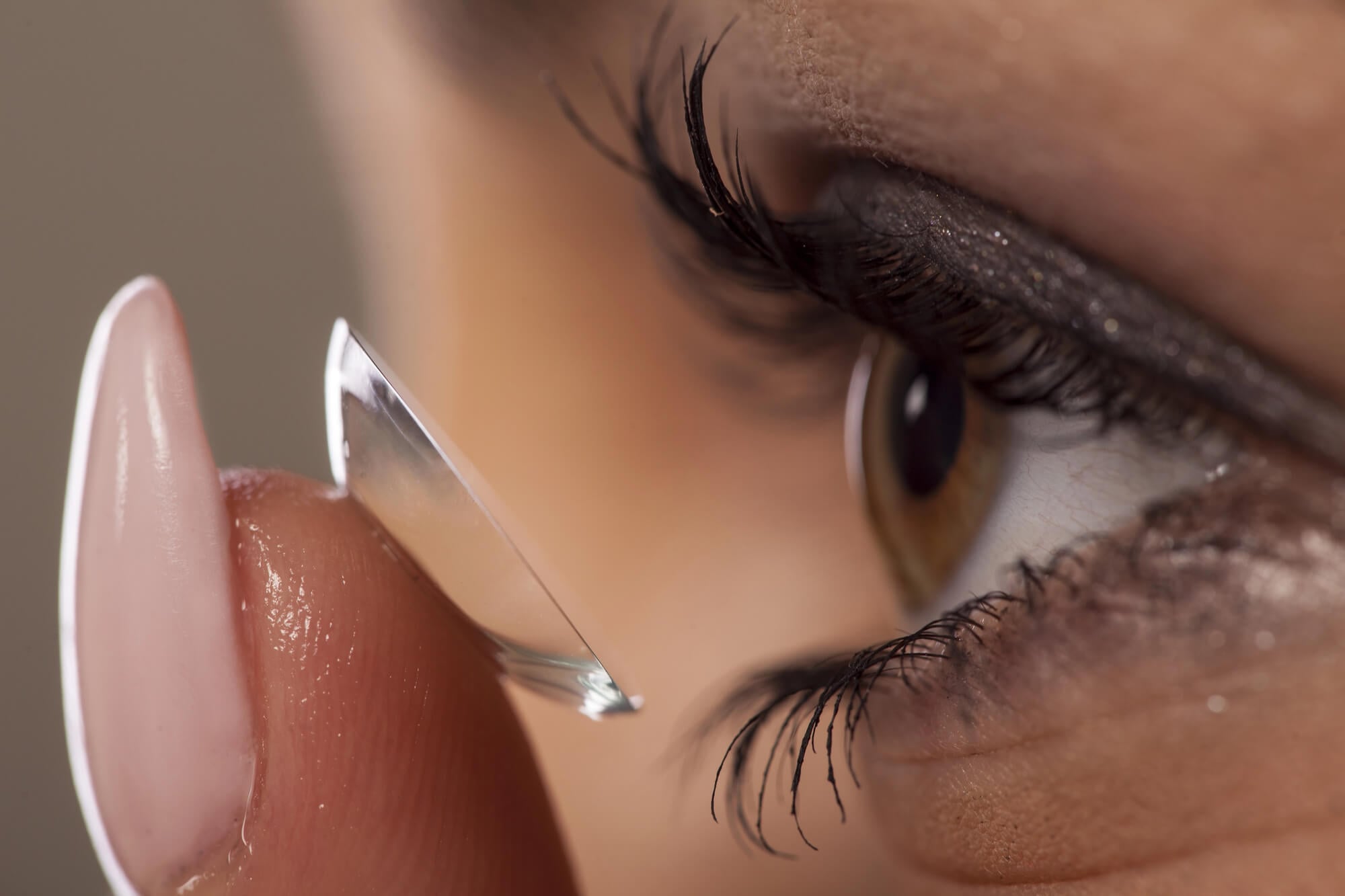
Czech chemist Otto Wichterle developed a soft, water-absorbing plastic called HEMA in the 1950s that he believed could be shaped into lenses for the eye, but he lacked institutional support and reportedly built his first lens-casting machine at home using a children’s construction toy and a bicycle dynamo motor in 1961. Soft contact lenses were not approved for sale in the United States until 1971.
The Jet Engine
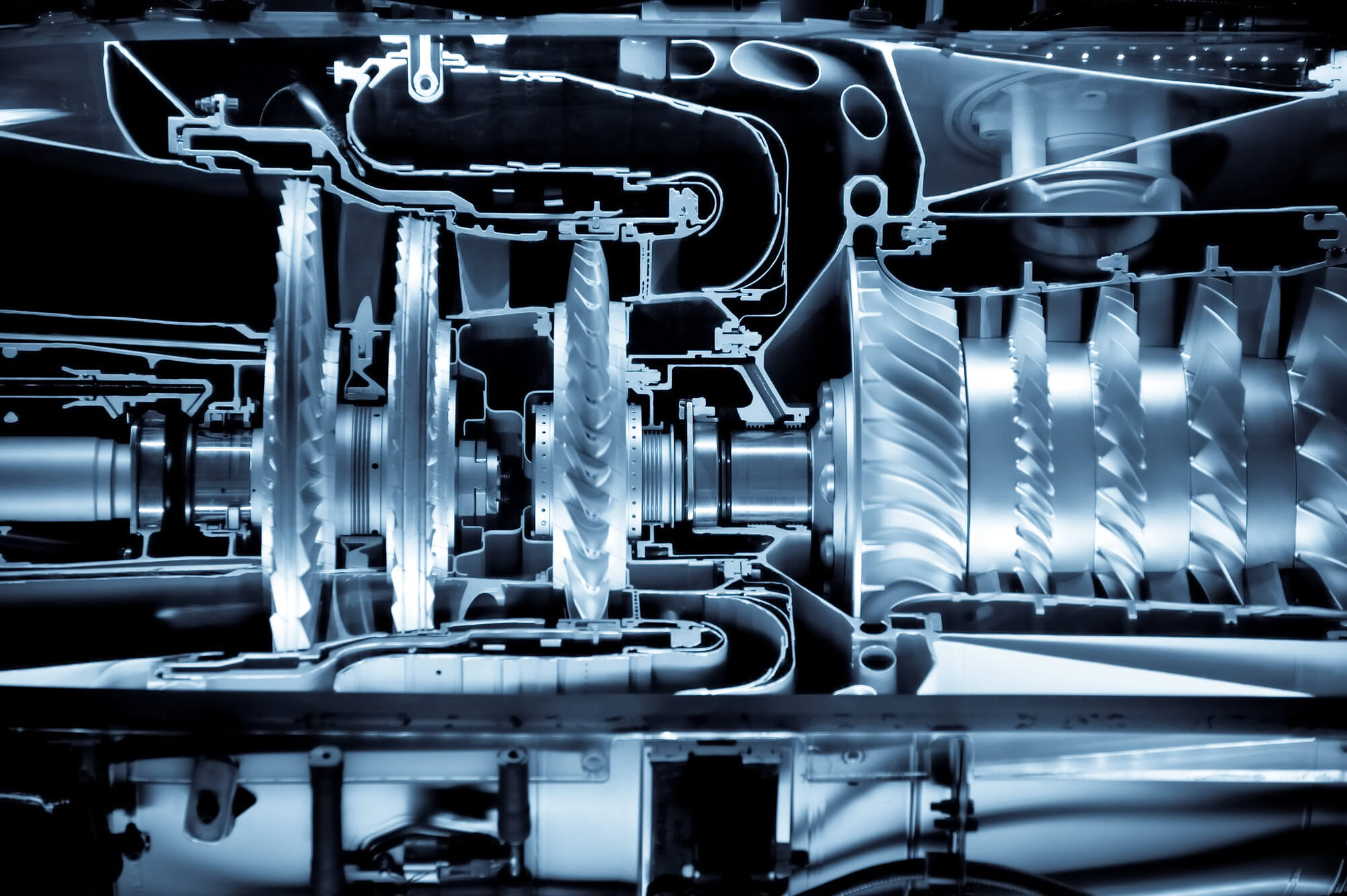
British engineer Frank Whittle patented a design for a turbojet engine in 1930, but the Air Ministry showed no interest and let the patent lapse without funding development. It was not until the urgency of World War II, nearly a decade later, that Whittle’s engine was built and flown, arriving just after Germany had independently developed and flown its own jet.
LED Lighting
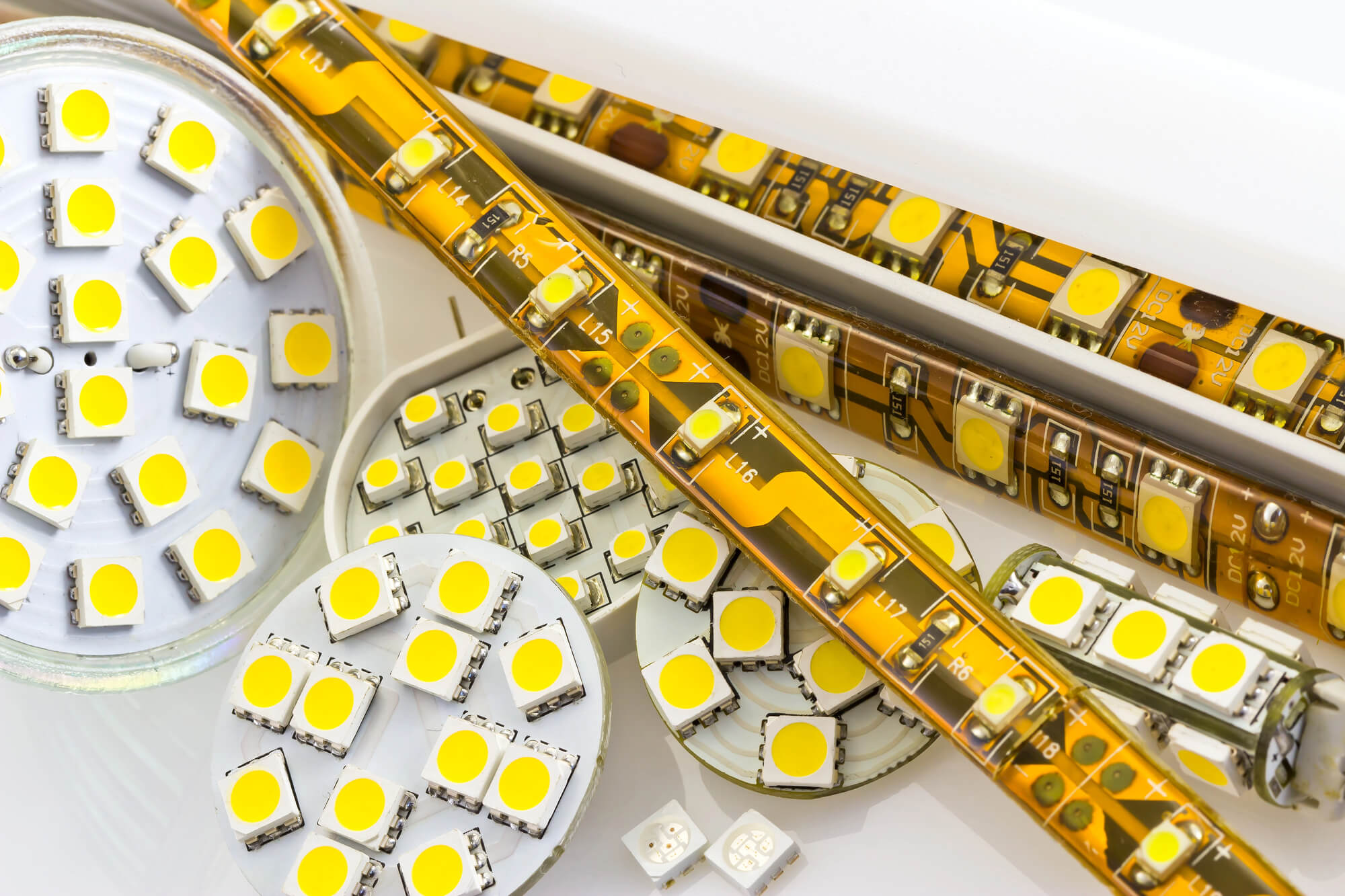
Nick Holonyak Jr. invented the first visible-spectrum LED, glowing red, at General Electric in 1962, and predicted it would eventually replace the incandescent bulb. Practical white LED lighting required a blue LED that would not be achieved until Shuji Nakamura’s breakthrough in 1993, meaning LED room lighting did not become commercially widespread until the 2000s, roughly forty years after Holonyak’s original device.
The Fax Machine
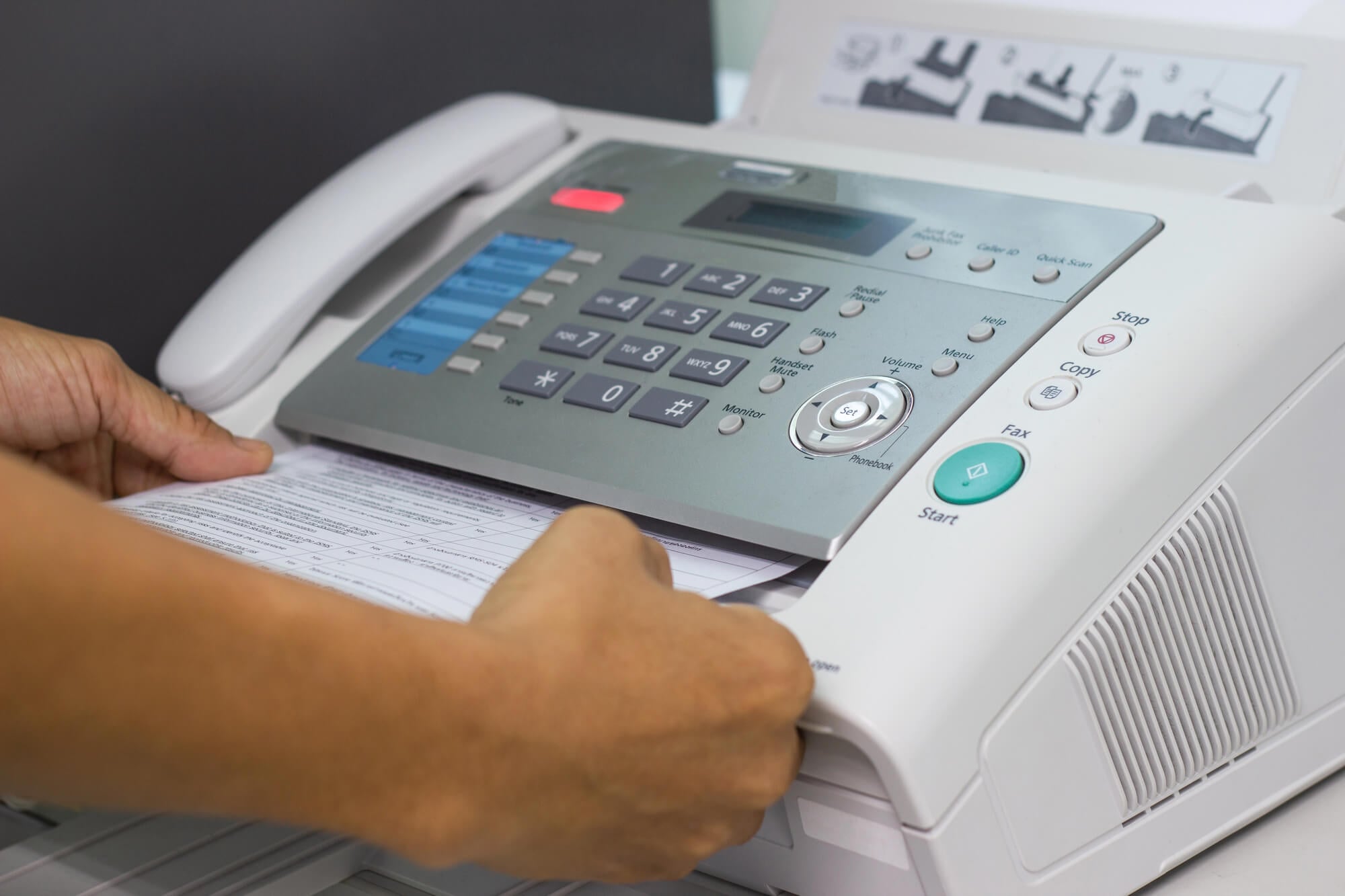
Scottish inventor Alexander Bain patented an early facsimile transmission device in 1843, using a pendulum-based scanning method to send images over telegraph wires, decades before the telephone even existed. Fax machines did not become common business equipment until the 1970s and 1980s, well over a century after Bain’s original patent.
The Solar Cell
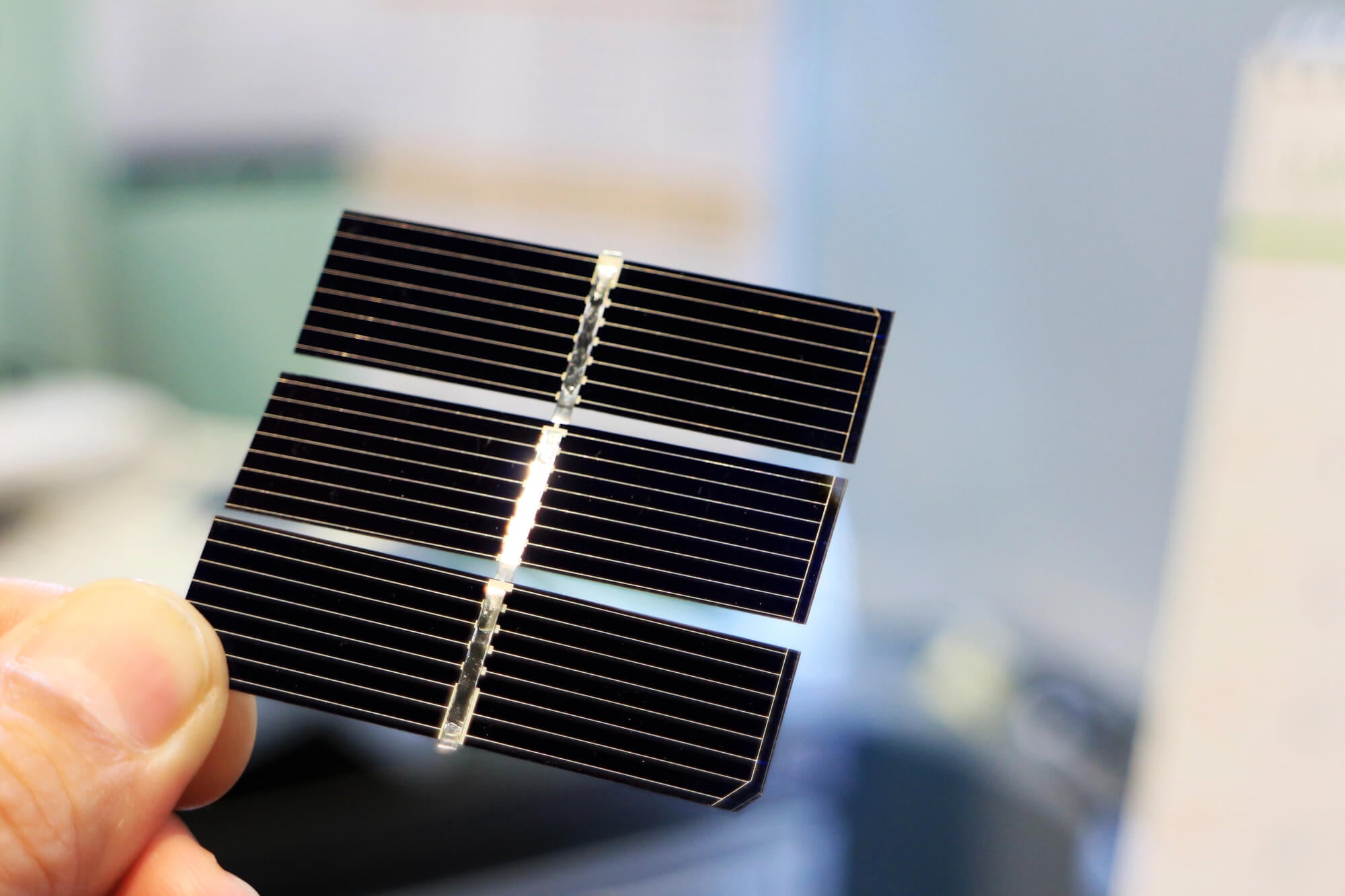
Bell Labs scientists Daryl Chapin, Calvin Fuller, and Gerald Pearson built the first practical silicon solar cell in 1954, capable of converting about 6 percent of sunlight into usable electricity. High manufacturing costs kept solar power confined mostly to satellites and niche applications for decades, and it was not until government subsidies and falling silicon prices in the 2000s that residential solar panels became commonplace.
Kevlar
DuPont chemist Stephanie Kwolek discovered a stiff, unusually strong liquid crystal polymer in 1965 while researching lightweight fibers for tires, and pushed to have it spun into fiber despite a lab technician’s reluctance to test the strange substance. Kevlar was not used in bulletproof vests until the 1970s, and it took years more before body armor made from the material became standard police and military equipment.
Touchscreen Technology

Physicist E.A. Johnson described a capacitive touchscreen for air traffic control systems in a 1965 paper, and built working prototypes at a British radar research establishment shortly after. Touchscreens remained a specialized, expensive technology confined to industrial and military use for decades, only reaching mass consumer adoption with devices like the iPhone in 2007, more than forty years later.
The Escalator

Jesse Reno patented an “inclined elevator” in 1892 and installed a novelty version at Coney Island as an amusement ride rather than a transportation device. It took over a decade of refinement by Reno and competitor Charles Seeberger before escalators were installed in department stores and subway stations as practical people-movers in the early 1900s.
mRNA Vaccine Technology
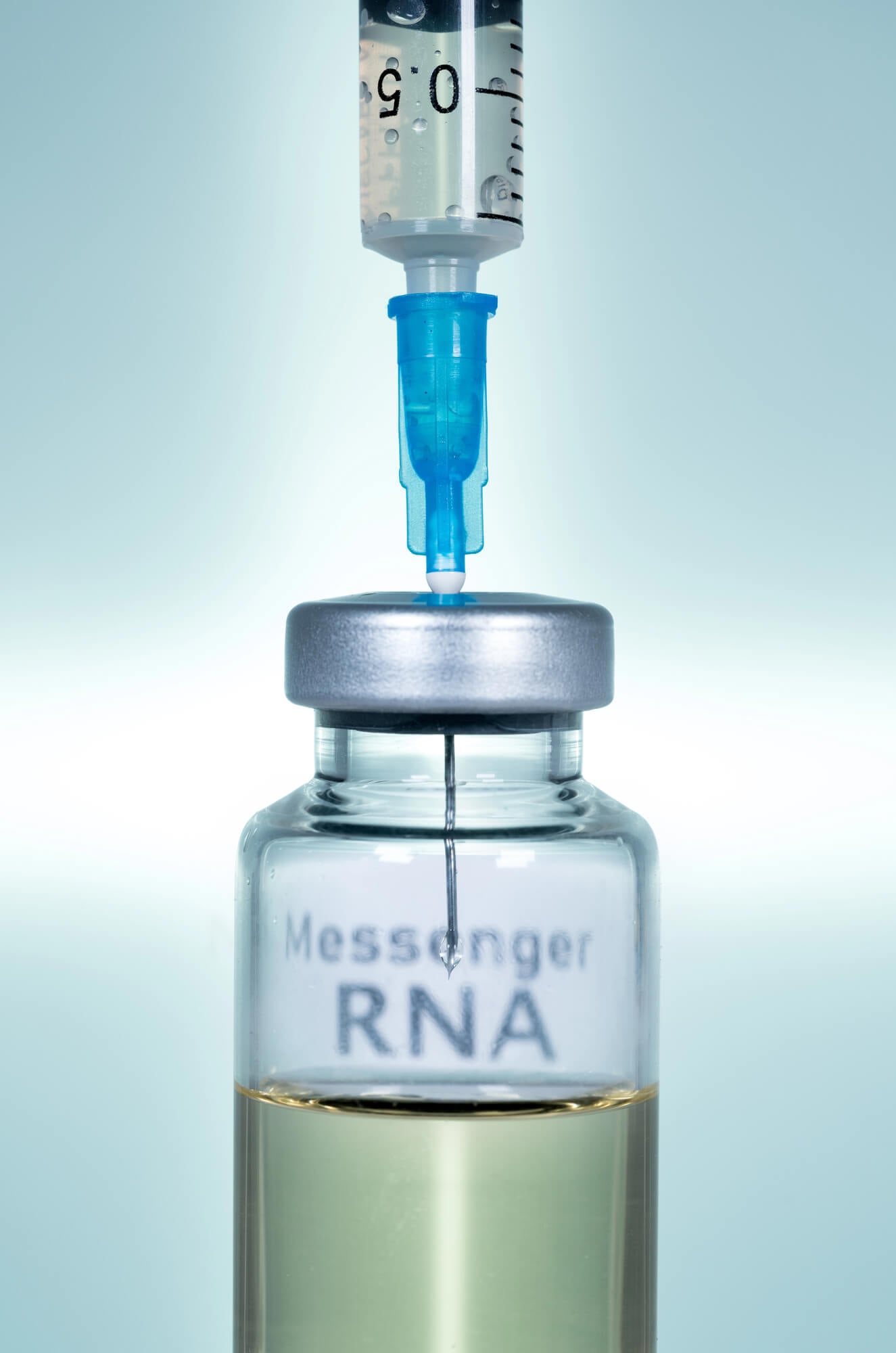
Biochemist Katalin Karikó spent decades researching messenger RNA’s therapeutic potential starting in the 1990s, facing repeated grant rejections and a demotion at the University of Pennsylvania for pursuing what colleagues considered a dead end. Her work with immunologist Drew Weissman on modifying mRNA to avoid triggering a destructive immune response, published in 2005, became the foundation for the COVID-19 vaccines developed by Moderna and Pfizer-BioNTech in 2020, roughly fifteen years after their key discovery and nearly thirty years after Karikó began the research.
3D Printing
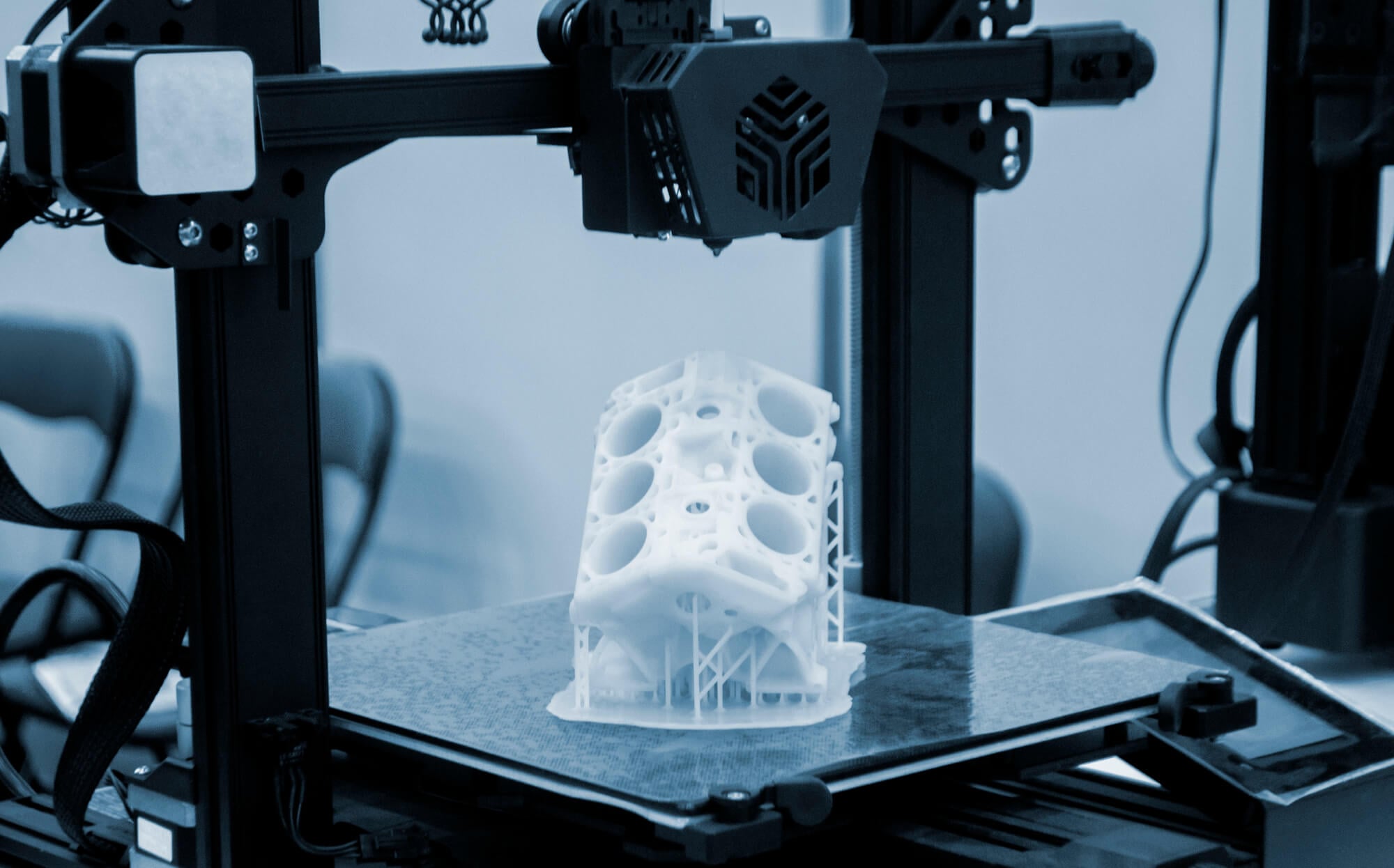
Chuck Hull invented and patented stereolithography, a method of building solid objects layer by layer from liquid resin cured by ultraviolet light, in 1984. The technology remained a costly, specialized tool for industrial prototyping for roughly three decades before falling costs and expired patents opened the door to affordable consumer and hobbyist 3D printers in the 2010s.
The Automatic Pilot

Lawrence Sperry demonstrated a working gyroscopic autopilot in a public flight in 1914, hands-free and stunning onlookers, but aviation manufacturers showed little sustained commercial interest in the device for years. Autopilot systems did not become a standard feature on commercial and military aircraft until the 1930s and 1940s, decades after Sperry’s demonstration.
Instant Photography’s Predecessor Technology

Edwin Land began researching polarizing filters and light-based imaging in the 1930s, developing polarized sunglasses and camera filters years before he applied the underlying optical principles to instant photography. The Polaroid Land Camera, his signature product built on that earlier research, was not released until 1948, roughly fifteen years after his foundational work on polarization began.
The Waterbed’s Underlying Gel Technology

Charles Hall developed temperature-sensitive gel and flotation research as part of a university design project in the late 1960s, building on decades of earlier, less successful attempts at liquid-filled mattresses dating back to a design patented by Scottish physician Neil Arnott in 1833. Commercially successful waterbeds using refined vinyl and heating technology did not appear until Hall’s 1971 patent, over a century after Arnott’s original concept.
Radar

Physicist Robert Watson-Watt demonstrated that radio waves could detect aircraft in 1935, but British military leadership was slow to fund a nationwide detection network despite the looming threat from Germany. It took the escalating urgency of the late 1930s for the Chain Home radar system to be built in time for the Battle of Britain in 1940, five years after the original demonstration.
The Typewriter’s Practical Keyboard Layout

Early typewriter designs date to patents from the 1860s, but machines were slow, unreliable, and jammed constantly until Christopher Sholes refined the QWERTY layout specifically to reduce jamming by separating commonly paired letters. Even after Remington began manufacturing typewriters commercially in 1873, it took roughly another decade of refinement before typewriters were widely adopted in offices.
The Telephone Answering Concept
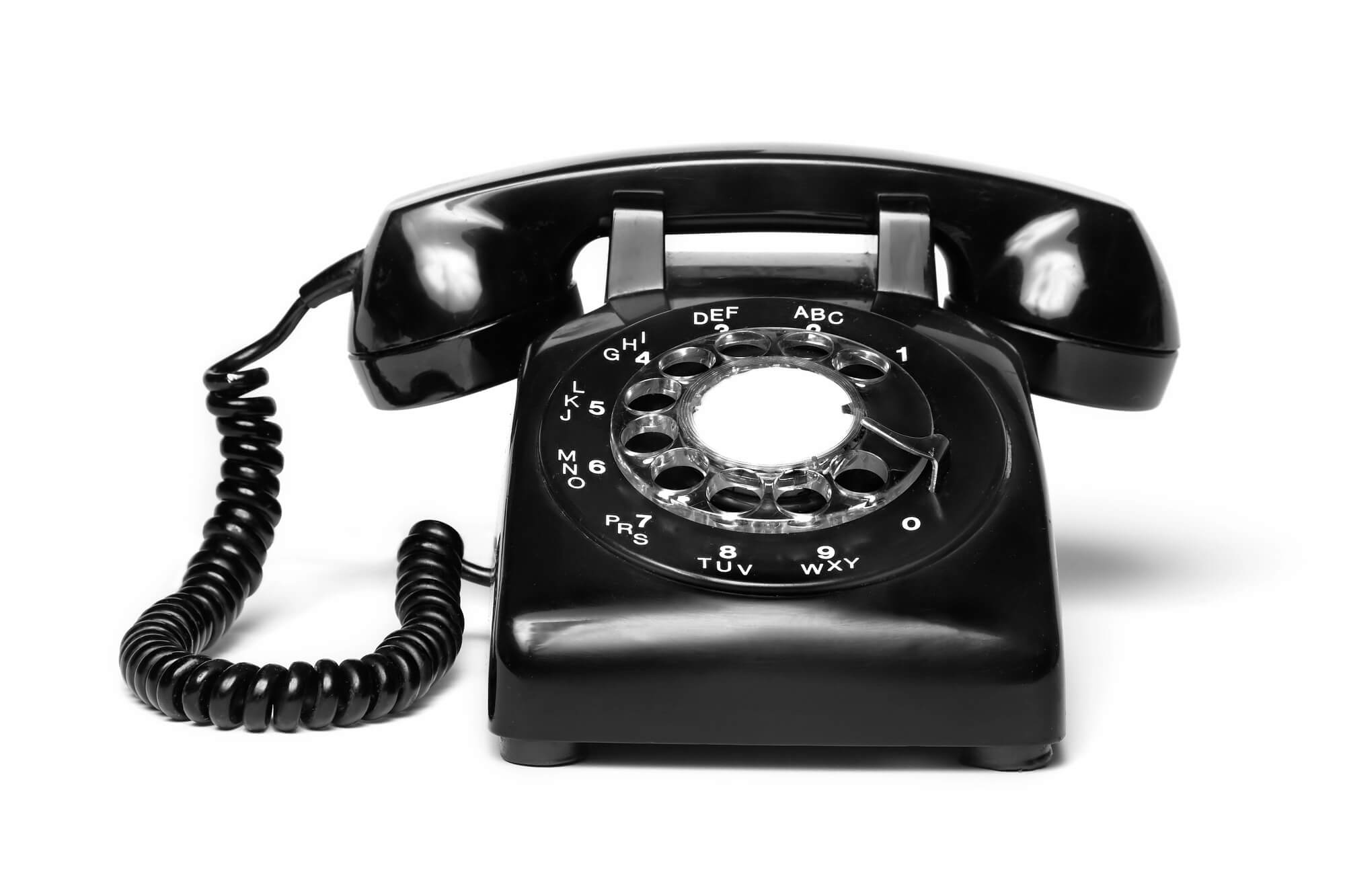
Valdemar Poulsen patented the telegraphone, a magnetic wire recording device capable of recording telephone messages, in 1898, decades before anyone built a practical answering machine for home or office use. Commercial telephone answering machines did not become widely available to consumers until the 1960s and did not become common household items until the 1970s.
Powdered Milk

The technique for spray-drying milk into a shelf-stable powder was patented in the 1890s, though it was the American Merrell brothers who commercialized a workable process around 1905. Powdered milk remained a niche product for decades and only saw significant demand during wartime rationing in the 1940s, when its shelf stability made it valuable for military and relief supplies.
The Modern Umbrella’s Waterproofing
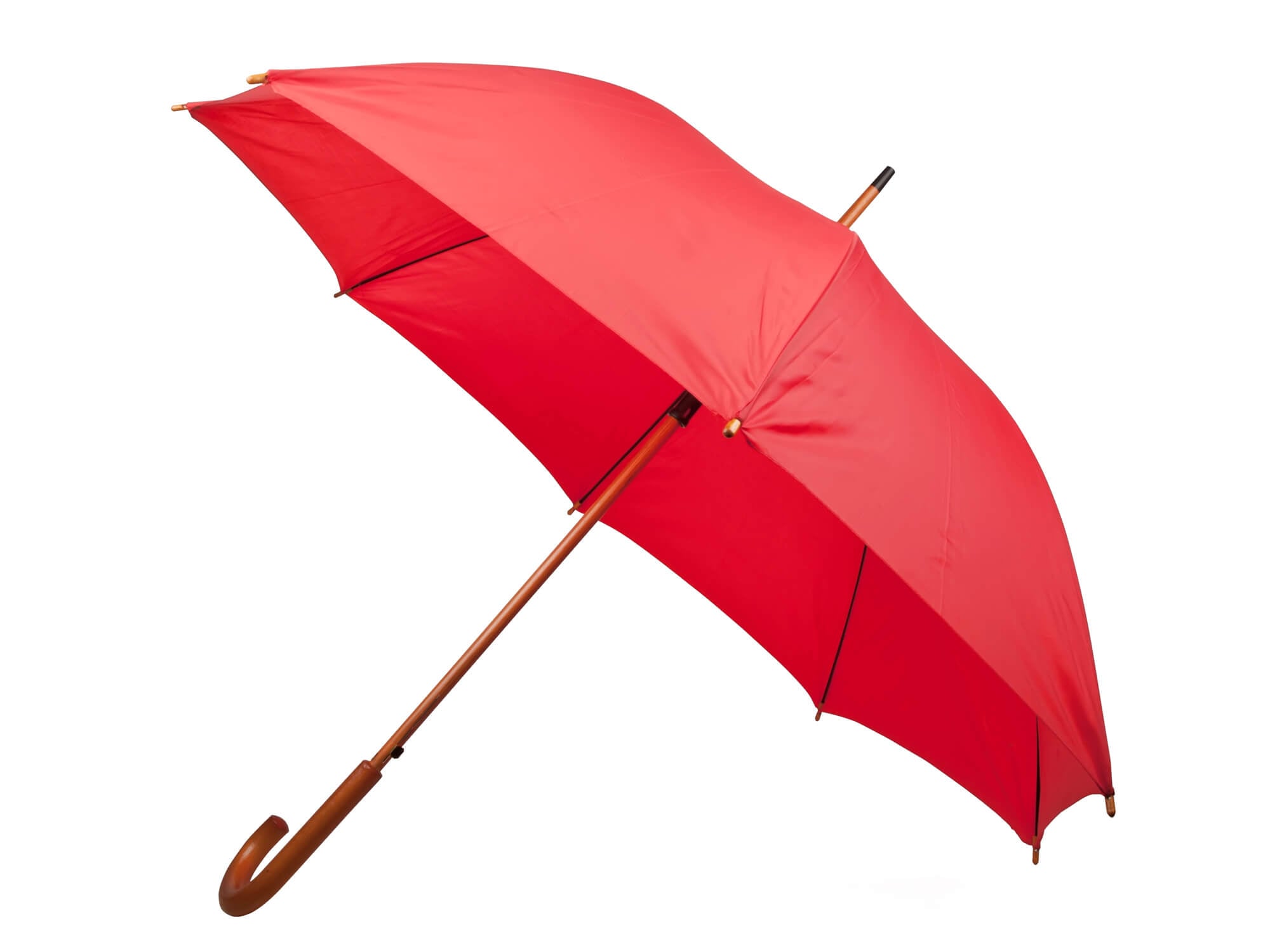
Charles Macintosh patented a rubberized waterproof fabric in 1823 using dissolved rubber sandwiched between layers of cloth, originally intended for raincoats. Practical waterproof umbrellas using durable, non-sticky treated fabric did not become widely available until decades later, after manufacturers solved the problem of the rubber becoming stiff in cold weather and melting in heat.
Freeze-Dried Food

Freeze-drying as a preservation technique was studied experimentally in the early 20th century, with meaningful development accelerating during World War II to preserve blood plasma and penicillin for battlefield use. It took until the 1950s and 1960s for freeze-dried technology to be adapted for food, eventually becoming standard for instant coffee and space program rations.
The Closing the Loop on Progress

Nearly every entry above shares the same shape: a working idea, a disinterested market, and a gap of years or decades before circumstance caught up. Sometimes the missing piece was a supporting technology, like the blue LED that finally made white light possible. Sometimes it was simply that nobody in power wanted what the inventor was selling, at least not yet.
What connects Hedy Lamarr’s forgotten patent to Katalin Karikó’s demoted research is not luck but persistence in the absence of reward, and a willingness to keep believing an idea was right even when the market insisted otherwise. History tends to credit the moment an invention finally gets used, but the more instructive moment is usually the one nobody was watching, years earlier, when it was already true.
More from Go2Tutors!

- The Romanov Crown Jewels and Their Tragic Fate
- 13 Historical Mysteries That Science Still Can’t Solve
- Famous Hoaxes That Fooled the World for Years
- 15 Child Stars with Tragic Adult Lives
- 16 Famous Jewelry Pieces in History
Like Go2Tutors’s content? Follow us on MSN.



