29 Messages Sent During Wartime That Changed the Course of Entire Conflicts
The history of warfare is also a history of communication — of orders sent and lost, of ciphers broken or held, of dispatches that arrived too late or too early, of a single decoded telegram that pulled a neutral nation into a world war. Battles are decided by armies, but the intelligence that positions those armies, the messages that move them, and the words that occasionally stop them entirely have done as much work as any general in the record of human conflict.
These twenty-nine messages were moments where the right or wrong words, arriving at the right or wrong time, changed everything.
The Zimmermann Telegram (1917)
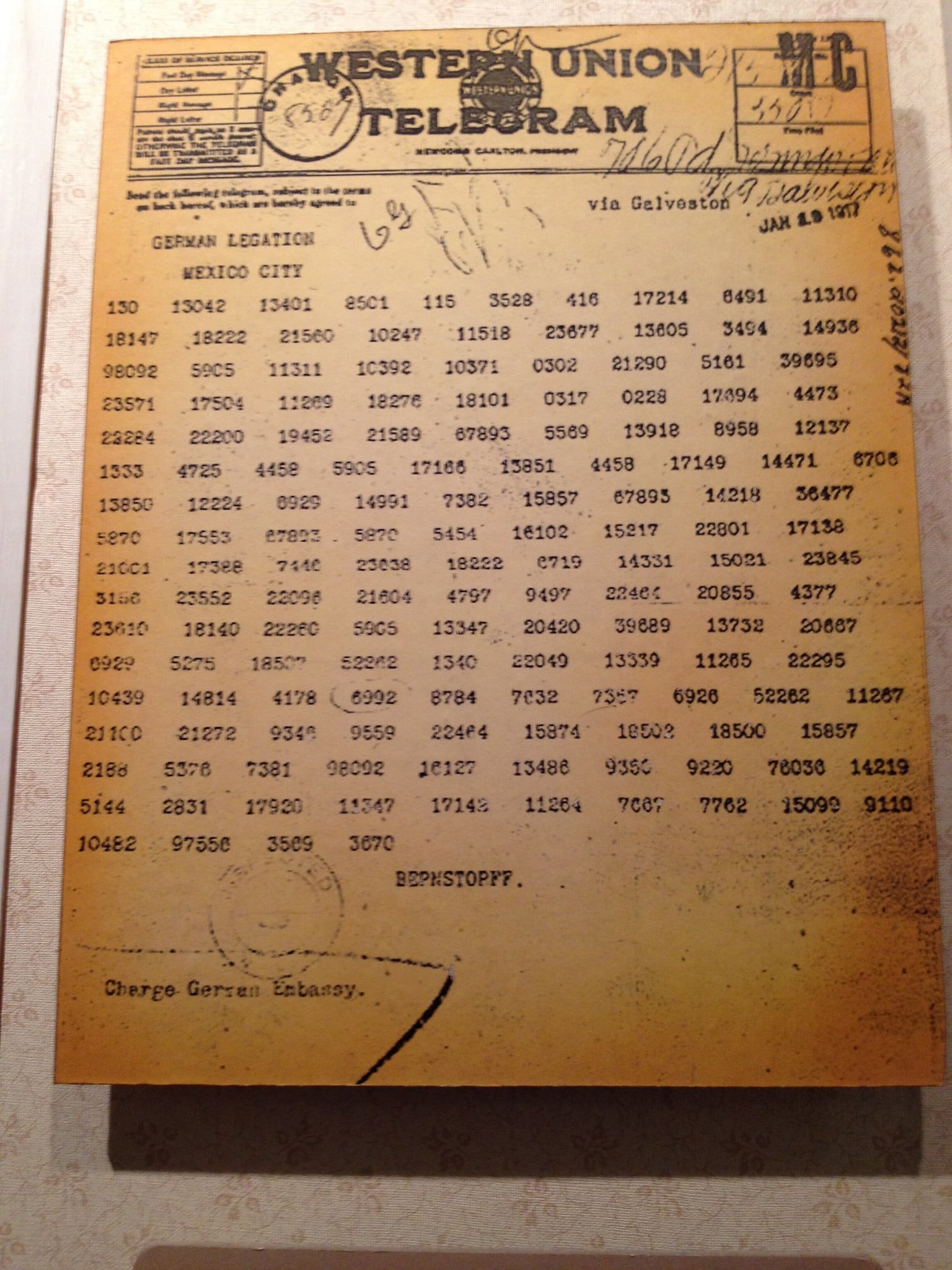
German Foreign Secretary Arthur Zimmermann sent a coded message to the German ambassador in Mexico on January 16, 1917, proposing a military alliance. If the United States entered World War I on the Allied side, Germany would help Mexico reclaim Texas, New Mexico, and Arizona.
British cryptographers in Room 40 decoded the telegram almost immediately — the Germans had sent it through the American State Department’s own telegraph cable, which Britain had been monitoring. They released it to the American press on March 1, 1917.
Zimmermann, bafflingly, confirmed its authenticity in a speech to the Reichstag. American public opinion turned decisively against Germany.
David Kahn, the leading historian of cryptanalysis, has written that “no other single cryptanalysis has had such enormous consequences.” The United States declared war on Germany thirty days after the telegram was published.
The Ems Dispatch (1870)

King Wilhelm I of Prussia met with the French ambassador on his morning walk at the spa town of Ems and politely declined a French demand for a permanent guarantee that no Hohenzollern prince would ever seek the Spanish throne. An official named Heinrich Abeken sent a telegram reporting this to Chancellor Bismarck in Berlin.
Bismarck edited the telegram — removing the polite phrasing and replacing it with language that implied the king had rudely dismissed the ambassador — and released it to the press. France’s parliament, reading the edited version, perceived a diplomatic insult to French national honor and voted for war credits.
France declared war on Prussia on July 19, 1870, starting the Franco-Prussian War, which ended with France’s defeat, the unification of Germany, and the annexation of Alsace-Lorraine. The war began because Bismarck changed how a polite refusal sounded.
Ultra — The Continuous Message Stream That Shortened WWII
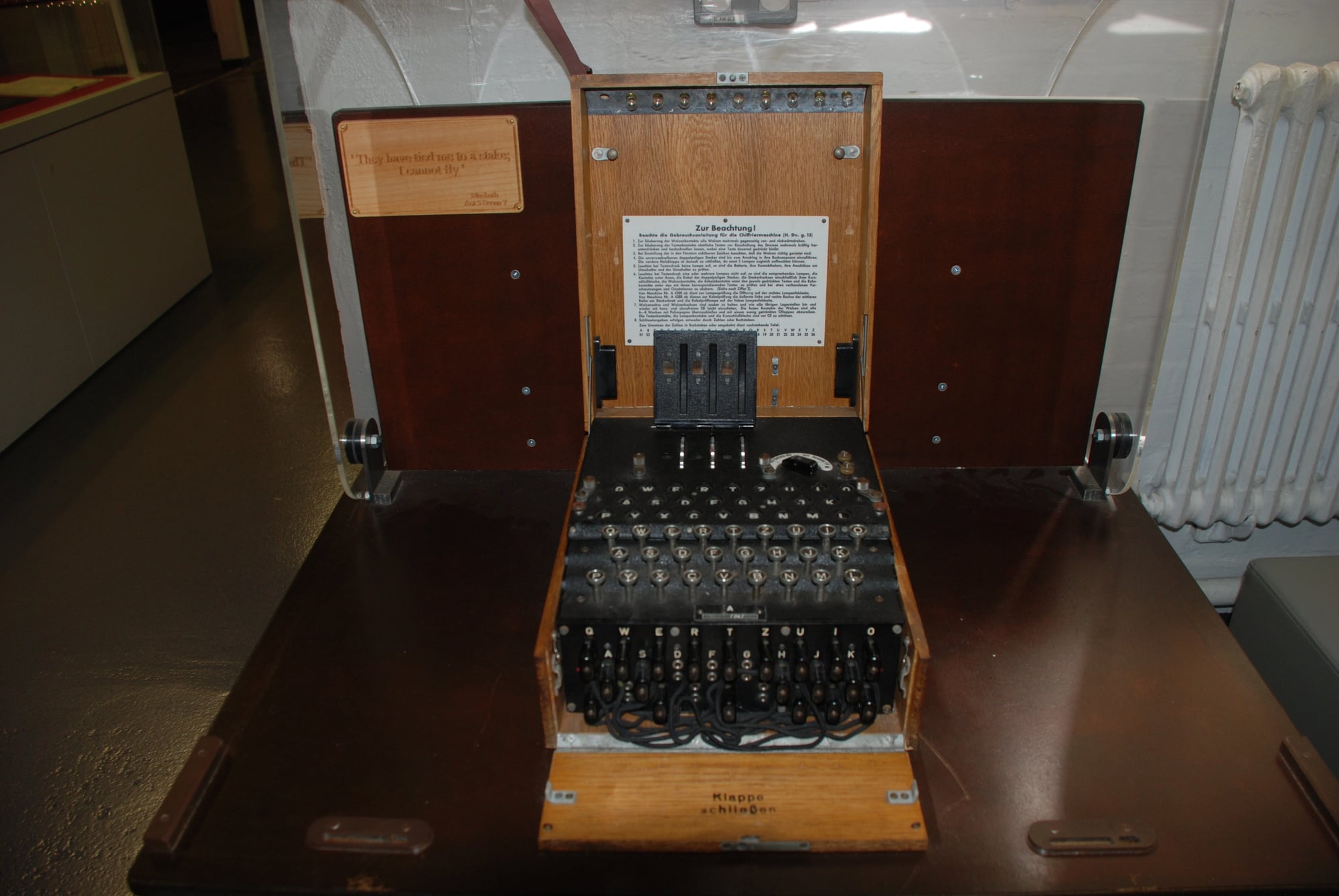
Ultra was the Allied intelligence program that decrypted German Enigma-encoded military communications at Bletchley Park throughout World War II. Polish cryptographers had first broken Enigma in the early 1930s and shared their methods with British intelligence in 1939 as German invasion loomed.
By 1943, Bletchley Park was decrypting up to three thousand messages per day. At its peak in January 1945, ten thousand people were working at the facility, reading German and Japanese communications faster than some German commanders could act on the orders they received.
Churchill said Alan Turing made “the single biggest contribution to Allied victory.” The official historian of British wartime intelligence has written that Ultra shortened the war by two to four years and that without it the outcome would have been uncertain.
“Air Raid Pearl Harbor. This Is Not Drill.” (December 7, 1941)
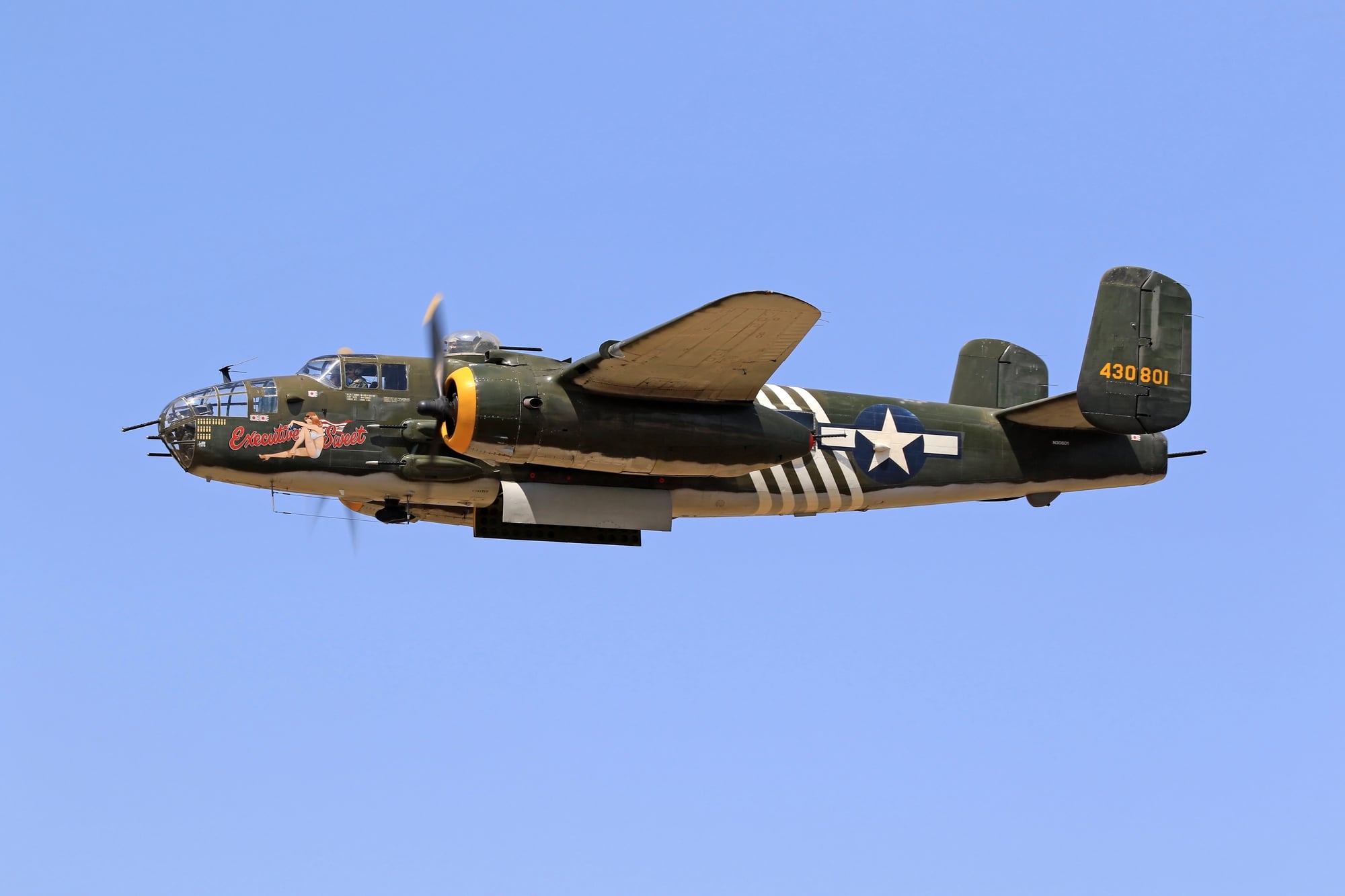
This message, sent by the office of Commander in Chief Pacific Fleet within minutes of the Japanese attack beginning, was among the first official communications acknowledging what was happening at Pearl Harbor. The attack killed 2,403 Americans, damaged or destroyed nineteen naval vessels, and destroyed 188 aircraft.
The failure to anticipate it — despite multiple intelligence indicators — has been the subject of historians’ debate for over eighty years. The message itself was not what changed history.
The hours of silence before it was sent, while the attack continued, represented one of the most consequential intelligence failures in American history.
Eisenhower’s Failure Message That Was Never Sent (June 5, 1944)
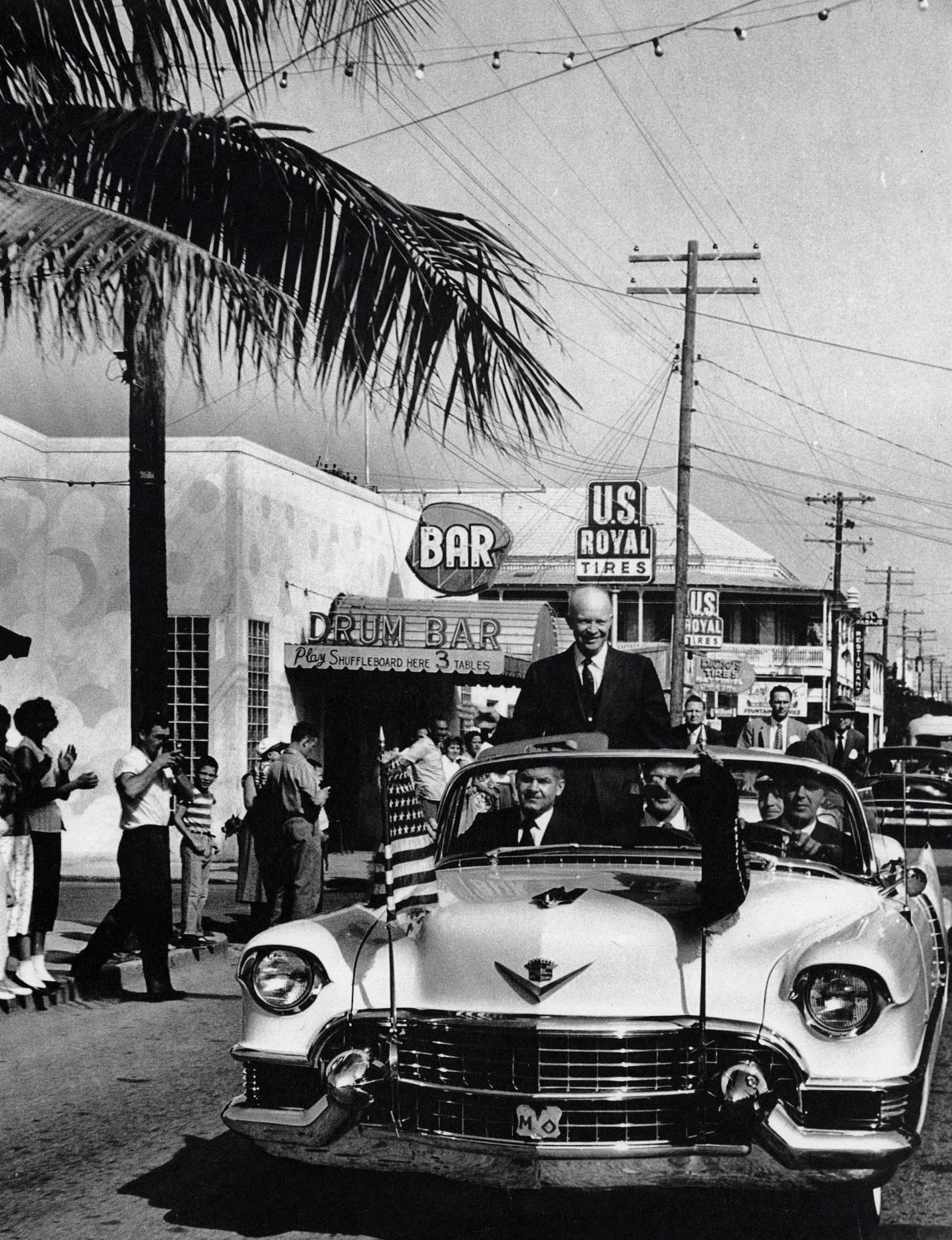
Before the Normandy landings, General Dwight D. Eisenhower wrote two messages. The first, which he sent, opened with: “You are about to embark on the Great Crusade.”
The second, which he kept in his pocket and then discarded when the landings succeeded, read: “Our landings in the Cherbourg-Havre area have failed to gain a satisfactory foothold and I have withdrawn the troops. My decision to attack at this time and place was based upon the best information available.
The troops, the air and the Navy did all that Bravery and devotion to duty could do. If any blame or fault attaches to the attempt it is mine alone.”
An aide recovered and preserved the discarded version. It survives in the National Archives.
“I Shall Return” — MacArthur’s Pledge (1942)
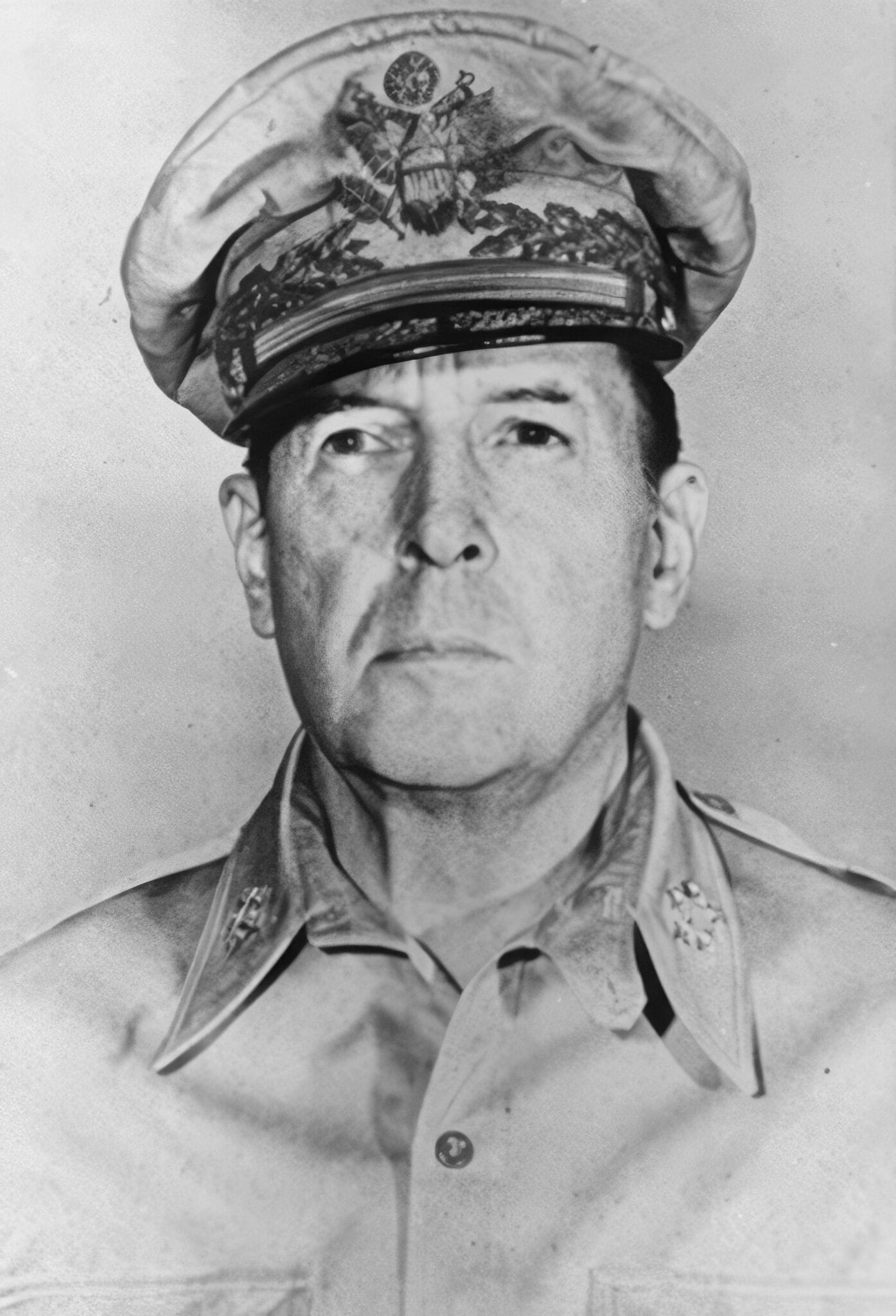
When President Franklin Roosevelt ordered General Douglas MacArthur to leave the Philippines as Japanese forces completed their occupation in March 1942, MacArthur issued a statement upon landing in Australia that ended: “I shall return.” Three words.
The statement was criticized within the US military — some suggested “we shall return” would have been more appropriate — but it resonated throughout the Pacific war as a promise and a rallying point for Filipino resistance. MacArthur did return, wading ashore in the Philippines in October 1944 and reportedly broadcasting: “People of the Philippines: I have returned.”
The phrase was printed on leaflets and dropped throughout Southeast Asia.
The Surrender of Cornwallis — A Message Through an Intermediary (1781)
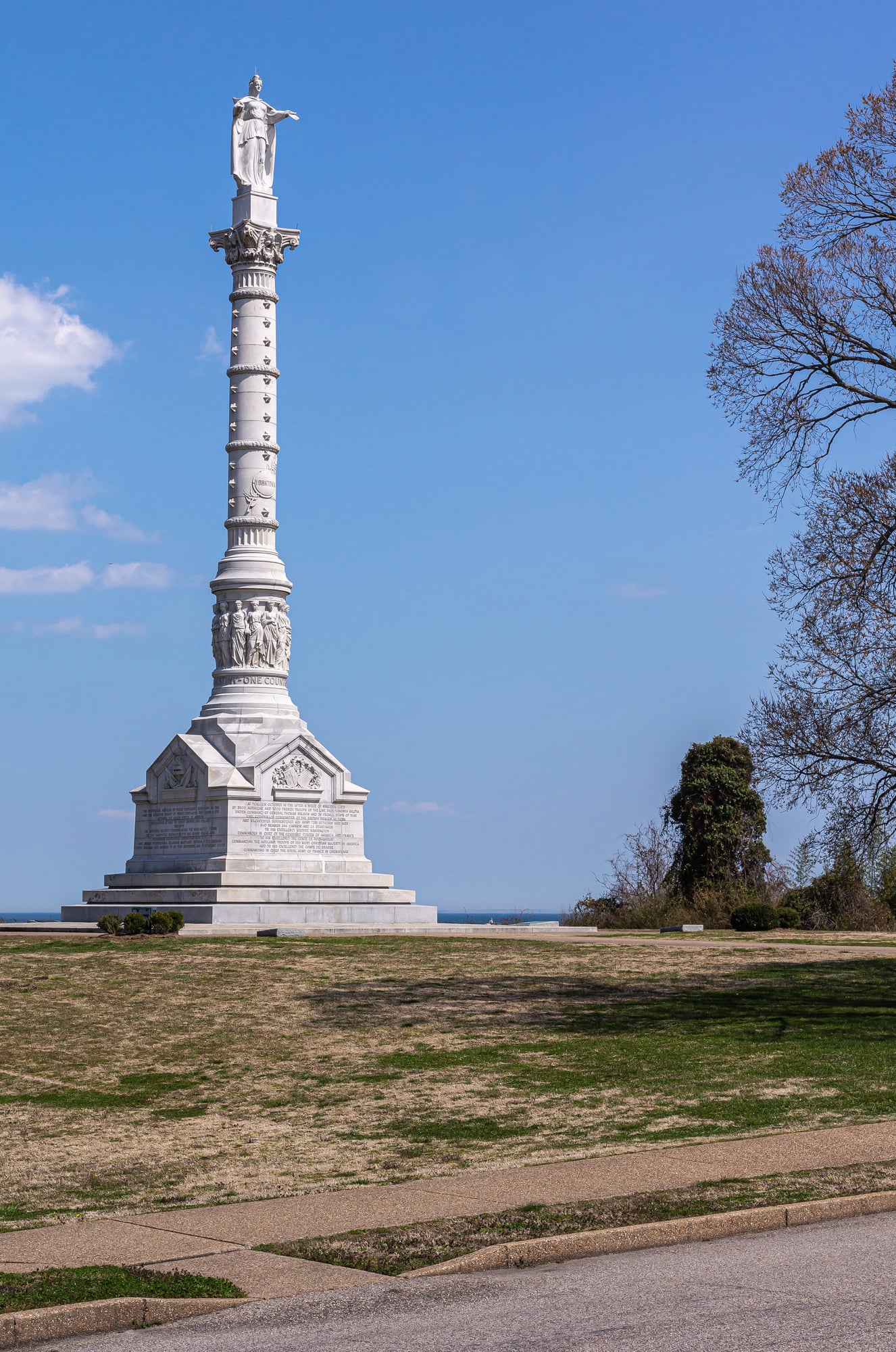
When British General Charles Cornwallis surrendered to George Washington at Yorktown in October 1781, he did not appear in person to surrender his sword. He sent a subordinate, Brigadier General Charles O’Hara, claiming illness.
Washington, in turn, delegated the receipt of the surrender to his own second-in-command, Major General Benjamin Lincoln. The absence of direct communication between the two commanders — mediated through their deputies — was itself a statement about what Cornwallis was willing to acknowledge.
The British band that played during the surrender reportedly chose the song “The World Turned Upside Down,” though this detail is disputed by some historians.
Caesar’s Message to Cicero Preventing a Rout (54 BC)
During the Gallic Wars, Julius Caesar’s general Quintus Tullius Cicero (brother of the orator) was besieged by the Belgic Nervii tribe and was on the verge of surrendering when he received a message from Caesar that reinforcements were coming. Caesar reportedly tried to communicate via messengers, all of whom were killed.
He finally tied a message to a spear and had it thrown over the wall of the camp. Cicero held.
Caesar arrived with his forces and relieved the camp. The cryptographic method — a javelin with a note attached — was not sophisticated, but the timing of the message’s arrival was the difference between a camp that surrendered and one that held.
The Signal Before Trafalgar (1805)
Just before the Battle of Trafalgar on October 21, 1805, Admiral Horatio Nelson had the signal hoisted: “England expects that every man will do his duty.” The message was transmitted using a flag code developed by Admiral Home Popham, which allowed previously impossible phrases to be communicated ship to ship.
The signal was not a tactical order — it was motivational. Nelson was killed in the battle that followed, but the British fleet destroyed Napoleon’s combined French and Spanish fleet, ending any realistic prospect of a French naval invasion of Britain.
The signal became one of the most famous phrases in British naval history.
The Potsdam Declaration (July 26, 1945)
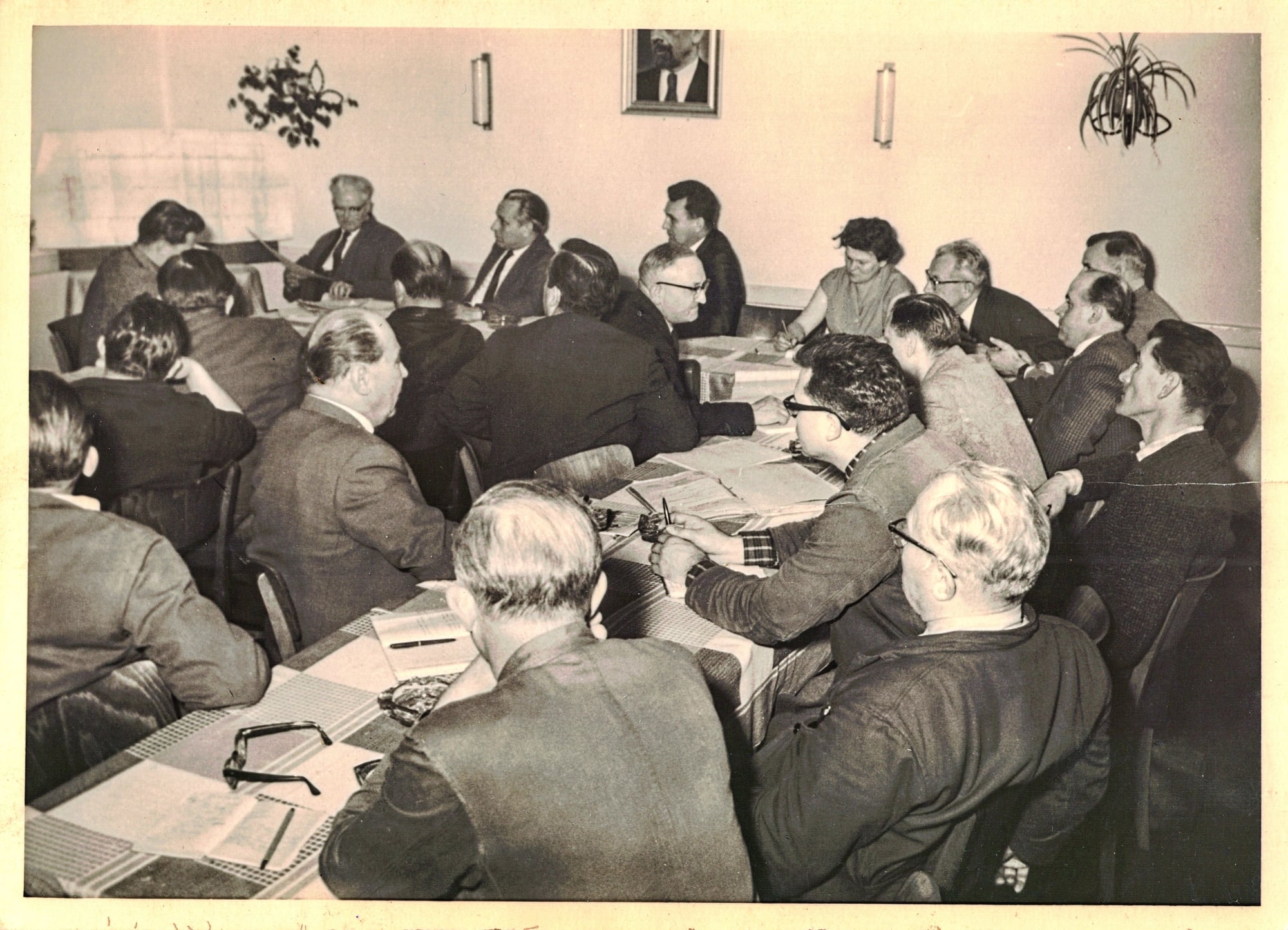
The Potsdam Declaration, issued on July 26, 1945 by the US, UK, and China, warned Japan to surrender unconditionally or face “prompt and utter destruction.” Japanese Prime Minister Kantaro Suzuki’s public response was mokusatsu — a word that can be translated as either “ignore” or “treat with silent contempt,” and there is historical debate about which he meant.
The Allied governments interpreted it as rejection. Eleven days later, on August 6, 1945, the United States dropped an atomic bomb on Hiroshima.
Whether a different response to the Potsdam Declaration would have averted the bombing — or whether the bomb was going to be used regardless — is one of the most debated questions in the history of World War II.
The Enigma Message That Revealed North African Dispositions (1942)
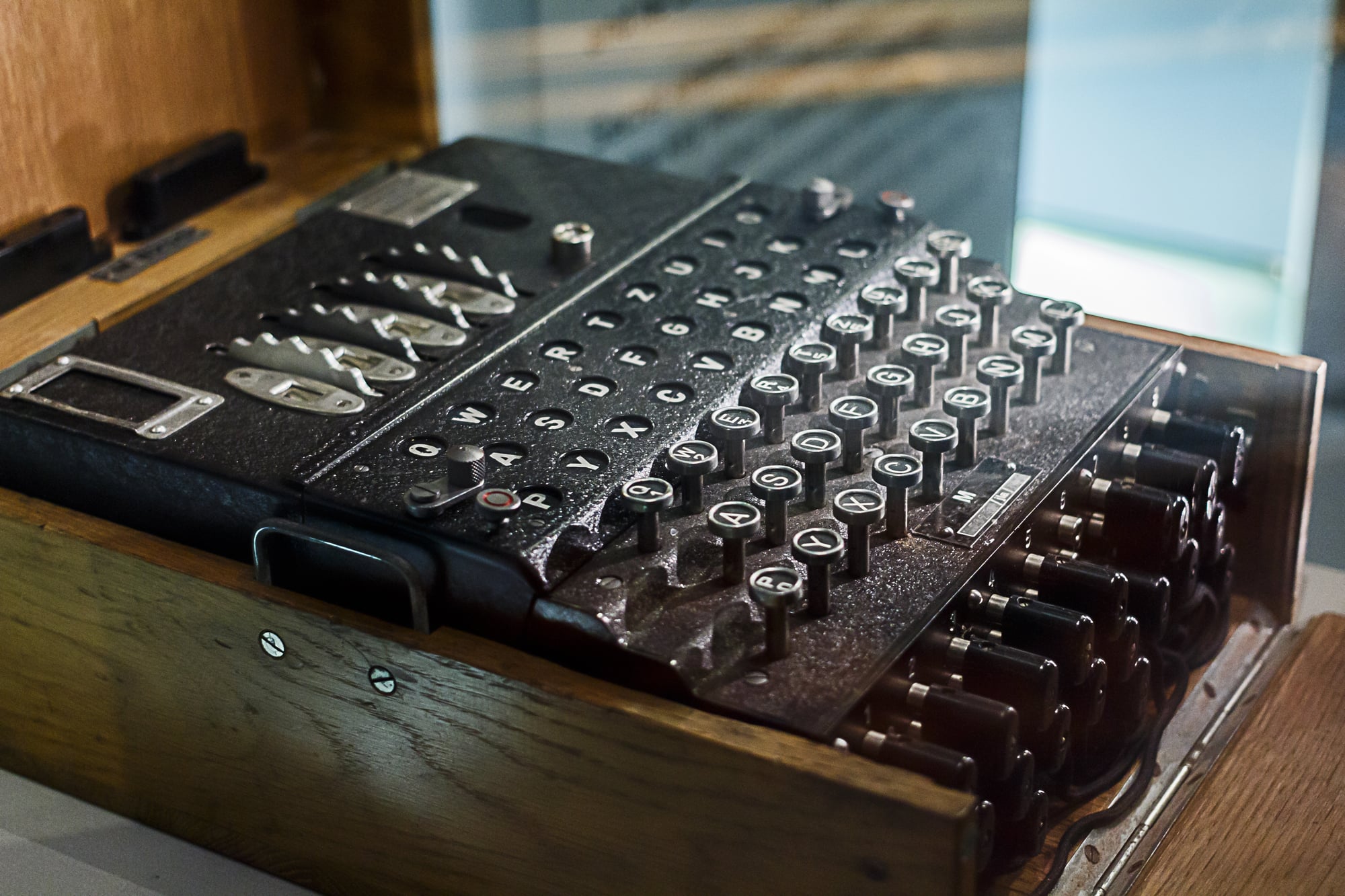
One of Ultra’s most direct battlefield contributions came in the North African campaign, where decrypted Enigma messages gave British commanders detailed knowledge of Rommel’s supply routes, troop positions, and intentions. The intelligence was so specific that British forces sometimes knew the contents of German orders before the field commanders who were supposed to execute them.
The challenge was always to act on the intelligence without revealing to Germany that Enigma had been broken — which meant occasionally allowing operations to proceed when intercepting them would have been the obvious move, to avoid pattern recognition. The balance required constant management and represented one of the most complex ethical and strategic problems in the history of military intelligence.
“Nuts” — McAuliffe’s Response at Bastogne (December 22, 1944)
When German forces surrounded the American 101st Airborne Division at Bastogne during the Battle of the Bulge in December 1944, they sent a formal demand for the American commander to surrender. Brigadier General Anthony McAuliffe’s entire written reply was: “Nuts.”
The German officer who received the message reportedly did not understand the slang and asked a US liaison officer for clarification. He was told it meant “Go to hell.”
The Americans held Bastogne until Patton’s Third Army broke through on December 26. McAuliffe’s reply has become one of the most quoted single-word military communications in American history.
The “Magic” Decrypts That Warned of Pearl Harbor — And Were Missed

American cryptographers had broken Japan’s diplomatic code, known as Purple, before the attack on Pearl Harbor. The intelligence product was called Magic.
In the weeks before December 7, 1941, Magic decrypts revealed that Japan was planning military action in the Pacific and had given its ambassadors in various countries instructions that suggested diplomatic relations were being wound down. The specific target — Pearl Harbor — was not explicitly named.
The intelligence was sent to a limited circle of senior officials. The failure was not in breaking the code but in analyzing and acting on what the code revealed, a distinction that the subsequent congressional investigation took considerable time to untangle.
The Martyrdom Letter of Mary Queen of Scots (1587)
On the morning of her execution, Mary Queen of Scots wrote a letter to her brother-in-law, King Henry III of France, claiming she was dying for her Catholic faith and requesting that her servants be paid and prayers be said for her soul. The letter was completed at midnight and she was executed the following morning.
It was, among other things, a political communication designed to frame her death as religious martyrdom rather than judicial punishment for treason — a framing that Henry III and the Catholic powers of Europe were primed to accept and that complicated Elizabeth I’s relationship with those powers for years afterward.
The Sussex Pledge (1916) — And Its Revocation

Following Germany’s sinking of the French passenger ferry Sussex in the English Channel in March 1916, American outrage threatened to bring the United States into the war. Germany responded with the Sussex Pledge — a diplomatic communication in which Germany promised not to conduct unrestricted submarine warfare against passenger or merchant ships.
President Wilson withdrew his ultimatum. In February 1917, Germany revoked the pledge and resumed unrestricted submarine warfare.
This revocation, combined with the Zimmermann Telegram, provided the final push that brought the United States into the war.
“To Moscow — Report of an Emigre” — Penkovsky’s Final Warning (1962)
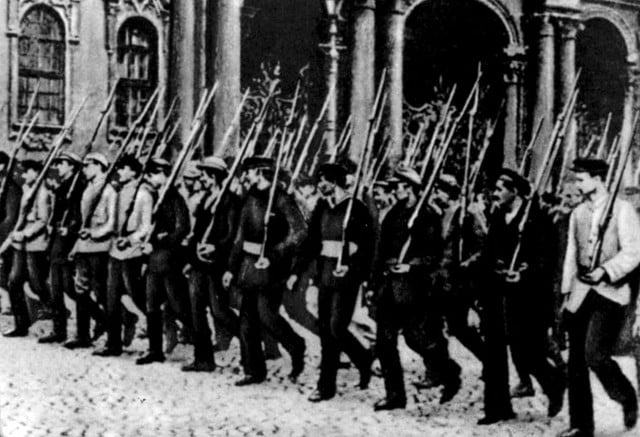
Soviet GRU colonel Oleg Penkovsky, who was spying for the CIA and MI6, passed detailed intelligence about Soviet military capabilities throughout 1961 and 1962. During the Cuban Missile Crisis in October 1962, the intelligence Penkovsky had previously provided — including detailed information about the actual operational range and reliability of Soviet missiles — helped American analysts understand that the missiles in Cuba posed a real threat but that the Soviet nuclear arsenal was not as overwhelming as feared.
Penkovsky was arrested in October 1962, just as the crisis peaked. The intelligence he had already provided was significant enough to have shaped the American response to the crisis.
The Telegram That Triggered the Boer War — The Kruger Telegram (1896)
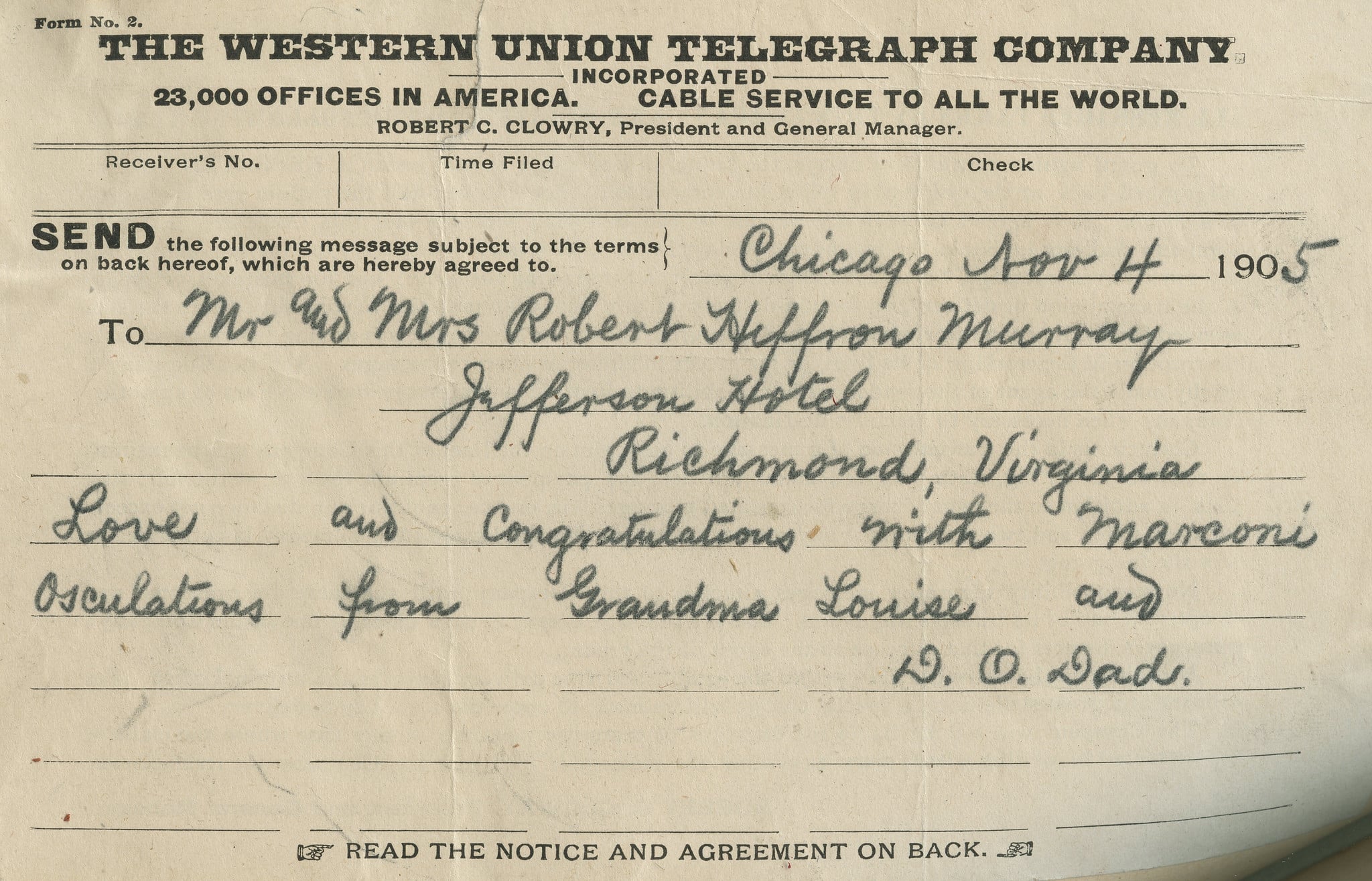
Kaiser Wilhelm II sent a congratulatory telegram to Paul Kruger, president of the South African Republic, following the failure of the Jameson Raid — a British-backed scheme to overthrow Kruger’s government. The telegram implied German support for the Boers against British interests and was received in Britain as a provocation and an interference in British colonial affairs.
British public opinion turned sharply against Germany. The incident contributed to the British policy of seeking alliances to balance German power — alliances that would eventually become the Entente that fought the First World War.
A diplomatic telegram sent in congratulation started a political chain that contributed to the conditions of the largest war in human history at that point.
The Signal That Revealed the U-Boat Threat: B-Dienst and Atlantic Convoys
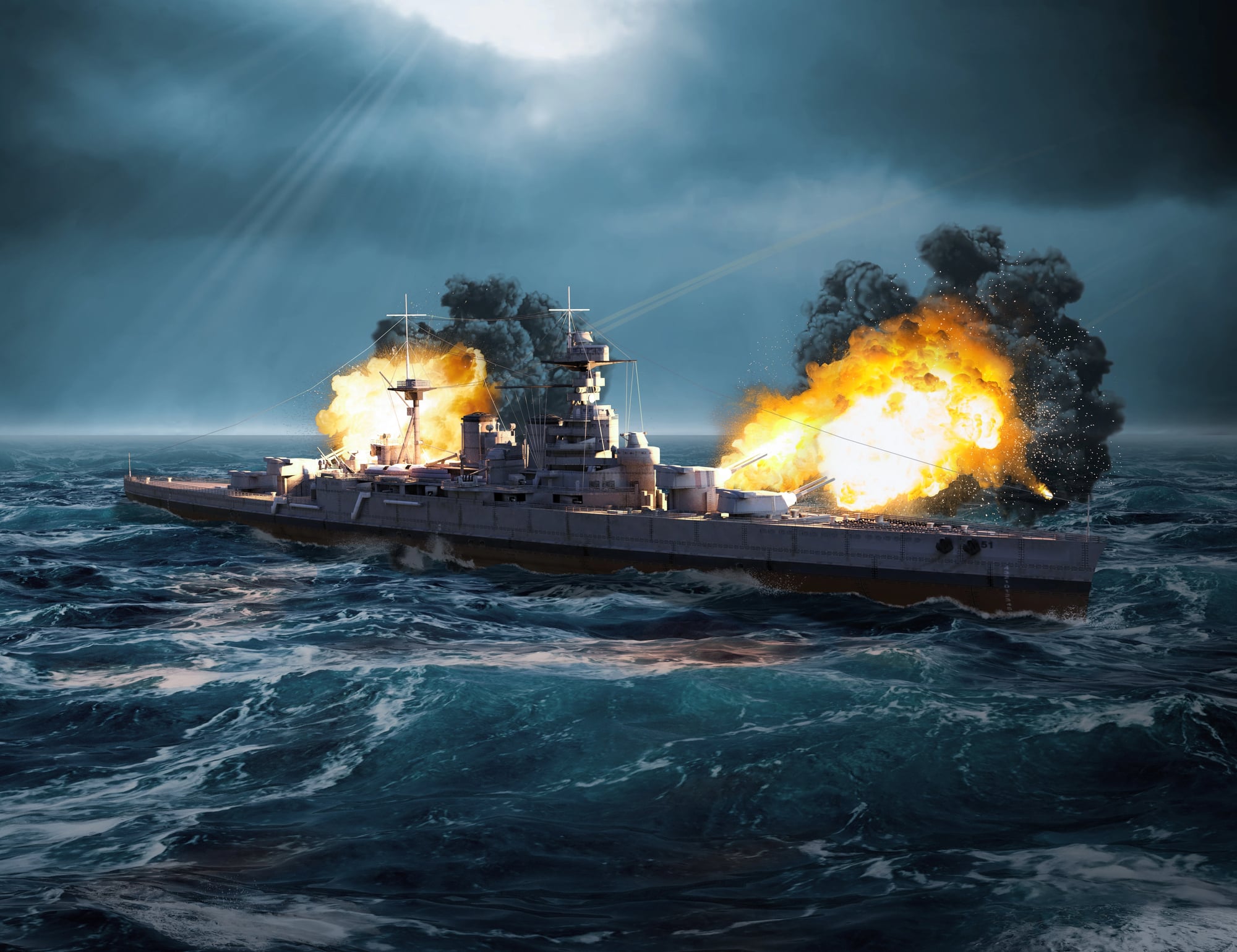
German naval intelligence service B-Dienst had broken British naval codes well before the war and was reading British convoy routing signals throughout the early years of World War II. This allowed German U-boats to be positioned ahead of Allied convoys with devastating accuracy.
The Battle of the Atlantic was in significant part a contest between code-breakers — Germany reading British convoy signals, Britain attempting to break German Enigma naval communications. When Bletchley Park finally broke the naval Enigma variant “Shark” in December 1942, the tide in the Atlantic began to shift, as British convoys were rerouted away from U-boat positions revealed by decrypted German orders.
“Perdicaris Alive or Raisuli Dead” (1904)

Ion Perdicaris, a Greek-American, was kidnapped by a Moroccan brigand named Raisuli in 1904. Secretary of State John Hay sent a dramatic telegram to the Sultan of Morocco that was read aloud at the Republican National Convention: “This government wants Perdicaris alive or Raisuli dead.”
The message was pure theater — the US government subsequently discovered that Perdicaris had renounced his American citizenship years earlier and had no right to US protection — but it played enormously well domestically and contributed to the convention’s enthusiasm for President Theodore Roosevelt’s renomination. The hostage was released.
The political utility of a message did not depend on the accuracy of the underlying claim.
The Orders for the Charge of the Light Brigade (1854)
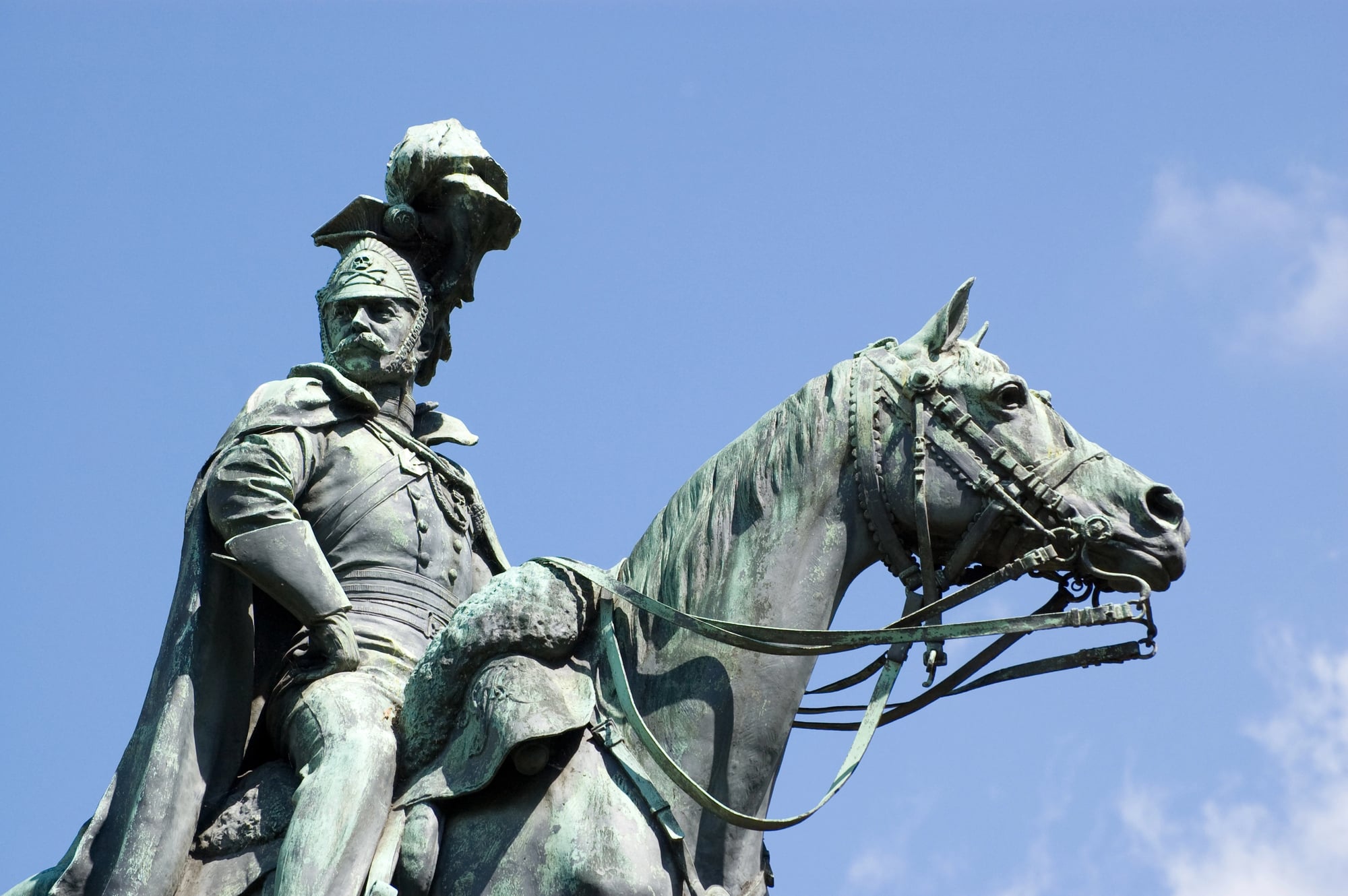
Lord Raglan sent an order during the Battle of Balaclava in October 1854 to his cavalry commander to “advance rapidly to the front, follow the enemy, and try to prevent the enemy carrying away the guns.” The order referred to artillery pieces that Russian forces were attempting to remove from a captured British position that was visible from Raglan’s elevated vantage point — but not from the position of the cavalry commander, Lord Lucan.
Without context for which guns were meant, the order was interpreted as an instruction to charge the main Russian battery at the end of a valley, which is what the Light Brigade did, to catastrophic effect. The failure was in the imprecision of the message and the absence of shared situational awareness.
Ho Chi Minh’s Independence Declaration (1945)
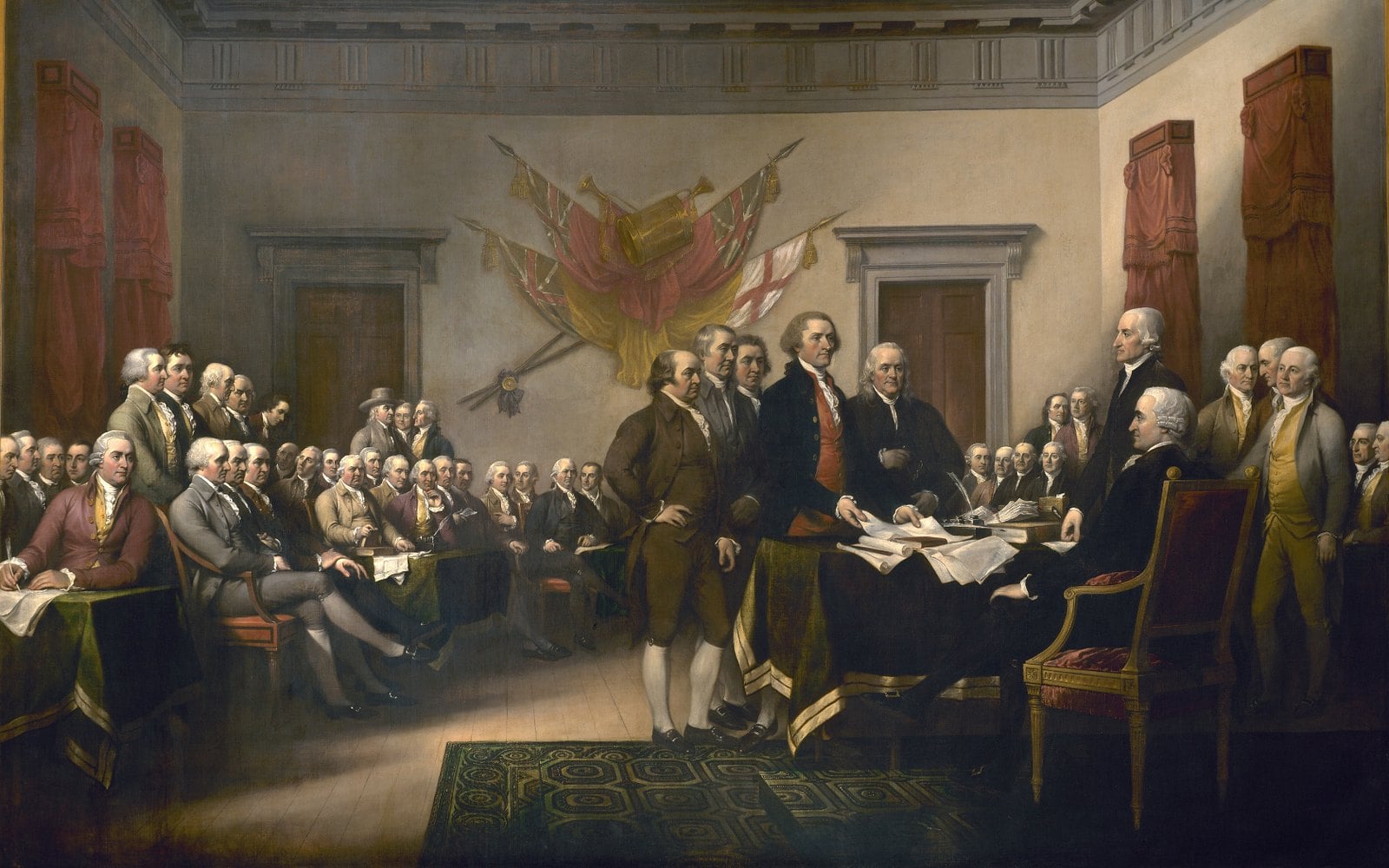
On September 2, 1945, Ho Chi Minh declared Vietnamese independence in Hanoi, opening with a direct quotation from the American Declaration of Independence: “All men are created equal.” The quotation was deliberate and strategic — Ho was aware that the United States had expressed opposition to European colonialism at Yalta and was trying to position Vietnam’s independence movement within the framework of American anti-colonial principles.
The strategy did not ultimately prevent American military involvement in Vietnam, but the opening of the declaration stands as one of the more striking examples of a wartime political message deploying the language of its potential adversary against that adversary’s likely position.
The Telegram That Never Sent Hitler’s Peace Offer to Britain (1941)
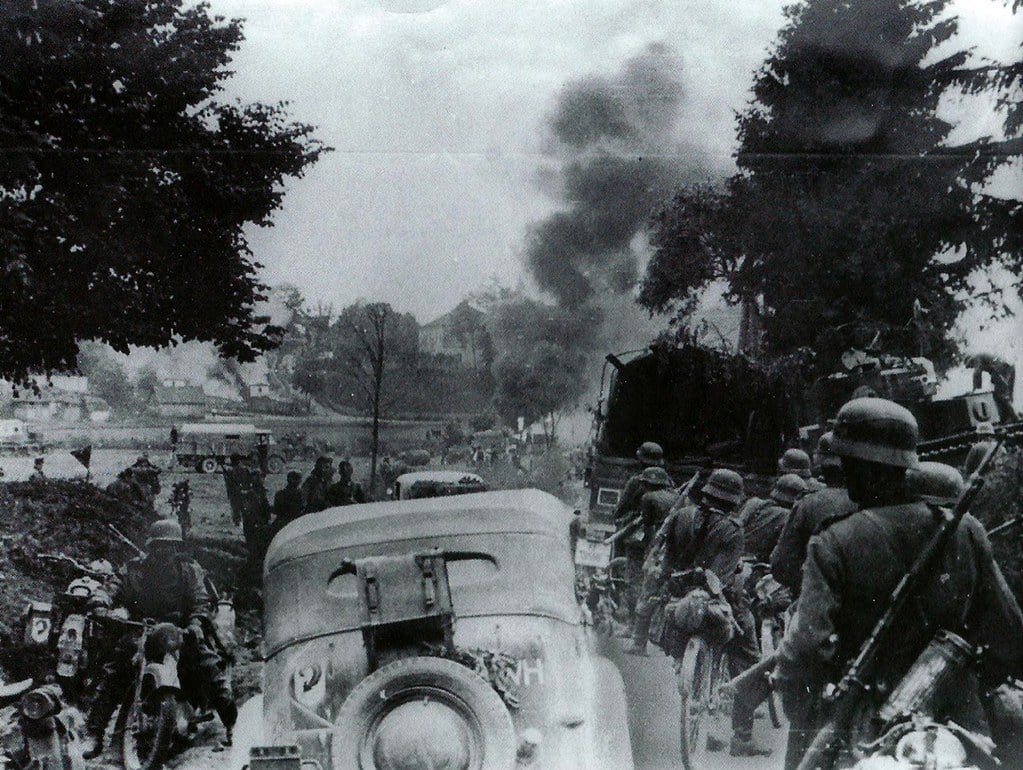
Rudolf Hess, Hitler’s deputy, flew solo to Scotland in May 1941 — apparently without Hitler’s knowledge — intending to negotiate a peace settlement with Britain through the Duke of Hamilton, whom he believed to be a sympathetic intermediary. Hess was captured, imprisoned, and produced no negotiated settlement.
Churchill was reportedly dining at Ditchley Park when informed and commented that it was “one of those cases where imagination is baffled by the facts.” Whether Hess was acting on Hitler’s authorization or freelancing is still debated by historians.
Either way, no message reached its intended recipient, and Britain remained at war.
The Navajo Code Talkers’ Unbroken Transmissions (1942–1945)
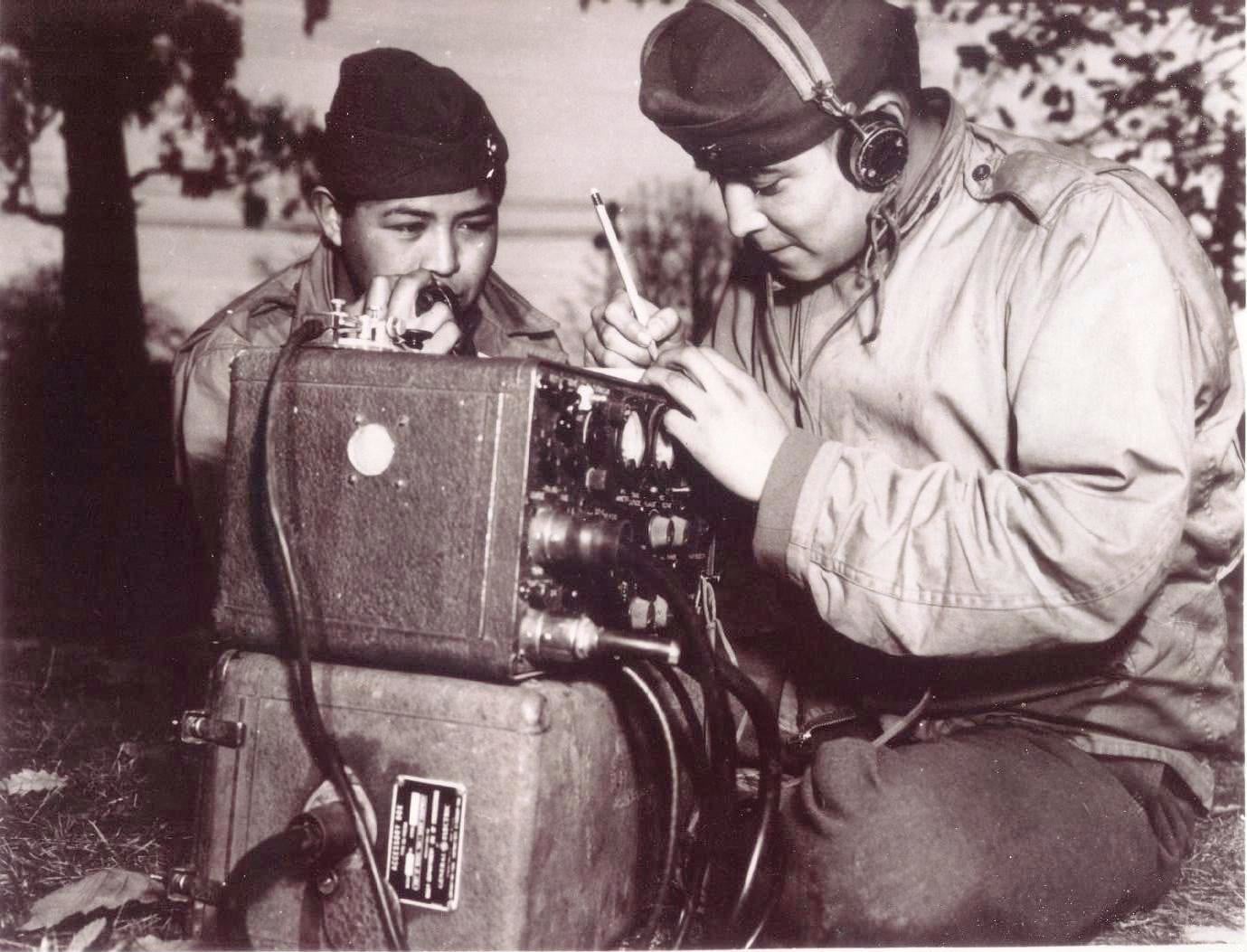
The United States Marine Corps recruited Navajo speakers in 1942 to transmit battlefield communications in a code based on the Navajo language, which was virtually unwritten and unknown outside the American Southwest. The Japanese, who had broken several previous American codes, never deciphered Navajo Code Talker communications.
At the Battle of Iwo Jima, Major Howard Connor, 5th Marine Division signal officer, reportedly said: “Were it not for the Negroes and Navajo code talkers, the Marines would never have taken Iwo Jima.” The unbroken communications channel allowed battlefield coordination that would otherwise have been impossible or dangerously delayed.
The Sussex Pledge Revocation and the 120-Day Clock
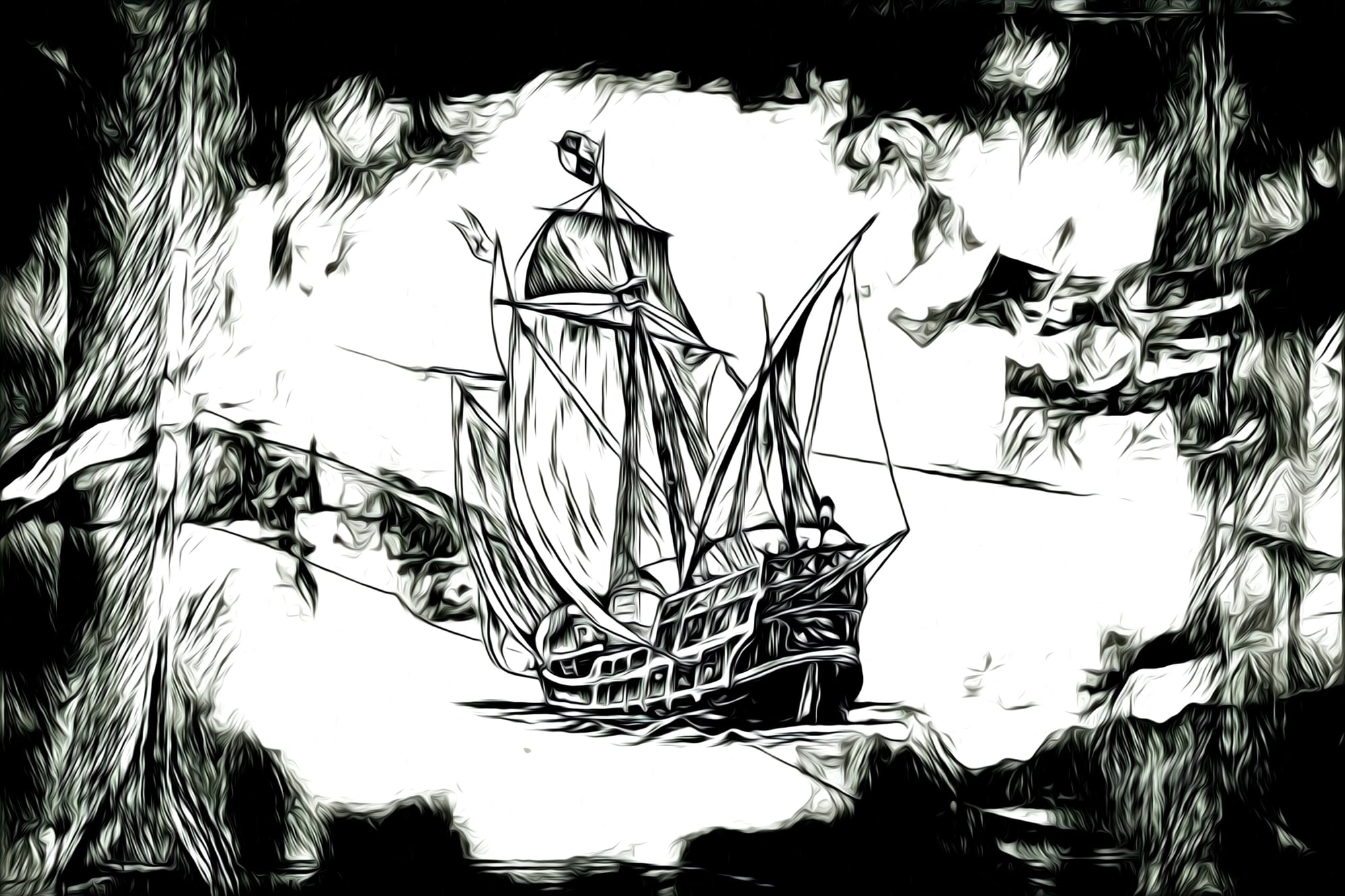
When Germany revoked the Sussex Pledge on February 1, 1917, and notified the United States formally that unrestricted submarine warfare would resume the same day, it set in motion a countdown that American policymakers had always indicated would end in war. The notification was itself a diplomatic message — the German government was telling the United States what it was about to do before doing it, which was at least formally correct under international diplomatic protocol.
The United States severed diplomatic relations with Germany immediately. Congress declared war sixty-four days later.
Churchill’s “Action This Day” Memo (1941)
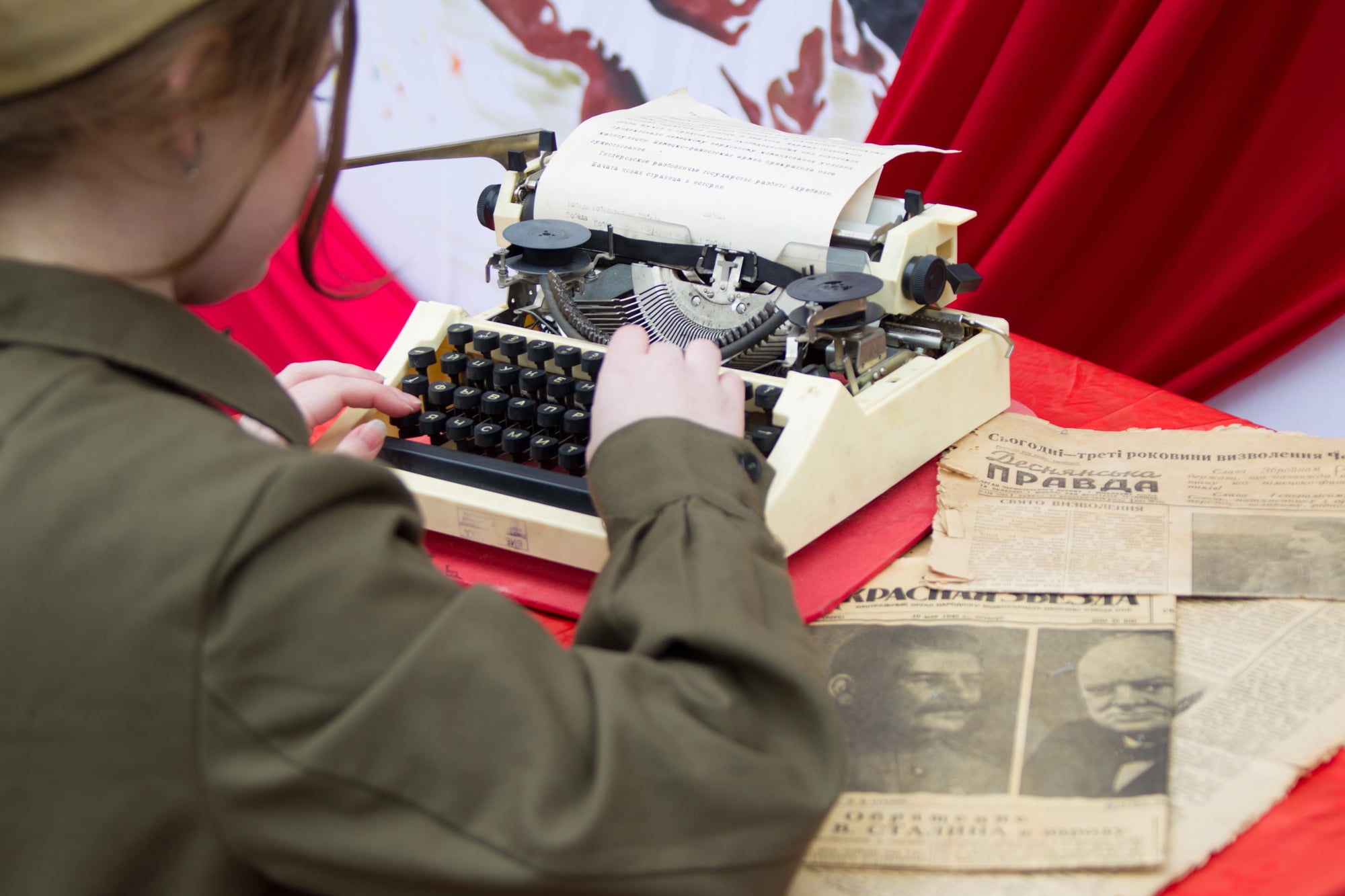
The codebreakers at Bletchley Park were understaffed to the point that Turing and several senior colleagues broke protocol in October 1941 and wrote directly to Winston Churchill requesting urgent additional staff. Churchill responded immediately with a handwritten memo marked “Action This Day” — his highest priority designation — ordering that Bletchley’s requests receive “extreme priority” and that he receive a personal report confirming it had been done.
The resources arrived. The subsequent improvement in Bletchley’s capacity and output is considered by historians to have been significant for the war’s timeline.
The MacArthur Communiqués — Control of Information as War Strategy
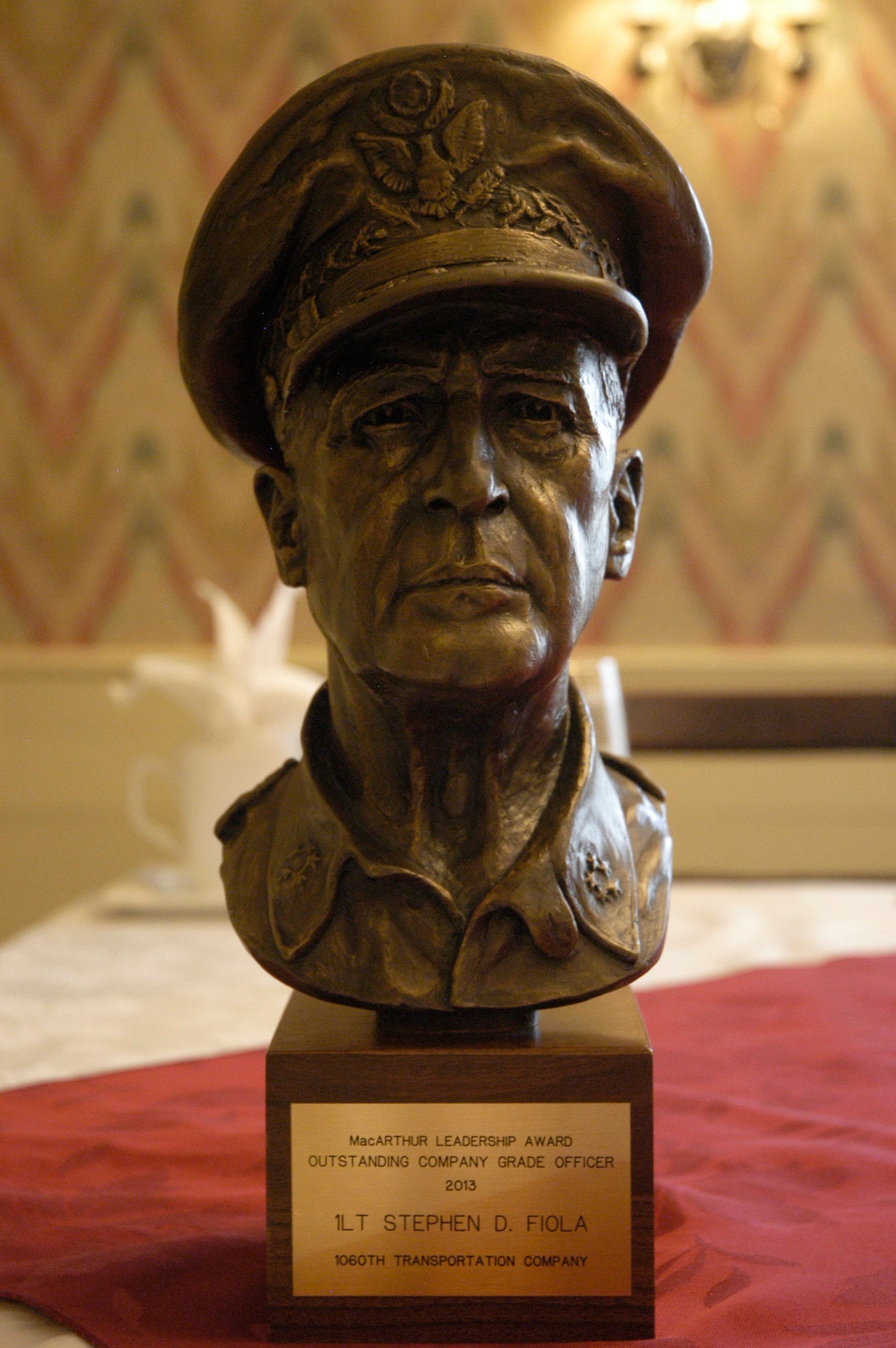
Throughout the Pacific campaign, MacArthur exercised tight control over the communiqués that reported actions to the press, typically highlighting his own command’s role while downplaying the contributions of the Navy and the losses sustained. Military historians have noted that his communiqués shaped American public understanding of the Pacific war in ways that served his reputation and his subsequent political career.
The management of wartime communication as a tool of domestic politics — rather than military coordination — is a pattern that appears throughout the history of warfare, and MacArthur was among its most systematic practitioners.
De Gaulle’s Broadcast From London (June 18, 1940)

On June 18, 1940 — the day after Marshal Pétain announced France would seek armistice terms with Germany — Charles de Gaulle broadcast from BBC radio in London urging French soldiers and officers not to accept defeat. The broadcast was heard by relatively few people at the time; radio technology and the speed of events limited its immediate audience.
But the date — June 18 — became the founding date of Free France, and de Gaulle’s appeal became retroactively one of the most significant radio addresses in French history. The message that reached the fewest people in real time had the longest political half-life.
The “Fourteen Points” Message to Germany (1918)
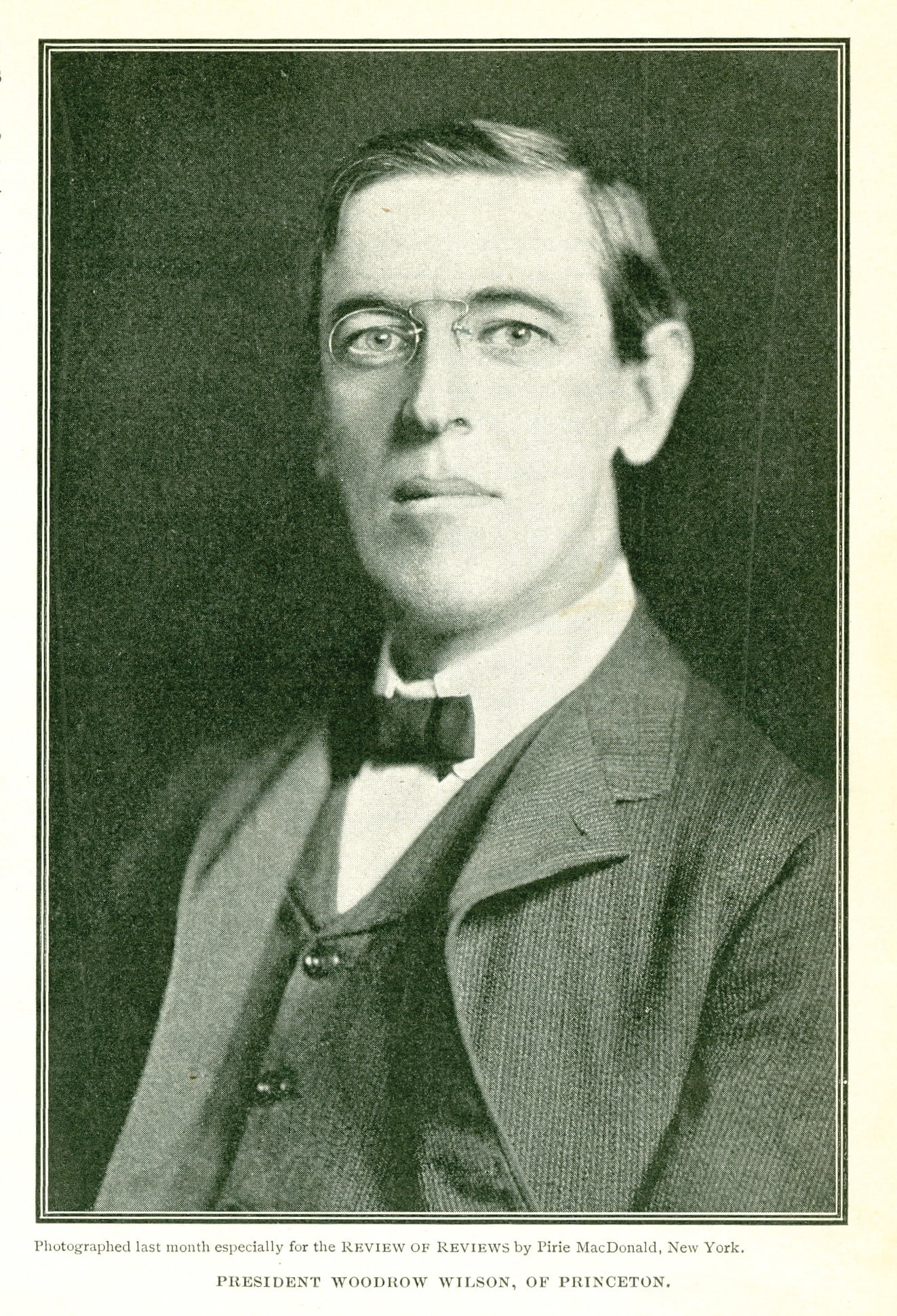
Woodrow Wilson’s Fourteen Points, announced to Congress in January 1918, were as much a message to the German government and people as they were a statement of American war aims. The Fourteen Points promised a just peace rather than a punitive one, and the German government, as military defeat approached, entered armistice negotiations partly on the basis of those points.
When the Versailles Peace Treaty subsequently diverged significantly from them, the German population felt deceived — a grievance that the Nazi movement exploited. The gap between what the message promised and what the peace delivered is part of the causal chain that led to the Second World War.
The Shot Heard Round the World — The Messenger Who May Have Started Everything
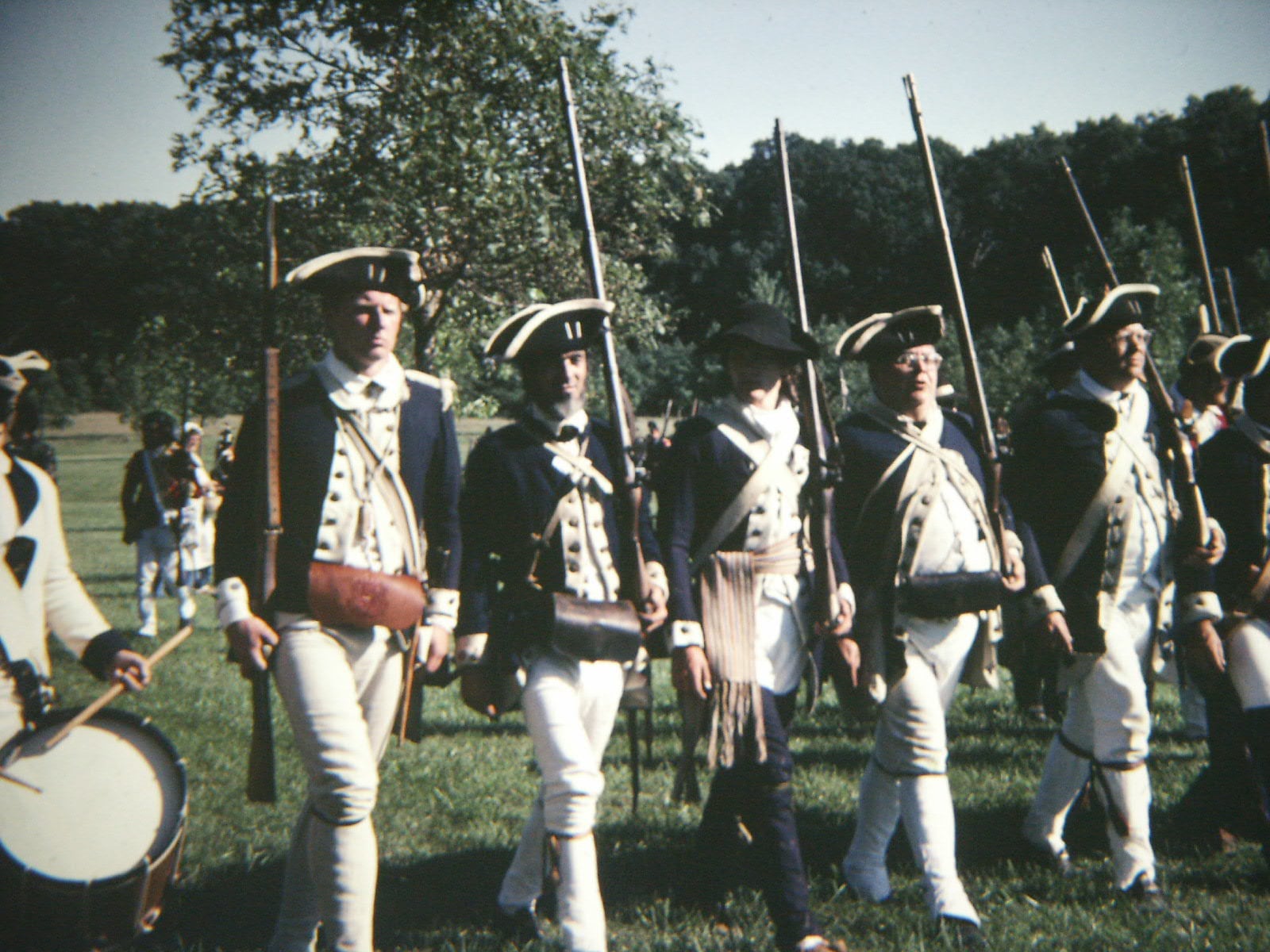
On April 18, 1775, Paul Revere and other riders rode through Massachusetts to warn colonial militias that British regular troops were marching to seize military stores at Concord. The famous line “the British are coming” may be apocryphal — Revere would have said “the Redcoats are marching” and avoided “British” since colonists still considered themselves British — but the message’s content and timing were accurate.
The militia was warned. The British were met at Lexington and Concord.
The first shots of the American Revolution were fired the following morning. Without the message, the Massachusetts militia would have been surprised.
Whether the Revolution would have happened anyway, later, is a different question from whether the timing of these specific messages shaped the opening engagement.
Words Before the Guns Fall Silent
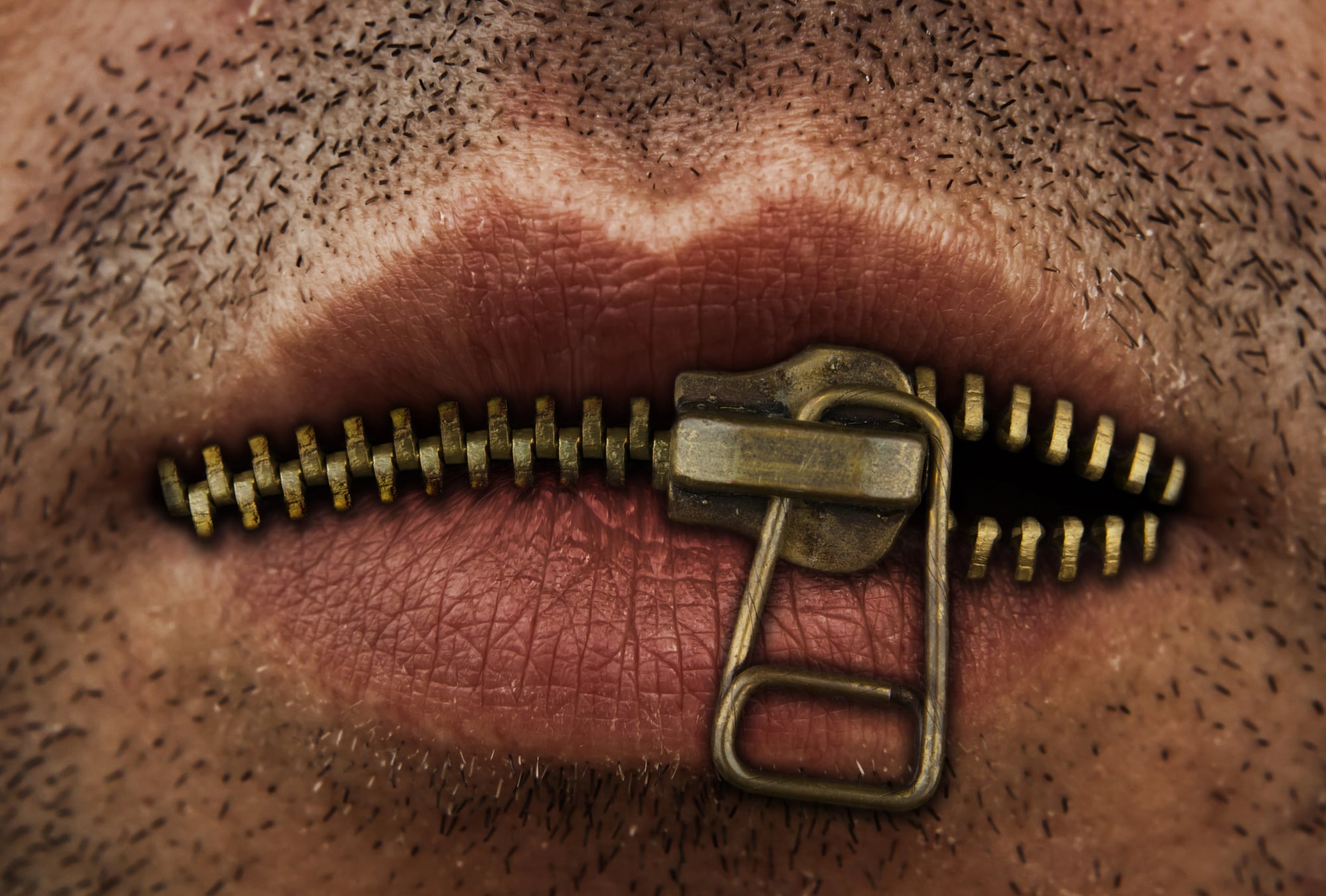
The pattern across these twenty-nine communications is that the most consequential messages are rarely the ones that look most significant at the moment of sending. Bismarck editing a telegram to sound ruder.
A one-word reply from a besieged general. A failed peace mission landing in Scotland.
A decoded cable sent over someone else’s telegraph line. A radio broadcast heard by almost no one.
The message that changes a war is not always the loudest one. It is often the one that provides exactly the piece of information needed to make a decision that was already nearly made, or that gives a wavering party the reason to commit or the reason to stop.
The Zimmermann Telegram reached a country that was already under pressure from German submarine attacks. De Gaulle’s broadcast reached a nation that needed to hear someone say the thing publicly that many were already thinking privately.
The messages mattered because the conditions were already there. What the message provided was the word that made the next thing possible.
More from Go2Tutors!

- The Romanov Crown Jewels and Their Tragic Fate
- 13 Historical Mysteries That Science Still Can’t Solve
- Famous Hoaxes That Fooled the World for Years
- 15 Child Stars with Tragic Adult Lives
- 16 Famous Jewelry Pieces in History
Like Go2Tutors’s content? Follow us on MSN.



