29 Solar Eclipses That Caused Panic, Inspired Myths, or Changed Science
Solar eclipses have transfixed humanity since the dawn of civilization—occasions where the sun vanishes in daytime, plunging the world into shadow for minutes or hours. For millennia, these events sparked terror and superstition.
More recently, they became instruments of scientific discovery, confirming the laws of gravity and revealing the sun’s hidden chemistry. The eclipses below represent moments when the cosmos interrupted human affairs, shaped how we understand nature, or altered the course of scientific thought.
The Eclipse of Thales (May 28, 585 BCE)
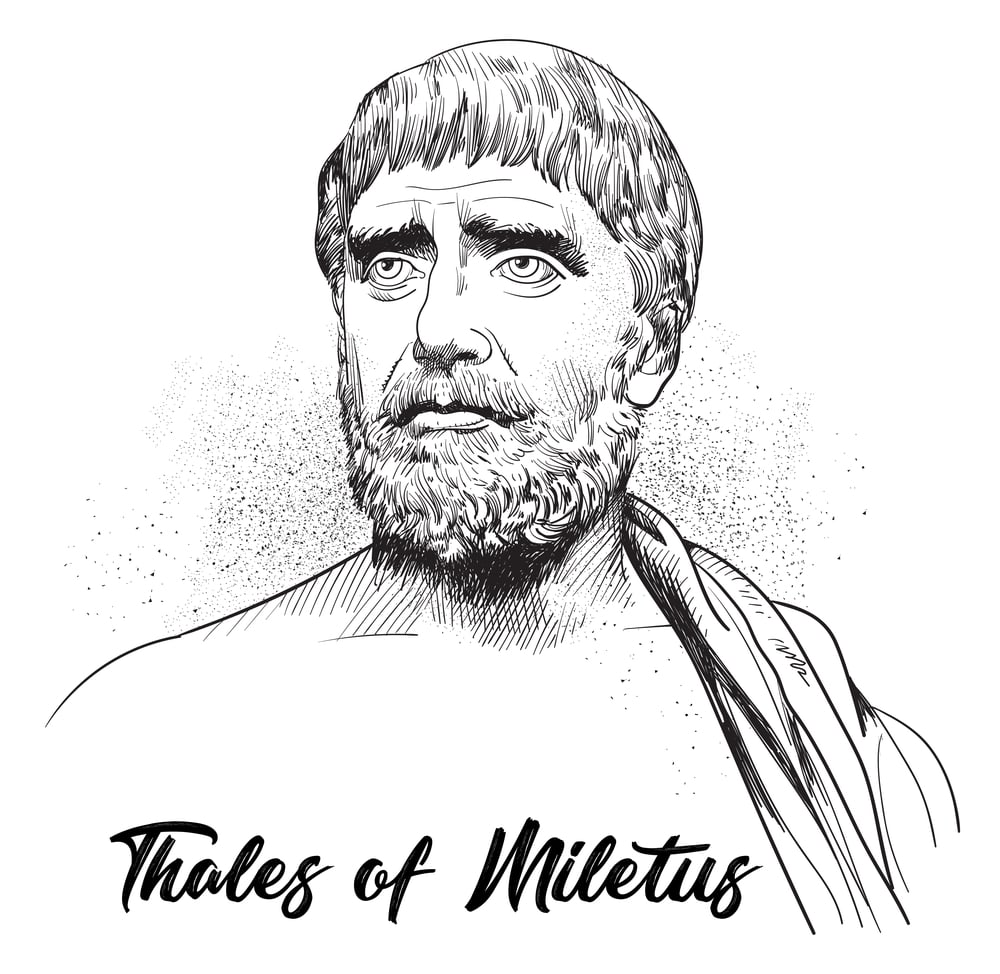
Ancient Greek philosopher Thales of Miletus allegedly predicted this eclipse, making it history’s earliest recorded prediction. According to the historian Herodotus, the eclipse occurred during a battle between the Lydians and Medes in Anatolia, and the sudden darkness so terrified both armies that they abandoned combat and negotiated peace.
Modern astronomers still debate whether Thales truly predicted this eclipse or merely got lucky, but the legend established him as the father of Western science.
The Eclipse in India During the Mauryan Empire (268–232 BCE)

During the reign of Emperor Ashoka, an eclipse was recorded and interpreted by court astronomers as a divine sign regarding imperial matters. The event became embedded in Mauryan administrative records, one of the earliest known solar eclipse observations in South Asia.
Ashoka’s response to the eclipse and subsequent religious conversion shaped the spread of Buddhism across the region.
The Roman Civil War Eclipse (49 BCE)
As Julius Caesar advanced toward Rome during the civil war, an eclipse of the sun occurred. Roman soldiers interpreted it as a portent of divine displeasure with the conflict.
The eclipse became a turning point in how military commanders understood omens, with Caesar using astronomical events strategically to inspire or demoralize his troops.
The Eclipse Associated with Christ’s Crucifixion (November 24, 29 CE)
Greek historian Phlegon recorded a solar eclipse that some Christian scholars associate with the darkness mentioned in Gospel accounts of the Crucifixion. While the eclipse was only partial in Jerusalem (about 80 percent), the early Church cited it as a sign of cosmic disturbance at Jesus’s death.
The eclipse strengthened the linkage between eclipses and sacred events in Christian theology.
The Plutarch Eclipse (March 20, 71 CE)
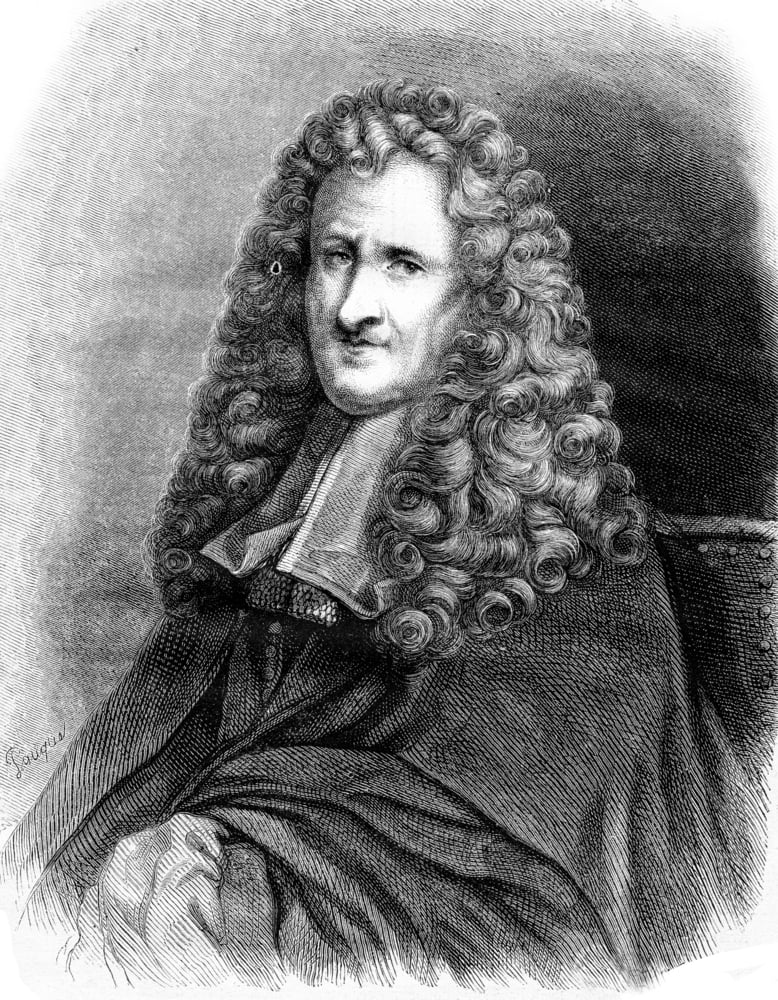
The Greek philosopher Plutarch became the first person to describe the sun’s corona—the faint outer atmosphere visible only during totality—in his written account of this eclipse. His observation remained largely forgotten for nearly 1,700 years until solar astronomers confirmed what Plutarch had witnessed.
His work proved that eclipses offered views of the sun’s hidden layers.
The Longest Annular Eclipse (December 7, 150 CE)
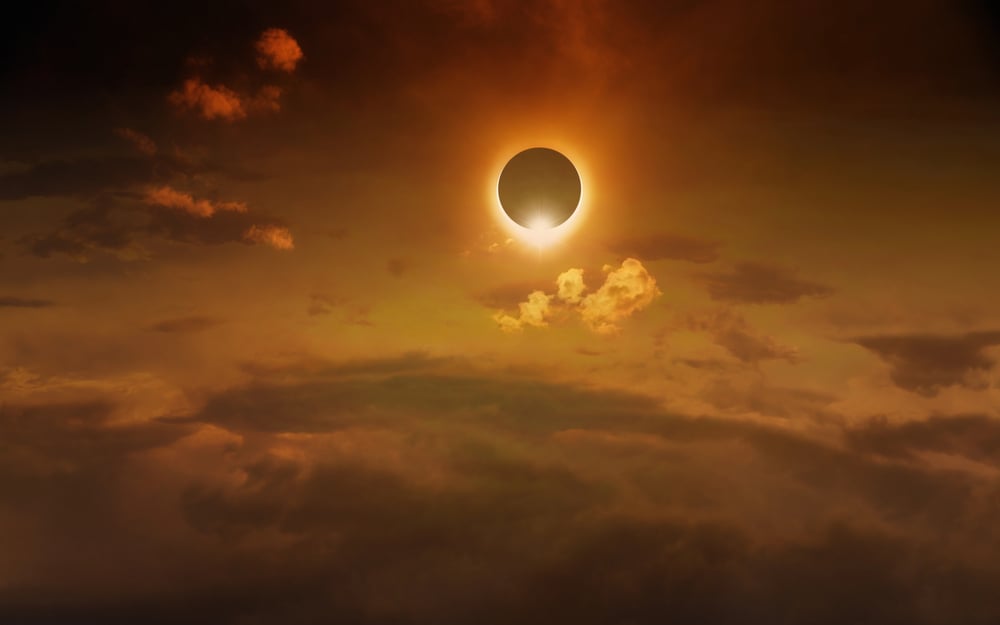
This eclipse produced the longest duration of annularity (when the Moon appears smaller than the Sun, leaving a ring visible) between 2000 BCE and 3000 CE—lasting 12 minutes and 23 seconds. Such extreme durations occur when the Moon is at its farthest point from Earth.
Ancient astronomers who witnessed this phenomenon would have seen the ring persist far longer than the few seconds typical of most annular eclipses.
The Eclipse Over Baghdad (May 14, 1168 CE)
A total solar eclipse crossed the Muslim world, and observers in Baghdad recorded detailed observations of the sun’s corona and the stars visible during totality. The eclipse contributed to growing Islamic astronomical knowledge during the medieval period, though widespread superstitions about eclipses as harbingers of war or plague persisted in the general population.
The Kepler Eclipse (August 12, 1605)
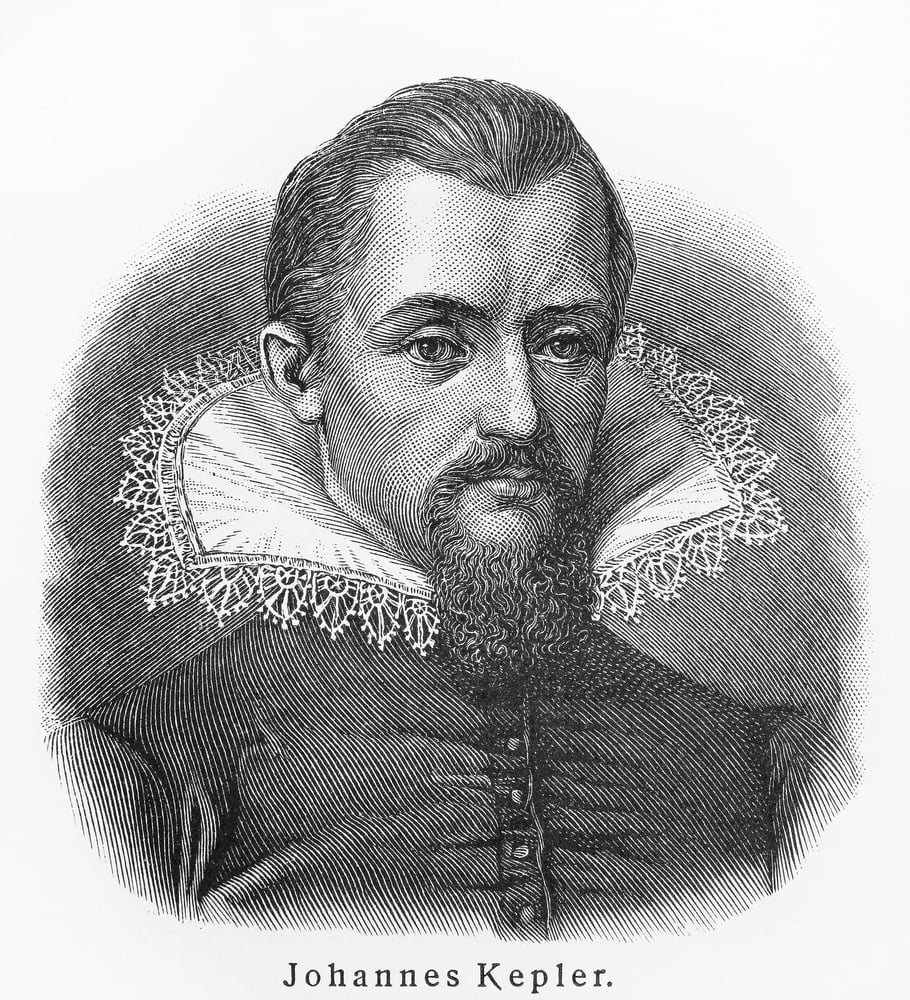
German astronomer Johannes Kepler observed this total eclipse and used it to develop the first scientific understanding of how solar eclipses occur. His writings on the 1604 and 1605 eclipses provided mathematical descriptions of the Moon’s motion in front of the Sun.
Though Kepler died before making effective predictions, his theoretical work laid the groundwork for all future eclipse calculations.
The 1652 Eclipse and the Great Fire of London
Some contemporary observers blamed a total solar eclipse of 1652 for contributing to the conditions that led to the Great Plague of London (1665) and the Great Fire of London (1666). The eclipse entered folklore as a harbinger of catastrophe, though no causal link existed.
The superstition demonstrates how dramatically eclipse omens gripped public imagination in the 17th century.
Halley’s Eclipse (May 3, 1715)
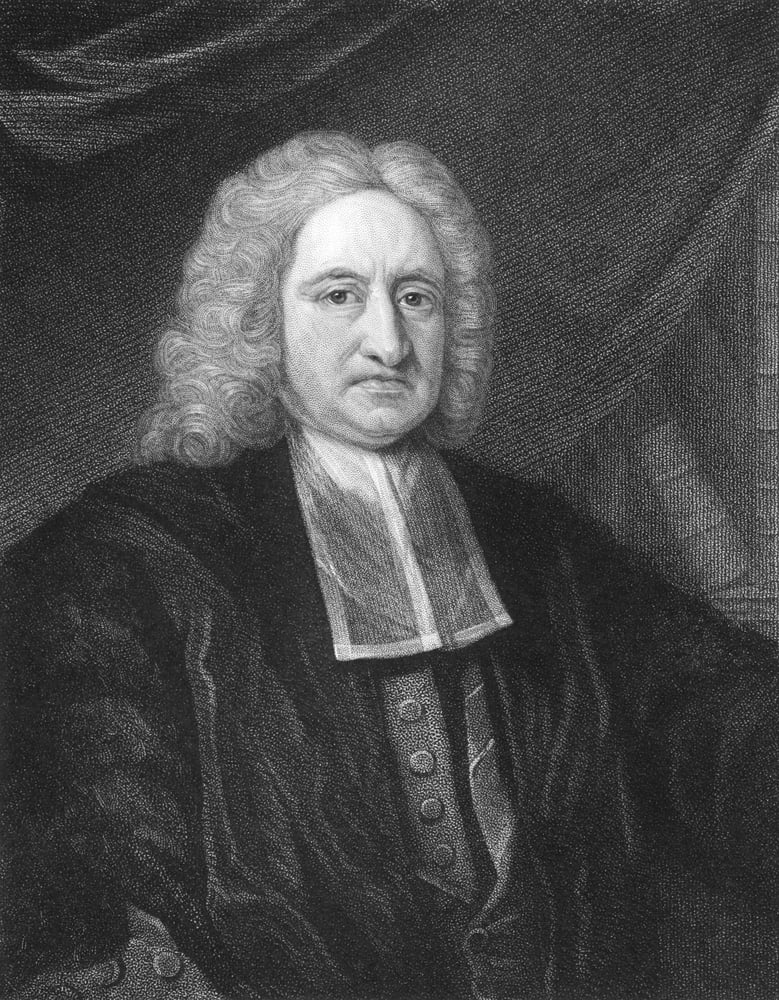
Astronomer Edmond Halley used Isaac Newton’s newly formulated laws of gravity to predict a total eclipse across London for May 3, 1715. He calculated the timing accurate to within four minutes and the path accurate to within 20 miles—an extraordinary achievement that demonstrated the predictive power of Newtonian physics.
Halley also pioneered the style of eclipse path maps still used today, with shaded bands showing zones of totality and partiality.
Harvard’s Commencement Eclipse (1684)
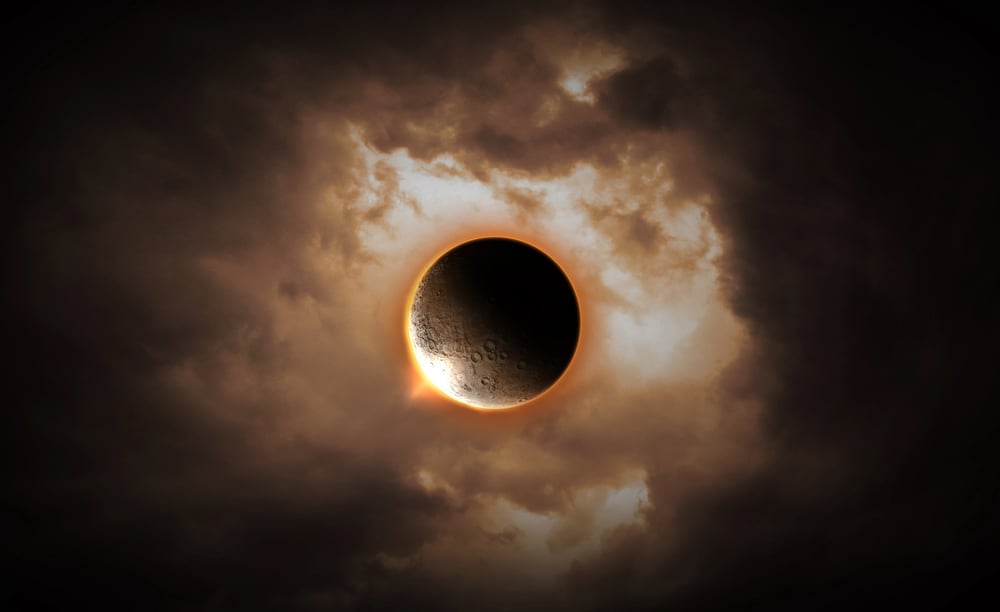
Harvard University moved its Commencement Day up by one day because a total solar eclipse would be visible from the institution on the originally scheduled date. President John Rogers claimed the decision was merely one of convenience, not superstition, though the move reflected lingering Puritan unease about eclipses as omens and disruptions of divine order.
The 1780 American Revolutionary War Eclipse (October 27, 1780)
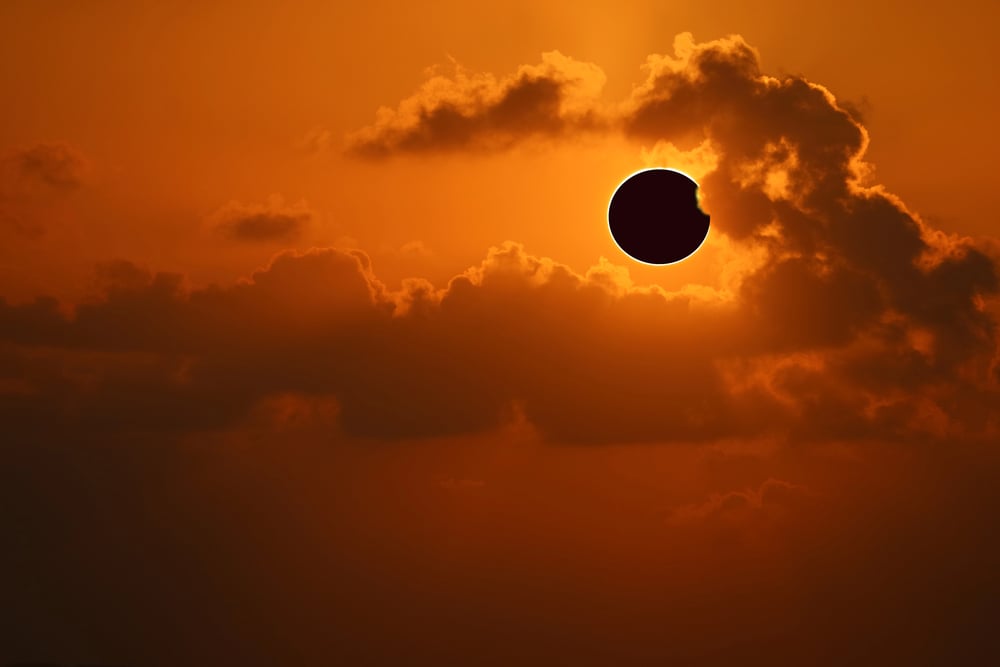
During the American Revolutionary War, Harvard College organized the first American eclipse expedition, securing safe passage from the British military to observe this total eclipse. The expedition, led by astronomer Samuel Williams, represented American scientific ambition.
Unfortunately, Williams miscalculated the path of totality and chose an observation site outside the zone of totality, causing the mission to fail despite the rare diplomatic immunity granted by the enemy.
The 1842 Eclipse and the Discovery of Solar Prominences (July 8, 1842)
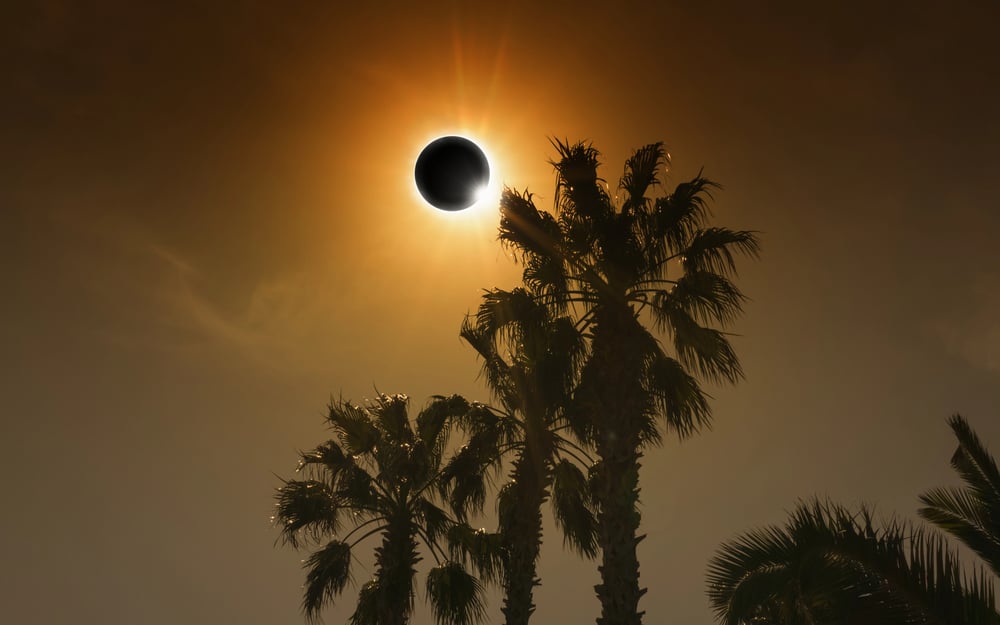
Astronomers observing the total eclipse from southern France and northern Italy were astonished to see brilliant ruby loops extending from the Sun’s edge during totality. These “red protuberances”—later named prominences—had been glimpsed before but never clearly documented.
The 1842 eclipse photographs provided the first clear images of prominences and sparked decades of investigation into the Sun’s outer layers and atmosphere.
The 1860 Spanish Eclipse (July 18, 1860)
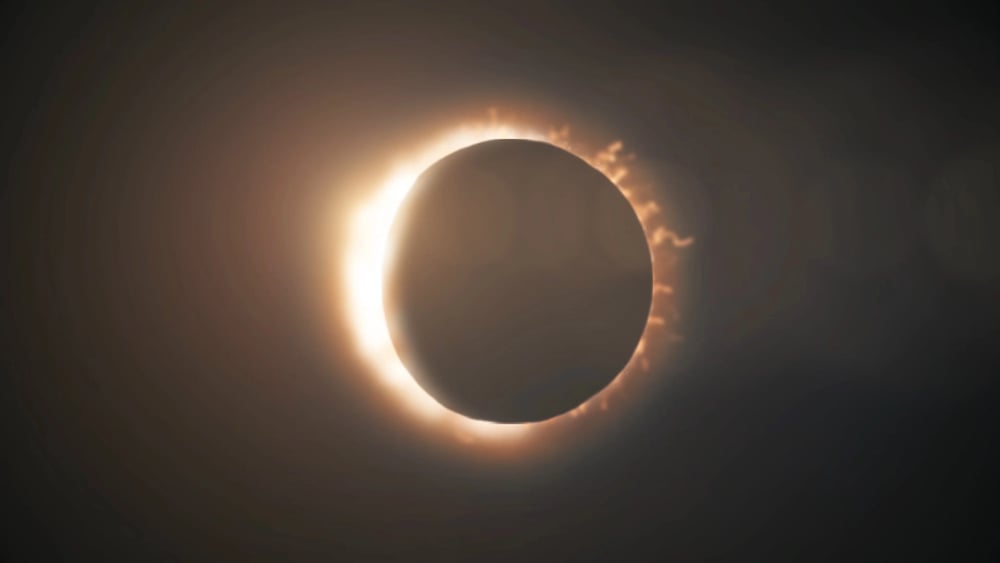
British astronomer Warren De La Rue traveled to Spain to observe this eclipse and took the first photographs of the solar corona. His images revealed the corona’s delicate structure and confirmed that it was not a mere optical illusion.
The photographs became iconic scientific documents and demonstrated that eclipses could capture fine details invisible to the unaided eye.
The 1868 Eclipse and the Discovery of Helium (August 18, 1868)
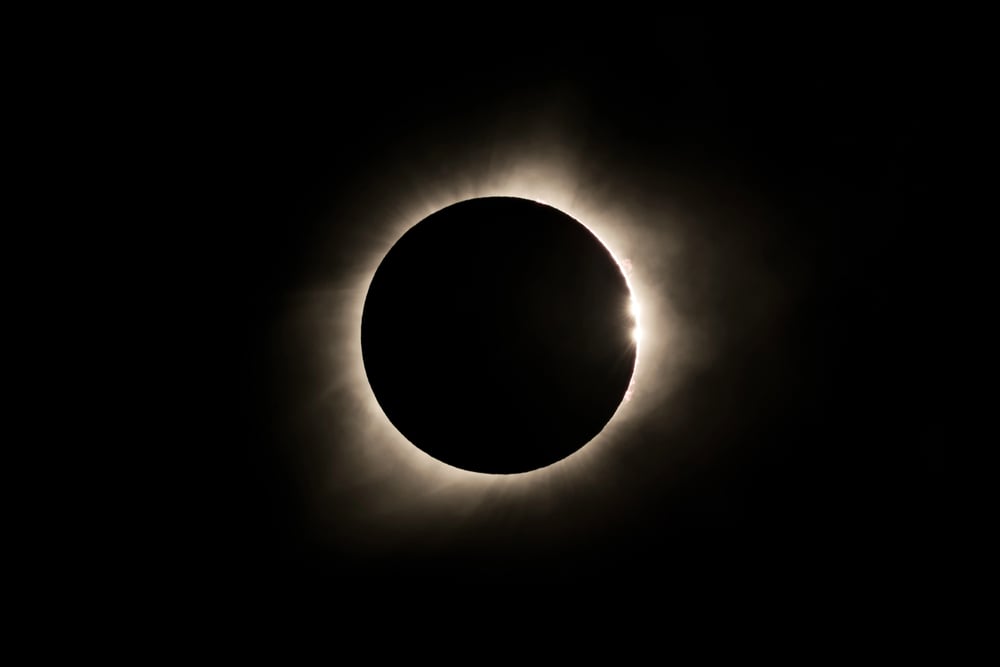
During a total eclipse visible from India, French astronomer Jules Janssen observed a bright yellow line in the sun’s spectrum. Two months later, English astronomer Norman Lockyer independently saw the same line and concluded it represented an undiscovered element.
Lockyer named it “helium” after the Greek word for sun. Remarkably, helium was not discovered on Earth until 1895—27 years after its identification in the Sun’s spectrum.
The 1878 Great American Eclipse (July 29, 1878)
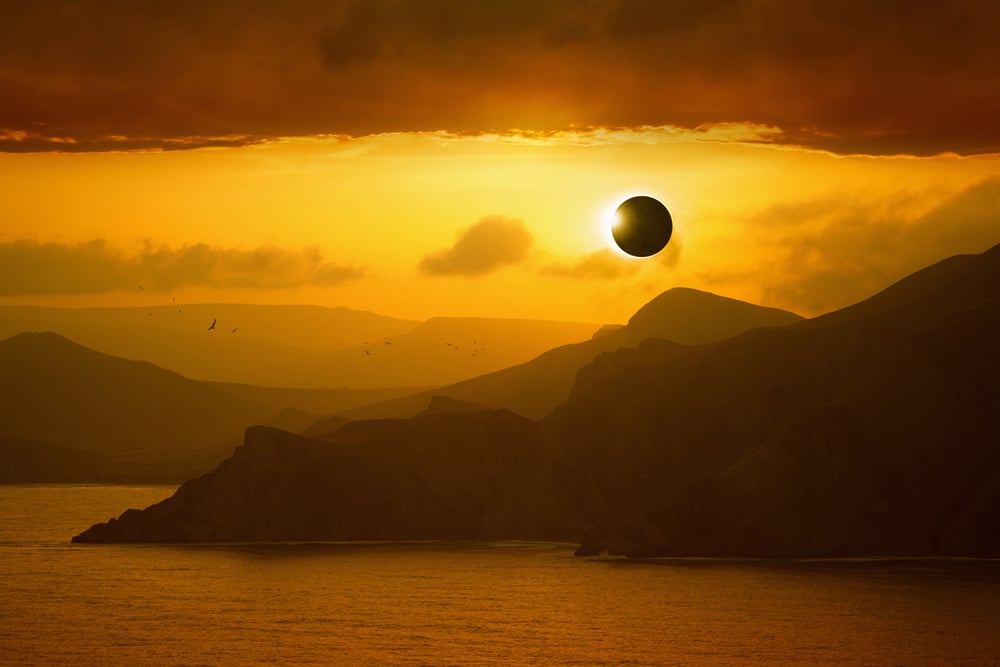
The path of totality crossed the American West from Montana to Colorado, triggering the first large-scale organized eclipse expeditions in the United States. Thousands of amateur and professional astronomers traveled by rail to observe the eclipse, making it a mass spectacle and demonstration of scientific enthusiasm.
The eclipse events were widely reported and helped establish eclipse chasing as both a scientific pursuit and popular pastime.
The 1883 Eclipse and Volcanic Dust (May 17, 1883)

This eclipse occurred just months before the eruption of Krakatoa in August 1883. Observers noted unusual twilight colors and atmospheric dimming during the eclipse, which were later partly attributed to volcanic aerosols and dust in the upper atmosphere from earlier volcanic activity.
The eclipse became linked to broader studies of how volcanic eruptions affect the atmosphere and light absorption.
The 1905 Eclipse (August 30, 1905)
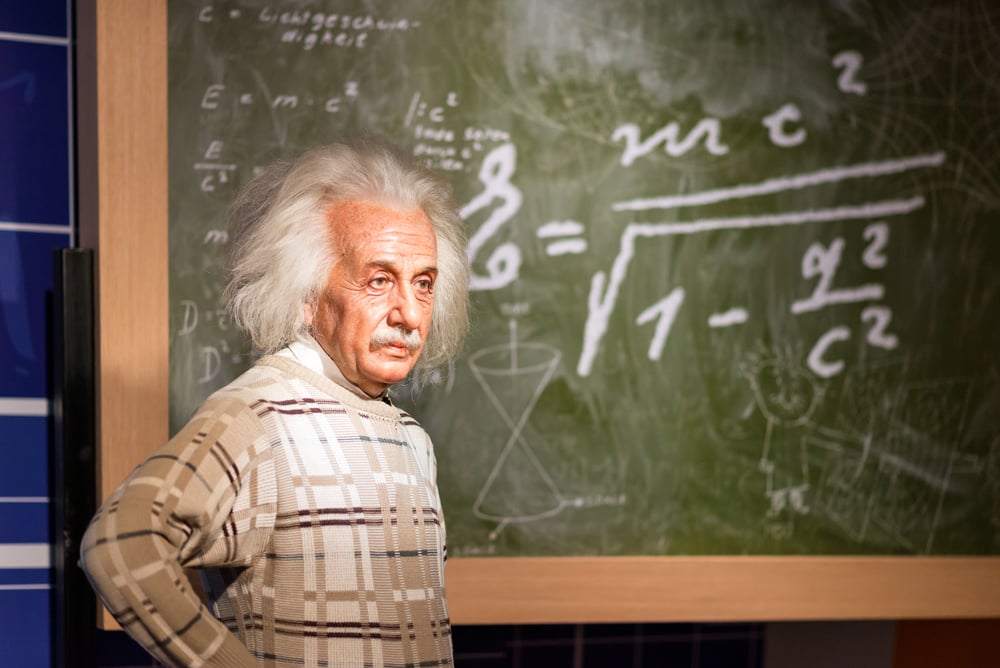
German physicist Albert Einstein was particularly interested in this eclipse, though he did not travel to observe it. The eclipse occurred two years before his development of special relativity and a decade before general relativity.
Eclipse observations were growing increasingly precise, and Einstein knew that future eclipses would provide tests of his gravitational theories.
The 1918 Eclipse and Relativity Preparation (June 8, 1918)
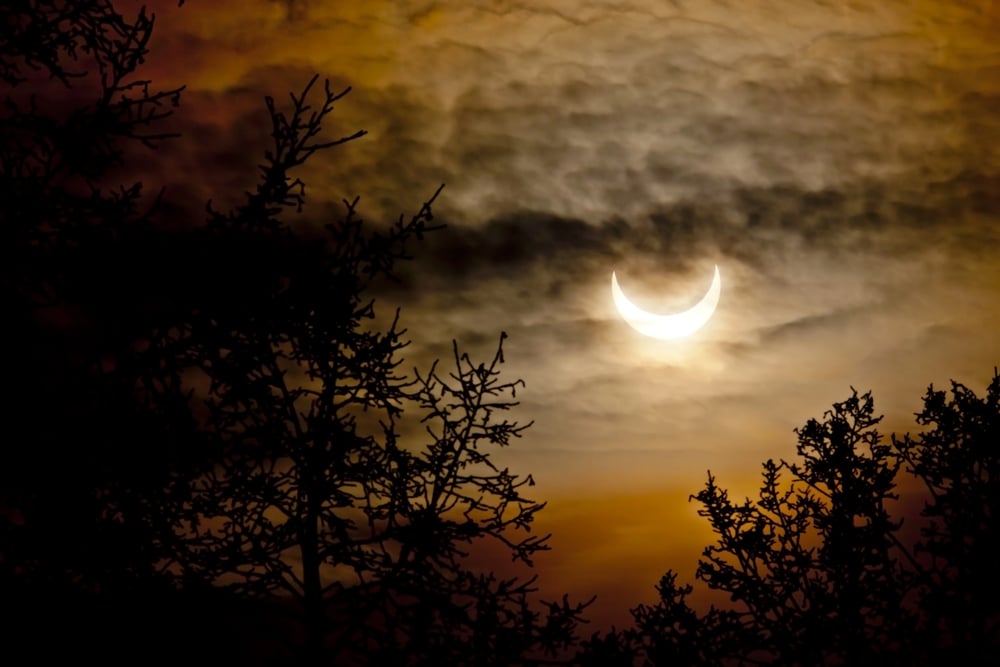
Astronomers in the United States attempted to use this eclipse to test Einstein’s predictions about light bending near the Sun, but cloud cover ruined observations on both coasts. The failed mission underscored how dependent eclipse science was on weather and geography.
It spurred greater coordination for the next major eclipse attempt.
The 1919 Eclipse and Einstein’s Triumph (May 29, 1919)
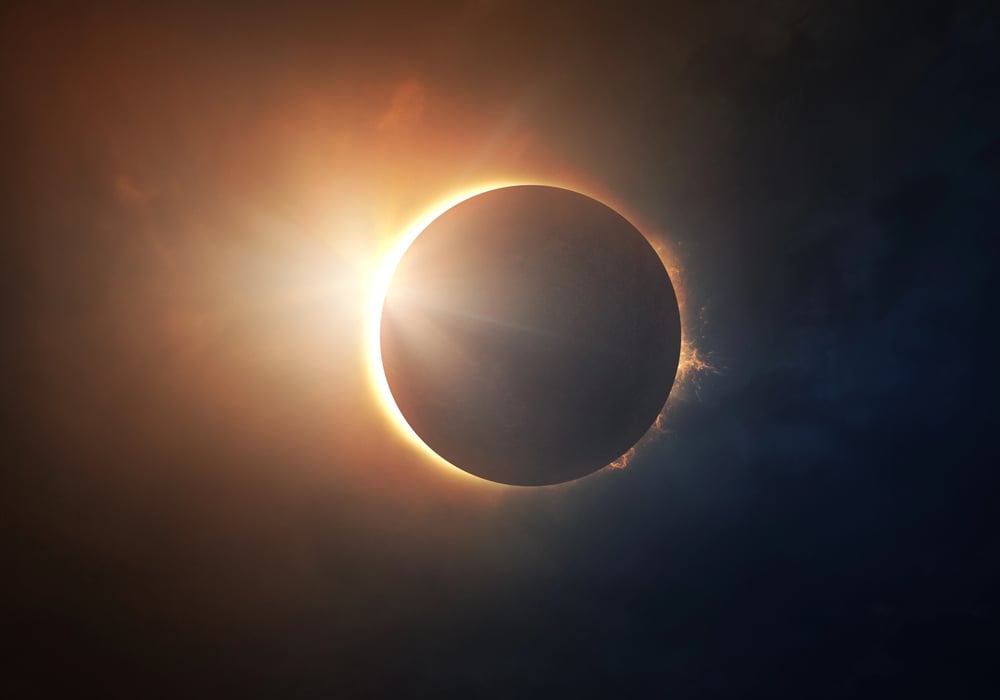
Sir Arthur Eddington led British expeditions to Príncipe (off West Africa) and Sobral (Brazil) to measure how starlight bends as it passes the Sun during this eclipse. The observations confirmed Einstein’s prediction of light deflection from general relativity—a result dramatically more accurate than Newton’s calculations predicted.
When the results were announced on November 6, 1919, Einstein became an instant celebrity, and general relativity replaced Newtonian gravity as the framework for understanding gravity.
The 1925 New York Eclipse Observers (January 24, 1925)
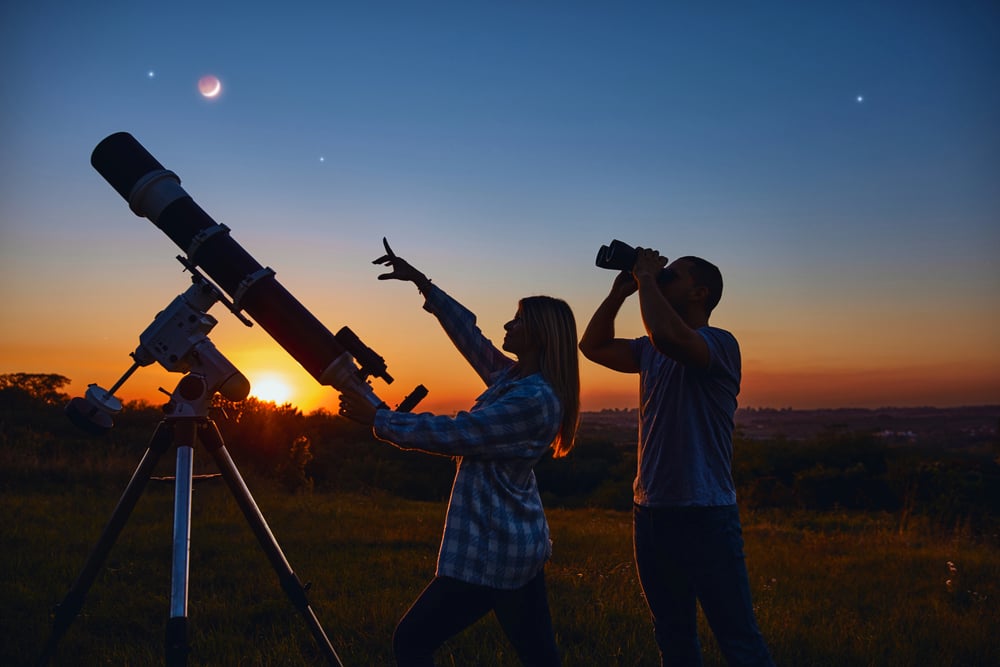
More than 100 employees of affiliated electric companies in New York City, guided by astronomer E.W. Brown, observed this eclipse and collected precise measurements. The campaign represented a shift toward organizing large numbers of trained amateur observers for scientific purposes.
The detailed measurements from the 1925 eclipse contributed to refined calculations of the Sun’s precise radius and shape.
The 1954 Eclipse and International Cooperation (June 30, 1954)
The path of totality crossed Scandinavia, and Swedish, Norwegian, and Russian astronomers organized joint observing campaigns despite Cold War tensions. The eclipse demonstrated that science could transcend political boundaries, with researchers sharing data and equipment.
The 1954 eclipse became a symbol of scientific internationalism during an era of geopolitical division.
The 1965 Eclipse and Spacecraft (May 30, 1965)
This eclipse occurred during the height of the Space Age, and for the first time, astronomers considered using satellites to observe the eclipse from space. The rapid advancement of space technology offered new perspectives on solar eclipses.
The 1965 eclipse marked a transition point between ground-based eclipse astronomy and space-based observations.
The 1973 Eclipse and the Skylab Astronauts (June 30, 1973)
NASA astronauts aboard Skylab 2 observed the total solar eclipse from orbit, obtaining high-quality photographs of the corona from space. The images revealed previously unknown structures in the corona and improved understanding of the Sun’s outer atmosphere.
Space-based eclipse observations became a permanent tool in solar research.
The 1979 Path Across the Northern U.S. (February 26, 1979)
The last total solar eclipse visible from the continental United States until 2017 crossed Washington, Oregon, and Montana. The eclipse drew massive crowds and represented a milestone in American eclipse culture.
Scientists used the opportunity to conduct extensive measurements of atmospheric effects during totality, including sudden temperature drops.
The 1995 Eclipse and Solar Eruptions (October 24, 1995)
This eclipse coincided with a period of intense solar activity, including coronal mass ejections and solar flares visible during totality. Astronomers studying the corona during this eclipse gained insights into the relationship between the Sun’s magnetic field and eruptive events.
The data proved crucial to understanding solar weather and space weather that affects Earth.
The 2008 Chinese Eclipse and Earthquake Superstitions (August 1, 2008)
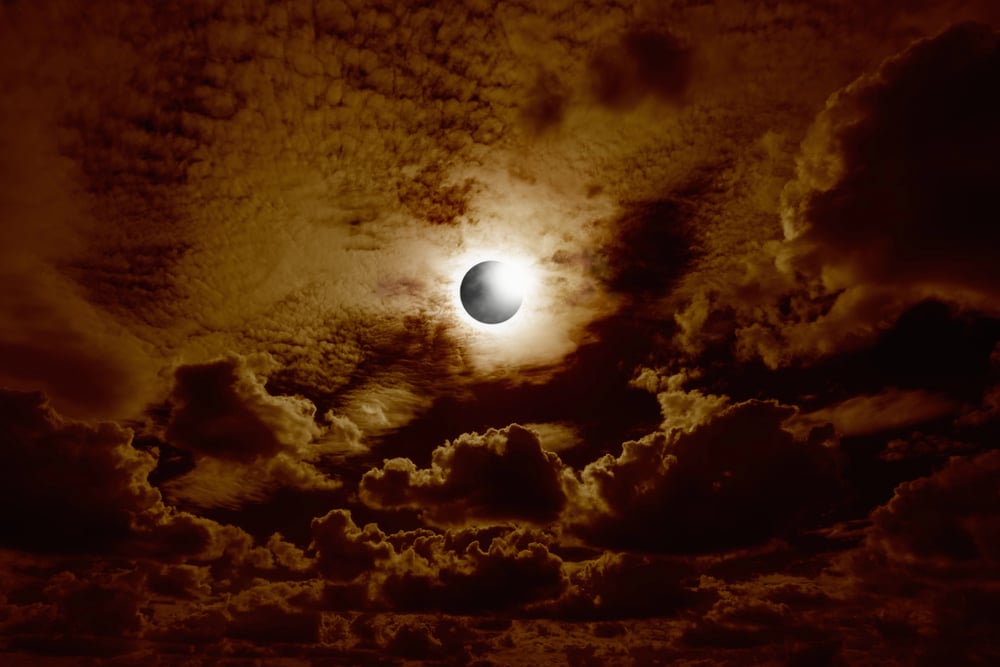
This total eclipse crossed Tibet and China several months after the devastating Sichuan earthquake (May 12, 2008). Chinese officials and citizens, despite scientific knowledge, revived ancient superstitions associating eclipses with geological upheaval.
The eclipse demonstrated that superstitious interpretations persist even in scientifically advanced societies.
The 2017 Great American Eclipse (August 21, 2017)
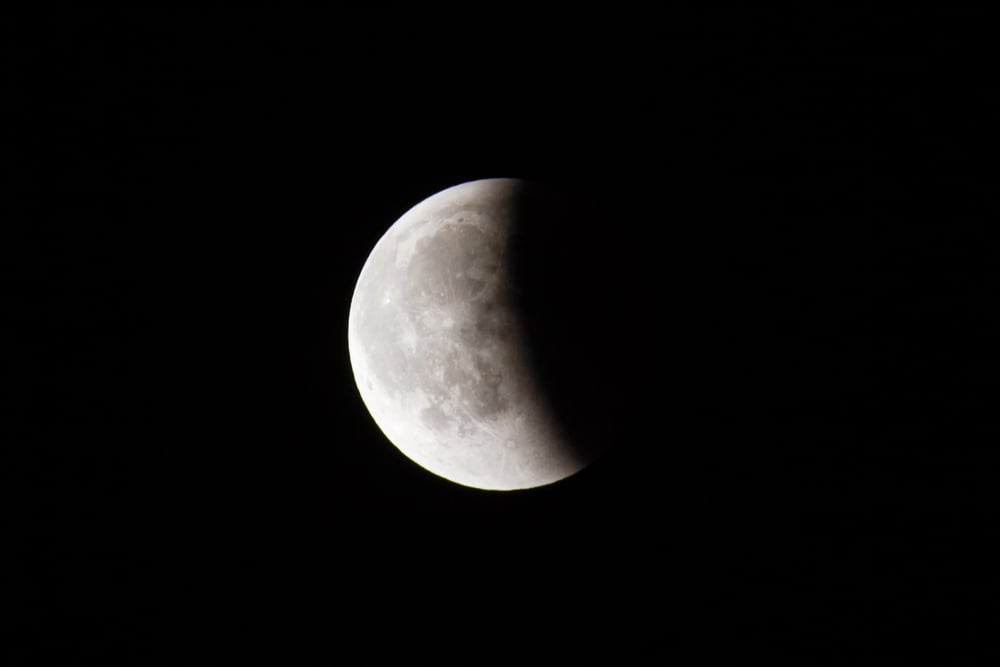
The first total solar eclipse visible across the continental United States in nearly four decades drew an estimated 20 million observers. The 2017 eclipse became the most-watched eclipse in history, with unprecedented live streaming and social media coverage.
Scientists conducted coordinated observations, and the event demonstrated that eclipses remain powerful tools for engaging the public with astronomy.
The 2024 Total Solar Eclipse and Modern Science (April 8, 2024)
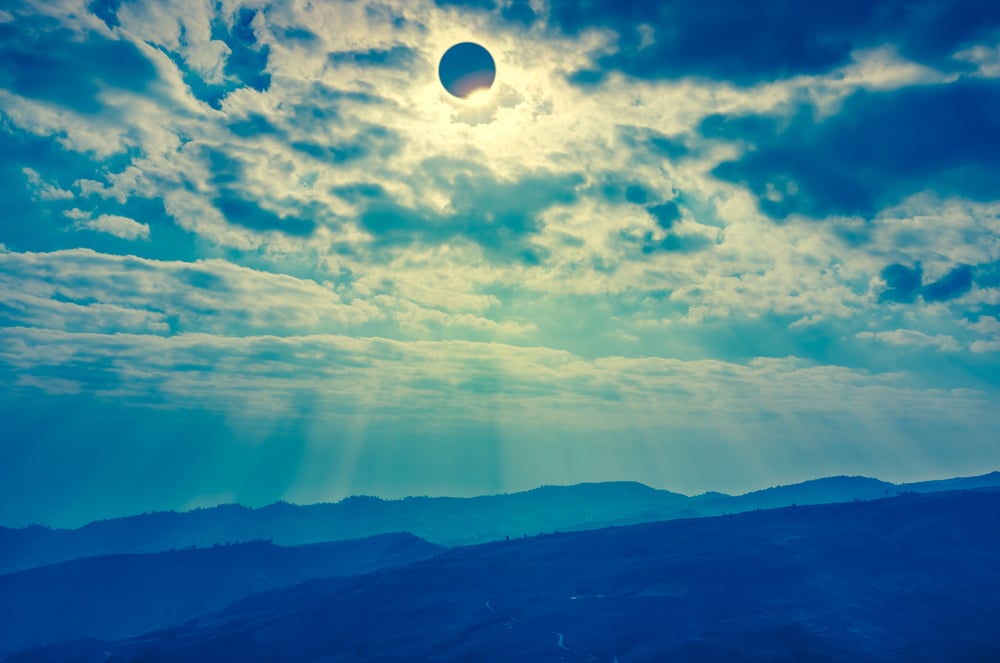
This recent total eclipse crossed North America with a longer duration of totality than the 2017 eclipse. NASA and international space agencies deployed satellites, aircraft, and ground-based instruments to gather unprecedented data on the corona, solar wind, and atmospheric effects.
The 2024 eclipse showed that despite centuries of eclipse study, mysteries about the Sun’s outer atmosphere remained unsolved.
Defining the Cosmos Through Shadow
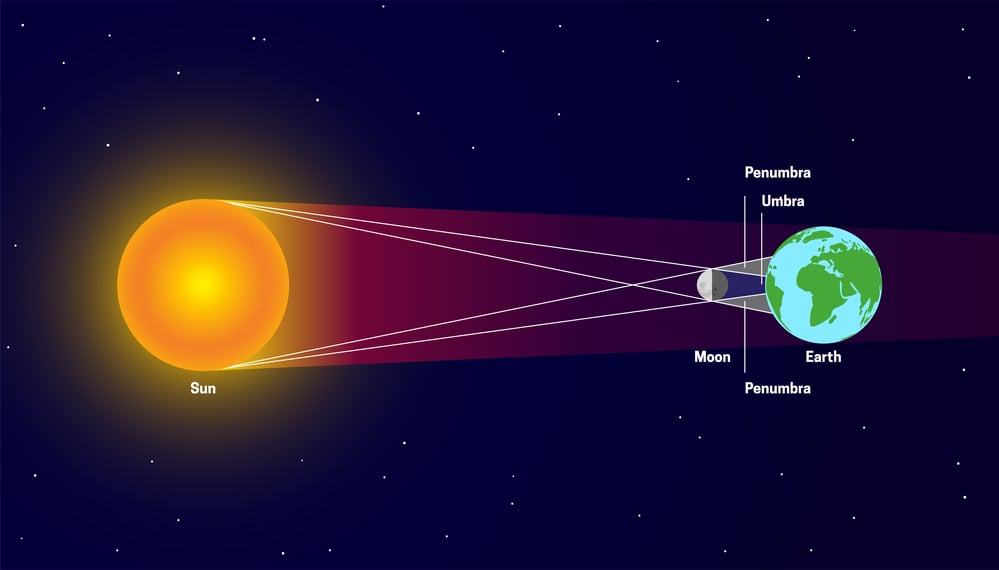
Eclipses have shaped human history by sparking both fear and wonder. They ended wars, inspired superstitions, and became the proving grounds for the greatest scientific theories—from Newton’s gravity to Einstein’s relativity.
Each eclipse pulled observers into moments of cosmic alignment, reminding humanity that the universe operates by laws that patient observation and mathematics can illuminate.
More from Go2Tutors!

- The Romanov Crown Jewels and Their Tragic Fate
- 13 Historical Mysteries That Science Still Can’t Solve
- Famous Hoaxes That Fooled the World for Years
- 15 Child Stars with Tragic Adult Lives
- 16 Famous Jewelry Pieces in History
Like Go2Tutors’s content? Follow us on MSN.