29 TV Shows Families Gathered Around on Weeknights That Streaming Services Rarely Carry
For a few decades, the living room had one screen and a schedule that everyone in the house obeyed. Dinner dishes got cleared early on Tuesdays, homework waited on Thursdays, and a younger sibling was dispatched to adjust the rabbit ears.
Some of those programs became permanent fixtures of the rerun economy. Others drifted out of reach.
Music licenses written only for broadcast, scandals involving stars, and plain corporate indifference kept a surprising number of weeknight favorites off the major streaming menus, where modern viewers assume everything eventually lands.
WKRP in Cincinnati and Its Borrowed Record Collection
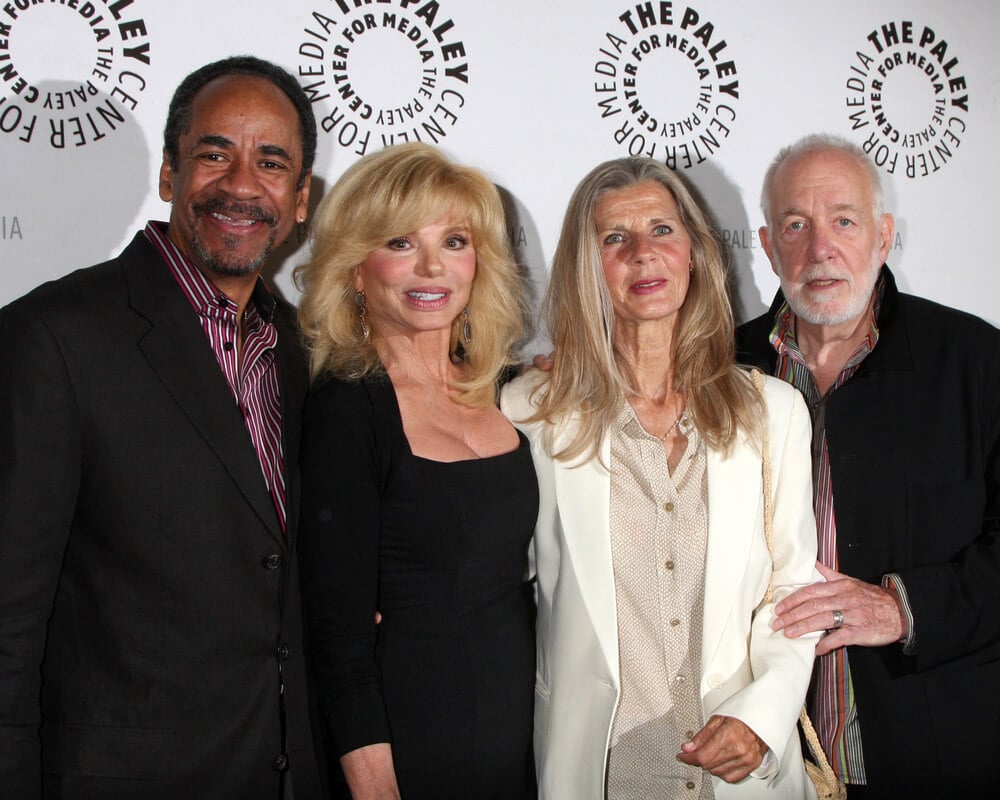
The CBS sitcom about a struggling radio station ran from 1978 to 1982, and its jokes leaned on real rock and soul records spinning in the background. Those songs were licensed for broadcast only, so syndicated airings and later home video releases swapped many of them for generic sound-alikes that fans spotted instantly.
The Thanksgiving episode, where the station drops live turkeys from a helicopter, still turns up on lists of the funniest sitcom half hours ever made. Finding the series with its original soundtrack intact, however, has been a long and frustrating hunt.
For a show set inside a radio studio, the missing music changes almost every scene.
Frank’s Place and Its Single Season in New Orleans
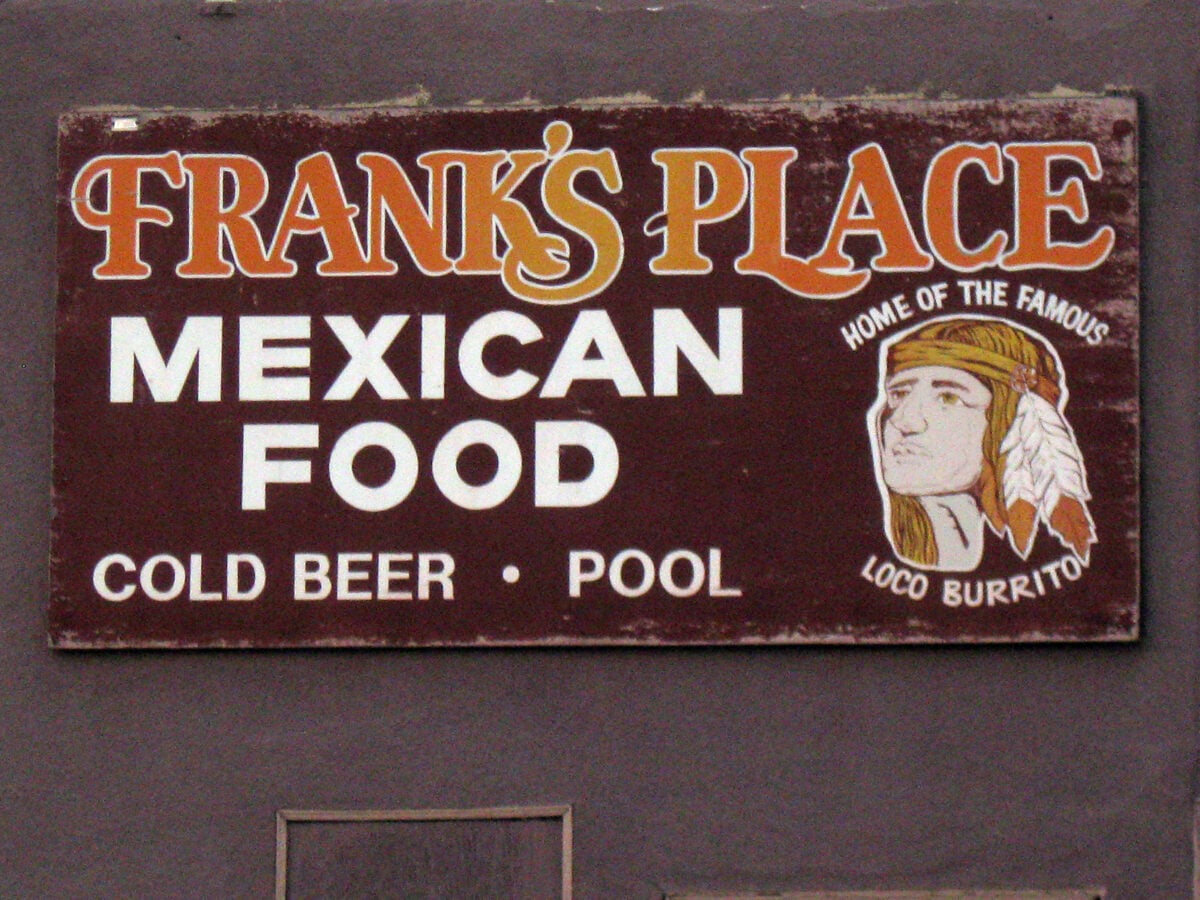
Tim Reid starred as a Boston professor who inherits a Creole restaurant in this CBS comedy from the 1987 to 1988 season. It ran just 22 episodes, skipped the laugh track, and was shot like a small film, which made it look nothing like its Monday night neighbors.
Critics adored it, and viewers who found it still bring it up with real affection. Reid later persuaded CBS to consider a DVD release, but the price of licensing the jazz and rhythm and blues woven through every episode proved prohibitive.
The result is a respected show that almost nobody under 45 has seen.
Murphy Brown and the Motown Problem
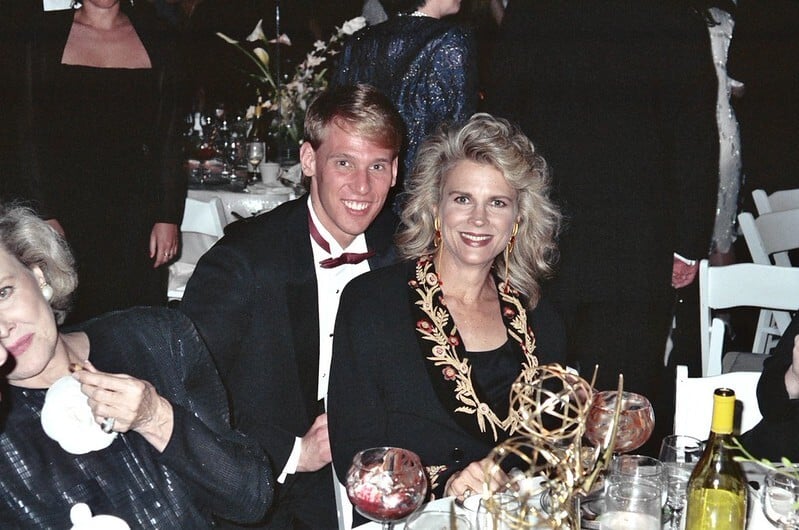
Candice Bergen played a tough television news anchor on CBS for ten seasons, and the show became a Monday night habit for millions of households. A running gag had Murphy belting Motown hits, and the soundtrack leaned heavily on those same songs.
Warner Bros. released the first season on DVD in 2005, then shelved plans for any further seasons after sales disappointed. The heavy Motown catalog made the remaining years expensive to clear for new formats.
A revival arrived in 2018, yet the original run has stayed stubbornly scarce, which is strange for a show that once drew a public response from a sitting vice president.
China Beach and Its Wartime Soundtrack

ABC’s drama about nurses and entertainers at a Vietnam evacuation hospital aired from 1988 to 1991 and won an Emmy for Dana Delany. Its theme song, Reflections by Diana Ross and the Supremes, set the tone for a series built around period pop, rock, and soul.
That soundtrack kept the show off DVD for years because clearing dozens of hit records cost more than any studio wanted to spend. A complete set finally arrived in 2013 after a long licensing effort.
Even so, the series has rarely appeared on the big subscription platforms, and many viewers remember it only as a Wednesday night habit.
Northern Exposure and the Moose on Main Street
The opening credits of this CBS dramedy featured a moose wandering down the main street of Cicely, Alaska, which was actually Roslyn, Washington. The show ran from 1990 to 1995 and mixed small-town eccentricity with a doctor from New York who desperately wanted to go home.
Its local radio DJ played an eclectic mix of records that doubled as commentary on each episode. Those tracks were largely replaced on DVD, a change that longtime fans noticed immediately and still complain about.
Roslyn now draws tourists who have never seen the show, while the series itself remains an awkward fit for streaming catalogs.
Thirtysomething and Its Tuesday Night Anxieties

ABC aired this drama about baby boomers wrestling with careers, marriages, and mortgages from 1987 to 1991. Set in Philadelphia, it became a Tuesday night ritual for couples who recognized their own arguments in the scripts.
The writing was praised for sounding like real conversation, and the show collected an Emmy for outstanding drama in 1988. Music rights delayed its arrival on DVD until 2009, long after most of its contemporaries.
Streaming appearances have been brief and scattered since then. For a program that defined how a generation saw itself on television, it has become oddly difficult to revisit on demand.
Moonlighting and the Blue Moon Detective Agency
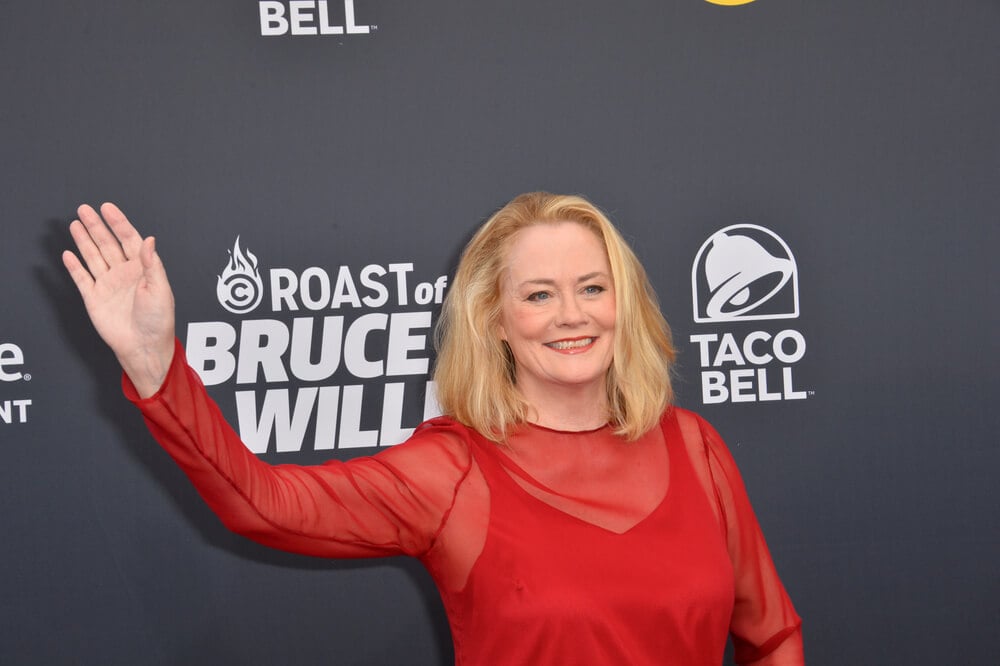
Bruce Willis and Cybill Shepherd traded rapid-fire insults as mismatched detectives on this ABC series from 1985 to 1989. The show broke the fourth wall constantly, staged a black-and-white dream episode introduced by Orson Welles, and turned Willis into a star.
Al Jarreau sang the theme song, and the scripts were so long that episodes often ran behind schedule. Music clearances held up the DVD release until 2005.
Since then, streaming access has come and gone, leaving the show far less visible than its reputation deserves. Anyone who remembers Tuesday nights in the mid-1980s probably remembers the will-they-won’t-they tension first.
Huxtable Reruns That Vanished From Cable

For much of its NBC run from 1984 to 1992, this sitcom anchored Thursday night and ranked as the most-watched program in the country. The Huxtable family of Brooklyn became a fixture in homes of every background, and reruns filled cable schedules for years afterward.
That changed around 2014, when mounting allegations against its star led TV Land and other outlets to pull the reruns. The show has largely stayed out of mainstream circulation since.
Its disappearance is a rare case of a former ratings champion being quietly removed from the shelf rather than simply fading. Many families still remember the Thursday lineup it launched.
Camden Family Pews on 7th Heaven

This family drama about a minister, his wife, and their seven children ran for 11 seasons, mostly on The WB and later The CW. It aired on Monday nights for much of its run and became one of the longest-running family dramas on television.
Reruns were a staple on cable until 2014, when allegations involving star Stephen Collins surfaced and the UP network pulled the show from its schedule. Streaming availability has been limited and inconsistent since.
The series once held the record for the most-watched program in its network’s history, which makes its current obscurity all the more striking.
Laugh-In and Its Monday Night Chaos
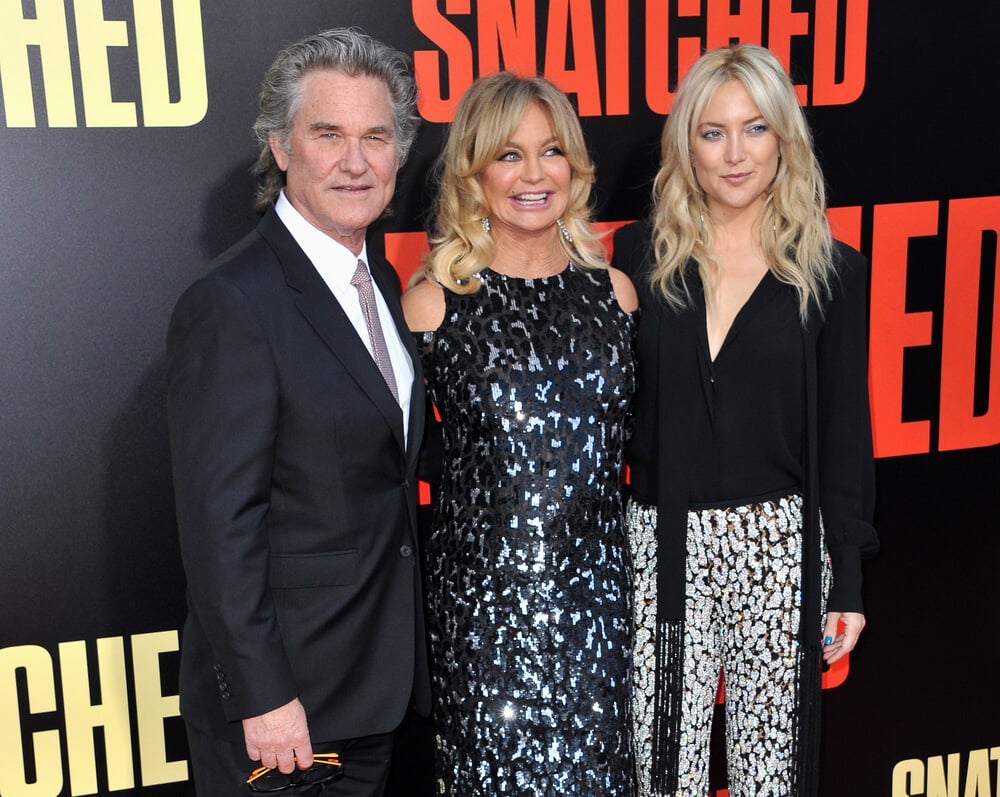
Rowan and Martin’s Laugh-In hit NBC in 1968 and became the top-rated show in the country within a year. Its rapid-fire blackout gags, painted go-go dancers, and joke wall made most other comedy look slow.
Goldie Hawn, Lily Tomlin, and Arte Johnson all became household names through the show. Richard Nixon even appeared briefly during the 1968 campaign to deliver the show’s famous catchphrase, a cameo some credit with softening his image.
The complete run eventually came out on DVD, but full episodes rarely surface on the major subscription services. Most viewers today know it only through brief clips.
Sonny and Cher’s Closing Duets on CBS
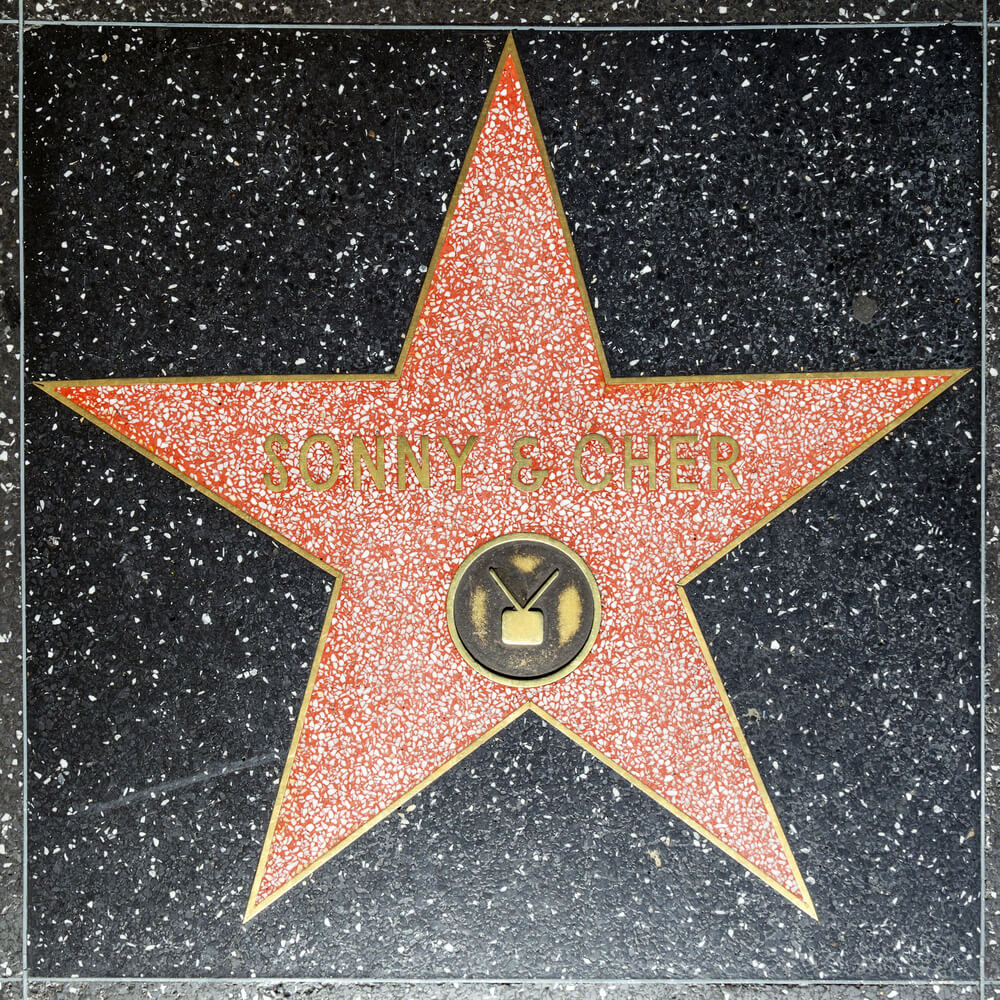
CBS aired this variety show from 1971 to 1974, and it made Cher a household name as she delivered deadpan put-downs to her shorter husband. Each episode closed with the couple singing their signature hit, often with their young daughter held in their arms.
Musical guests and elaborate costume numbers by Bob Mackie filled each hour. Because the show relied so heavily on licensed songs, only scattered compilations ever reached home video.
Complete episodes remain difficult to find through official channels. The show’s end coincided with the couple’s divorce, and each later hosted a separate program that never quite matched the original chemistry.
Donny and Marie on Friday Nights

The Osmond siblings hosted this ABC variety hour from 1976 to 1979, opening each episode with the song about being a little bit country and a little bit rock and roll. The show featured a team of ice skaters, elaborate costumes, and a steady stream of guest stars.
It was taped for a time at a studio the Osmond family built in Orem, Utah. Only a limited compilation ever made it to home video.
Full episodes are rarely seen now, partly because of the music rights involved. For many families, Friday night dinner in the late 1970s ended with the show’s cheerful theme.
Carol Burnett’s Full Hour Before the Syndication Edits
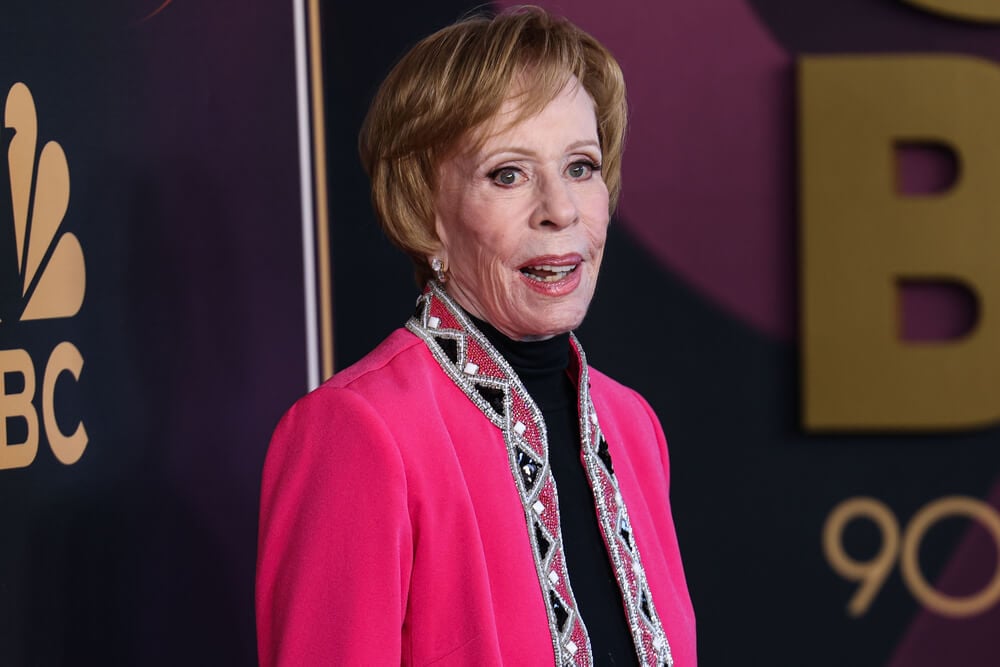
Carol Burnett’s CBS variety hour ran from 1967 to 1978 and opened on Monday nights before later moves. Tim Conway’s improvised sketches regularly broke Harvey Korman, and Burnett ended each episode tugging her ear as a signal to her grandmother.
For decades, most viewers saw the show through a trimmed half-hour syndication package called Carol Burnett and Friends. Those versions cut the musical numbers and guest performances.
Complete hour-long episodes have become easier to buy on disc but still rarely appear intact on mainstream streaming platforms. The dentist sketch and the curtain-rod dress from the Gone With the Wind parody live on mostly as clips.
Flip Wilson and the Round Stage
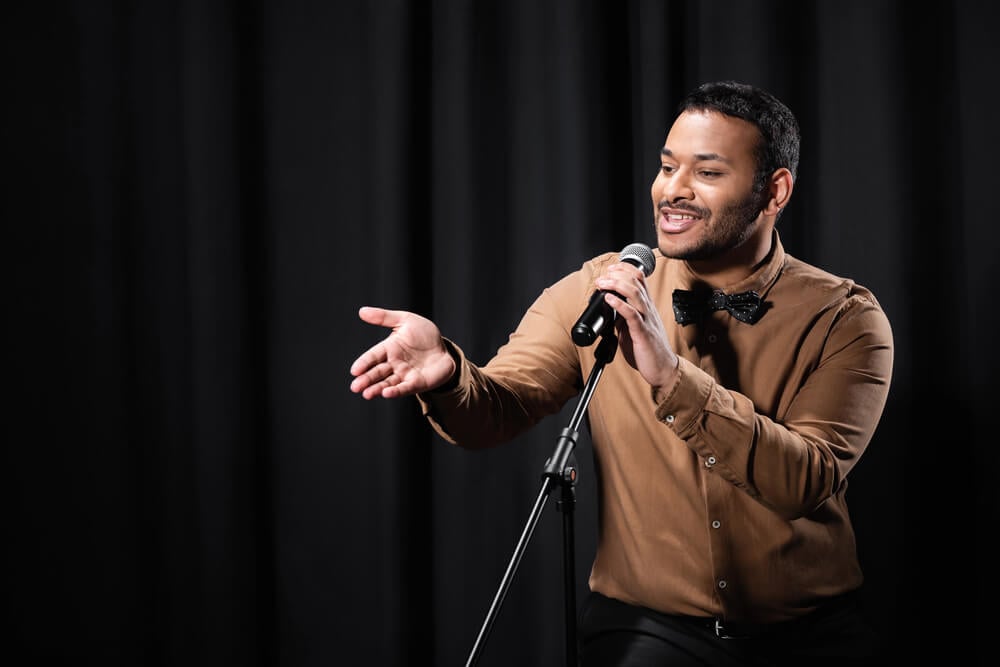
NBC’s Thursday night variety show ran from 1970 to 1974 and ranked second in the national ratings during its first season. Flip Wilson performed on a round stage surrounded by the audience, a setup that made the show feel intimate.
His character Geraldine Jones, a sassy woman with a jealous boyfriend named Killer, became one of the most quoted creations on television. The show won an Emmy and a Golden Globe.
Only a handful of compilations reached home video, and complete episodes rarely appear on streaming platforms. Wilson was one of the first Black performers to headline a hit variety series on network television.
Dean Martin Sliding Down the Fire Pole
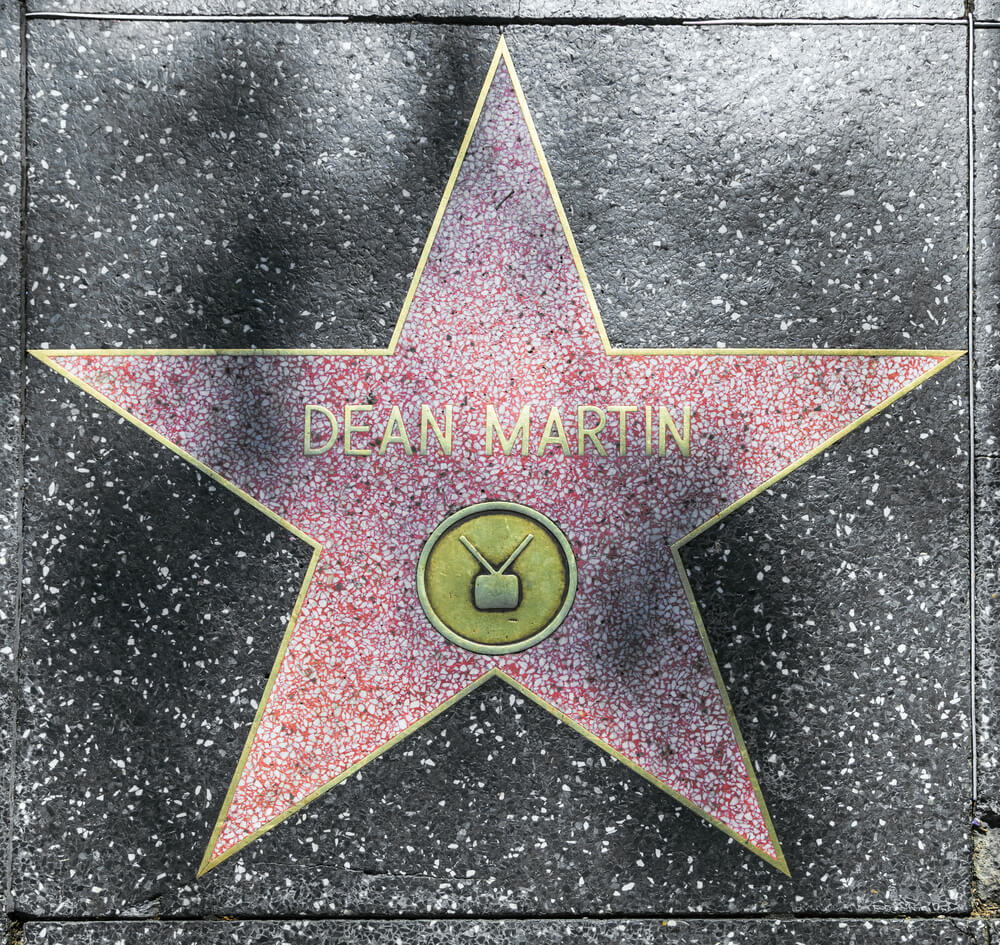
Dean Martin hosted this NBC variety hour from 1965 to 1974, mostly on Thursday nights. Martin famously skipped most rehearsals, which gave the show a loose, improvised feel that audiences loved.
He slid down a fire pole to make his entrance in many episodes and mixed slow standards with comedy sketches. Guest stars ranged from Frank Sinatra to Bob Hope, and the Golddiggers dance troupe became a regular feature.
Only a limited DVD collection was sold, largely through television ads. Full episodes are hard to find, and the show survives mostly through clips and later celebrity roast specials.
Andy Williams and the Cookie Bear Sketch
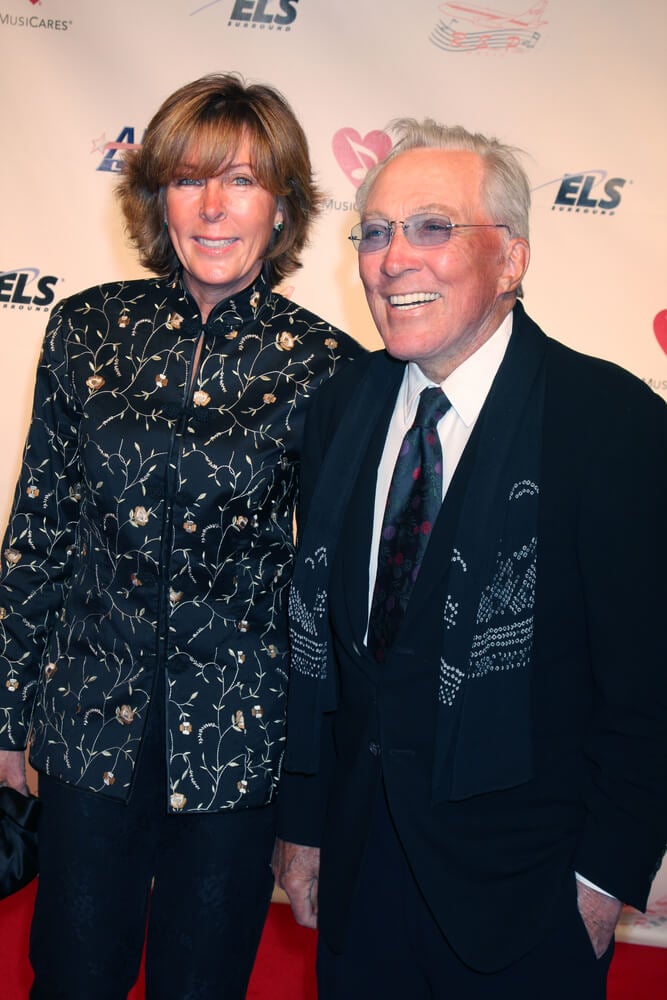
NBC ran this variety show through most of the 1960s, and it became famous for its Christmas specials featuring Williams and his family. The show introduced the Osmond Brothers to national audiences, launching a musical dynasty.
A recurring sketch featured a large bear who begged for cookies, and the character became a running joke that Williams himself grew tired of. The show won several Emmy awards during its run.
Home video releases have been limited to holiday compilations, and complete episodes rarely stream. For many families, the Christmas specials became as much a part of December as decorating the tree.
Sing Along With Mitch and the Bouncing Lyrics
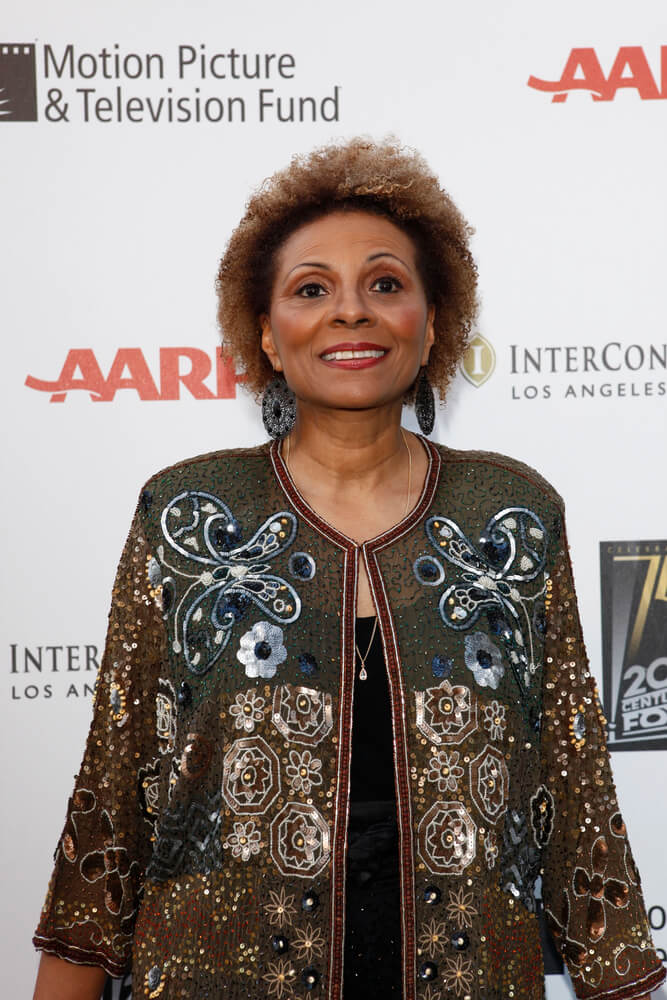
NBC aired this musical show from 1961 to 1964, and it invited viewers at home to sing along as lyrics appeared at the bottom of the screen. Mitch Miller, a record producer and oboist, led a male chorus through standards and old favorites.
The show also featured Leslie Uggams, who became one of the first Black performers to appear as a regular on a network variety series. Families would gather around the set and belt out the choruses together.
The format grew out of Miller’s popular album series. Full episodes are rarely seen today, and most viewers under 60 have never heard of it.
Red Skelton and Freddie the Freeloader
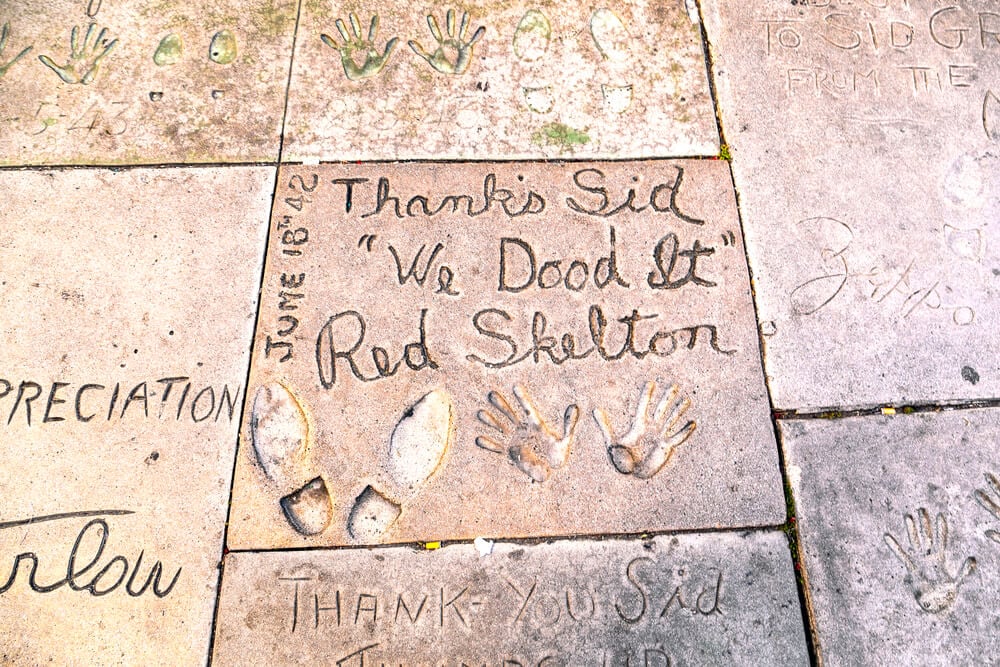
spent two decades on network television, and his show was a Tuesday night staple on CBS for much of the 1960s. His characters included Freddie the Freeloader, a hobo, and Clem Kadiddlehopper, a country bumpkin.
Skelton ended each show with sincere words of gratitude to his audience and a closing blessing. The show ranked in the top ten for years, but CBS canceled it in 1970 as networks chased younger viewers.
Skelton kept control of much of his material, and only scattered episodes have been released officially. Full episodes are rarely available on major streaming services.
Danny Kaye on Wednesday Nights
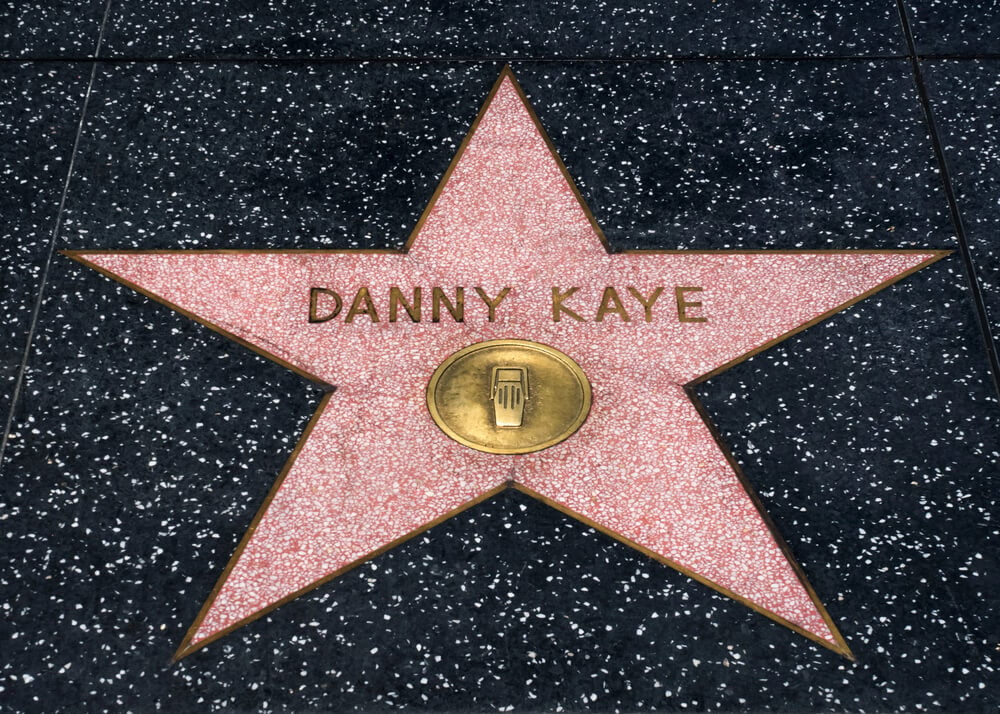
CBS aired this variety hour from 1963 to 1967, and it won an Emmy for outstanding variety program during its first season. Danny Kaye’s mix of physical comedy, fast-talking songs, and warm conversation made it a family favorite.
Harvey Korman was a regular cast member before he moved on to The Carol Burnett Show. Kaye often closed episodes by sitting on the edge of the stage and chatting with the audience.
The show’s music and guest performances make it difficult to license today. Full episodes are rarely seen, though a few clips circulate online among classic television fans.
Hullabaloo and the Go-Go Cage Dancer
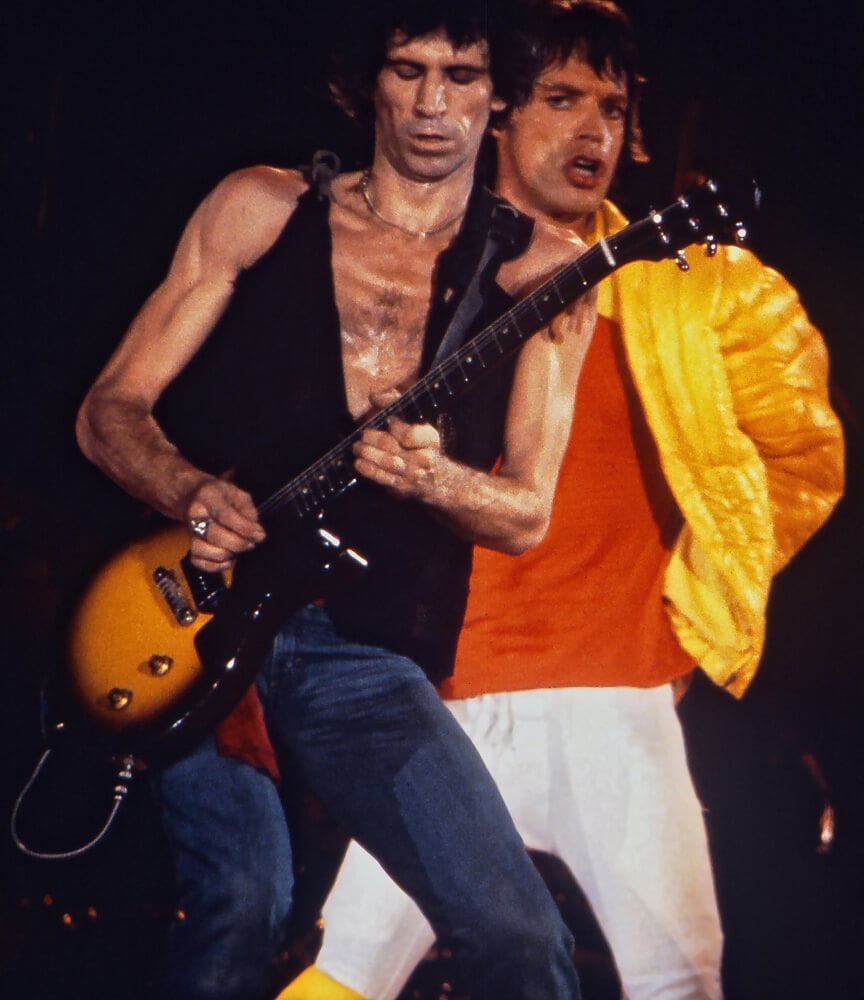
NBC’s Hullabaloo ran from 1965 to 1966 and brought rock and roll acts into prime time. A rotating cast of hosts introduced bands like the Supremes, the Rolling Stones, and the Byrds, and a go-go dancer in a cage became one of the show’s most memorable images.
Beatles manager Brian Epstein hosted segments taped in London. The Hullabaloo Dancers performed choreographed routines to the hits of the day.
Music rights have kept complete episodes largely unavailable, though compilations were released on home video. The show captured a brief moment when rock music was still new to network television.
Captain and Tennille’s Short-Lived Hour
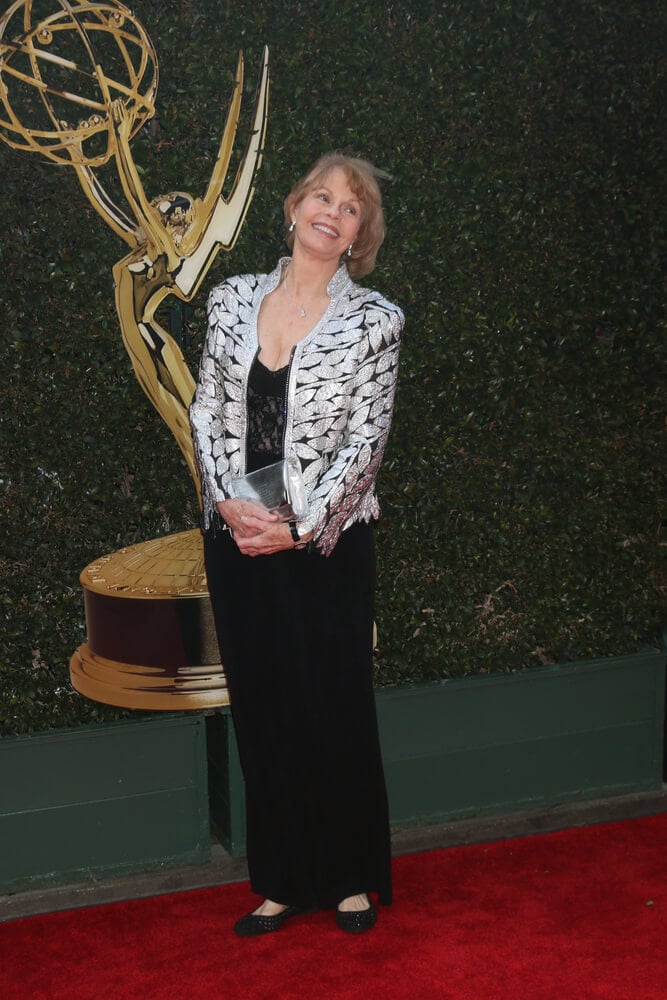
Daryl Dragon and Toni Tennille hosted this ABC variety show during the 1976 to 1977 season, riding the success of Love Will Keep Us Together. Dragon rarely spoke on camera and always wore his signature captain’s hat, which became a running joke.
Tennille handled most of the talking, singing, and comedy sketches. The show lasted just one season on Monday nights.
It has never been widely available on home video or streaming. For fans who remember it, the show was a gentle, friendly hour that fit neatly into the family viewing habits of the era, before cable splintered the audience.
Tony Orlando and Dawn and the Yellow Ribbons
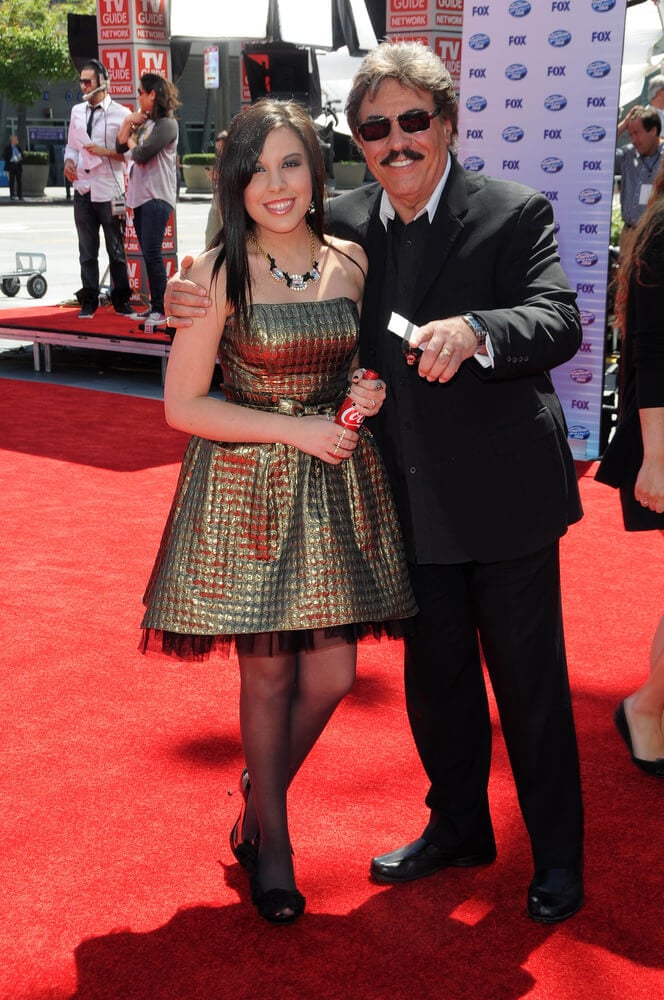
This CBS variety show ran from 1974 to 1976 and featured the singing group behind Tie a Yellow Ribbon Round the Ole Oak Tree. Tony Orlando, Telma Hopkins, and Joyce Vincent Wilson mixed hits with comedy sketches and guest appearances.
The show was a summer replacement that became a regular series because of strong ratings. Hopkins later found success as an actress in shows like Family Matters.
Complete episodes have rarely been released, and the show is almost never seen today. For families in the mid-1970s, it was a cheerful hour of music that asked nothing of its audience.
Real People and the Birth of Reality Television
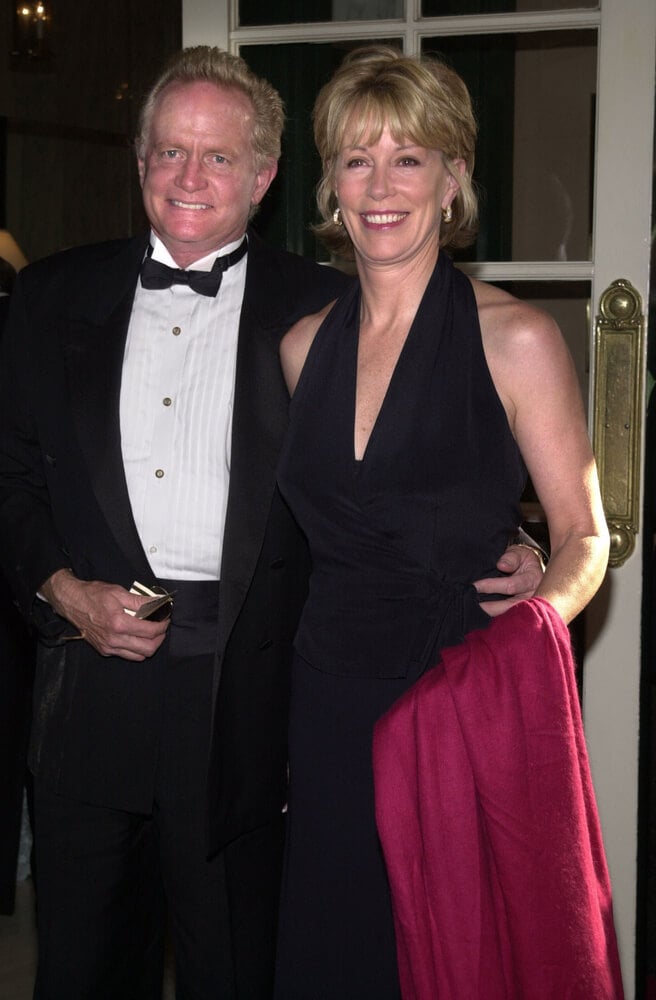
NBC aired Real People from 1979 to 1984, mostly on Wednesday nights. The show profiled ordinary Americans with unusual hobbies, jobs, or talents, from backyard inventors to small-town eccentrics.
Hosts included Sarah Purcell, Skip Stephenson, and a young Byron Allen. It was one of the first shows to build prime-time entertainment around everyday people rather than celebrities.
Its success led to copycats like That’s Incredible. Full episodes are rarely available today, though clips circulate online.
The format it pioneered, however, shaped much of what television became in the decades that followed.
That’s Incredible and Its Risky Stunts
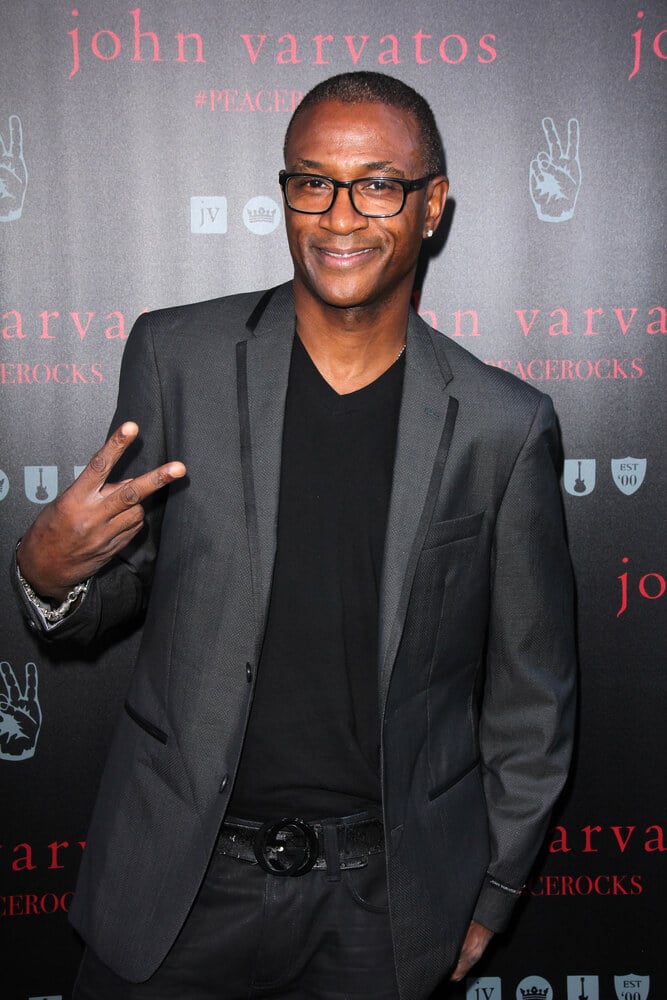
ABC aired this show from 1980 to 1984 on Monday nights, hosted by John Davidson, Cathy Lee Crosby, and Fran Tarkenton. The program featured daredevil stunts, medical miracles, and people with unusual abilities.
Several stunt performers were injured during filming, which drew criticism and helped push the show toward safer segments. It became a top-ten hit during its first season.
The show has rarely been rebroadcast and is almost impossible to find through official streaming channels. For families in the early 1980s, the show was a weekly dose of amazement that sparked plenty of arguments over whether something was real.
Room 222 and Walt Whitman High
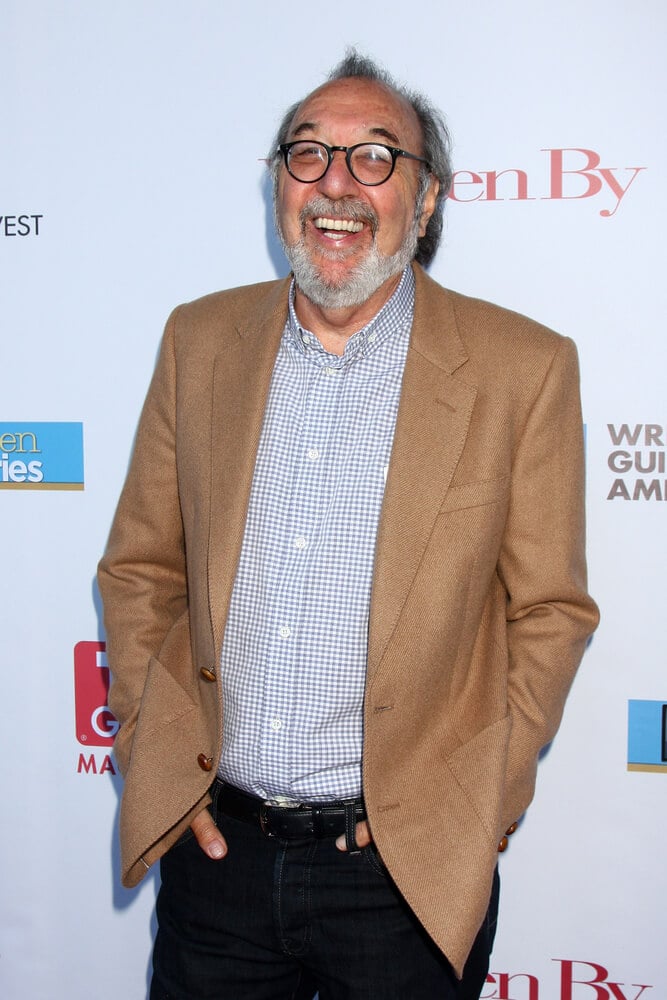
ABC’s Room 222 ran from 1969 to 1974 and followed a Black American history teacher at a racially integrated Los Angeles high school. Lloyd Haynes starred as Pete Dixon, and the show tackled topics like racism, drug use, and dropping out with a gentle, thoughtful tone.
It won an Emmy for outstanding new series in its first season. The series was created by James S. Brooks and Rod Serling.
James L. Brooks later co-created The Mary Tyler Moore Show. Only a partial run ever reached DVD, and streaming access has been scarce.
The show was a Wednesday night staple for families who wanted something with a little more substance.
Cagney and Lacey on Monday Nights
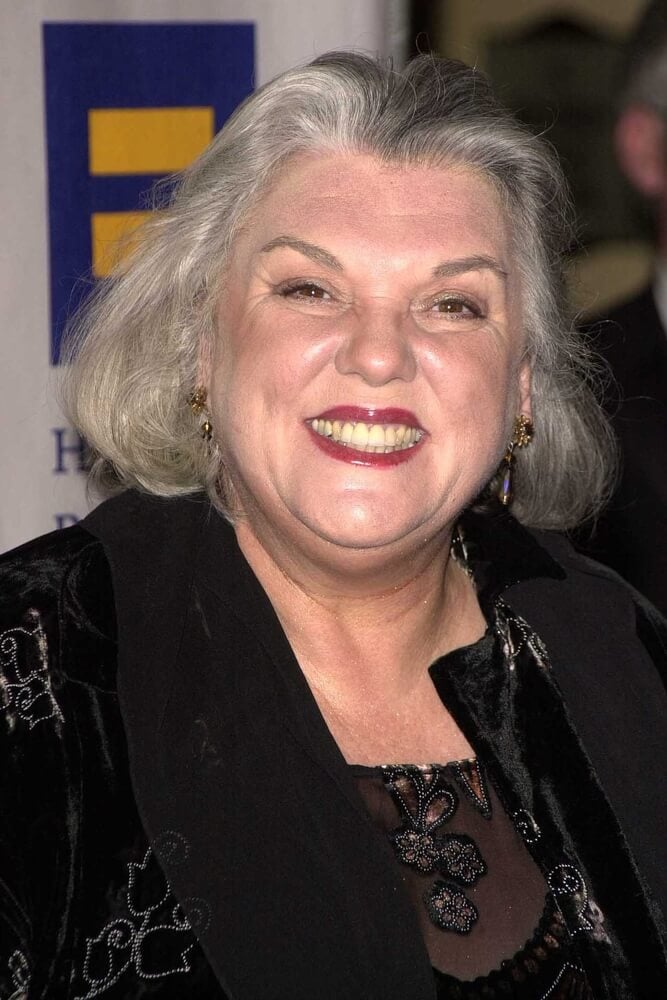
This police drama ran on CBS from 1982 to 1988, following two female detectives in New York City. Tyne Daly and Sharon Gless won a combined six Emmy awards for their roles, with Daly taking four and Gless two.
CBS canceled it in 1983, then brought it back after a flood of viewer letters. It tackled issues like breast cancer, alcoholism, and workplace harassment with a directness that was unusual for its time.
Home video releases have been spotty, and the show rarely appears on major streaming services. Many viewers still remember it as a Monday night habit that treated its audience like adults.
Love, American Style and Its Fireworks

ABC aired this romantic comedy anthology from 1969 to 1974, with each episode featuring several short stories about love and relationships. The show’s opening sequence of fireworks became instantly recognizable.
A 1972 segment called Love and the Happy Days served as the pilot for Happy Days, which went on to become a massive hit. Guest stars ranged from established names to future celebrities.
Syndicated versions were heavily edited, and full episodes have rarely been available. The show was a late-evening fixture for couples who stayed up after the kids went to bed.
Today, it survives mostly as trivia.
Evening Shade and Its Arkansas Town
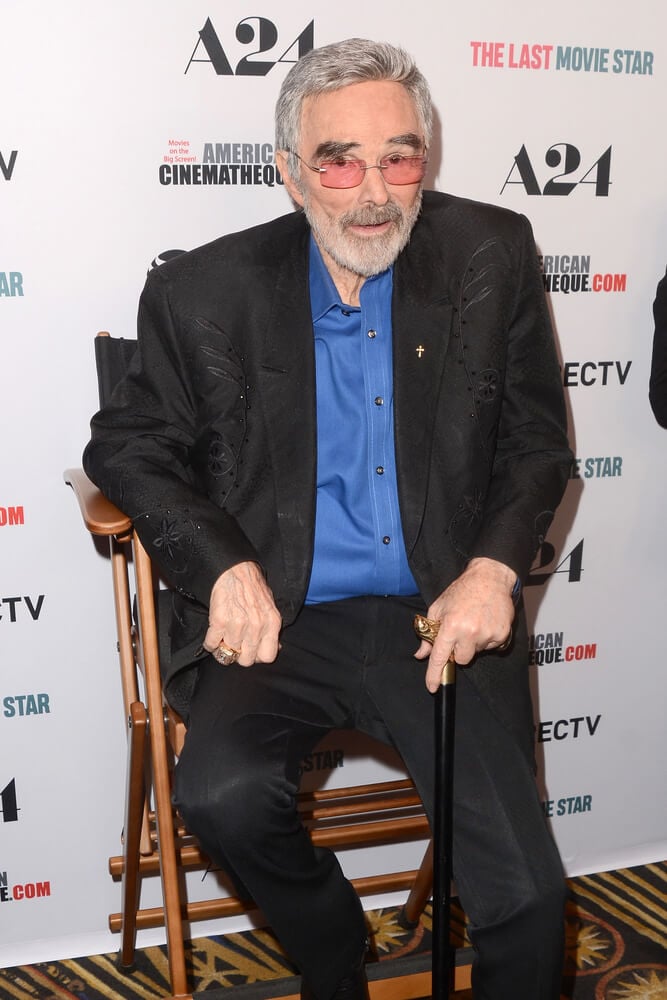
Monday nights on CBS from 1990 to 1994 belonged to this sitcom, starring Burt Reynolds as a former pro quarterback coaching a losing high school team in a small Arkansas town. The cast included Marilu Henner, Hal Holbrook, Ossie Davis, and Charles Durning, an unusually deep bench for a half-hour comedy.
Reynolds won an Emmy for his role in 1991. The show was co-created by Linda Bloodworth-Thomason, who also created Designing Women.
It has had very little life on home video and rarely appears on streaming services. Fans remember it for its warm, small-town humor and front-porch storytelling.
Garry Moore and Carol Burnett’s Breakout
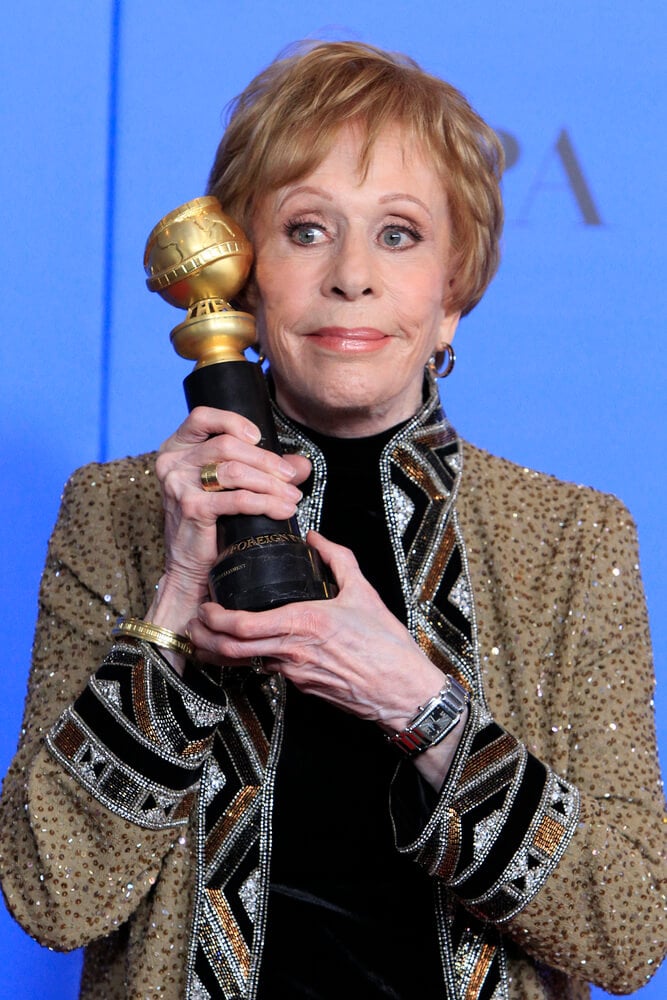
Before Carol Burnett had her own hour, this CBS variety show from 1958 to 1964 made her famous, and she became a regular in 1959. Garry Moore, known for his crew cut and bow tie, hosted with an easygoing charm that made viewers feel at home.
Durward Kirby was his longtime sidekick. The show featured a regular segment called That Wonderful Year, which revisited popular songs and events from a single year in the past.
Complete episodes are almost impossible to find today. For families in the late 1950s and early 1960s, the show was a Tuesday night gathering point.
Broadcast Rights and Vanishing Evenings
Most of these shows did not disappear because audiences stopped caring. They slipped away because contracts written for a single broadcast never imagined a world of on-demand libraries, and because nobody wanted to pay again for songs licensed decades ago.
Some disappeared because the people who made them became liabilities. The irony is that an era of seemingly infinite choice has left gaps where some of the most popular programs of their time used to be.
Families once scheduled their evenings around these shows. Now they exist mostly in memory, in scattered clips, and in secondhand DVD bins.
That scarcity says as much about the business of television as it does about the shows themselves.
More from Go2Tutors!

- The Romanov Crown Jewels and Their Tragic Fate
- 13 Historical Mysteries That Science Still Can’t Solve
- Famous Hoaxes That Fooled the World for Years
- 15 Child Stars with Tragic Adult Lives
- 16 Famous Jewelry Pieces in History
Like Go2Tutors’s content? Follow us on MSN.