29 Vinyl Albums Collectors Pay Real Money to Complete
A record can play perfectly and still be missing half its value. Somewhere in a thrift store bin right now, a famous album sits without the poster, sticker, or booklet that left the factory with it, and a collector somewhere else is hunting for exactly that piece of paper. The albums below all shipped with something extra, and the market treats those extras as part of the record, not a bonus.
Prices on every title here swing hard with condition. A creased poster, a peeled sticker, or a split seam can cut an asking price in half, so treat any figure as a snapshot of copies in strong shape.
Elvis’ Christmas Album by Elvis Presley (1957)
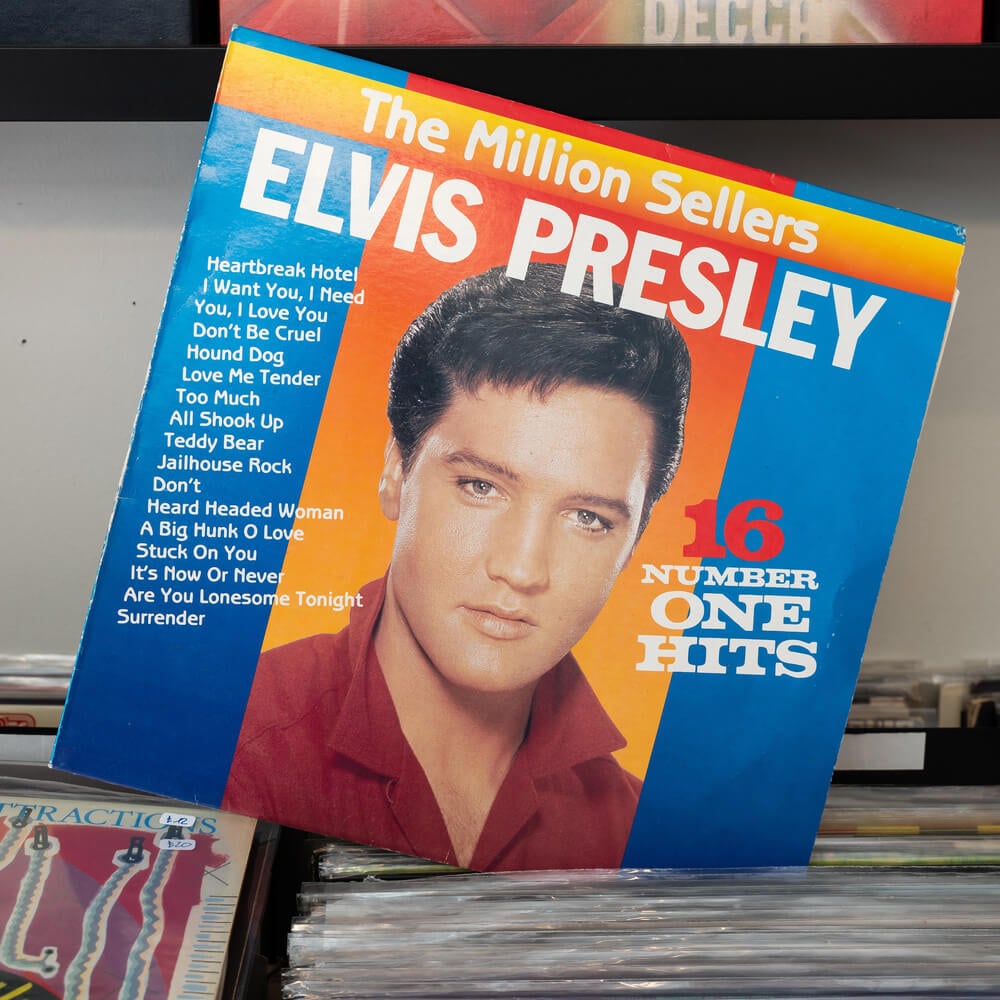
RCA’s deluxe first edition, catalog number LOC-1035, came in a gatefold with a bound-in booklet of color photos. Goldmine’s price guide lists booklet copies at $1,000 to $1,500, depending on whether the spine lettering is gold or silver. Some copies also carried a gold gift sticker on the outer wrapping, with blanks for “To” and “From” above the track list, and Goldmine values that sticker alone at around $500. Collectors still argue over whether RCA or retailers added it, which hasn’t slowed demand one bit.
Yesterday and Today by The Beatles (1966)
Capitol’s original cover showed the band in white smocks draped with raw meat and doll parts, and the backlash forced a recall within days. Rather than scrap the sleeves, Capitol pasted a new photo of the band posed around a steamer trunk over the old one. Collectors now rank these by “state”: first state is the unpasted original, second state still has the trunk photo in place, and third state has been peeled to reveal the image beneath. Strong first-state copies trade for thousands of dollars, and a clean peel takes real skill, so a botched one throws away most of the value.
The Velvet Underground & Nico (1967)
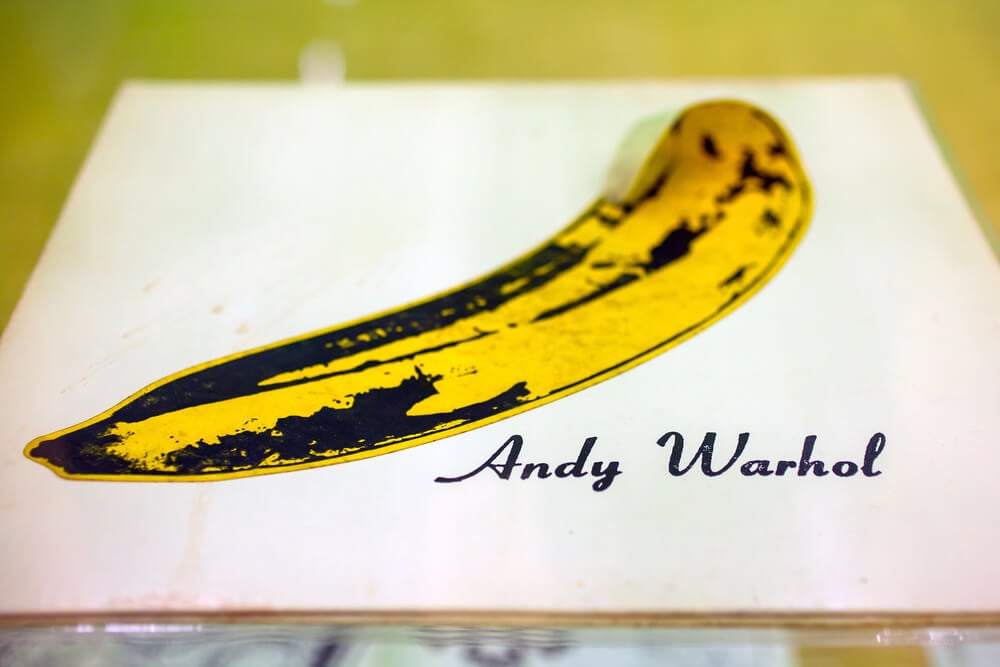
Andy Warhol’s banana on the front was a sticker, and a printed line beside it invited buyers to peel slowly and see. Underneath sits a pink, peeled banana. Unpeeled copies with the sticker fully intact are the prize, while copies with the sticker lost sell for a fraction of the price. Early pressings add a second layer of variation, since the back cover originally included an image of actor Eric Emerson that was later covered or airbrushed after he objected to its use.
Sgt. Pepper’s Lonely Hearts Club Band by The Beatles (1967)
Copies came with a card of cut-outs, including a mustache, a picture card, sergeant stripes, and two badges. Kids reached for the scissors immediately, so an uncut sheet is essential for a complete copy. First pressings also used a red-and-white wavy inner sleeve designed by the Dutch art collective The Fool. UK mono first pressings with the cut-outs untouched and that psychedelic inner sleeve present sit near the top of any Beatles wish list.
Magical Mystery Tour by The Beatles (1967)
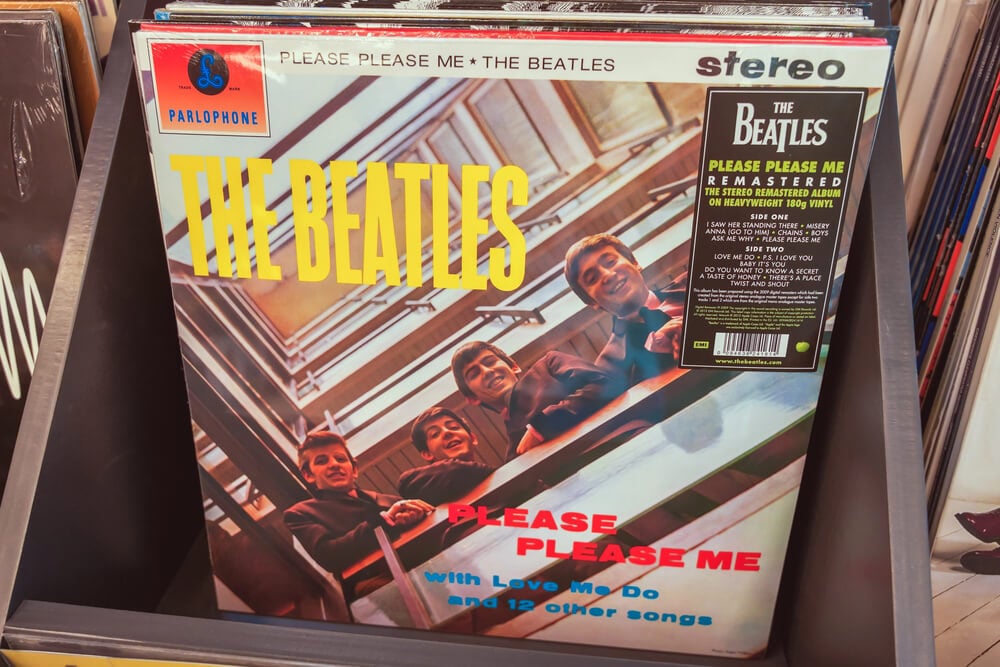
In Britain the songs came out as a double EP, but Capitol in the United States expanded the set into a full LP, adding singles like “Strawberry Fields Forever” and “Penny Lane.” The American version came in a gatefold with a 24-page bound-in booklet of photos from the TV film and a comic-strip retelling of the plot. Copies with the booklet tight and free of loose pages sell for noticeably more. Capitol’s version eventually became the standard edition worldwide, so the “American” LP is now the one most fans own.
The Beatles, Better Known as the White Album (1968)
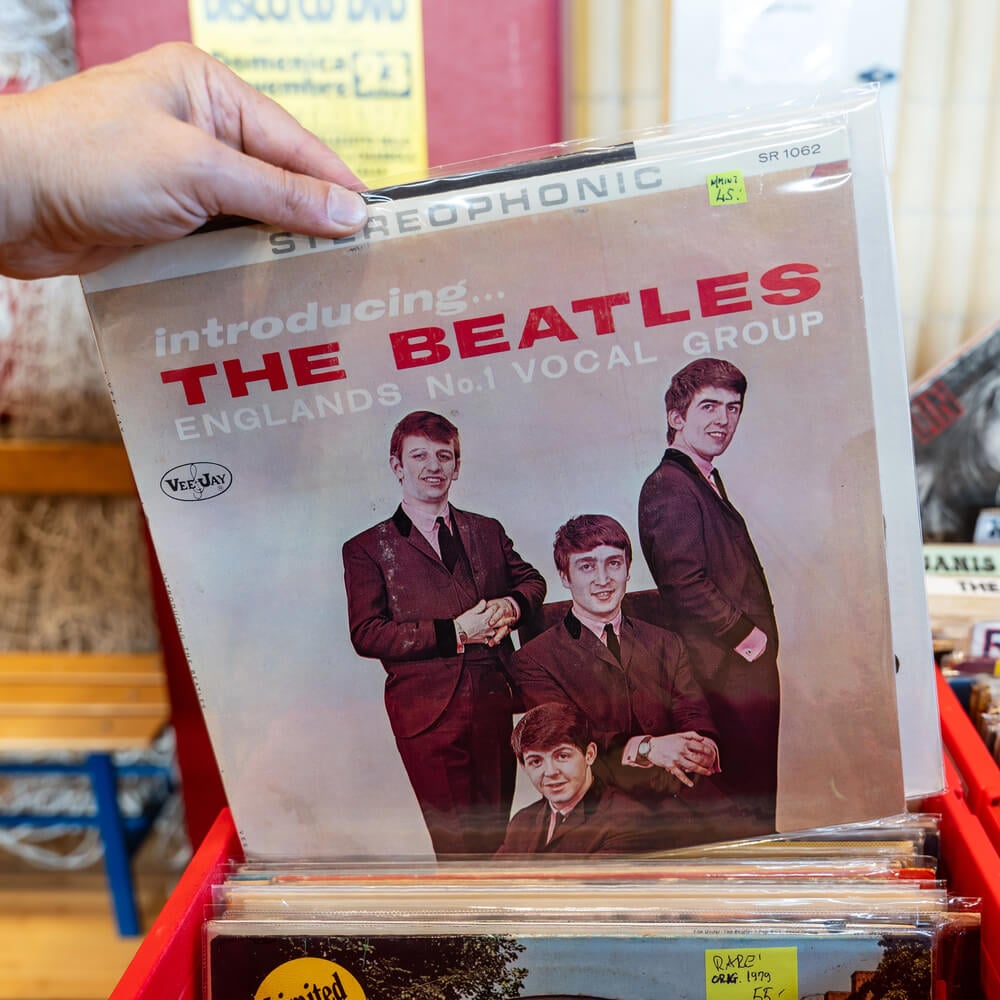
Early copies came with a large folded poster, four glossy color portraits of the band, and a unique serial number stamped on the embossed white cover. Collectors chase low numbers and full sets of inserts, and a copy missing the portraits drops sharply no matter how clean the vinyl plays. The ceiling here is absurd: Ringo Starr’s personal copy, numbered 0000001, sold at Julien’s Auctions in December 2015 for $790,000 against a presale estimate of $40,000 to $60,000. Guinness World Records lists it as the most expensive vinyl record ever sold at auction.
Ogdens’ Nut Gone Flake by Small Faces (1968)

The original sleeve was round, a fold-out circular design modeled on an old-fashioned tin, with panels that open to reveal a psychedelic illustration. The paper hinges joining those panels were fragile and wore through quickly. The earliest copies even came in actual metal tins, a format dropped because it proved costly and impractical, and those are now extremely rare. As MOJO recounted, the round sleeves also had a habit of rolling off shop shelves, which goes a long way toward explaining why so few survive in good shape.
Tommy by The Who (1969)
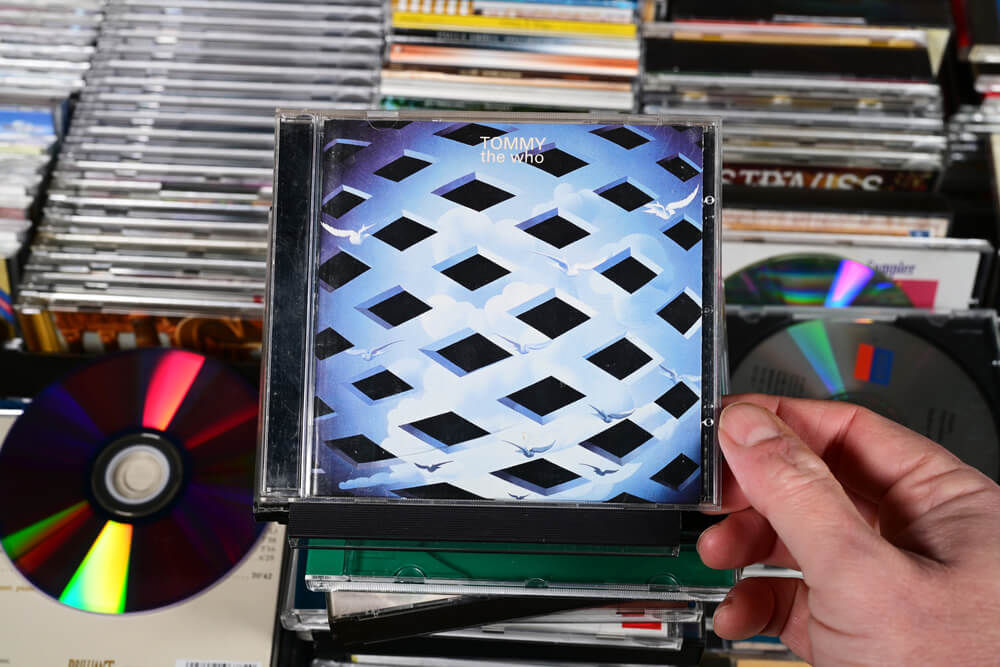
The original Track Records release came in a triple-gatefold sleeve with Mike McInnerney’s artwork and a 12-page booklet of lyrics and illustrations. The booklet slips out easily and often goes missing, and the triple fold tends to split along its seams. Collectors want UK first pressings with the booklet present and the cover’s dotted artwork unfaded. Few double albums of the late 1960s put this much design into the packaging, and fewer still survive with it intact.
Live at Leeds by The Who (1970)
The plain brown sleeve looks like a bootleg, but inside, a pocket held 12 facsimile documents from the band’s history. The set includes a photo from the My Generation shoot, a receipt for smoke bombs, a rejection letter from EMI, typed lyrics with handwritten notes, a black “Maximum R&B” poster, and a copy of the contract booking The Who at Woodstock. That contract has fooled more than one family into thinking they’d found the real thing, including an Idaho household whose discovery made the local paper in 1993. Complete copies need all 12 pieces, and the label itself carries a handwritten instruction telling engineers not to correct the crackling noises.
Led Zeppelin III (1970)
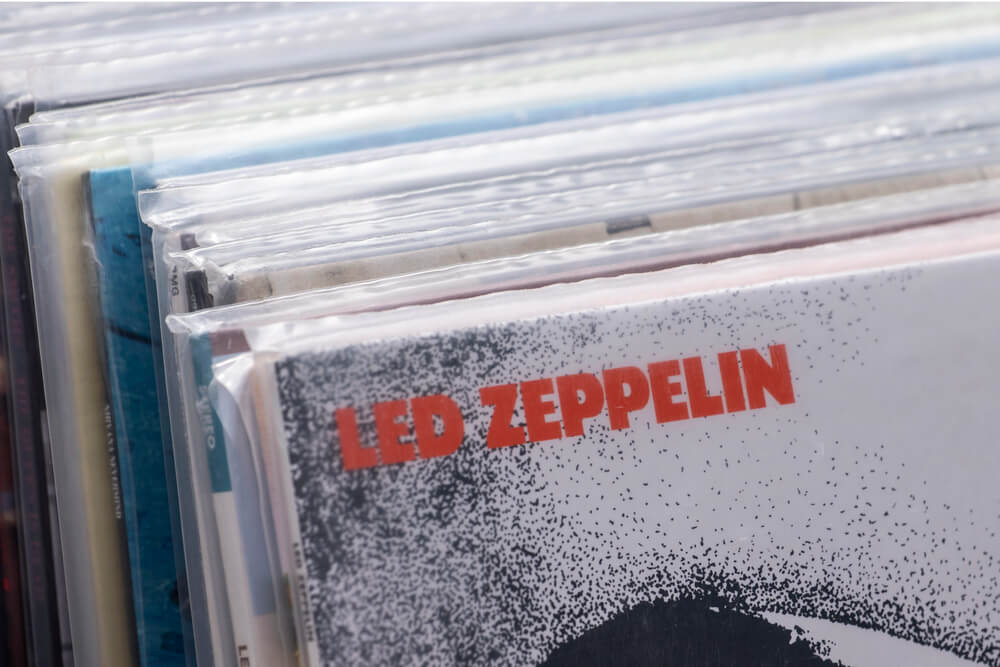
The front cover hides a rotating cardboard wheel, a volvelle designed by the artist Zacron, that spins to show different images through die-cut windows. The mechanism wears out, the wheel tears, and plenty of 1970 owners spun it relentlessly. A copy with a stiff, fully working wheel and clean die-cuts sells well above a tired one. UK first pressings also carry the phrase “Do what thou wilt” etched into the runout groove, a detail serious buyers check with a flashlight.
Let It Be Box Set by The Beatles (1970)
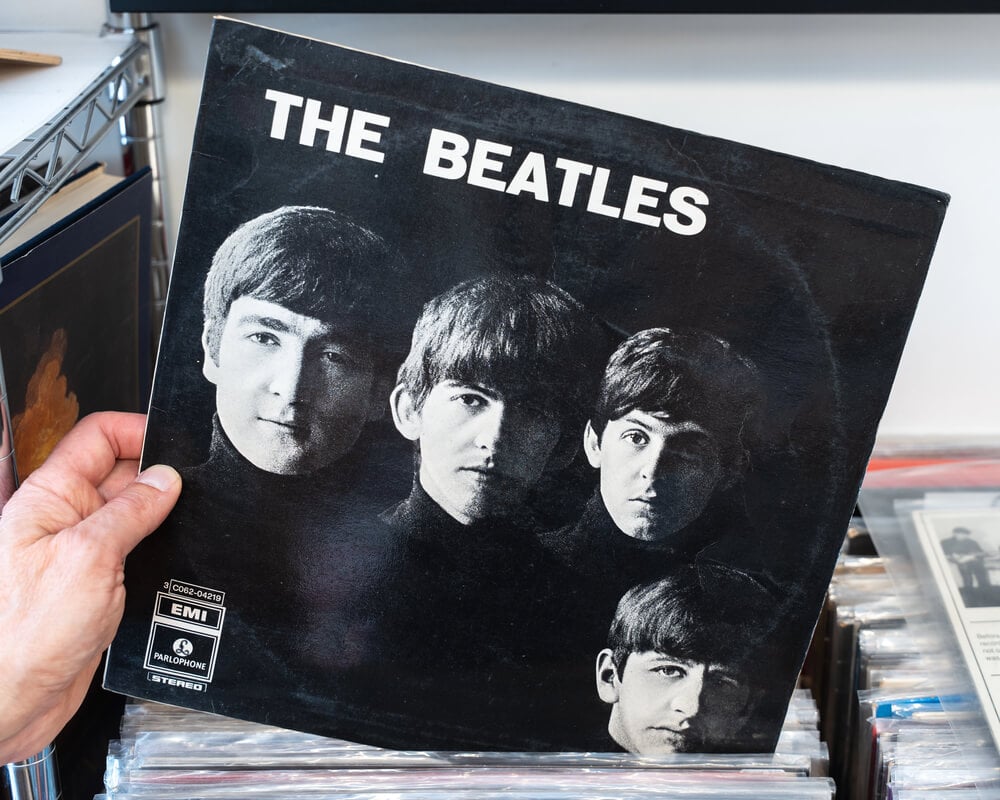
The band’s final album first appeared in the UK on May 8, 1970, only as a box set containing the LP and a 164-page paperback called The Beatles Get Back, filled with stills and dialogue from the film sessions. It cost more than a standard album and sold poorly, and the plain LP followed on its own that November. The glossy book is notoriously fragile, with pages that come loose, and the box and inner tray split at the corners. One London dealer recently listed a strong, complete copy at £950 and a battered one missing its inner tray at £95, a tenfold gap that sums up this entire category.
All Things Must Pass by George Harrison (1970)

Harrison’s triple album arrived in a lidded box with a large poster of him inside. The box is the weak point, with lids that crush, corners that split, and sides that bow after decades on a shelf. Complete copies need all three records, their inner sleeves, the poster, and a box that still closes squarely. The third disc, a set of loose studio jams titled Apple Jam, often shows the least wear, since many owners rarely played it.
Sticky Fingers by The Rolling Stones (1971)
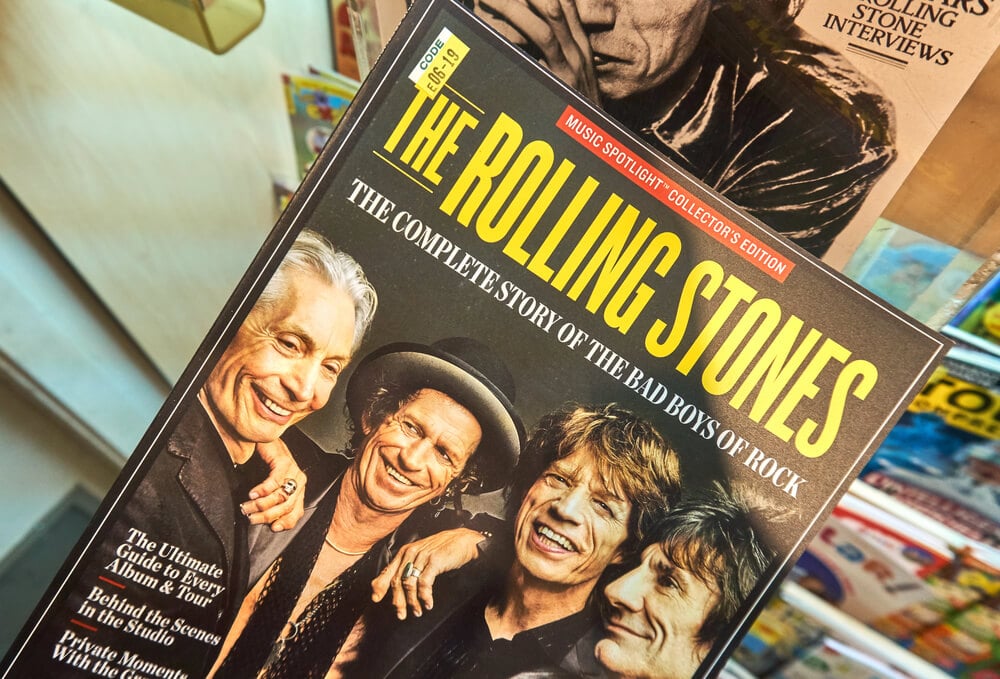
Andy Warhol’s concept put a working metal zipper on a photo of a pair of jeans, and the joke came at a cost. Stacked in shops, the zipper pressed into the vinyl underneath and left damage, so later copies shipped with the zipper pulled down to the middle to spread the pressure. Collectors pay for early copies with the zipper intact and the sleeve free of that telltale rectangular dent. The album also debuted the tongue-and-lips logo on the new Rolling Stones Records label.
Imagine by John Lennon (1971)

First copies held a postcard of Lennon gripping a pig by the ears, a pointed parody of Paul McCartney’s Ram cover, where Paul holds a ram by the horns. Copies also came with a poster. A complete UK first pressing with both inserts stays affordable, but the Japanese Apple pressing on red “Everclean” vinyl, with its obi strip, lyric insert, postcard, and poster all present, is a different story. Specialist dealers describe it as very hard to find complete, and the fragile obi is usually the first thing to go.
In Search of Space by Hawkwind (1971)

Barney Bubbles designed a die-cut sleeve that unfolds into a stylized hawk shape, and early copies included The Hawkwind Log, a 24-page booklet created with the poet Robert Calvert. The Log frames the album as the journal of a two-dimensional spacecraft found on the moon, turning a loose set of songs into a story. Not all European releases included it and most later pressings dropped it, so UK first pressings on United Artists with the Log present are the ones that sell. An excellent-condition copy with its booklet sold for about £100 in 2025.
Exile on Main St. by The Rolling Stones (1972)
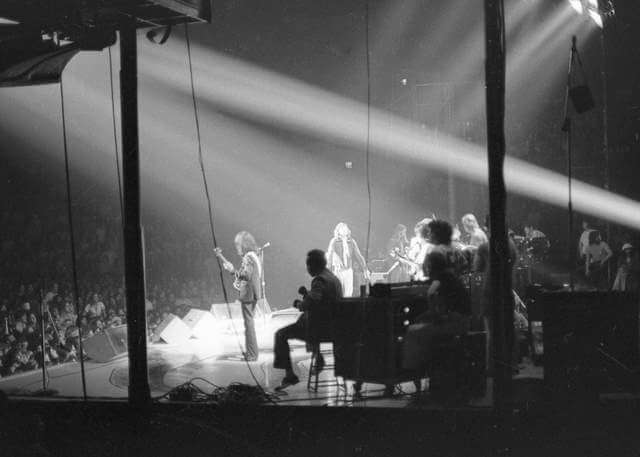
The double album shipped with a strip of 12 perforated postcards of the band, shot by Norman Seeff, tucked inside the sleeve. Most buyers tore them apart to mail or pin up, so a strip that has never been separated is scarce. Copies with the full strip still joined command a clear premium over otherwise identical records. The cover collage itself draws on Robert Frank’s photographs, which makes this one of the few album packages where every piece has an art-world pedigree.
Thick as a Brick by Jethro Tull (1972)
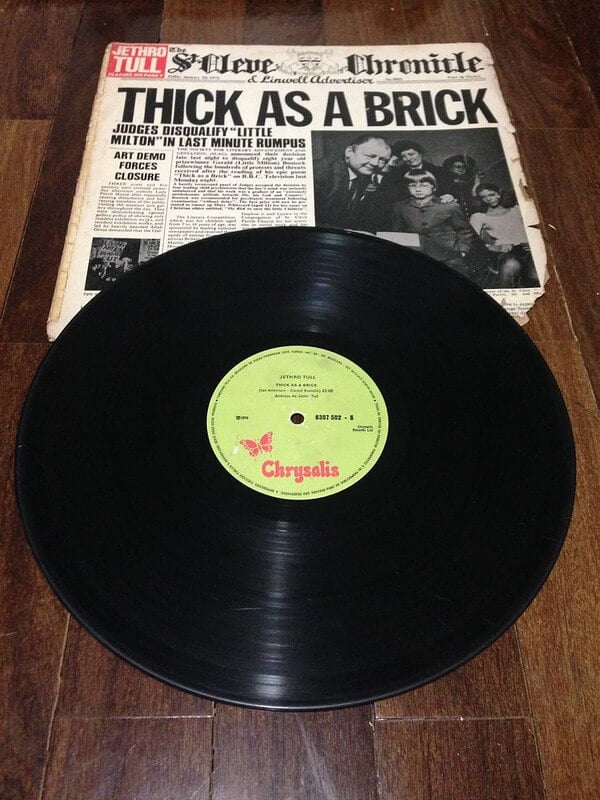
The cover is a 12-page mock newspaper, The St. Cleve Chronicle, packed with fake local stories, puzzles, and a report on a fictional boy poet named Gerald Bostock, credited with the album’s lyrics. Unfolding it once does no harm. Unfolding it a hundred times leaves splits, tears, and browned newsprint. Collectors look for UK Chrysalis first pressings with every page present and still attached, because the newspaper is the joke the album depends on.
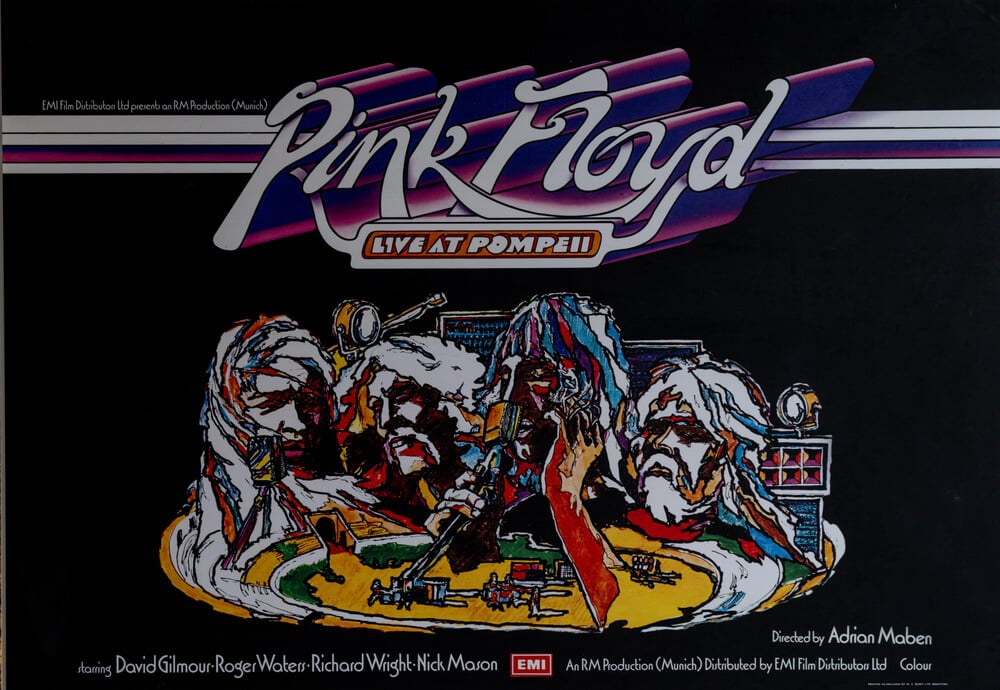
The Dark Side of the Moon by Pink Floyd (1973)
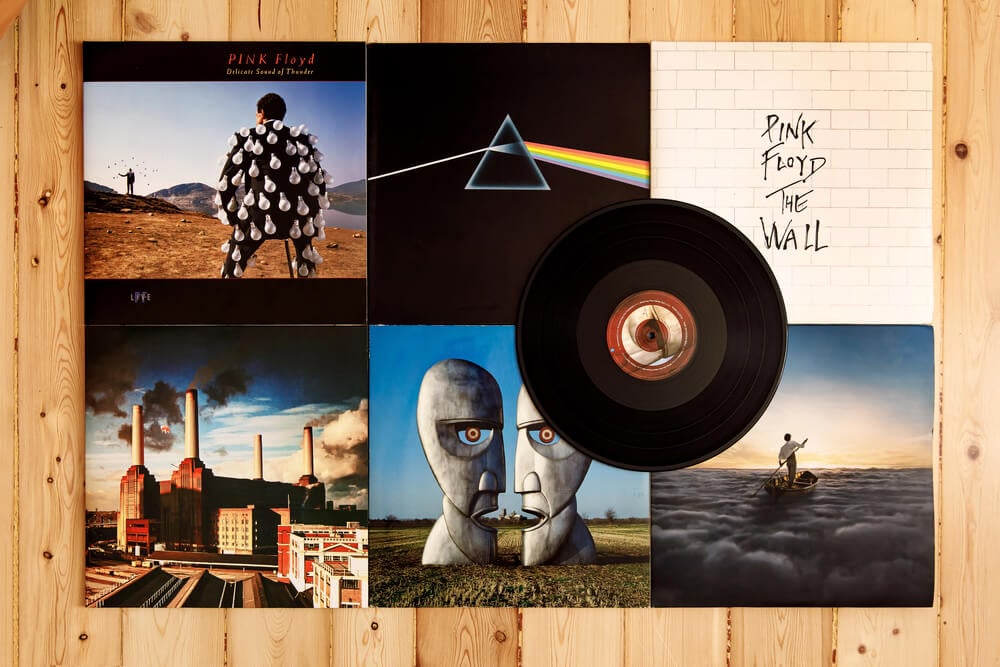
The original UK Harvest release shipped with two posters and two pyramid stickers tucked inside the gatefold. Plenty of fans stuck the stickers on notebooks and taped the posters to bedroom walls, which is exactly why intact sets now carry a premium. A first pressing with both posters and both stickers present and unused sells for a multiple of the same record without them. The album spent well over a decade on the Billboard 200, so the vinyl itself is common. The paper is what’s rare.
Catch a Fire by Bob Marley and The Wailers (1973)
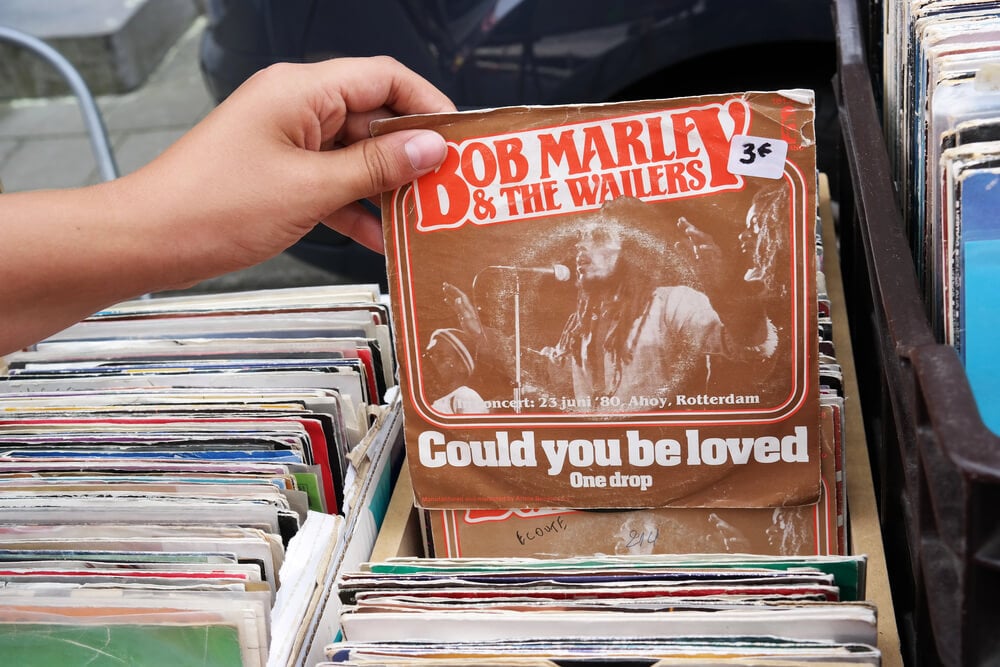
The first 20,000 copies came in a sleeve shaped like a giant Zippo lighter, with a hinged top that flips up to reveal the record. The two halves had to be riveted together by hand because the factory machinery couldn’t do it, and the cost was too high to continue. Later pressings switched to a conventional cover with a portrait of Marley. Original Zippo sleeves with a working, undamaged hinge are the target, and Island has reissued the lighter design since, so check the pressing details before paying vintage prices.
Billion Dollar Babies by Alice Cooper (1973)
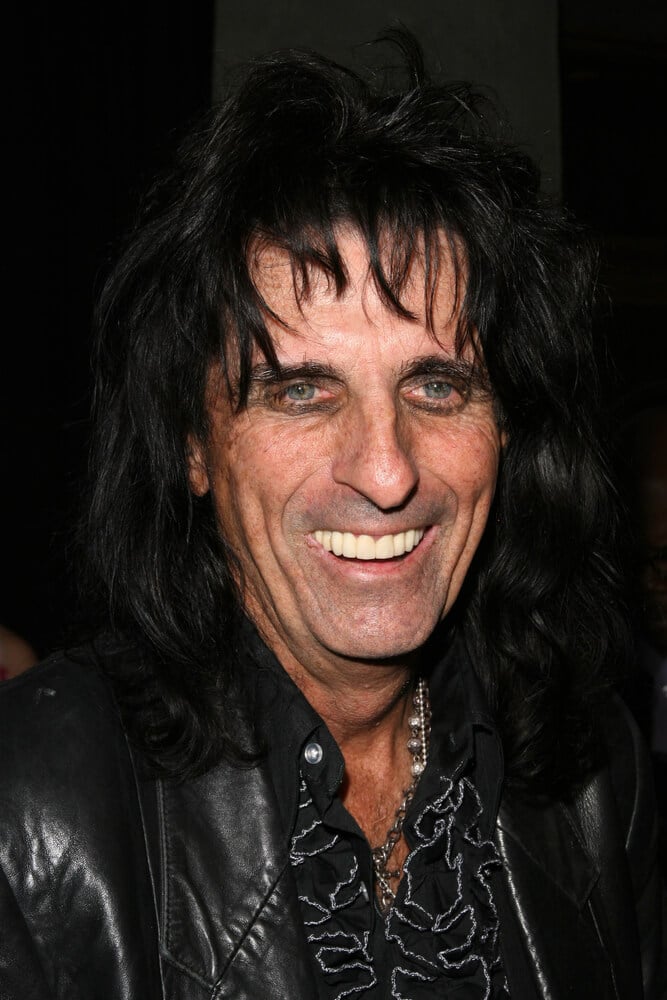
The sleeve was designed as an oversized green snakeskin wallet with a gold coin on the front. Inside sat a huge billion-dollar bill featuring the band, plus a panel of perforated trading cards meant to be punched out. Complete copies need the bill, which tears easily along its folds, and the cards still attached, since punched-out cards sharply cut the value. Rhino’s 2024 “Trillion Dollar” deluxe edition recreated the wallet and the bill, so the catalog number matters before any money changes hands.
Ooh La La by Faces (1973)
Jim Ladwig designed the sleeve around a photo of Gastone, a stage character created by the Italian comic actor Ettore Petrolini. Press the top edge and Gastone’s eyes slide sideways as his mouth drops into an unsettling grin. The mechanism relies on card parts that crease and jam, and the original also included a large 30-by-20-inch lyric poster. Rhino reissued the moving sleeve in May 2026, so anyone after a 1973 original needs to confirm the pressing before paying up.
Quadrophenia by The Who (1973)
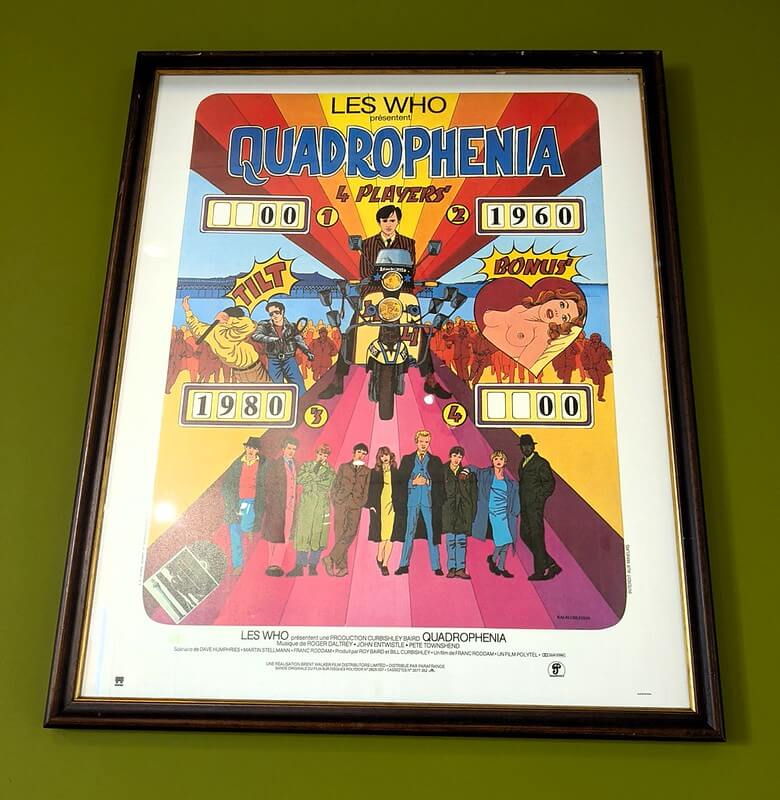
Pete Townshend’s second rock opera came with a 44-page photo booklet by Ethan Russell, telling the story of a young mod named Jimmy in black-and-white images of London and Brighton. Russell also photographed the Let It Be sessions, so the same photographer shows up twice in this list. A copy without the booklet is barely half the album, because the photos carry the plot that the lyrics only hint at. Complete UK first pressings with a tight, unmarked booklet sell comfortably above bare records.
Brain Salad Surgery by Emerson, Lake & Palmer (1973)
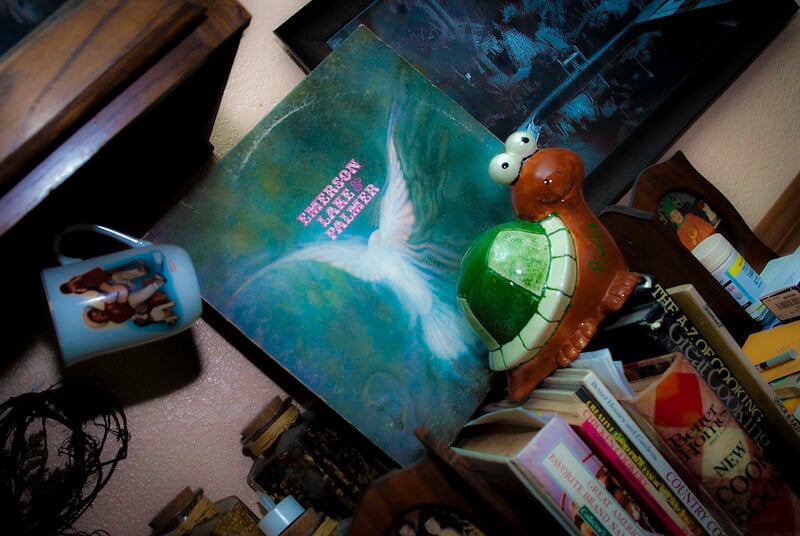
H.R. Giger, later famous for designing the creature in Alien, painted the cover as a biomechanical skull with a circular panel that swings open to reveal a woman’s face. The first pressing on the band’s own Manticore label also came with a fold-out poster. That die-cut panel takes stress every time someone opens it, and torn hinges are common. A clean cover with a crisp hinge and the poster included is the version collectors want.
Band on the Run by Paul McCartney and Wings (1973)
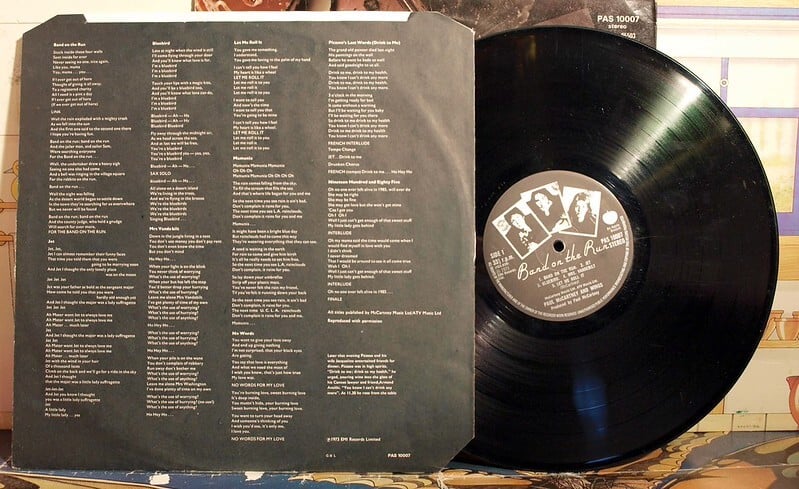
The cover shows the band and a handful of celebrities, including actors James Coburn and Christopher Lee, caught in a prison spotlight, and the original release came with a fold-out poster and a lyric inner sleeve. Most copies are cheap, which makes the complete ones worth noticing. One UK dealer notes that the earliest UK inner sleeves lack a small annotation on the lyrics for “Picasso’s Last Words (Drink to Me)” found on all later issues, and that tiny absence multiplies the price. Condition and the poster decide the rest.
Wish You Were Here by Pink Floyd (1975)
Hipgnosis hid the famous photo of two businessmen shaking hands, one of them on fire, behind opaque shrink-wrap, with only a sticker of two mechanical hands to identify the record. Designer George Hardie drew that sticker. Open the wrap and the original presentation is gone for good, so collectors pay for copies with the shrink intact and the sticker attached. The concept was about absence, and the collector market took it literally.
Physical Graffiti by Led Zeppelin (1975)

Peter Corriston’s cover shows a New York tenement at 96 and 98 St. Mark’s Place with die-cut windows, and the printed inner sleeves slide behind them to fill the windows with different faces and scenes. The photo had one floor removed so the building would fit a square sleeve. Complete copies need both inner sleeves and a cover whose die-cut windows haven’t torn. The building still stands in the East Village, and fans still pose in front of it.
Songs in the Key of Life by Stevie Wonder (1976)

Tamla released this as two LPs plus a four-song bonus 7-inch called “A Something’s Extra,” along with a 24-page lyric booklet, and the cover sticker promised buyers both extras. The small record, which includes “Saturn” and “Ebony Eyes,” is the piece most often missing from secondhand copies, followed closely by the booklet. Wonder had just signed what was then the biggest recording deal in history, and the lavish package shows it. Without the EP, a copy loses value and a chunk of the music.
Love Gun by Kiss (1977)
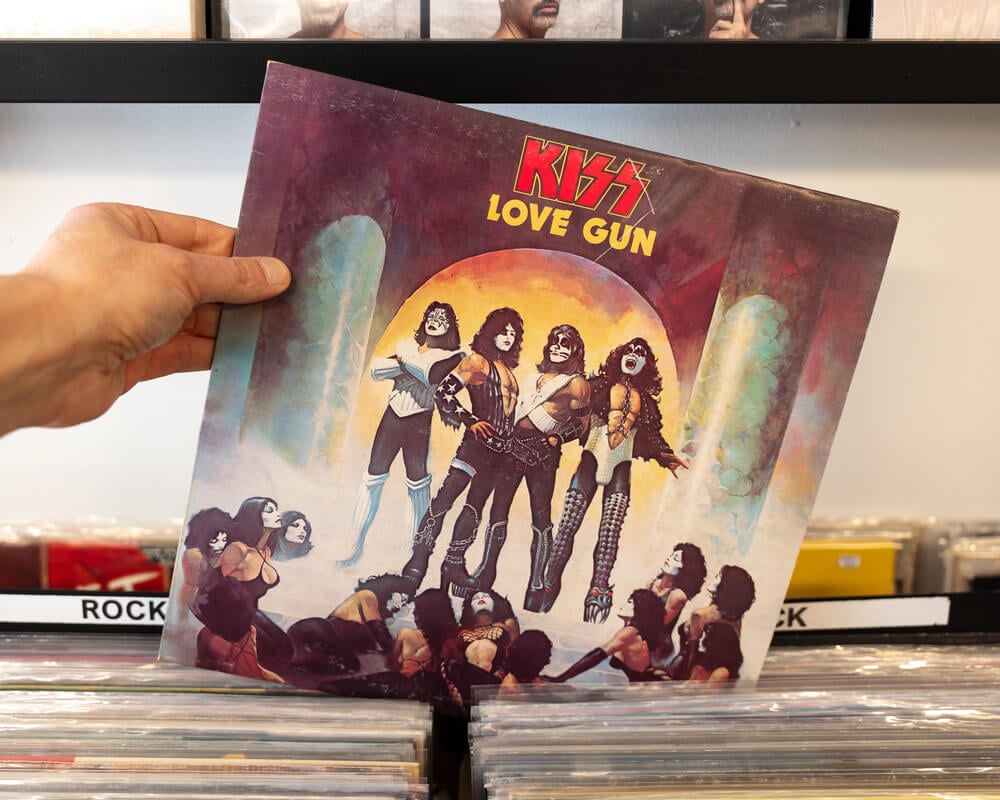
The album shipped with a cardboard “Love Gun” that buyers had to punch out and assemble, plus an order form for the band’s merchandise. Assembled guns rarely survive, so copies with the gun still unpunched on its card carry the premium. Japanese pressings add an obi strip, and some Japanese stores handed out a promotional poster that one specialist dealer says sells for around $300 by itself. Casablanca shipped a million copies on release day, so the records are plentiful. Uncut inserts are not.
In Through the Out Door by Led Zeppelin (1979)
Swan Song released this album in six different covers, each showing the same bar scene from a different patron’s viewpoint, all sealed inside a plain brown paper bag so buyers couldn’t choose. The inner sleeve, printed in black and white, turns color when brushed with water. Completists want all six sleeves, each with its paper bag, and ideally an inner sleeve nobody has painted. A letter from A to F at the top of the spine tells you which cover you’re holding, and on some sealed copies it peeks out past the bag.
The Fortune in the Paper Nobody Kept
Every album here was designed by people betting that buyers would use the extras. Stickers were meant to be stuck, cut-outs cut, guns assembled, postcards mailed. The collectors paying premiums today are really paying for someone’s restraint, or neglect, decades ago.
That’s the odd economics of completeness. The music on these records is easy to hear in any format, often for free. What can’t be reproduced is an untouched 1973 poster still folded along its original creases, and that small, fragile object now carries more of the price than the vinyl does. If an old record comes your way, check the sleeve before you check the grooves.
More from Go2Tutors!

- The Romanov Crown Jewels and Their Tragic Fate
- 13 Historical Mysteries That Science Still Can’t Solve
- Famous Hoaxes That Fooled the World for Years
- 15 Child Stars with Tragic Adult Lives
- 16 Famous Jewelry Pieces in History
Like Go2Tutors’s content? Follow us on MSN.



