Photos of 15 Deadliest Plant Species You Must Avoid
Most people learned early on not to eat random berries or touch unfamiliar plants in the woods. But the truth is, some of the most dangerous plants on Earth don’t look dangerous at all.
Some are even sold as garden ornamentals. Others grow quietly alongside hiking trails, rivers, and country roads.
Knowing what these plants look like won’t just satisfy curiosity. It can keep you — and the people around you — out of serious trouble.
1. Manchineel Tree (Hippomane mancinella)
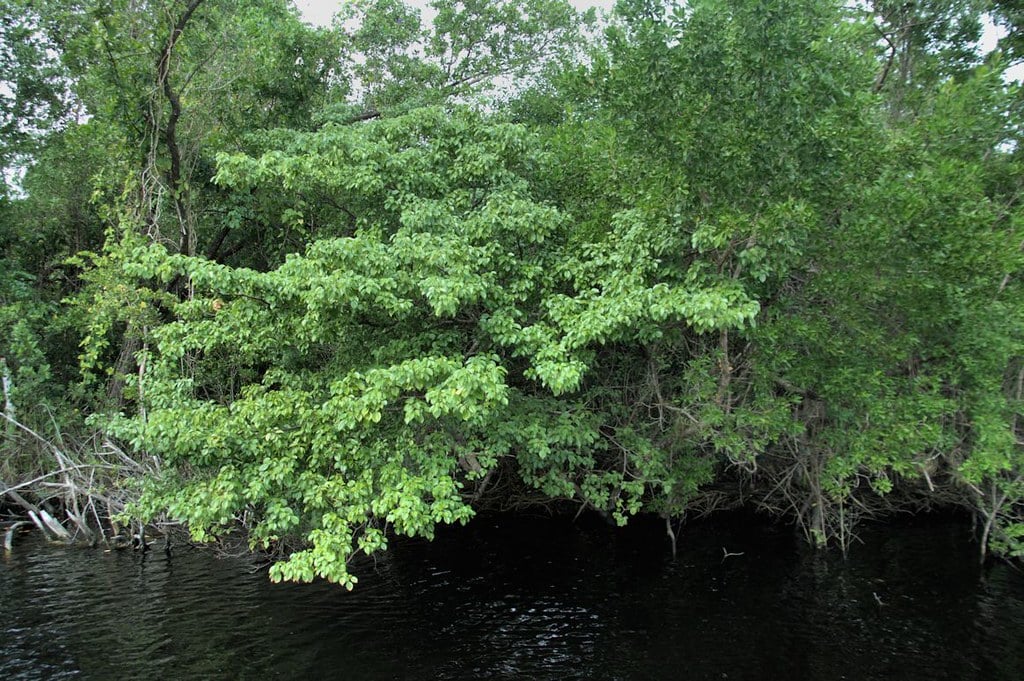
This tree holds an unofficial title that should make anyone cautious: the most dangerous tree in the world. Found along beaches and coastal areas in Florida, the Caribbean, and Central America, every part of it is toxic.
The sap causes severe chemical burns on contact with skin. Standing under it during rain is enough to blister your face. Eating its small, apple-like fruit can cause throat swelling, vomiting, and internal hemorrhage.
Even burning the wood releases fumes that can blind you. Locals sometimes mark these trees with warning signs, but not always.
If you’re in a tropical coastal area and see a low-hanging tree with small green fruits resembling crabapples, don’t touch it — and definitely don’t shelter under it.
2. Deadly Nightshade (Atropa belladonna)
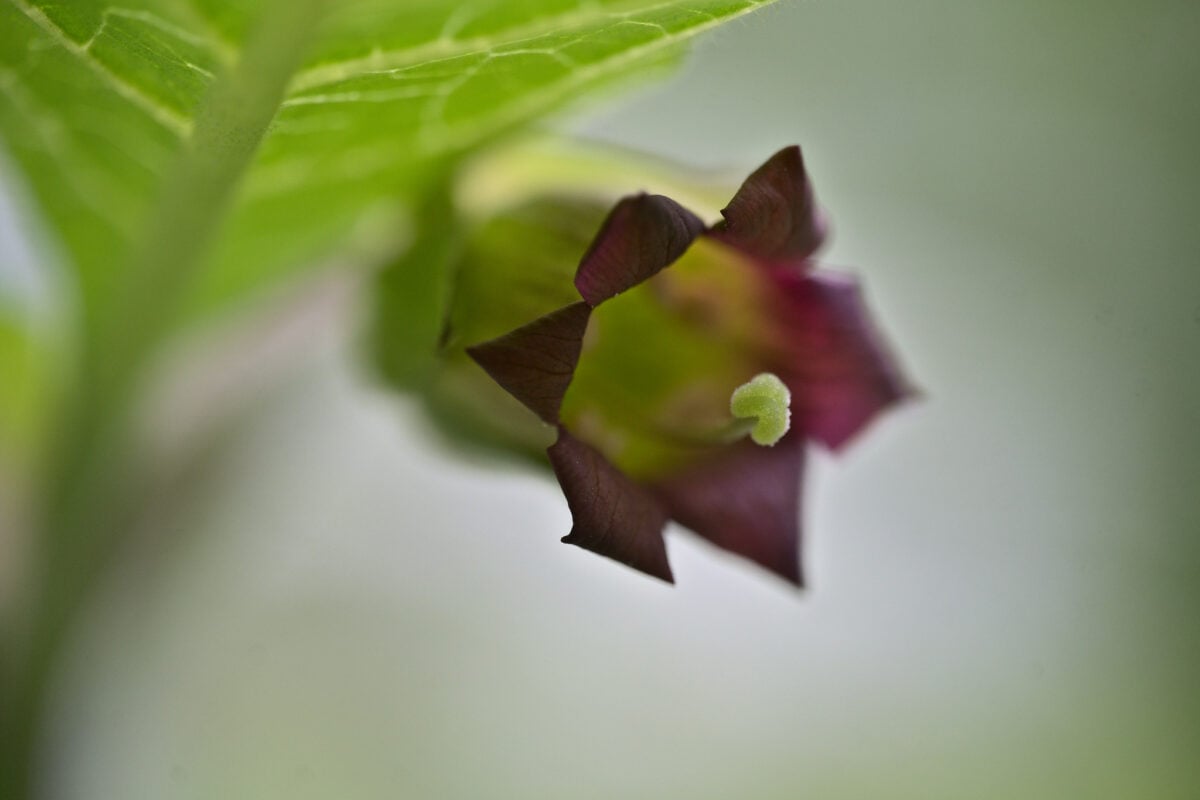
The name alone should give it away. Deadly nightshade produces small, shiny black berries that look almost inviting, especially to children.
Just two to five berries can kill a child. In adults, a higher number is required, but the plant’s alkaloids — atropine and scopolamine — cause rapid heart rate, hallucinations, paralysis, and eventually death.
It grows across Europe, North Africa, and Western Asia, often in disturbed soils and woodland edges. The berries are sweet-tasting, which makes accidental ingestion a real risk.
3. Castor Bean Plant (Ricinus communis)
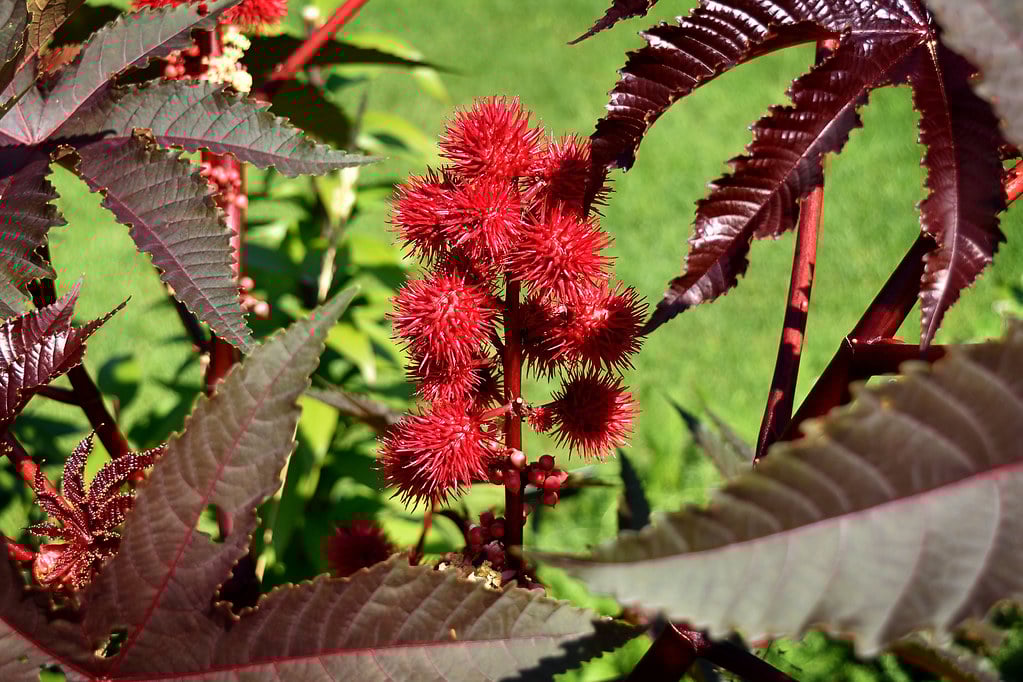
Castor oil comes from this plant, but don’t let that fool you. The seeds contain ricin, one of the most potent naturally occurring toxins ever identified.
A single seed, if properly chewed and swallowed, can kill an adult. Ricin disrupts protein synthesis in cells and has no antidote.
Despite this, the castor plant is grown as an ornamental in many gardens because of its dramatic, star-shaped leaves. It thrives in warm climates and has spread across much of the world as an invasive species.
4. Monkshood / Wolfsbane (Aconitum)
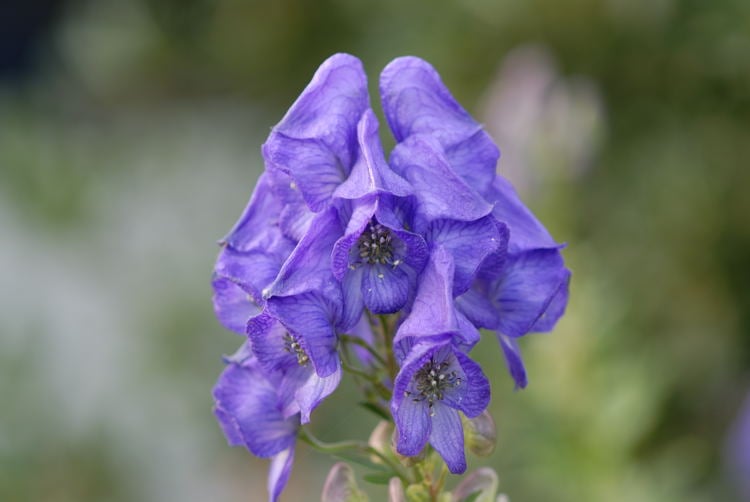
Monkshood has a long, dark history. Used as poison on arrow tips and in medieval murders, this plant — with its striking purple-blue hooded flowers — remains one of the most toxic plants in the Northern Hemisphere.
Contact with the leaves alone can cause tingling and numbness. Ingestion leads to burning in the mouth, vomiting, heart arrhythmias, and respiratory failure.
Toxicity sets in fast. The plant is common in mountain meadows across Europe and Asia, and is sometimes grown in ornamental gardens without any warning labels.
5. Oleander (Nerium oleander)
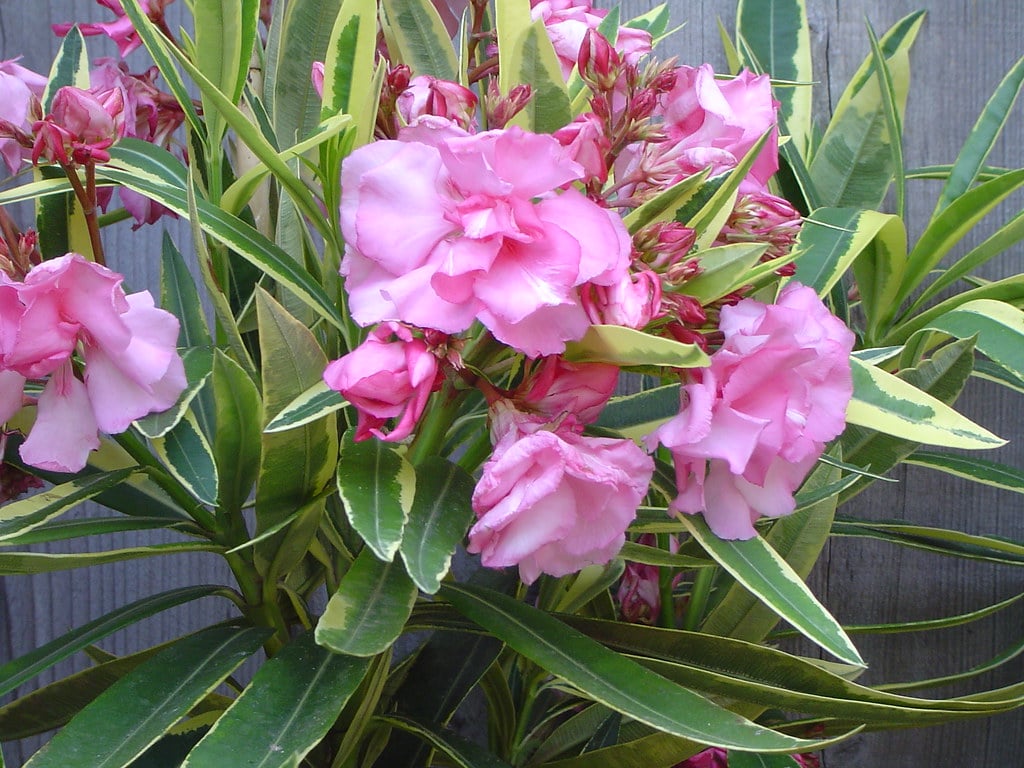
Oleander is everywhere — along roadsides, in parks, in suburban gardens. It’s drought-tolerant, fast-growing, and produces beautiful clusters of flowers in pink, white, or red.
It’s also deadly from root to petal. Every part of oleander contains cardiac glycosides that disrupt the heart’s electrical signals.
Ingesting even a small amount of leaves or flowers causes nausea, a dangerously irregular heartbeat, and in serious cases, cardiac arrest. Cases have been reported from using oleander branches as skewers or drinking water from a vase that held oleander cuttings.
6. Water Hemlock (Cicuta)

Botanists and toxicologists often consider water hemlock the most violently toxic plant native to North America. It grows in wet, marshy areas and resembles wild parsnip or edible water plants, which makes misidentification especially dangerous.
The toxin cicutoxin targets the central nervous system and causes grand mal seizures within minutes of ingestion. There’s no antidote.
People have died after eating small amounts of the root, sometimes mistaking it for wild parsnip or other edible root vegetables.
7. Rosary Pea (Abrus precatorius)
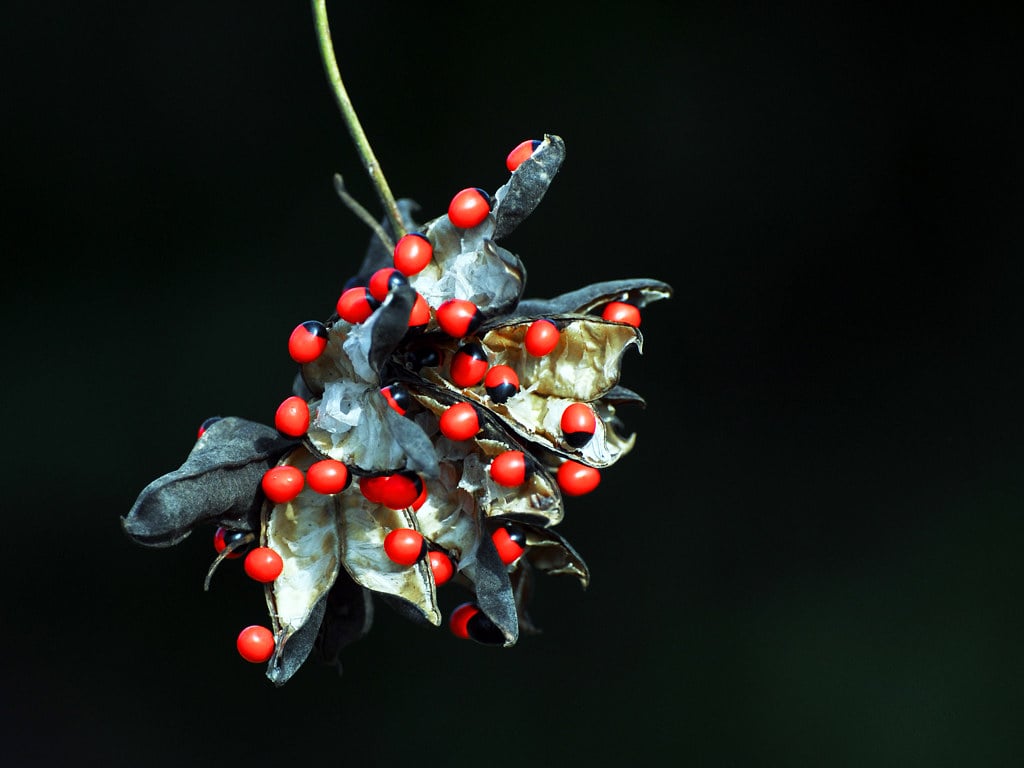
The seeds of this plant are strikingly beautiful — small, bright red with a black spot, like tiny jewels. They’re used in jewelry and musical instruments across many cultures.
They’re also extraordinarily deadly. Abrin, the toxin found in rosary pea seeds, works similarly to ricin.
It shuts down protein production at the cellular level. As long as the hard seed coat remains intact, the seeds pass through the body harmlessly.
But a cracked or chewed seed releases enough toxin to kill. Jewelry made from these seeds has caused deaths when seeds were accidentally scratched or broken.
8. Lily of the Valley (Convallaria majalis)
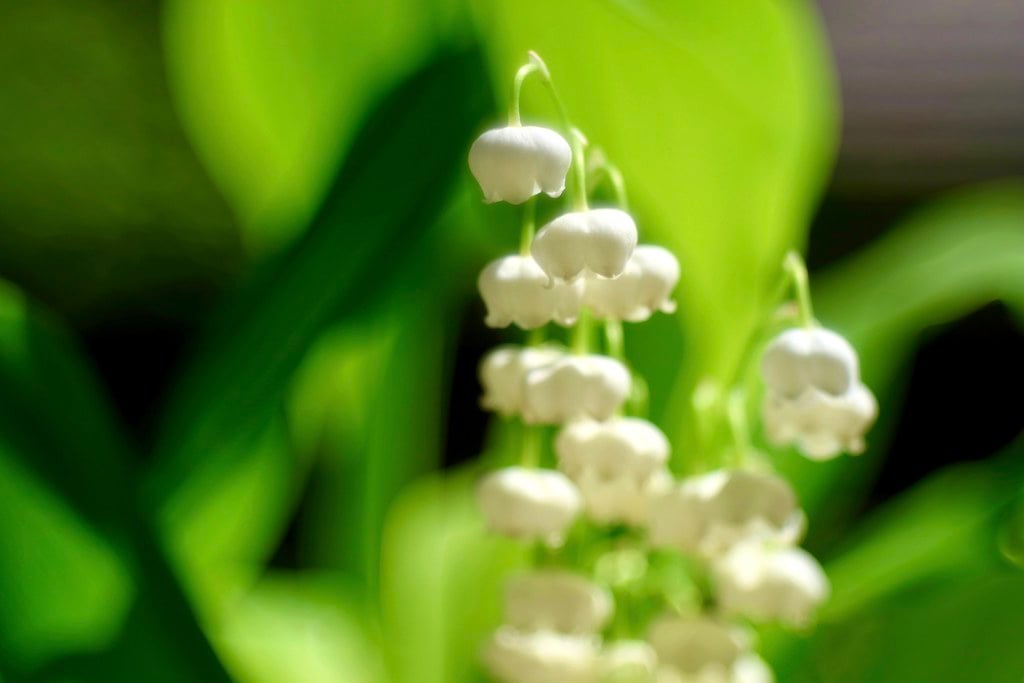
Few plants look as gentle as lily of the valley — small white bell-shaped flowers, a sweet fragrance, popular in wedding bouquets. But it contains more than 30 different cardiac glycosides, making the entire plant toxic, including the water in a vase holding cut stems.
Children are particularly at risk. Eating the bright red berries that appear after the flowers can cause vomiting, a slow or irregular heartbeat, and heart failure.
Even small amounts are enough to cause serious harm.
9. Angel’s Trumpet (Brugmansia)
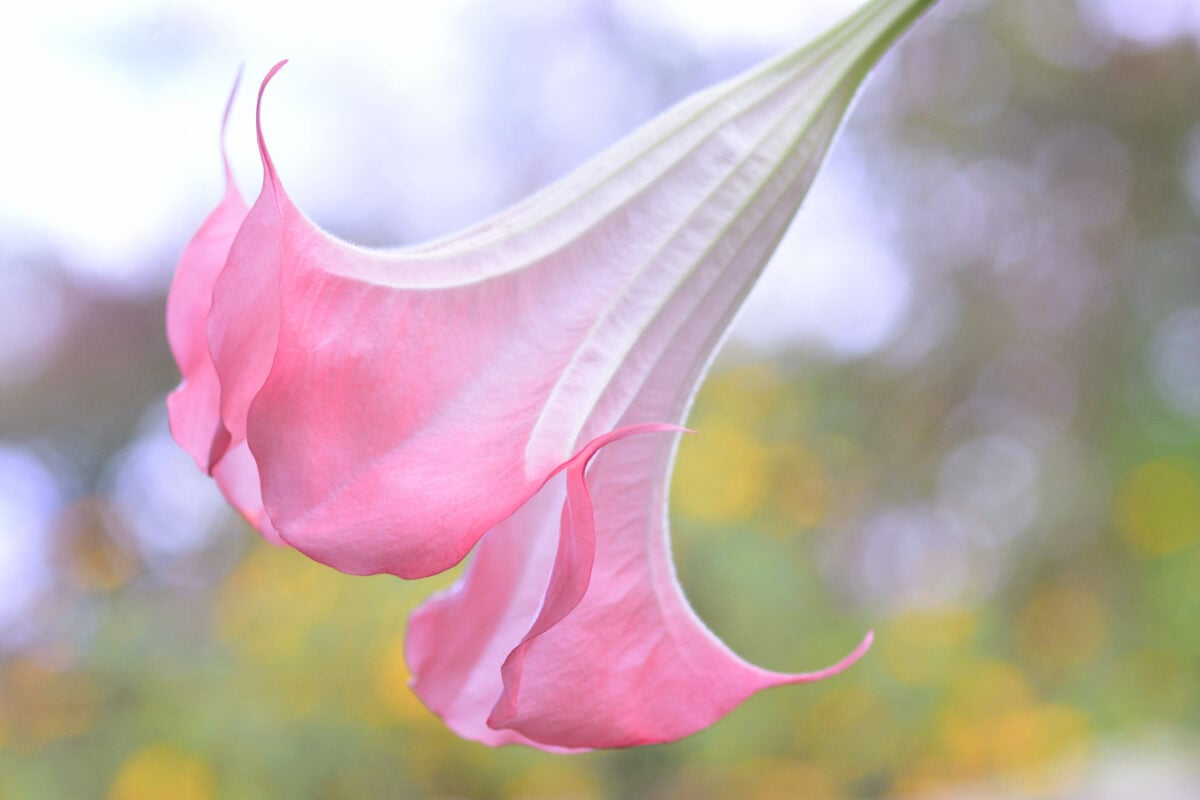
This plant is hard to ignore. Its large, pendulous trumpet-shaped flowers — white, yellow, or pink — hang in dramatic clusters and release a heavy fragrance at night.
It’s grown as a landscape plant in warm climates across the Americas, Asia, and Australia. All parts contain powerful tropane alkaloids: atropine, scopolamine, and hyoscyamine.
Ingestion causes extreme hallucinations, elevated heart rate, dry mouth, dilated pupils, and in large doses, respiratory failure. Cases of accidental poisoning from teas made with the leaves or flowers are well documented.
10. Jimsonweed (Datura stramonium)
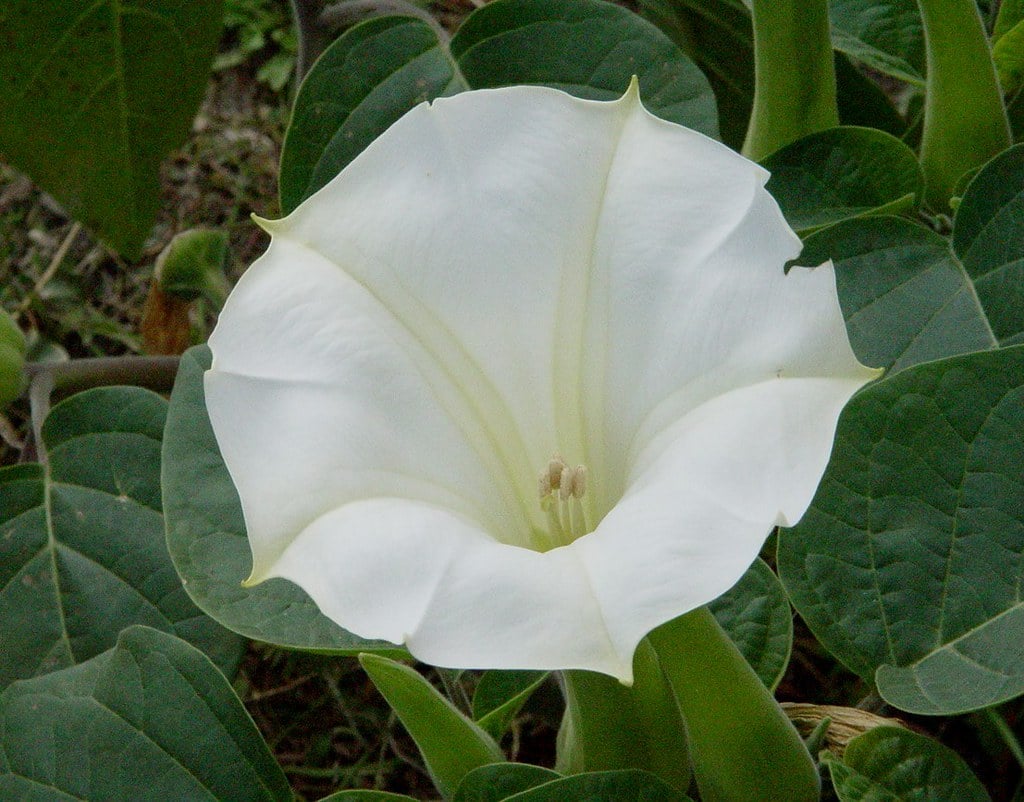
Jimsonweed grows like a weed — because it essentially is one. You’ll find it in disturbed soils, along roadsides, in farm fields, and even in vacant lots.
Its white or purple trumpet flowers are attractive, and its spiny seed pods are distinctive. None of this means you should go near it. Like angel’s trumpet, jimsonweed contains high concentrations of tropane alkaloids throughout every part of the plant.
Hallucinations from jimsonweed are often described as terrifying and indistinguishable from reality. Overdose causes seizures, coma, and death.
It has a long history of both accidental poisoning and intentional misuse with catastrophic results.
11. White Snakeroot (Ageratina altissima)
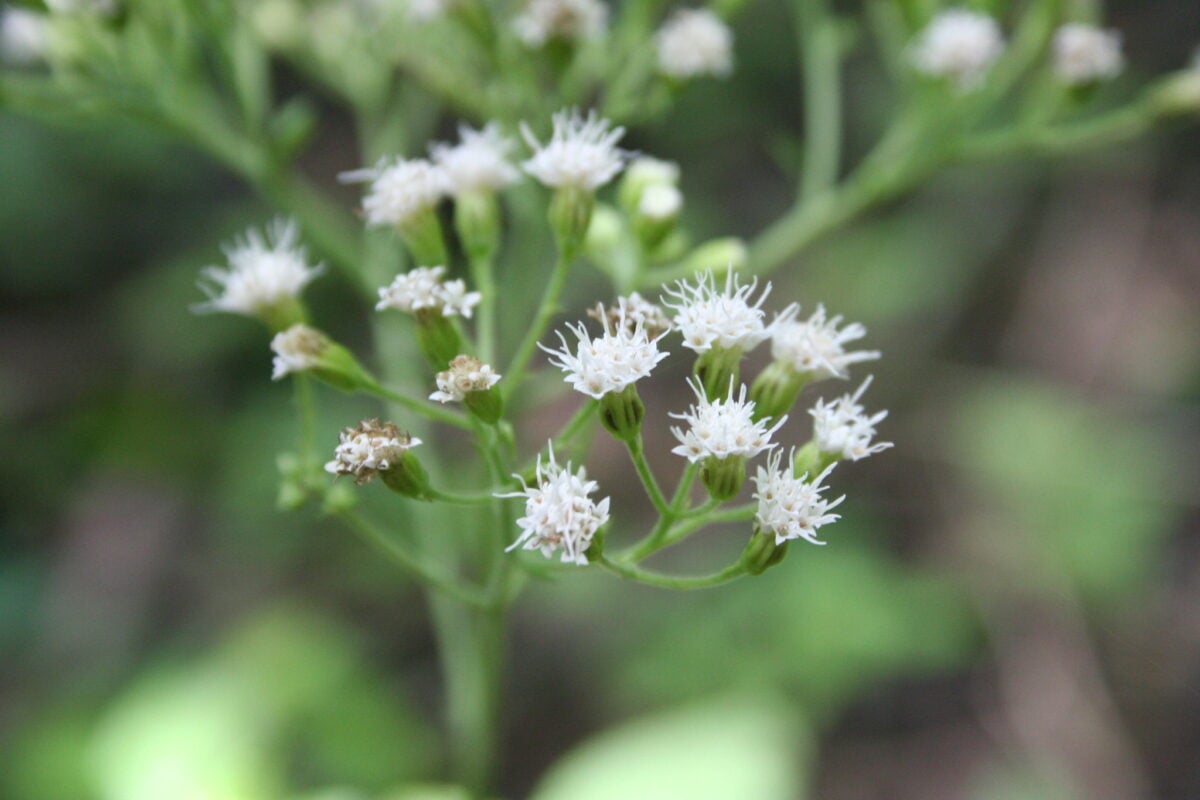
This unassuming plant killed Abraham Lincoln’s mother, Nancy Hanks Lincoln, in 1818 — though no one knew what it was at the time. The disease it caused, called milk sickness, came from cows and goats grazing on white snakeroot and passing the toxin tremetone into their milk.
White snakeroot is native to eastern North America and grows in woodland understories. It produces small clusters of white flowers that could easily be mistaken for any number of harmless wildflowers.
Direct ingestion or consuming dairy products from animals that have grazed on it causes trembling, vomiting, and organ failure.
12. Poison Hemlock (Conium maculatum)
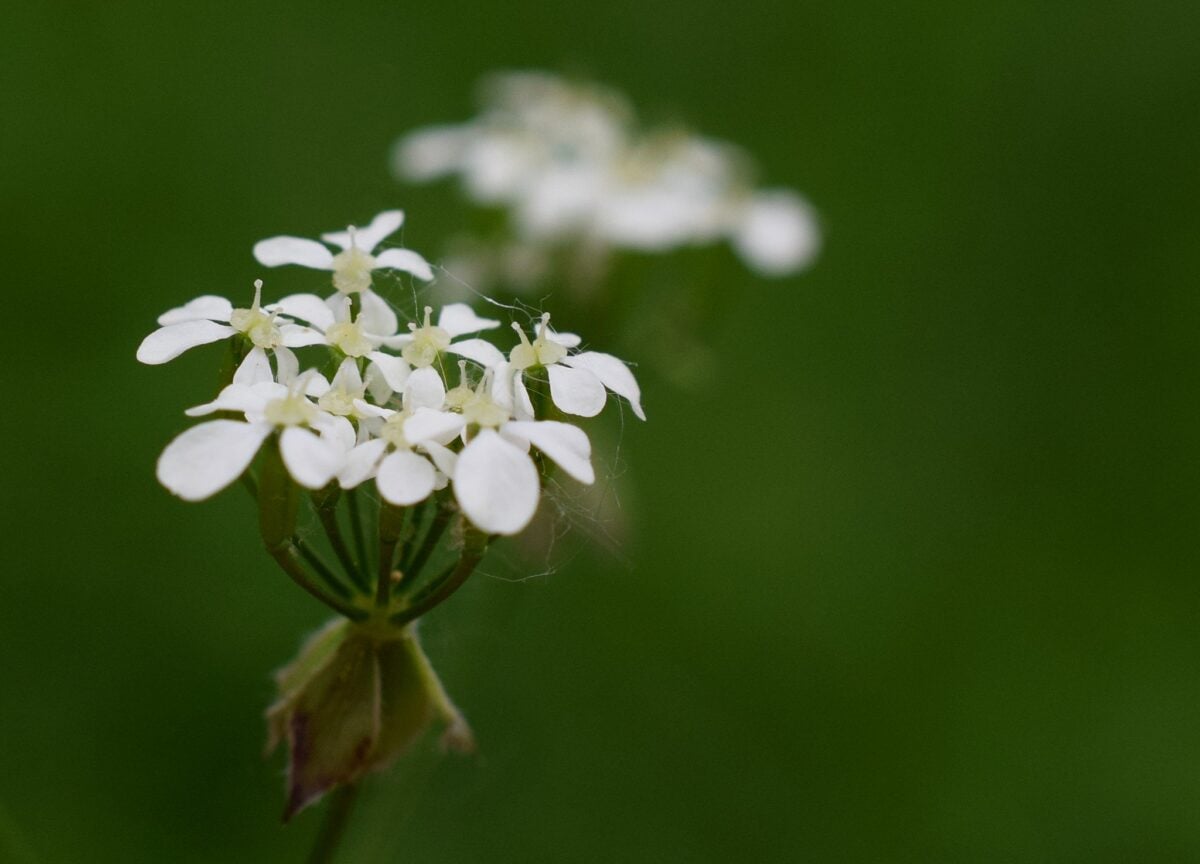
This is the plant that killed Socrates. Poison hemlock is a tall, hollow-stemmed plant with white flower clusters and distinctive purple-blotched stems.
It grows in wet, disturbed areas and along roadsides across Europe, North America, and parts of Asia. The alkaloid coniine causes progressive paralysis that moves upward through the body, eventually stopping the muscles responsible for breathing.
The plant has a distinctive unpleasant smell when crushed, which can help distinguish it from edible look-alikes like wild carrot. That distinction matters — the two plants have been confused with fatal results.
13. Gympie-Gympie (Dendrocnide moroides)
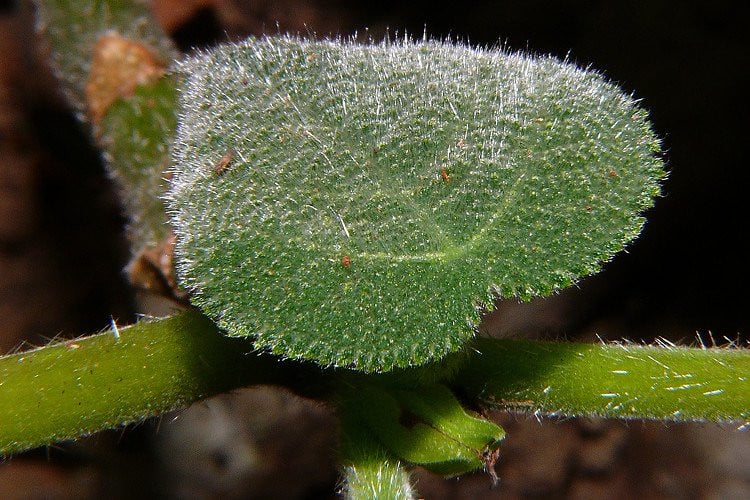
Hot pain rushes in fast when skin meets the plant. This one grows in wet forests down under, called gympie-gympie.
Needles made of glass-like stuff stick out from its surface. Each tip carries poison that attacks nerve endings.
Eating it isn’t necessary for damage to begin. Fire and burning liquid – those sensations flood the body at once.
Most troubling isn’t just the sting – it’s how long it lingers. Needles snap off under the skin, resisting removal.
Pain returns without warning when touched by rain, frost, or warmth. Some creatures do not survive the torment.
Those who examine it dress like they’re facing a hazard. It drags on, longer than expected.
14. Autumn Crocus Colchicum autumnale
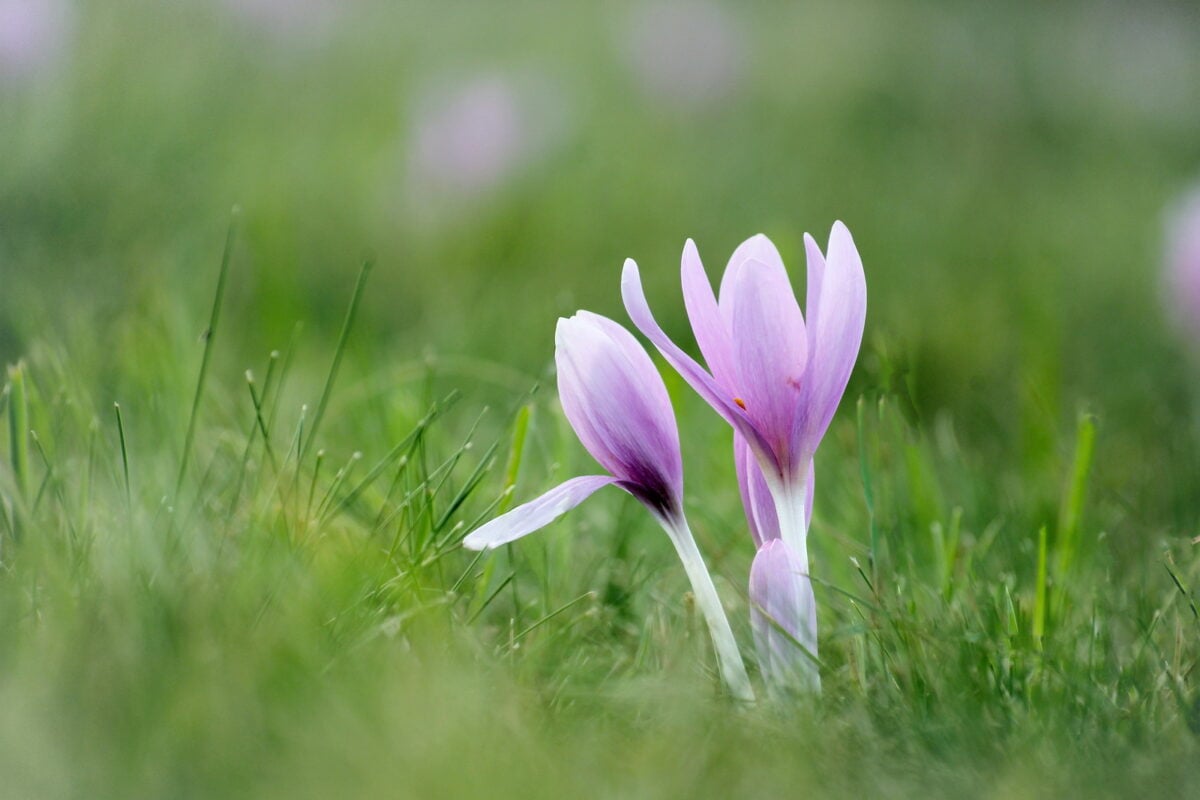
A flower that opens when summer fades wears petals like pale purple mist, showing up just before winter thoughts begin. Mistaken often for plants people gather without fear – its lookalikes pulled from soil for cooking or medicine – it hides something sharp beneath calm colors.
This mix-up carries risk beyond a simple error. Inside its stems runs colchicine, potent and unyielding, a poison that halts cells mid-step, leaving no room for repair.
Slowly at first – stomach ache shows up early, then sickness kicks in within hours. Days pass, organs start shutting down one after another.
Many got sick without meaning to, especially those who mixed up its leaves with wild garlic. Mistaking the bulb for something safe? That has caused trouble too.
15. Deadly Tree Cerbera manghas
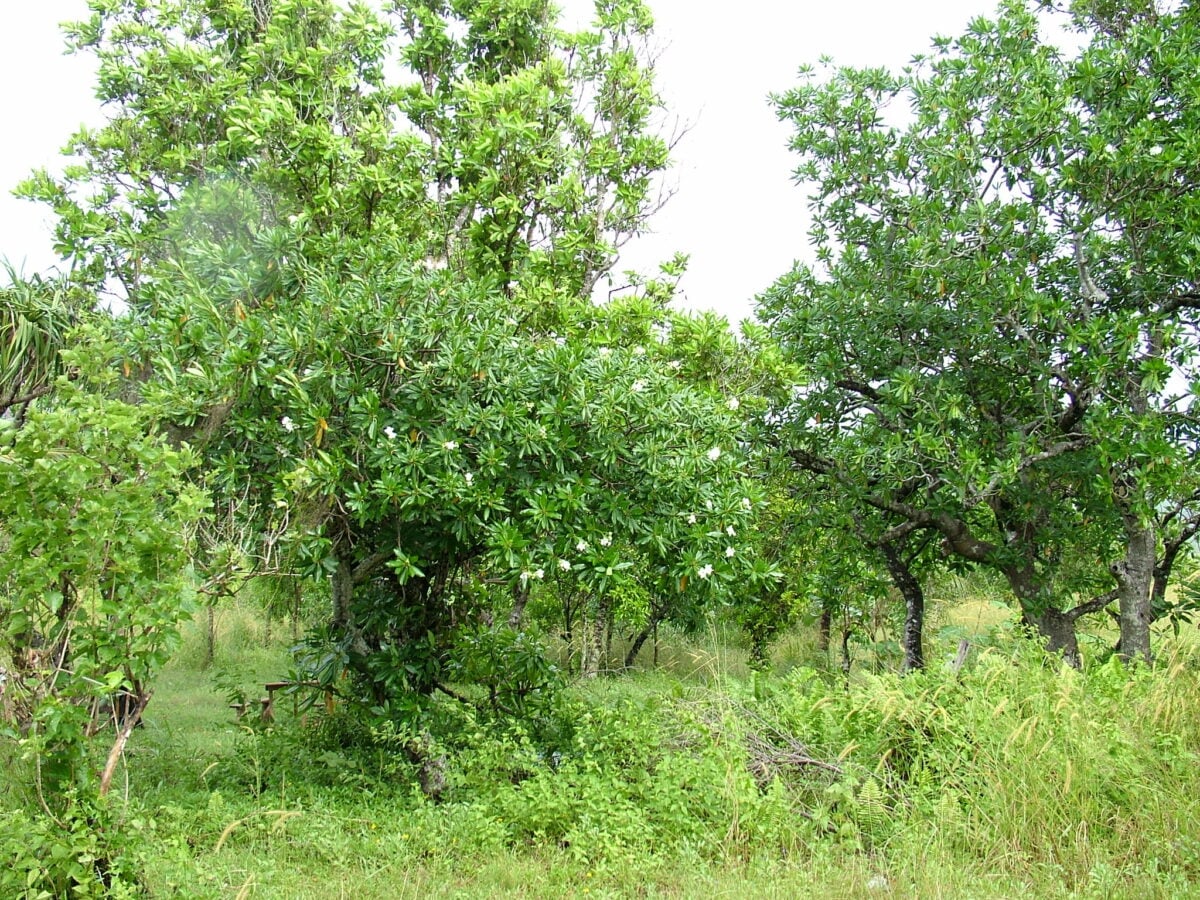
Along shorelines where saltwater meets land, you find this tree standing among tangled roots and wet soil. Smelling sweet at dusk, its pale blooms open slowly when the air cools.
Not quite round, the fruit carries shades of green fading into red, much like young mangoes do. Inside lies stringy flesh, tough between teeth, wrapping a central seed.
That core holds cerberin, a substance strong enough to disrupt heart rhythms. Found from island forests to tidal flats, it survives where few trees thrive.
When cerberin enters the system, it shuts down calcium pathways in cardiac tissue – leading to deadly irregular heartbeats. Because routine postmortems often miss this poison, people have used it quietly in deliberate killings.
On the island of Madagascar, two near-identical plants – Cerbera manghas and Cerbera odollam – have claimed more lives through poisoning than any other botanical agent ever documented there.
The plants that seem safe don’t always warn you
Here lies the truth. Not one plant wears a warning tag.
Usually, the deadliest kinds resemble those sold at nurseries or spotted beside quiet paths. Kids, people gathering wild greens, walkers through woods, even those tending flower beds – they’re the ones exposed.
Danger isn’t born from lack of knowledge alone, rather from missing key signs hiding in plain sight. Spotting these plants around your area? That is normal awareness, nothing more.
Think of it like recognizing safe mushrooms versus risky ones out in the woods. Usually, nothing happens during most close calls – folks just avoid grabbing greenery they do not know.
Still, when danger could mean real harm, even basic knowledge makes a difference.
More from Go2Tutors!

- The Romanov Crown Jewels and Their Tragic Fate
- 13 Historical Mysteries That Science Still Can’t Solve
- Famous Hoaxes That Fooled the World for Years
- 15 Child Stars with Tragic Adult Lives
- 16 Famous Jewelry Pieces in History
Like Go2Tutors’s content? Follow us on MSN.