Unique Wedding Cakes From Different Cultures
Weddings are full of traditions, and one of the sweetest parts of any celebration is the cake. While many people picture a tall white cake with layers of frosting, wedding cakes around the world look and taste completely different.
Some are made with honey and nuts, others are stacked high with cream puffs, and a few don’t even look like cakes at all. Let’s take a look at some of the most interesting wedding cakes that couples enjoy on their big day, no matter where they live.
Croquembouche
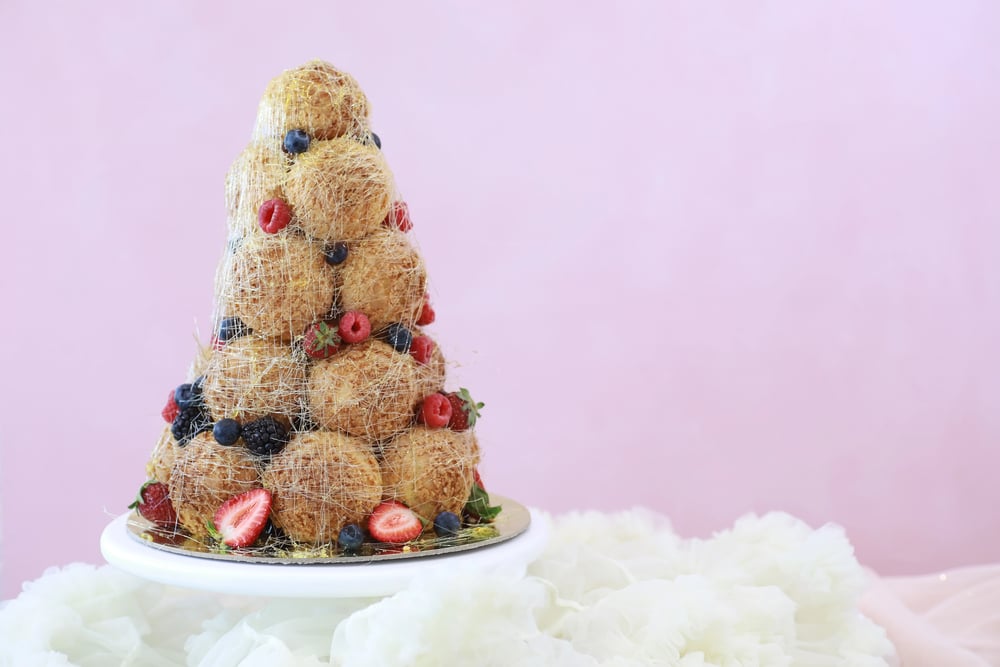
France brings something truly special to the wedding table with this tower of cream puffs. The croquembouche is made by stacking small pastries filled with vanilla cream and then covering the whole thing in caramel.
It’s crunchy on the outside and soft on the inside. Guests break off pieces from the tower, and it’s considered good luck if the structure stays standing throughout the reception.
Kransekake
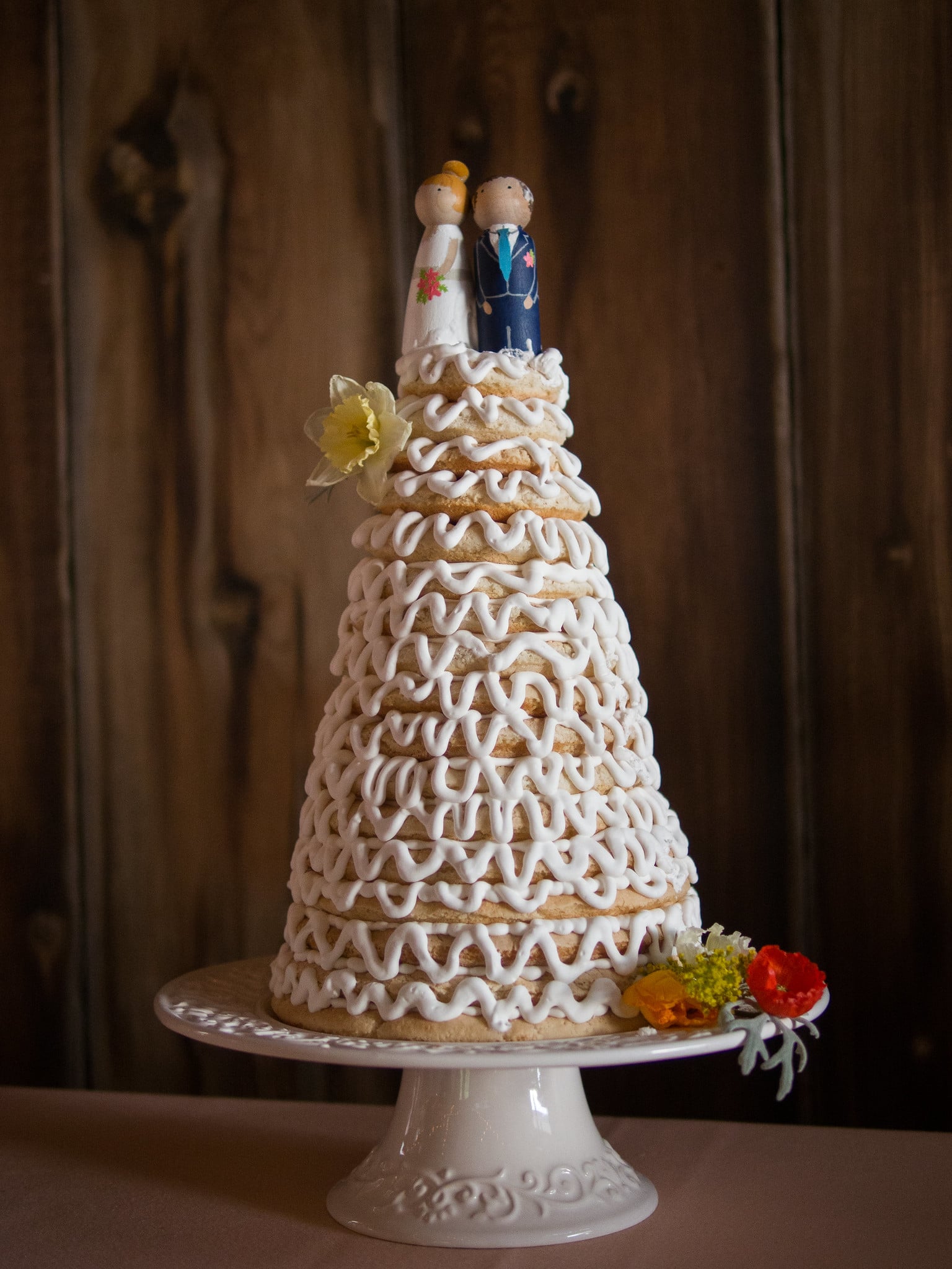
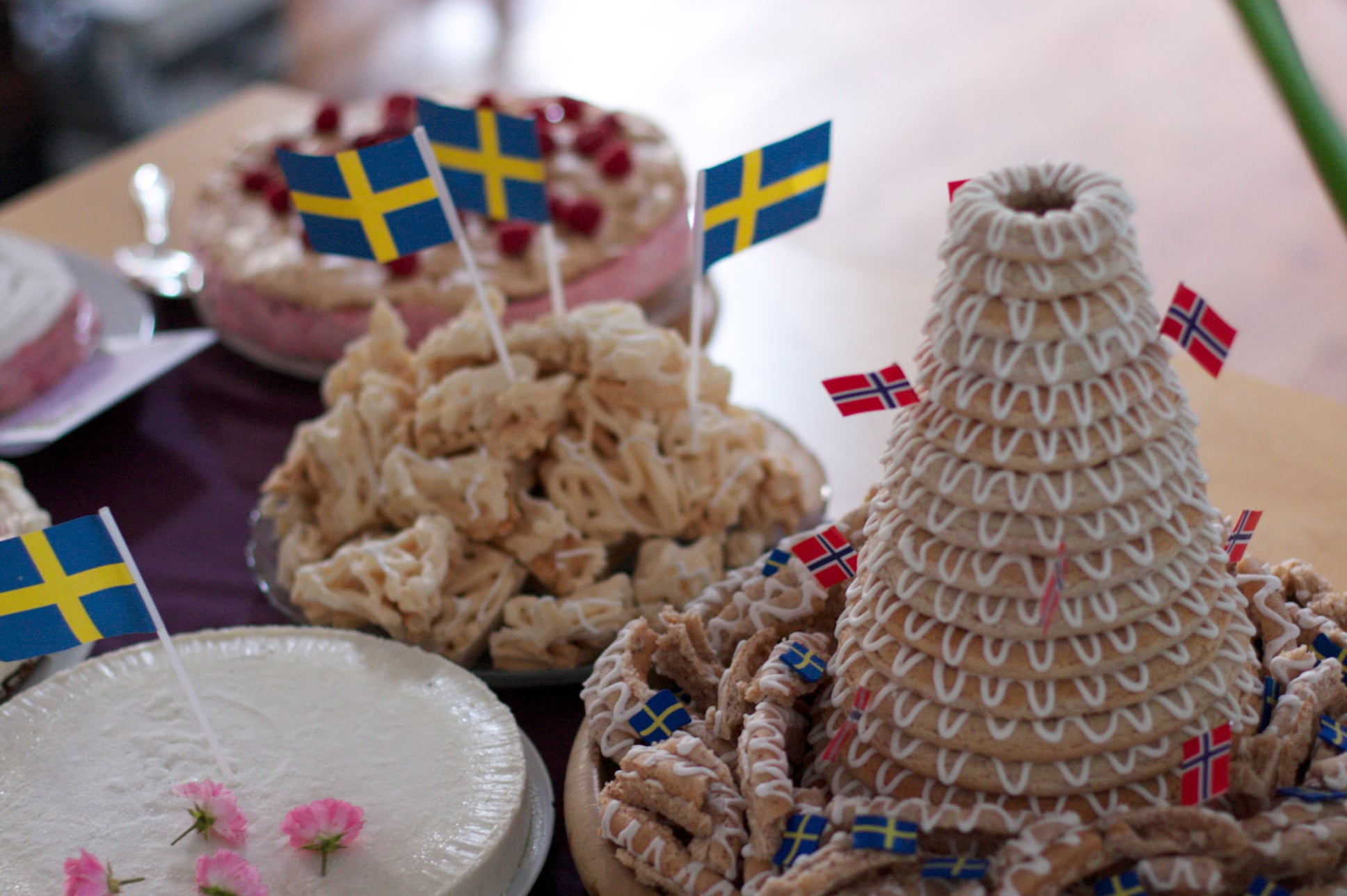
Norway and Denmark share a love for this ring-shaped cake that looks like a tree made of cookies. Bakers create kransekake by stacking 18 rings of almond cake, each one smaller than the last.
The rings are decorated with white icing in zigzag patterns. Some families hide a bottle of wine or champagne inside the hollow center, which makes cutting the cake an exciting surprise for everyone watching.
Baklava
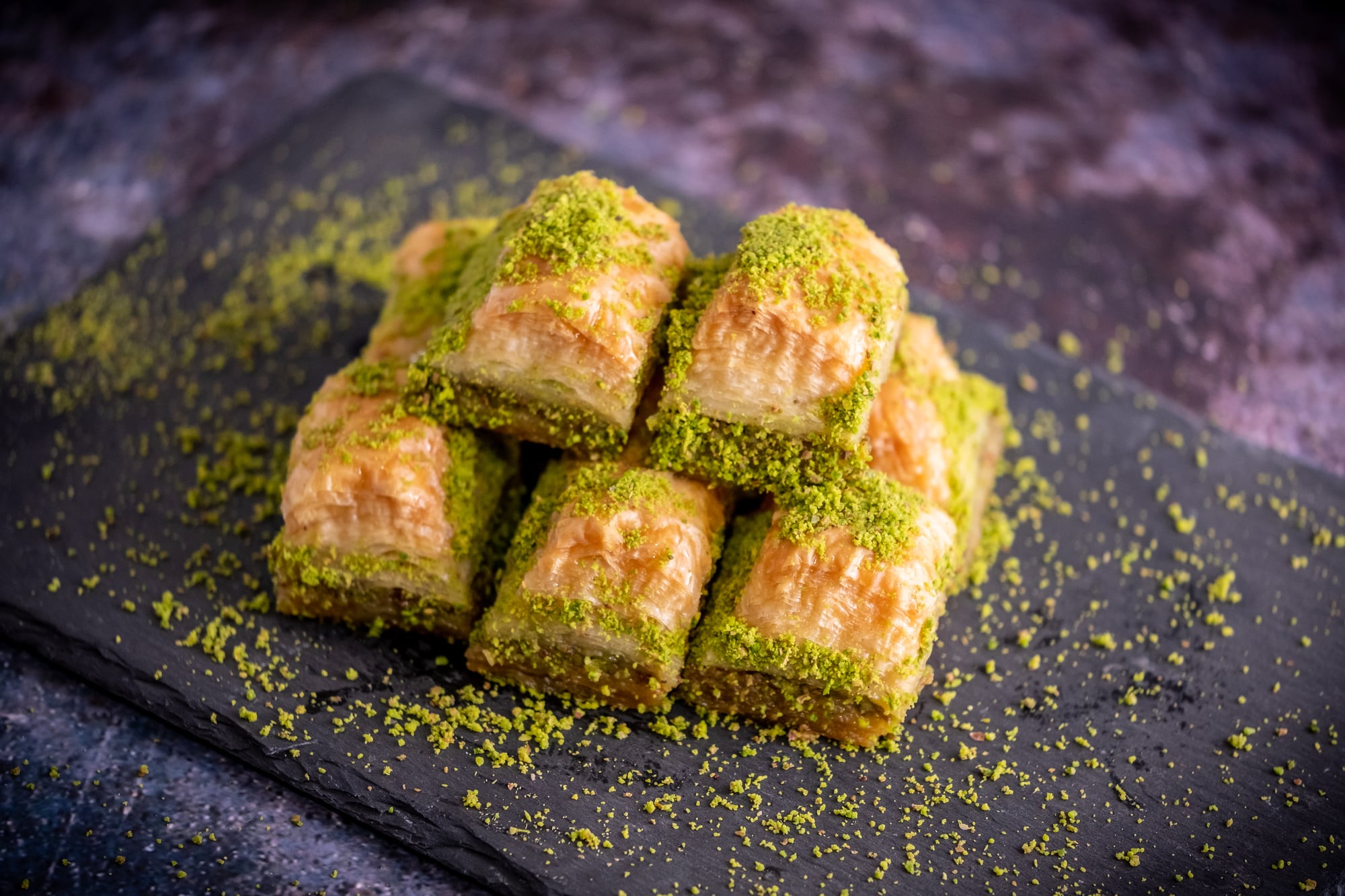
Middle Eastern weddings often feature this layered pastry instead of a traditional cake. Baklava is made with thin sheets of phyllo dough, chopped nuts, and honey syrup that soaks into every layer.
It’s sticky, sweet, and incredibly rich. Wedding baklava is usually cut into diamond shapes and arranged on large platters so guests can grab a piece easily while mingling.
Baumkuchen
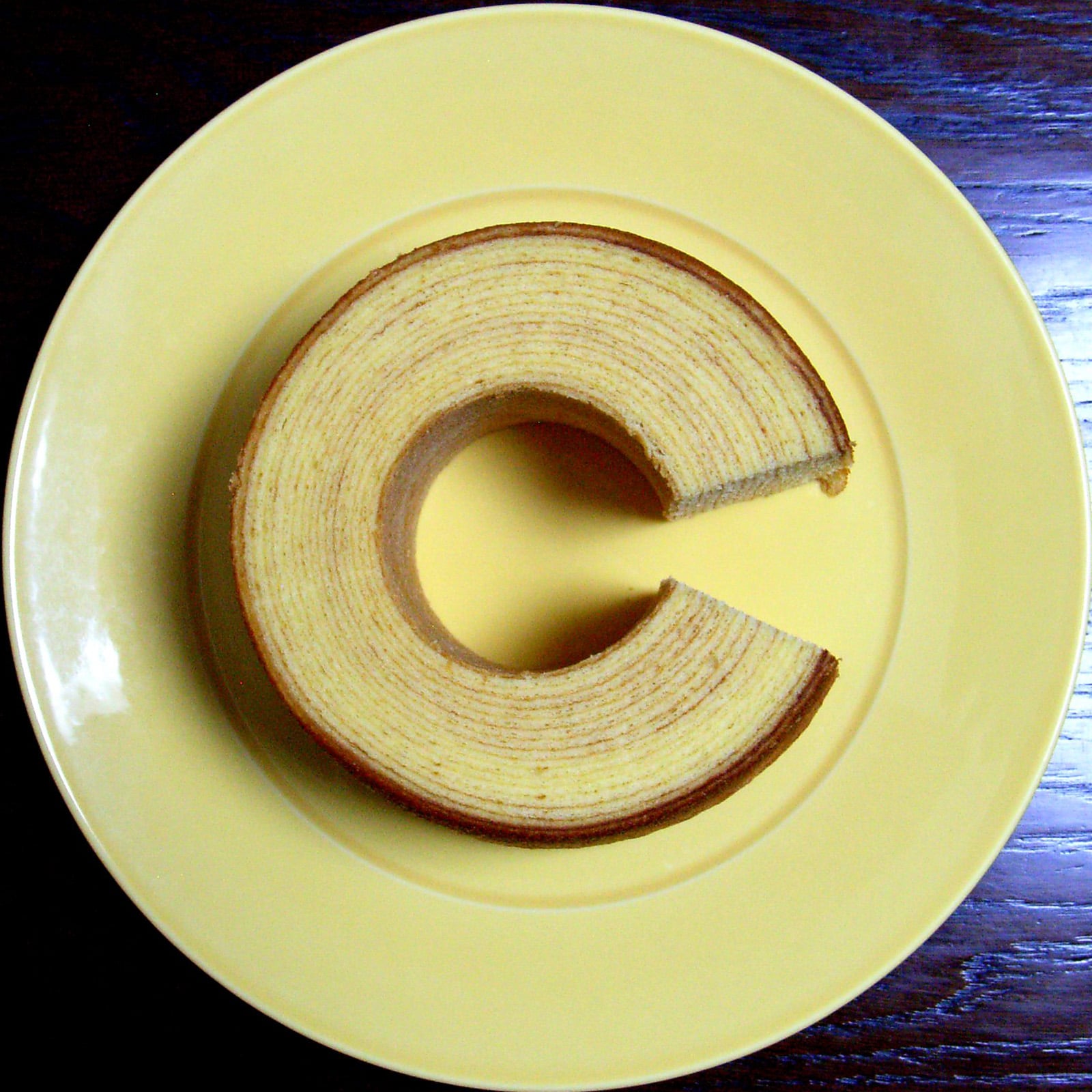
Germany’s answer to wedding cake is baked on a rotating spit, which creates dozens of thin layers that look like tree rings when you slice it. The name literally means ‘tree cake’ in German.
Each layer is brushed with batter and baked until golden before the next layer goes on. The process takes hours, but the result is a cake with a unique texture that’s both soft and slightly crispy.
Rum Cake
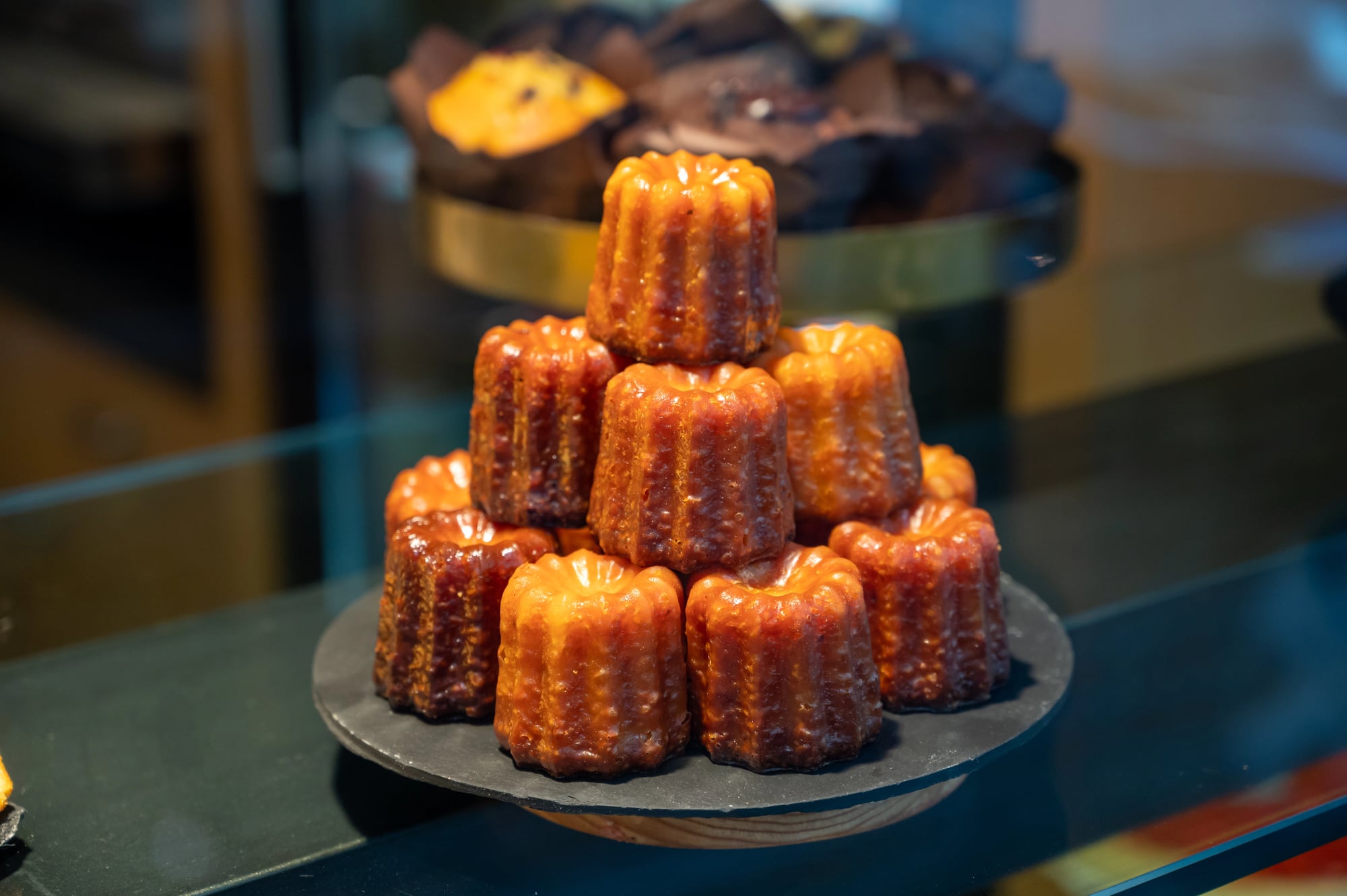
Caribbean weddings wouldn’t be complete without a dark fruit cake soaked in rum. Bakers start preparing these cakes months in advance, adding rum every few weeks to keep the cake moist and flavorful.
The cake is packed with dried fruits like raisins and cherries, and it’s often covered in marzipan and royal icing. It’s dense, boozy, and can last for weeks without going bad.
Kasutera
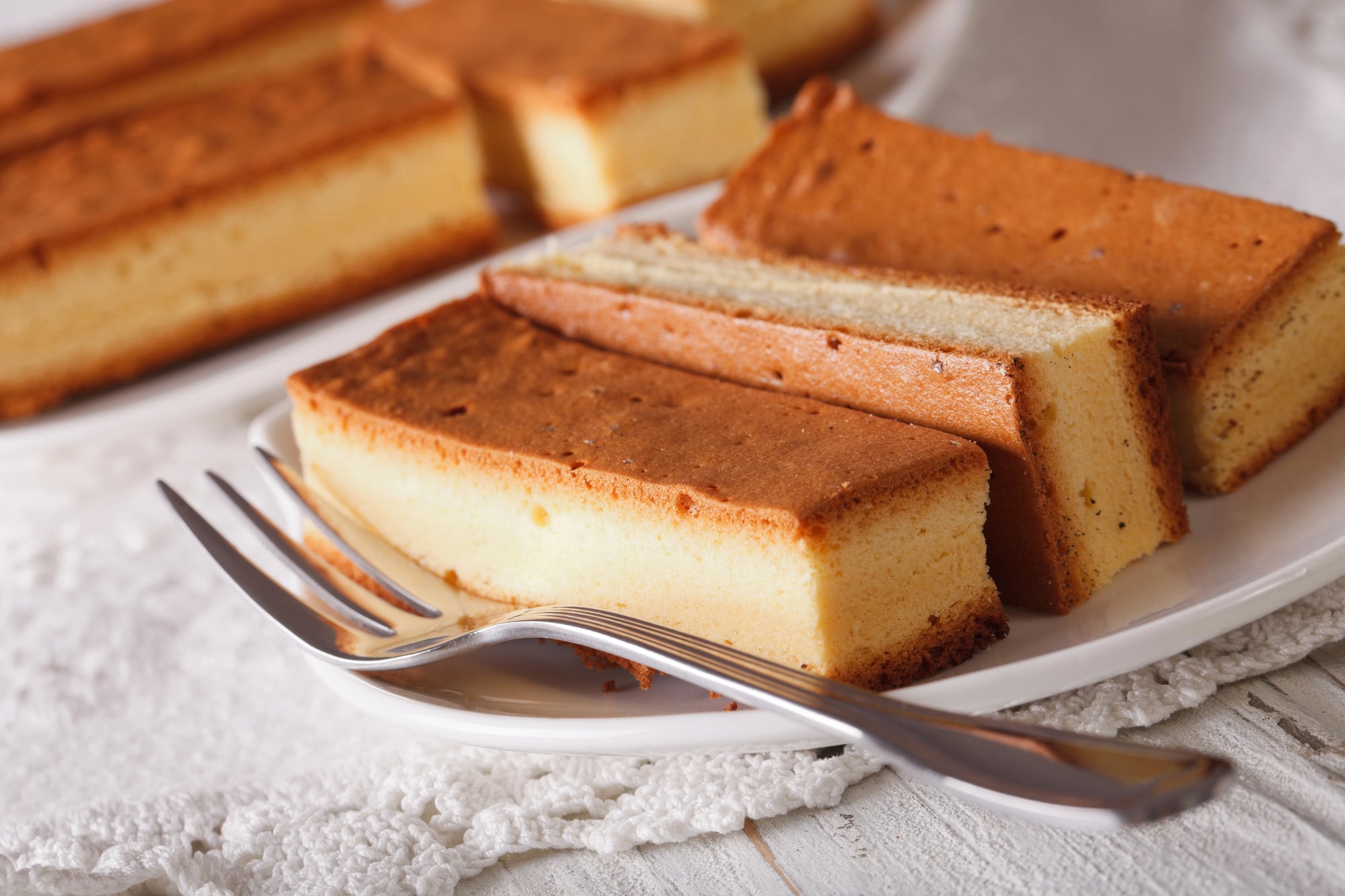
Japanese couples sometimes choose this sponge cake that Portuguese traders brought to Japan centuries ago. Kasutera has a golden color and a texture that’s somewhere between fluffy and dense.
It’s made with eggs, sugar, flour, and honey. The cake is usually served in rectangular slices, and it’s much less sweet than Western cakes.
Some bakers add matcha or chocolate to give it a modern twist.
Medovik
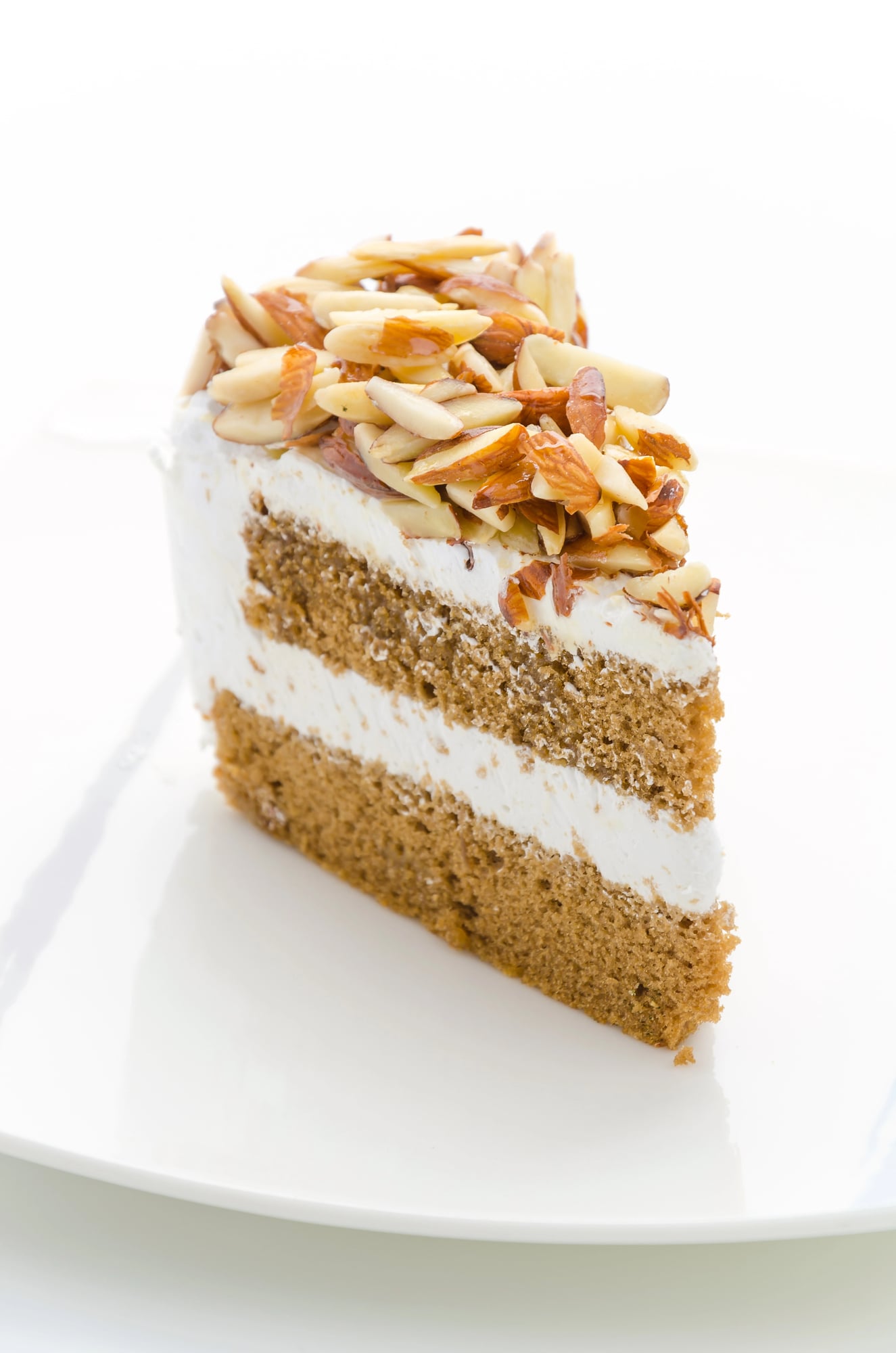
Russia’s honey cake is a labor of love that requires patience and skill. Medovik has thin layers of honey-flavored cake alternating with sour cream frosting.
The cake needs to sit in the fridge overnight so the layers can soften and blend together. When it’s ready, the cake is incredibly moist with a subtle honey flavor that’s not too sweet.
It’s often decorated simply with crushed walnuts or a drizzle of caramel.
Spettekaka
Sweden has a cake that’s baked on a spit and looks like a spiky crown when it’s done. Spettekaka is made from eggs and sugar, and as it bakes, the batter drips down and forms peaks and ridges.
The result is crispy, delicate, and breaks apart easily. It’s traditionally served at weddings in southern Sweden, and making one takes real skill since the temperature has to be just right.
Bibingka
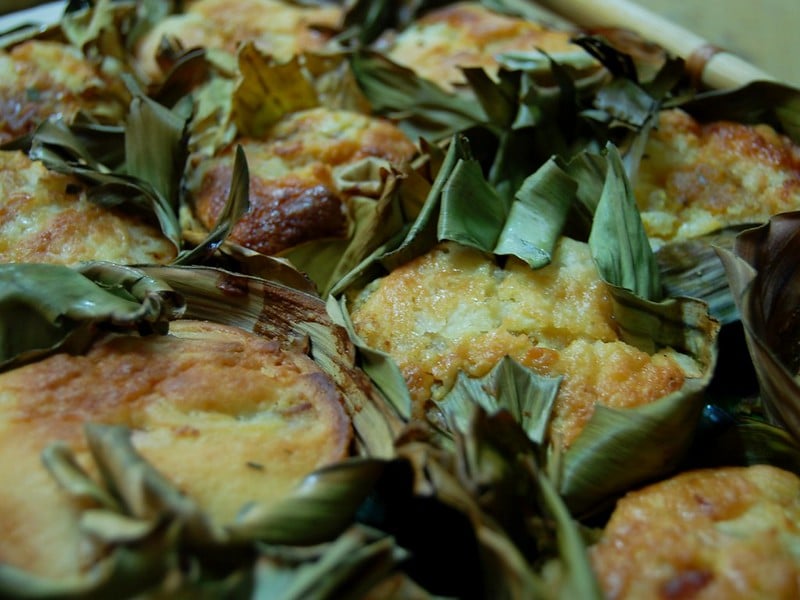
Filipino weddings sometimes feature this rice cake that’s cooked in banana leaves. Bibingka is made with rice flour, coconut milk, and eggs, then topped with cheese and salted duck eggs.
It’s soft, slightly sweet, and has a distinct coconut flavor. The banana leaves give it a subtle aroma that makes it smell amazing.
It’s usually served warm and cut into squares for guests to enjoy.
Churros Tower
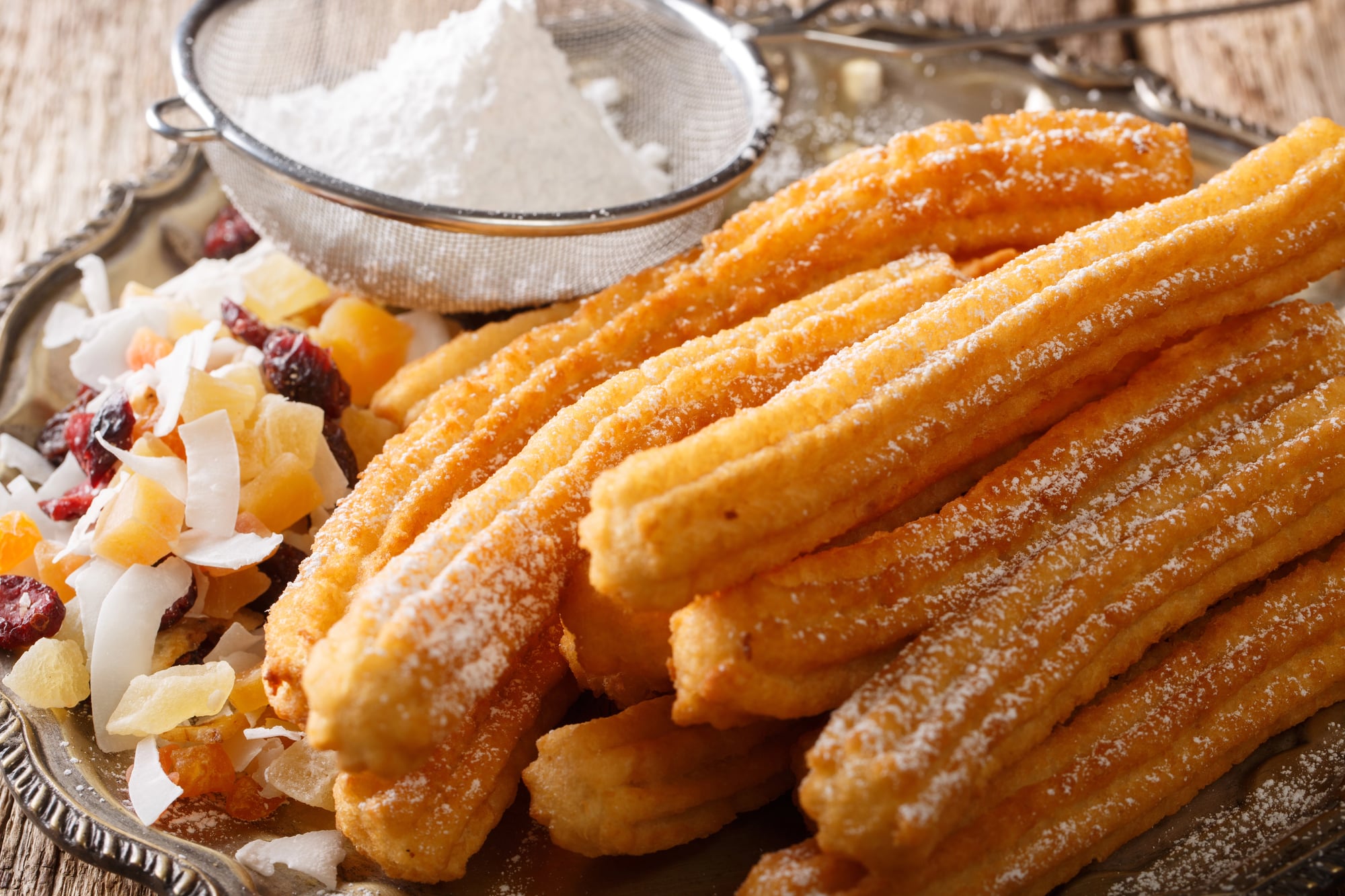
Spanish and Latin American couples have started creating towers of churros as an alternative to traditional cake. These fried dough pastries are stacked into a cone shape and held together with caramel or chocolate.
Guests can pull off individual churros and dip them in chocolate sauce or dulce de leche. It’s messy, fun, and always a hit with kids and adults alike.
Korovai
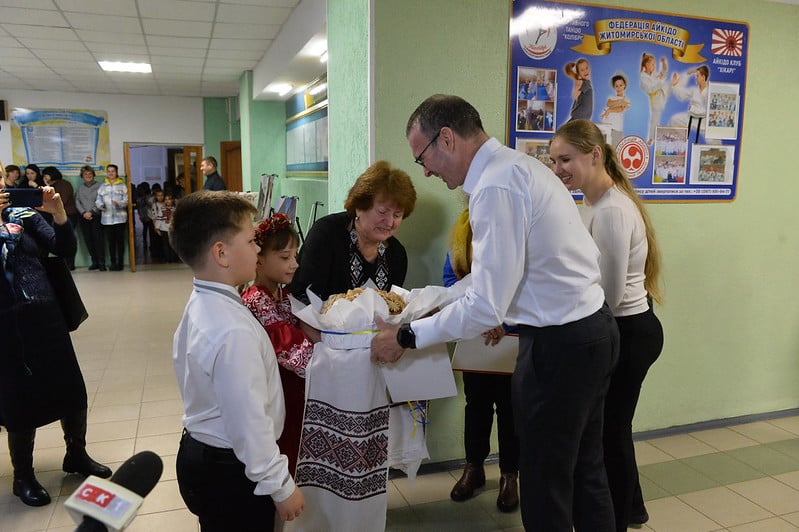
Ukrainian weddings center around this ceremonial bread that’s decorated with symbols of love and prosperity. Korovai is a round bread topped with braided dough shaped into birds, flowers, and wheat stalks.
It’s blessed before the wedding and shared with guests after the ceremony. The top of the korovai is usually given to the newlyweds, while the rest is broken into pieces for everyone else.
Rødgrød Med Fløde
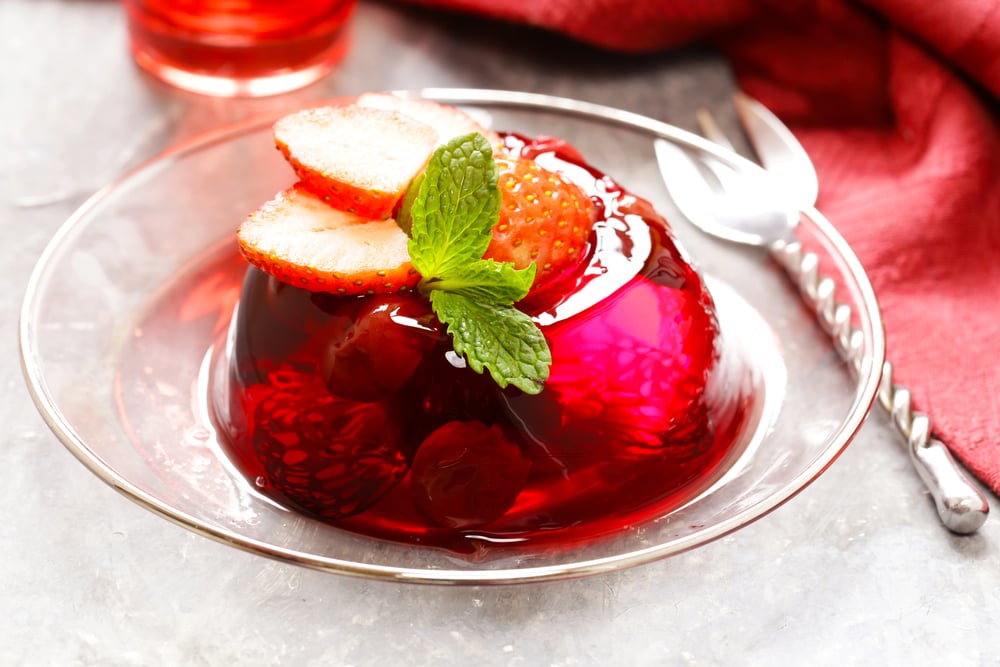
Denmark has a wedding dessert that’s more of a fruit pudding than a cake. Rødgrød is made by cooking berries like strawberries and currants with sugar until they form a thick sauce.
It’s served cold with heavy cream poured on top. The name is famously difficult for non-Danish speakers to pronounce.
While it’s not technically a cake, many Danish couples serve it at their receptions because it’s light and refreshing.
Torta De Tres Leches
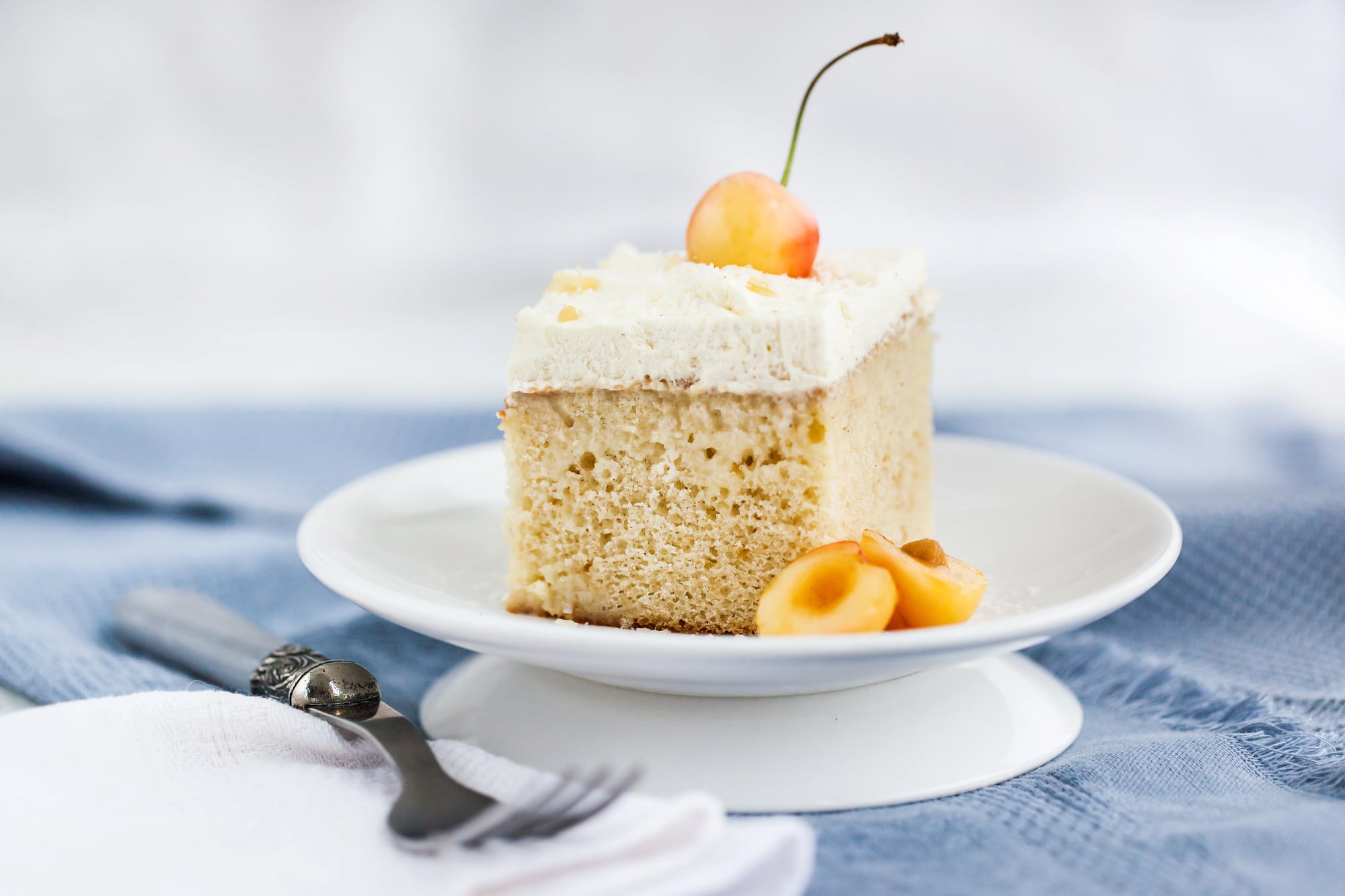
Latin American weddings often end with this cake that’s soaked in three types of milk. The cake starts as a simple sponge, but then it’s poked full of pits and drenched in evaporated milk, condensed milk, and heavy cream.
The result is incredibly moist and sweet. It’s usually topped with whipped cream and fresh fruit.
Despite being soaked through, the cake somehow doesn’t fall apart when you slice it.
Pavlova
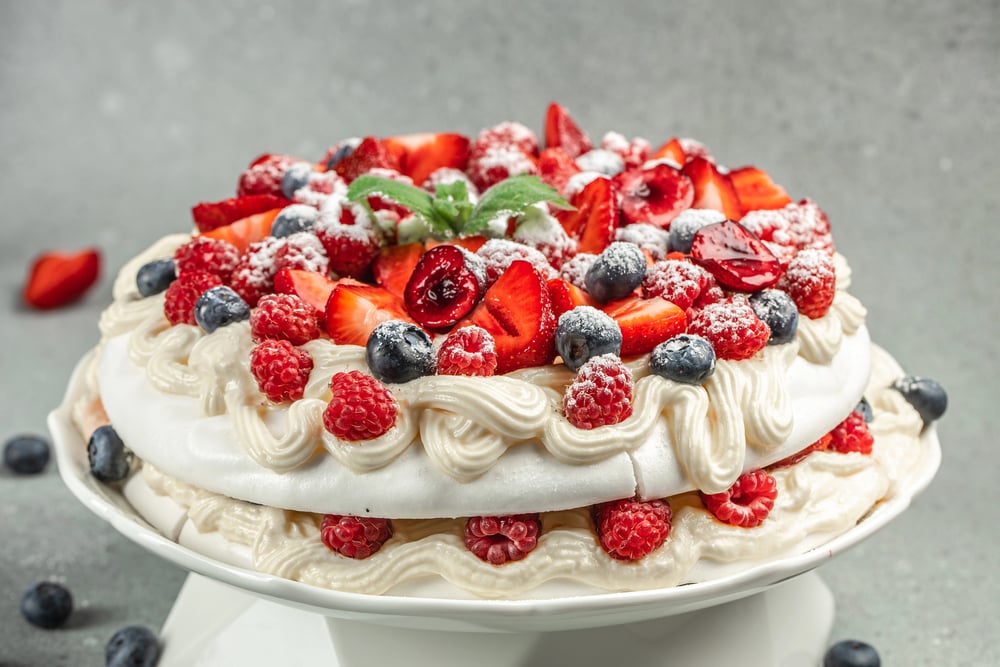
Australia and New Zealand both claim to have invented this meringue dessert that’s named after a famous ballerina. Pavlova has a crispy shell on the outside and a soft, marshmallow-like center.
It’s topped with whipped cream and fresh fruit like kiwi, strawberries, and passionfruit. Wedding pavlovas are often made in tiers to look more like a traditional cake.
It’s light, airy, and perfect for summer weddings.
Šakotis
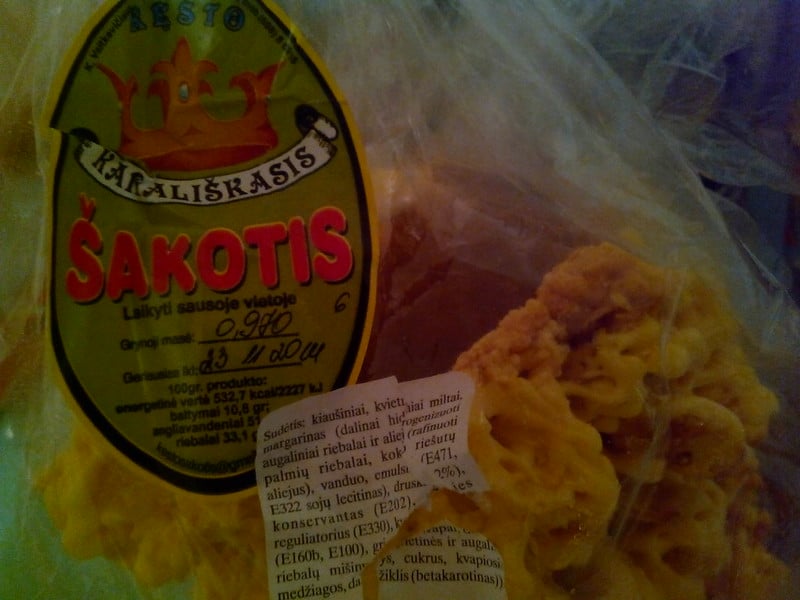
Lithuania has a cake that looks like a small tree with branches sticking out all around. Šakotis is made by dripping batter onto a rotating spit over an open fire.
As the batter bakes, it forms spikes and ridges that create the distinctive shape. The cake is crunchy, slightly sweet, and often served plain or dusted with powdered sugar.
Making one requires a special oven and a lot of practice.
Black Cake
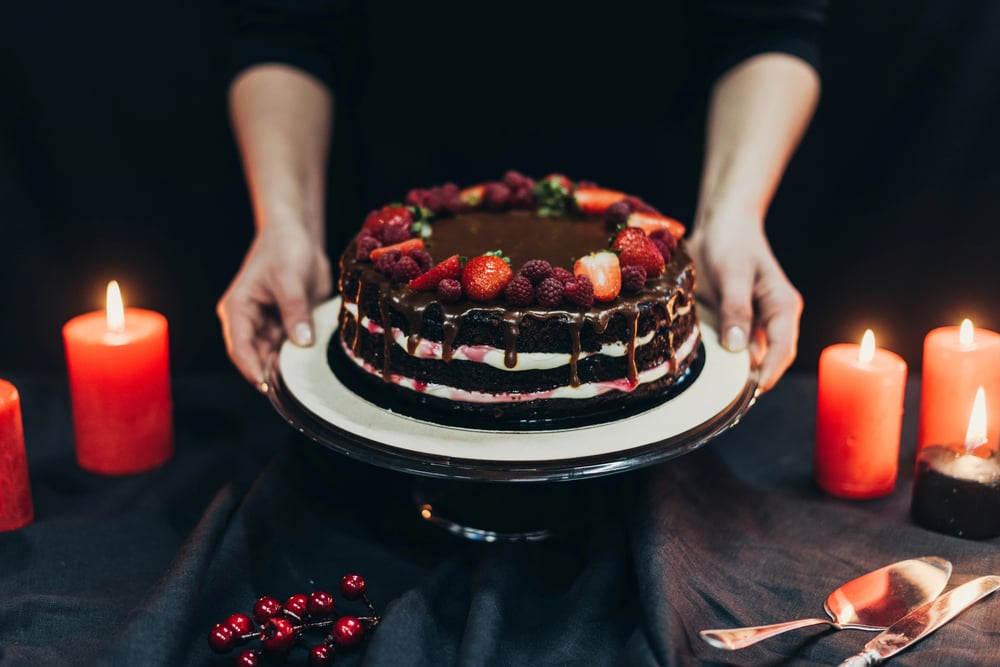
Caribbean and West African weddings feature this dark fruit cake that’s similar to rum cake but even richer. Black cake gets its color from caramelized sugar and fruits that have been soaking in rum and wine for months or even a year.
The cake is incredibly dense and packed with flavor. Some families pass down the same recipe through generations, and making the cake becomes a family event where everyone helps with the preparation.
Sesame Cookies
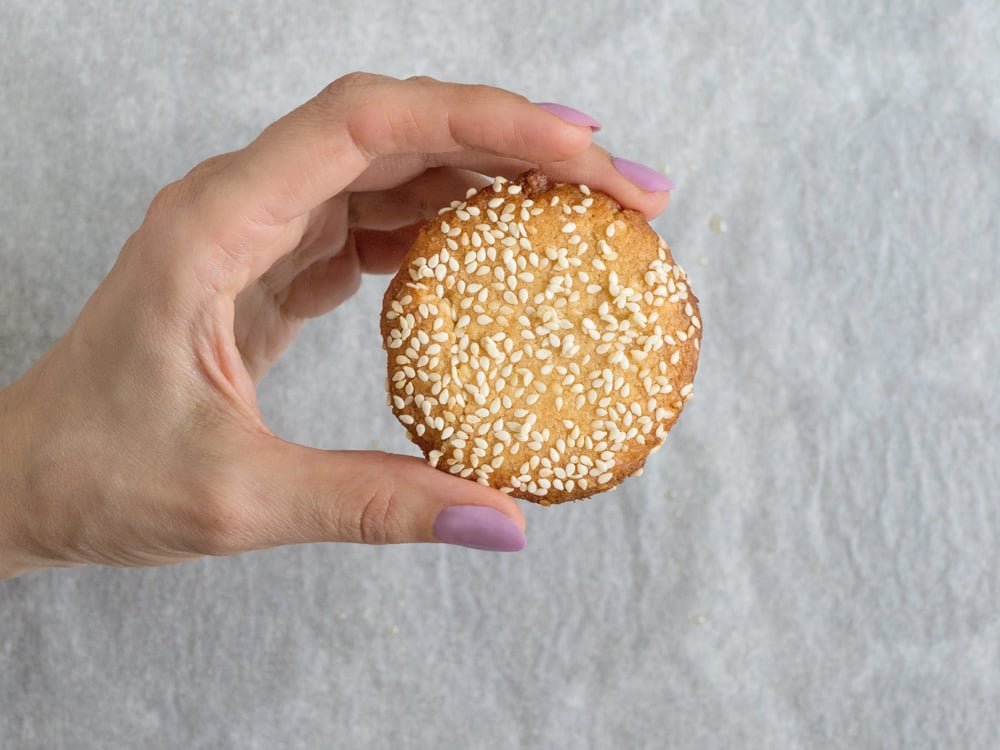
Tiny rounds of baked joy take center stage at Chinese wedding celebrations, swapping the towering tiered dessert. Covered all over with tiny golden-brown seeds, these treats carry wishes for future children and luck ahead.
Red containers hold them tight before being passed into guest hands. A gentle sweetness meets your tongue, rounded out by earthy notes hiding in each bite.
While some pairs now welcome a layered confection for slicing, they still keep the old way close – offering sesame rounds alongside modern flair. Tradition sticks around quietly, even when new tastes join the table.
Mazurek
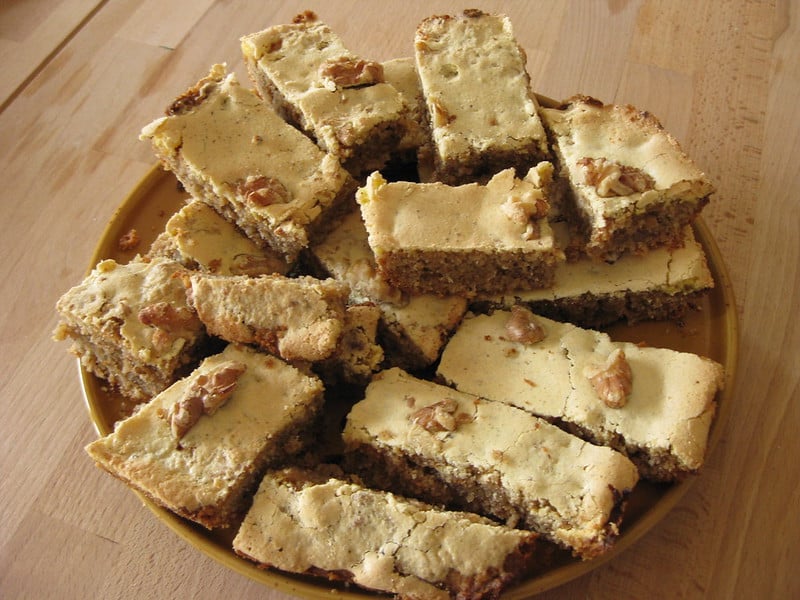
Flat like a tile yet rich in meaning, mazurek carries Easter customs into wedding celebrations across Poland. Built on a buttery shortbread bottom, it holds layers of jam, chopped nuts, dried fruits, maybe even streaks of melted chocolate.
Icing traces intricate designs over the top, turning each cake into something like edible art. Instead of rising high with stacked tiers, this one spreads wide and stays close to the table.
Guests take small squares in hand – no plates required – as part of how food moves through celebration. Shape matters here: low and shareable beats towering elegance every time.
Sweet Traditions That Bring People Together
Long ago, people started making special cakes for big days. Through time, those treats evolved slowly.
Still, they mean similar stuff today – happiness, giving pieces away, beginning fresh chapters. Picture a stack of little dough orbs dripping sauce in France.
Imagine round layers drenched in syrup sitting on cloths in Russia. These sweets pull neighbors closer, seat them side by side.
Taste shifts across places. Form twists into strange silhouettes.
Yet slicing that dessert, handing slices out under laughter – that feeling sticks around everywhere.
More from Go2Tutors!

- The Romanov Crown Jewels and Their Tragic Fate
- 13 Historical Mysteries That Science Still Can’t Solve
- Famous Hoaxes That Fooled the World for Years
- 15 Child Stars with Tragic Adult Lives
- 16 Famous Jewelry Pieces in History
Like Go2Tutors’s content? Follow us on MSN.



