30 Sodas Discontinued Before Most Fans Noticed
Soft drink companies have spent decades throwing new flavors at the wall to see what sticks, and most of what does not stick disappears quietly rather than with any kind of announcement. A flavor simply stops showing up on delivery trucks, then stops showing up in stores, and within a year it is gone entirely.
These are the sodas that vanished from shelves long before most of their fans had any idea they were on the way out.
Crystal Pepsi
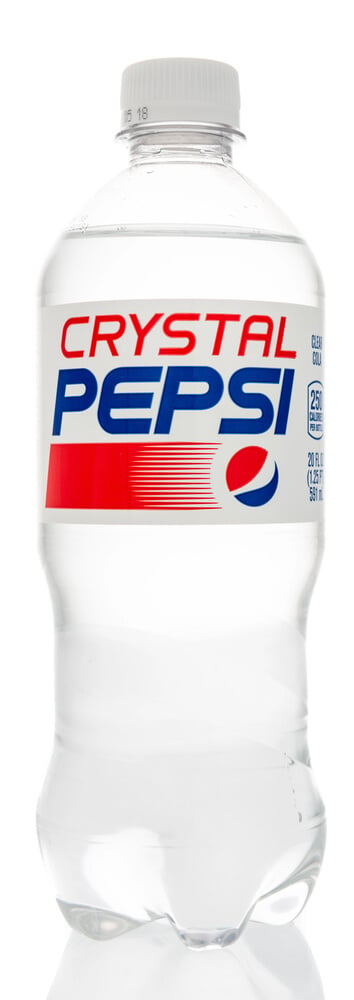
PepsiCo spent years and thousands of formulations developing this clear cola, launched in 1992 with a lighter flavor and twenty fewer calories than regular Pepsi. Despite an enormous marketing push, including a Super Bowl commercial, sales collapsed quickly and the drink was pulled from shelves by 1994.
It has returned for brief, limited nostalgia releases since 2016, but never as a permanent product.
Surge
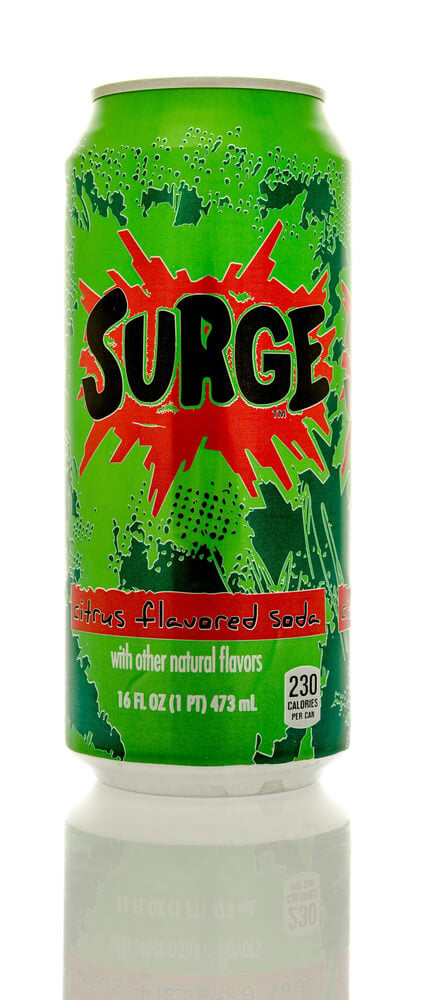
Coca-Cola launched this neon-green citrus soda in 1997 specifically to compete with Mountain Dew, backing it with extreme-sports advertising aimed squarely at teenagers. It built a genuinely devoted following through the late 1990s before Coca-Cola discontinued it in 2003 as sales slowed.
Fan campaigns eventually convinced the company to bring it back in limited releases starting in 2014.
Orbitz
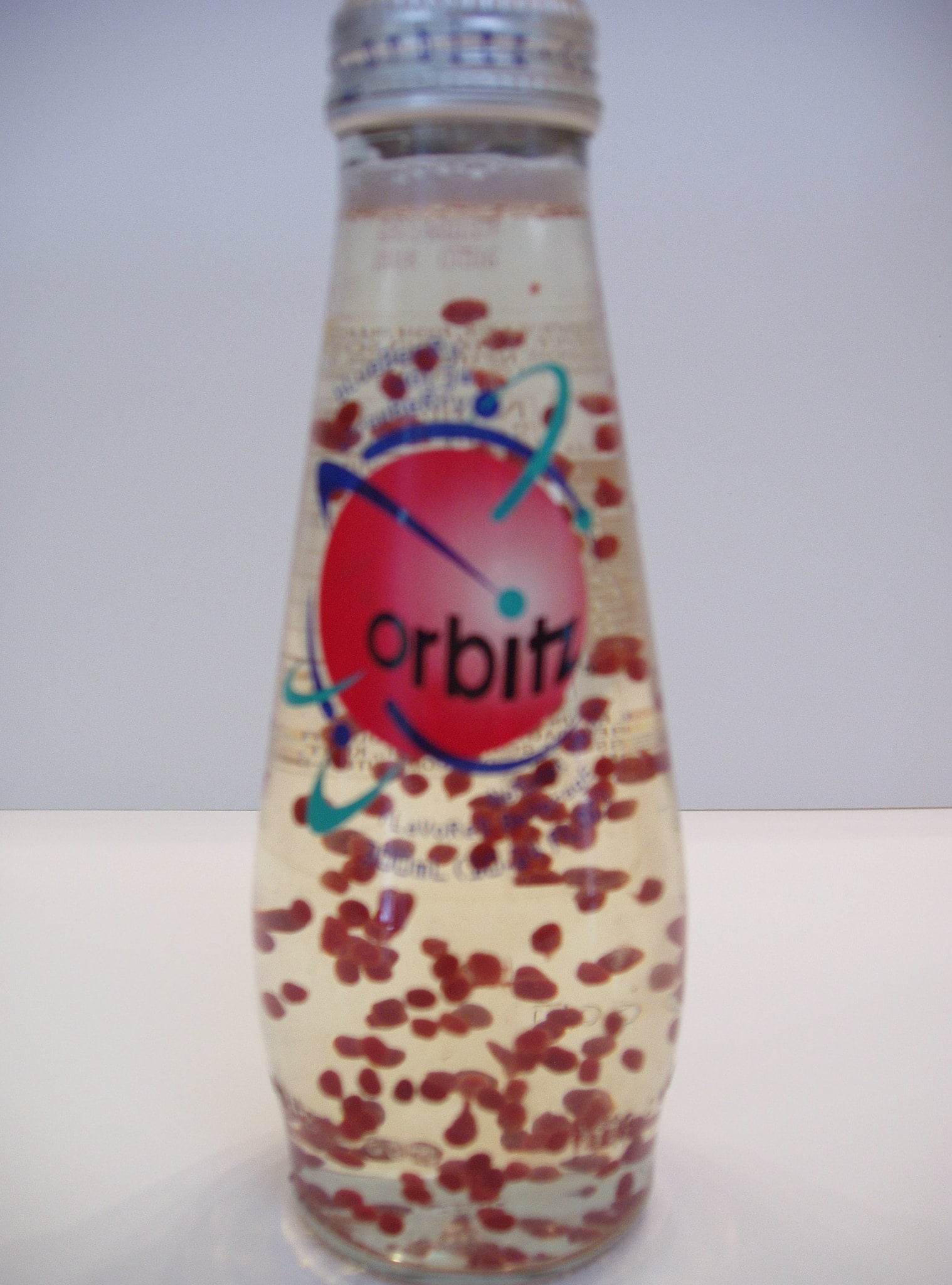
Released in 1997 by the Clearly Canadian Beverage Corporation, this drink suspended small, colorful gelatin beads inside a clear, fruit-flavored liquid, creating a lava-lamp-like visual effect in the bottle. The unusual texture divided consumers, and production ceased within a couple of years.
The specialized equipment used to suspend the beads is reportedly no longer available, making a full-scale revival unlikely.
New Coke
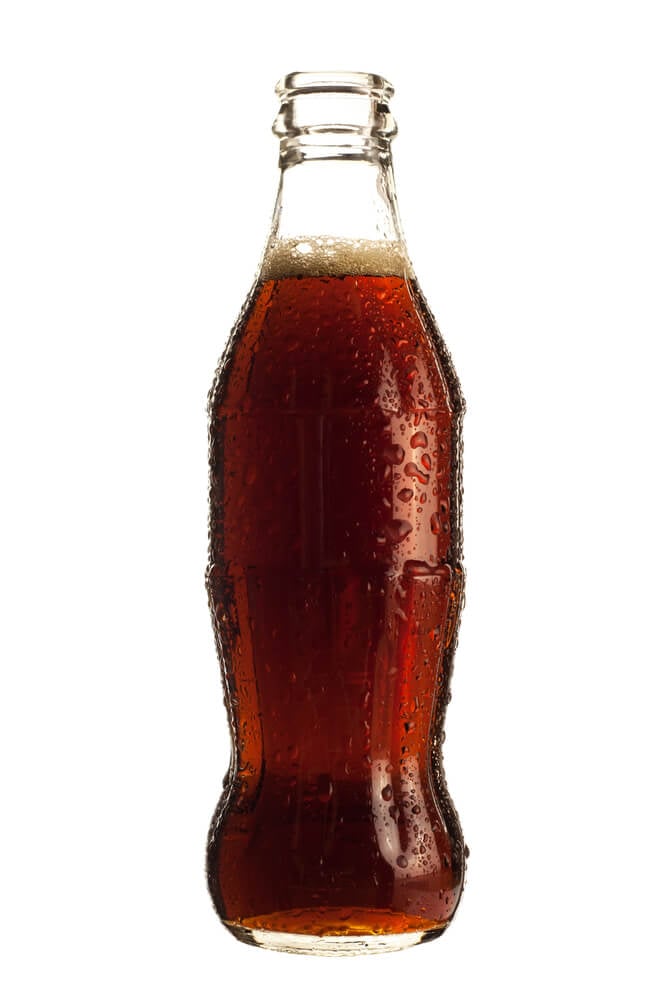
Facing a slipping market position against Pepsi in blind taste tests, Coca-Cola replaced its ninety-nine-year-old formula with a sweeter recipe in 1985, a decision now studied as one of the most notable product missteps in American business history. Public backlash was immediate and intense enough that the original formula returned within months under the name Coca-Cola Classic.
New Coke itself lingered in a reduced role before eventually disappearing entirely.
OK Soda
Coca-Cola launched this deliberately offbeat, ironic soda in 1993, marketed with self-aware packaging that leaned into the idea of being unremarkable rather than exciting. The tongue-in-cheek approach never translated into strong sales, and the brand was discontinued within a couple of years.
It has since become a frequently cited example of a marketing concept that was arguably ahead of the audience it was aimed at.
Pepsi Blue
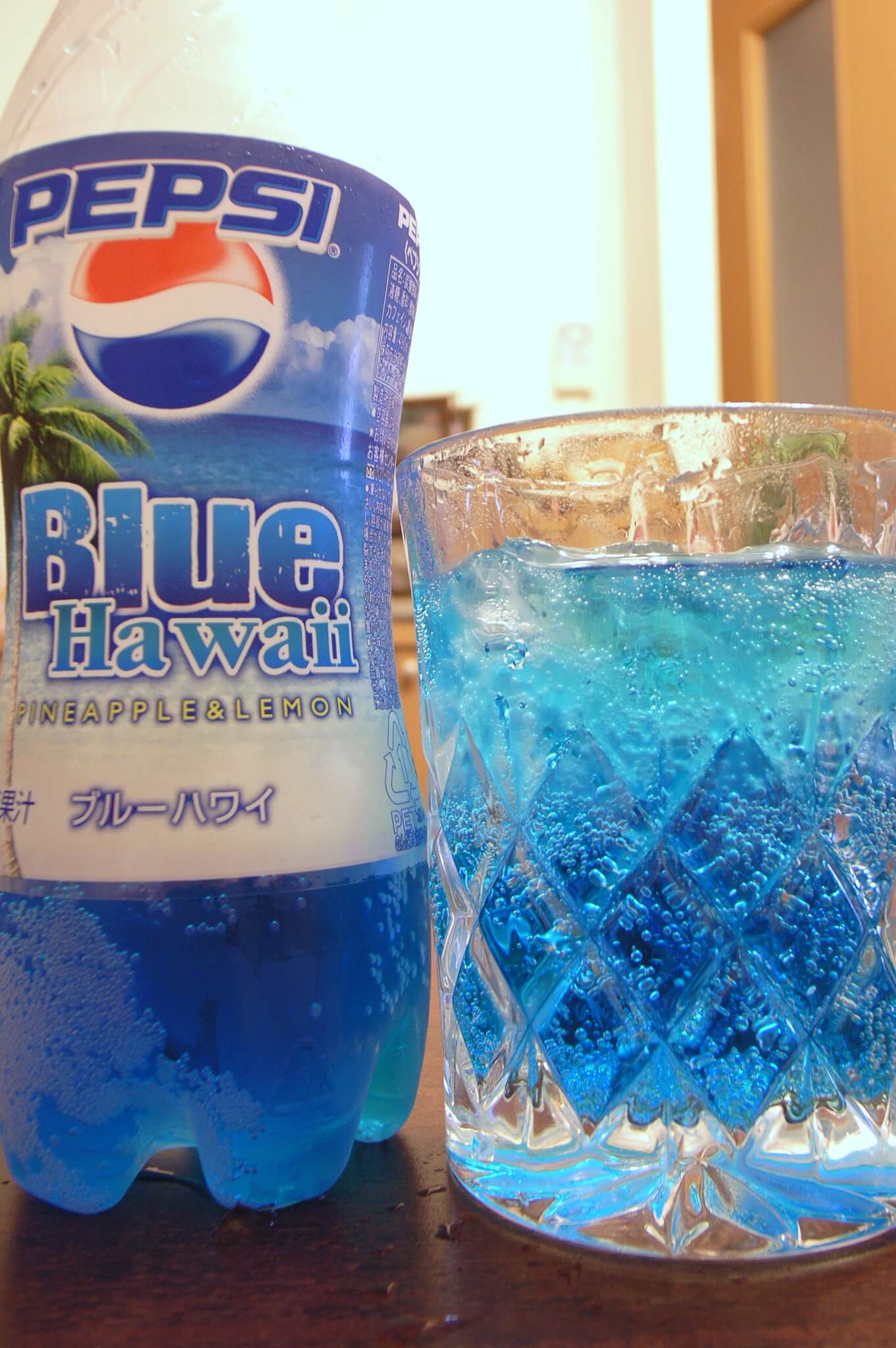
This bright blue, berry-flavored cola launched in 2002 as part of a wave of brightly colored, teen-targeted sodas across the industry. It was discontinued within a couple of years as sales failed to sustain the initial novelty.
It remains one of the most frequently requested nostalgia flavors among fans who grew up during its brief run.
Vault
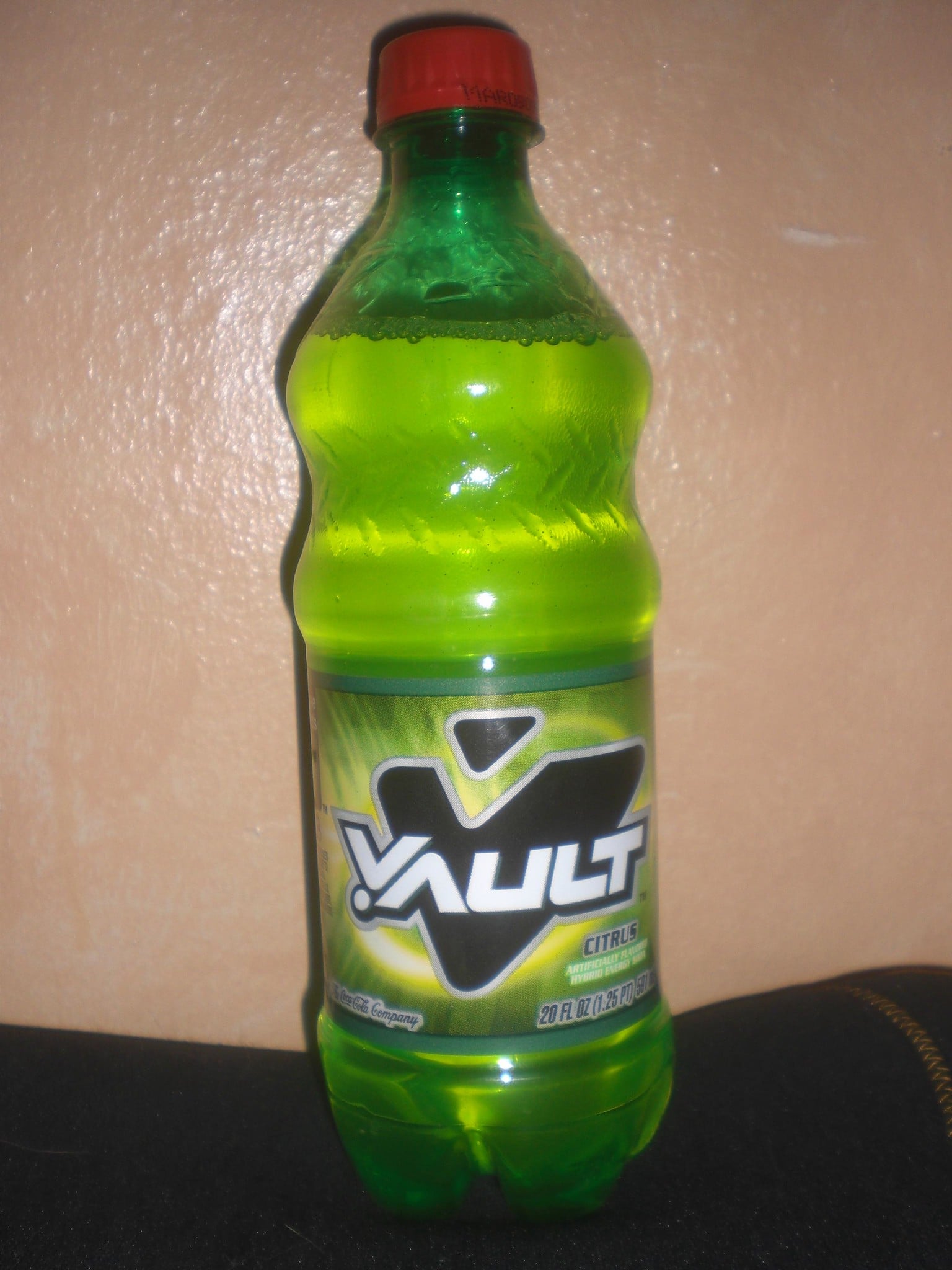
Coca-Cola introduced this citrus energy soda in 2005 as a second attempt to compete directly with Mountain Dew, following Surge’s earlier run. It built a smaller but loyal following before being discontinued in 2011.
Some of its flavor identity was later absorbed into other citrus soda offerings within the company’s lineup.
Josta
PepsiCo launched this guarana-flavored soda in 1995, among the first mainstream sodas to market itself explicitly around an energy-boosting ingredient before the energy drink category fully took off. It was discontinued by the end of the decade as the category shifted toward dedicated energy drink brands instead.
Unopened bottles occasionally surface among collectors of 1990s beverage memorabilia.
Jolt Cola
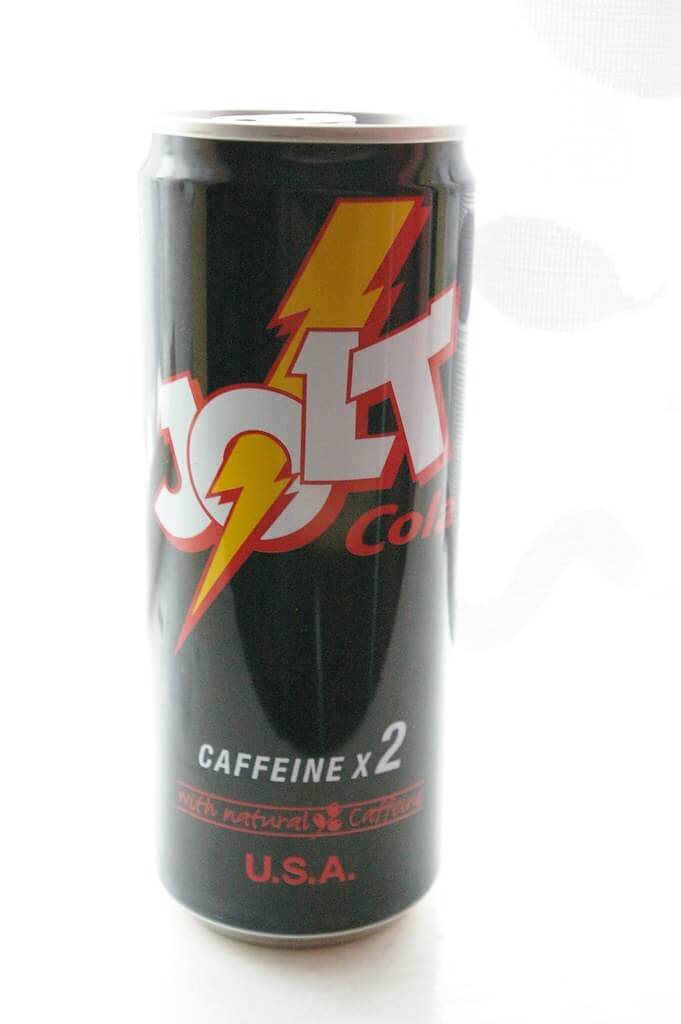
Marketed from the 1980s onward around its high caffeine content well before energy drinks became their own category, Jolt built a cult following among late-night students and gamers. Distribution became increasingly limited through the 2000s, and the brand largely disappeared from mainstream shelves by the end of the decade.
Occasional relaunch attempts have kept the name alive in a much smaller capacity.
Coca-Cola BlāK
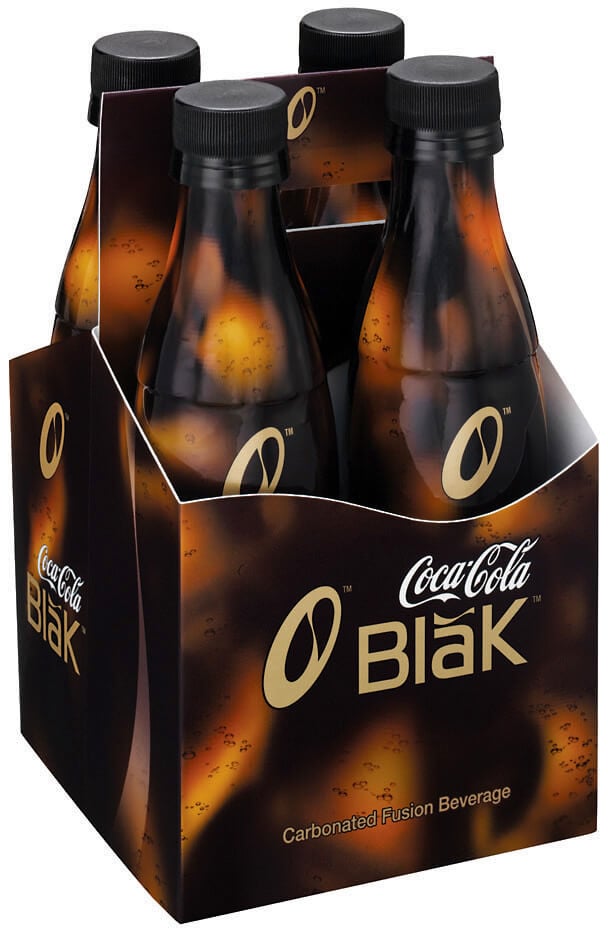
Coca-Cola introduced this coffee-flavored cola in 2006, aiming at adult consumers looking for a more sophisticated flavor profile than a standard soft drink. The unusual combination did not find a sustainable audience, and the product was discontinued within a couple of years.
It remains a frequently cited example of a flavor experiment that never found its intended market.
Pepsi Kona
PepsiCo tested this coffee-flavored cola in select markets around 1996 and 1997, positioning it similarly to how Coca-Cola would later approach BlāK. Limited distribution and lukewarm reception kept it from ever reaching a wide national rollout.
It was quietly discontinued after its regional test run ended.
Pepsi A.M.
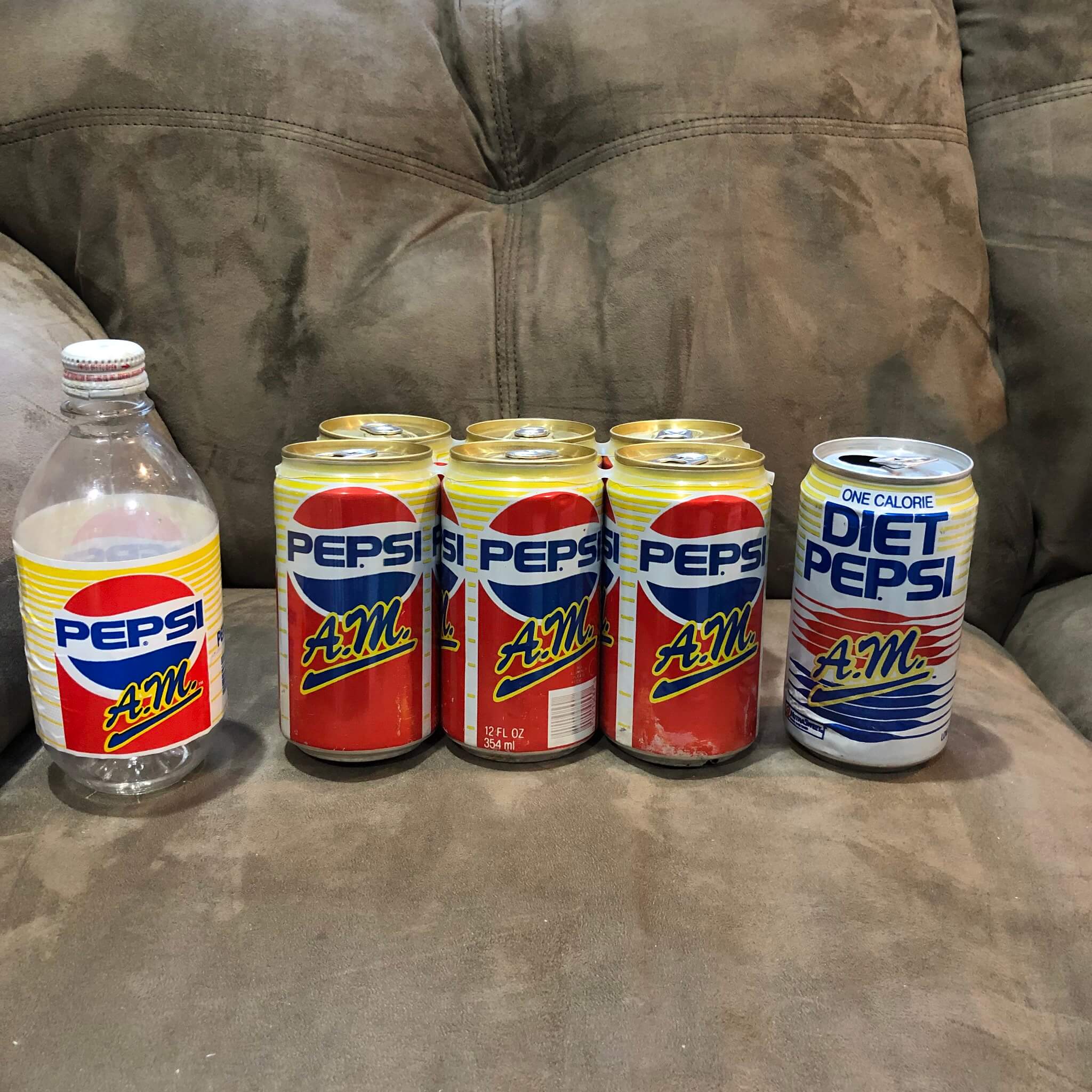
Marketed briefly around 1989 as a cola specifically formulated with extra caffeine for morning consumption, this product tried to position cola as a breakfast-appropriate beverage alongside coffee. The concept never gained meaningful traction with consumers and was pulled from shelves within a short period.
It is now remembered mainly as an early, unsuccessful attempt to reposition cola outside its usual consumption occasions.
7 Up Gold
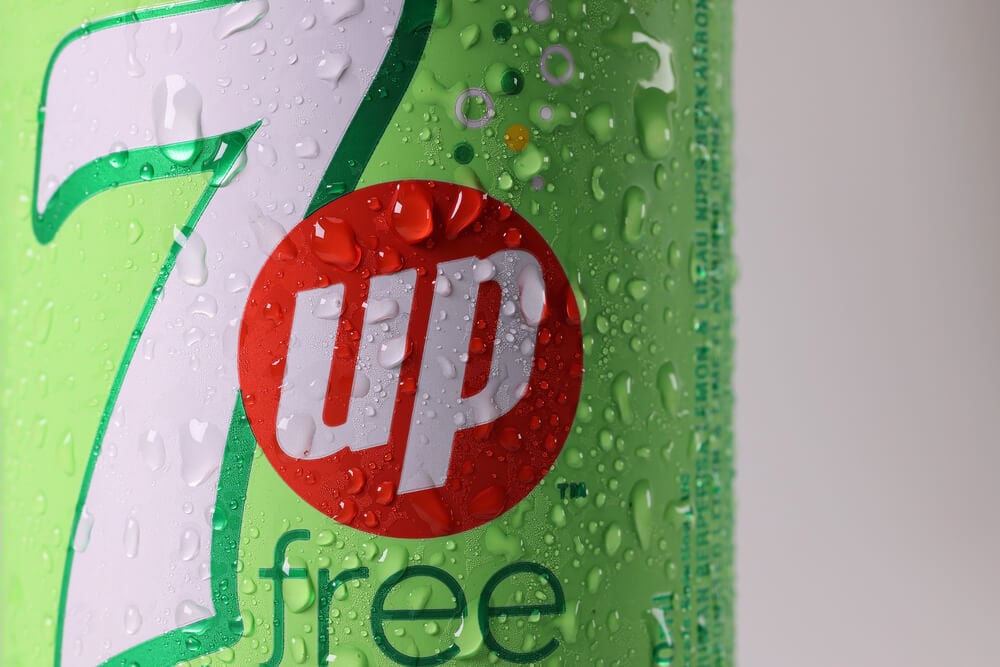
Introduced in 1988 with a spiced, ginger-ale-adjacent flavor profile, this variant departed significantly from the lemon-lime taste that defined the 7 Up brand. It was pulled from shelves within a year after failing to connect with the brand’s existing customer base.
It remains a frequently cited example of a flavor extension that strayed too far from its parent brand’s identity.
Mountain Dew Pitch Black
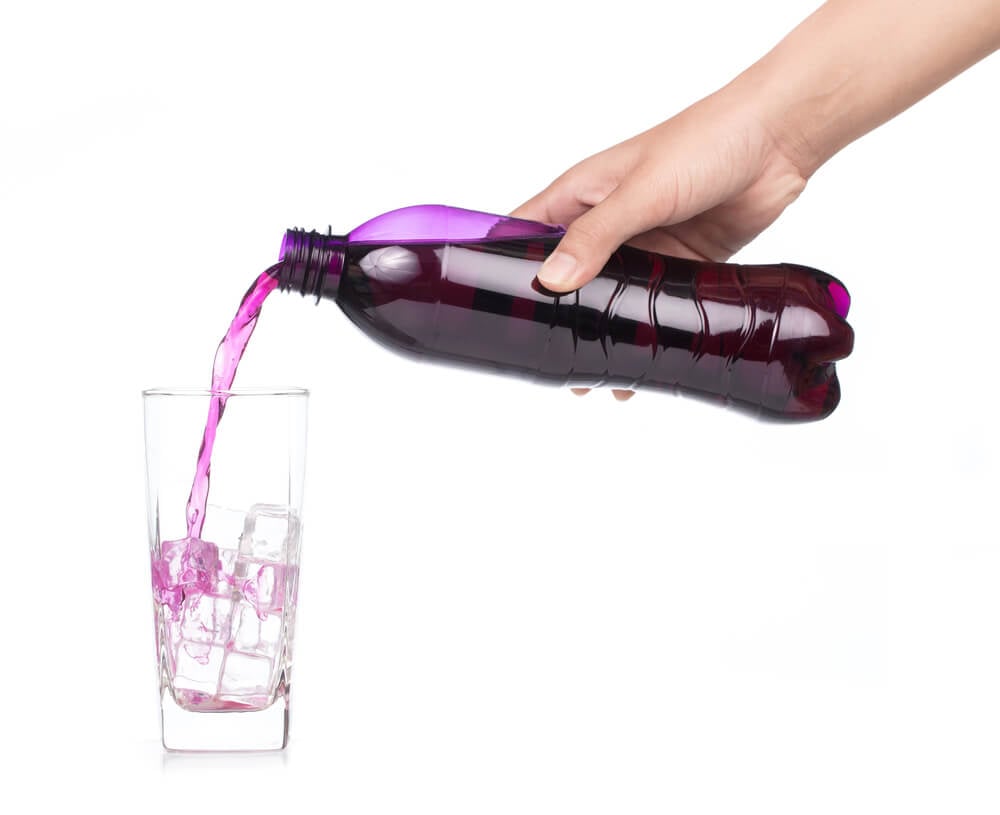
Released as a Halloween-themed, grape-flavored variant in the early 2000s, this dark-colored Mountain Dew flavor built a strong seasonal following during its limited annual releases. It was eventually discontinued as the company rotated its limited-edition flavor strategy toward newer options.
Fans of the flavor still periodically campaign for its return each fall.
Tab
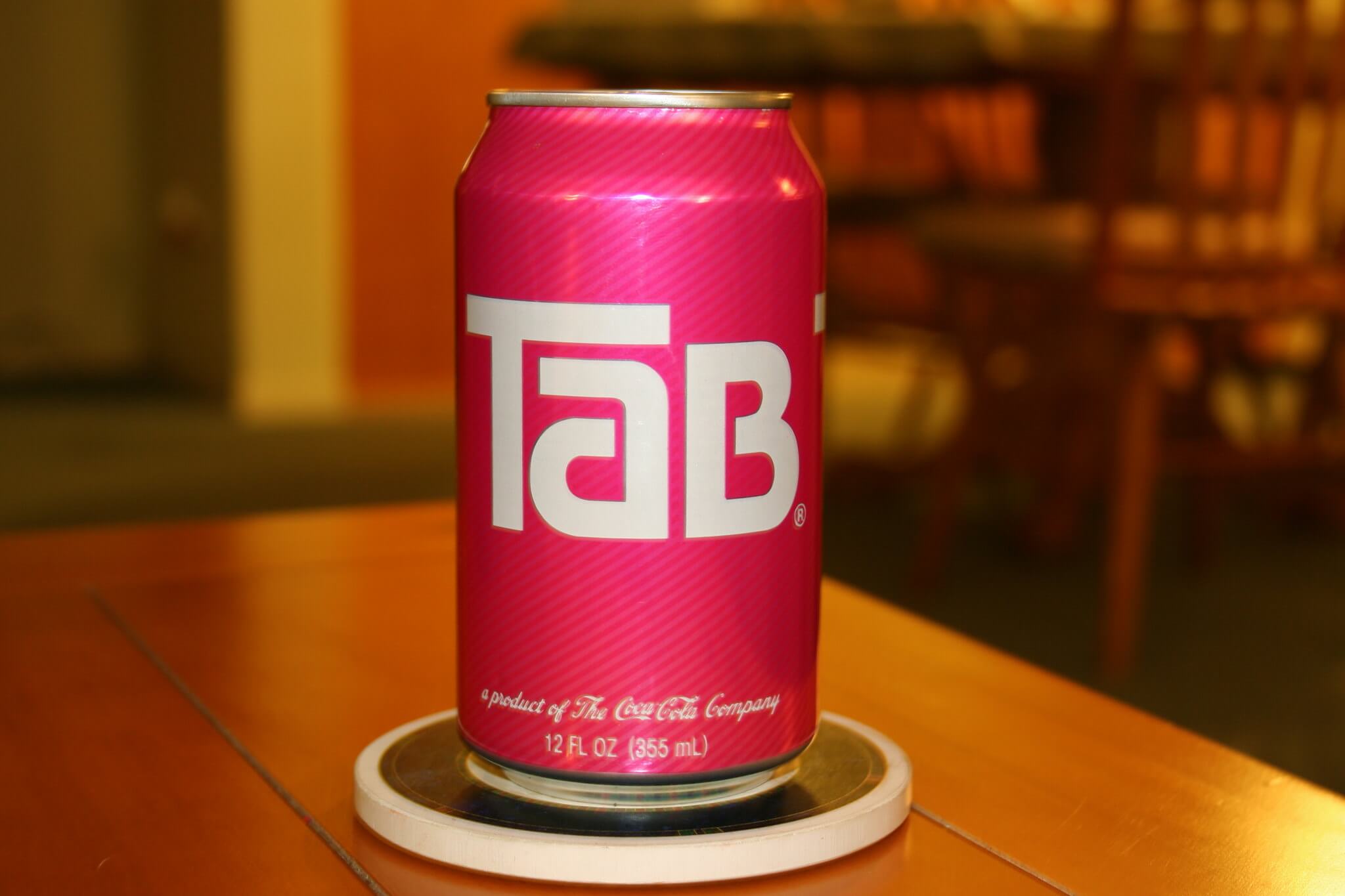
Coca-Cola’s original diet cola, launched in 1963 well before Diet Coke existed, maintained a small but devoted following for decades after newer diet sodas overtook it in mainstream popularity. The company officially discontinued the brand in 2020, citing its shrinking market share relative to its production costs.
Longtime fans had watched its shelf space shrink gradually for years before the final announcement.
Slice
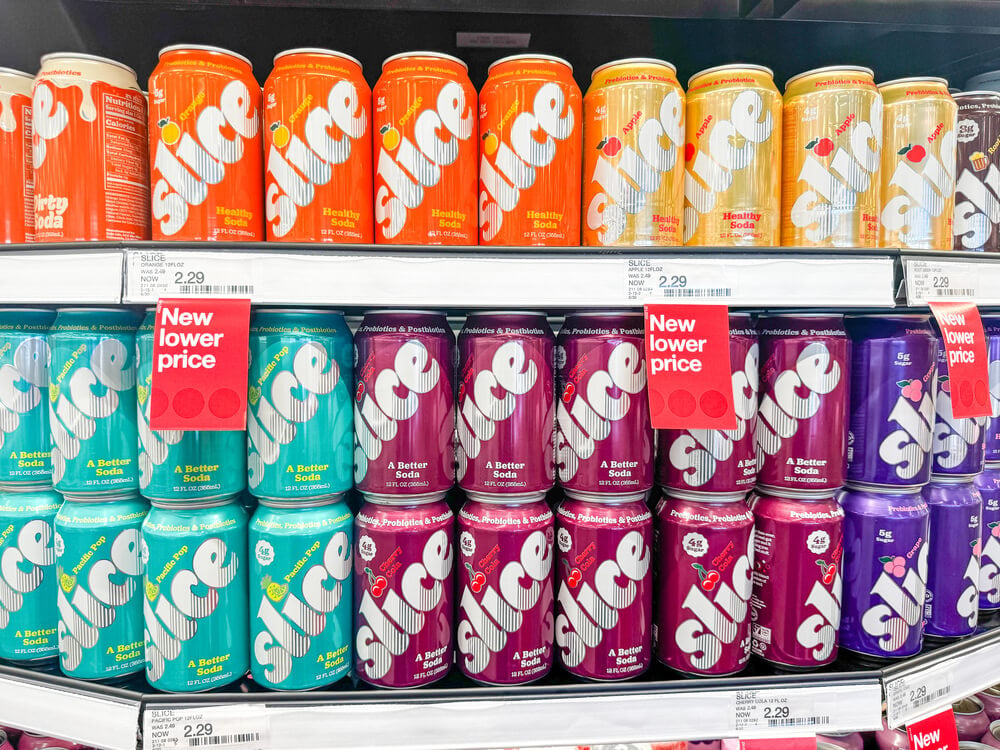
PepsiCo introduced this fruit-flavored soda line in the 1980s, notable at the time for containing actual fruit juice rather than purely artificial flavoring. The brand was gradually phased out and largely rebranded under different PepsiCo fruit soda names through the 1990s and 2000s.
Its original branding and can design are now mostly a nostalgic footnote.
Mr. Pibb
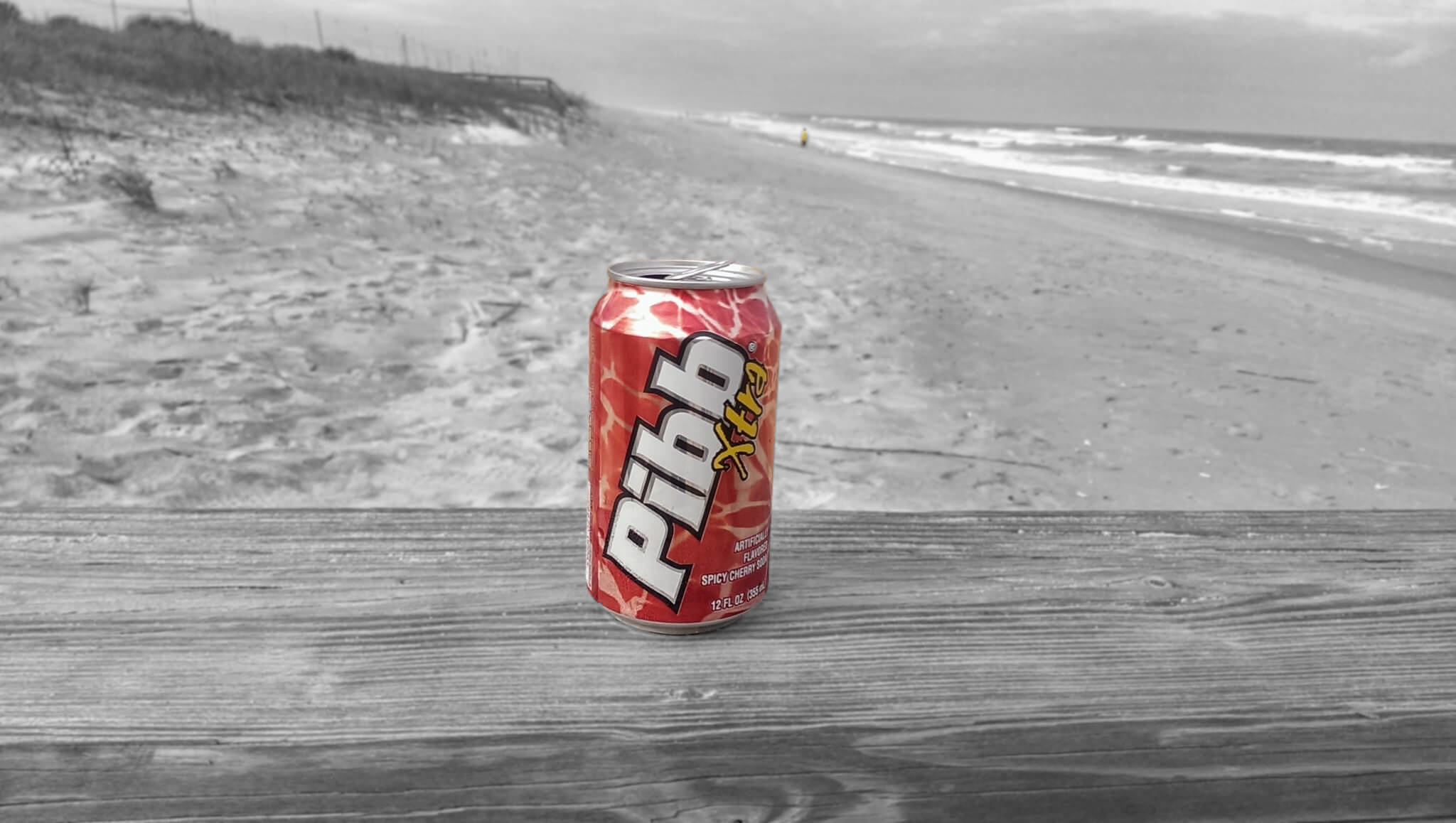
Coca-Cola’s spiced cola competitor to Dr Pepper launched under this name in the 1970s before being rebranded as Pibb Xtra in 2001 with a reformulated, bolder flavor. The original Mr. Pibb name and formula effectively disappeared with the rebrand.
Longtime fans still occasionally distinguish between the two versions by taste.
Like Cola
Introduced by Royal Crown in 1982 as one of the first widely distributed caffeine-free colas, this product tried to capture health-conscious consumers ahead of the broader caffeine-free trend that later swept the industry. It was discontinued within a few years as larger competitors introduced their own caffeine-free versions of established brands instead.
It is now remembered mainly by soda historians as an early mover in a category that others eventually dominated.
Sprite Remix
Coca-Cola introduced this line of fruit-infused Sprite variants in the early 2000s, offering flavors like tropical and berry blended into the brand’s usual lemon-lime base. The line ran for a few years before being discontinued as the company shifted its flavor-extension strategy elsewhere.
It remains a frequently referenced example of early-2000s soda flavor experimentation.
Coca-Cola C2
Launched in 2004 as a mid-calorie cola positioned between regular Coca-Cola and Diet Coke, this product aimed at consumers who wanted fewer calories without switching to a fully diet beverage. It struggled to carve out a clear identity between the two established options and was discontinued within a few years.
The mid-calorie soda category it tried to define never became a lasting mainstream segment.
Pepsi Edge
PepsiCo’s competing mid-calorie cola launched around the same time as Coca-Cola’s C2, aimed at the same audience of calorie-conscious cola drinkers unwilling to switch to a full diet product. It faced the same category-defining problem as its rival and was discontinued within a similarly short window.
Both products are now cited together as evidence the mid-calorie soda concept never found its audience.
Pepsi Twist
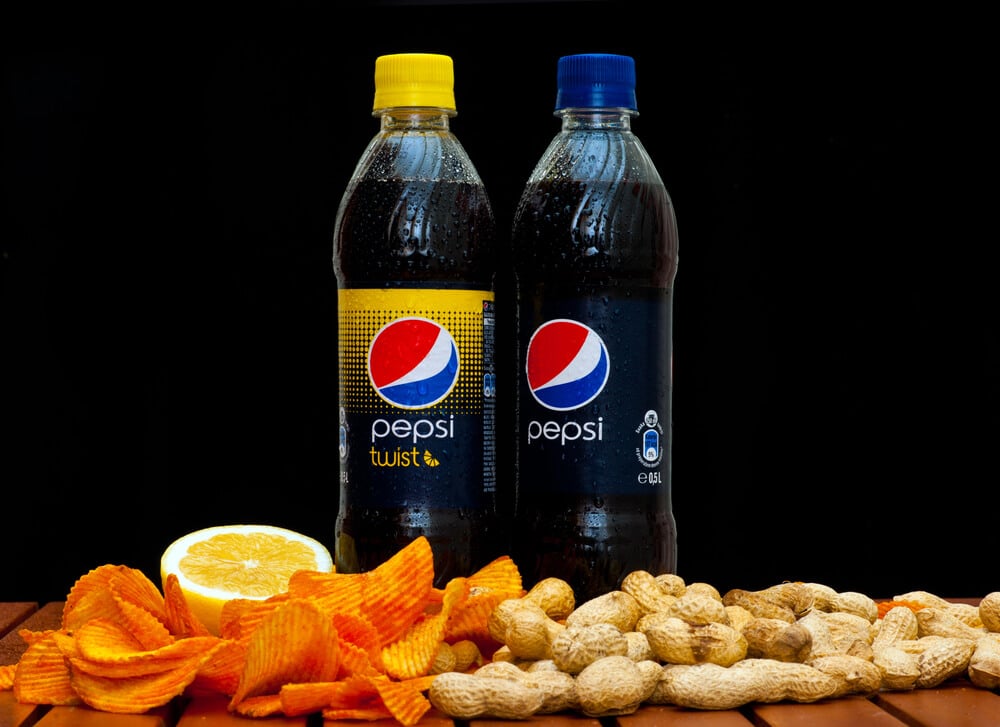
This lemon-flavored variant of regular Pepsi launched in the early 2000s, aiming to offer a citrus twist on the standard cola flavor. It maintained a modest following for several years before being discontinued as PepsiCo streamlined its flavor lineup.
Diet and regular versions were both eventually pulled from most markets.
Original New York Seltzer
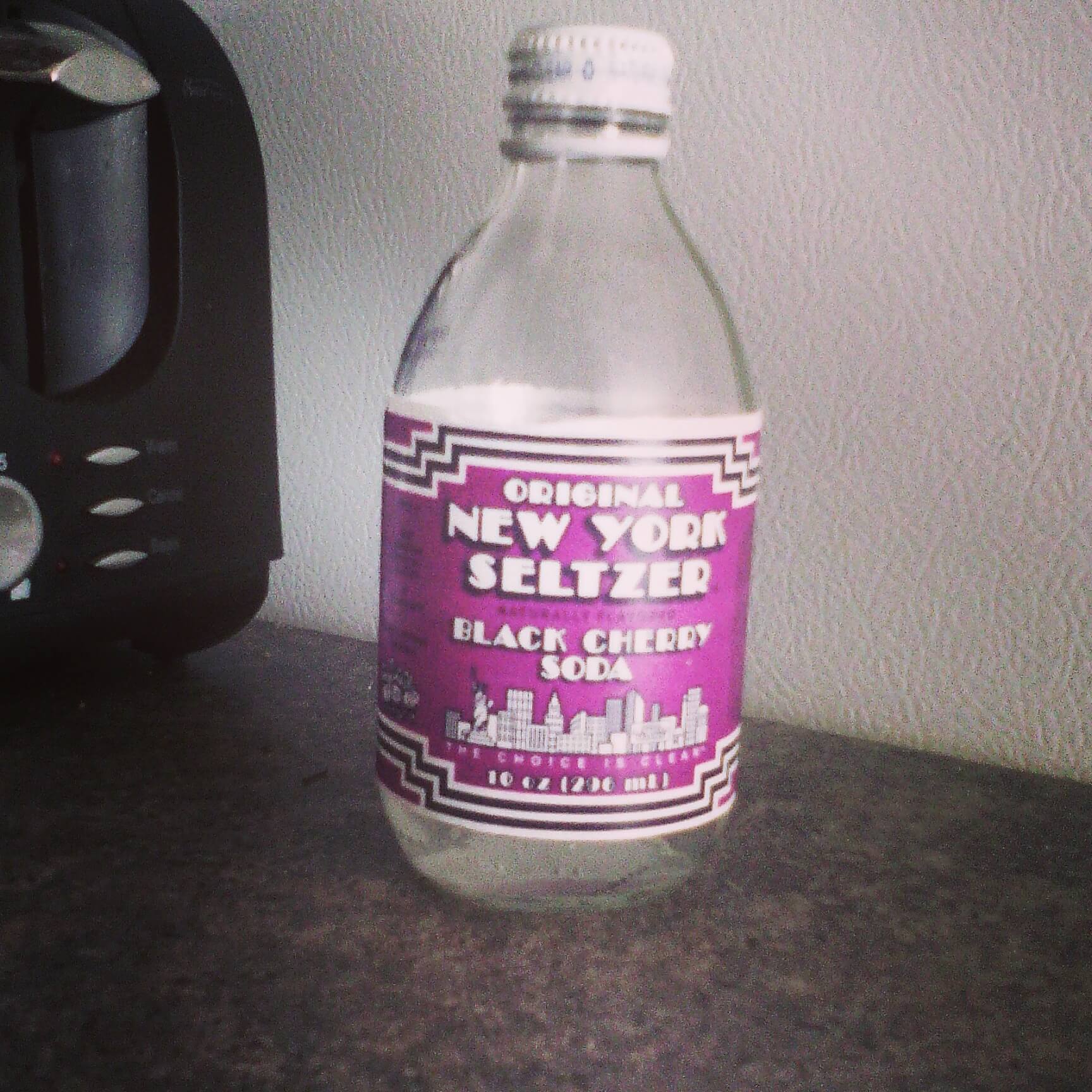
This lightly flavored, all-natural sparkling soda built a strong regional following on the West Coast through the 1980s before expanding more broadly. Financial difficulties and a factory fire contributed to the original company’s decline, and the brand largely disappeared from shelves by the early 1990s.
The name has occasionally resurfaced under different ownership since, though never at its original scale.
Pepsi Fire
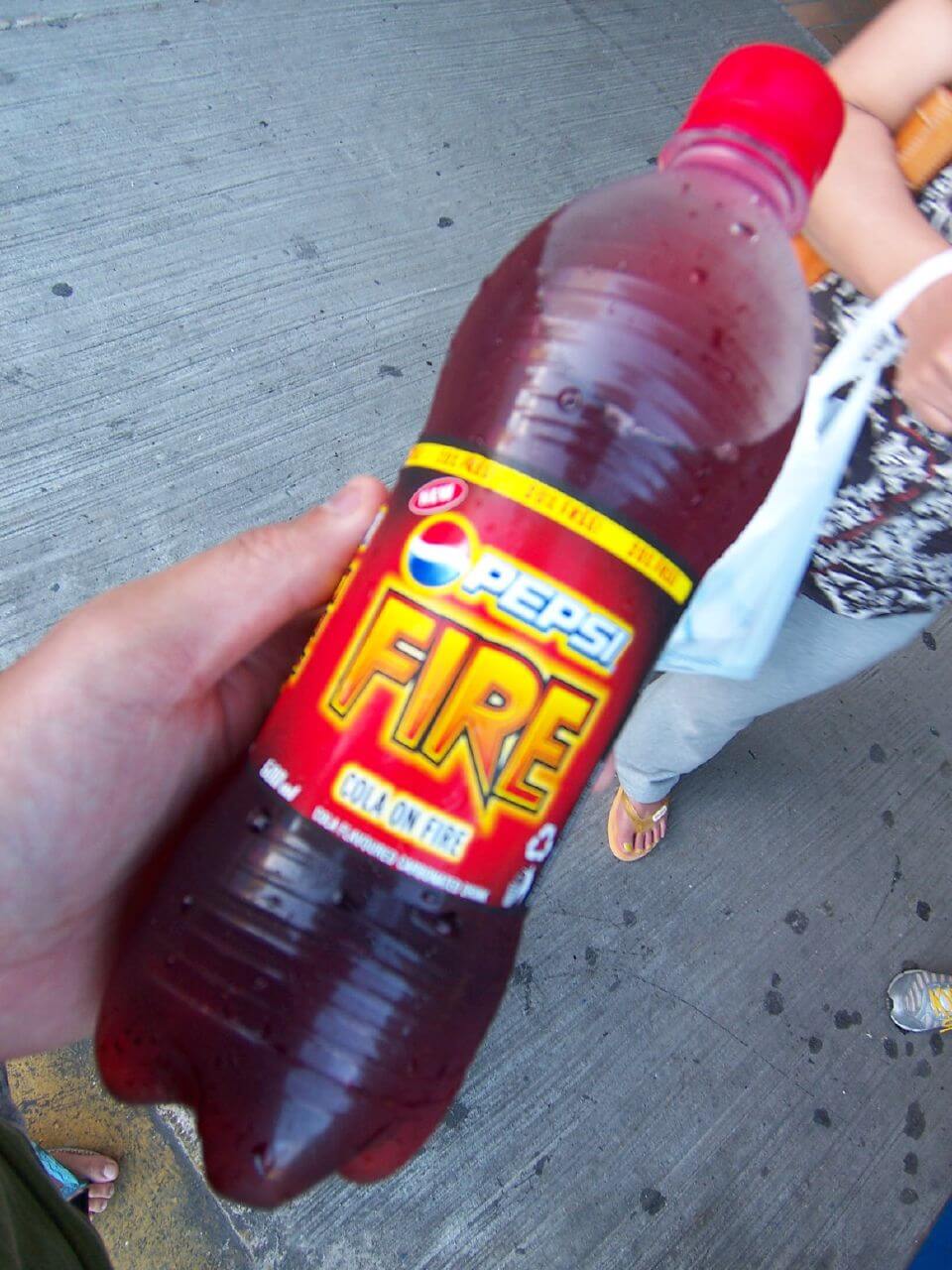
Released in 2016 as a cinnamon-flavored cola inspired by Fireball whiskey’s popularity at the time, this limited-run flavor generated significant initial buzz before quietly disappearing from shelves within a year. It was never positioned as a permanent addition to the Pepsi lineup.
Fans who tried it during its brief run occasionally still request its return online.
Dr Pepper Berries & Cream
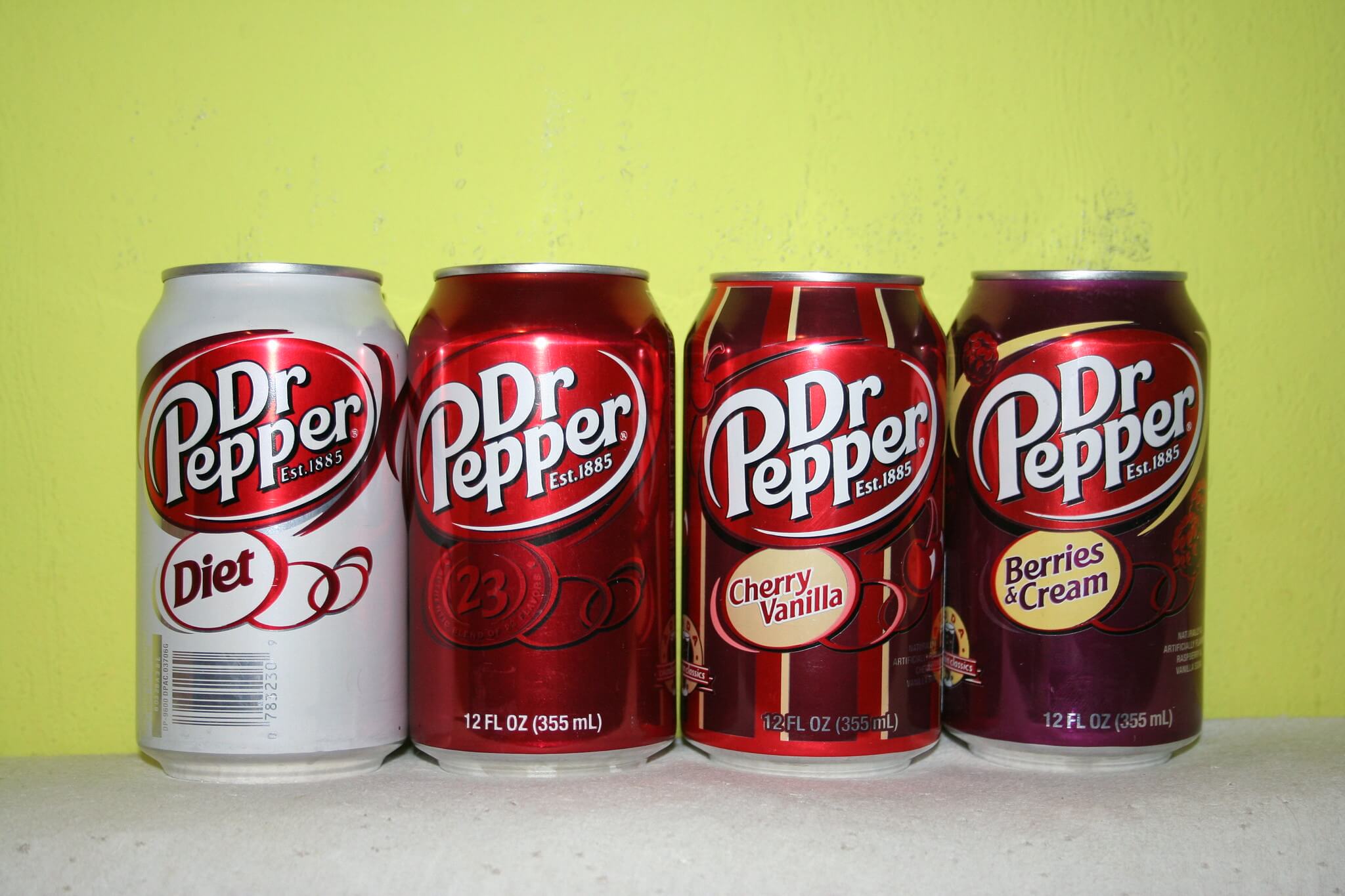
Introduced in 2018 as a limited seasonal flavor combining Dr Pepper’s signature taste with a cream-soda-adjacent sweetness, this variant built a loyal short-term following before its limited run ended. Dr Pepper has a long history of similar limited seasonal flavors that rarely return after their initial release window closes.
Fans of this particular variant have continued to request it in the years since.
Mountain Dew LiveWire
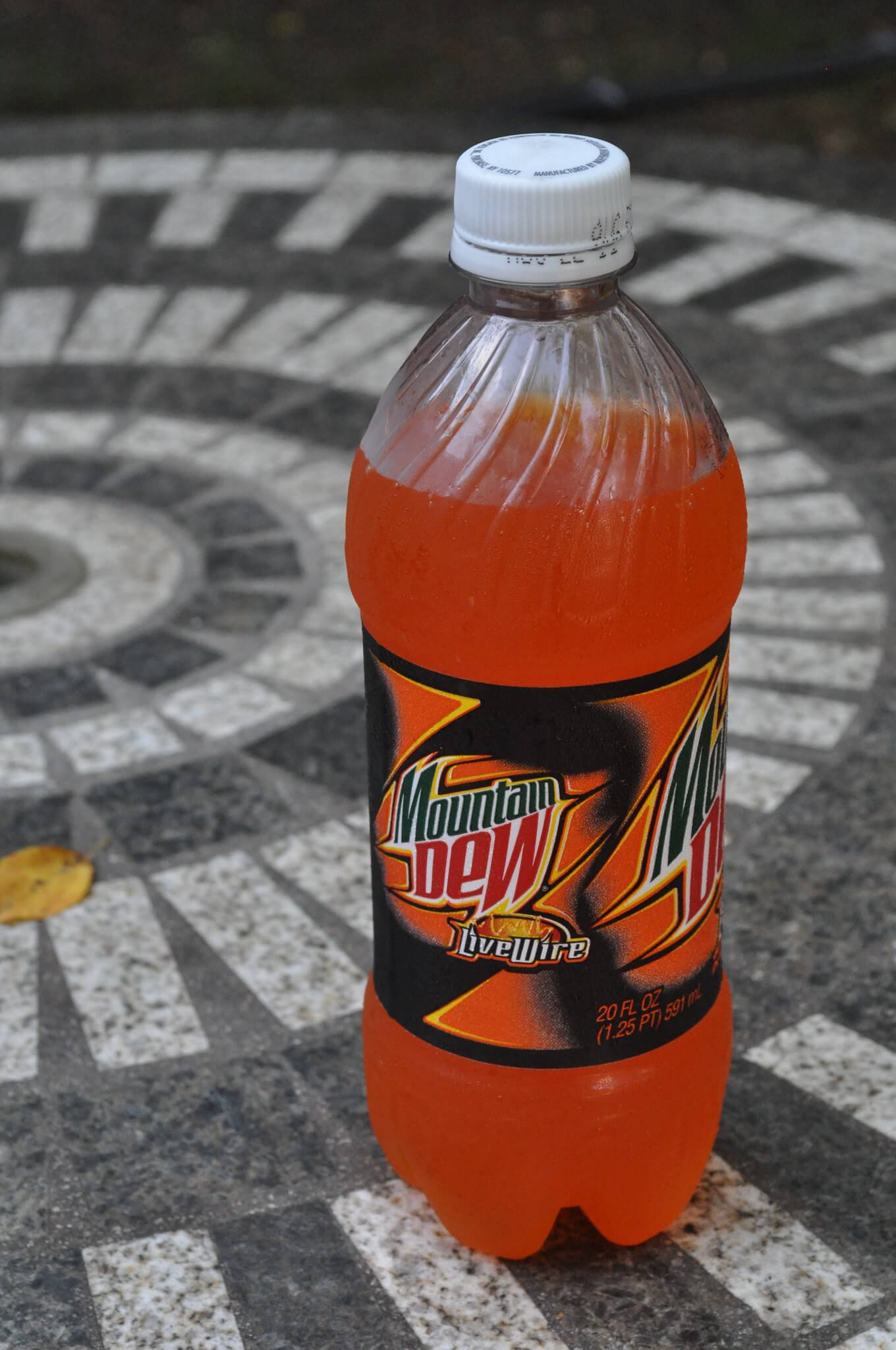
This orange-flavored Mountain Dew variant built a modest following after its release in the mid-2000s before being discontinued in the early 2010s as the brand rotated its permanent flavor lineup. It occasionally reappeared in limited regional releases afterward.
Longtime Mountain Dew flavor collectors still cite it as one of the more well-regarded discontinued variants.
Mountain Dew Distortion
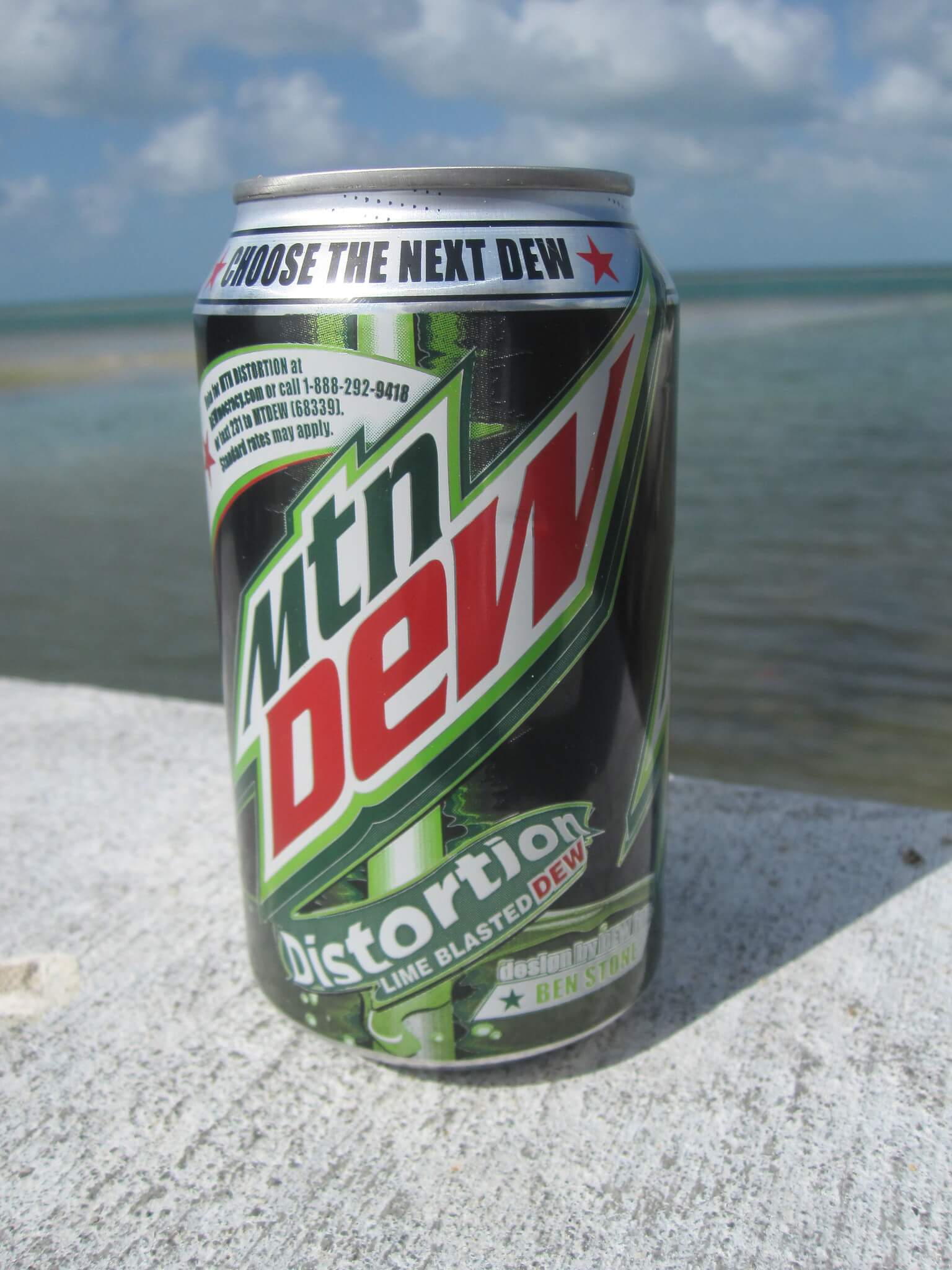
Released as a limited-edition berry-flavored variant in the mid-2010s, this flavor was part of Mountain Dew’s ongoing rotation of short-run flavors tied to promotional campaigns. It was discontinued once its promotional window ended, following the same pattern as many of the brand’s other limited releases.
It remains a minor but recognizable entry among collectors who track the brand’s many discontinued flavors.
Pepsi Perfect
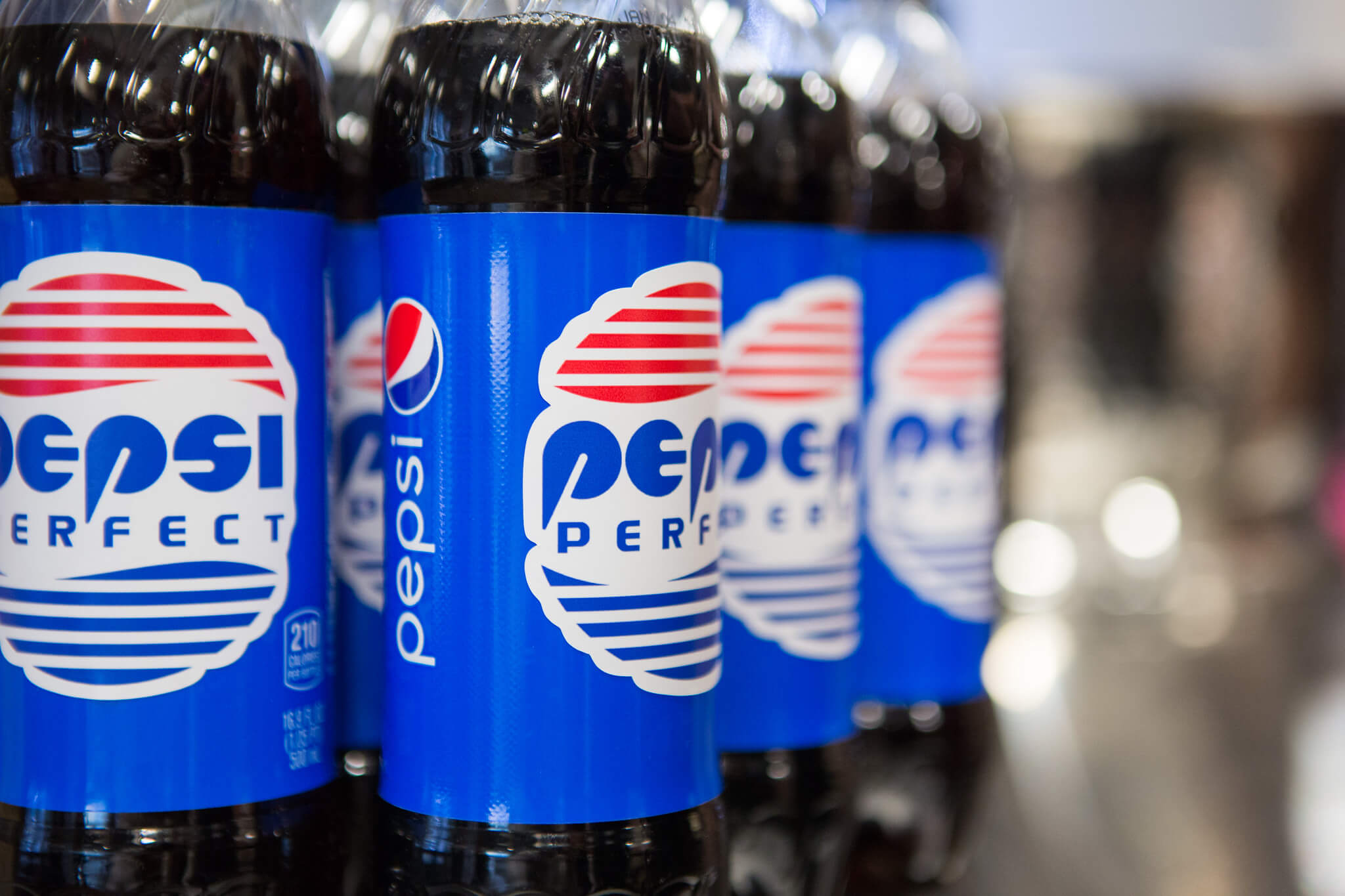
Created as a tie-in with the Back to the Future film franchise, this holographic-labeled cola was sold in extremely limited quantities in 2015 to coincide with the fictional date referenced in the film. Demand vastly exceeded the limited supply, and the product was never intended for ongoing sale.
It has since become one of the more sought-after novelty soda releases among collectors.
Diet Coke Plus
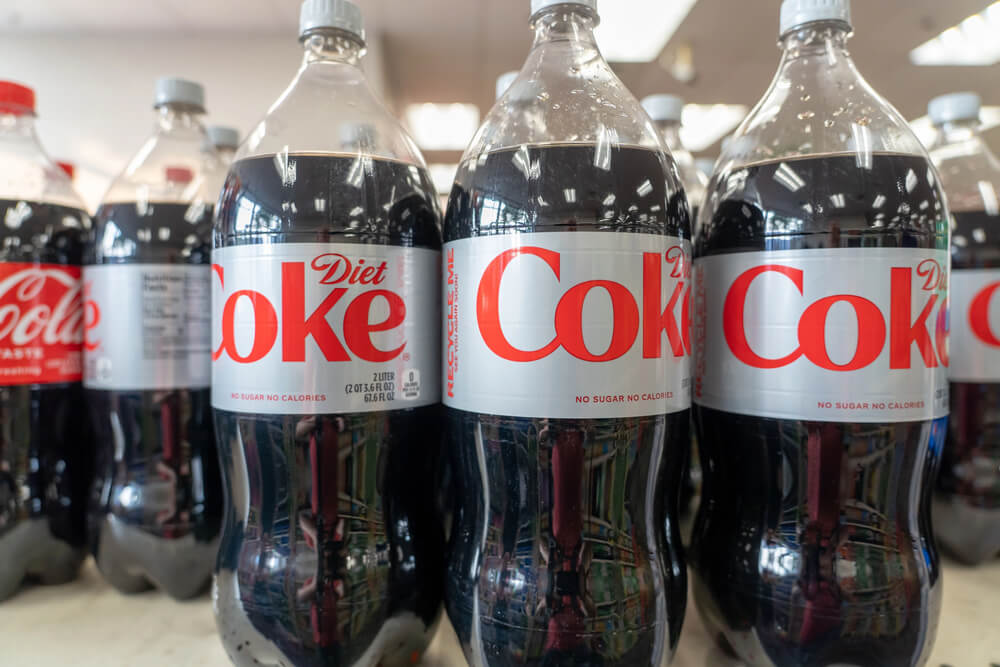
Coca-Cola introduced this vitamin- and mineral-fortified version of Diet Coke in 2007, aiming at health-conscious consumers looking for added nutritional value in a diet soda. Regulatory scrutiny over marketing a soda as a source of added nutrients contributed to the brand’s decline, and it was eventually discontinued.
It remains an example of the regulatory challenges that limited similar fortified-soda experiments across the industry.
Mountain Dew Voltage
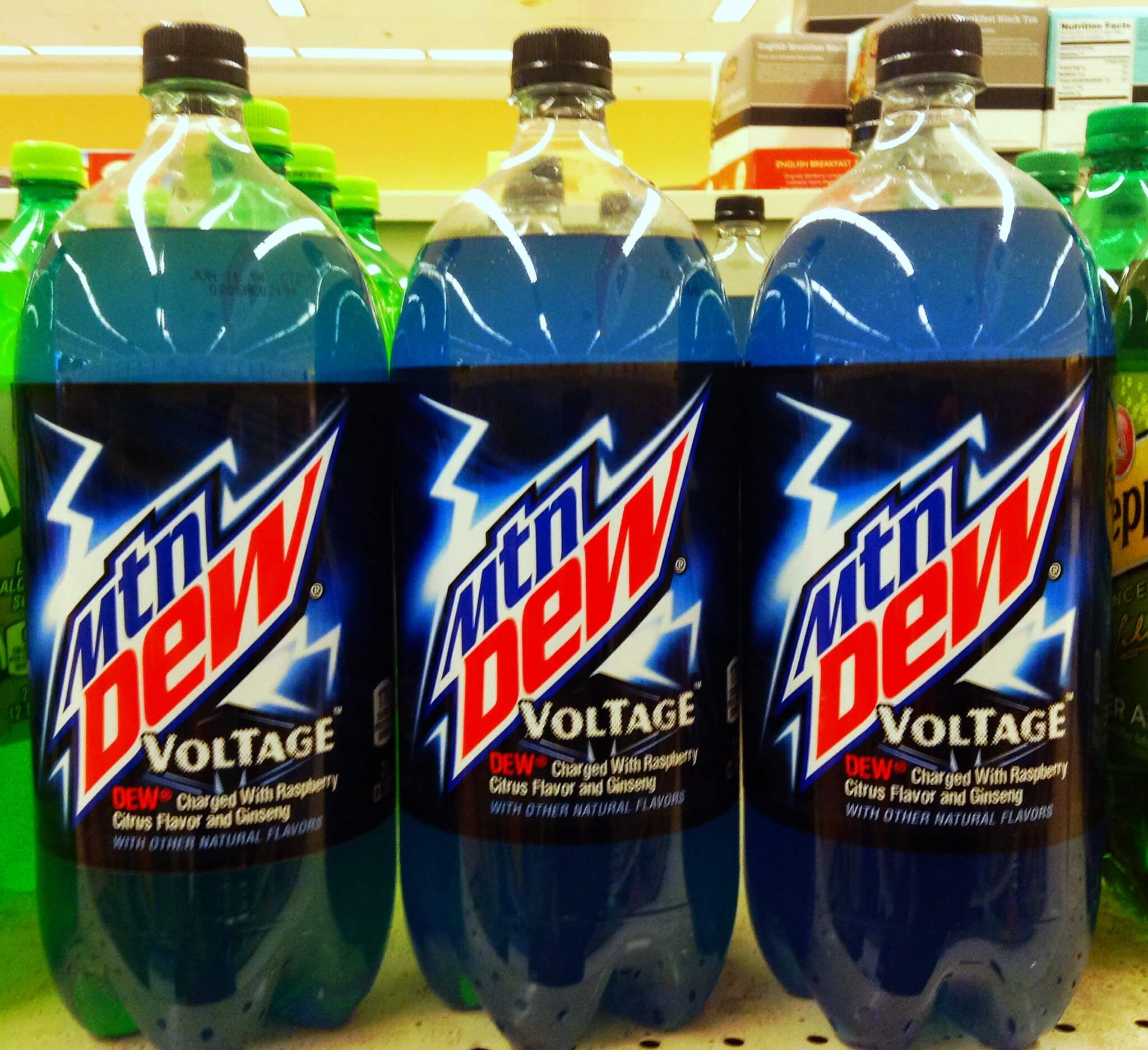
This grape and berry flavored Mountain Dew variant, known for its distinctive blue coloring, built a following after its release in the late 2000s before being discontinued in the late 2010s as the brand’s flavor lineup was streamlined again. It occasionally reappears in limited regional or promotional releases.
Fans continue to rank it among the brand’s better-received discontinued flavors.
What the Discontinued Shelf Actually Shows
Almost none of these sodas failed because the flavor itself was bad. Most were casualties of timing, an oversaturated flavor category, a marketing push that could not sustain interest past its initial novelty, or simply a corporate decision to consolidate a crowded lineup down to whatever sold most reliably.
A handful never had a real chance to find an audience before they were pulled. What keeps most of them alive in memory is exactly the thing that made them commercially risky in the first place: a flavor or gimmick distinctive enough to be genuinely memorable, even after the product itself disappeared.
Sodas that taste like everything else rarely inspire a petition for their return. The ones on this list mostly did.
More from Go2Tutors!

- The Romanov Crown Jewels and Their Tragic Fate
- 13 Historical Mysteries That Science Still Can’t Solve
- Famous Hoaxes That Fooled the World for Years
- 15 Child Stars with Tragic Adult Lives
- 16 Famous Jewelry Pieces in History
Like Go2Tutors’s content? Follow us on MSN.