31 Famous Duels Fought Over the Most Absurd Reasons
There’s something deeply human about the duel — the ritualized violence of it, the elaborate rules designed to make killing each other feel civilized. At its peak, dueling culture consumed Europe and early America like a fever, and the men who participated in it were, by and large, convinced they were defending something sacred.
Honor, they called it. And honor, it turns out, was an extraordinarily fragile thing.
It could be wounded by a glance, a rumor, a card game gone sideways, or a sentence printed in a newspaper nobody actually read. The reasons men strapped on pistols or unsheathed blades are, from this distance, almost impossible to take seriously — and completely impossible to stop reading about.
Alexander Hamilton and Aaron Burr

The most famous duel in American history started with a dinner party. Aaron Burr lost the 1804 New York gubernatorial election, decided Alexander Hamilton was to blame for things said at a private gathering, and challenged him.
Hamilton showed up to Weehawken, New Jersey, fired wide, and took a bullet to the abdomen. Burr walked away a wanted man in two states.
Andrew Jackson and Charles Dickinson
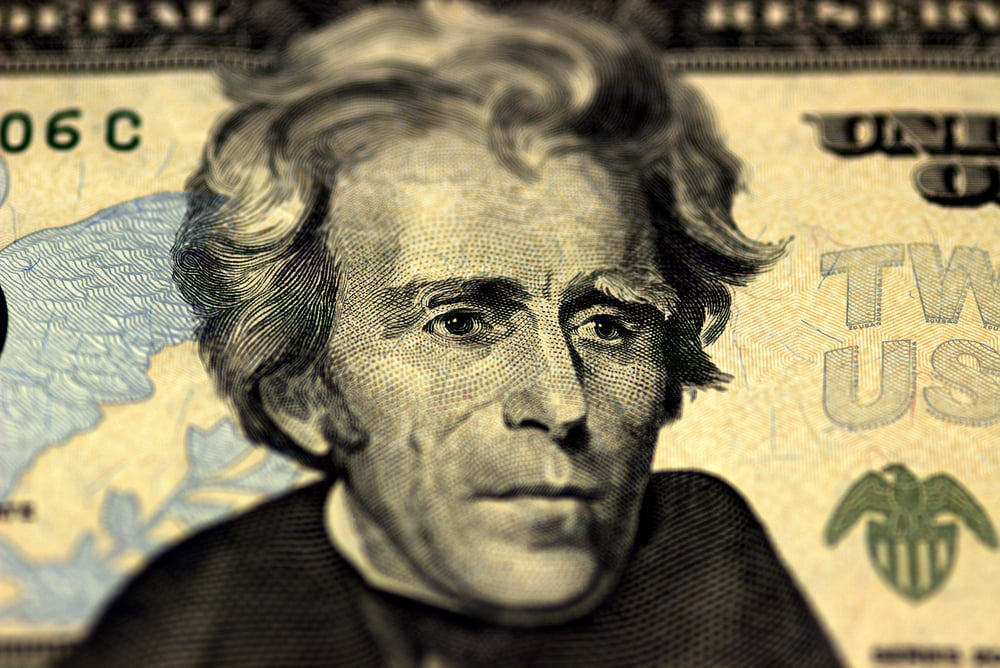
Andrew Jackson fought somewhere between thirteen and one hundred duels in his lifetime, depending on who’s telling the story, but the 1806 bout with Charles Dickinson stands out — not because the cause was dignified, but because it absolutely was not: the two men quarreled over a horse race bet and some insults Dickinson reportedly made about Jackson’s wife. Dickinson was considered the finest shot in Tennessee, which did not stop Jackson from letting him fire first, absorbing the bullet near his heart (where it remained lodged for the rest of his life), and then shooting Dickinson dead.
The bullet stayed with Jackson until he died in 1845 — a permanent souvenir of a dispute about a wager.
The Duke of Wellington and the Earl of Winchilsea
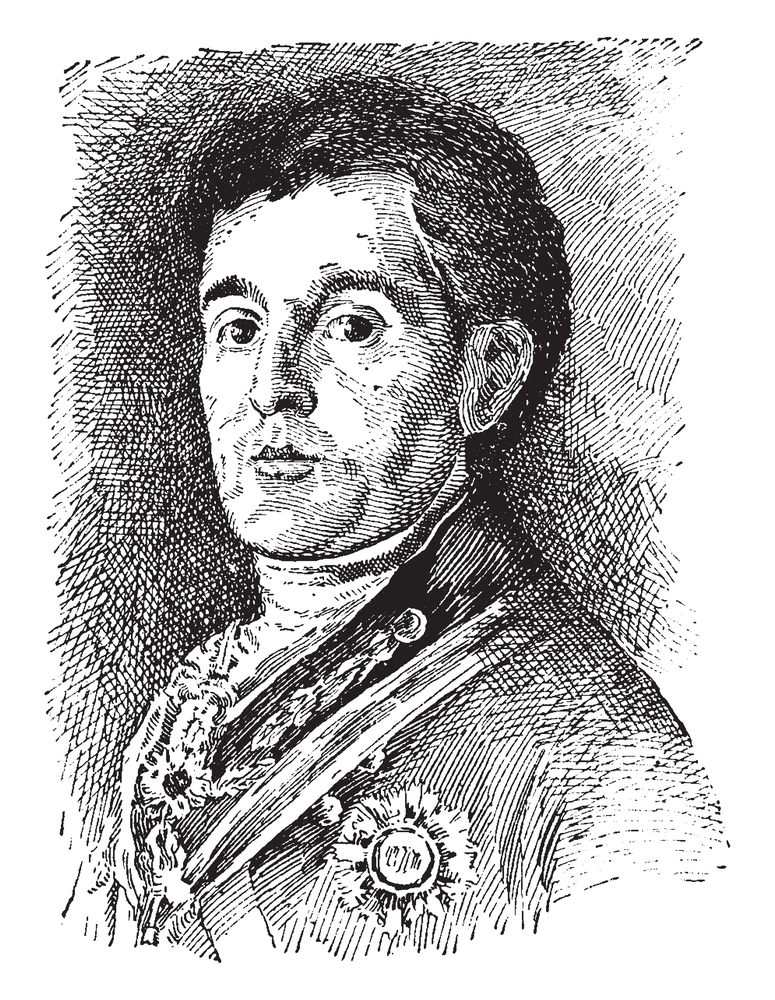
The Duke of Wellington — the man who defeated Napoleon at Waterloo — found himself in a duel in 1829 over a letter. The Earl of Winchilsea had accused Wellington of treachery toward the Protestant faith in a publicly circulated document, and Wellington, then serving as Prime Minister, considered this defamatory enough to warrant pistols at dawn.
They met in Battersea Fields. Wellington fired and missed.
Winchilsea fired into the air and then apologized.
Mark Twain and Various Opponents
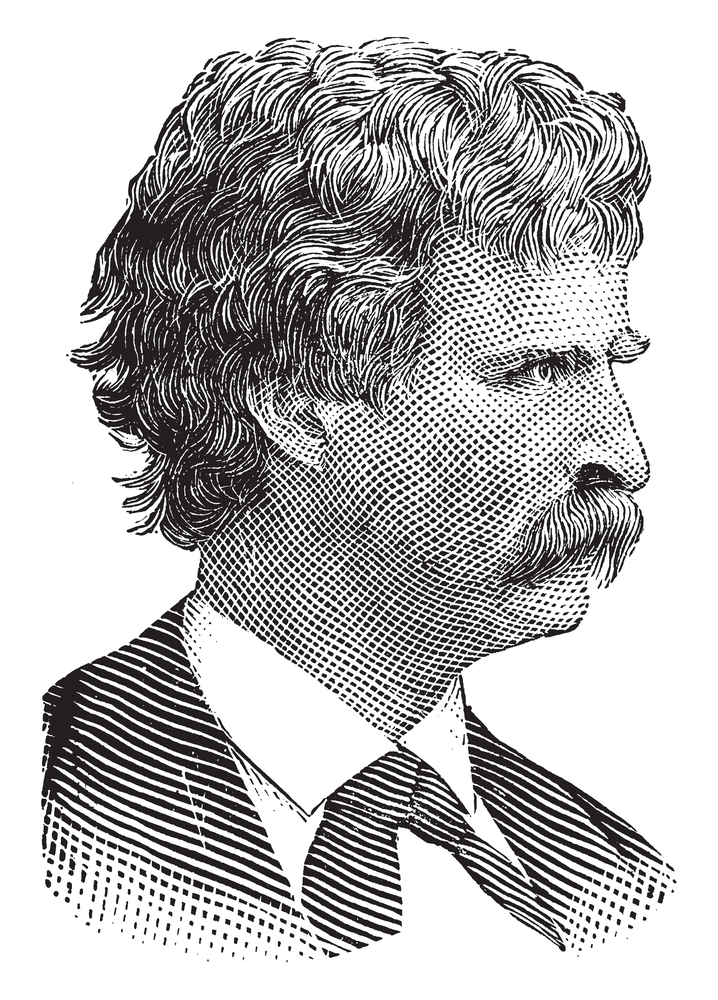
Mark Twain very nearly got himself killed in Nevada in 1864, when a series of satirical articles he wrote as a newspaper editor managed to offend a rival editor named James Laird so effectively that a challenge was issued. Twain, by his own later admission (which was probably embellished for comedic effect), was a genuinely terrible shot — and this terribleness, combined with his friend accidentally claiming Twain had shot a nearby bird as a warmup, apparently frightened Laird enough that the whole affair dissolved.
Twain left Nevada shortly after. Go figure.
The Musketeers’ Four-Man Duel
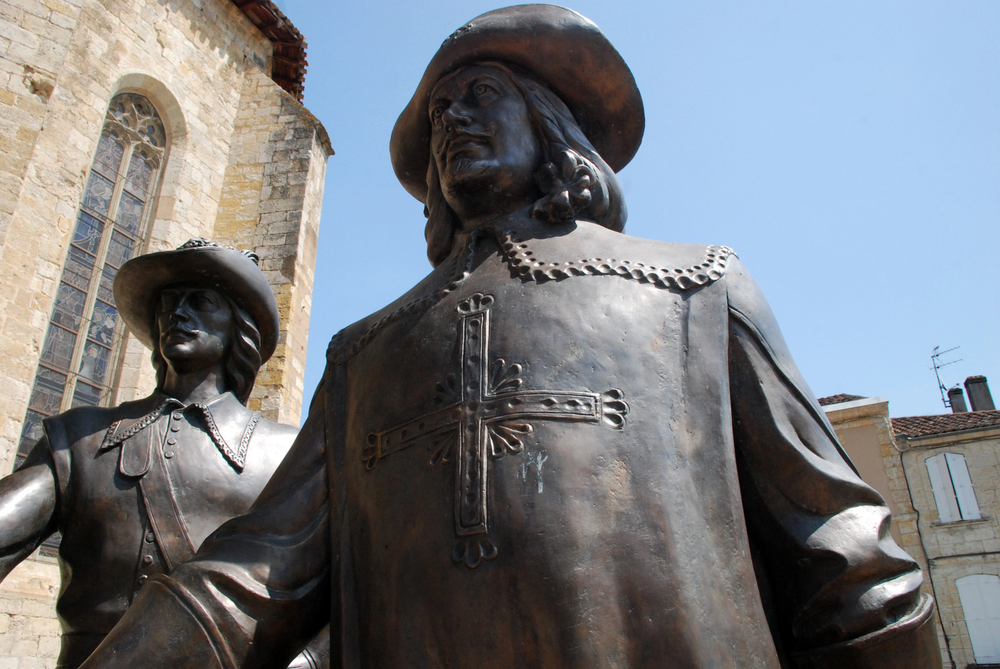
In 1578, a duel broke out in Paris that started with two men but somehow required six participants — because each principal brought two seconds, and the seconds decided they should also fight rather than simply observe. Two of the six men died.
The cause of the original dispute is lost to history, which says something about how meaningless it probably was to begin with.
Alexander Pushkin and Georges d’Anthès
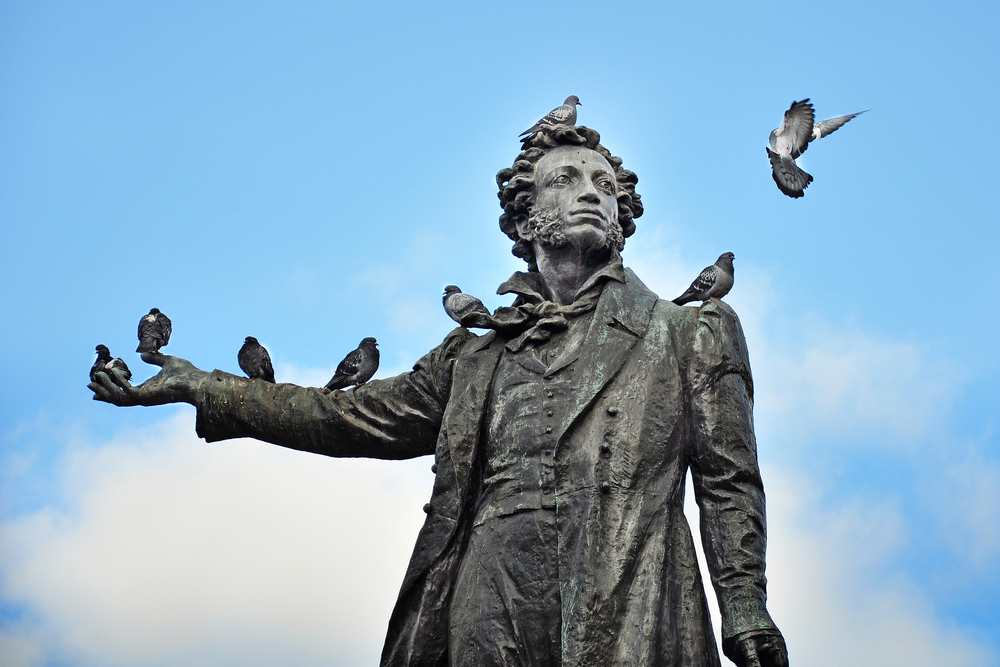
Alexander Pushkin, Russia’s greatest poet, died in 1837 at thirty-seven years old because of anonymous letters. Someone — almost certainly d’Anthès — had been sending notes around Saint Petersburg suggesting Pushkin’s wife was having an affair.
Pushkin challenged d’Anthès, d’Anthès wounded him fatally, and Russia lost its most brilliant literary voice over what amounted to malicious gossip. The wound took two days to kill him.
The Duel Over a Game of Chess

In 1834, two French officers named Melfant and Lenfant fought a duel after a chess game collapsed into a dispute. The particular move that triggered the argument is not recorded, which is somehow more maddening than knowing it would be.
One man was wounded seriously enough that the matter was considered settled.
Humphrey Howarth and the Earl of Barrymore
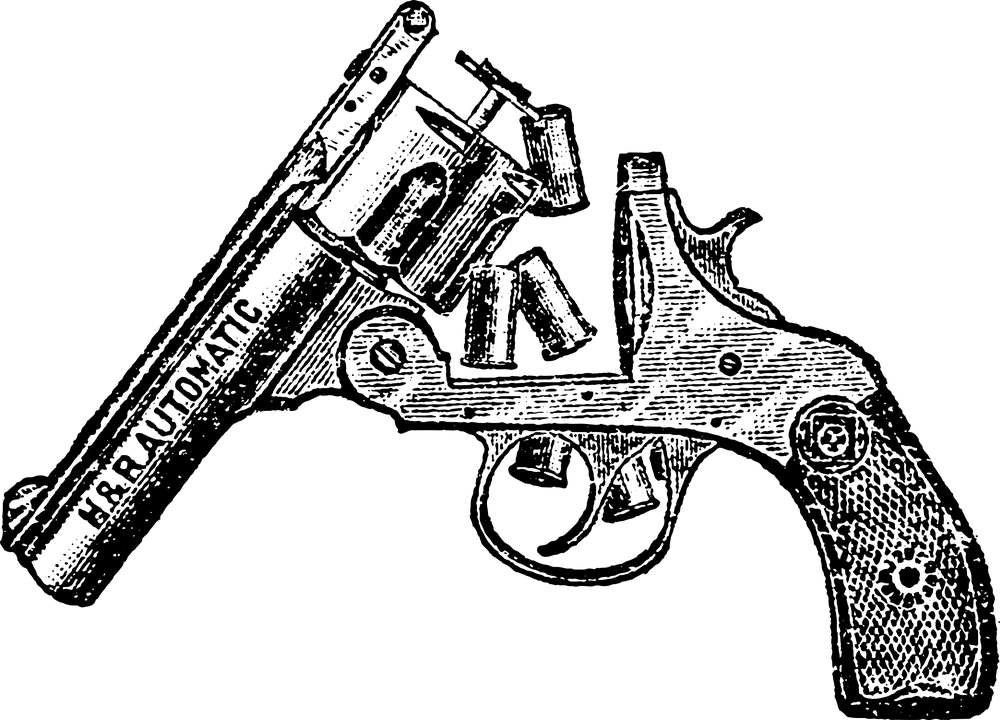
In 1806, British MP Humphrey Howarth found himself challenged to a duel and responded by showing up completely unclothed. His reasoning was surgical: wounds contaminated by clothing fibers were far more likely to become infected, so he’d simply eliminate the variable.
The Earl of Barrymore refused to fire at him on the grounds that the situation was too absurd to proceed with. Howarth won without firing a shot.
The Duel Fought in Hot Air Balloons

In 1808, two Frenchmen named Monsieur de Grandpré and Monsieur le Pique took their dispute into the skies above Paris — literally — after arguing over a woman named Mademoiselle Tirevit. They ascended in separate hot air balloons to roughly half a mile in altitude and fired blunderbusses at each other.
Le Pique’s balloon was punctured, it plummeted, and he and his second were both killed on impact.
Abraham Lincoln’s Near-Miss
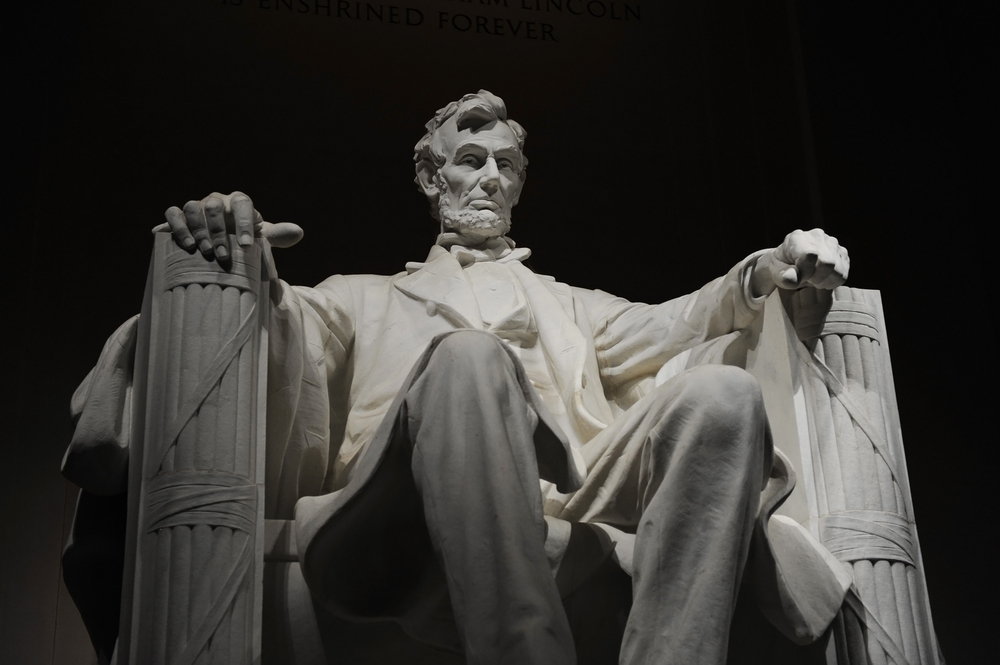
In 1842, Abraham Lincoln wrote a series of mocking letters about Illinois state auditor James Shields under a pseudonym in a local newspaper. When Shields figured out who had written them, he challenged Lincoln.
The two men met near the Mississippi River with cavalry broadswords — Lincoln’s choice, selected partly because his long arms gave him an enormous reach advantage. The whole thing was called off before blood was drawn.
Lincoln almost never spoke about it afterward, reportedly embarrassed by the entire episode.
Otto von Bismarck and Rudolf Virchow
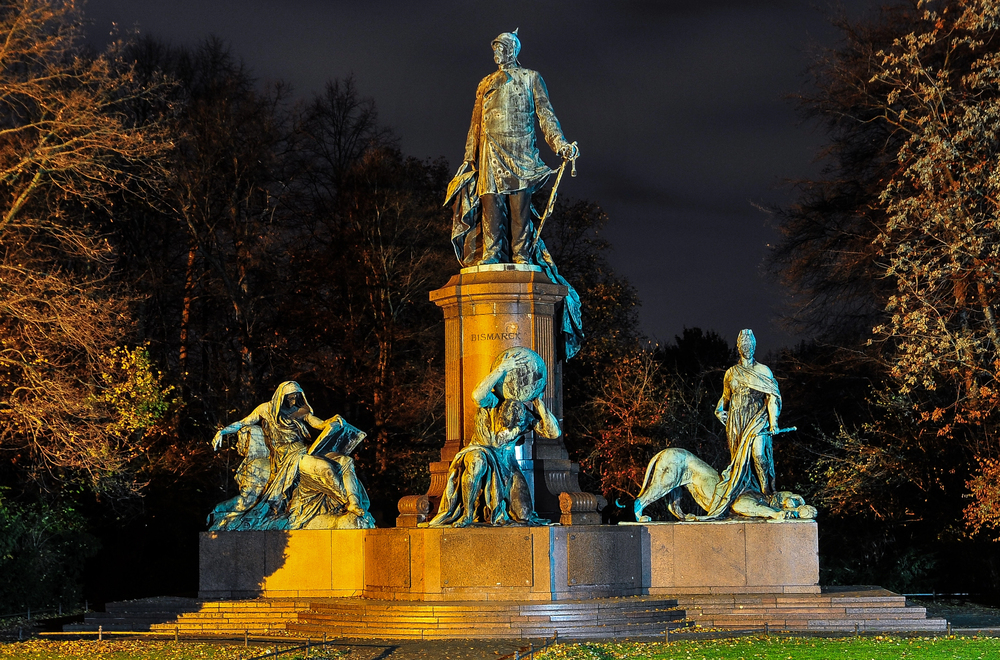
Otto von Bismarck, the Iron Chancellor who unified Germany, challenged pathologist Rudolf Virchow to a duel in the 1860s. Virchow, given the right to choose weapons as the challenged party, selected two identical sausages — one of which had been stuffed with roundworm larvae.
Bismarck reportedly found this so ridiculous that he declined. Virchow won by weaponizing the concept of lunch.
The Duel Over a Handkerchief
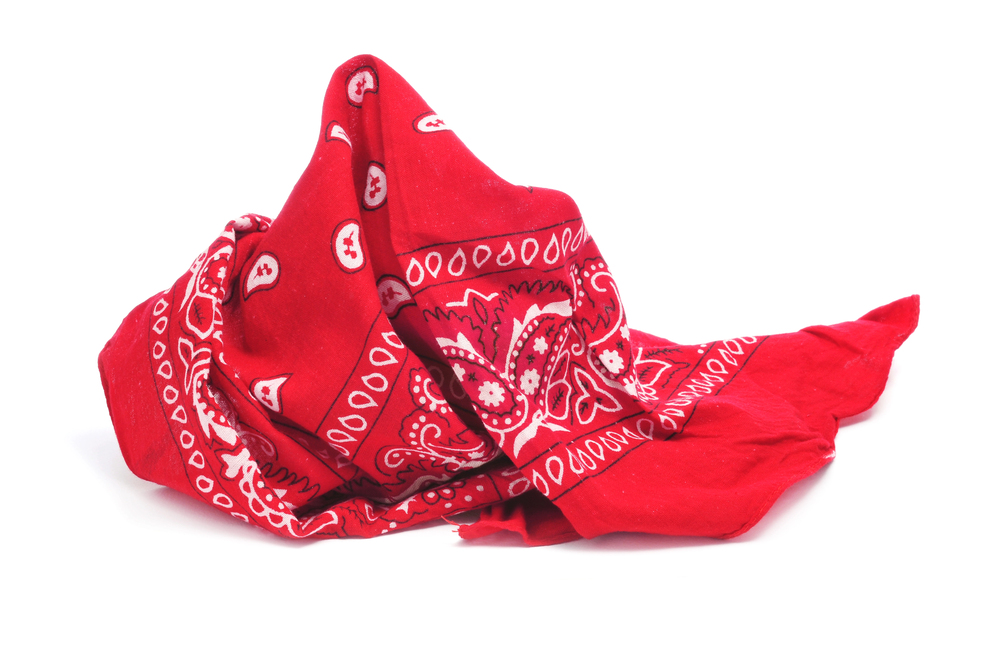
In 1836, two American men fought a duel that reportedly began because one borrowed the other’s handkerchief and returned it insufficiently laundered. The precise outcome is murky, but what isn’t murky is that two grown men agreed that this was a proportionate response to linen-related grievances.
Commodore Stephen Decatur and James Barron
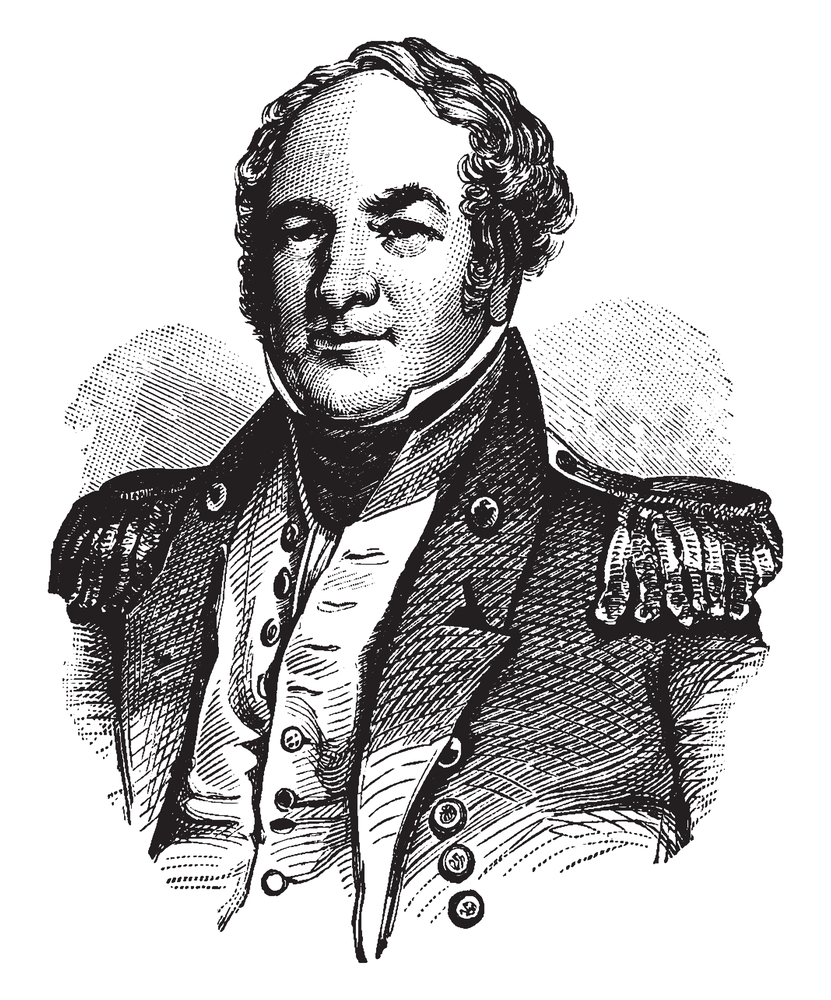
Stephen Decatur was an American naval hero who had survived the Barbary Wars, and James Barron was a disgraced officer who blamed Decatur for ruining his career — specifically for his role in the court-martial following the Chesapeake-Leopard affair in 1807. They nursed this grudge for fourteen years before meeting at Bladensburg, Maryland, in 1820.
Both men were shot. Decatur died.
Barron recovered and lived another thirty years, apparently unbothered.
The Duel Over an Umbrella

Somewhere in the annals of nineteenth-century French dueling culture — which was extraordinarily prolific — there exists a documented account of two men who came to blows over an umbrella. One had borrowed it.
The other felt the return was insufficiently grateful. The precise outcome has been swallowed by history, but the fact that it happened has not.
Daniel O’Connell and John D’Esterre

Irish political leader Daniel O’Connell shot and killed John D’Esterre in 1815 after D’Esterre took offense at a speech O’Connell made about the Dublin Corporation — which O’Connell had called a “beggarly corporation.” D’Esterre, a member of that corporation, felt this was a mortal insult.
O’Connell was so disturbed by killing a man over this that he wore a black glove on the hand that fired the shot for the rest of his life, and reportedly never fully got over it.
The Duel Between Two Politicians Over a Newspaper Article
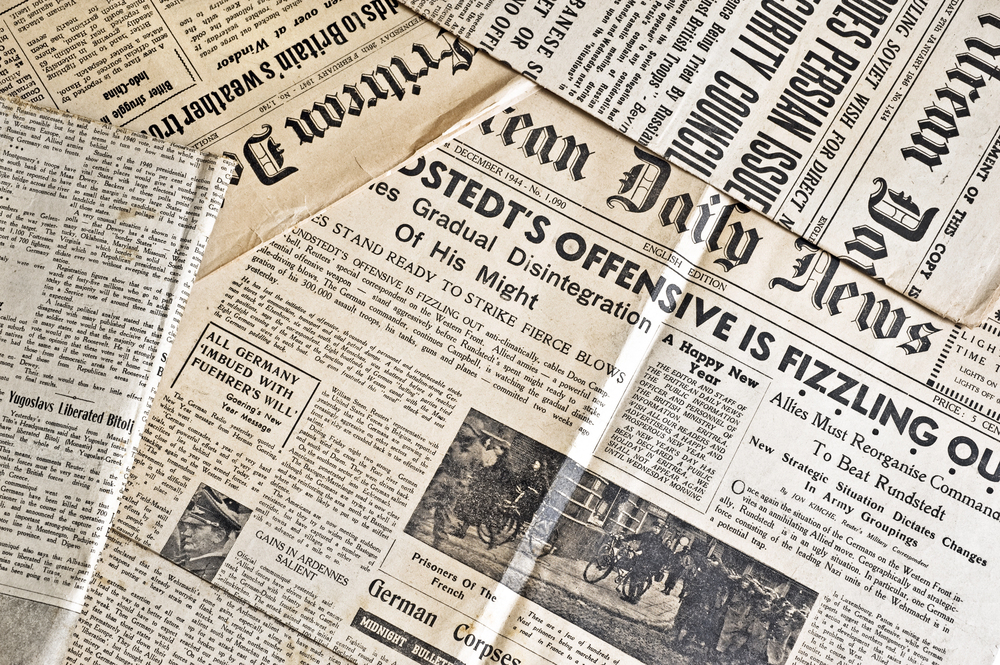
In 1838, Congressman Jonathan Cilley of Maine was killed by Kentucky Congressman William Graves in a dispute that began when Cilley refused to vouch for the character of a newspaper editor named James Watson Webb. Graves, acting as Webb’s messenger, felt Cilley’s non-answer was an insult.
They exchanged rifle fire three times before Cilley was killed on the third round. The cause was, by every account, a misunderstanding that two rational men could have resolved in a five-minute conversation — which is saying something, given that they were both legislators.
The Duke of Buckingham and the Earl of Shrewsbury
In 1668, the Duke of Buckingham fought the Earl of Shrewsbury over the Countess of Shrewsbury, whom Buckingham had been openly conducting an affair with. The countess, by some accounts, attended the duel disguised as a servant and held Buckingham’s horse during it.
Shrewsbury was mortally wounded. It was, in the parlance of the era, a point of honor — though whose honor, exactly, remains genuinely unclear.
Erich von Stroheim and the Imaginary Rules

Director Erich von Stroheim was challenged to a duel in early Hollywood by actor Elliott Dexter in 1917, reportedly over a professional slight on a film set. Von Stroheim accepted with such elaborate formality — producing a European rulebook for dueling that ran to dozens of pages — that by the time all the rules had been agreed upon, the argument had apparently lost its urgency.
The duel never happened.
The Duel Over a Pronoun

There is a documented French case from the early nineteenth century where two men dueled because one addressed the other using the informal “tu” rather than the formal “vous” — a grammatical slight that, in French social culture of the time, was the linguistic equivalent of a slap. One man was wounded.
A pronoun cost a man a scar.
James Bowie and the Sandbar Fight
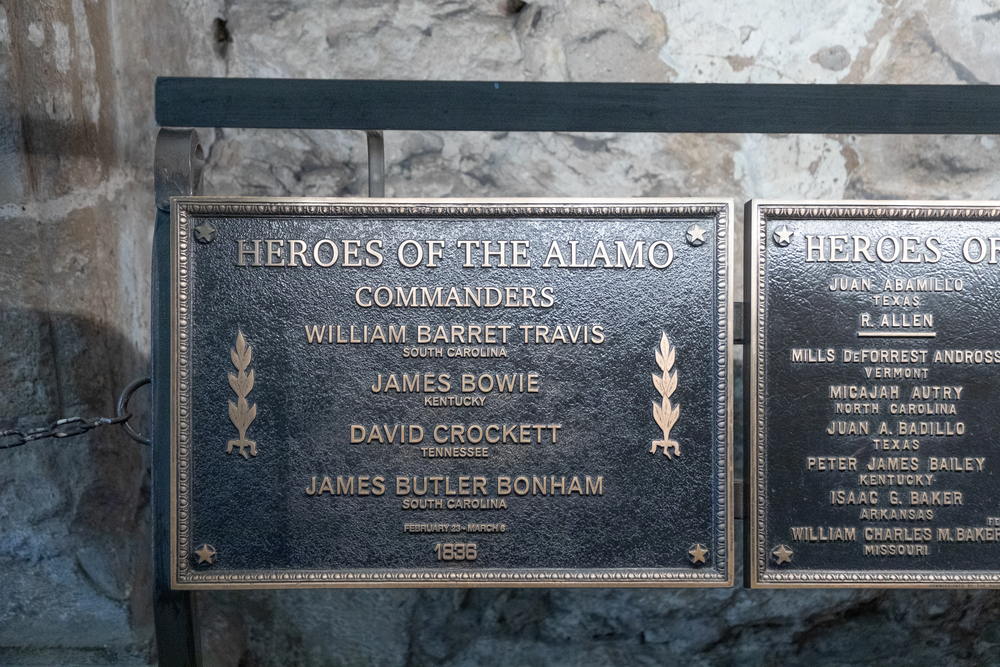
The 1827 Sandbar Fight near Natchez, Mississippi, began as a duel between two other men entirely. James Bowie was just a spectator — until it somehow escalated into a multi-person brawl in which Bowie was shot twice, stabbed, and still managed to kill one of his attackers with his knife.
He survived, became a legend, and the knife he carried was named after him. The original duel, the one that actually started it all, was barely remembered afterward.
George Canning and Viscount Castlereagh
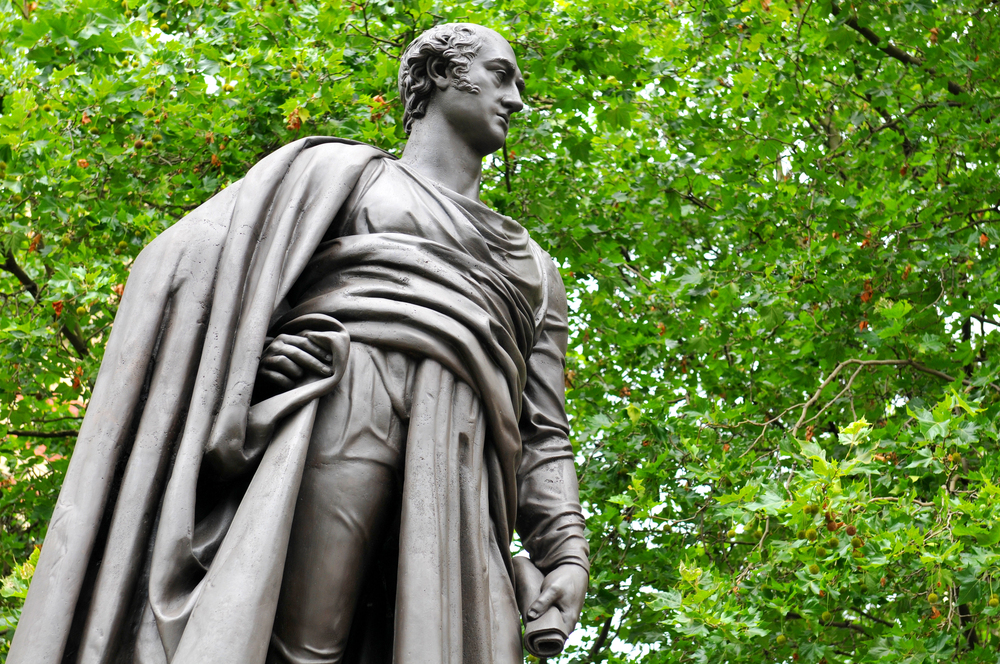
Two senior British cabinet ministers fought a duel in 1809 after Viscount Castlereagh discovered that Foreign Secretary George Canning had been secretly lobbying to have him removed from office while they were both serving in the same government. Castlereagh wounded Canning on the second exchange.
They had been colleagues. Canning’s political career stalled for years.
The whole affair embarrassed the British government considerably more than any foreign adversary had managed at the time.
The Duel Fought Because of a Dog
In 1808, two Spanish officers fought a duel after one man’s dog repeatedly harassed the other’s cat, and the owner of the dog refused to restrain the animal despite repeated requests. The owner of the cat died.
Somewhere, the dog was entirely indifferent to all of this.
Andrew Jackson and John Sevier
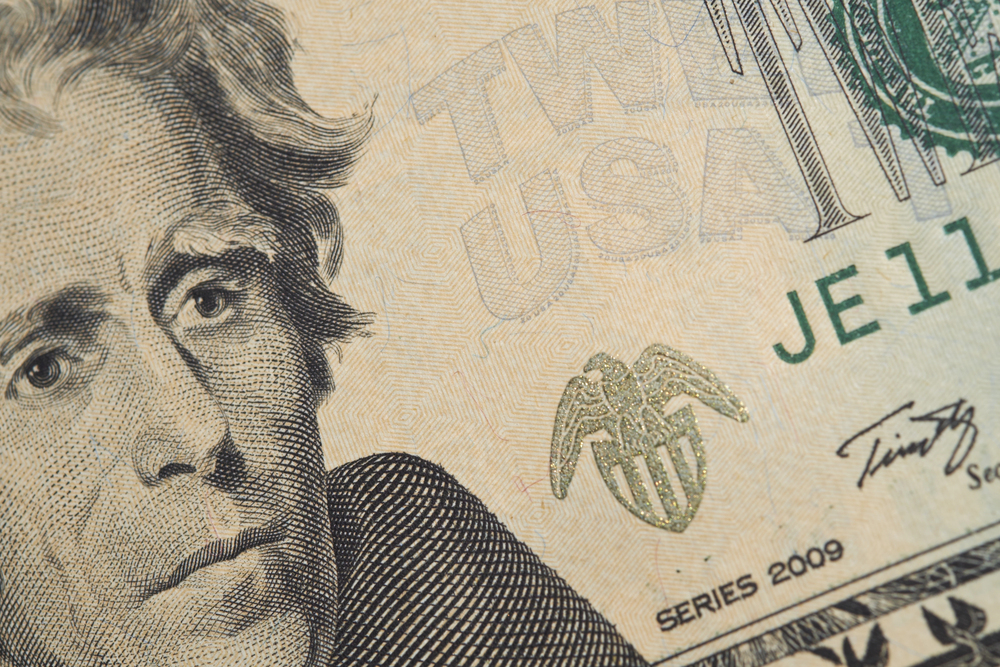
Before Jackson shot Charles Dickinson, he also managed to get into a shouting match with Tennessee Governor John Sevier in 1803 that escalated to the point of pistols being drawn in public — in the middle of Knoxville’s streets. The cause was Jackson’s judicial conduct, and the duel that was arranged afterward was comically disorganized: they couldn’t agree on a location, kept moving the meeting spot, and eventually encountered each other accidentally on the road to the dueling ground.
Sevier’s horse bolted during the confrontation. The whole thing somehow ended without anyone being seriously hurt.
Isambard Kingdom Brunel’s Challenge
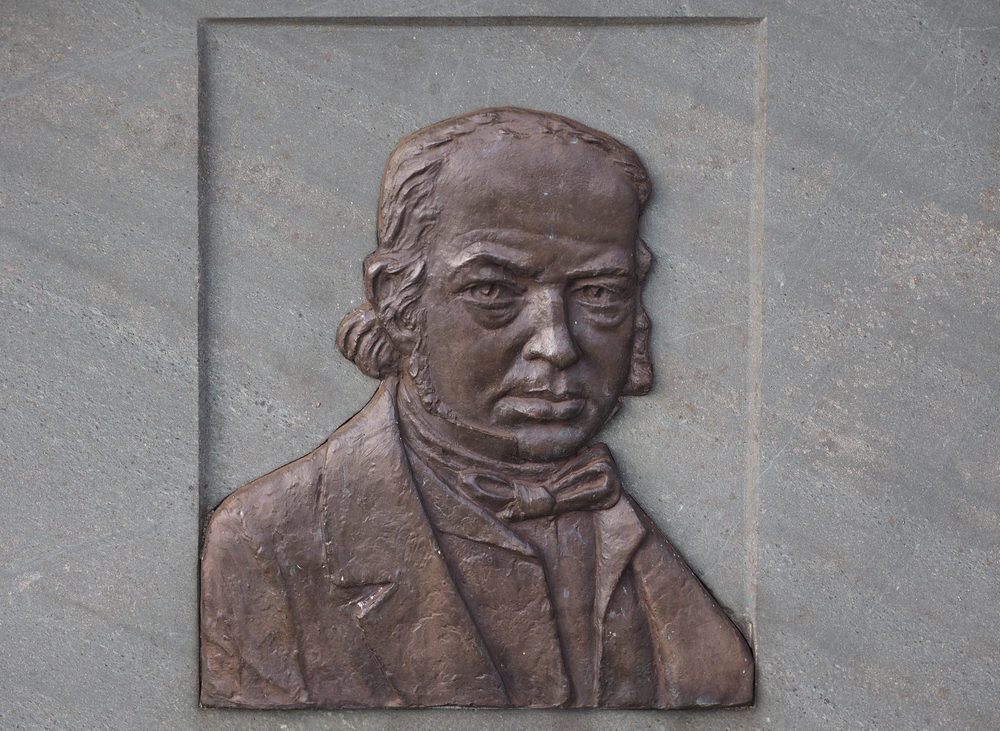
The great Victorian engineer Isambard Kingdom Brunel was challenged to a duel at least once during his career, the provocation being a professional disagreement sharp enough that the other party felt honor required satisfaction. The challenge was declined — Brunel was far too busy building tunnels and bridges to die over a dispute about engineering specifications.
The Paris Opera Duel
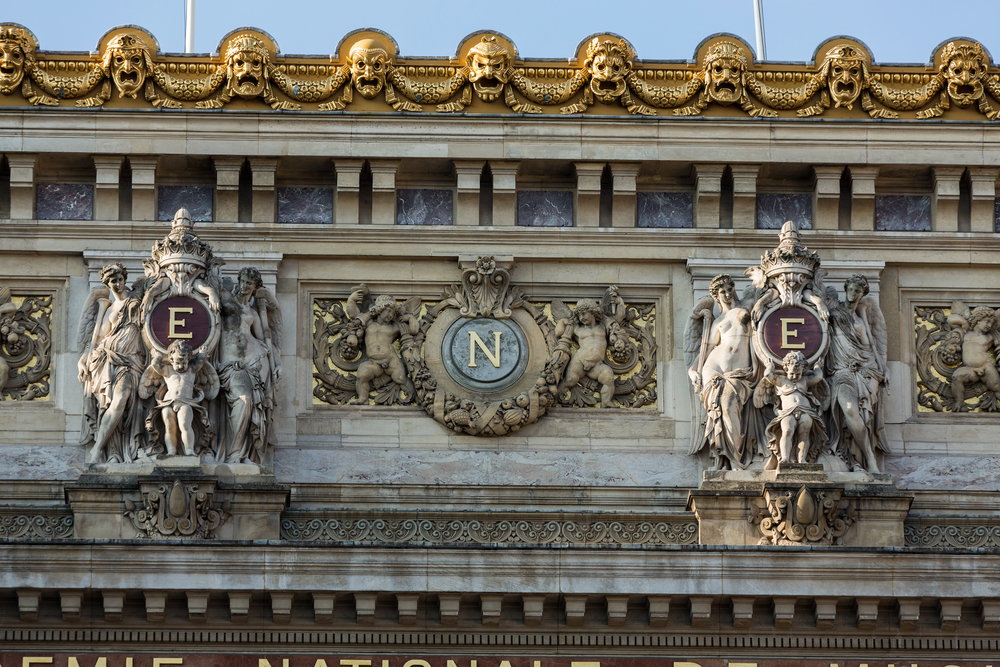
Two French tenors, whose names have been largely lost, reportedly fought a duel in the 1830s after a disagreement about who had performed an aria better. They were both convinced the other’s opinion was worth dying for.
Opera has always attracted a certain intensity of feeling, but this particular episode suggests that intensity had wandered somewhere it probably shouldn’t have been.
Lassalle and Racowitza
Ferdinand Lassalle, one of the founders of German socialism and a man who spent his life writing about workers’ rights and economic justice, was killed in 1864 in a duel over a woman. Helene von Dönniges had broken off an engagement to him under family pressure, and her new fiancé, Yanko von Racowitza, challenged Lassalle rather than the other way around.
Lassalle died from the wound three days later. It’s a particularly deflating end for a man of such political consequence.
The Duel Over a Missed Theater Curtain Call
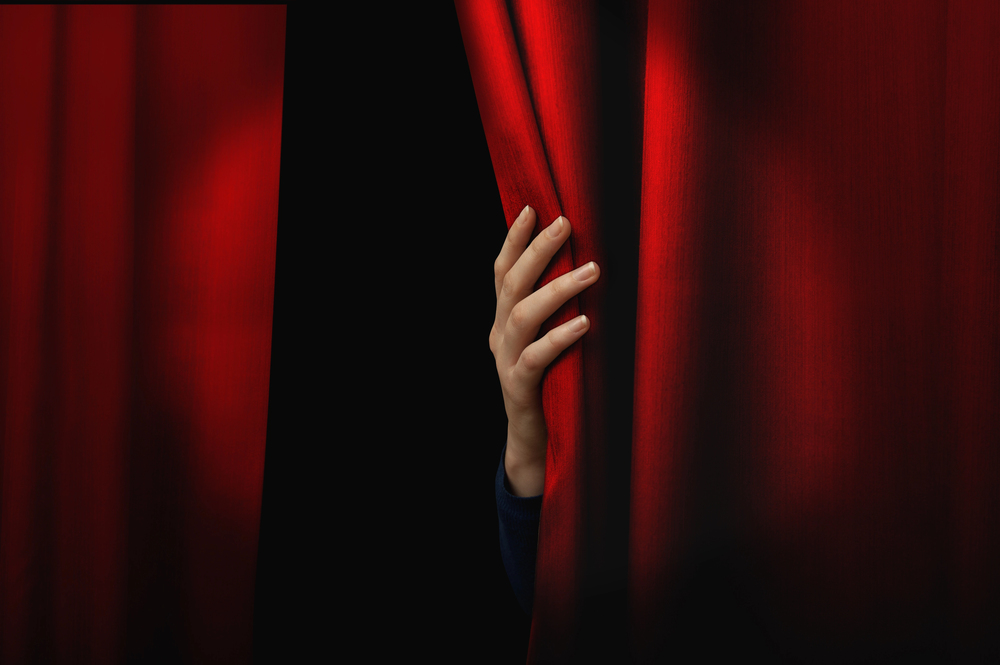
In Paris, circa 1800, an actor took such profound offense at being booed by an audience member that he tracked the man down and challenged him to a duel. The audience member accepted.
The actor was wounded. The booing was, by all accounts, warranted.
Winfield Scott and Edmund Gaines
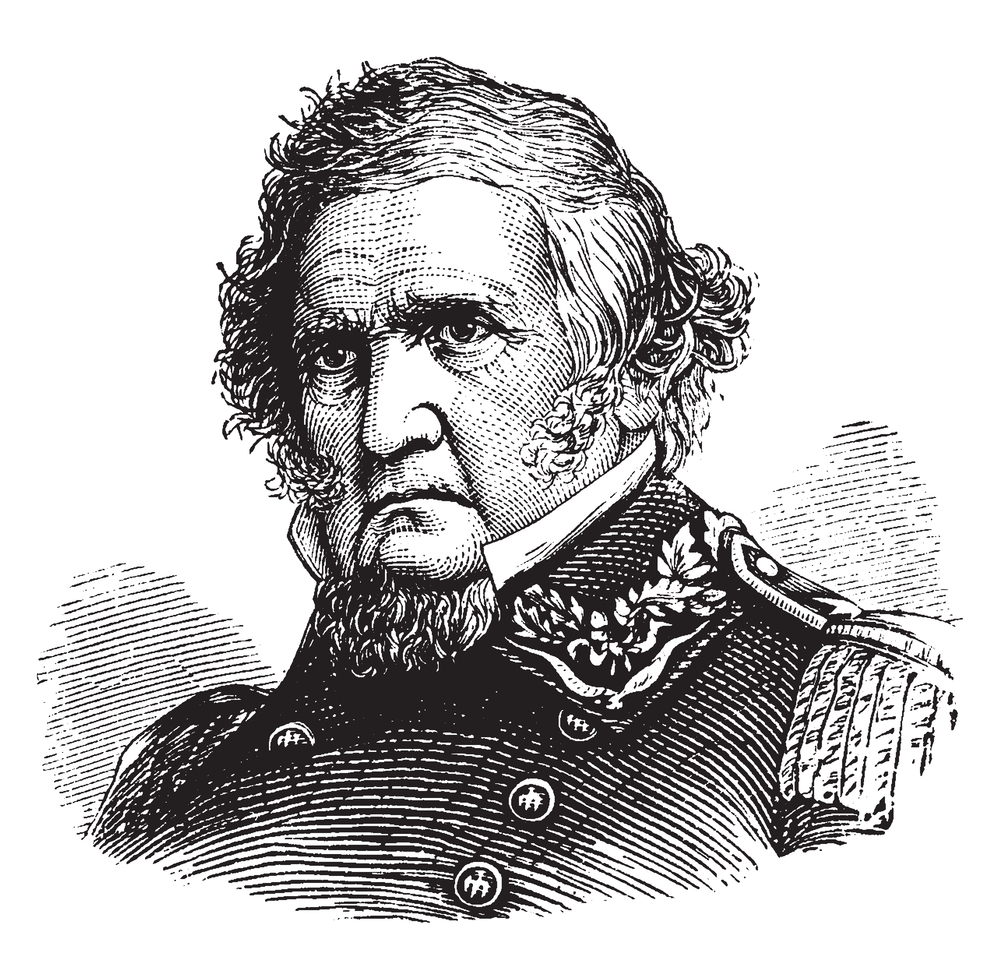
American generals Winfield Scott and Edmund Gaines disliked each other with a consistency that was almost admirable — they bickered, feuded, and formally challenged each other throughout the early nineteenth century, the disputes rotating between professional slights, claims over seniority, and general mutual contempt. The duel was never actually completed because the War Department kept intervening, which may be the most bureaucratic resolution to a grudge in military history.
The Duel Over a Bill at a Restaurant

In one of the more remarkable footnotes in French dueling history, two men fell into an argument over who should pay a restaurant bill in the 1820s, the disagreement escalating past negotiation and straight to the point of swords. One man was injured.
The bill, presumably, still needed to be paid.
The Duel Between Two Journalists

In 1836, two rival newspaper editors in New Orleans settled a circulation dispute with pistols. Each had been publishing articles accusing the other of various professional and personal failings, the accusations growing wilder with each edition until the paper trail led inevitably to Metairie Road at dawn.
Both men fired. One was wounded.
The newspapers continued their rivalry. Nothing was resolved.
Pushkin’s Earlier Duel
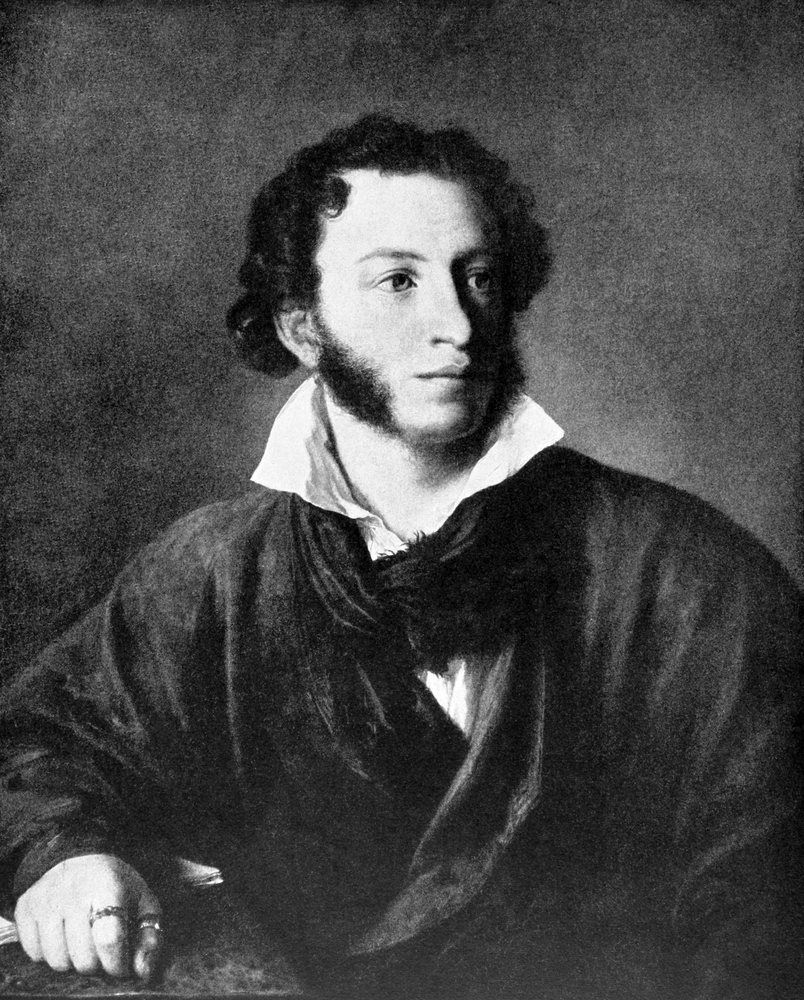
Before his fatal encounter in 1837, Alexander Pushkin had already survived a duel — and had also been involved in roughly twenty-nine others at various stages of provocation. One of his earlier duels reportedly began because he criticized another man’s dancing at a party.
The Russians of Pushkin’s era treated dueling less like a last resort and more like a conversational tool, available whenever ordinary language failed to adequately express one’s feelings.
When the Absurd Becomes the Permanent
What lingers, reading through thirty-one of these, isn’t the violence — it’s the arithmetic. A handkerchief, a pronoun, a restaurant bill, a dog, a borrowed umbrella.
Laid against a human life, each cause shrinks to almost nothing. And yet the men who showed up at dawn with weapons believed, with genuine conviction, that something real was at stake.
Honor was the word they used, and honor, it turns out, was capacious enough to contain almost any grievance a person could name. The duel is gone now — mostly — but the impulse behind it, the need to be taken seriously, to not let a slight pass unremarked, that part never really left.
More from Go2Tutors!

- The Romanov Crown Jewels and Their Tragic Fate
- 13 Historical Mysteries That Science Still Can’t Solve
- Famous Hoaxes That Fooled the World for Years
- 15 Child Stars with Tragic Adult Lives
- 16 Famous Jewelry Pieces in History
Like Go2Tutors’s content? Follow us on MSN.



