31 Summer Jobs Teenagers Had Before the 2000s
Before online applications and formal youth employment programs, teenagers found summer work through neighbors, family connections, and whoever happened to need an extra pair of hands. The jobs paid little, but they filled entire summers and taught lessons no classroom could.
Many of these roles have since disappeared, replaced by automation, changing regulations, or simply a different way teenagers spend their summers now.
Lifeguard at the Community Pool

Municipal and neighborhood pools relied heavily on teenage lifeguards certified through summer training programs, often working long shifts under direct sun for minimum wage. The job carried real responsibility despite the age of those hired.
Many public pools still hire teen lifeguards today, though staffing shortages have made the role harder to fill in recent years.
Paper Route Carrier

Waking before dawn, teenagers delivered newspapers door to door on bicycles, folding and tossing papers with practiced accuracy while managing their own customer accounts and collecting payment monthly. The route was often a first experience with real financial responsibility.
The decline of print newspaper subscriptions has made the traditional paper route nearly extinct.
Lawn Mowing Service

Teens with access to a mower built informal lawn care businesses within their own neighborhoods, going door to door each spring to line up a summer’s worth of regular customers. Word of mouth and reliability determined how big a route someone could build.
The job persists today, though many neighborhoods now rely on professional landscaping services instead.
Concession Stand Worker at the Local Pool or Ballpark

Selling snacks and drinks at community pools, minor league games, or local sports fields gave teenagers their first taste of retail and cash handling. Shifts were often short but steady throughout the summer season.
The work still exists in many communities, though larger venues have shifted toward automated payment systems that reduce staffing needs.
Detasseling Corn
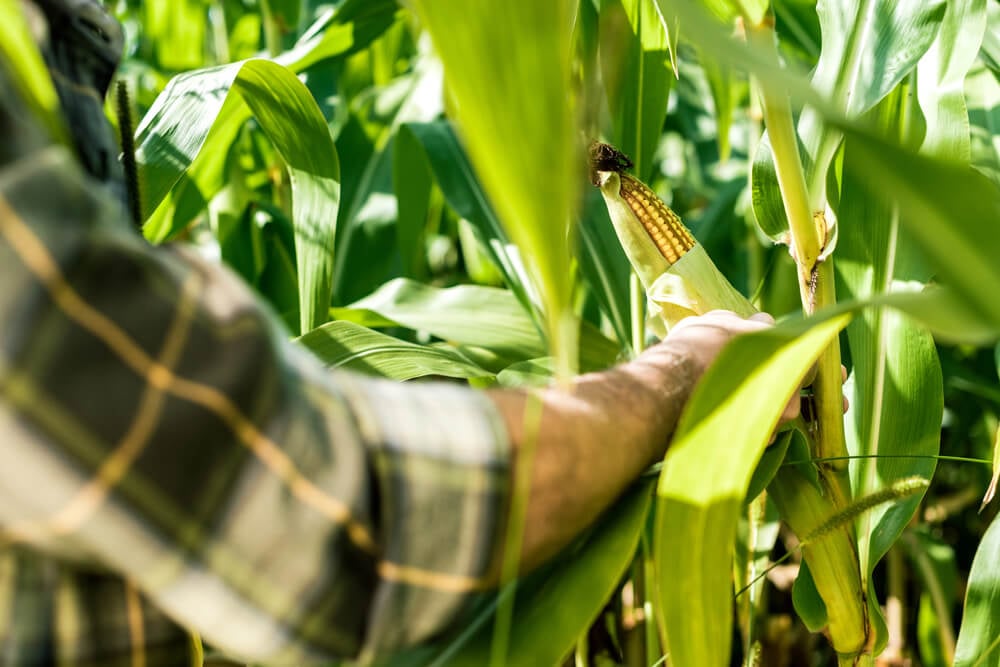
In farming regions, teenagers were hired by the busload each summer to walk long rows of corn removing the tassels by hand to control pollination for seed companies. The work started before sunrise to avoid the worst heat and paid a flat rate per field.
Mechanical detasseling equipment has replaced much of the manual labor once done almost entirely by teenage crews.
Babysitting for Neighborhood Families

Long before dedicated childcare apps, teenagers built informal babysitting reputations through word of mouth among neighborhood parents, often watching the same families’ children for years running. Rates were negotiated directly and payment was almost always cash.
The practice continues today, though background-checked apps and formal agencies have added more structure to a once entirely informal arrangement.
Drive-In Theater Usher

Drive-in theaters hired teenagers to direct cars into rows, sell tickets at the entrance booth, and staff the concession stand during long evening shifts. The job offered a strange mix of quiet downtime and sudden rushes between showings.
The steep decline of drive-in theaters since their peak has made this job almost entirely a memory.
Amusement Park Ride Operator

Regional and local amusement parks staffed their rides almost entirely with seasonal teenage workers trained for a few days before running games and mechanical attractions independently for the rest of the summer. The job required constant attention despite the repetitive nature of the work.
Larger parks still hire heavily from the teen labor pool today, though safety regulations now require more extensive certification than in earlier decades.
Ice Cream Truck Driver’s Assistant

Some ice cream route operators hired a teenage assistant to handle sales and change while the driver focused on navigating neighborhood streets on a fixed schedule. The job depended entirely on relationships built with regular kid customers along the route.
The traditional neighborhood ice cream truck has become far less common as delivery apps changed how frozen treats reach households.
Golf Caddy

Country clubs and public courses hired teenage caddies to carry bags, track shots, and offer basic course advice to golfers willing to pay a flat rate plus tips. Experienced caddies could earn substantial money from regular clients during a single busy weekend.
Golf carts and cart-based courses have significantly reduced demand for caddies compared to earlier decades.
Fruit and Vegetable Picker
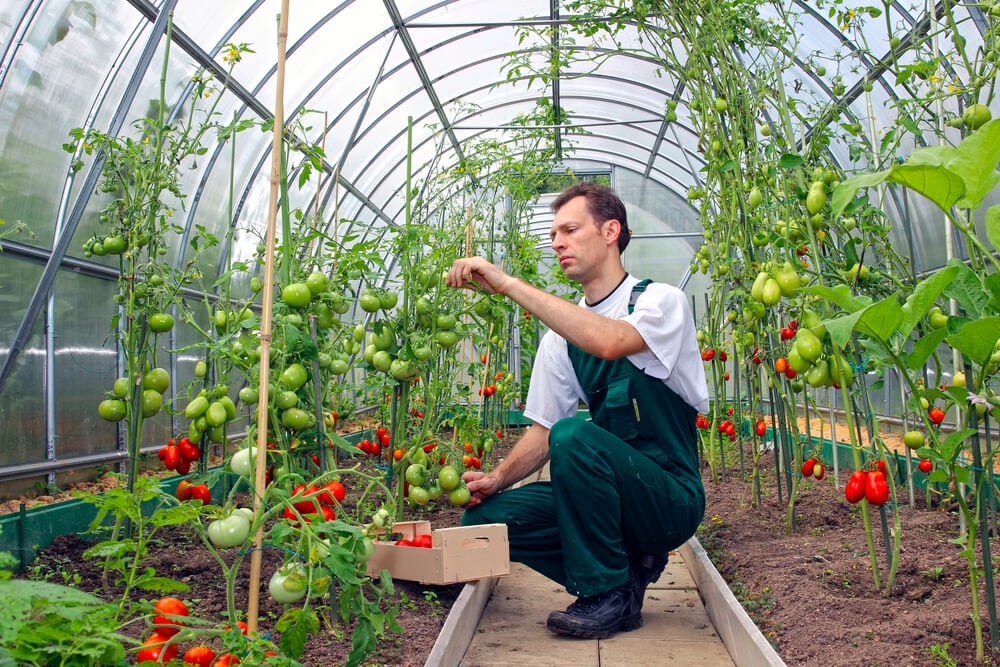
Farms hired teenage crews for seasonal harvests of berries, apples, and other produce, paying either by the hour or by the amount picked depending on the crop and region. The work was physically demanding and highly weather-dependent.
Some regional farms still hire teen pickers today, though increased mechanization has reduced the total demand for manual harvest labor.
Movie Theater Usher and Concessions Staff

Before self-serve kiosks, movie theaters relied on teenage staff to tear tickets, direct patrons to auditoriums, and run concession counters during the busy summer blockbuster season. Shifts often ran late into the night during peak release weeks.
The job still exists broadly, though self-checkout concession stands have reduced staffing needs at many chain theaters.
Miniature Golf Course Attendant

Seasonal mini golf courses hired teenagers to manage the front counter, rent clubs, and perform basic course maintenance between rounds during long summer evenings. The job combined customer service with simple physical upkeep of the course.
Many independent mini golf courses still rely on teenage seasonal staff, though the overall number of such courses has declined since their 1970s-1980s peak.
Newspaper Delivery for Adult Routes

Beyond the classic bicycle paper route, some teenagers old enough to drive took on larger adult delivery routes using a family car, covering more houses across a wider area before sunrise. The role required more responsibility and often a driver’s license.
Shrinking print circulation has reduced this job dramatically compared to its mid-century scale.
Farmers Market Stand Helper

Local farms and small producers hired teenage help to staff weekend farmers market stands, handling sales, restocking produce, and answering basic questions from customers. The job offered flexible weekend-only hours that fit around other commitments.
Farmers markets remain common today and continue to rely heavily on teenage seasonal staff.
Camp Counselor

Day camps and overnight summer camps hired teenagers, often just a few years older than the campers themselves, to lead activities and supervise groups for the entire summer season. The role demanded far more responsibility than most other teen jobs of the era.
Camp counselor positions remain one of the most common and enduring teen summer jobs today.
Newspaper Subscription Door-to-Door Salesperson

Some teenagers went beyond delivery and worked door to door signing up new newspaper subscribers on commission, a job that demanded genuine sales skill at a young age. Success depended heavily on a teenager’s comfort with rejection and repeated pitching.
The near disappearance of print subscriptions has eliminated this job entirely from most communities.
Roller Rink Employee

Roller skating rinks hired teenage staff to rent skates, run the snack counter, and monitor the floor during public sessions, often working evening and weekend shifts throughout summer. The job came with the informal perk of skating during any downtime.
Fewer roller rinks operate today than during their peak, though those that remain still hire teenage staff.
Hay Bale Stacker
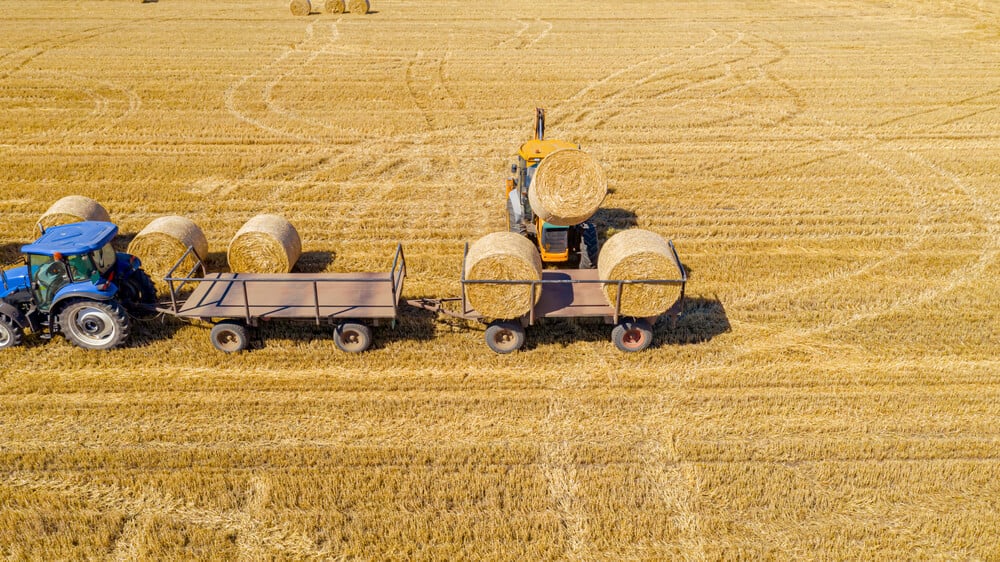
Farm work during summer often included hiring teenage crews to stack hay bales onto wagons and into barns, physically demanding work typically paid by the hour or by the load completed. The job required real physical stamina in peak summer heat.
Modern baling and stacking equipment has significantly reduced the manual labor once required for this task.
Snow Cone Stand Operator
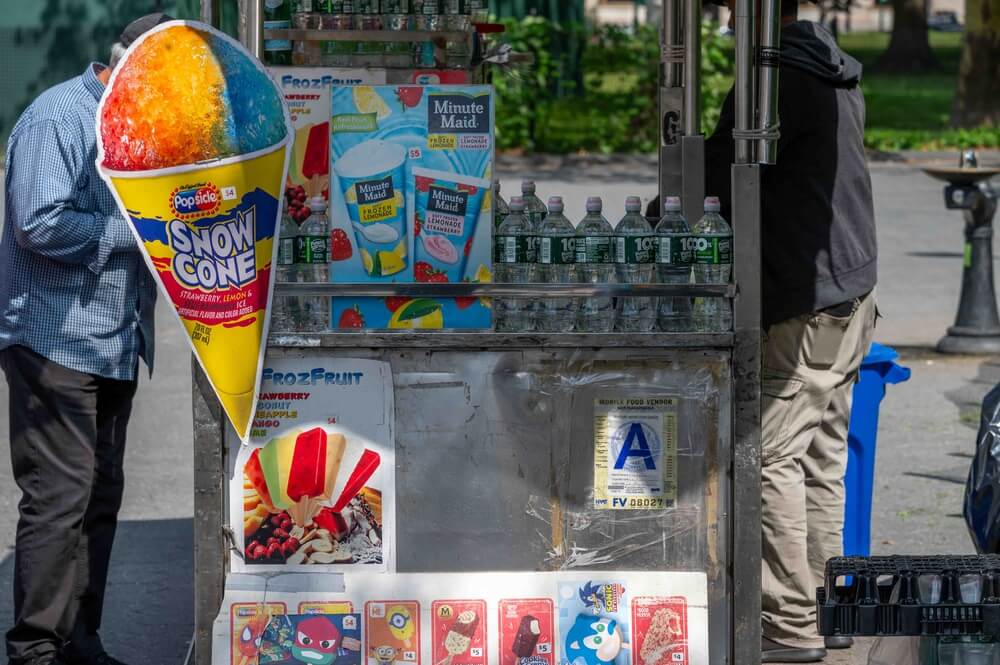
Independent snow cone and shaved ice stands, often small seasonal setups near parks or beaches, hired teenagers to run the entire operation for the summer with minimal supervision. The job combined cash handling with basic food preparation.
Independent snow cone stands still operate in many areas, though chain-based frozen treat options have taken some market share.
Grocery Store Bagger
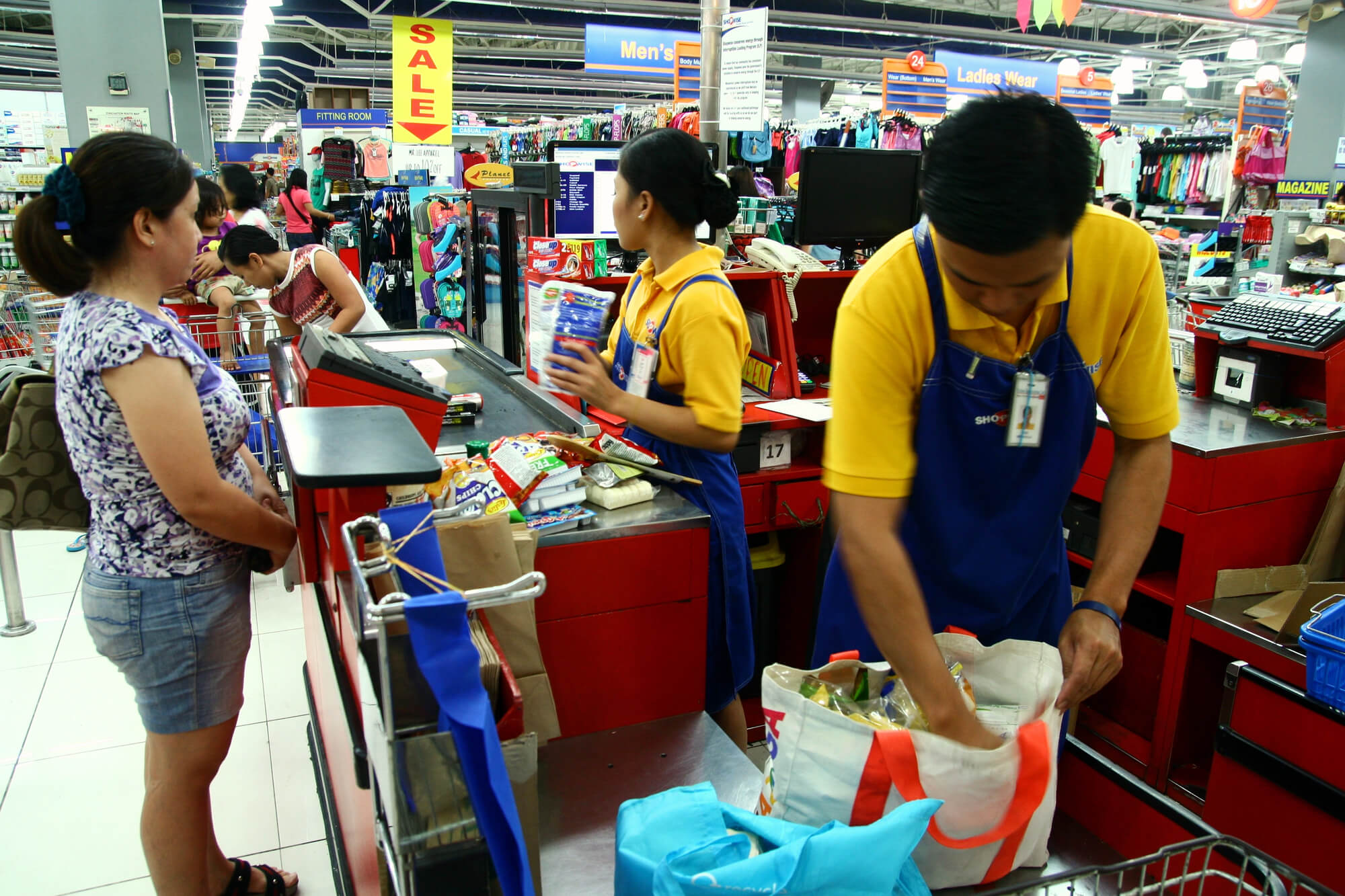
Supermarkets hired large numbers of teenagers each summer specifically to bag groceries and assist customers to their cars, a role considered a near-universal first job for an entire generation. The position required little training but taught basic customer service fundamentals.
Many grocery chains still hire teen baggers today, though self-checkout has reduced overall staffing needs in this role.
Car Wash Attendant
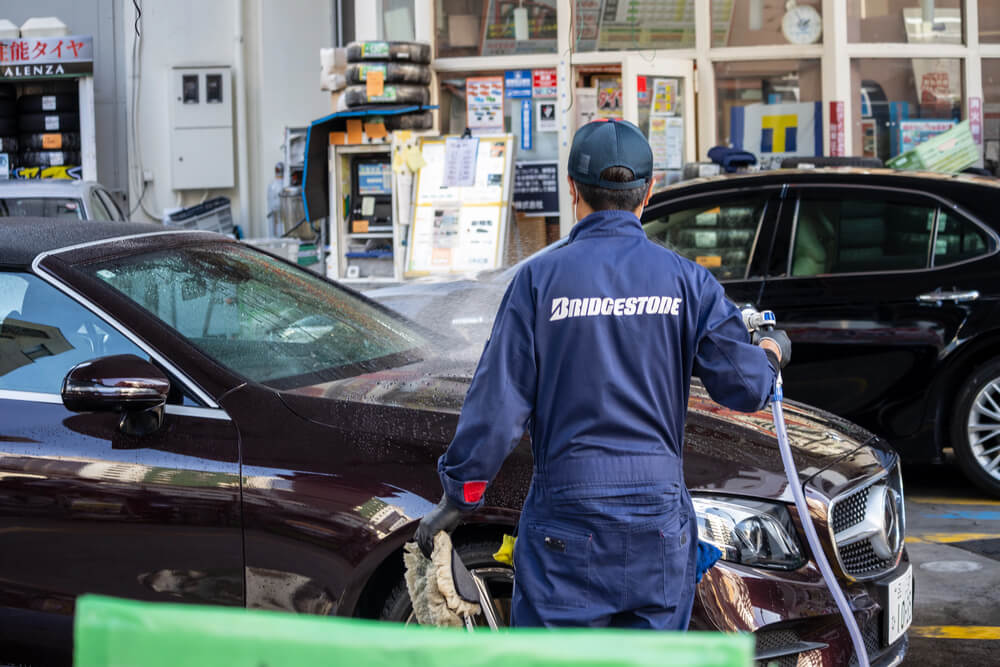
Independent and gas station car washes hired teenage crews to hand-wash, dry, and detail vehicles during busy summer months when demand peaked. The work was physically demanding and entirely outdoors regardless of temperature.
Automated car wash systems have replaced much of the hand-washing labor once performed almost entirely by teenage staff.
Newspaper Stand Vendor

City newsstands and street corner paper stands sometimes hired teenagers to sell individual copies to passersby during commuter rush hours, a role distinct from home delivery routes. The job required quick cash handling and a good memory for regular customers.
The decline of print newspaper sales has all but eliminated this once-common urban job.
Fireworks Stand Seasonal Staff
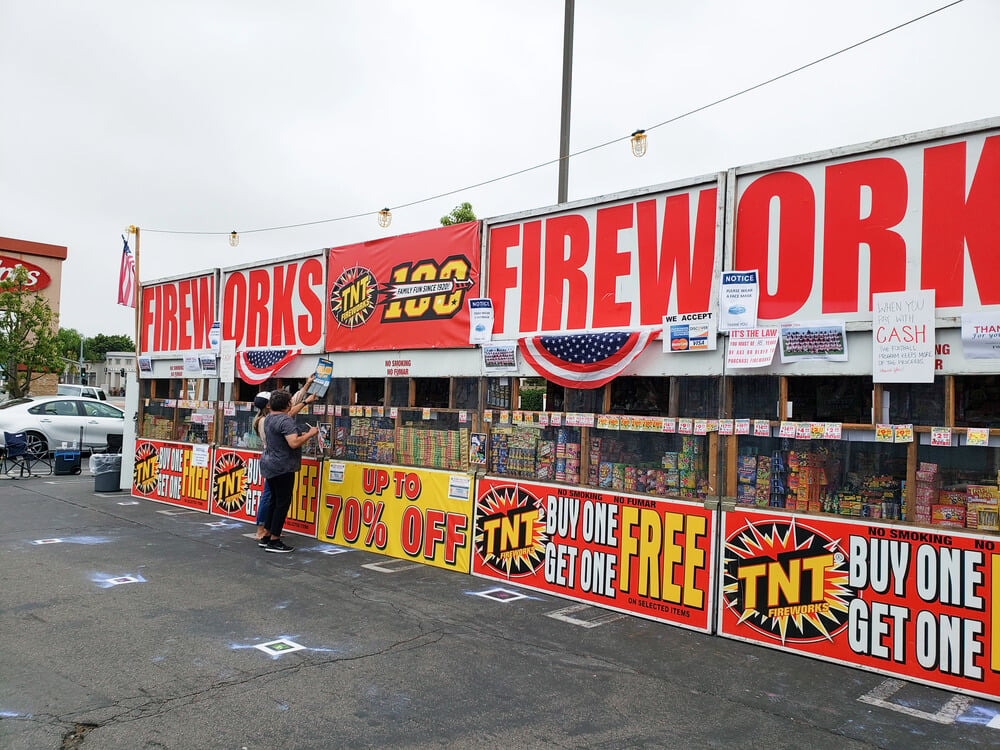
Seasonal fireworks stands set up ahead of major summer holidays hired teenagers for short, intense stretches of work handling sales and inventory. The job existed only for a narrow window each year but paid relatively well for the time invested.
Seasonal fireworks stands continue to operate similarly today, still relying heavily on short-term teenage staff.
Public Pool Concession and Front Desk Staff

Beyond lifeguarding, community pools hired additional teenage staff to check memberships, manage the front desk, and run the snack bar throughout the summer season. The job offered a lower-responsibility alternative for teens not certified to lifeguard.
Public pools continue to hire teenagers into these support roles, though staffing shortages have affected pool hours broadly in recent years.
Cotton and Row Crop Field Hand

Farms in many growing regions historically hired teenage crews for the demanding seasonal labor of planting, weeding, and harvesting row crops by hand throughout the summer months. The work was notoriously grueling and paid according to the physical output completed.
Mechanization and shifts in regional agriculture have significantly reduced this type of seasonal farm labor since the twentieth century.
Beach Rental Stand Attendant

Coastal towns hired teenagers to run umbrella, chair, and small watercraft rental stands along public beaches during the busy summer tourist season. The job required constant customer interaction and basic equipment maintenance throughout each shift.
Beach rental stands remain a common seasonal employer in coastal tourist areas today.
Drive-Through Restaurant Window Staff

Fast food chains hired large numbers of teenagers each summer to staff drive-through windows and registers during peak seasonal demand, often as a first formal job with a paycheck and taxes withheld. The role introduced many teens to basic workplace scheduling and food safety training.
Fast food remains one of the largest employers of teenage summer workers today.
Marina Dock Hand

Lakeside and coastal marinas hired teenagers to assist with docking boats, fueling, and general maintenance around the marina during the busy summer boating season. The job required comfort around water and basic knowledge of boat handling.
Marinas in many regions continue to hire teenage seasonal dock staff today.
Church Camp Kitchen Helper
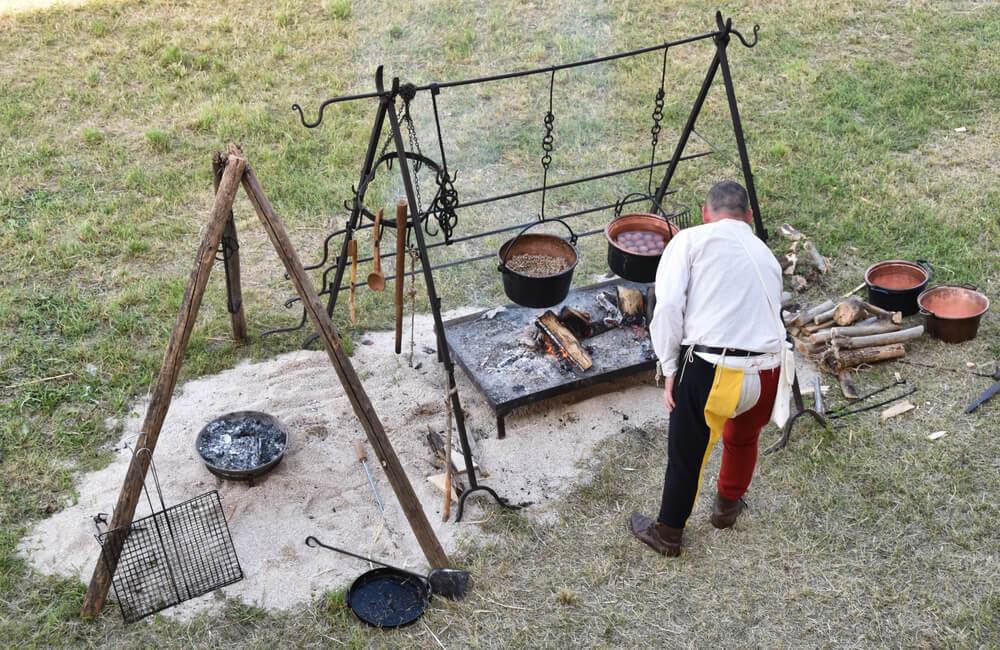
Summer church camps and retreat centers hired teenagers to assist in meal preparation and cleanup for large groups of campers, often as an entry-level role before advancing to counselor positions in later summers. The job demanded early mornings and long shifts feeding dozens of people at once.
Camp kitchen roles remain a common entry point for teens working at religious and nonprofit summer camps today.
State Fair or County Fair Seasonal Worker

Local and state fairs hired teenagers for a concentrated burst of seasonal work running games, selling tickets, and assisting with ride operations for the fair’s brief annual run. The intense, short-term nature of the job made it appealing to teens who wanted concentrated earnings rather than a full-summer commitment.
County and state fairs continue to rely heavily on teenage seasonal labor for their annual events today.
What the Summer Job Actually Taught
Almost none of these jobs paid particularly well, and few required any special skill beyond showing up on time. What they offered instead was a controlled introduction to responsibility: a schedule to keep, a customer to satisfy, a paycheck that depended entirely on effort rather than allowance.
That kind of low-stakes, high-structure experience has become harder to find for teenagers today, not because the work disappeared entirely, but because fewer teens are pointed toward it as an expected rite of passage the way earlier generations were.
More from Go2Tutors!

- The Romanov Crown Jewels and Their Tragic Fate
- 13 Historical Mysteries That Science Still Can’t Solve
- Famous Hoaxes That Fooled the World for Years
- 15 Child Stars with Tragic Adult Lives
- 16 Famous Jewelry Pieces in History
Like Go2Tutors’s content? Follow us on MSN.