Olympic Controversies and Protest Moments
The Olympics are supposed to bring the world together in peaceful competition. Athletes train their entire lives for a few moments on the global stage.
But history shows that politics, injustice, and human conflict don’t take a break just because the Olympic flame is burning. Some of the most powerful moments in Olympic history happened when athletes chose to speak out.
When they broke the rules. When they refused to stay silent about things that mattered more than medals.
The 1968 Black Power Salute That Changed Everything

Tommie Smith and John Carlos stood on the podium in Mexico City after finishing first and third in the 200-meter sprint. As the national anthem played, they each raised a gloved fist in the air.
They wore no shoes, just black socks, to represent poverty. Smith wore a black scarf to represent black pride. Carlos wore his tracksuit jacket unzipped to show solidarity with working-class Americans.
The International Olympic Committee expelled them from the Games. They received death threats back home.
Their careers suffered for decades. But that image became one of the most iconic photographs of the 20th century.
It showed that athletes could use their platform to say what needed to be said, no matter the cost.
Jesse Owens Defying Hitler’s Aryan Supremacy Myth

Berlin 1936 was meant to showcase Nazi Germany’s supposed racial superiority. Adolf Hitler wanted to prove that Aryan athletes were better than everyone else.
Jesse Owens had other plans. The Black American sprinter won four gold medals in front of Hitler and his regime.
He shattered the propaganda with every race he won. The moment stands as one of sport’s greatest rebuttals to hatred and bigotry.
Owens didn’t need to say a word. His performance spoke volumes.
The Munich Massacre That Brought Terror to the Olympics
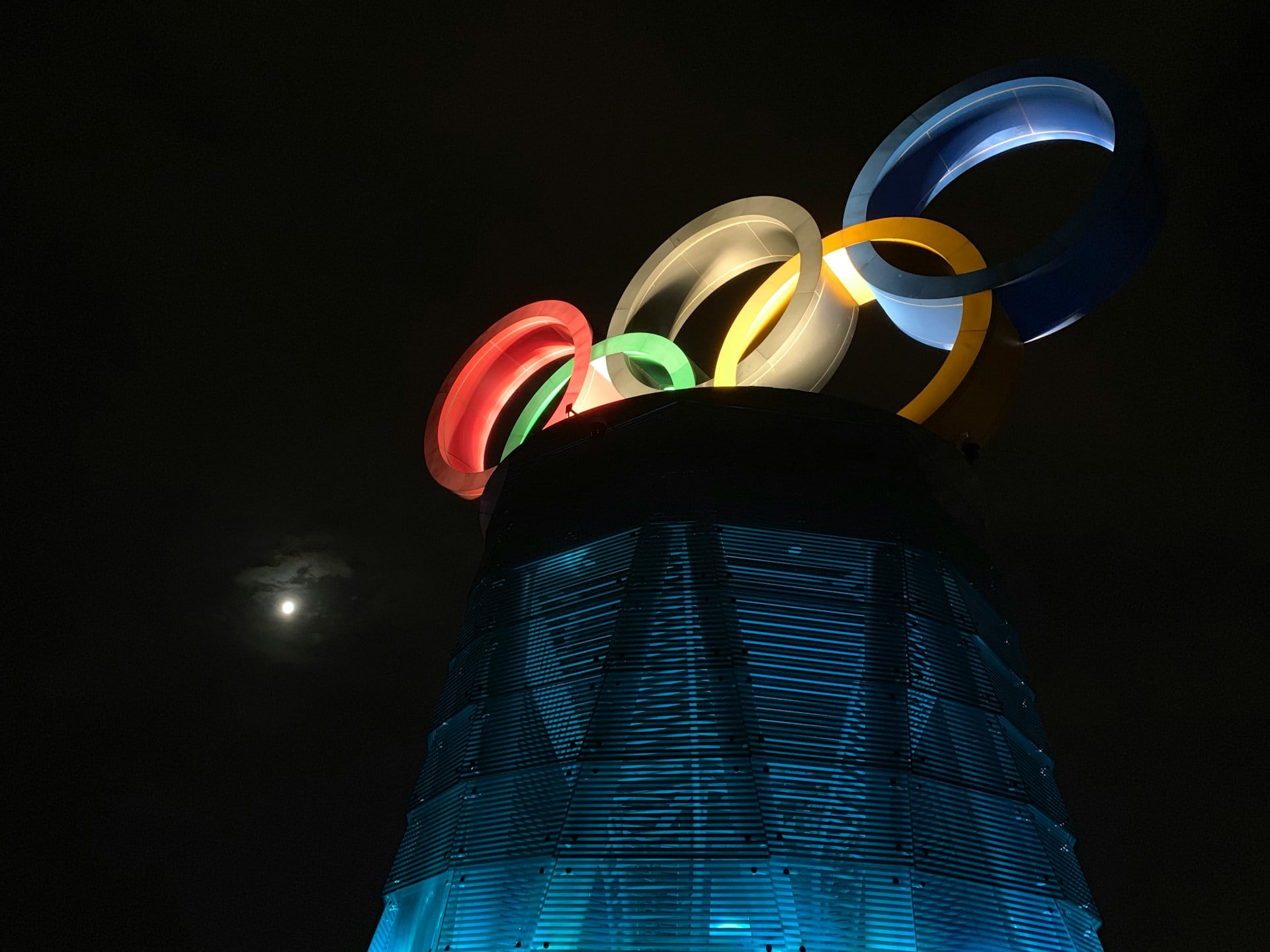
Eleven Israeli athletes and coaches died when Palestinian terrorists took them hostage at the 1972 Munich Games. The attack happened in the Olympic Village, a place meant to symbolize peace and international friendship.
The Games continued after a brief memorial service, which many people found offensive and disrespectful. The victims’ families felt abandoned.
The decision to keep competing so soon after the tragedy remains controversial. Some argue that continuing showed resilience.
Others say it showed terrible judgment and a lack of humanity.
The Soviet Invasion of Afghanistan and the 1980 Moscow Boycott

President Jimmy Carter pulled the United States out of the 1980 Moscow Olympics to protest the Soviet Union’s invasion of Afghanistan. Around 65 countries joined the boycott.
Athletes who had trained their entire lives suddenly had no Olympics to attend. The boycott accomplished basically nothing politically.
Afghanistan remained occupied. But it destroyed the dreams of countless athletes who never got another chance.
Many were at their peak and would age out before the next Games. The Soviets retaliated by boycotting the 1984 Los Angeles Olympics.
Politics won. Athletes lost.
South African Apartheid and Decades of Olympic Exclusion

South Africa got banned from the Olympics in 1964 because of its apartheid system. The country didn’t return until 1992, after apartheid began to crumble.
For nearly three decades, South African athletes paid the price for their government’s racist policies. The ban showed that the Olympic movement could take a moral stand when pushed hard enough.
But it also showed how long change can take. Many athletes never got to compete because of decisions made by politicians they didn’t elect and policies they didn’t support.
The Blood in the Water Match Between Hungary and the USSR

The 1956 Melbourne Olympics happened just weeks after Soviet tanks crushed the Hungarian Revolution. When Hungary faced the Soviet Union in water polo, the pool turned into a battlefield.
Players fought violently. One Hungarian athlete left the water with blood streaming down his face.
The referee ended the match early to prevent more violence. Hungary won 4-0, but the score mattered less than what the match represented.
It gave Hungarians a chance to fight back against their oppressors, even if just in a pool.
American Sprinters Refusing to Dip the Flag

At the 1908 London Olympics, American flag bearer Ralph Rose refused to lower the Stars and Stripes while passing King Edward VII during the opening ceremony. The tradition continues today.
American flag bearers don’t dip the flag to anyone. Some see it as disrespectful to host nations.
Others view it as an assertion of American independence and equality. The gesture sparked debates about nationalism and Olympic protocol that still continue.
Every four years, people argue about whether the United States should finally dip its flag.
East Germany’s State-Sponsored Doping Program

For decades, East Germany systematically doped its athletes, often without their knowledge or consent. Young female athletes were given hormones that permanently altered their bodies.
Some developed male characteristics. Many suffered long-term health problems. Some died young.
The program won East Germany medals and international prestige. But it destroyed lives.
Athletes who unknowingly participated faced health consequences for the rest of their lives. The scandal revealed how far governments would go to win at the Olympics, even if it meant sacrificing their own people.
The Salt Lake City Bribery Scandal

The 2002 Winter Olympics almost didn’t happen in Salt Lake City. Investigations revealed that organizers had bribed International Olympic Committee members with cash, scholarships, medical treatments, and other benefits to win the bid.
Ten IOC members were either expelled or resigned. The scandal exposed widespread corruption in how Olympic host cities were chosen.
It led to reforms in the bidding process, though critics argue that corruption still exists in more subtle forms. The Olympics went ahead anyway, but the damage to the IOC’s reputation lasted years.
Russia’s Sochi Doping Scheme and the Aftermath

Russia ran a state-sponsored doping program at the 2014 Sochi Winter Olympics. They swapped dirty urine samples for clean ones through an opening in the wall of the drug-testing lab.
The operation was sophisticated and brazen. When the scheme was exposed, Russia got banned from the 2018 and 2020 Olympics.
Russian athletes could compete only as neutrals under the Olympic flag. But critics argued the punishment was too weak.
Russia still sent large teams. They still won medals. The ban felt more symbolic than substantive.
The Ongoing Fight for Palestinian Representation
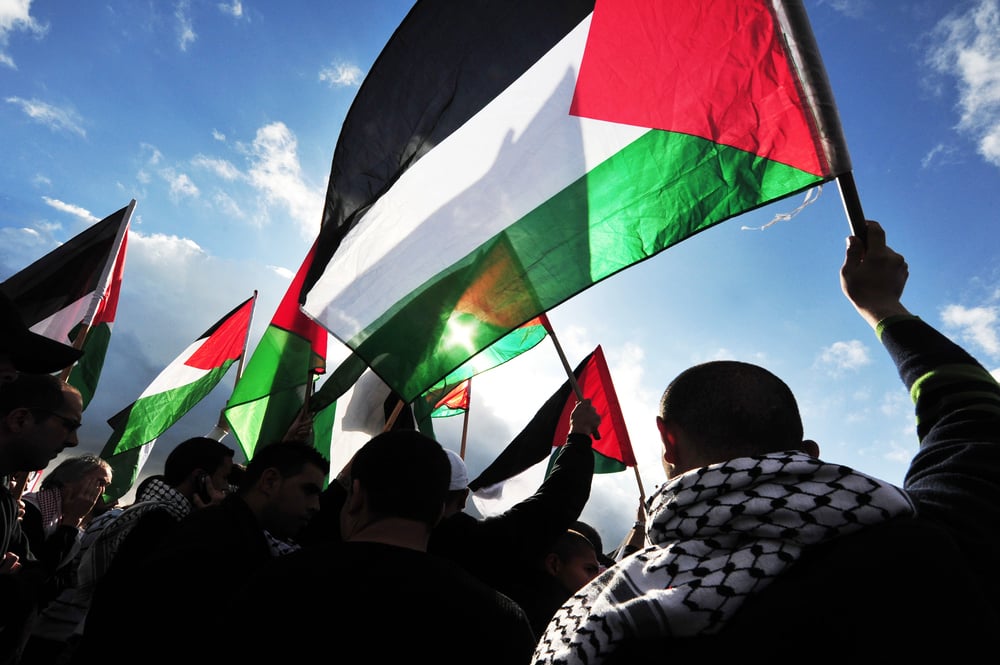
Palestinian athletes compete under their own flag now, but the journey to recognition took decades. The Palestinian Olympic Committee wasn’t recognized until 1995.
Before that, Palestinian athletes had to compete for other countries or not at all. Every Olympics, their participation sparks debate.
Some see it as a victory for self-determination. Others view it as a political statement that has no place in sports.
The athletes just want to compete, but they carry more weight than most because every step they take represents a broader struggle.
Colin Kaepernick and the Protest That Started During the Anthem
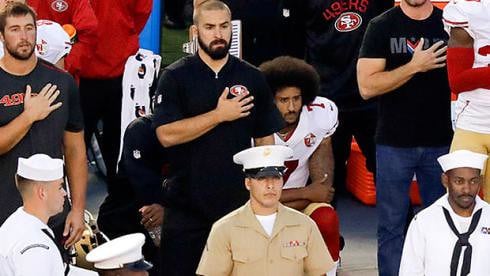
Colin Kaepernick never competed in the Olympics, but his decision to kneel during the national anthem changed how we think about athlete protests. His actions inspired conversations about whether sports and politics can ever really be separate.
Olympic athletes have watched and learned. They’ve seen the cost of speaking out and the cost of staying silent.
Rule 50 of the Olympic Charter prohibits political demonstrations at the Games, but athletes keep pushing against it. The debate over athlete activism didn’t start with Kaepernick, but his protest made it impossible to ignore.
When Athletes Choose to Compete Despite Everything
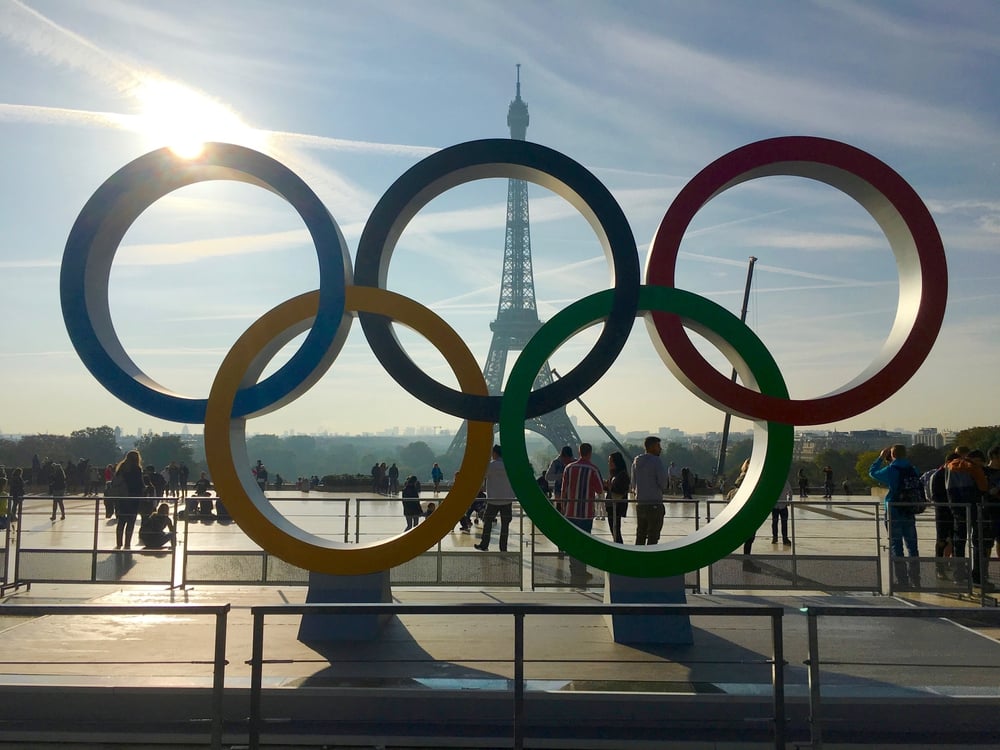
Sometimes the controversy comes from competing at all. Athletes from war-torn countries face impossible choices.
Do you boycott to make a statement? Or do you compete to show that your country and your people still exist?
Syrian athletes who competed after their country descended into civil war faced criticism from all sides. Some said they should boycott to protest their government.
Others said they should stay home to avoid legitimizing the regime. The athletes competed anyway, carrying the flag of a country torn apart by violence.
Their presence was both a protest and an act of hope.
When the Lights Go Out but the Fire Remains
The Olympic flame gets extinguished at the end of every Games. The athletes go home.
The stadiums sit empty. But the moments of controversy and protest don’t fade as easily.
You remember them because they were real. Because athletes risked everything to stand for something.
Because sometimes sport matters most when it stops being just about sport. The controversies and protests are messy and uncomfortable, but they’re also when the Olympics feel most human.
More from Go2Tutors!

- The Romanov Crown Jewels and Their Tragic Fate
- 13 Historical Mysteries That Science Still Can’t Solve
- Famous Hoaxes That Fooled the World for Years
- 15 Child Stars with Tragic Adult Lives
- 16 Famous Jewelry Pieces in History
Like Go2Tutors’s content? Follow us on MSN.



