33 Household Gadgets Replaced by a Phone
The smartphone is the most destructive consumer electronics device ever made—not because it harms anything, but because it makes everything else obsolete. A single device in your pocket has eliminated the need for dozens of specialized tools, devices, and appliances that once filled drawers, shelves, and car dashboards.
The consolidation happened so quietly that most people don’t realize the extent of what’s been replaced. One person calculated that replicating all the functions a modern smartphone performs would require $1,228 in single-purpose devices weighing over eight pounds. Now it all fits in a device that weighs less than half a pound.
The gadgets on this list aren’t hypothetical—they actually existed, people actually used them, and they’re genuinely gone. Some disappeared so completely that teenagers have never seen them. Others still technically exist but are used so rarely that their extinction is merely pending.
Point-and-Shoot Camera
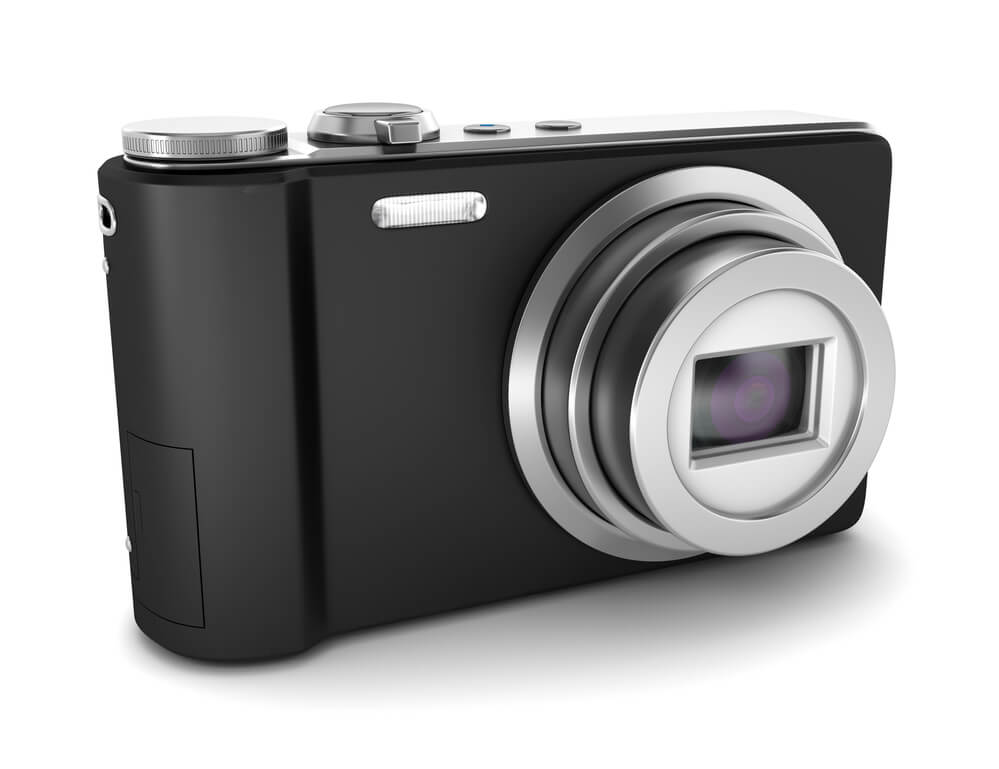
Millions of people carried dedicated compact digital cameras in the 1990s and 2000s. Modern smartphones offer Pro modes that match point-and-shoot functionality, better sensors than older dedicated cameras, and the ability to edit and publish instantly.
The dedicated camera became unnecessary overnight.
GPS Navigation System
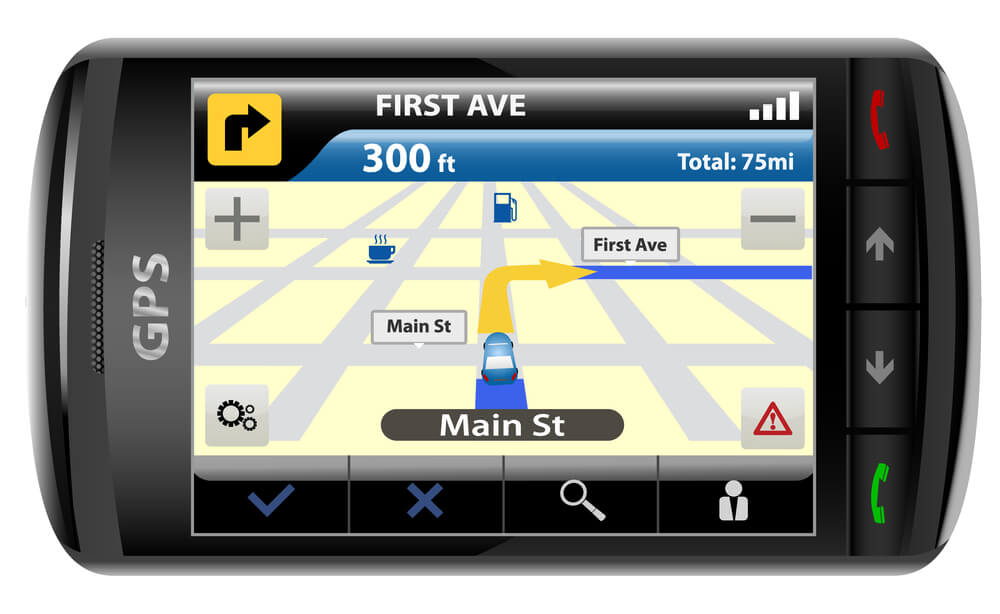
Garmin, TomTom, and other GPS unit manufacturers once dominated dashboard real estate. Drivers subscribed to map updates and mounted expensive units on their windshields.
Google Maps, Apple Maps, and Waze turned smartphones into navigation devices with real-time traffic that no standalone unit could match.
Calculator

Scientific calculators, graphing calculators, and basic four-function calculators are now completely replaced by smartphone calculator apps. The Texas Instruments calculator that was standard in high school classrooms is now a museum piece.
Paper Maps and Atlases
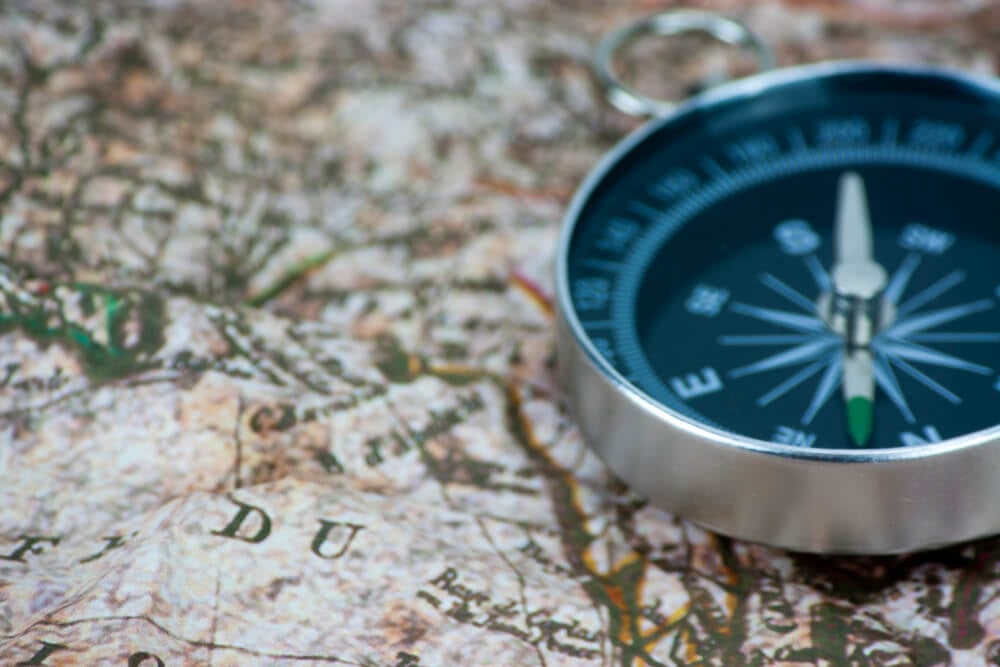
Those glovebox-filling road atlases, tourist maps, and vacation guides vanished from necessity once smartphones could display maps with turn-by-turn navigation, satellite imagery, and real-time location updating.
Wristwatch
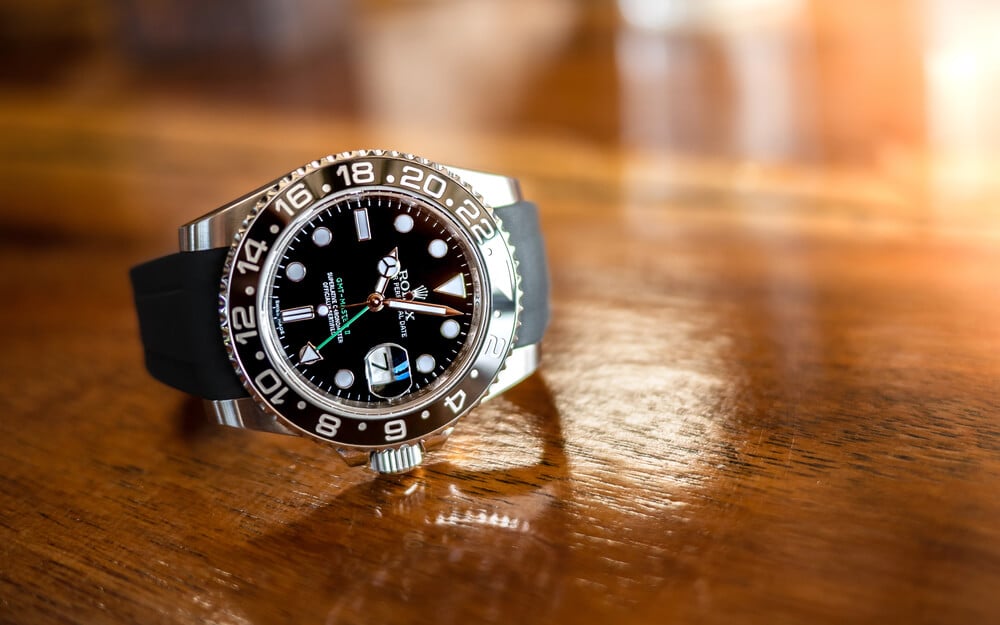
Smartphones killed the need for wristwatches for most people. Checking the time meant pulling out your phone anyway, so a separate wrist-mounted device became redundant.
Even smartwatches’ popularity is declining among people under 30 who simply use their phones.
Alarm Clock

Millions of dedicated alarm clocks have been replaced by phone alarm apps. The ability to set multiple alarms with different sounds, gradual wake-up features, and sleep tracking made dedicated alarm clocks unnecessary.
Portable Music Player (iPod)
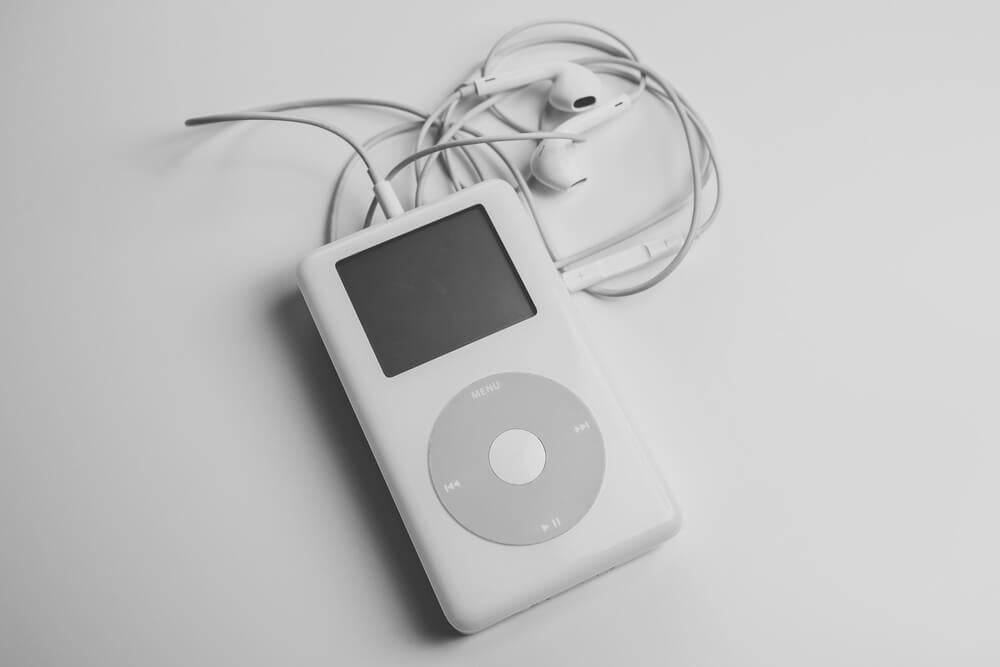
The entire category of portable music players was eliminated by the smartphone. iPods, Walkmans, and portable CD players are completely extinct.
Streaming services and phone storage capacity made dedicated music devices pointless.
FM Radio Receiver
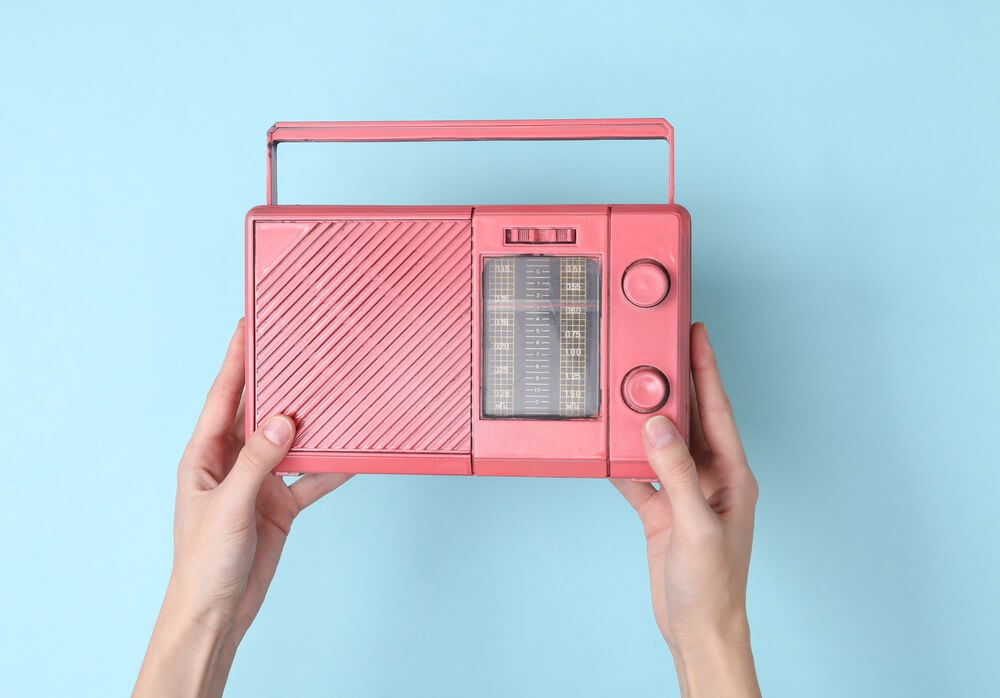
Teenagers have no reason to own an FM radio when radio stations stream through phone apps. The dedicated radio receiver is functionally obsolete in cities with internet service.
Voice Recorder/Dictaphone
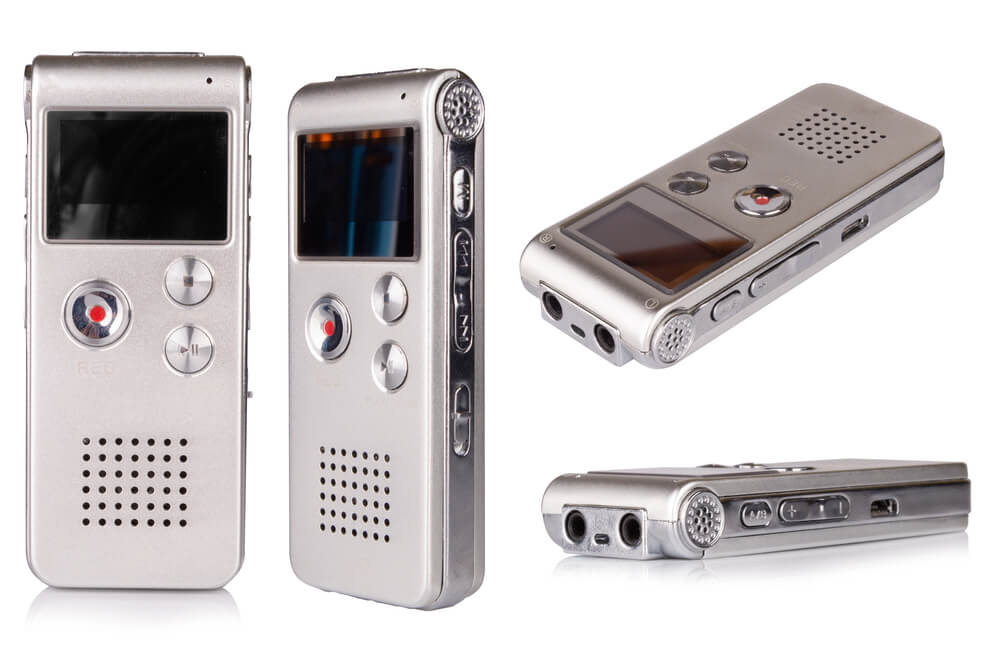
Journalists, students, and professionals once carried dedicated voice recorders. Smartphone voice memo apps with noise reduction and cloud backup replaced them entirely.
Digital Dictionary

Pocket-sized electronic dictionaries that students carried are completely gone. Smartphone dictionary apps, translation features, and web access provide infinitely better reference capability.
E-Book Reader
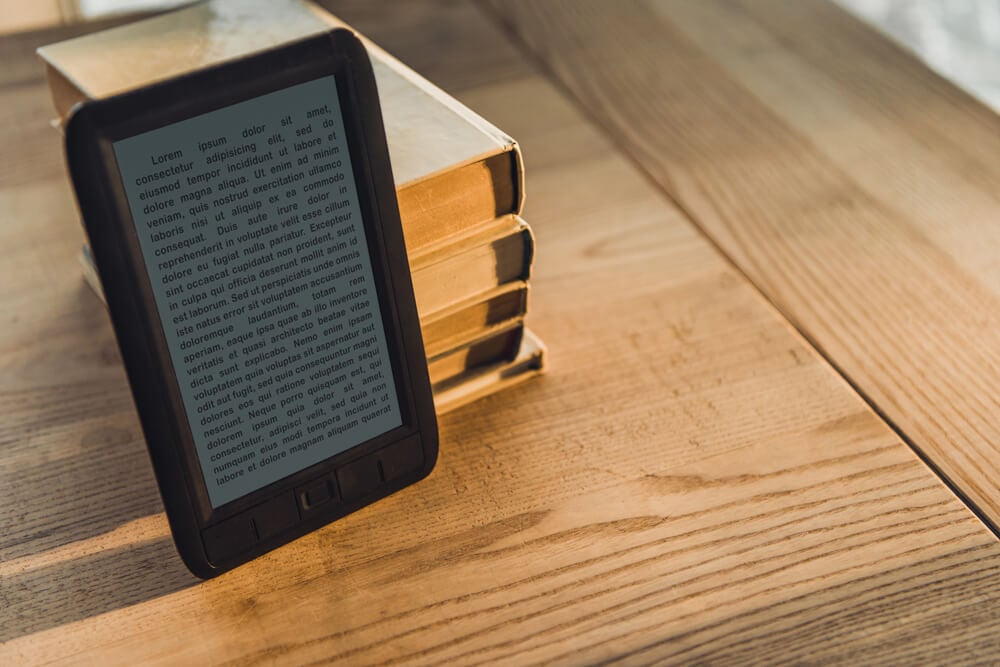
Dedicated e-readers like Kindles have been largely supplanted by smartphone e-reading apps that can display thousands of books instantly with adjustable fonts, brightness, and background colors.
Portable Gaming Device
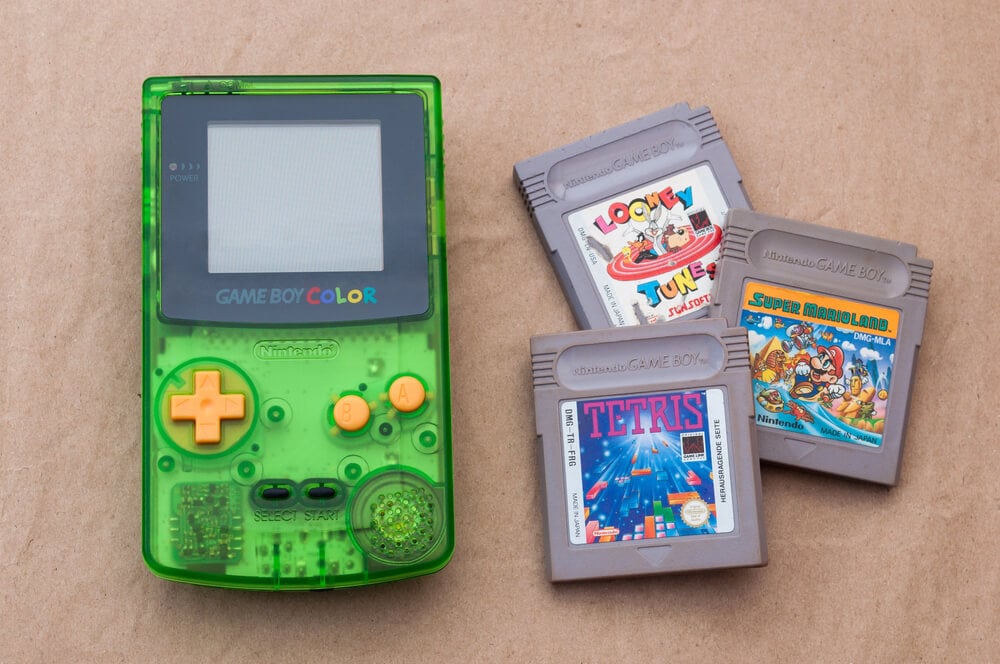
Nintendo Game Boys, Pokémon devices, and handheld gaming consoles have been effectively obsolete since smartphones became gaming platforms. Millions of games are available instantly and often free or cheap.
Compass

Digital compass apps turned a specialized navigation tool into a built-in phone feature. Outdoor enthusiasts still carry dedicated compasses, but casual navigation has moved entirely to smartphone compasses.
Level/Spirit Level
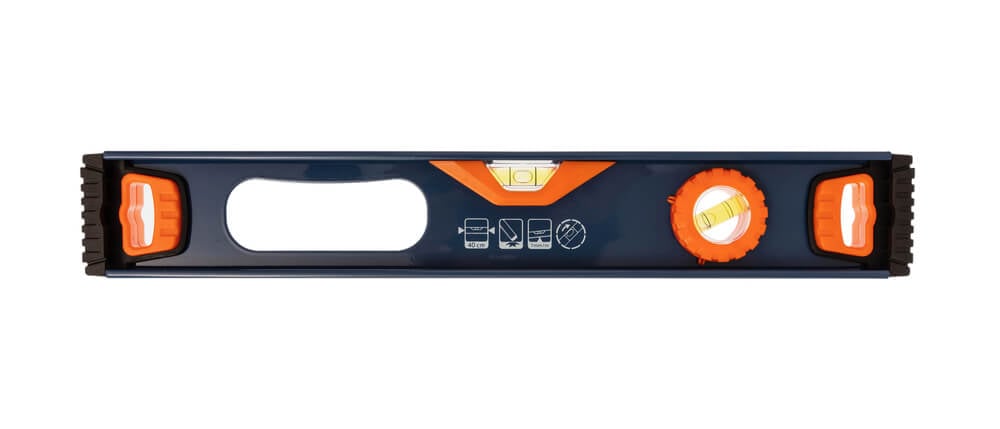
Augmented reality level apps turned smartphones into construction and DIY tools. A serious builder still uses proper levels, but smartphone level apps handle most household projects.
Measuring Tape
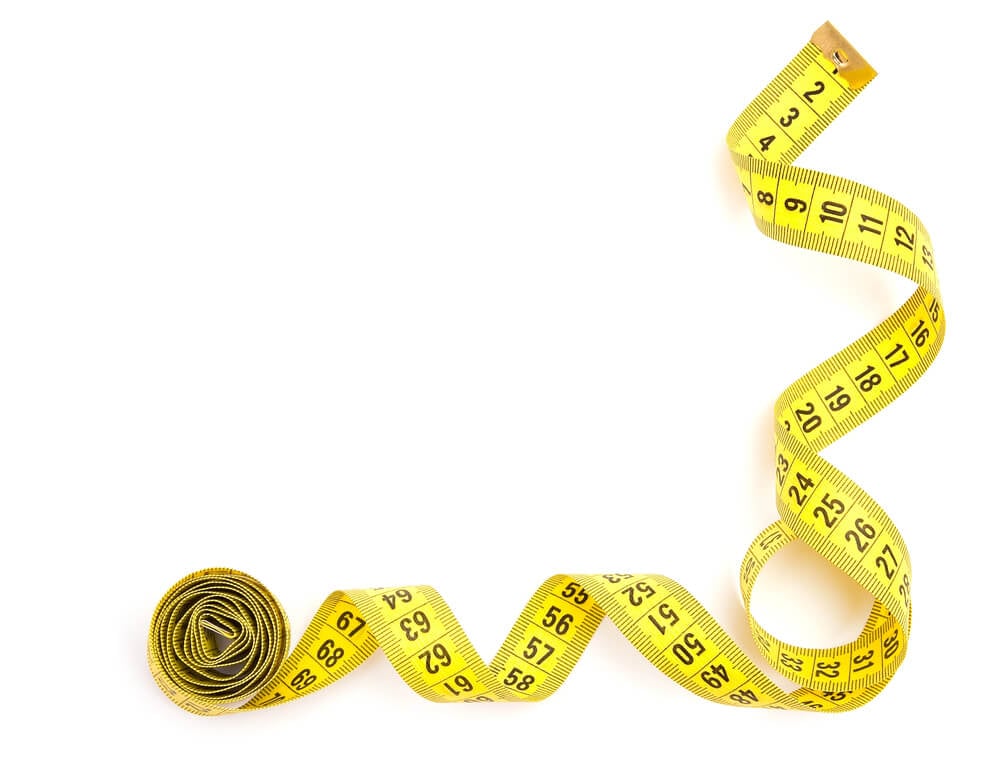
Augmented reality measurement apps use phone cameras and motion sensors to measure distances, widths, and angles. For rough measurements and quick interior design concepts, the smartphone level app replaces tape measures.
Payphones
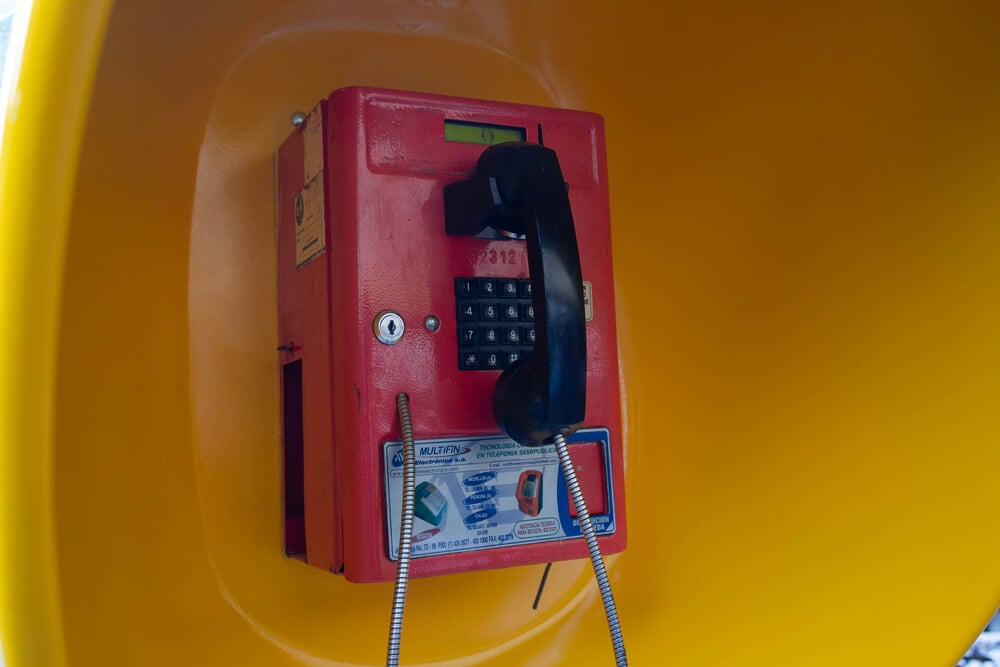
The entire infrastructure of public payphones became obsolete. Cities have been systematically removing them as nobody carries coins and everyone carries phones.
Landline Phone
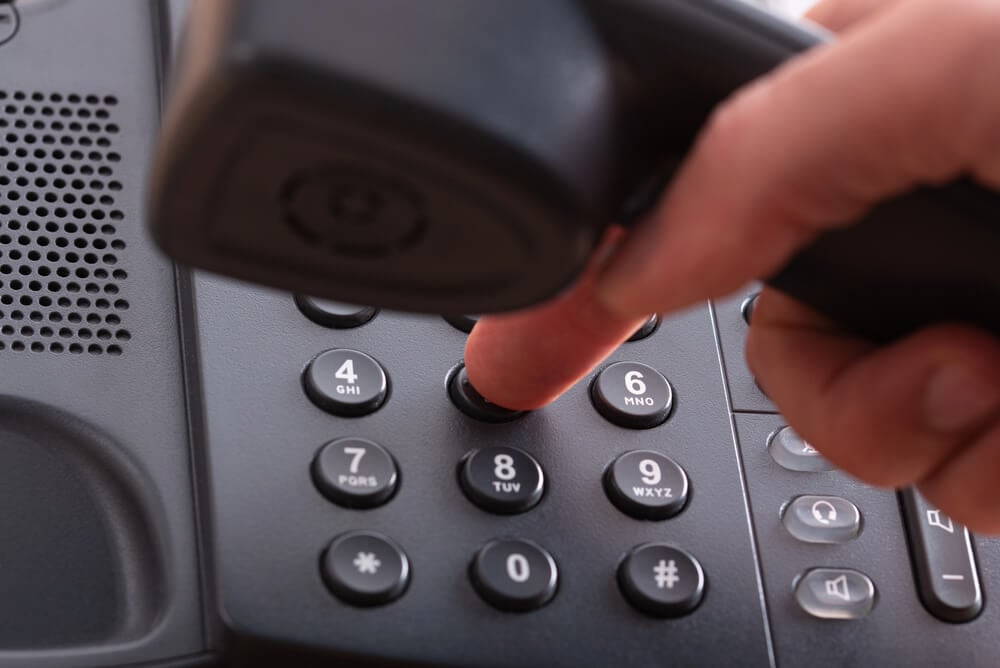
Household landlines have become luxury items or redundancy for people who still maintain them. The smartphone replaced the need for corded phones in homes entirely.
Video Camera/Camcorder
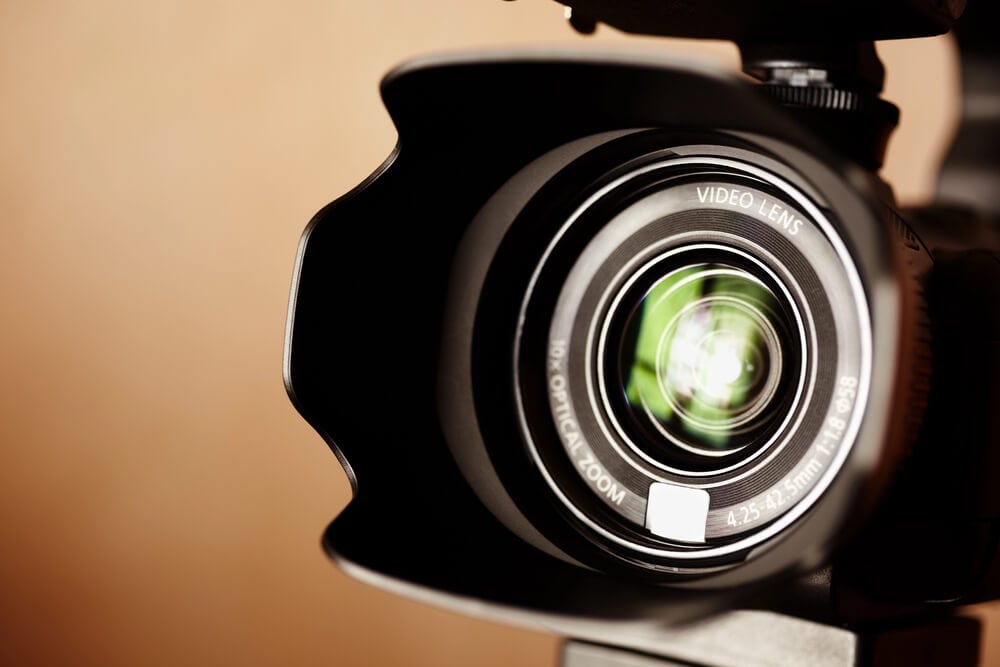
Consumer-grade camcorders that families used to record events are completely extinct. Smartphone video recording quality, 4K resolution, and instant editing capabilities eliminated the need for dedicated camcorders.
Stopwatch/Timer

Dedicated stopwatches and kitchen timers have been largely replaced by smartphone timer and stopwatch apps. Sports coaches still use specialized timing devices, but household use is entirely smartphone-based now.
Pedometer
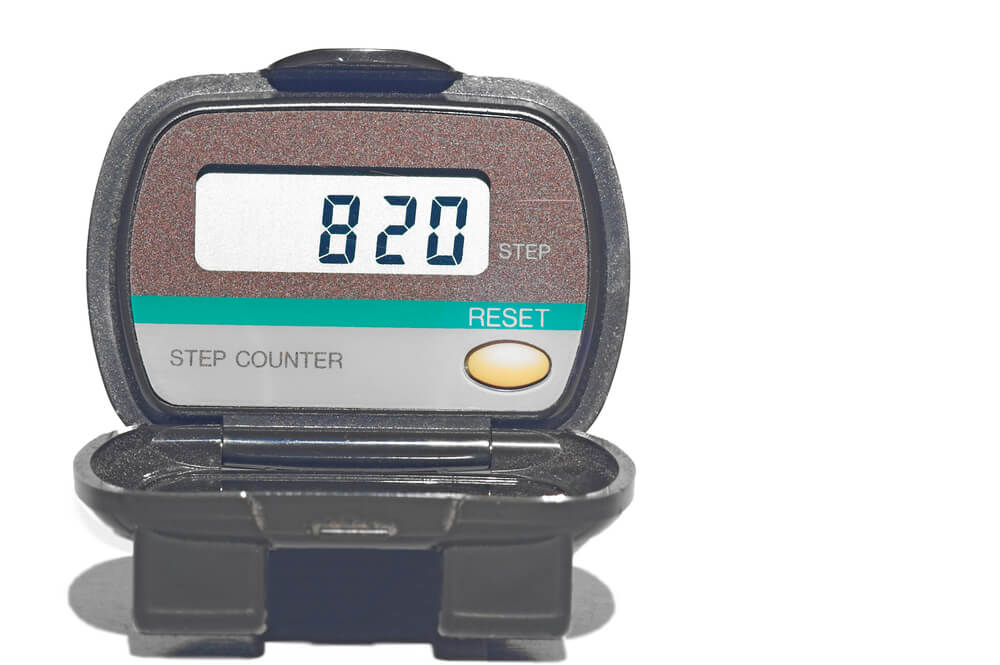
Dedicated pedometer devices have been replaced by smartphone step counters that use motion sensors to track activity. Fitness tracking has moved entirely to phone apps and wearables.
Document Scanner
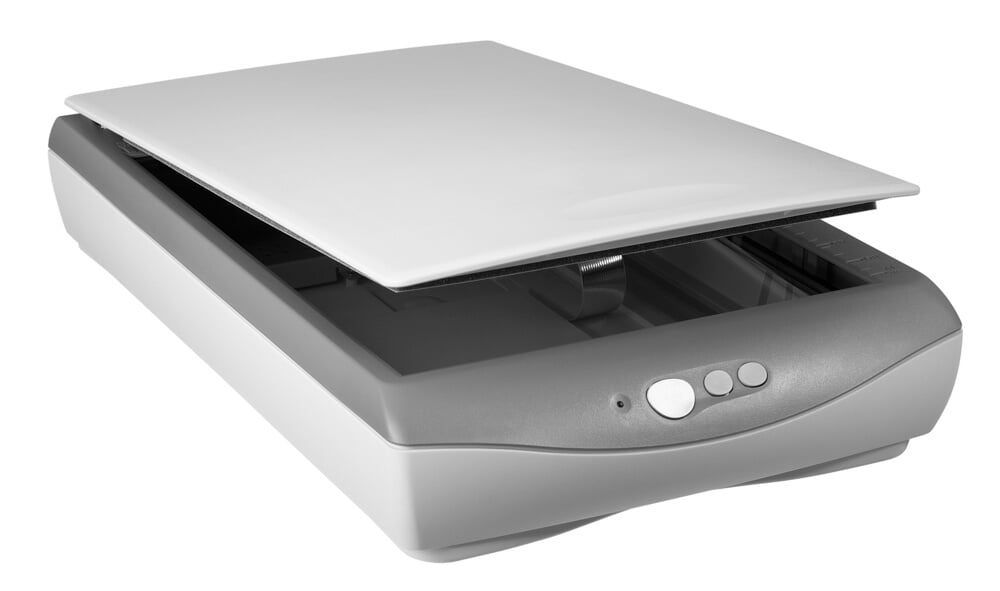
Portable document scanners have been completely displaced by smartphone camera apps that can photograph documents, correct perspective, and convert to PDF. Office scanning has moved to phones.
Personal Digital Assistant (PDA)
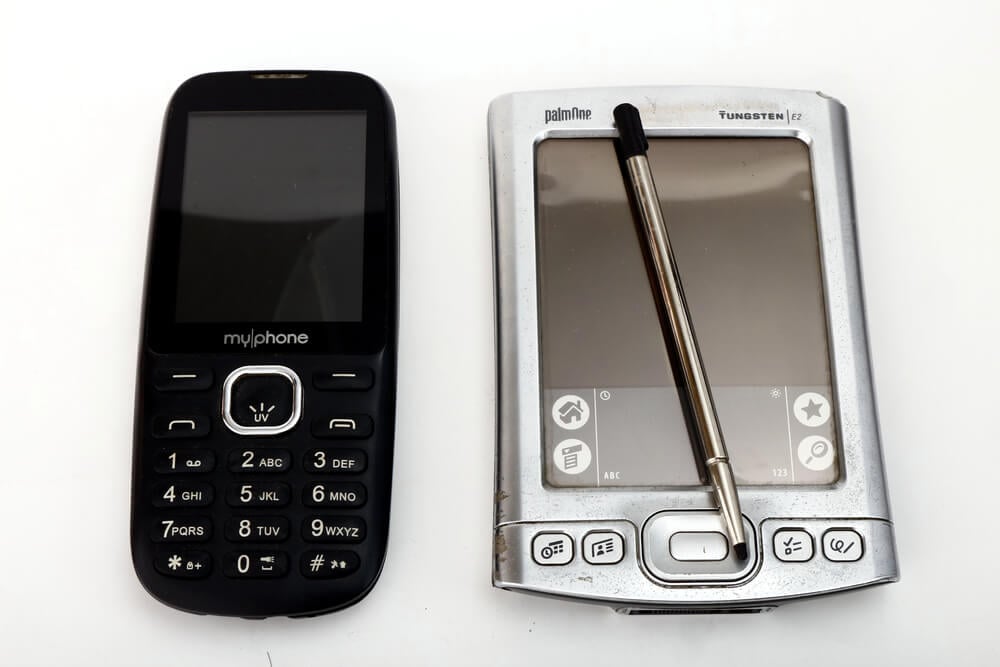
Palm Pilots and Windows Mobile devices were the precursors to smartphones. They’re so completely obsolete that most people under 30 have never seen one.
Notebook and Pen

Note-taking has moved to smartphone note apps, cloud-synced note services, and voice-to-text recording. Dedicated small notebooks are rare except for specialized purposes.
Calendar and Planner
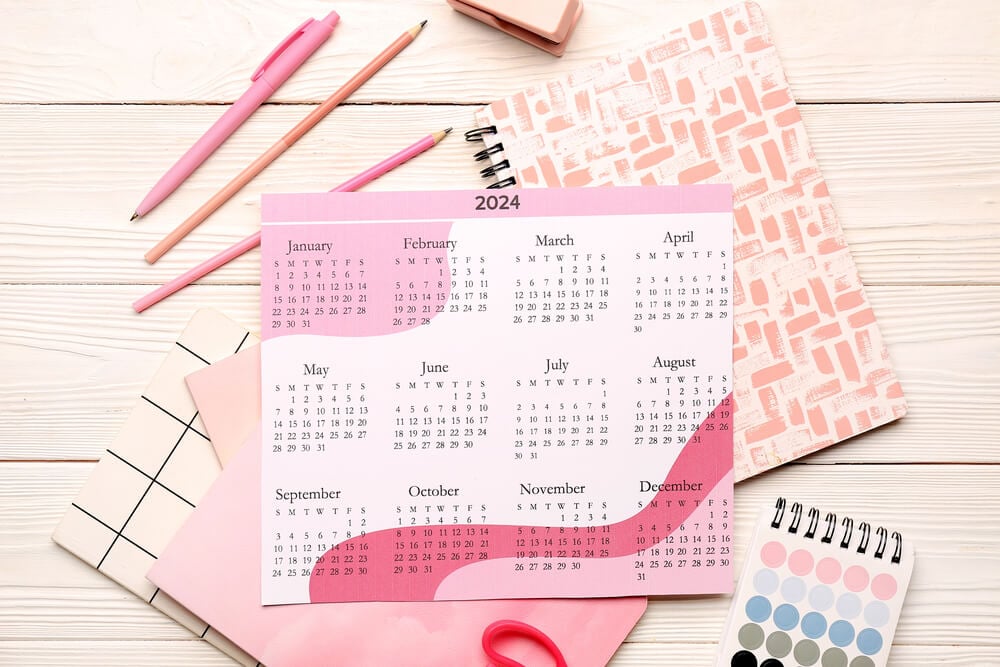
Paper calendars and day planners are nearly extinct. Smartphone calendar apps sync across devices, send reminders, integrate with email, and provide vastly superior functionality.
Car Dashboard GPS Unit
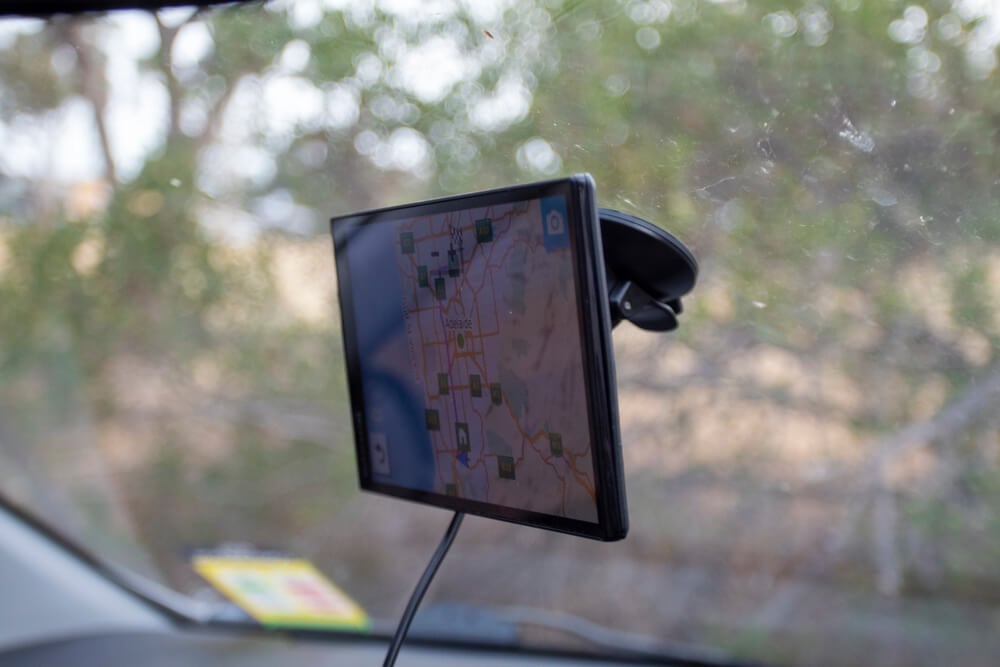
The suction-cup mounted GPS device that was standard in cars in the 2000s is now completely gone. Phone mounting cradles and wireless carplay/Android auto have replaced them.
Remote Control
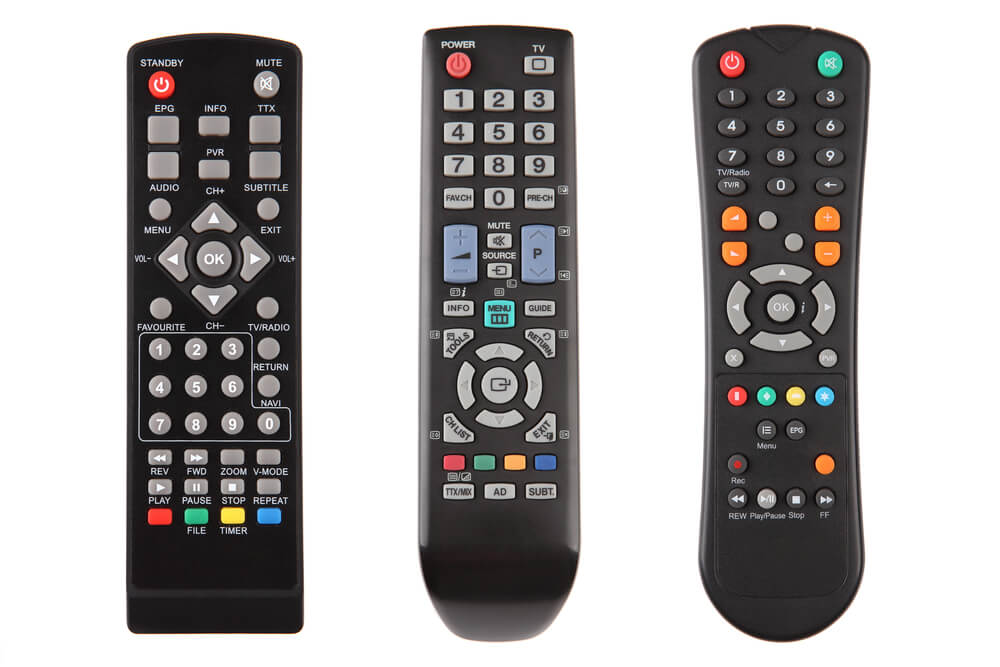
While dedicated remotes still exist for televisions and other devices, smartphone remote control apps have eliminated the need for carrying separate remote devices.
Magnifying Glass
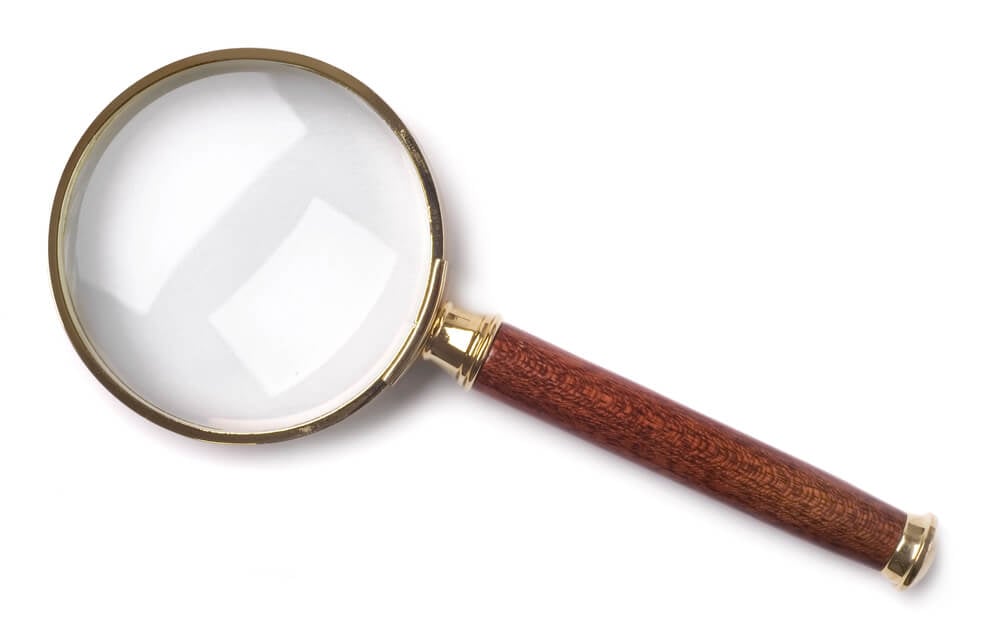
Smartphone magnification features and camera zoom capabilities have replaced magnifying glasses for most purposes. Accessibility settings offer adjustable magnification for reading small text.
Foreign Language Translator Device
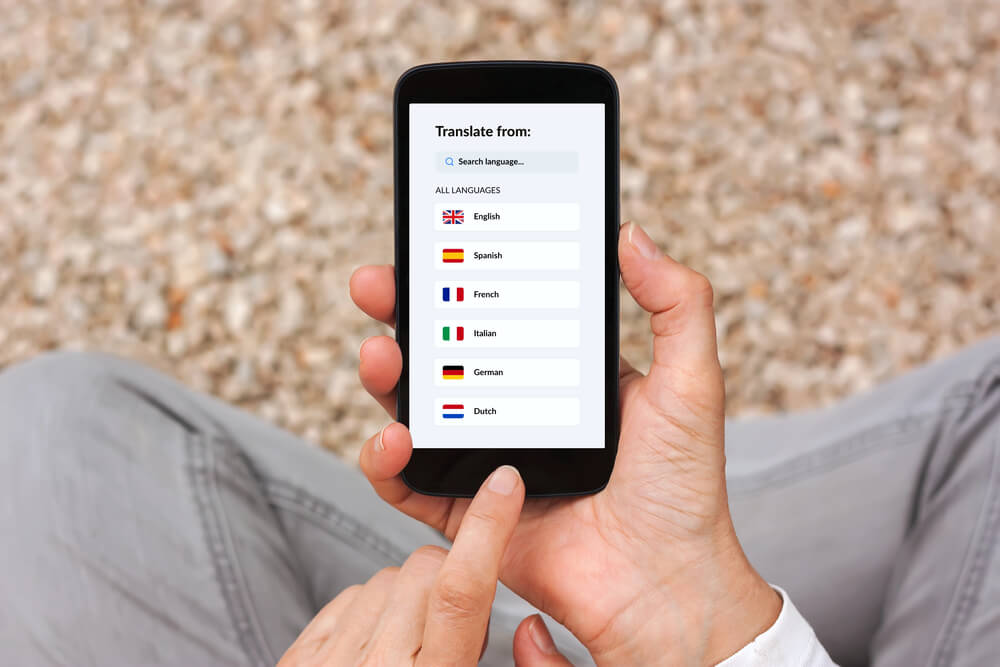
Dedicated pocket translation devices are extinct. Smartphone translation apps handle real-time conversation translation, text recognition, and hundreds of languages.
Flashlight
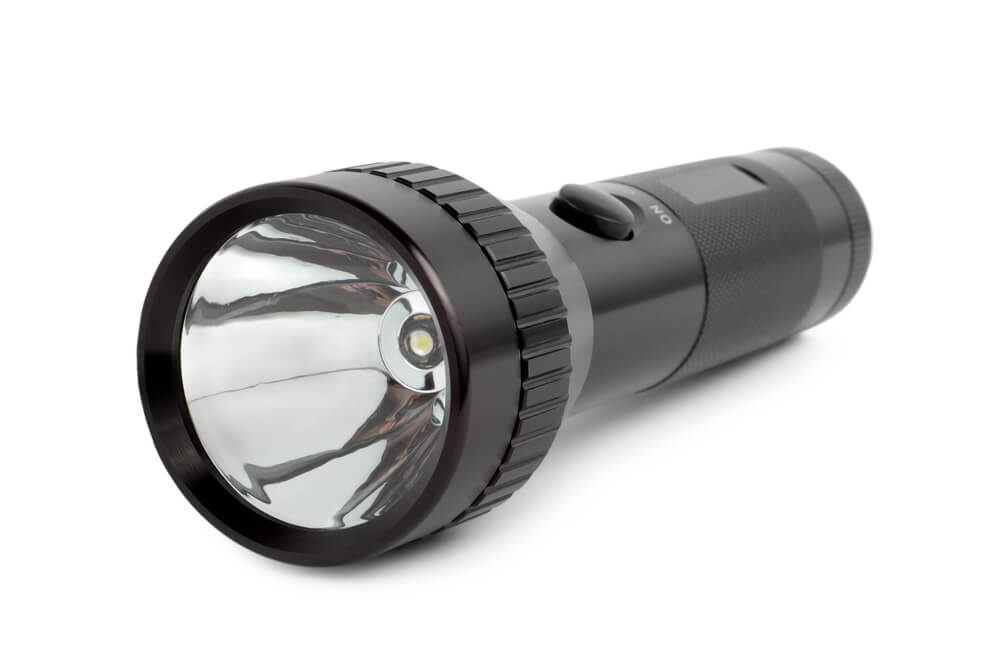
LED flashlights were made nearly redundant by smartphone flashlight apps that use the camera LED. Emergency responders and outdoor professionals still use proper flashlights, but household use is entirely smartphone-based.
Radio Station Directory
Before the internet and streaming, people consulted pocket-sized directories of radio stations. This has been completely replaced by radio streaming apps.
Photo Album

Dedicated photo albums and physical photo printing have been displaced by digital photo libraries stored on phones, automatically organized by date and location.
Alarm Watch

Specialized watches with alarms and timers became unnecessary when smartphones integrated all those functions.
Electronic Dictionary with Translator
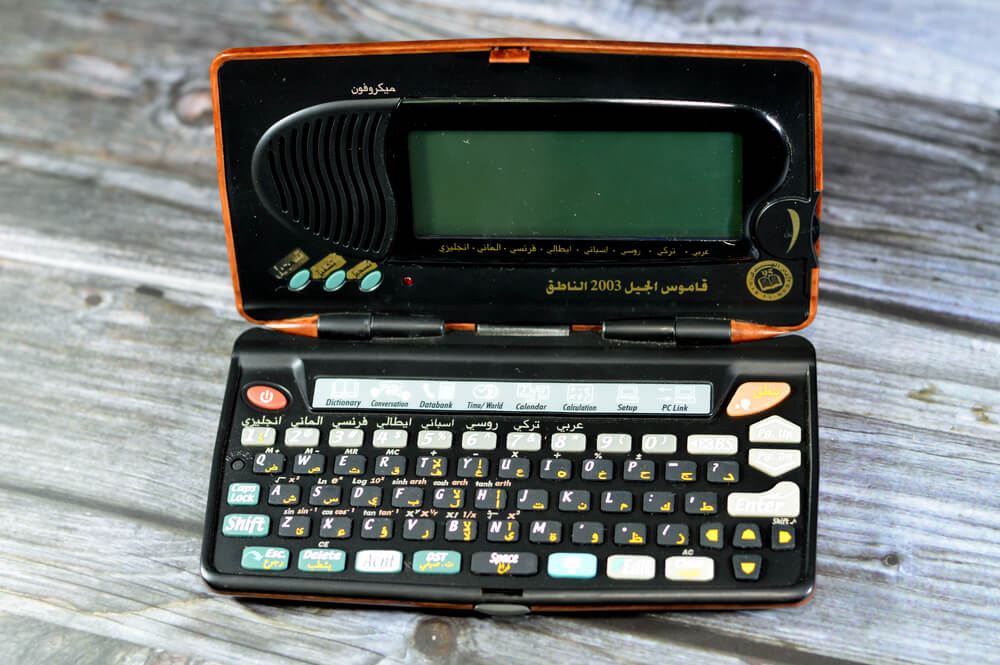
Devices designed specifically for travelers that combined dictionary and translation functions are now completely obsolete single-purpose gadgets.
The Phone that Ate Gadgets
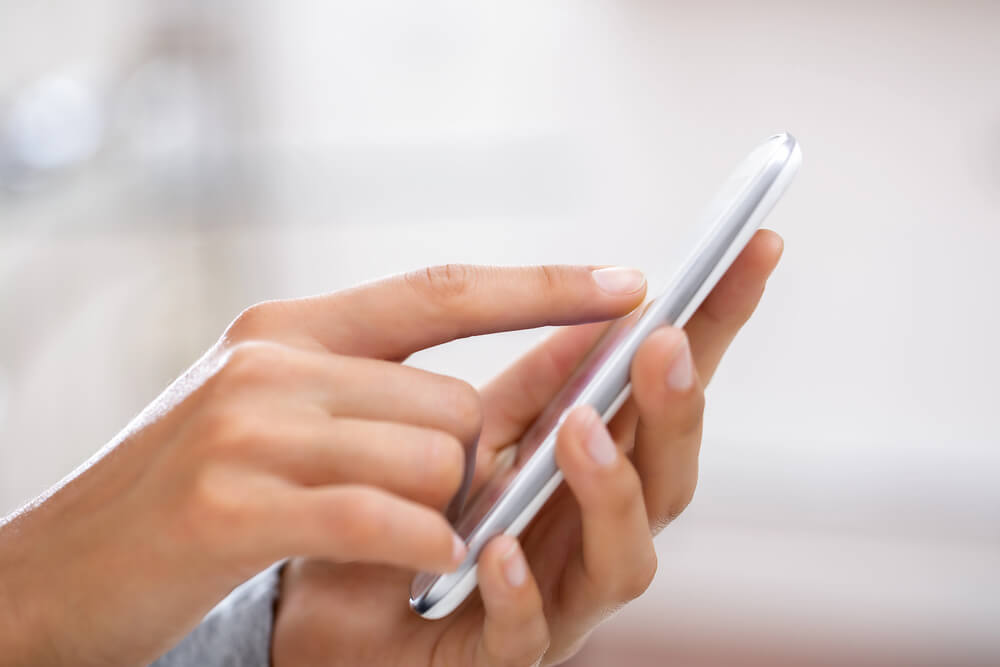
Smartphones didn’t just add features—they destroyed entire categories of consumer electronics through superior consolidation. The transformation happened so quickly that nobody manufactured dedicated gadgets anymore.
Electronics stores that once devoted aisles to these single-purpose devices simply removed those sections. A device that required a $1,228 collection of specialized tools to replicate now fits in a pocket.
That consolidation is efficiency and convenience. It’s also a reminder that technological progress often means the elimination of diversity in our choices and the concentration of multiple functions into single corporate-controlled devices that require ongoing internet service and data transmission to function fully.
More from Go2Tutors!

- The Romanov Crown Jewels and Their Tragic Fate
- 13 Historical Mysteries That Science Still Can’t Solve
- Famous Hoaxes That Fooled the World for Years
- 15 Child Stars with Tragic Adult Lives
- 16 Famous Jewelry Pieces in History
Like Go2Tutors’s content? Follow us on MSN.



