Iconic Movie Props and Their Hidden Stories
When you think about your favorite movie moments, the props probably disappear into the background. That’s how good design works—it serves the story so seamlessly that you forget it exists.
But behind every memorable film object lies a tale worth telling, often more fascinating than the plot it helped advance. These props carry the fingerprints of craftspeople, the anxieties of directors, and sometimes the sheer chaos of productions spiraling beyond anyone’s control.
The Ruby Slippers from The Wizard of Oz
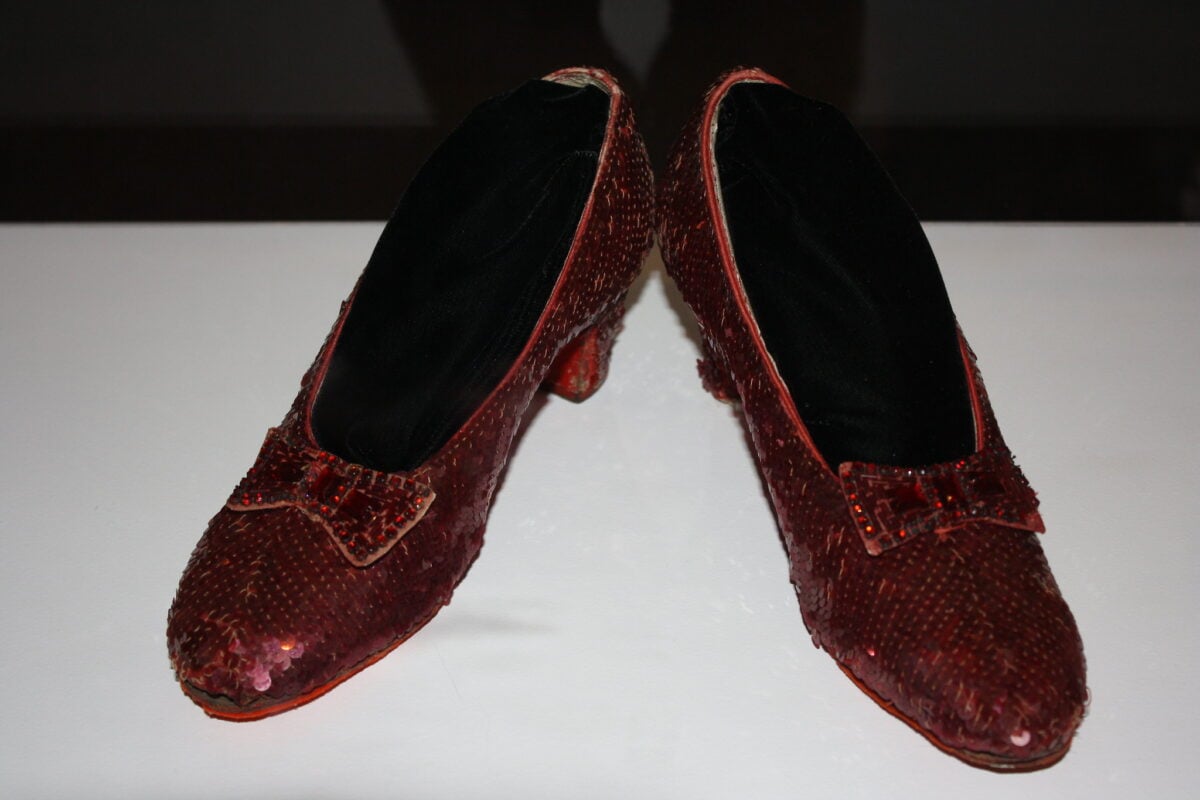
The most famous shoes in cinema history weren’t supposed to be red. In L. Frank Baum’s original novel, Dorothy’s magical footwear was silver.
The change to ruby happened for one reason: Technicolor. MGM wanted to show off their expensive new color technology, and what better way than with shoes that sparkled like garnets against a yellow brick road? Seven pairs were made for the production.
Judy Garland wore most of them into oblivion through countless takes of skipping and dancing. Only four pairs survive today, and they’ve become more valuable than most people’s houses.
Rosebud from Citizen Kane
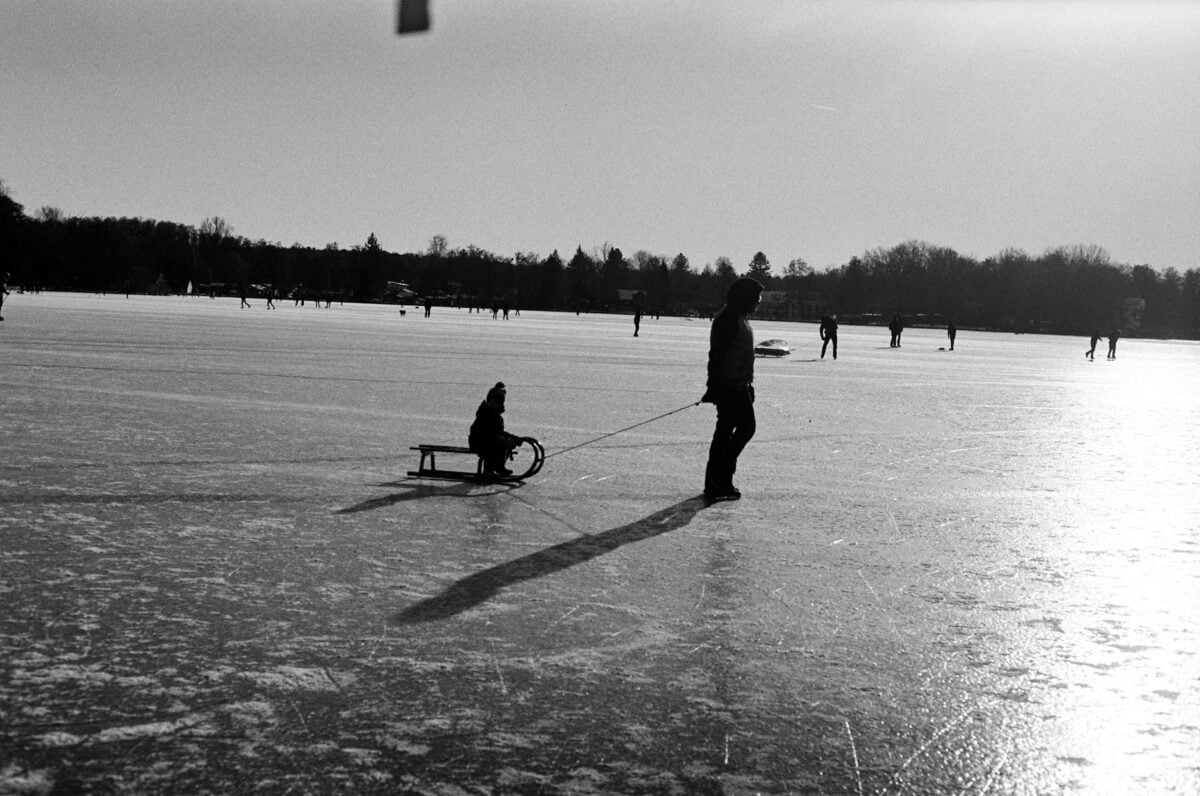
Orson Welles needed a sled that could burn convincingly on camera while revealing the central mystery of his masterpiece. The prop department built multiple versions—some for close-ups, others designed specifically for destruction.
The burning scene required three takes, which meant three sleds had to be sacrificed to the flames. The irony cuts deep: a prop representing lost innocence and childhood was literally consumed by the filmmaking process.
One surviving sled sold at auction for over $60,000, though nobody can prove which scenes it appeared in (if any). Sometimes the mystery extends beyond the movie itself.
The Maltese Falcon
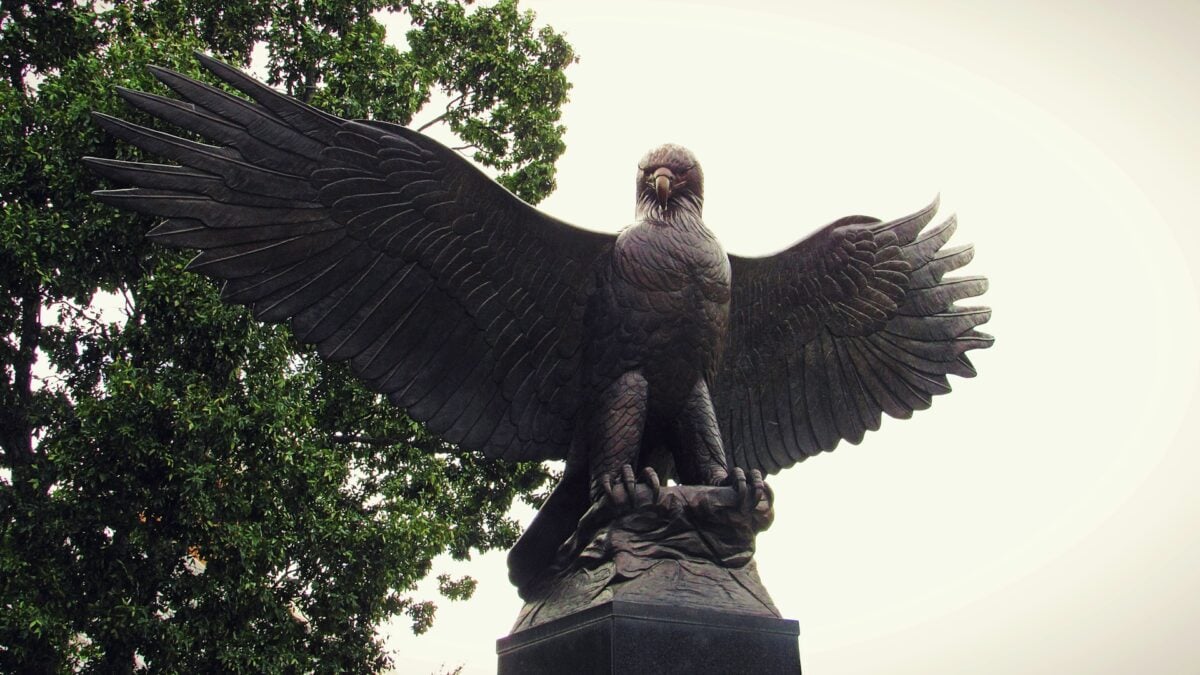
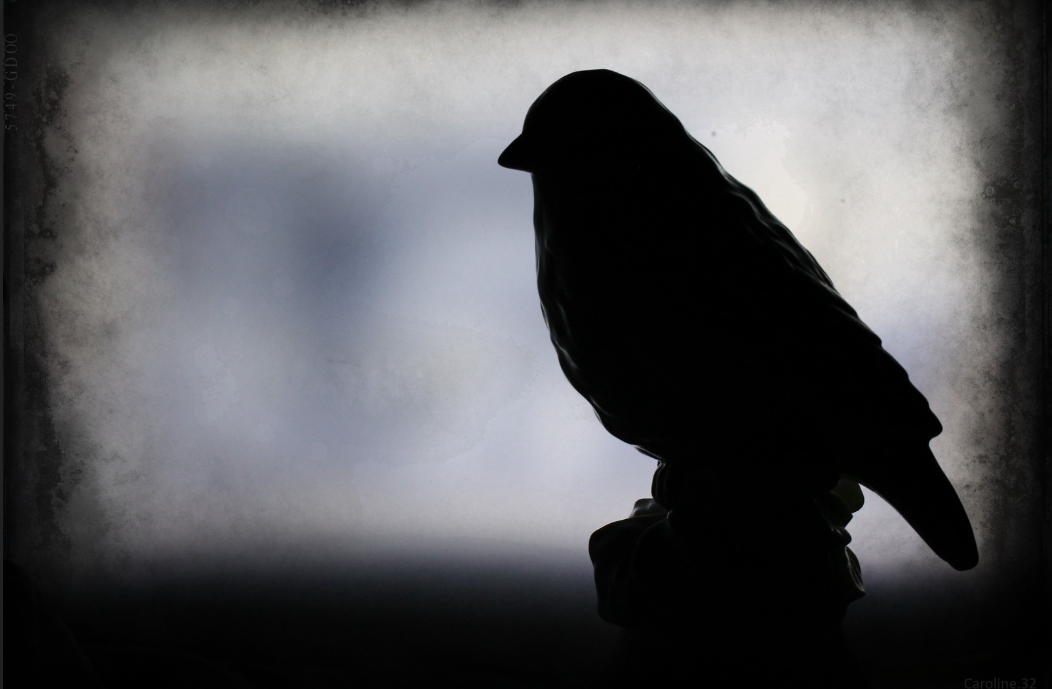
John Huston’s 1941 noir classic required a bird statue that characters would kill for, and the prop department delivered something that looked appropriately ancient and valuable. They created several versions from different materials—lead was used for the version that actors actually handled, because it felt substantial and expensive when lifted.
But here’s where things get interesting (and this might explain why the prop has always felt slightly cursed): the lead falcon disappeared from Warner Bros. shortly after filming wrapped.
Nobody knows who took it, when it vanished, or where it ended up. The movie’s central MacGuffin became a real-world mystery that remains unsolved decades later.
And the other surviving falcons have been sold at auctions for hundreds of thousands of dollars, proving that sometimes fictional greed translates directly into actual greed. Go figure.
The DeLorean from Back to the Future
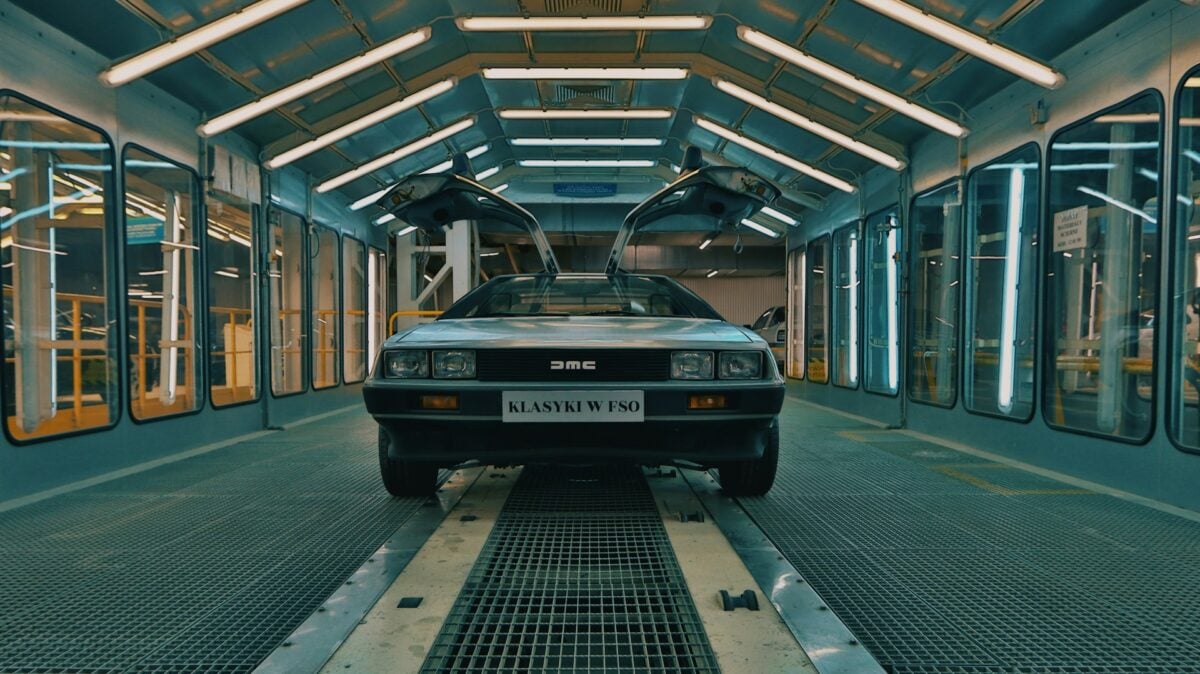
Choosing a DeLorean wasn’t about nostalgia or automotive romance. The gull-wing doors opened upward, which meant they would look distinctive and futuristic on camera from any angle.
The stainless steel body also reflected light in interesting ways, giving the special effects team more options during the time-travel sequences. Three DeLoreans were modified for filming, and each one served a different purpose.
One was built for high-speed driving scenes, another was designed to accommodate the complex electronic props and lighting rigs, and the third was used for close-up interior shots. The cars became so iconic that DeLorean enthusiasts still modify their vehicles to look like the movie versions, decades after the films wrapped.
The Mask from The Mask
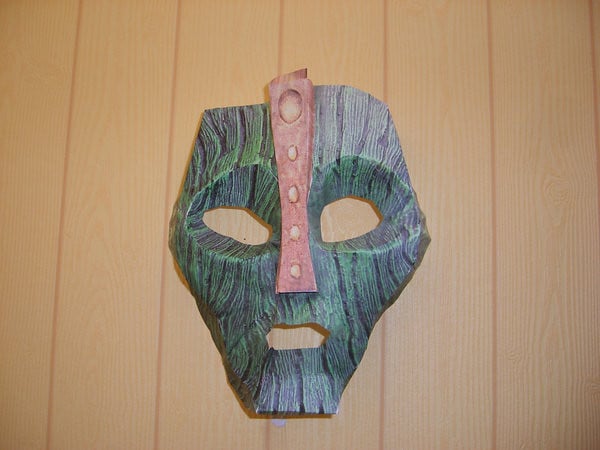
Jim Carrey’s transformation scenes required a prop that looked ancient and mystical while remaining light enough for extended wear. The mask itself went through dozens of design iterations—early versions were too heavy, others too fragile, some too frightening for the film’s comedic tone.
The final version was crafted from lightweight materials but painted and treated to appear as if it had been carved from wood centuries ago. Multiple masks were created for different scenes: hero masks for close-ups, stunt masks for action sequences, and breakaway versions for scenes where the mask needed to be removed quickly.
The paint job alone took hours for each mask, with artists layering colors and textures to create the illusion of age and wear.
Wilson from Cast Away
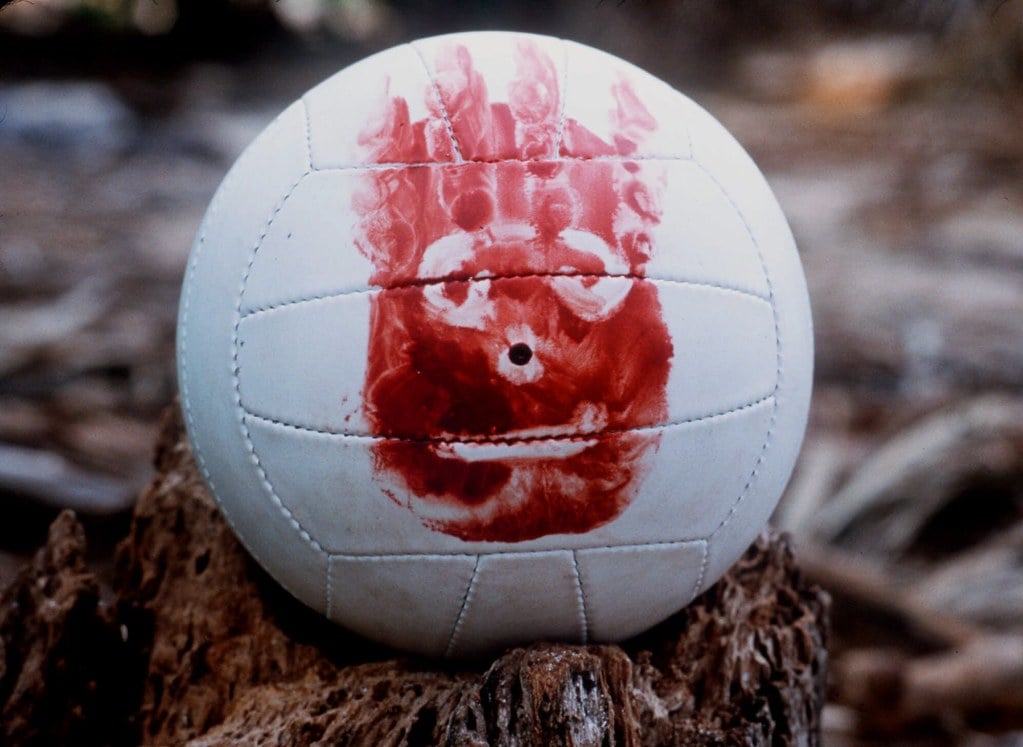
Creating a volleyball that could carry emotional weight proved more challenging than anyone expected. The prop department tested dozens of different volleyball brands, looking for one with the right texture, color, and size that would photograph well under various lighting conditions.
Tom Hanks formed such an attachment to the prop during filming that he struggled to throw it into the ocean during the movie’s climactic scene. Multiple Wilsons were created—some designed to float properly in water, others weighted for throwing scenes, and several backup versions in case any were lost during the challenging ocean filming.
The bloody handprint that gives Wilson his face was carefully designed to look like it came from a genuine injury while remaining clearly visible on camera.
The Briefcase from Pulp Fiction
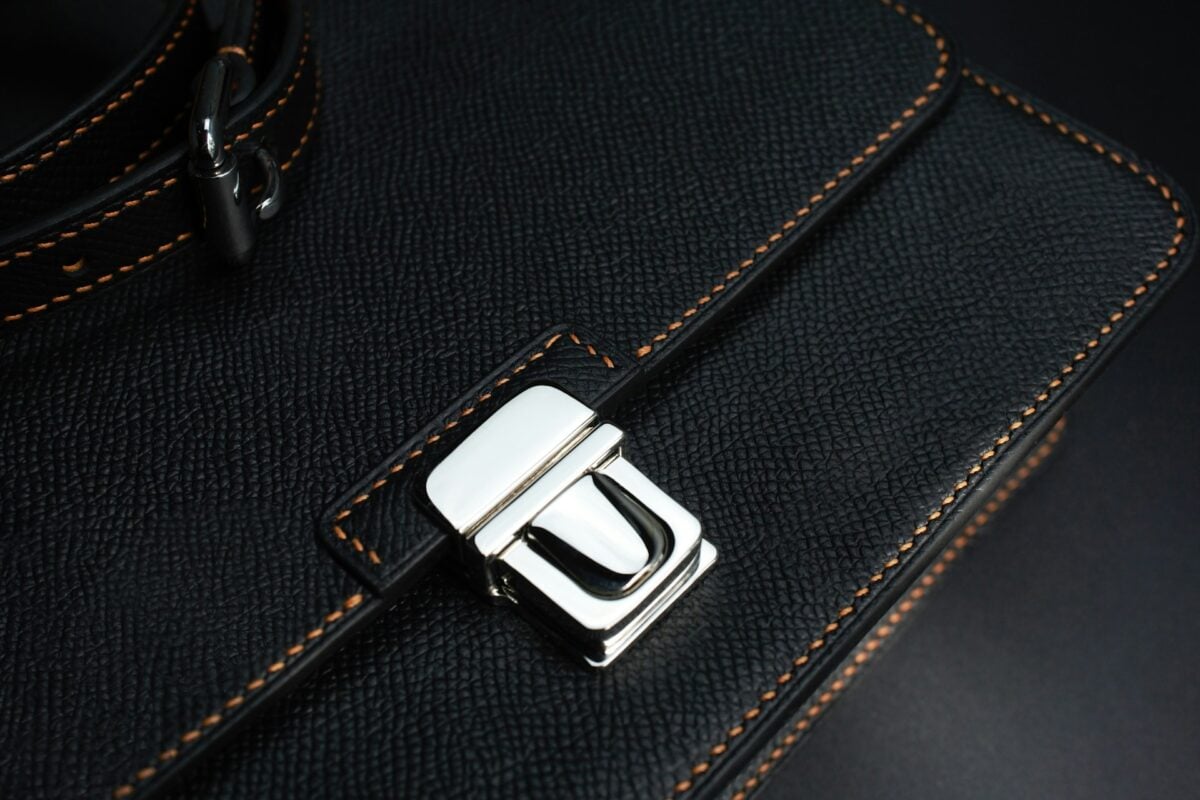
Tarantino never reveals what’s inside Marcellus Wallace’s briefcase, and that ambiguity was completely intentional. The prop department filled it with orange light bulbs and mirrors, creating an otherworldly glow that would intrigue audiences without giving anything away.
The combination to open the briefcase—666—was initially random, but crew members noticed the devilish coincidence and kept it. Multiple briefcases were built for different scenes, but they all contained the same lighting setup.
The glow effect was achieved practically, without any post-production enhancement, which gives those opening moments their authentic sense of mystery.
The Statue from The Maltese Falcon
Wait—that was already covered. Let’s talk about something else entirely.
E.T.’s Glowing Heart
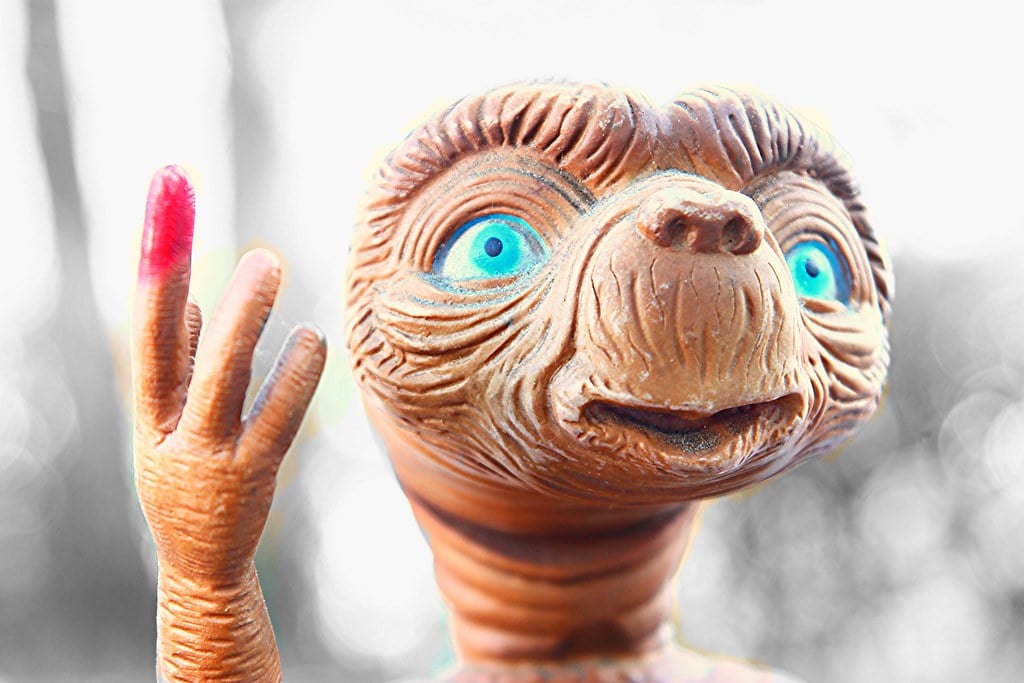
Spielberg wanted E.T.’s heart light to feel magical and organic, not mechanical. The effect was created using a combination of practical lighting built into the puppet and careful camera work.
The alien’s chest contained a small lighting rig that could be controlled by puppeteers, allowing them to sync the heartbeat effect with E.T.’s emotional state. Different versions of E.T. were built for different scenes—some focused on facial expressions, others designed for walking shots, and several specifically engineered for the heart-light sequences.
The lighting effect required careful coordination between the puppet operators and the cinematographer, since the glow needed to look natural under various film lighting setups. The final effect feels seamless, but it required dozens of technicians working in perfect synchronization.
The Monolith from 2001: A Space Odyssey
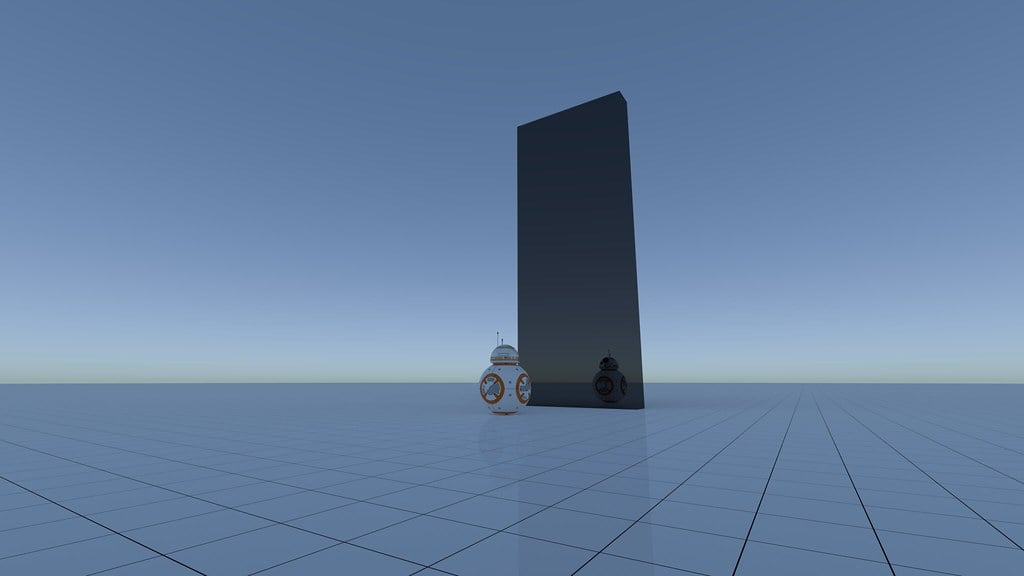
Kubrick demanded perfection from his monolith, and the prop department delivered something that looked genuinely otherworldly. The black surface was created using a special coating that absorbed light almost completely, making the monolith appear to be a void in space rather than a physical object.
Multiple monoliths were built in different sizes for various scenes—a small version for the opening “Dawn of Man” sequence, a larger one for the moon excavation scenes, and a massive version for the final “Star Gate” sequence. Each monolith was perfectly proportioned according to Kubrick’s specifications: its dimensions followed a 1:4:9 ratio, representing the squares of 1, 2, and 3.
The Sword from Kill Bill
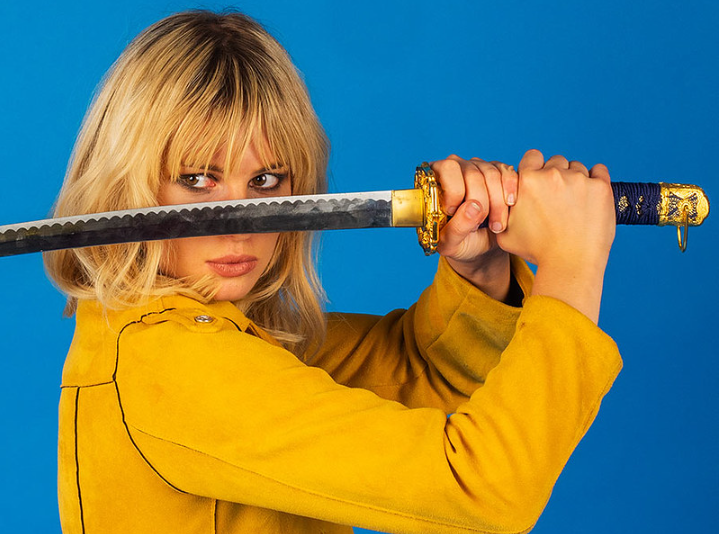
Hattori Hanzo’s sword needed to look like it could slice through anything, and the prop department created multiple versions for different types of scenes. Hero swords were made from real steel for close-up shots, stunt swords from lightweight aluminum for fight scenes, and retractable versions for scenes where the blade needed to appear to penetrate something safely.
The sword’s appearance was based on traditional Japanese katana design, but the prop makers added subtle modifications to make it photograph better under film lighting. The blade’s surface was specially treated to reduce glare while maintaining its deadly appearance.
Uma Thurman trained with lightweight practice versions before moving to the actual props used in filming.
The Red Stapler from Office Space
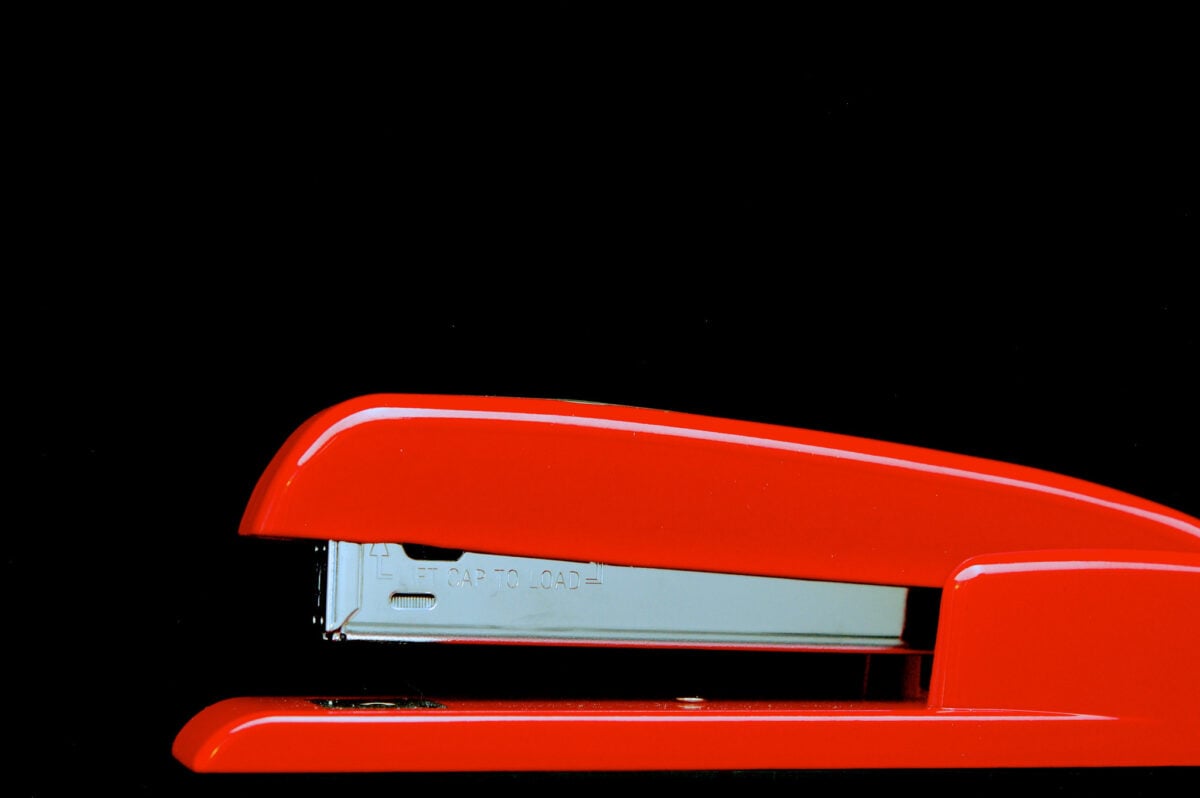
Milton’s red Swingline stapler became one of the most recognizable props in comedy history, despite its humble origins. The irony? Swingline didn’t make red staplers when the movie was filmed.
The prop department bought standard black Swingline staplers and painted them red. After the movie’s success, fans began requesting red staplers from Swingline directly.
The company eventually started manufacturing them in red, essentially allowing a fictional prop to influence real-world product design. The original prop staplers from the film have become collector’s items, worth significantly more than their office-supply origins would suggest.
The Ark of the Covenant from Raiders of the Lost Ark
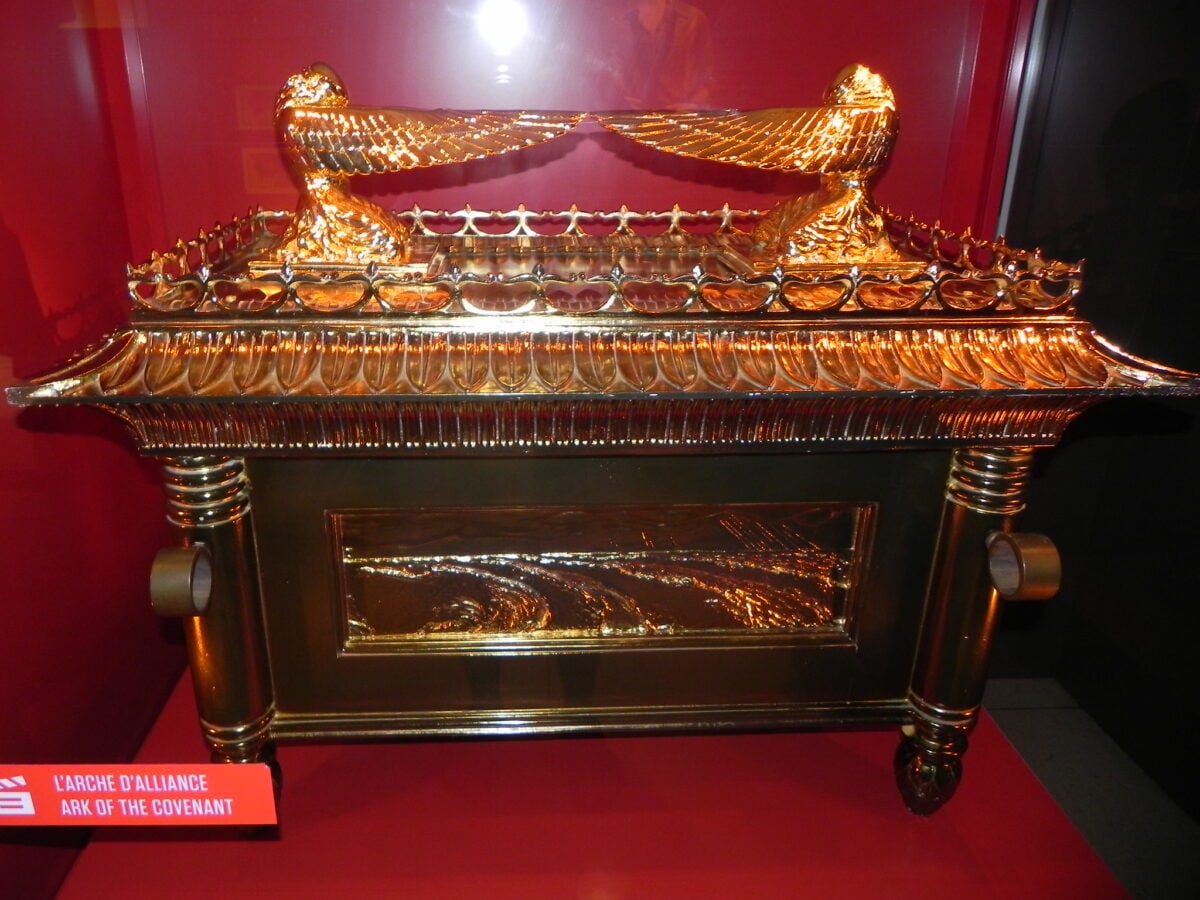
Spielberg’s Ark needed to look ancient, mysterious, and powerful—something worth the global chase that drives the film’s plot. The prop department researched biblical descriptions and historical artwork to create something that felt authentic while remaining practical for filming.
Multiple versions were built: a lightweight version for carrying scenes, a heavier hero version for close-ups, and a specially rigged version for the film’s climactic supernatural sequences. The Ark’s golden surface was created using a combination of gold leaf and metallic paint, applied in layers to create depth and richness under various lighting conditions.
The cherubim figures on top were sculpted to look appropriately ancient and mysterious.
The One Ring from The Lord of the Rings
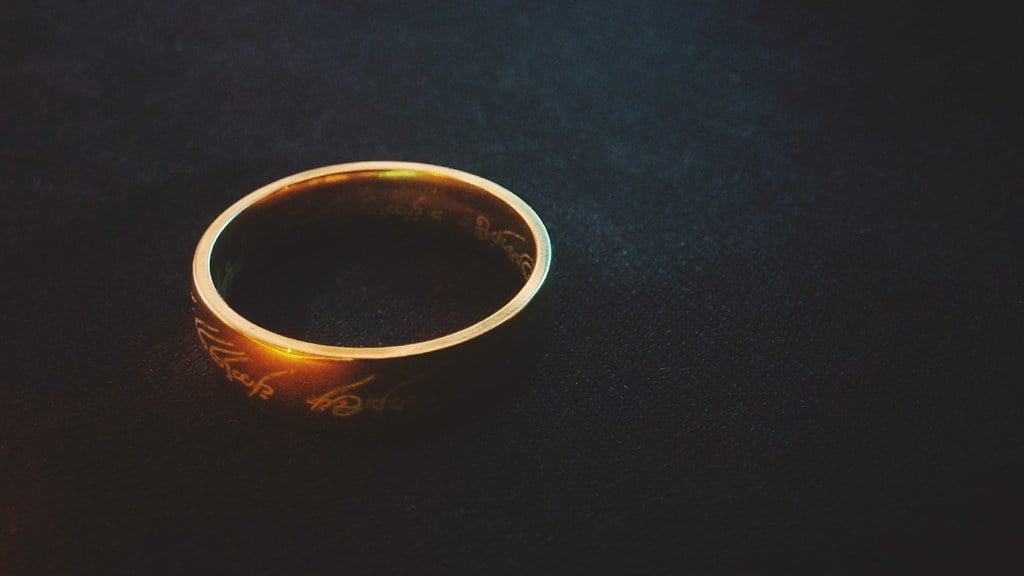
Peter Jackson’s Ring needed to look both beautiful and corrupting—an impossible balance that the prop department achieved through meticulous craftsmanship. Multiple rings were created in different materials: hero rings from gold for close-up shots, lightweight versions for extended wear, and oversized rings for extreme close-ups.
The Elvish inscription that appears when the Ring is heated was created using a special technique that made the letters visible only under certain lighting conditions. This allowed the filmmakers to control exactly when the inscription would be visible on camera.
The Ring’s size was carefully calibrated to fit different actors’ hands, since it needed to look consistent whether worn by hobbits, humans, or other characters.
When Props Become Legends
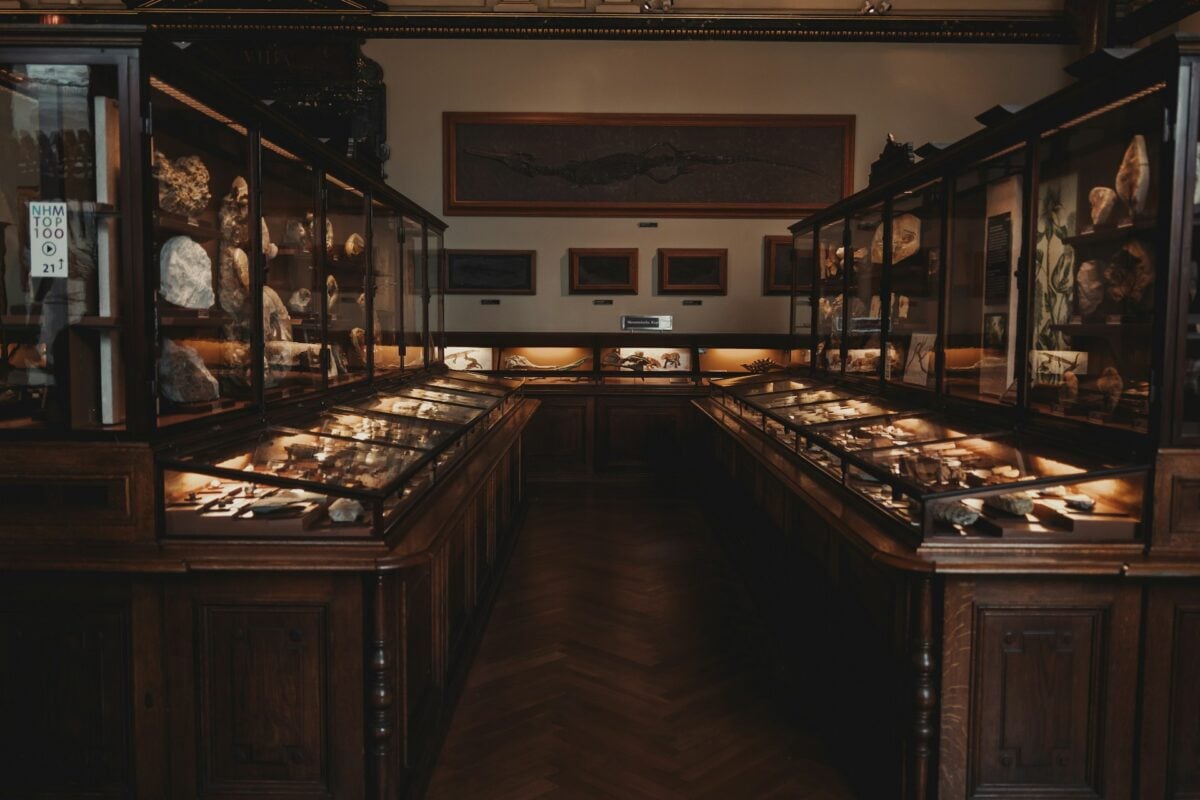
Props outlive the movies that made them famous. They end up in museums, private collections, and sometimes forgotten storage rooms where they wait to be rediscovered by film historians.
The best ones carry their stories forward, becoming artifacts of the creative process that brought them to life. These objects remind us that movie magic happens in the physical world before it reaches the screen.
Behind every memorable prop stands a craftsperson who understood that the smallest details can carry the largest emotions, and that sometimes the most important character in a scene never speaks a single line.
More from Go2Tutors!

- The Romanov Crown Jewels and Their Tragic Fate
- 13 Historical Mysteries That Science Still Can’t Solve
- Famous Hoaxes That Fooled the World for Years
- 15 Child Stars with Tragic Adult Lives
- 16 Famous Jewelry Pieces in History
Like Go2Tutors’s content? Follow us on MSN.