32 Space Discoveries Made by Accident
Science likes to imagine itself as a tidy march toward answers, but the universe keeps interrupting with surprises nobody was looking for. Some of the most consequential findings in astronomy arrived because someone’s equipment malfunctioned, a photograph came out wrong, or a researcher simply noticed something that didn’t belong.
What follows is a tour of those detours — moments when curiosity, error, and luck combined to rewrite the textbooks.
Cosmic Microwave Background Radiation
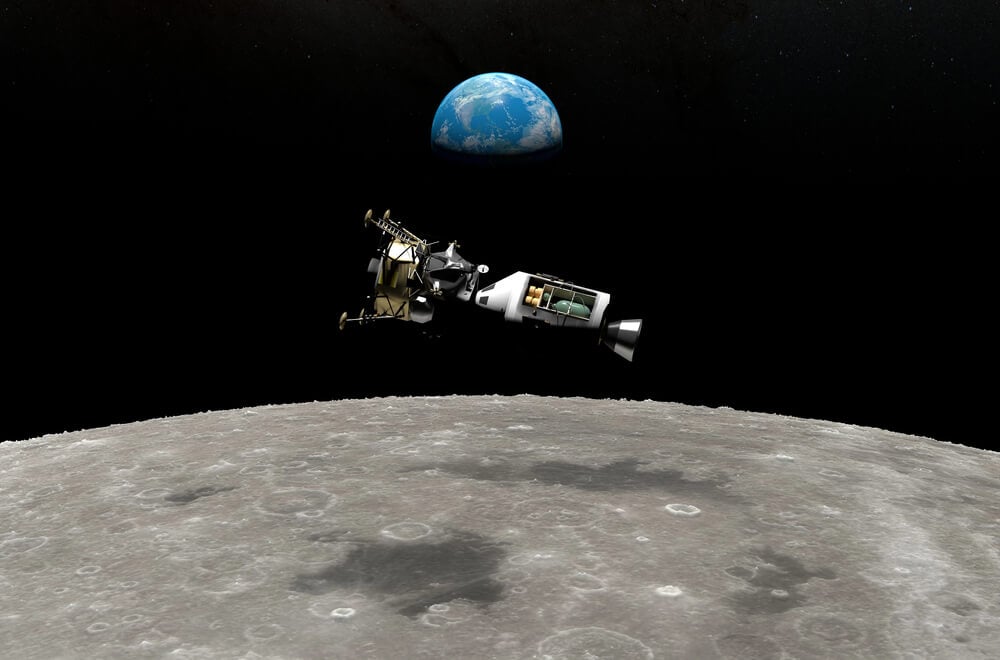
In 1964, Arno Penzias and Robert Wilson at Bell Labs were trying to eliminate a persistent hiss of radio noise from their antenna in New Jersey, even scraping out pigeon droppings to see if that was the cause. The noise never went away because it was the leftover radiation from the Big Bang itself, arriving uniformly from every direction in the sky.
The discovery earned them the 1978 Nobel Prize in Physics and gave cosmology its strongest piece of evidence for the origin of the universe.
Pulsars
Graduate student Jocelyn Bell Burnell was combing through radio telescope data in 1967 when she spotted a strange, precisely repeating signal her team nicknamed “LGM-1,” for Little Green Men, half-joking that it might be an alien beacon. The signal turned out to be a pulsar, a rapidly spinning neutron star sweeping a beam of radiation past Earth like a lighthouse.
Bell Burnell’s supervisor received the Nobel Prize for the finding in 1974, a decision still debated by historians of science.
Uranus
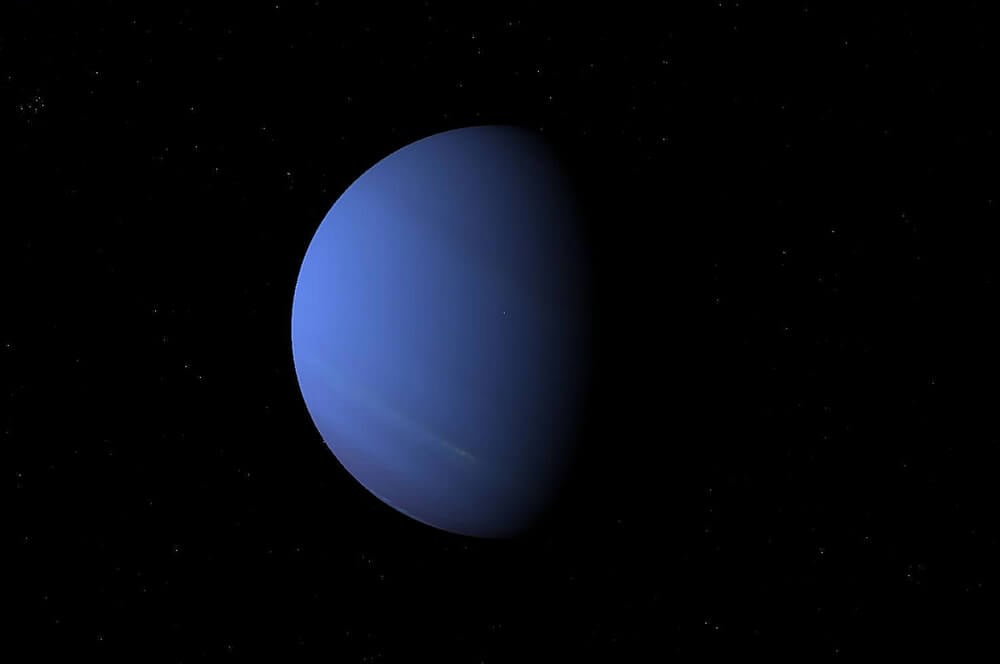
William Herschel was surveying faint stars from his garden in Bath, England, in 1781 when he noticed an object that looked like a disk rather than a point of light. He initially assumed it was a comet, but its orbit revealed it to be a planet, the first discovered with a telescope rather than the unaided eye.
Herschel wanted to name it “Georgium Sidus” after King George III, but astronomers eventually settled on Uranus to match the mythological naming pattern of its neighbors.
Radioactivity

Henri Becquerel left a uranium salt sample on top of an unexposed photographic plate in a drawer in 1896, expecting sunlight to be required for any reaction to occur. On an overcast day he developed the plate anyway and found it had fogged despite never being exposed to light, revealing that the uranium was emitting its own energy.
The finding launched the study of radioactivity and set the stage for Marie and Pierre Curie’s work.
Gamma-Ray Bursts
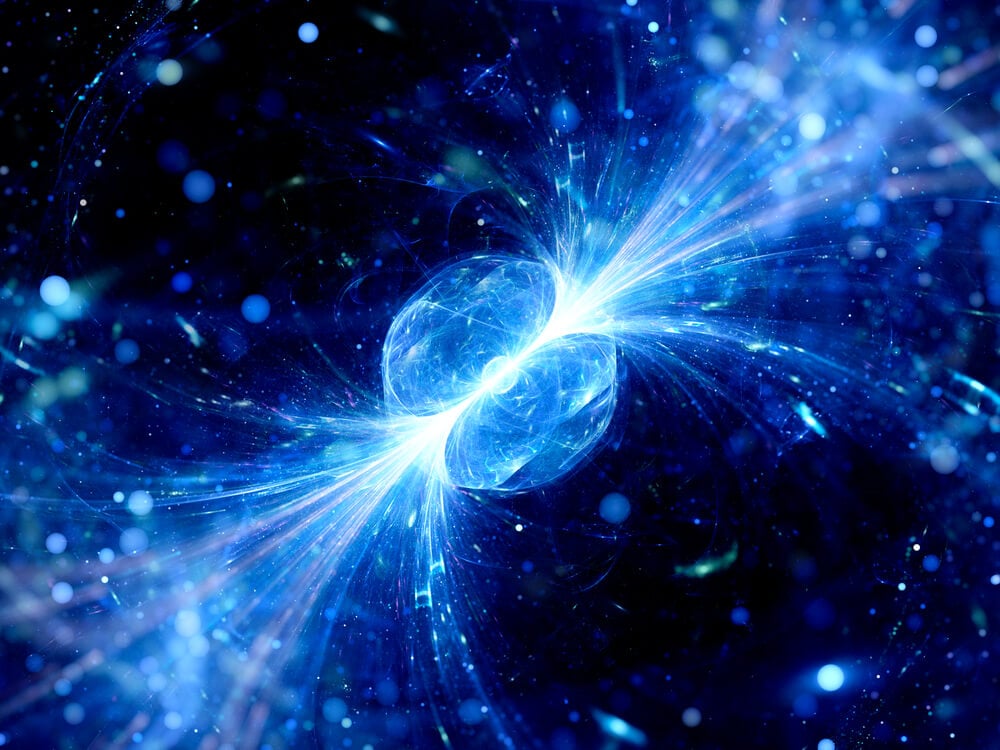
American satellites launched in the late 1960s to monitor Soviet nuclear tests for signs of secret detonations instead began registering intense flashes of gamma radiation coming from deep space. Declassified years later, the Vela satellite data revealed gamma-ray bursts, the most energetic explosions known in the universe, typically triggered by the collapse of massive stars or the merger of neutron stars.
The military origin of the discovery kept it out of public science journals for years.
Pluto’s Moon Charon
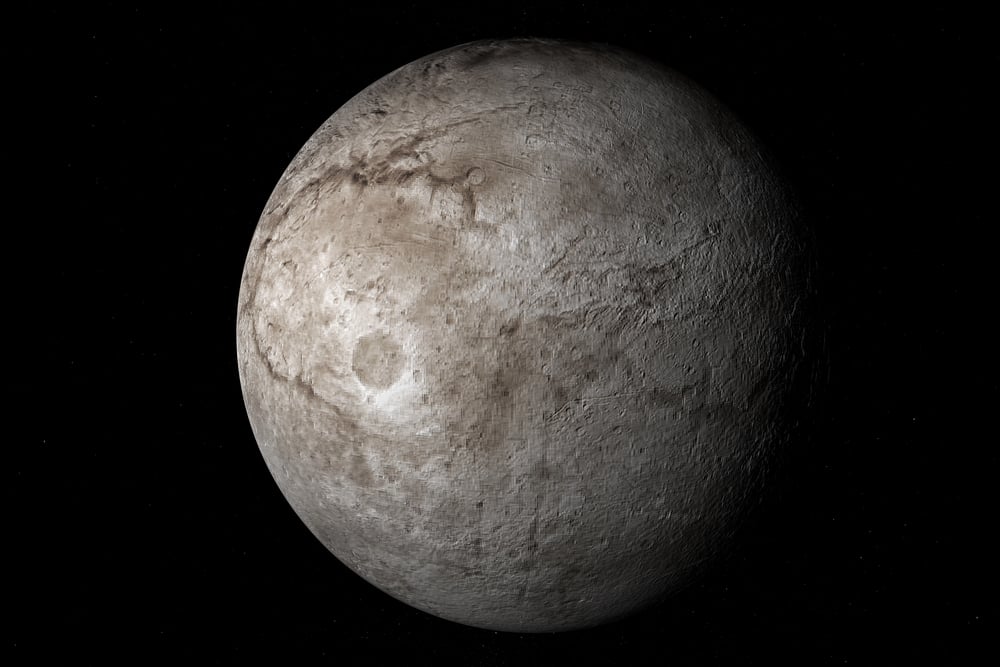
Astronomer James Christy was reviewing blurry photographic plates of Pluto at the US Naval Observatory in 1978 when he noticed a strange bump appearing and disappearing on one side of the planet’s image. The bump turned out to be Charon, Pluto’s largest moon, close enough in size to Pluto that the two bodies orbit a shared point in space between them.
The discovery reshaped how astronomers classified Pluto’s system for decades afterward.
The Van Allen Radiation Belts
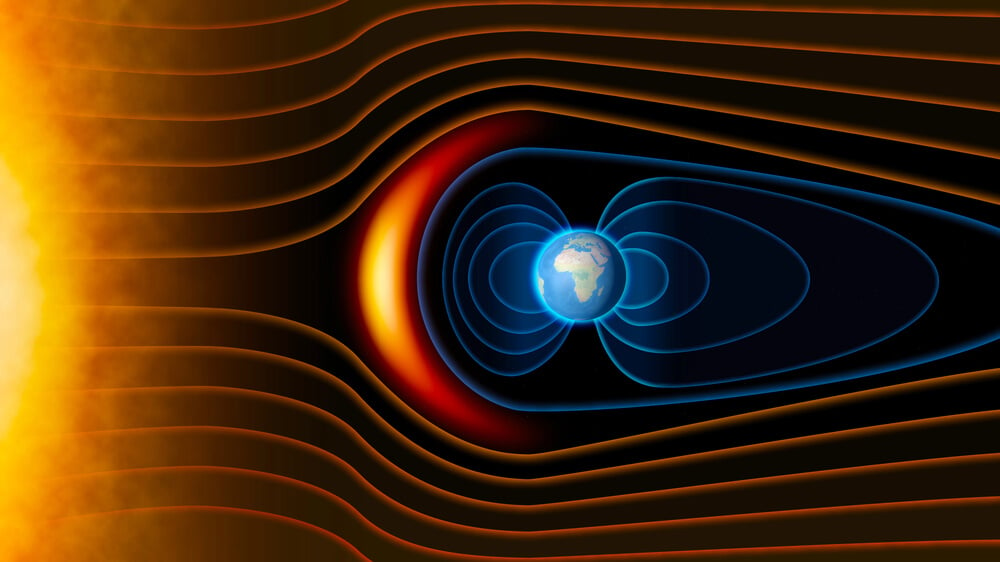
James Van Allen’s Geiger counter aboard Explorer 1 in 1958 kept returning readings that made no sense, dropping to zero at certain altitudes instead of rising as expected. Rather than a broken instrument, the readings showed the counter was being overwhelmed by radiation levels far higher than predicted, revealing two doughnut-shaped belts of charged particles trapped by Earth’s magnetic field.
The belts now bear his name and are a standing concern for spacecraft and astronaut safety.
Neptune’s Existence, Confirmed by Math Before Sight
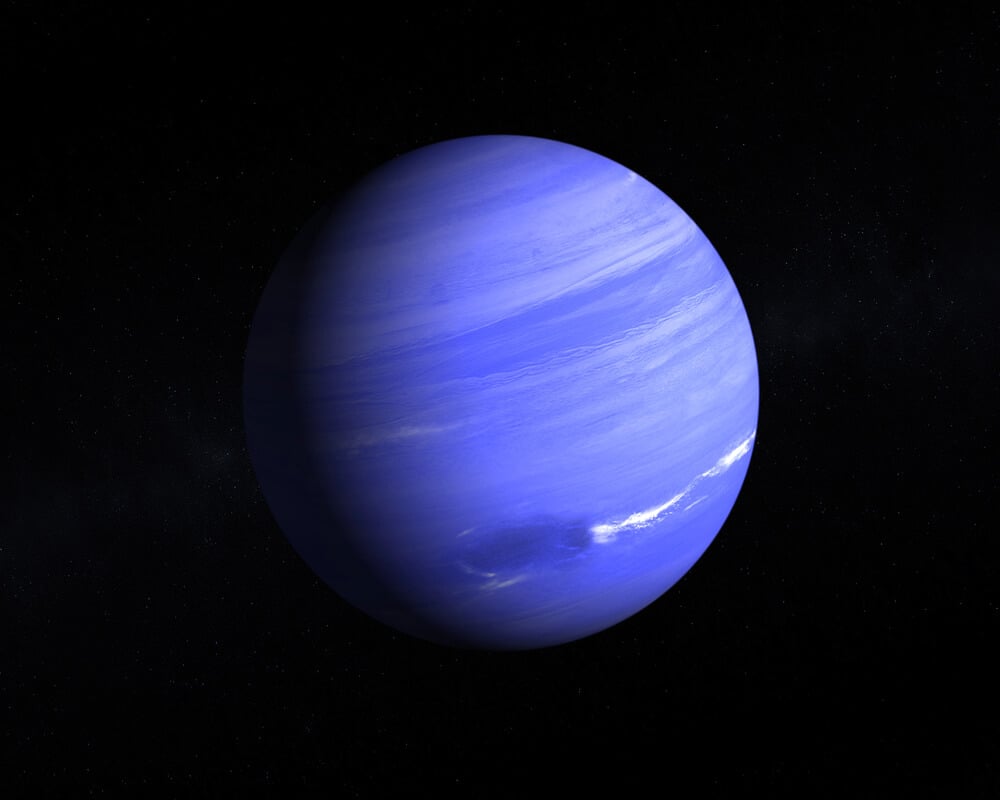
Astronomers noticed that Uranus was not following its predicted orbit, wobbling as if tugged by the gravity of an unseen body. Urbain Le Verrier calculated where such a planet should be, and in 1846 Johann Galle pointed a telescope at that exact patch of sky and found Neptune within an hour of searching.
It remains one of the few planets located through mathematical prediction rather than direct observation first.
Olympus Mons
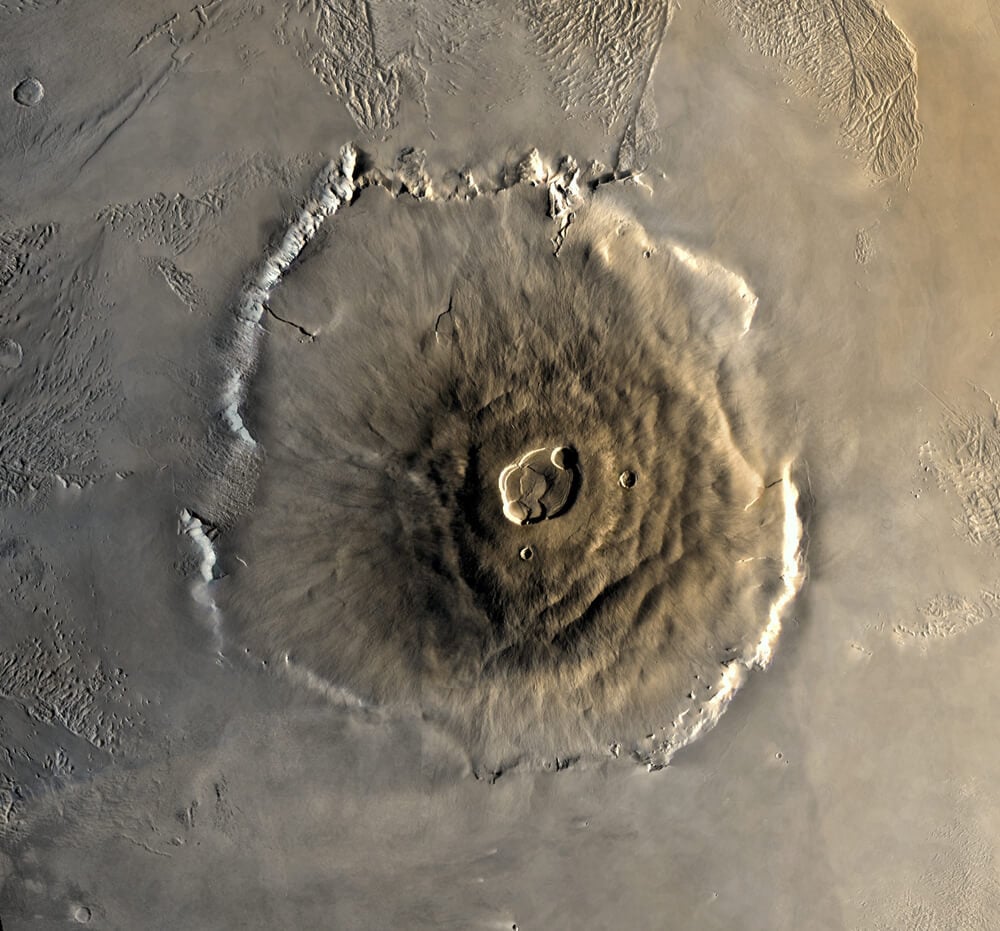
Mariner 9, the first spacecraft to orbit another planet, arrived at Mars in 1971 during a planet-wide dust storm that obscured almost the entire surface. As the dust settled, a single dark spot kept poking through the haze before anything else became visible, and it turned out to be the summit of Olympus Mons, the largest known volcano in the solar system.
The mountain is roughly three times the height of Mount Everest.
The Ozone Pit
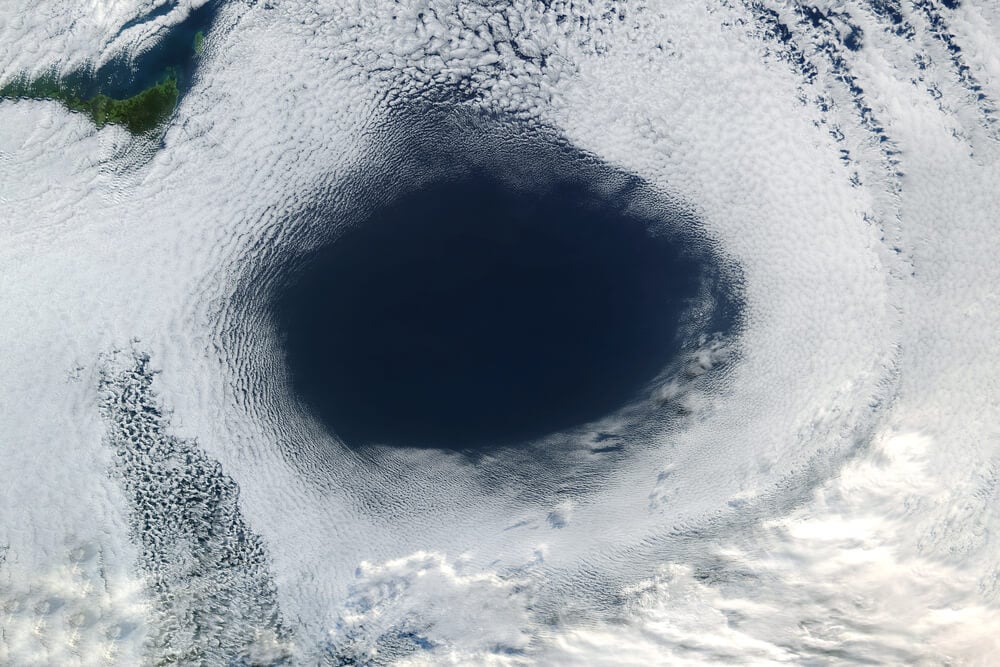
Researchers with the British Antarctic Survey noticed in the early 1980s that their ozone-measuring instruments were returning numbers so low they assumed the equipment was broken and kept replacing it. Only after ruling out instrument failure did the team realize the readings were accurate, revealing a genuine seasonal thinning of ozone over Antarctica.
The finding, published in 1985, directly led to the Montreal Protocol banning ozone-depleting chemicals.
1I/’Oumuamua
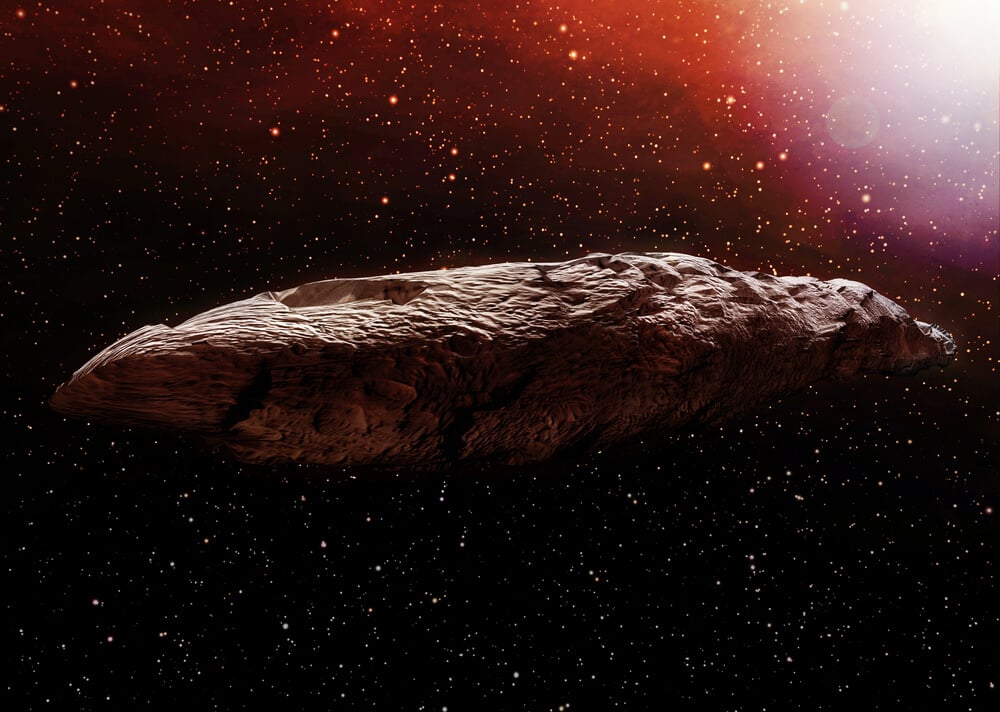
A telescope in Hawaii scanning for near-Earth asteroids in 2017 flagged an object moving on a trajectory that no solar system body should follow, arriving from and departing to interstellar space. Named ‘Oumuamua, Hawaiian for “scout,” it became the first confirmed object from outside the solar system ever observed passing through.
Its unusual elongated shape and lack of a visible tail sparked years of debate over its exact nature.
The Kuiper Belt’s First Confirmed Member
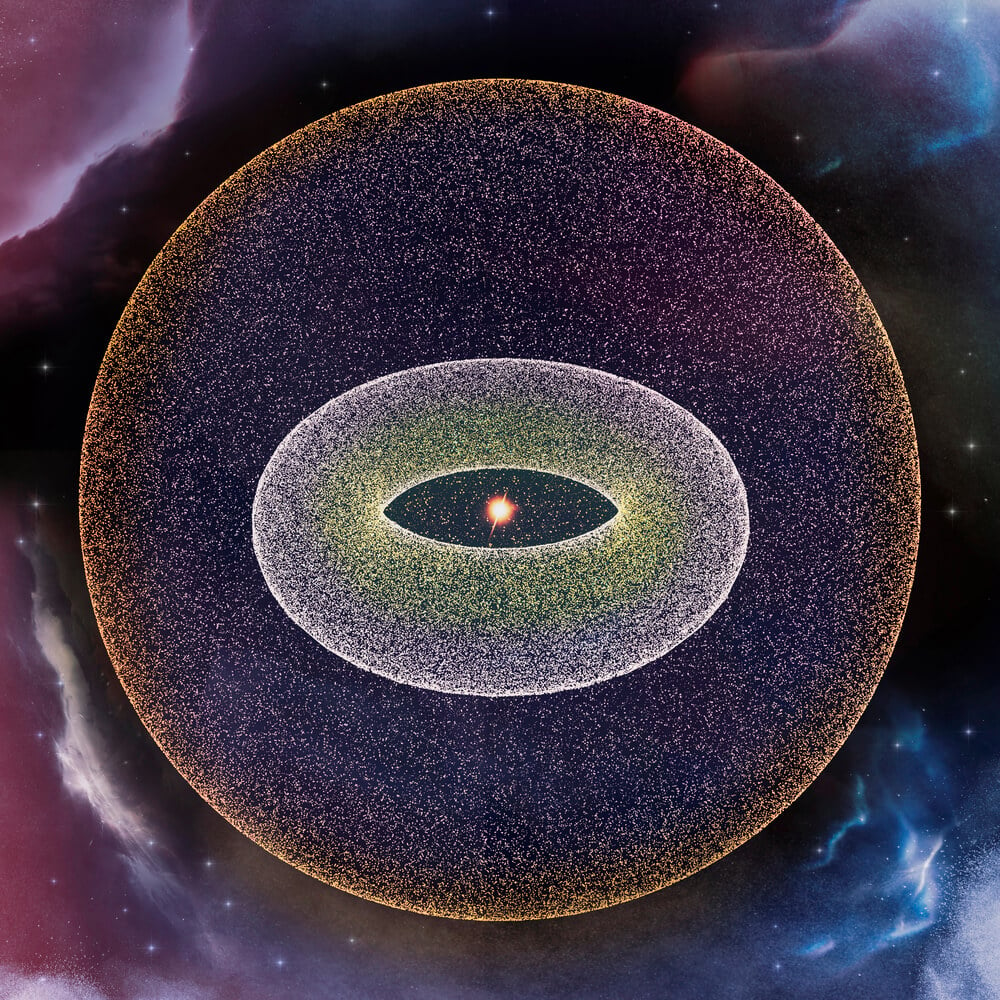
Astronomers David Jewitt and Jane Luu spent five years deliberately searching for objects beyond Neptune before finally finding one in 1992, but their persistence was rewarded by pure chance timing when their telescope detector was upgraded just before the find. The object, later named Albion, confirmed the existence of the Kuiper Belt, a vast ring of icy bodies that Pluto itself belongs to.
The region is now known to contain hundreds of thousands of similar objects.
Water Plumes on Enceladus

NASA’s Cassini spacecraft made a routine flyby of Saturn’s small moon Enceladus in 2005, not expecting much from a body long assumed to be geologically dead. Instead, its instruments detected geysers of water vapor and ice erupting from cracks near the moon’s south pole.
The find turned Enceladus into one of the leading candidates in the solar system for a subsurface ocean capable of supporting life.
The Expanding Universe
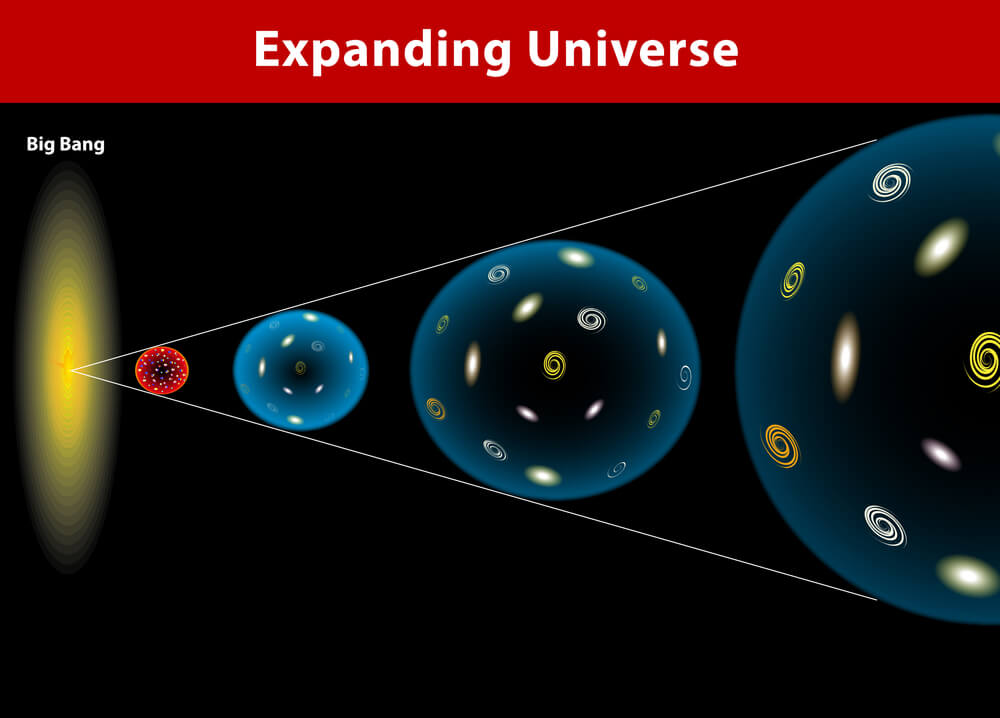
Edwin Hubble was cataloging the distances and light spectra of distant galaxies in the 1920s, mainly trying to settle a debate over whether such “nebulae” were part of the Milky Way at all. Comparing his measurements, he noticed that nearly every galaxy’s light was shifted toward red, meaning it was moving away, and the farther away a galaxy was, the faster it retreated.
That pattern became the observational backbone of the Big Bang theory.
Halley’s Comet Dust in Antarctic Ice
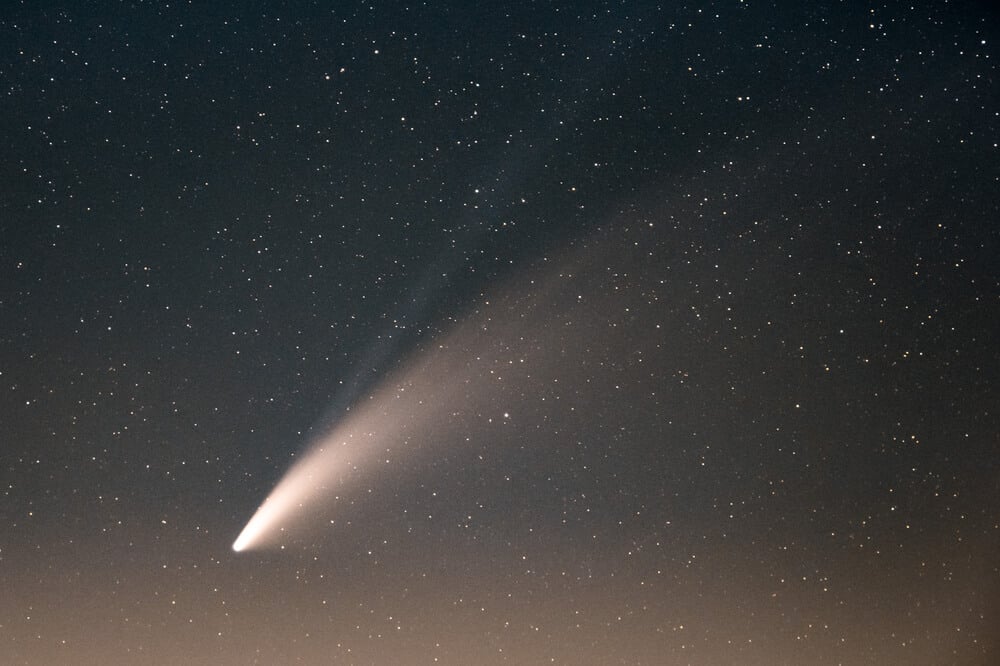
Researchers drilling ice cores in Antarctica to study ancient climate data occasionally find microscopic dust particles that do not match any known terrestrial or volcanic source. Some of this dust has been traced back to the debris trail of Halley’s Comet, deposited during its close passes near Earth over past centuries.
The ice cores effectively work as an unintentional archive of solar system history.
The Discovery of Argon
Chemist Lord Rayleigh noticed in 1892 that nitrogen extracted from air was consistently slightly heavier than nitrogen produced through chemical reactions, a tiny discrepancy most scientists would have dismissed as measurement error. Working with William Ramsay, he traced the difference to a previously unknown gas mixed into atmospheric nitrogen.
The gas, argon, turned out to be the third most abundant element in Earth’s atmosphere, hiding in plain sight for centuries.
Quasars
Astronomers in the early 1960s kept detecting powerful radio sources that appeared to coincide with faint, star-like points of light, an odd pairing nobody could explain. When Maarten Schmidt examined the light spectrum of one such object in 1963, he realized the pattern only made sense if the object’s light was shifted to an extreme degree, meaning it was billions of light-years away yet still visible.
The objects, quasars, are now understood to be powered by supermassive black orbs.
Titan’s Thick Atmosphere
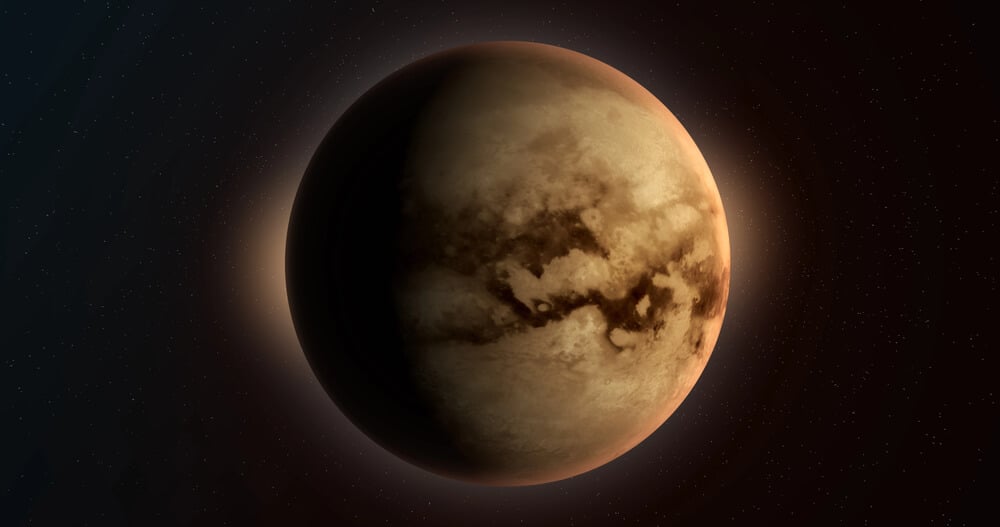
Spanish astronomer Josep Comas i Solà noted in 1907 that Saturn’s largest moon, Titan, appeared to dim slightly toward its edges in a way rocky, airless moons do not. That subtle dimming, called limb darkening, turned out to be the first evidence of Titan having a substantial atmosphere, later confirmed to be thicker than Earth’s own.
Titan remains the only moon in the solar system known to have a dense atmosphere.
Phobos and Deimos’s Irregular Orbits
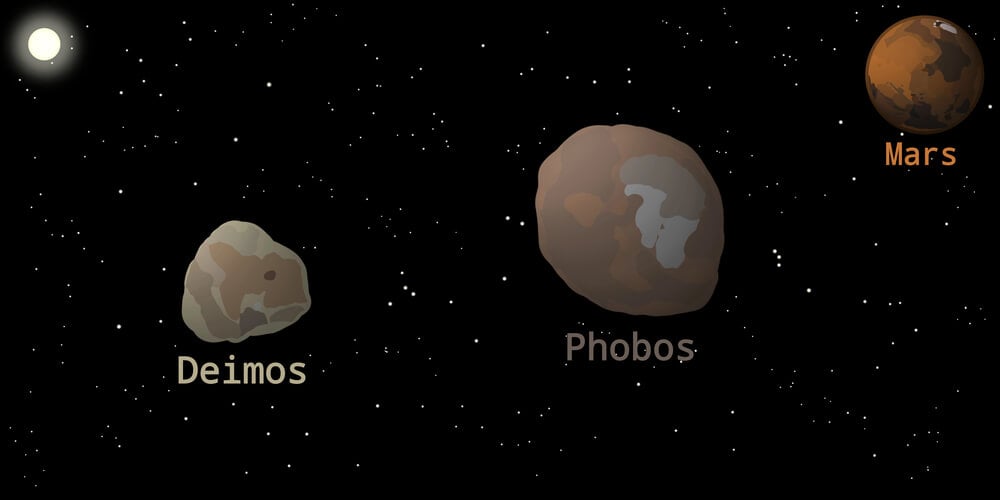
Astronomers tracking Mars’s two small moons in the 20th century noticed that Phobos was gradually spiraling inward toward the planet rather than maintaining a stable orbit, a detail nobody set out to look for. The slow decay, caused by tidal forces, means Phobos is expected to either crash into Mars or break apart into a ring within tens of millions of years.
It remains one of the few moons in the solar system on a confirmed collision course.
The Discovery of Helium

During a solar eclipse in 1868, astronomers Pierre Janssen and Norman Lockyer separately examined the light from the sun’s outer atmosphere and each noticed an unfamiliar yellow spectral line that matched no known element. Lockyer proposed it belonged to a new element, which he named helium after the Greek sun god Helios.
It would take another 27 years before helium was found to exist naturally on Earth as well.
Fast Radio Bursts
In 2007, astronomer Duncan Lorimer’s team was sifting through years-old pulsar survey data from the Parkes Observatory in Australia when they stumbled on a single, intensely bright radio pulse lasting only a few milliseconds. Nicknamed the “Lorimer Burst,” it turned out to be the first documented example of a fast radio burst, a class of extremely energetic and still only partly understood cosmic signals.
Thousands more have since been cataloged from sources across the universe.
The Moons of Mars
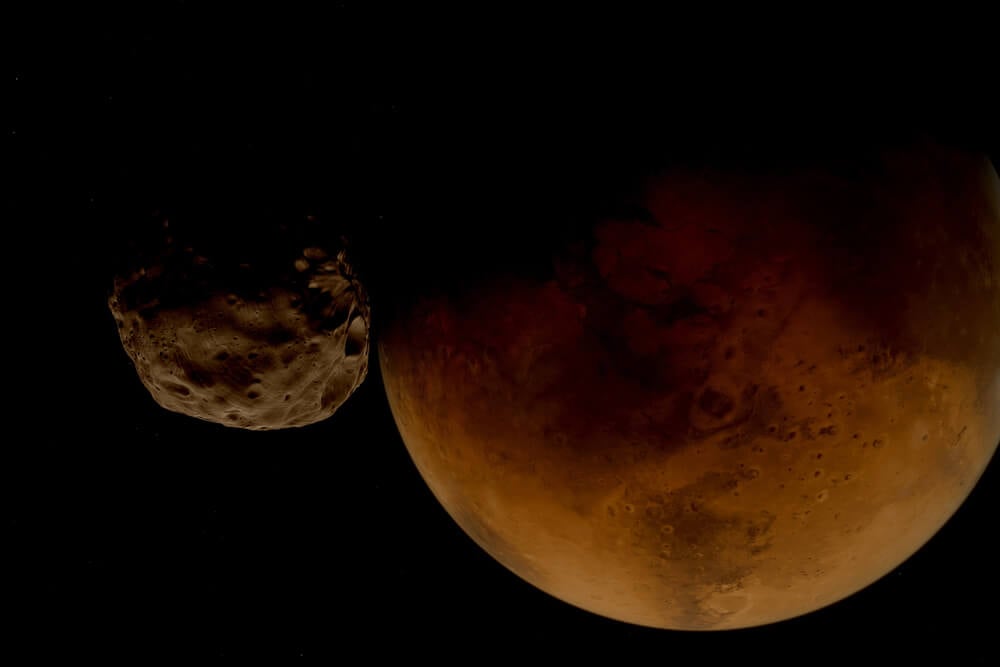
Asaph Hall nearly gave up his search for Martian moons in 1877 after weeks of failed observations, reportedly persuaded by his wife to try one more night before quitting. That single additional night turned up Deimos, quickly followed by Phobos, making Mars the first planet beyond Earth confirmed to have natural satellites.
Both moons are irregularly shaped and thought to be captured asteroids.
The Sudden Brightening of Supernova 1987A
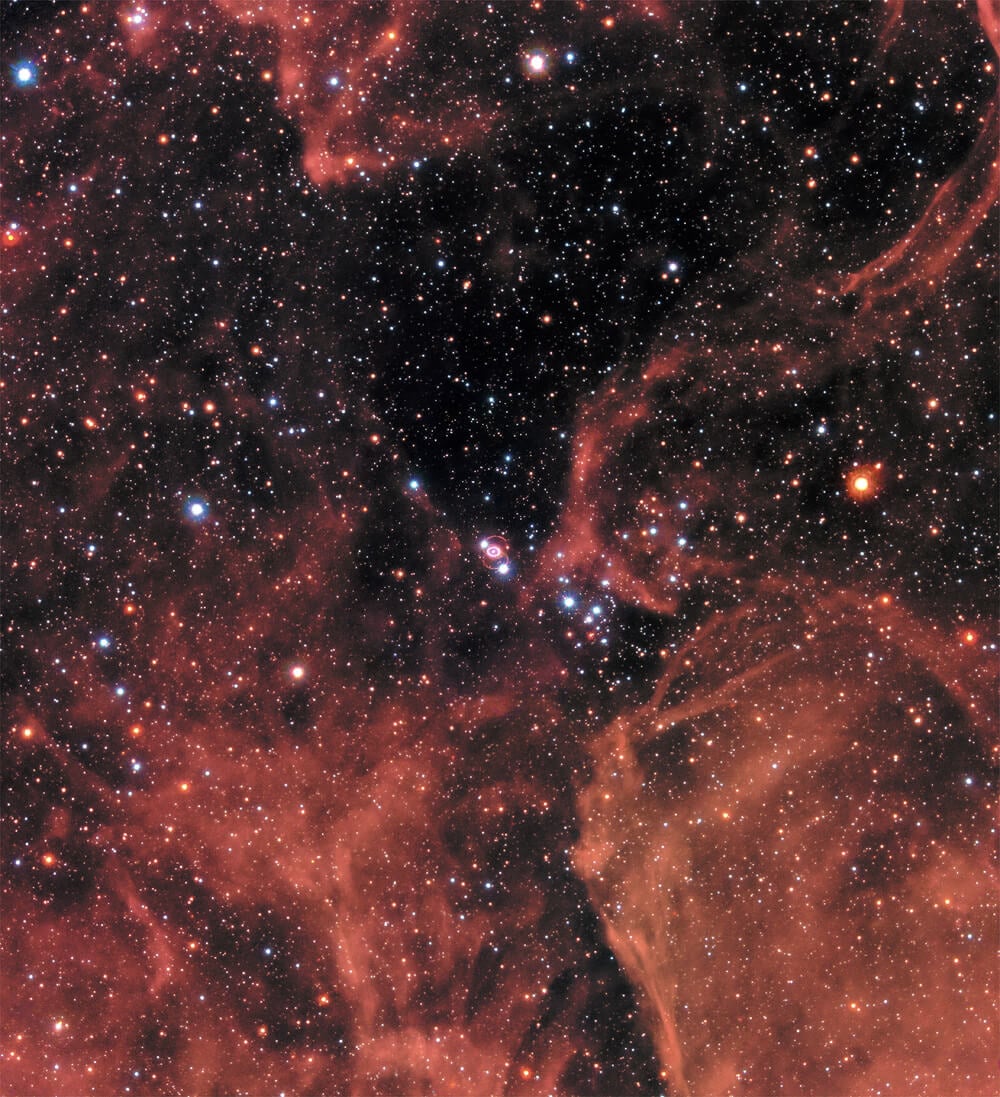
Astronomers monitoring the Large Magellanic Cloud in February 1987 were not expecting anything unusual on the night a star suddenly flared into visibility to the unaided eye, the closest supernova observed in nearly four centuries. Neutrino detectors on the opposite side of the planet, built for entirely different physics experiments, independently registered a burst of particles from the same event hours before the light arrived.
It remains one of the most closely studied stellar explosions in modern astronomy.
Interstellar Object Borisov’s Real Nature
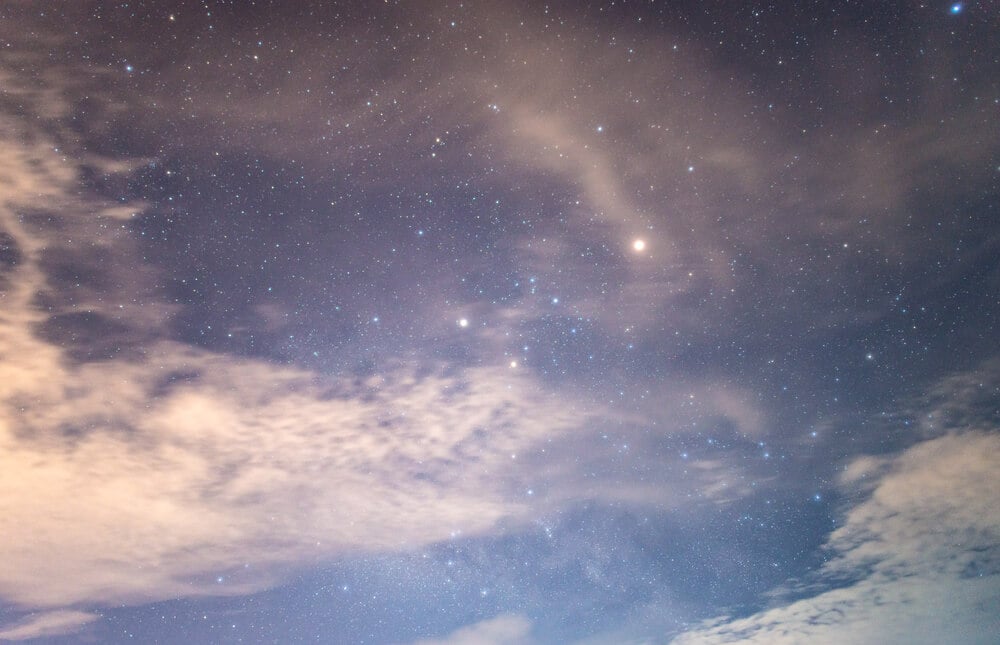
Amateur astronomer Gennadiy Borisov was using a homemade telescope in Crimea in 2019 when he spotted a fast-moving object that professional survey telescopes had missed entirely. Follow-up observations confirmed it as only the second interstellar object ever detected passing through the solar system, and unlike ‘Oumuamua, it behaved like a normal comet with a visible tail.
Its discovery by amateur equipment surprised much of the professional astronomy community.
The Discovery of Ceres
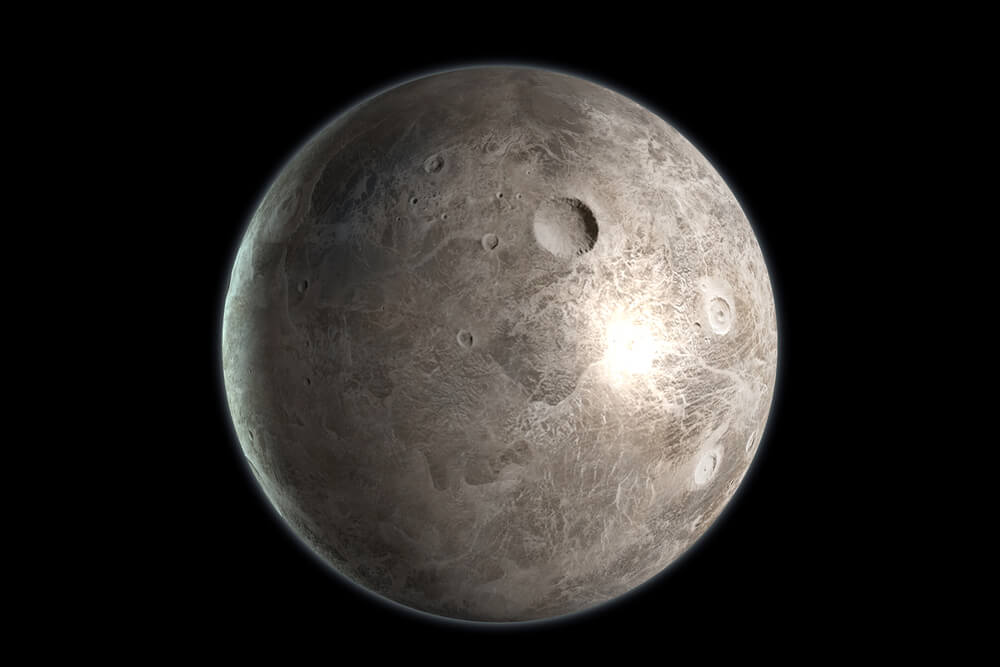
Giuseppe Piazzi was compiling a routine star catalog in Palermo, Sicily, on the first night of the 19th century when he noticed an object that shifted position against the background stars over several nights. He initially assumed it was a new comet, but its orbit placed it between Mars and Jupiter, in a gap astronomers had long suspected might hold an undiscovered planet.
Ceres is now classified as the largest object in the asteroid belt and a dwarf planet in its own right.
The Sound of the Sun
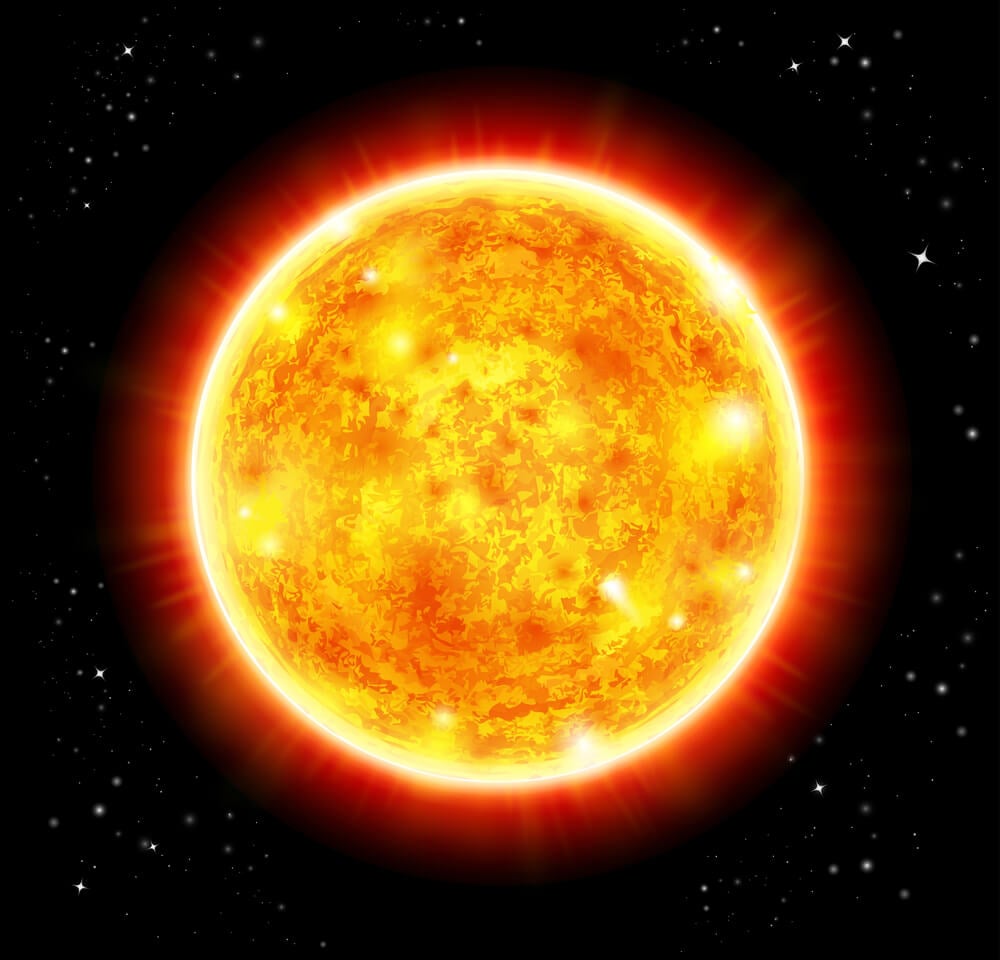
Solar physicists studying sunspot data in the 1960s noticed unexpected oscillations in the sun’s surface brightness that repeated on a roughly five-minute cycle, initially dismissed as instrument noise. Further study revealed these were sound waves resonating through the sun’s interior, essentially making the sun ring like a bell.
The field that grew from this, helioseismology, now lets researchers map the sun’s internal structure the way seismographs map Earth’s interior.
Jupiter’s Great Red Spot Predates Organized Observation
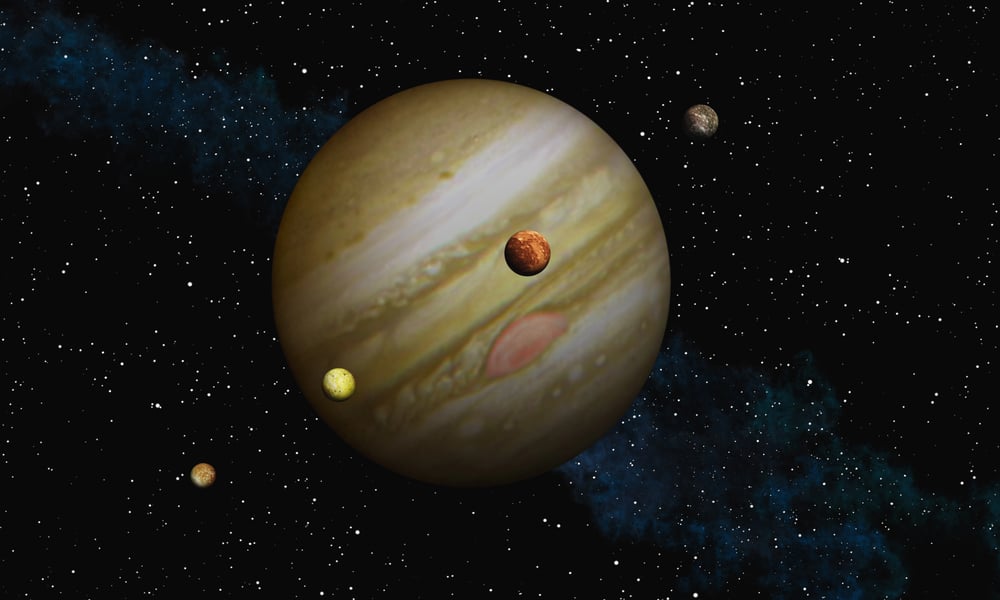
Astronomers in the 17th century recorded a persistent reddish feature on Jupiter, but only later study revealed it to be a storm system far larger than Earth that has likely raged continuously for centuries. Nobody set out to discover a permanent storm; it simply kept reappearing in sketches and logs decade after decade until astronomers accepted it as a stable feature rather than a passing event.
Recent observations show the storm has been gradually shrinking.
The Discovery of Dark Matter’s Necessity
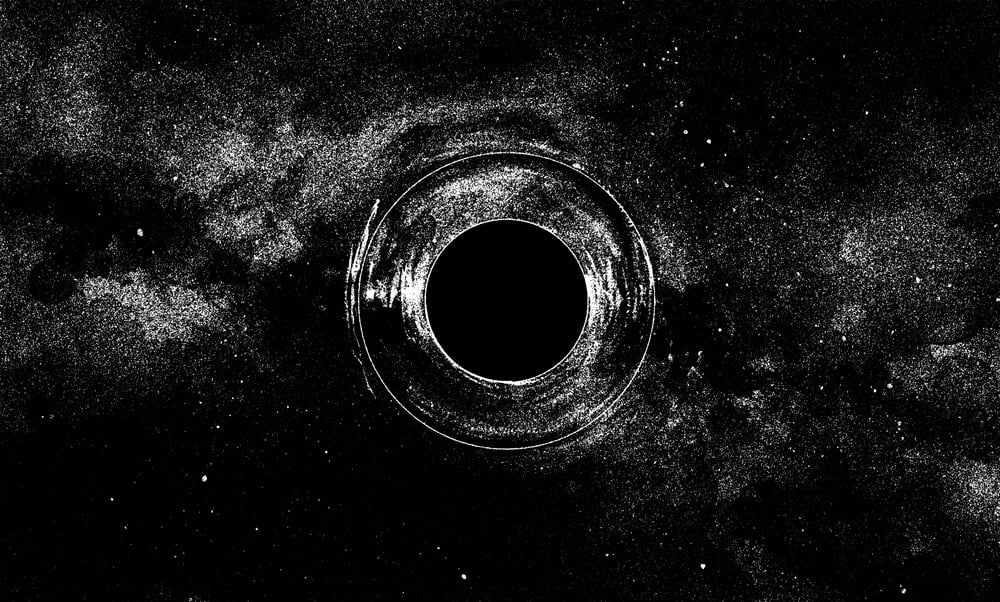
Astronomer Vera Rubin was measuring the rotation speeds of stars within spiral galaxies in the 1970s, expecting outer stars to move slower than inner ones as predicted by visible mass alone. Instead, the outer stars moved just as fast, a discrepancy that made sense only if unseen matter was contributing extra gravity throughout the galaxy.
Rubin’s careful, almost incidental measurements became one of the strongest pieces of evidence for dark matter.
The Discovery of Exoplanets Around a Pulsar
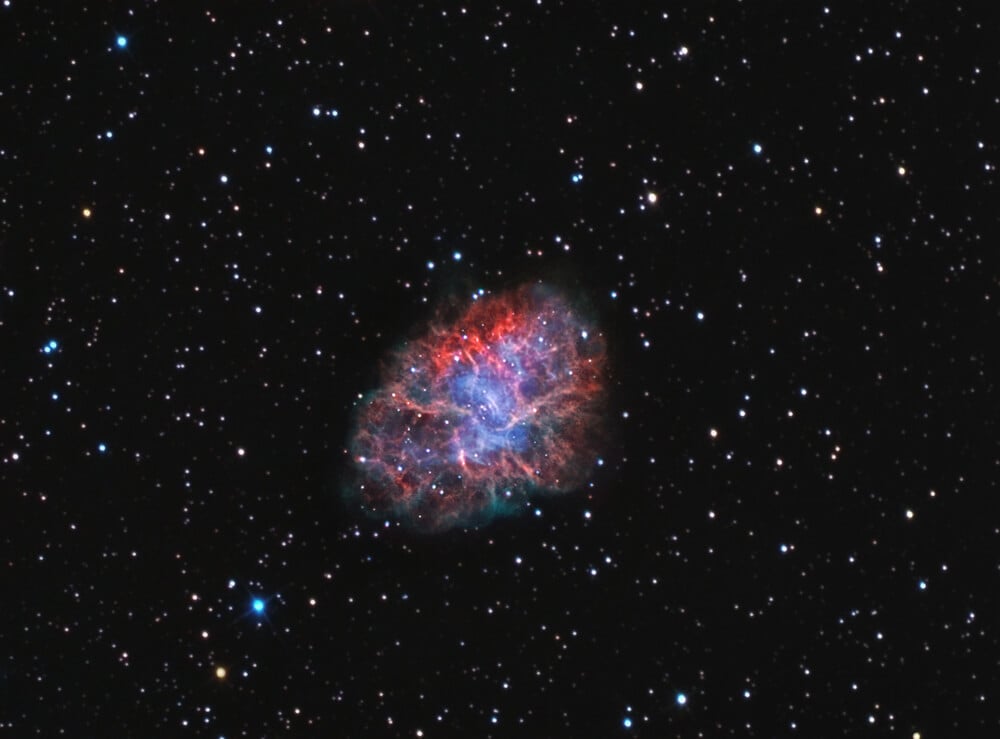
Astronomers Aleksander Wolszczan and Dale Frail were studying tiny timing irregularities in the radio pulses of a distant pulsar in 1992, a signal so precise that any wobble stood out immediately. The wobbles turned out to be caused by orbiting planets tugging on the pulsar’s position, marking the first confirmed exoplanets ever detected, years before any planet was found around a normal star.
It remains one of the more improbable places to find a planetary system.
Cosmic Rays
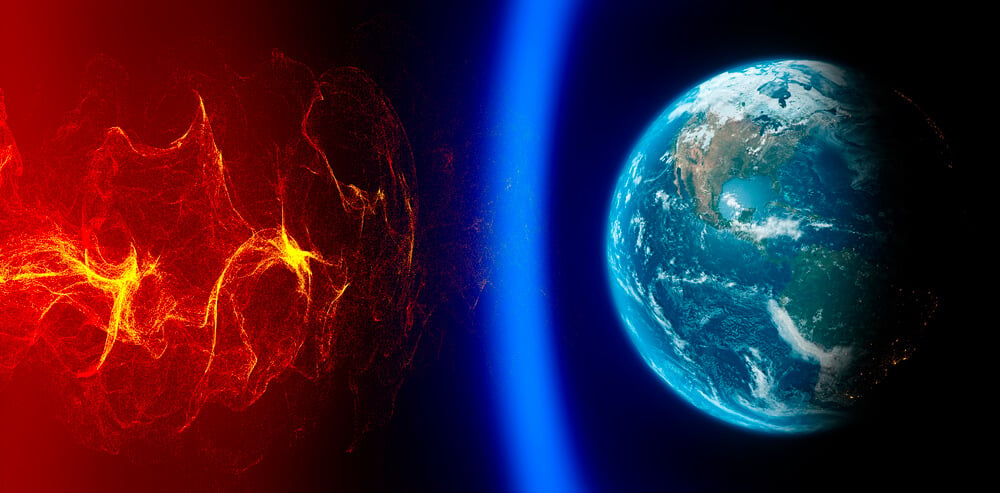
Physicist Victor Hess carried electroscopes aloft in a hot air balloon in 1912, expecting radiation levels to drop the higher he flew away from Earth’s surface sources. Instead, radiation increased with altitude, revealing that much of it was arriving from outside the planet entirely.
The finding identified cosmic rays, high-energy particles from deep space, and earned Hess the 1936 Nobel Prize in Physics.
The Moon’s Water Ice
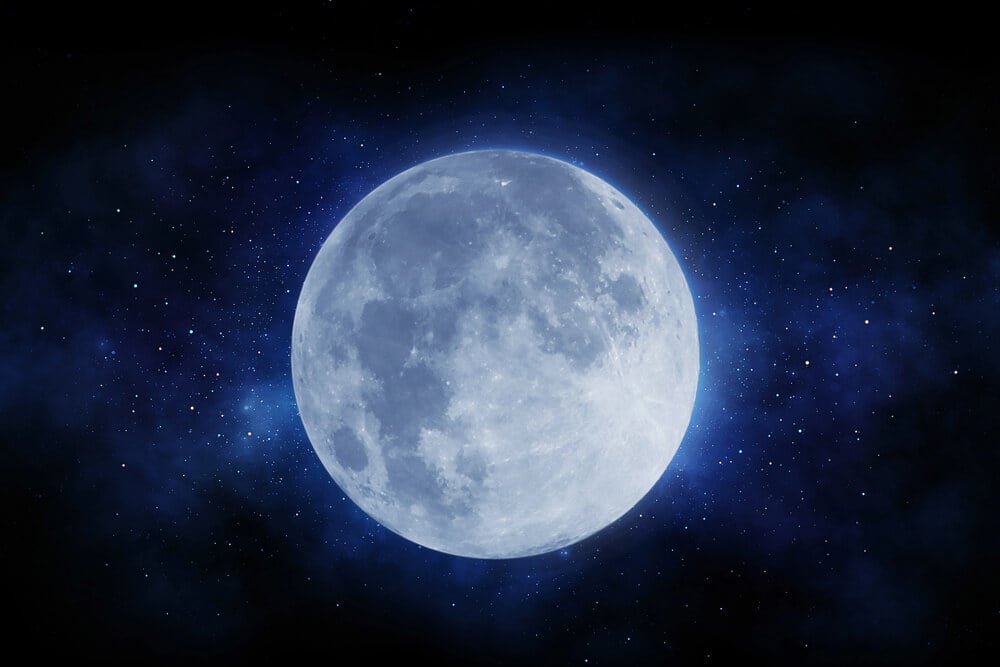
NASA deliberately crashed the LCROSS probe into a permanently shadowed lunar crater in 2009 expecting a modest debris plume, but instruments detected far more water vapor and ice in the resulting cloud than most scientists had predicted. The unexpectedly large quantity reshaped assumptions about how much water ice the moon’s polar craters might hold.
That water is now central to plans for future lunar bases.
Gravitational Waves
Physicists Russell Hulse and Joseph Taylor were tracking a pulsar in a binary star system in 1974, mainly interested in testing general relativity through the pair’s orbital decay. The orbit was shrinking at precisely the rate predicted if the system were losing energy by emitting gravitational waves, offering the first indirect evidence for ripples in spacetime decades before they were directly detected.
The pair received the Nobel Prize in Physics in 1993 for the finding.
The Accident That Keeps Paying Off

None of these discoveries followed a straight line from question to answer. A broken antenna, a smudged photographic plate, a wobbling pulsar timing signal, an ordinary flyby that turned up something nobody was hunting for — the pattern repeats across two centuries of astronomy.
What connects them is not luck alone but attention: someone willing to notice when the data refused to behave. The universe, it turns out, has never needed to be searched for directly.
It just needs someone paying attention when it interrupts.
More from Go2Tutors!

- The Romanov Crown Jewels and Their Tragic Fate
- 13 Historical Mysteries That Science Still Can’t Solve
- Famous Hoaxes That Fooled the World for Years
- 15 Child Stars with Tragic Adult Lives
- 16 Famous Jewelry Pieces in History
Like Go2Tutors’s content? Follow us on MSN.