15 Classic TV Shows That Looked Completely Different in the Pilot Episode
Television history is filled with beloved shows that became cultural touchstones, but many fans would barely recognize their favorite series if they watched the original pilot episodes. These initial offerings often featured different cast members, alternative settings, or completely different tones from what eventually made it to our screens.
Here is a list of 15 classic television shows that underwent significant transformations between their pilot episodes and the series we came to know and love.
The Big Bang Theory
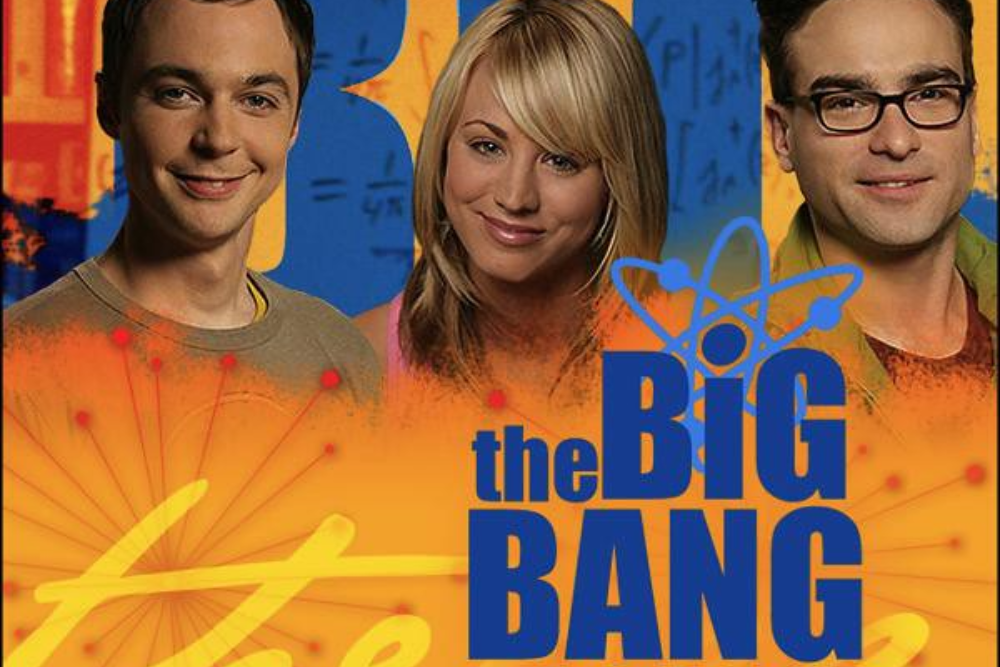
The original pilot for this hit sitcom didn’t include Penny, Bernadette, or Amy. Instead, the female lead was a character named Katie, a tough, streetwise woman played by Amanda Walsh who was intended as a love interest for Leonard.
Producers scrapped this version entirely after test audiences found Katie too harsh, replacing her with the sunny, optimistic Penny played by Kaley Cuoco, completely changing the dynamic of the show.
Friends
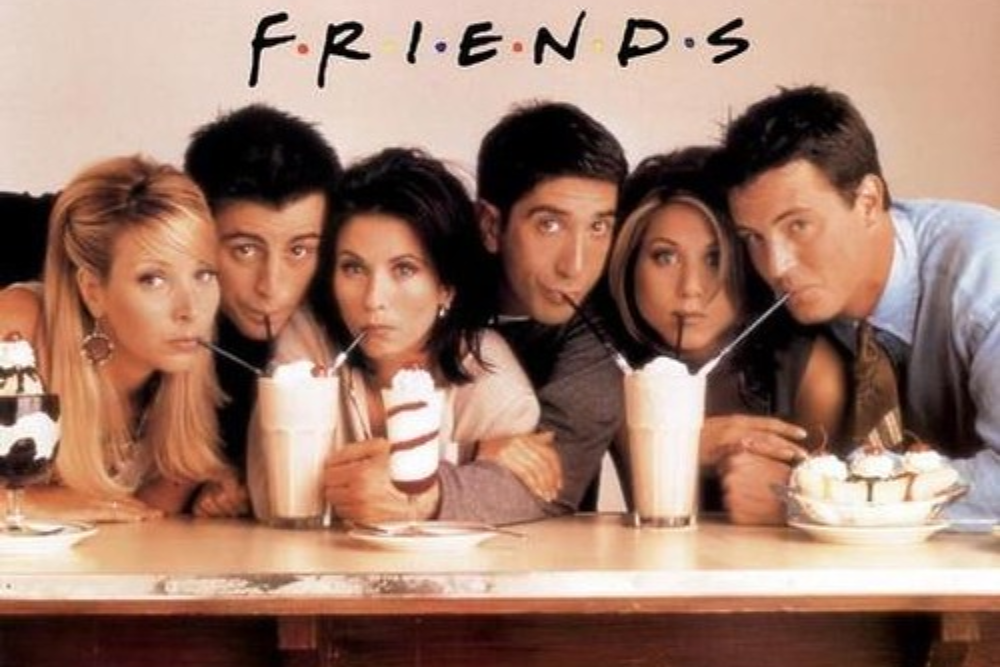
The pilot episode of ‘Friends’ was originally titled ‘Friends Like Us,’ and featured five friends instead of six. Phoebe’s character was initially written as a much darker, edgier person who didn’t share the quirky, free-spirited traits viewers came to love.
The coffee shop hangout, Central Perk, wasn’t fully developed yet either, appearing more generic and less iconic than it would become in subsequent episodes.
Game of Thrones
HBO actually produced a notoriously bad unaired pilot for Game of Thrones, which was so problematic that it nearly killed the show before it began. The original featured different actors for key roles including Catelyn Stark and Daenerys Targaryen.
Test viewers couldn’t even understand basic plot points like the fact that Jaime and Cersei were siblings, prompting extensive reshoots and recasting before the version that aired was completed.
Breaking Bad
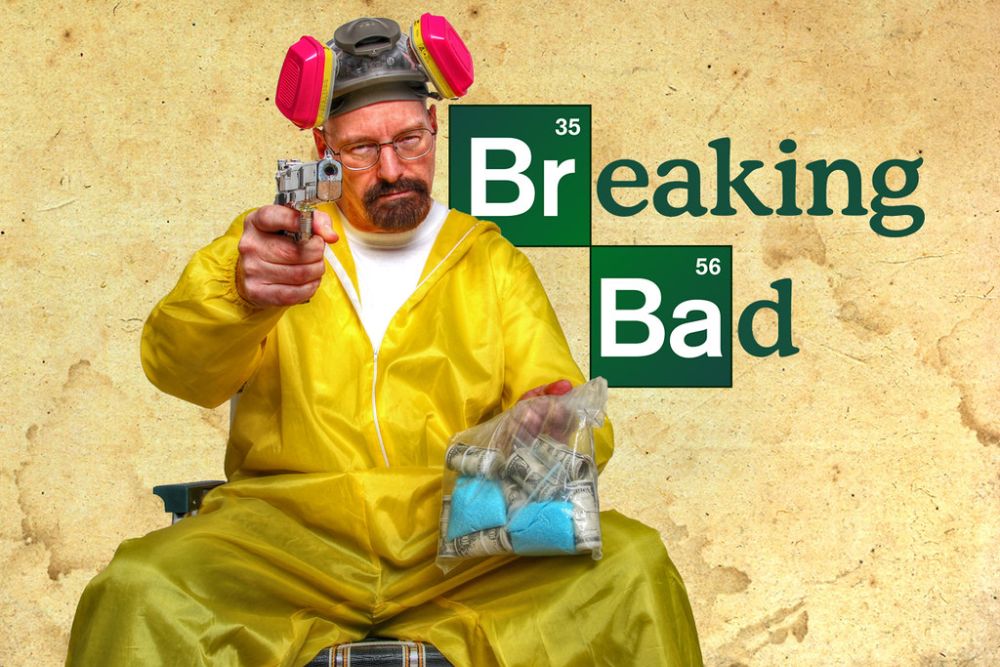
Aaron Paul’s character, Jesse Pinkman, was originally supposed to be killed off in the first season of Breaking Bad. The pilot positioned him as a temporary character who would introduce Walter White to the drug world before being eliminated.
Creator Vince Gilligan was so impressed with Paul’s performance that he completely rewrote Jesse’s story arc, making him central to the entire series and creating one of television’s most memorable partnerships.
The Walking Dead
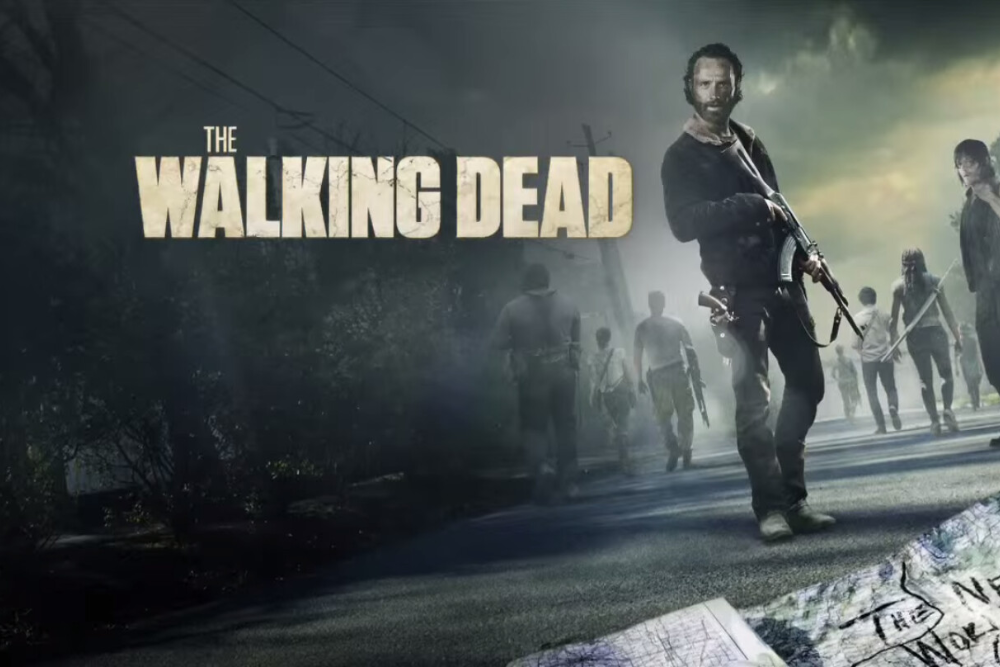
The unaired pilot of ‘The Walking Dead’ included a sequence in which Rick returns to the zombie he first encountered outside the hospital. In this emotional scene, Rick tracks down the legless zombie he had seen crawling across the park and mercifully ends its suffering.
This moment, which showed Rick’s humanity, was cut from the aired version but later incorporated into the character’s development throughout the series.
Star Trek
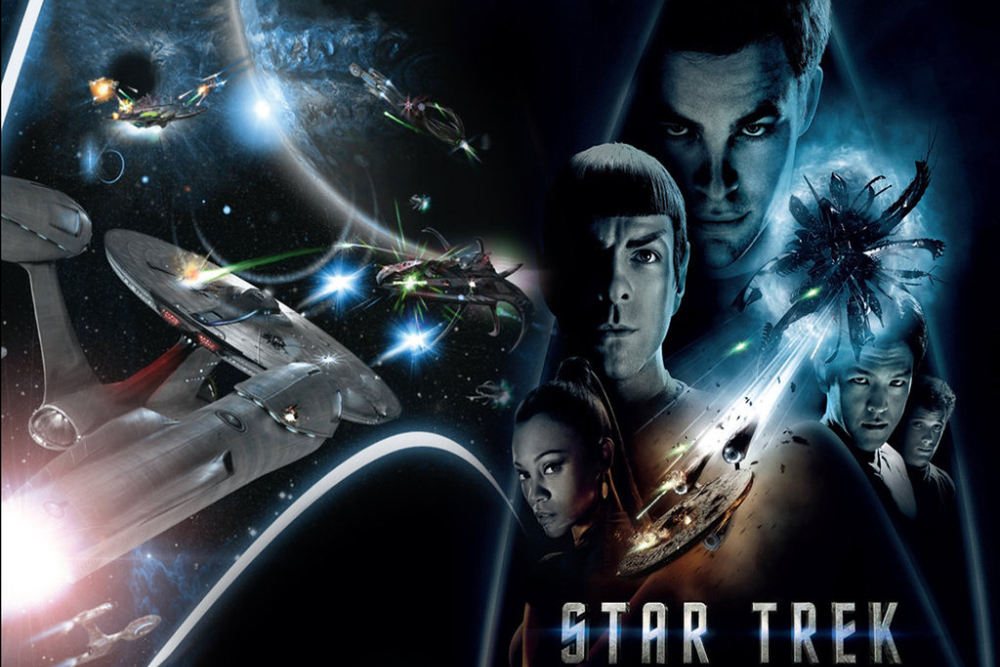
The original Star Trek pilot, The Cage, featured an almost entirely different cast. Captain Christopher Pike rather than James Kirk commanded the Enterprise. Only Leonard Nimoy’s Mr. Spock carried over to the actual series, and even his character was notably more emotional in the pilot.
The studio rejected this version as ‘too cerebral’ but allowed creator Gene Roddenberry to produce a second pilot with a new captain and crew.
Seinfeld
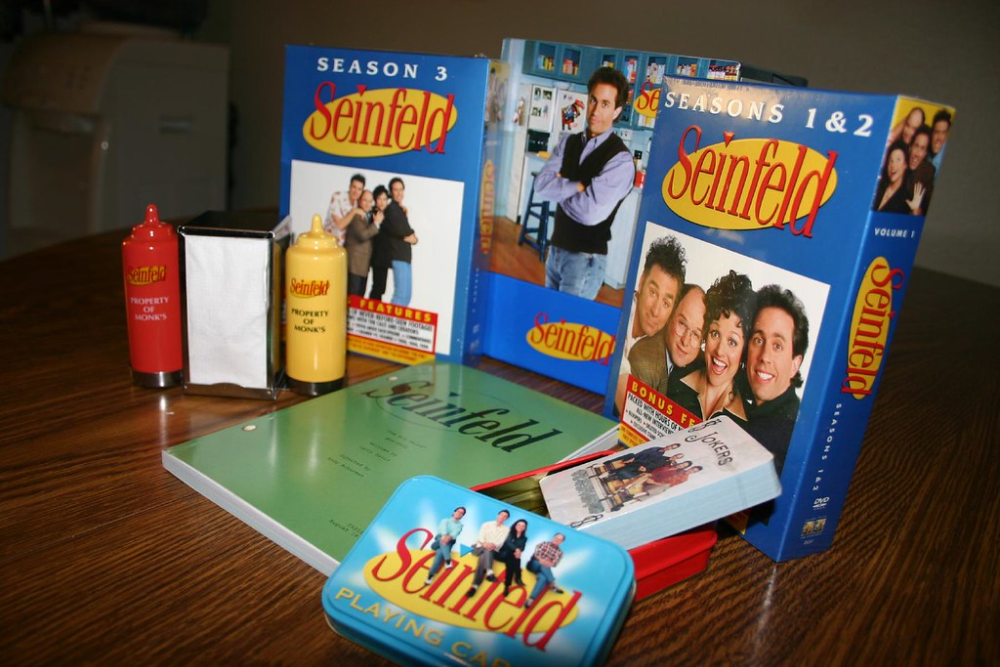
The pilot episode of ‘Seinfeld,’ originally titled ‘The Seinfeld Chronicles,’ didn’t include the character of Elaine Benes at all. The female lead was a waitress named Claire at the coffee shop where Jerry and George hung out.
Julia Louis-Dreyfus wasn’t cast until after NBC ordered the series, and her addition fundamentally altered the show’s group dynamic, creating the foursome that defined the series.
The Simpsons
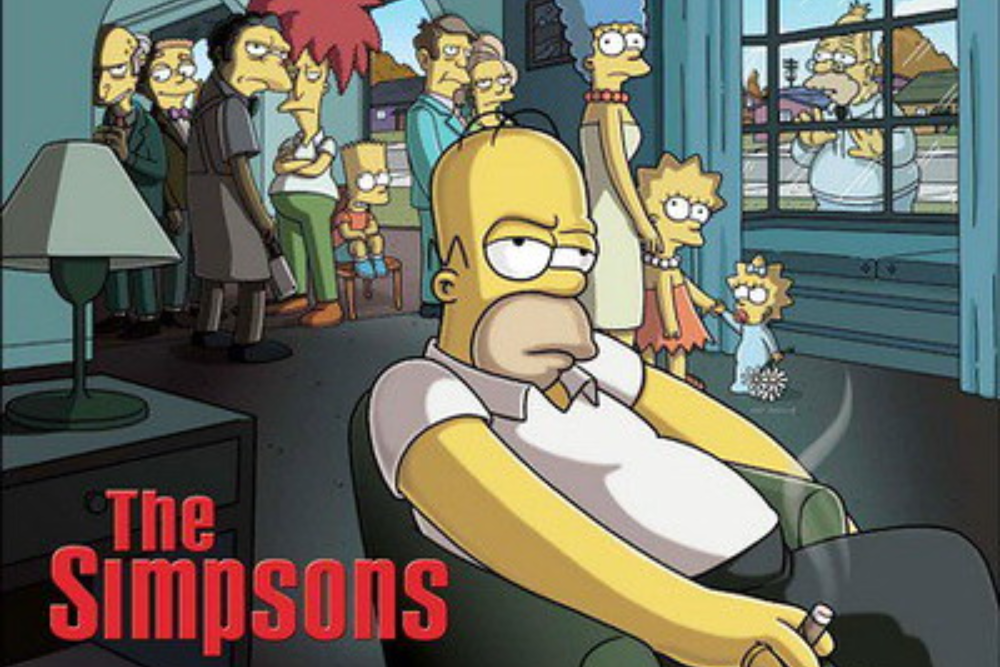
The earliest version of ‘The Simpsons’ appeared as rough animated shorts on ‘The Tracey Ullman Show’ and looked dramatically different from the characters we know today. Homer had a much different voice, Bart was more of a troublemaker than an underachiever, and the animation was crude and simplistic.
When given their own show, the characters were redesigned, their personalities refined, and the animation quality significantly improved.
Buffy the Vampire Slayer
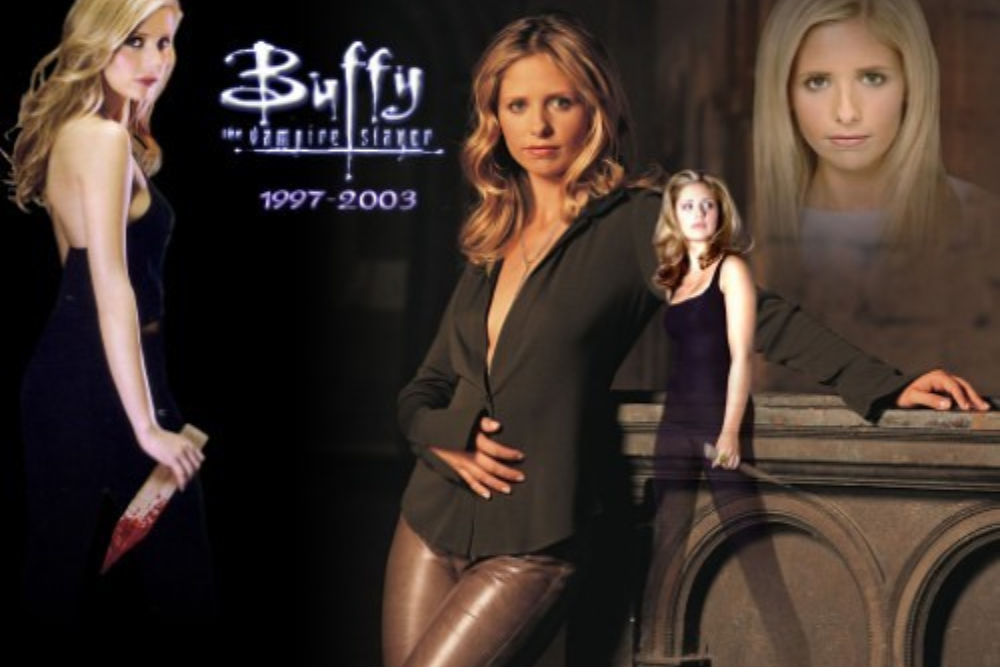
The unaired ‘Buffy’ pilot featured a different actress, Riff Regan, playing Willow Rosenberg instead of Alyson Hannigan. The production values were lower, the tone was markedly darker, and even the school setting looked completely different.
When the show was picked up as a series, creator Joss Whedon reshot the pilot with a new cast member, brighter visuals, and a more balanced mix of horror and humor that became the show’s trademark.
The Office (US)
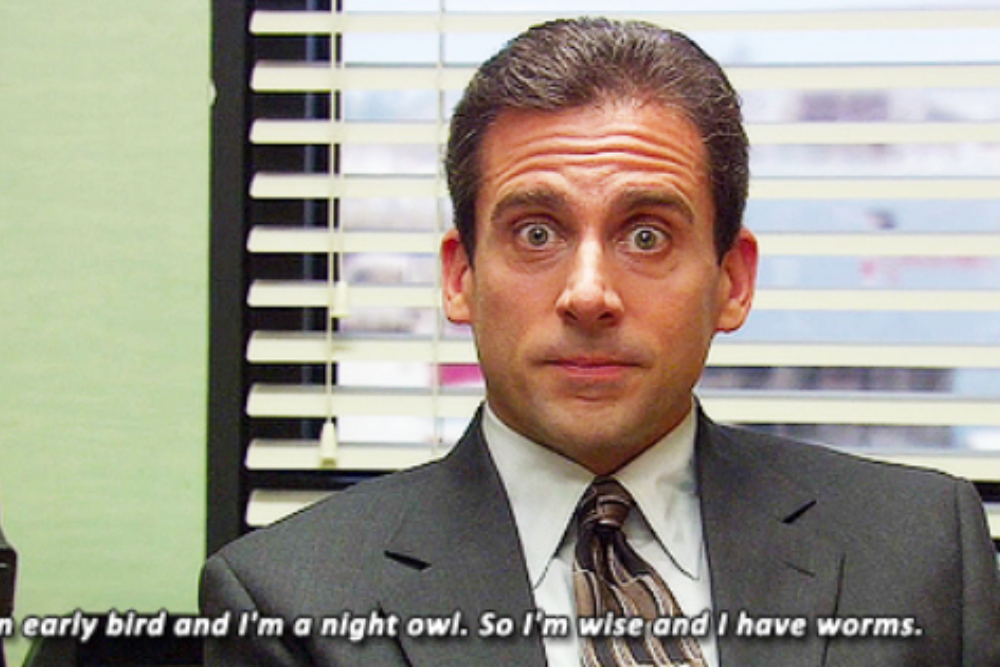
The American version of ‘The Office’ initially tried to directly adapt the British series, making Michael Scott as mean-spirited and awkward as Ricky Gervais’s David Brent. Even the office itself looked dreary and depressing, matching the UK aesthetic.
After mediocre ratings for season one, producers made Michael more likable and well-intentioned, brightened the set, and developed a more optimistic American tone that helped the show find its unique voice.
Lost

The original pilot for ‘Lost’ featured Jack dying at the end of the episode, with Kate intended to be the show’s main protagonist going forward. Network executives vetoed this shocking twist, insisting that Matthew Fox’s character survive, which completely altered the planned narrative arc.
Additionally, Charlie’s character was supposed to be an aging rock star rather than the younger musician played by Dominic Monaghan.
Law & Order
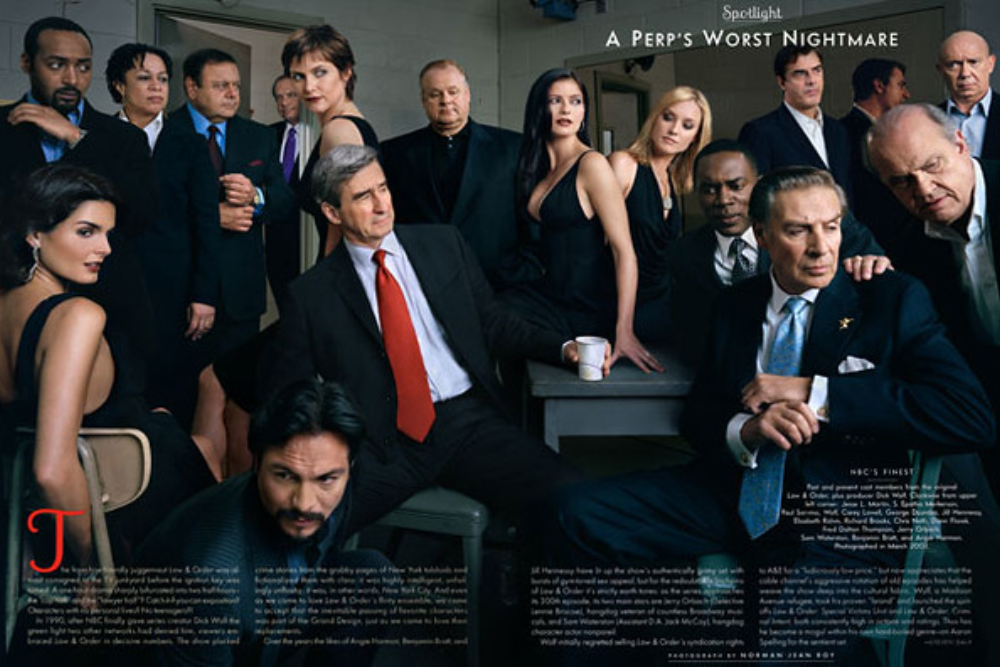
The pilot for the long-running ‘Law & Order’ featured a completely different cast playing familiar roles. George Dzundza played Detective Max Greevey instead of the later recognizable characters, and the format was less rigidly structured than the ‘ripped from the headlines’ approach that would define the series.
Even the iconic ‘chung-chung’ sound effect was absent from the original episode.
Three’s Company
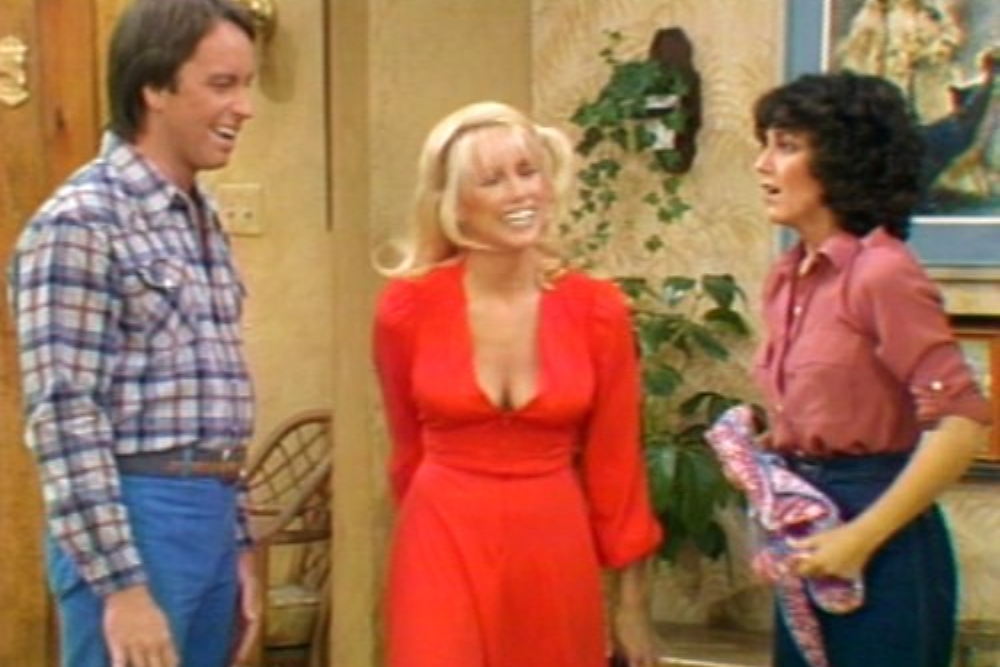
The original pilot for ‘Three’s Company’ featured different actors in the roles of Janet and Chrissy, with only John Ritter as Jack Tripper remaining in the reshot version. The character of landlord Stanley Roper didn’t exist yet either, replaced by a woman named Mrs. Harold who was less comedic and more stern.
The show’s physical comedy elements were also less pronounced, evolving as Ritter’s talents became apparent.
Family Guy
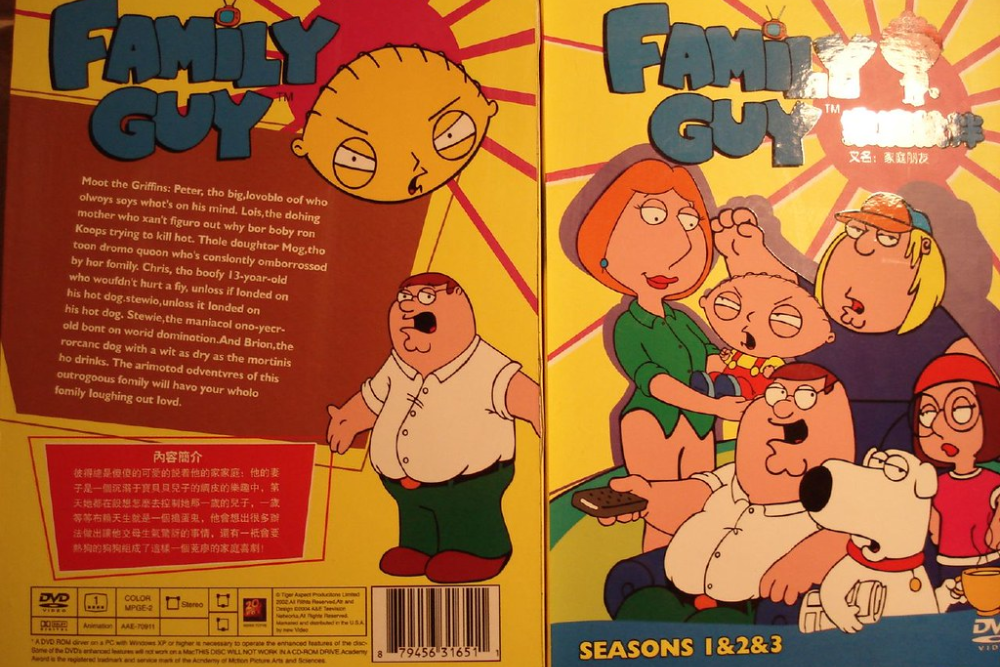
The original pilot for ‘Family Guy’ was created by Seth MacFarlane as a short film while he was still a student. This rough version featured cruder animation and different character designs, particularly for Stewie, who looked significantly more alien-like with an elongated head.
The humor was even more edgy and boundary-pushing than what eventually made it to air, requiring some toning down for network television.
Gilligan’s Island
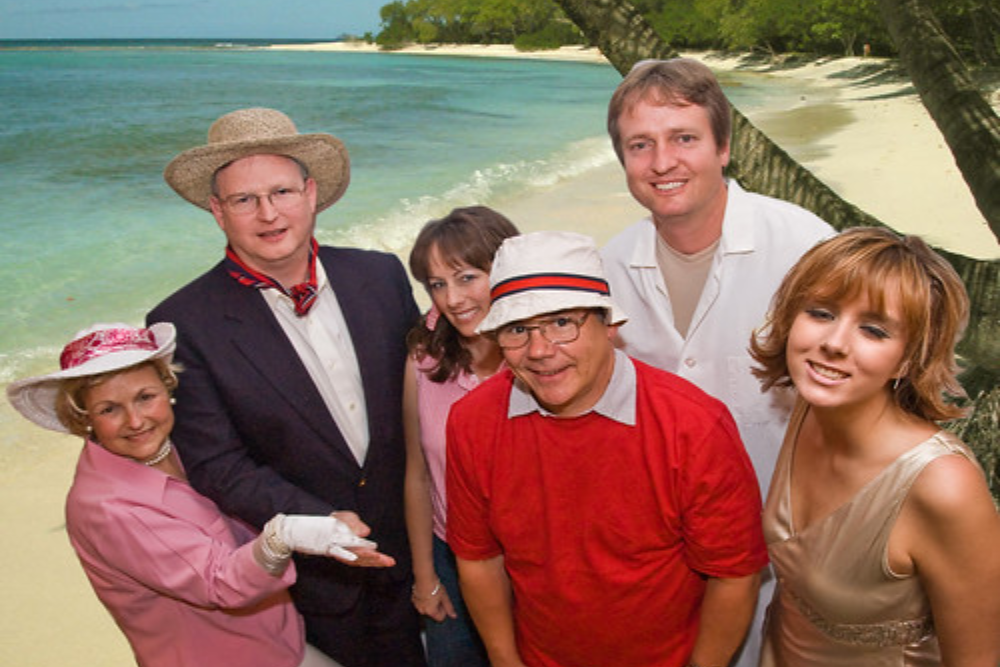
The unaired pilot for ‘Gilligan’s Island’ featured different actors for the Professor and Ginger, and the character of Mary Ann didn’t exist at all. Instead, there were two secretaries named Ginger and Bunny, and a high school teacher rather than the Professor.
Even more strange was the presence of a calypso singer who narrated the story through song, a concept quickly abandoned when the series was picked up.
Television’s Evolution From Concept to Classic
The dramatic differences between these pilots and their resulting series remind us that creating a successful TV show is often a process of evolution rather than instant perfection. Many beloved characters and settings emerged through revision, recasting, and rethinking initial concepts.
What’s perhaps most fascinating is that these changes—prompted by network notes, audience testing, or creative epiphanies—often led to the very elements that made these shows enduring classics in television history.
More from Go2Tutors!

- The Romanov Crown Jewels and Their Tragic Fate
- 13 Historical Mysteries That Science Still Can’t Solve
- Famous Hoaxes That Fooled the World for Years
- 15 Child Stars with Tragic Adult Lives
- 16 Famous Jewelry Pieces in History
Like Go2Tutors’s content? Follow us on MSN.



