Lesser-Known Biomes with Mind-Blowing Biodiversity
When people think about places packed with different plants and animals, rainforests and coral reefs usually come to mind first. Those spots definitely deserve their fame, but the planet has plenty of other incredible ecosystems that hardly anyone talks about.
These hidden biodiversity hotspots host thousands of species found nowhere else on Earth, yet they rarely make it into documentaries or school textbooks. Some exist in extreme conditions that seem impossible for life, while others hide in plain sight, overlooked because they don’t look dramatic at first glance.
Time to shine a spotlight on nature’s underdogs. These are the biomes that deserve way more attention than they get.
Cloud forests cling to misty mountains
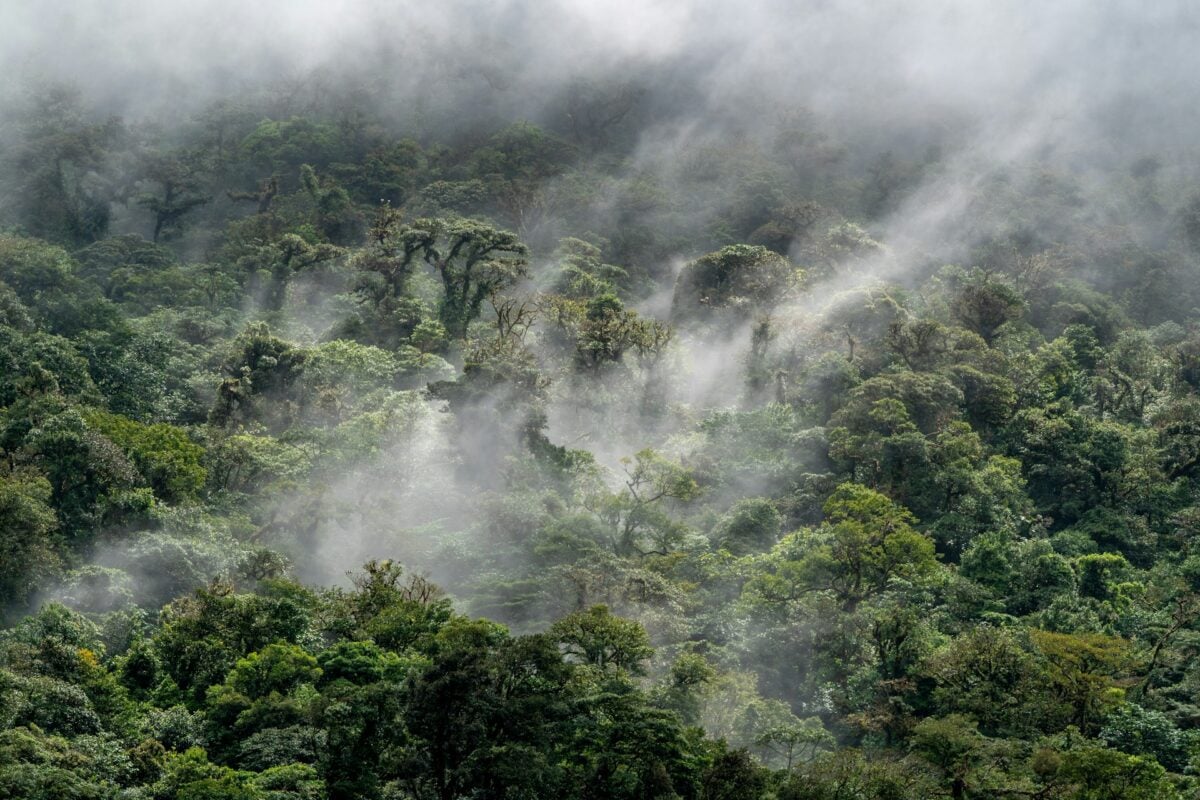
High up on tropical mountainsides, where clouds constantly wrap around the trees, a special type of forest thrives in the fog. Cloud forests stay soaked in moisture all year round, even during dry seasons when lower areas turn brown and crispy.
The constant dampness lets mosses, ferns, and orchids grow on every available surface until tree branches disappear under layers of green. Unique frogs, salamanders, and insects live in these soggy forests, many of them found only on a single mountain range.
Scientists keep discovering new species here, partly because cloud forests are hard to reach and partly because the mist hides so much life.
Kelp forests sway beneath cold ocean waves
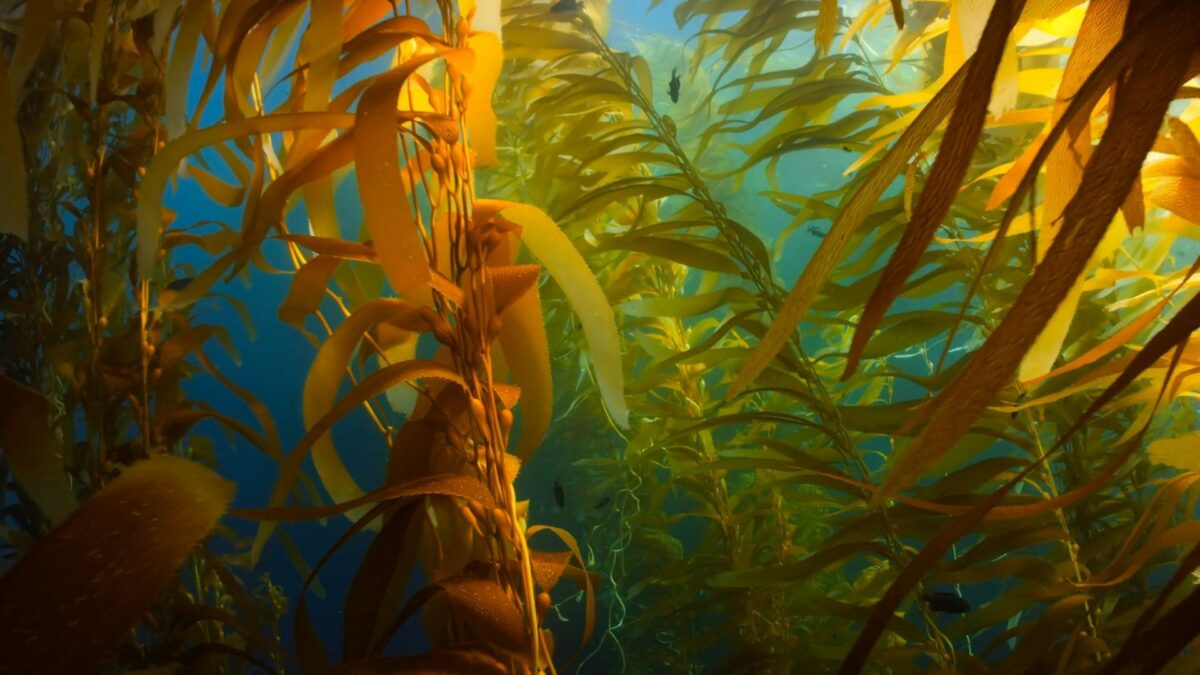
Giant brown algae called kelp creates underwater forests in cool coastal waters around the world. These forests grow incredibly fast, sometimes shooting up two feet in a single day during peak season.
Sea otters, seals, fish, and thousands of invertebrates make their homes among the swaying kelp fronds. The forest floor looks like an alien landscape covered in sea urchins, crabs, and colorful starfish.
When sea otters disappear from an area, urchins eat all the kelp and turn thriving forests into empty underwater deserts within years.
Like Go2Tutors’s content? Follow us on MSN.
Fynbos covers South African hillsides with tiny flowers
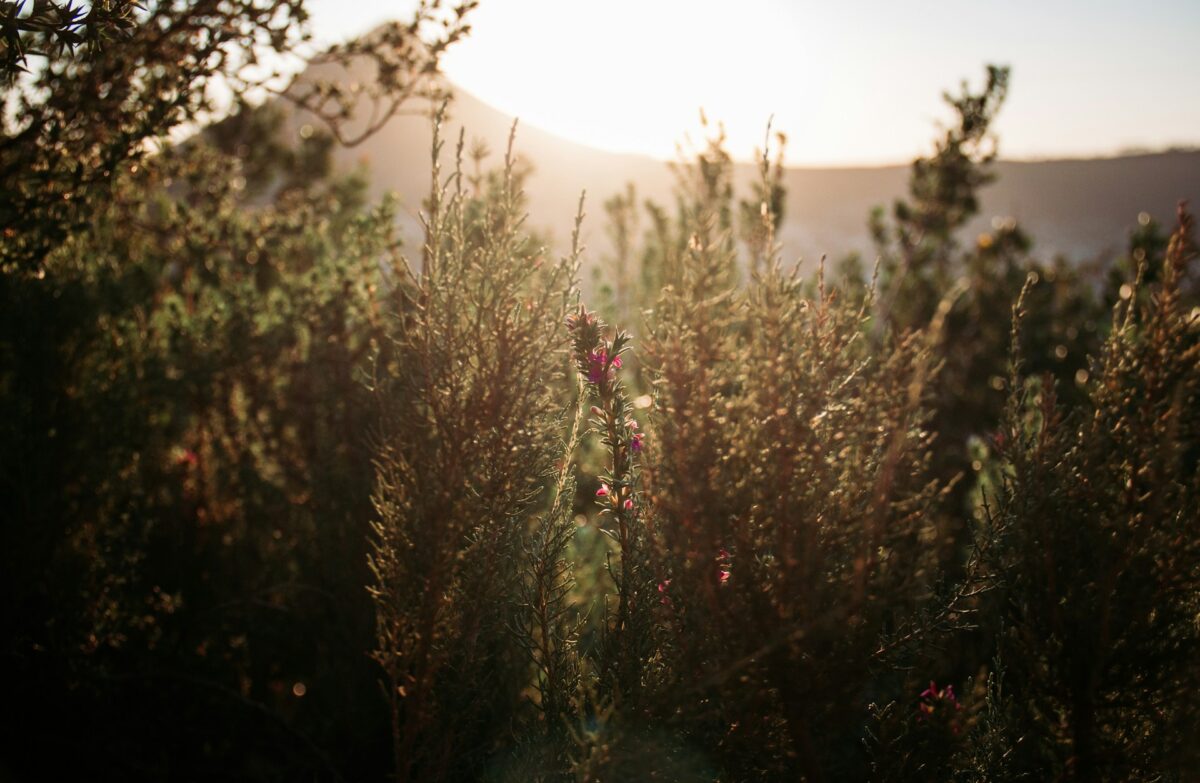
This shrubland in South Africa packs more plant species into a small area than almost anywhere else on the planet. Fynbos plants have small, tough leaves that help them survive fires and droughts.
The region holds over 9,000 plant species, and about 6,000 of them grow nowhere else. Proteas, ericas, and restios create a landscape that looks scrubby and dull until millions of flowers bloom after winter rains.
The incredible plant diversity supports equally diverse insects, birds, and small mammals that have adapted to this nutrient-poor soil.
Seasonally flooded forests transform with water levels
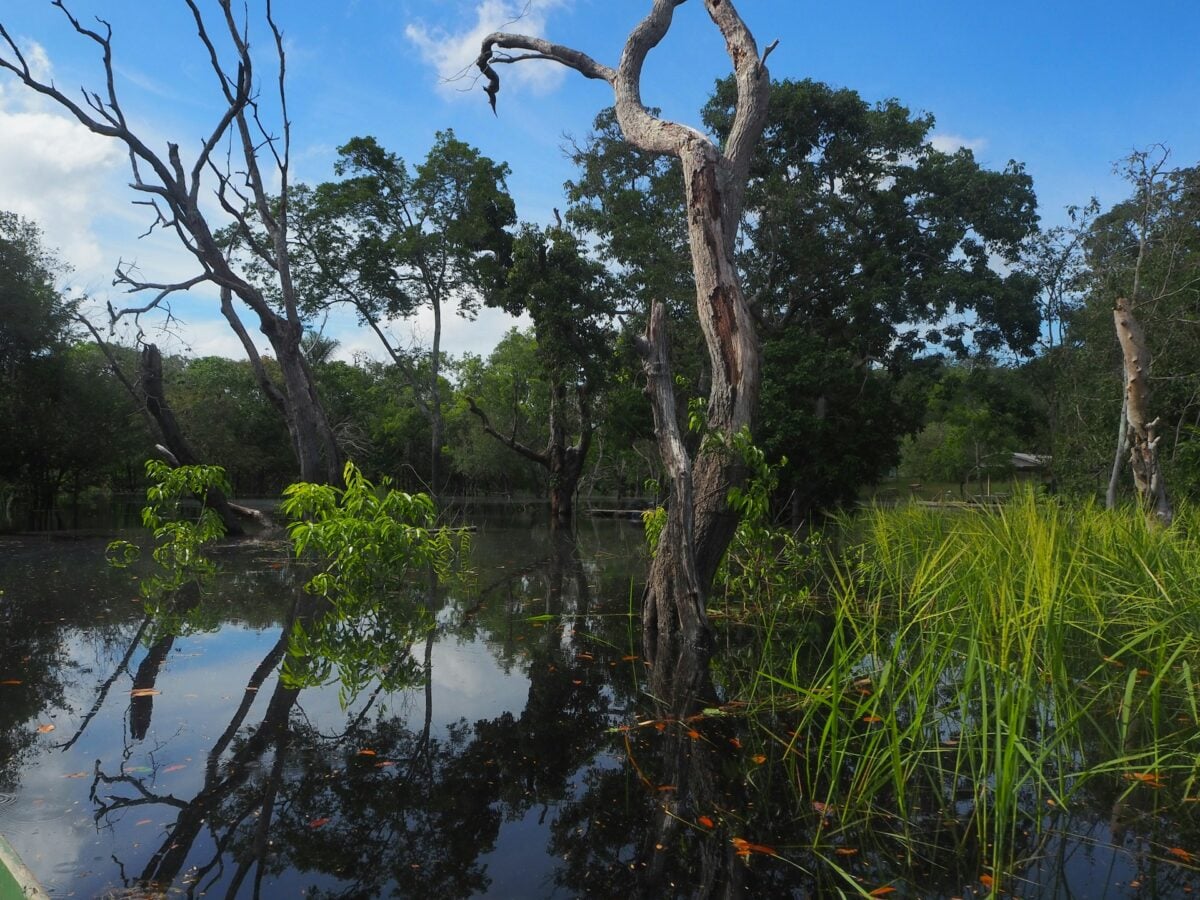
In places like the Amazon basin, huge forests spend half the year underwater and half the year on dry land. Trees have adapted to survive with their roots submerged for months at a time.
Fish swim between tree trunks during flood season, eating fruits that drop into the water and spreading seeds when they poop them out elsewhere. Dolphins, manatees, and caimans navigate through the flooded forest like it’s a massive aquarium.
When waters recede, the forest floor reveals itself and a completely different set of animals takes over the space.
Peat bogs preserve things for thousands of years
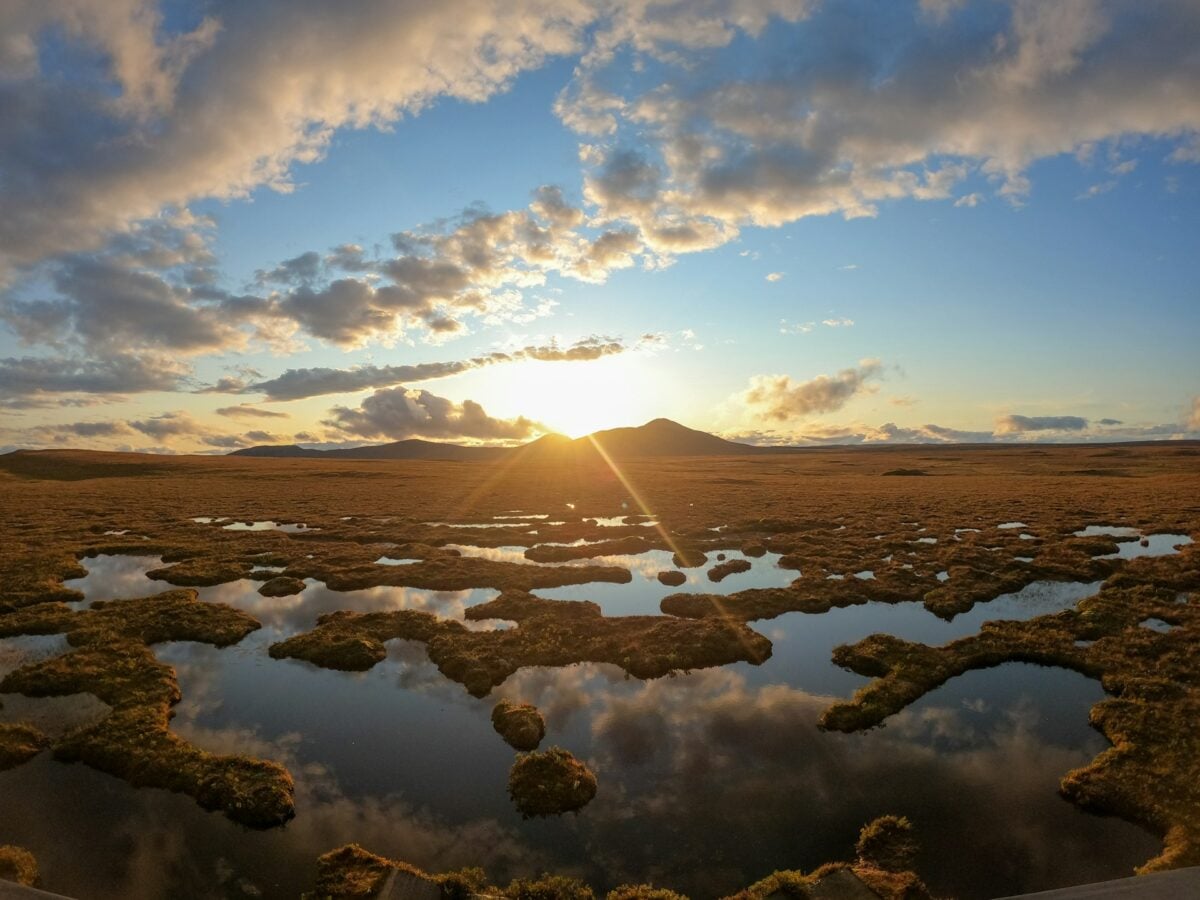
These waterlogged areas build up layers of dead plant material that never fully decomposes because of the acidic, oxygen-poor conditions. Peat bogs might not look exciting, but they host carnivorous plants, rare dragonflies, and birds that nest nowhere else.
The plants that do live here, like sphagnum moss, create the acidic conditions that preserve ancient pollen, seeds, and even human bodies for millennia. Northern countries like Scotland, Ireland, and Canada have vast peat bogs that store enormous amounts of carbon, making them crucial for climate regulation.
Like Go2Tutors’s content? Follow us on MSN.
Mangrove swamps bridge land and sea
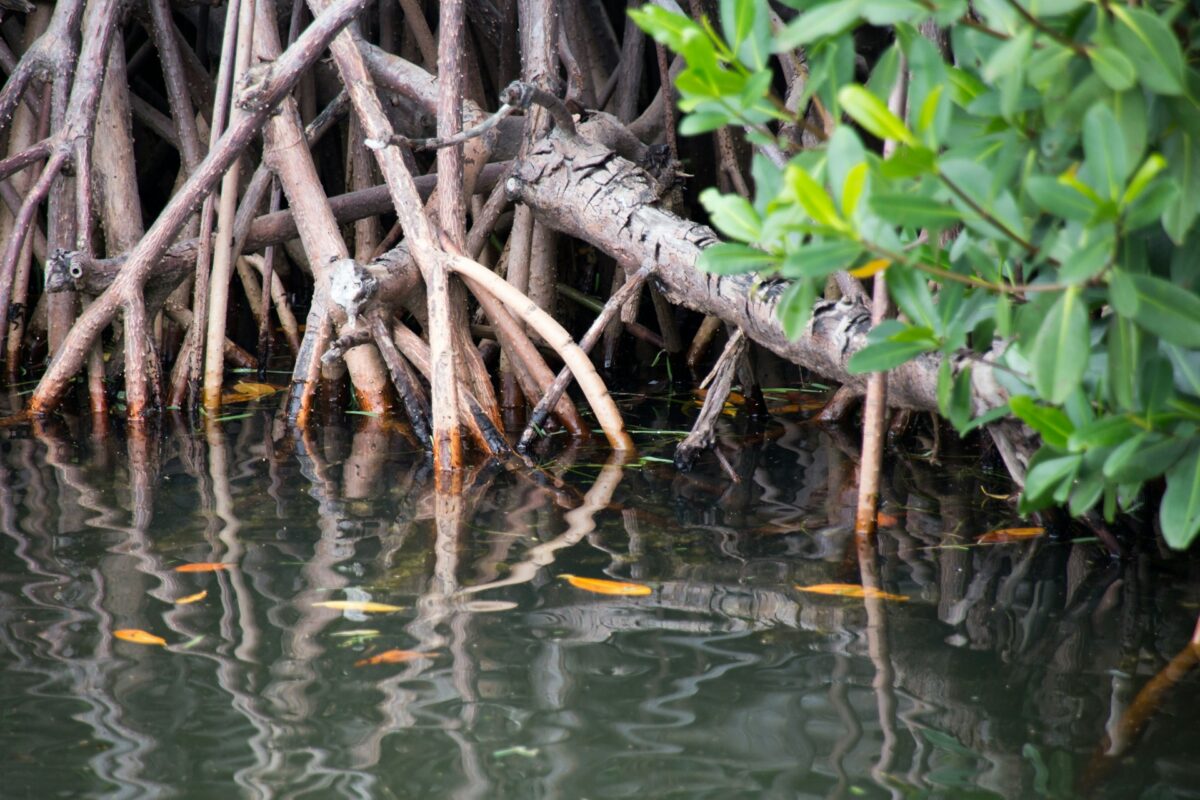
Where tropical coastlines meet salty water, mangrove trees send down roots that look like tangled fingers gripping the mud. These trees can filter salt from seawater, a trick that most plants can’t pull off.
The root systems create nurseries for young fish, shrimp, and crabs that later move out to deeper waters. Monkeys, crocodiles, and wading birds hunt through the maze of roots during low tide. Mangroves protect coastlines from storm surges and erosion, but people keep cutting them down to build shrimp farms and resorts.
Páramo grasslands sit high in the Andes
Above the tree line but below the permanent snow, these high-altitude grasslands exist in a harsh world of intense sun, freezing nights, and thin air. Strange plants called frailejones look like fuzzy gray-green pillars standing in the grass, adapted to protect themselves from cold and UV radiation.
These plants grow incredibly slowly, sometimes taking 100 years to reach full height. The páramo acts like a giant sponge, collecting water from fog and rain and slowly releasing it to feed rivers that millions of people depend on downstream.
Spectacled bears, mountain tapirs, and the Andean condor all rely on these high grasslands.
Tallgrass prairies once covered vast flatlands
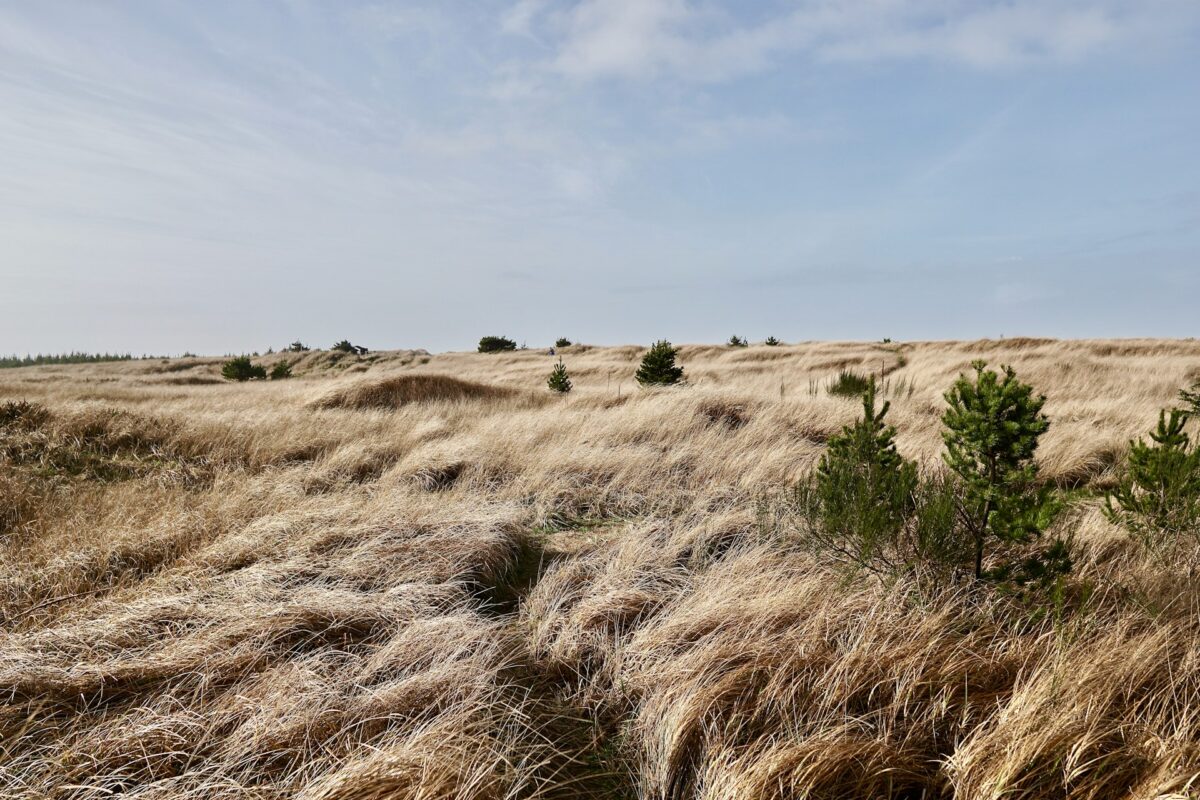
Before farmers plowed them under, tallgrass prairies stretched across North America with grasses that grew taller than a person on horseback. The deep root systems of prairie grasses created some of the richest soil on Earth, which is exactly why people turned most of it into farmland.
Bison, elk, and pronghorn grazed these grasslands while prairie dogs built underground cities. Now less than four percent of the original tallgrass prairie survives, and those tiny remnants contain hundreds of plant species living alongside beetles, butterflies, and ground-nesting birds.
Like Go2Tutors’s content? Follow us on MSN.
Savanna woodlands mix trees with grassland
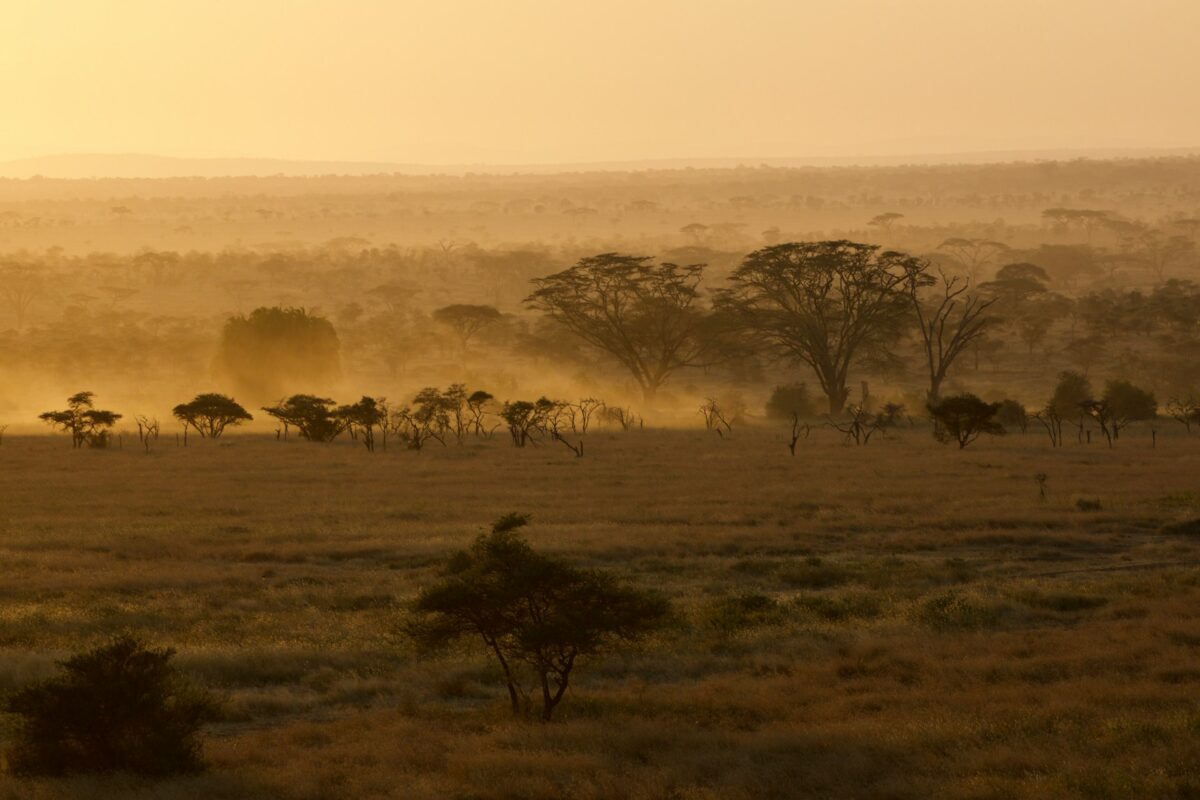
Different from the famous African savannas, woodland savannas have more trees scattered among the grasses. These areas exist on every continent except Antarctica, adapted to regular fires that keep the trees from taking over completely.
The mixture of open ground and tree cover creates perfect habitat for an amazing variety of animals. Australia’s eucalyptus woodlands, Brazil’s cerrado, and Africa’s miombo woodlands each host thousands of unique species.
Many animals here have adaptations for surviving fires, like seeds that only sprout after burning or animals that can quickly escape flames.
Freshwater springs create oases of life
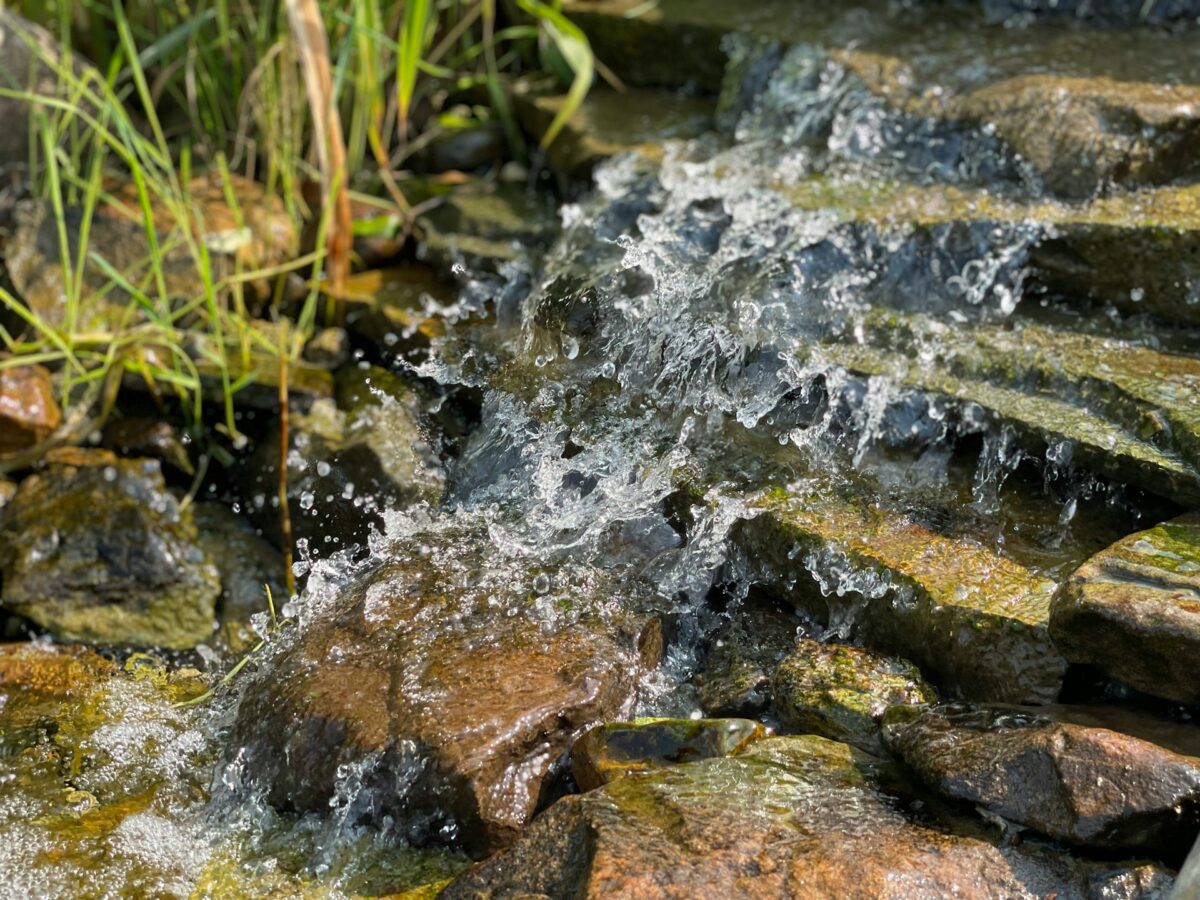
Cold, clear water bubbling up from underground creates unique habitats packed with species found nowhere else. Each spring system often has its own endemic fish, snails, or aquatic plants that evolved in isolation.
The constant temperature and chemical composition of spring water stays stable year-round, unlike rivers that flood and dry out. Florida’s springs host manatees that gather there in winter for warmth.
Desert springs in places like Death Valley support pupfish that survive in water so salty or so hot that most fish would die instantly.
Temperate rainforests grow in cool, rainy climates
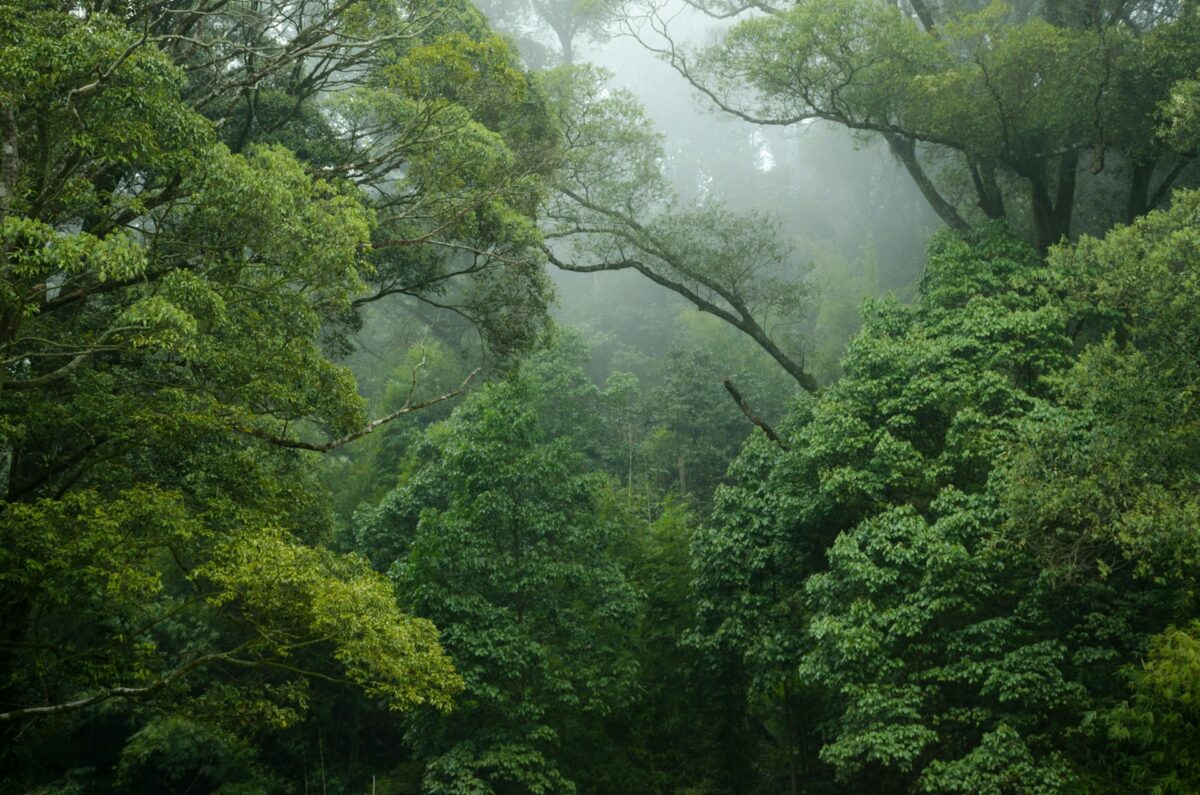
Not all rainforests exist in the tropics. Temperate rainforests along coasts in places like the Pacific Northwest, Chile, and New Zealand get massive amounts of rain from ocean weather systems.
Giant trees like Sitka spruce and coast redwood create dark, damp forests carpeted with ferns. These forests lack the incredible plant diversity of tropical rainforests but make up for it with the sheer size and age of individual trees.
Salmon runs connect the ocean to these forests, bringing marine nutrients inland when bears drag fish into the woods.
Like Go2Tutors’s content? Follow us on MSN.
Mediterranean shrublands face hot, dry summers
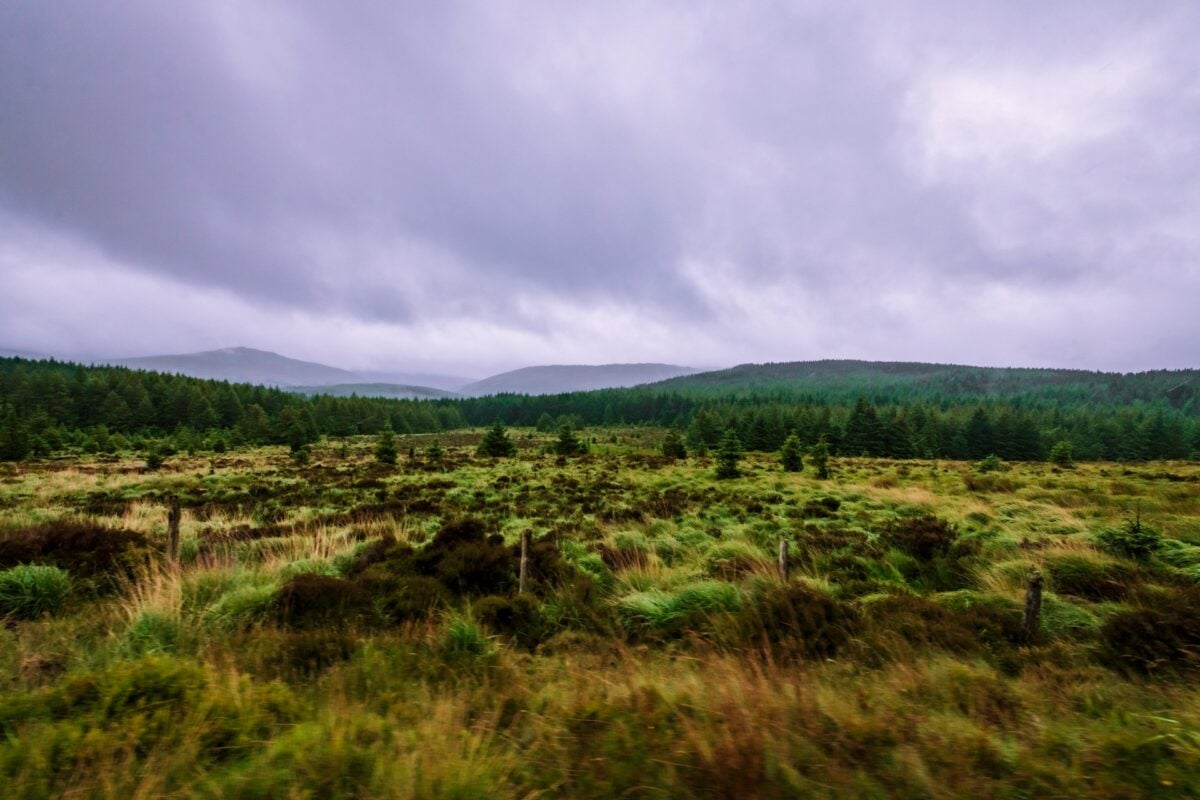
The climate around the Mediterranean Sea, along with similar climates in California, Chile, South Africa, and Australia, creates tough conditions that only specialized plants can handle. Shrubs with small, waxy leaves dominate these areas, designed to conserve water during the bone-dry summers.
Spring transforms these scrublands into flower explosions before the heat arrives. Many plants here contain flammable oils that help them burn and regenerate, creating ecosystems that depend on periodic fires.
The combination of stress and mild winters produces remarkable plant diversity in these underappreciated biomes.
Seagrass meadows carpet shallow ocean floors
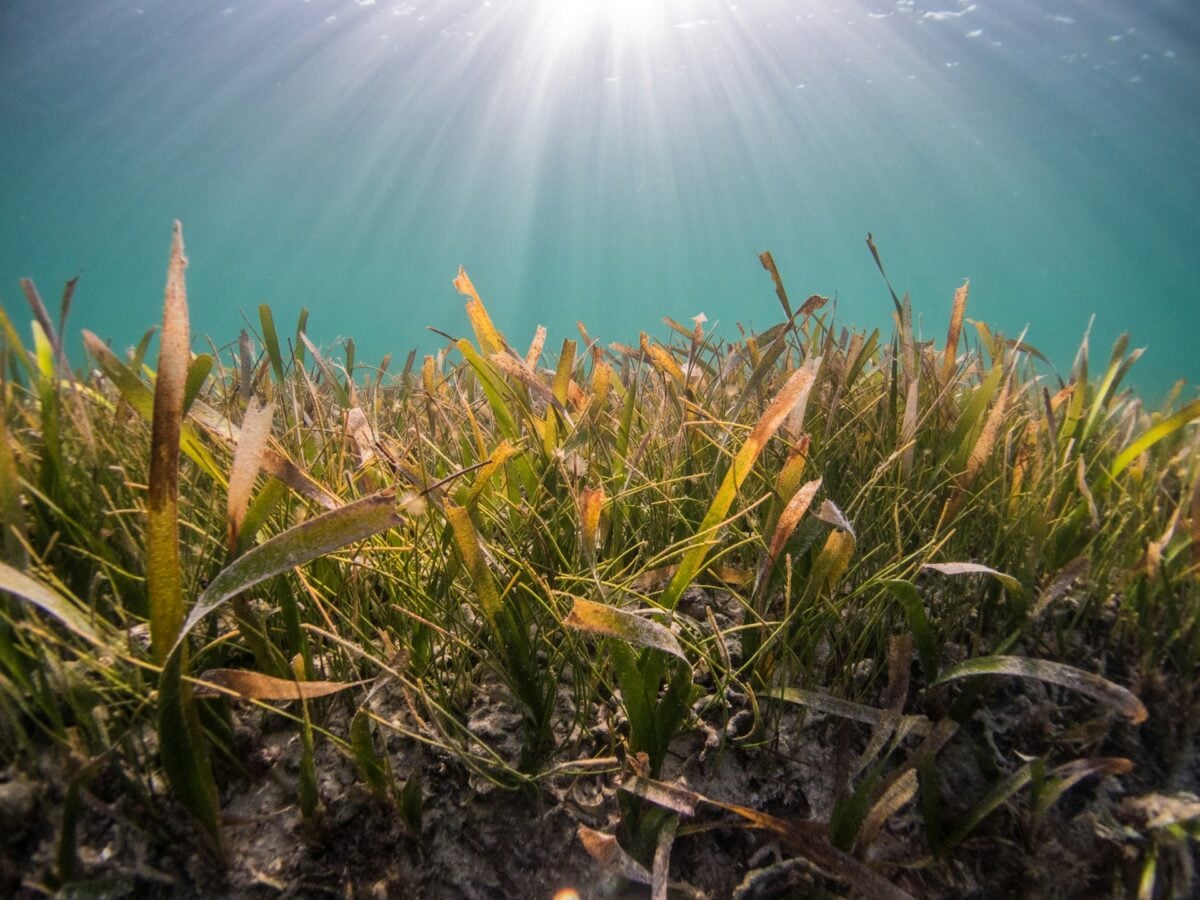
Unlike seaweed, which is algae, seagrasses are actual flowering plants that adapted to live completely underwater. These underwater meadows provide nursery habitat for fish, food for sea turtles and dugongs, and homes for seahorses and pipefish.
One seagrass meadow can hold dozens of plant and animal species in every square meter. The plants stabilize sediment, clear the water, and store carbon just like forests on land.
Tiger sharks hunt in seagrass beds, sea otters wrap themselves in the blades to keep from drifting away, and conch shells slowly plow through the sand between the stems.
Caves host life adapted to eternal darkness
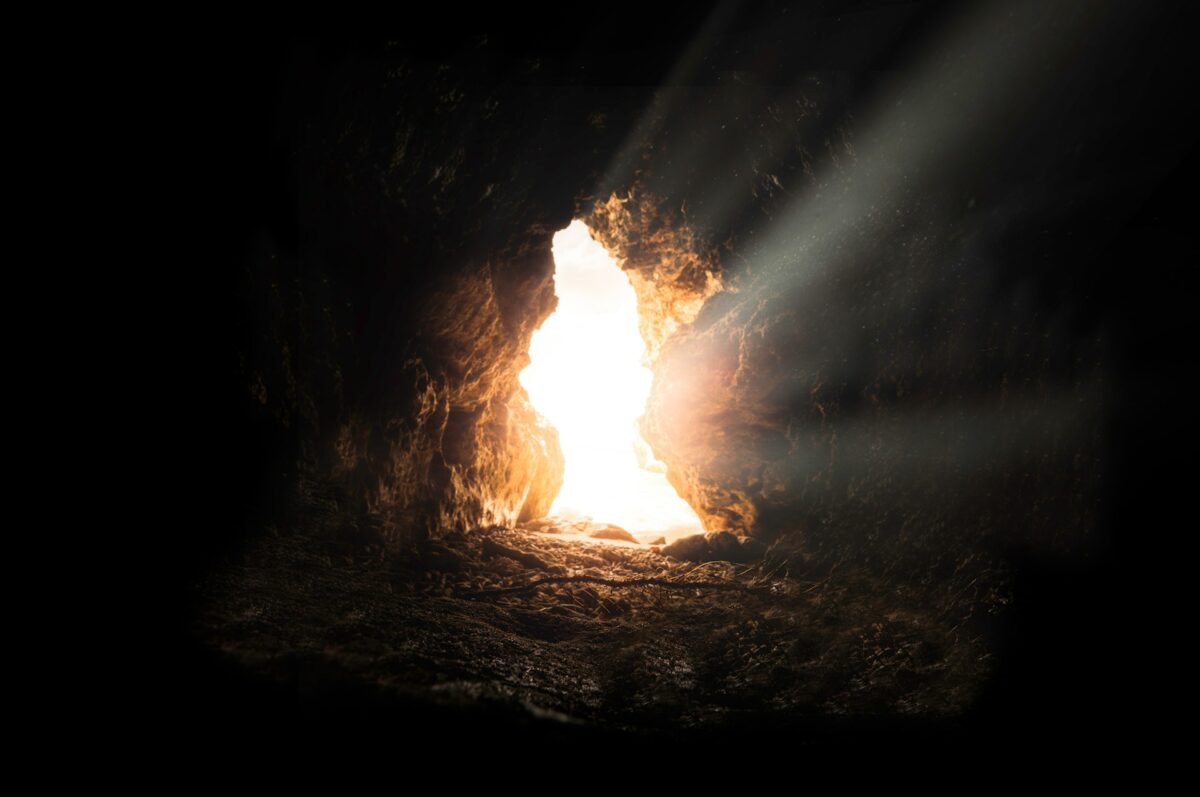
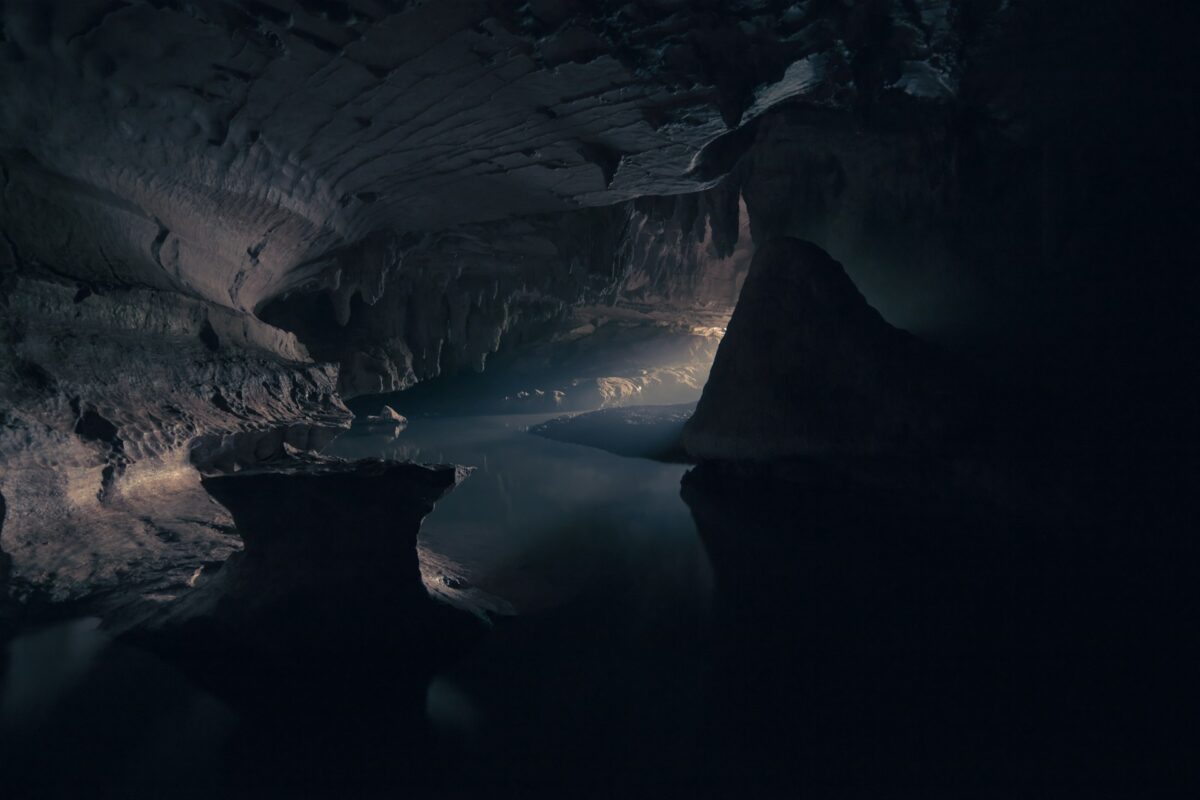
Beyond the entrance zone where light still reaches, deep cave systems support animals that have completely lost their eyes and skin pigment. Blind cave fish, transparent shrimp, and ghostly white spiders survive on nutrients that trickle in from the surface world above.
Bats form the connection between caves and the outside, bringing in energy through their droppings after hunting insects each night. Some caves have unique bacteria and fungi that exist nowhere else, breaking down minerals in ways scientists are still trying to understand.
Each cave system can be like its own isolated world with species that evolved separately for millions of years.
Like Go2Tutors’s content? Follow us on MSN.
Why these hidden worlds matter more than ever
People protect what they know about, and most folks have never heard of páramo grasslands or fynbos shrublands. These lesser-known biomes face the same threats as their famous cousins, including habitat loss, climate change, and invasive species that disrupt the balance.
The species living in these places often have nowhere else to go if their homes disappear. Scientists believe thousands of species in these ecosystems haven’t even been discovered yet, let alone studied or protected.
Learning about these incredible but overlooked corners of nature is the first step toward making sure they still exist for future generations to discover.
More from Go2Tutors!

- 16 Historical Figures Who Were Nothing Like You Think
- 12 Things Sold in the 80s That Are Now Illegal
- 15 VHS Tapes That Could Be Worth Thousands
- 17 Historical “What Ifs” That Would Have Changed Everything
- 18 TV Shows That Vanished Without a Finale
Like Go2Tutors’s content? Follow us on MSN.



