Roles That Defined Celebrity Careers
=Some actors spend decades chasing the right part. Others land it early and ride that wave for the rest of their lives.
The truth is, one role can change everything. It can take someone from obscurity to household name status overnight, or it can completely reshape how audiences see a familiar face.
These performances stick with us because they capture something real. They show an actor at their peak, doing work that feels impossible to separate from who they are.
Years later, you still can’t hear their name without picturing that character.
Heath Ledger’s Joker Redefined Villainy

Before The Dark Knight, comic book villains often felt cartoonish. Then Heath Ledger showed up with greasy makeup and a Glasgow smile, and everything changed.
He wasn’t playing a character. He became chaos itself.
The nervous tics, the voice, the way he moved—nothing felt rehearsed. Every scene crackled with tension because you never knew what he’d do next.
Ledger died before the film’s release, which made the performance even more haunting. But that’s not why it matters.
It matters because he showed what was possible when an actor commits completely to darkness. The Academy agreed, giving him a posthumous Oscar.
Superhero movies have been chasing that intensity ever since.
Marlon Brando Made You Believe in The Godfather

Vito Corleone almost went to someone else. The studio didn’t want Brando.
They thought he was difficult, washed up, not worth the trouble. Francis Ford Coppola fought for him anyway. Good thing he did. Brando’s performance is all restraint and power.
The cotton orbs in his cheeks, the raspy whisper, the way he barely moved but commanded every scene—it was masterful. He made an aging mob boss feel like your grandfather, if your grandfather happened to run organized crime.
That role didn’t just save Brando’s career. It elevated the entire gangster genre.
Every mob movie since exists in its shadow.
Daniel Day-Lewis Embodied Lincoln
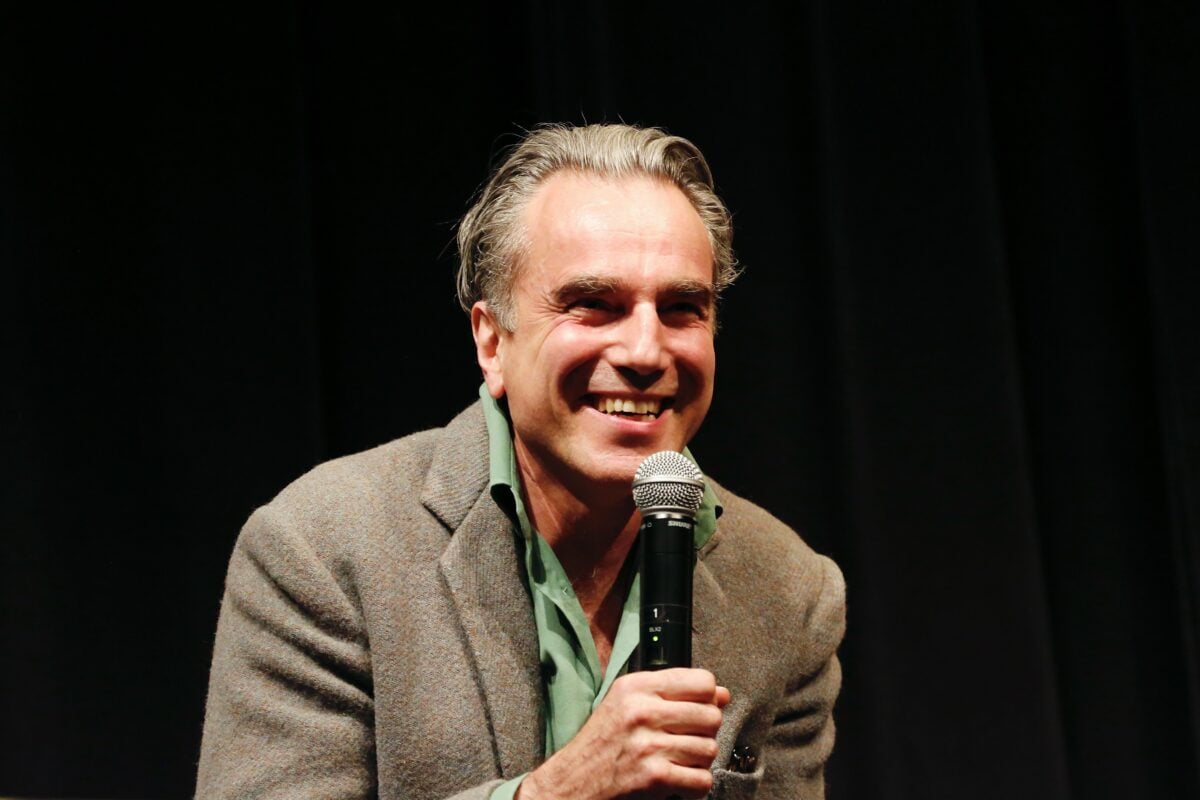
Playing a president is tricky. Go too big, and it becomes a Saturday Night Live sketch. Go too subtle, and nobody remembers you tried.
Daniel Day-Lewis split the difference perfectly. He didn’t impersonate Abraham Lincoln. He channeled him.
The high-pitched voice (historically accurate, by the way) threw people at first. Then you watched him negotiate with politicians, tell stories to his cabinet, struggle with his son, and suddenly you forgot you were watching an actor.
Day-Lewis stayed in character for months during filming. Some people roll their eyes at that kind of method acting.
But when the result looks this natural, the method seems justified. He won his third Oscar for it, cementing his reputation as maybe the best actor of his generation.
Vivien Leigh Gave Scarlett O’Hara Fire
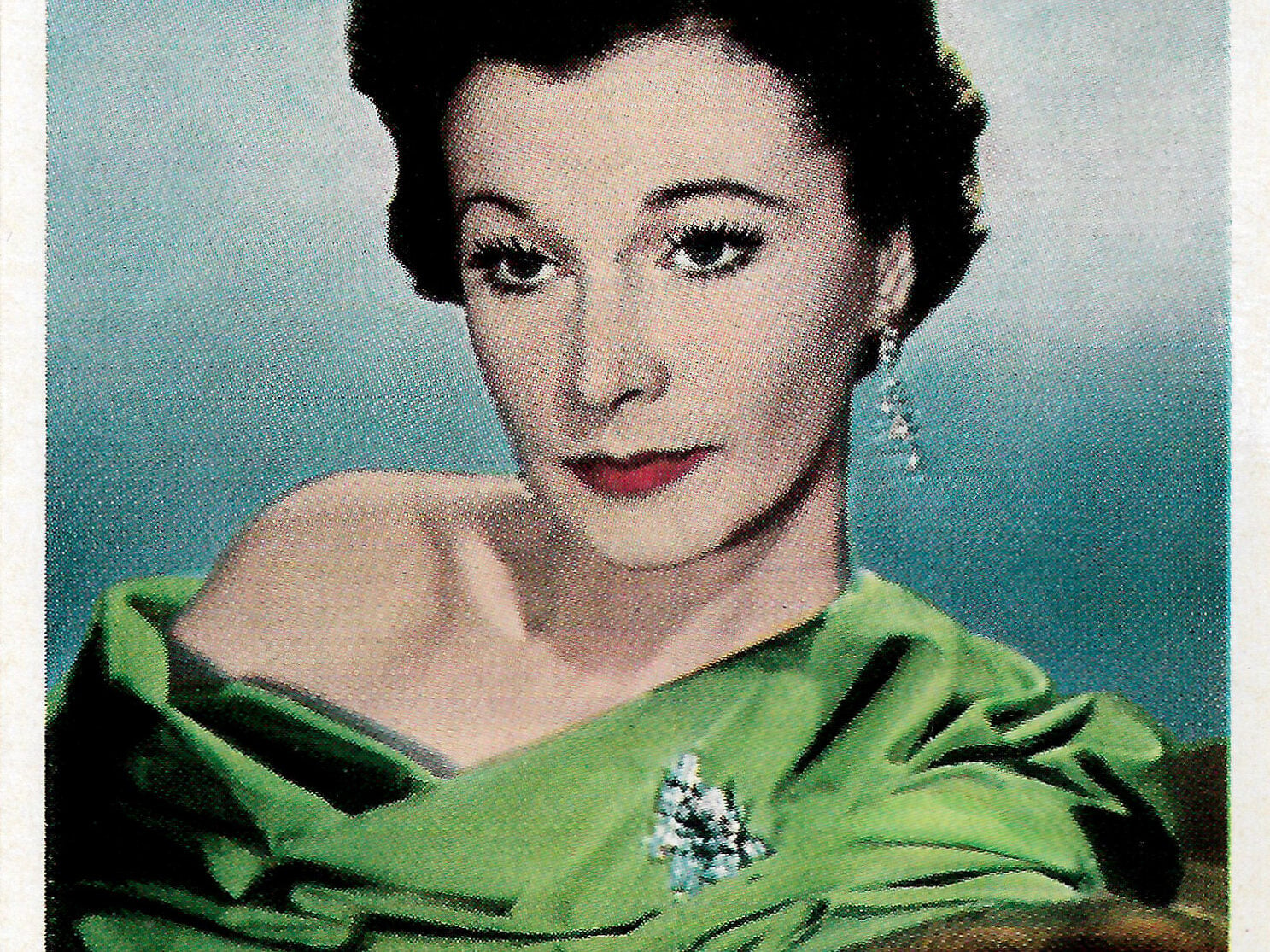
Gone with the Wind was the most anticipated film of its time. Finding the right Scarlett O’Hara felt impossible.
The search went on for years. Hundreds of actresses auditioned. Then Vivien Leigh walked into the room.
She was British, which seemed wrong for a Southern belle. But from her first screen test, she was Scarlett.
Vain, stubborn, fierce, complicated—Leigh brought all of it. The film is nearly four hours long, and she never loses your attention.
She carries scenes with Clark Gable, holds her own against veteran actors, and delivers that iconic “tomorrow is another day” line like she means it. The role won her an Oscar and made her a star.
It also typecast her for years, which happens when you nail something that hard.
Robert De Niro Transformed Into Travis Bickle
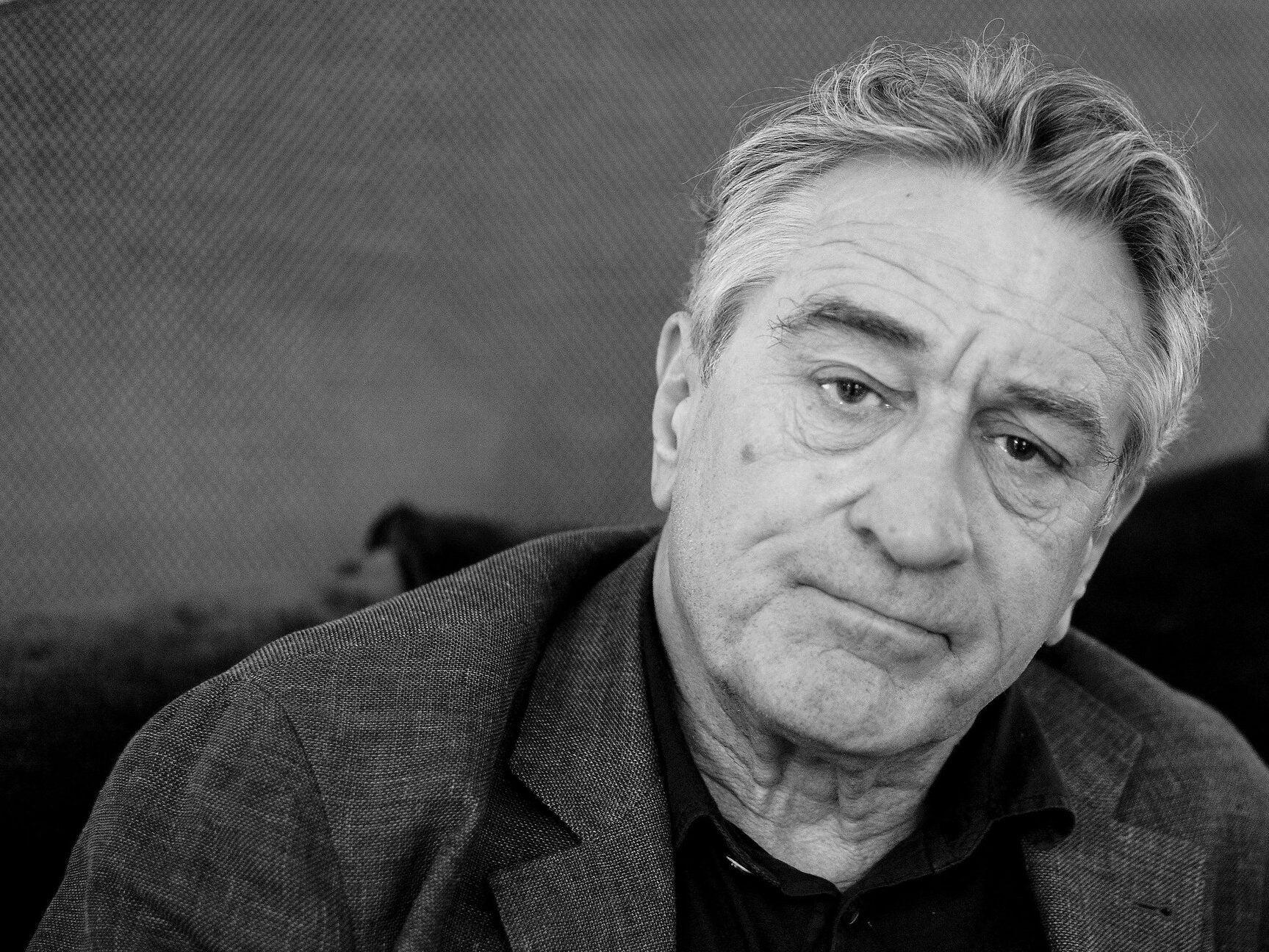
Taxi Driver is uncomfortable to watch. That’s the point.
And Robert De Niro makes sure you can’t look away. He plays Travis Bickle as a man slowly unraveling.
The lonely cab driver who can’t connect with anyone, who gets more disturbed with each passing day, who eventually snaps. De Niro lost weight, drove a cab for weeks to prepare, and found something genuinely unsettling in the character.
That “you talkin’ to me?” scene happened because De Niro improvised it. He was alone in a room with a mirror, and he just went for it.
Now it’s one of the most quoted moments in film history. The performance showed De Niro could do more than tough guys.
He could do broken, dangerous, and pathetic all at once.
Audrey Hepburn Brought Holly Golightly to Life
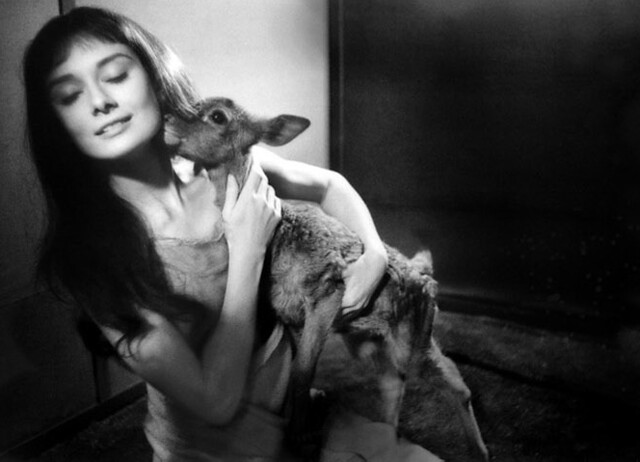
Breakfast at Tiffany’s made Audrey Hepburn an icon. She’d already been a star, but this role crystallized her image in the public mind forever.
Holly Golightly could have been shallow. In less skilled hands, she would have been.
But Hepburn found the loneliness underneath the glamour. The party girl persona was armor, and Hepburn let you see the cracks.
That opening scene—Hepburn in a black dress, eating a croissant while looking at jewelry—became one of the most recognizable images in cinema. The little black dress.
The oversized sunglasses. The pearl necklace.
It all came together because Hepburn knew how to make style look effortless.
Al Pacino Turned Michael Corleone Into a Tragedy

Michael Corleone starts The Godfather as the good son. The war hero.
The one who’ll never get involved in the family business. By the end, he’s ordering hits and lying to his wife.
Al Pacino played that transformation with surgical precision. Watch his eyes. In the early scenes, they’re open, hopeful.
By the final shot, they’re dead. He didn’t change much physically.
Everything happened in small shifts—a harder tone here, a colder stare there. Pacino was relatively unknown when he got the part. Studio executives wanted someone more famous.
But Coppola saw something in him, and Pacino delivered. He made you understand exactly how a good man becomes a monster.
It’s the rare performance where you can track the character’s soul dying in real time.
Meryl Streep Became Miranda Priestly
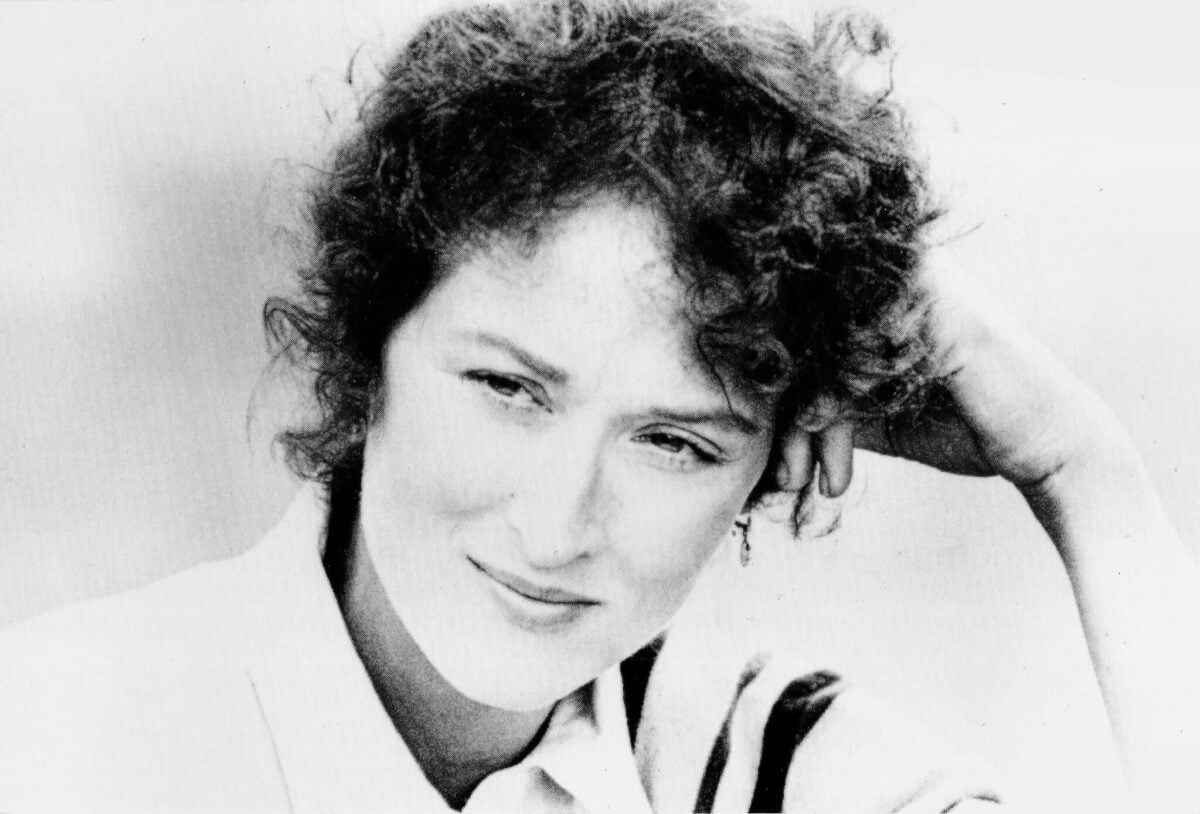
Everyone knows someone like Miranda Priestly. The boss who terrifies you.
The perfectionist who spots every flaw. The woman whose silence is scarier than anyone else’s screaming.
Meryl Streep played her with ice-cold precision in The Devil Wears Panda. She barely raised her voice.
She didn’t need to. One raised eyebrow did more damage than a tantrum.
The performance was funny, terrifying, and somehow sympathetic all at once. That “cerulean sweater” speech is a masterclass in acting.
Streep delivers it so casually, like she’s explaining something obvious to a child. But every word cuts.
The role showed Streep could do comedy and drama simultaneously, and it introduced her to a new generation of fans.
Sigourney Weaver Owned Ellen Ripley

Action heroes were men. That’s how Hollywood worked before Alien.
Then Sigourney Weaver came along and proved everyone wrong. Ellen Ripley wasn’t written as particularly feminine or masculine.
She was just competent. Smart.
Tough when she needed to be. Weaver played her as someone trying to survive, not as someone trying to prove anything.
The scene where Ripley faces down the alien in her underwear should have been gratuitous. Instead, it’s tense.
Weaver made you forget you were watching an actress in a vulnerable position. You were watching a woman fight for her life with whatever she had.
The character became the template for female action heroes, and Weaver returned to play Ripley three more times.
Tom Hanks Found Forrest Gump’s Innocence
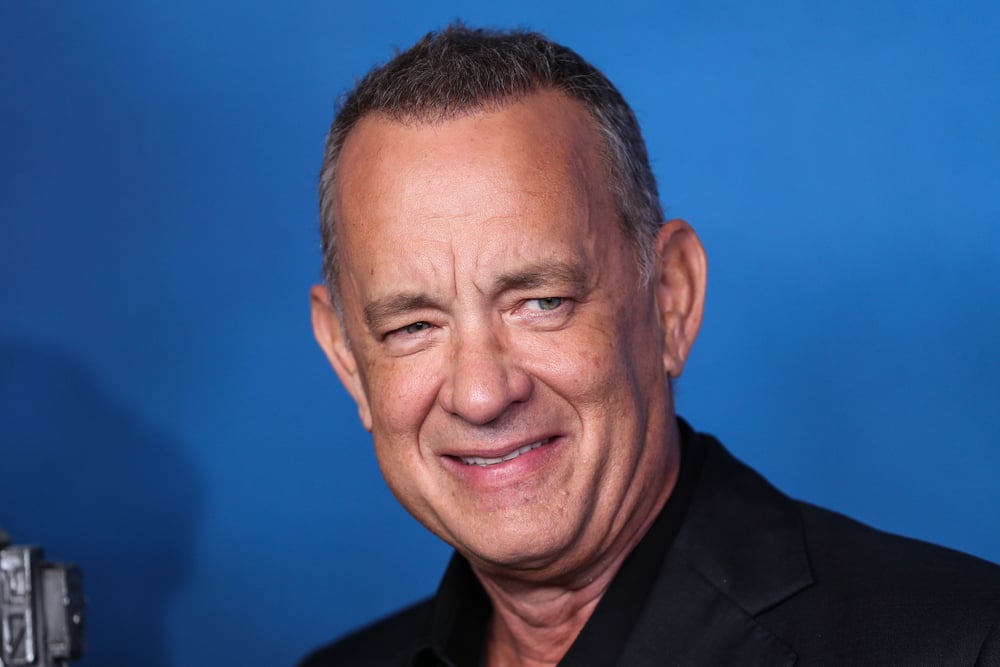
Playing someone with limited intelligence without making it insulting is nearly impossible. Tom Hanks pulled it off by playing Forrest Gump with complete sincerity.
He didn’t wink at the camera. He didn’t mock the character.
He found something pure in Forrest’s worldview. The slow Southern accent, the way he sat, the gentle confusion when life got complicated—Hanks committed to every choice. The film swept the Oscars, and Hanks took home Best Actor.
But the real achievement was making people love a character who could have easily become a joke. Forrest Gump works because Hanks believed in him.
Jack Nicholson Made Jack Torrance Terrifying
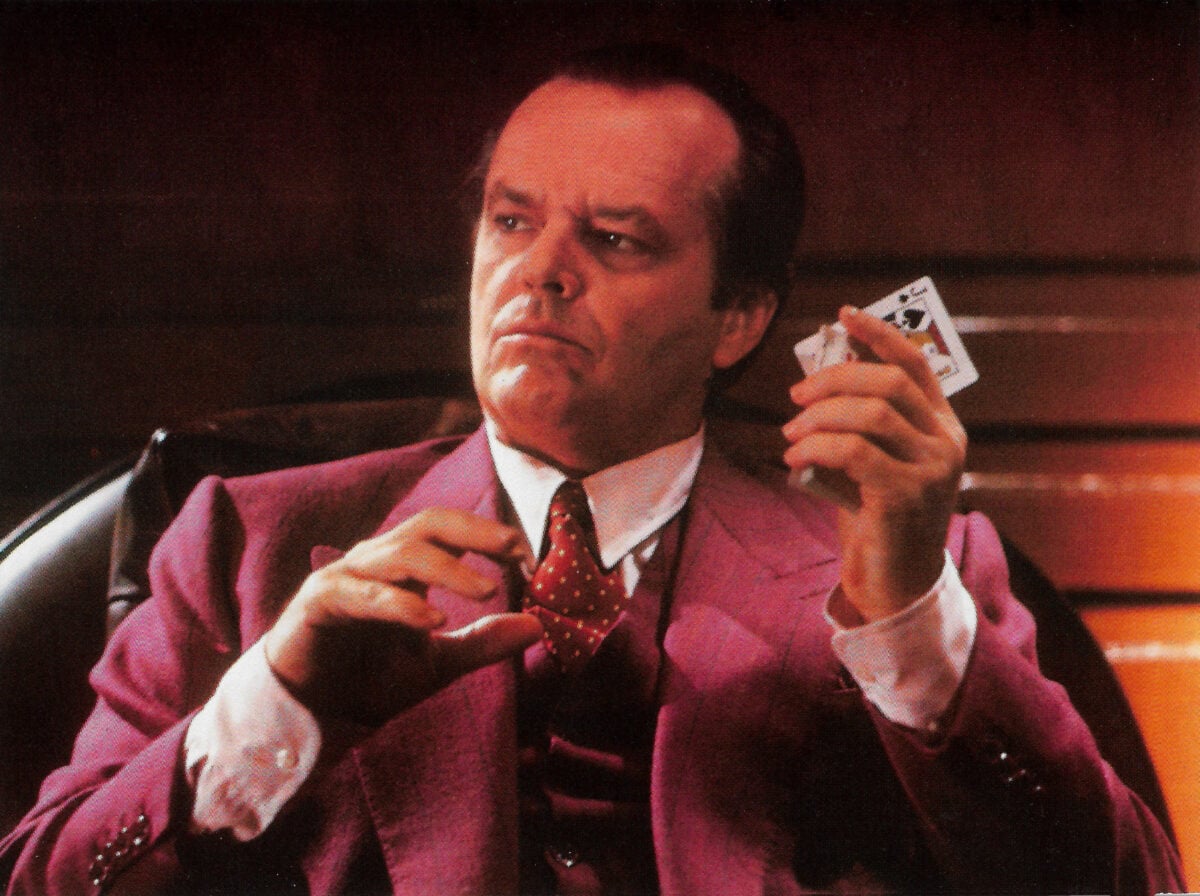
Jack Nicholson has always had an edge. But in The Shining, he went somewhere darker than usual.
Jack Torrance’s descent into madness gave Nicholson room to be unhinged, and he took full advantage. That “here’s Johnny!” scene happened because Nicholson ad-libbed it.
The door, the axe, the manic grin—it’s pure terror. But what makes the performance work is the quiet moments before the explosion.
You watch Torrance try to hold it together, and you see the exact moment he stops trying. Stanley Kubrick put Nicholson through dozens of takes for every scene.
Some actors would have wilted. Nicholson seemed to feed off it.
The result is a performance that still makes your skin crawl.
Charlize Theron Disappeared Into Aileen Wuornos

Bold moves changed everything when Charlize Theron stepped into Monster. Beauty defined her earlier years, sure – but then came extra pounds, fake teeth glued in place.
The actress disappeared completely, becoming Aileen Wuornos, a woman who was killed without warning. What people once saw as glamour faded behind darkened eyes and heavy steps.
What stood out most wasn’t just how much she changed her body. It was the soul she showed in someone monstrous.
Before Wuornos took lives, life had already taken so much from her – Theron kept that truth alive every second. Anger lived in her voice, fear in her hands, pain rooted deep from youth.
Pity? She didn’t reach for it. Fascinating how Monster pulls you in so deep.
Suddenly, her fame fades behind a performance that feels raw, real. Beauty steps aside when acting hits hard enough.
The role shapes everything. Truth wins every time.
Why These Roles Still Matter

A moment that changes everything comes only after long effort, bold choices, a split-second chance. Someone must have practiced until their bones knew the part.
A story worth telling had to appear, fully formed. Timing tilted in their favor when least expected.
Something clicks when everything falls into place. The director must recognize what could be.
That shift in perception rewrote their paths entirely. Fame had already found some before they stepped into those shoes.
For others, it was a leap taken in silence, with no safety net behind them. Each role carried weight far beyond the script.
What mattered most? A single chance to give every ounce of what they held inside. Floating through parts might keep you working.
Still, the moments that carve a name happen when comfort vanishes. Presence kicks in.
A gamble unfolds on screen. What lands stays etched in minds way past the final scene.
This separation – solid versus iconic – isn’t about polish. It lingers because it dared.



