Unusual Wedding Practices Across Cultures
Marriage celebrations differ wildly across cultures, yet what looks odd at first glance might carry weight. Through rituals, character gets measured – sometimes luck improves, sometimes bonds form in quiet ways hard to see up close.
Outsiders frown at actions that feel natural to those raised within them. Meaning hides beneath surface-level confusion, revealed only through time and lived experience.
The Bride Gets Covered in Trash

Sometimes in Scotland, close ones surprise the bride weeks ahead. Covered in rotten liquids, pitch, even bird plumes – she stands drenched, loud chaos ringing around.
Neighbors peek out, drawn by noise, laughter echoing off stone houses. Walking public roads like this, sticky and wild-haired, is said to toughen her spirit.
Grace under such madness hints at strength later, when married years bring their own storms.
A Month of Tears

A full moon before the big day, Tujia women begin to cry. Ten nights later, mothers take up the sound.
Grandmothers follow, voices rising like morning mist. Other women join, one by one, until every voice weaves into a shared rhythm.
On the wedding, tears fall together, loud and steady. It sounds like grief but means something deeper – joy tangled with loss. Leaving home brings its own kind of song.
Not every sob sounds alike – certain tunes have traveled from one family line to the next. A wedding might feel off if her tears lack weight, some believe.
Stealing the Bride for Real

Romanian Romani communities sometimes stage mock kidnappings where groomsmen “steal” the bride during the reception. The groom then has to pay a ransom—usually drinks for everyone—to get her back.
In parts of Kyrgyzstan, though, bride kidnapping used to be less playful. While illegal now, the tradition reflected old nomadic customs about marriage and family alliances.
Modern celebrations keep the theatrical version without the coercion.
Blessings That Soak You
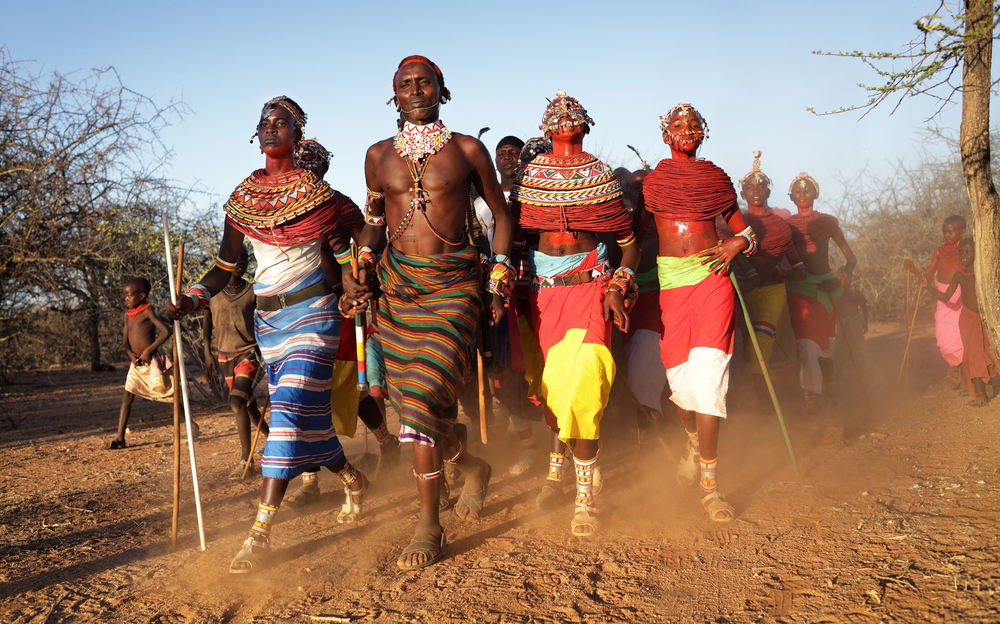
To some, what happens next seems strange – the Maasai welcome married couples through an unusual rite. A father leans forward, places saliva on his daughter’s forehead and upper body moments before she departs.
In their world, this act is full of meaning; it carries hope, protection, even grace. She moves toward her future, eyes fixed ahead. Turning around could bring misfortune, so the story goes – some say it turns women to rock.
Tradition guides each step.
Smashing Plates for Luck

Germans throw porcelain plates, cups, and toilets at the couple’s doorstep before the wedding. Yes, toilets. Friends and neighbors bring their old dishware and hurl it at the ground, and the couple cleans up the mess together.
This practice, called Polterabend, teaches them their first lesson in teamwork. The louder the crash, the better the luck.
Only porcelain counts—breaking mirrors or glassware brings bad fortune instead.
The Kola Nut Ceremony

Nigerian Igbo weddings revolve around the kola nut, a bitter seed that holds deep cultural weight. The groom’s family presents it to the bride’s family, who breaks it and shares pieces with everyone present.
How the nut breaks reveals the marriage’s future—an even split means harmony, while an uneven break requires interpretation from elders. Every person at the ceremony eats a piece, symbolizing their role as witnesses to the union.
The ceremony includes prayers, ancestral invocations, and long speeches about family lineage. Elders speak for hours sometimes, tracing both families back generations.
Young couples sit patiently through this because the kola nut ceremony legitimizes their marriage in ways legal documents never could.
Walking on Fire

In some Chinese communities, the groom’s family lights a path of hot coals, and the bride walks across it barefoot before entering her new home. The fire purifies her and burns away bad luck from her past.
Some versions involve the groom carrying her across instead, demonstrating his strength and willingness to protect her from harm. Modern couples sometimes replace real coals with symbolic red fabric, keeping the tradition alive without the third-degree burns.
Games That Delay the Wedding
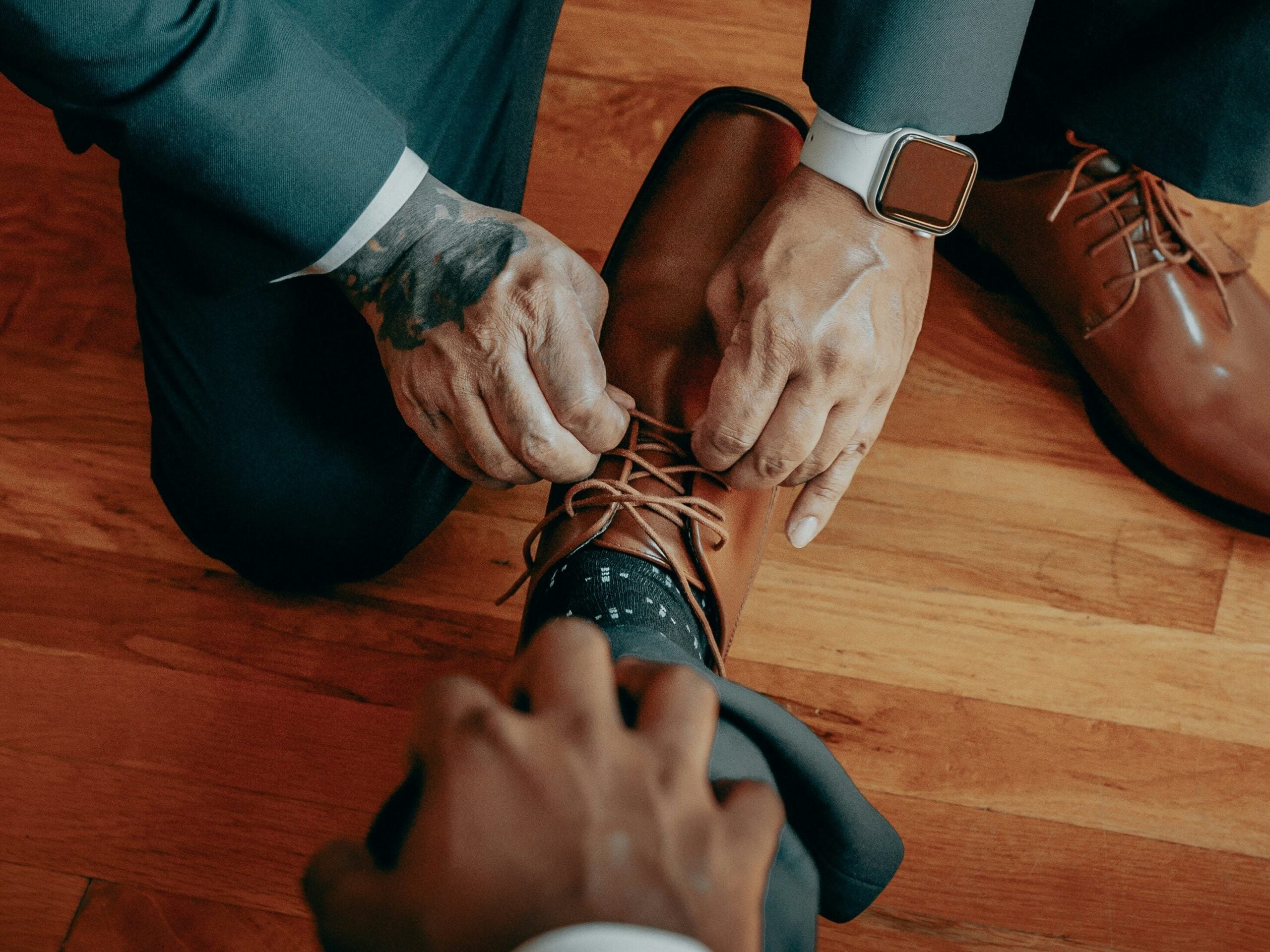
Bengali families in India hide the groom’s shoes during the ceremony. His side has to guard them, and the bride’s side tries to steal them.
If the bride’s family succeeds, they demand ransom before returning the shoes. The groom can’t leave without footwear—tradition says he’d bring bad luck into his marriage.
This playful battle breaks the ice between two families who might not know each other well yet. The negotiations get heated sometimes, with real money changing hands.
Younger cousins on both sides treat it like a sport, plotting elaborate heist strategies days in advance.
Washing Away the Past

Nowhere else feels quite like that moment when she sits barefoot on the floorboards, surrounded by aunties and cousins. Milk spills softly over her toes, mixed with petals floating in rose water.
Their hands guide it gently, using locks of their own hair to wipe each sole clean. Songs rise without warning – voices trembling through verses about homes left behind, promises ahead.
She weeps quietly, not because someone expects her to, but because something real slips away right there. Becoming a wife begins where childhood ends, marked not by words, but wet strands and song.
Feeding Guests in Unusual Ways
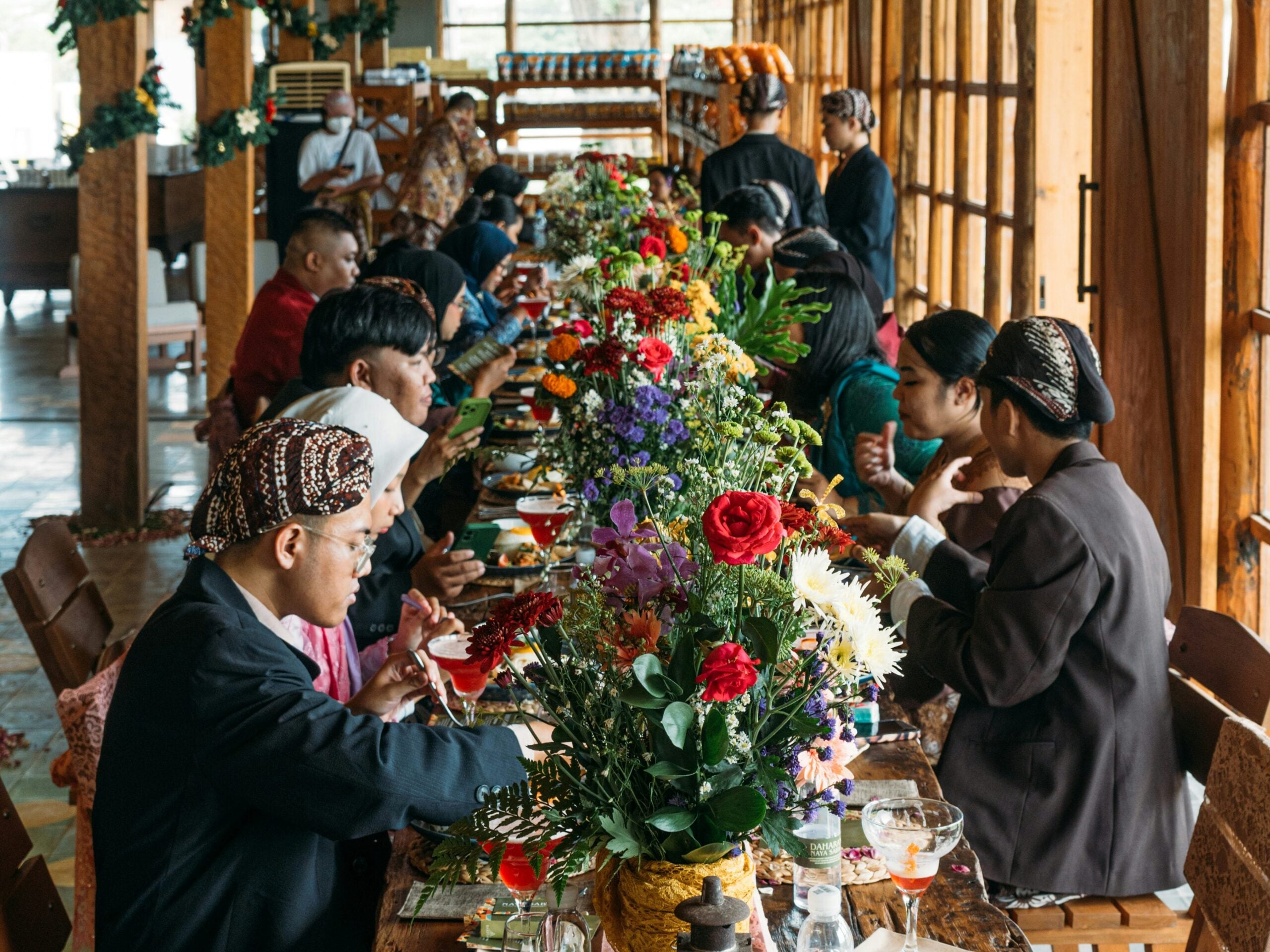
A roasted sheep might show up at Mongolian weddings, though how it is handled means more than the meal itself. Prosperity lives in the animal’s fat, shared according to who you are to the newlyweds.
The oldest guest takes the tail – rich, prized, set aside for respect. If someone turns down their portion, it stings the hosts, like rejecting the union.
Sawing Through Obstacles Together

A log stands waiting, right after the vows are said. A shared saw demands balance – too much force from one side stops progress.
Onlookers stay quiet at first, then clap once the wood gives way. Rhythm matters more than strength here.
Long ago, farm couples split firewood just like this every morning. Survival depended on timing, not passion.
When winter came, mismatched pairs struggled while others adapted without words. A giant pretzel might show up instead of a log at certain German weddings these days.
Still, the meaning behind it doesn’t change one bit.
The Shoe Battle Returns

Another shoe custom at Hindu weddings involves the bride’s sisters robbing the groom of his shoes while he is sitting barefoot. The sisters have significant negotiating power because he cannot perform some rituals without them.
They ask for cash, jewelry, or assurances of future favors. Days before the wedding, astute sisters search for hiding places, and astute grooms bring fake shoes.
The groom is supposedly kept modest by this custom, which also serves as a reminder that his new wife’s family demands respect.
Gifts That Test Commitment

In some Mongolian communities, the groom must give specific gifts to the bride’s family before the wedding can happen. These are not small presents; families request whole horses, ornate saddles, or other valuables that demonstrate the groom’s wealth and dedication.
In order to get ready for their son’s marriage, poor families occasionally spend years accumulating wealth through wise trading and saving. When the gifts are eventually returned in different ways, a cycle of generosity between families is established.
When Rituals Speak Louder Than Vows

These traditions are connected by more than just their peculiar appearance. Marriage becomes more of a public spectacle than a private vow.
Like heat to flame, entire towns are drawn in. Family members must confront one another; they may disagree or get along.
The two are closely observed and gently guided through moments that reveal their true selves. From those moments, stories develop that go well beyond cake and music.
Nobody wants spoiled fruit or spit to land on fabric. However, in ways that a traditional ritual just cannot match, such acts bind people to their roots, soil, and kinship.
These actions acknowledge the ways in which unions alter reality, not just for the two people involved but also for everyone who is close to them.
More from Go2Tutors!

- The Romanov Crown Jewels and Their Tragic Fate
- 13 Historical Mysteries That Science Still Can’t Solve
- Famous Hoaxes That Fooled the World for Years
- 15 Child Stars with Tragic Adult Lives
- 16 Famous Jewelry Pieces in History
Like Go2Tutors’s content? Follow us on MSN.