Costly Blunders That Altered History
Everyone has a moment they replay at 3 a.m. The email sent to the wrong person.
The investment you laughed off. The turn you didn’t take.
Most of those mistakes fade within a week, and nobody outside your household ever hears about them.Some mistakes don’t fade.
A wrong turn, a dismissed warning or a missing key has, more than once, decided wars, sunk ships and wiped out companies worth more than entire national economies. The people who made them weren’t fools, either.
Most were experienced, confident and surrounded by advisers. That’s exactly what makes their stories useful.
Here are the blunders that cost the most and the lessons hiding inside each one.
1. Napoleon Marches on Moscow
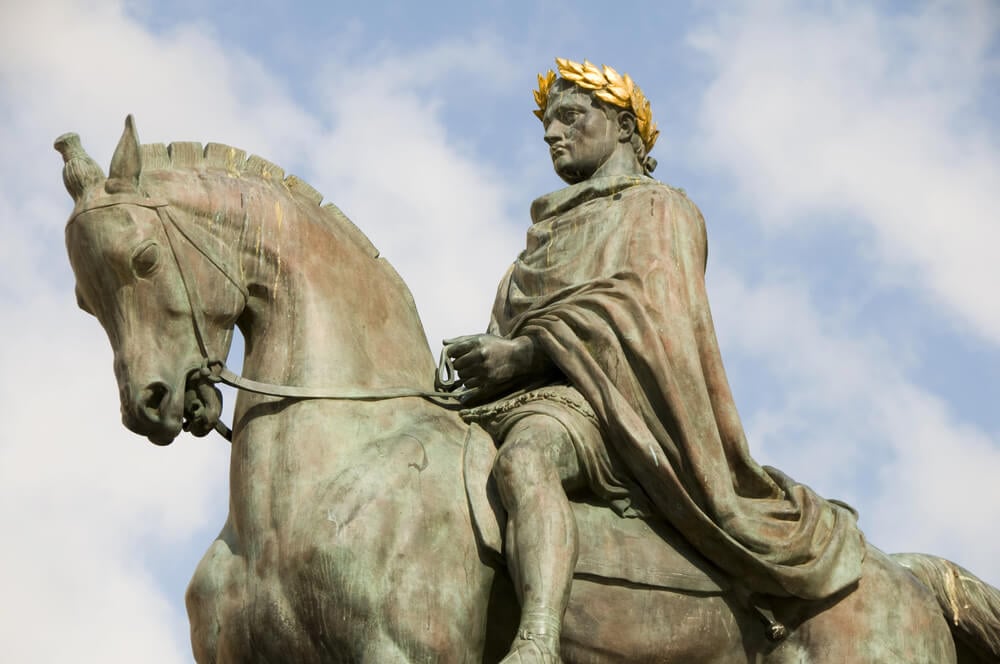
In June 1812, Napoleon Bonaparte led one of the largest armies Europe had ever seen across the Neman River into Russia. Estimates put it at roughly 600,000 men.
He expected a short campaign and a quick, decisive battle that would force Tsar Alexander I to negotiate. The Russians refused to cooperate.
They retreated, burned crops and stripped the land as they went. The French reached Moscow in September and found it largely empty, and then fires swept through the city.
Napoleon waited more than a month for a surrender that never came. The retreat began in October.
Winter arrived early, supply lines collapsed, and Cossack raiders picked off stragglers. Only a small fraction of the army that marched east made it back across the border.
Napoleon’s empire never recovered. Within two years, he was in exile on Elba.
His blunder wasn’t courage or even ambition. It was assuming the other side would play by his script.
2. Splitting the Column at Isandlwana
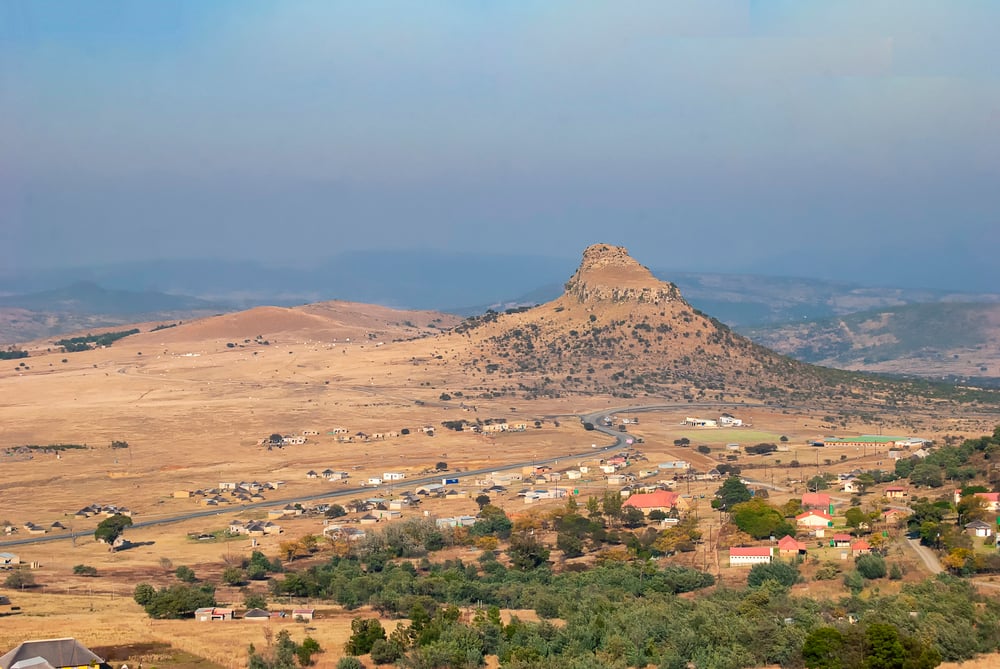
On 22 January 1879, a British invasion force camped at the foot of Isandlwana, a distinctive hill in what is now KwaZulu-Natal. The commander, Lord Chelmsford, had little respect for the Zulu army.
He believed his main threat would be finding the enemy, not fighting them. Early that morning he split his force and rode out with a large portion to chase what he thought was the main Zulu army.
He left the camp lightly defended, unentrenched and spread out over a wide area. Meanwhile, a Zulu force of around 20,000 warriors was concealed in a valley nearby.
When they attacked, they used the classic “horns of the buffalo” formation, encircling the camp from both sides. Within hours, more than 1,300 men on the British side were dead, including many African troops fighting alongside them.
It remains one of the worst defeats the British Army suffered against an indigenous force. The defence of Rorke’s Drift later that same day got the medals and, eventually, the Hollywood film.
But Isandlwana is the battle that should be taught in every boardroom. Underestimating an opponent you don’t understand is the most expensive kind of arrogance.
If you drive out there today, the white cairns marking the graves still dot the slope, and the silence of the place says more than any history book.
3. The Missing Binoculars on the Titanic
Days before the Titanic sailed from Southampton in April 1912, the White Star Line reshuffled its officers. Second Officer David Blair was bumped from the voyage.
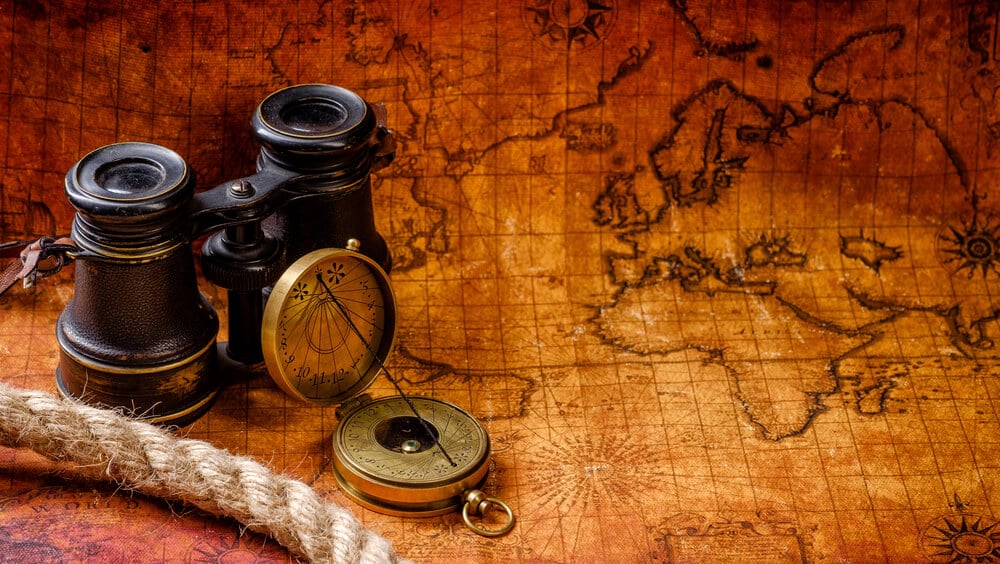
He left the ship, and in his pocket he took the key to a locker that reportedly held the binoculars for the crow’s nest lookouts. So the lookouts on the most famous ship in the world searched the dark North Atlantic with nothing but their own eyes.
Historians still debate whether binoculars would have helped on a moonless night. One of the surviving lookouts, Frederick Fleet, later told an inquiry he believed they would have spotted the iceberg sooner.
The bigger blunder was the speed. The Titanic received several ice warnings from other ships that day and kept steaming at close to full speed.
When the iceberg appeared, there wasn’t enough time to turn. More than 1,500 people died.
Blair’s key surfaced at auction in 2007 and sold for £90,000. A small brass object, carried away by accident, became one of the most expensive reminders of what happens when nobody checks the handover.
4. A Wrong Turn in Sarajevo

On the morning of 28 June 1914, Archduke Franz Ferdinand, heir to the Austro-Hungarian throne, rode through Sarajevo in an open car. A young conspirator threw a grenade at his motorcade.
It bounced off and exploded under the next car, wounding several people. The archduke survived.
After a reception at the town hall, he insisted on visiting the wounded in hospital. The route changed.
Nobody told the driver properly. The car turned into a side street by mistake. Someone shouted that it was the wrong way.
The driver braked and tried to reverse, and the car stalled almost directly in front of Gavrilo Princip, a 19-year-old Bosnian Serb who had given up on the plot and was standing outside a café. Princip fired twice.
Franz Ferdinand and his wife Sophie both died. Within weeks, Europe’s alliances dragged the continent into the First World War, which killed millions. A failure of communication between a few officials in one city set it in motion.
5. The Zimmermann Telegram

By early 1917, the United States had stayed out of the First World War for more than two years. Germany wanted to keep it that way, but it also planned to resume unrestricted submarine warfare, which risked provoking Washington.
Arthur Zimmermann, Germany’s foreign secretary, came up with a plan. In January 1917, he sent a coded telegram to the German ambassador in Mexico.
If the US entered the war, Germany proposed an alliance with Mexico and promised to help it reclaim Texas, New Mexico and Arizona. British codebreakers in a unit known as Room 40 intercepted and decoded the message.
Britain shared it with the Americans, and newspapers published it in March.Many Americans assumed it was a British forgery. Then Zimmermann admitted it was real.
The US declared war on Germany in April 1917. Fresh American troops and resources helped tip the balance against Germany.
Two lessons sit in this one. Never put in writing what you can’t afford to see on a front page.
And if you’re caught, silence beats a confession.
6. “Don’t Worry About It” at Pearl Harbor
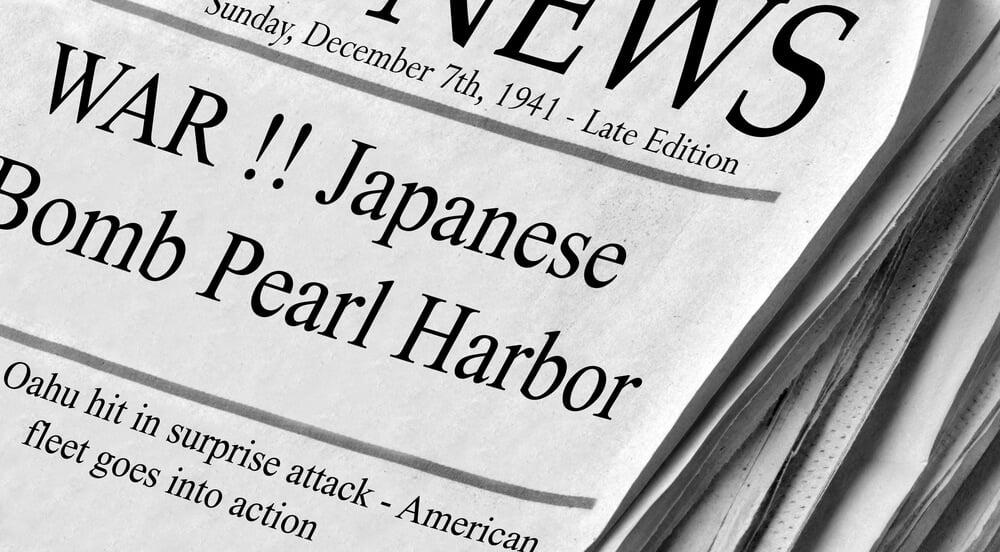
At about 7:02 a.m. on 7 December 1941, two privates operating a radar station at Opana Point on Oahu, Joseph Lockard and George Elliott, saw something huge on their screen. A large formation of aircraft was heading toward the island from the north.
They reported it. The duty officer, Lieutenant Kermit Tyler, assumed it was a flight of American B-17 bombers due in from the mainland. His reply has become infamous: don’t worry about it.
Less than an hour later, Japanese aircraft struck the US Pacific Fleet at Pearl Harbor. More than 2,400 Americans died.
The attack brought the United States into the Second World War.
Tyler had little training and the radar system was new. Blaming one junior officer misses the point.
The real failure was a system where an alarming signal had nowhere to go except a single, inexperienced person who wanted it to be routine. Any organisation that relies on one gatekeeper to interpret bad news has the same weakness.
7. Turning Down the Beatles
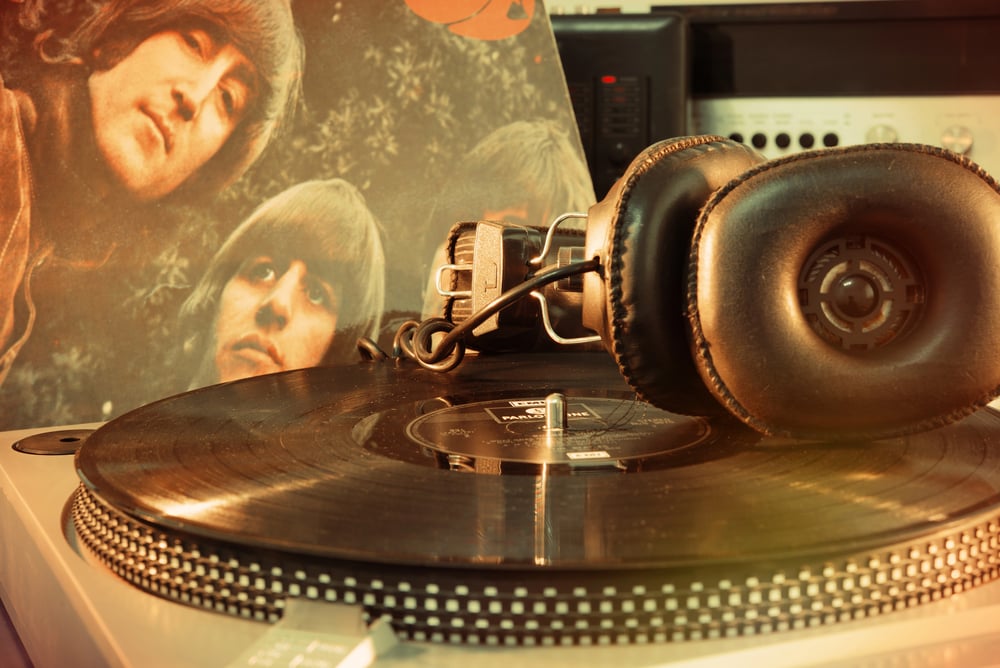
On New Year’s Day 1962, a young Liverpool band travelled to London to audition for Decca Records. They played 15 songs in about an hour.
Decca’s executives passed and signed another group, Brian Poole and the Tremeloes, partly because they were based closer to London. The band’s manager, Brian Epstein, was reportedly told that guitar groups were on their way out.
The band was the Beatles. They signed with EMI’s Parlophone label later that year and went on to become the best-selling act in music history.
Decca did learn something. A few months later, on a tip from George Harrison, it signed the Rolling Stones.
8. Kodak Shelves the Digital Camera
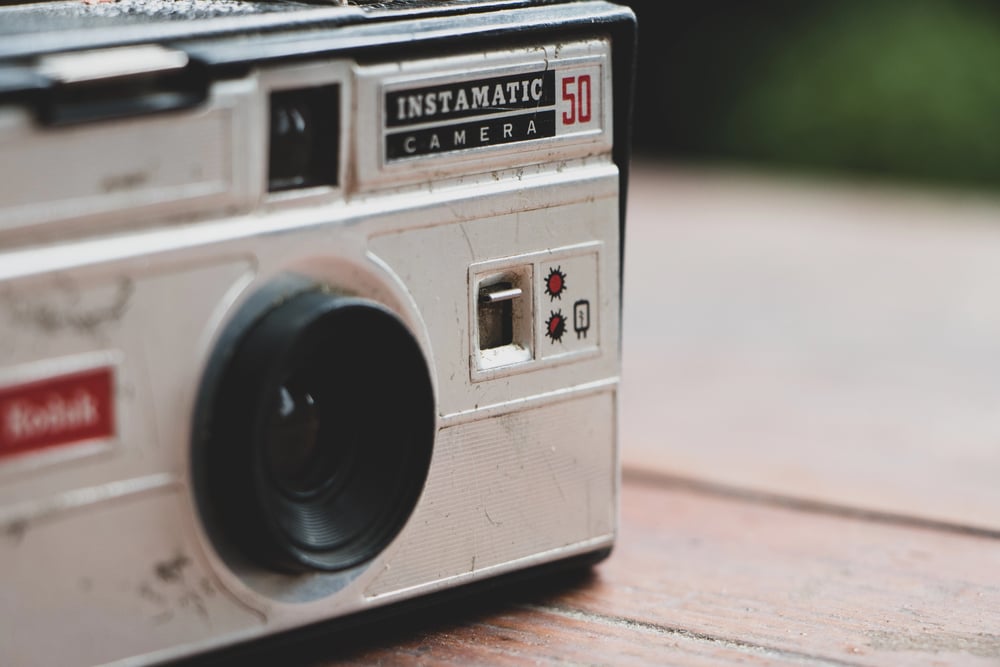
In 1975, a young Kodak engineer named Steven Sasson built the first self-contained digital camera. It weighed about 3.6 kilograms, captured black-and-white images at 0.01 megapixels, and took 23 seconds to record each picture onto a cassette tape.
Kodak’s executives were polite and unimpressed. The company made enormous profits from film, chemicals and printing.
A camera that needed none of those threatened the core business. So Kodak sat on it.
The company did keep patenting digital technology and even sold digital cameras later. But it never committed, because every step toward digital meant cannibalising film.
In January 2012, Kodak filed for bankruptcy. Here’s the part that stings.
Kodak didn’t miss the future. It invented the future and then hid it in a drawer.
If your business today makes most of its money from a product your own staff can see becoming obsolete, that’s your Steven Sasson moment.
9. Selling a Tenth of Apple for $800

Ronald Wayne was older than Steve Jobs and Steve Wozniak by about two decades when the three of them founded Apple Computer in April 1976. He drew the company’s first logo, wrote the partnership agreement and took a 10 percent stake.
Twelve days later, he sold his share back for $800. His reasoning wasn’t foolish at the time.
The partnership made each partner personally liable for debts, and Jobs had taken on credit to fill an early order. Wayne had assets to lose and a past business failure behind him.
He later accepted a further $1,500 to give up any claims. Apple has since become one of the most valuable companies in the world, and a tenth of it is worth hundreds of billions of dollars.
Wayne has said in interviews that he doesn’t regret it. Most people who hear the story regret it on his behalf.
The honest lesson is narrower than it looks: protect yourself from personal liability, but don’t confuse the structure of a deal with the value of the idea.
10. The Cold Morning Challenger Launched

On 28 January 1986, the space shuttle Challenger sat on the launch pad at Cape Canaveral in unusually cold Florida weather. The night before, engineers at Morton Thiokol, the contractor that built the solid rocket boosters, argued against launching.
Their concern was the rubber O-rings that sealed joints in the boosters. In cold temperatures they lost their flexibility.
Engineer Roger Boisjoly and his colleagues had data and they had warnings. During a tense teleconference, NASA officials pushed back.
Thiokol managers held an offline caucus and reversed their engineers’ recommendation. Seventy-three seconds after launch, an O-ring failed, hot gas escaped, and Challenger broke apart. All seven crew members died, including Christa McAuliffe, a schoolteacher who was meant to teach lessons from orbit.
Millions of schoolchildren watched it live. The Rogers Commission later found that NASA’s decision-making process was flawed.
When the people closest to the hardware say stop, the burden of proof belongs with the people who want to go.
11. Chernobyl’s Late-Night Test

At 1:23 a.m. on 26 April 1986, operators at the Chernobyl nuclear power plant in Soviet Ukraine were running a safety test on Reactor 4. The test had been delayed for hours, and the night shift that ended up running it had less preparation than planned.
Operators disabled safety systems and pushed the reactor into an unstable state. The RBMK reactor design had a flaw that the crew didn’t fully understand.
When they tried to shut it down, power surged instead. Explosions blew the reactor apart and spread radioactive material across Europe.
Soviet authorities evacuated the nearby city of Pripyat only the following afternoon, and the government stayed quiet for days. Sweden raised the alarm after its own nuclear plant detected radiation on workers’ clothes.
Today a 30-kilometre exclusion zone still surrounds the site. The disaster also eroded trust in the Soviet government, and Mikhail Gorbachev later said it played a part in the USSR’s collapse.
A safety test, of all things, caused the worst nuclear accident in history.
12. A Fumbled Press Conference Opens the Berlin Wall

On the evening of 9 November 1989, East German government spokesman Günter Schabowski held a press conference. Shortly before it, he was handed a note about new travel regulations.
Nobody briefed him on the details, including the fact that the rules were supposed to take effect the following day. A journalist asked when the new rules started.
Schabowski shuffled his papers and answered that, as far as he knew, it was effective immediately, without delay.
Television broadcast the news across East and West Germany. Within hours, thousands of East Berliners crowded the checkpoints.
The border guards had no orders. At Bornholmer Strasse, the officer in charge finally opened the gate.
The Berlin Wall fell that night, and Germany reunified less than a year later. Not every blunder ends badly.
Sometimes a confused man reading an unfamiliar memo frees a city.
13. The Mars Climate Orbiter’s Units

In September 1999, NASA lost contact with the Mars Climate Orbiter as it arrived at the red planet. The spacecraft had cost about $125 million.
The cause was almost embarrassingly simple. Software from contractor Lockheed Martin calculated thruster data in imperial units, pound-force seconds.
NASA’s navigation team expected metric units, newton-seconds. Nobody caught the mismatch during months of flight.
The orbiter flew far too low and was destroyed in the Martian atmosphere or skipped off into space. South African engineers and builders will recognise this one.
Anyone who has worked with older imperial drawings next to modern metric specs knows how quietly a conversion error slips through. Write the units down. Every time.
14. Blockbuster Passes on Netflix
In 2000, Netflix was a small, loss-making company that posted DVDs to subscribers. Its co-founders, Reed Hastings and Marc Randolph, flew to Dallas to meet Blockbuster’s chief executive, John Antioco.
They offered to sell Netflix to Blockbuster for $50 million and run its online business. Blockbuster’s team reportedly struggled not to laugh. The company had thousands of stores and made a substantial share of its revenue from late fees.
Netflix looked like a niche. Blockbuster filed for bankruptcy in 2010.
Netflix went on to become a global streaming giant worth hundreds of billions of dollars. South African households now pay a monthly subscription to it in rand, and anyone old enough remembers renting a video from a local store and paying a fine for bringing it back late.
Late fees were the giveaway. A business that profits from annoying its customers has built its house on sand.
15. Nenegate
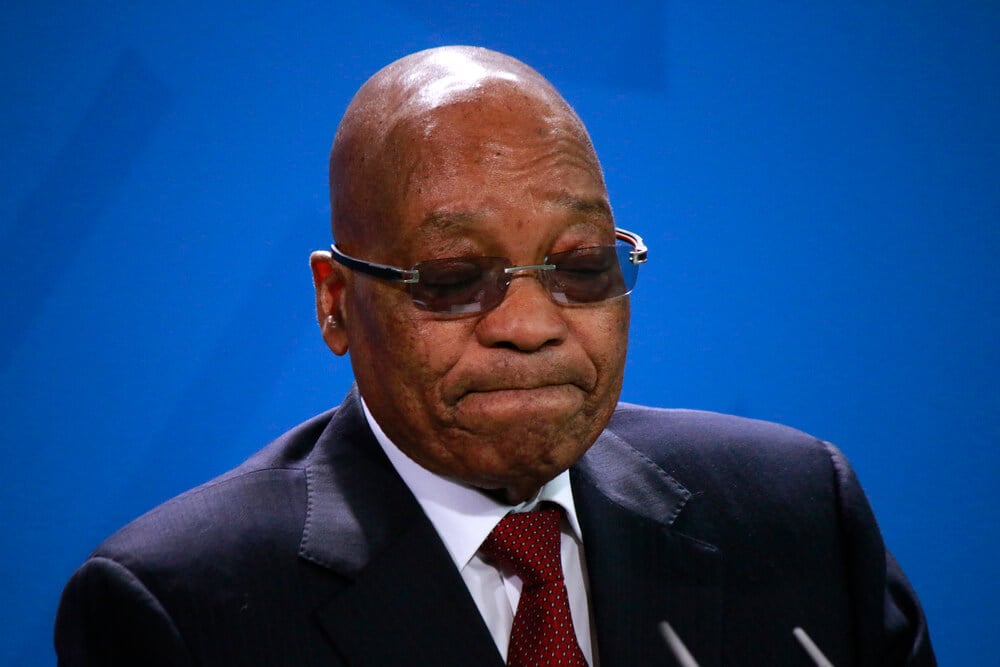
On the evening of 9 December 2015, President Jacob Zuma removed Nhlanhla Nene as South Africa’s finance minister. Nene was respected by investors and had a reputation for resisting wasteful spending.
His replacement, Des van Rooyen, was a little-known backbencher.
Markets reacted immediately. The rand plunged to record lows against the dollar, and bank shares on the JSE fell sharply.
Ratings agencies and investors read the move as a sign that the Treasury was losing its independence. Four days later, under intense pressure, Zuma reversed course and appointed Pravin Gordhan to the post instead.
Van Rooyen became known as the “weekend special”. The episode cost the country dearly in confidence and borrowing costs, and the damage outlasted the four days.
For an individual investor, it was a harsh lesson in why spreading savings across asset classes and currencies matters in a country where a single late-night announcement can move your retirement fund.
Hindsight Is the Cheapest Lens
Every one of these blunders looks obvious now. Of course you take the binoculars.
Of course you listen to the engineers. Of course you buy Netflix for pocket change.
But hindsight costs nothing, and the people involved were working with incomplete information, tight deadlines and the very human hope that bad news would turn out to be nothing. The patterns repeat across centuries.
Arrogance toward an opponent. A warning ignored because it was inconvenient.
A message passed along without anyone checking it. A business protecting the product it has instead of the one its customers want next.
So here’s something practical to take away. The next time you’re about to make a big decision, ask yourself three questions.
Who in the room disagrees, and have you really listened? What would have to be true for this to go badly?
And which small detail, a unit, a key, a handover, is nobody checking? None of this guarantees you’ll avoid a mistake.
But history’s costliest errors rarely came from a lack of intelligence. They came from people who stopped asking questions at exactly the wrong moment. Keep asking.
More from Go2Tutors!

- The Romanov Crown Jewels and Their Tragic Fate
- 13 Historical Mysteries That Science Still Can’t Solve
- Famous Hoaxes That Fooled the World for Years
- 15 Child Stars with Tragic Adult Lives
- 16 Famous Jewelry Pieces in History
Like Go2Tutors’s content? Follow us on